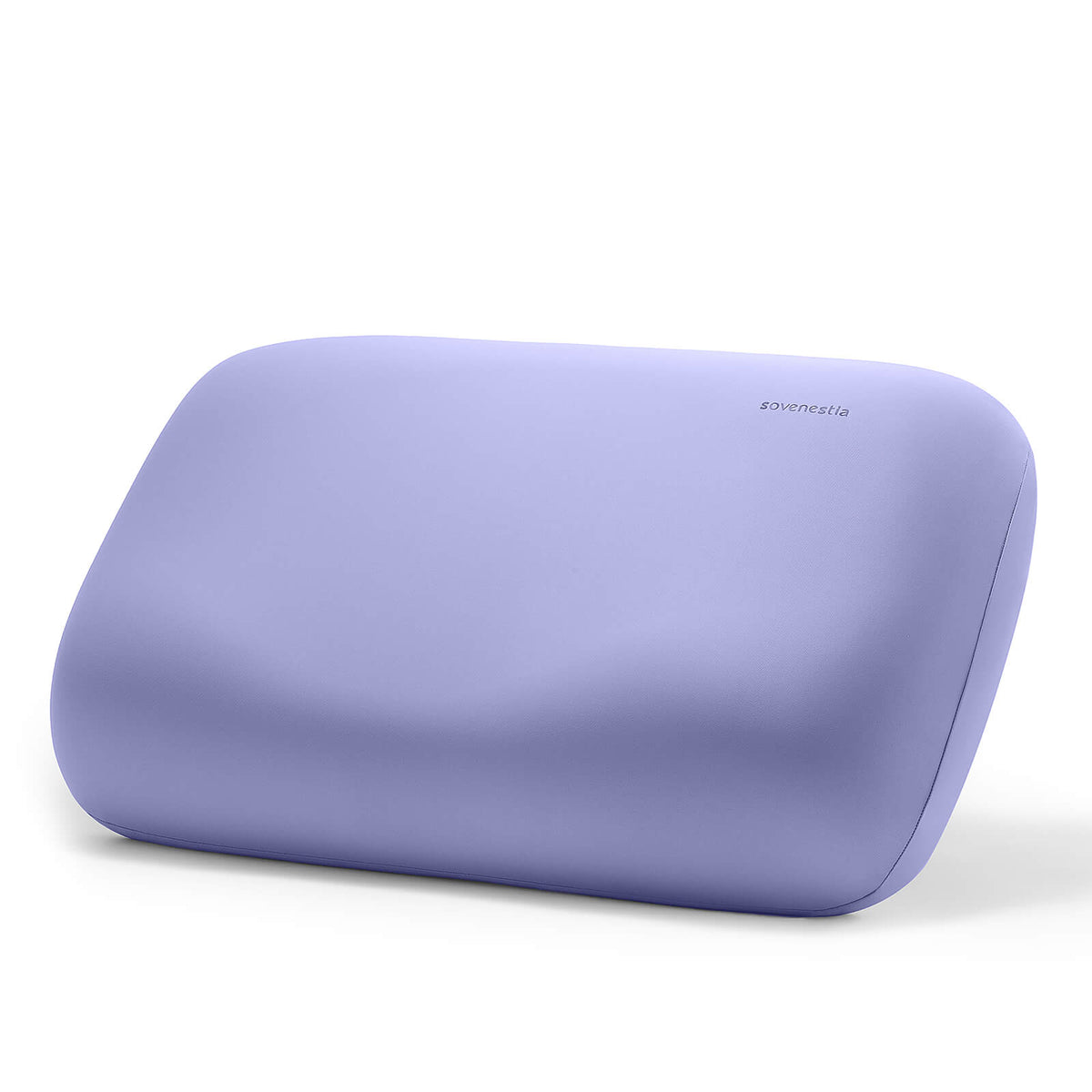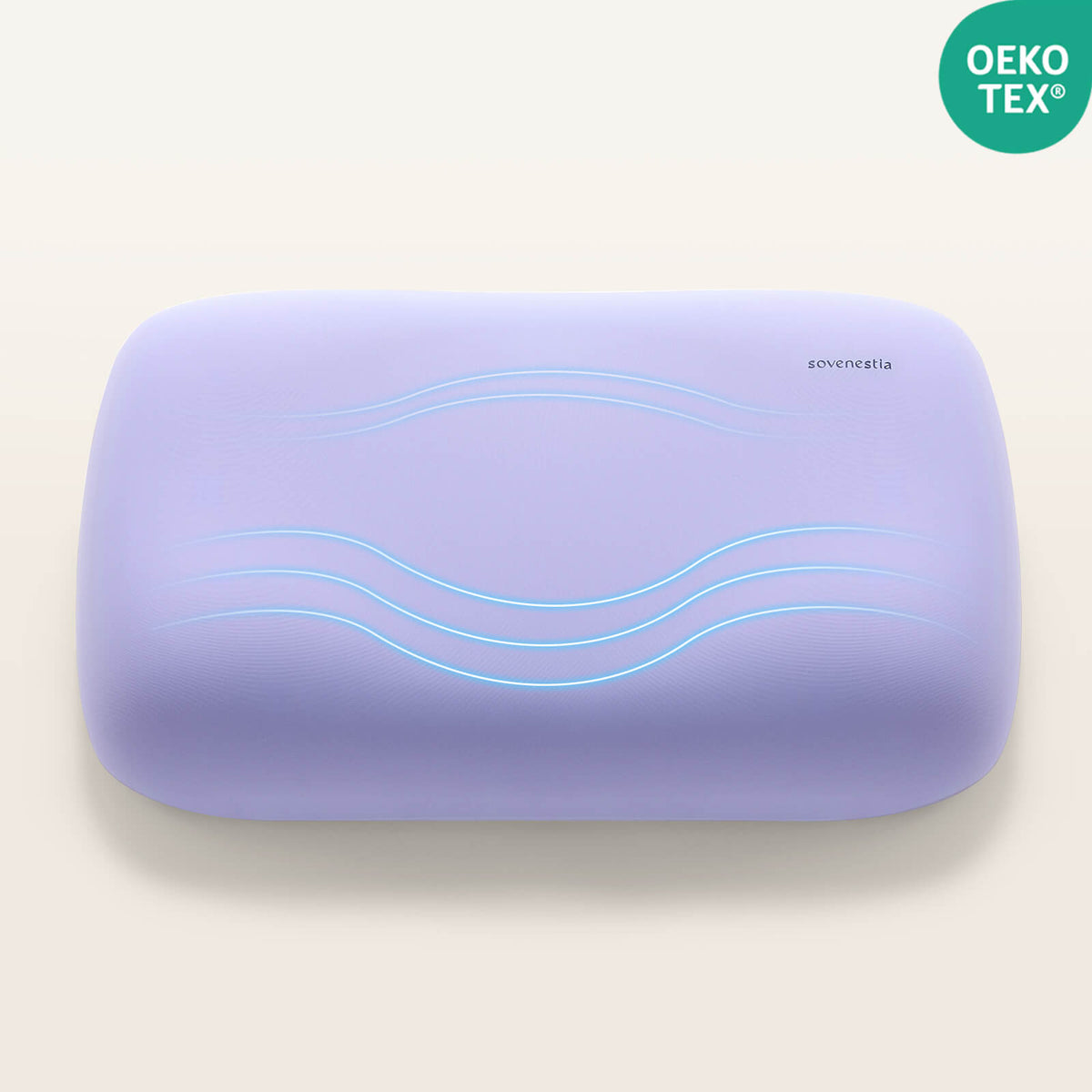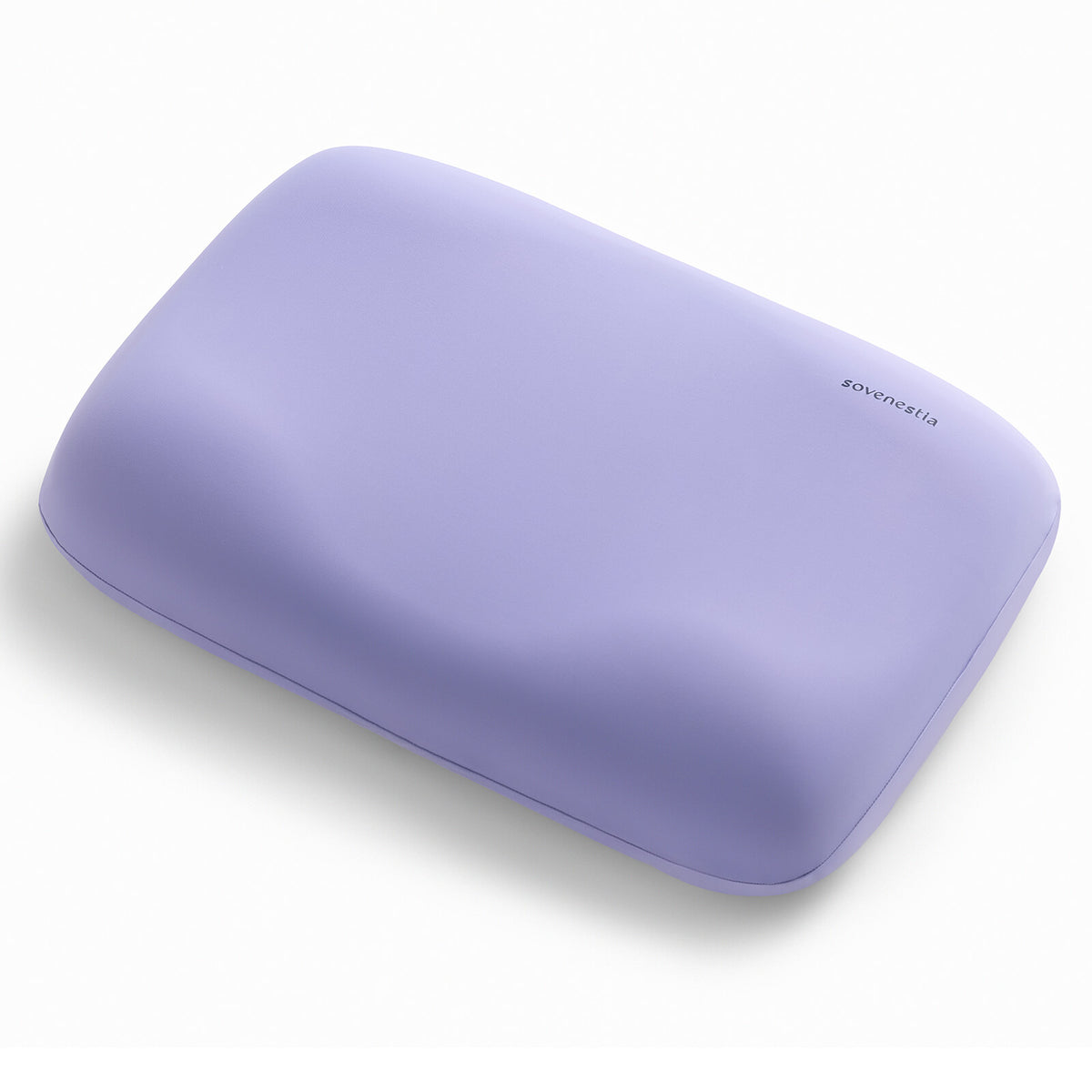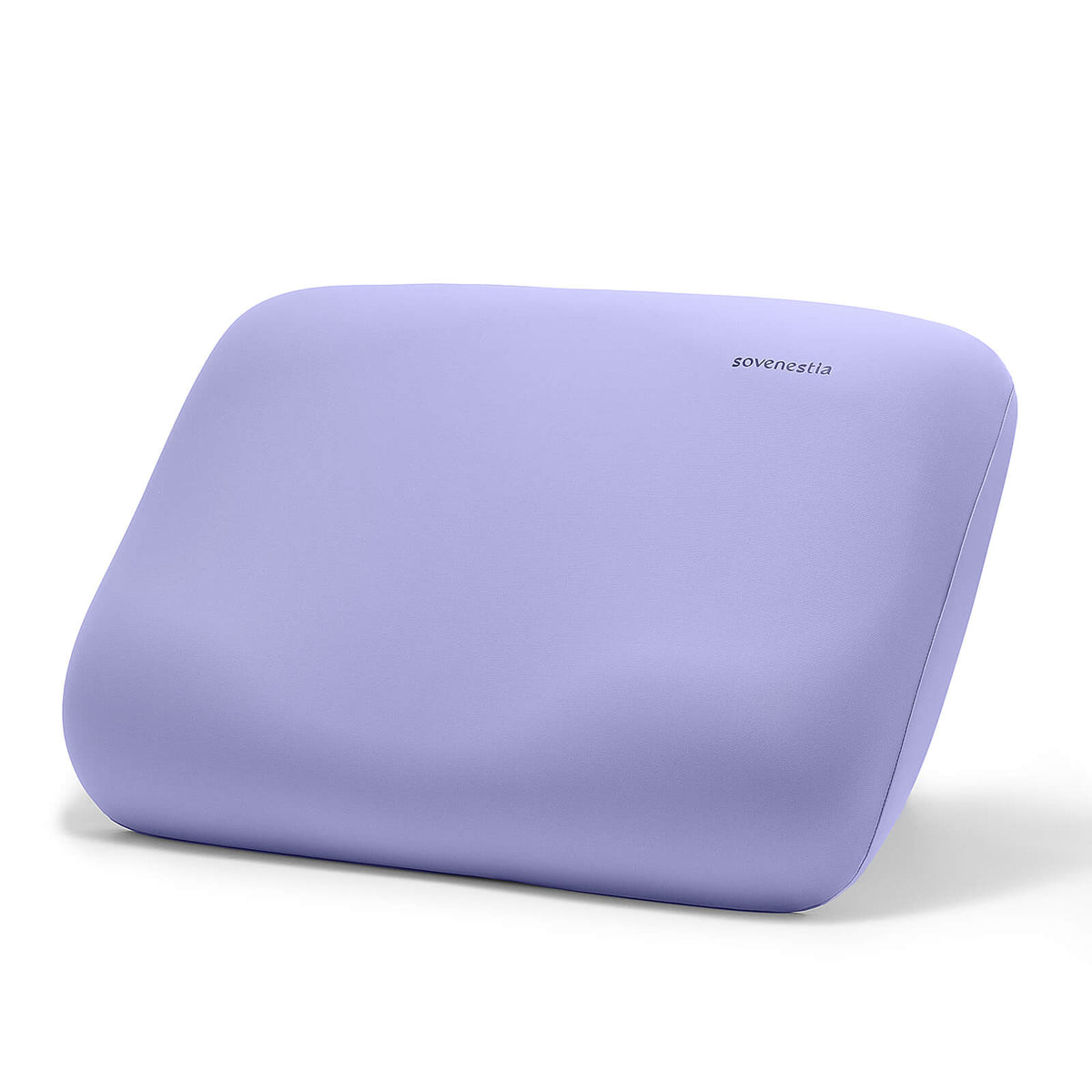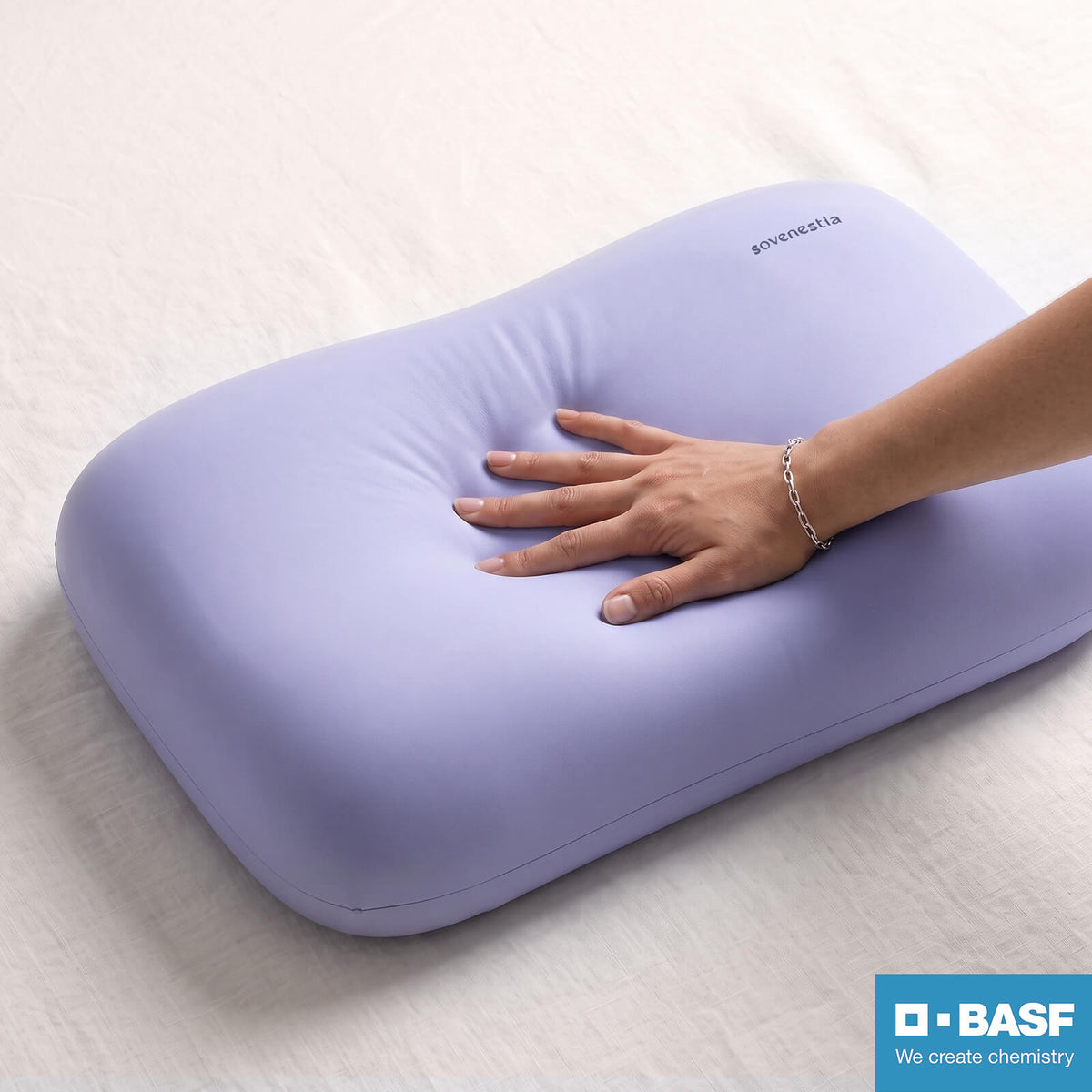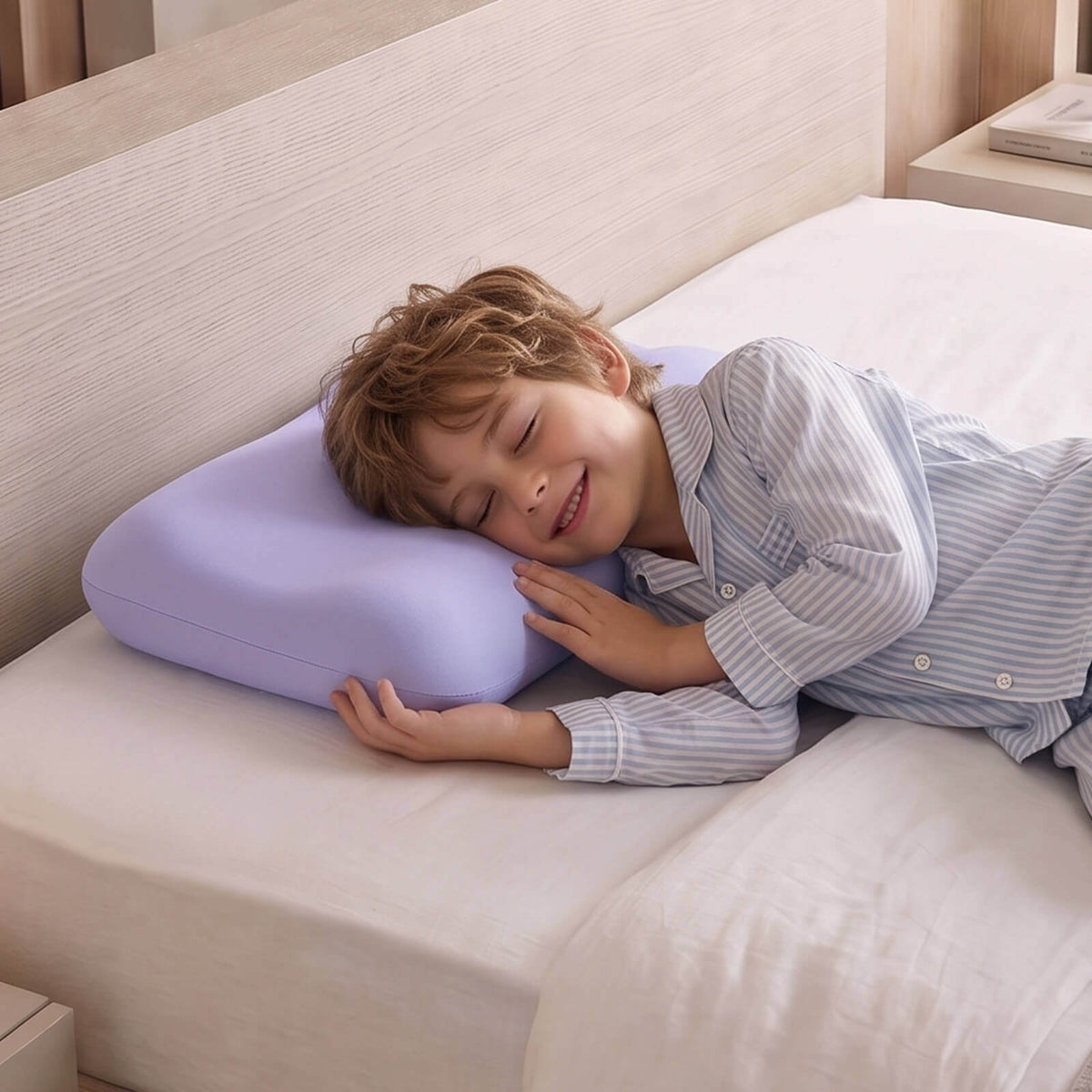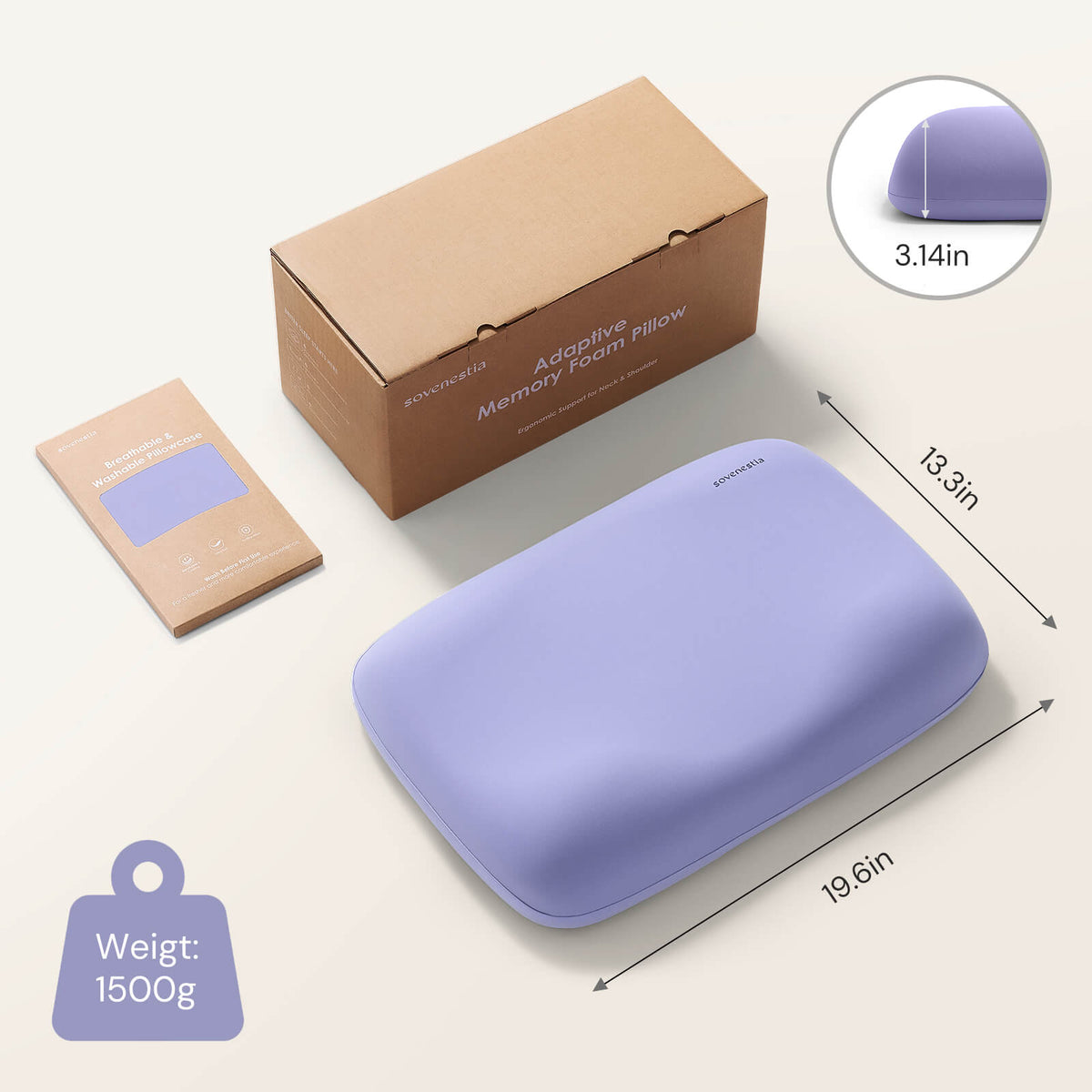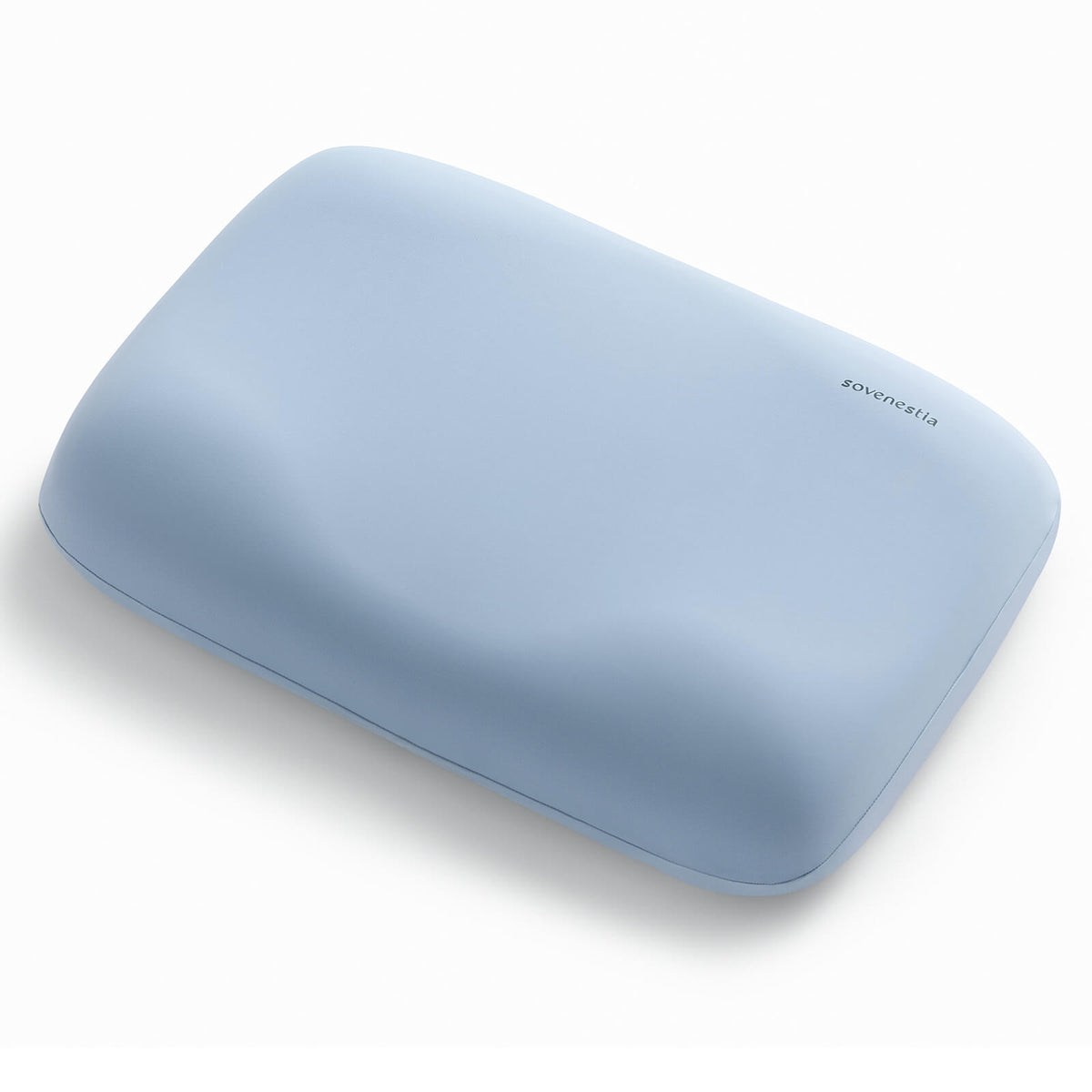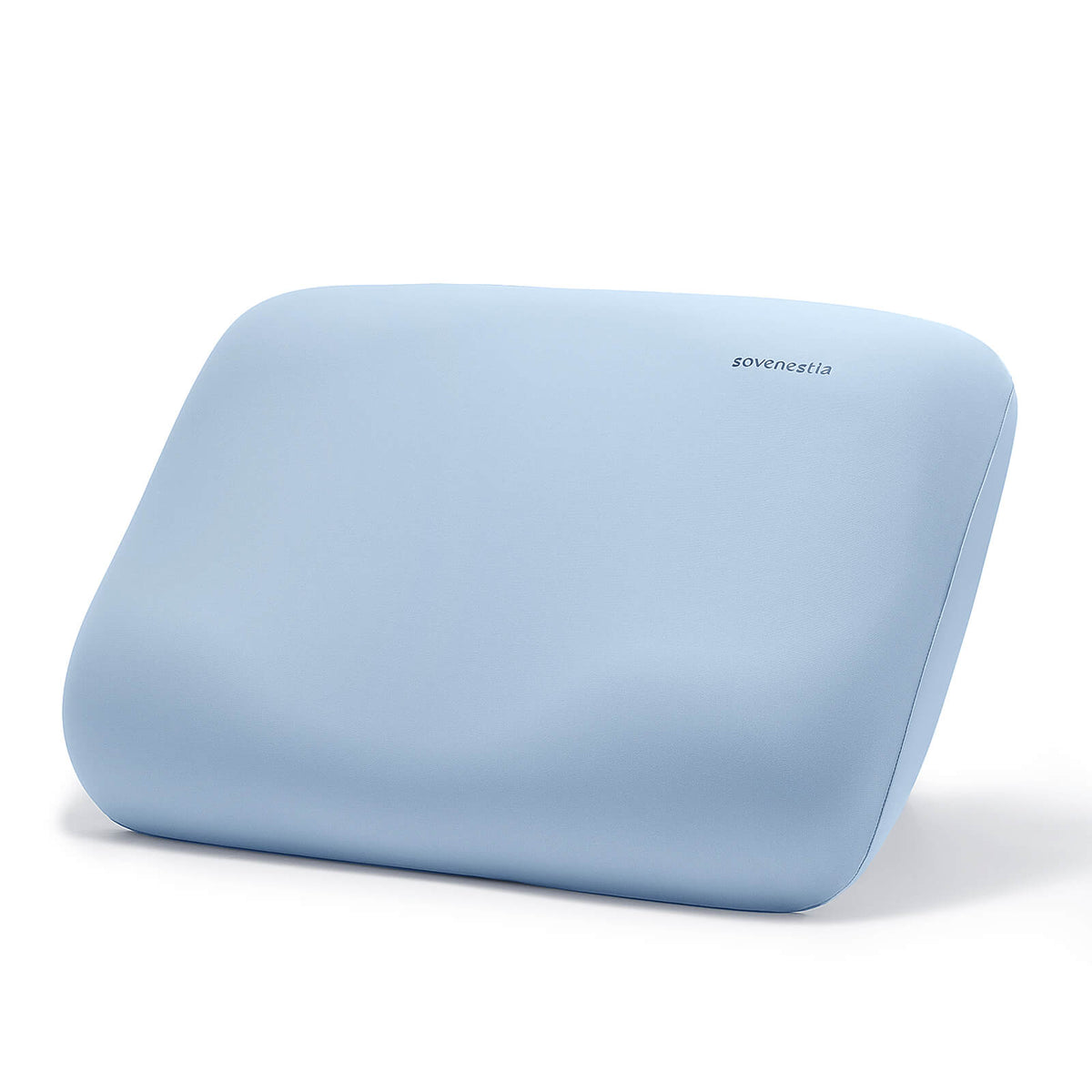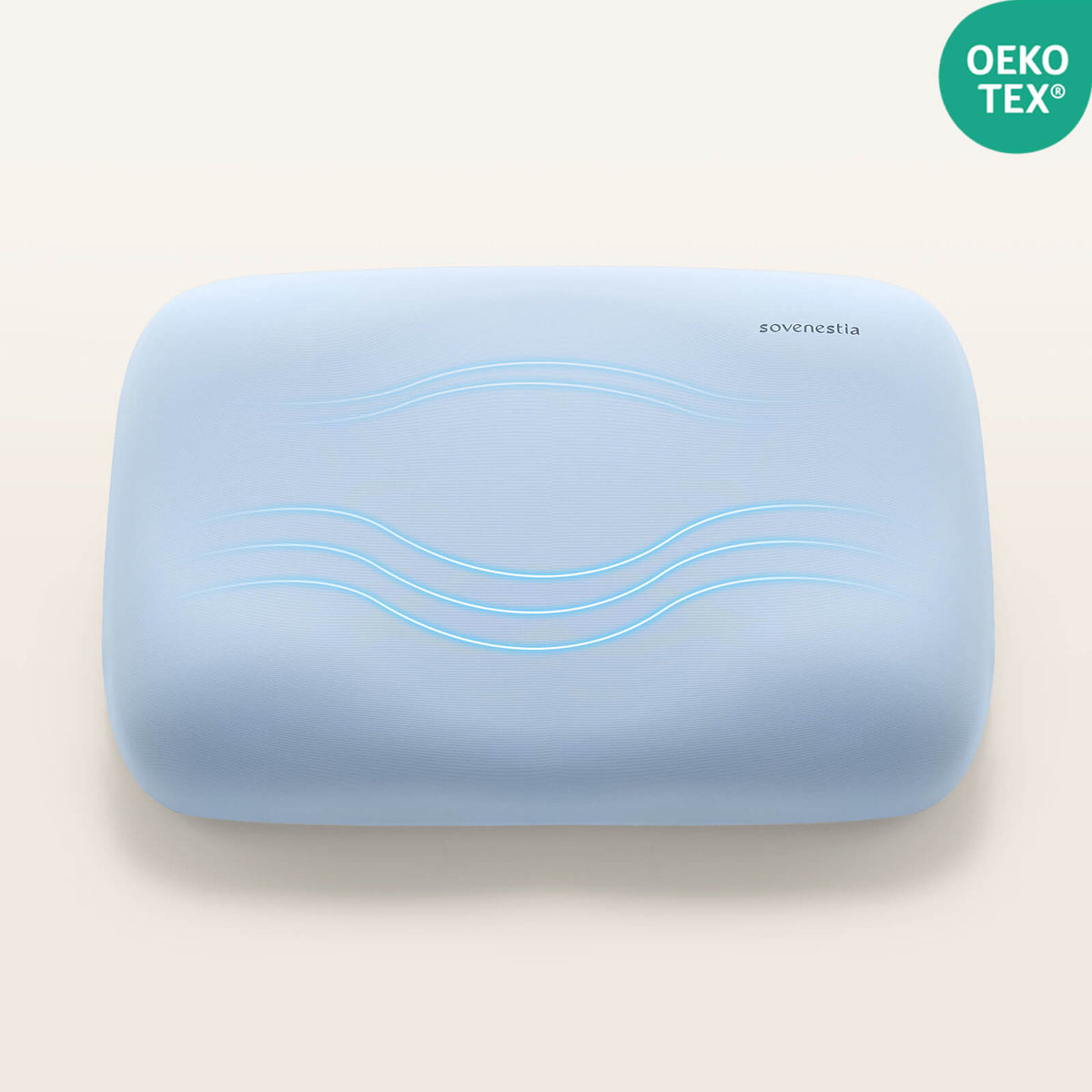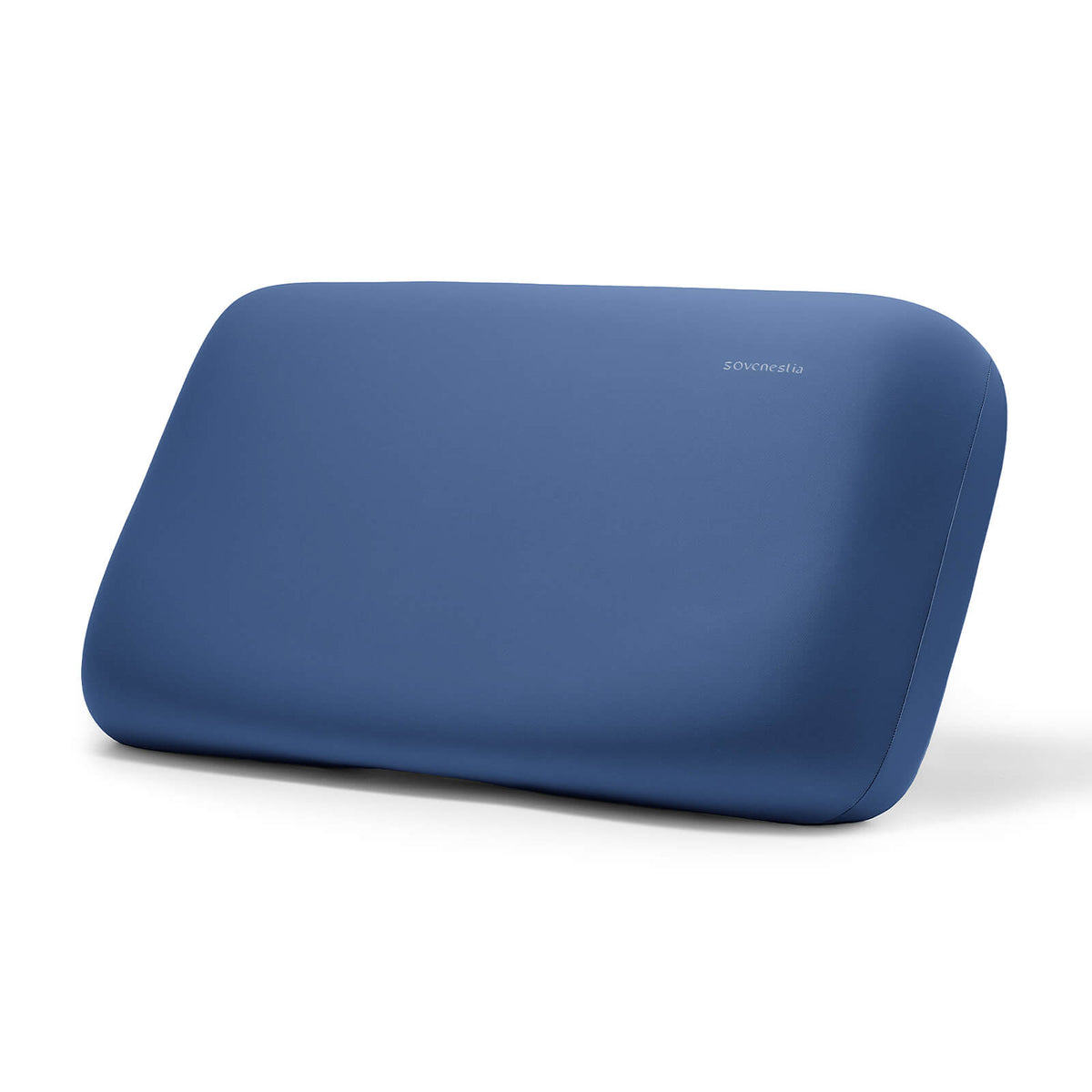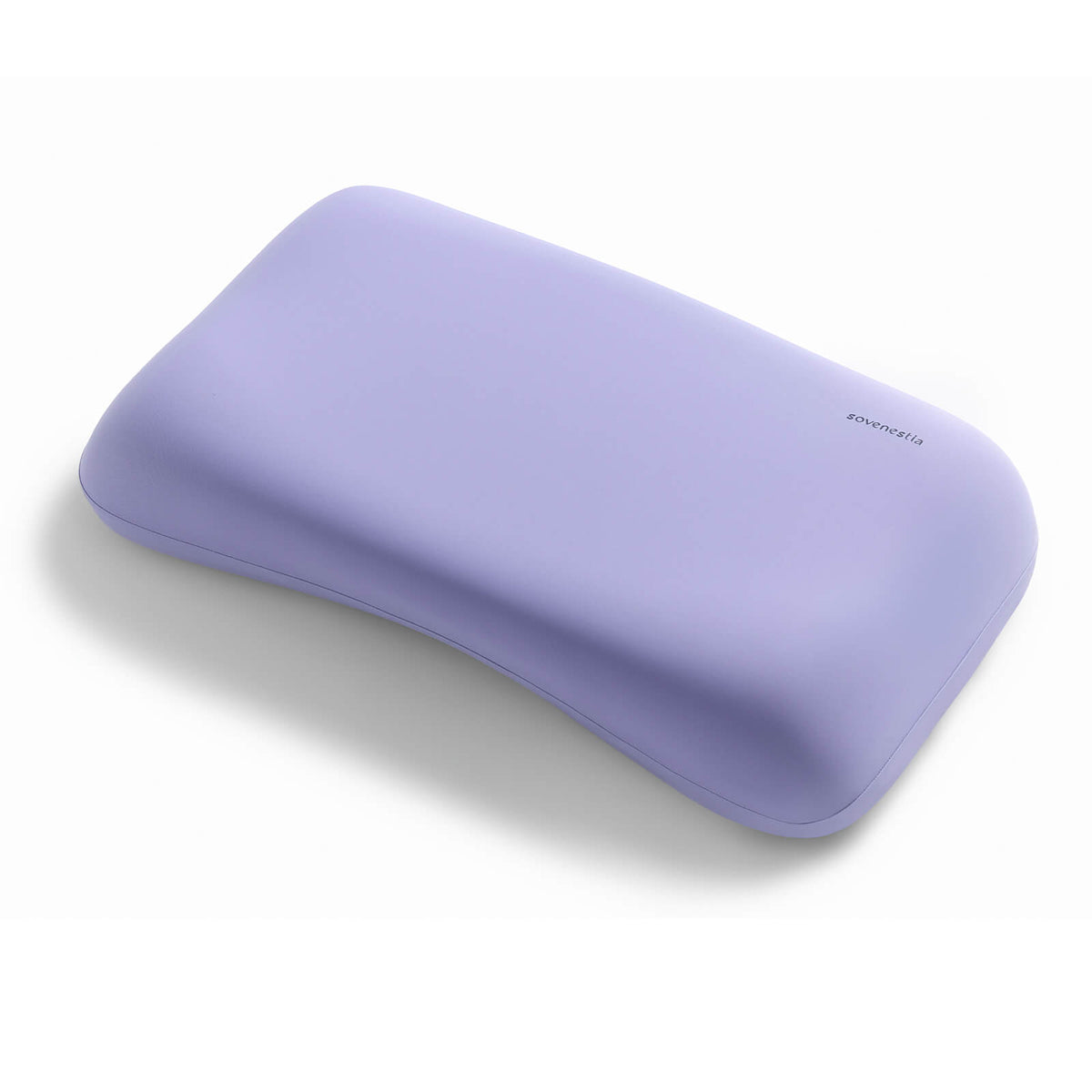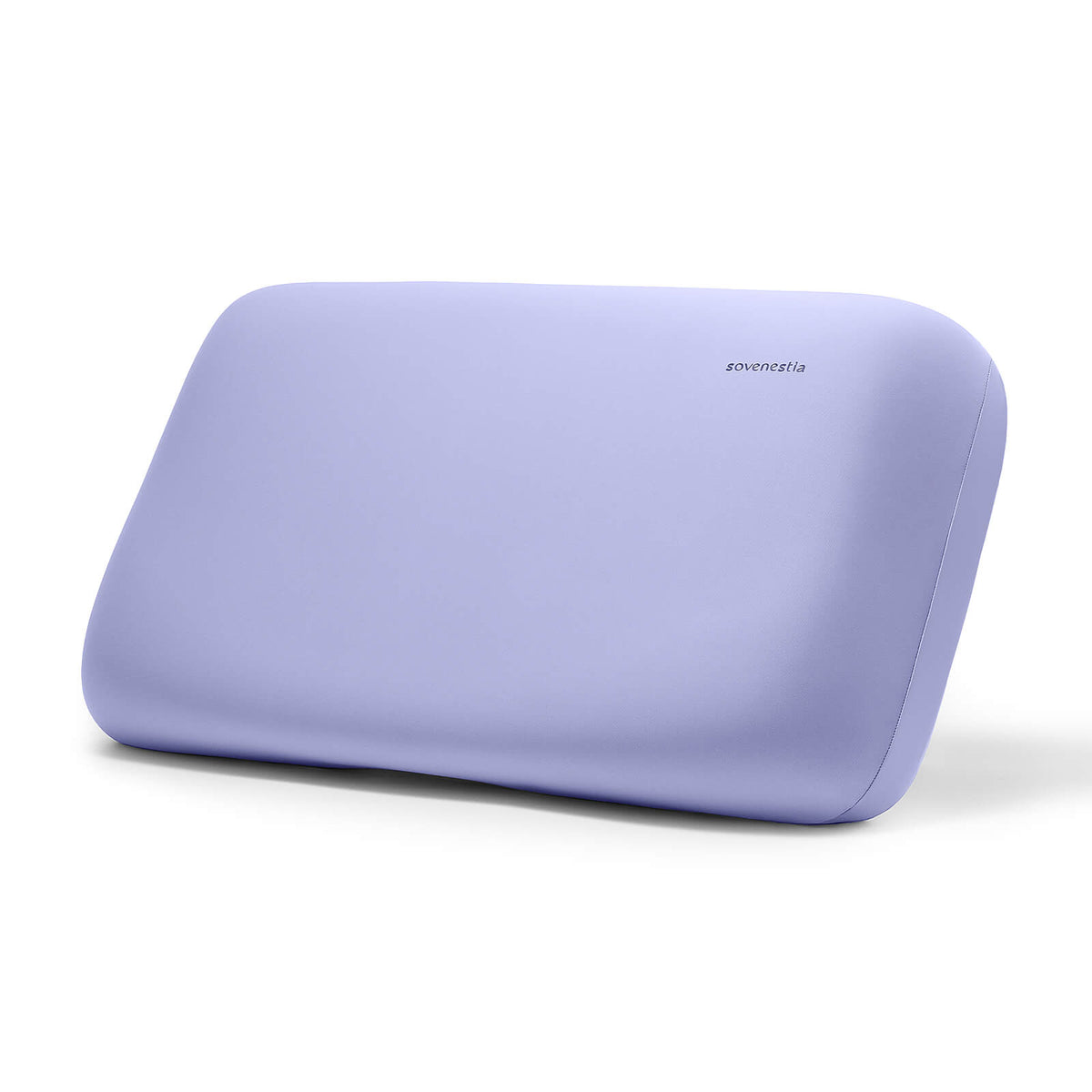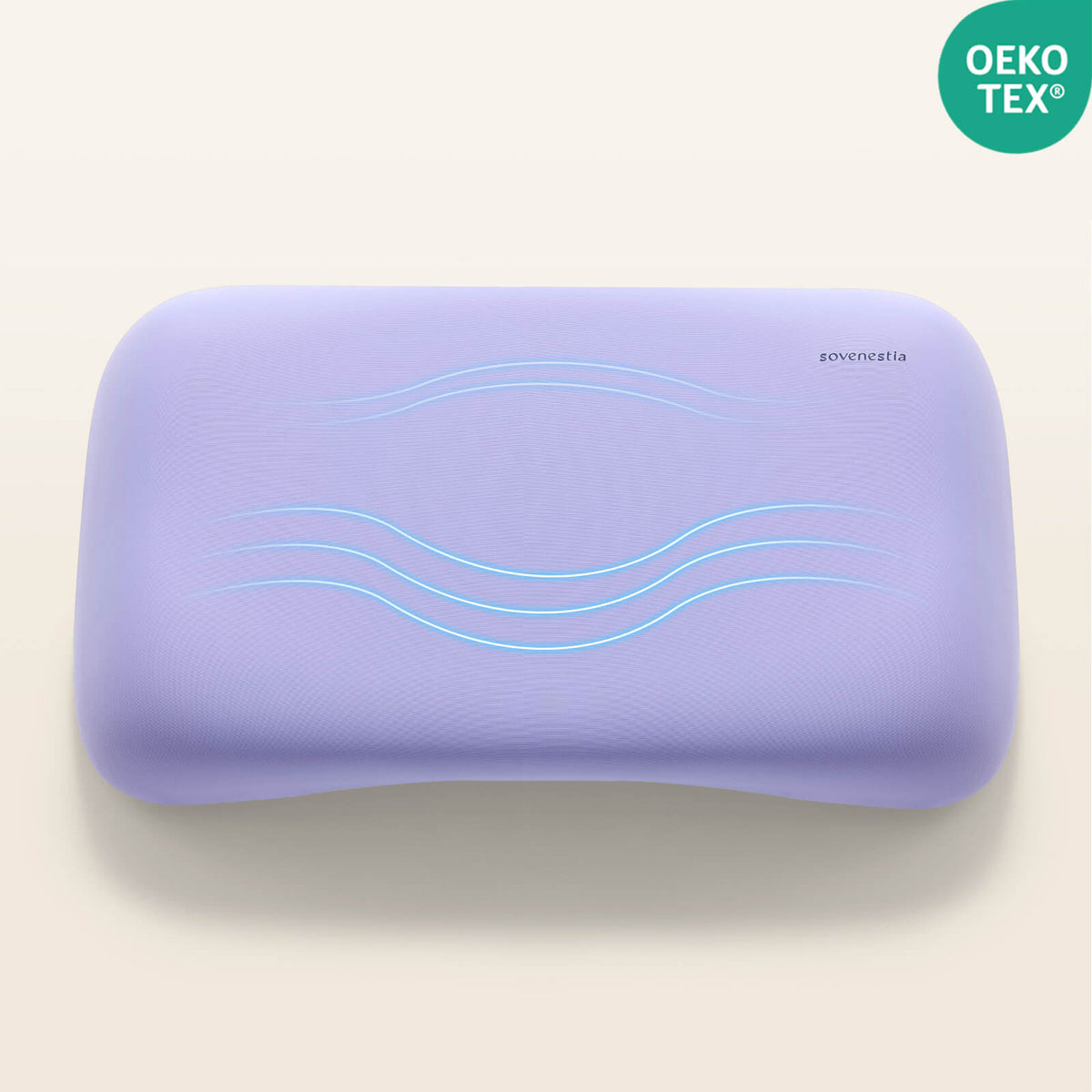


A pillow's comfort is shaped by more than its softness or firmness. One often-overlooked detail is its height—the space it creates between your head and the mattress.
Pillow height, often referred to as loft, can influence how your pillow feels in different sleeping positions. A profile that works well for one person may feel too high or too low for another, depending on body proportions, mattress firmness, and the material inside the pillow.
Pillows are commonly described as low, medium, or high loft. These categories offer a useful starting point, but they don't necessarily tell you which height will feel most comfortable. The way a pillow responds to pressure can affect how its height feels when you're lying down. Rather than following a universal measurement, finding the right pillow height means understanding how these factors work together to create a comfortable sleep experience.
In this guide, we'll explore what affects pillow loft, why measured height may differ from how a pillow feels in use, and how to find an option that suits your individual needs.

What Is Pillow Loft and Why Does It Matter?
Pillow loft refers to the height or thickness of a pillow, usually measured when it is resting without any weight on it.
You'll commonly see pillow loft divided into three categories:
Low Loft: 3 inches or less
Medium Loft: More than 3 inches but less than 5 inches
High Loft: 5 inches or more
These measurements are general reference points used to describe pillow thickness. They are not strict rules for choosing a pillow, and different brands may use slightly different classifications.
It's also important to understand that a pillow's listed height is not necessarily the same as the height you'll experience when sleeping on it. Filling, firmness, material, and construction all influence how much a pillow compresses under pressure. If a pillow feels too high, your head may be pushed upward or forward. If it feels too low, you may feel that there isn't enough cushioning beneath your head and neck.
The goal isn't to find the tallest or softest pillow. It's to find a height that feels comfortable and works well with your body.
How Does Sleeping Position Affect Pillow Height?
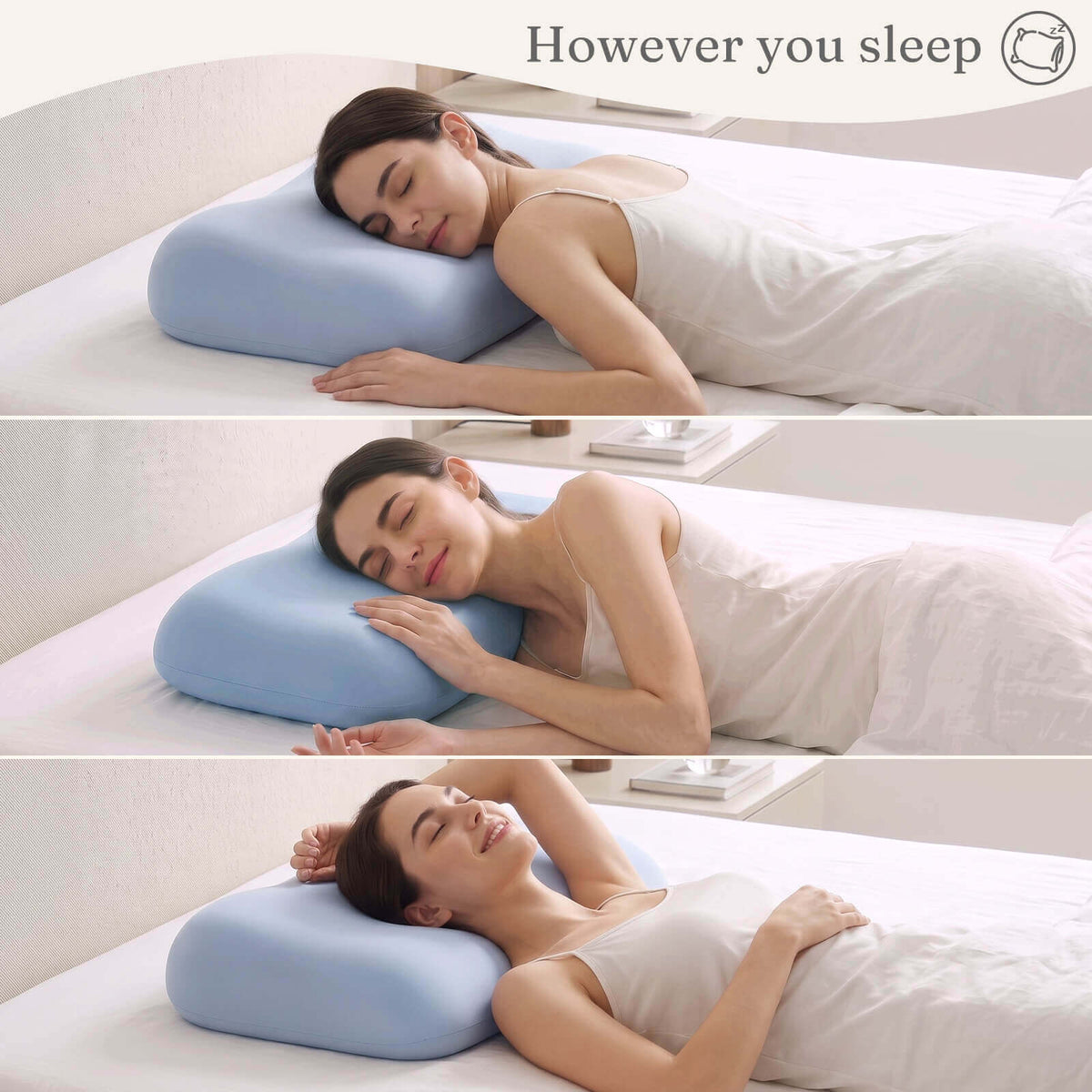
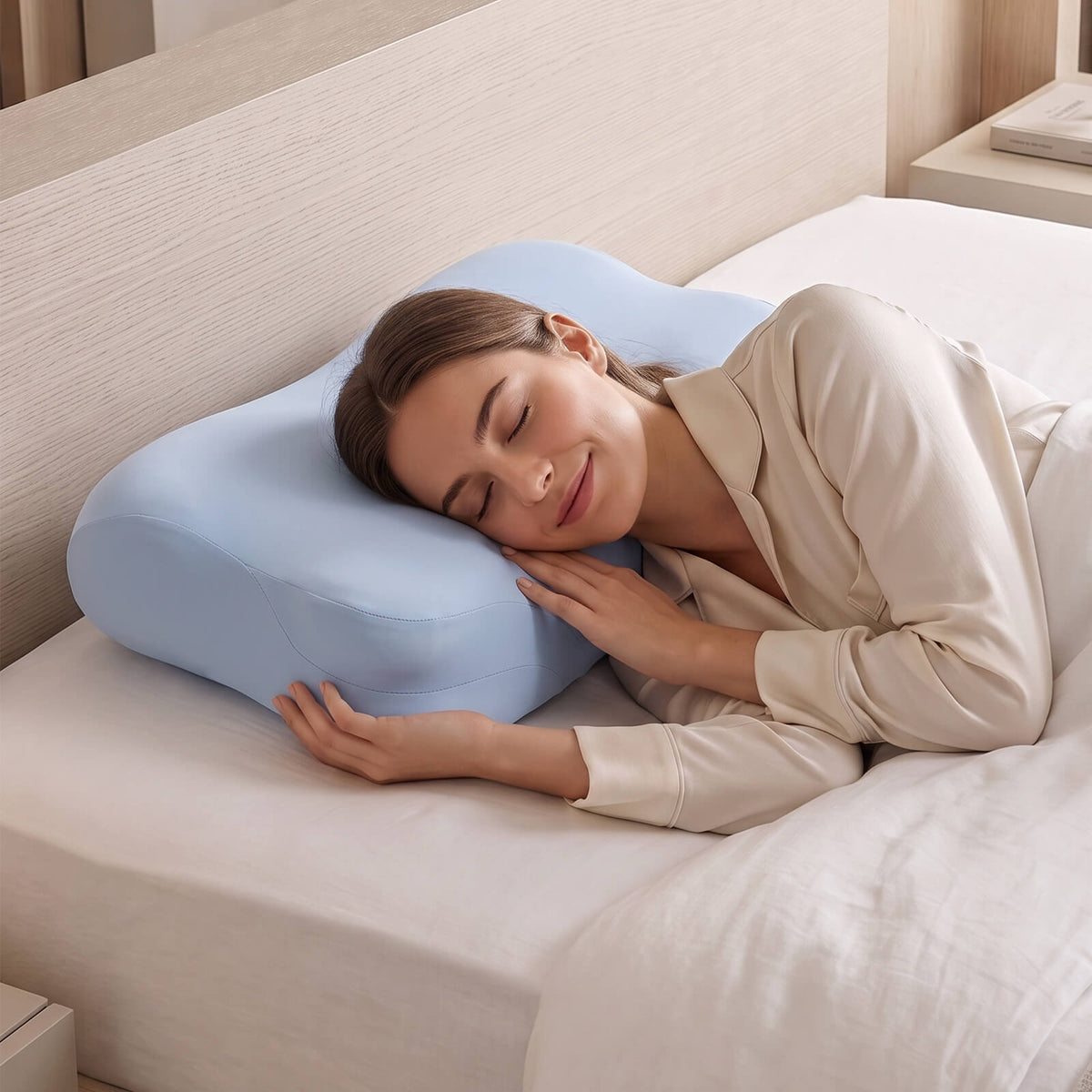
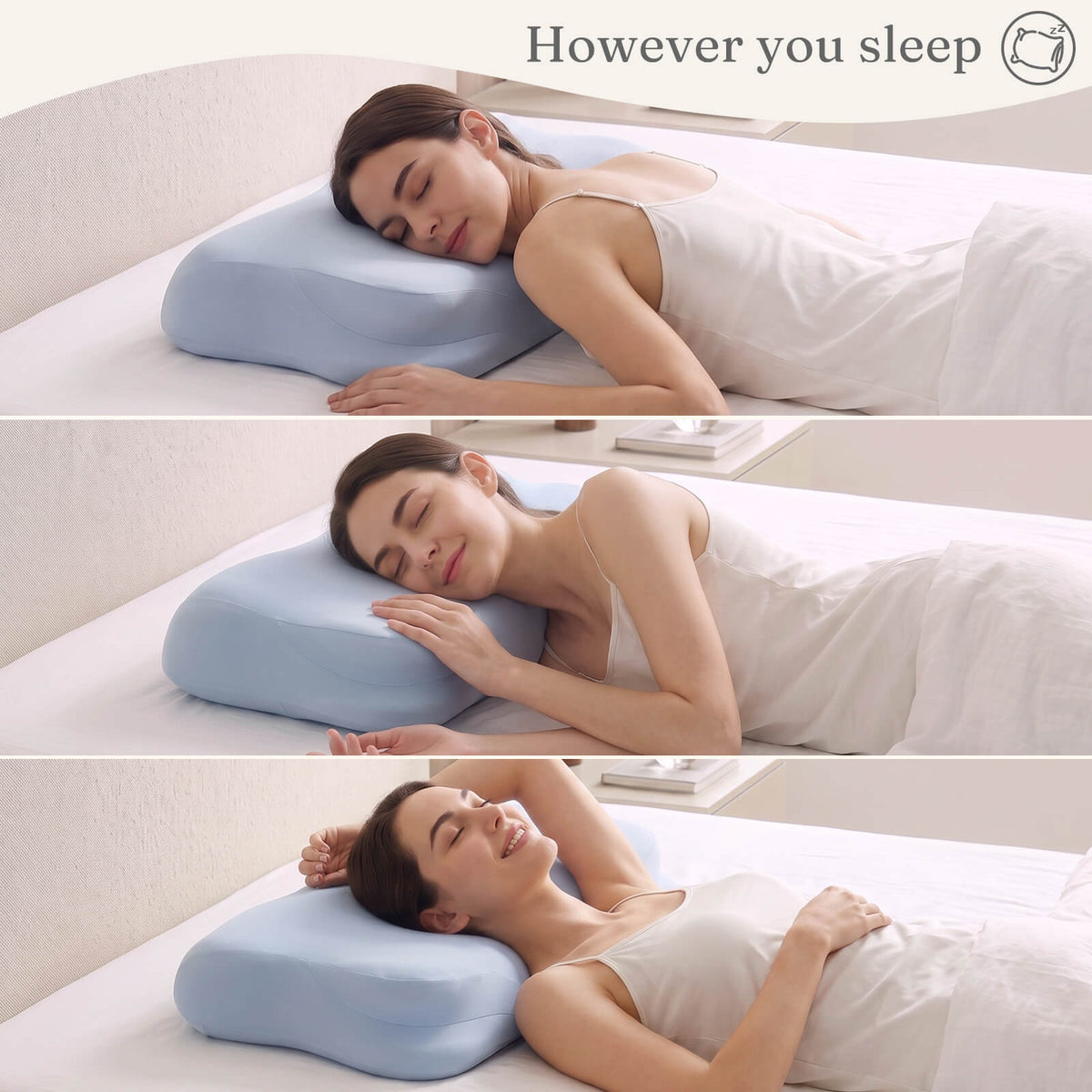
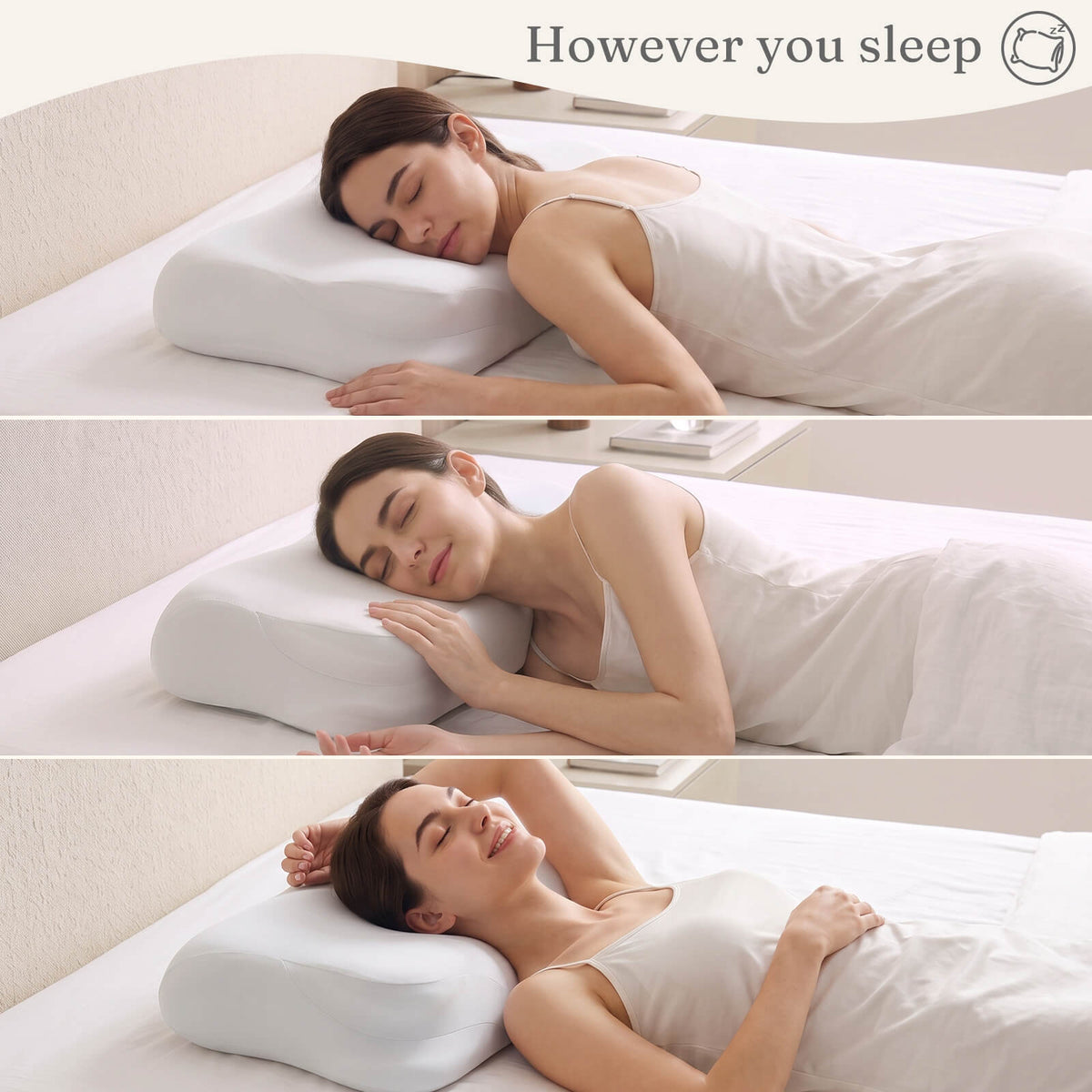
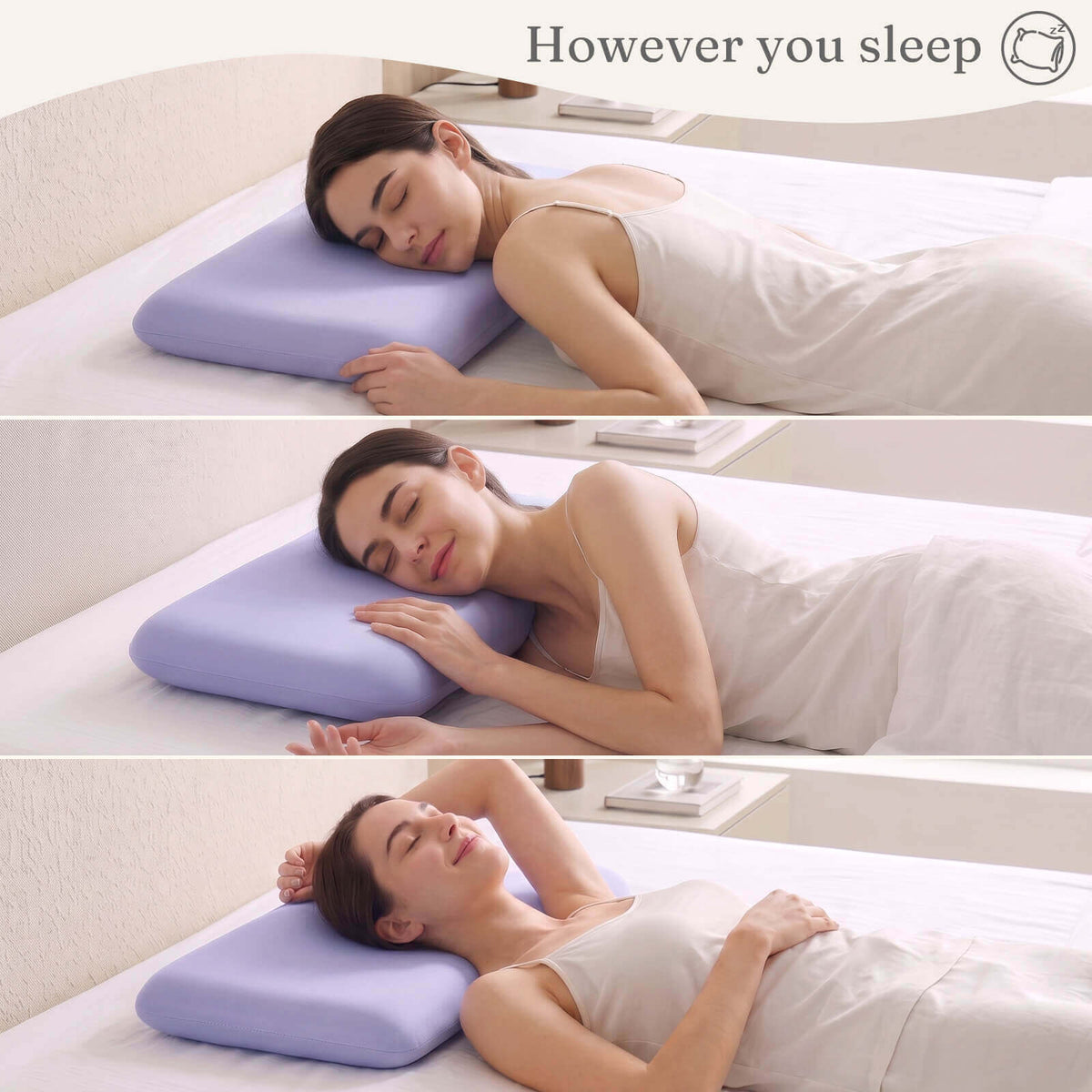
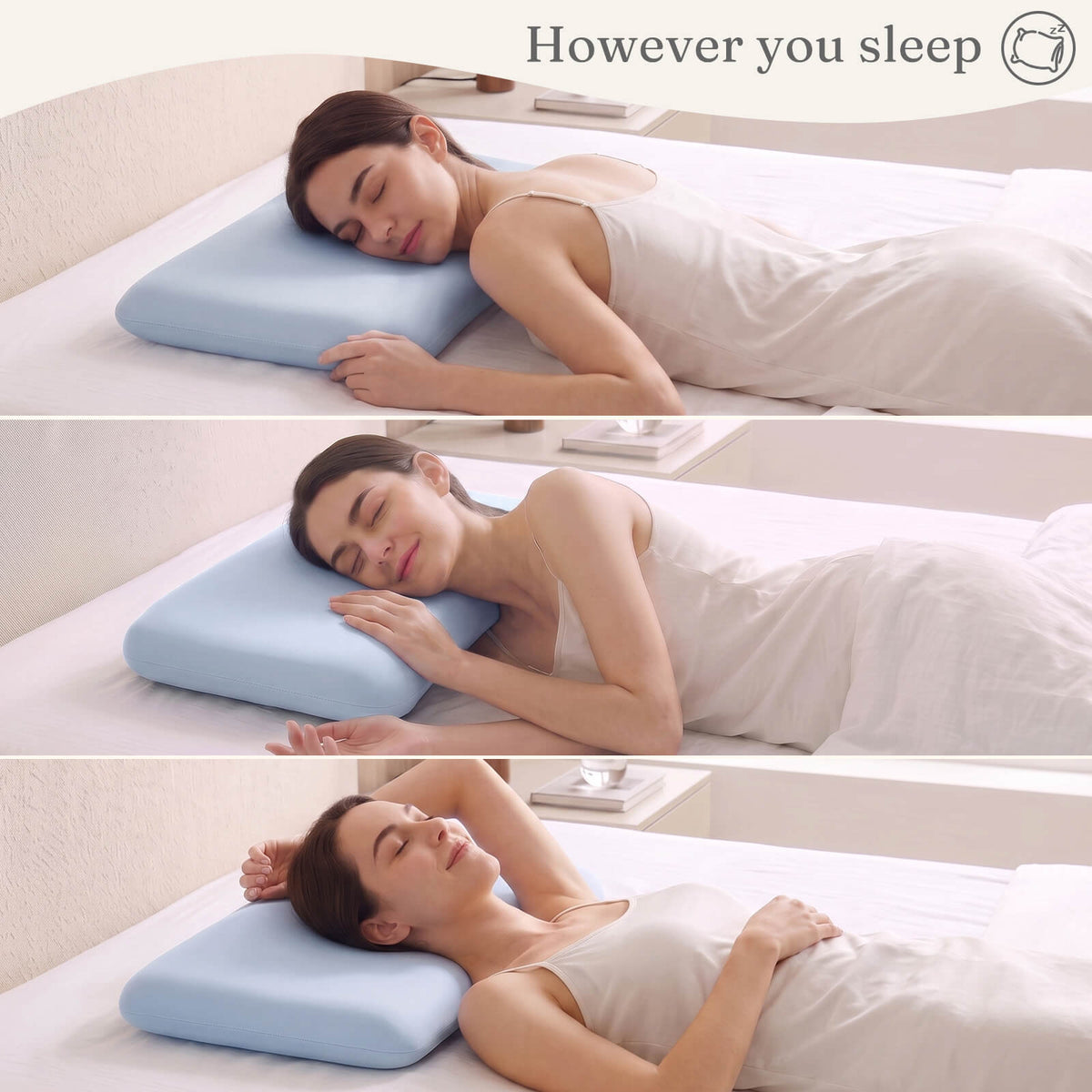
Your sleeping position is a useful starting point when comparing pillow heights. Different positions create different spaces between your head, neck, shoulders, and mattress.
However, there is no single measurement that works for everyone. Body proportions, mattress firmness, and personal comfort can all influence which pillow feels right.

Pillow Height for Side Sleepers
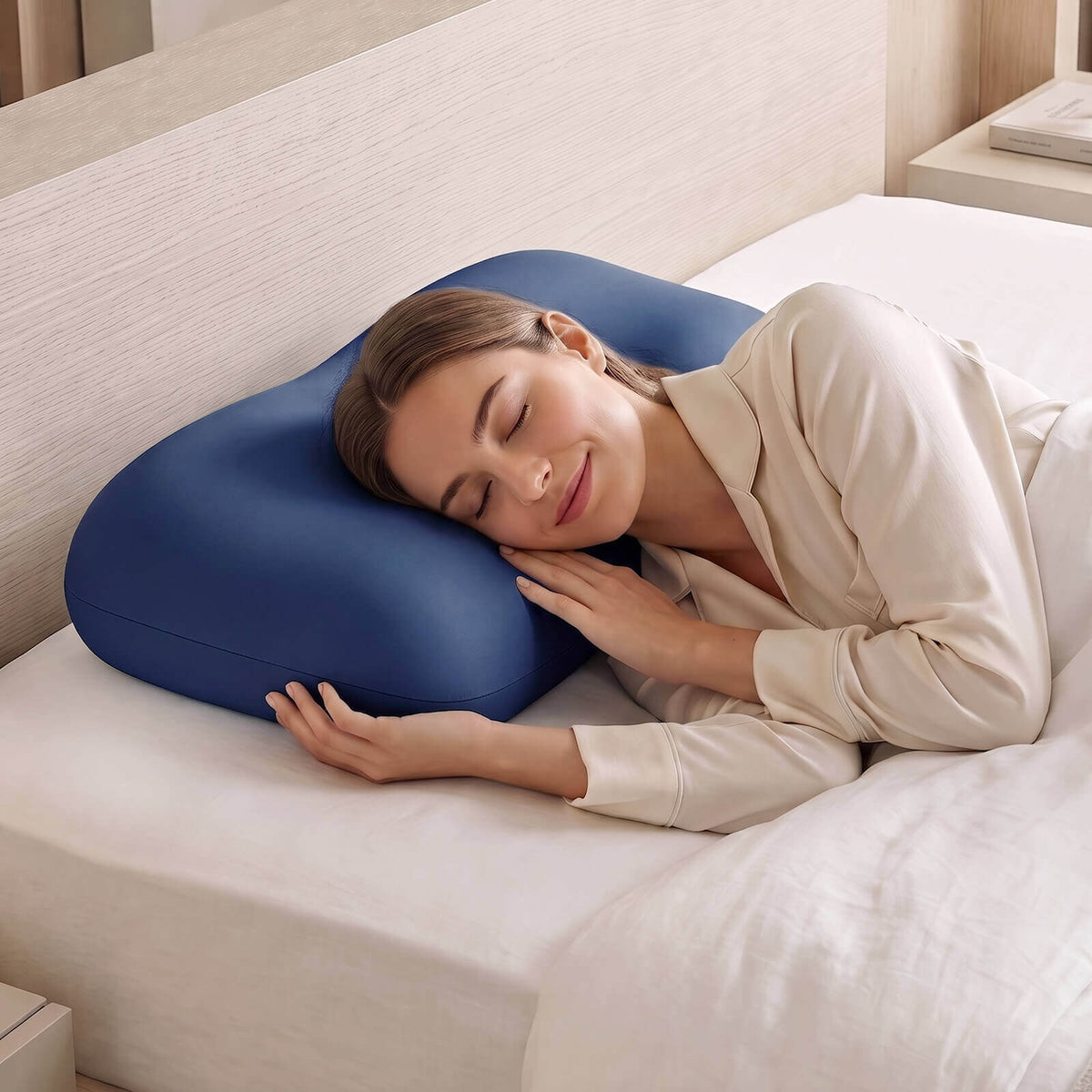
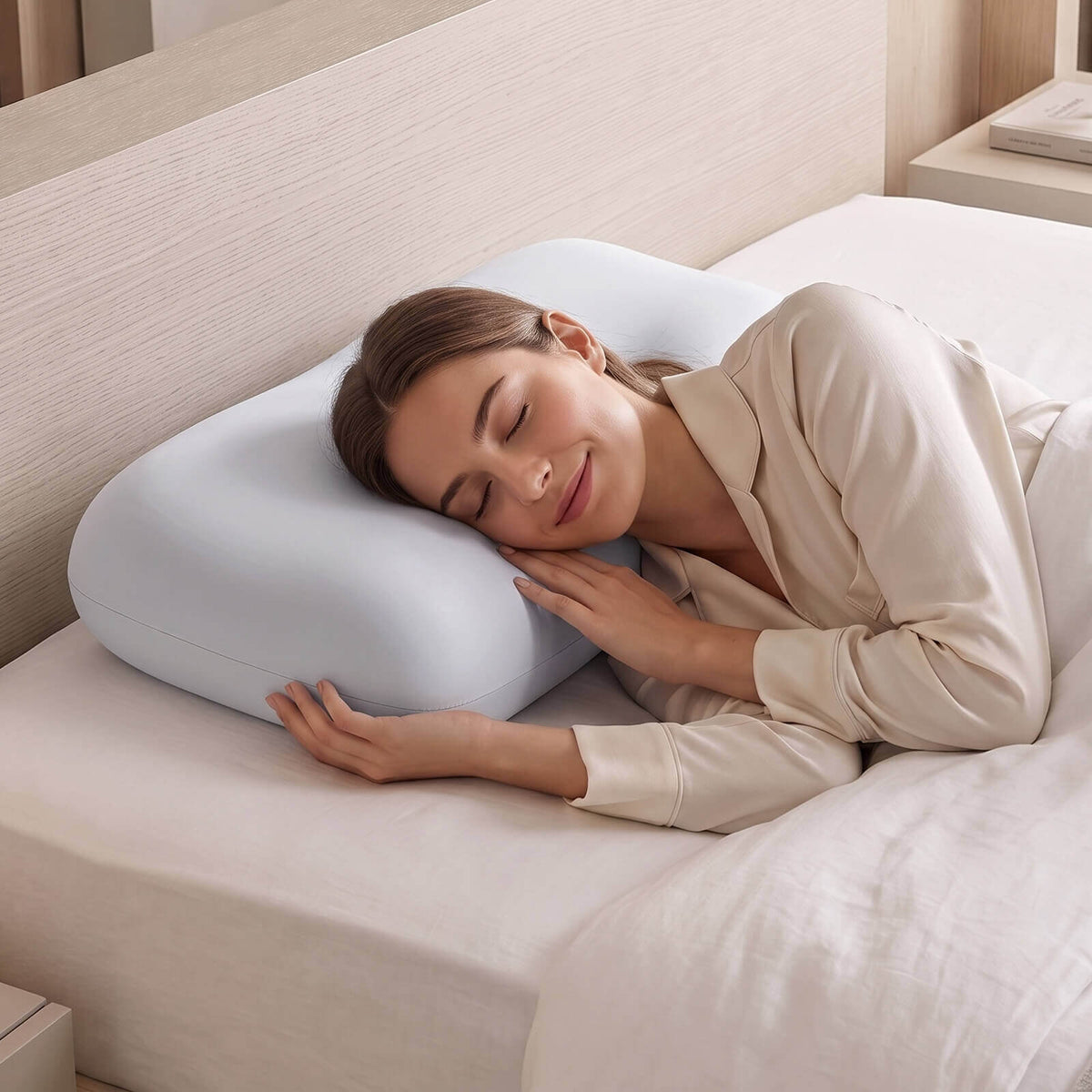
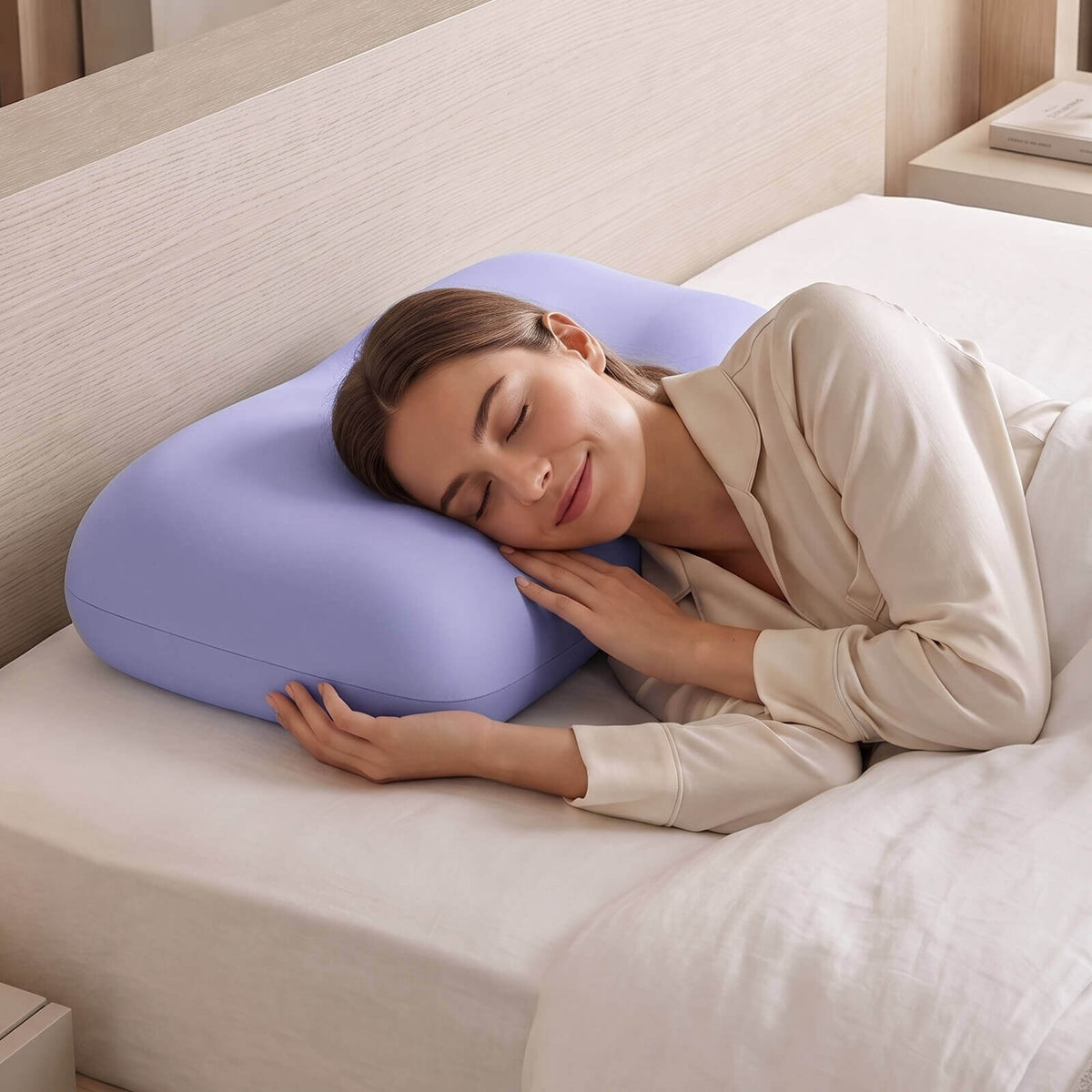
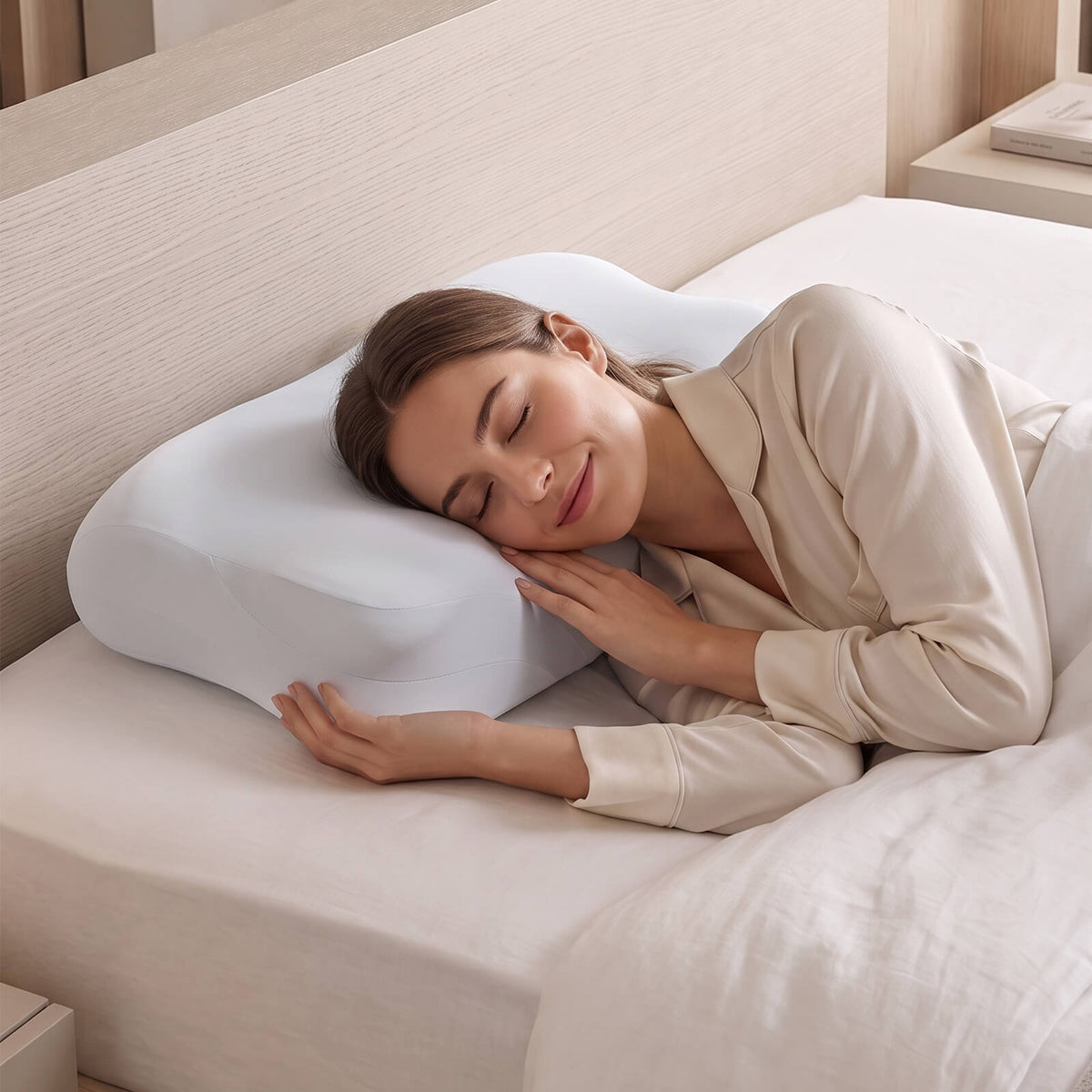
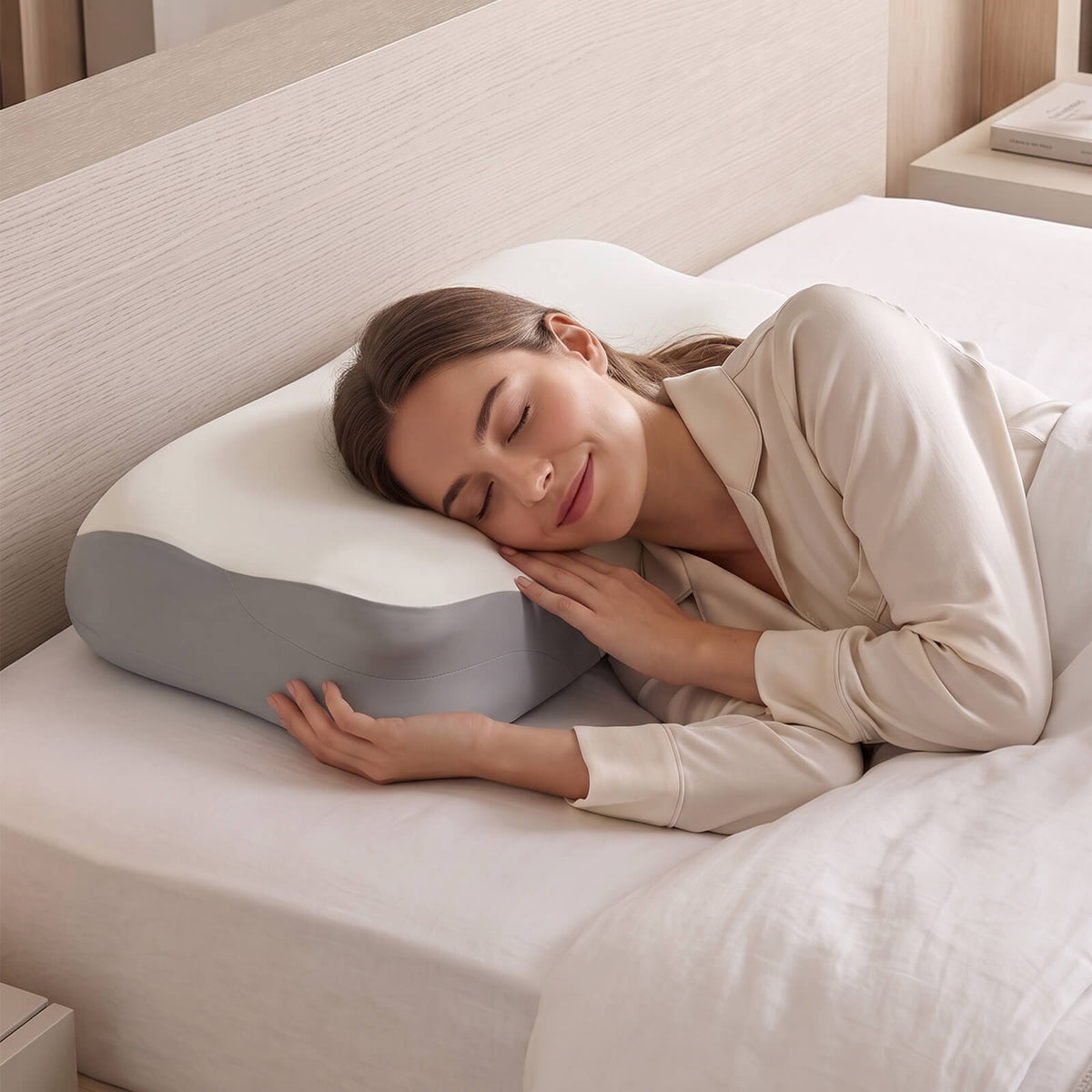
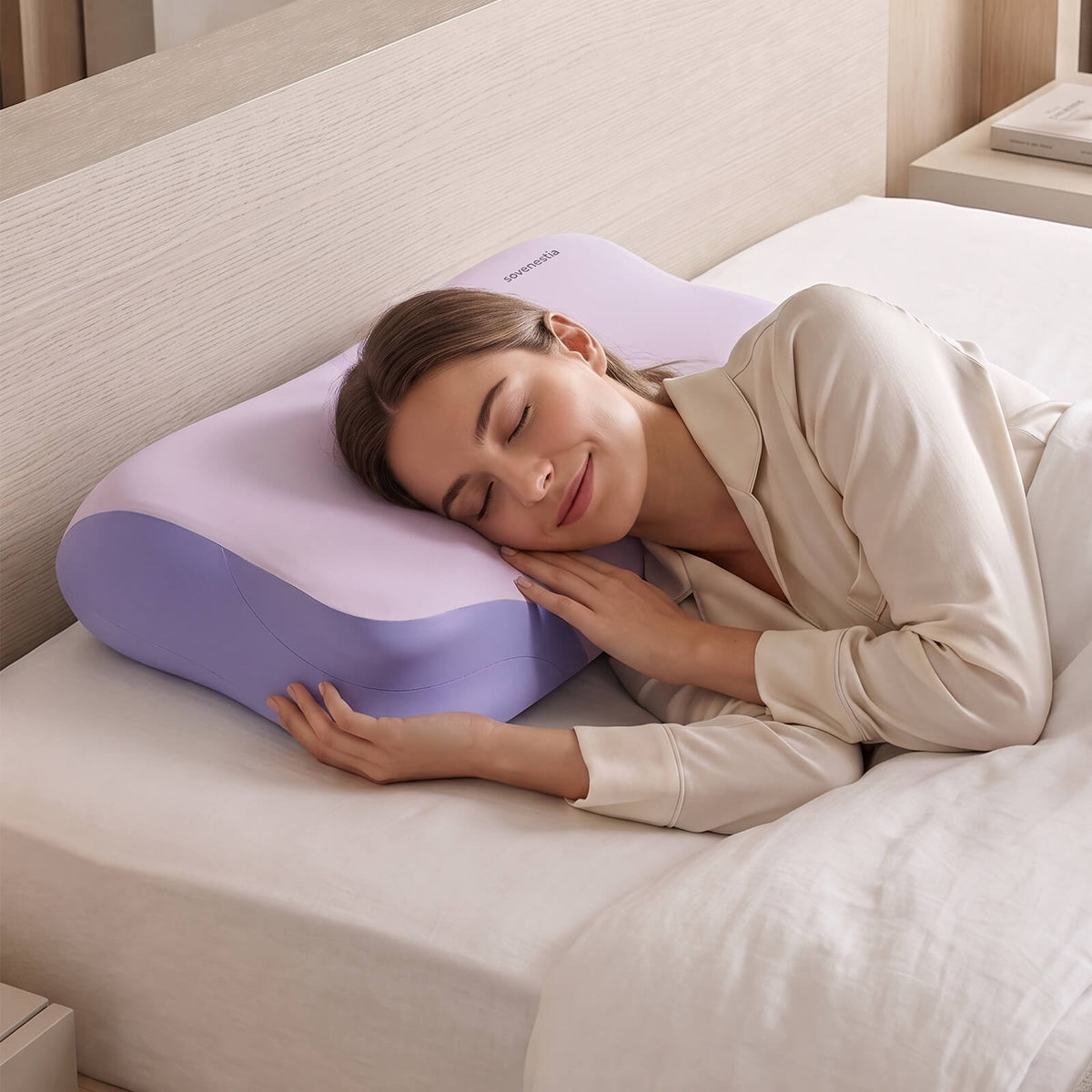
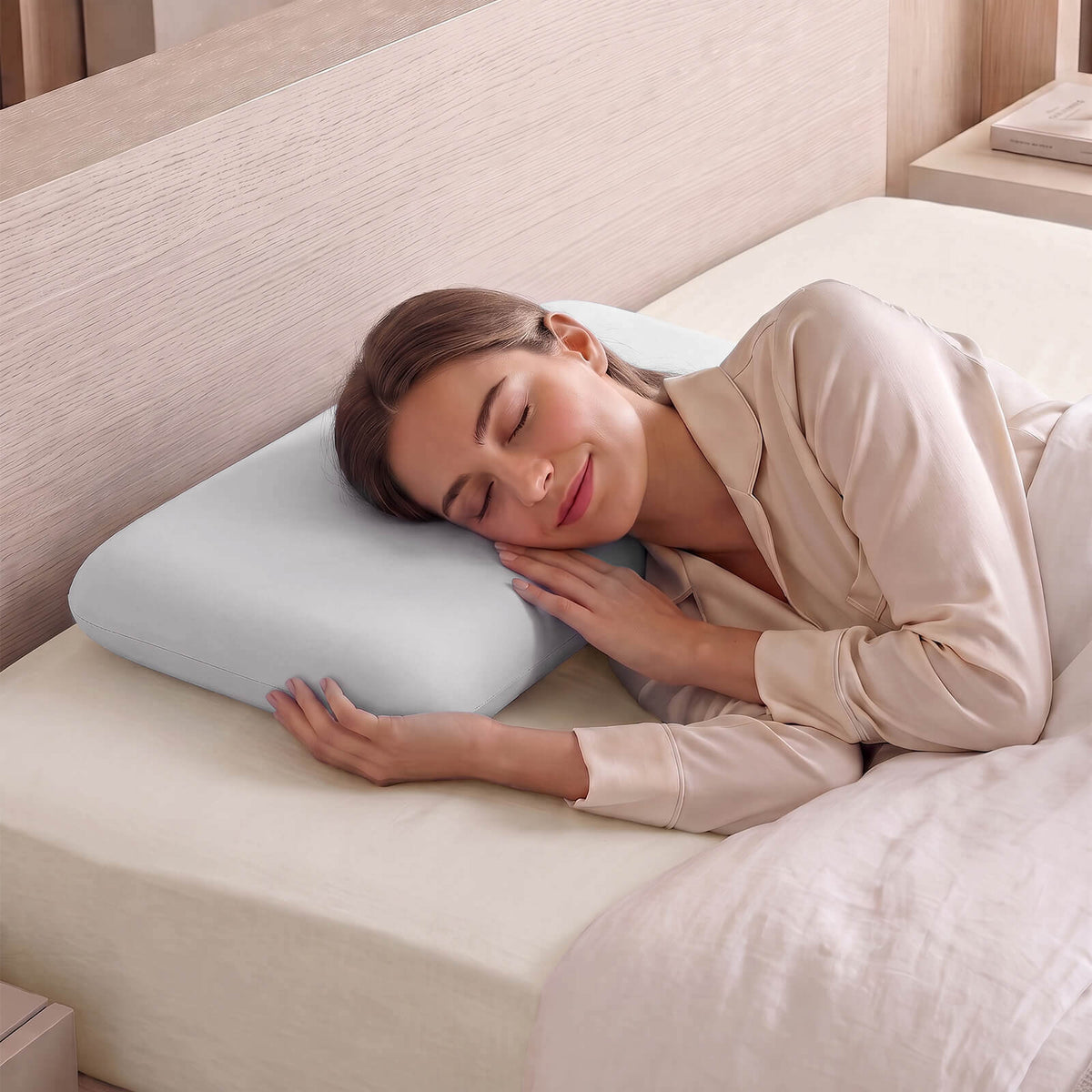
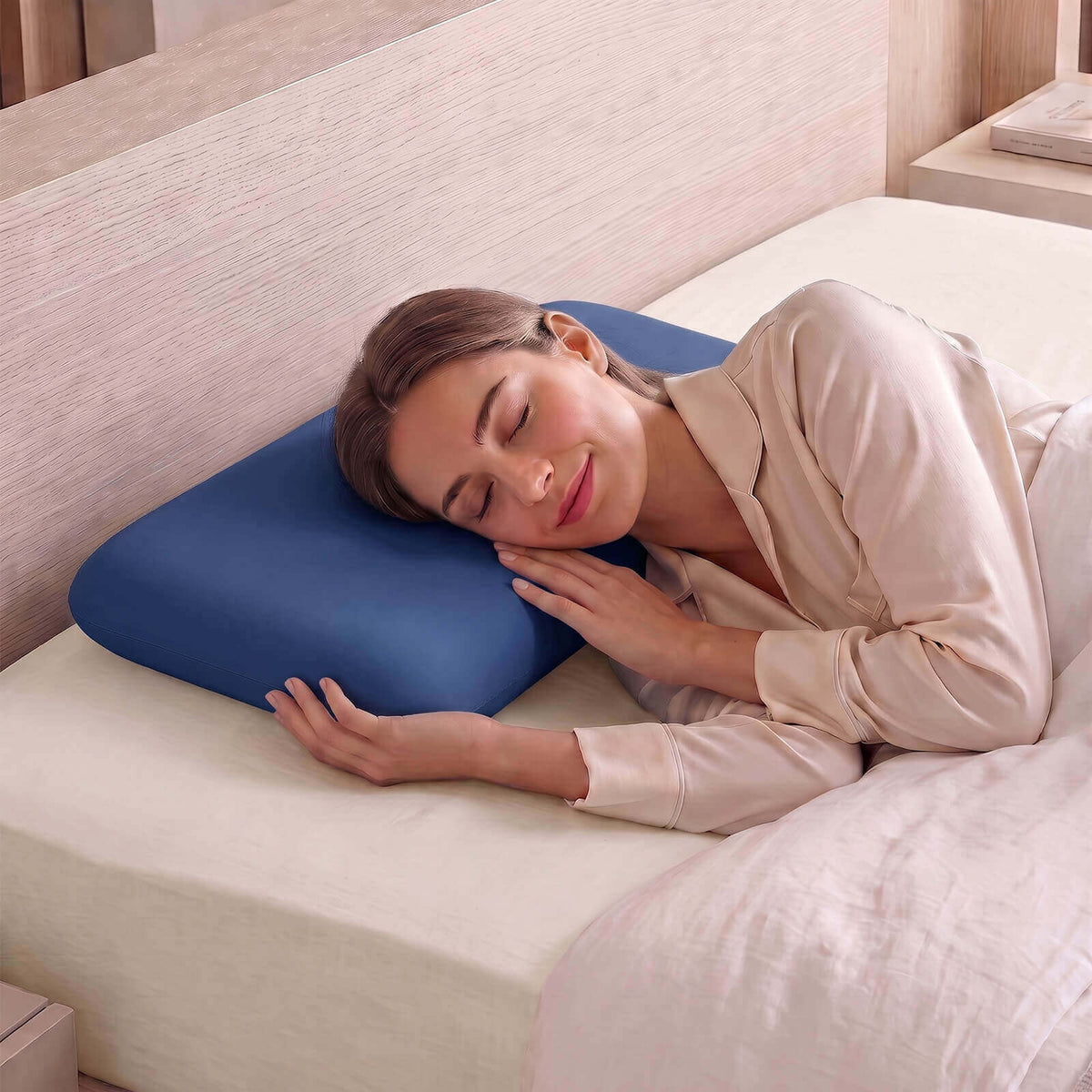
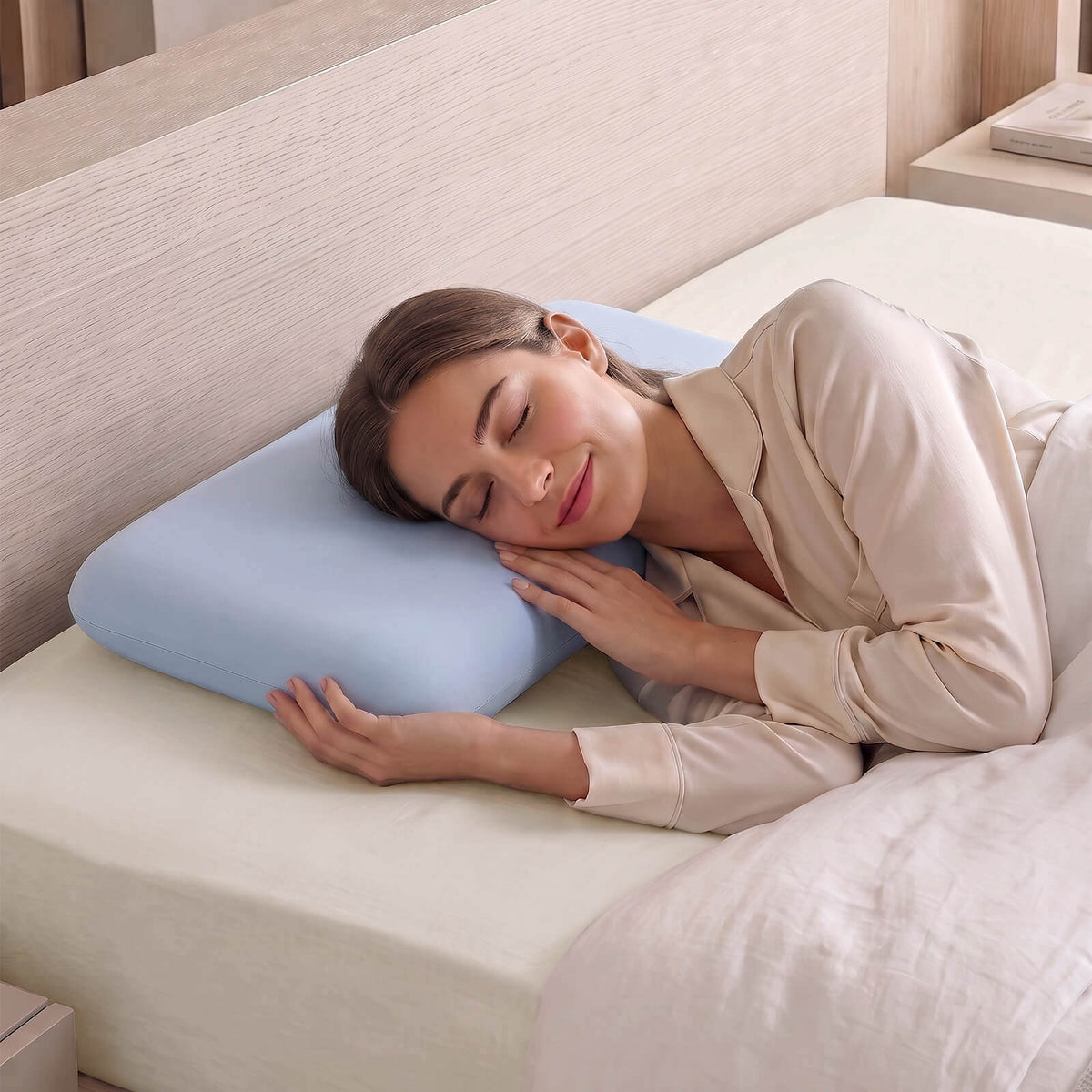
Side sleepers often need enough pillow height to fill the space between the head and the mattress while accounting for shoulder width.
A pillow that feels too low may leave the head tilted toward the mattress, while one that feels too high may push it upward. Either situation can make it difficult to settle into a comfortable position.
Shoulder width is an important consideration. People with broader shoulders may prefer a higher pillow, while those with narrower shoulders may feel more comfortable with a lower profile.
The mattress also matters. A softer mattress allows the shoulder to sink further into the surface, which can change how much pillow height feels comfortable. When choosing a pillow, consider both your shoulder proportions and how your mattress supports your body.
Pillow Height for Back Sleepers
Back sleepers generally look for a pillow that supports the head without pushing the chin too far toward the chest.
A low-to-medium profile may be a useful starting point, but the most comfortable height depends on your body shape, the pillow's firmness, and how much it compresses when you lie down.
Rather than choosing a measurement based on a general recommendation, pay attention to how your head rests. The pillow should feel supportive without forcing your head into an uncomfortable angle.
Pillow Height for Stomach Sleepers
Stomach sleepers often prefer a lower, softer pillow because a thick pillow can raise the head and create an uncomfortable angle for the neck.
Some people who sleep on their stomach may even prefer sleeping with little or no pillow beneath their head. Personal comfort and the way the mattress feels should guide the choice.
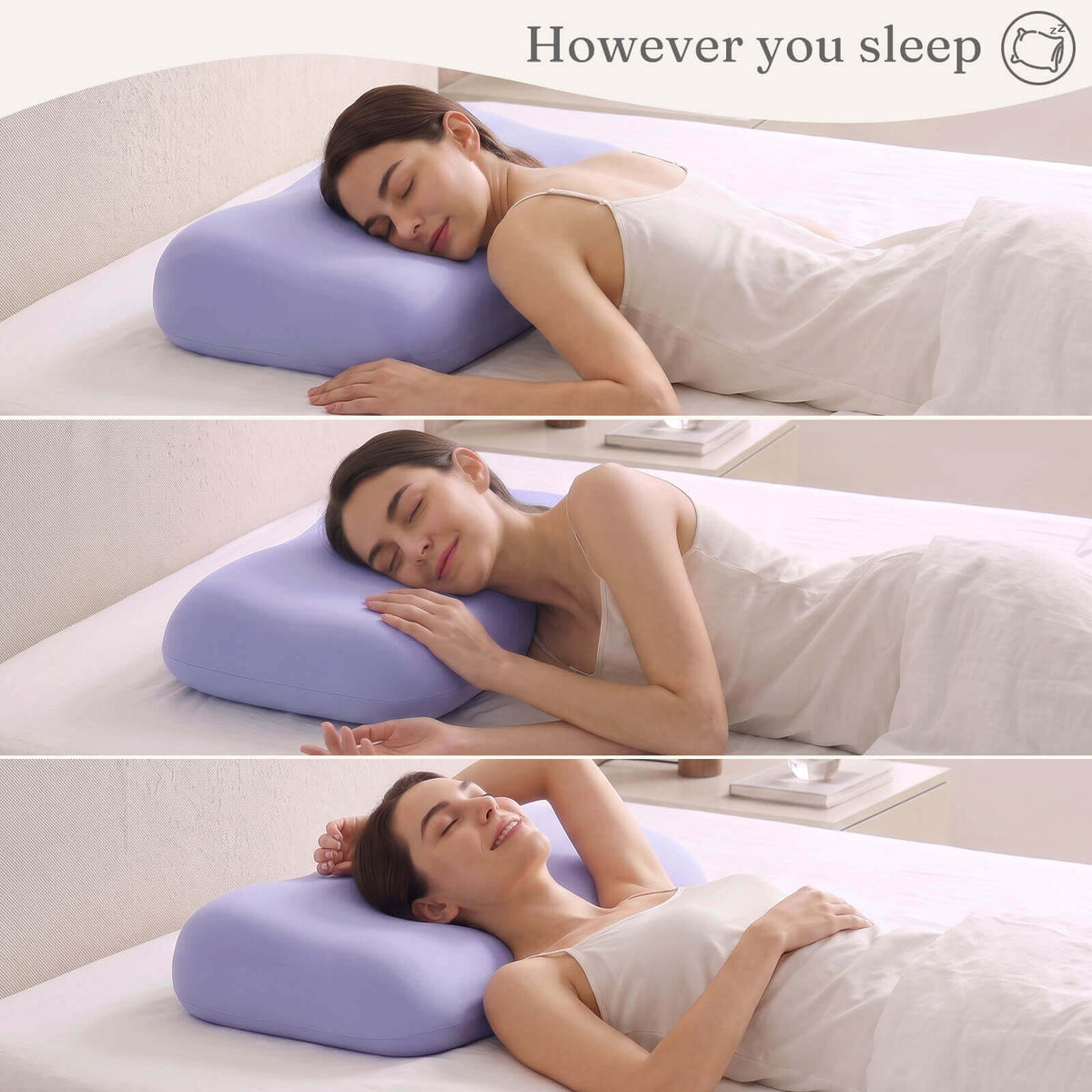
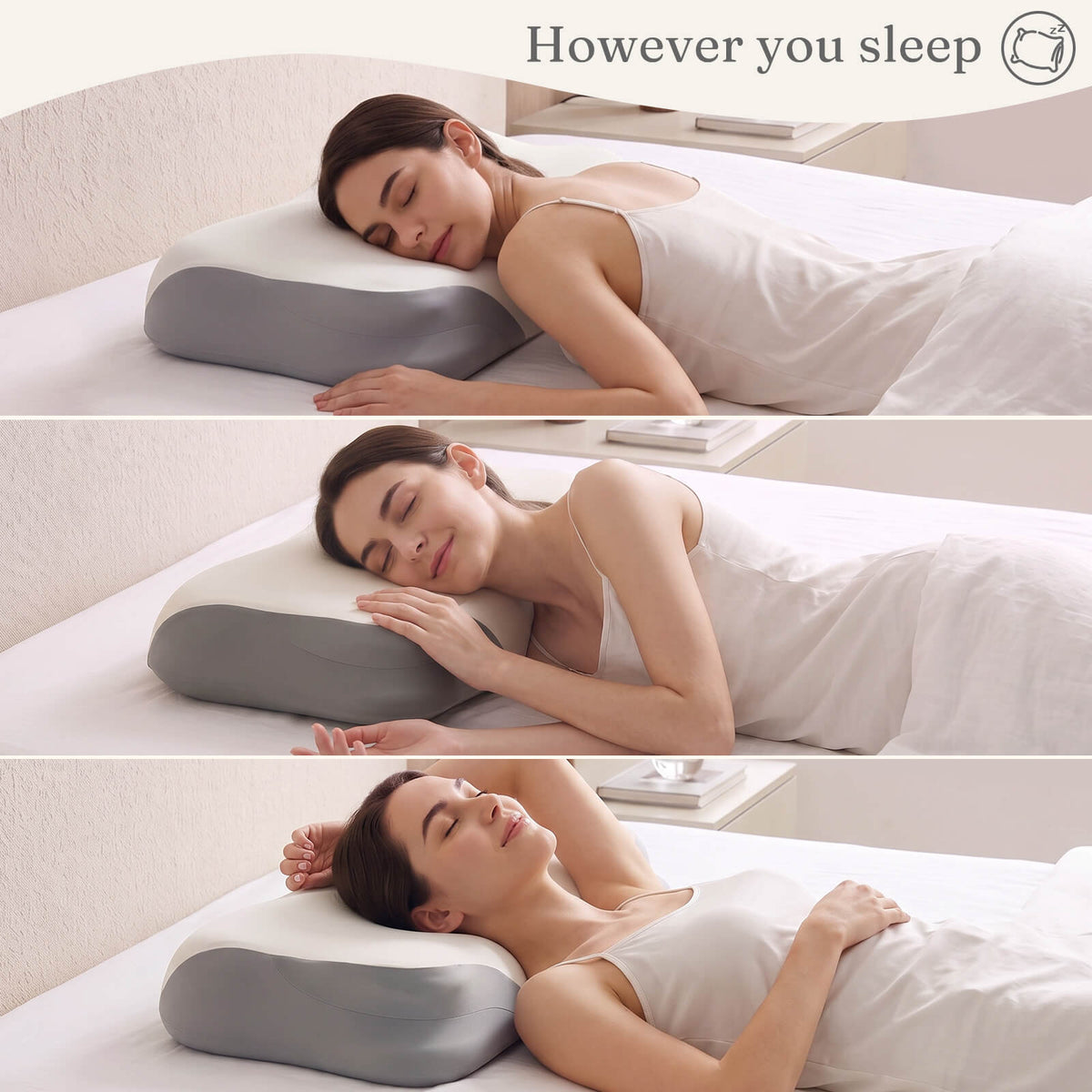
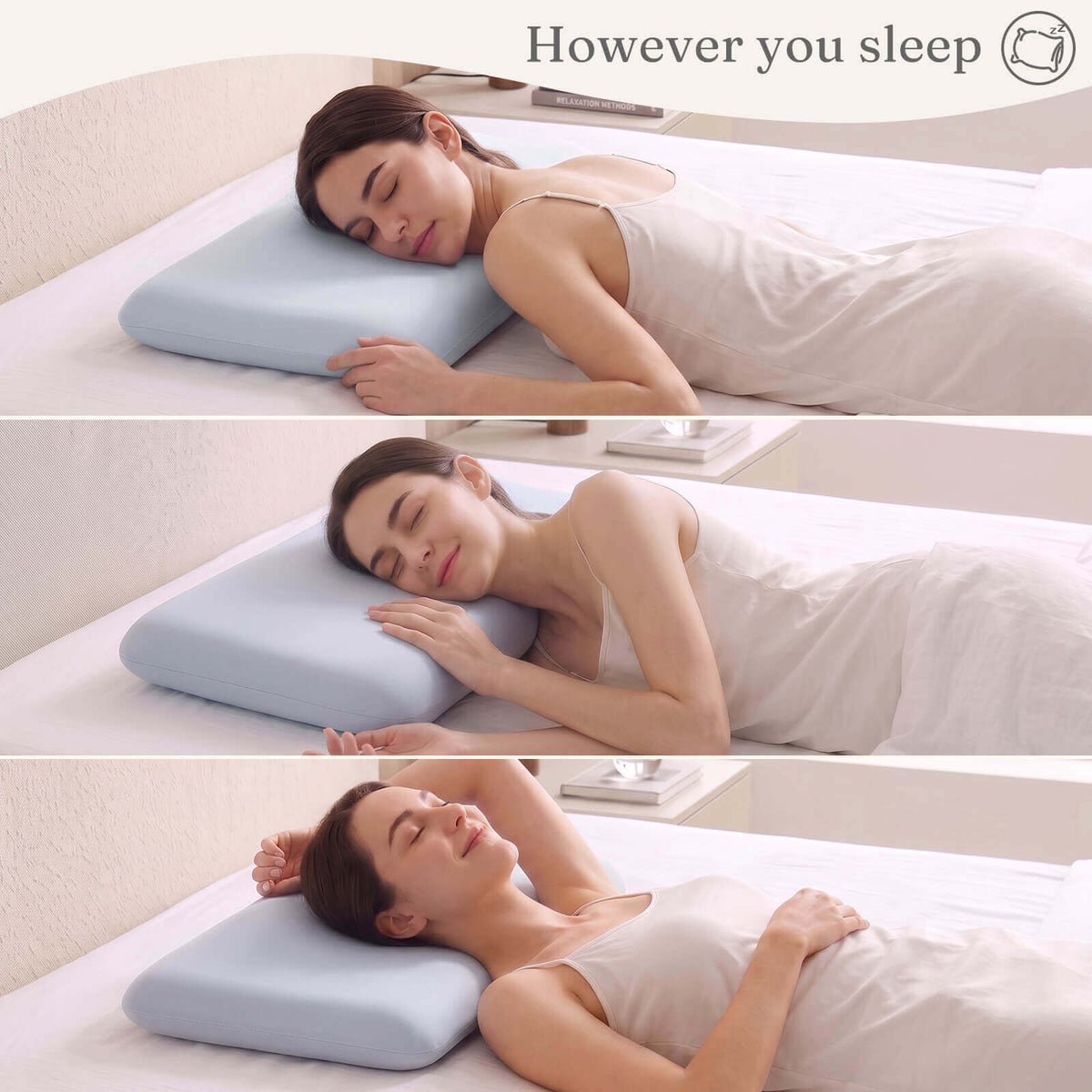
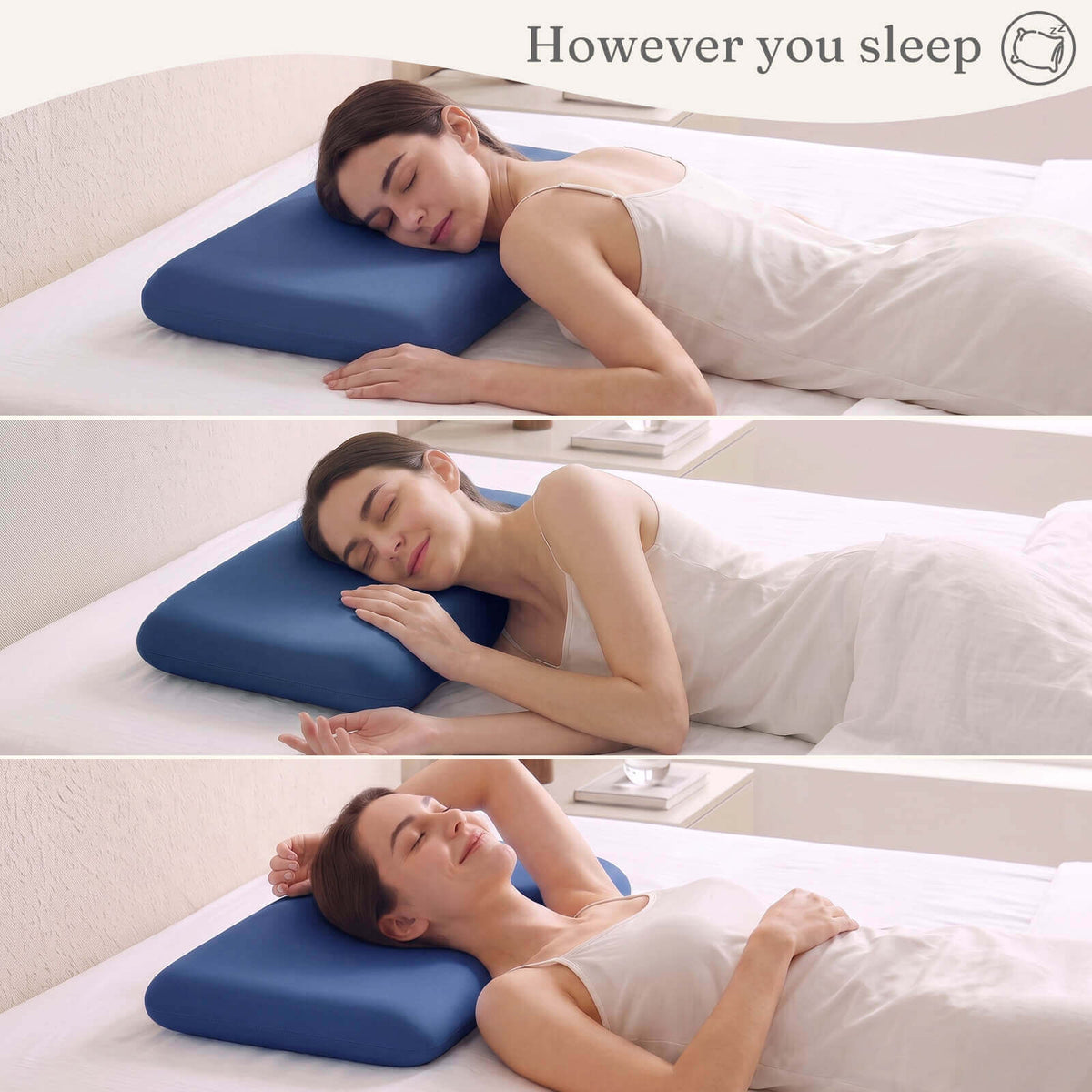
If you frequently change positions during the night, consider how comfortable the pillow feels beyond your primary sleeping position.
Pillow Height for Combination Sleepers
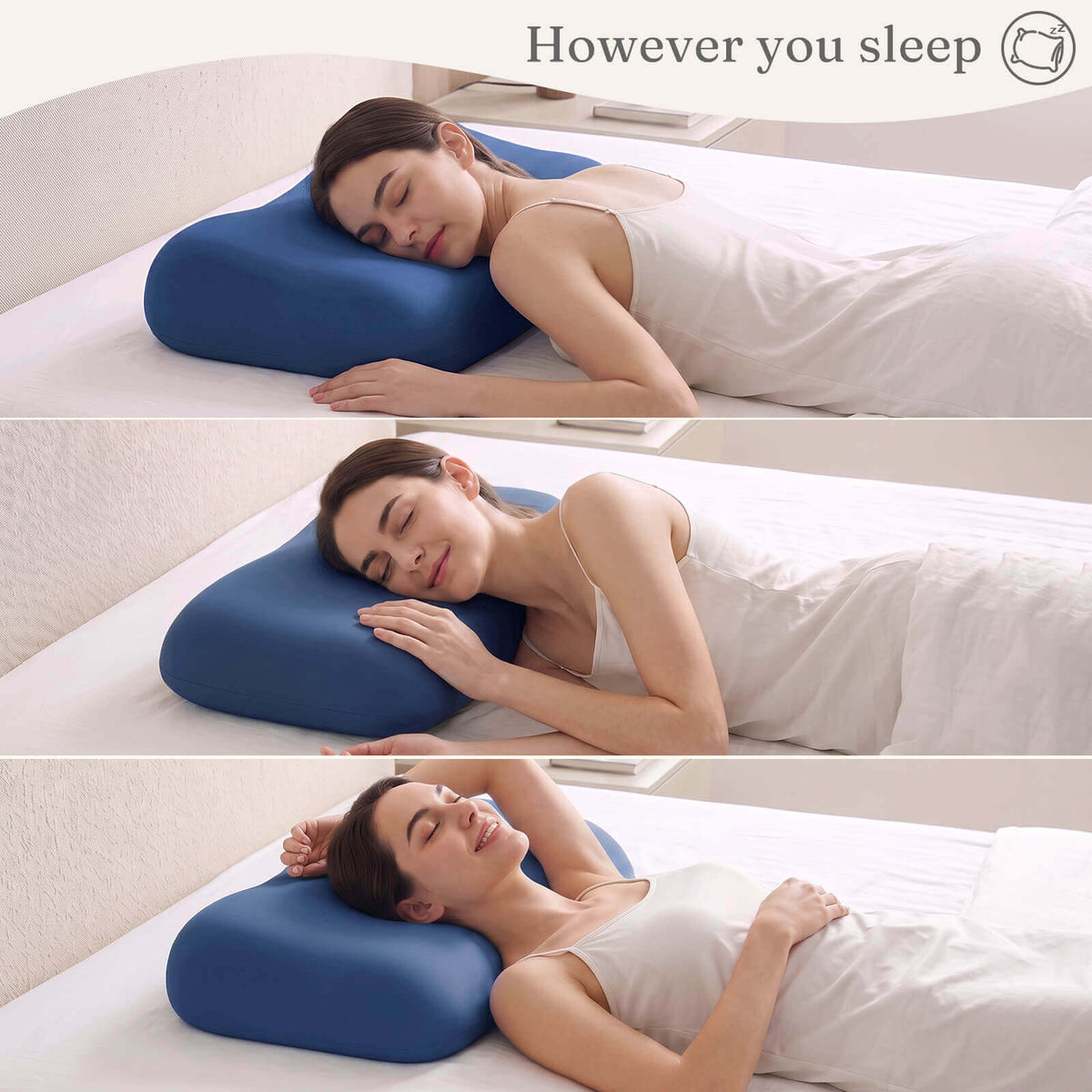
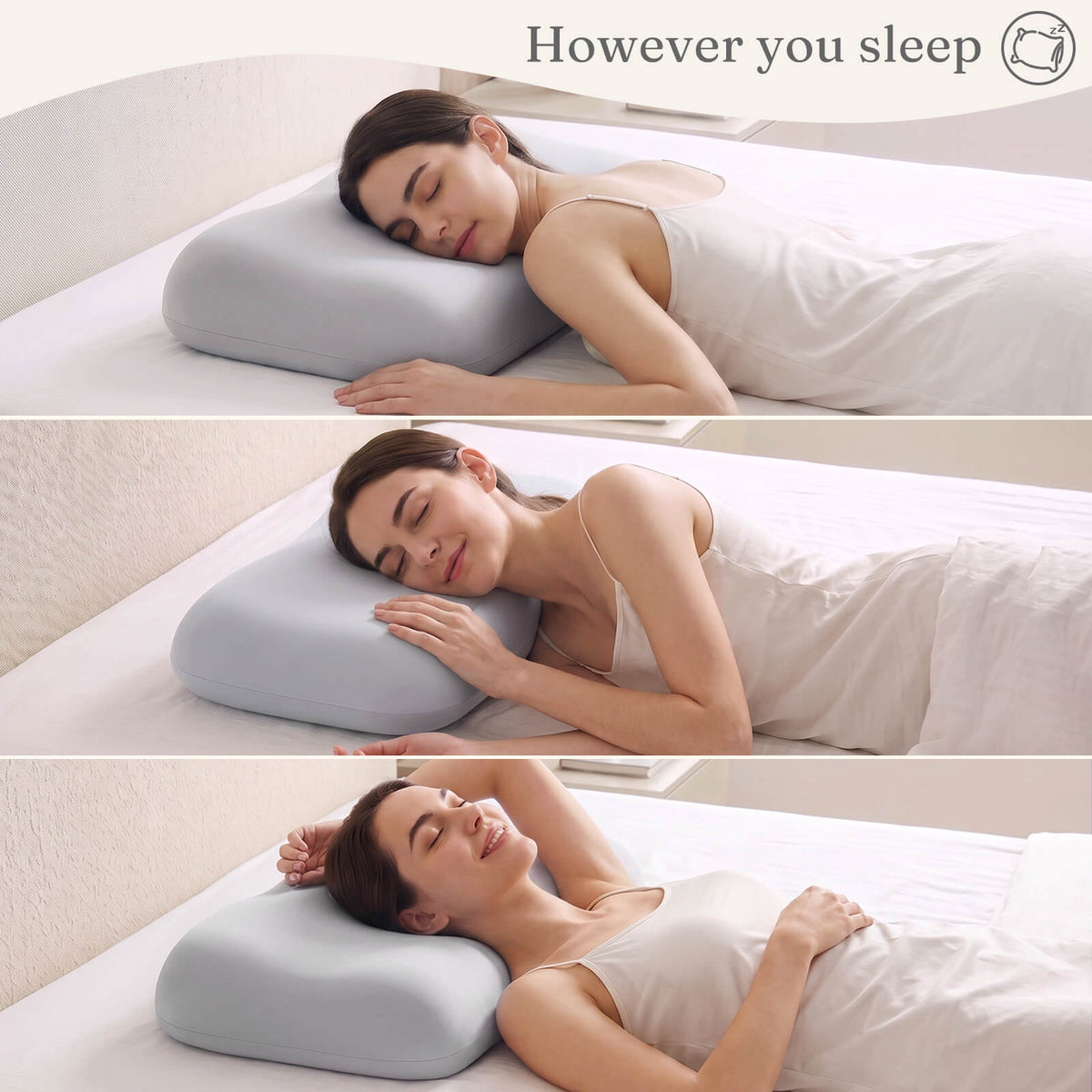
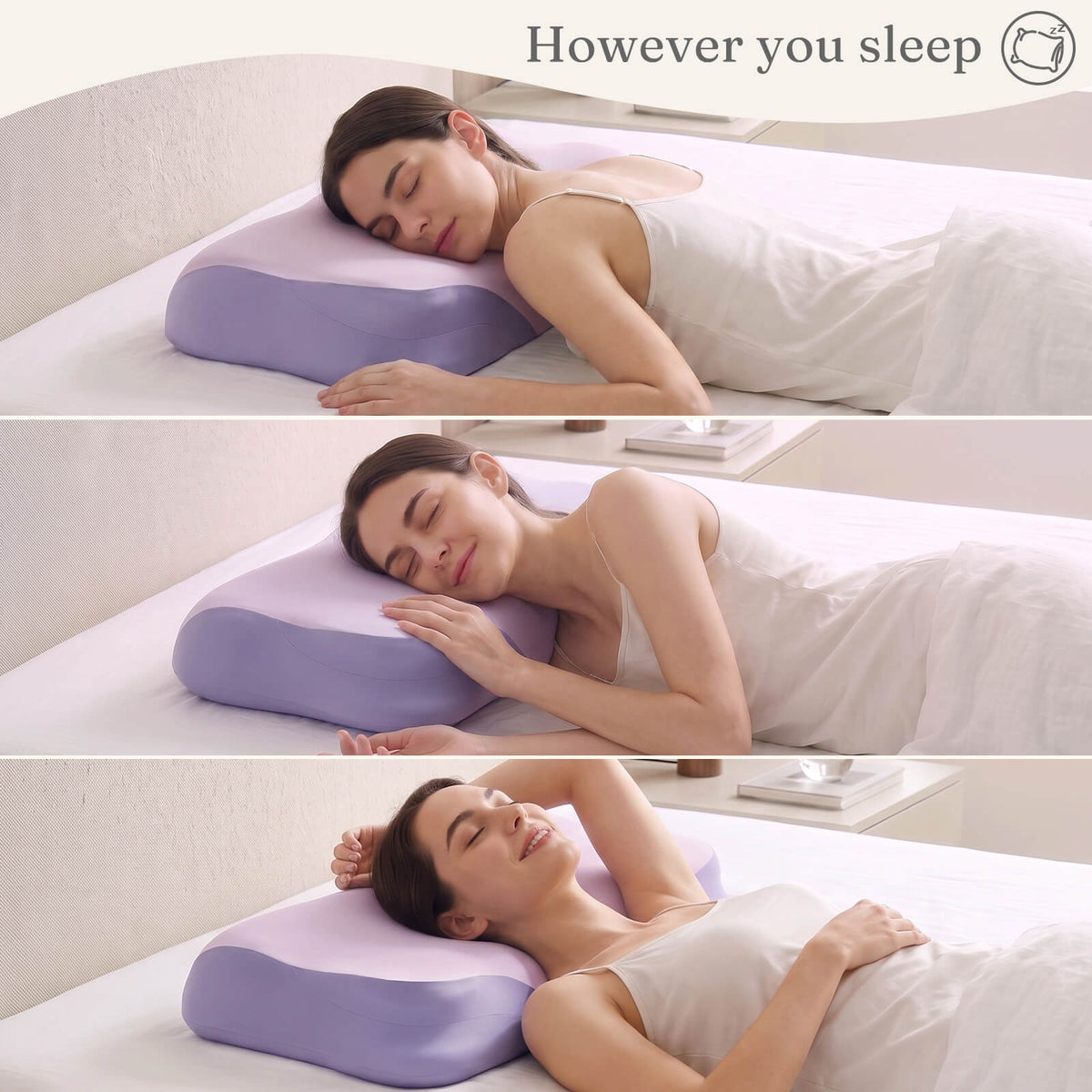
Combination sleepers move between different positions throughout the night. This can make pillow selection a little more challenging because a height that feels comfortable on your back may feel different when you turn onto your side.
For these sleepers, versatility can be especially useful. A balanced profile may be a practical starting point, but the important thing is to consider the positions you use most often.
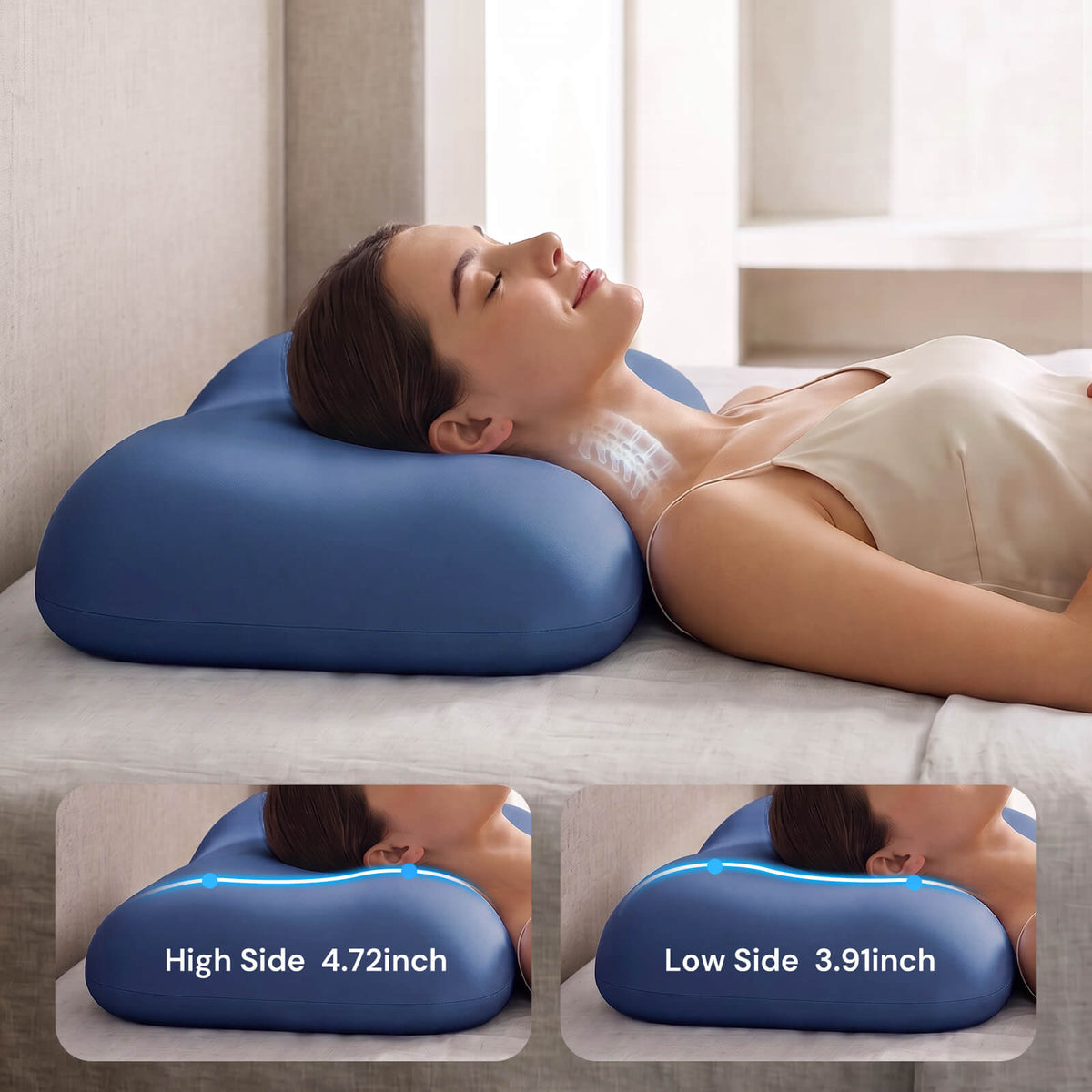
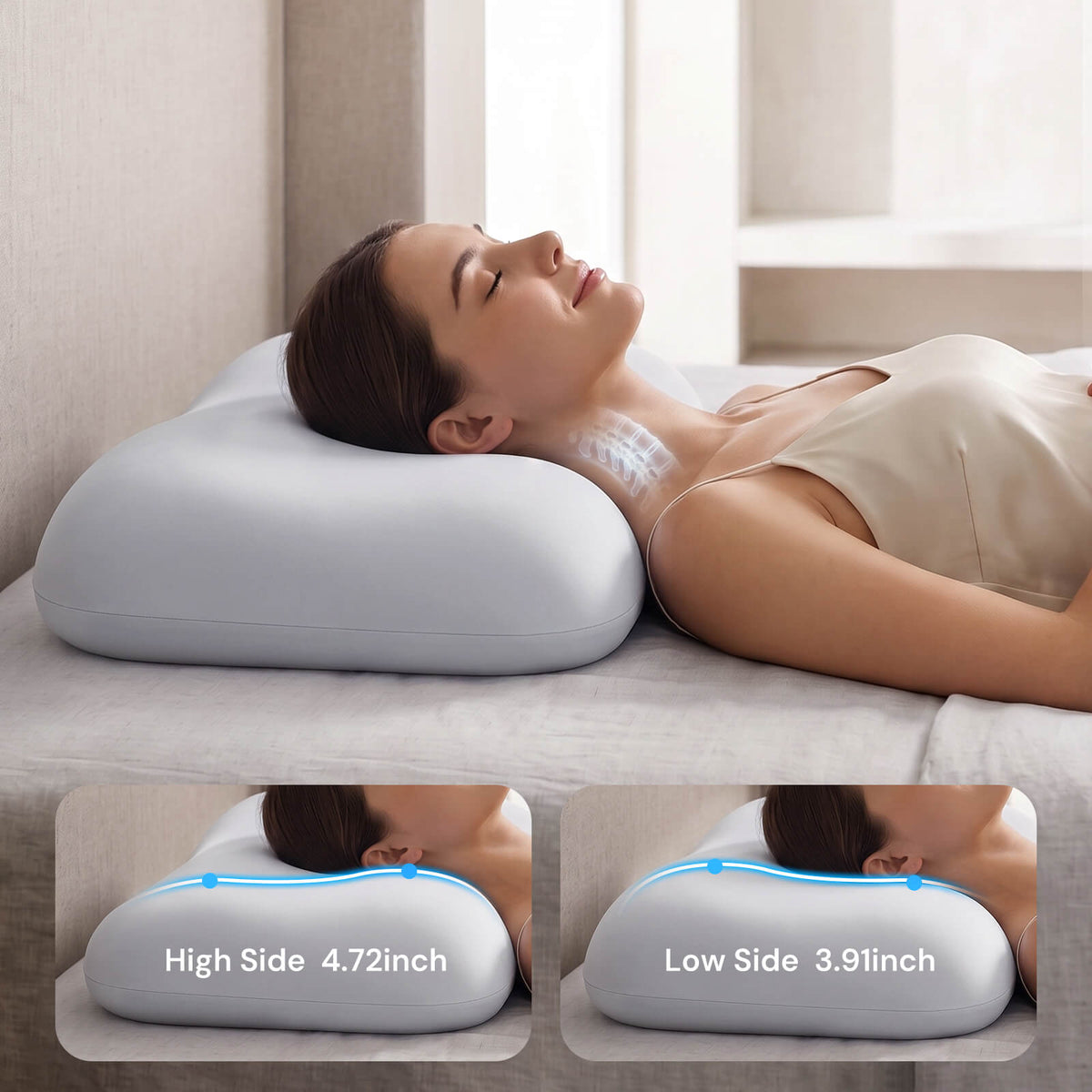
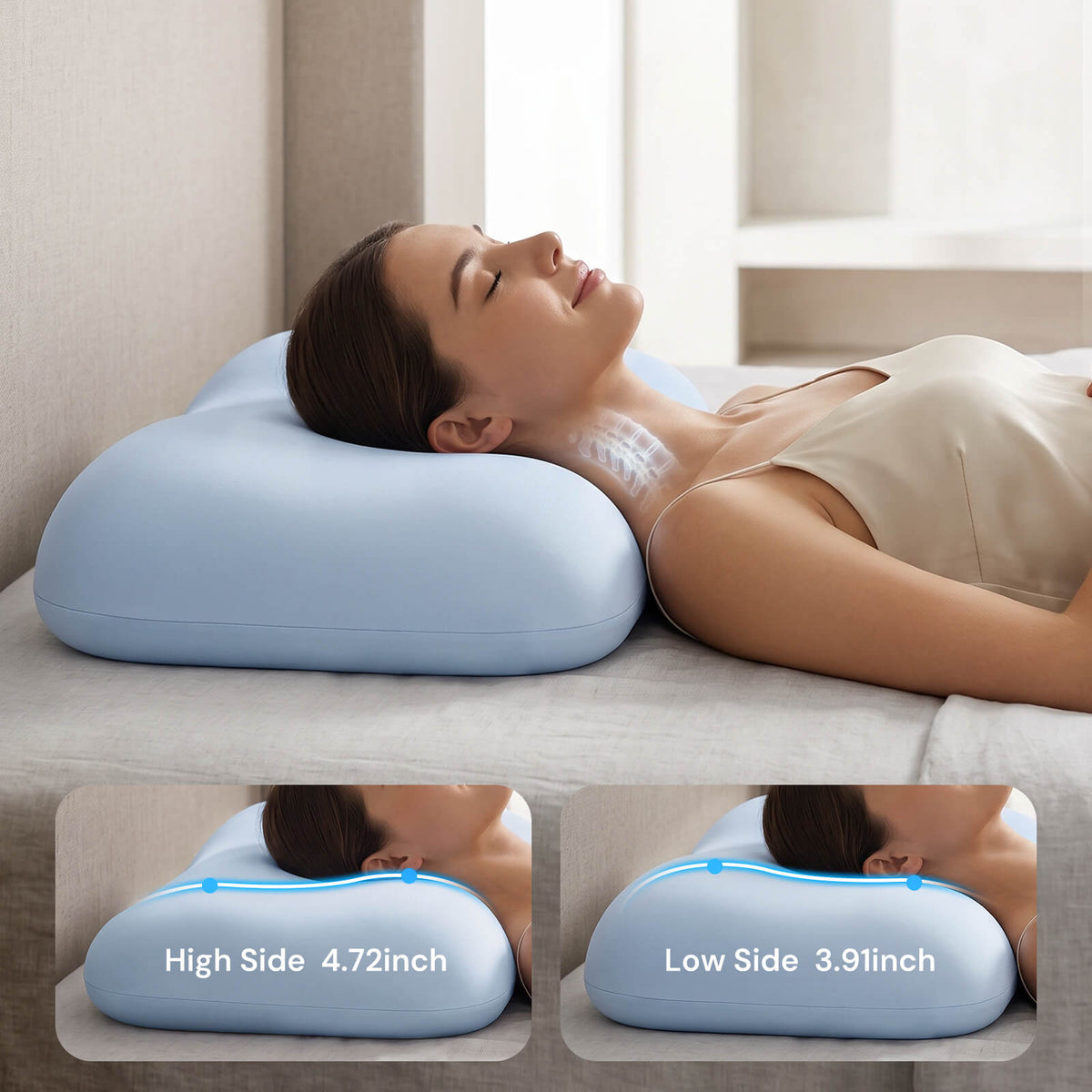
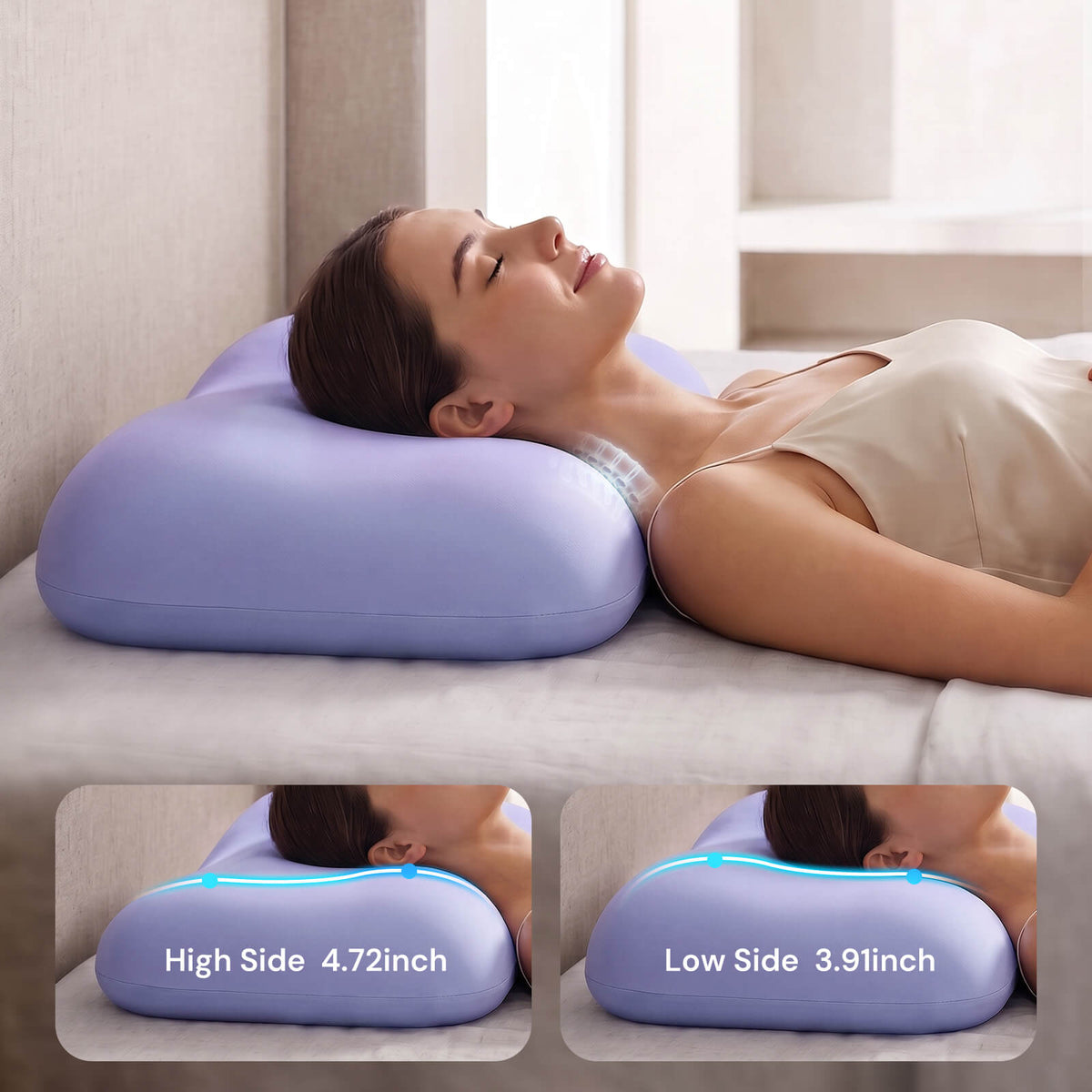
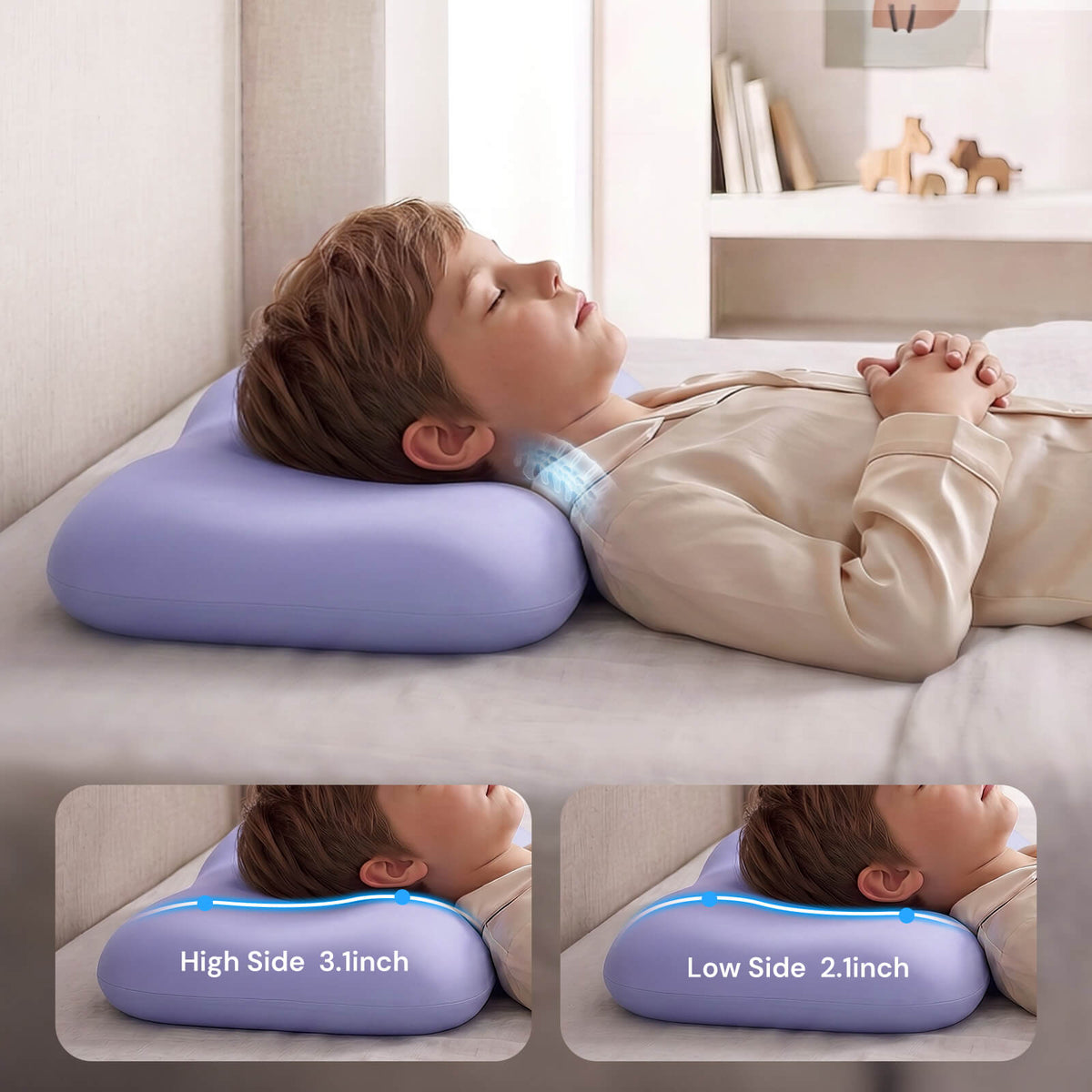
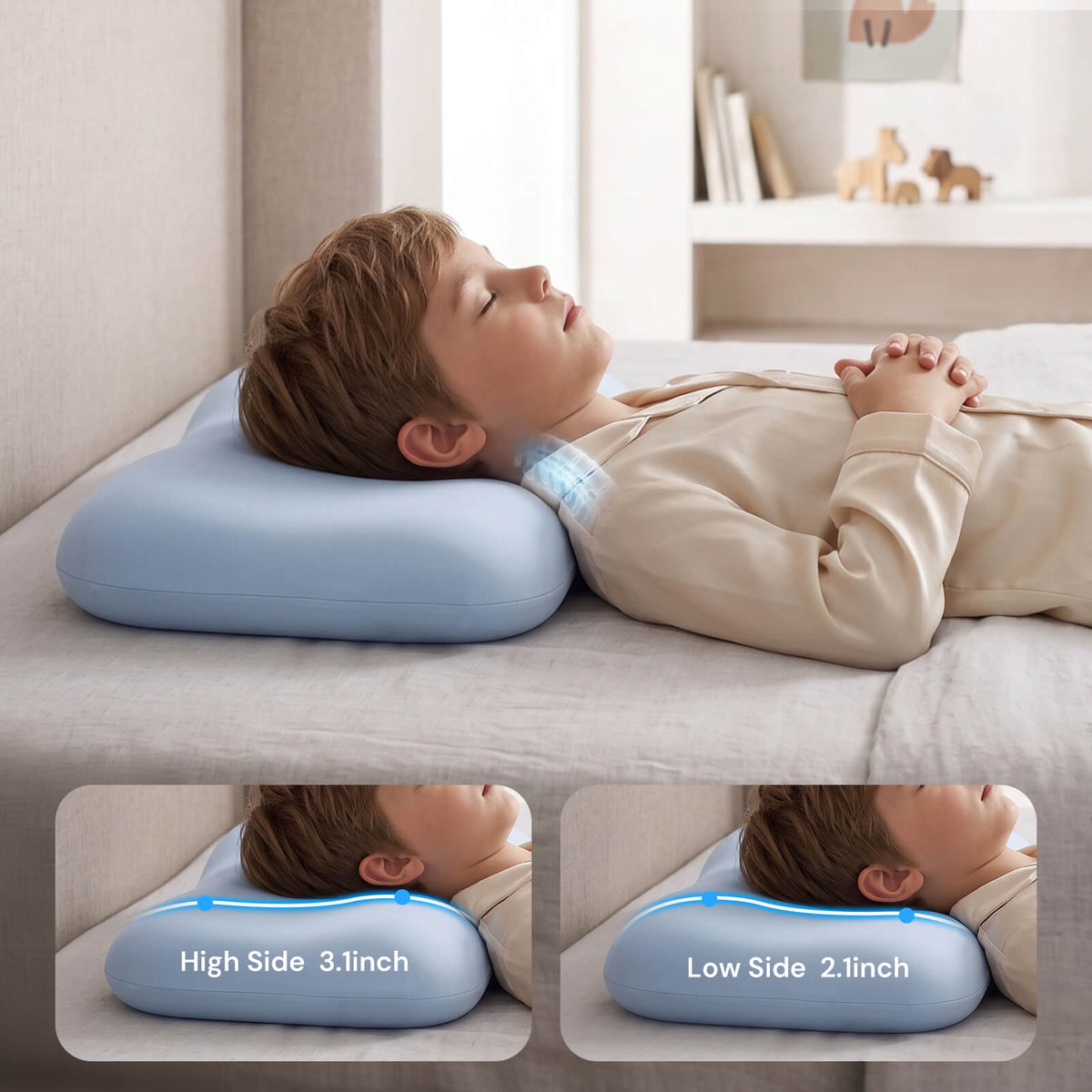
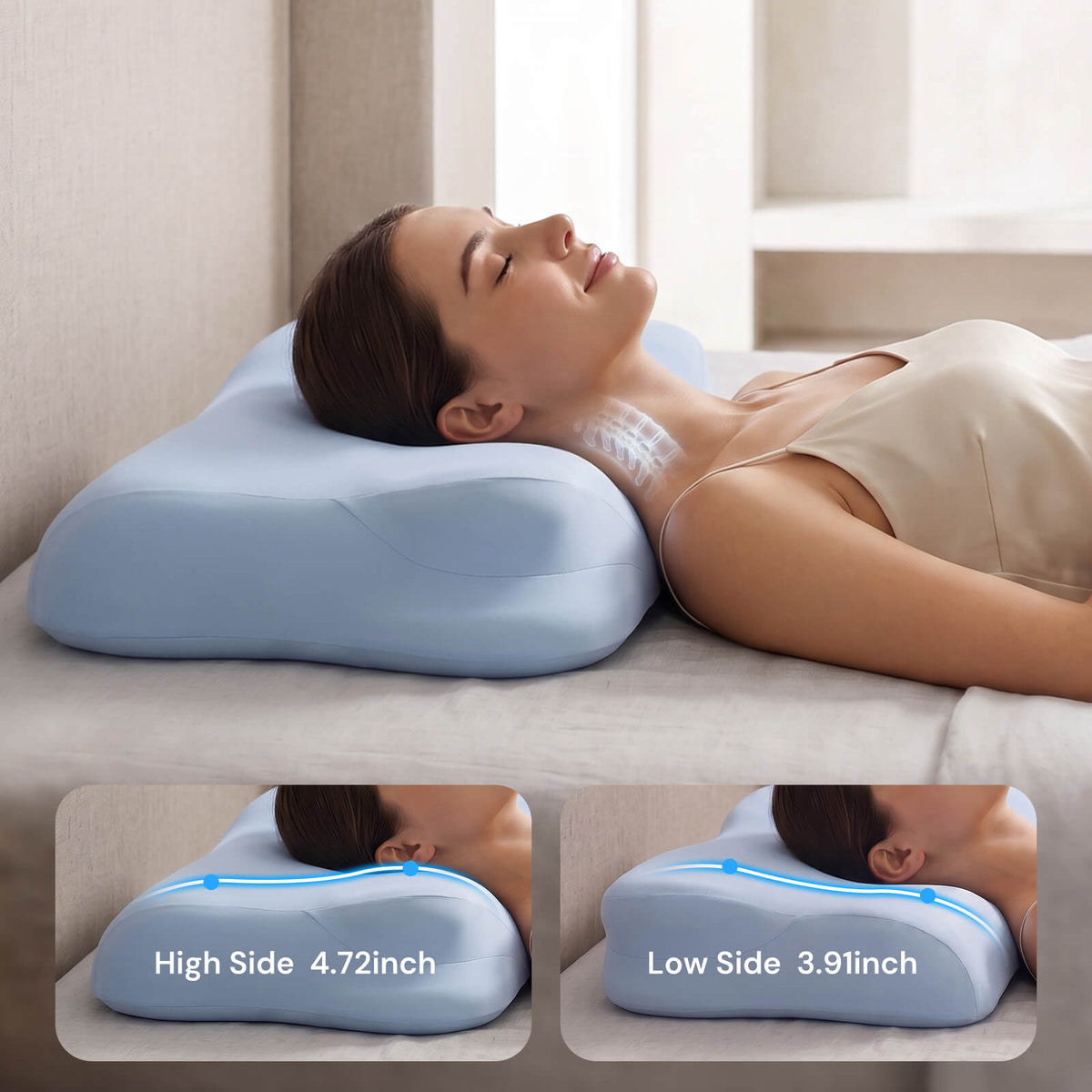
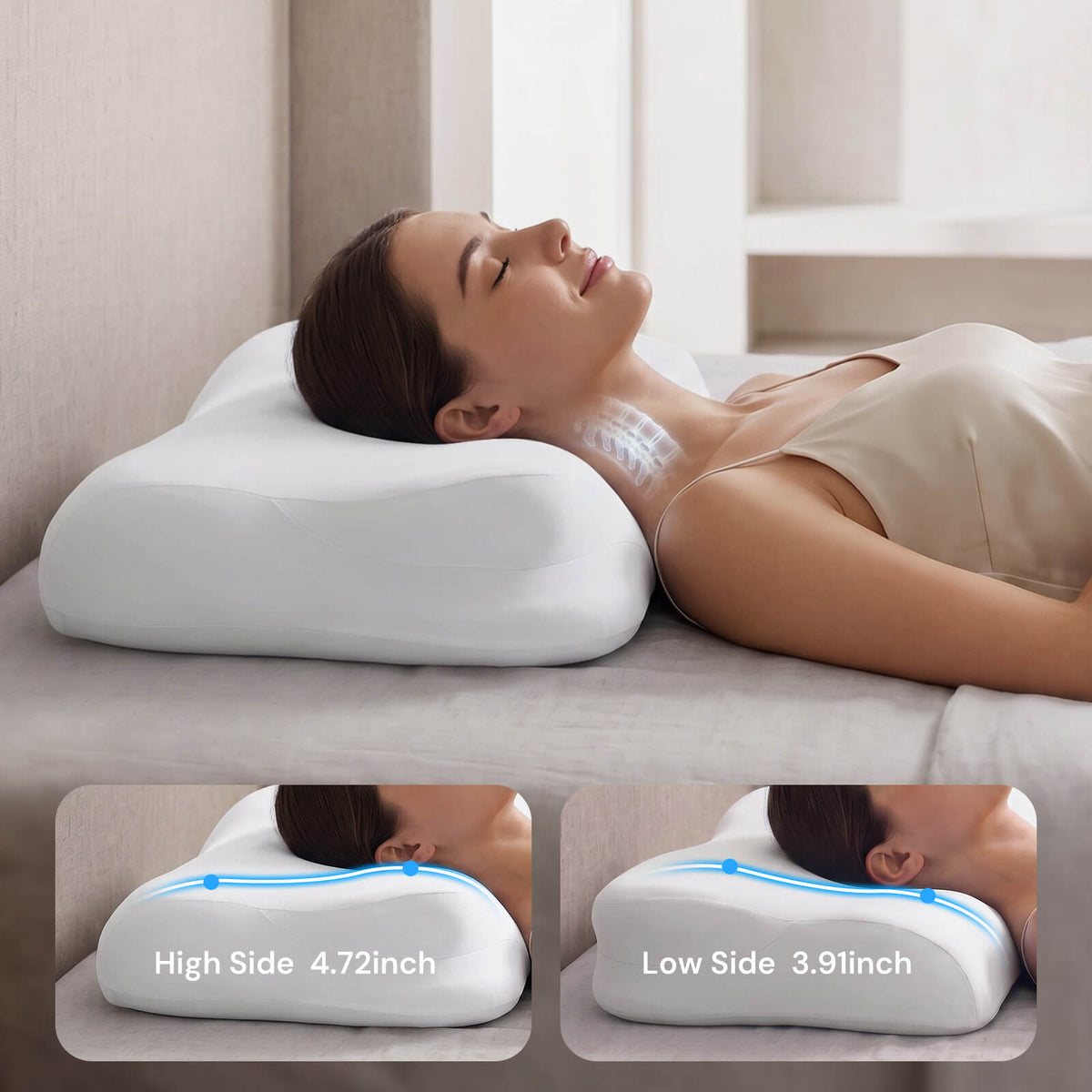
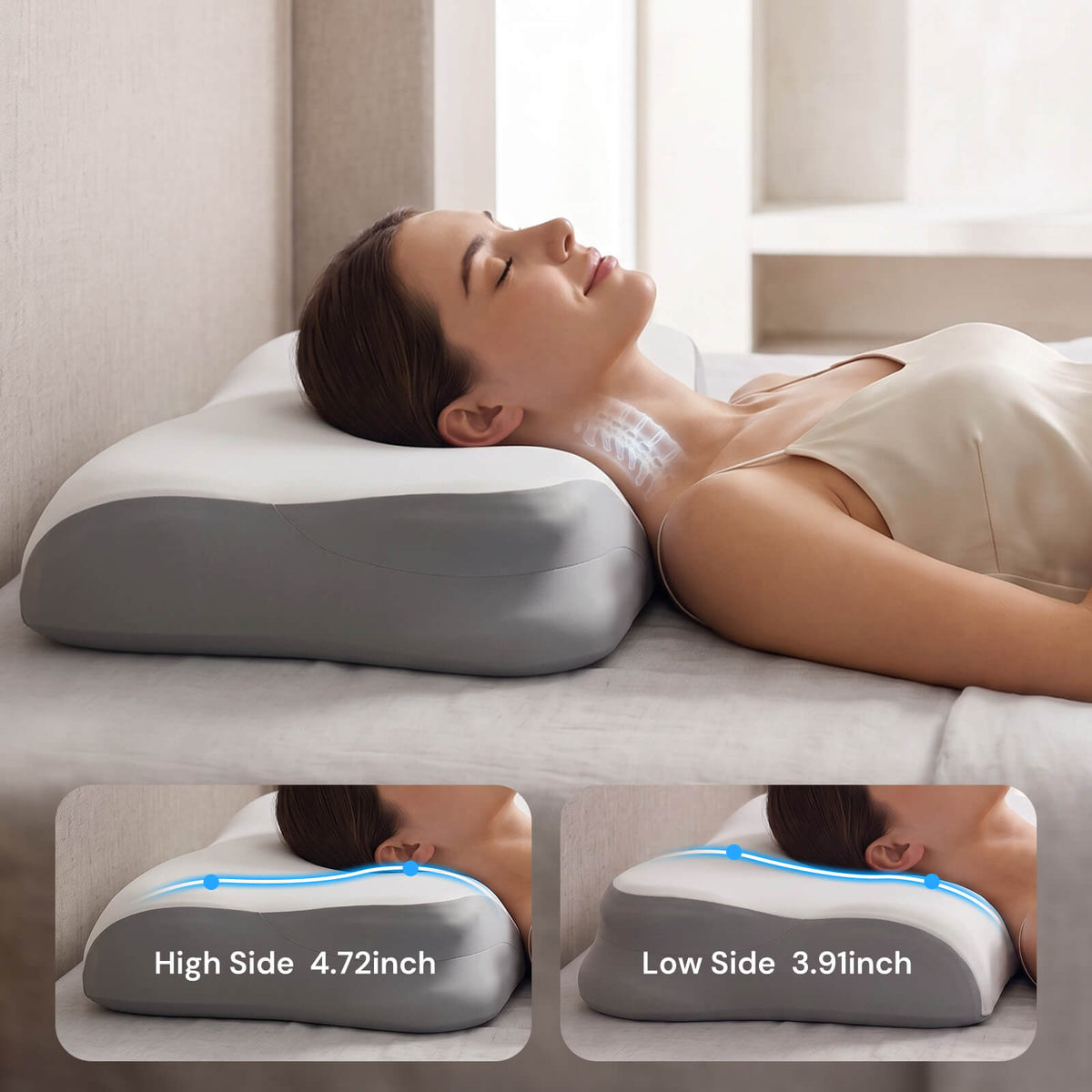
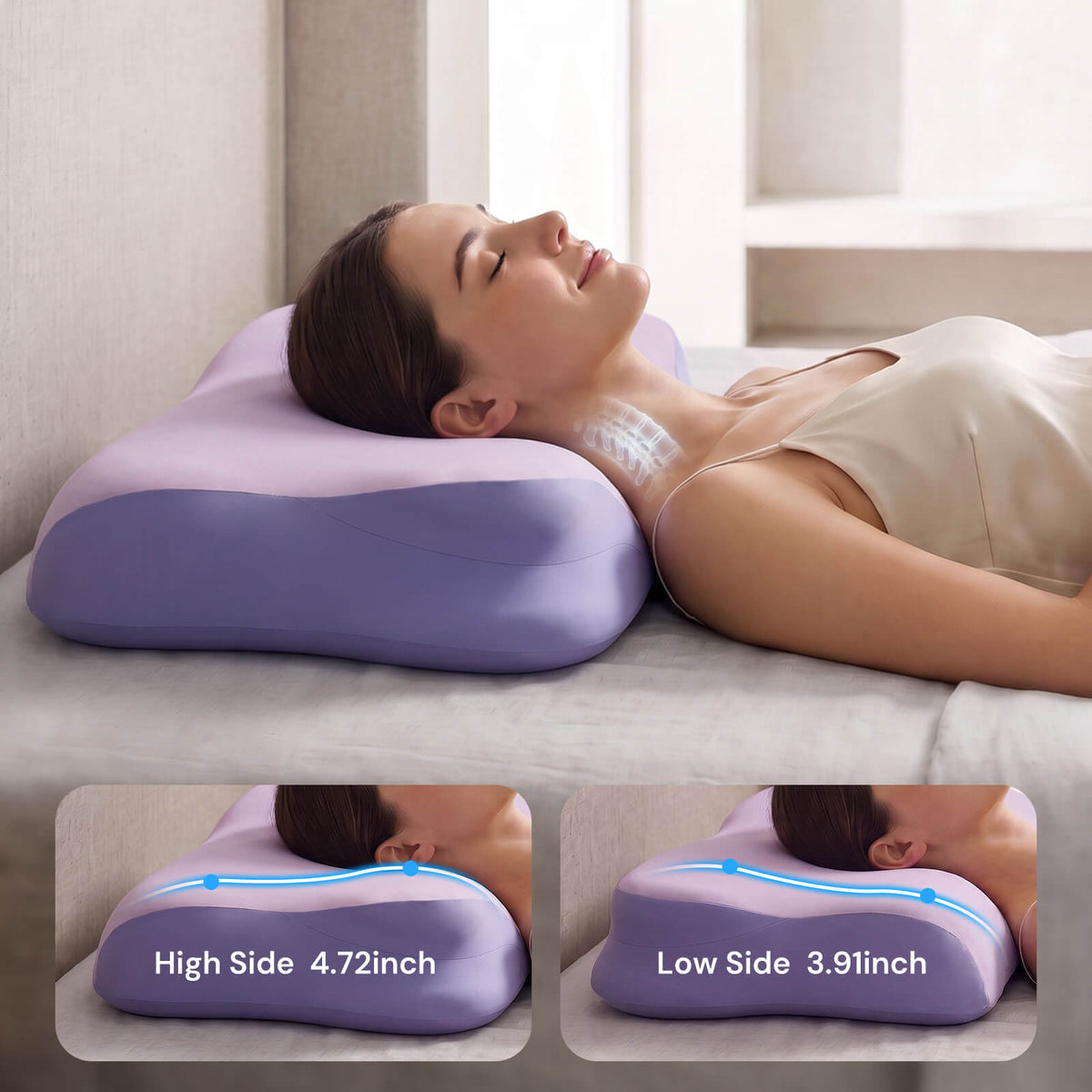
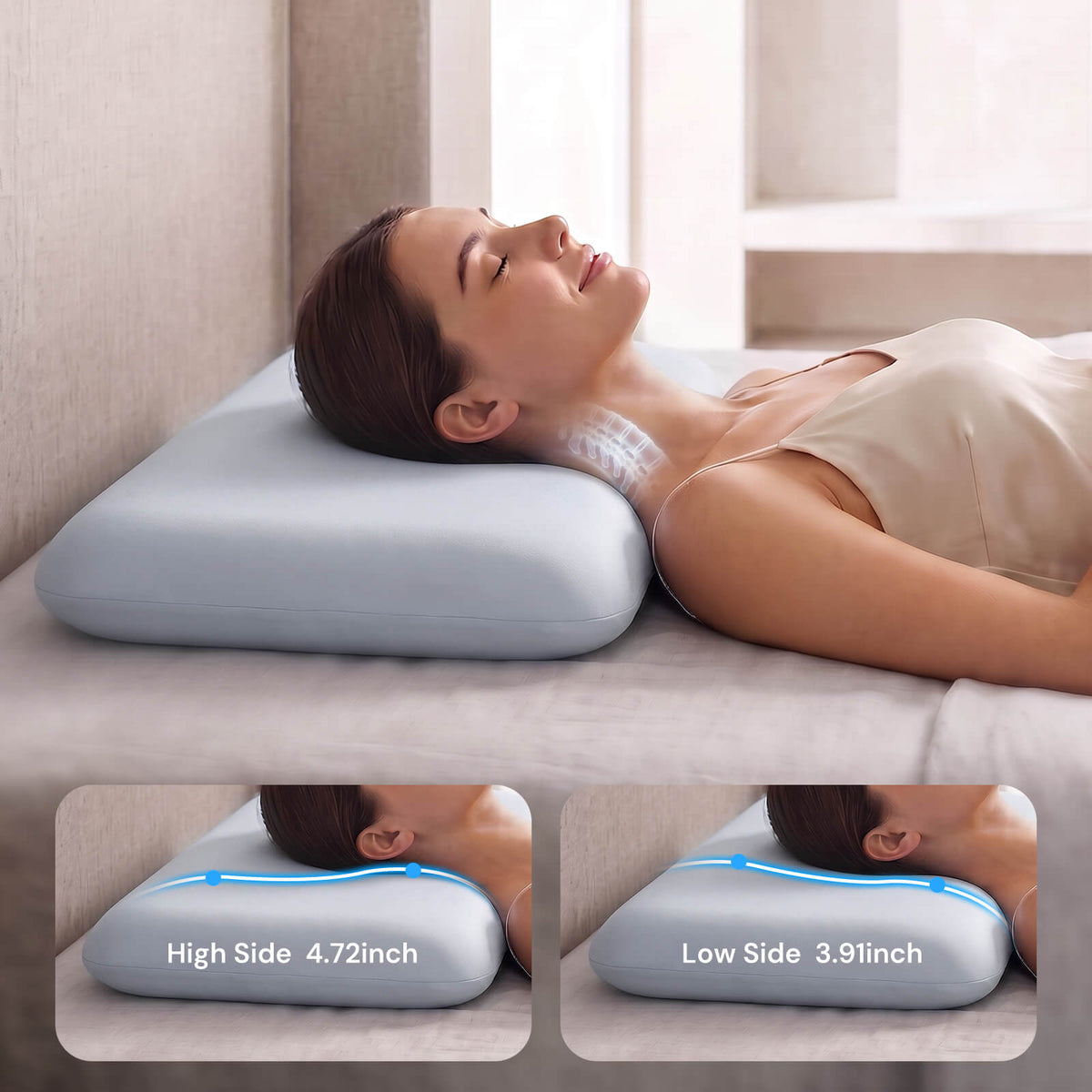
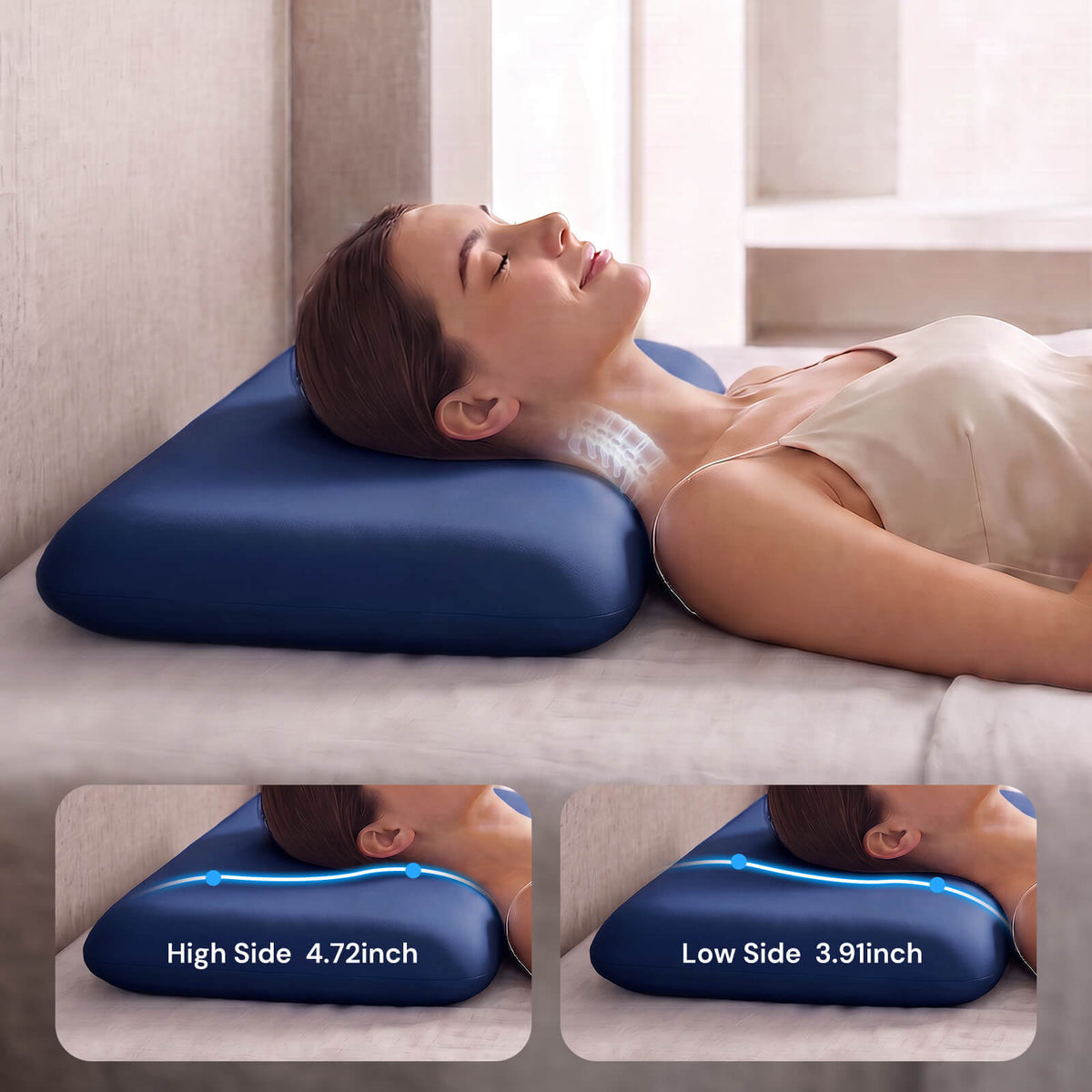
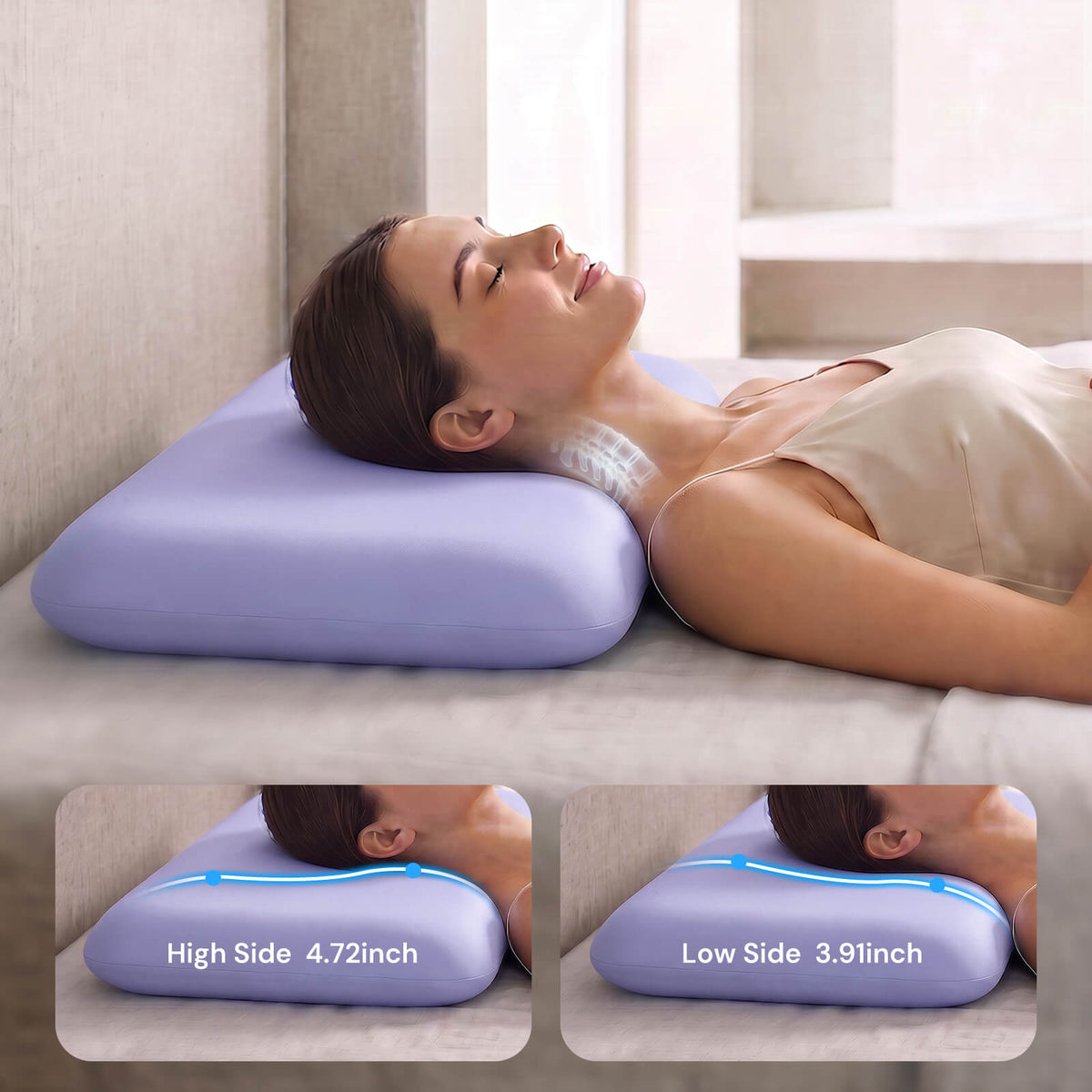
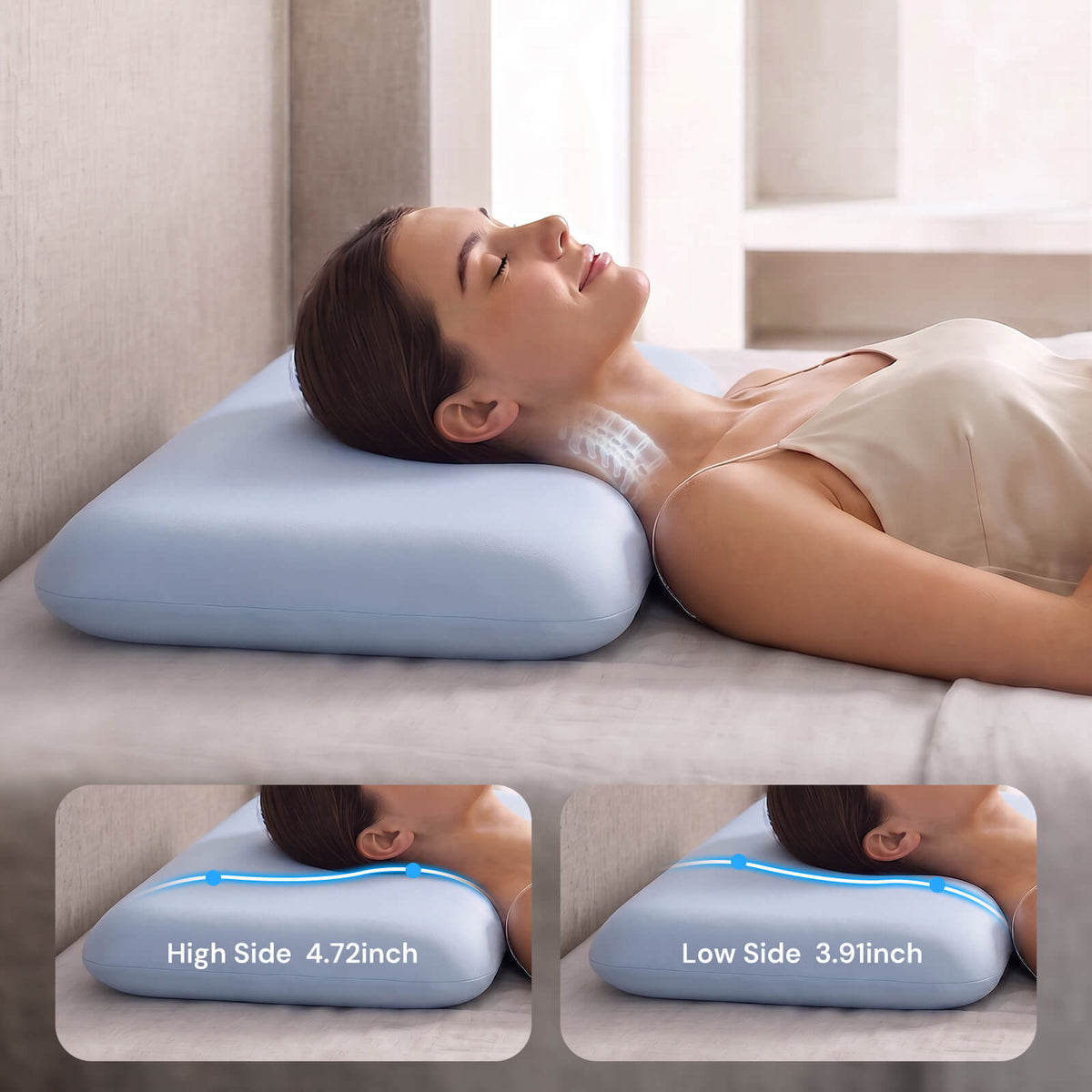
A pillow with two different height options may also offer more flexibility, allowing you to flip it and experience another profile without switching to a different pillow.

What Else Affects the Right Pillow Height?
Sleeping position is only one part of the picture. Several other factors can change how high or low a pillow feels.
Shoulder Width and Body Proportions
Your body shape influences the distance between your head and the mattress.
For example, two people who sleep on their sides may have different pillow-height preferences because their shoulder widths are different. This is why a pillow that feels comfortable for one person may feel too low or too high for someone else.
Consider your own proportions rather than relying entirely on general height recommendations.
Mattress Firmness
Your mattress and pillow work together as part of your sleep setup.
A softer mattress may allow your shoulders to sink further into the surface, while a firmer mattress may keep them closer to their original position. This can change the space your pillow needs to fill.
When choosing a pillow, consider the mattress you actually sleep on. A pillow that feels comfortable in a store or on a different bed may feel different at home.
Pillow Material and Construction
The material inside a pillow also affects its feel and how it responds to pressure.
Down and fiberfill pillows may compress and shift as you rest your head on them. Memory foam, on the other hand, is designed to respond to pressure and contour around the shape of your head and neck.
Different foam formulations and pillow constructions can create different levels of firmness, cushioning, and compression. As a result, two pillows with the same listed height may not feel alike.
This is why it helps to look beyond measurements and consider the overall design of a pillow.

Does Memory Foam Change How Pillow Height Feels?
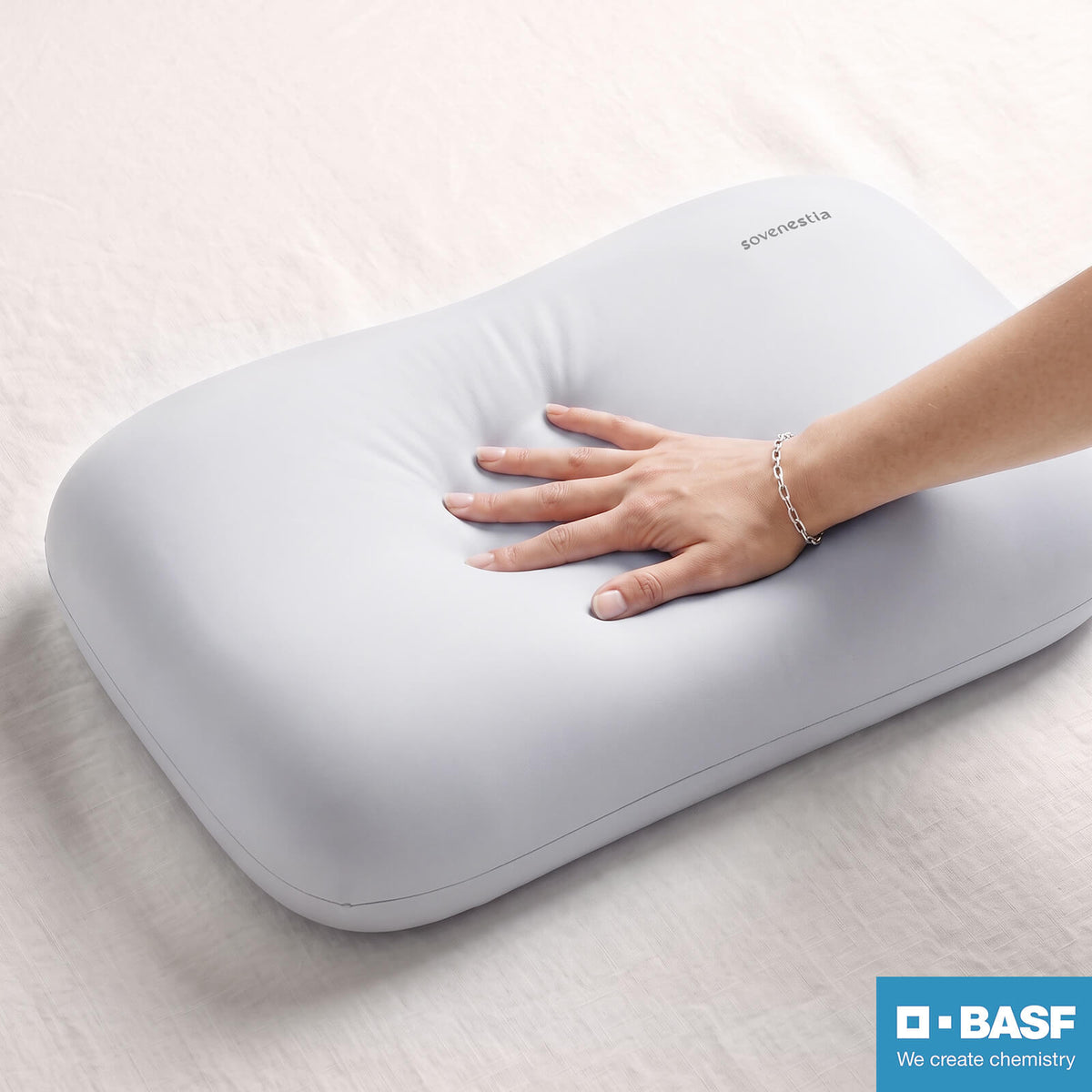
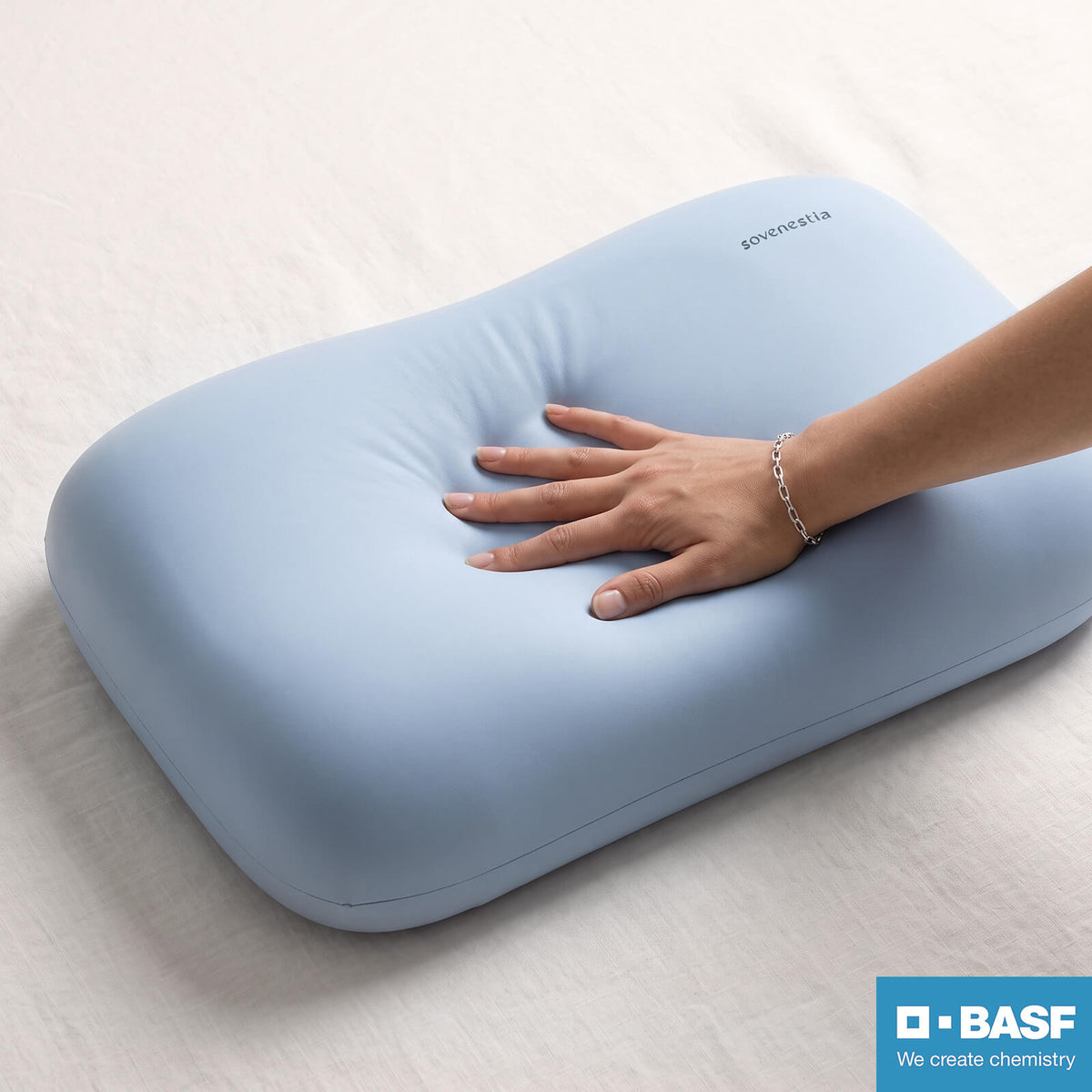
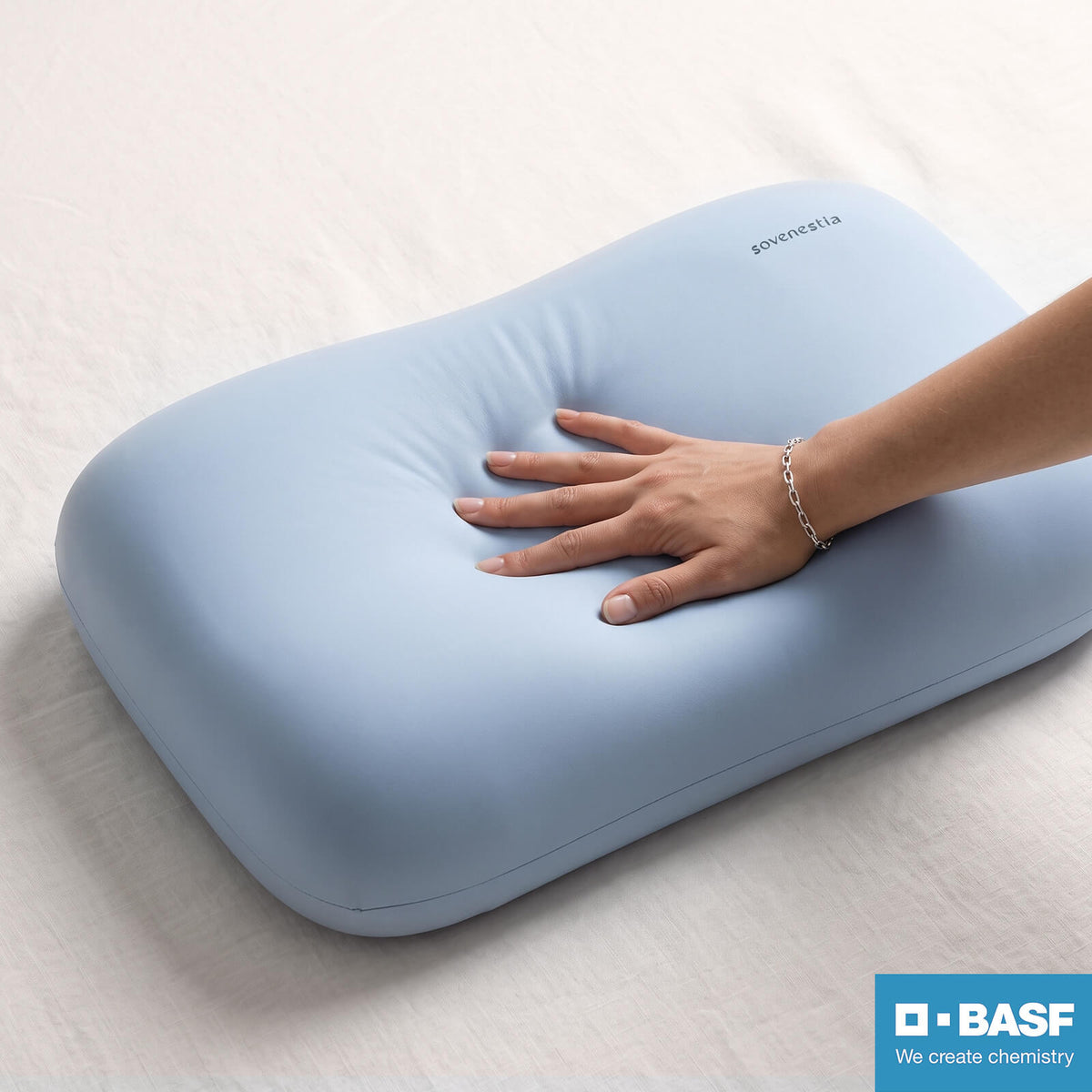
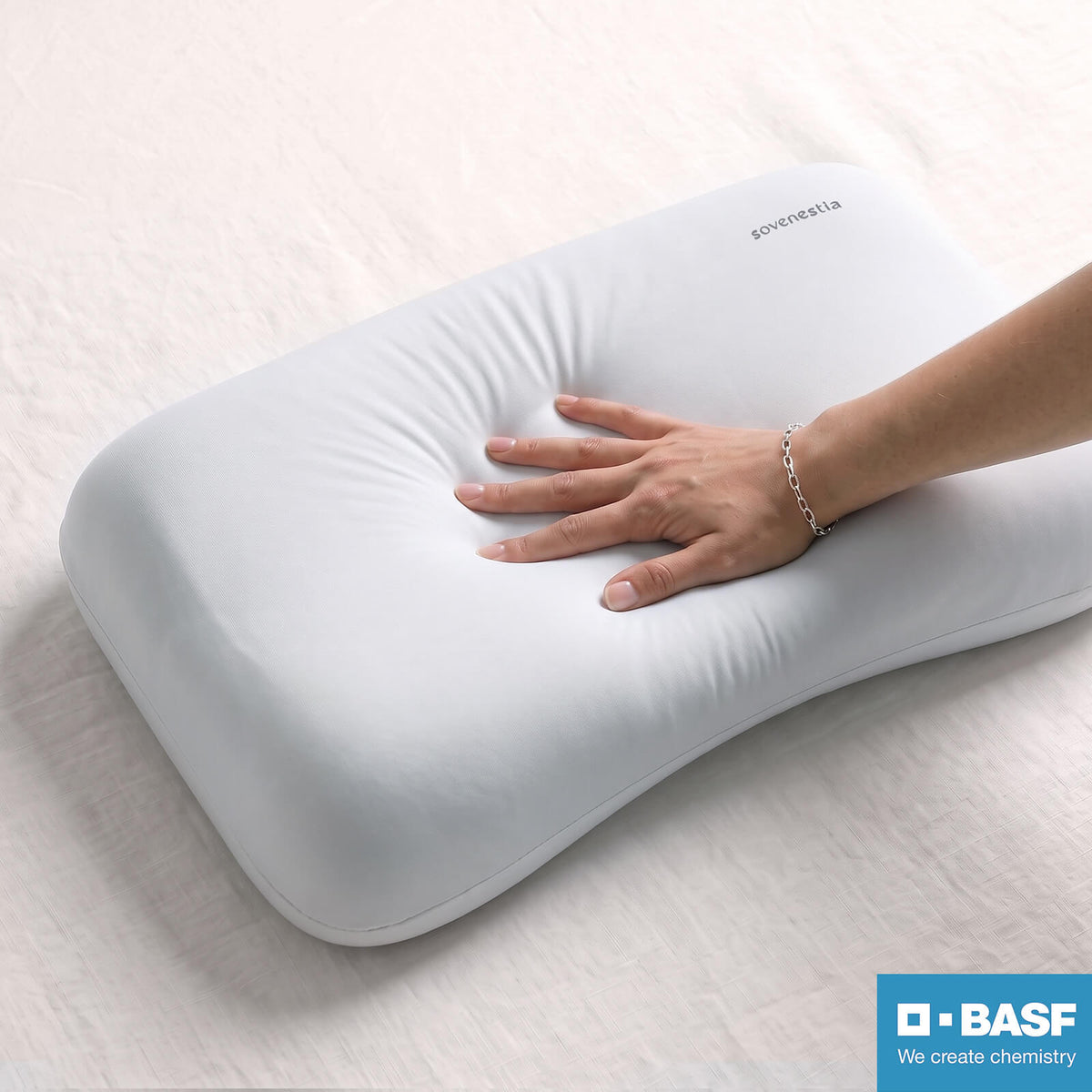
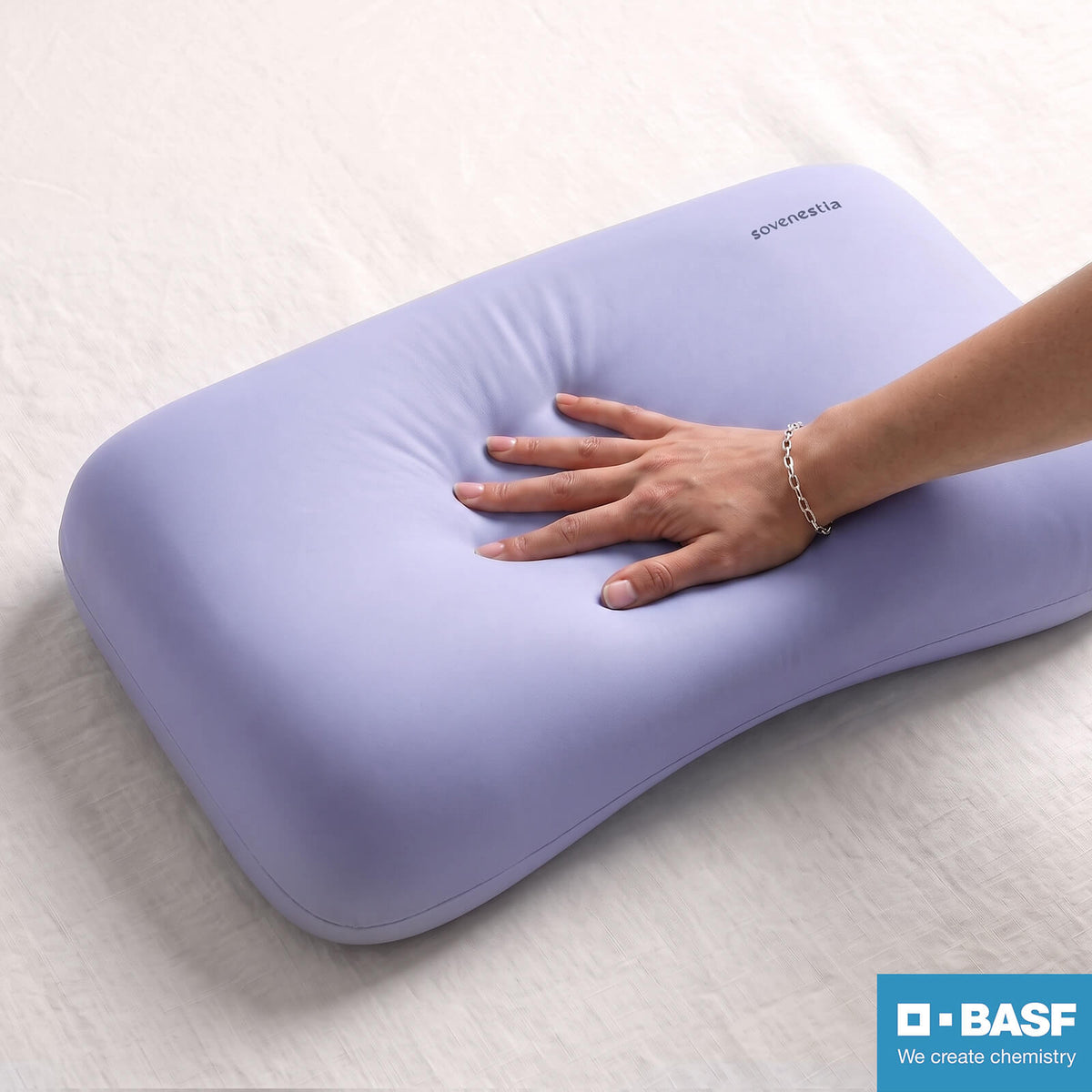
Yes. The listed height of a memory foam pillow doesn't always reflect how tall it feels when you're lying on it.
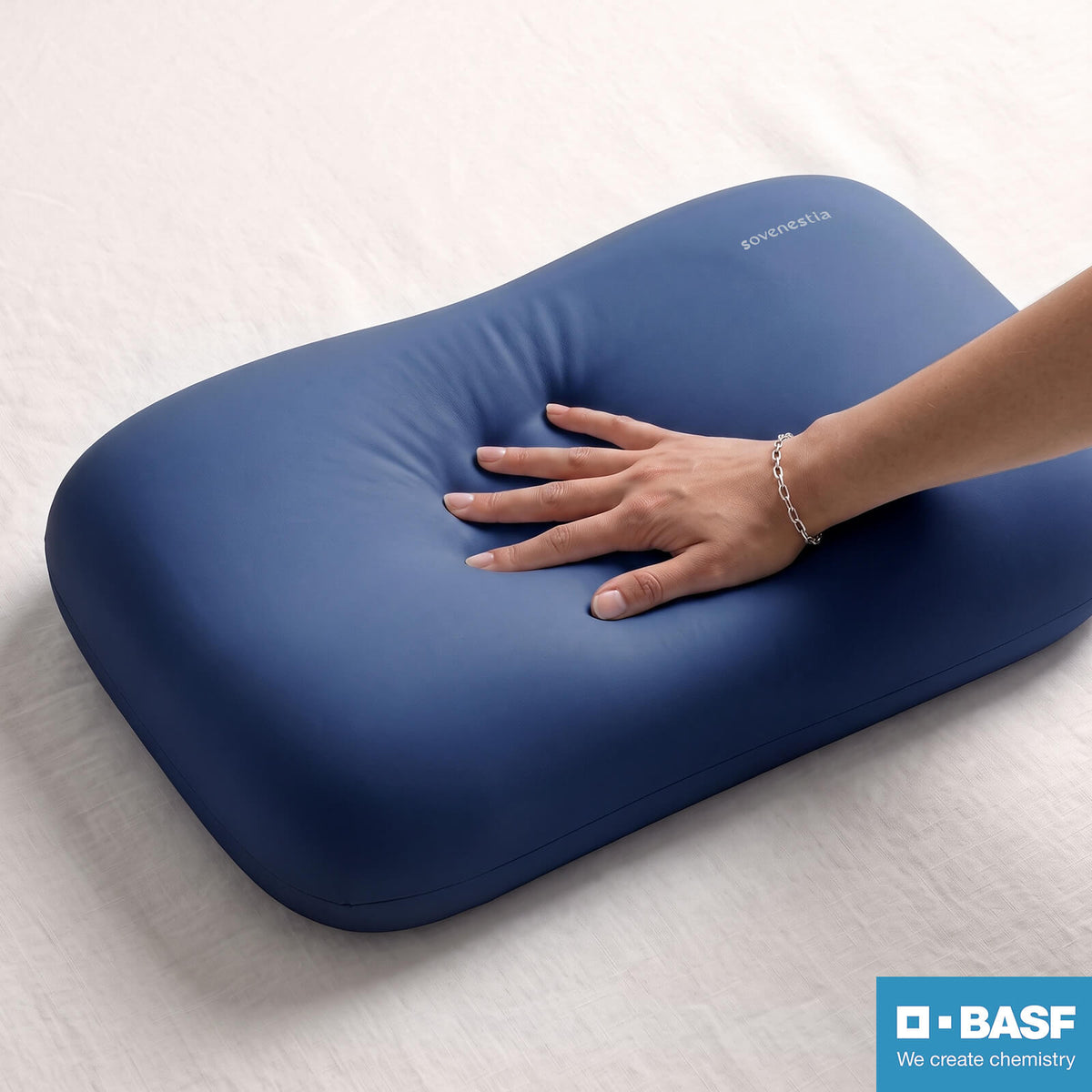
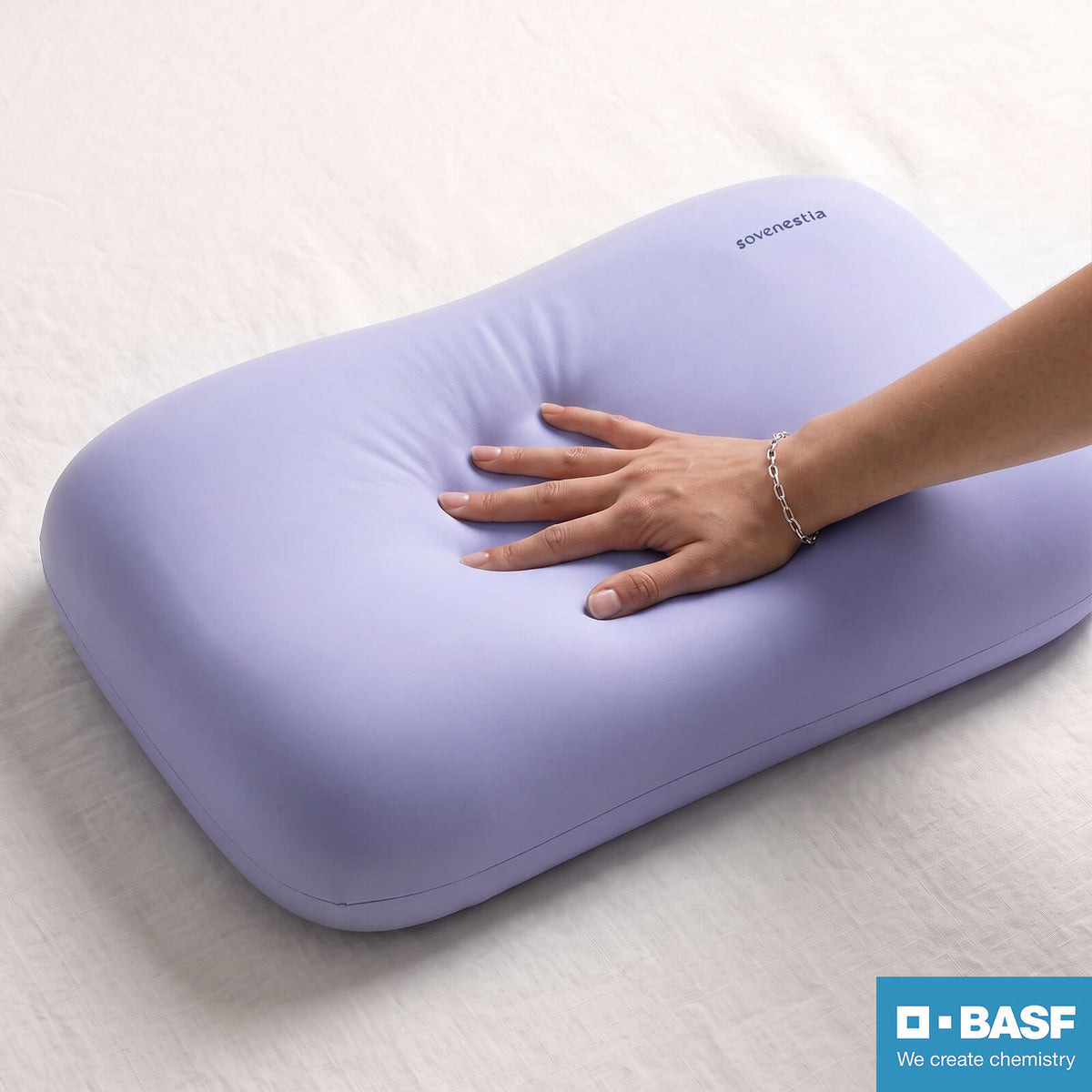
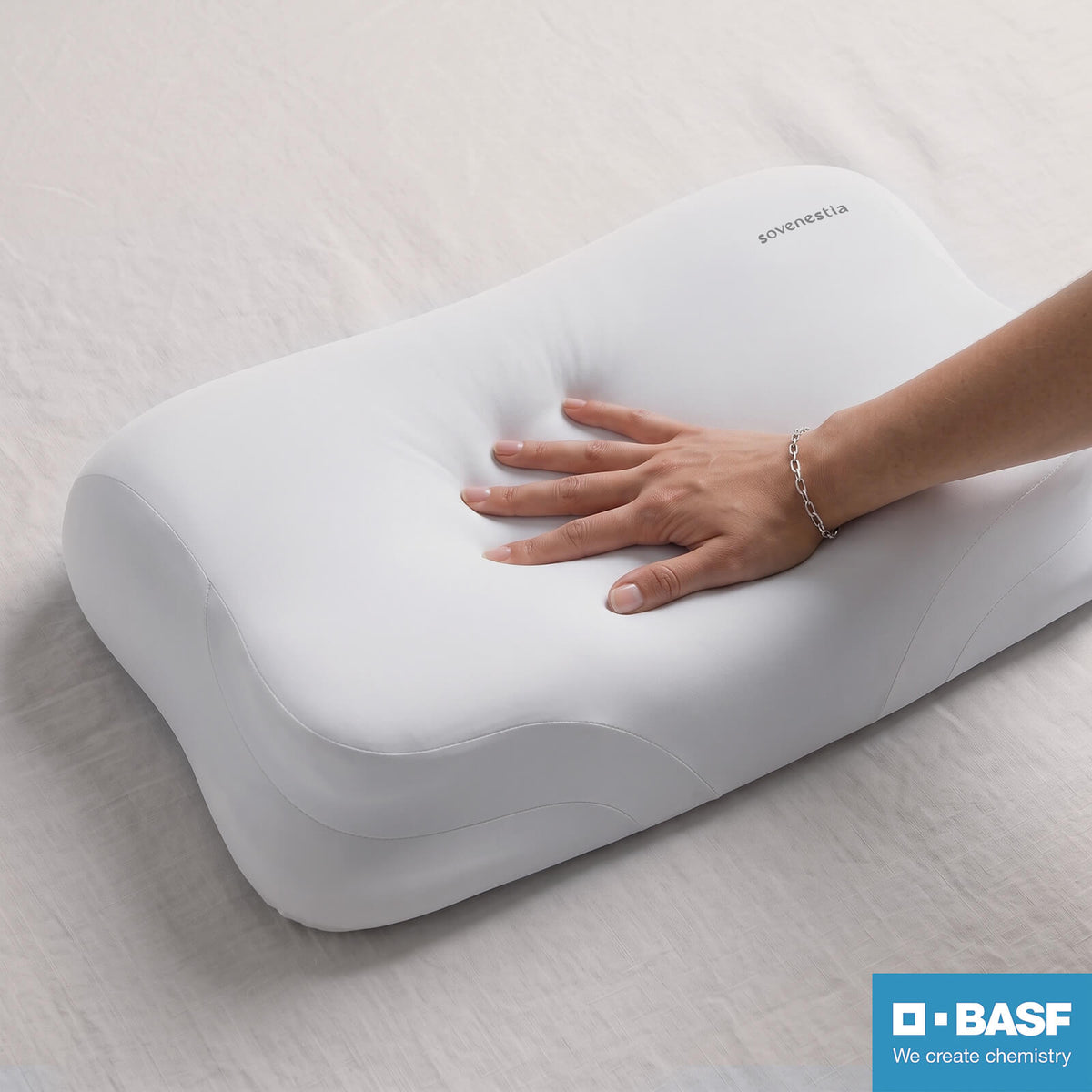
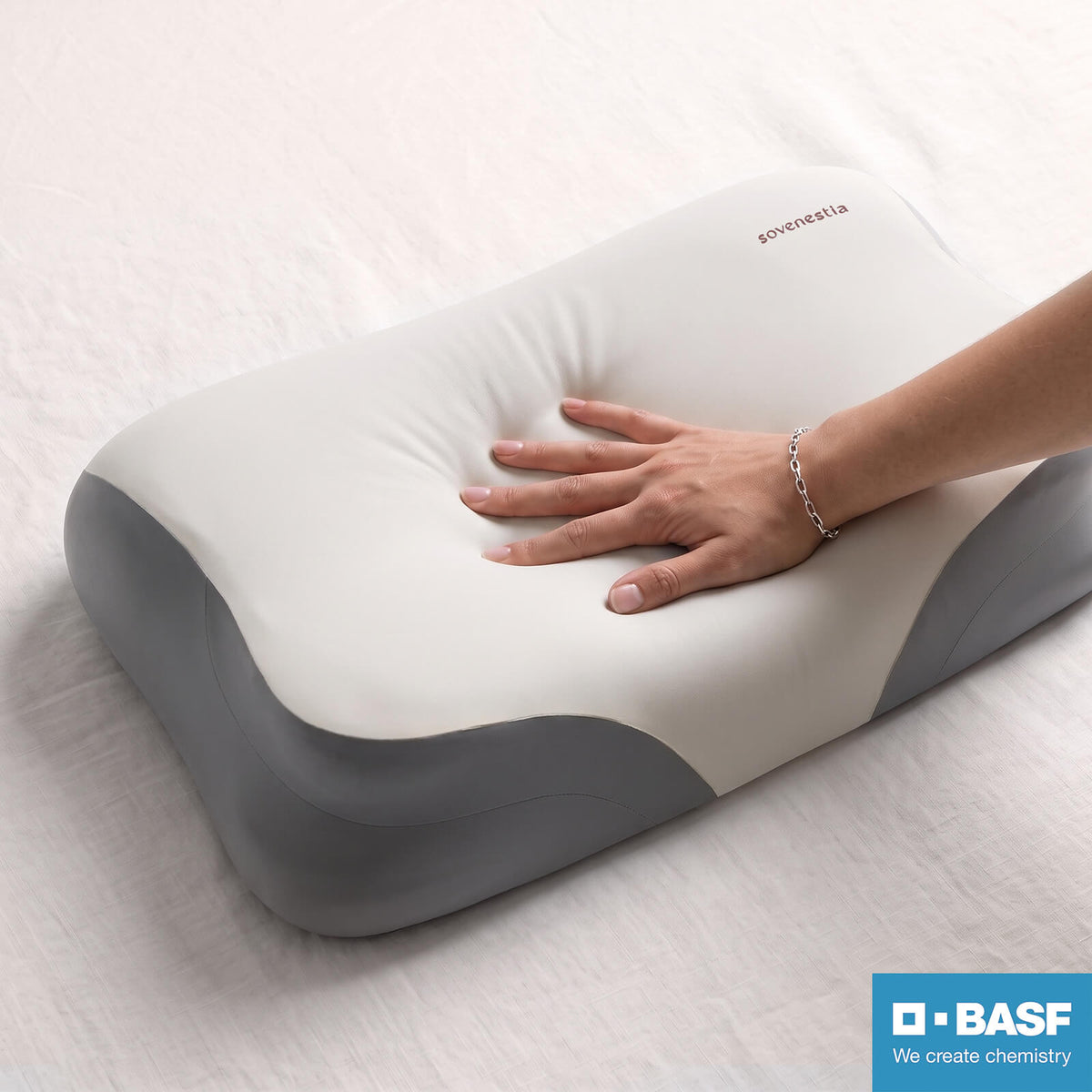
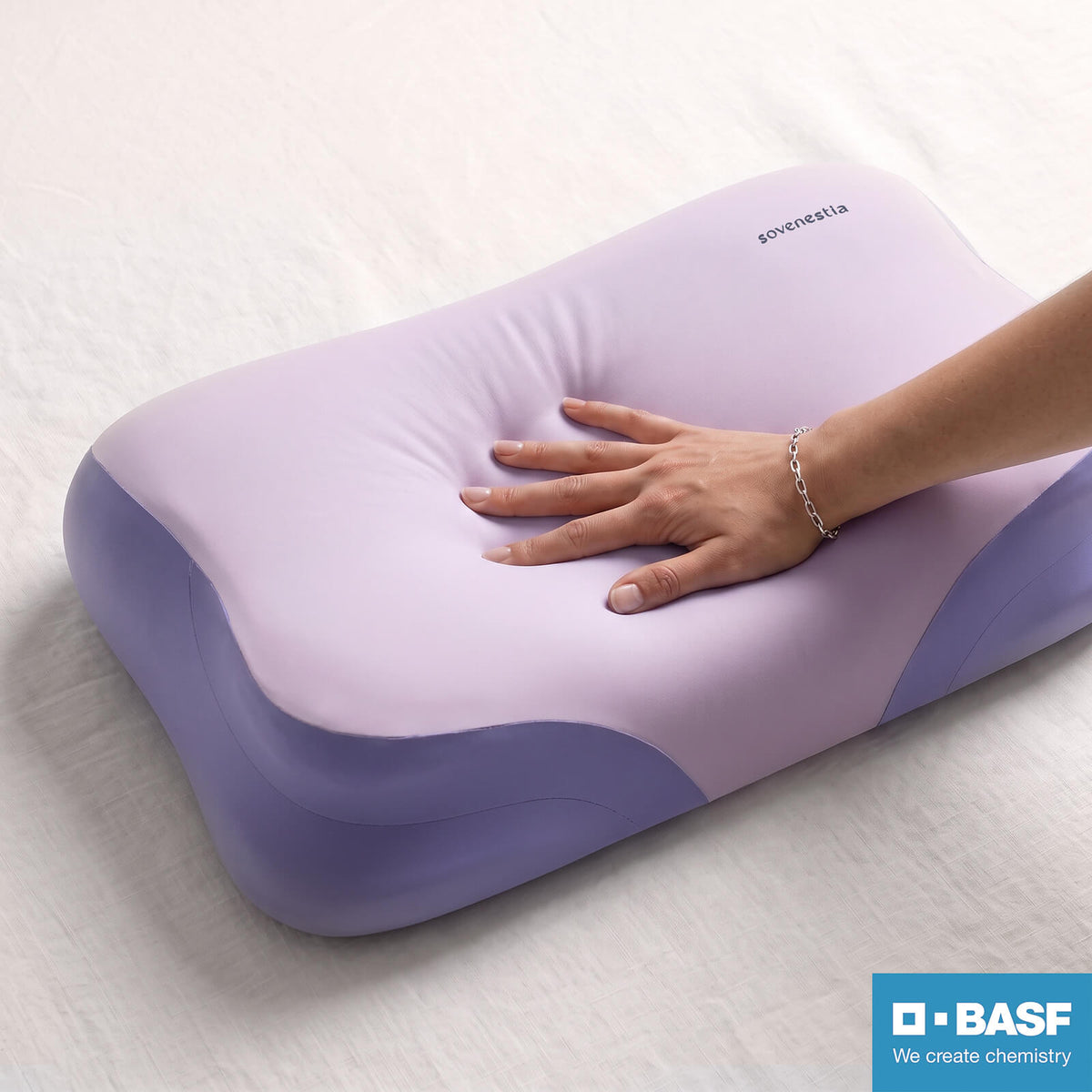
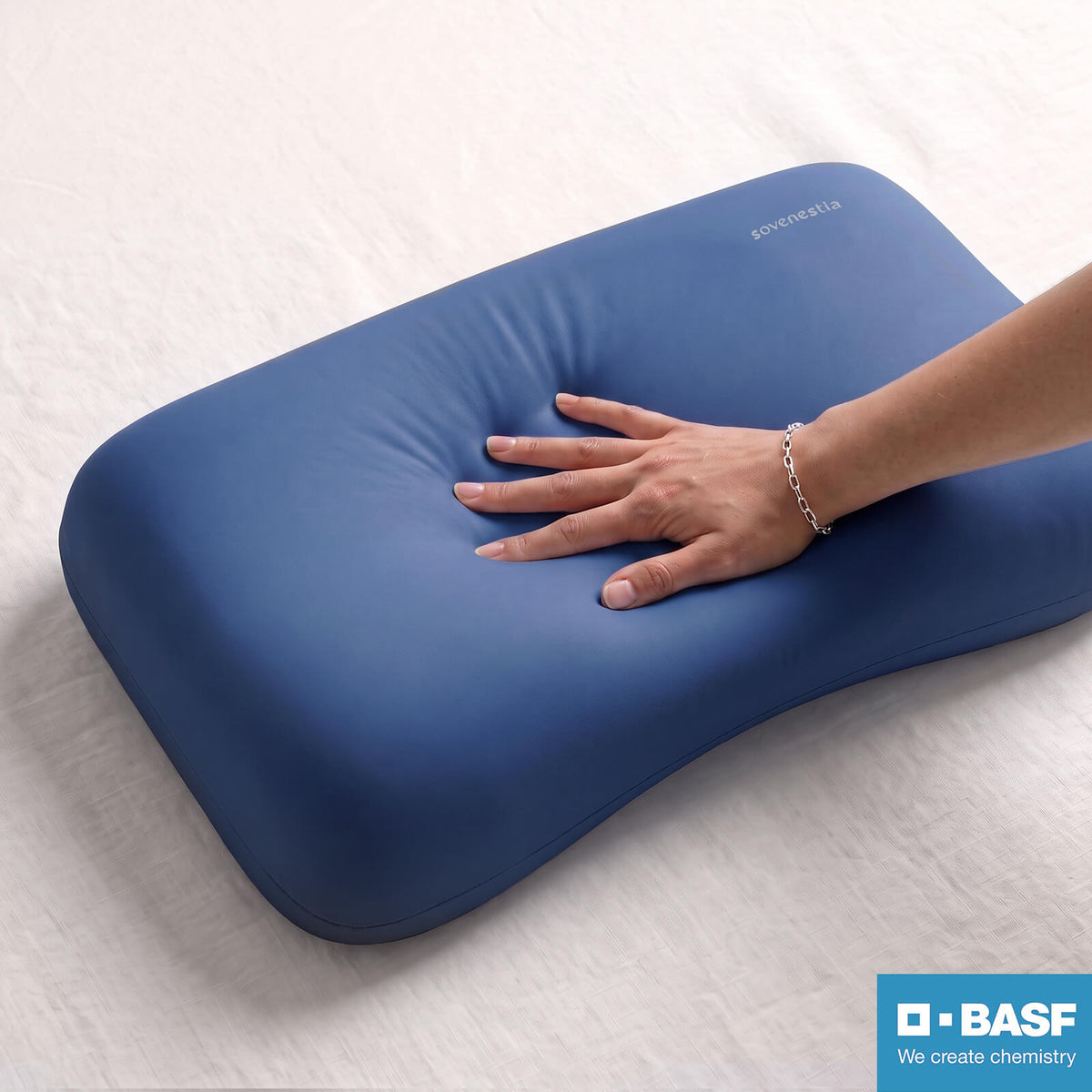
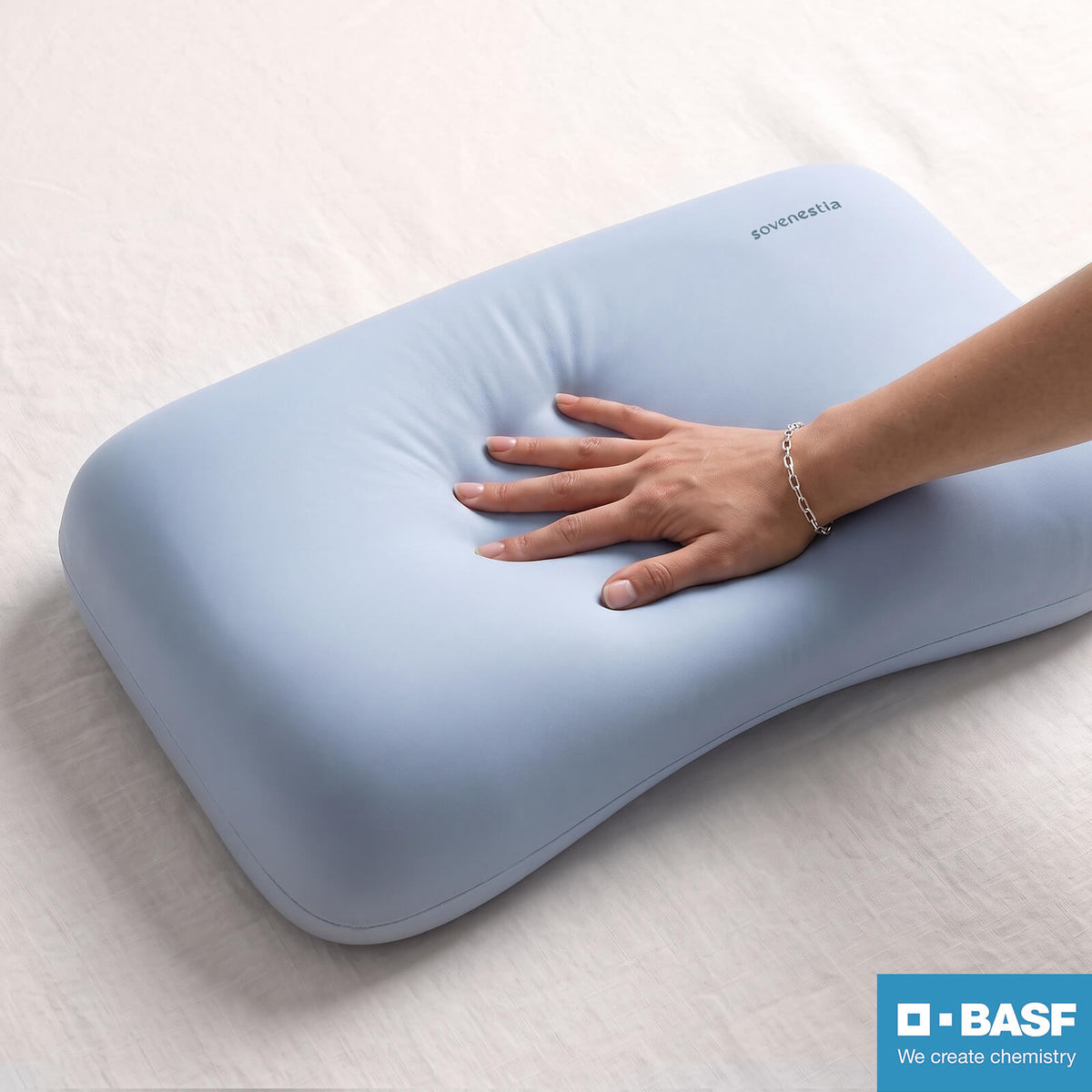
Memory foam is a viscoelastic material. Depending on its formulation and construction, it responds to pressure and body heat, gradually adapting to the shape of your head and neck.
As the foam responds to your weight, it may compress and contour rather than maintaining exactly the same shape it has when resting on a bed. This can make the pillow feel different after you've been lying on it for a few minutes.
It's also important to remember that not all memory foam pillows behave in the same way. Foam density, firmness, shape, and overall construction can influence how quickly and how much a pillow responds to pressure.
When comparing memory foam pillows, consider these details alongside the listed dimensions:
- Listed loft: The pillow's measured height before weight is applied.
- Firmness: How soft or firm the pillow feels when you rest your head on it.
- Contour: How the pillow responds to the shape of your head and neck.
- Compression: How much the pillow changes under pressure.
A measurement is a useful starting point, but the overall feel is what matters when choosing a pillow for everyday comfort.
How to Tell If Your Pillow Height Is Right for You
Reading pillow-height guides can help you narrow down your options, but your own sleep setup is the best place to evaluate comfort.
Here are a few practical ways to assess whether your pillow feels suitable.
1. Try It on Your Own Mattress
Lie down in your usual sleeping position with the pillow you are considering. Your mattress can affect how your body settles, so testing the pillow on your own bed gives you a more realistic impression than judging it by its appearance alone.
2. Pay Attention to Your Head and Neck Position
Notice whether your head feels naturally supported or whether the pillow seems to push it too far upward or downward.
When lying on your side, consider whether your head feels comfortably positioned rather than noticeably tilted toward or away from the mattress.
When lying on your back, notice whether your chin feels comfortably positioned rather than being pushed toward your chest.
These observations can help you understand whether the pillow's height works with your body.
3. Give the Pillow Time to Settle
Don't judge a pillow only by how it feels during the first few seconds.
Some materials, including memory foam, respond gradually to pressure. Spend a little time in your usual sleeping position and notice how the pillow feels as it settles.
4. Consider Your Overall Comfort
Pay attention to whether you can relax naturally without constantly adjusting your pillow.
If you regularly struggle to find a comfortable position, it may be worth reassessing the pillow's height, firmness, or construction. However, morning discomfort or other symptoms can have many possible causes and should not automatically be attributed to pillow height.
The most useful approach is to consider your overall comfort alongside your sleeping habits and sleep environment.

Finding the Right Balance Between Height and Comfort
There is no universal pillow height that works for everyone. A pillow that feels ideal for one sleeper may feel completely different to another, even when they have similar sleeping habits.
Instead of choosing a pillow based on a measurement alone, consider how its height works with your sleeping position, body proportions, mattress, and preferred feel.
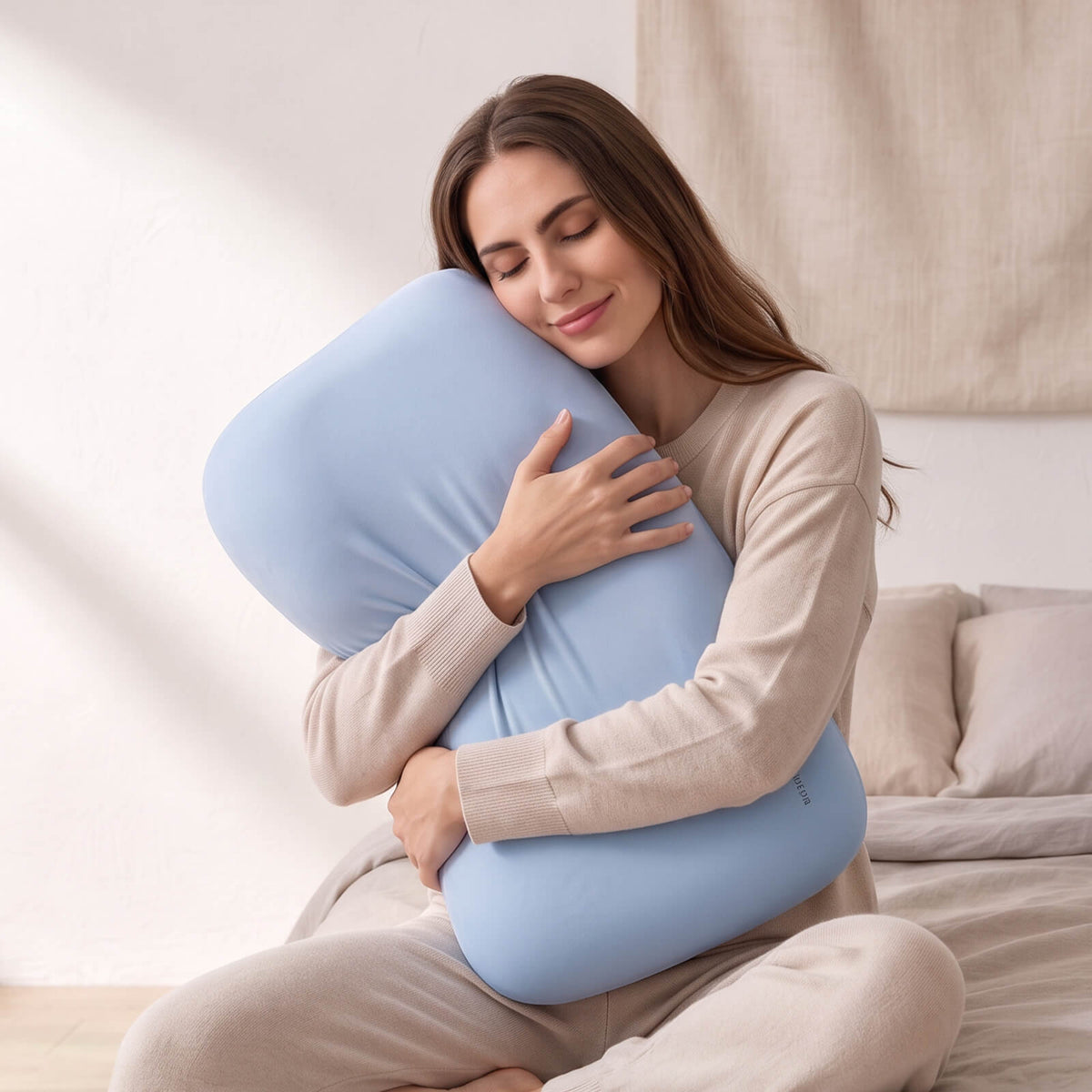
At Sovenestia, we believe comfortable sleep begins with thoughtful design. As The Dream Weaver, our goal is to create sleep essentials that bring together considered materials, practical details, and comfort-focused designs.
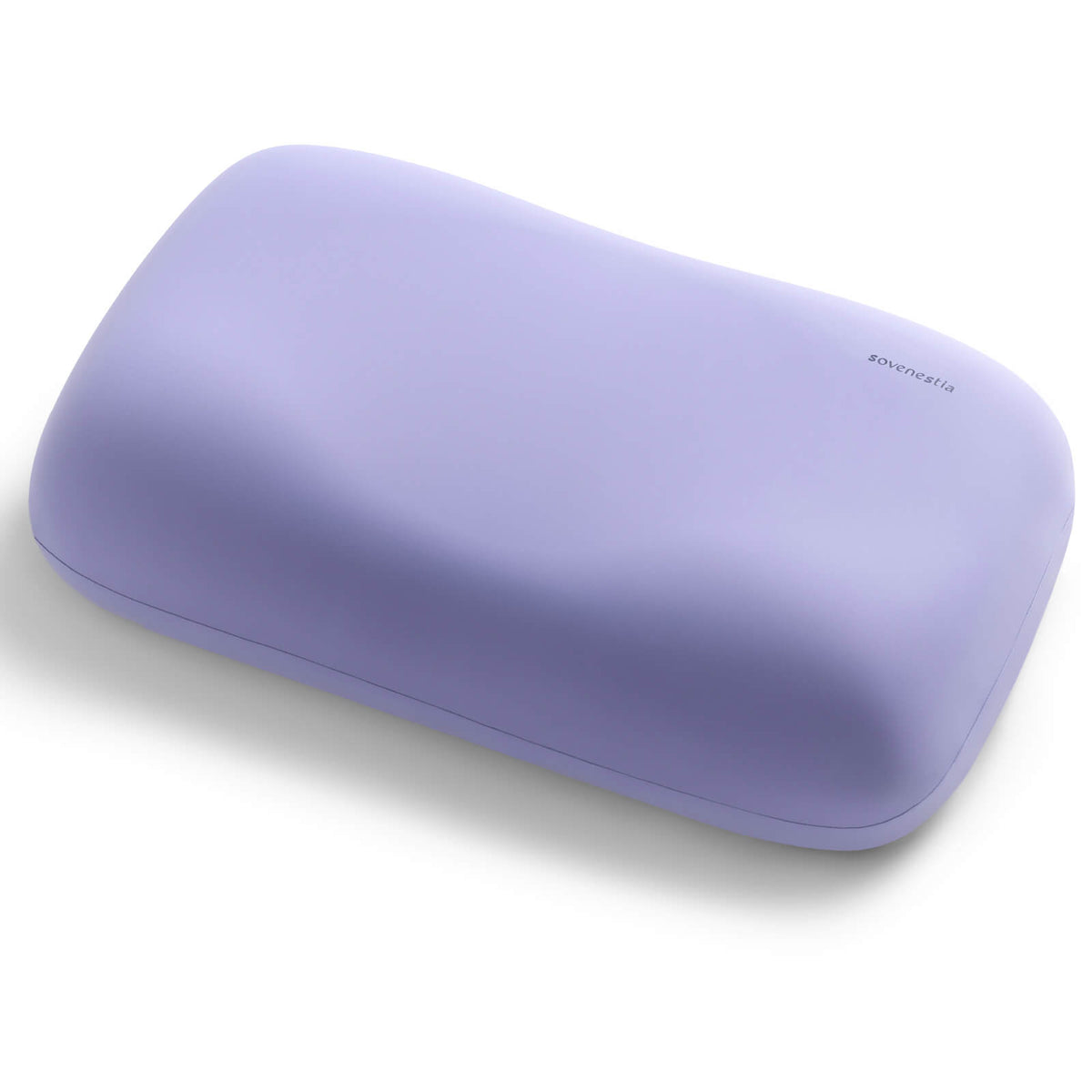
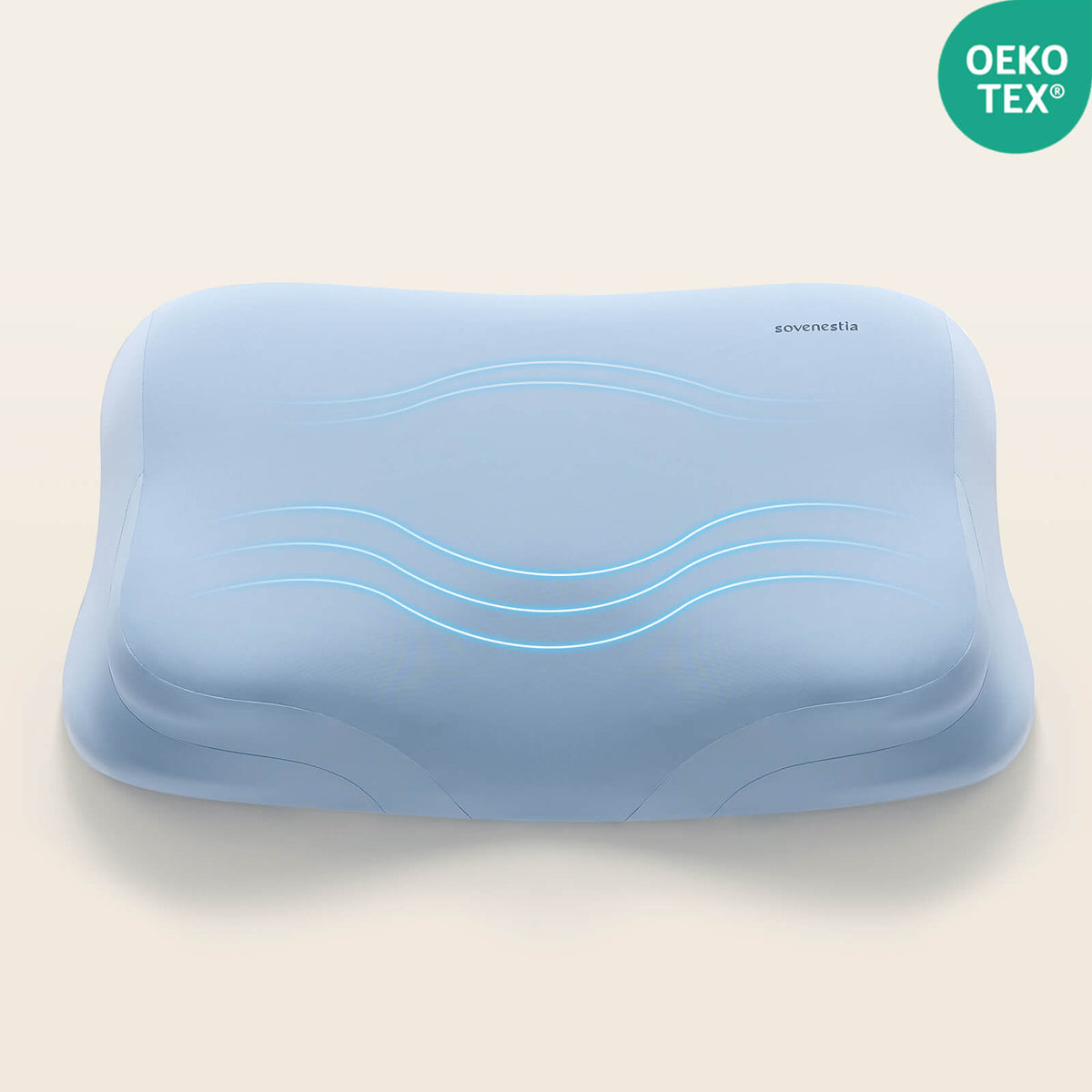
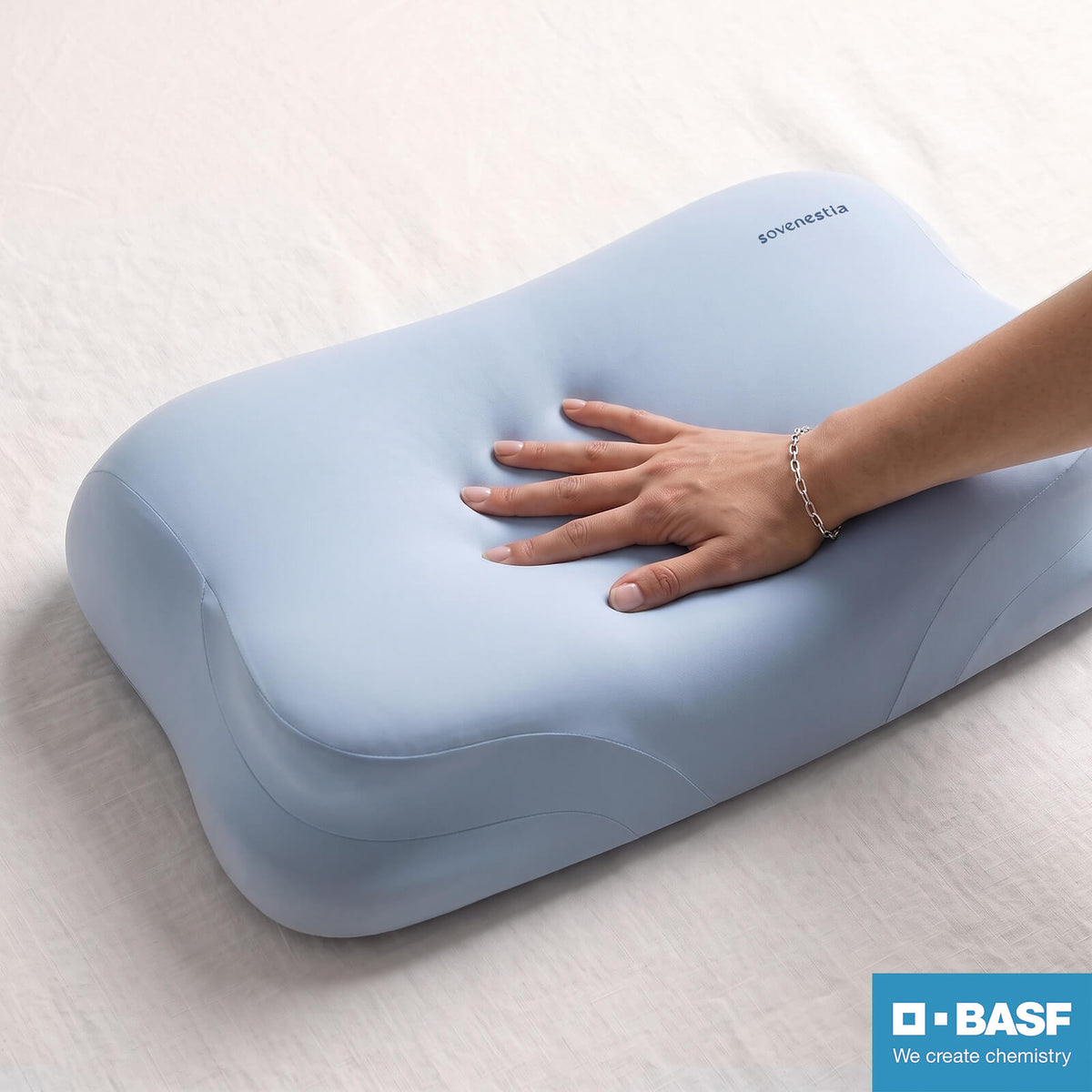
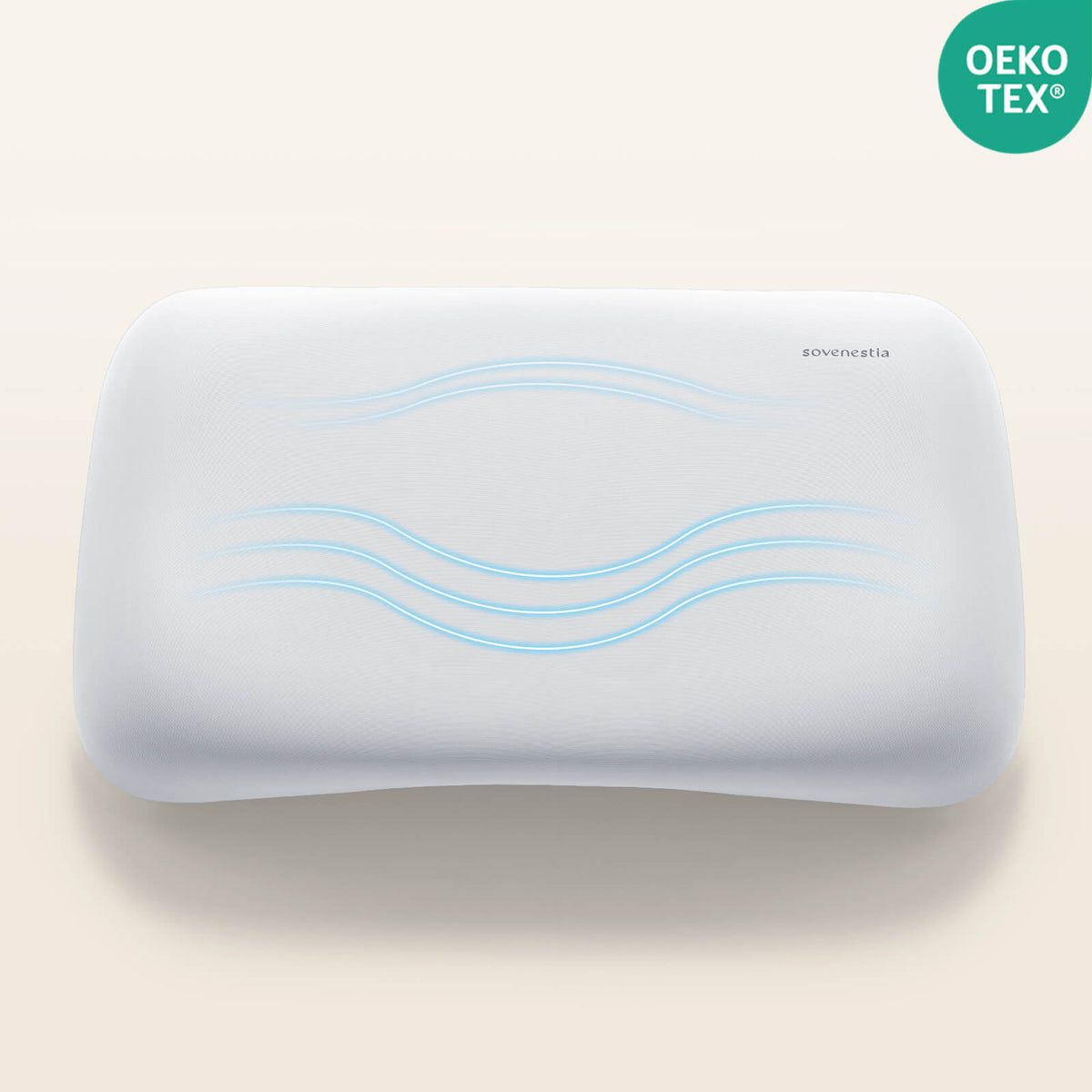
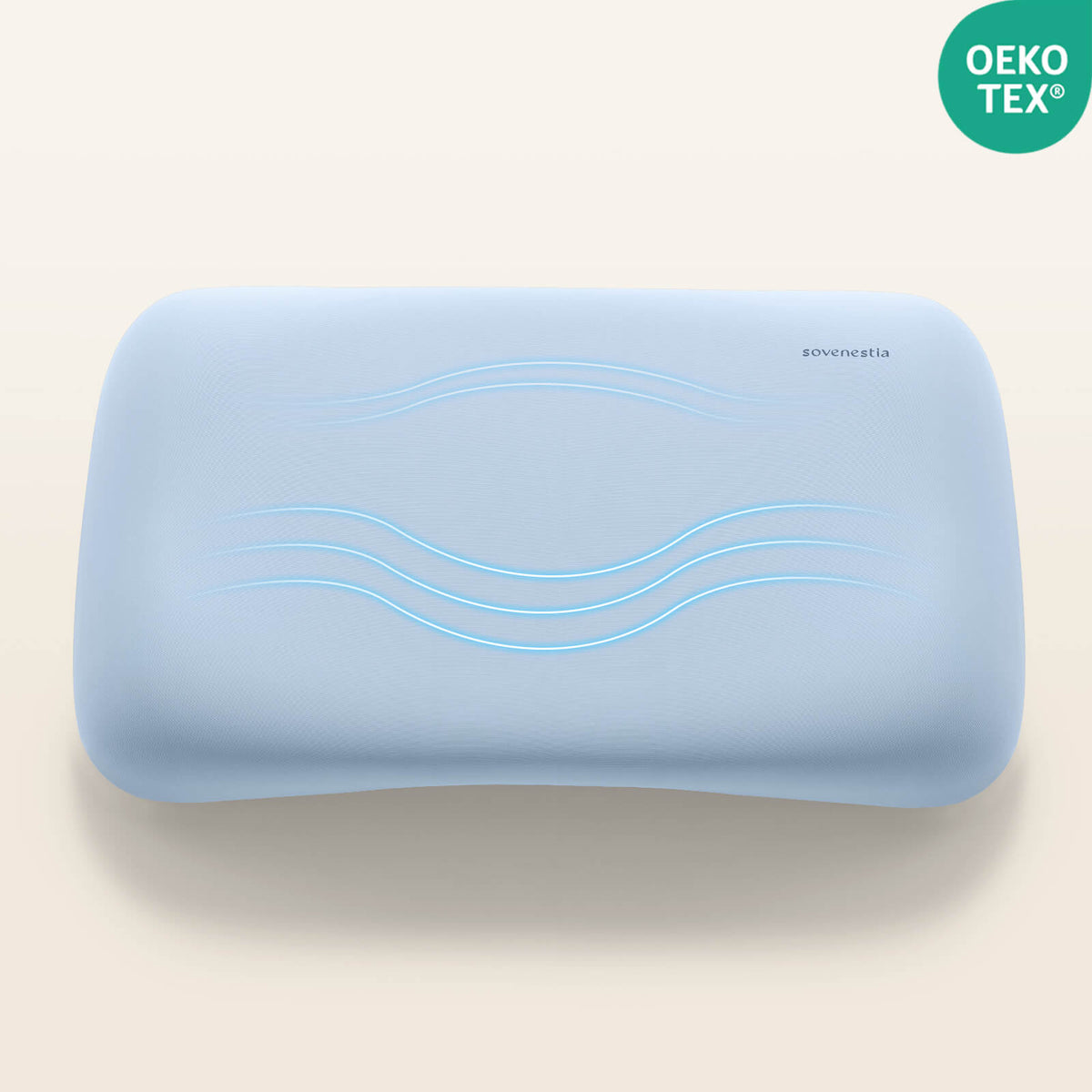
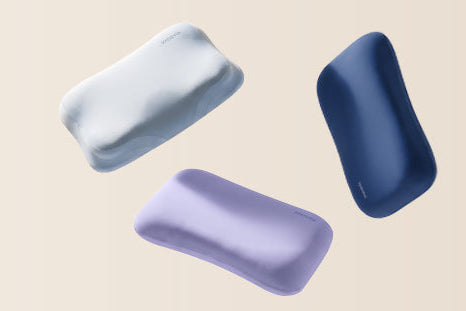
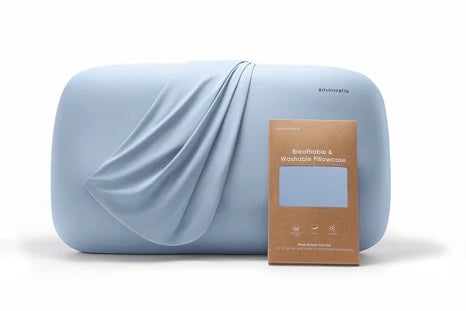
Our pillow collections feature BASF memory foam, carefully considered low-to-medium profiles, and thoughtfully designed pillowcase construction. Each collection brings its own design character, giving sleepers different ways to explore the comfort that suits their preferences.
Because a good night's rest isn't about following a universal measurement. It's about finding the balance that feels right for you.
Explore the Sovenestia Pillow Collection and discover a design that complements your sleep routine.
Frequently Asked Questions
What is the best pillow height for sleeping?
There is no single best pillow height for everyone. The right choice depends on your sleeping position, body proportions, mattress firmness, and pillow material. Choose a height that feels comfortable and provides a suitable level of support for your preferred position.
Is a higher pillow better for side sleepers?
Not necessarily. Side sleepers often need enough height to account for the space between their head and shoulder, but the ideal amount varies with shoulder width, mattress firmness, and personal comfort. A pillow that is too high can feel just as uncomfortable as one that is too low.
What pillow height is best for back sleepers?
Back sleepers often prefer a moderate pillow profile that supports the head without pushing the chin too far forward. However, the right height depends on the individual's body shape, pillow firmness, and how much the pillow compresses.
What pillow height is best for stomach sleepers?
Stomach sleepers often prefer a lower-profile pillow because a thick pillow can raise the head too much. A lower, softer option may be a useful starting point, depending on personal comfort and mattress feel.
Do memory foam pillows lose height when you lie on them?
Memory foam can compress and contour under the weight of your head. How much it changes depends on the foam formulation, firmness, density, and pillow construction. The listed height therefore may not be the same as the height you experience while resting on it.
How do I know if my pillow is too high or too low?
Notice whether your head feels comfortably supported or appears to be tilted noticeably upward or downward. Try the pillow in your usual sleeping position on your own mattress and give the material time to settle. Your overall comfort is more useful than relying on a measurement alone.
What is a dual-height pillow?
A dual-height pillow has two different height profiles on opposite sides. You can turn the pillow over to choose the side you prefer. Unlike a continuously adjustable pillow, it offers two defined height options rather than a range that can be changed by adding or removing filling.
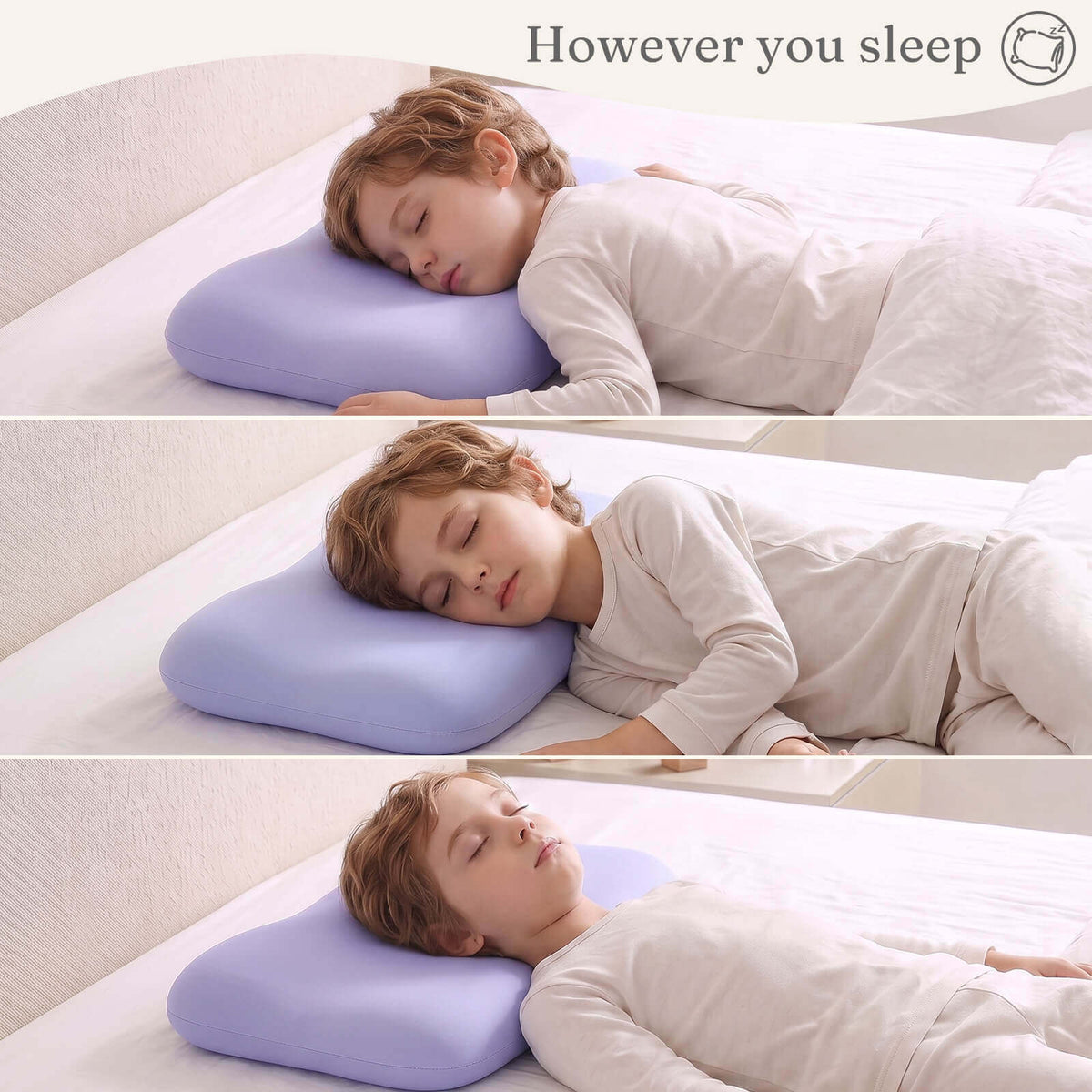
Can one pillow work for different sleeping positions?
It can, depending on its design and how comfortable it feels for the individual. A pillow with two height options may offer more flexibility for people who change positions during the night. However, the best choice still depends on body proportions, mattress feel, and personal preference.
The Bottom Line
The right pillow height is about more than inches. It's about how your pillow works with your body, sleeping position, mattress, and personal comfort preferences.
Low, medium, and high loft categories offer a useful way to compare pillow thickness, but they should be treated as general guidelines rather than fixed rules for every sleeper.
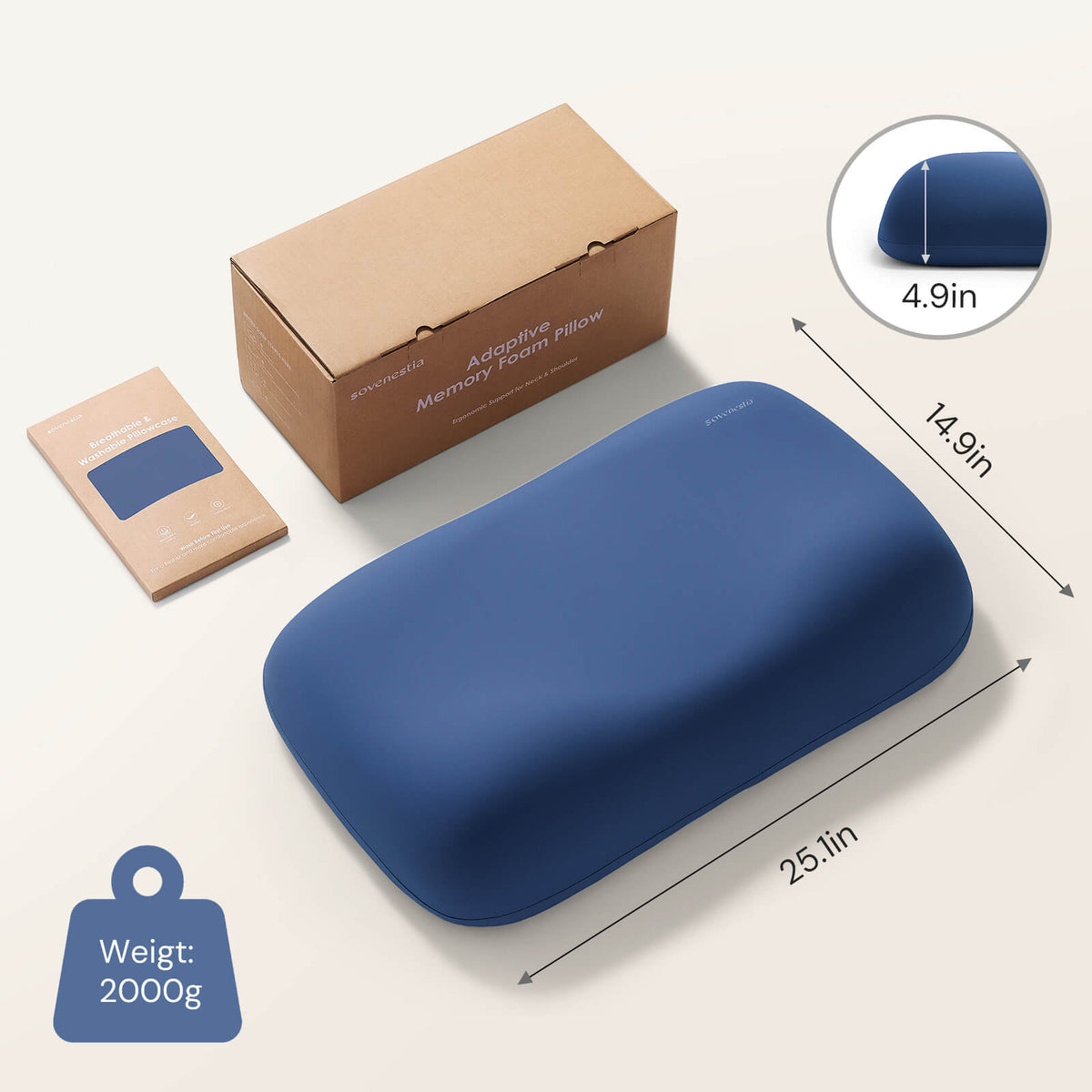
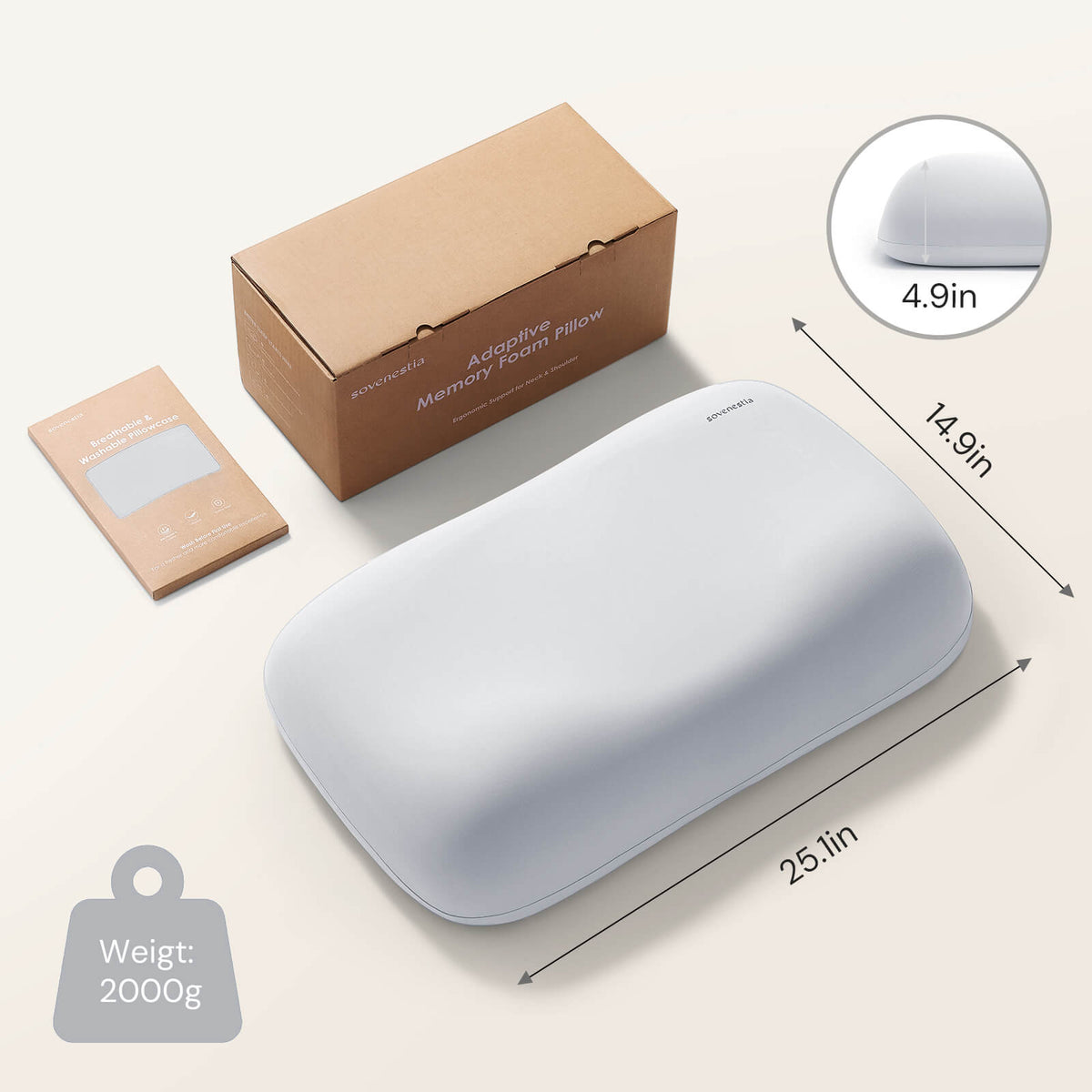
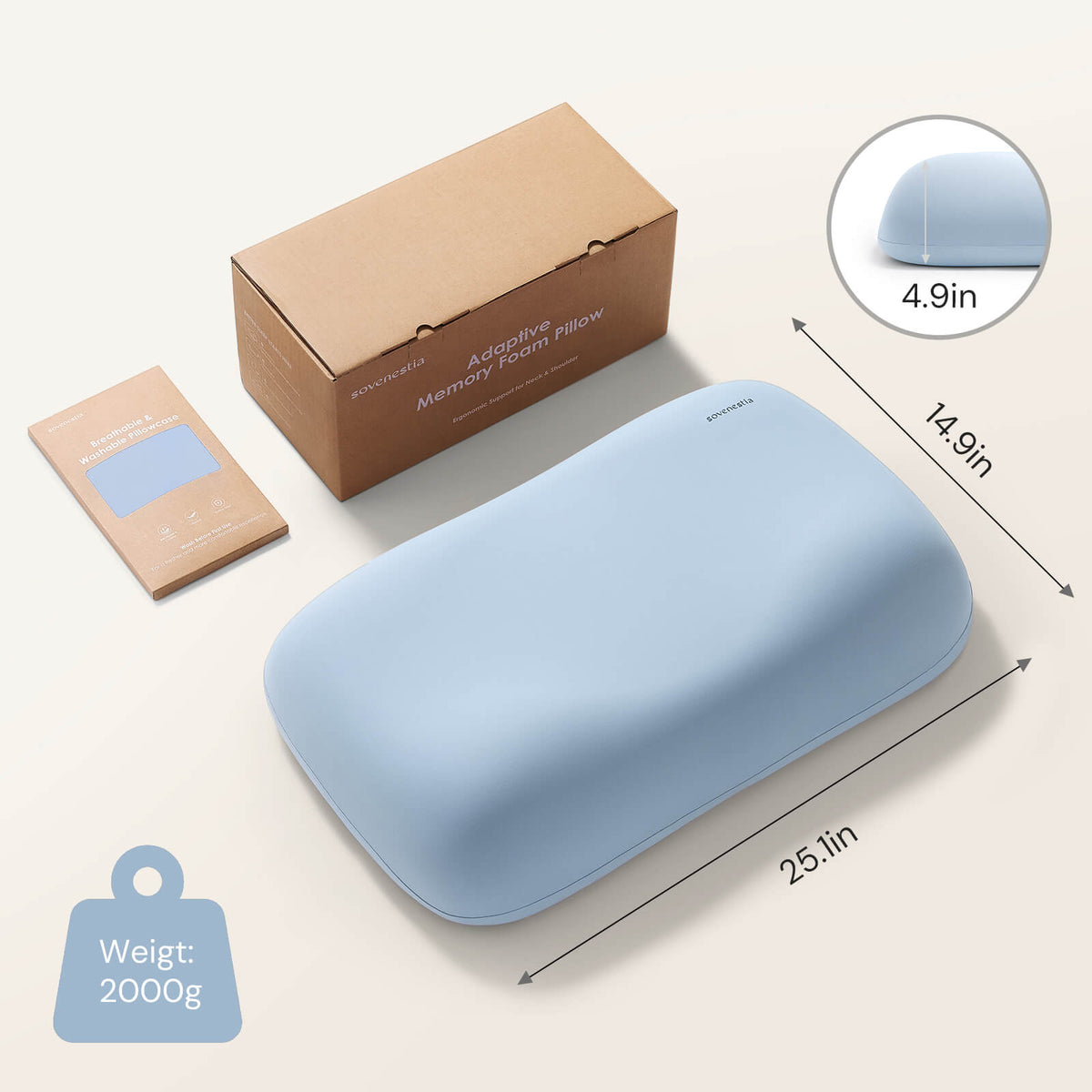
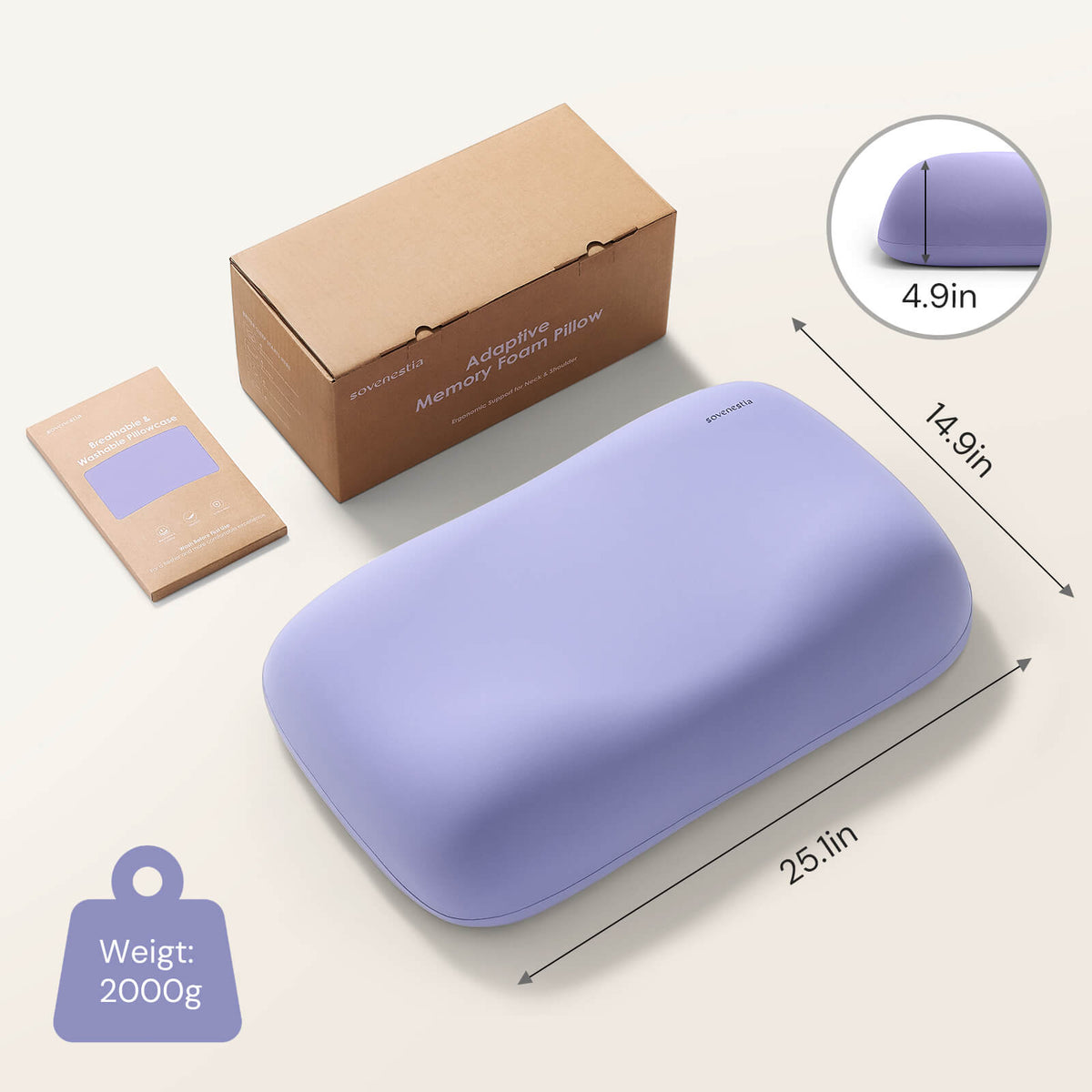
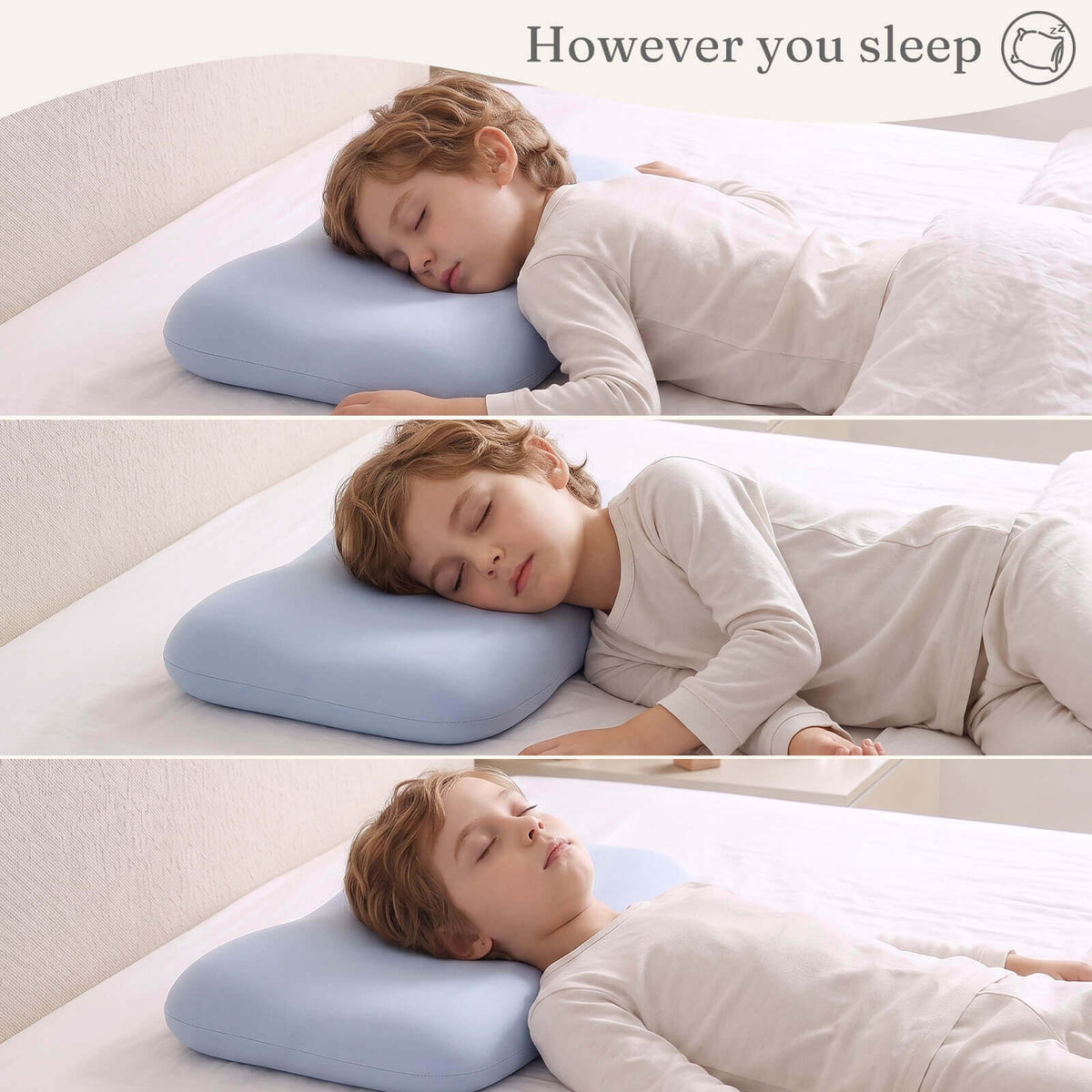
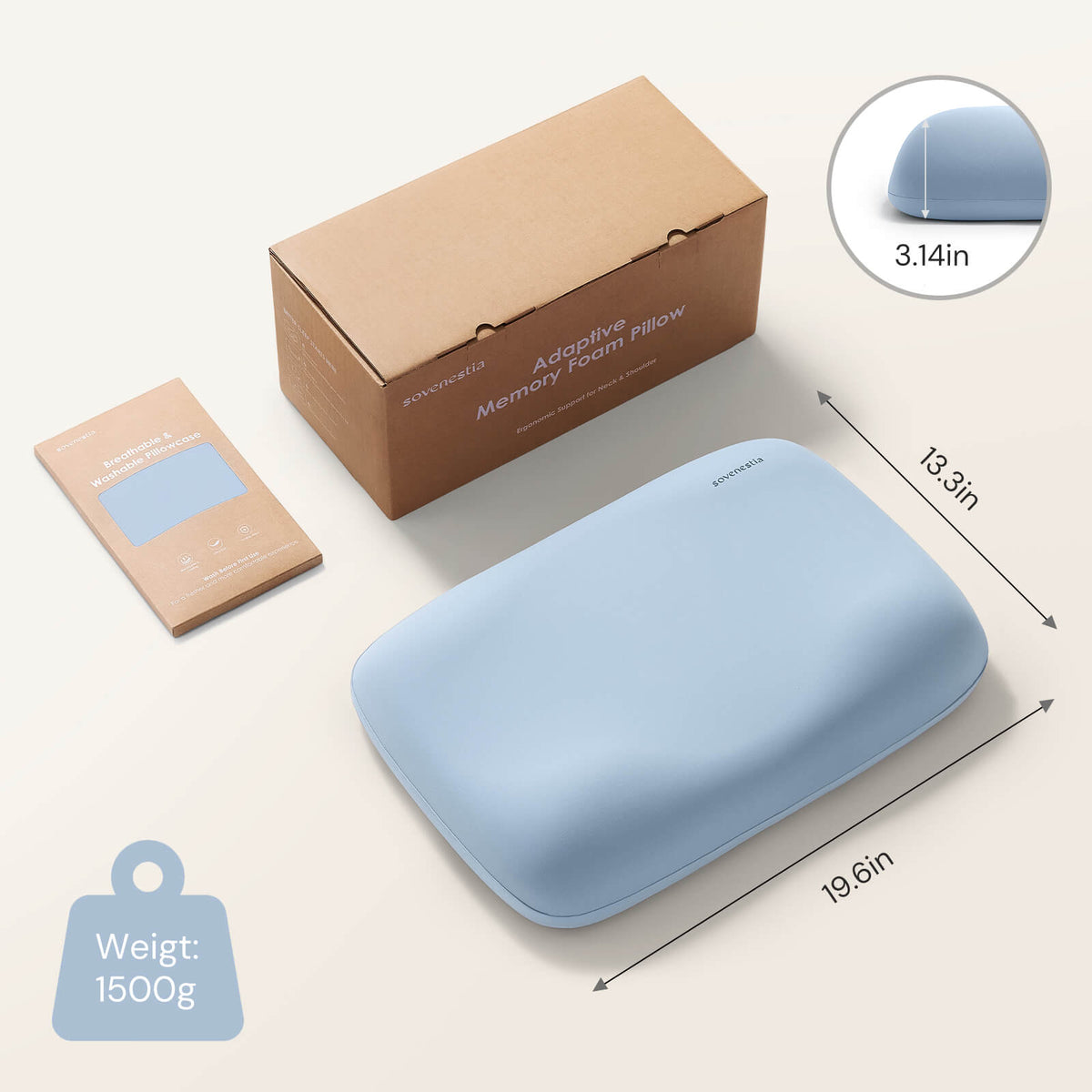
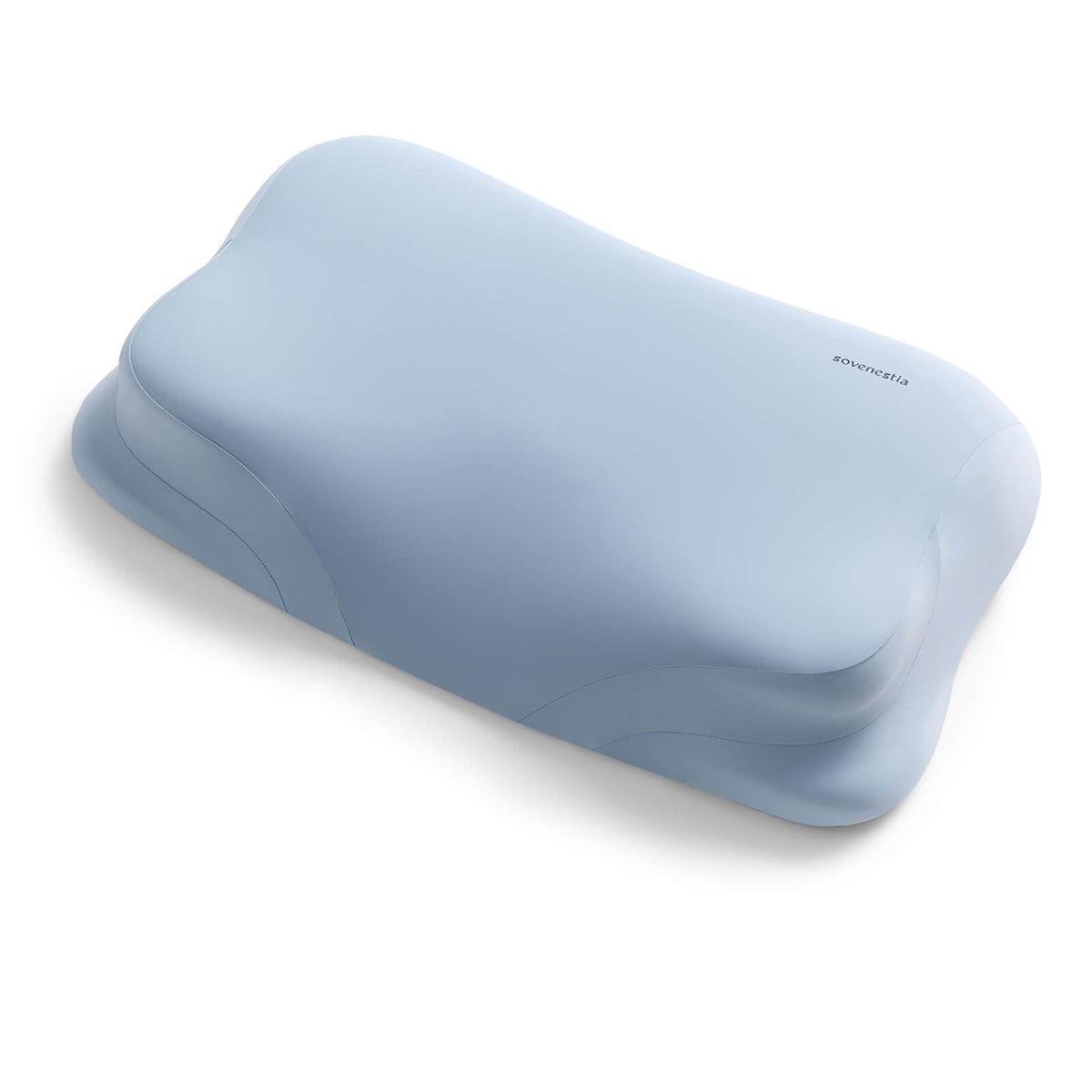
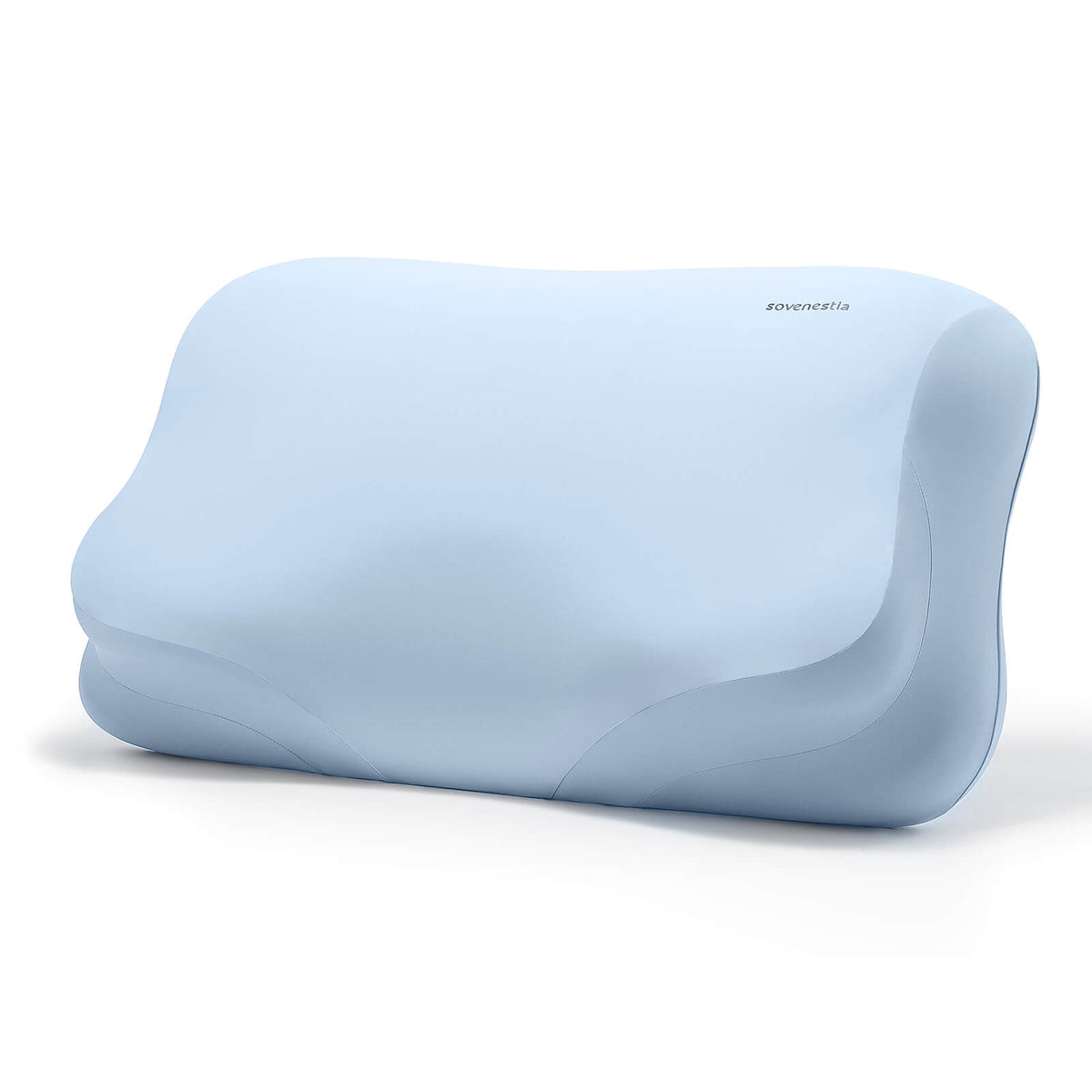
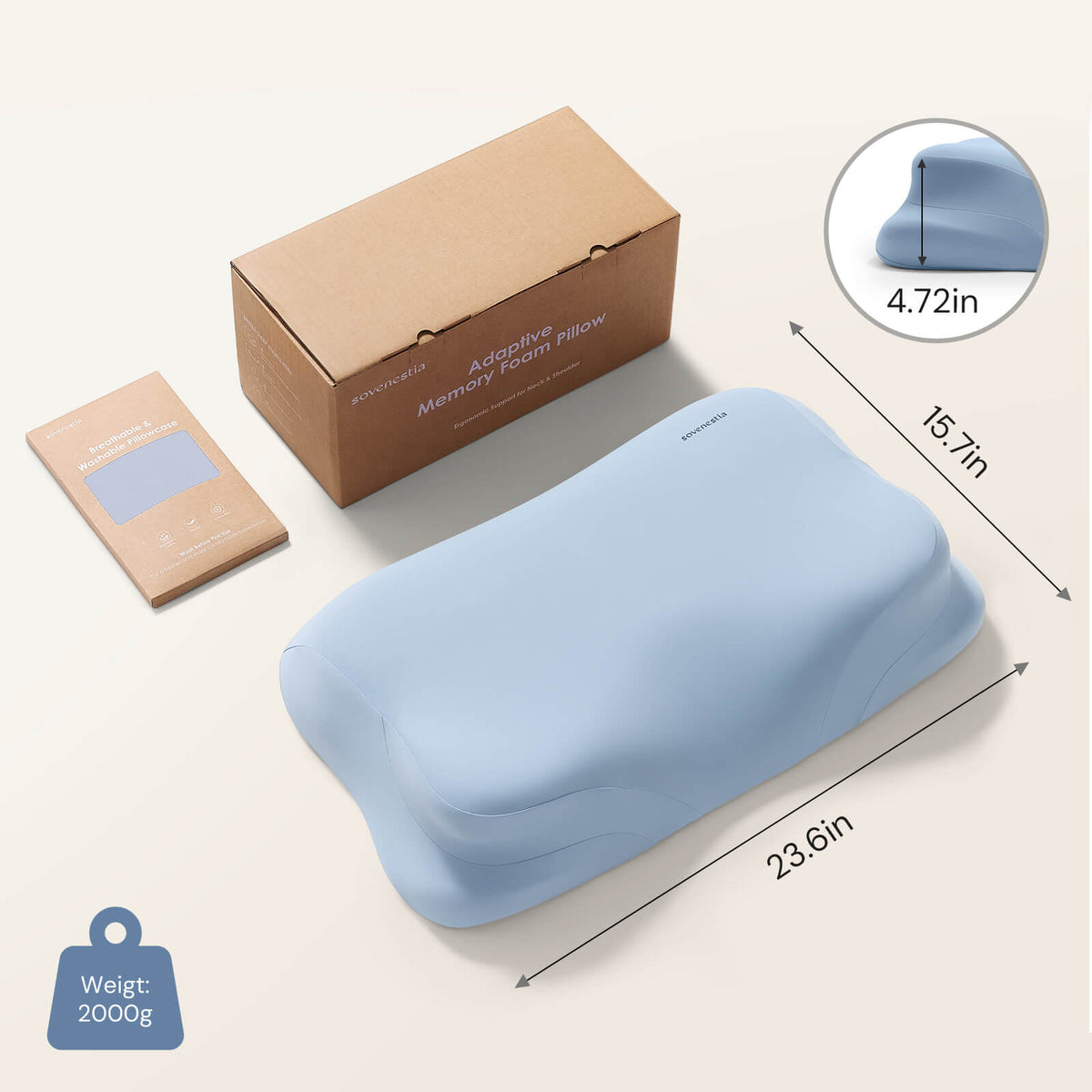
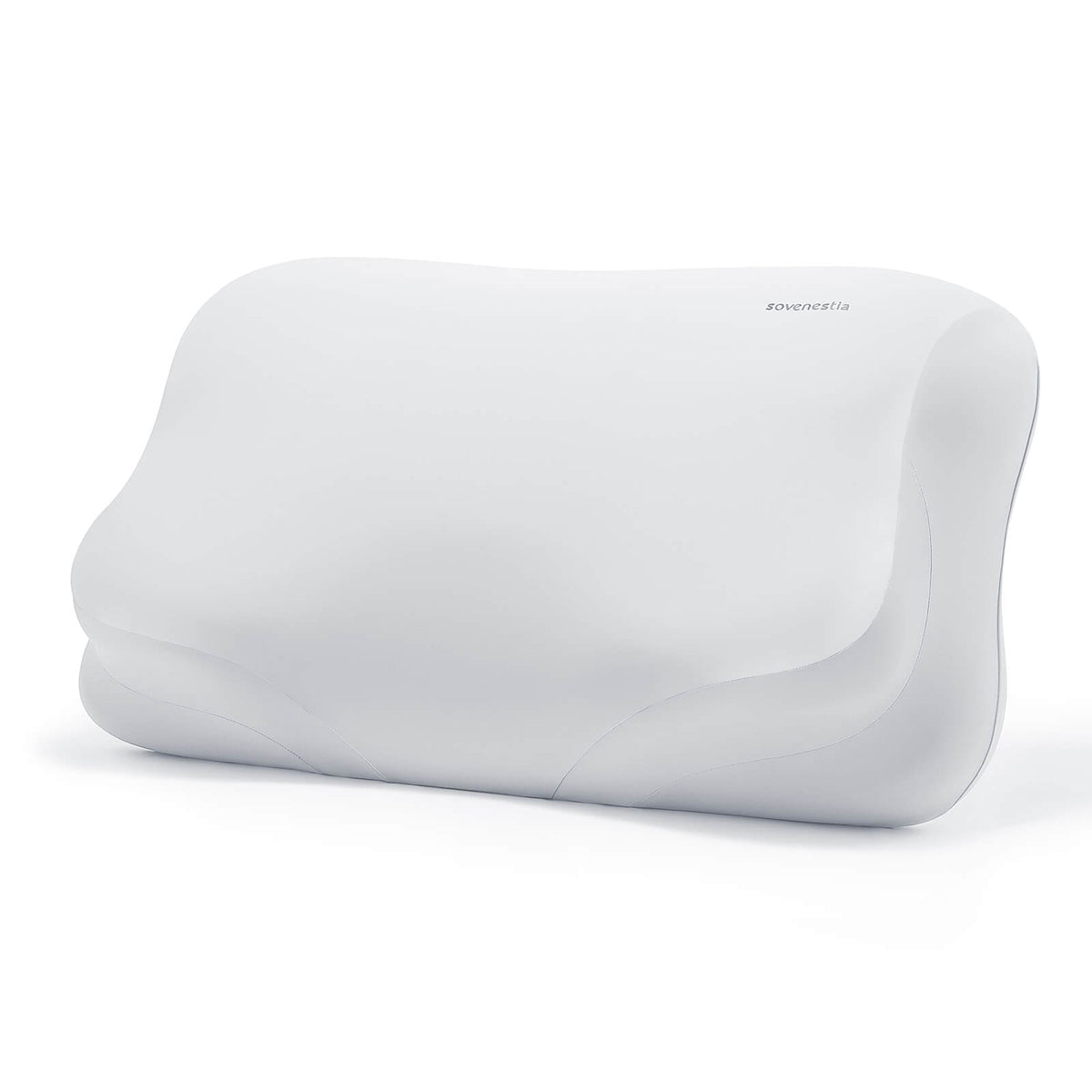
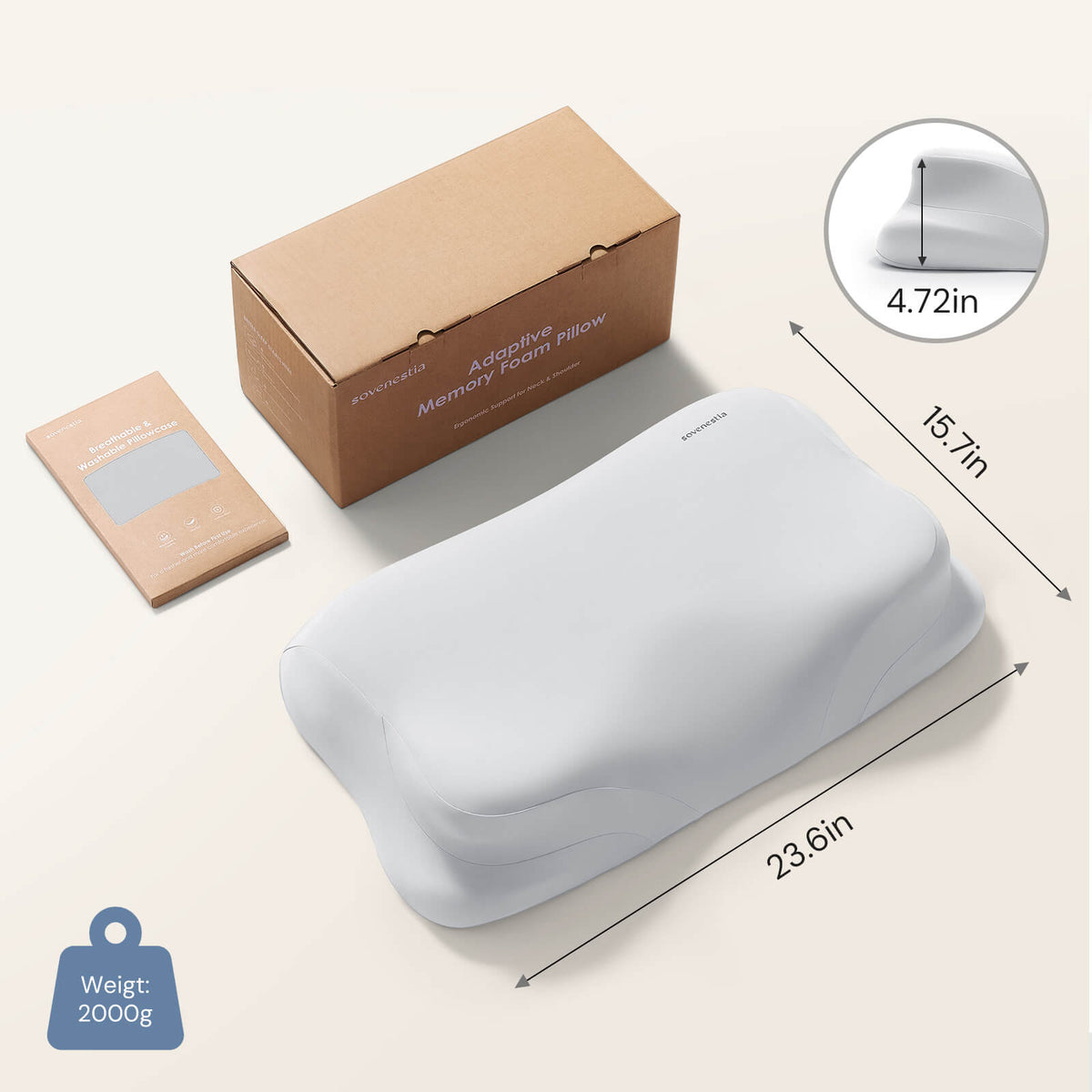
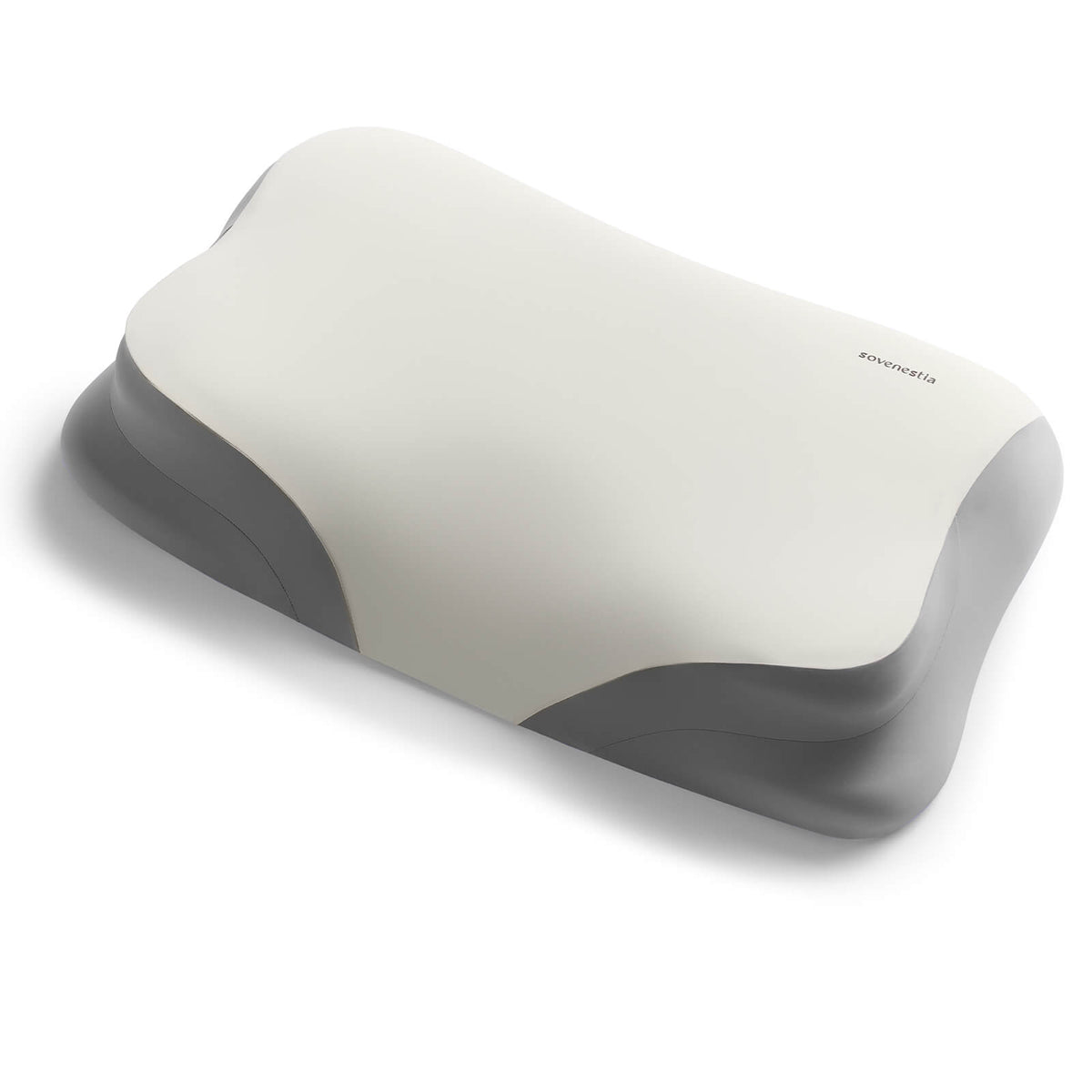
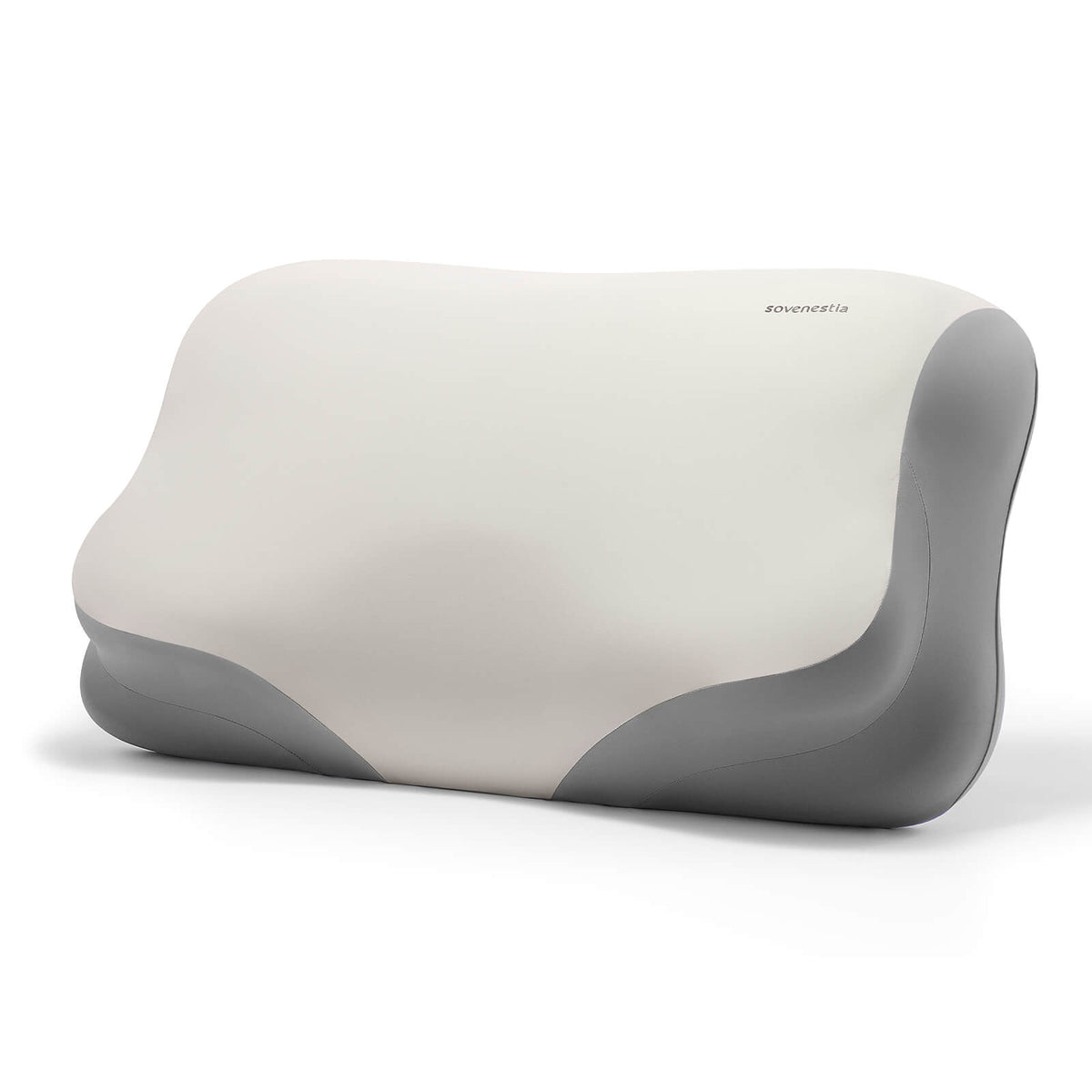
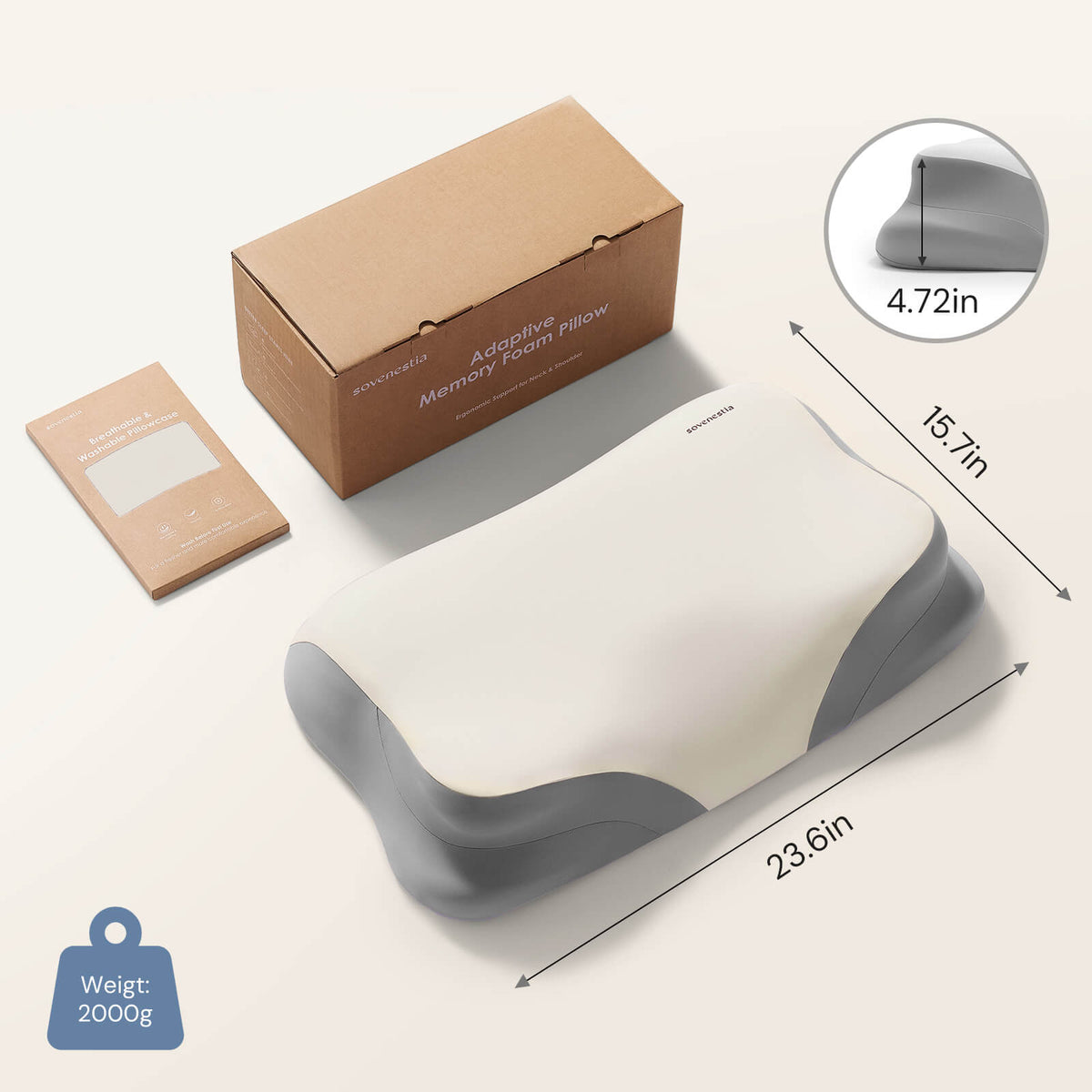
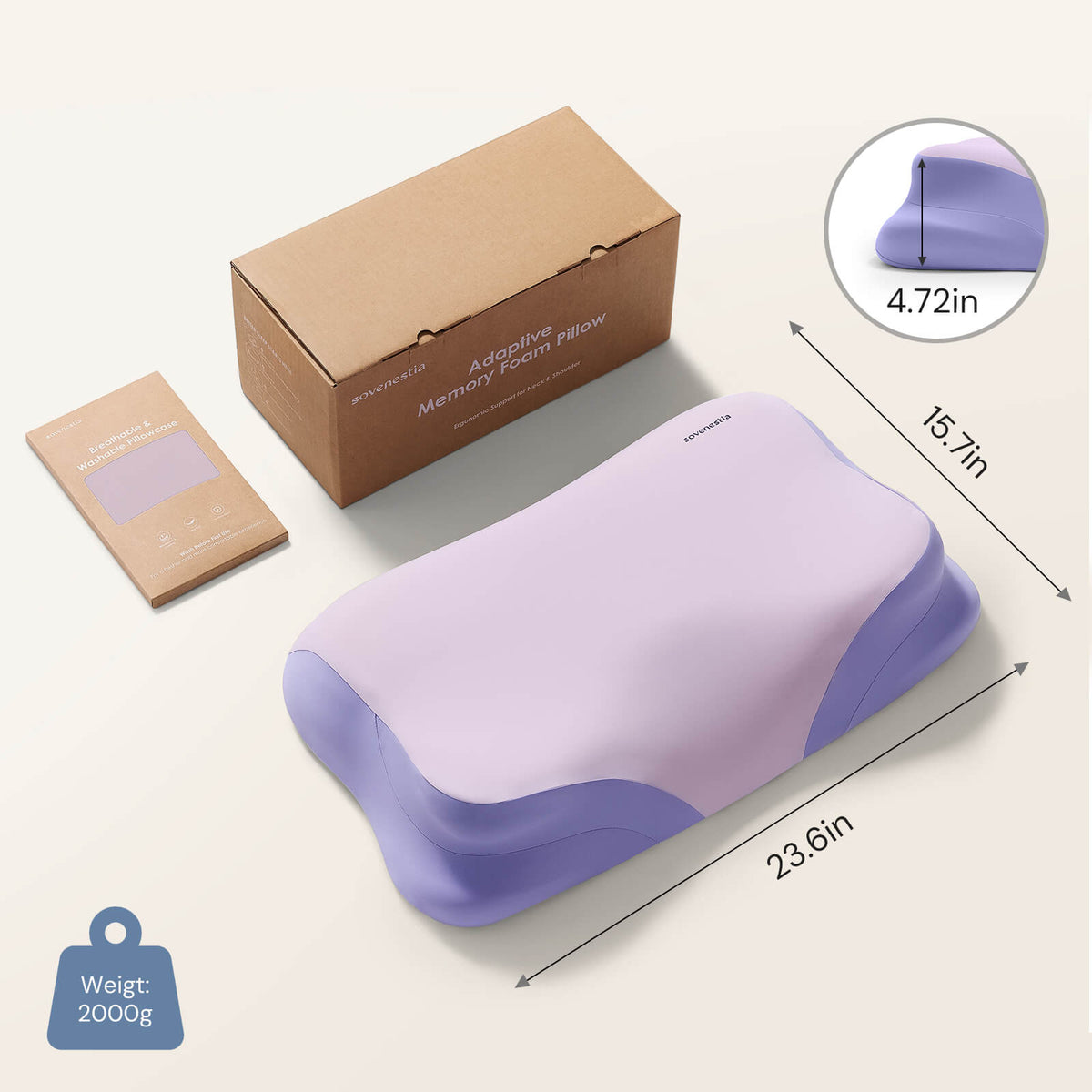
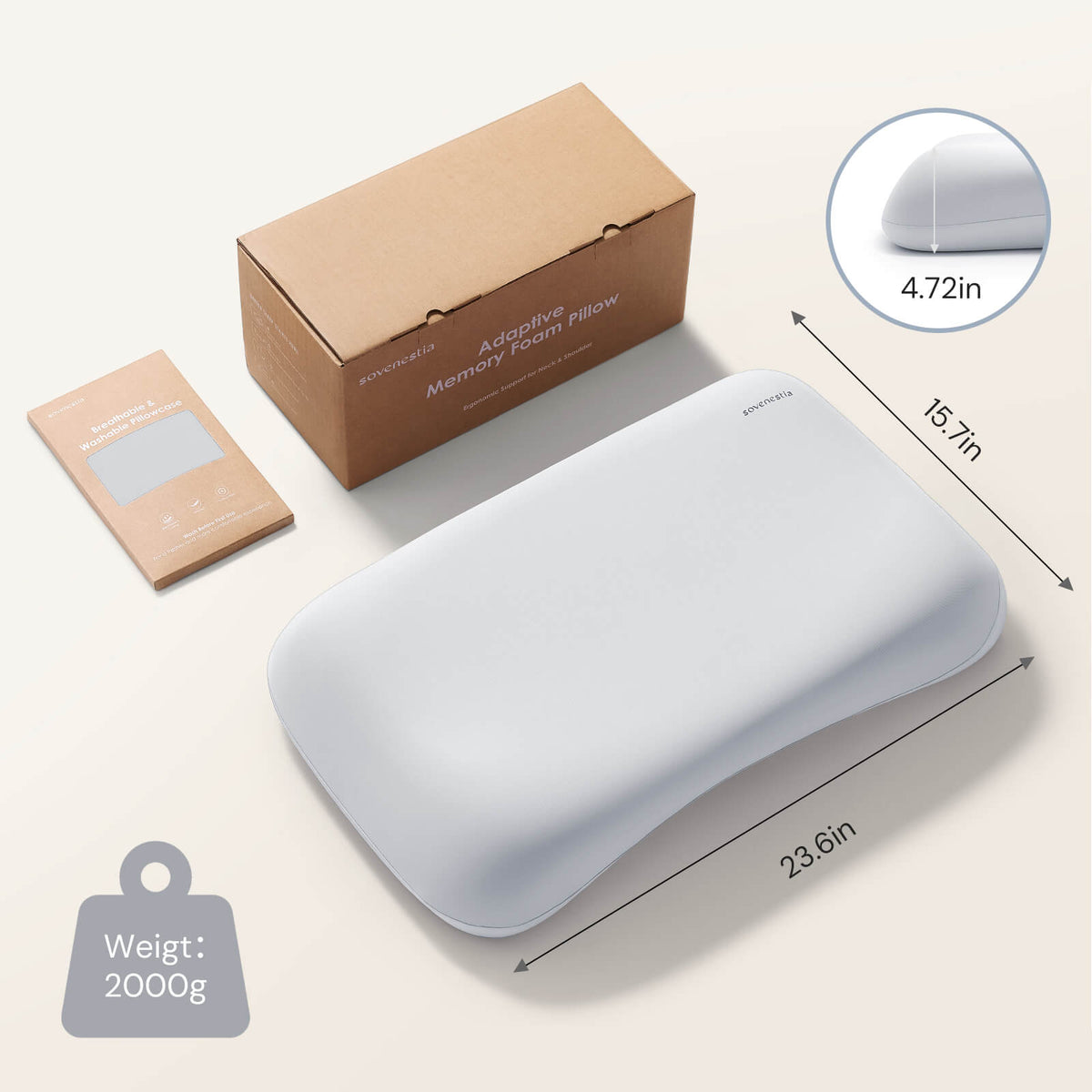
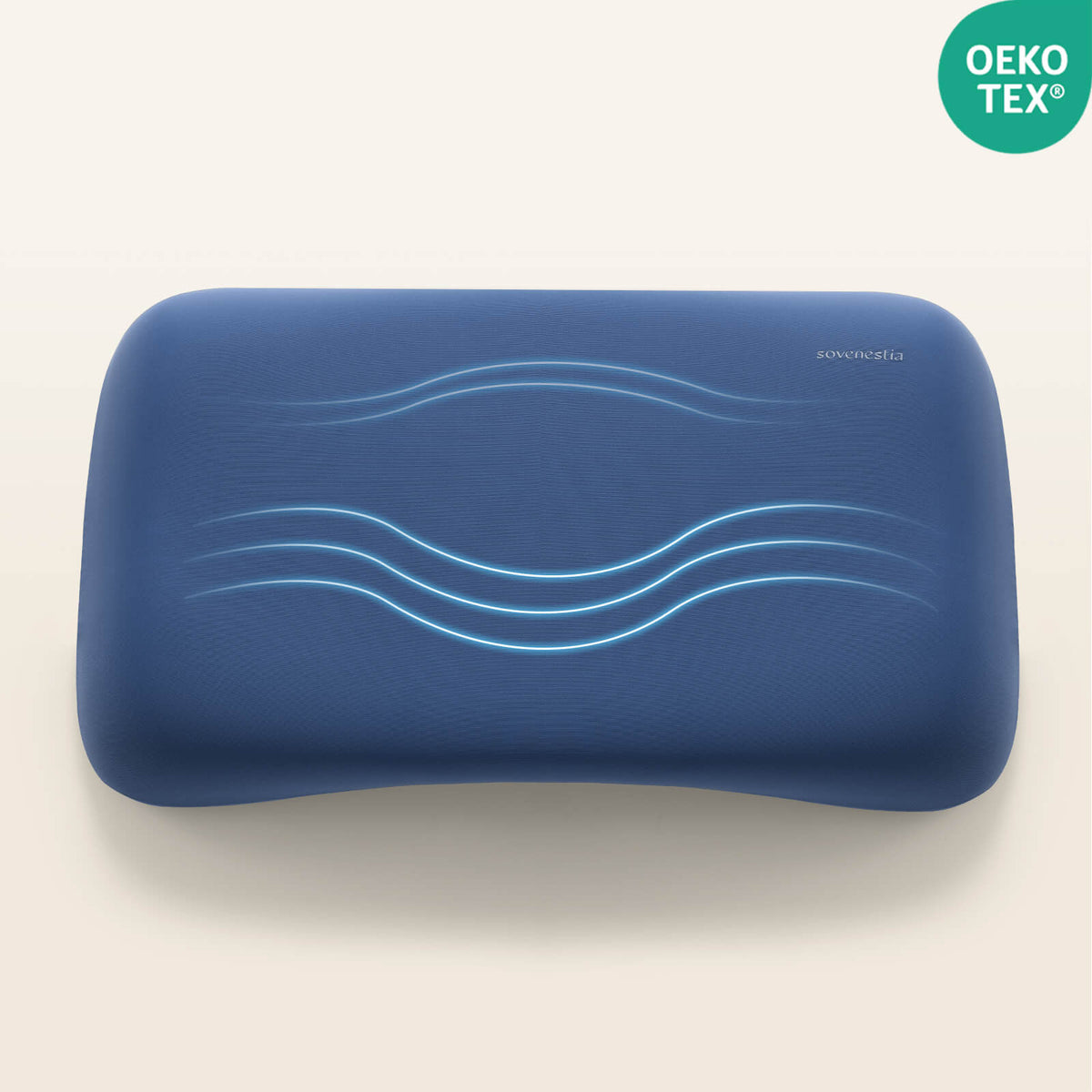
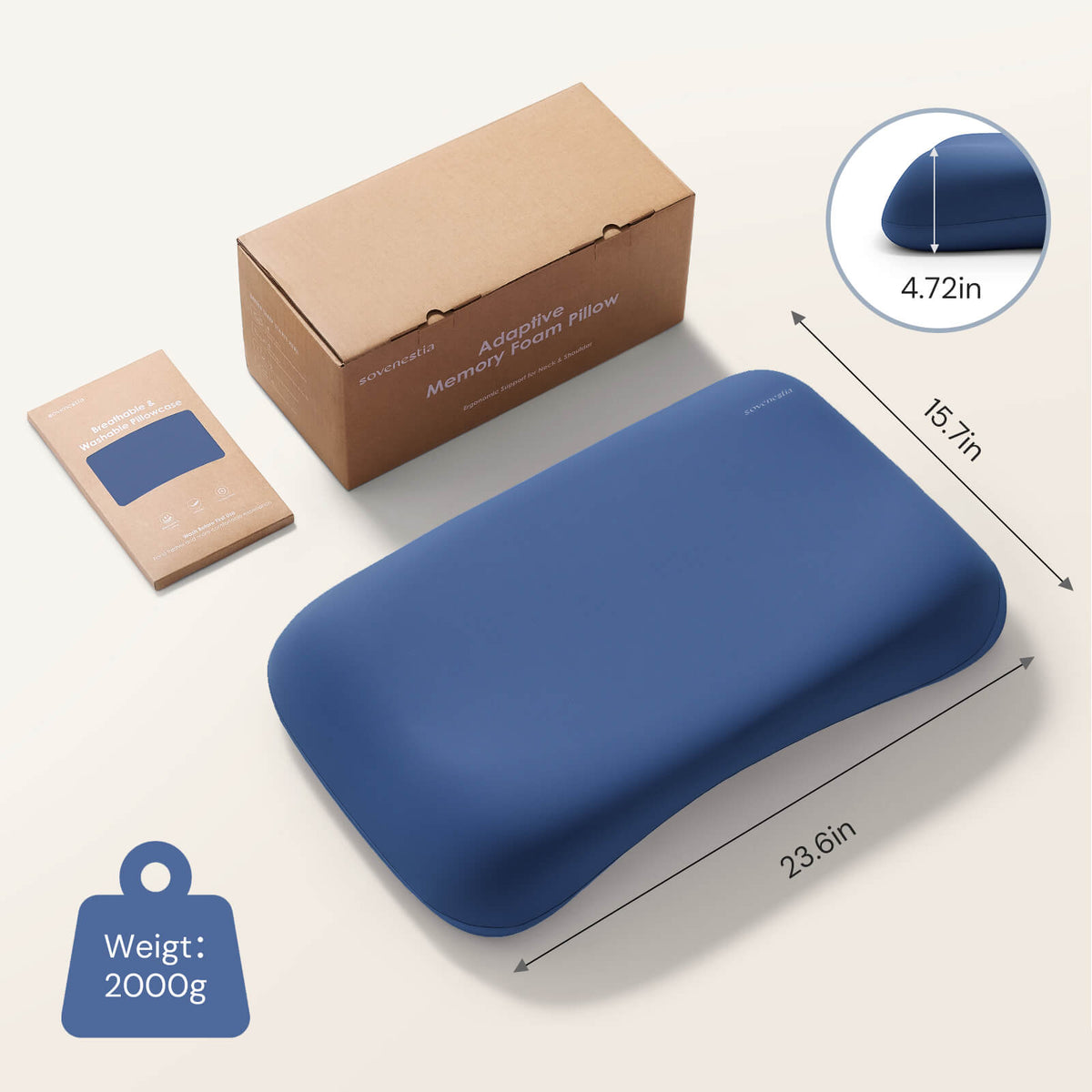
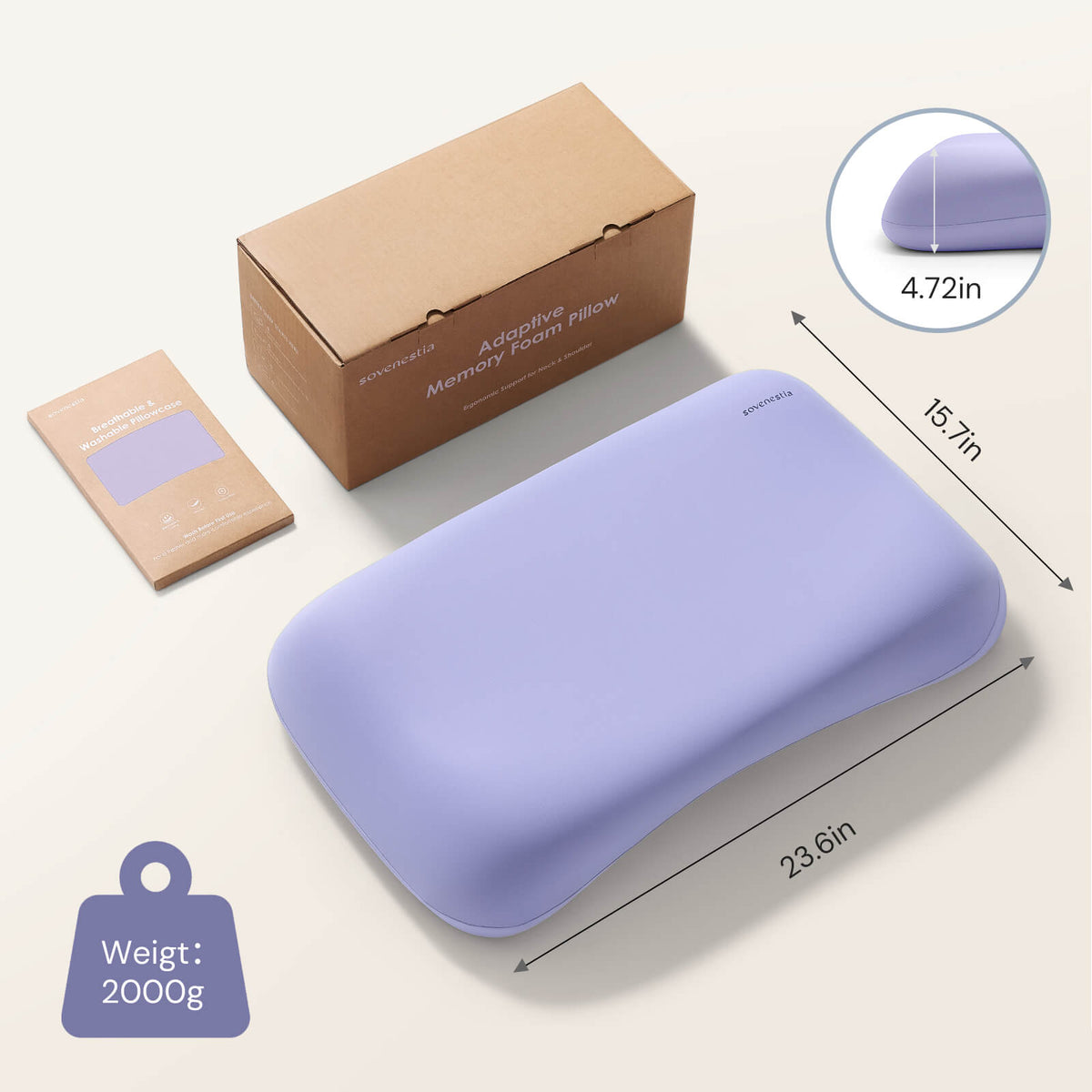
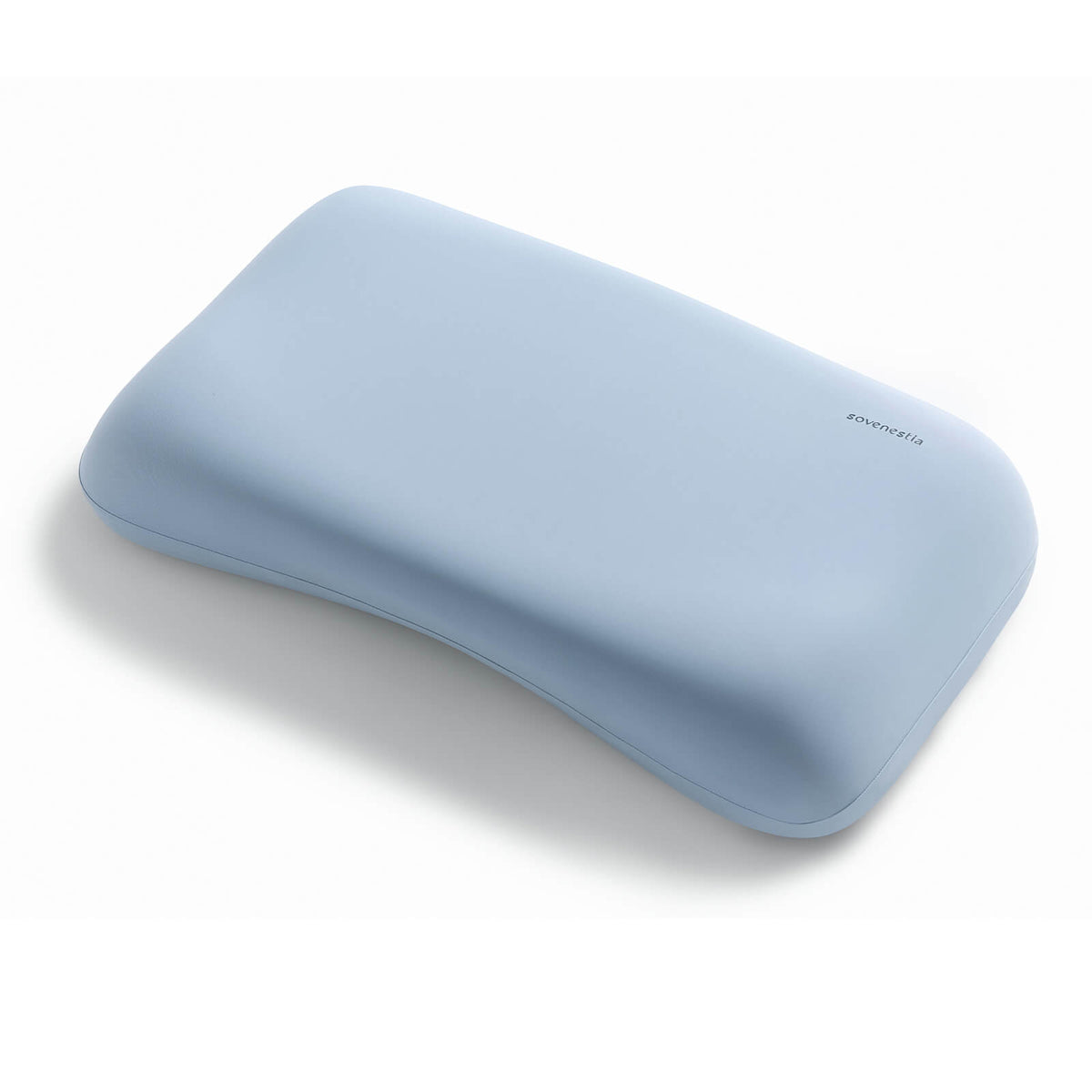
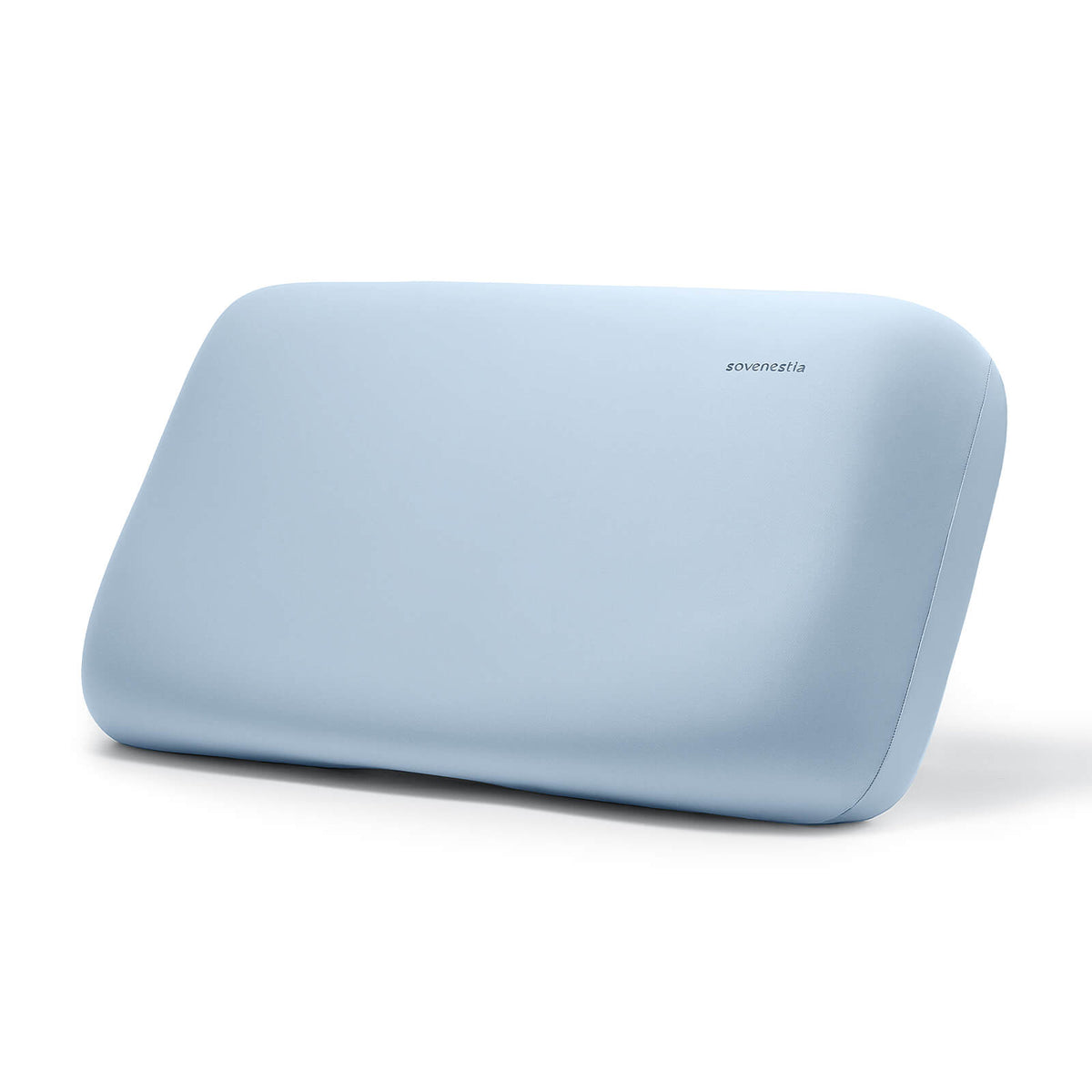
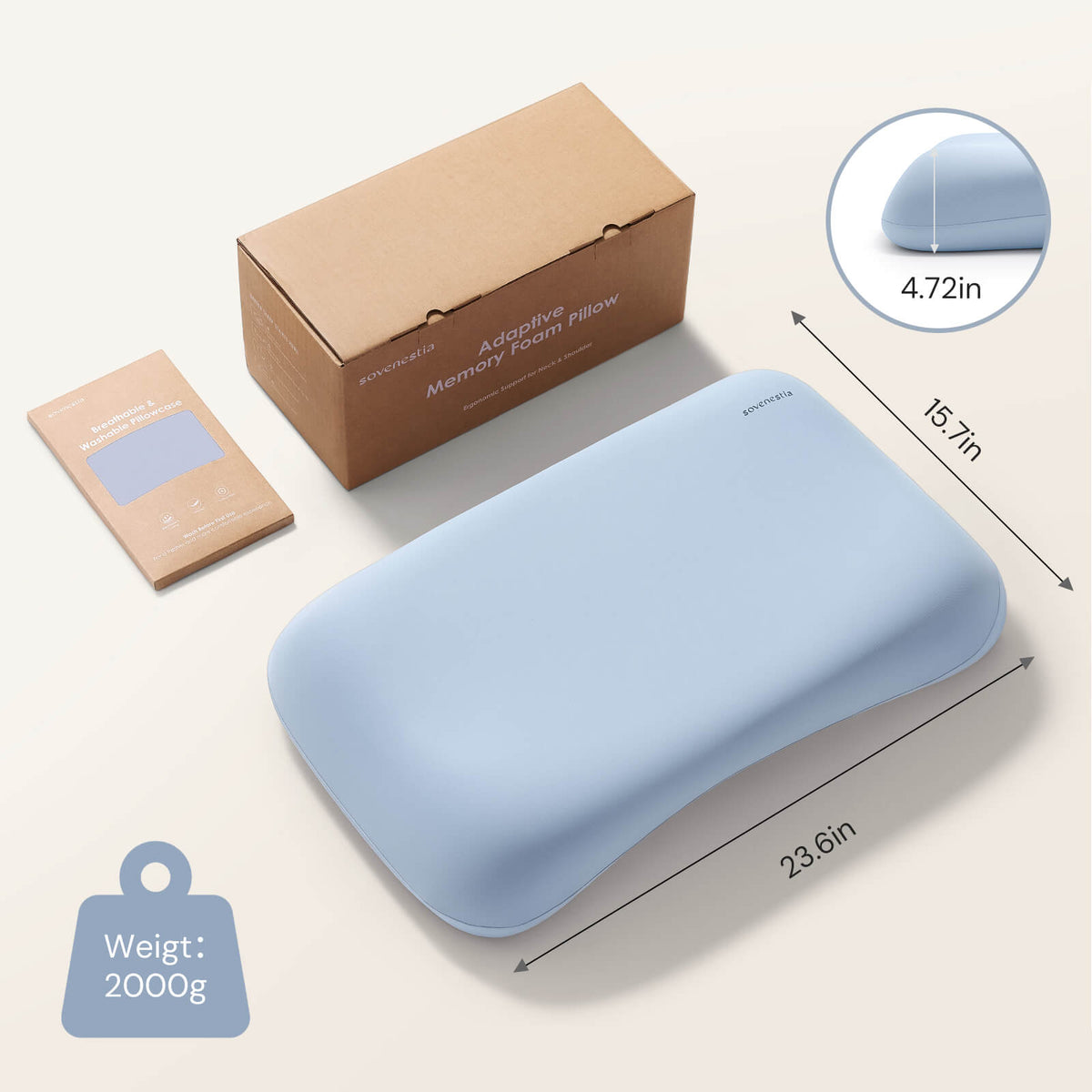
For those who prefer more than one option, a dual-height pillow offers two distinct profiles in a single design. Sovenestia adult pillows feature two sides measuring 3.91 and 4.72 inches, while our kids' pillows offer two sides measuring 2.1 and 3.1 inches. Simply turn the pillow over to explore the other height.
At Sovenestia, The Dream Weaver, we bring together BASF memory foam and thoughtful design to help make your nightly routine more comfortable. Because a better sleep experience begins with finding the details that feel right for you.
When the height, feel, and design work together, your pillow can become a more thoughtful part of the nightly routine—and a more comfortable place to rest your head.
Explore the Sovenestia Pillow Collection and discover a design that complements your sleep routine.