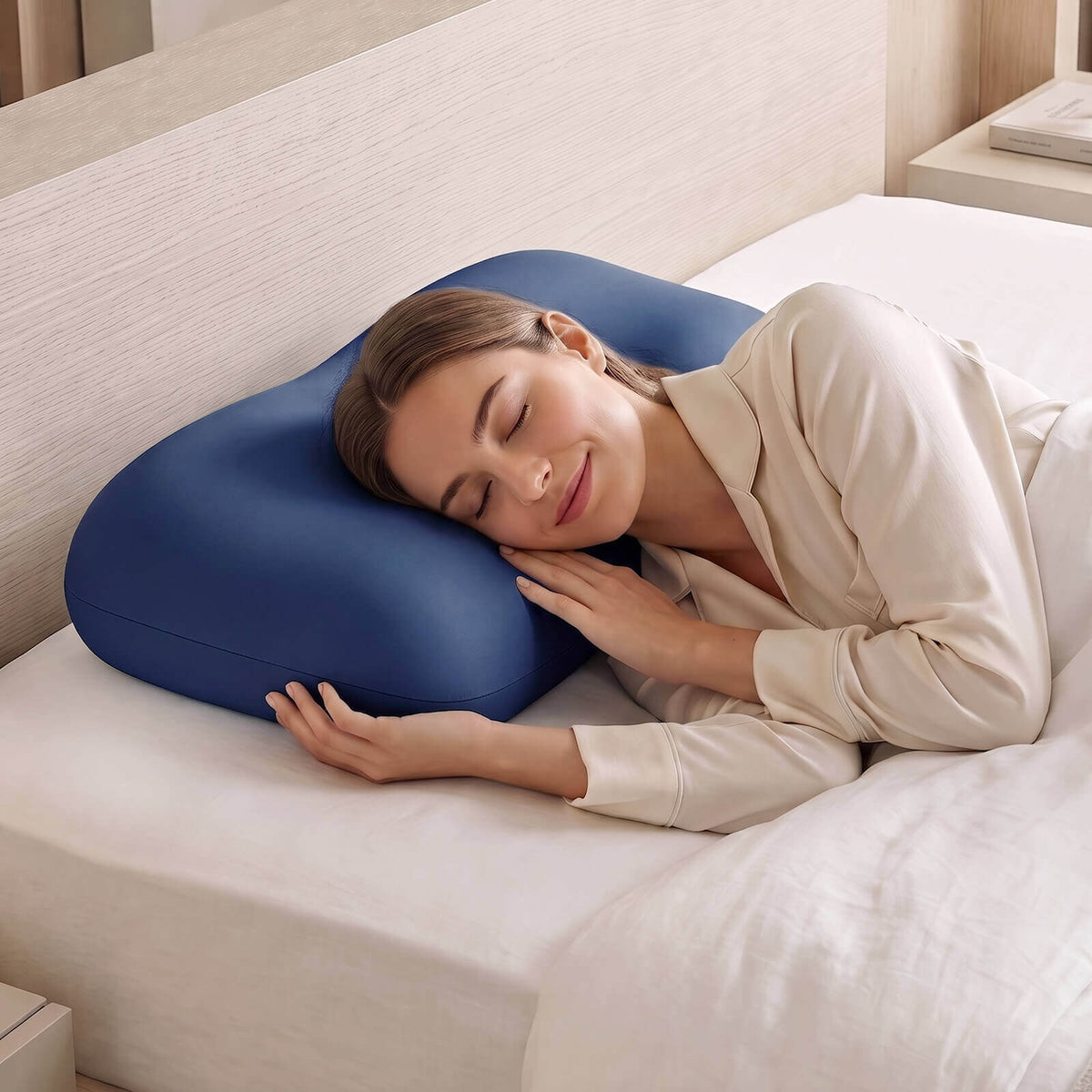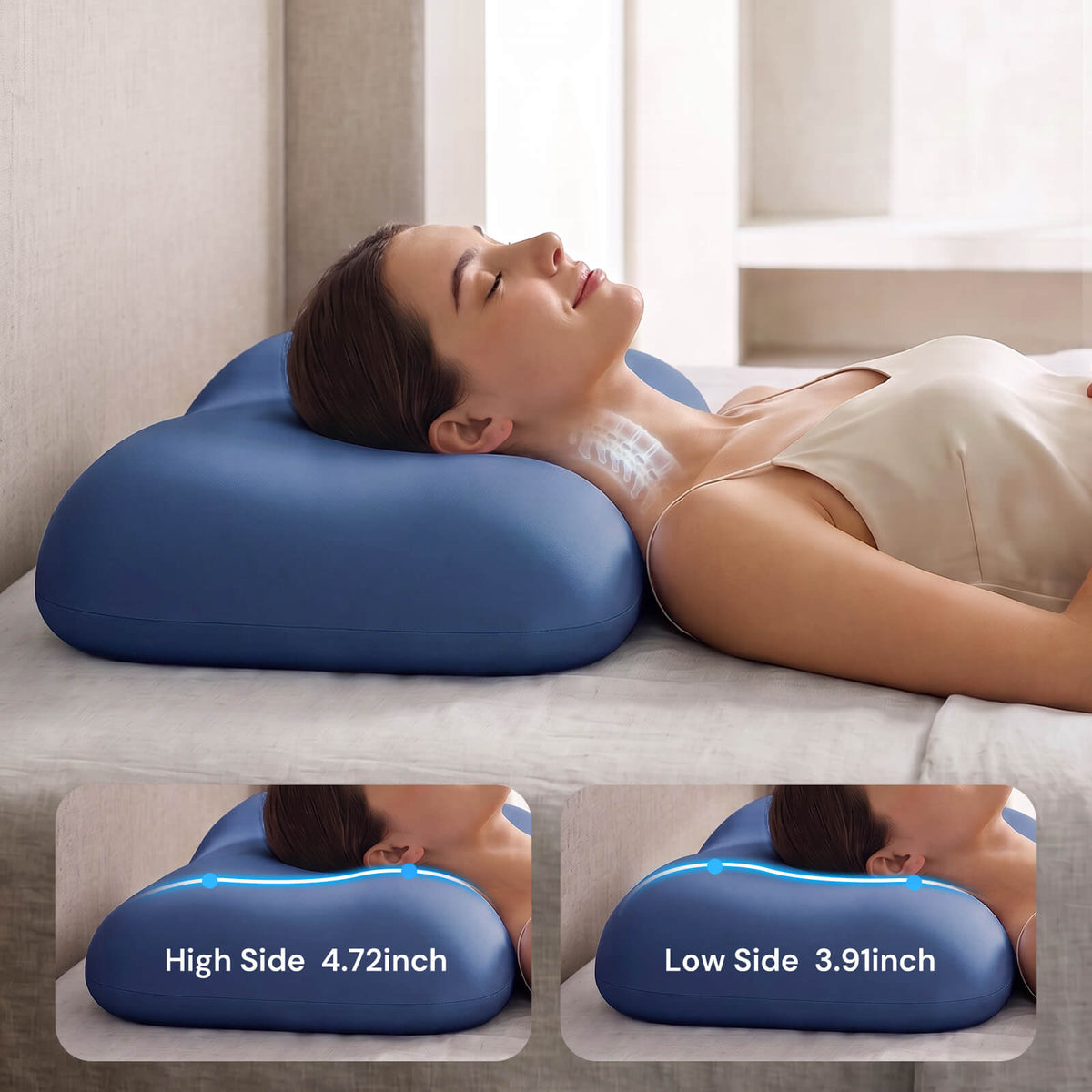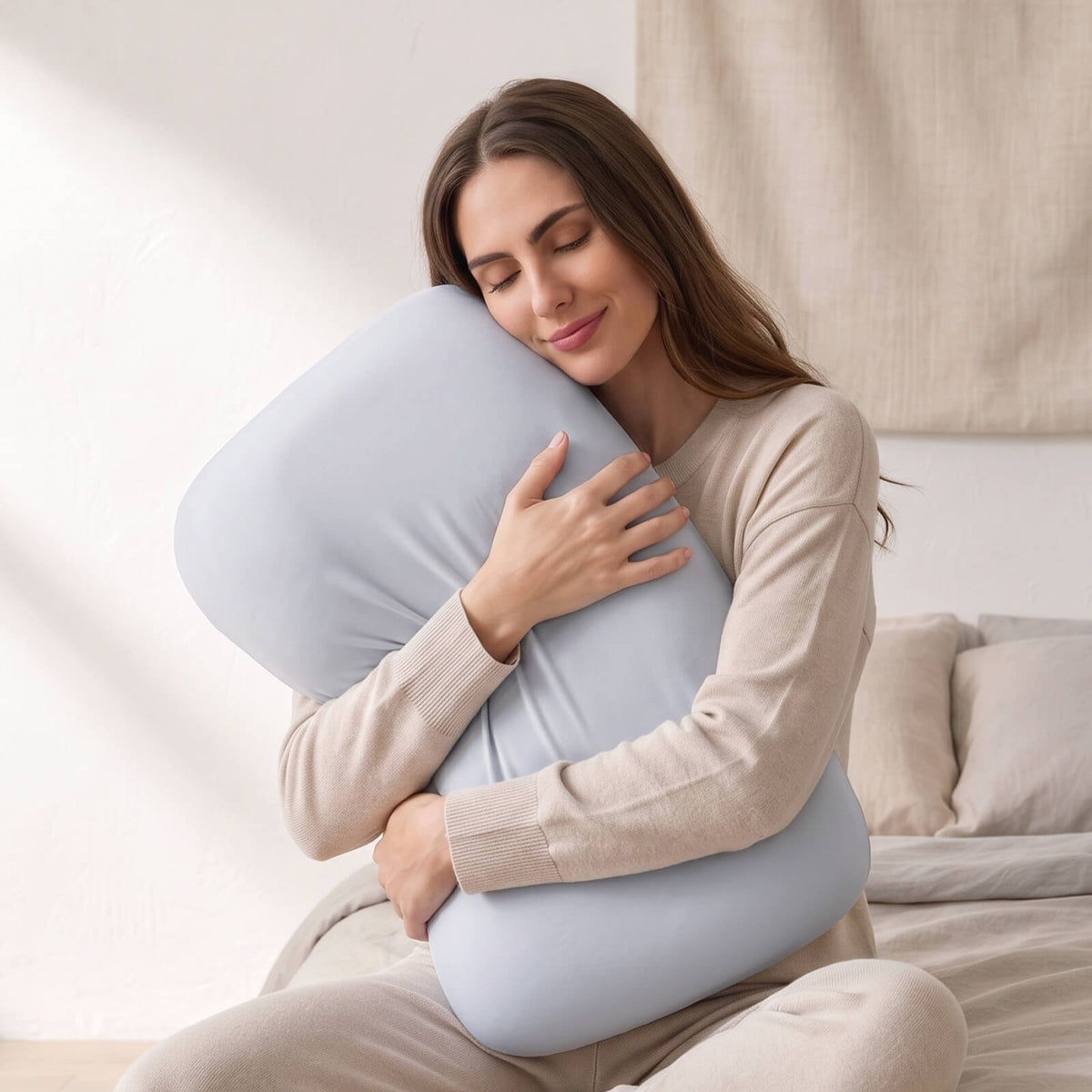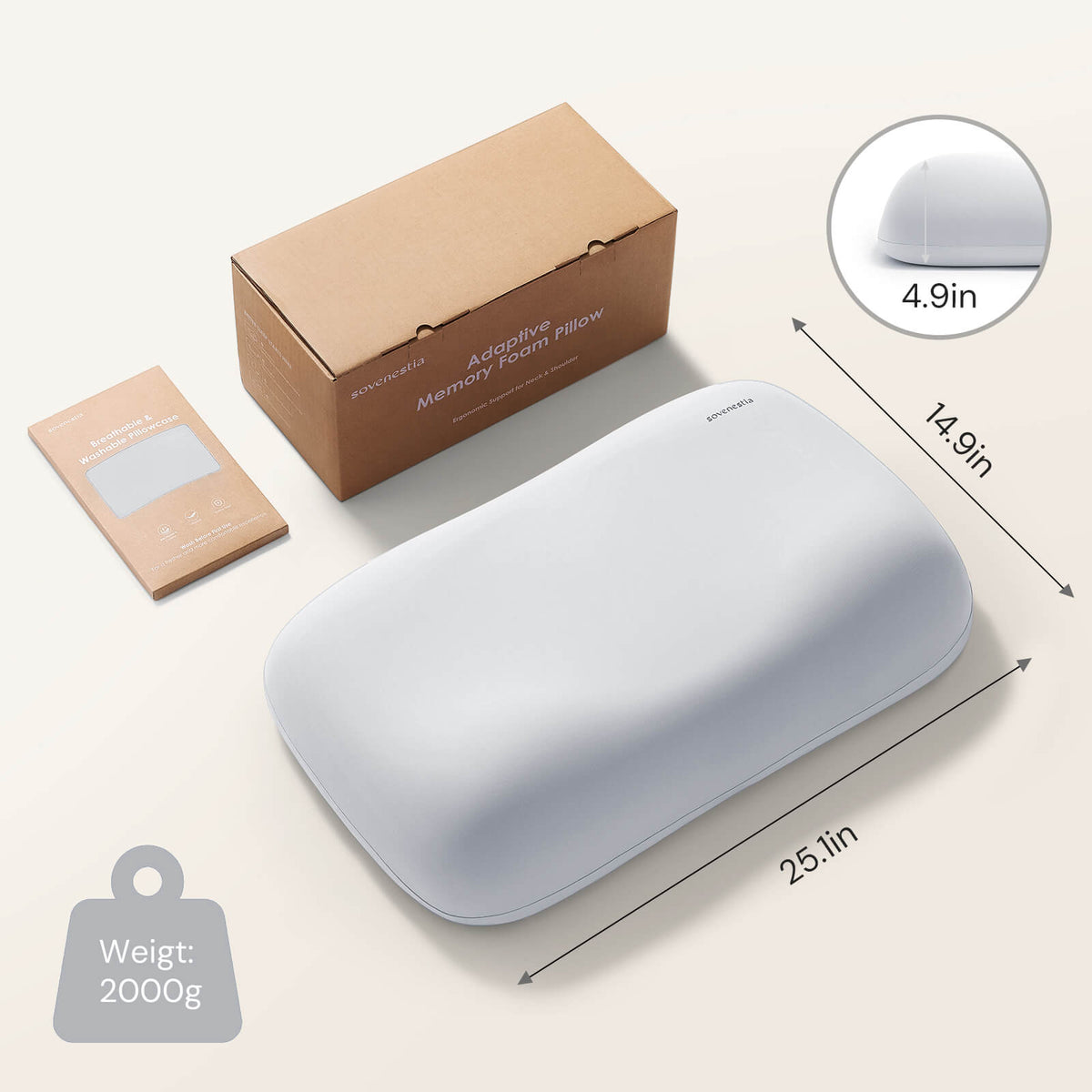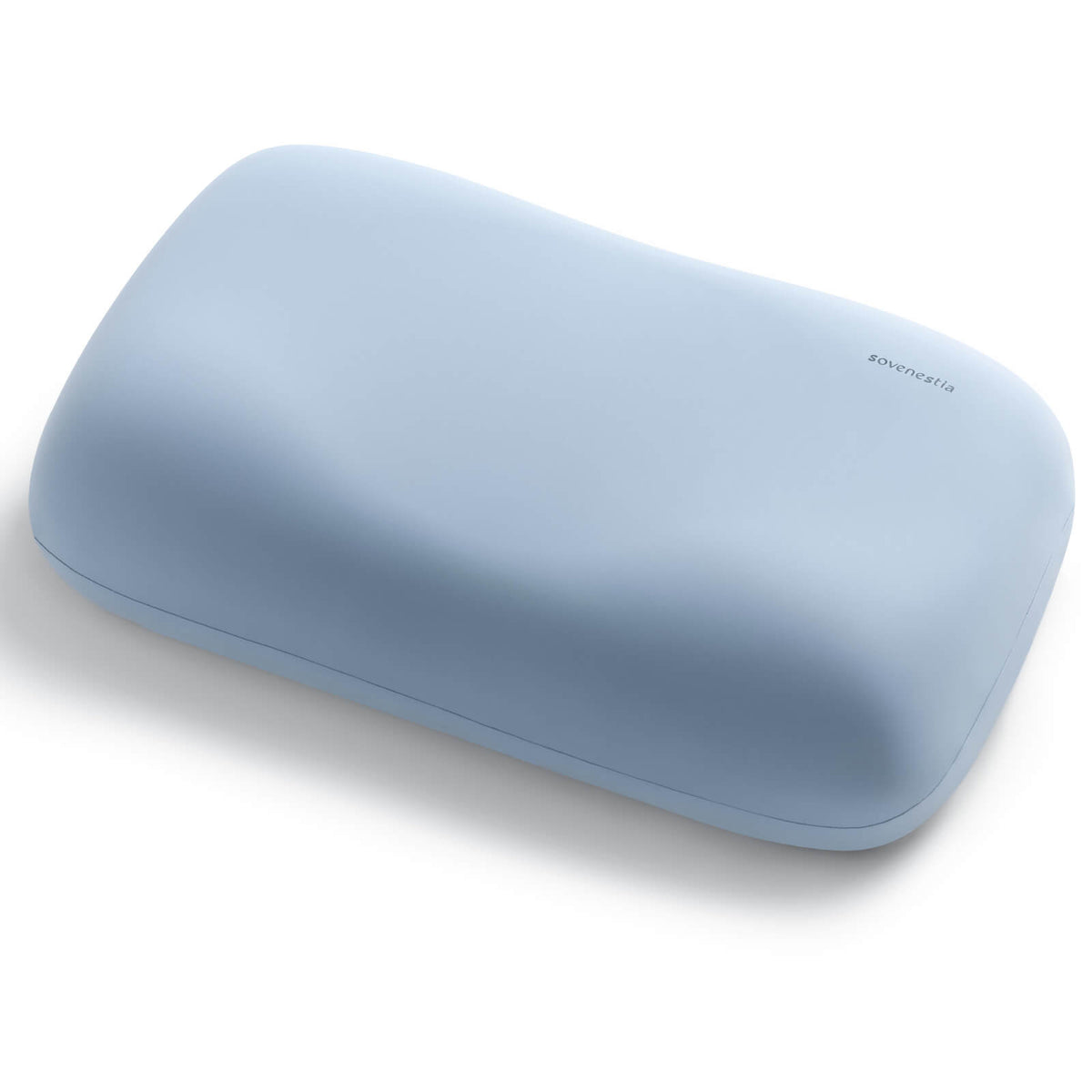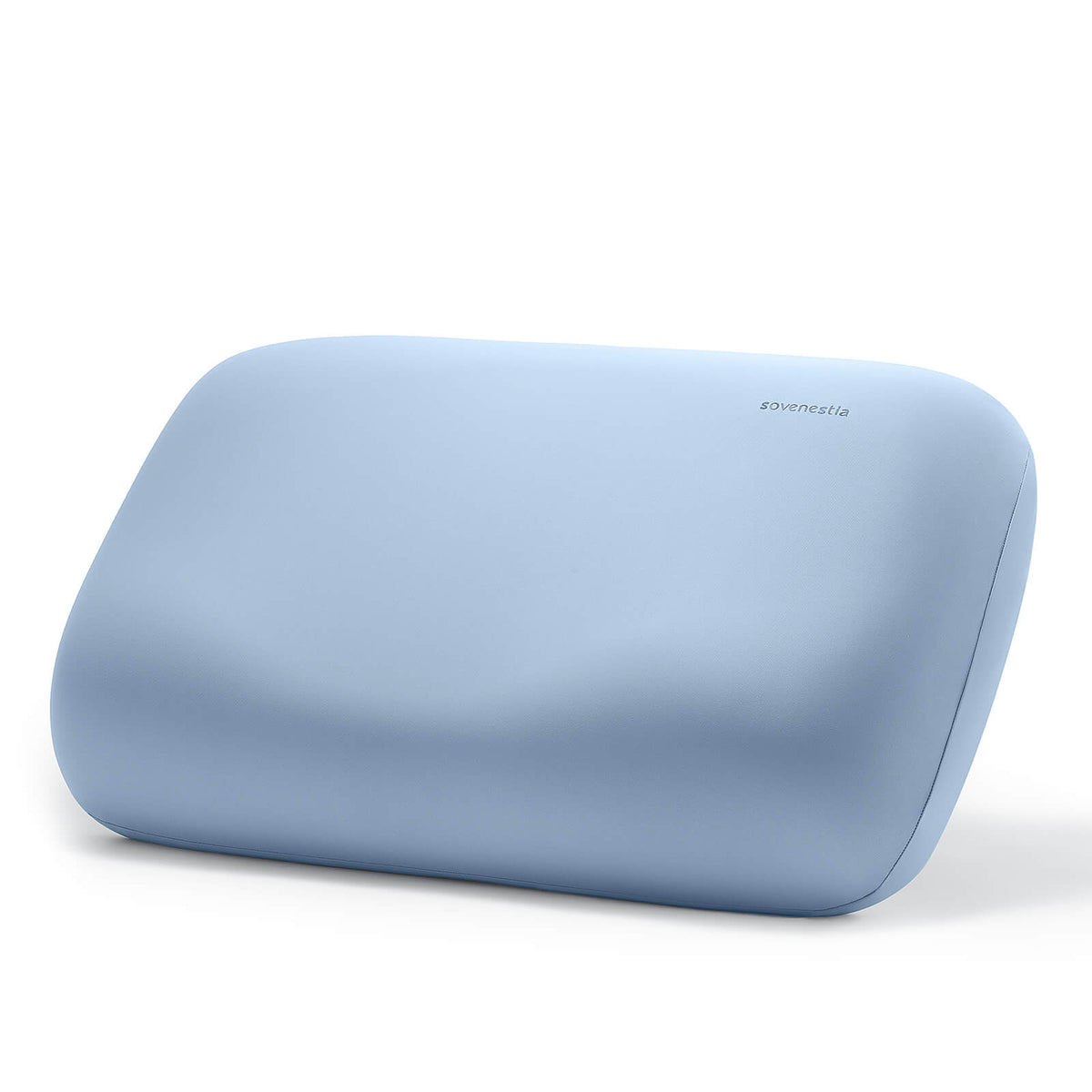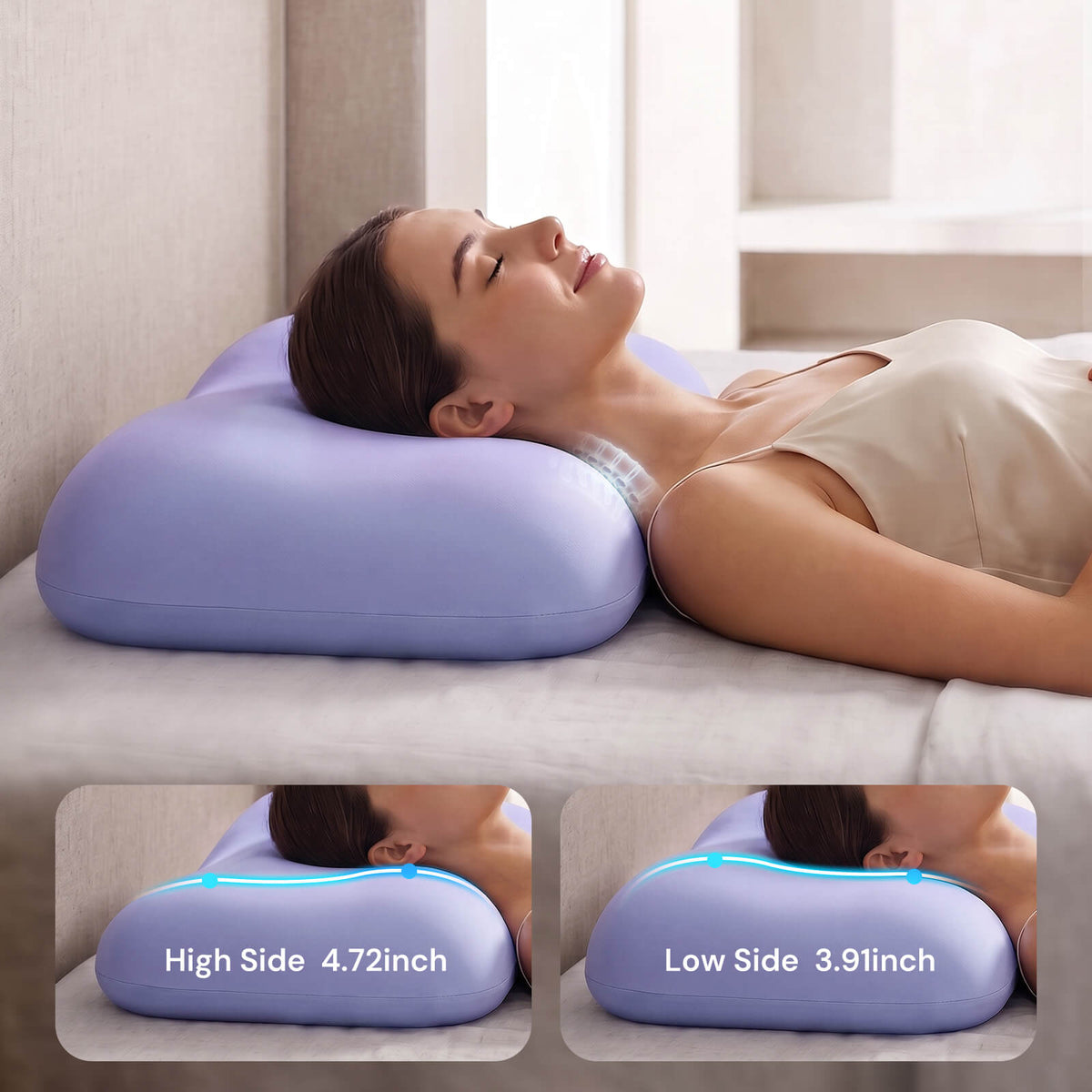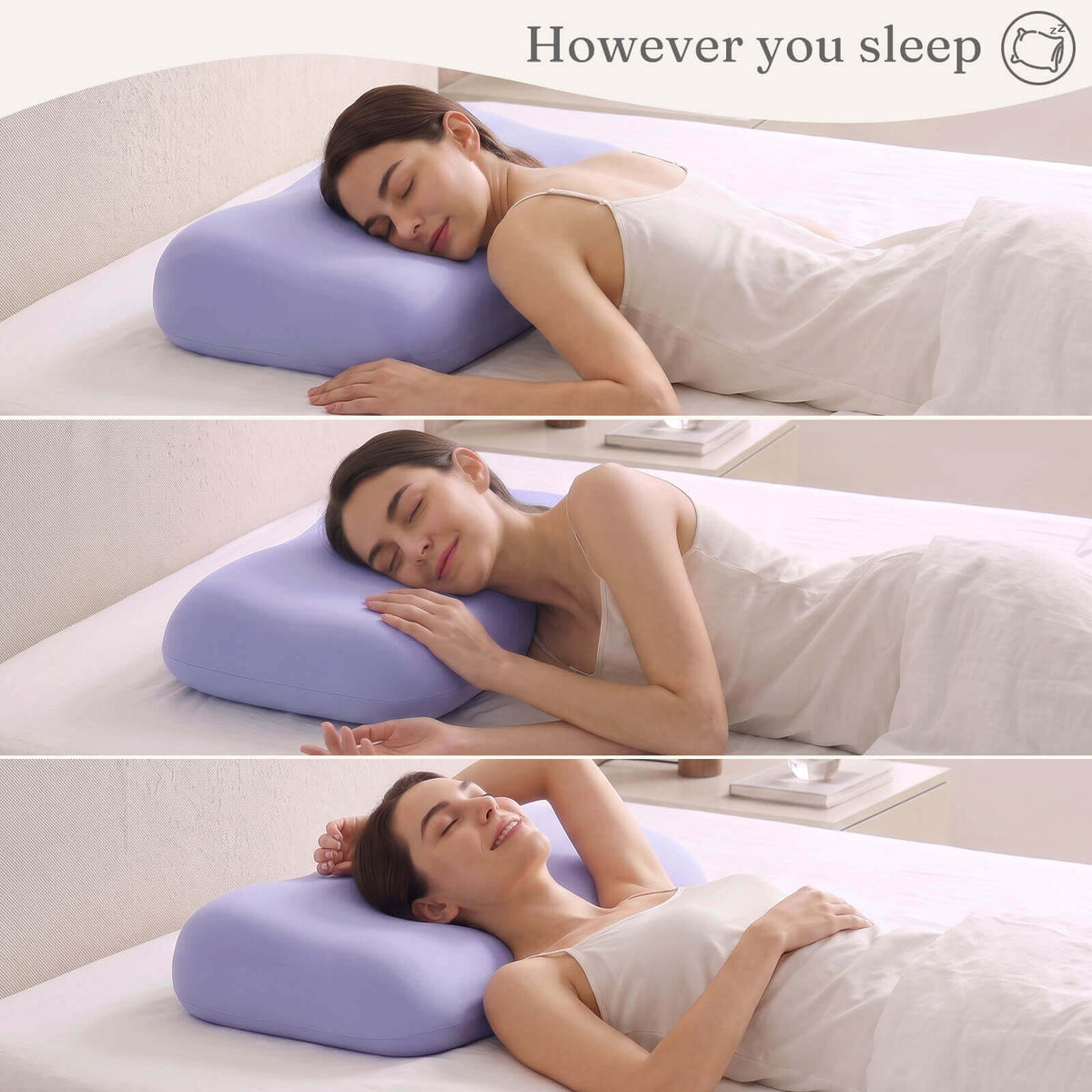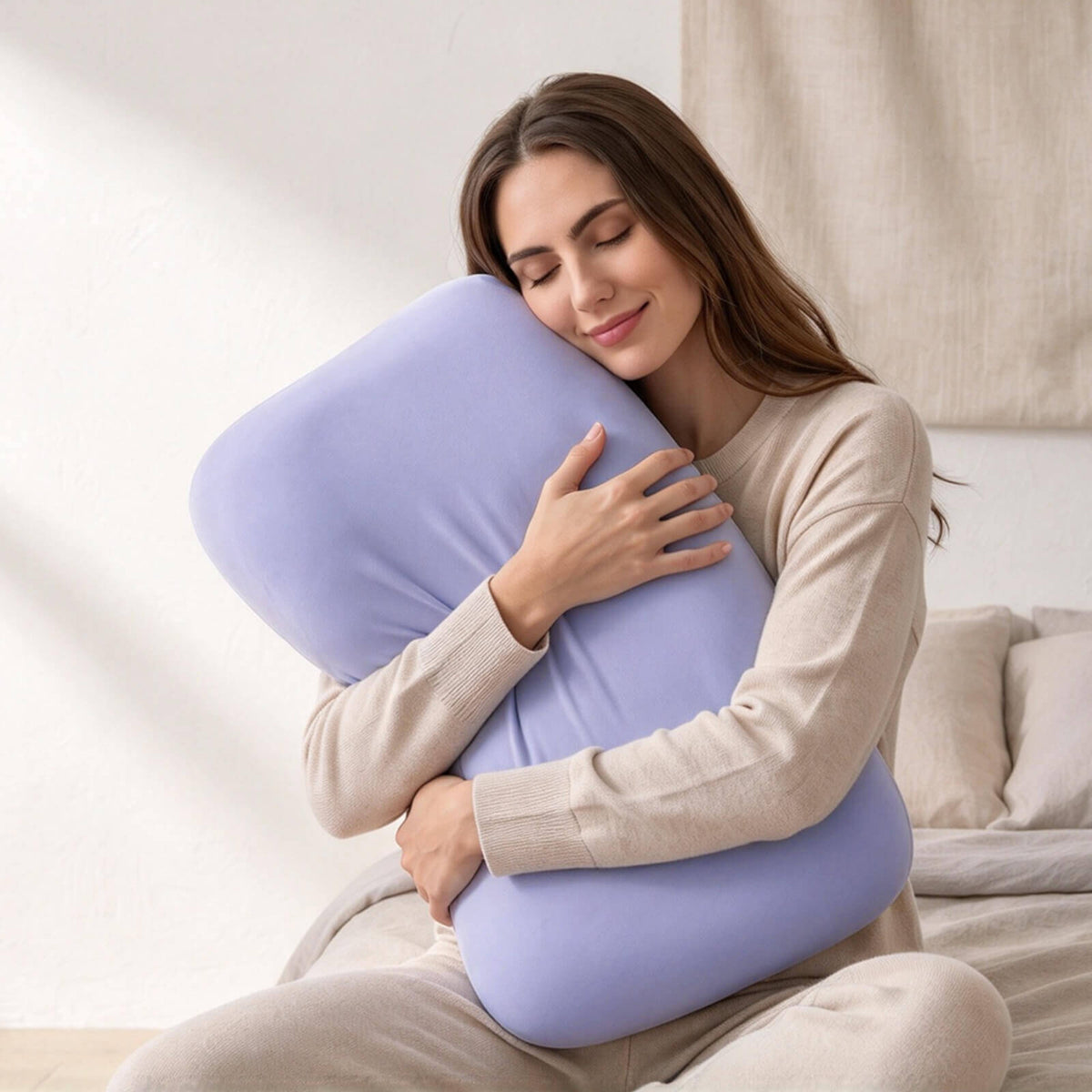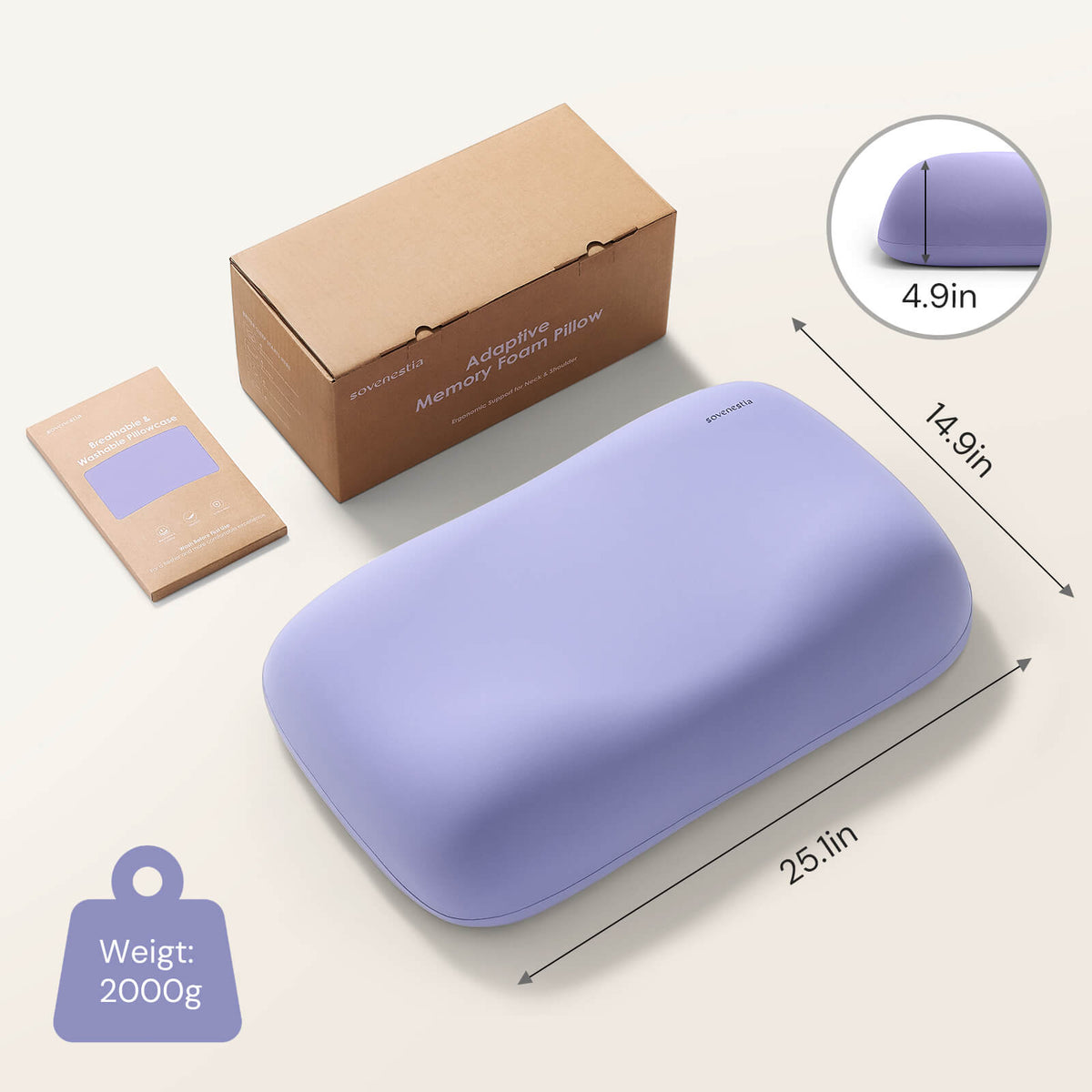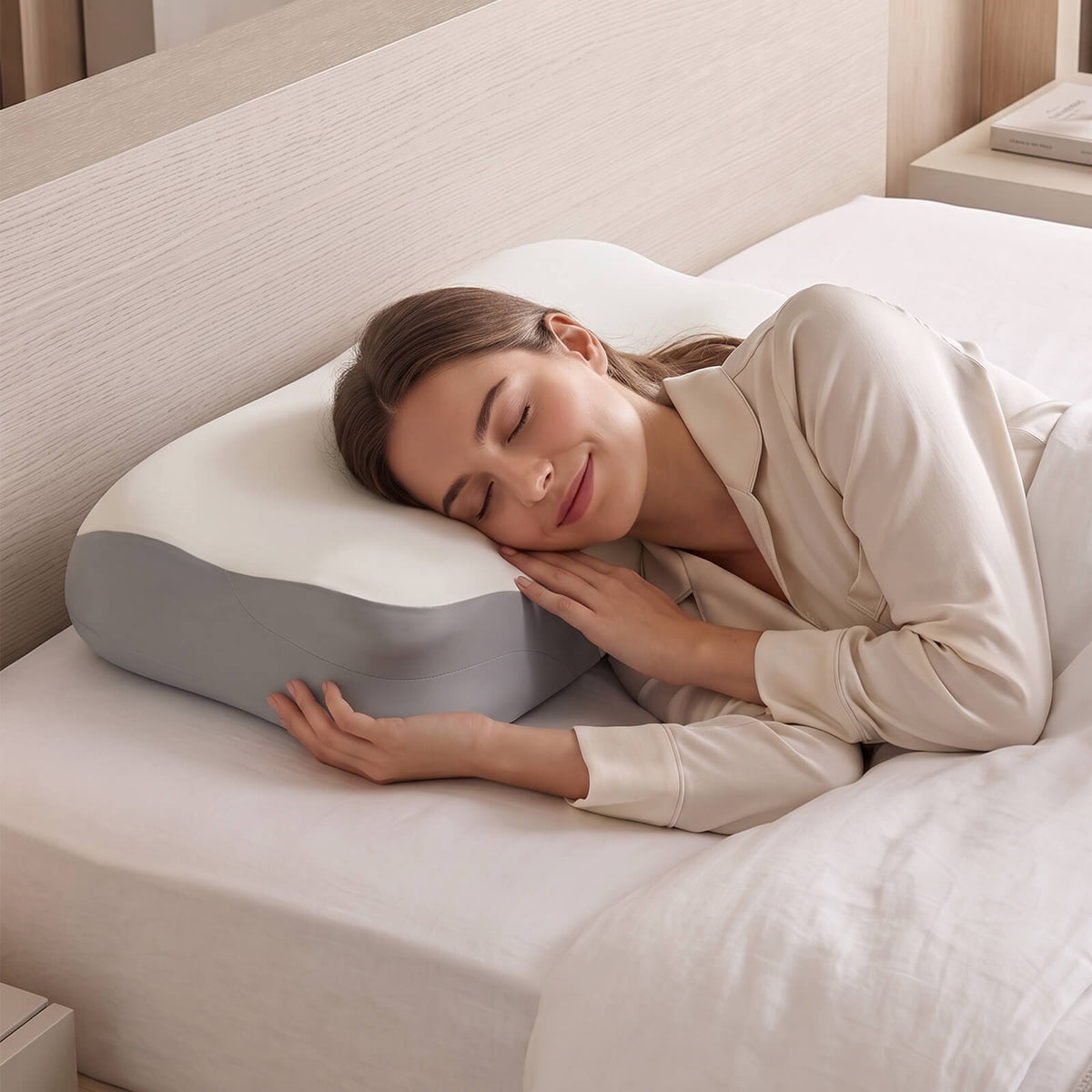


Your pillow works quietly every night, supporting your head, neck, and spine while you rest. But even the best pillow cannot maintain its original comfort forever.
All pillows have a finite lifespan. Over time, the material of a pillow will naturally change. Support decreases, comfort fades, and your pillow may no longer provide the healthy sleep environment for your body.

How Long Does a Pillow Usually Last?
Different pillow materials naturally have different lifespans. Material quality, daily use, care routines, and sleeping habits all influence how long a pillow maintains its performance. Even high-quality pillows require proper care, as improper washing or maintenance may affect their shape, support, and overall comfort over time.
| Pillow Type | Average Lifespan |
|---|---|
| Polyester / Fiber Pillow | 1-2 years |
| Down Alternative Pillow | 1-2 years |
| Down Pillow | 2-3 years |
| Memory Foam Pillow | 3-4 years |
| Latex Pillow | 3-5 years |
Your pillow's lifespan is not determined by time alone. While the average lifespan of a pillow provides a helpful guideline, the true measure is whether your pillow continues to support your body and create a comfortable and relaxing sleep environment.
A good pillow should serve you well. When it no longer does, it's time to consider a replacement.

7 Signs Your Pillow Is Ready for Replacement
1) Your Pillow No Longer Returns to Its Original Shape
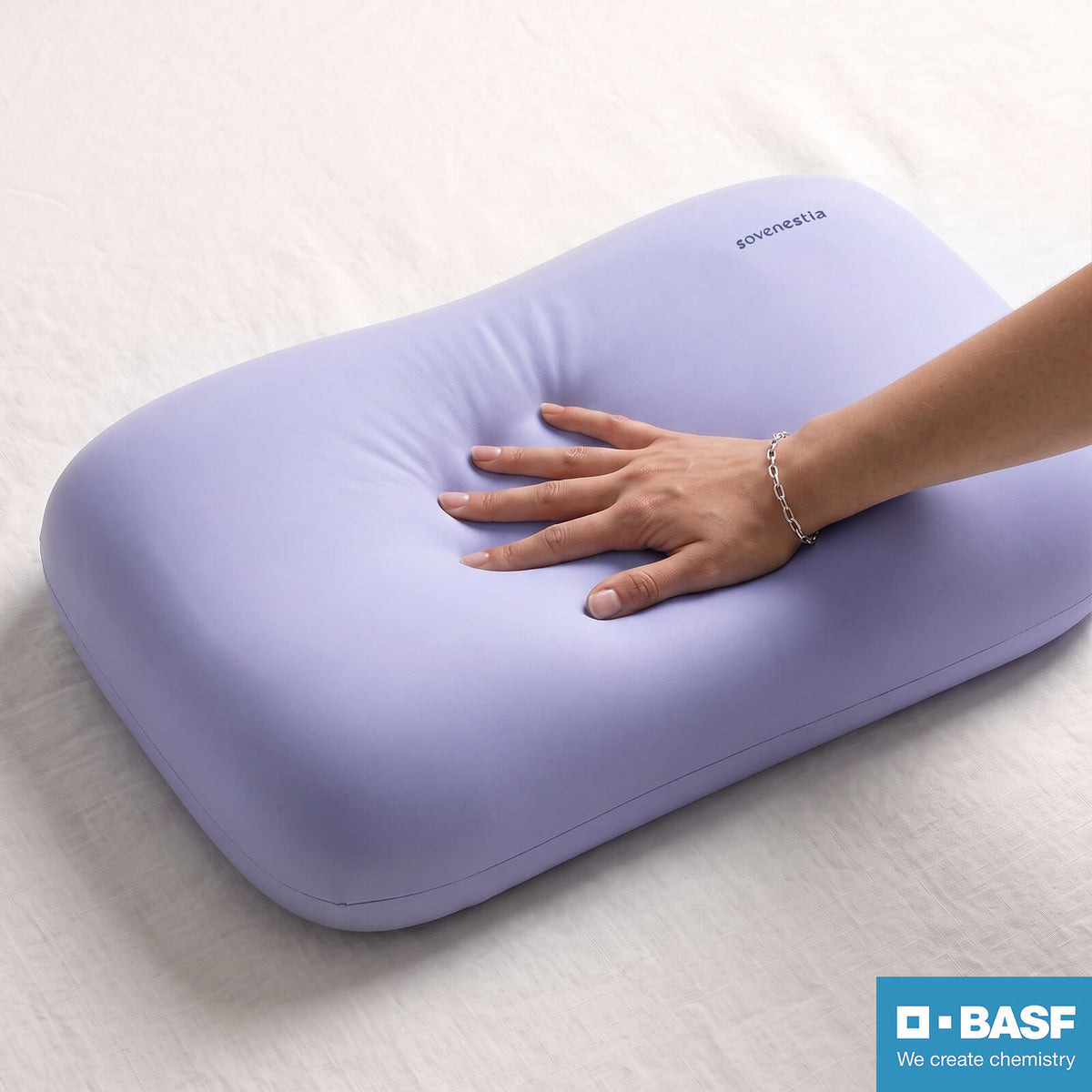
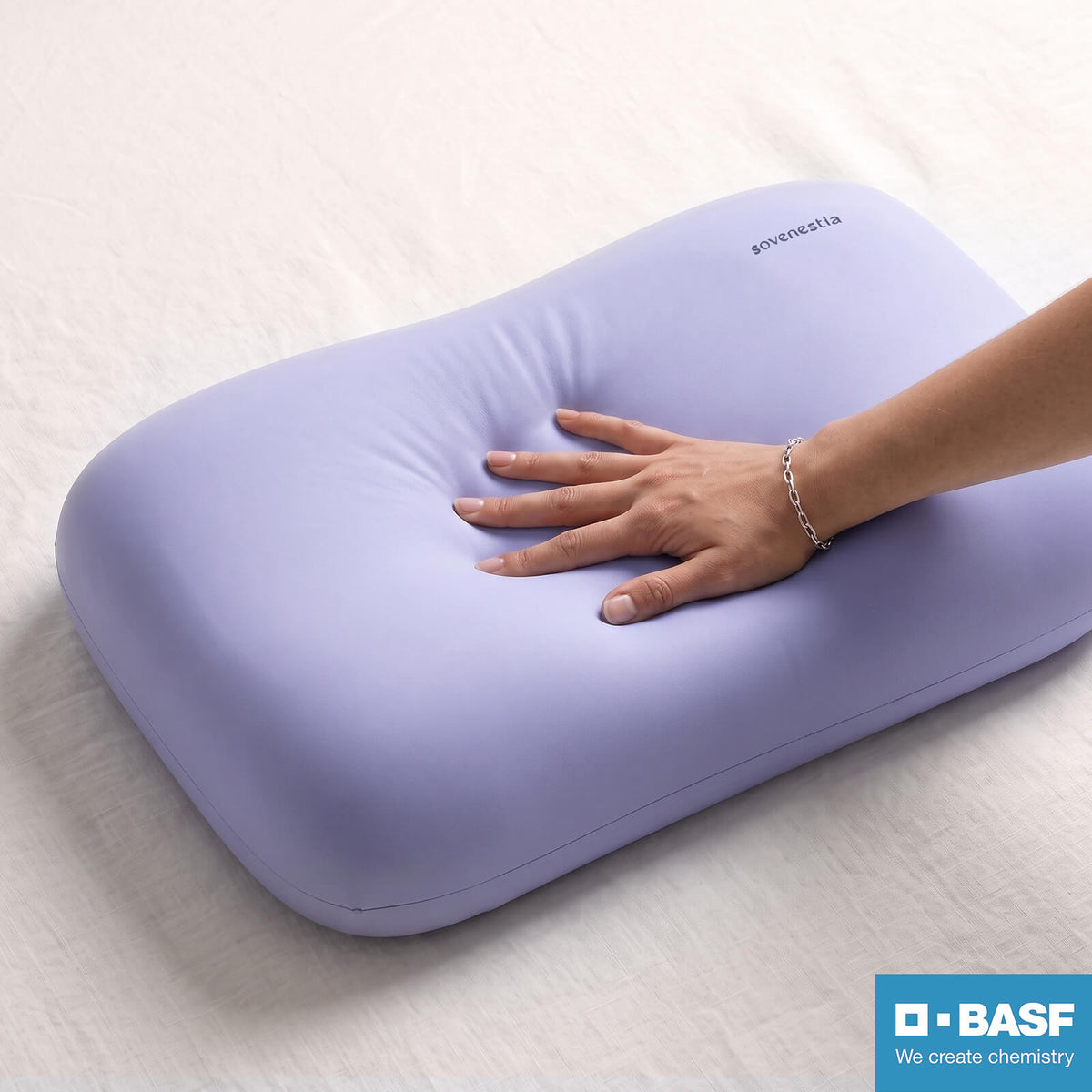
A high-quality pillow should gradually recover after pressure is removed. If your pillow remains compressed or develops permanent indentations, the internal structure may have lost its ability to provide consistent support.
2) You Wake Up With Neck or Shoulder Discomfort
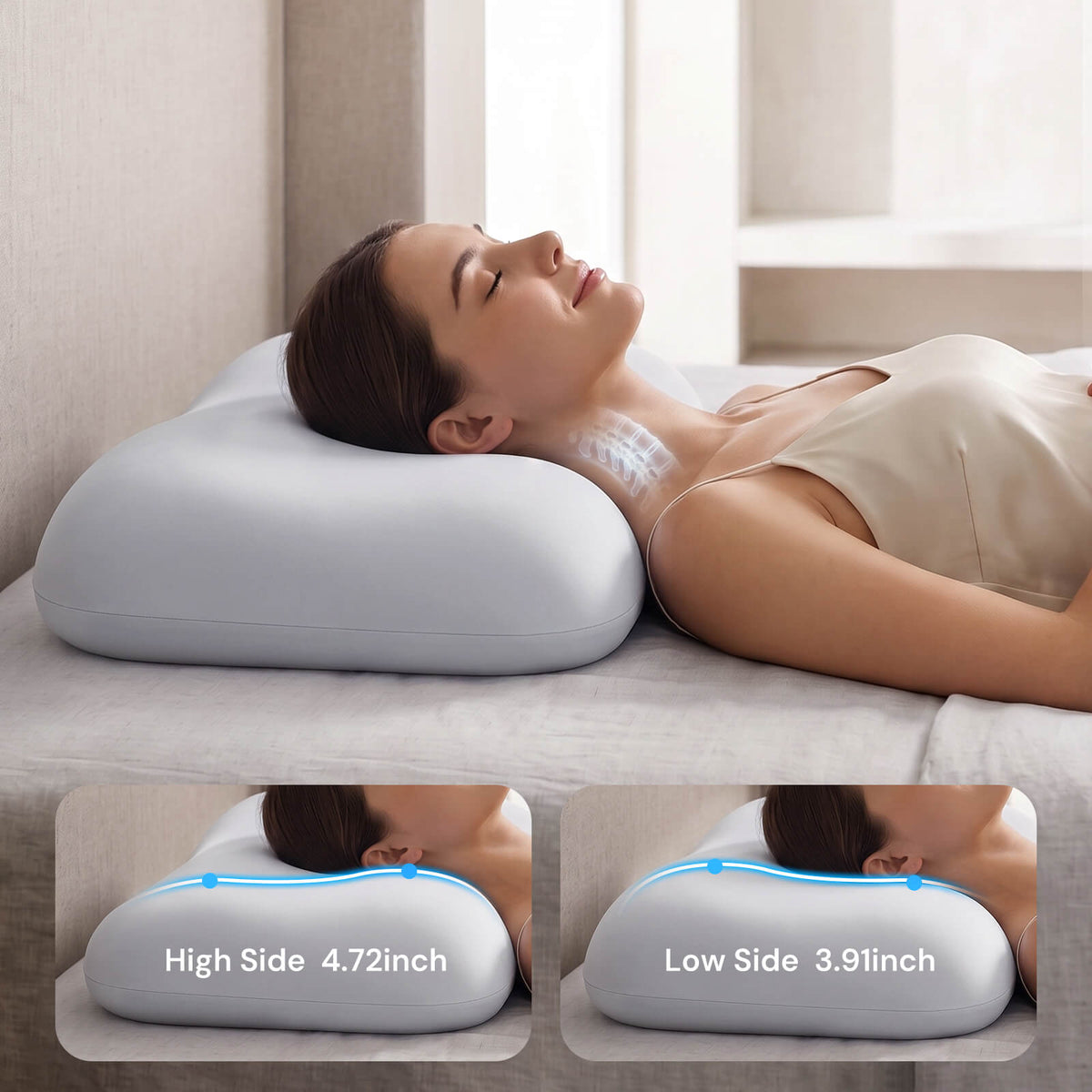
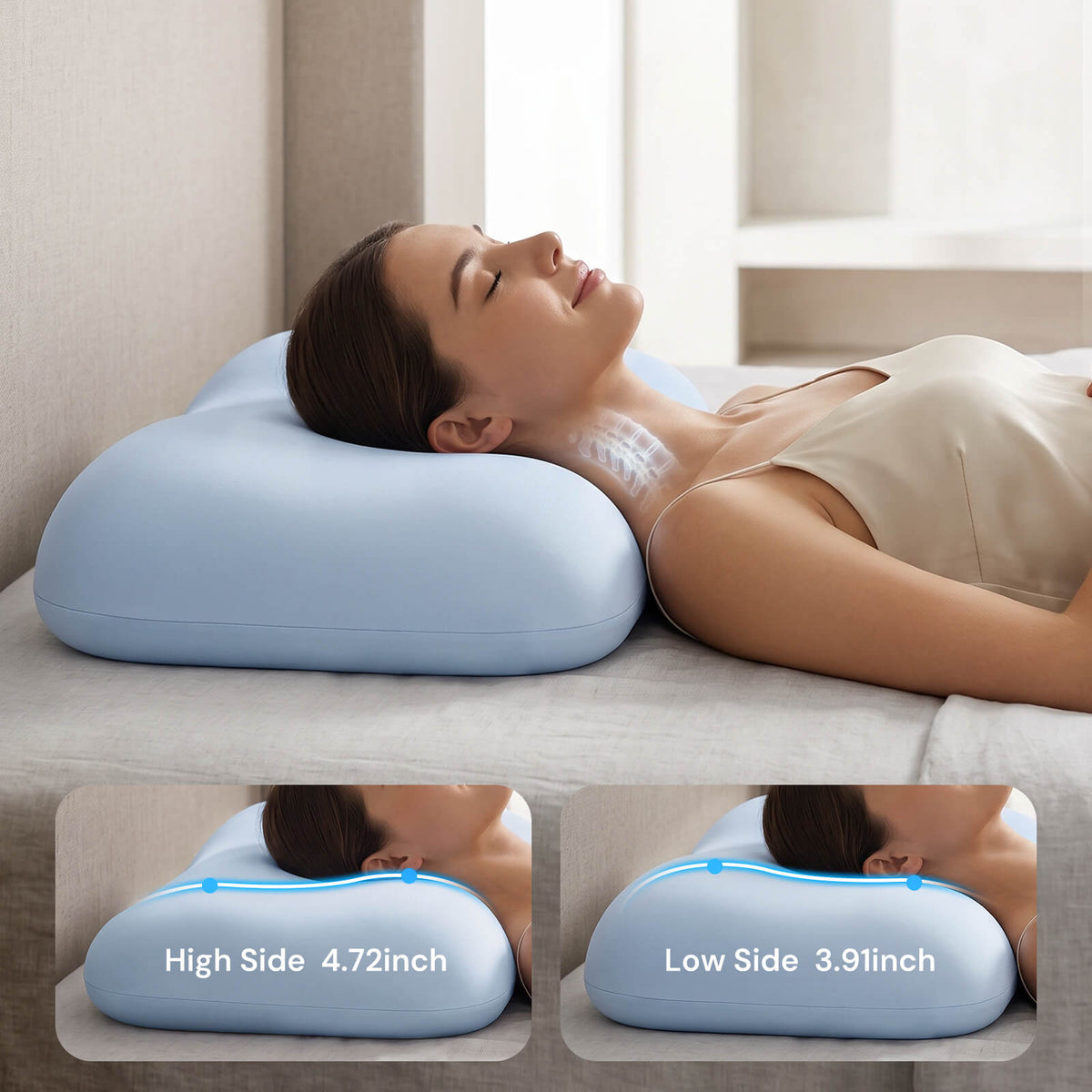
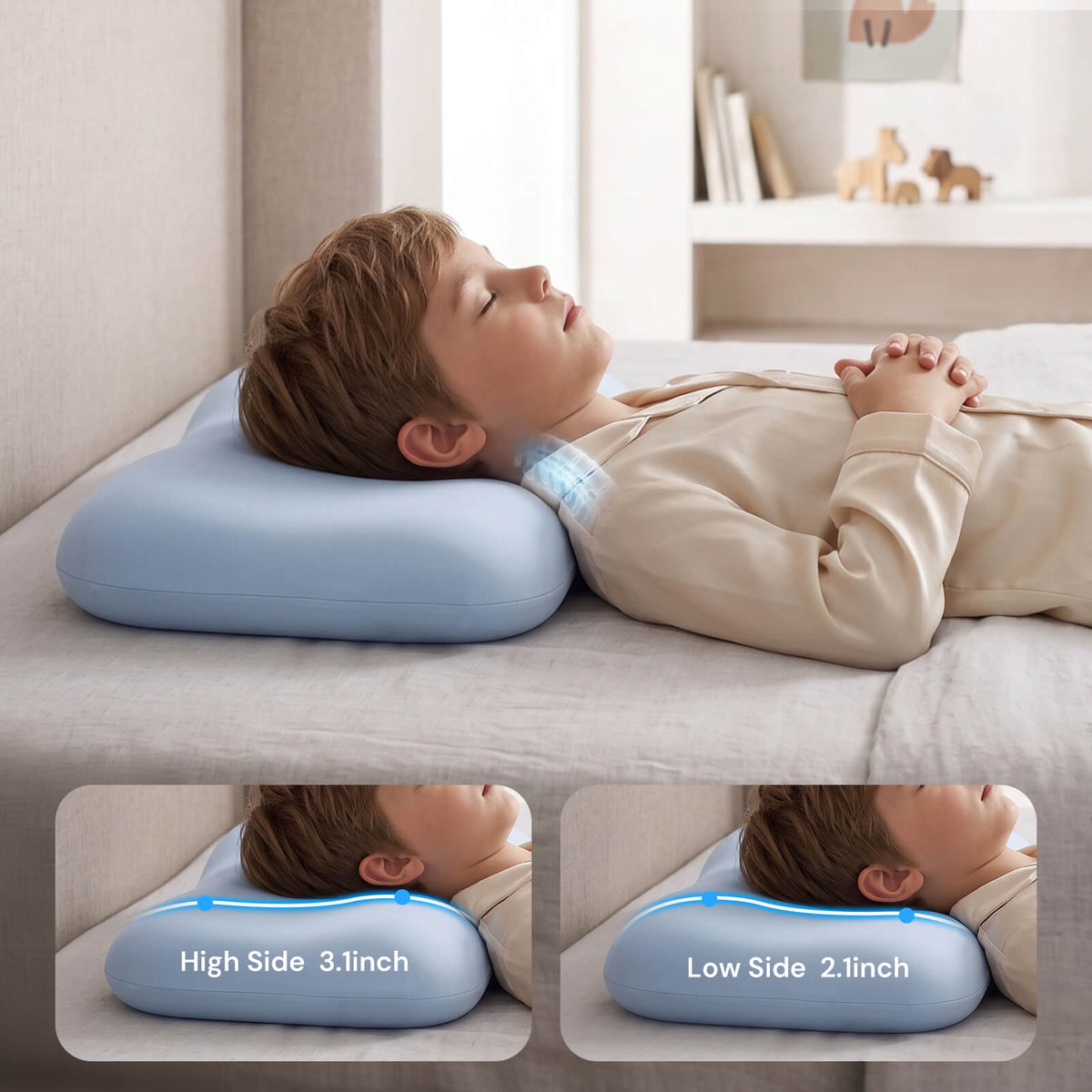
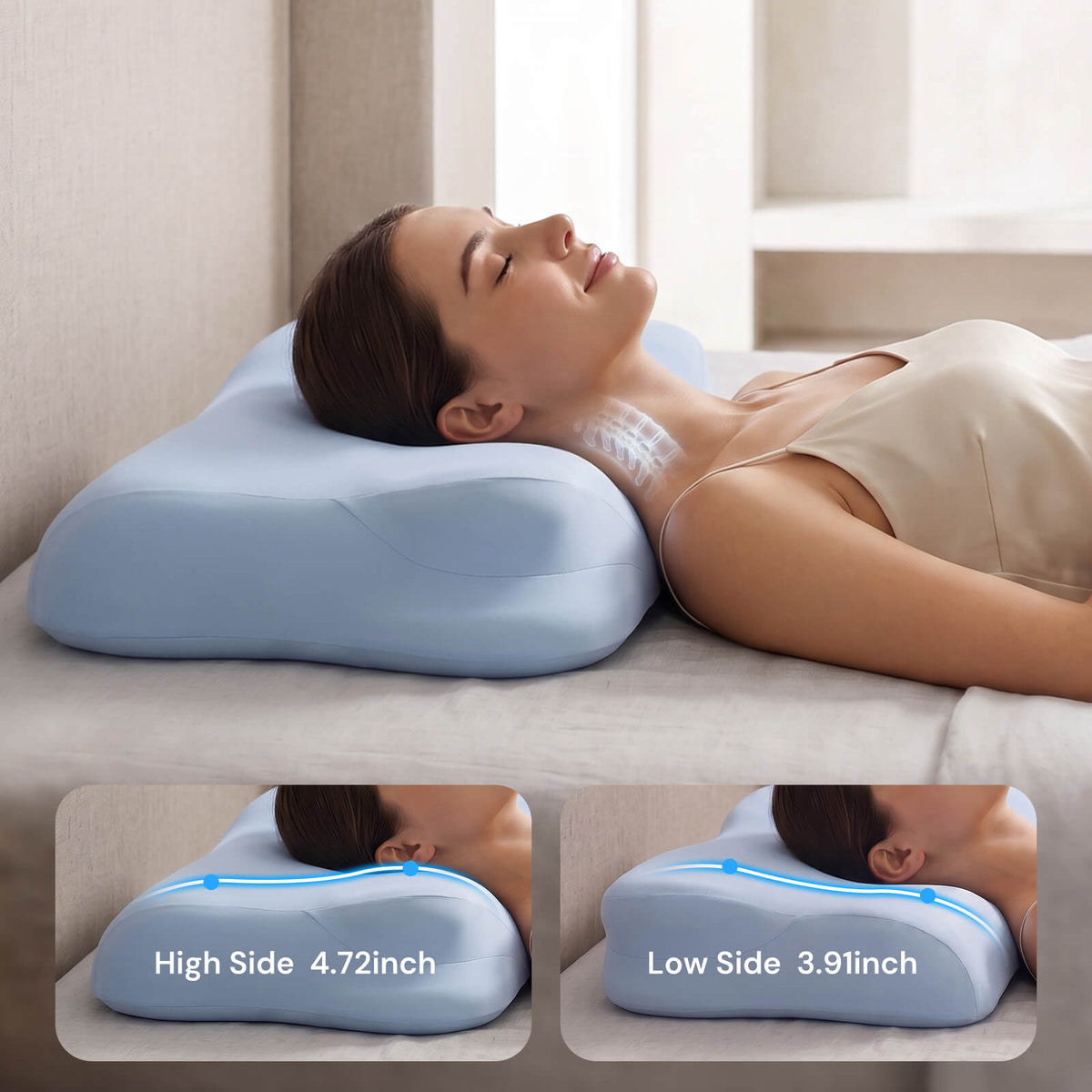
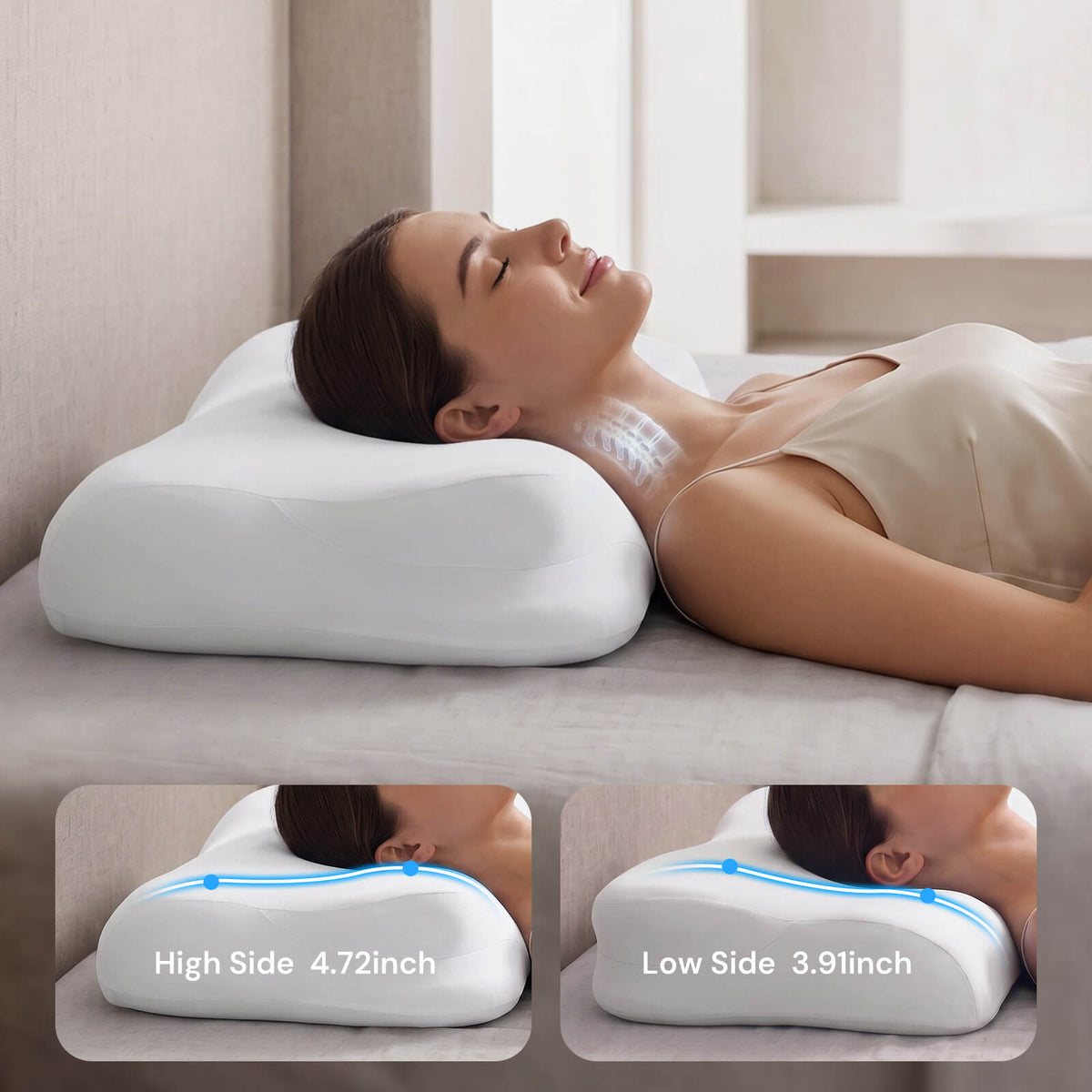
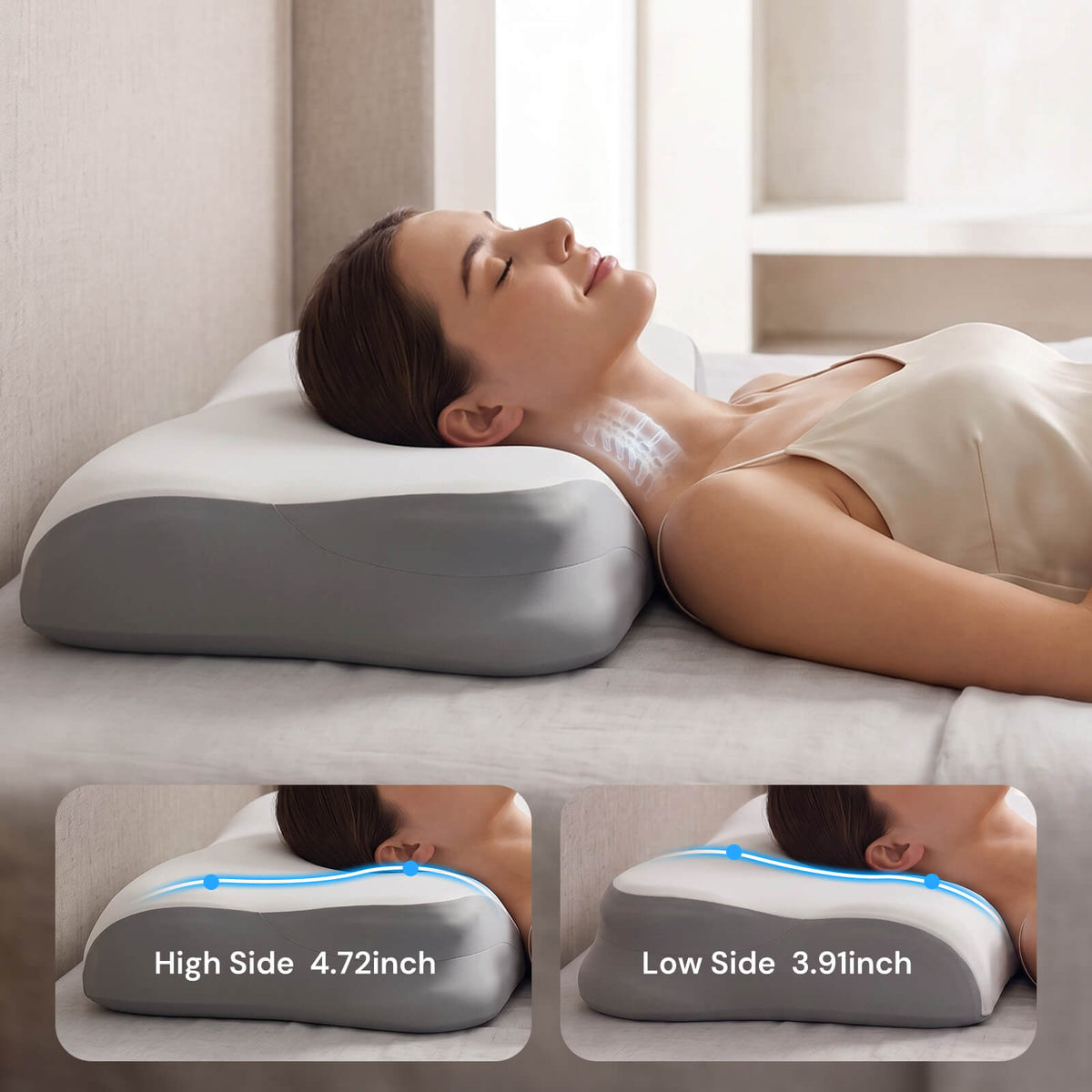
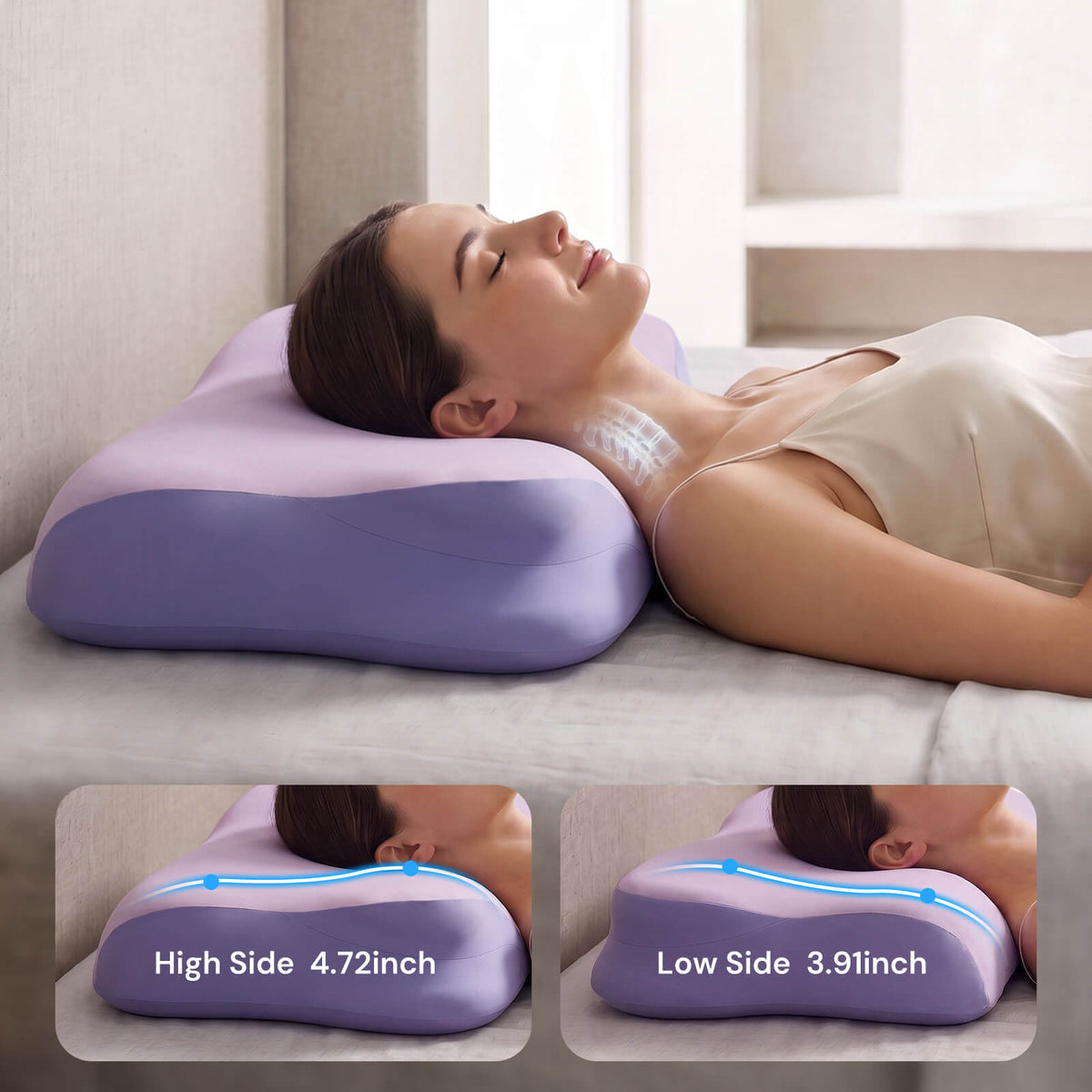
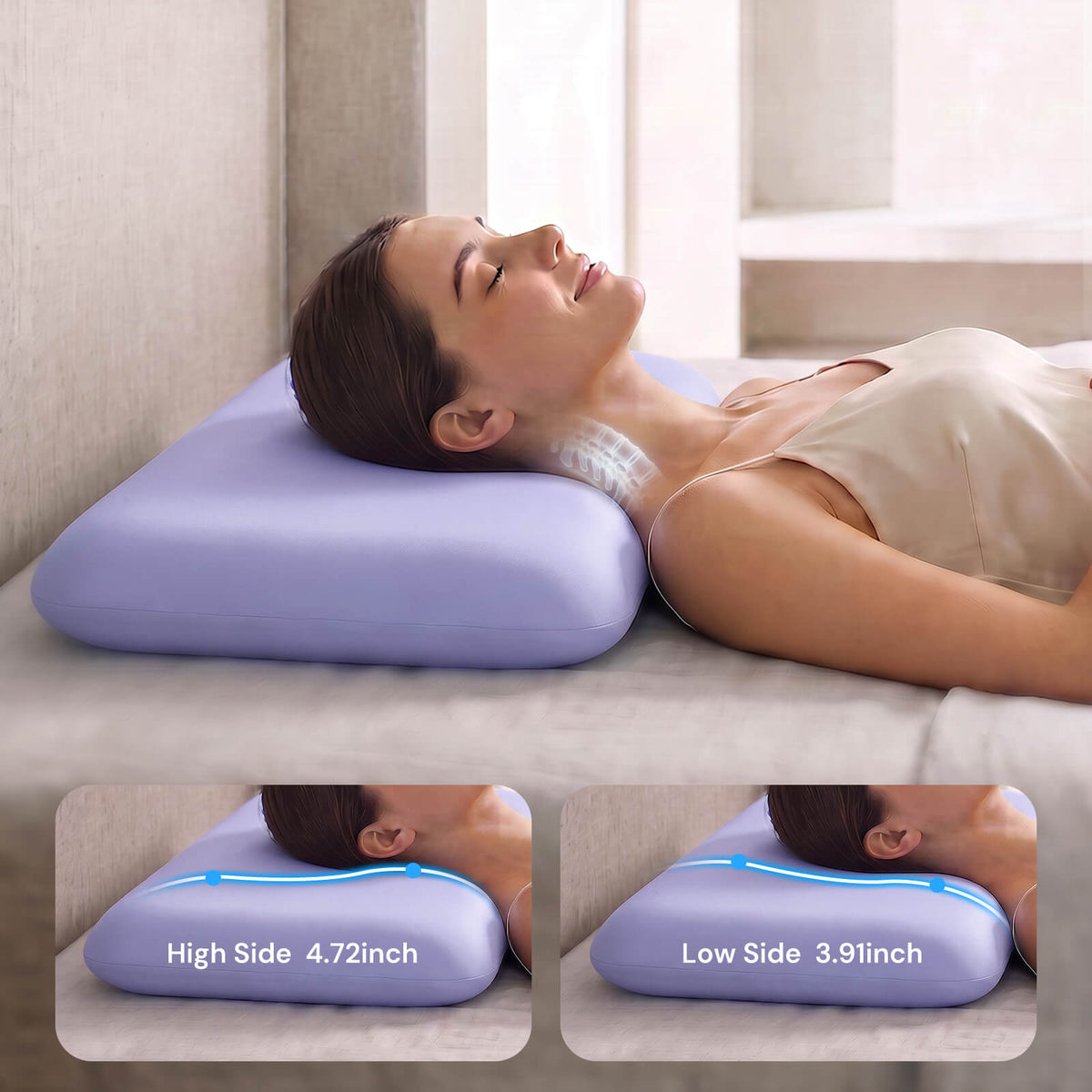
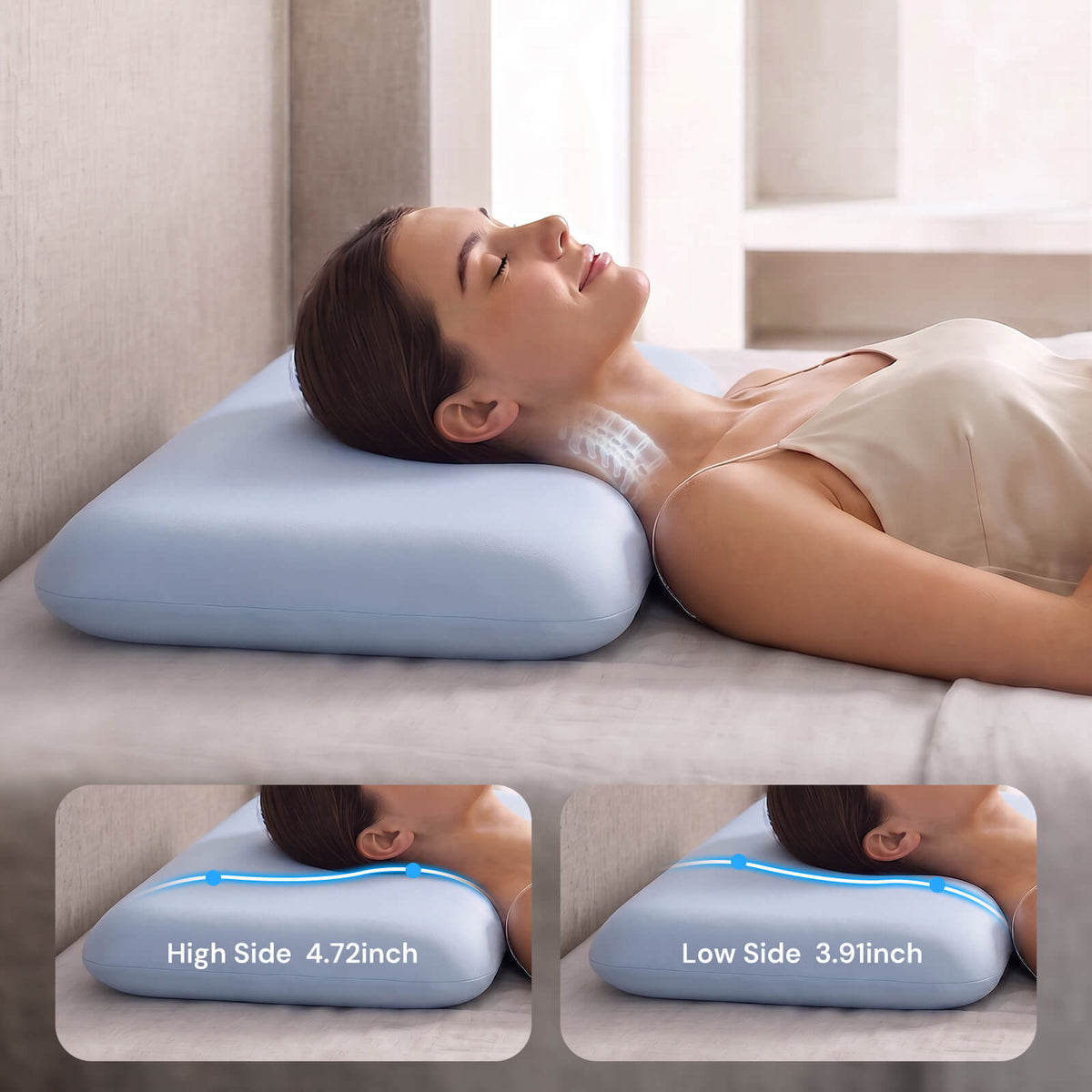
Your pillow should play an important role in maintaining neutral spinal alignment. If you need to adjust your pillow frequently while sleeping and get shoulders tense and neck stiff after waking up, then this pillow is no longer suitable for you.
3) Your Pillow Has Visible Lumps or Uneven Areas
Run your hands across the surface of the pillow (applicable to fiber/down pillows). If you feel permanent lumps, valleys, or uneven density, the foam has degraded. This creates pressure points that disrupt spinal alignment.
4) Your Pillow Feels Too Flat
If the pillow loses its fluffiness and support, you will have to change your sleeping position to adapt to it, and you may feel tired even if you get enough sleep.
5) You Notice More Allergies or Morning Discomfort
Pillows accumulate dead skin cells, dust mites, and mold over time. If you notice increased morning congestion, sneezing, itchy eyes or acne breakouts, your pillow may be an allergen trap.
6) Your Pillow No Longer Matches Your Sleeping Style
If you need to change your sleeping position (such as from a back sleeper to a side sleeper) to fall asleep, it means your pillow might no longer matches.
7) You Sleep Better Somewhere Else
If you consistently sleep better in hotels or guest rooms, your pillow may no longer be supporting your sleep needs.

Why Quality Materials Matter When Choosing a New Pillow
Replacing your pillow is an opportunity to improve your sleep quality - not simply replace an old product.
With countless pillow materials, designs, and features available on the market, choosing the right pillow can feel overwhelming. The best pillow is not always the softest or most expensive one; it is the one that provides the right balance of comfort, support, and durability for your sleep needs.
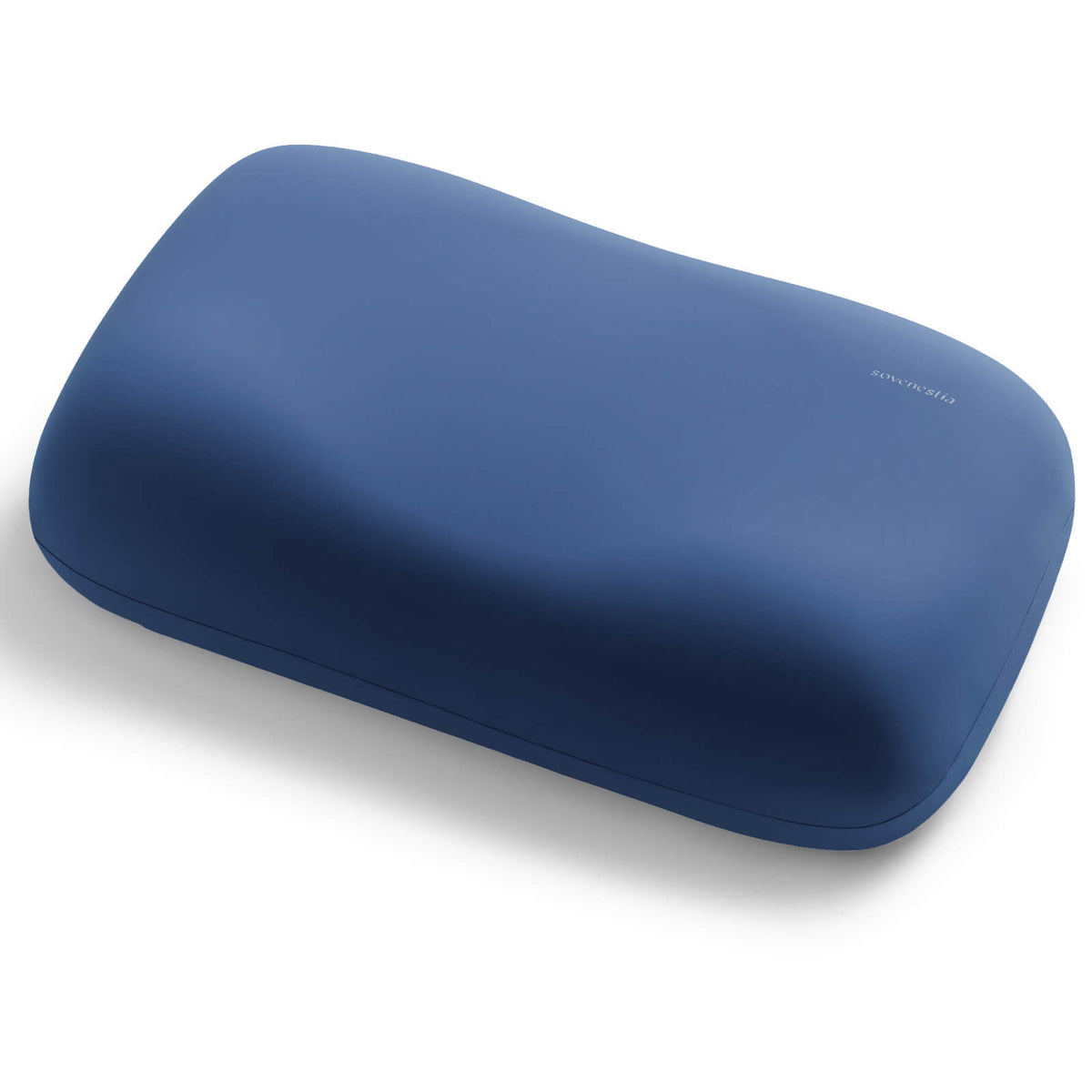
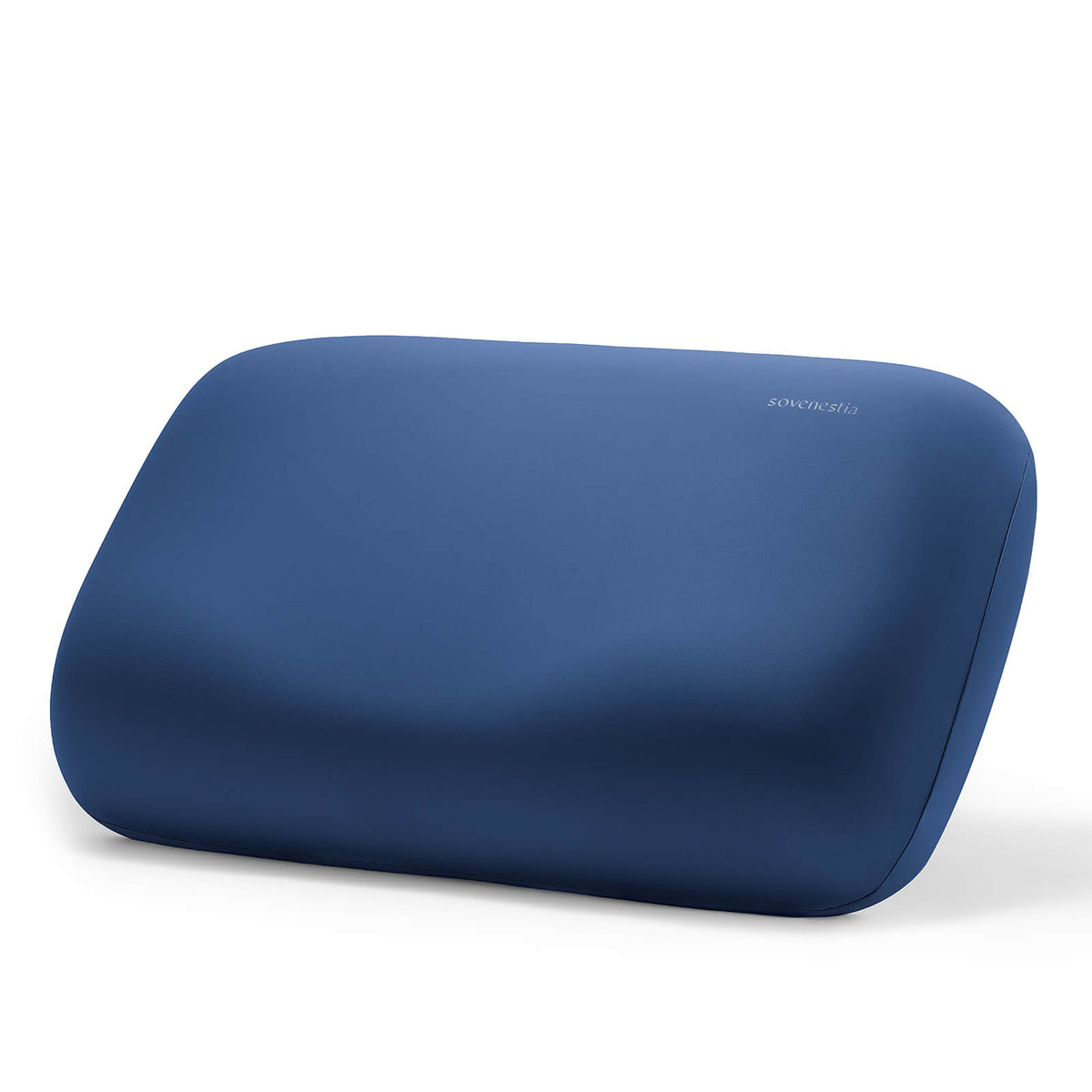
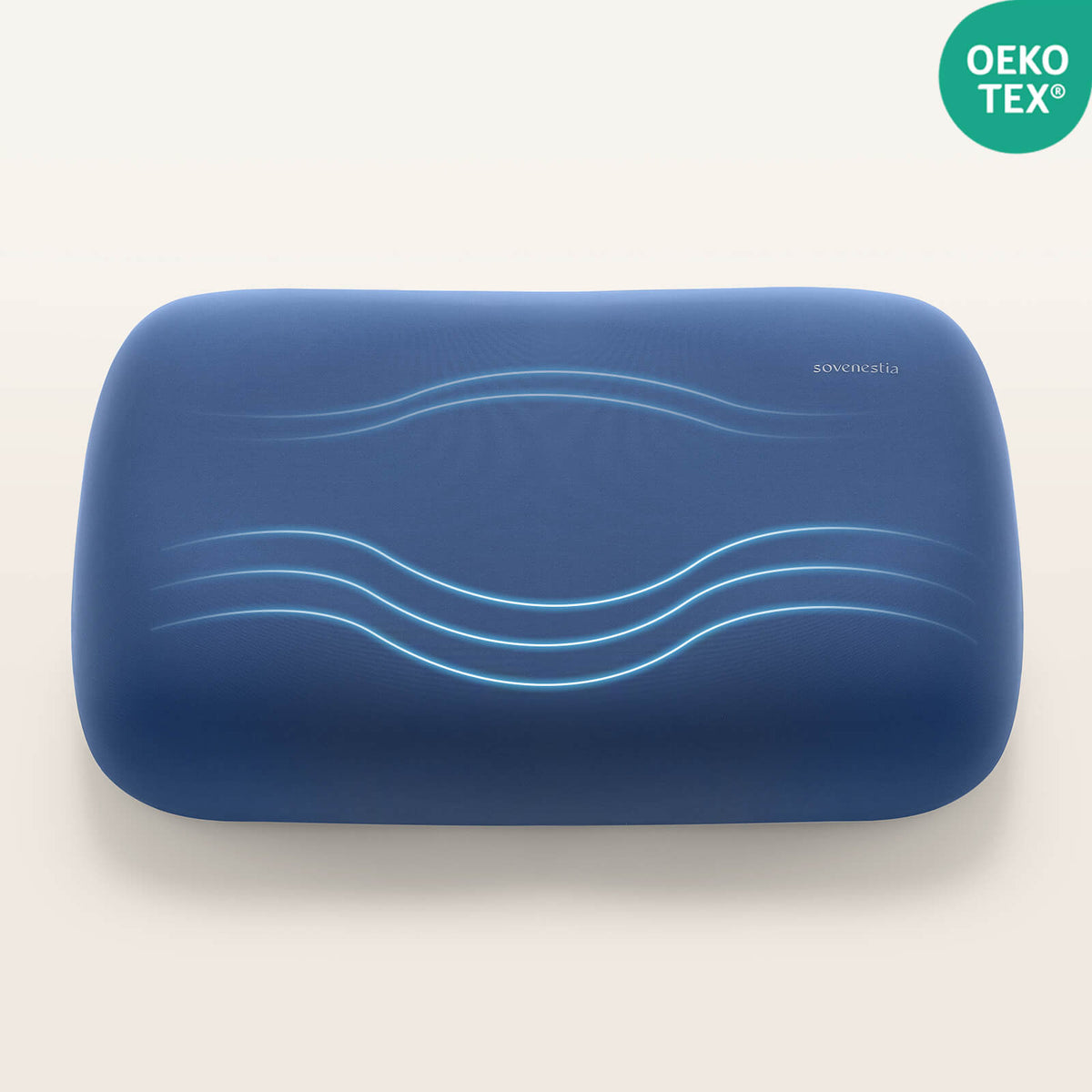
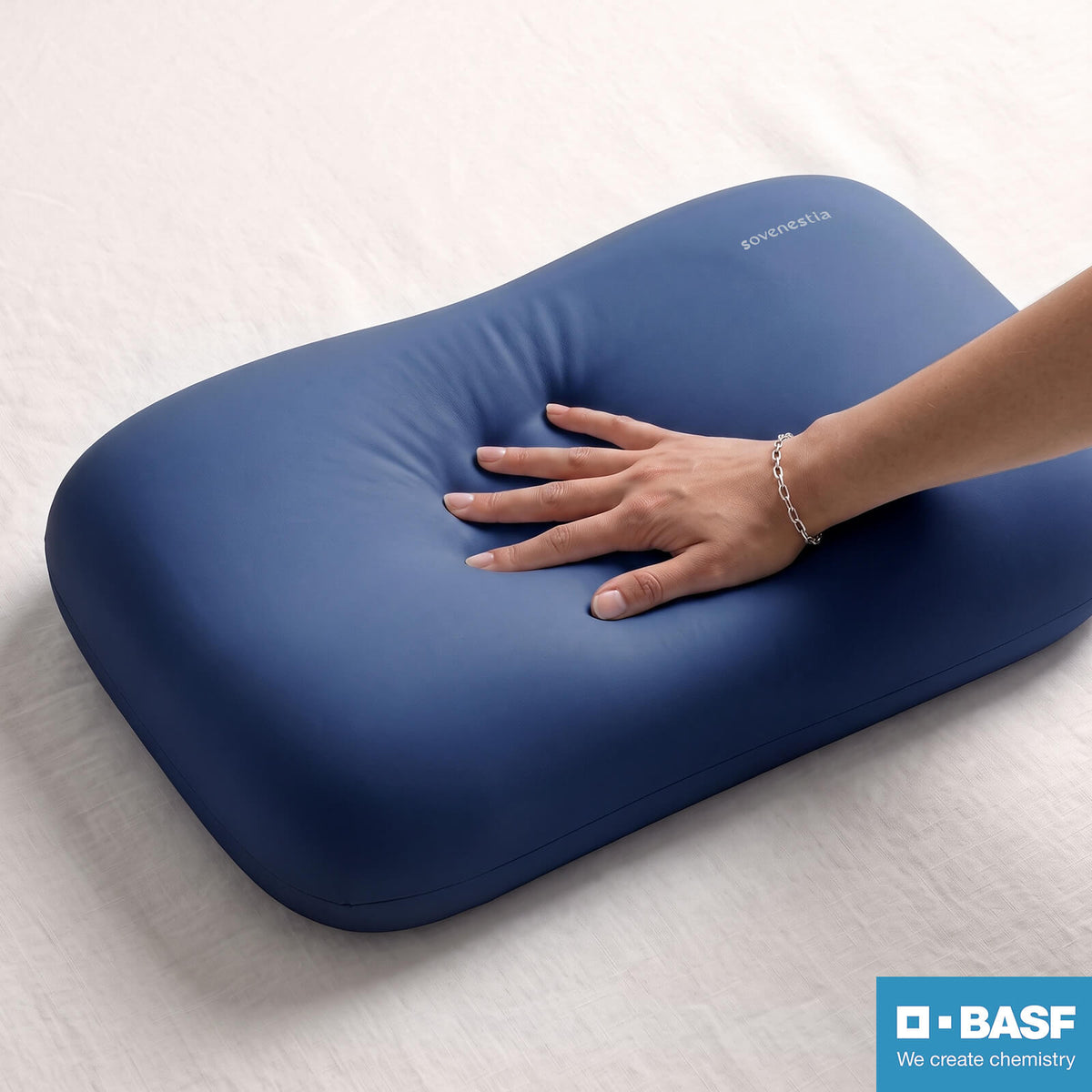
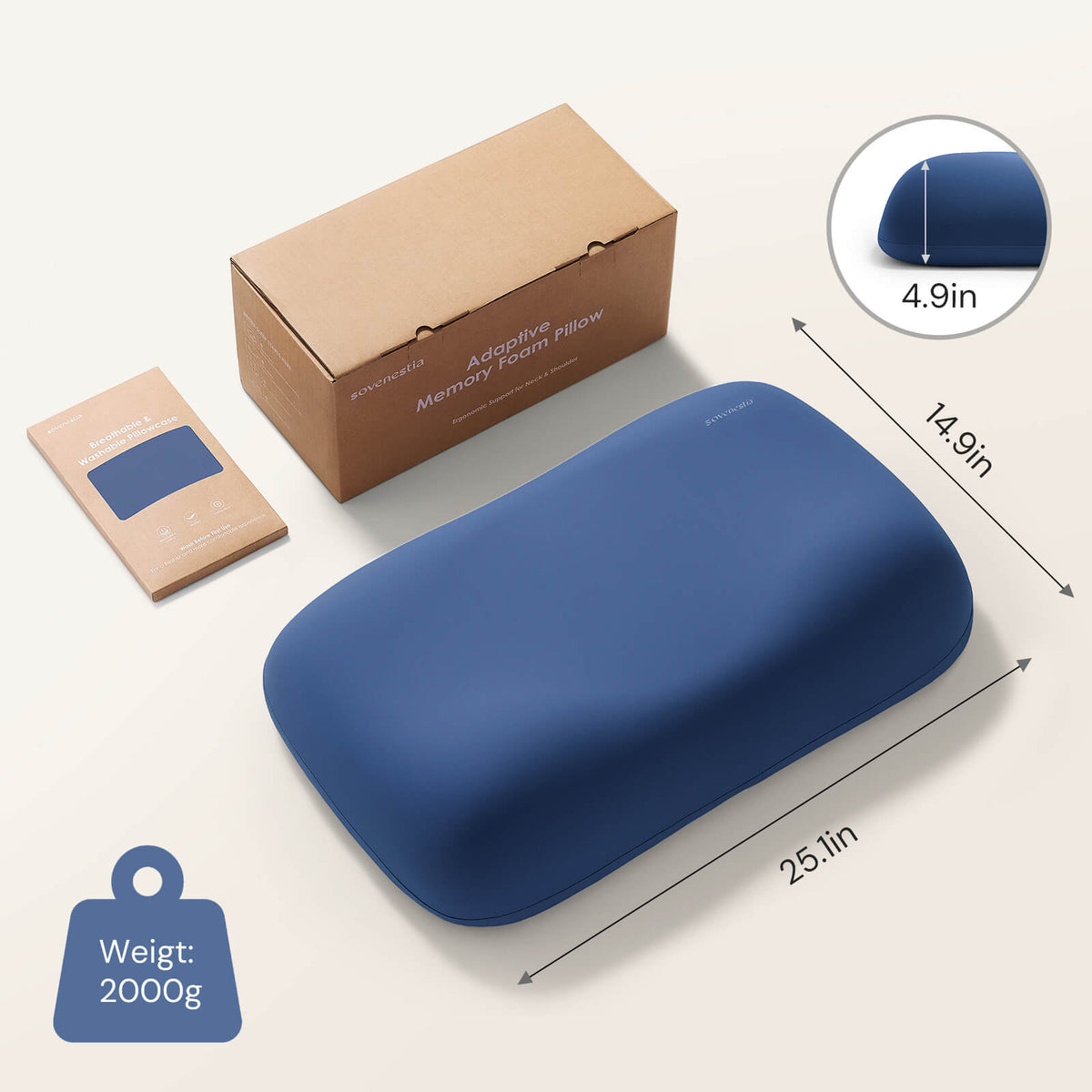
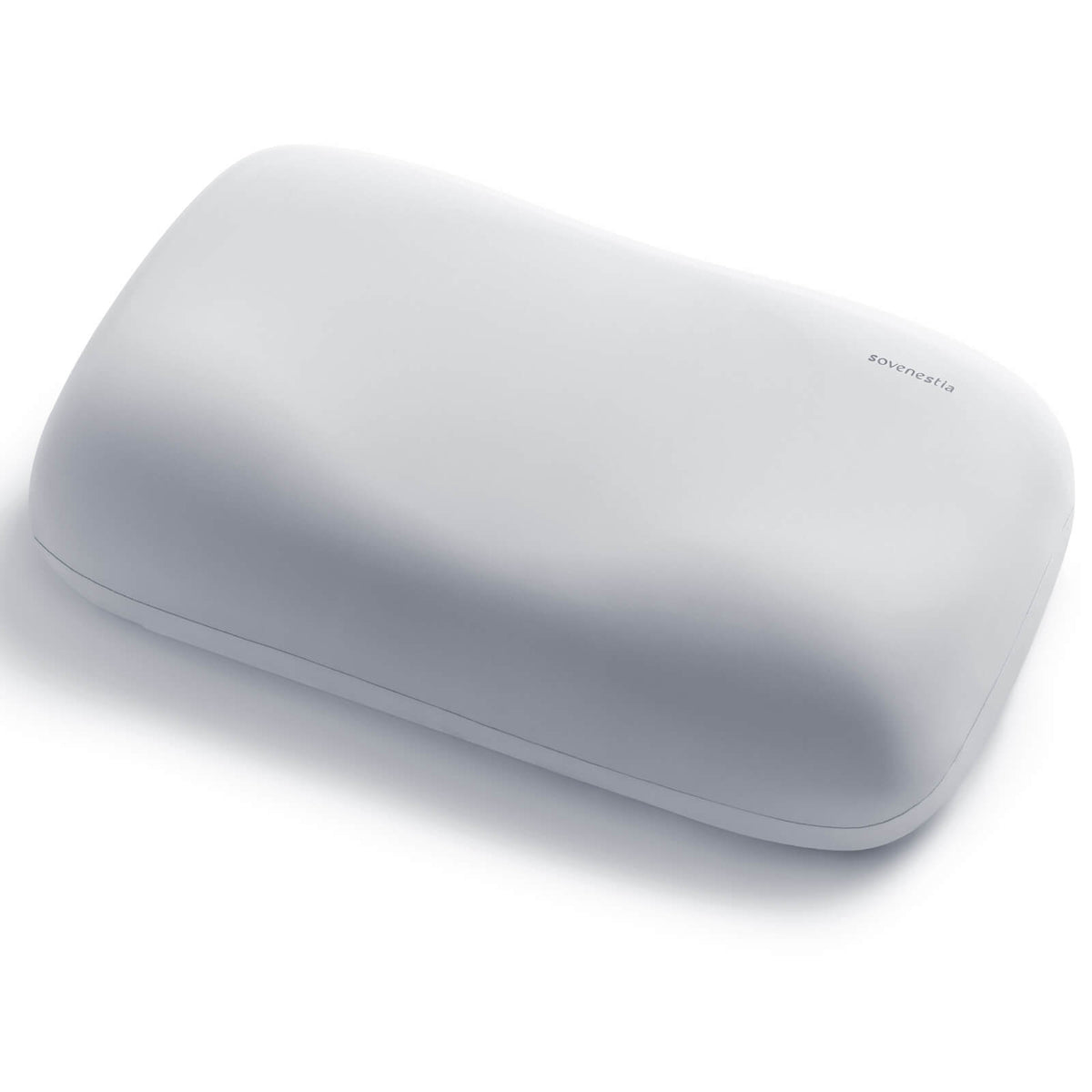
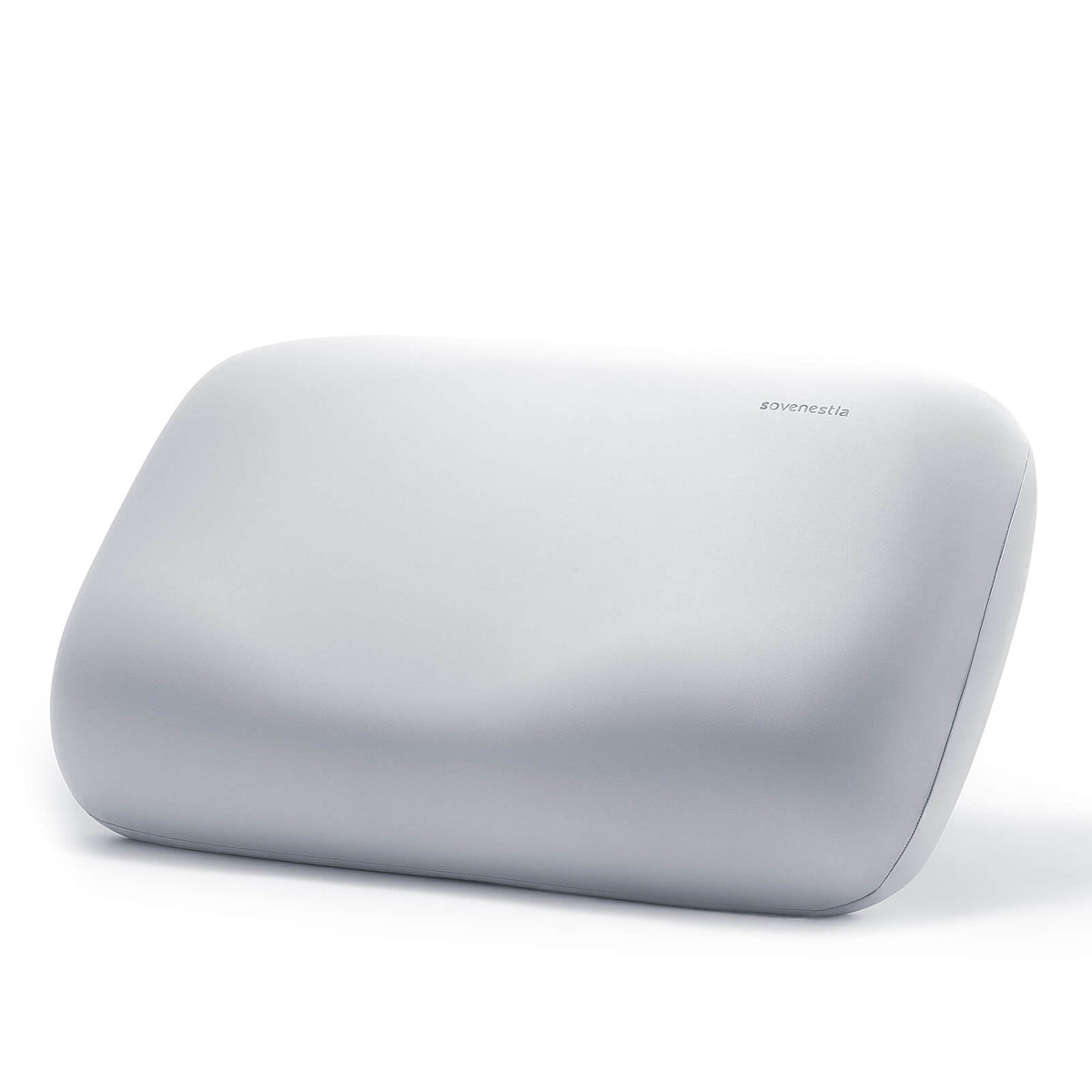
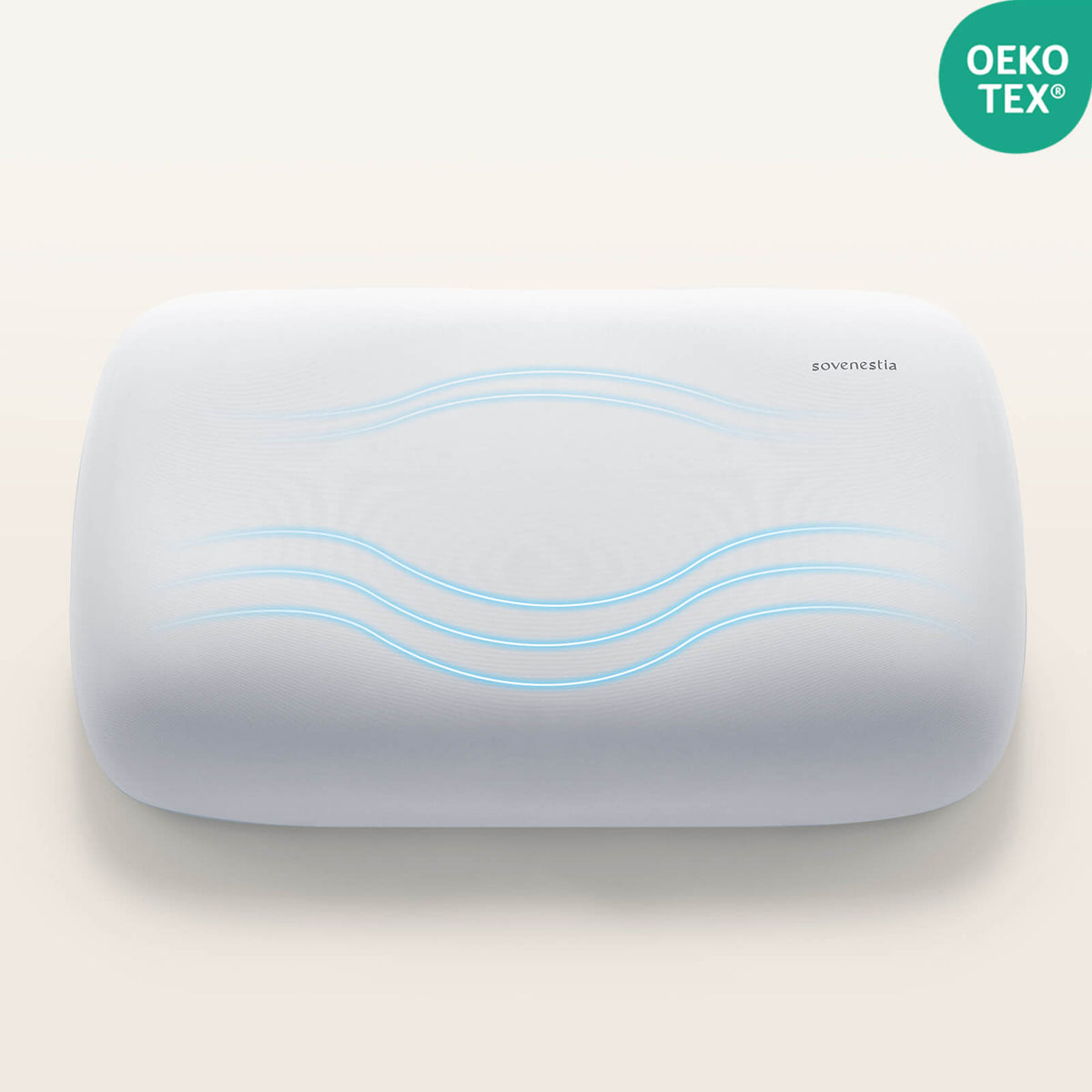
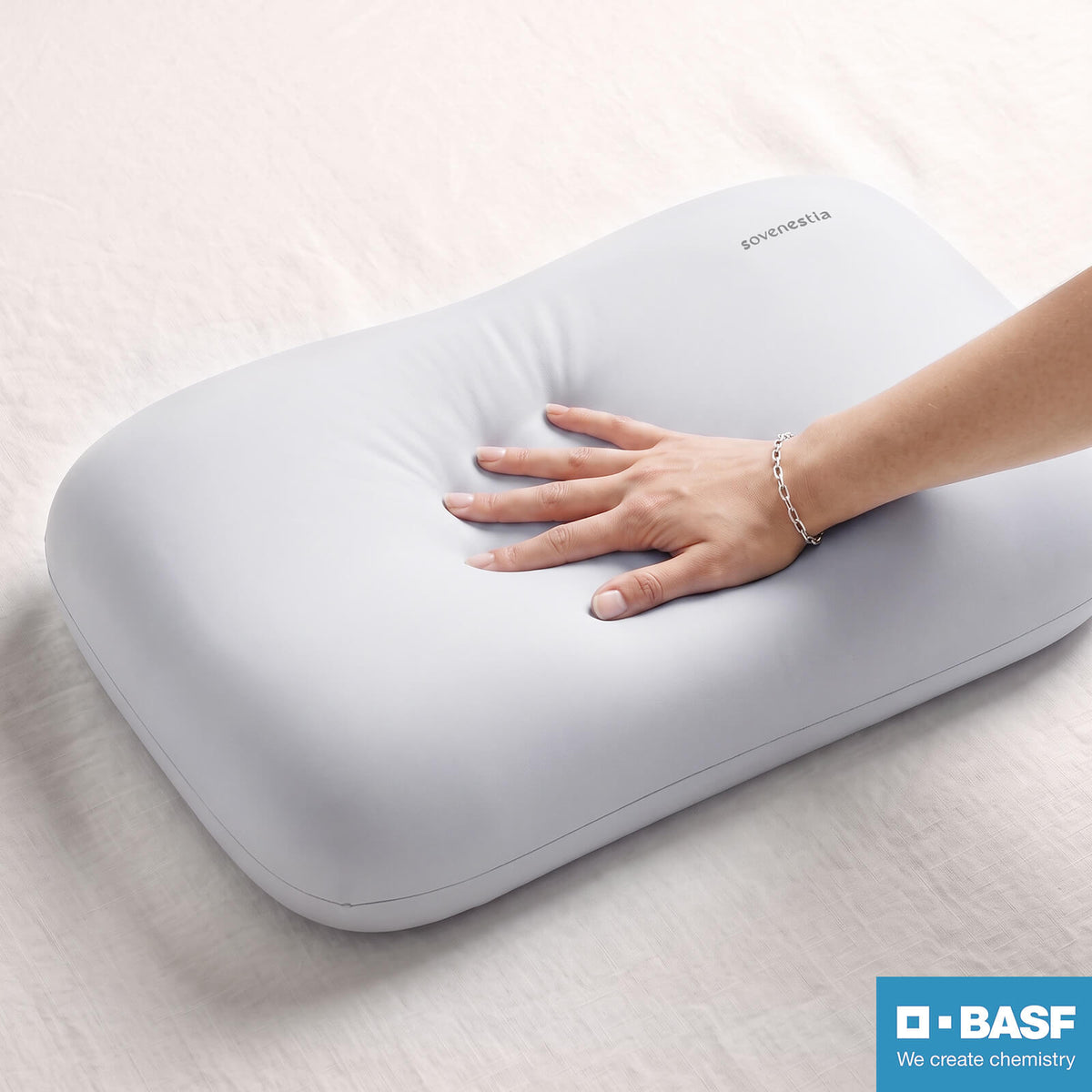
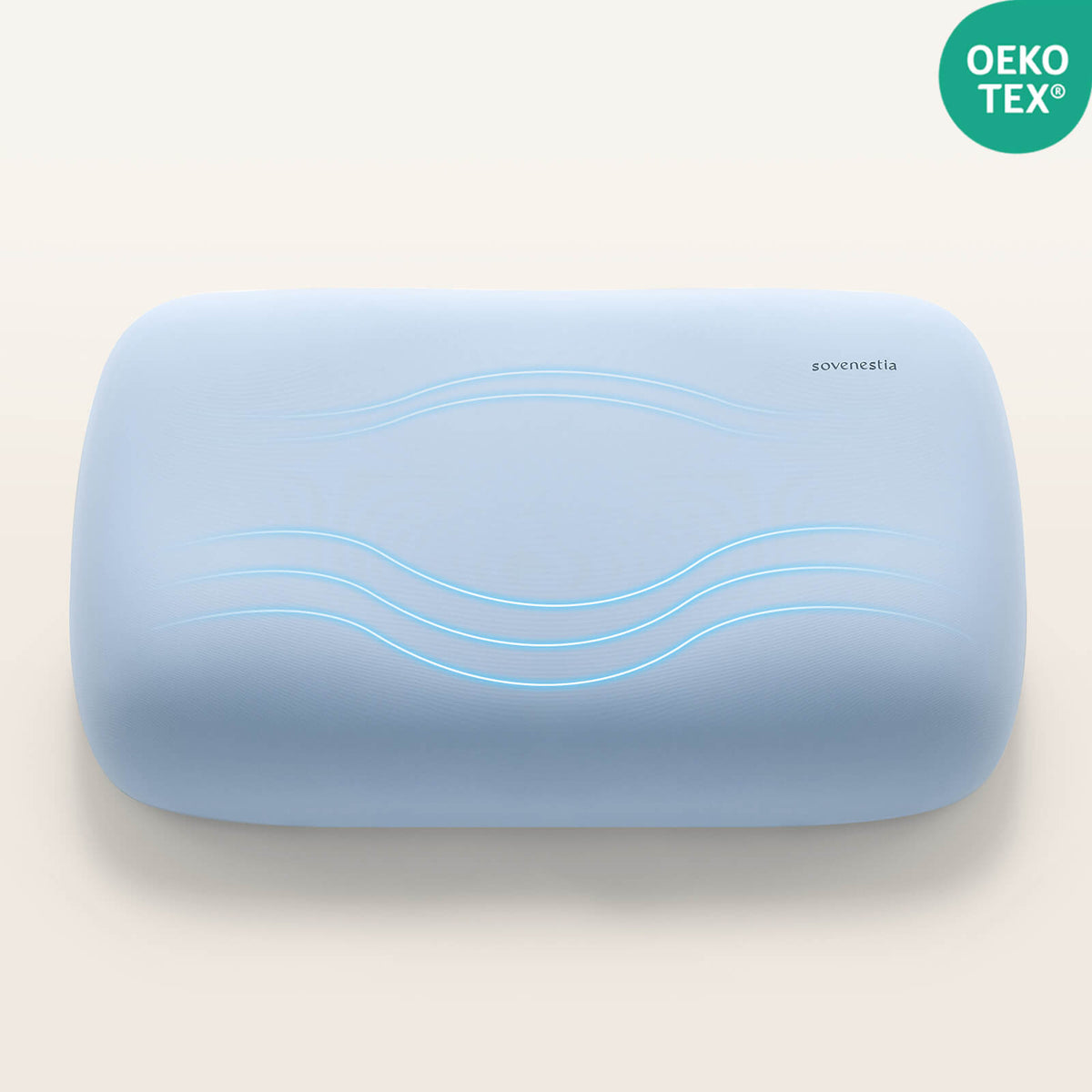
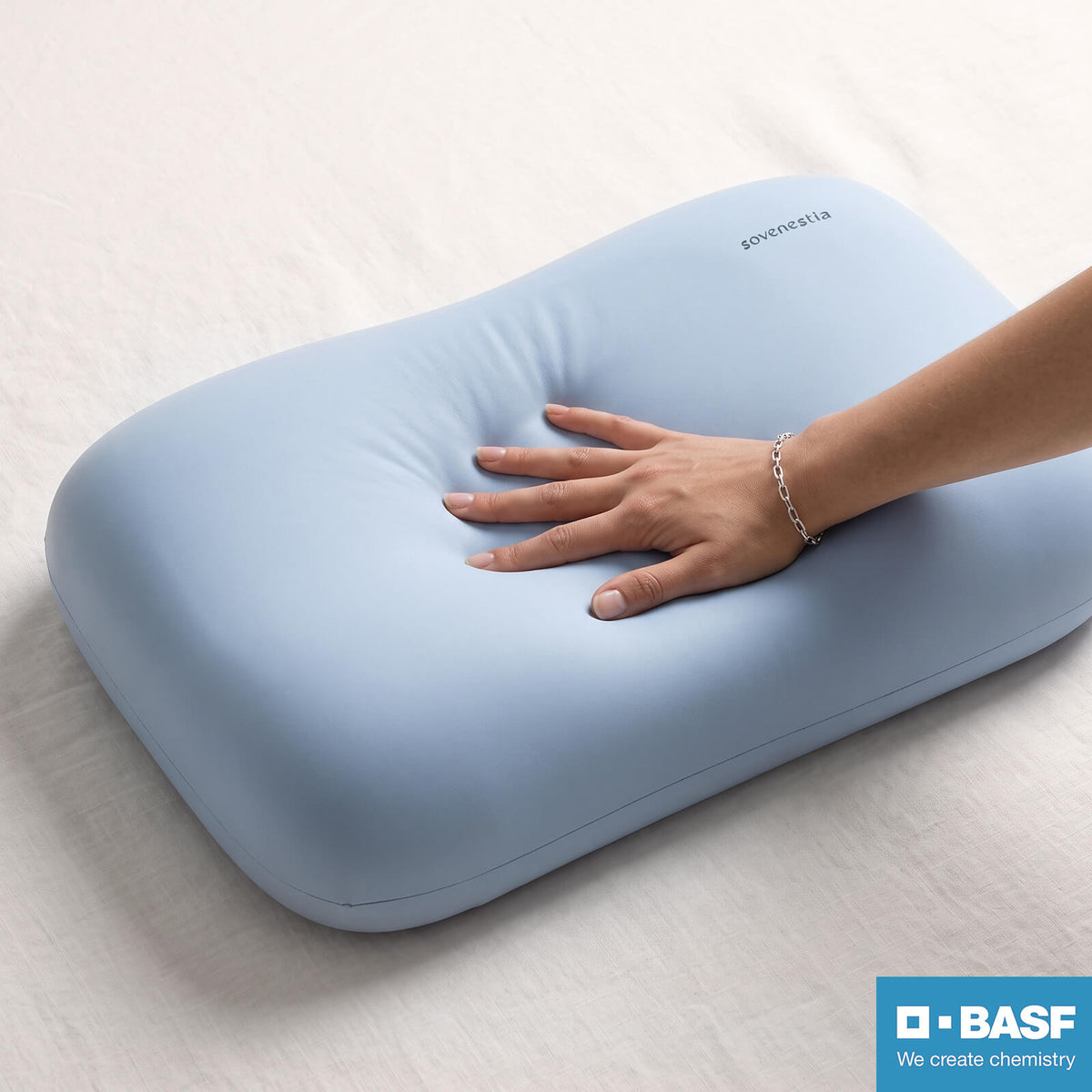
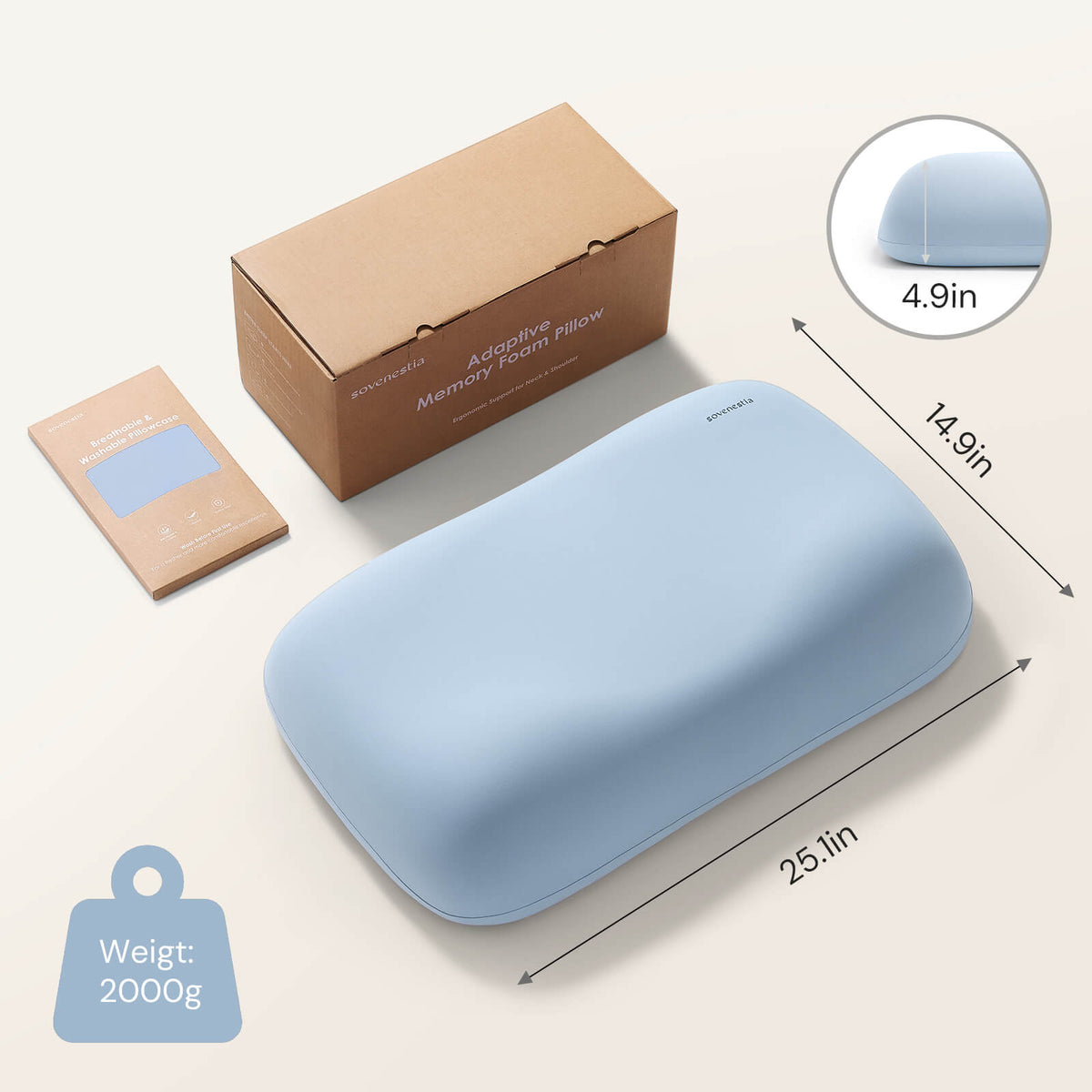
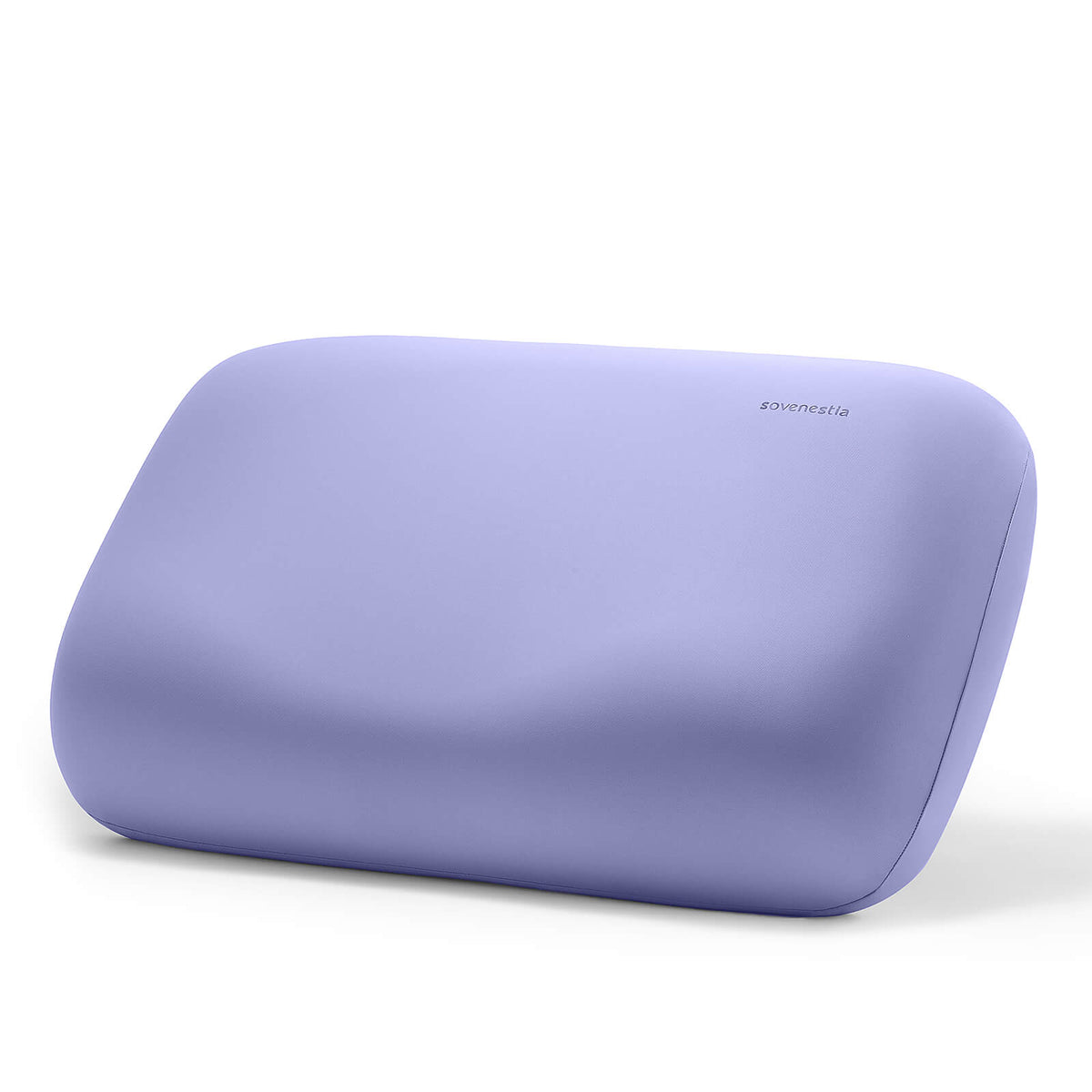
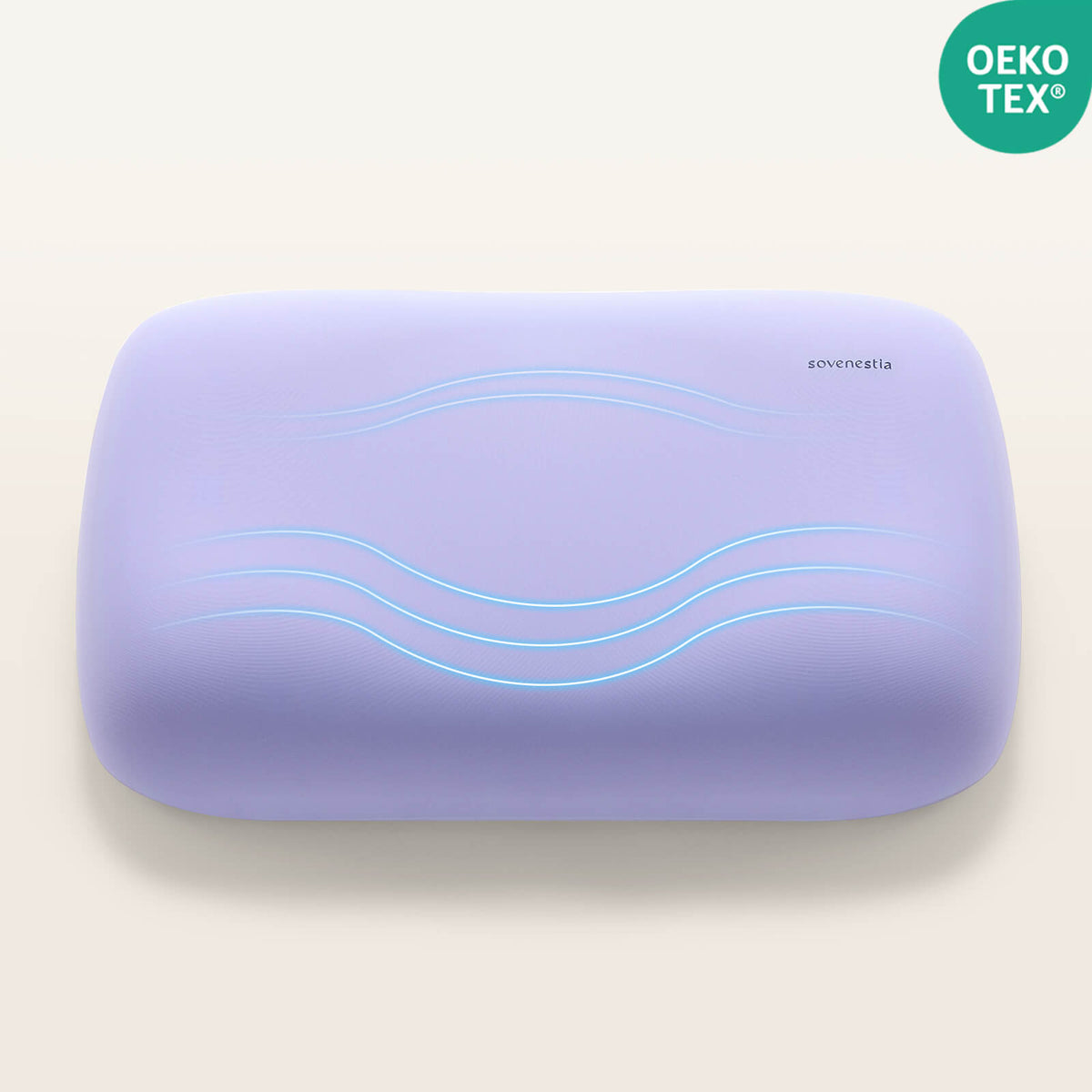
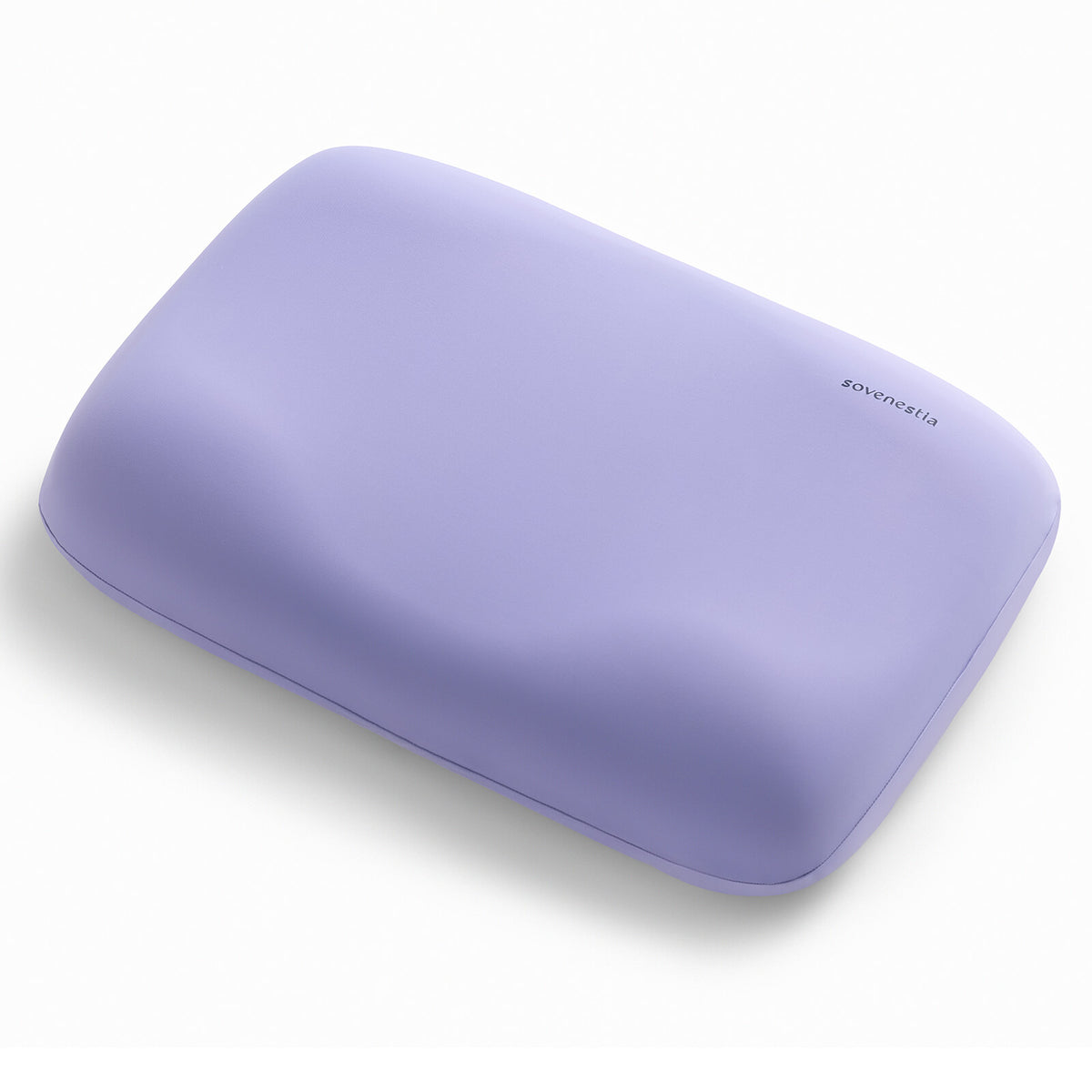
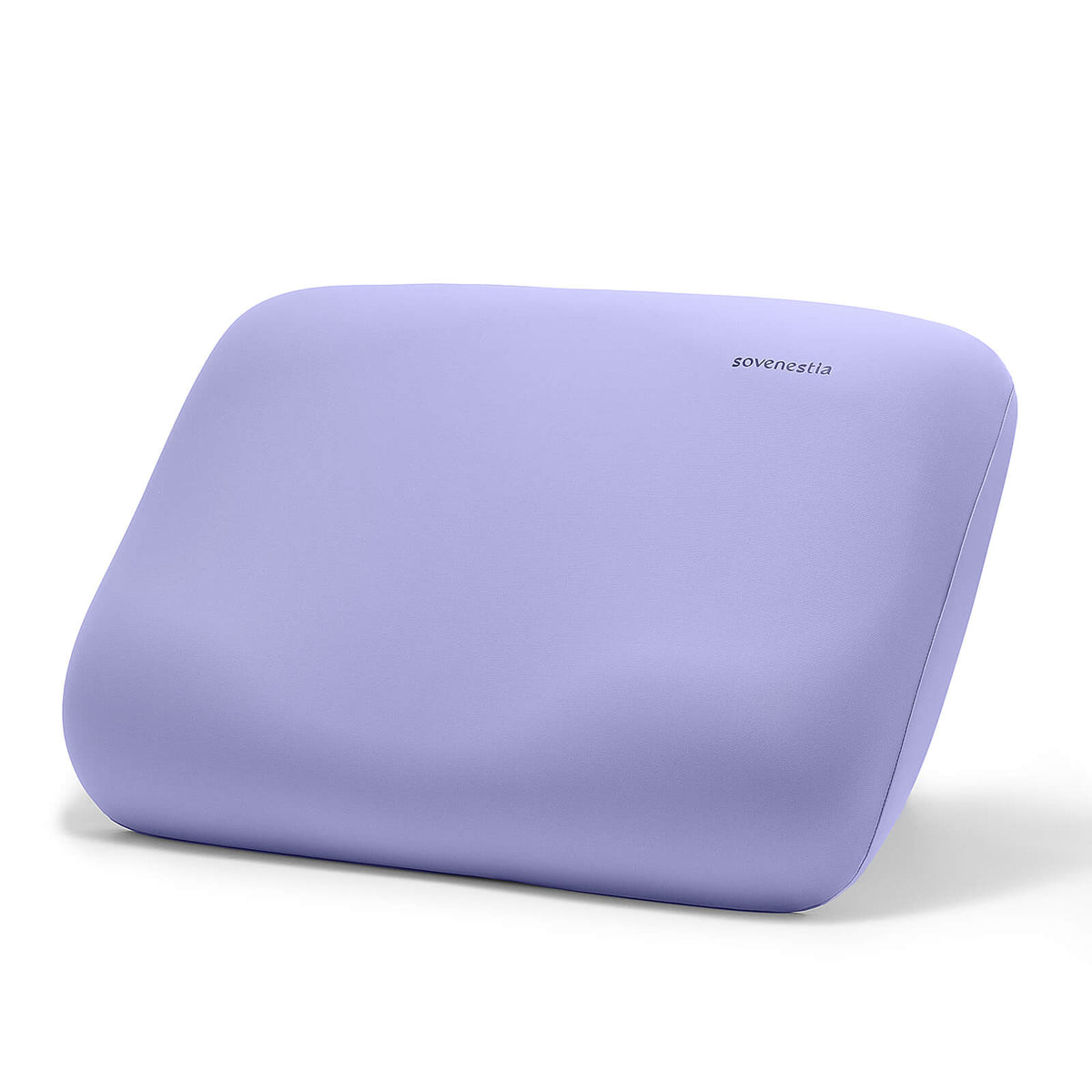
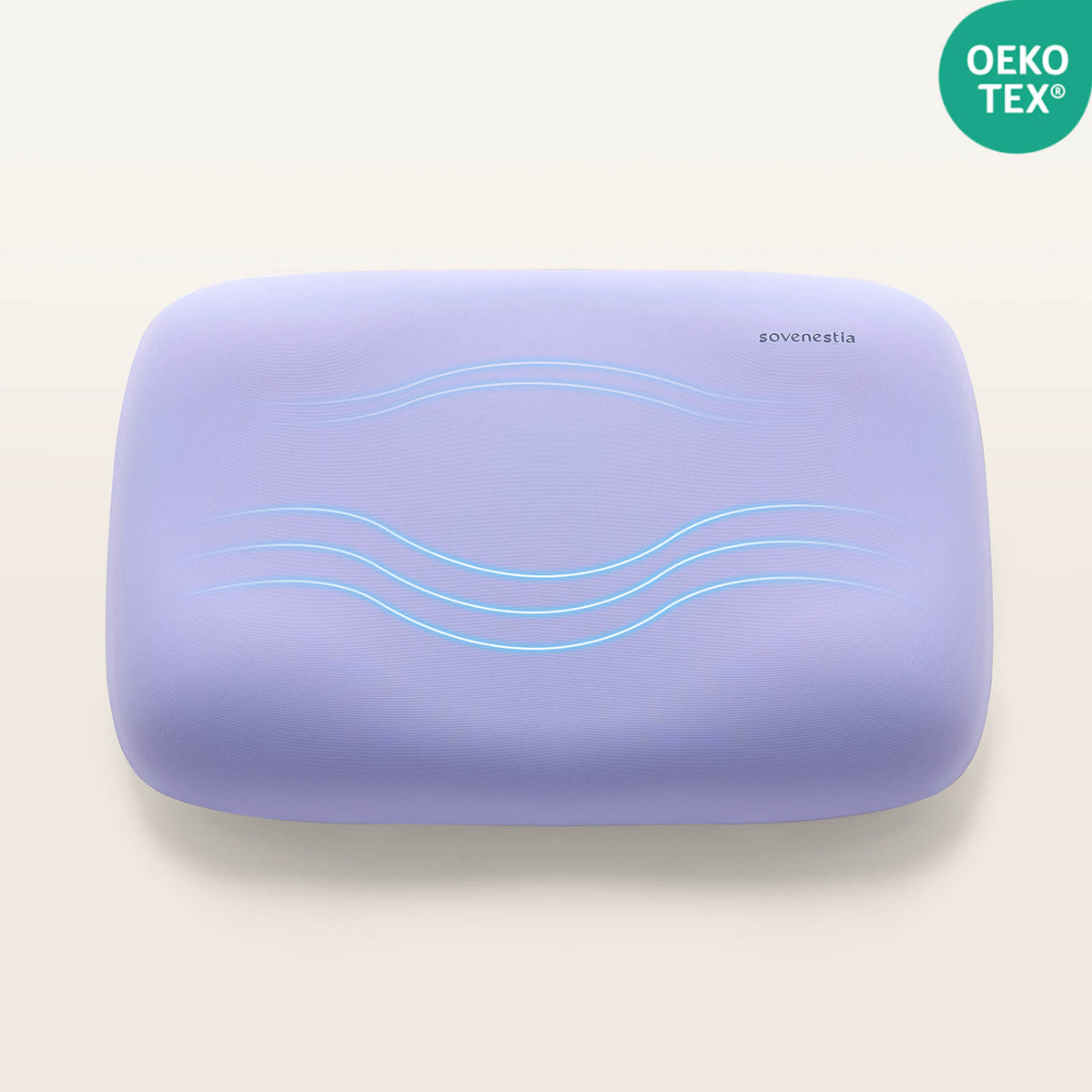
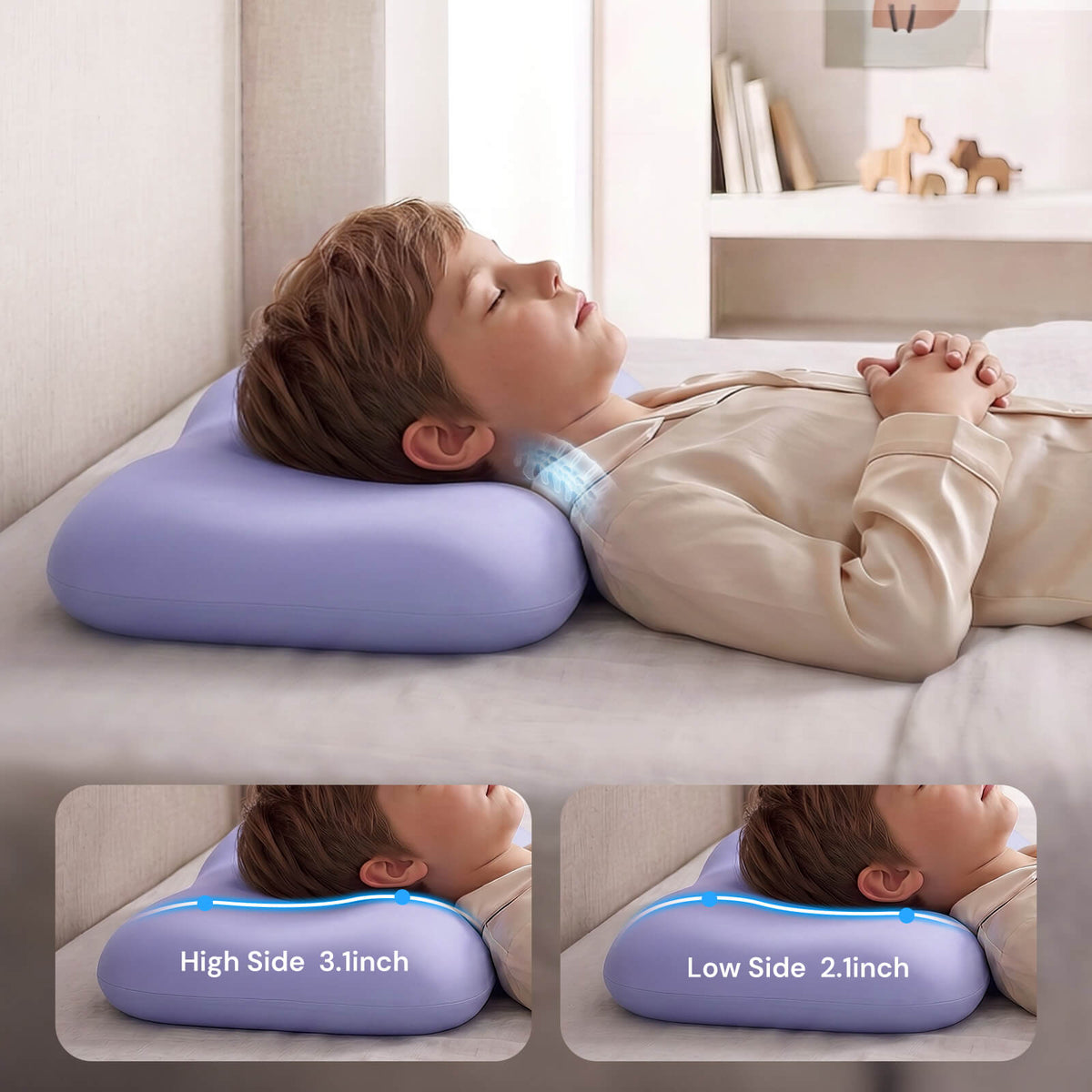
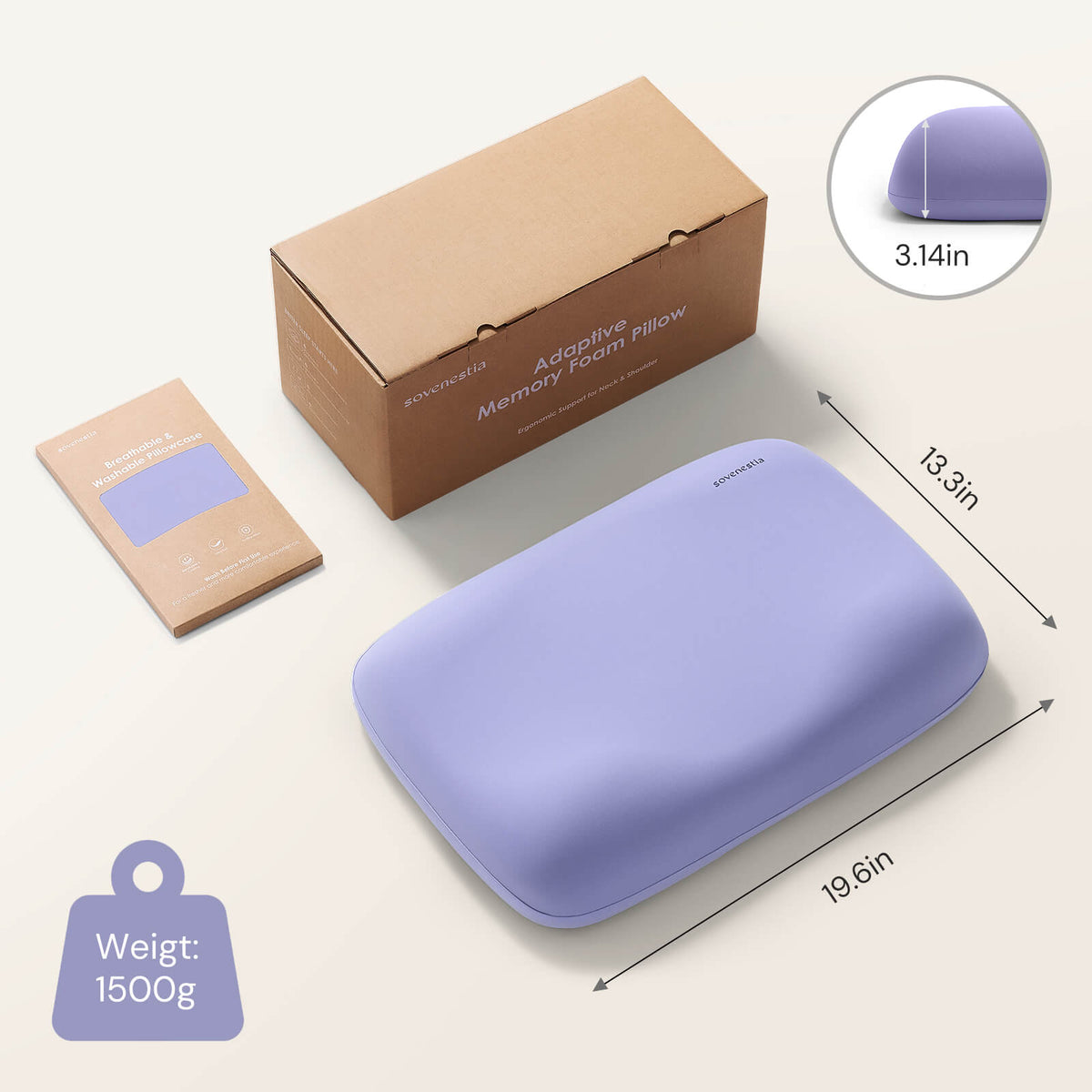
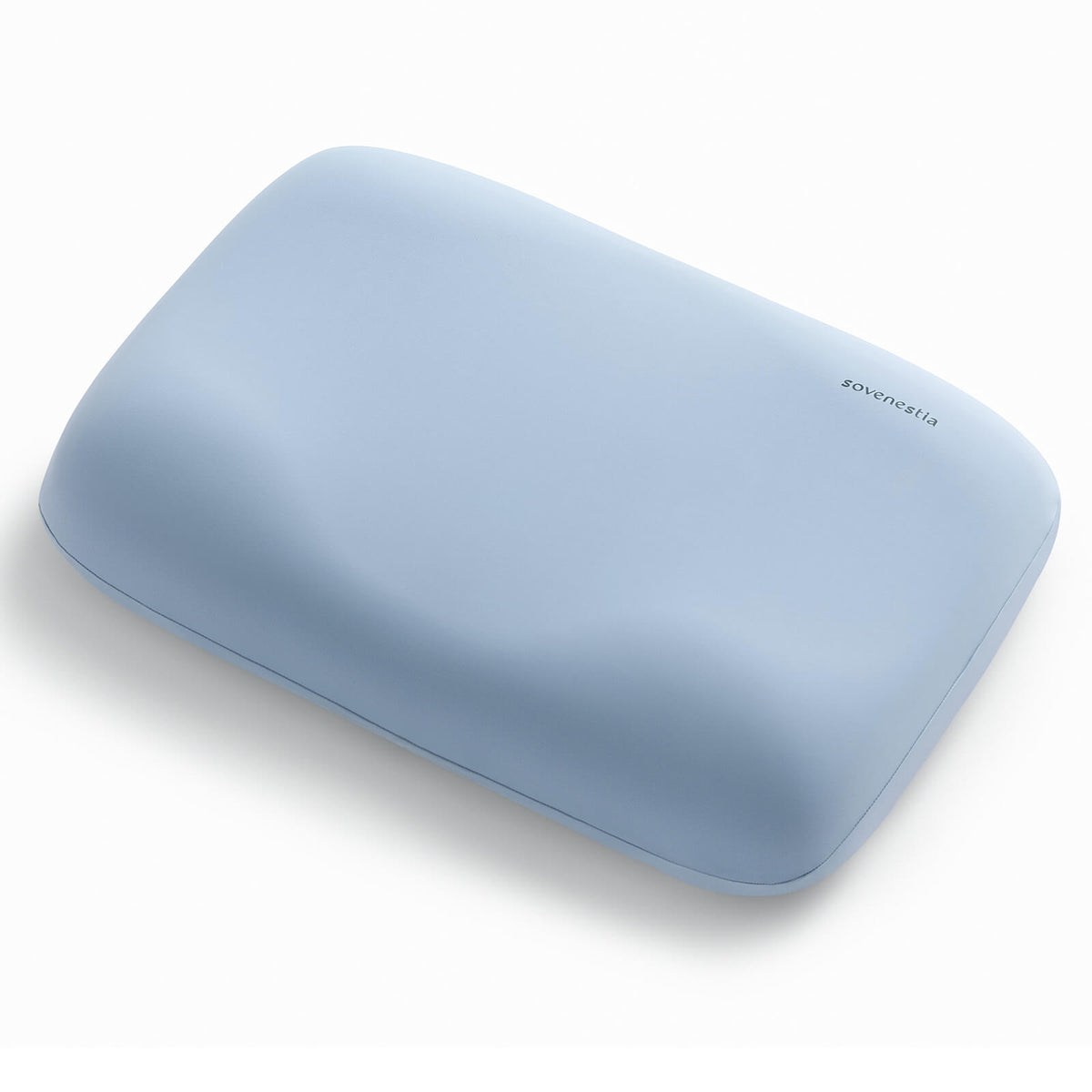
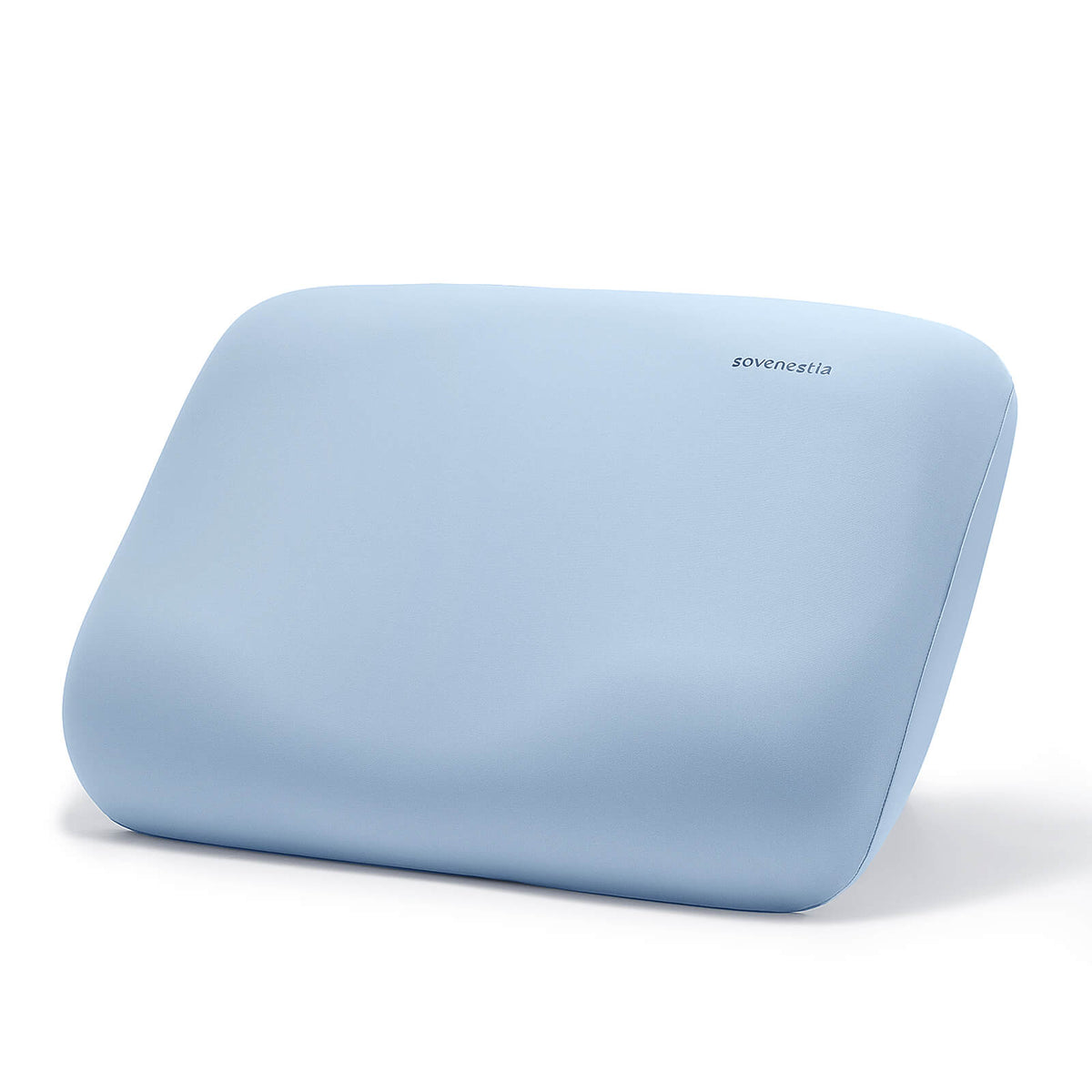
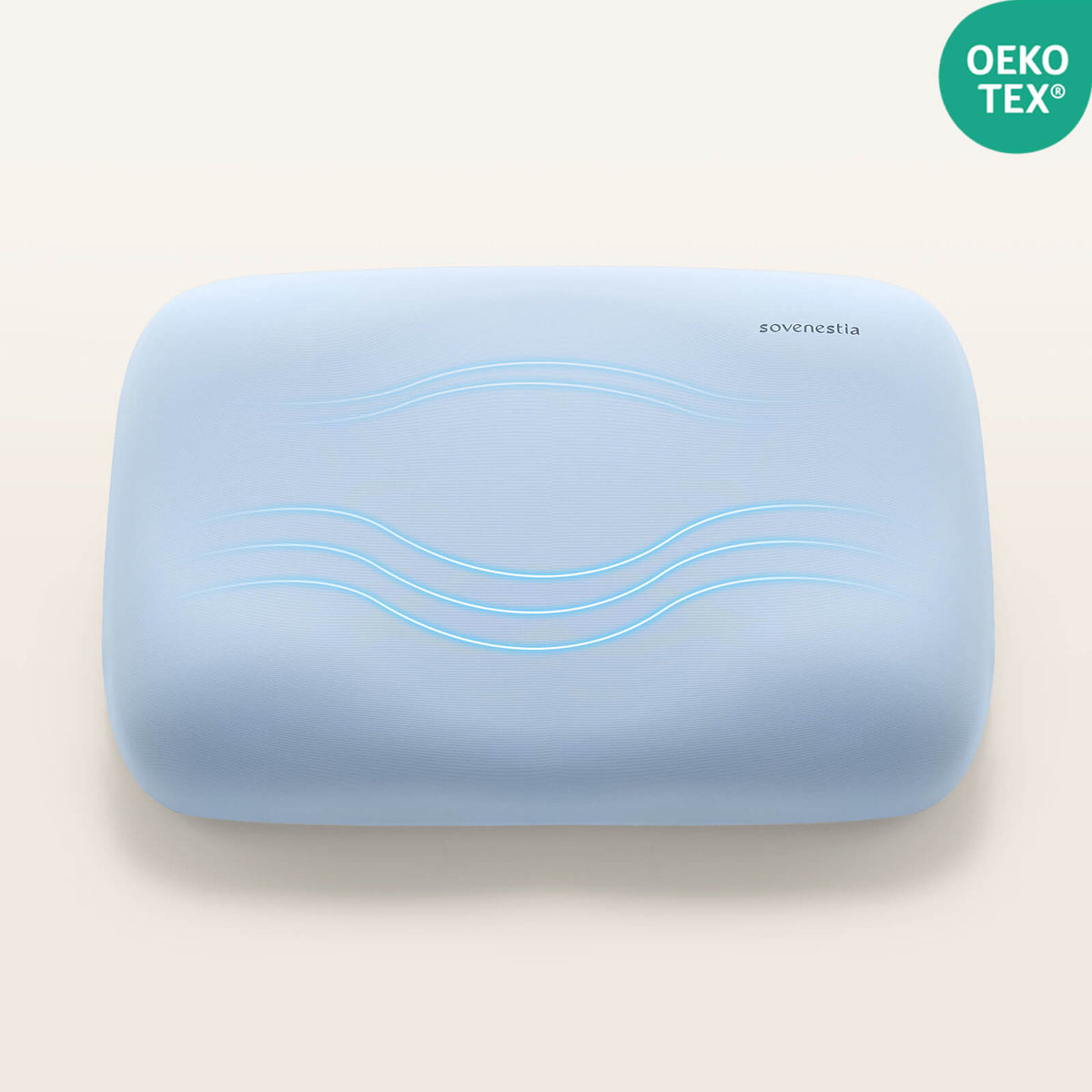
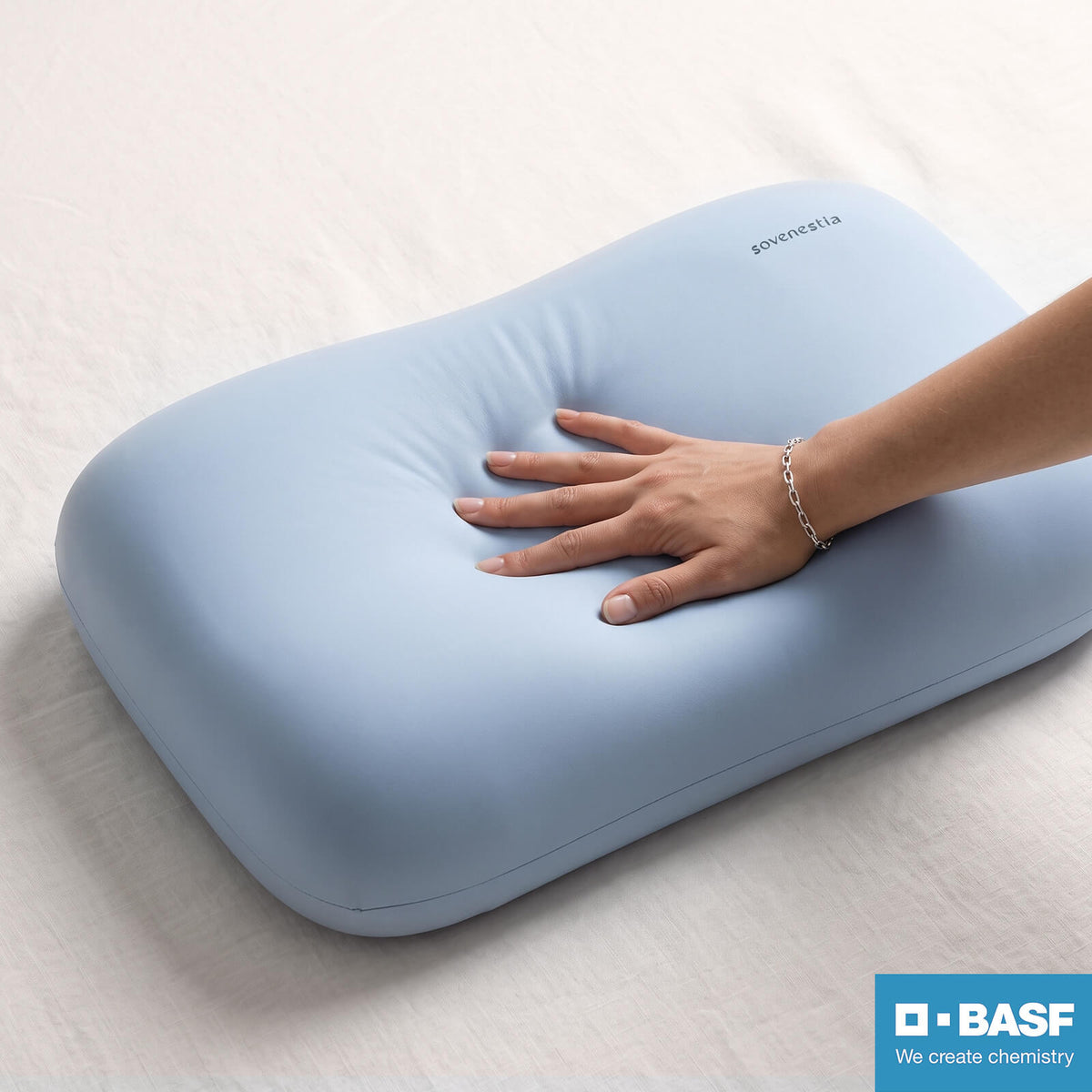
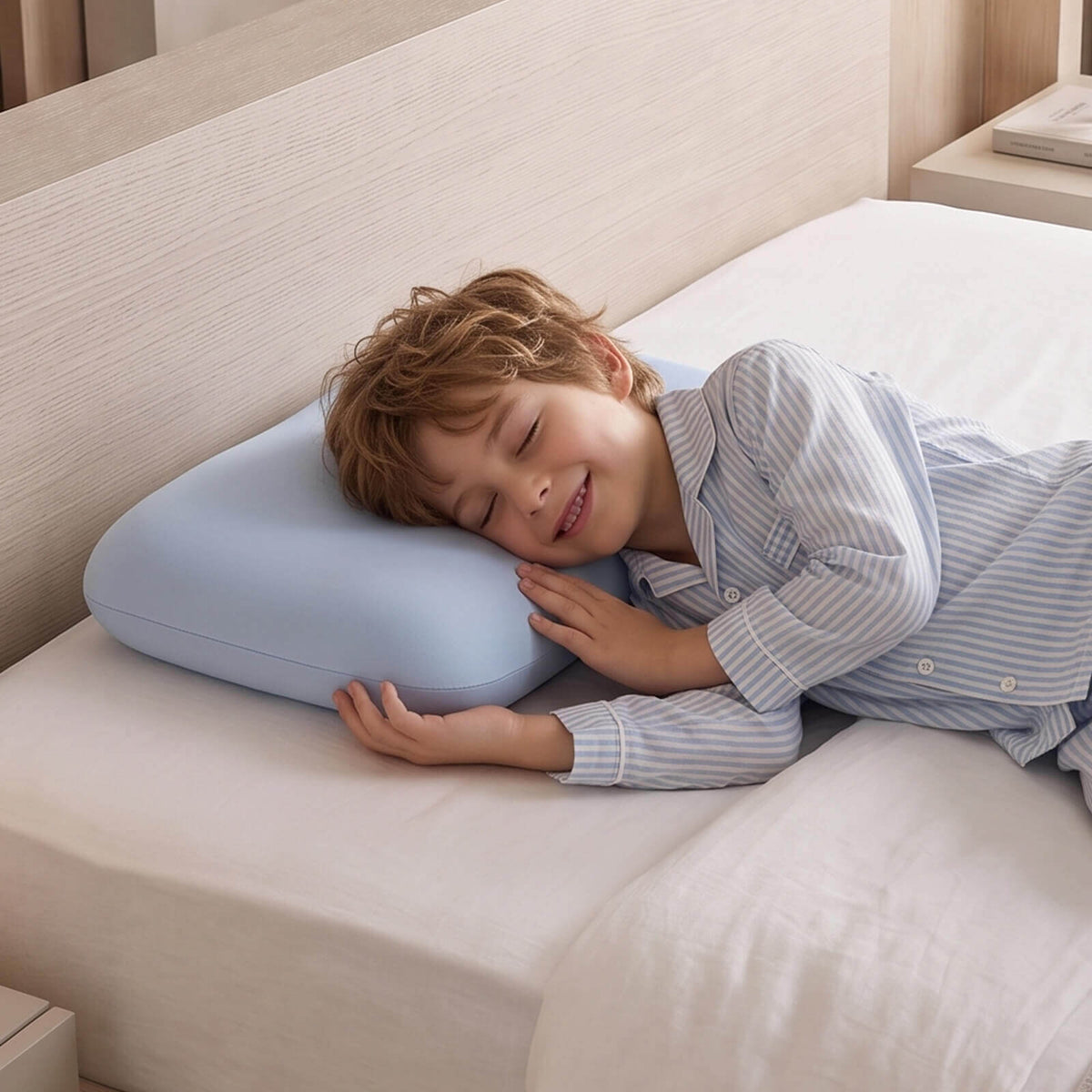
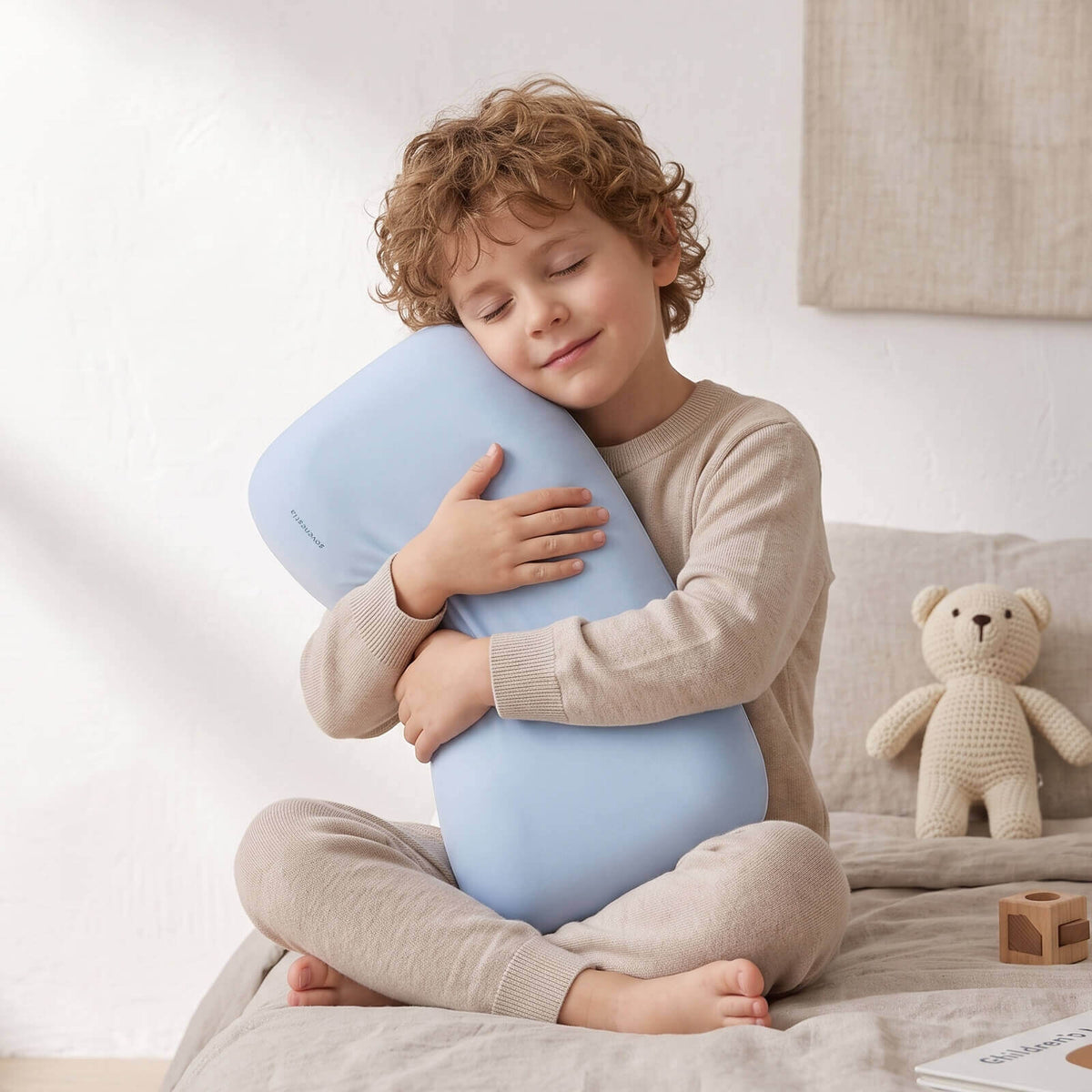
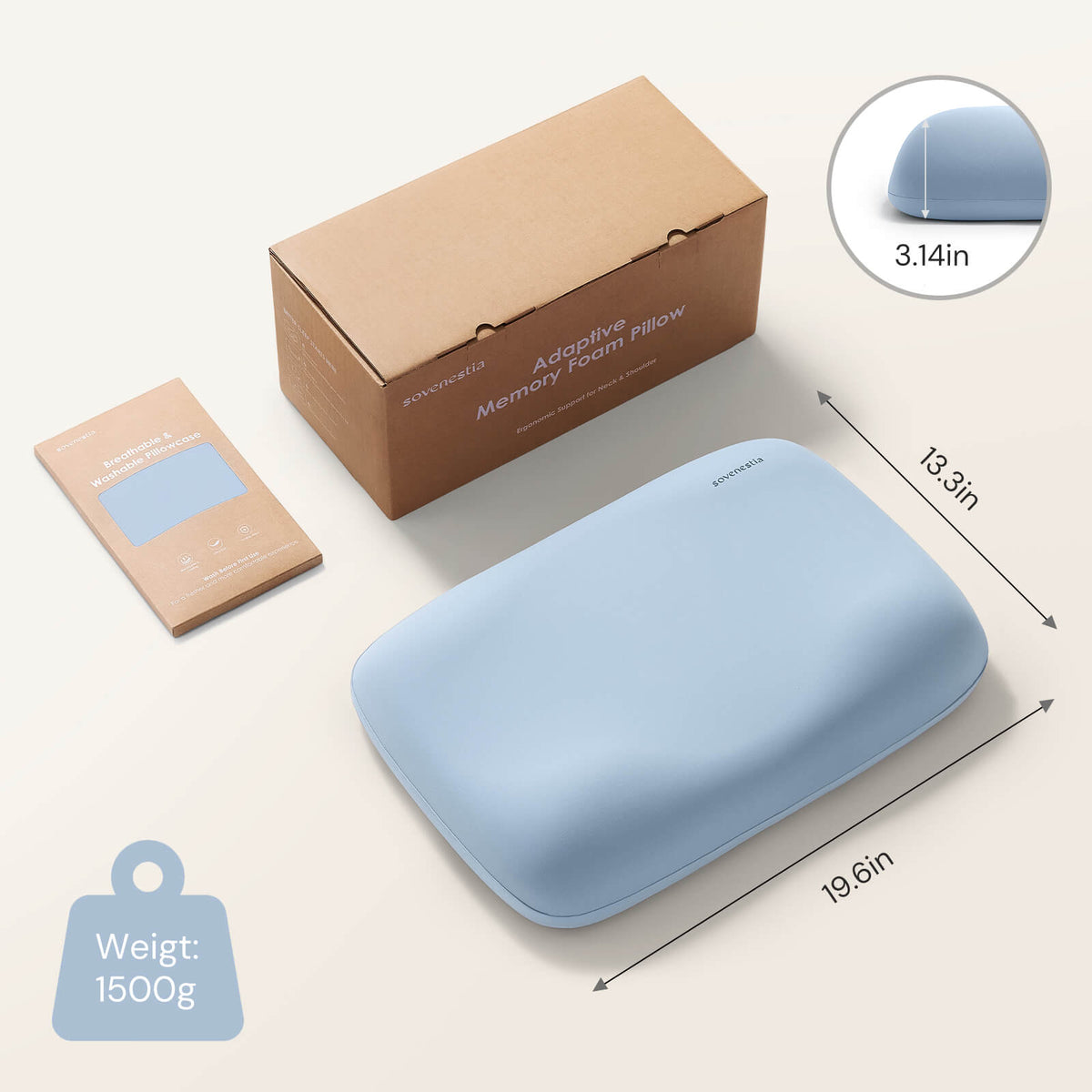
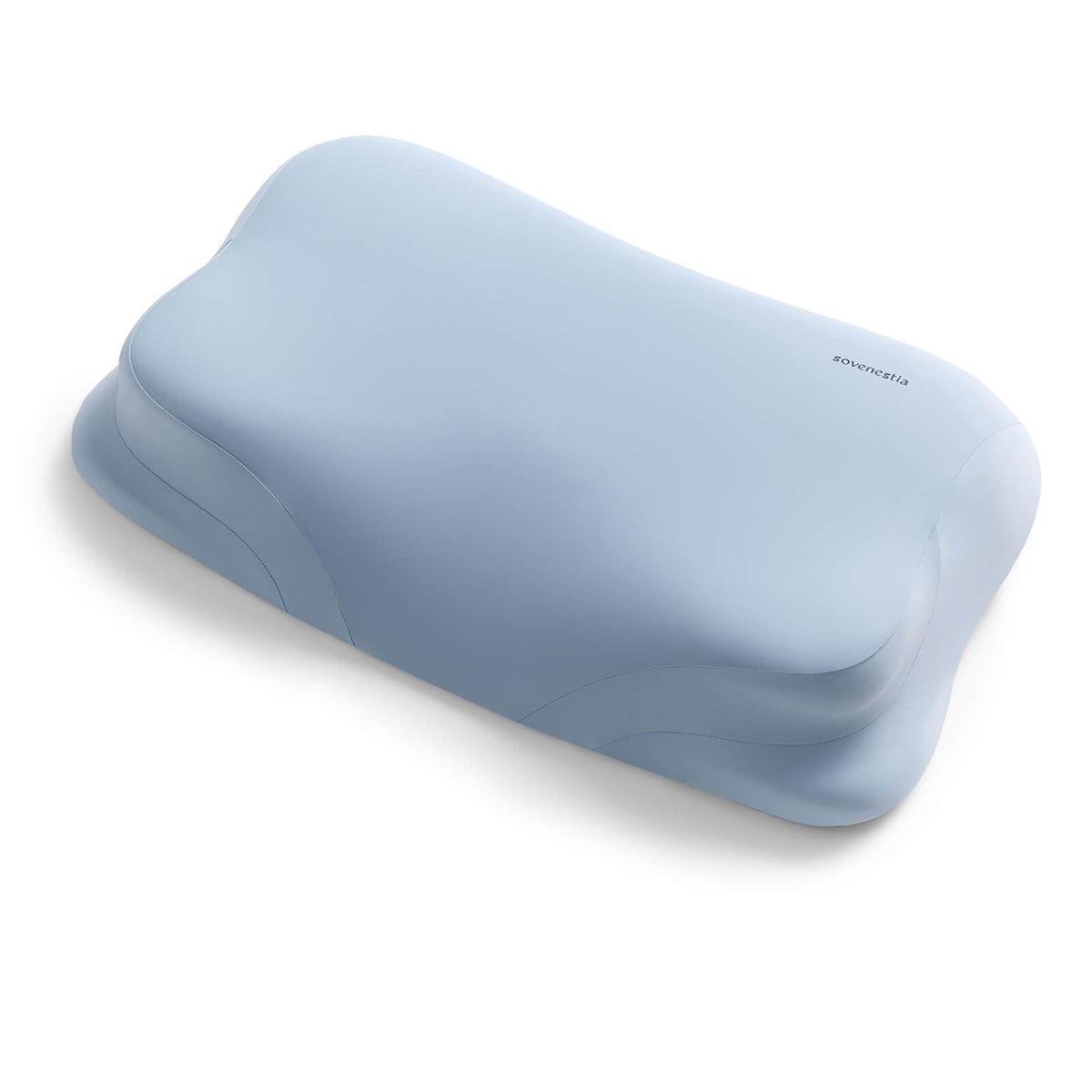
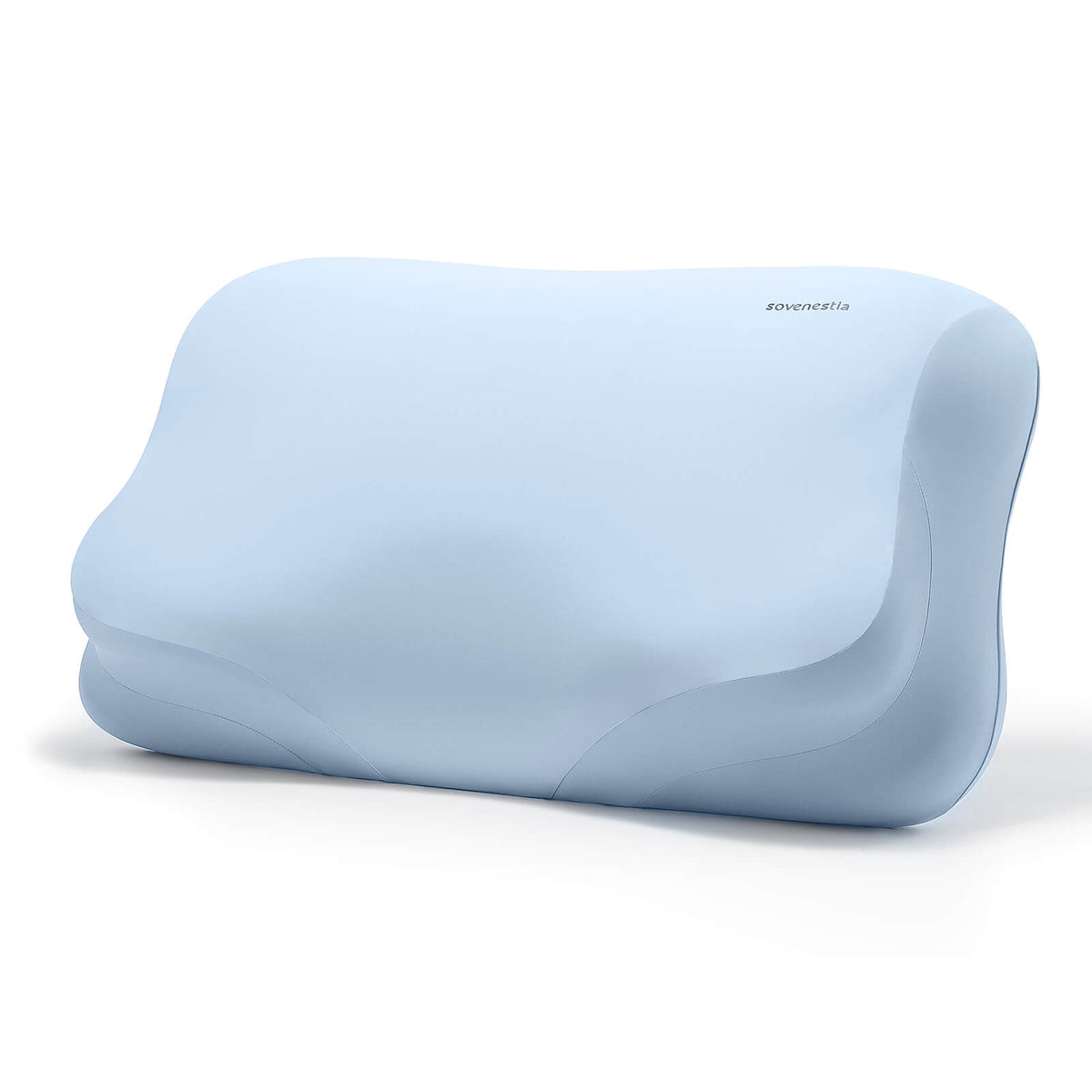
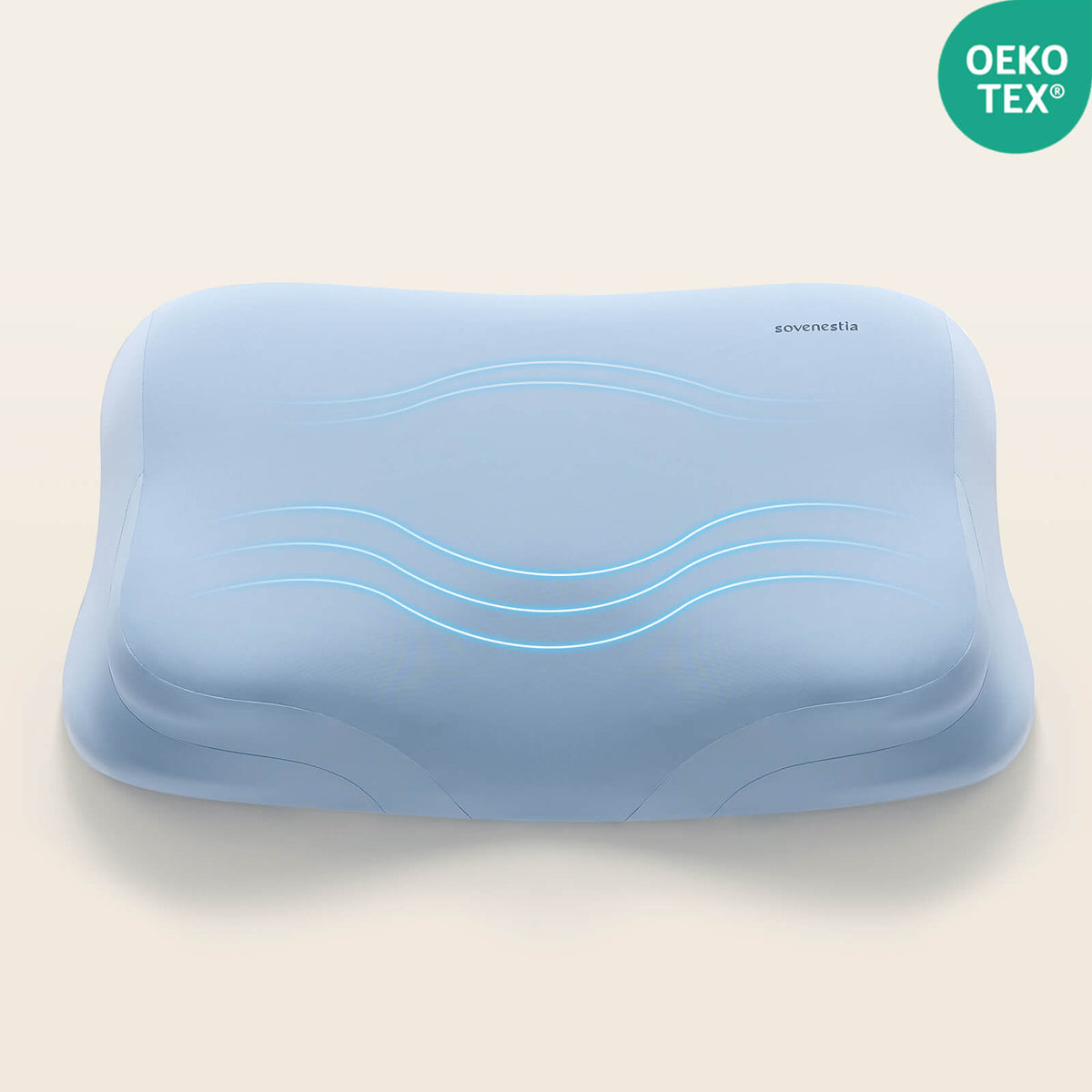
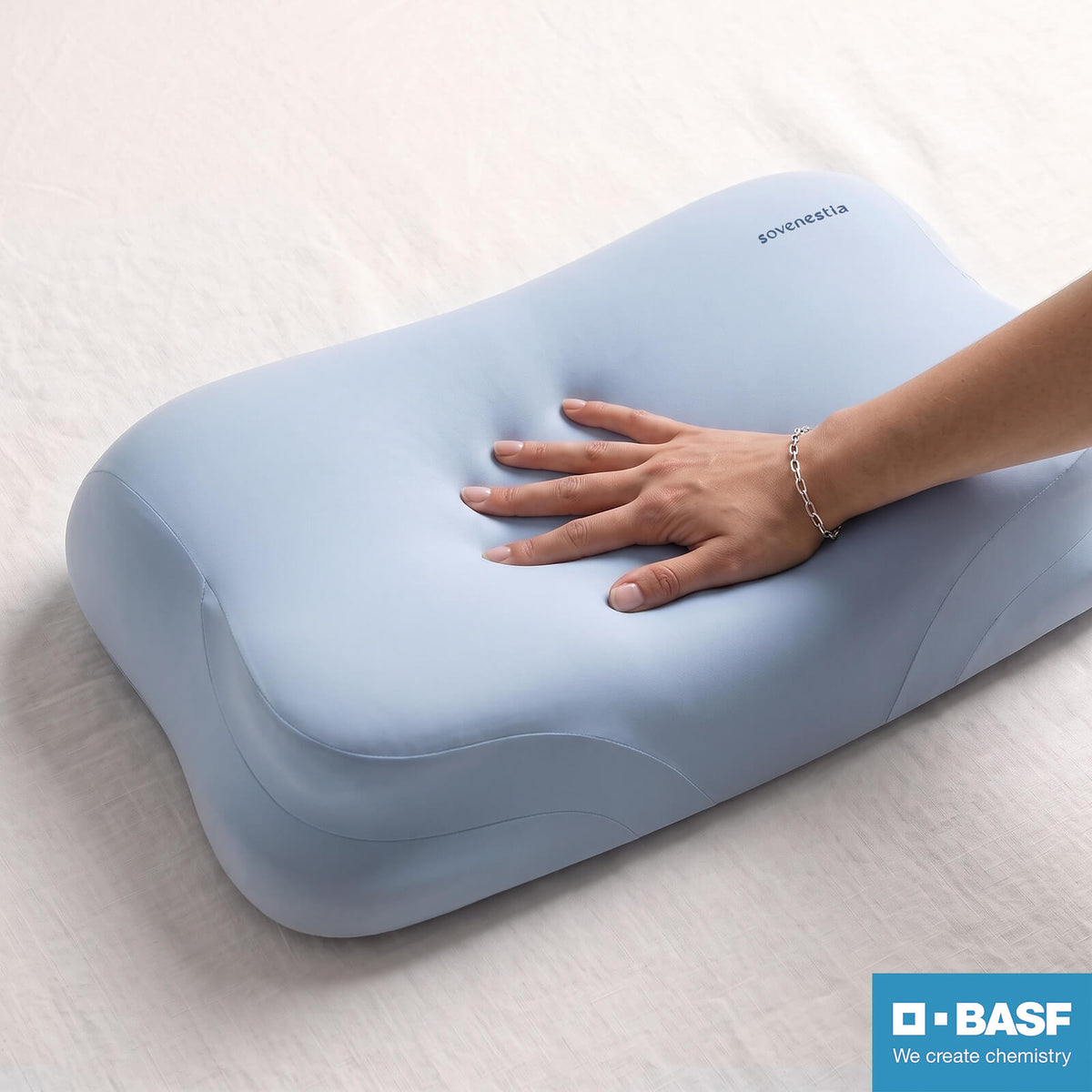
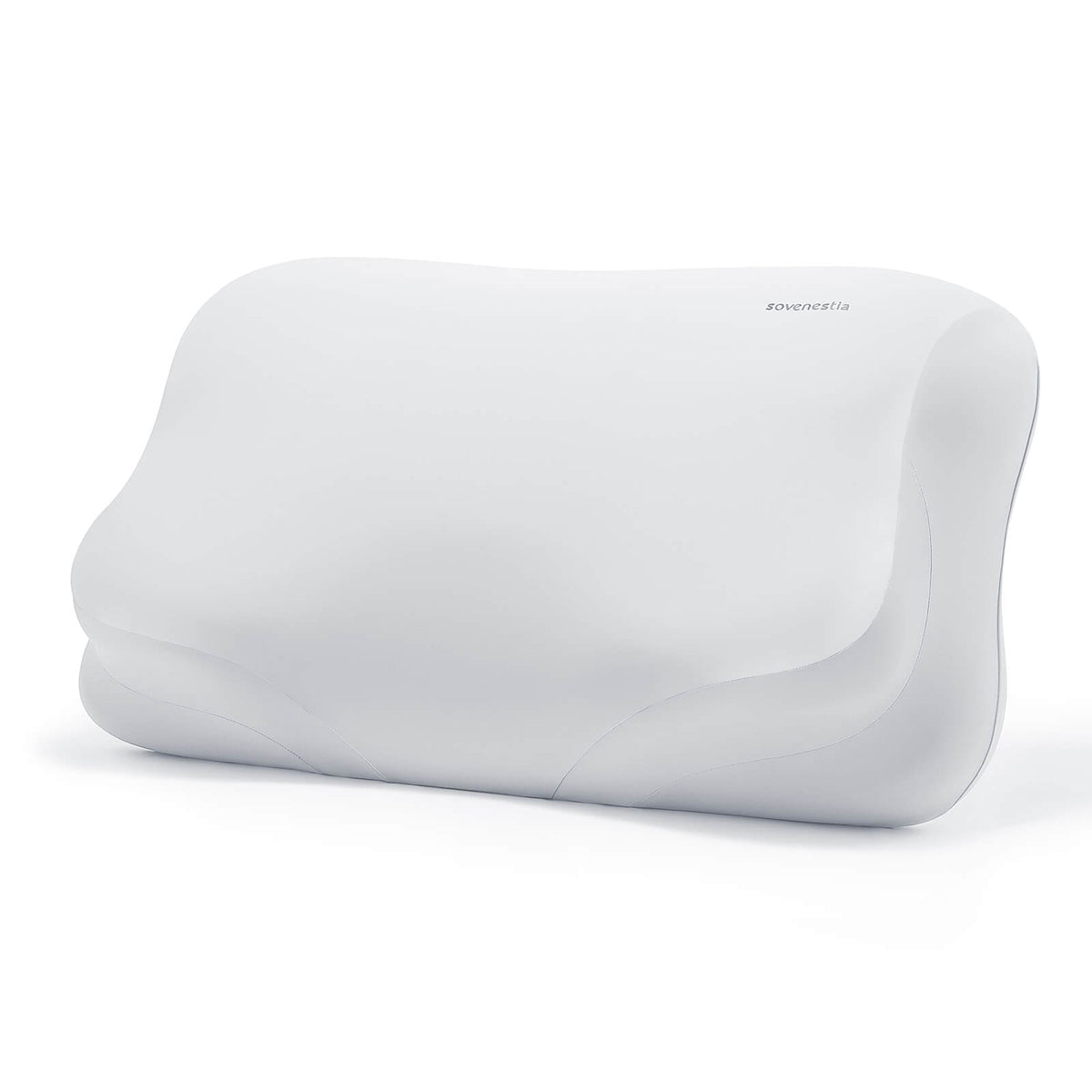
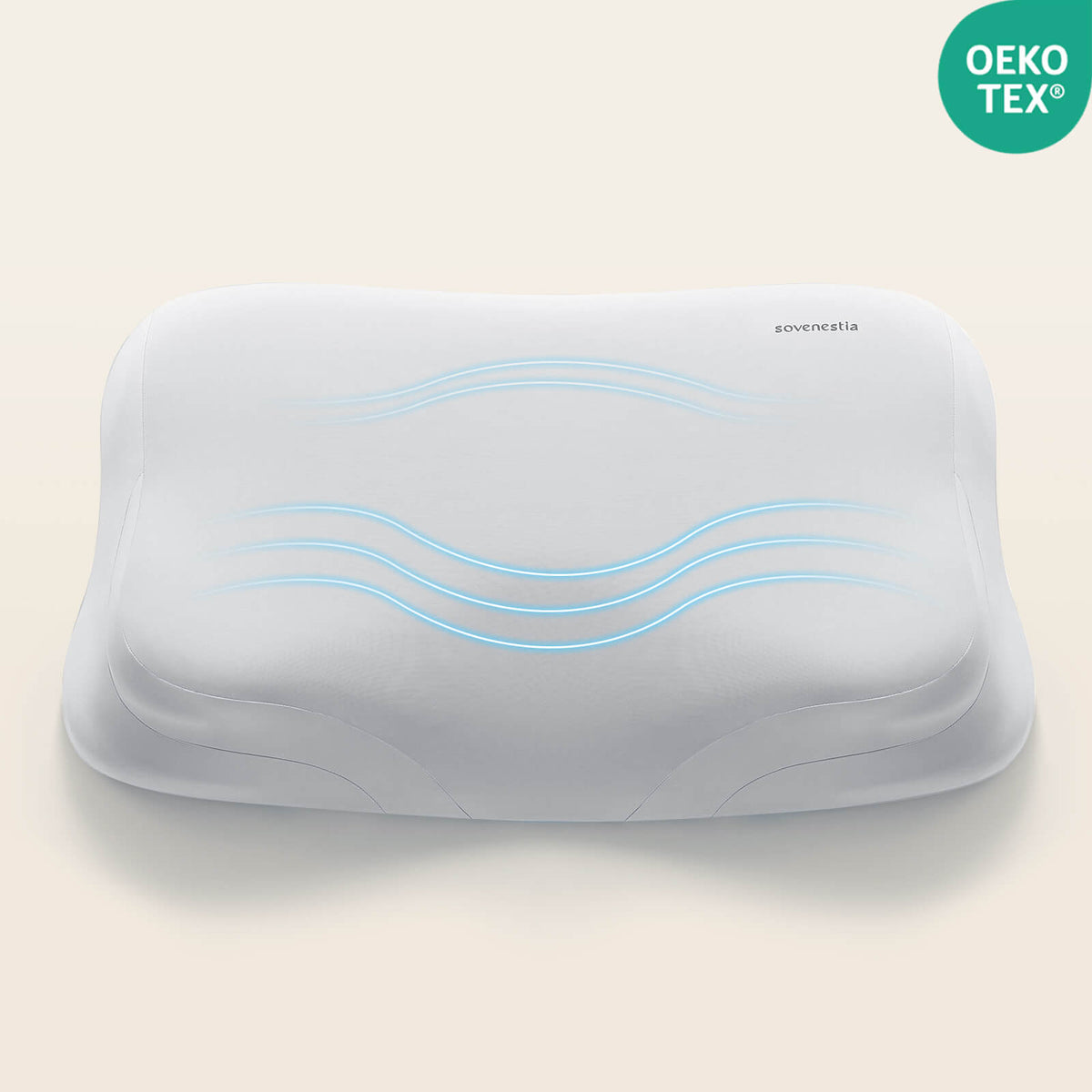
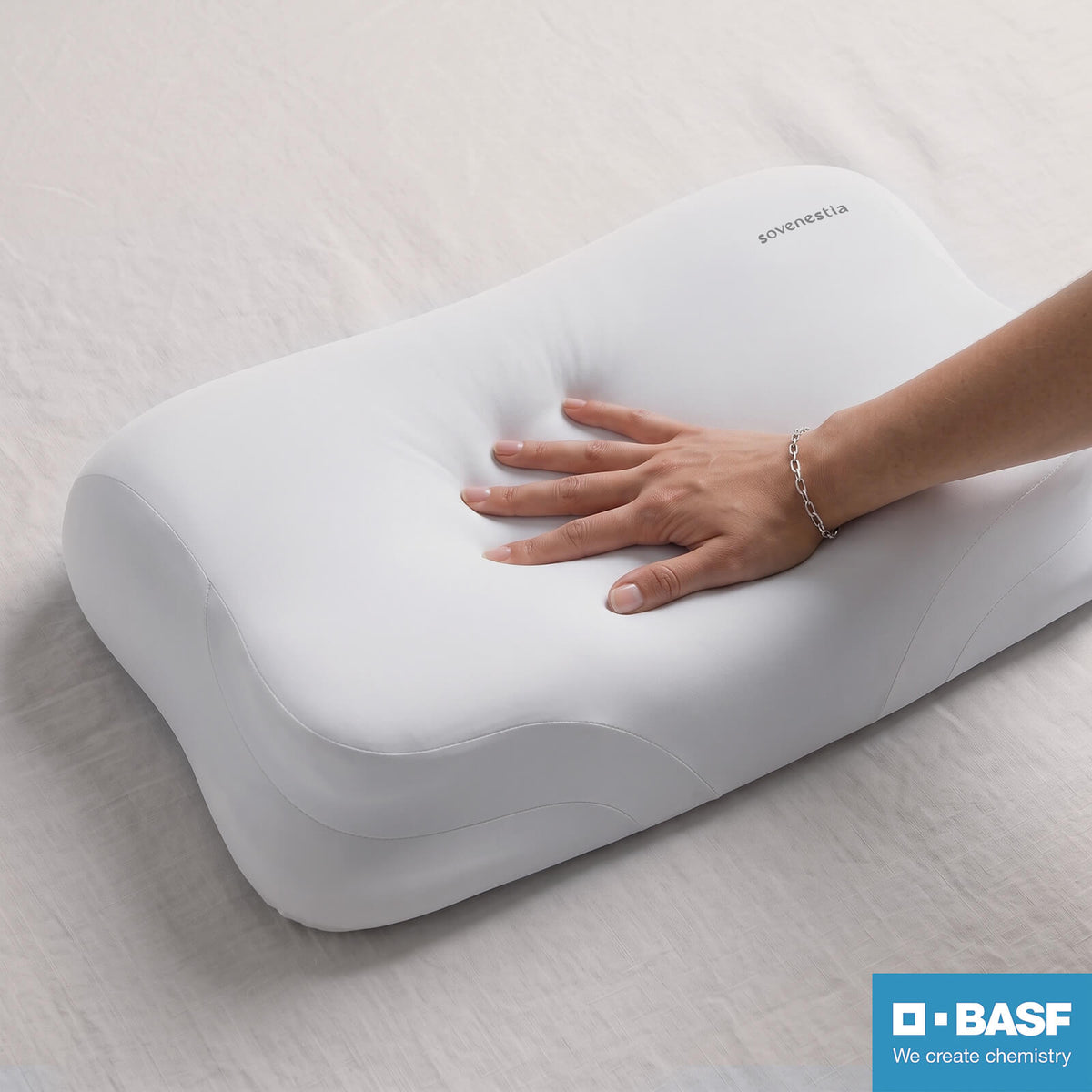
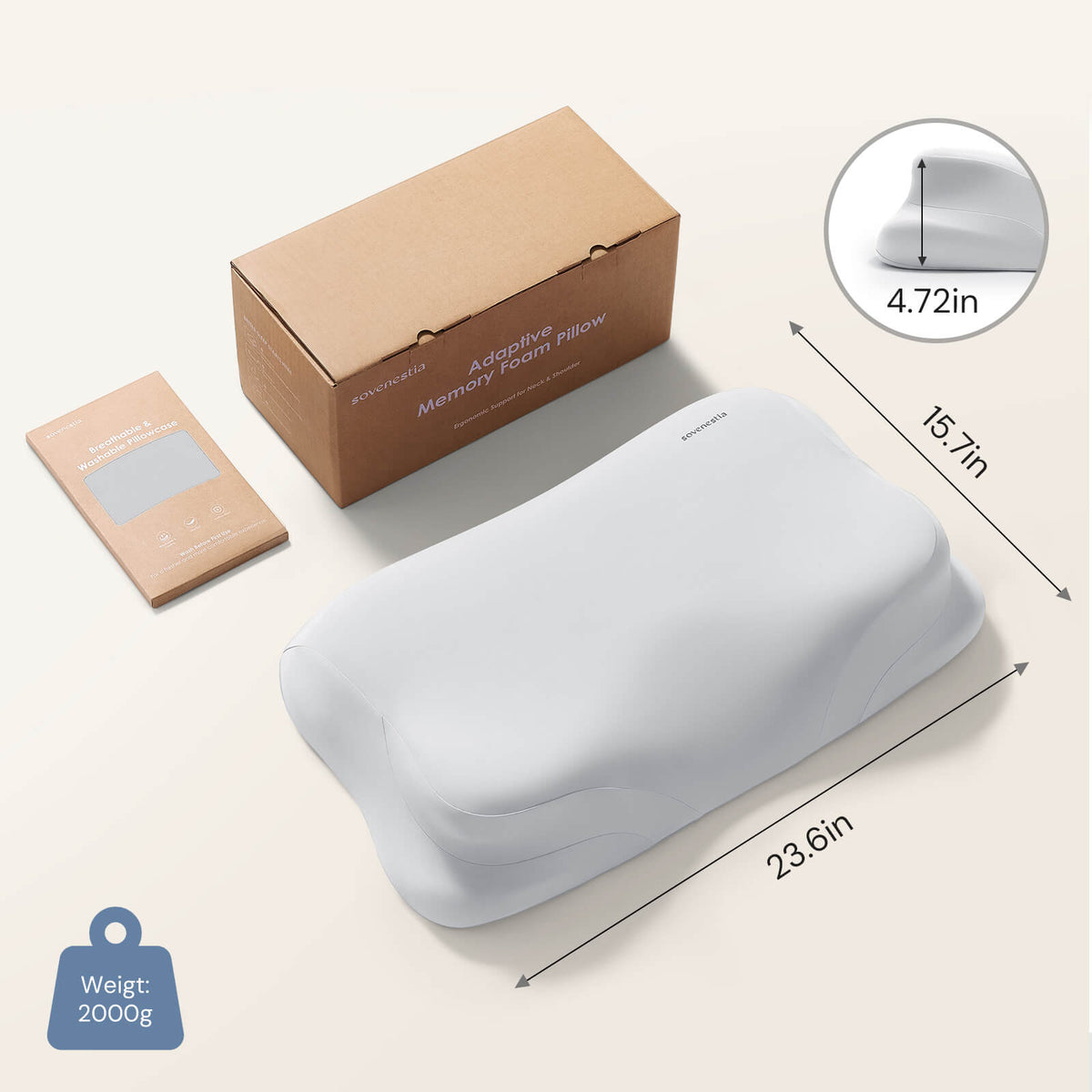
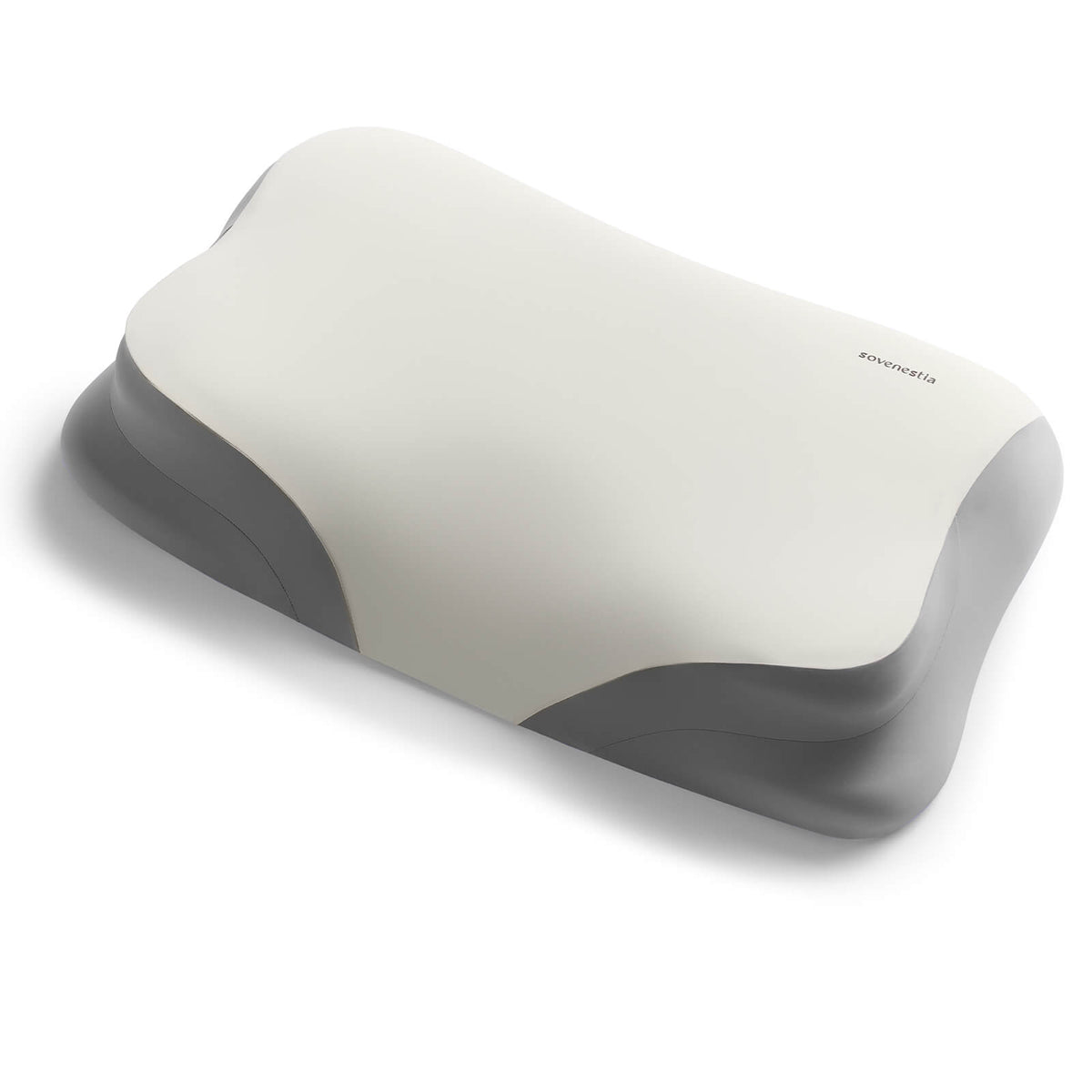
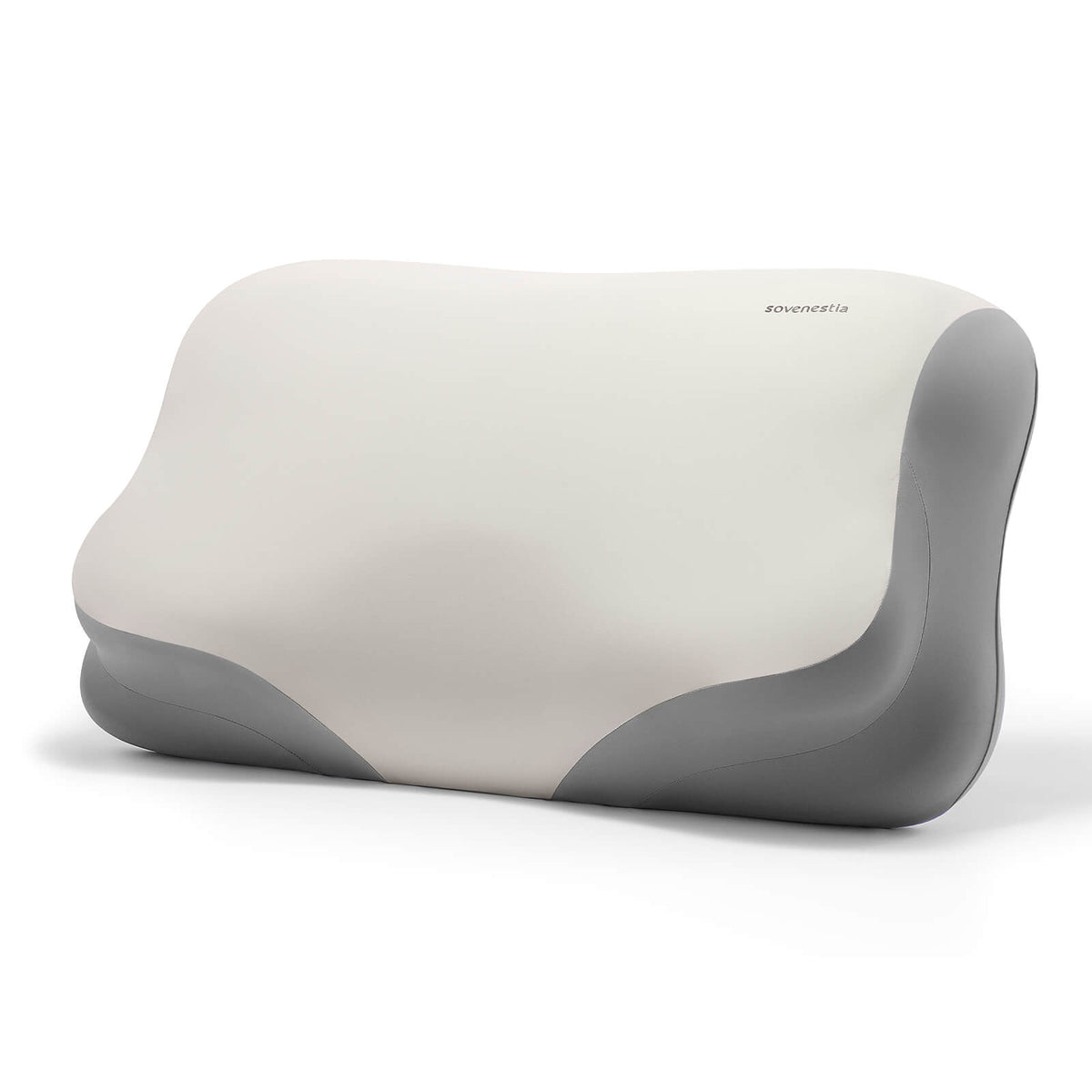
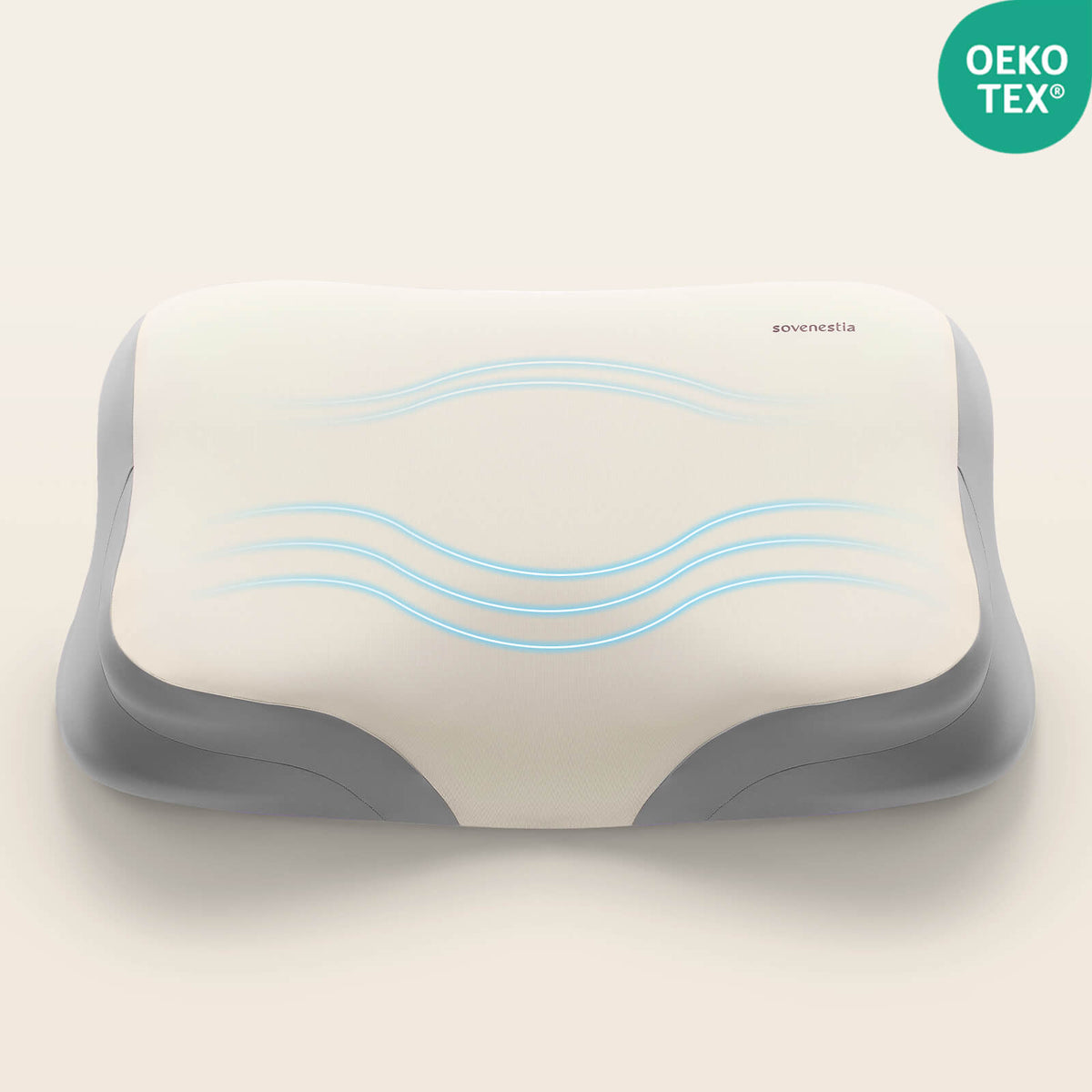
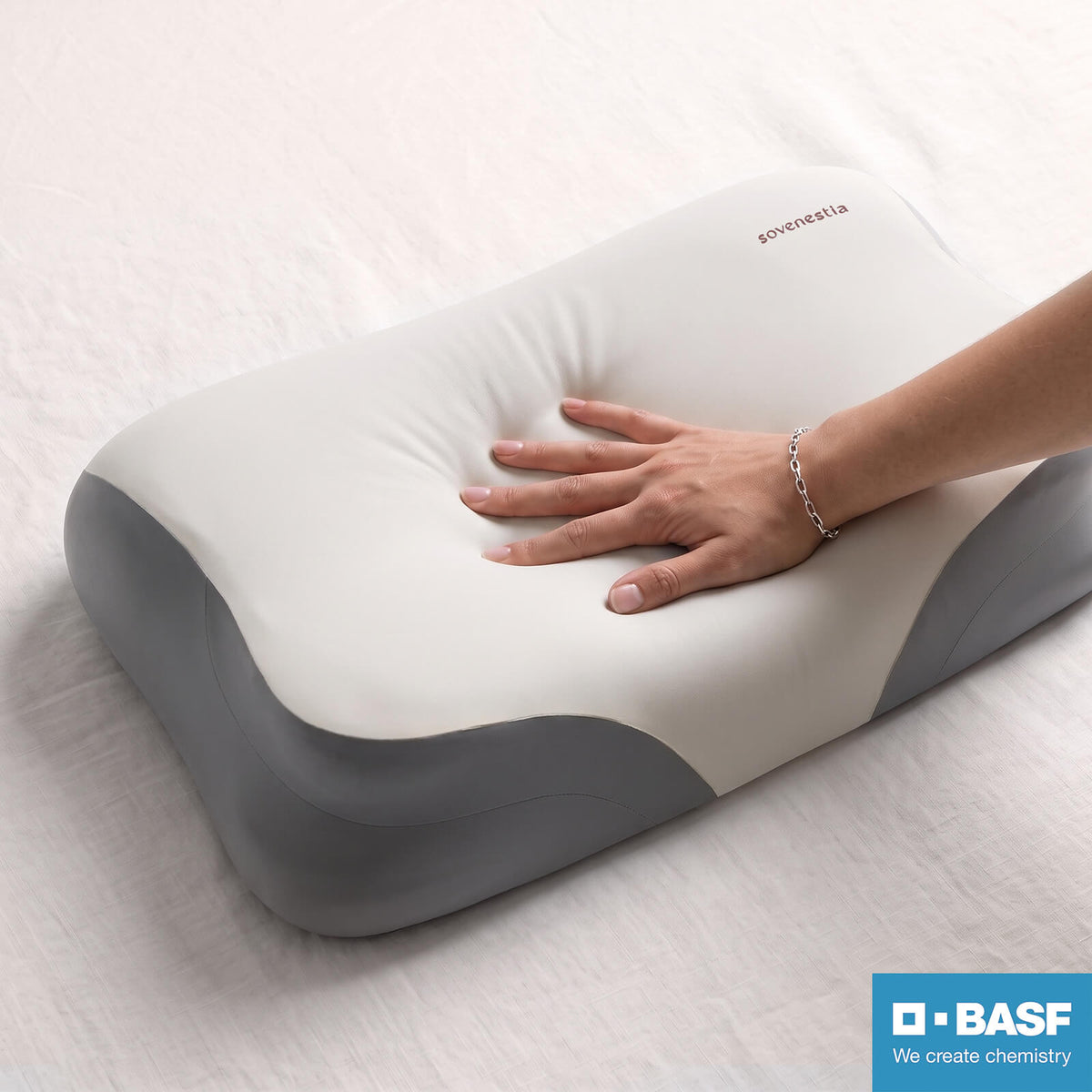
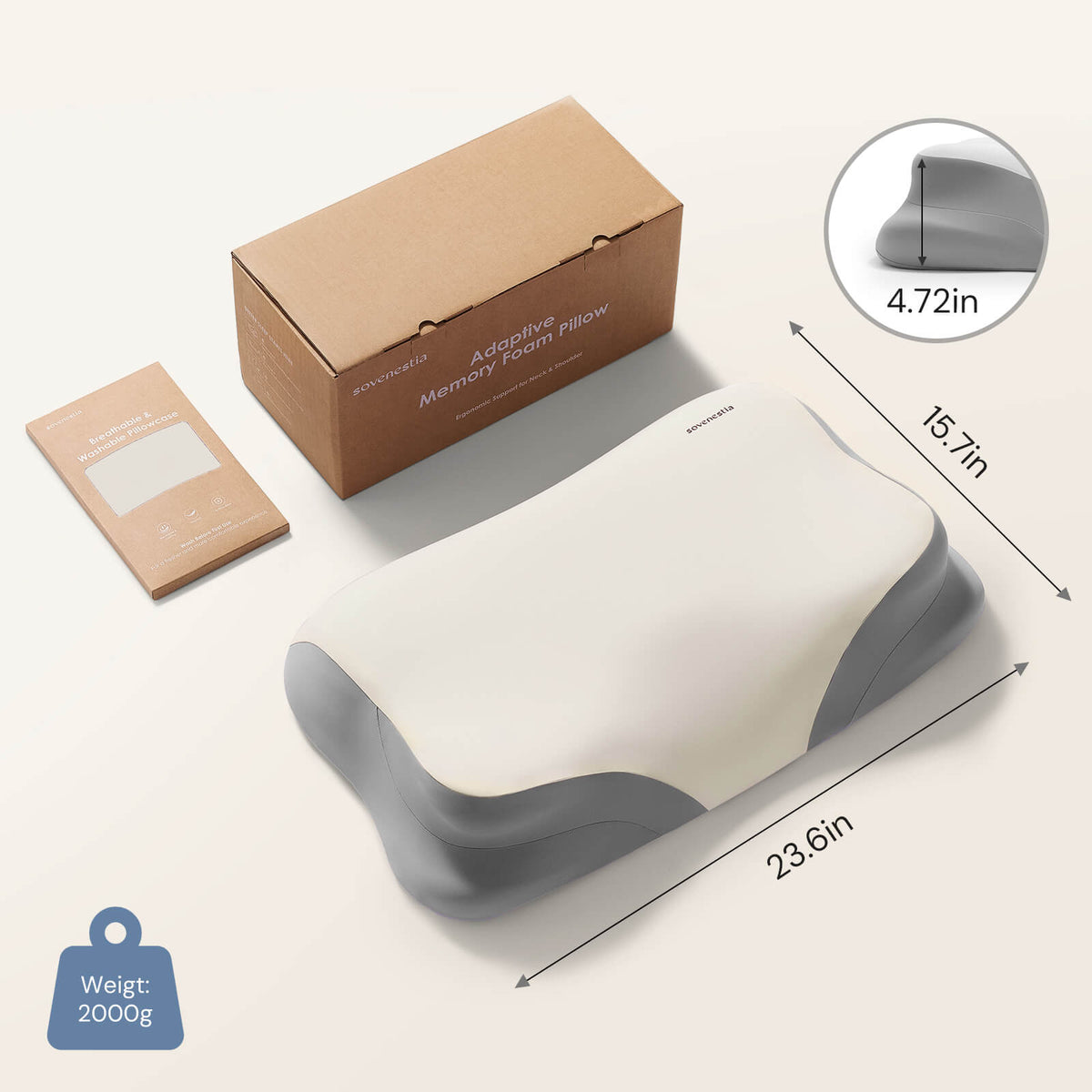
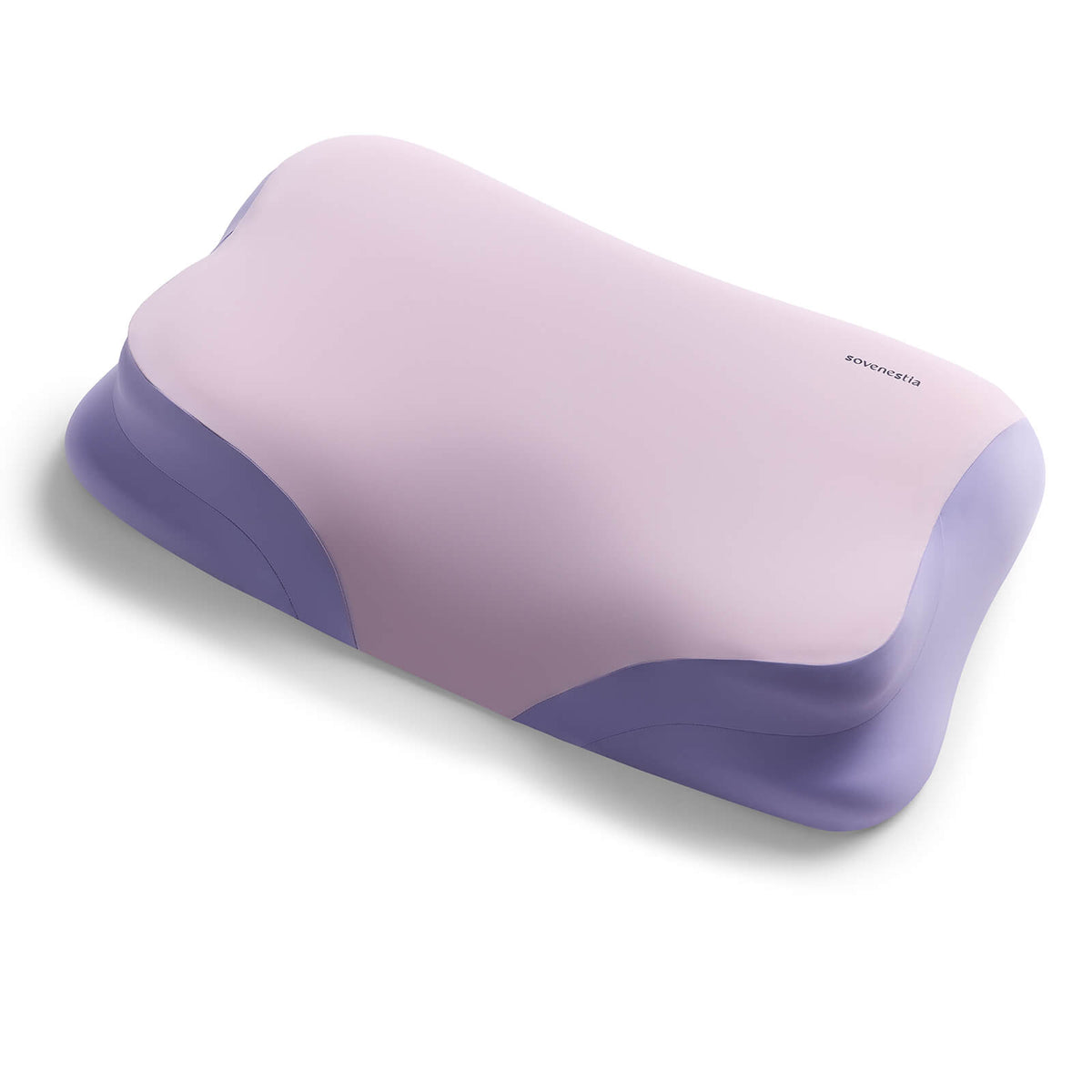
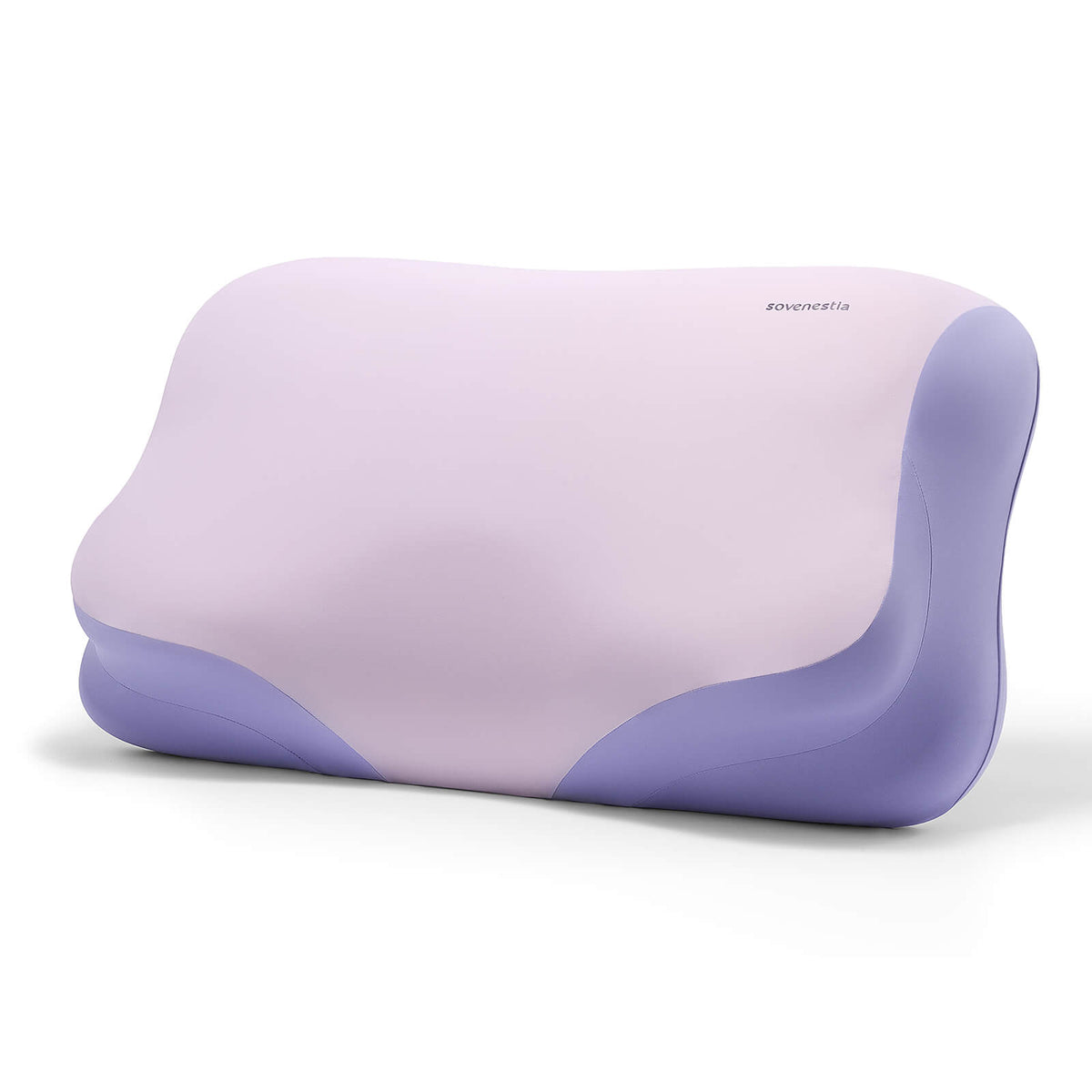
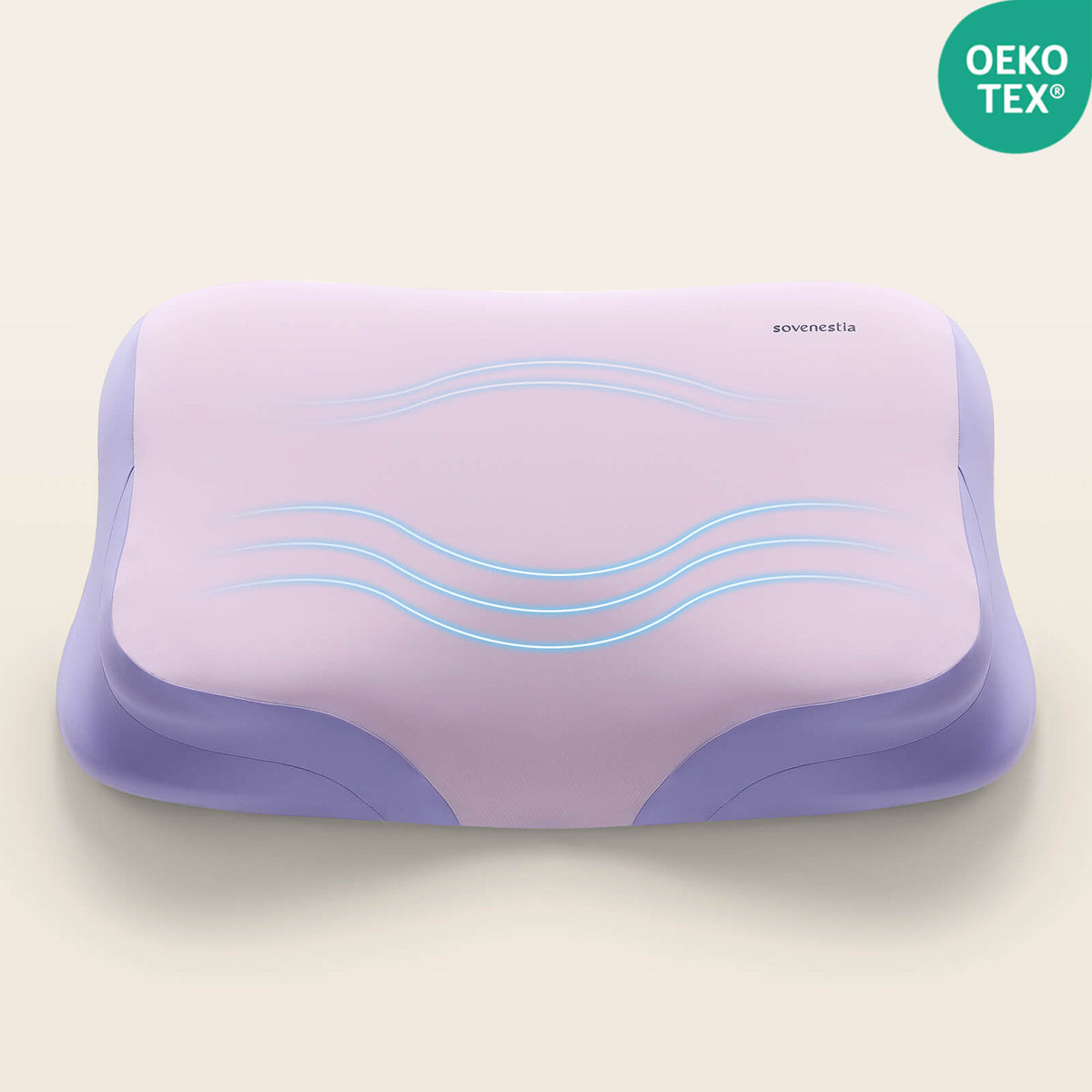
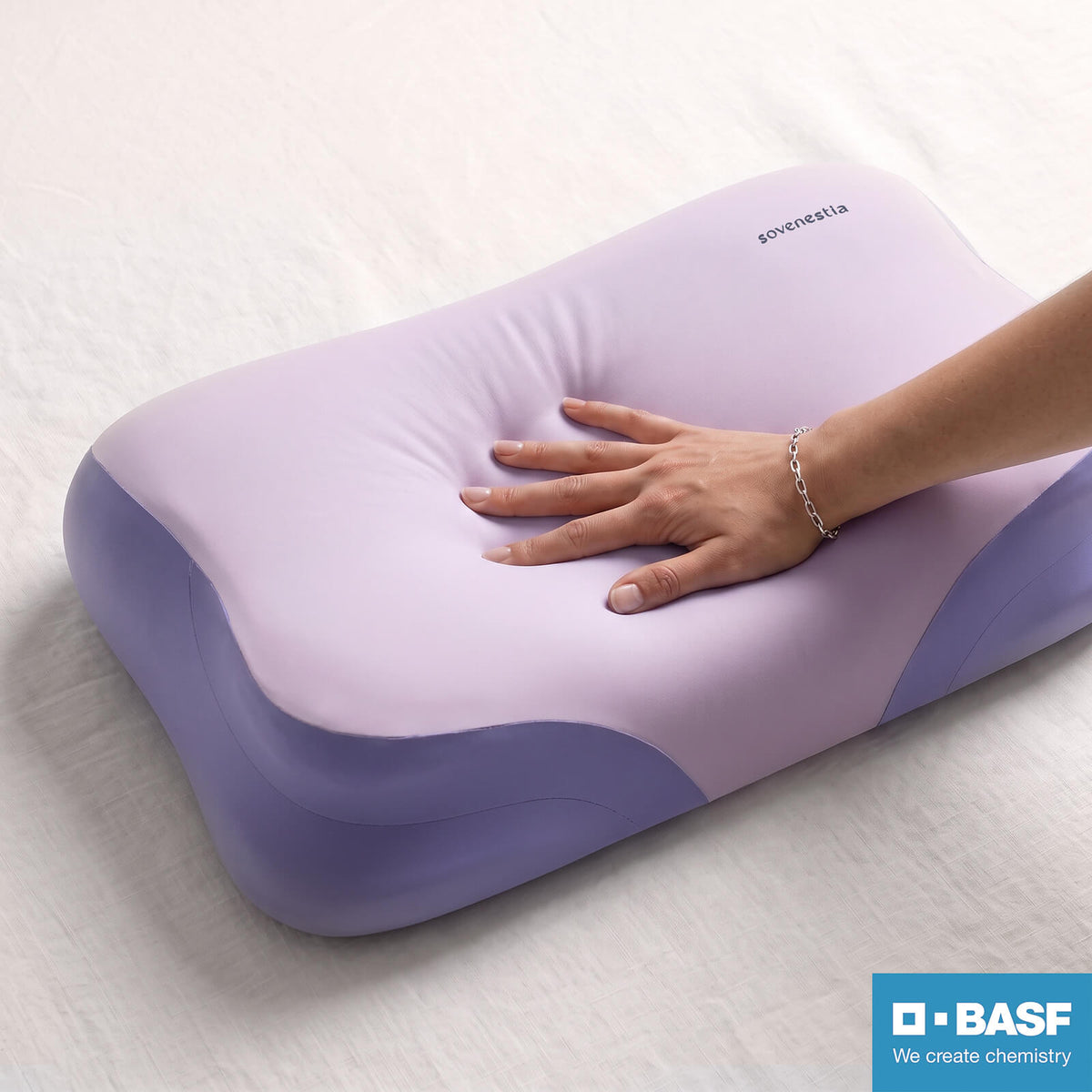
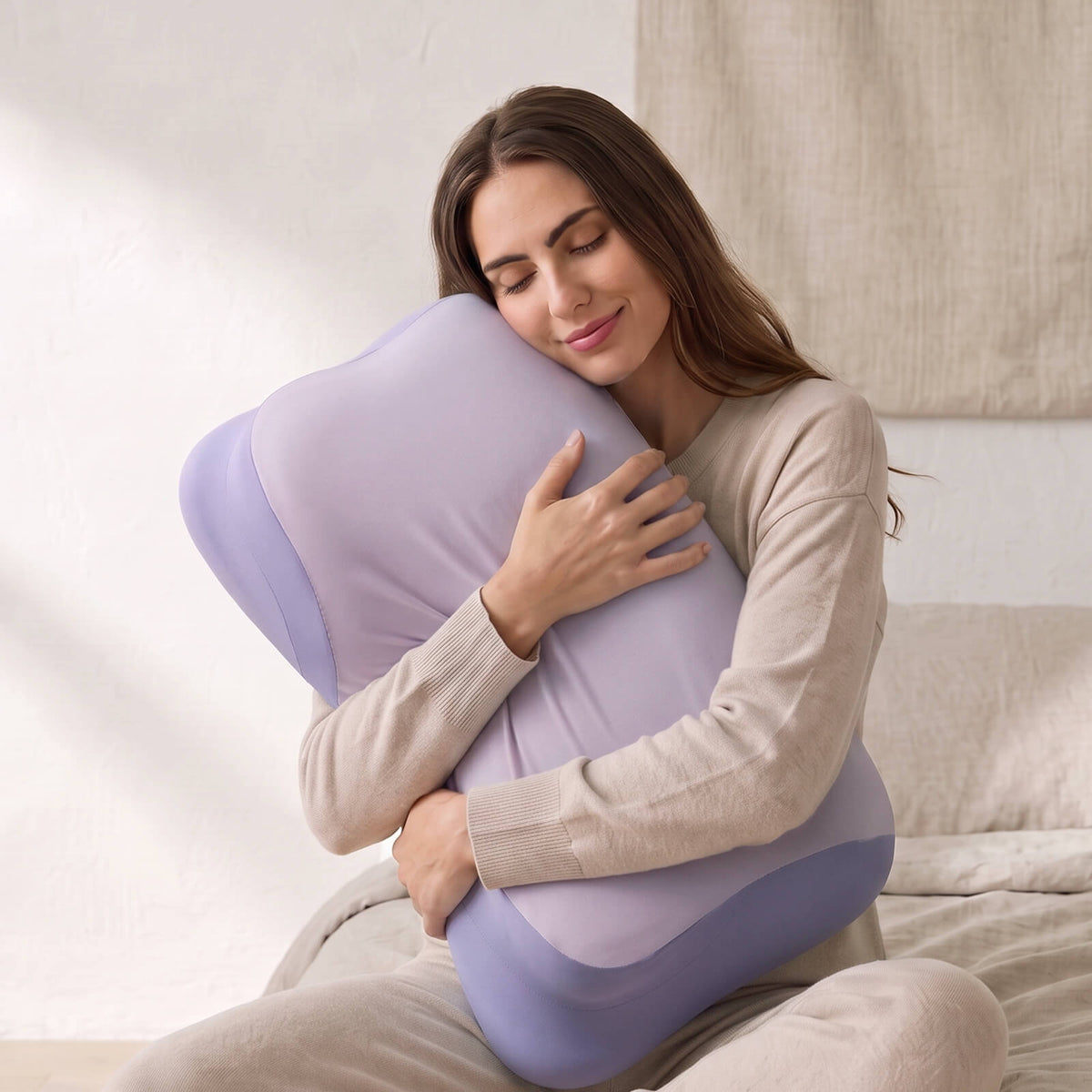
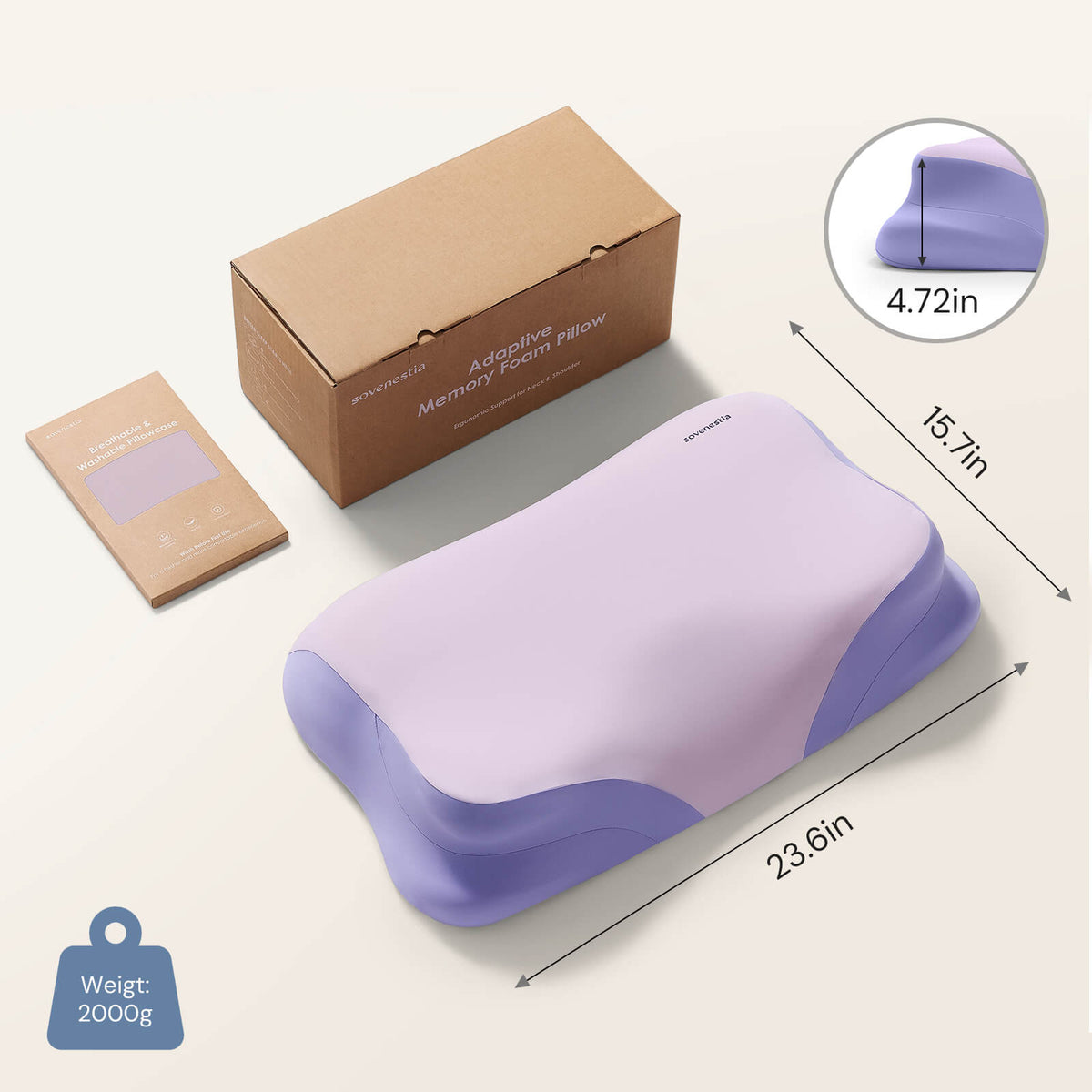
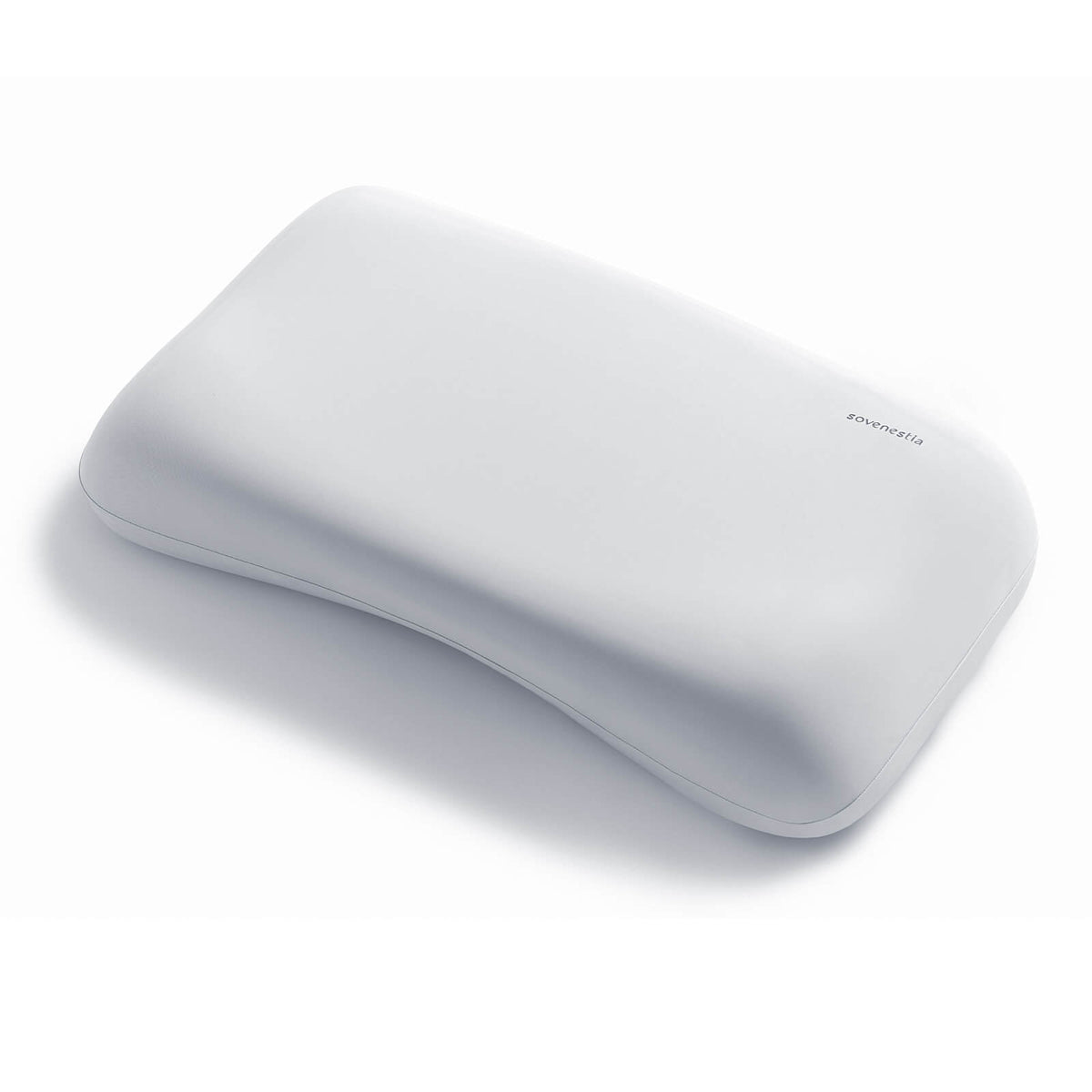
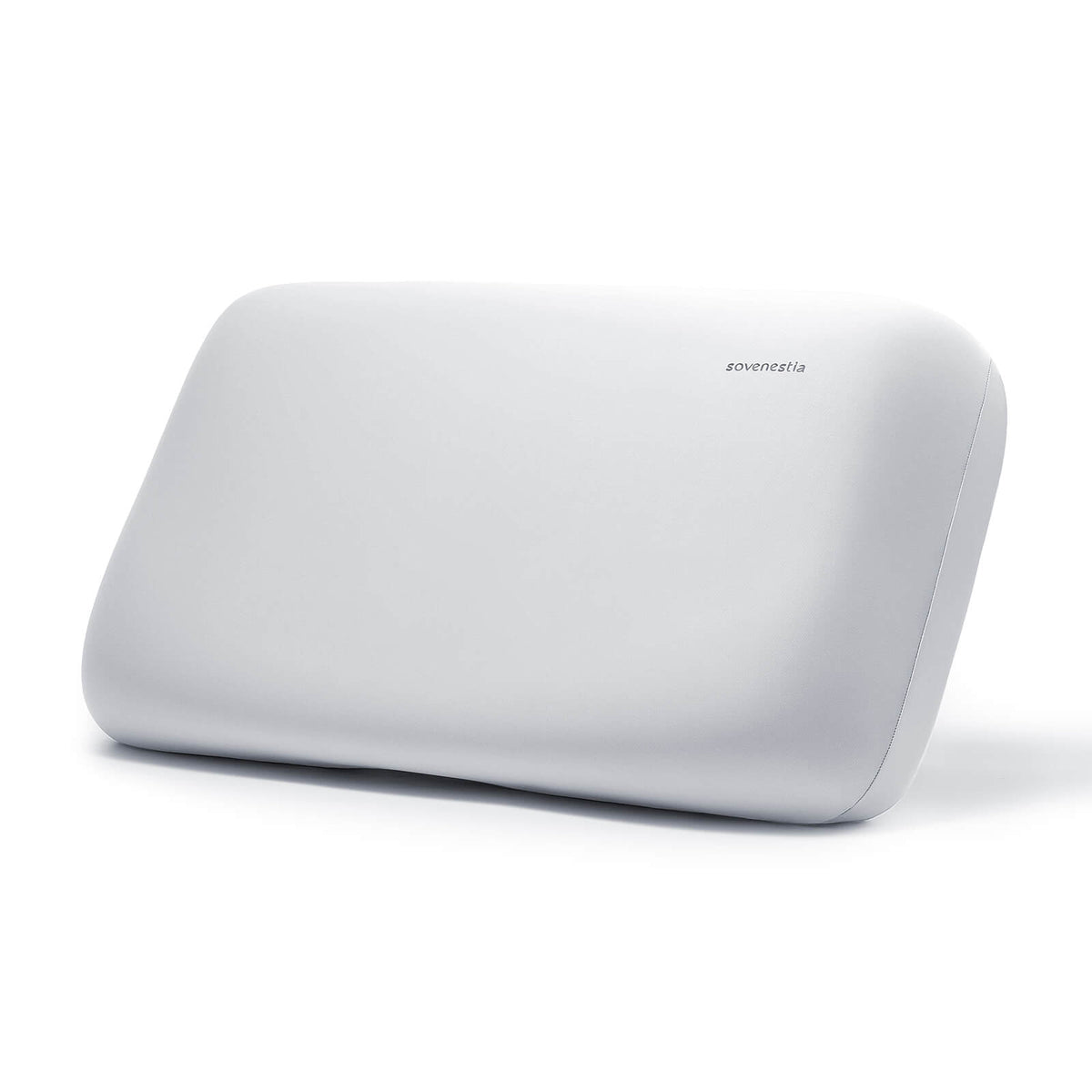
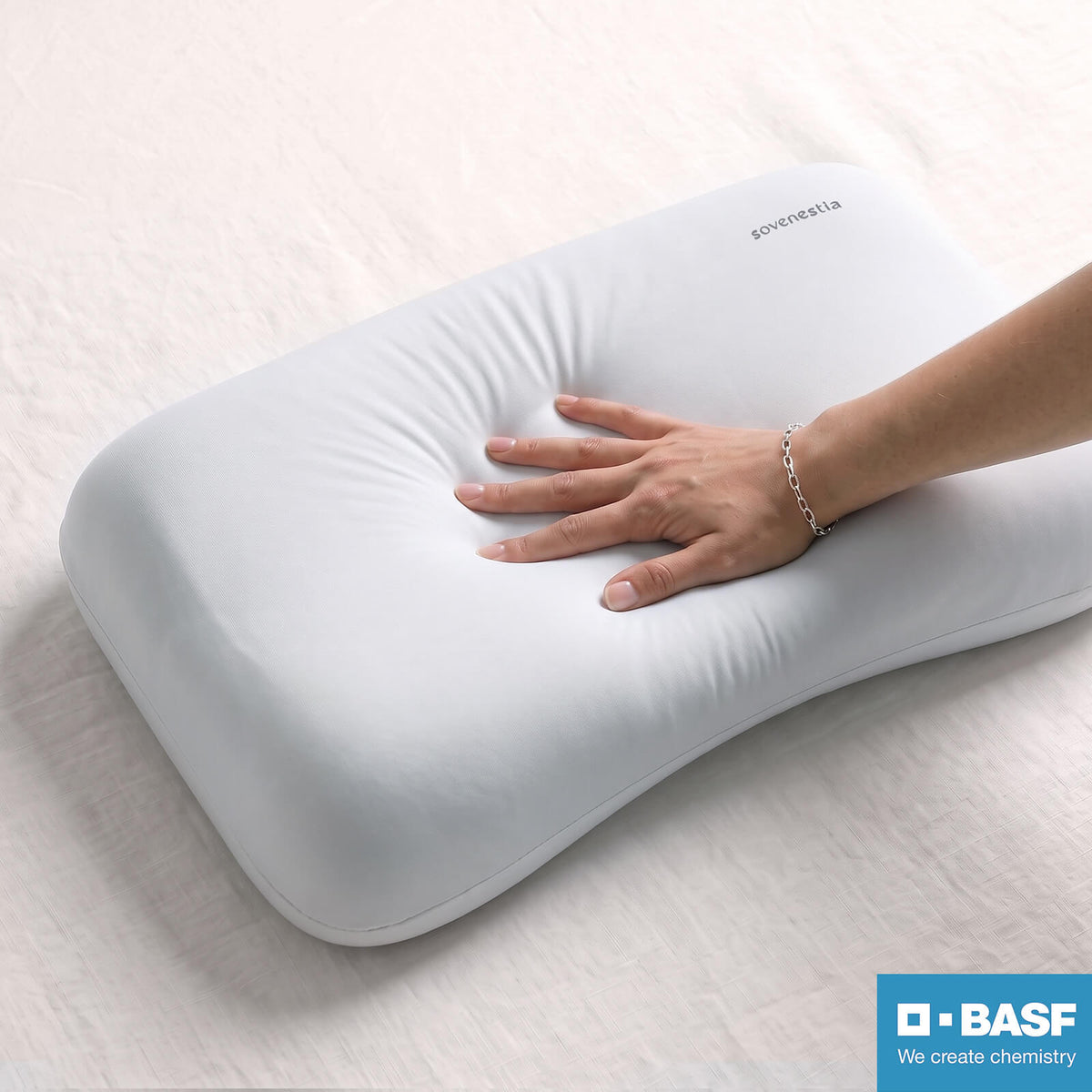
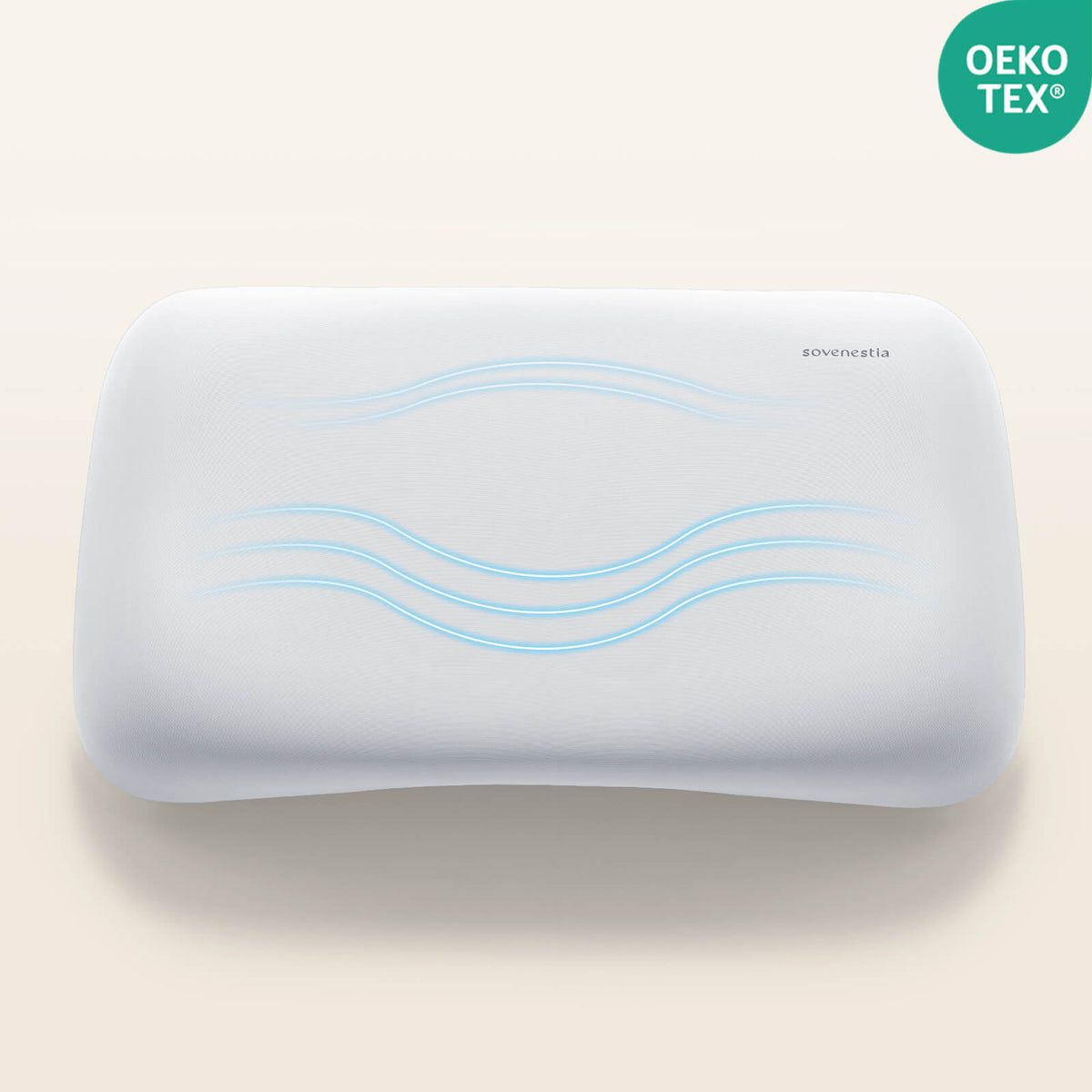
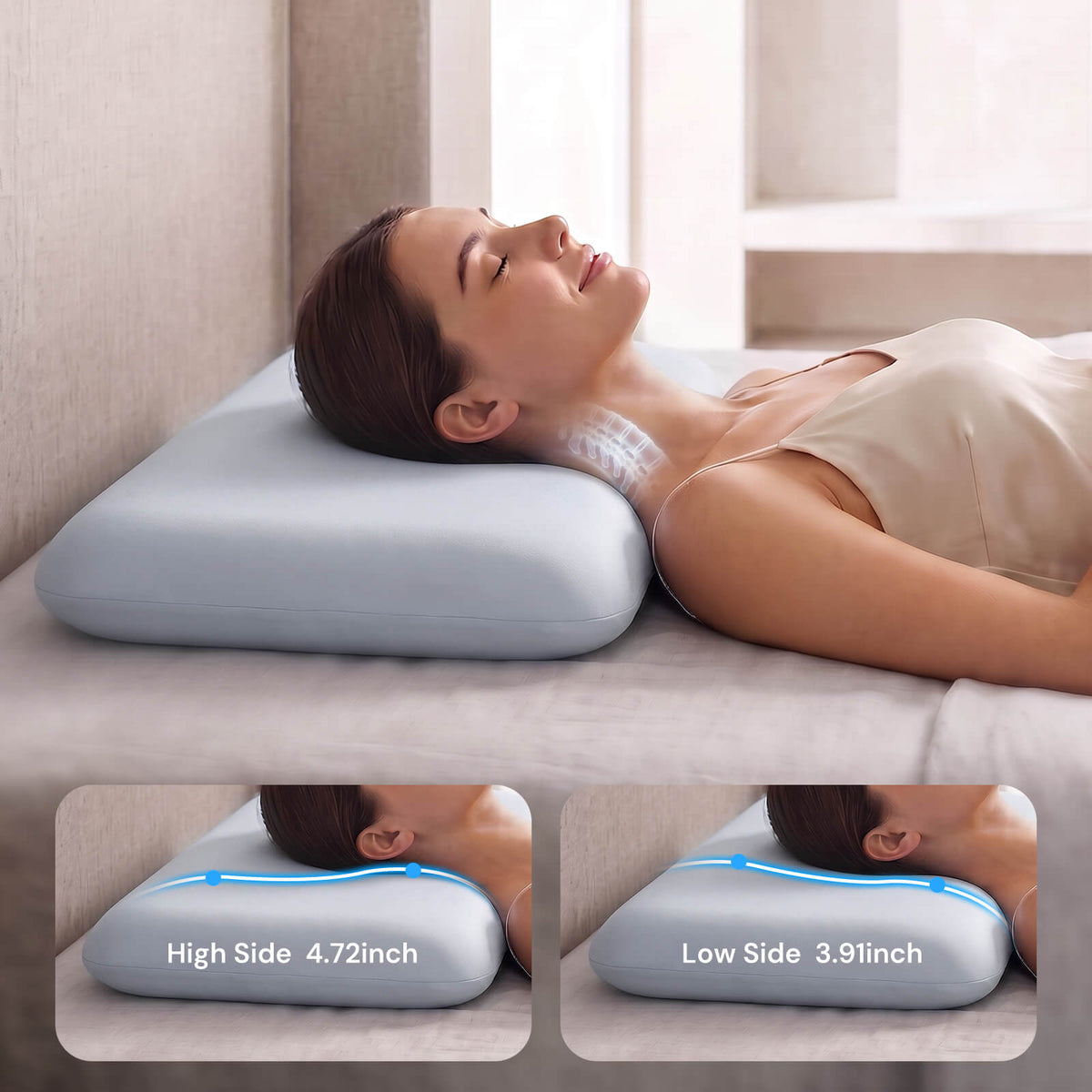
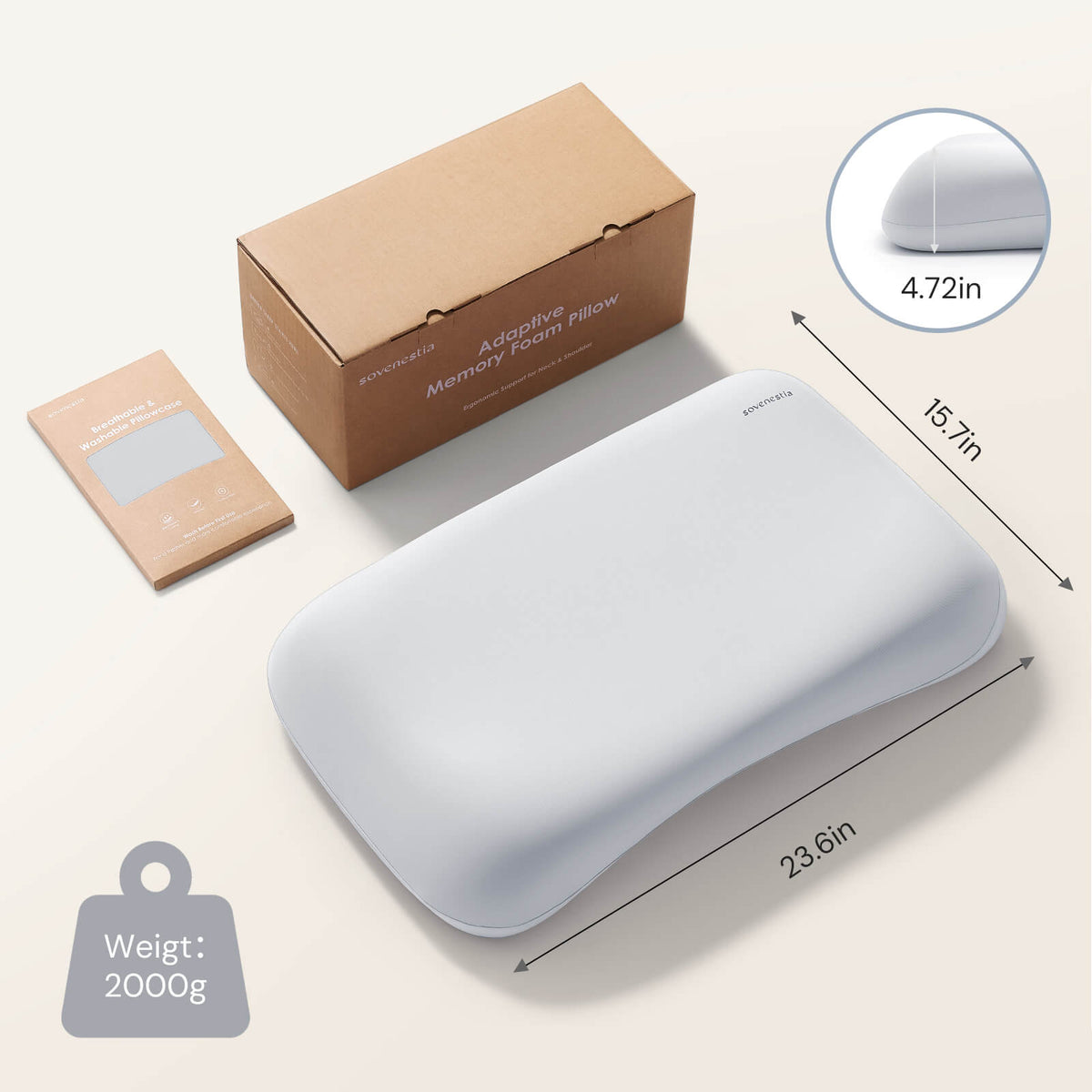
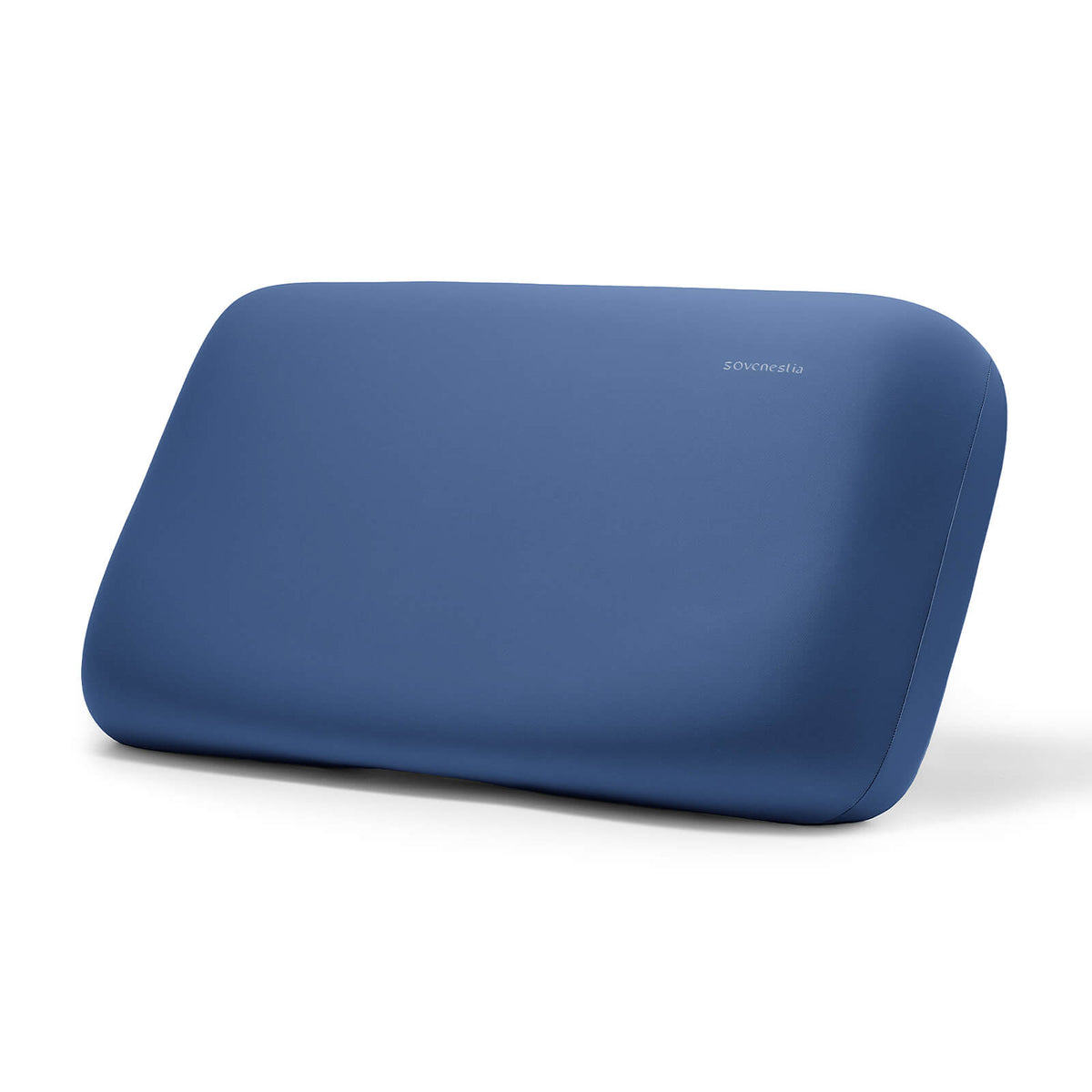
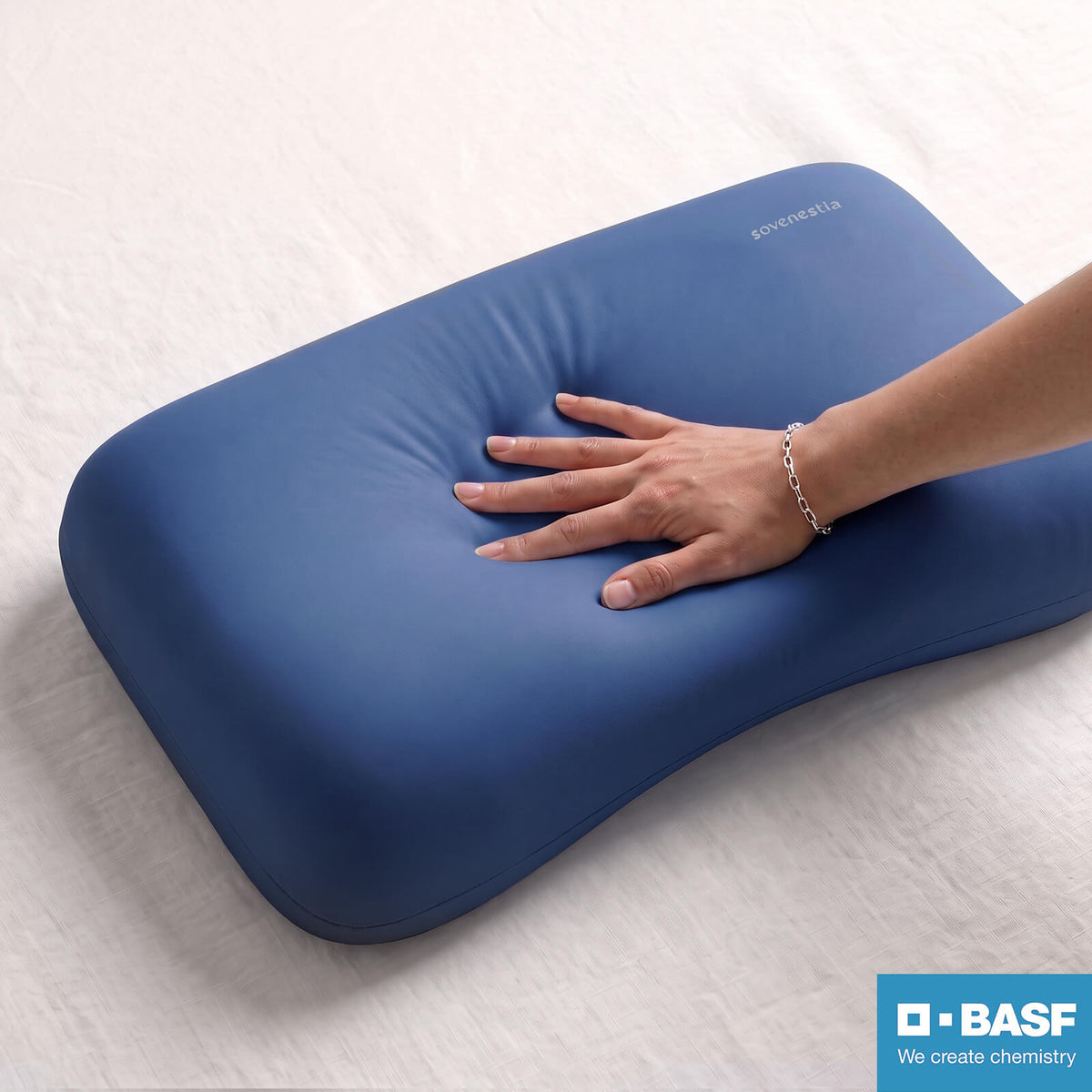
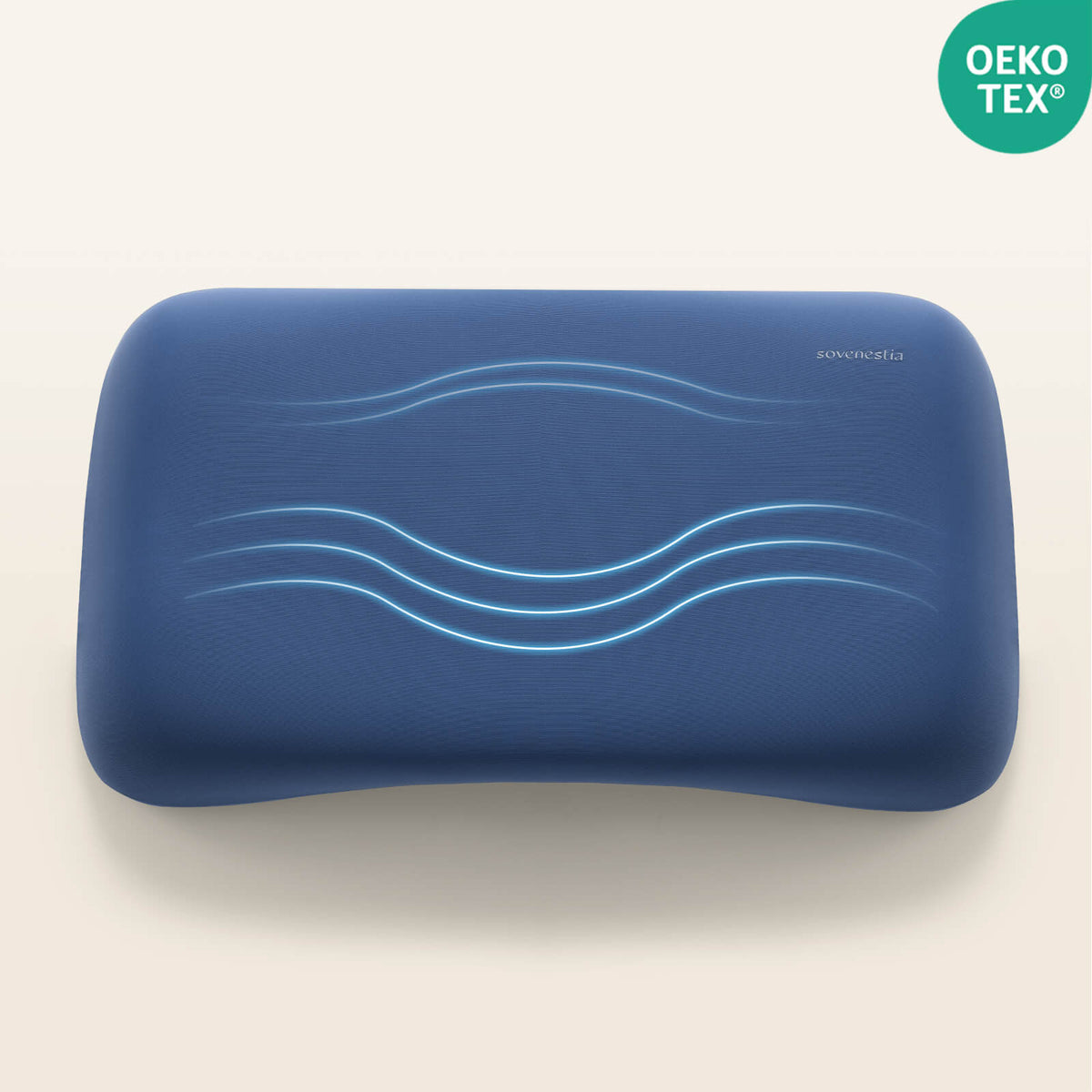
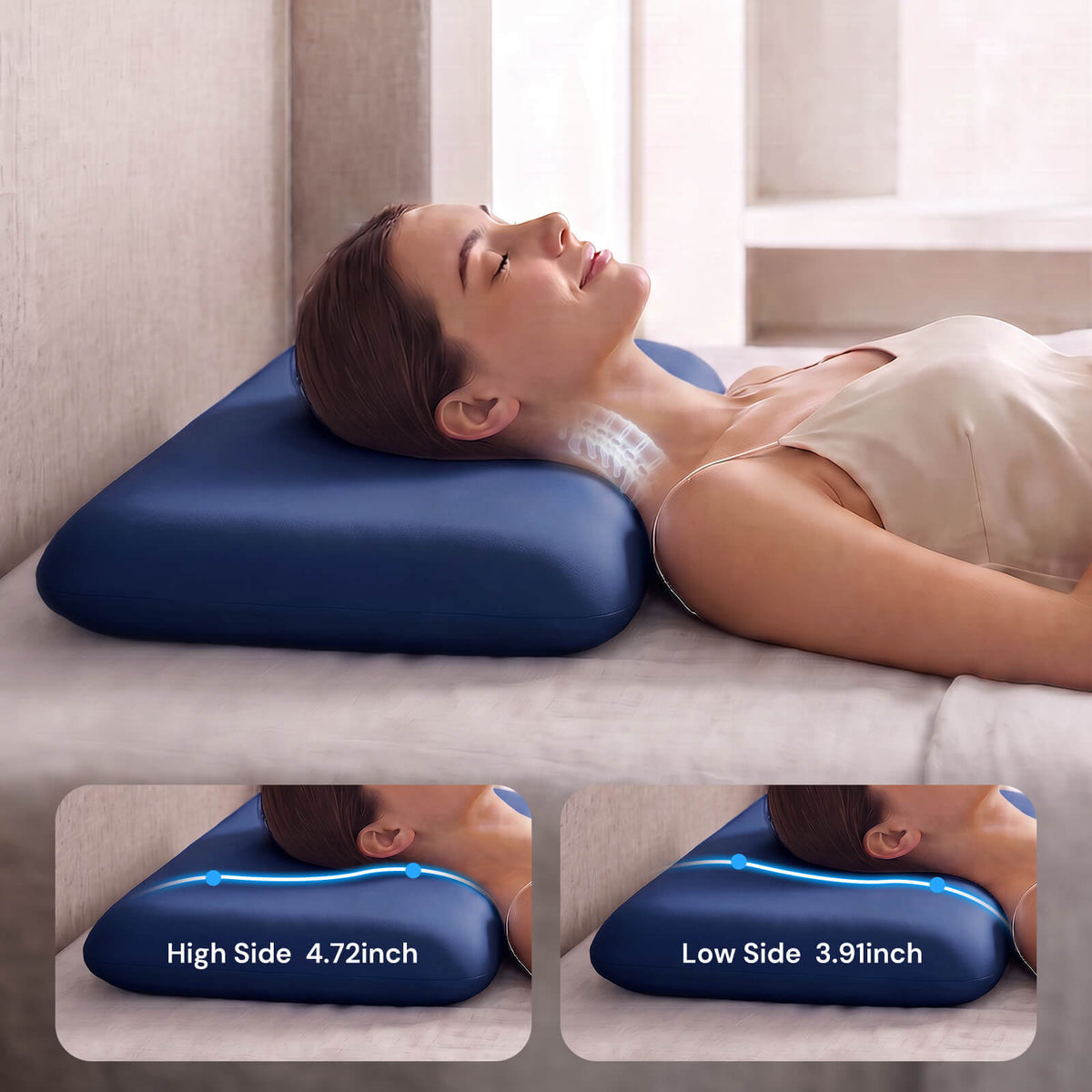
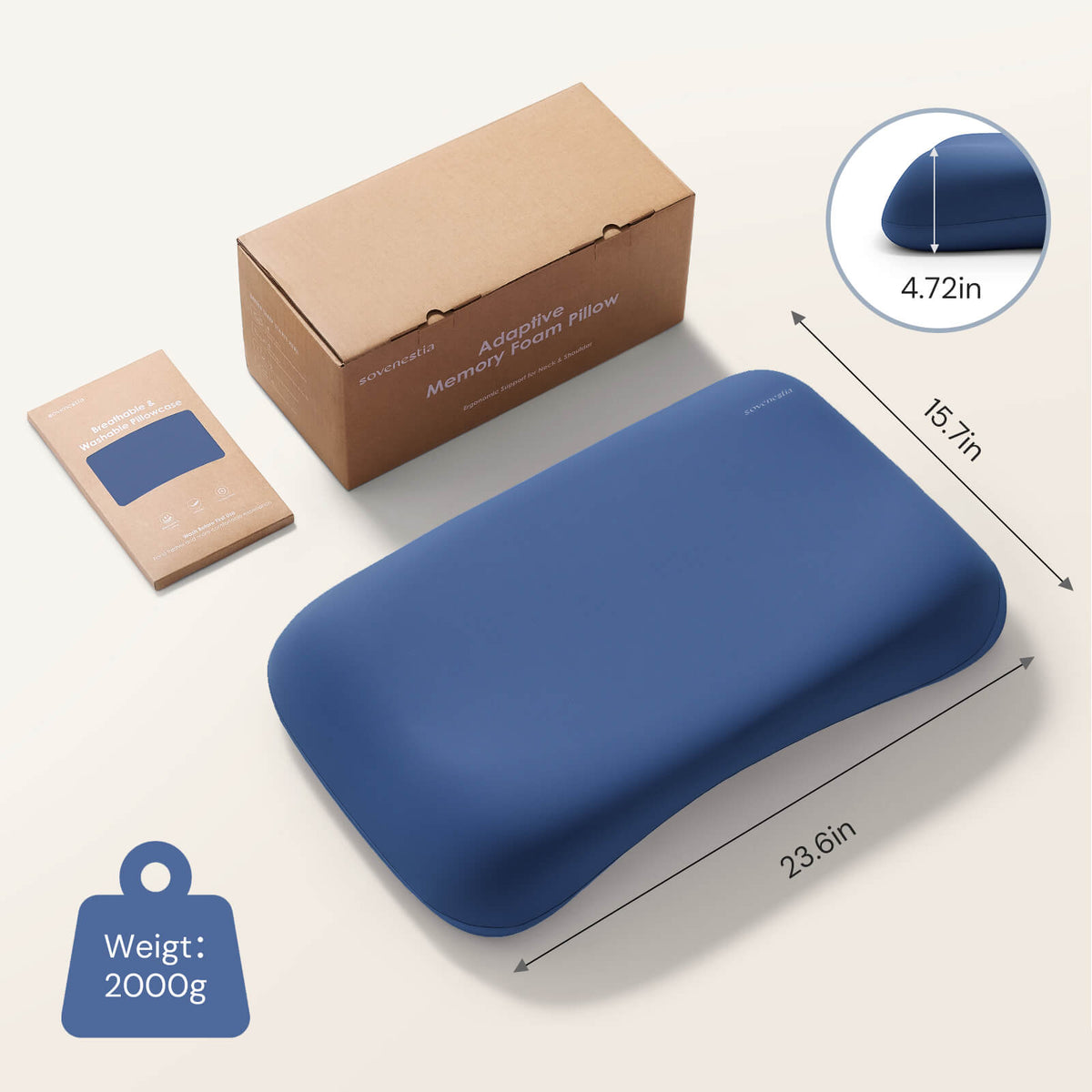
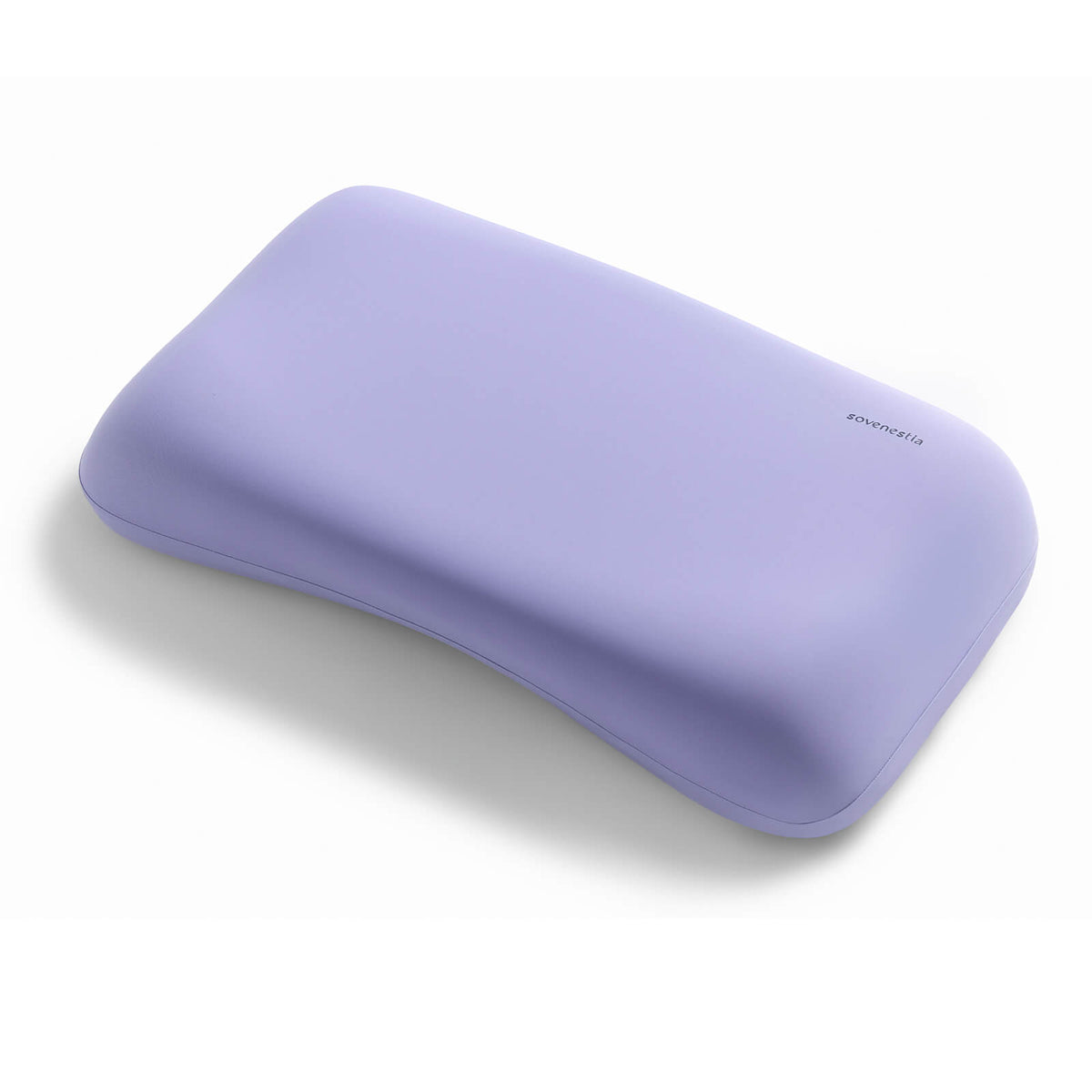
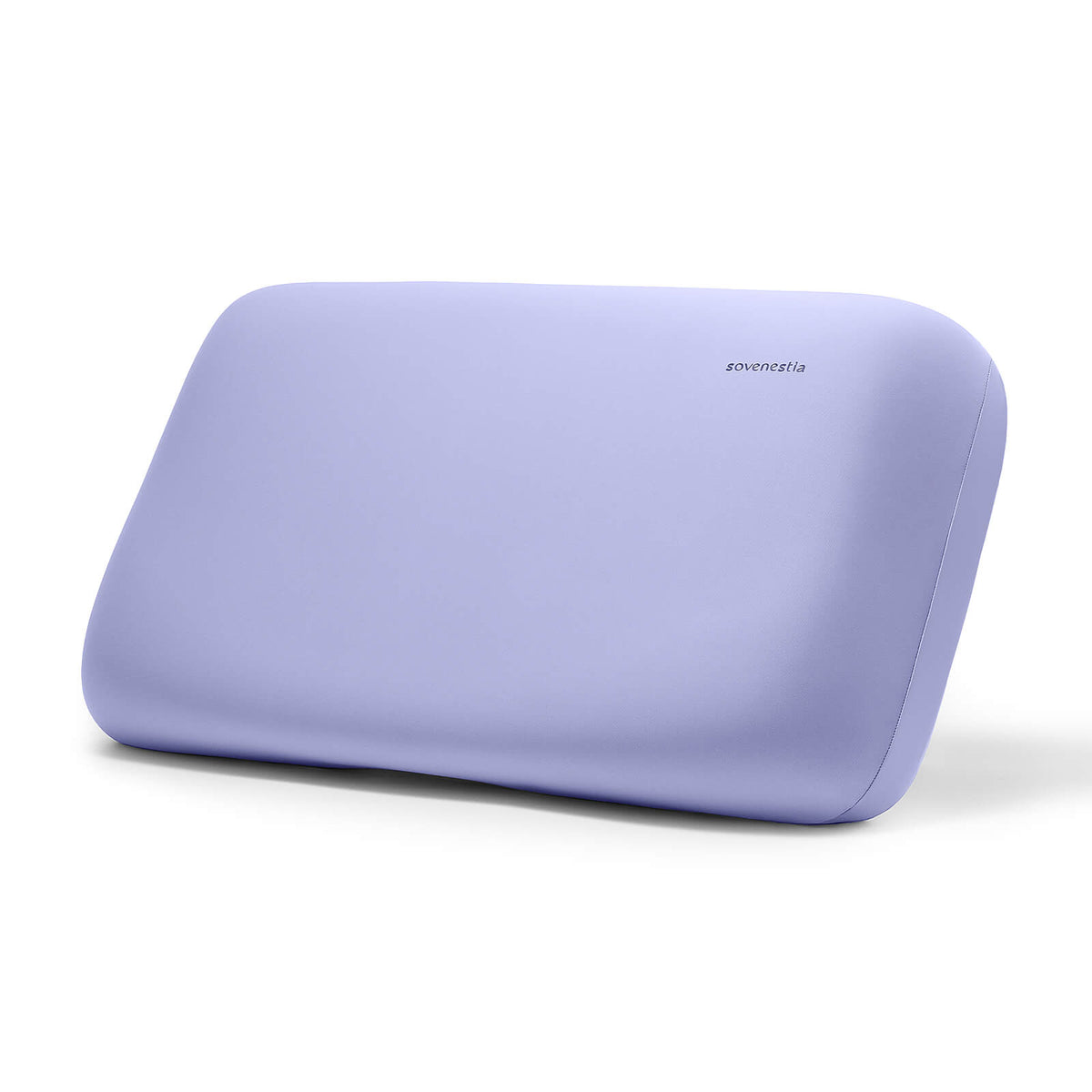
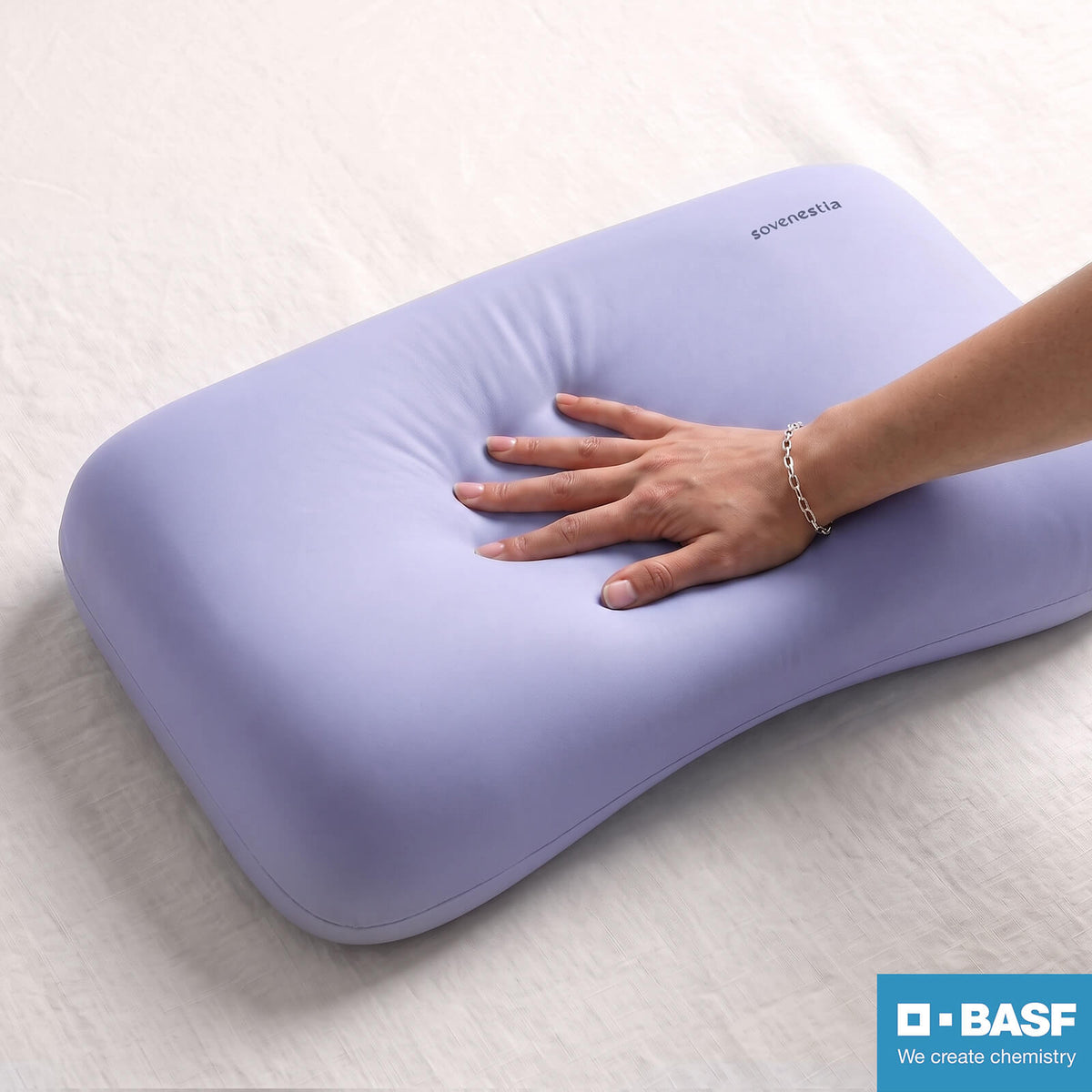
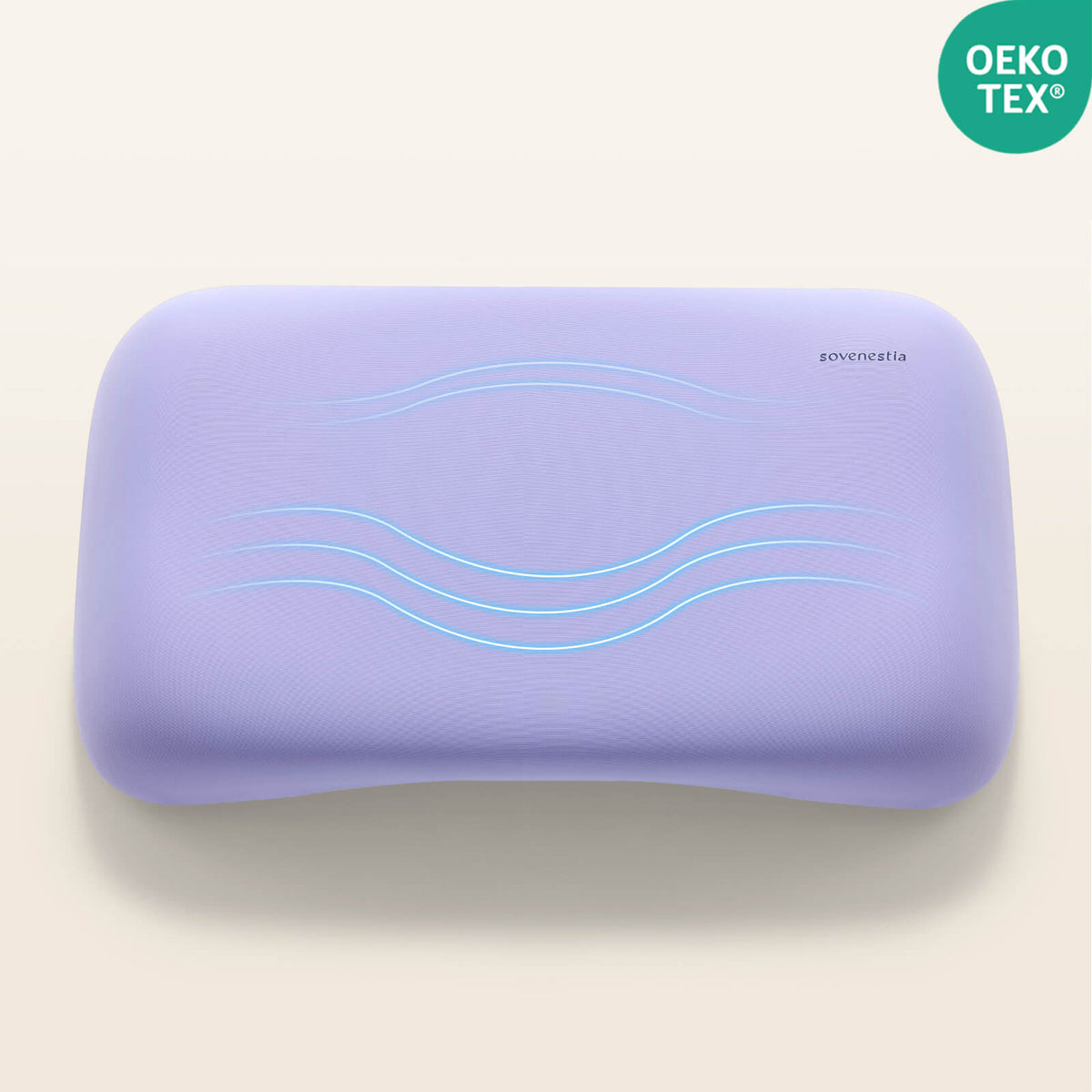
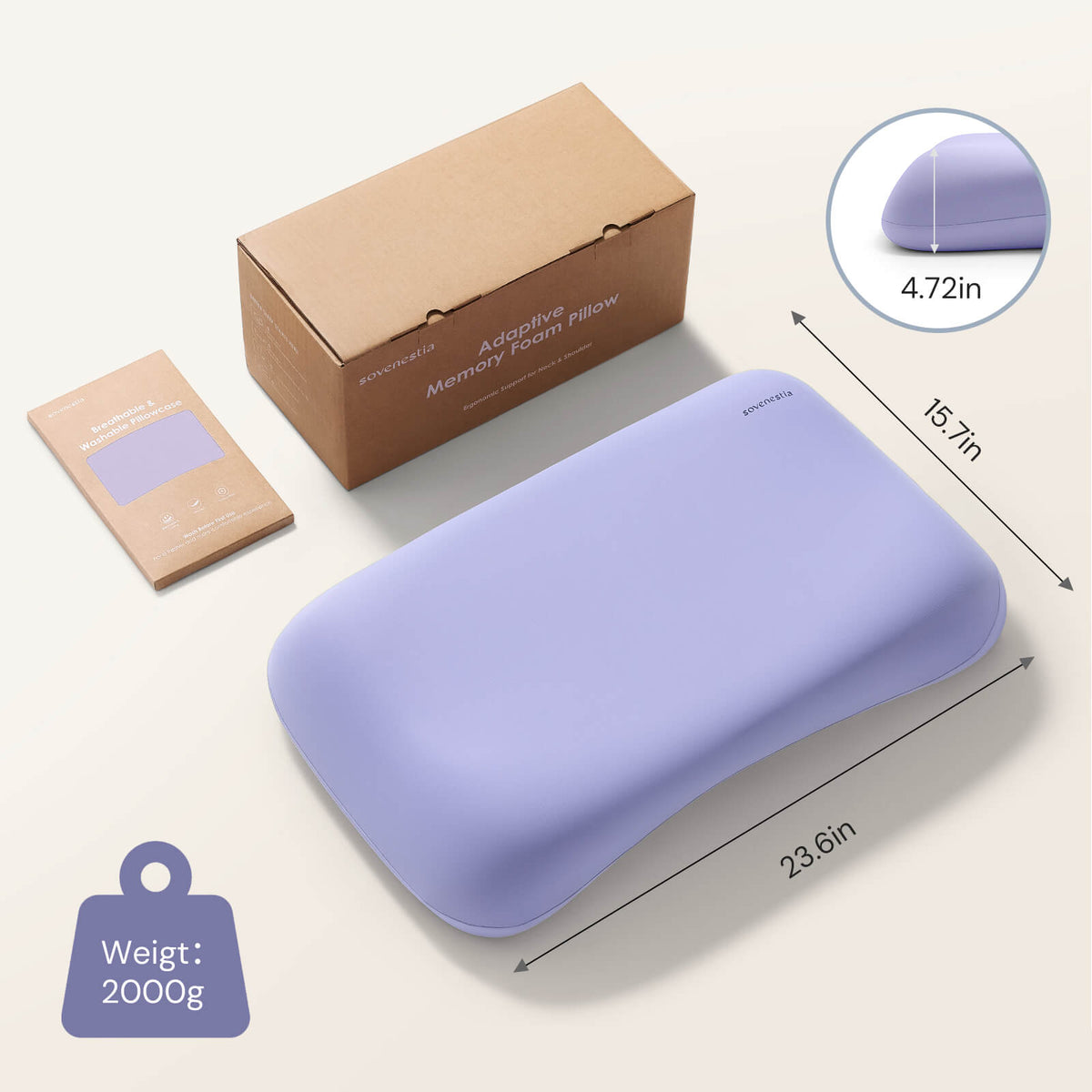
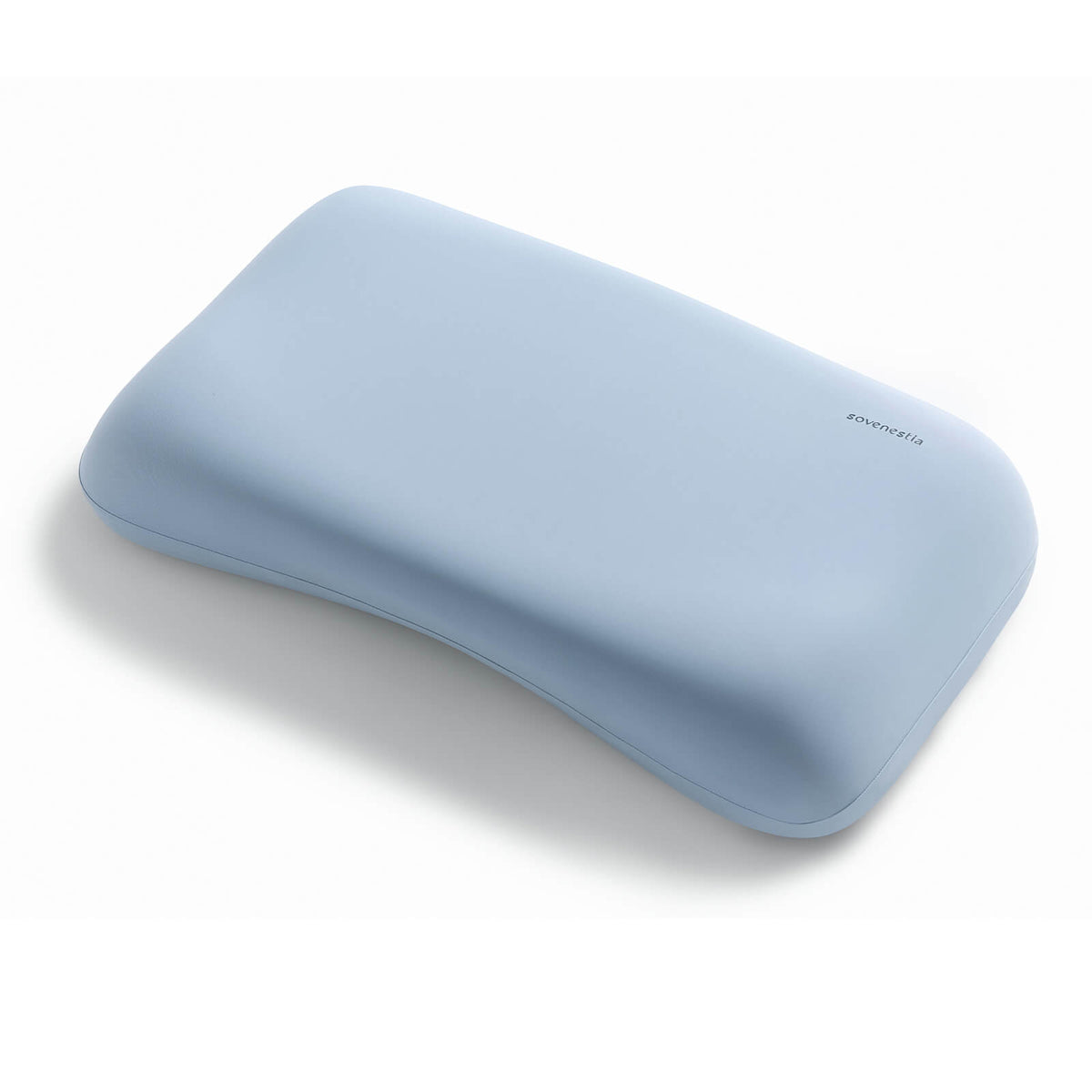
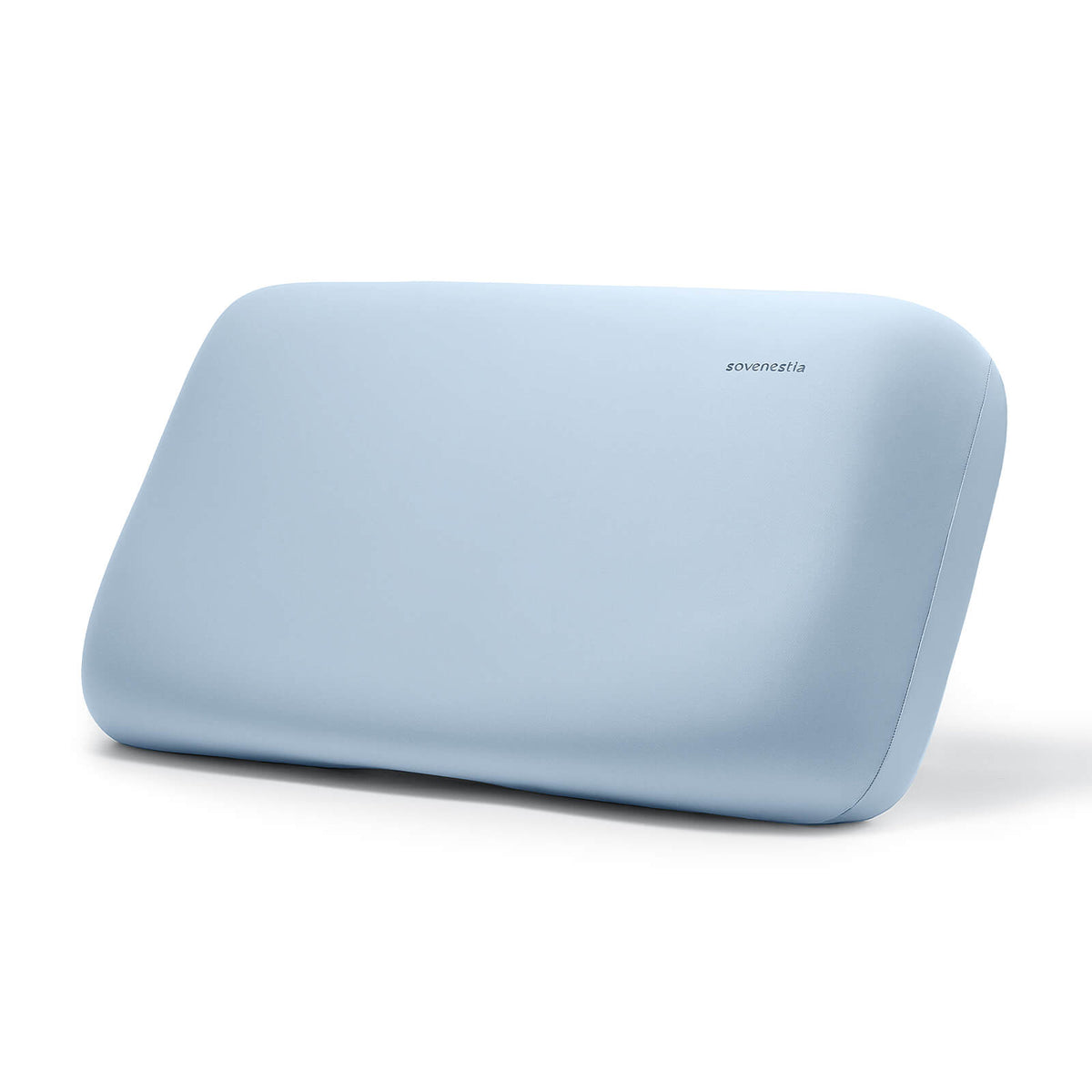
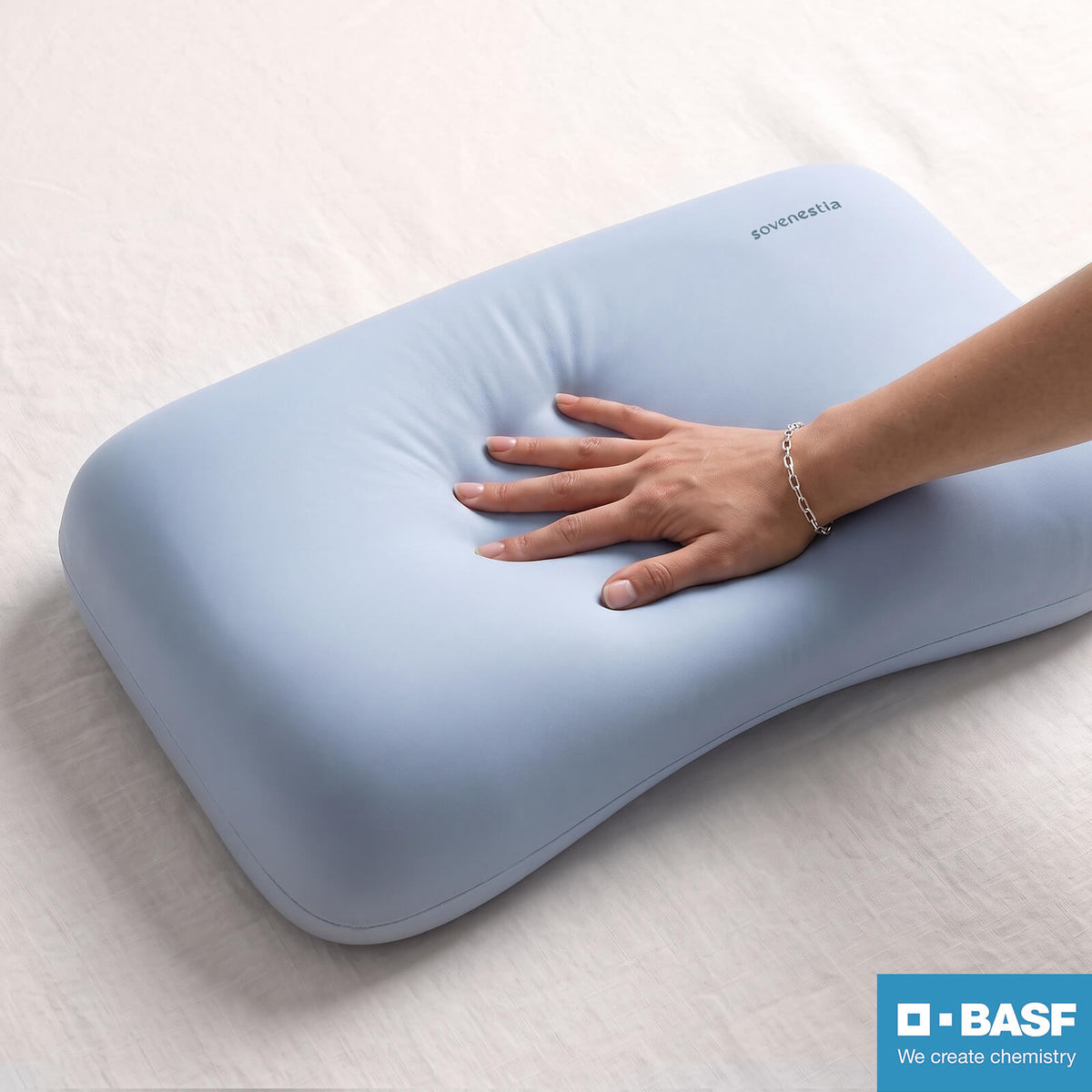
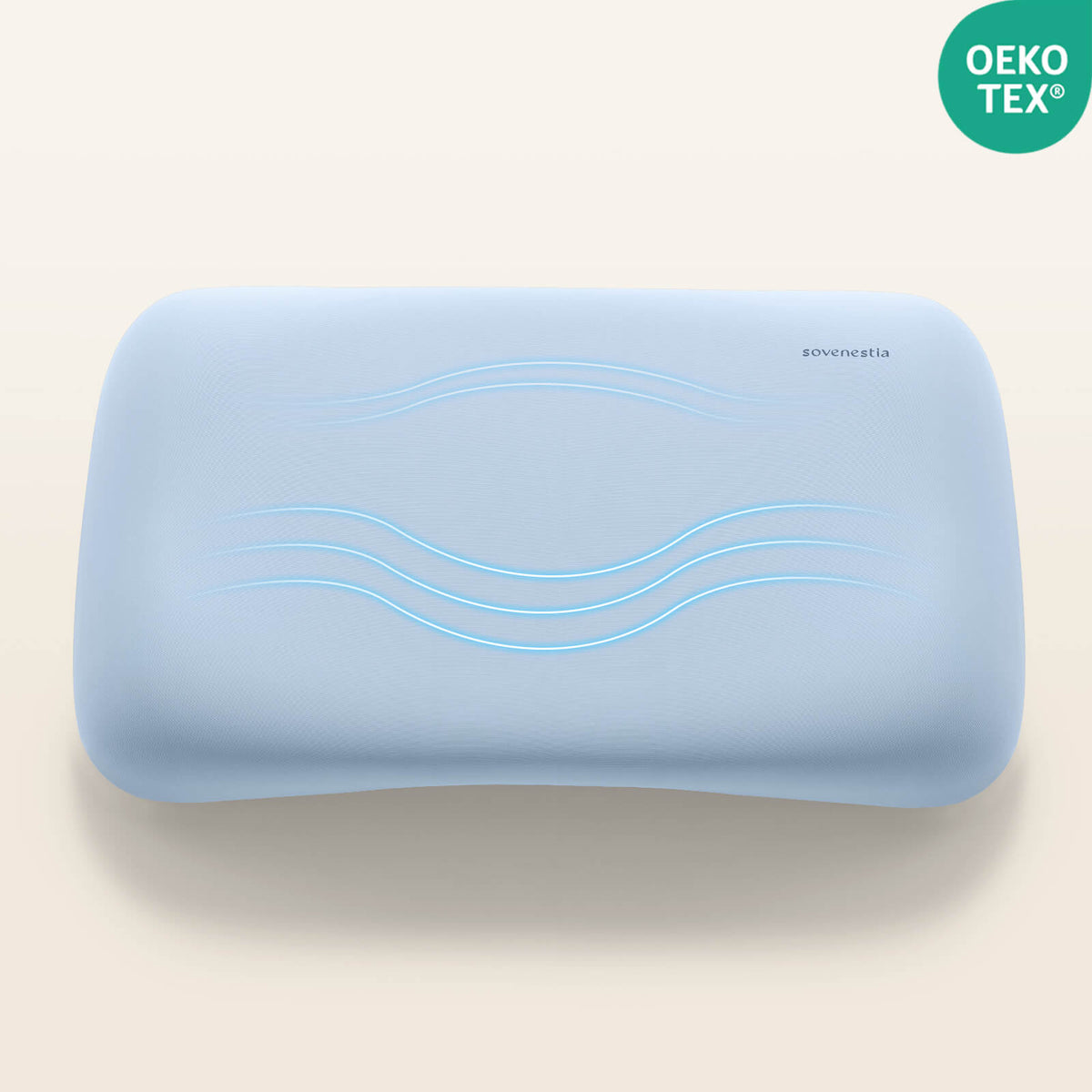
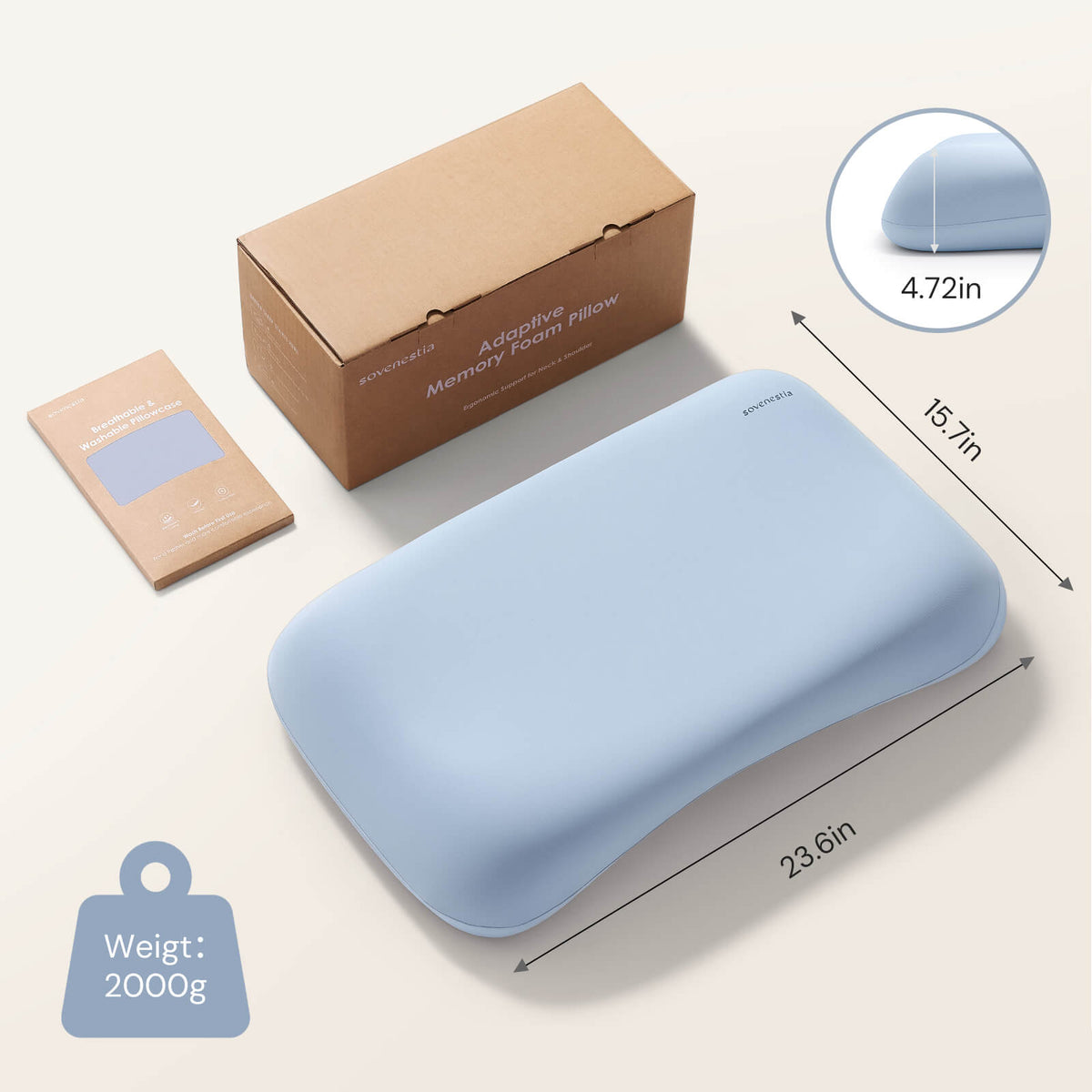
That is why Sovenestia carefully selects advanced materials designed for long-lasting comfort and support. Our pillows are crafted with BASF memory foam technology and tested to meet OEKO-TEX® safety standards, helping create a sleep experience that is comfortable and reassuring for every member of your family.
Designed with advanced BASF memory foam technology, Sovenestia pillows provide:
✓ Adaptive support that responds to your body
✓ Pressure relief for your head and neck
✓ Reliable shape recovery night after night
✓ Breathable comfort for a more relaxing sleep experience
✓ Long-lasting durability through everyday use
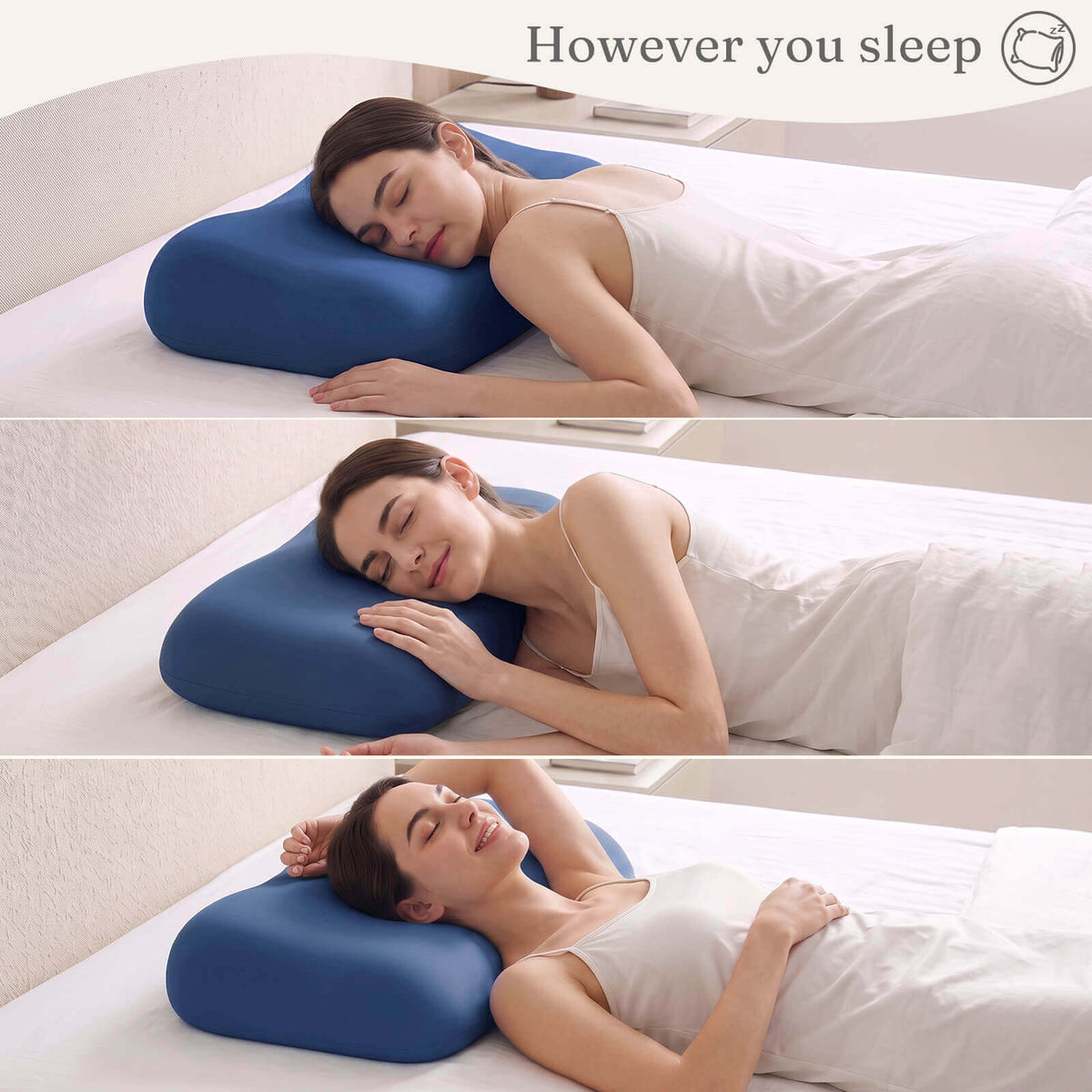
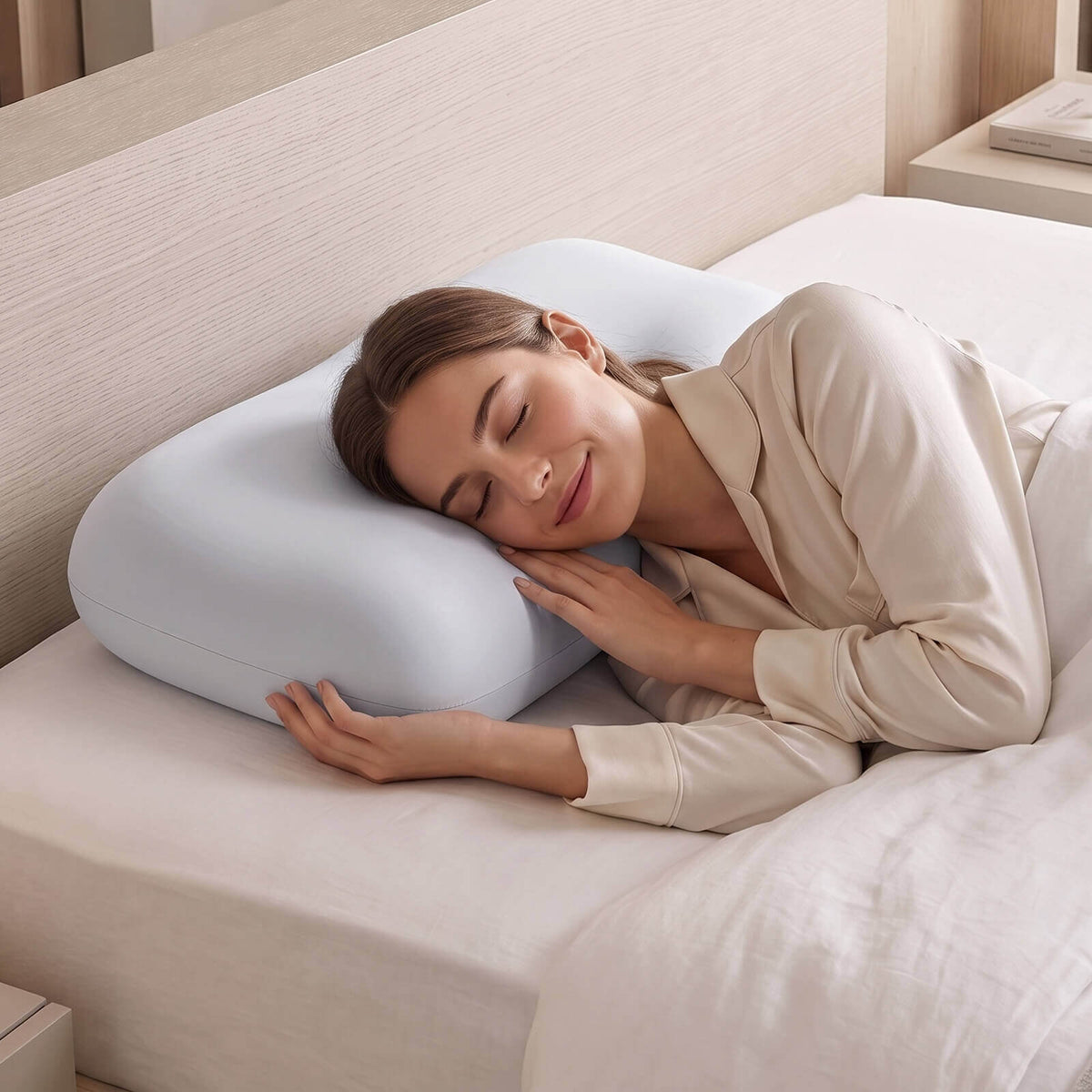
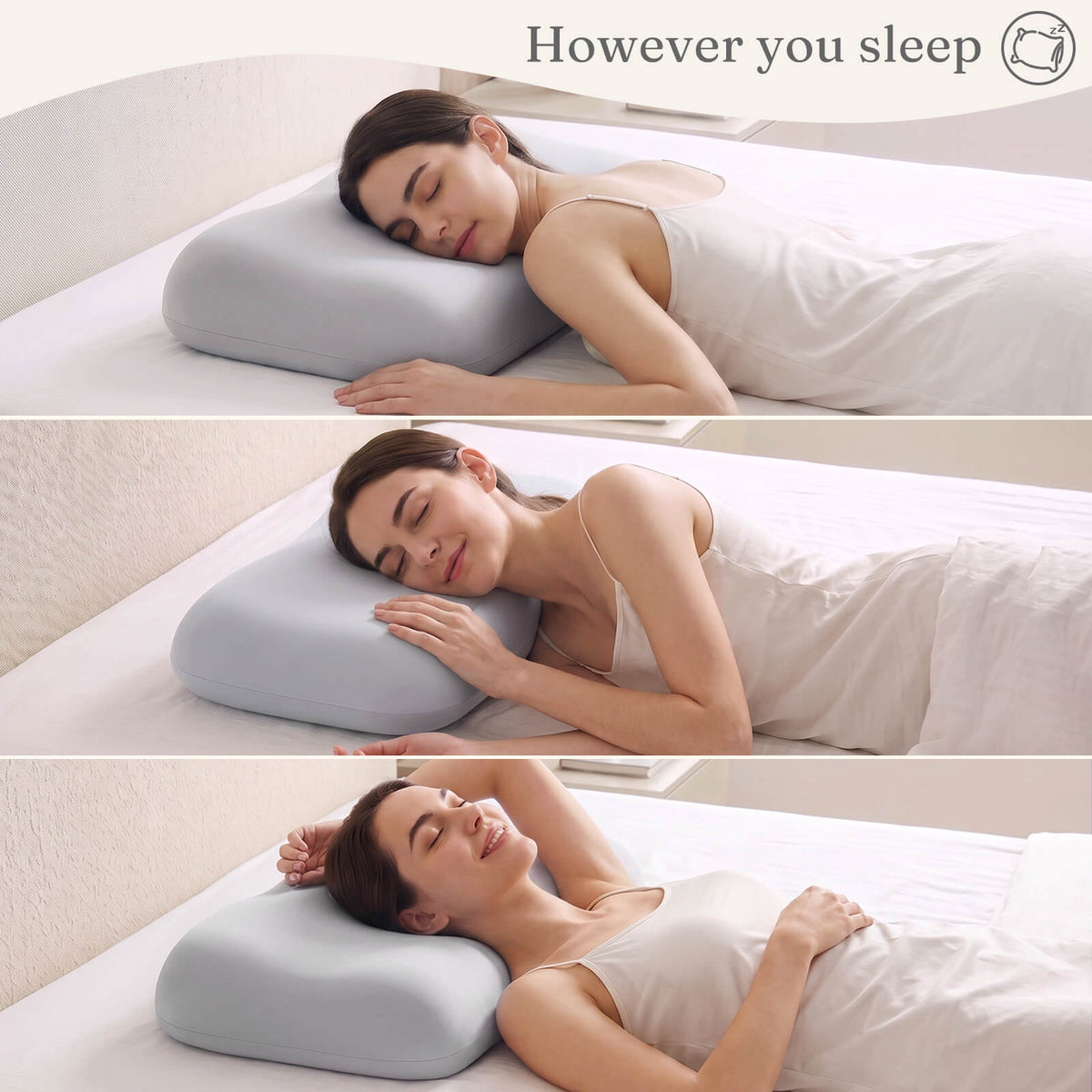
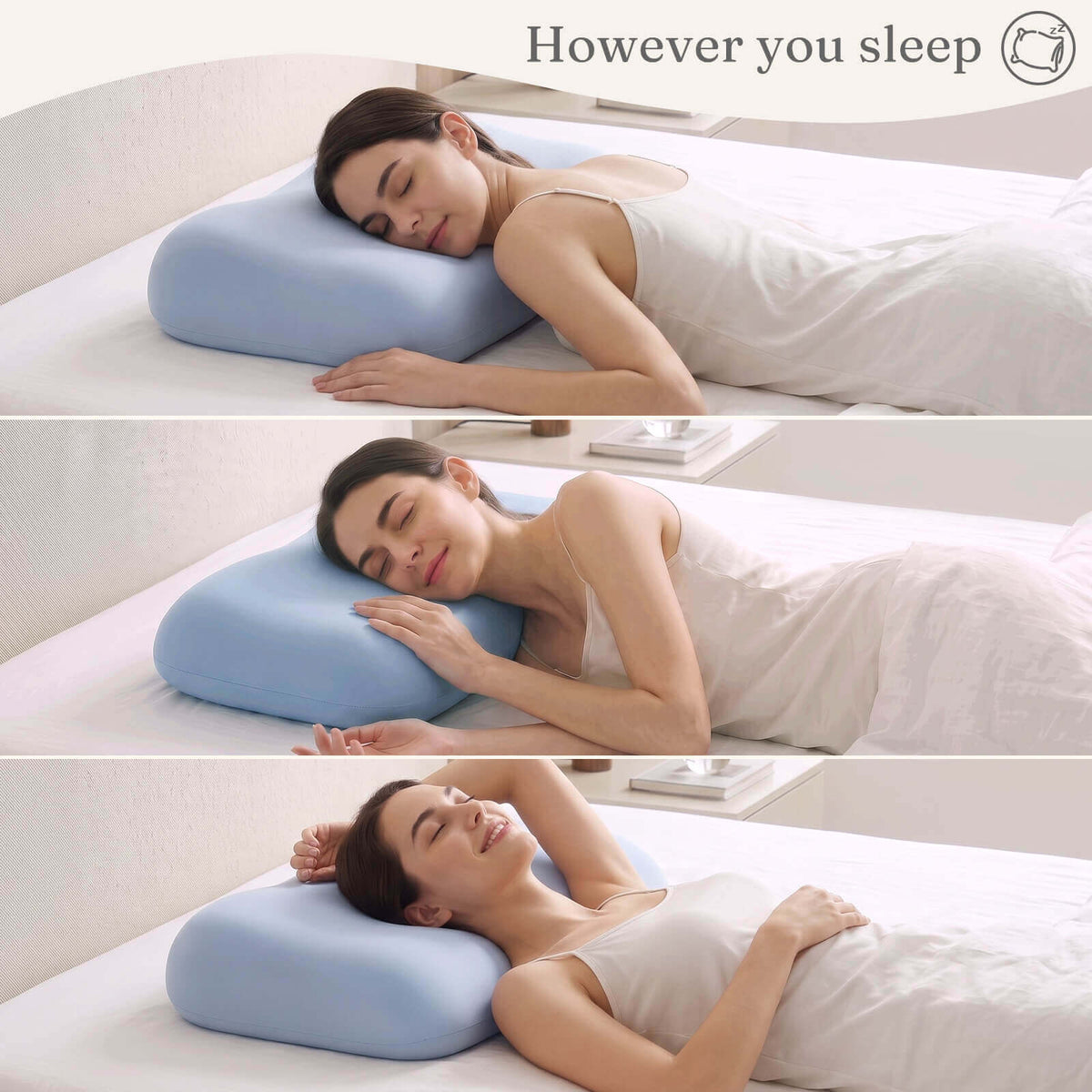
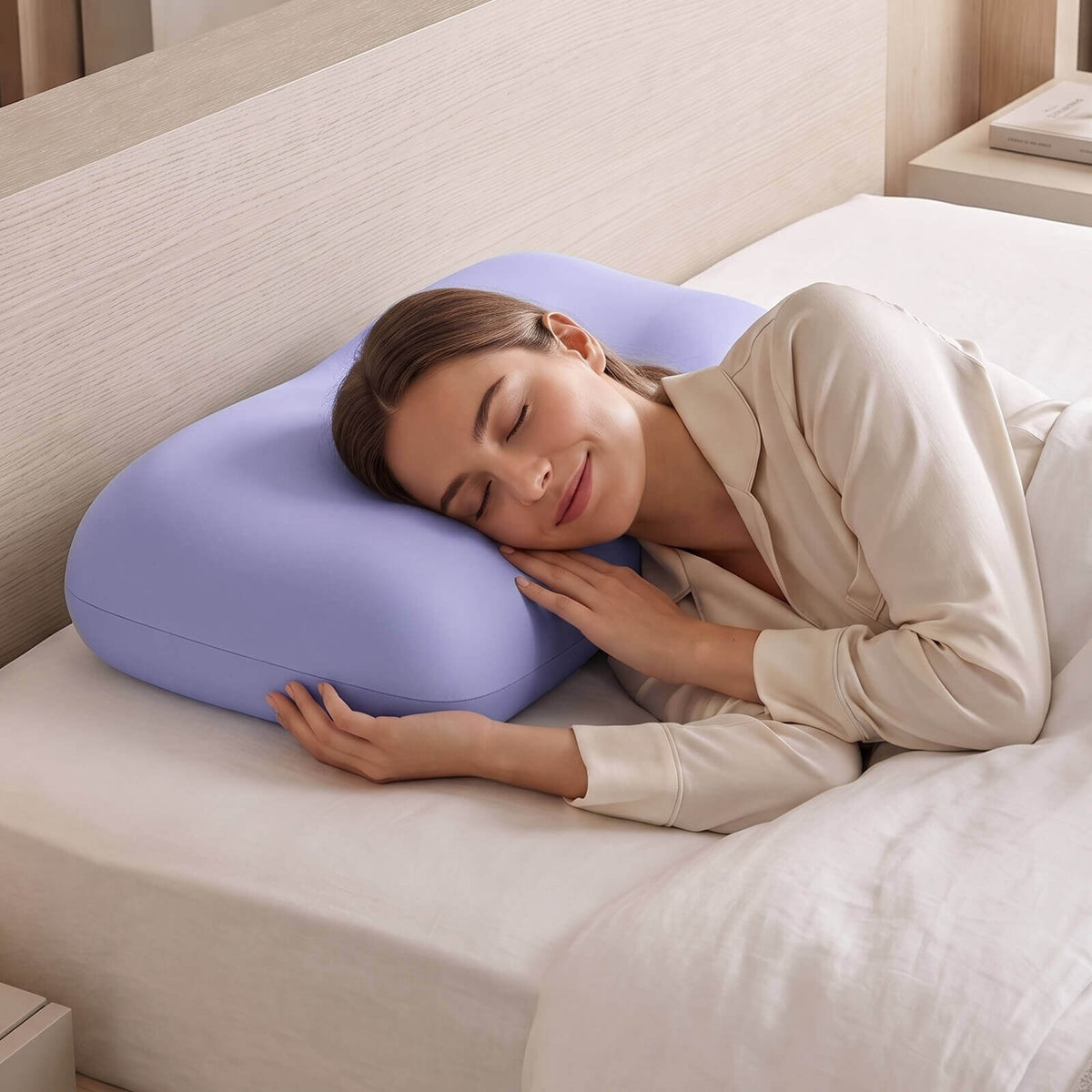
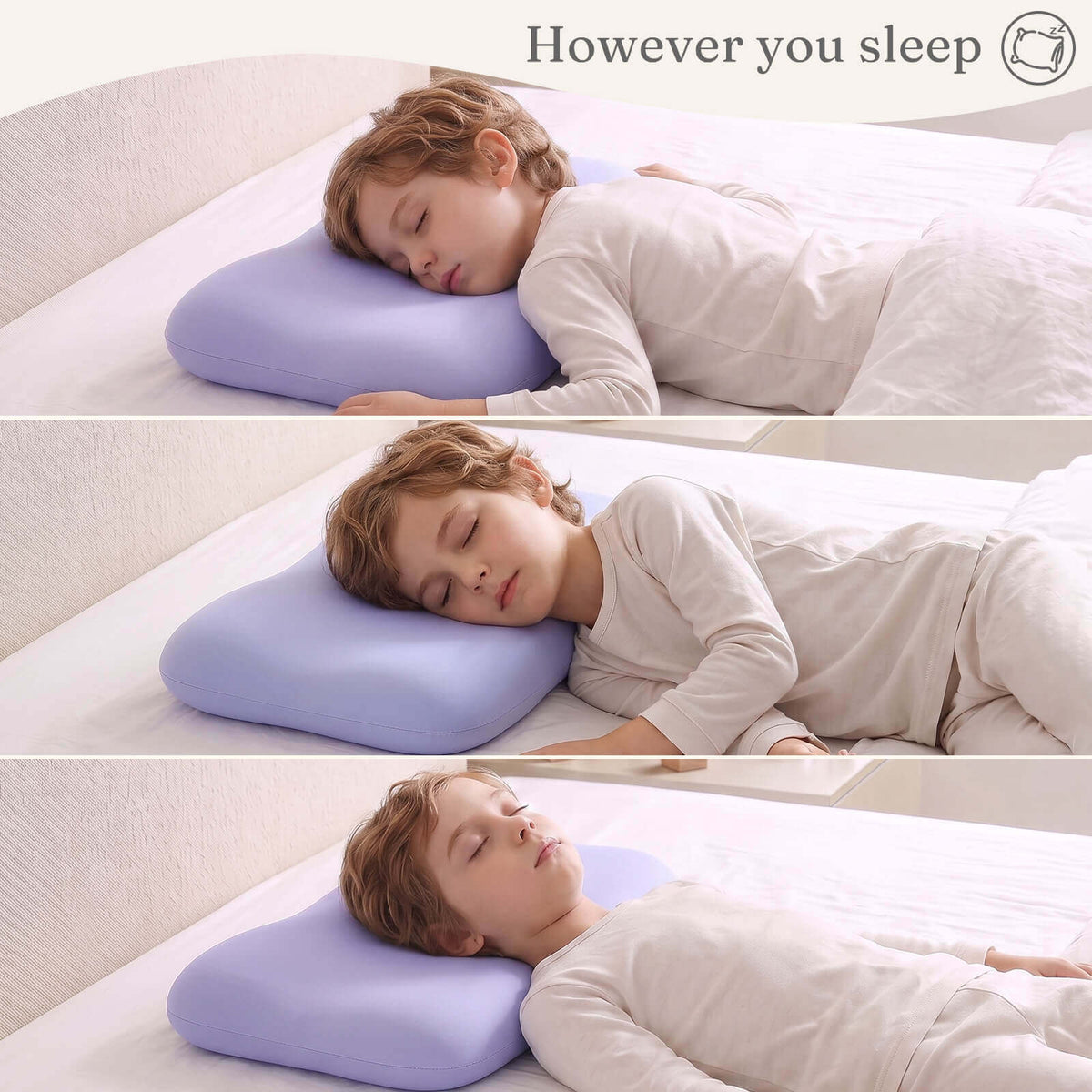
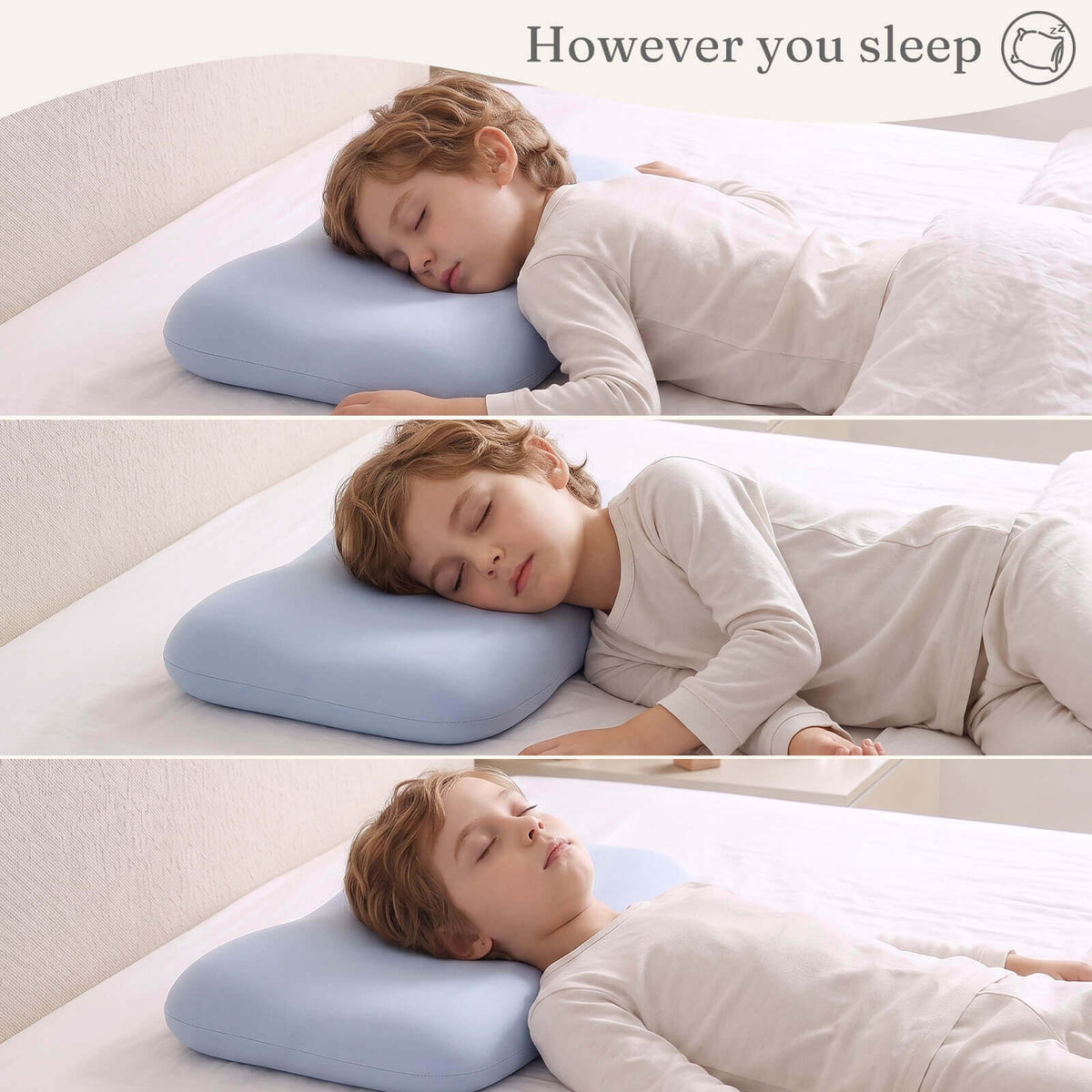
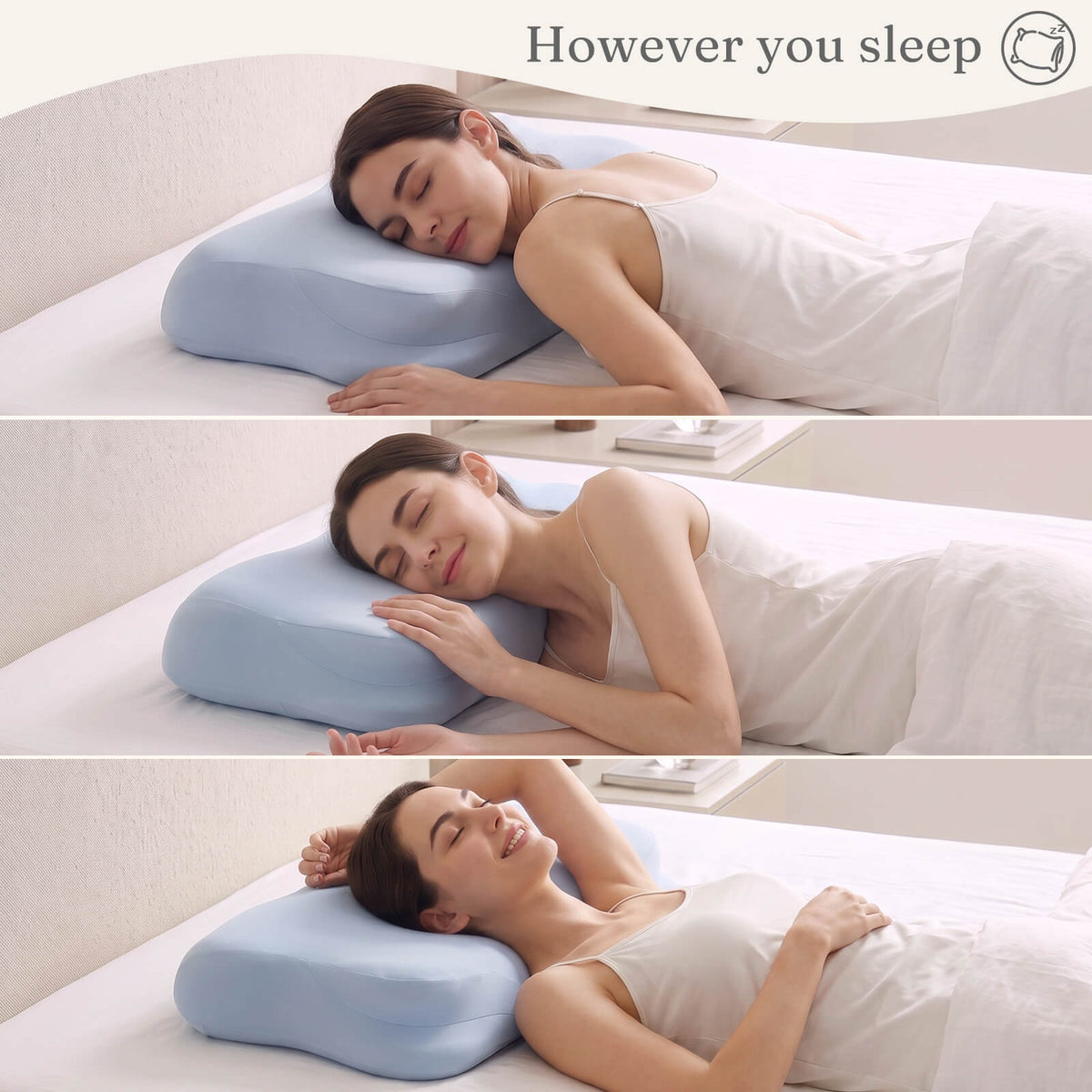
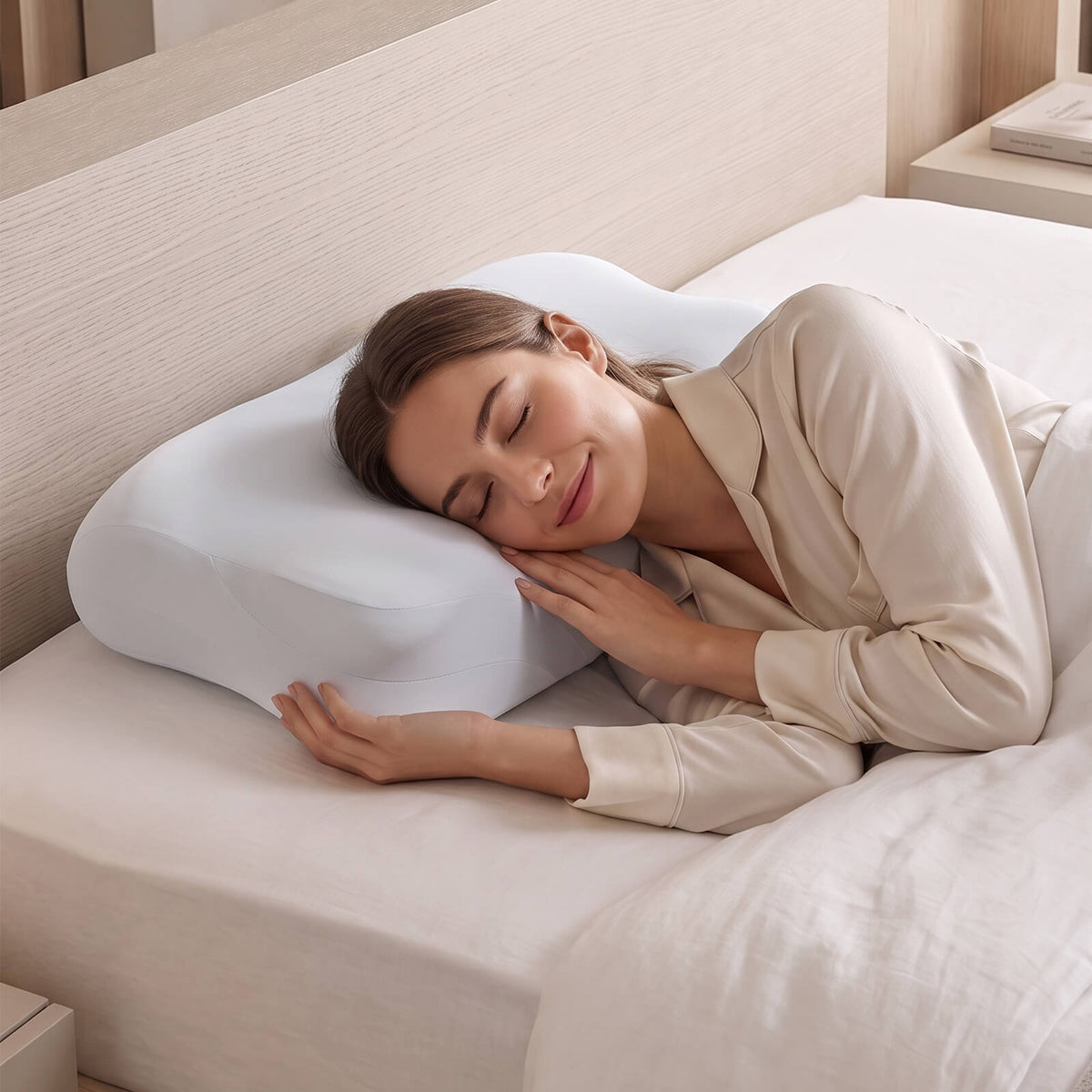
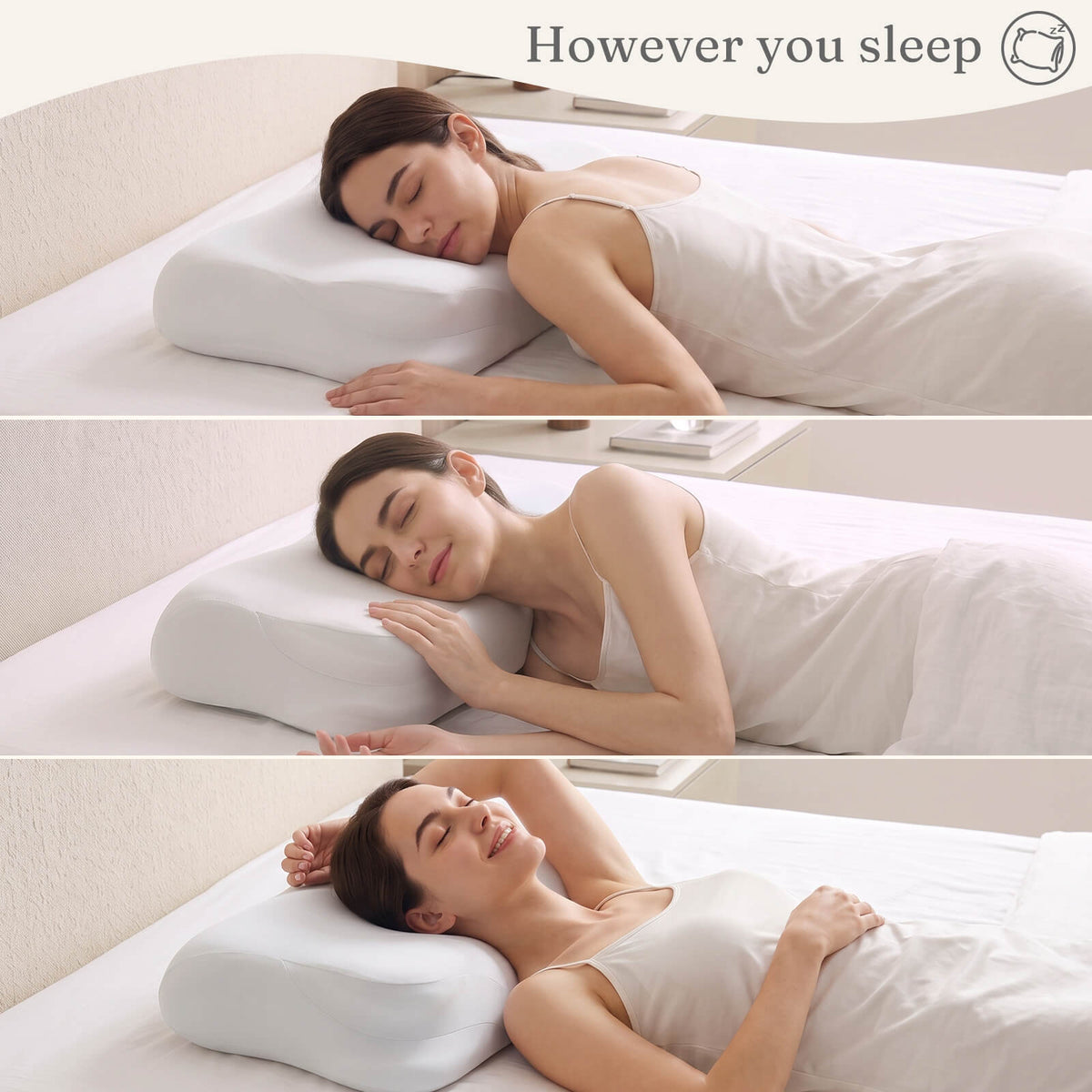
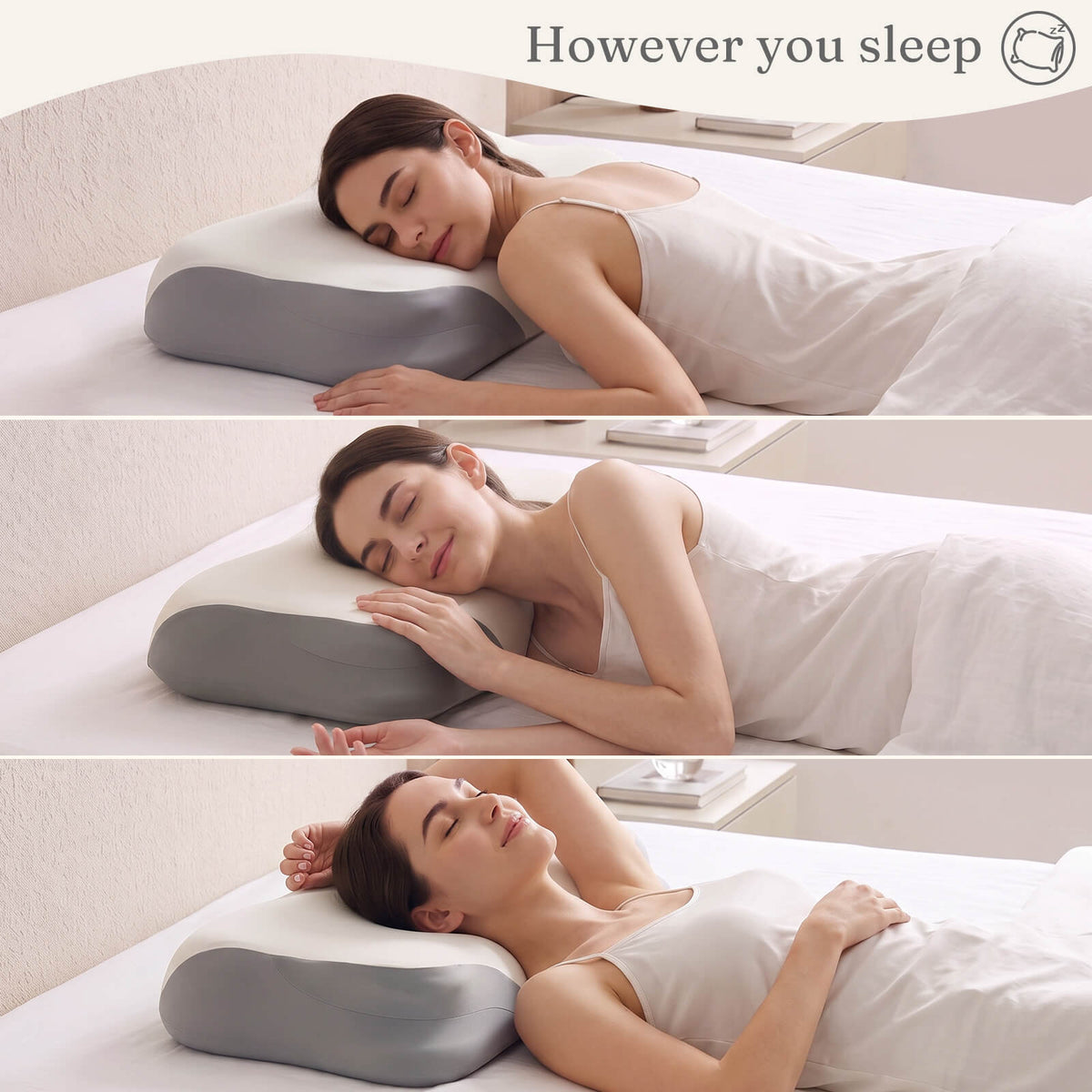
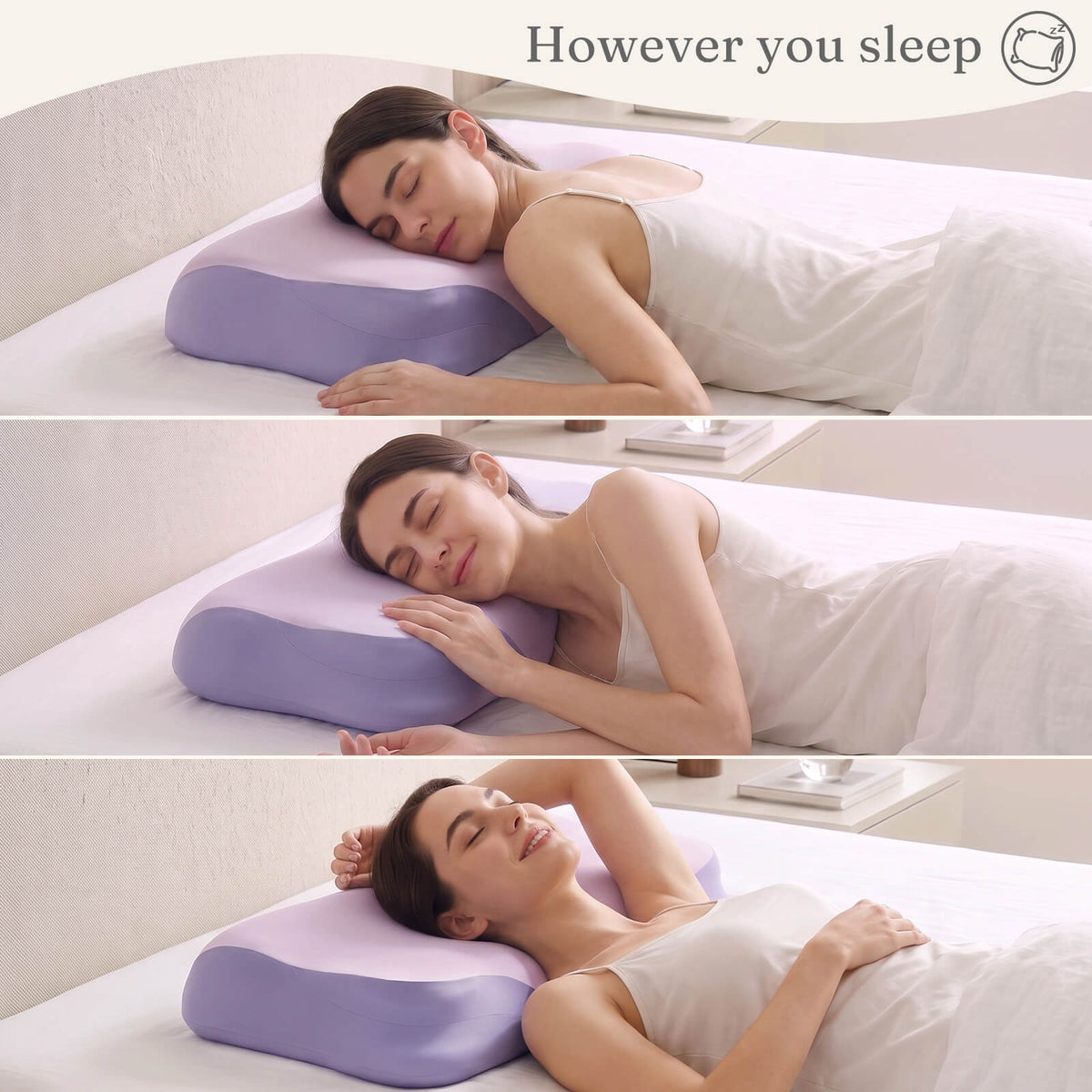
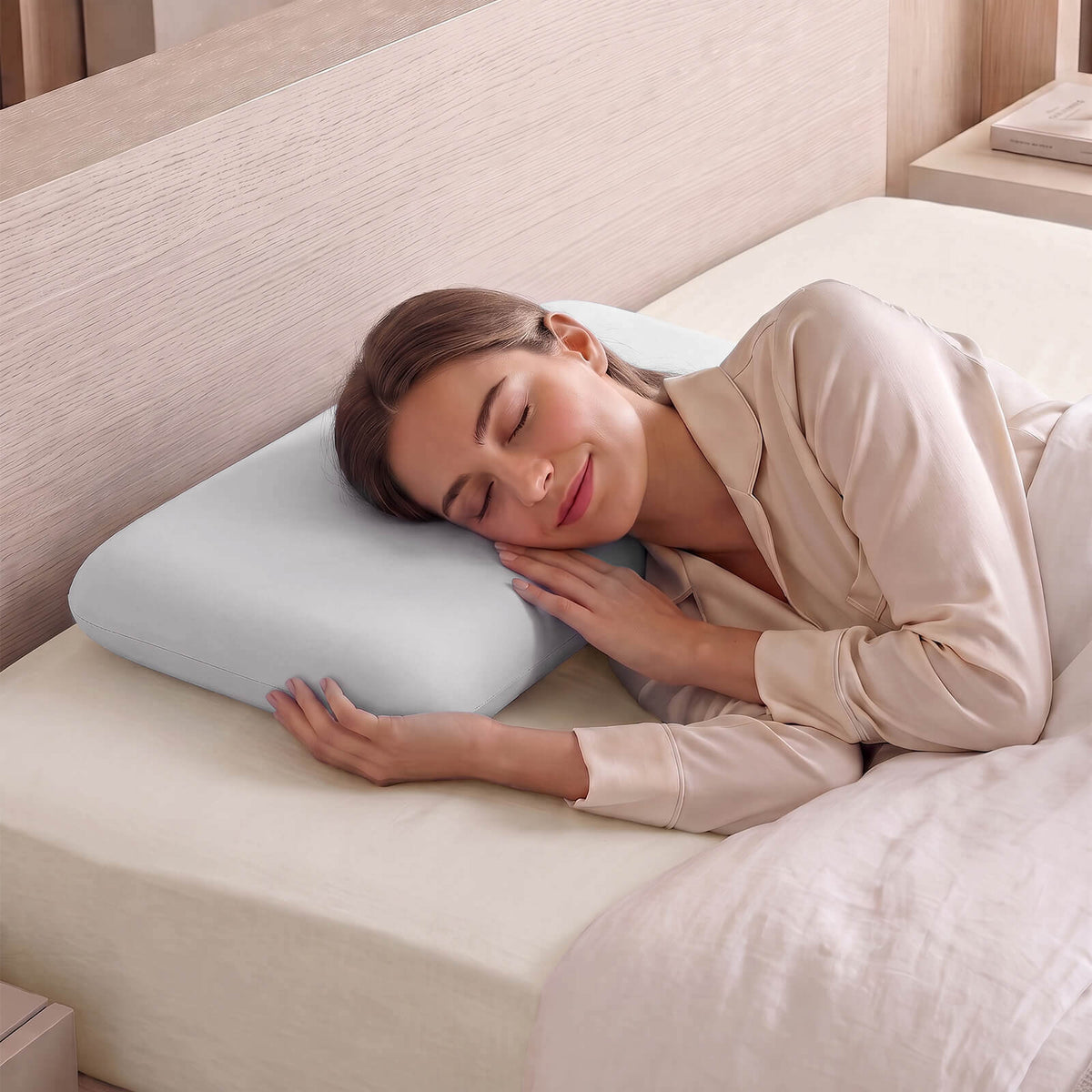
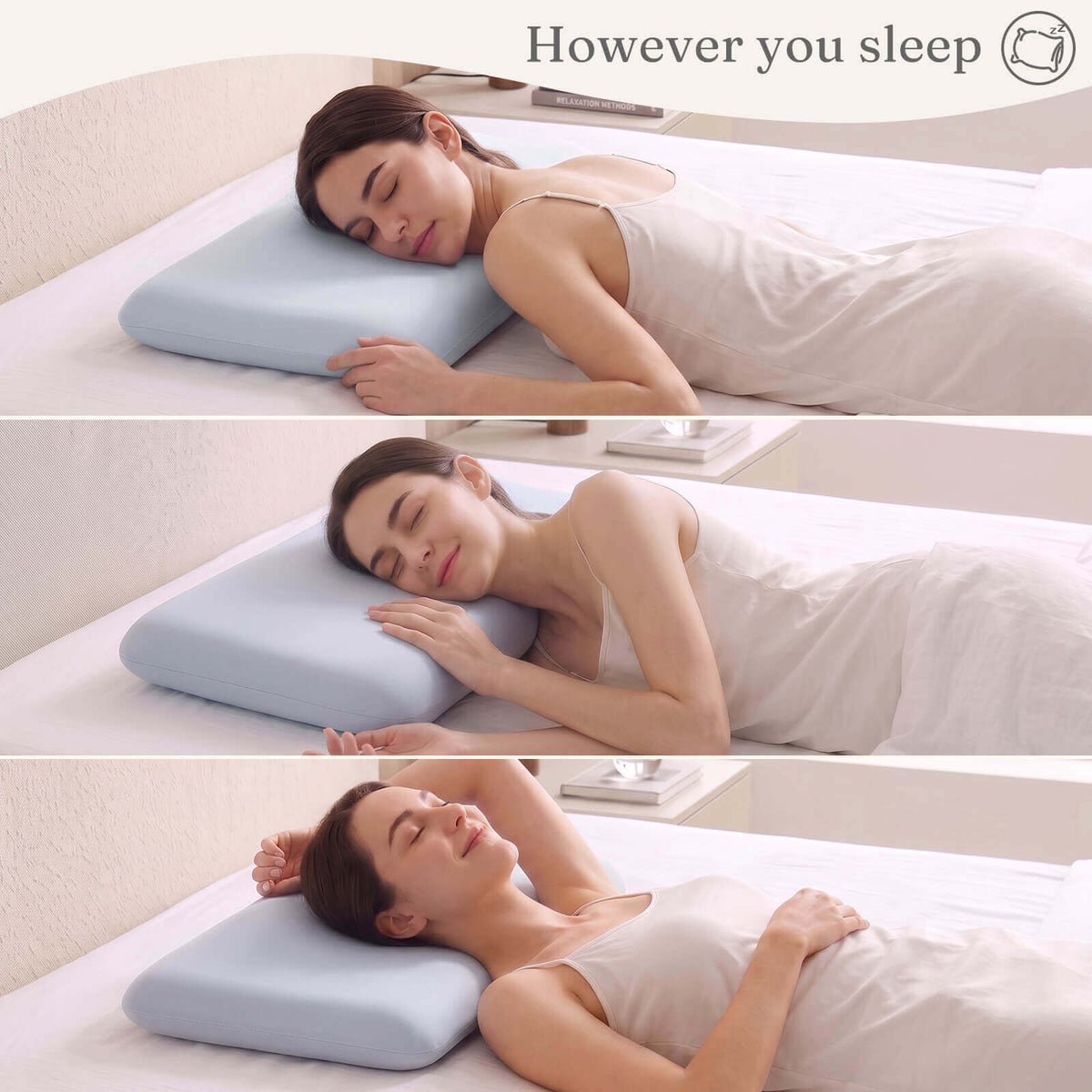
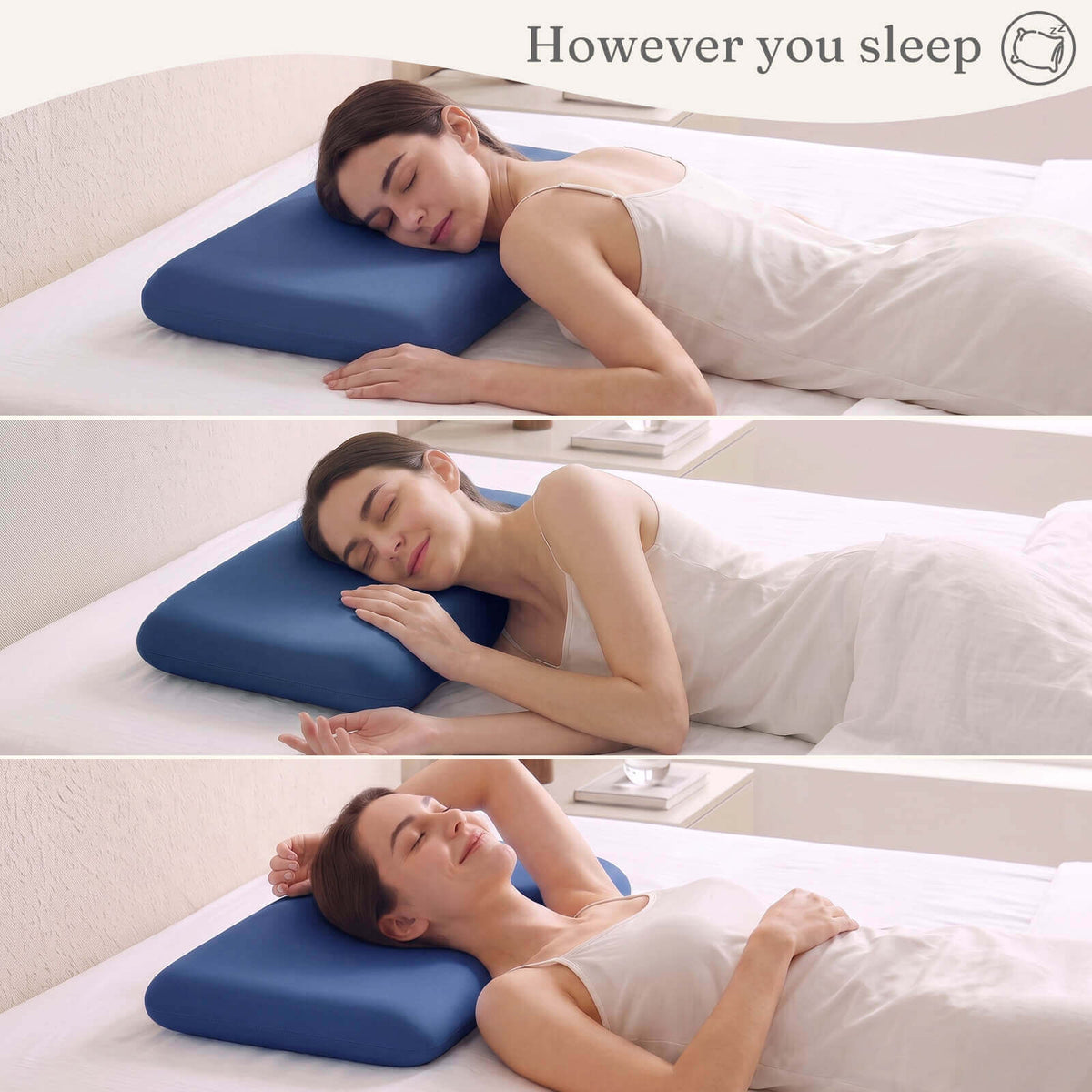
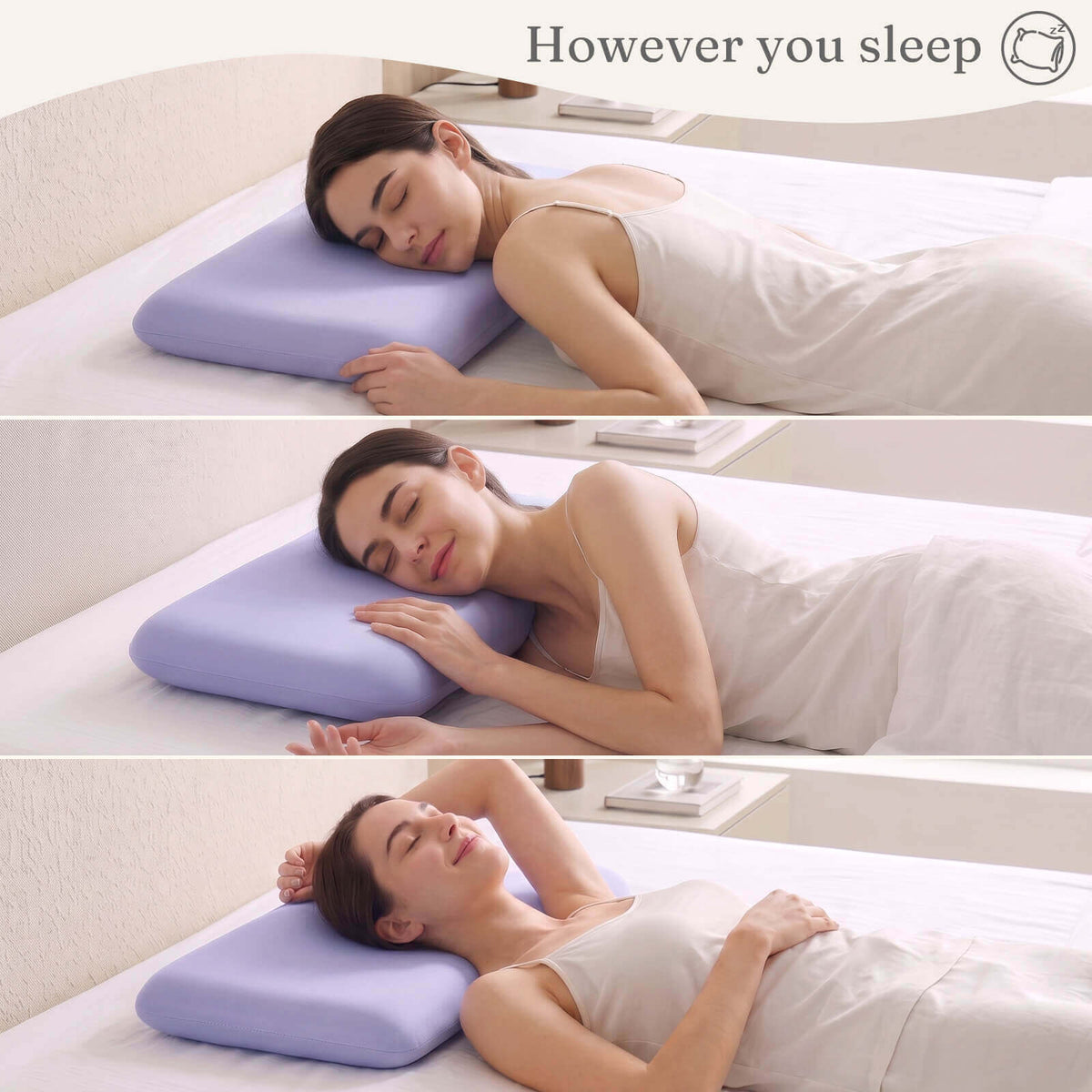
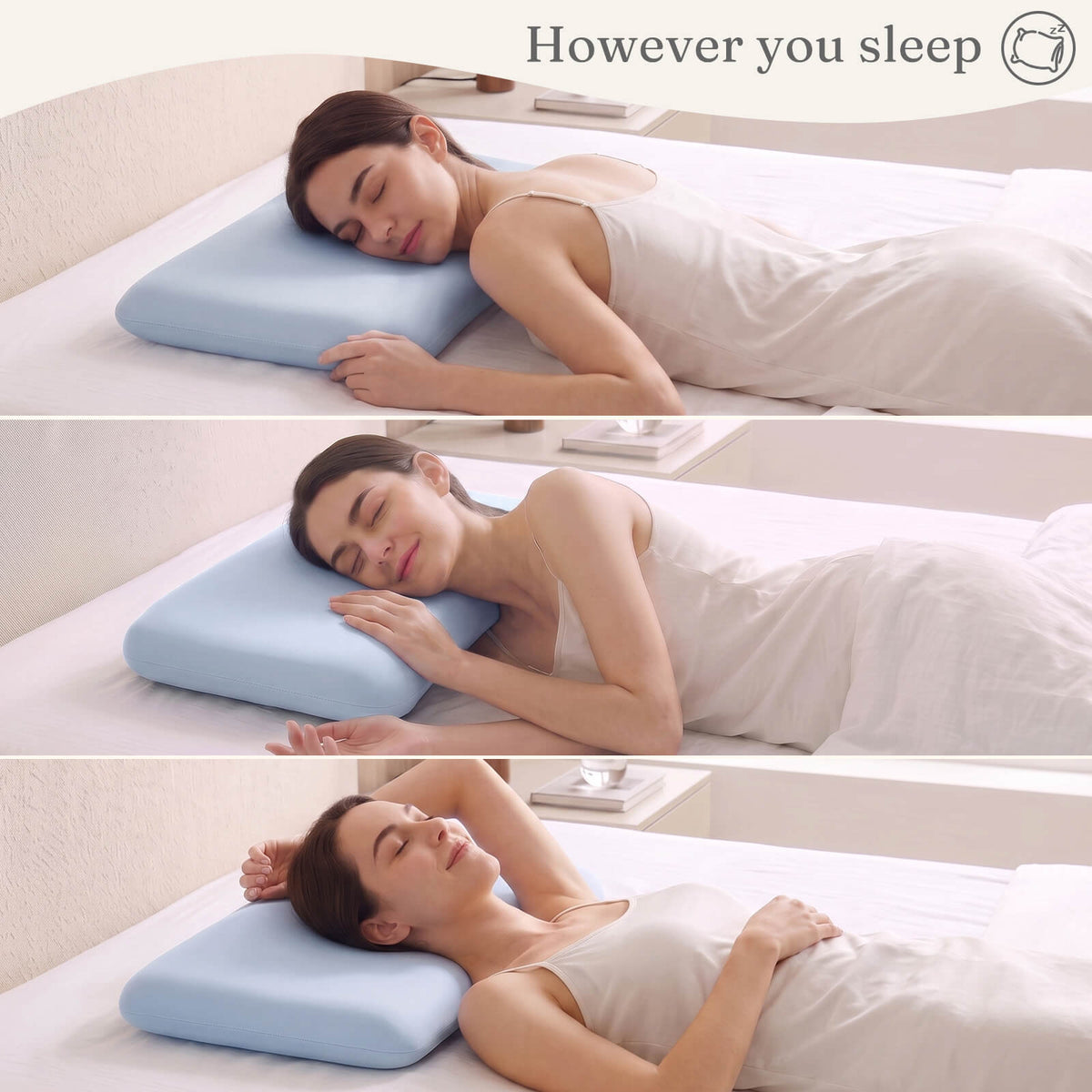
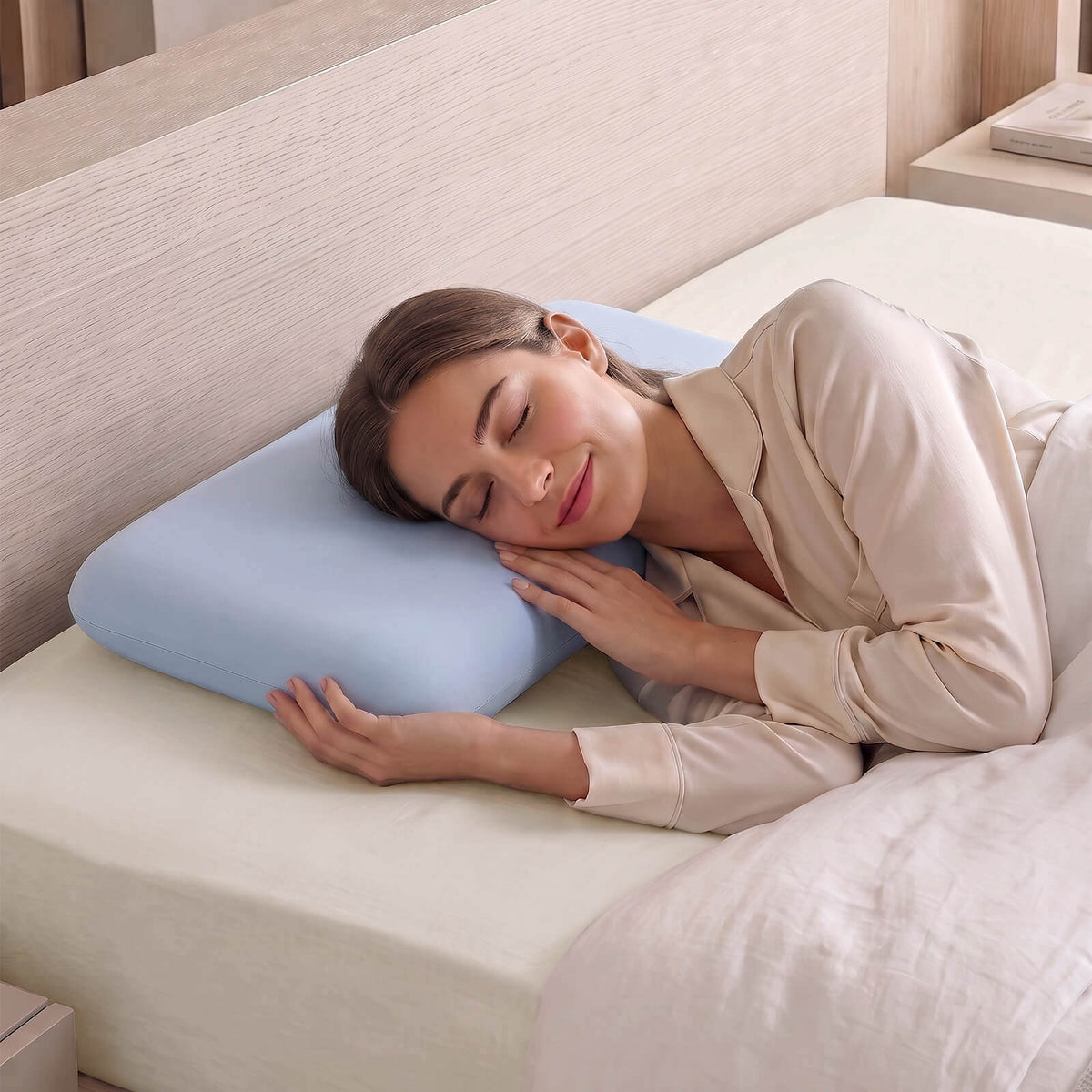
✓ Designed to support different sleeping positions, from side sleepers to back sleepers

How to Extend the Life of Your Pillow
Pillows have a limited lifespan, but proper care can help maintain their comfort and performance over time.
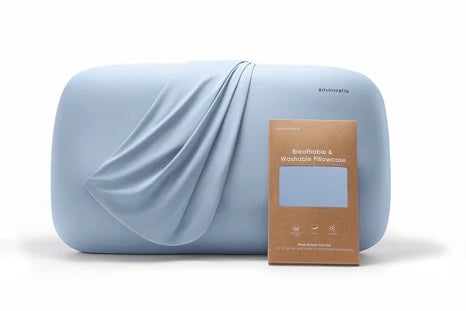
First, using a pillow protector is one of the easiest ways to protect your pillow. It creates an extra barrier against dust, oils, and everyday buildup while helping keep your pillow fresh.
Second, wash your pillowcase regularly and always follow the care instructions provided by the manufacturer. A well-designed pillow cover should be easy to maintain and remain comfortable wash after wash.
Finally, keep your bedroom well ventilated and allow your pillow to air out regularly to maintain a fresher sleep environment.
Replace Your Pillow When It Stops Helping You Sleep
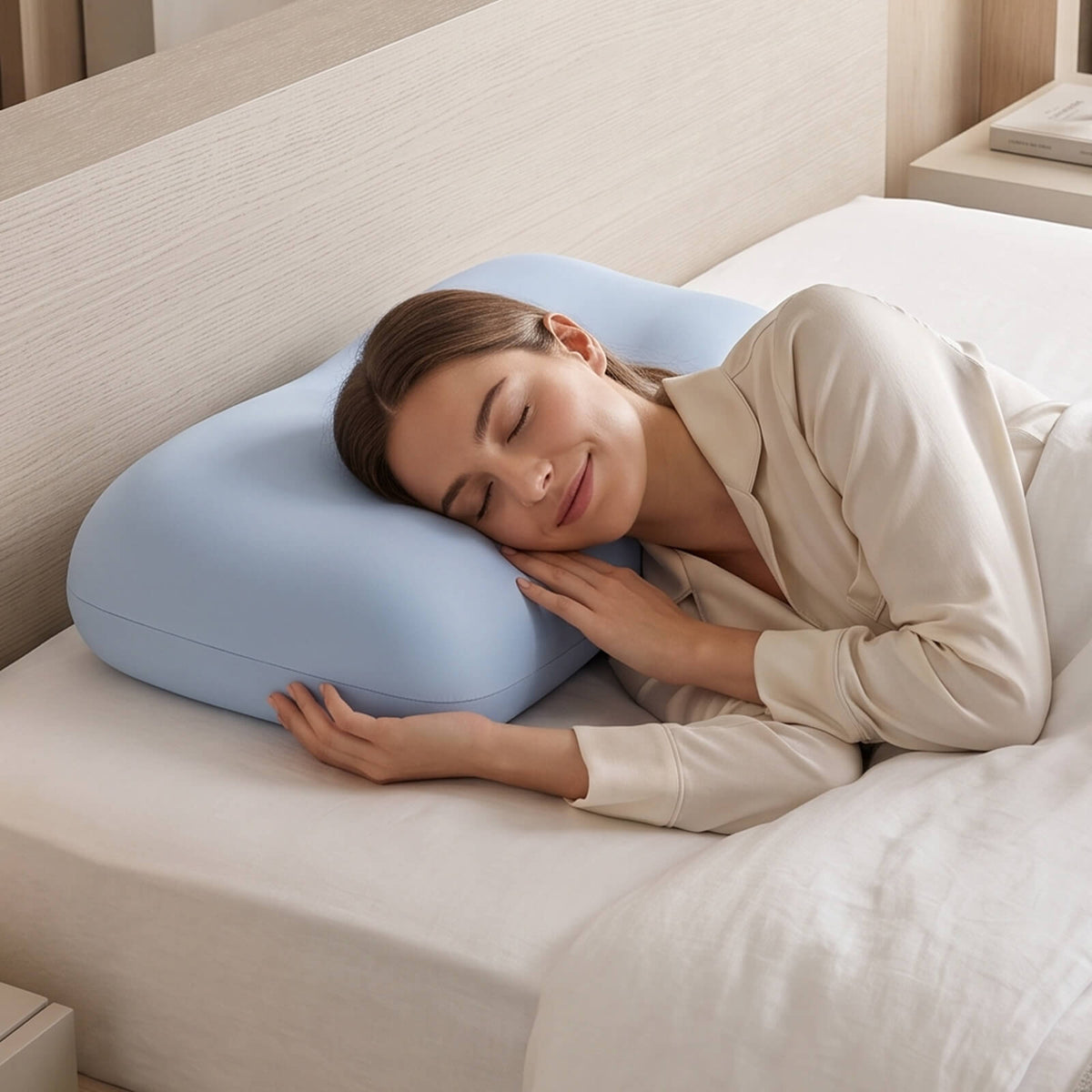
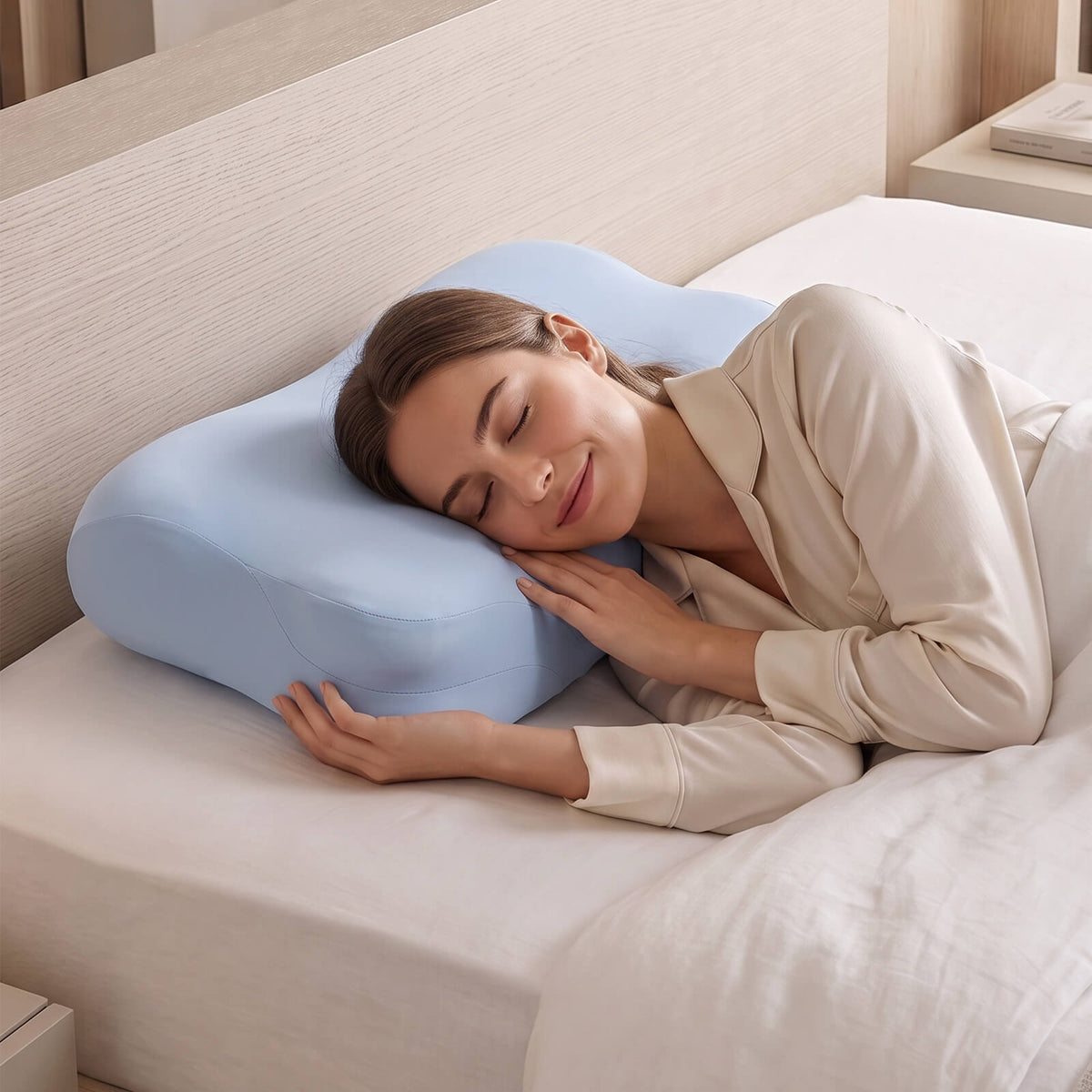
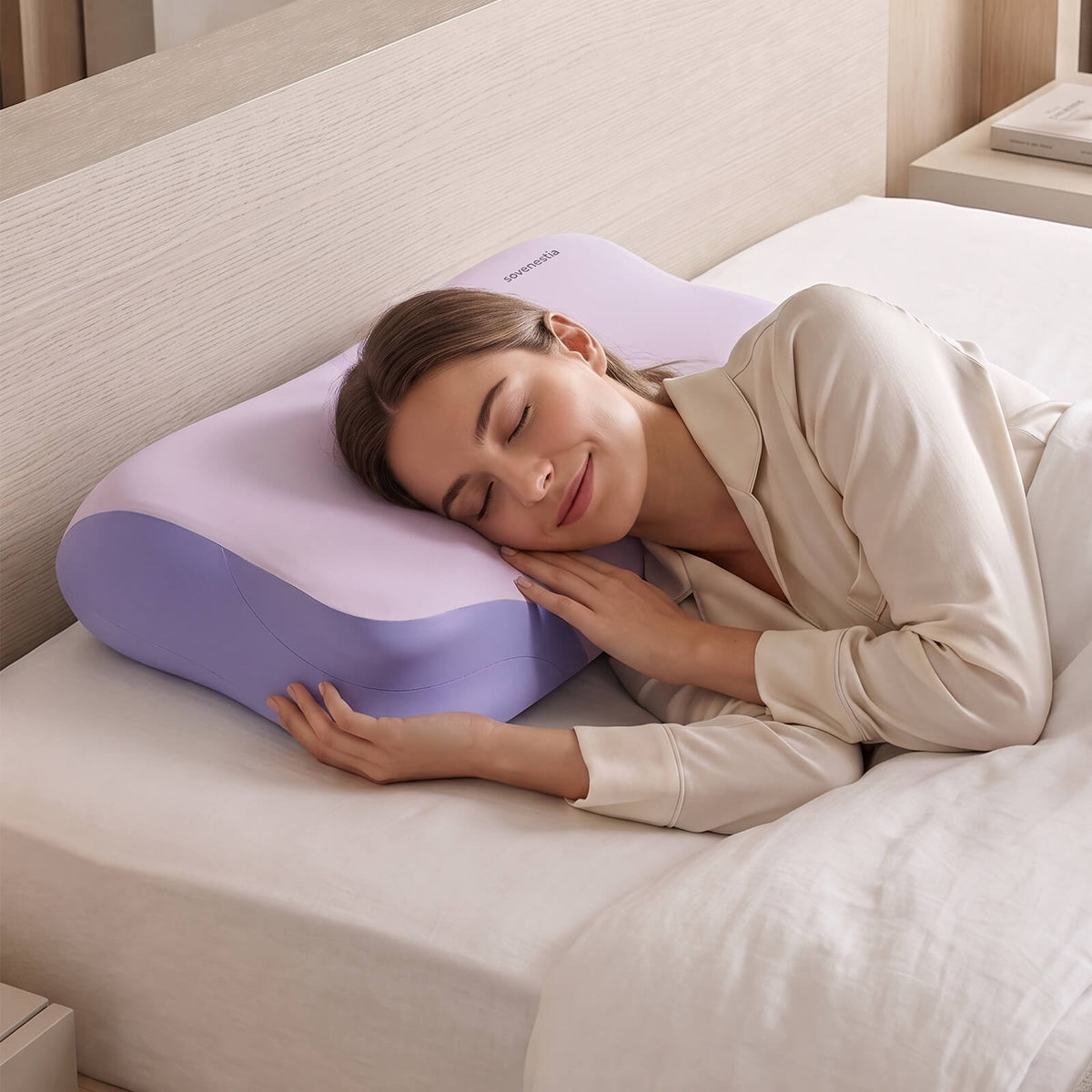
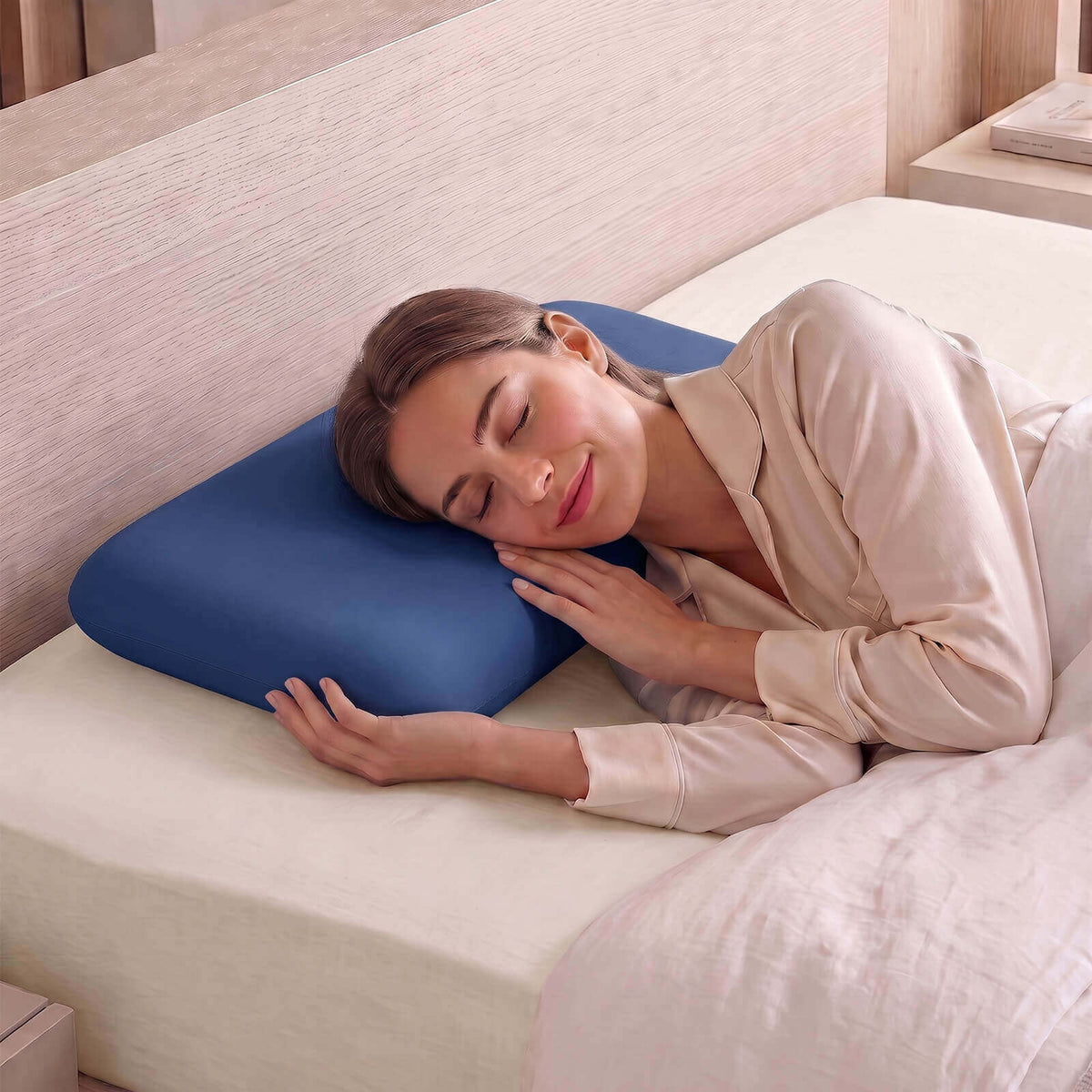
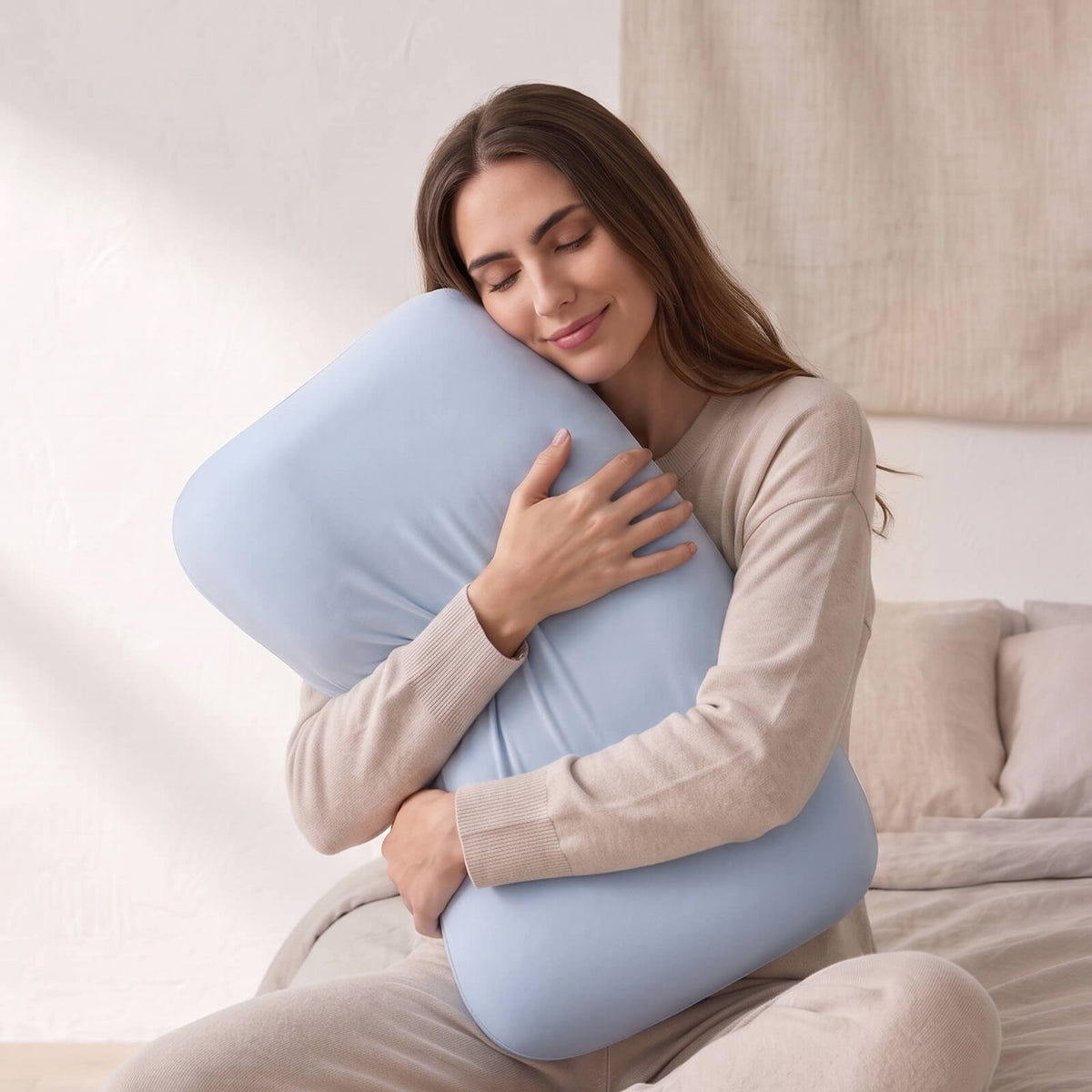
A pillow should do more than fill the space beneath your head. It should support your body, complement your sleep habits, and help you wake up feeling refreshed.
Think of your pillow like a pair of running shoes. Once the support and cushioning begin to fade, it may no longer provide the comfort and performance your body needs.
At Sovenestia, we design sleep essentials with thoughtful materials and comfort-focused details to help you create a better nightly routine.
FAQ
How often should you replace a memory foam pillow?
A high-quality memory foam pillow typically lasts around 3–4 years with proper care. Sovenestia memory foam pillows are tested through 80,000+ compression cycles to help ensure long-lasting support and durability.
Can an old pillow cause neck pain?
Yes. Over time, an old pillow may lose its ability to provide proper support and recover its original shape, which can affect neck alignment and sleeping comfort.
How do I know if my pillow is bad?
If your pillow no longer supports your head and neck, causes you to constantly adjust your sleeping position, or leaves you waking up with discomfort, it may be time for a replacement.
Can washing a pillow make it last longer?
Proper care can help extend the life of your pillow. Regularly washing pillowcases and following the manufacturer's care instructions can help maintain freshness and performance.
Are expensive pillows worth it?
A higher price does not always guarantee a better pillow. The most important factors are material quality, proper support, durability, and whether the pillow matches your sleeping style.