

Have you ever woken up with a stiff neck, wondering why your pillow suddenly feels wrong? The answer might not be your pillow at all — it might be your sleeping position. As it turns out, the ideal pillow for a back sleeper is different from what a side sleeper needs, and the science backs this up.
Sleep accounts for roughly one-third of our lives, making proper head and neck support essential for maintaining cervical spine alignment and preventing discomfort. The primary function of a pillow is to keep your cervical spine in a neutral position during sleep, reducing neck muscle activity and minimizing pressure on intervertebral discs. But achieving that neutral position depends entirely on how you sleep.

What the Research Says: Pillow Shape Matters by Position
A 2025 study published in ScienceDirect evaluated four different pillow designs - rectangular and cylindrical shapes, filled with memory foam and wool - across both back (supine) and side (lateral) sleeping positions. The findings were striking:
| Sleeping Position | Most Comfortable Pillow Shape |
| Back (Supine) | Rectangular pillows rated significantly more comfortable |
| Side (Lateral) | Cylindrical pillows rated significantly more comfortable |
The study also measured muscle activity using electromyography (EMG). In the supine position, rectangular pillows significantly reduced activity in the right upper trapezius muscle. In the lateral position, cylindrical pillows resulted in lower EMG values for the left upper trapezius and both sternocleidomastoid muscles. The takeaway? Pillow shape directly influences both comfort and neck muscle activation, and the optimal shape changes with your sleep position.
Expert Recommendations by Sleeping Position
Back Sleepers
Sleeping on your back produces the least amount of pressure on your spine compared to other positions. To maintain proper alignment:
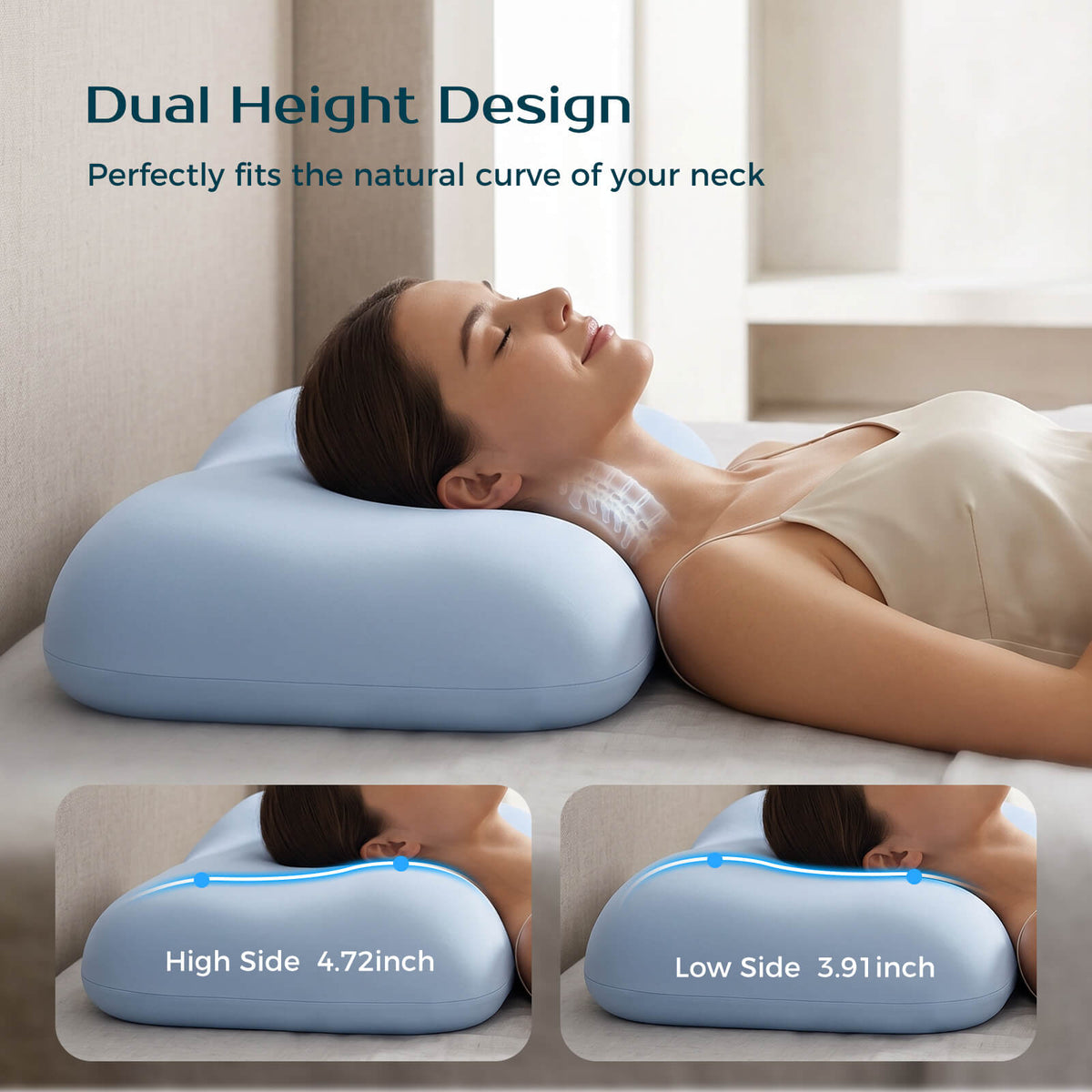
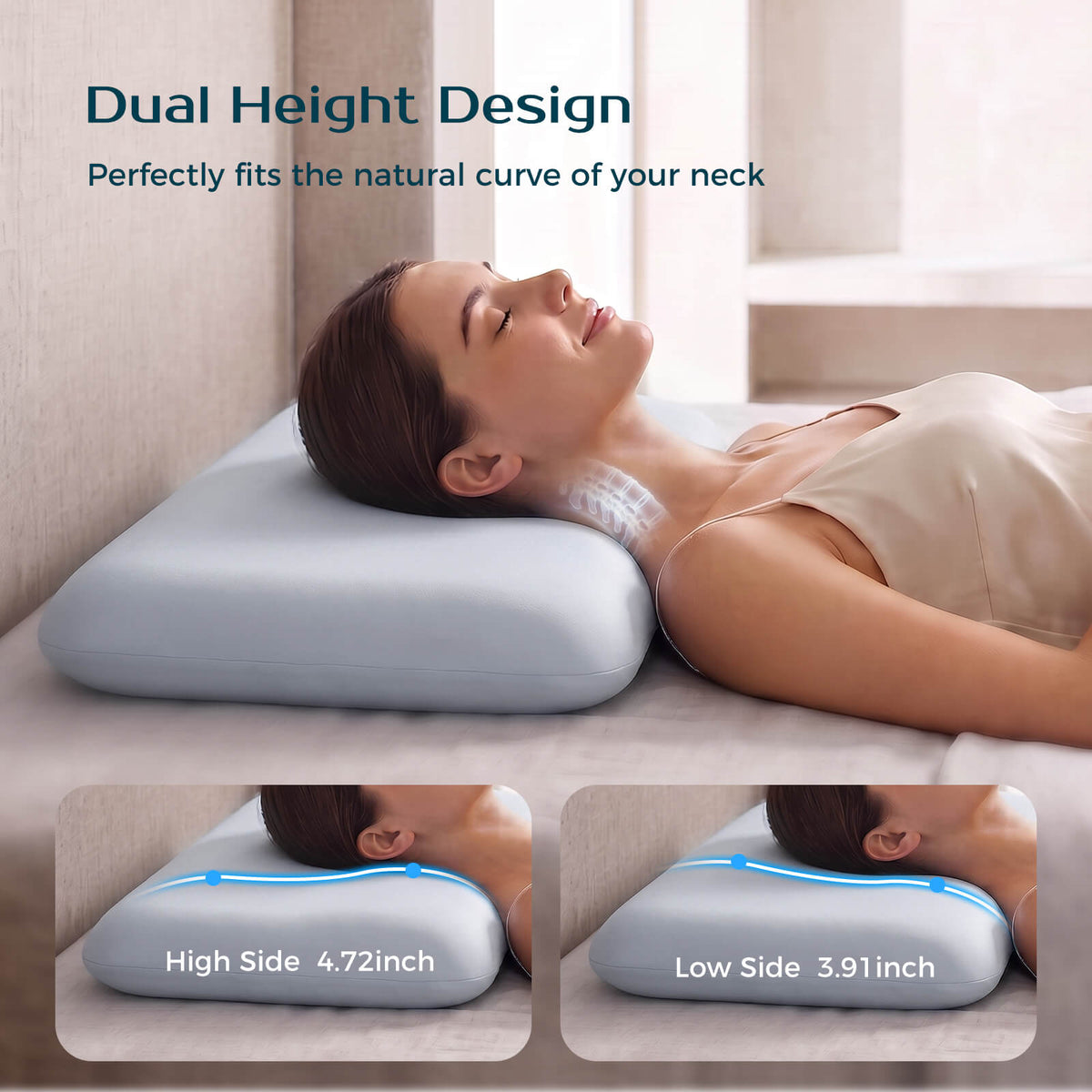
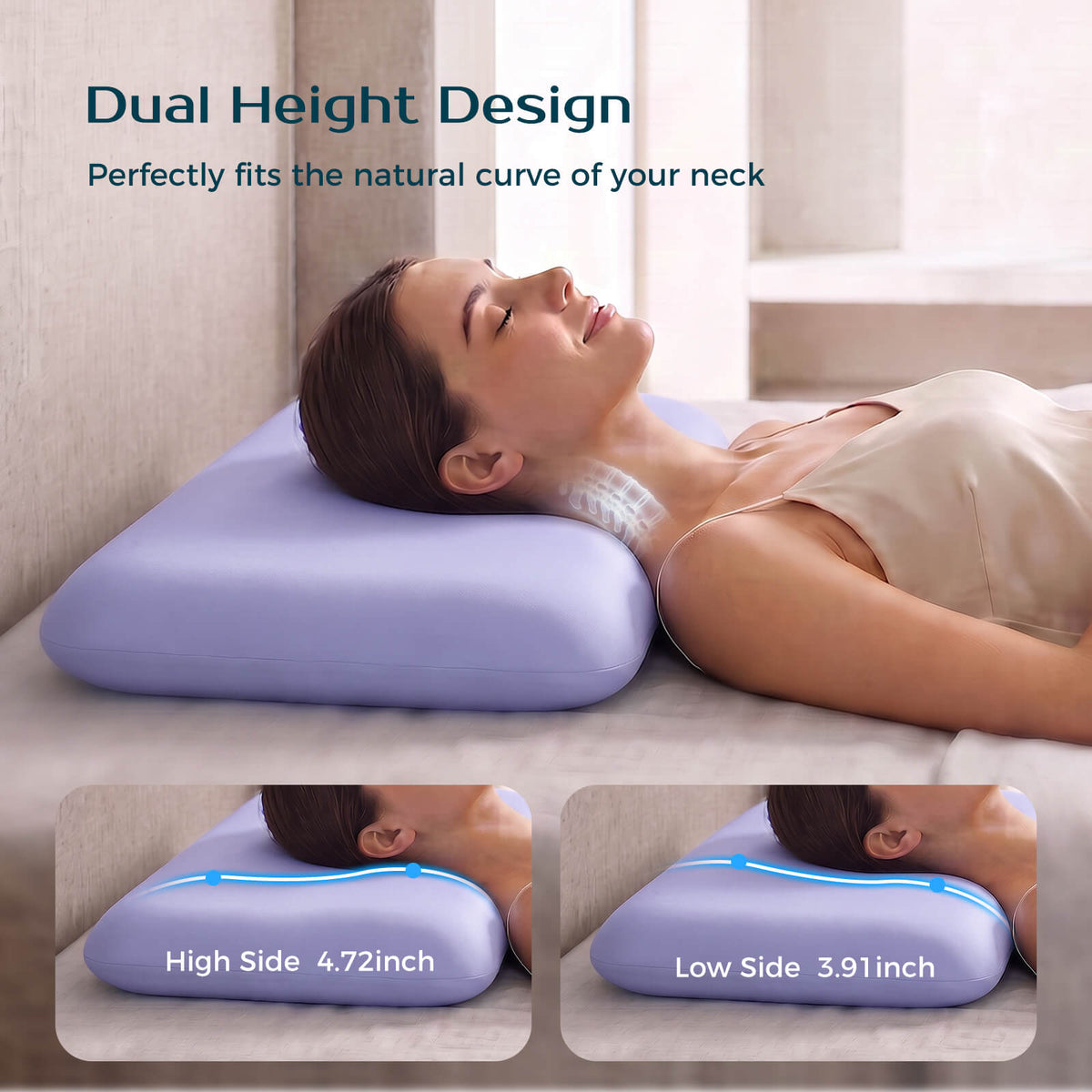
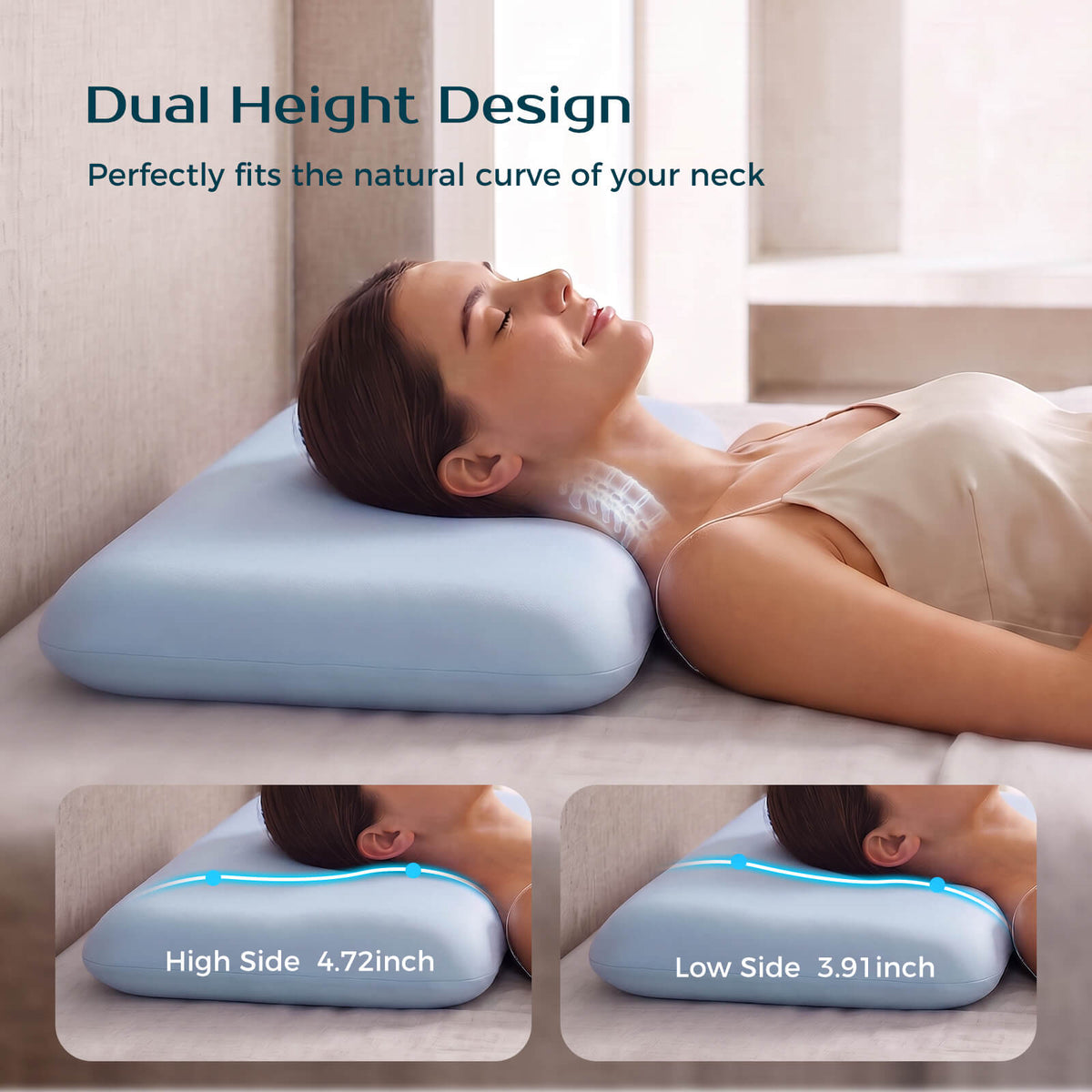
Pillow height: Choose a pillow that fills the space between your neck and the bed. A quick test: if you can see your feet while lying down, your pillow is probably too high.
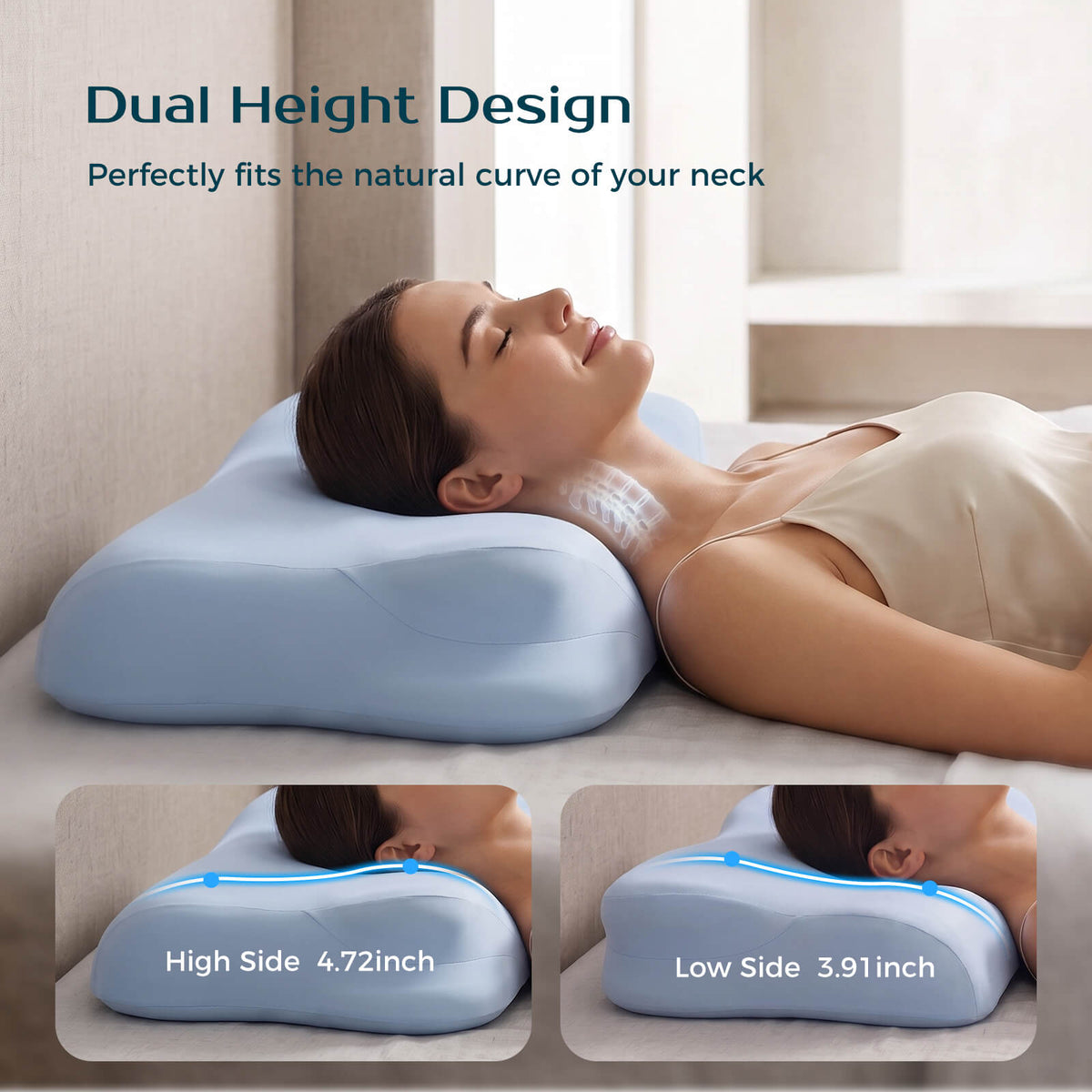
Support: The pillow should support the natural curve of your neck and your shoulders. A thin, firm pillow behind the neck works well.
Additional support: Place a pillow under your knees to reduce stress on your lower back and maintain the natural curve of your spine.

Side Sleepers
Side sleeping promotes healthy spinal alignment and is often recommended for reducing back pain, snoring, and acid reflux. However, it puts pressure on the hips and shoulders.
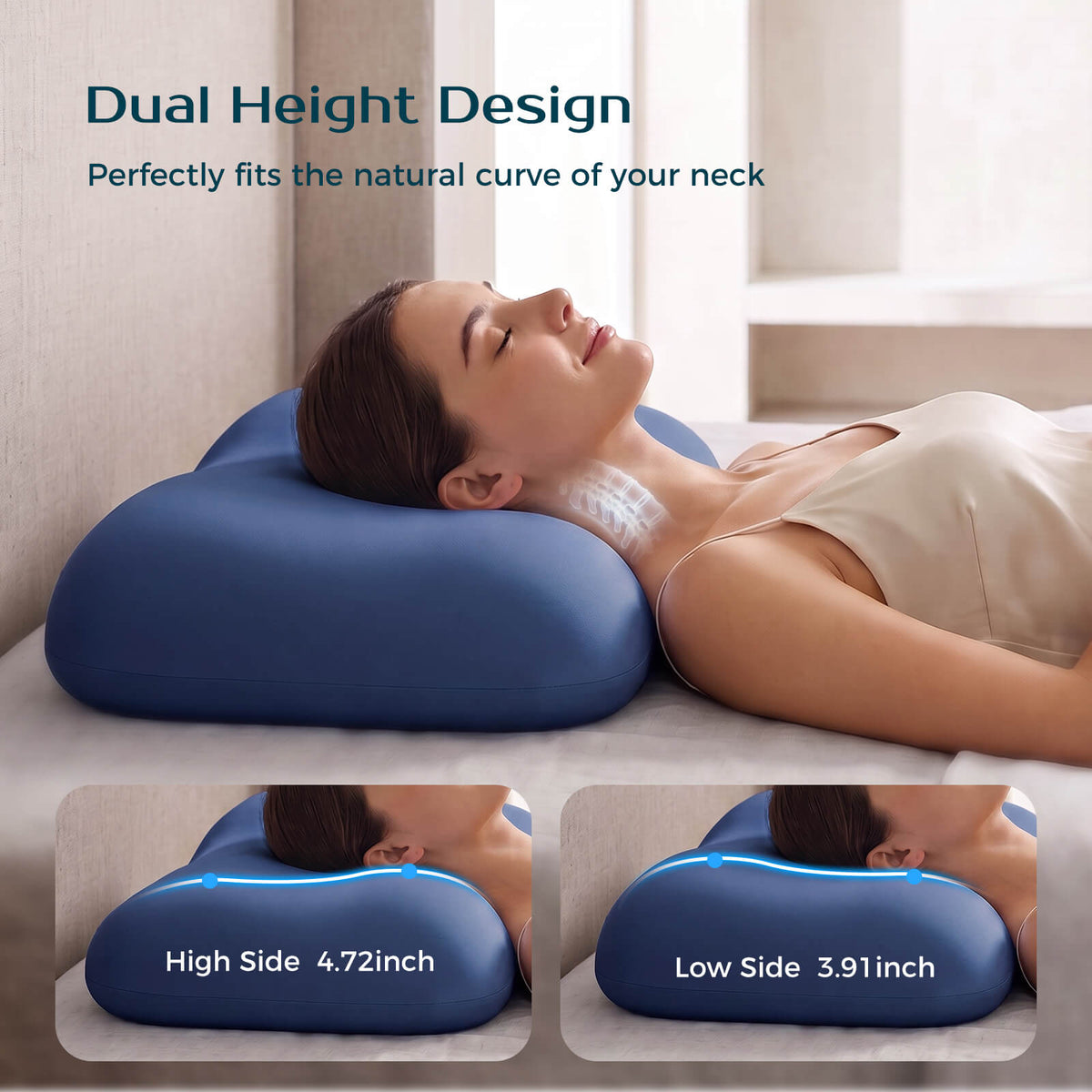
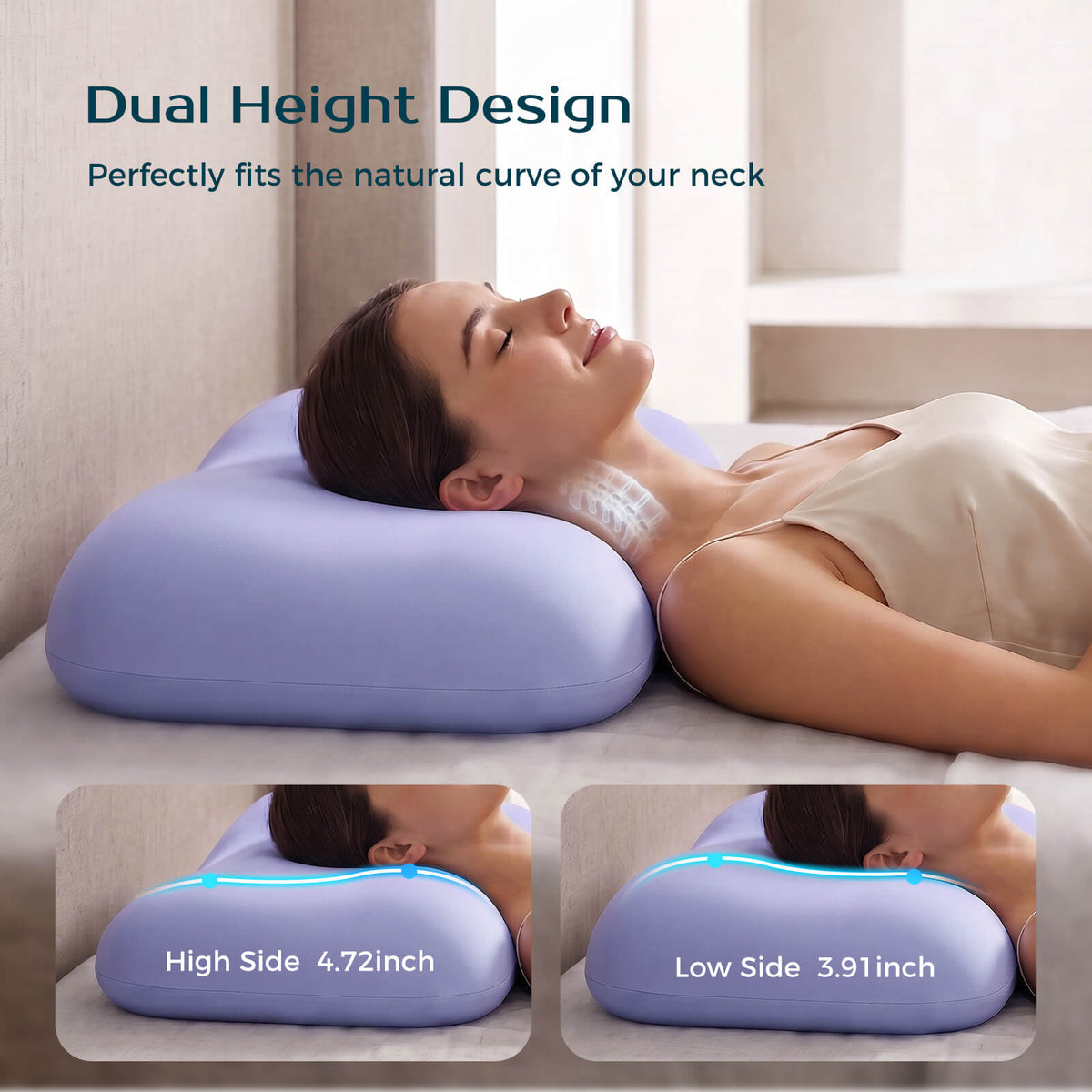
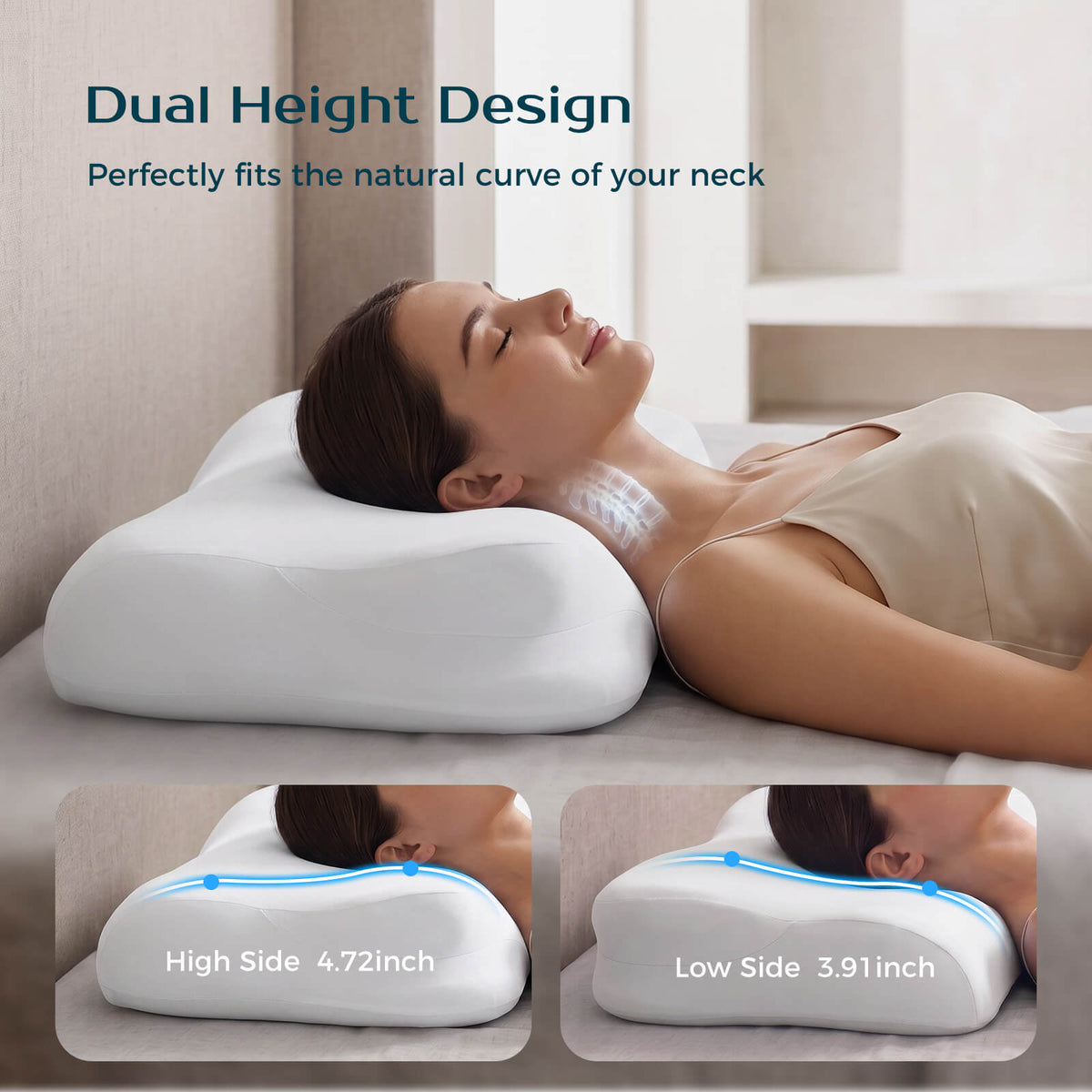
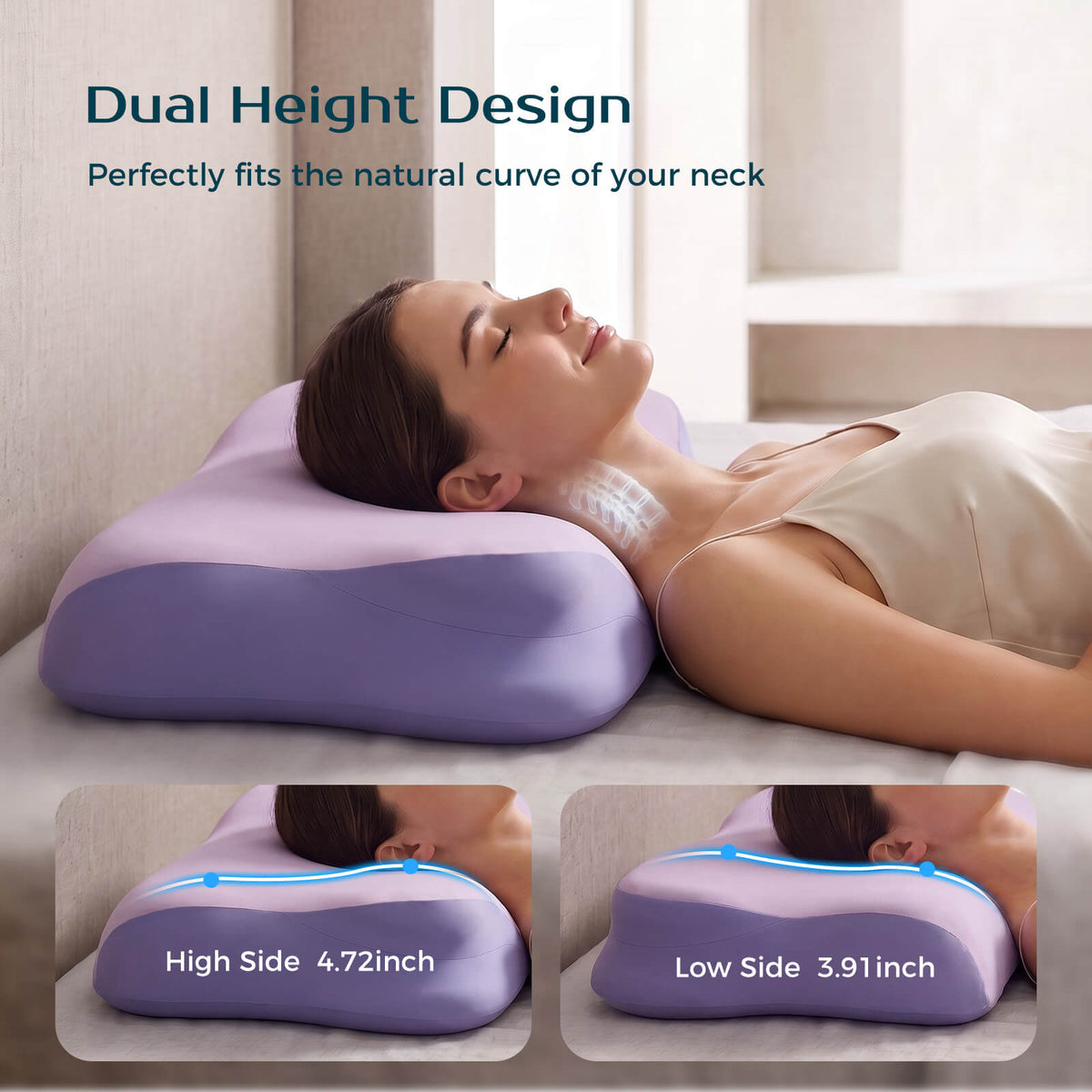
Pillow height: Your pillow should be thick enough to fill the space between your ear and the mattress. Side sleepers typically need a thicker pillow than back sleepers.
Spinal alignment: The goal is to keep your neck aligned with your spine. Choose a pillow that matches the distance from your neck to your shoulder.
Between the knees: Place a firm pillow between your knees to prevent your upper leg from pulling your spine out of alignment and to reduce stress on your hips and lower back.

Stomach Sleepers
Experts generally consider stomach sleeping the most stressful position for the spine. It flattens the spine's natural curve and strains the neck.
Pillow height: Use a very thin, flat pillow - or sleep without one under your head.
Alternative support: Place a flat pillow under your stomach and pelvis area to help maintain better spinal alignment. A memory foam pillow under the hips can also help.

One Size Does Not Fit All
A 2014 study from the NIH reached a clear conclusion: pillows with uniform heights are not suitable for either back or side sleeping positions. During sleep, people change positions - the head moves in a fan-shaped motion when rolling from back to side, and the shoulder joint moves upward by an average of 4.4 cm. Traditional pillows that assume horizontal movement may fail to support the neck properly during these transitions, potentially causing muscle tension.
The research team found that general polyester pillows had the lowest head-to-trunk weight distribution ratio (11.38), followed by memory foam (13.93), while specially designed prototype pillows achieved the highest ratio (18.1) - meaning they provided the most effective neck support in side-lying positions.
How Sovenestia BASF Memory Foam Addresses Different Positions
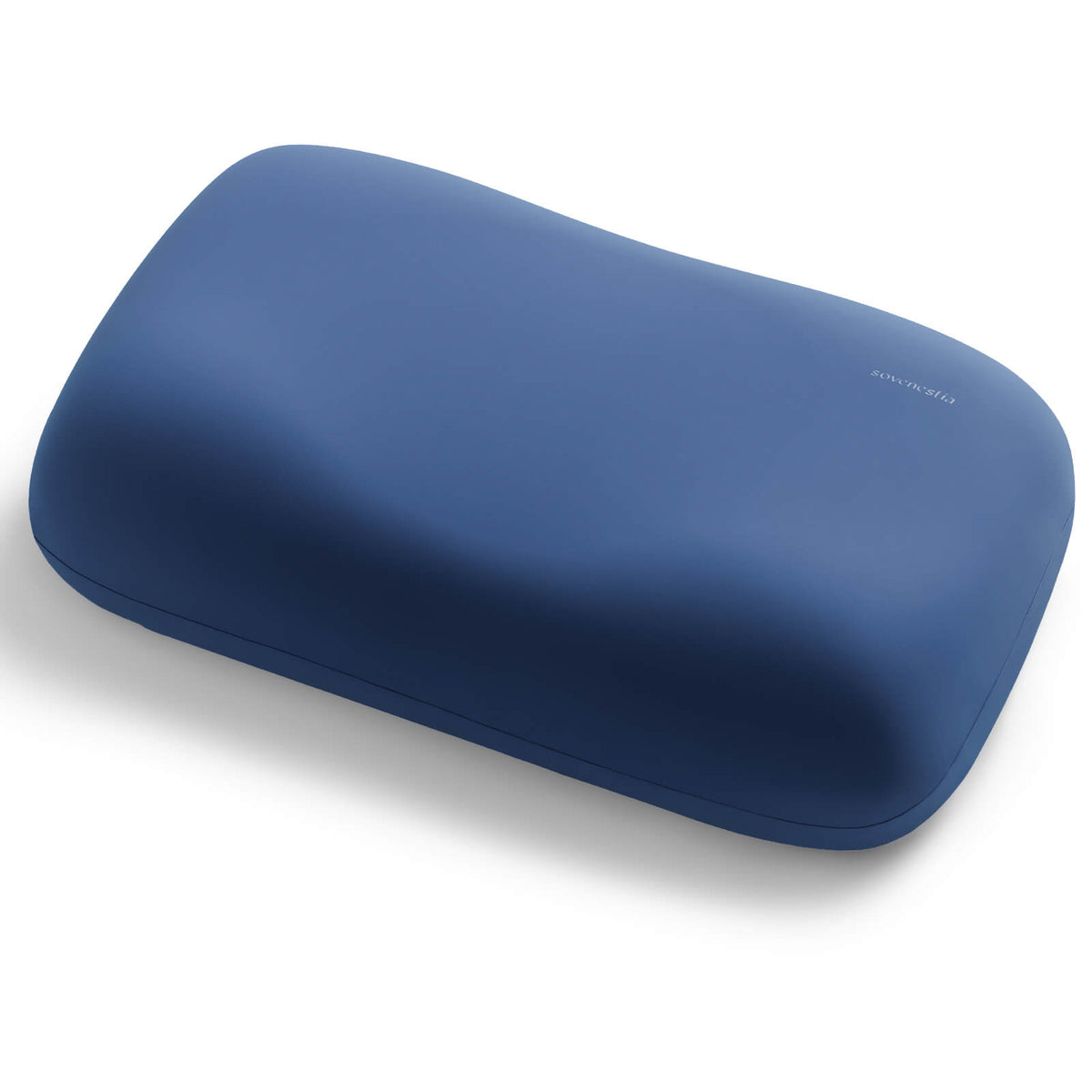
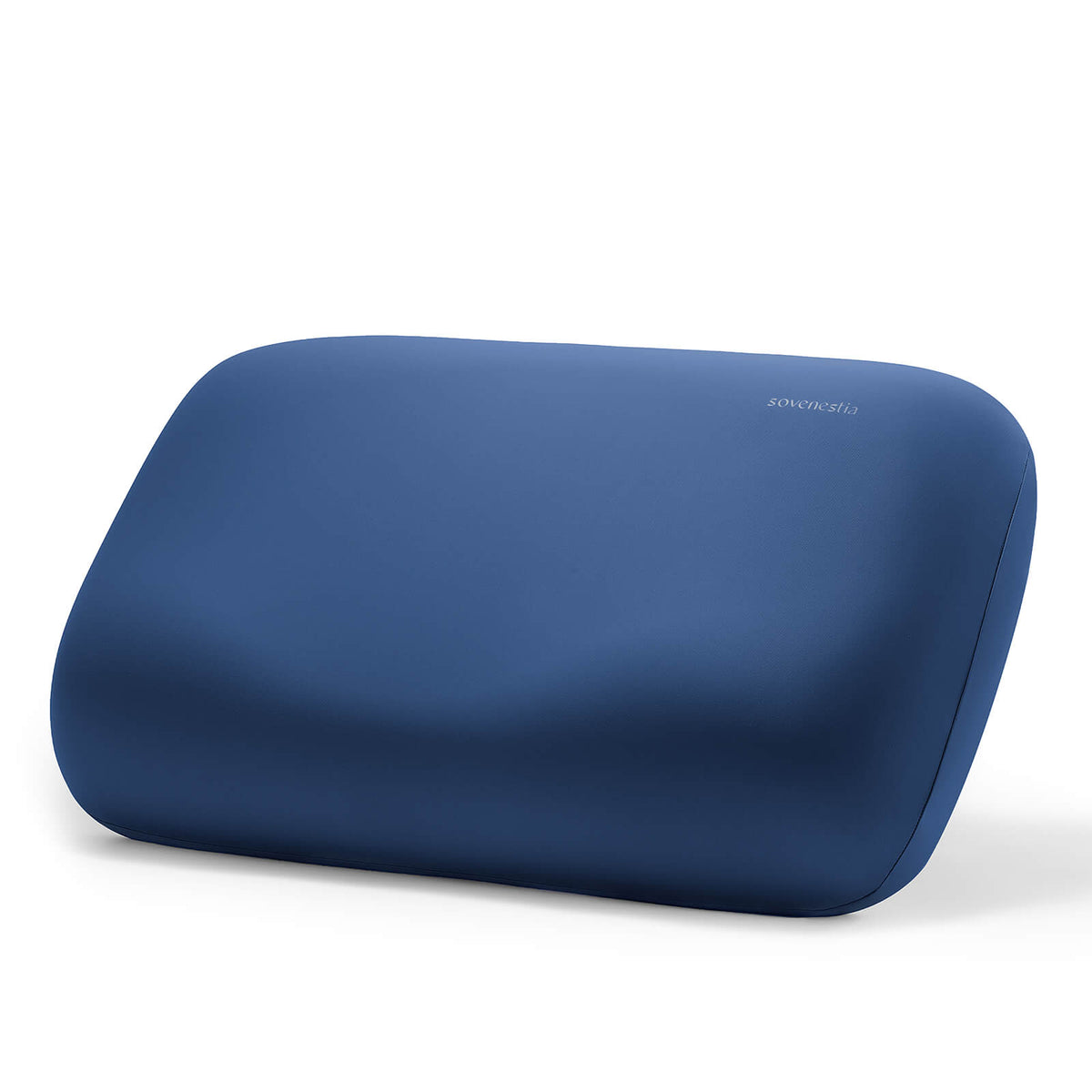
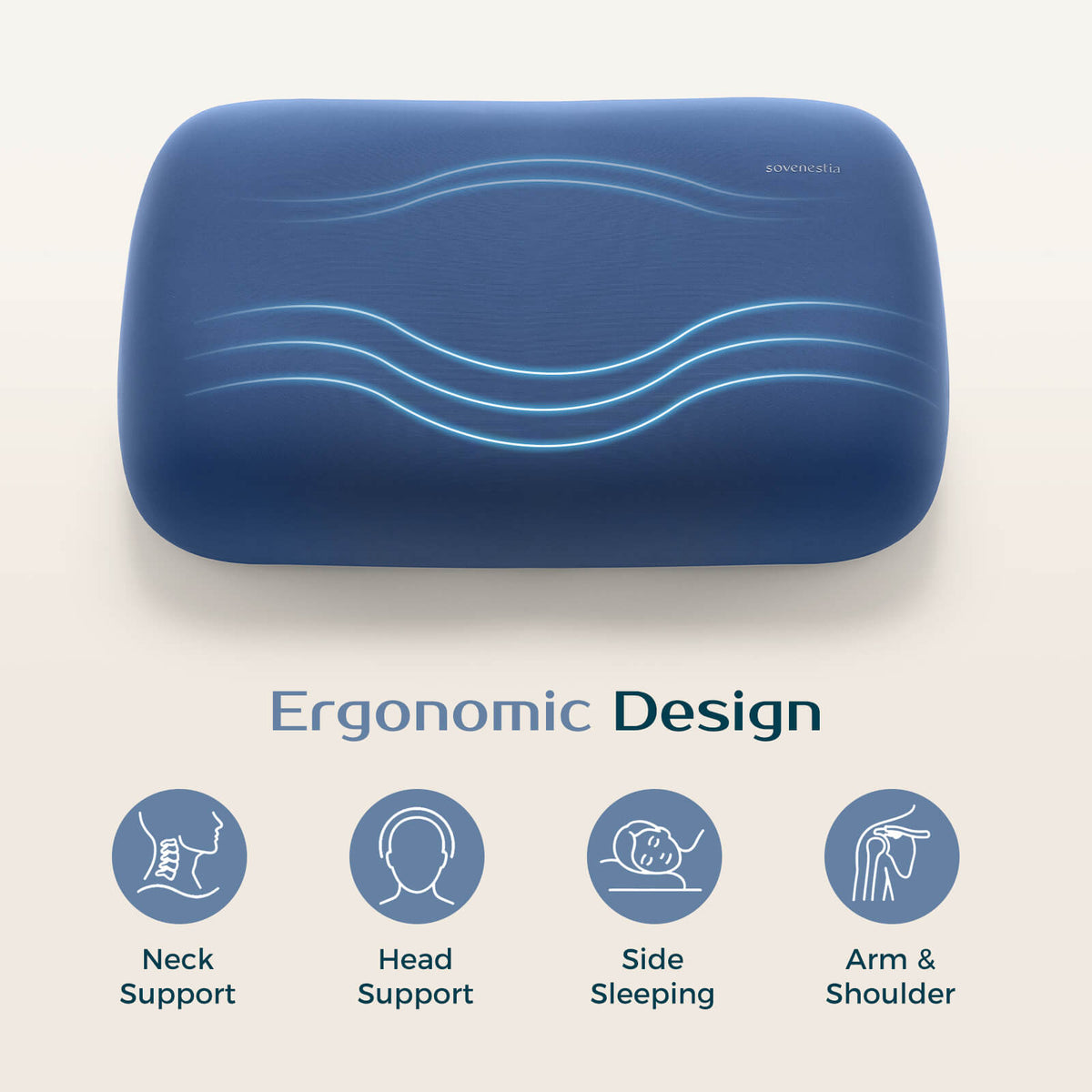
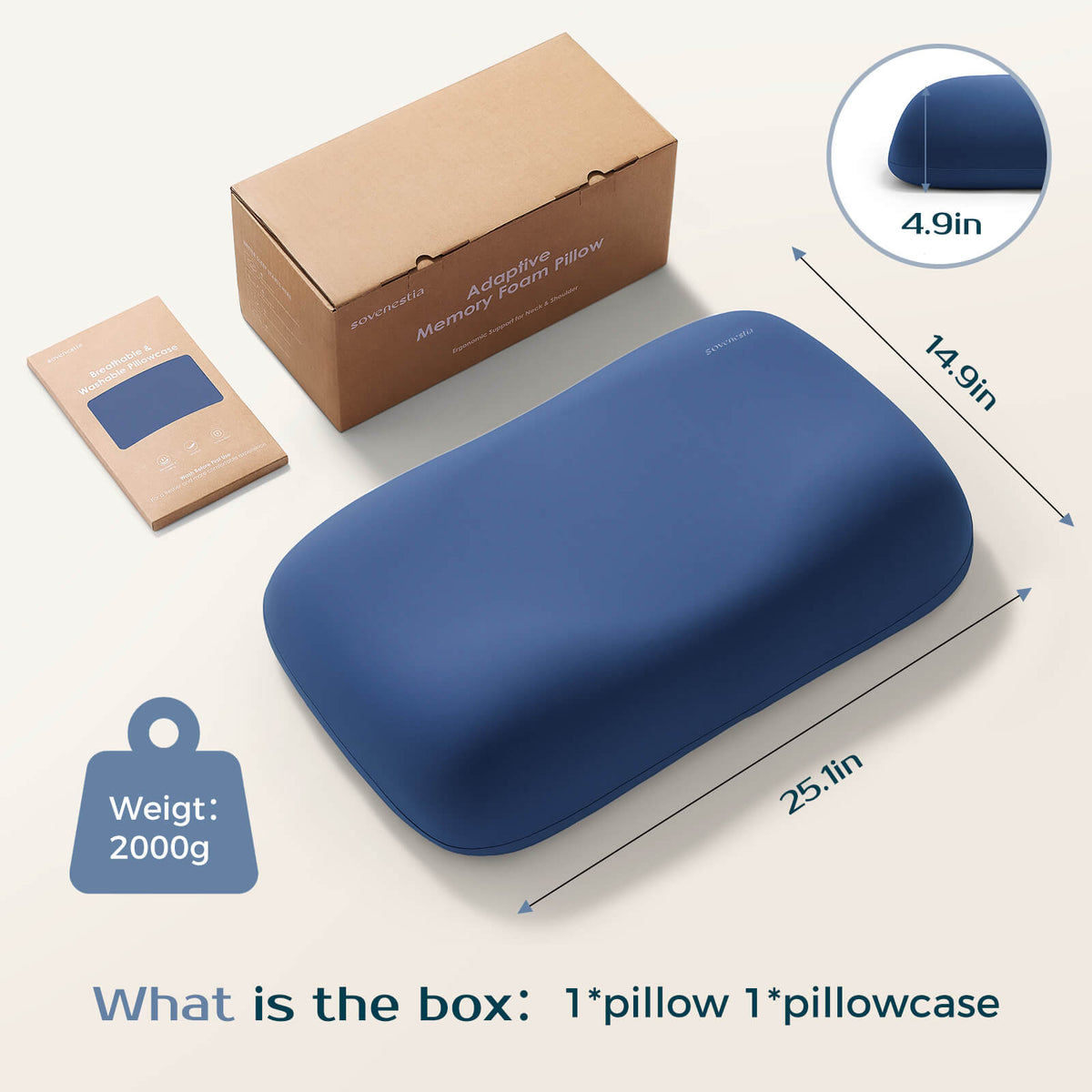
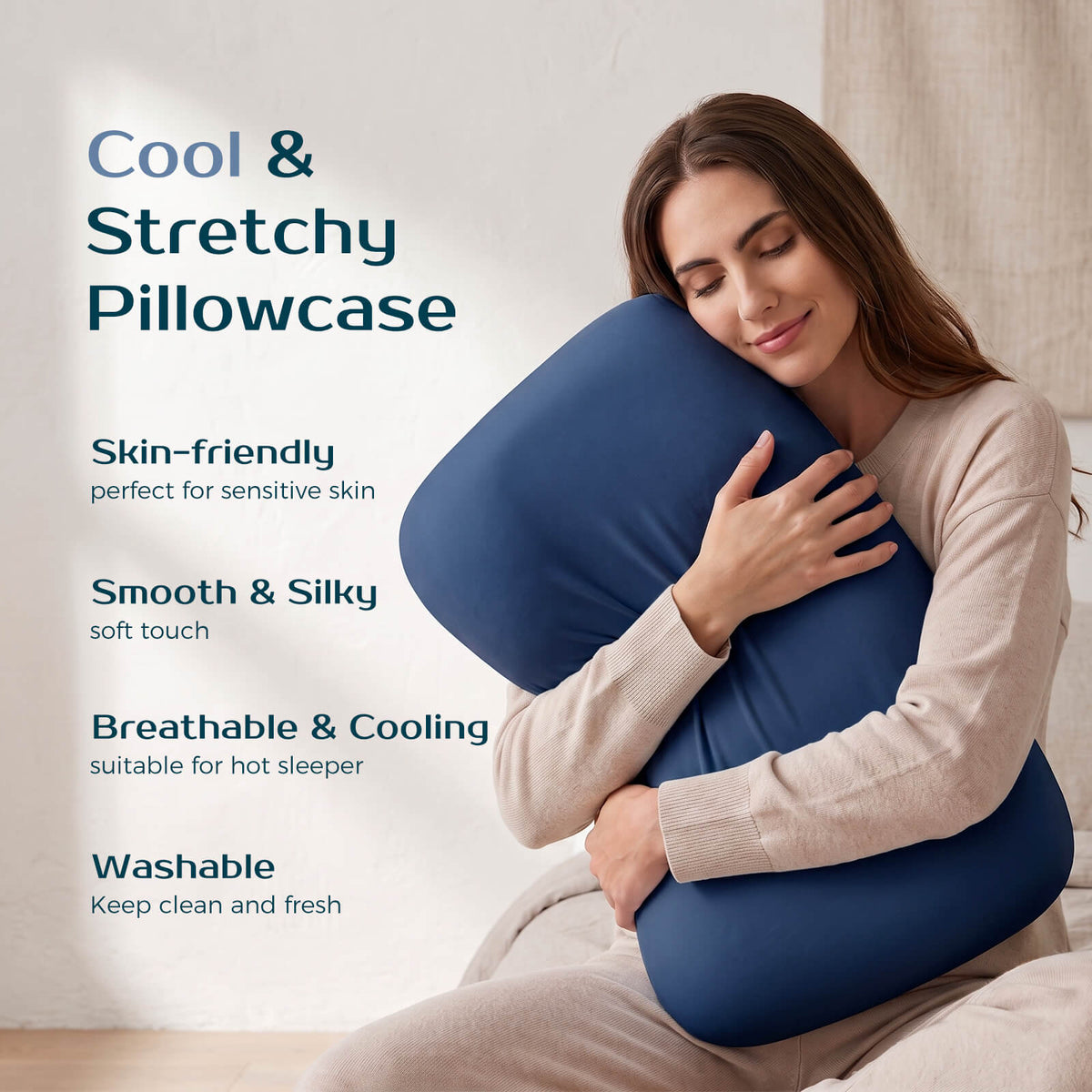
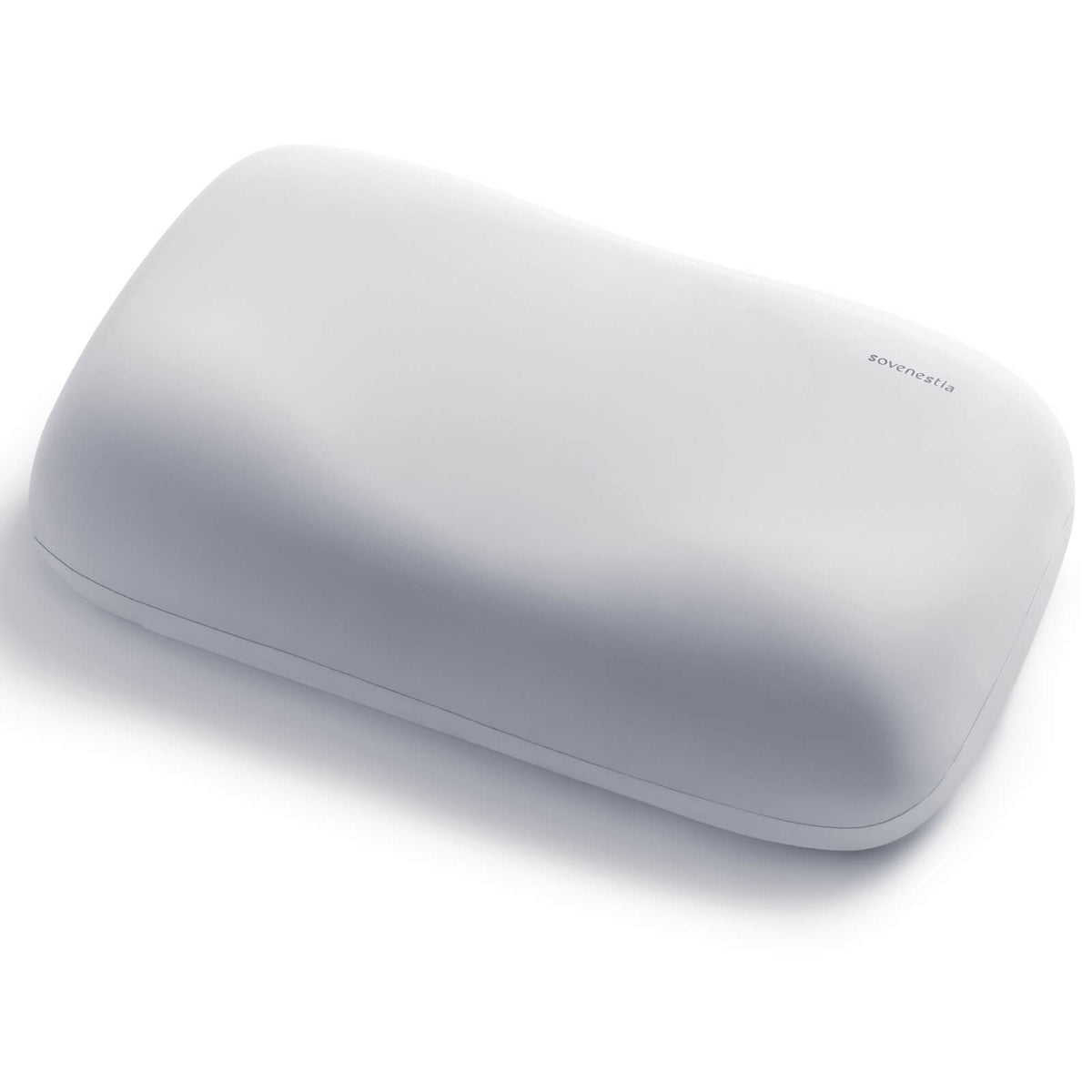
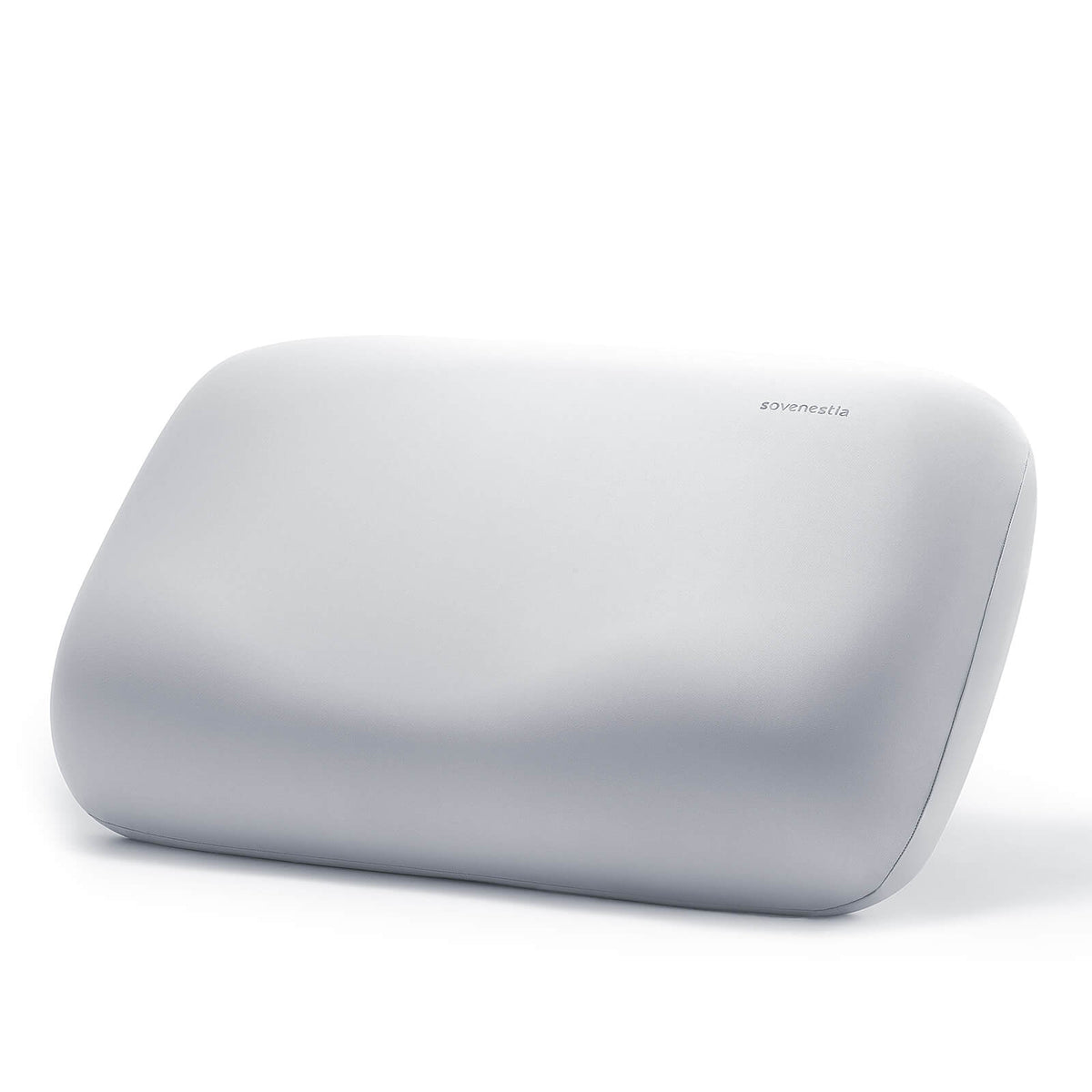
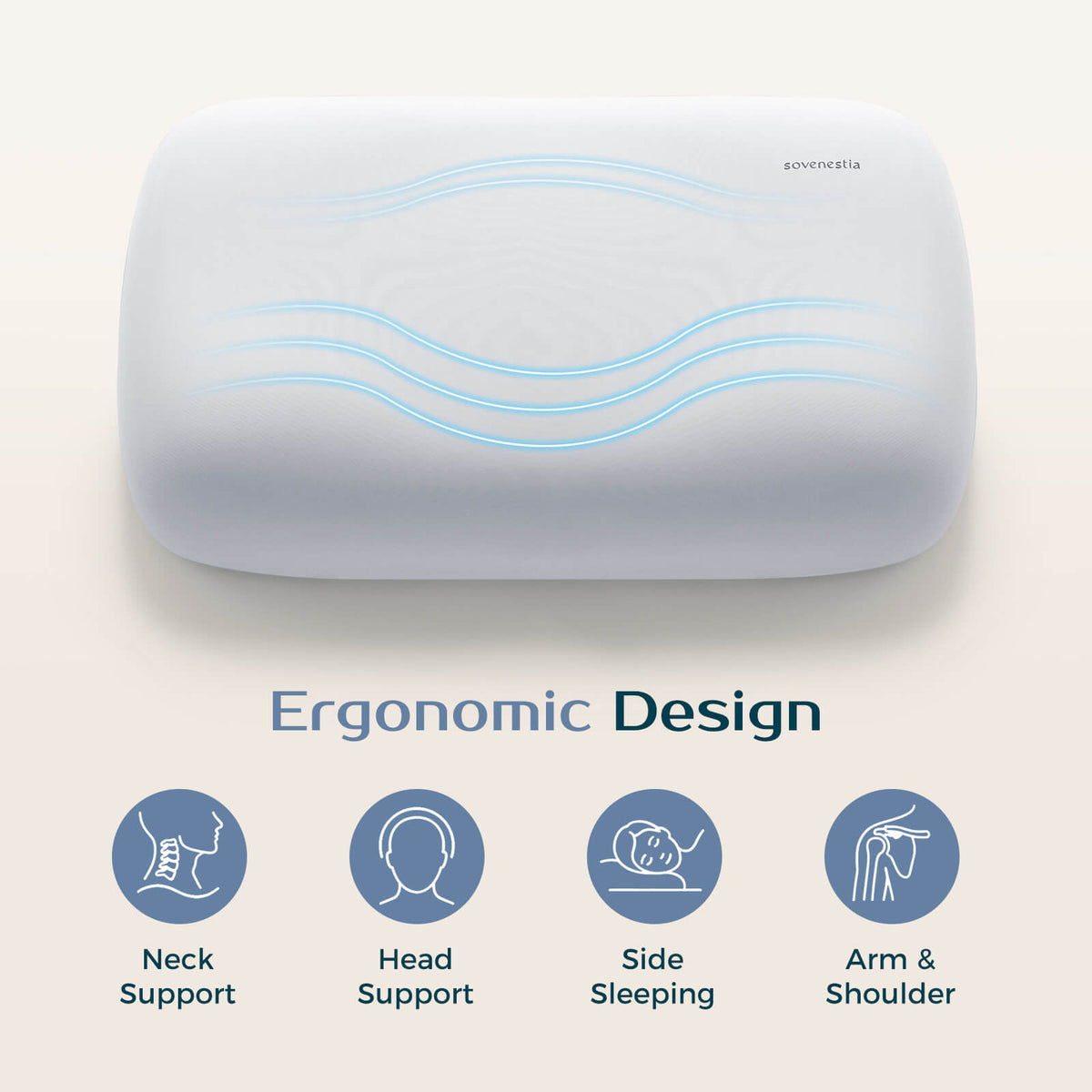
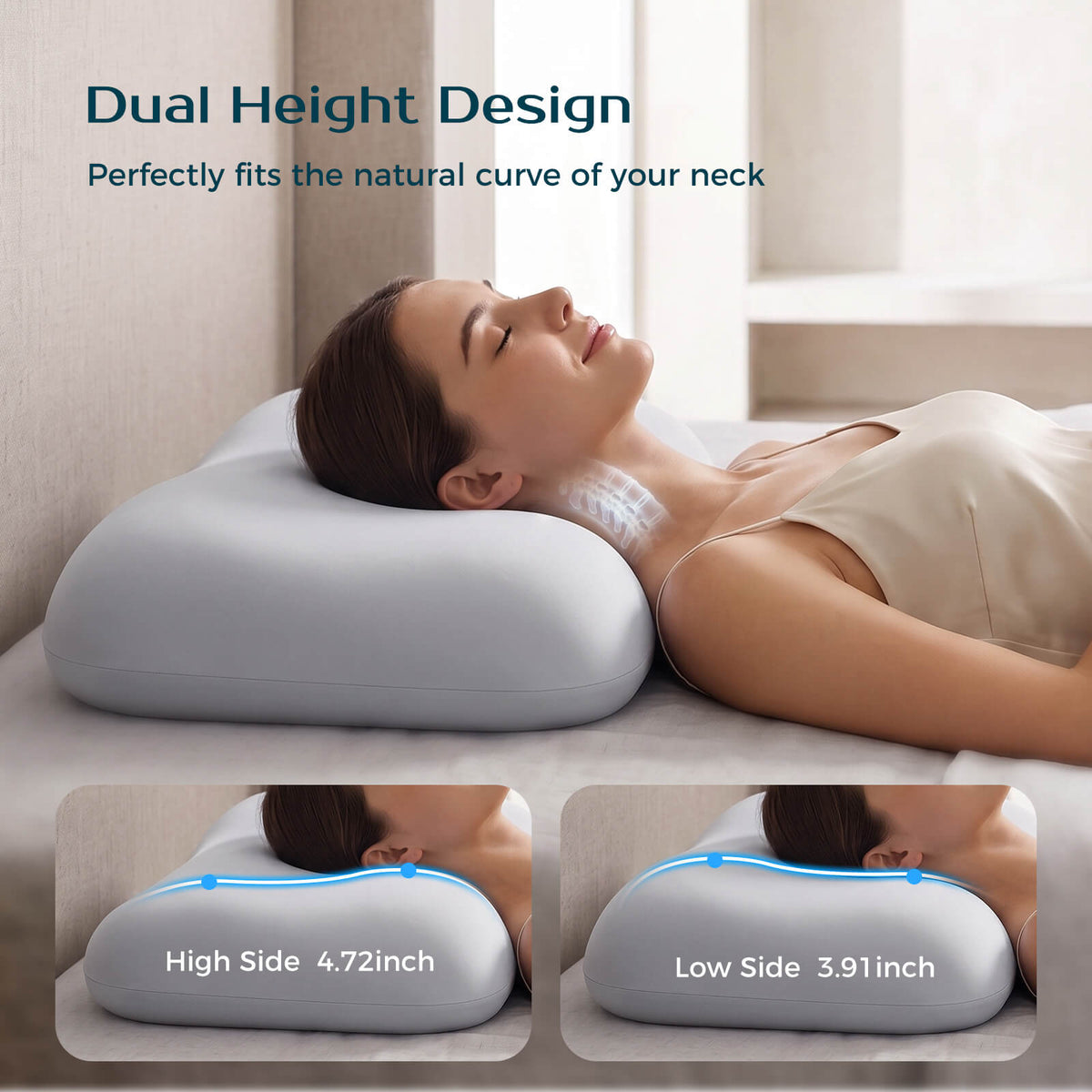
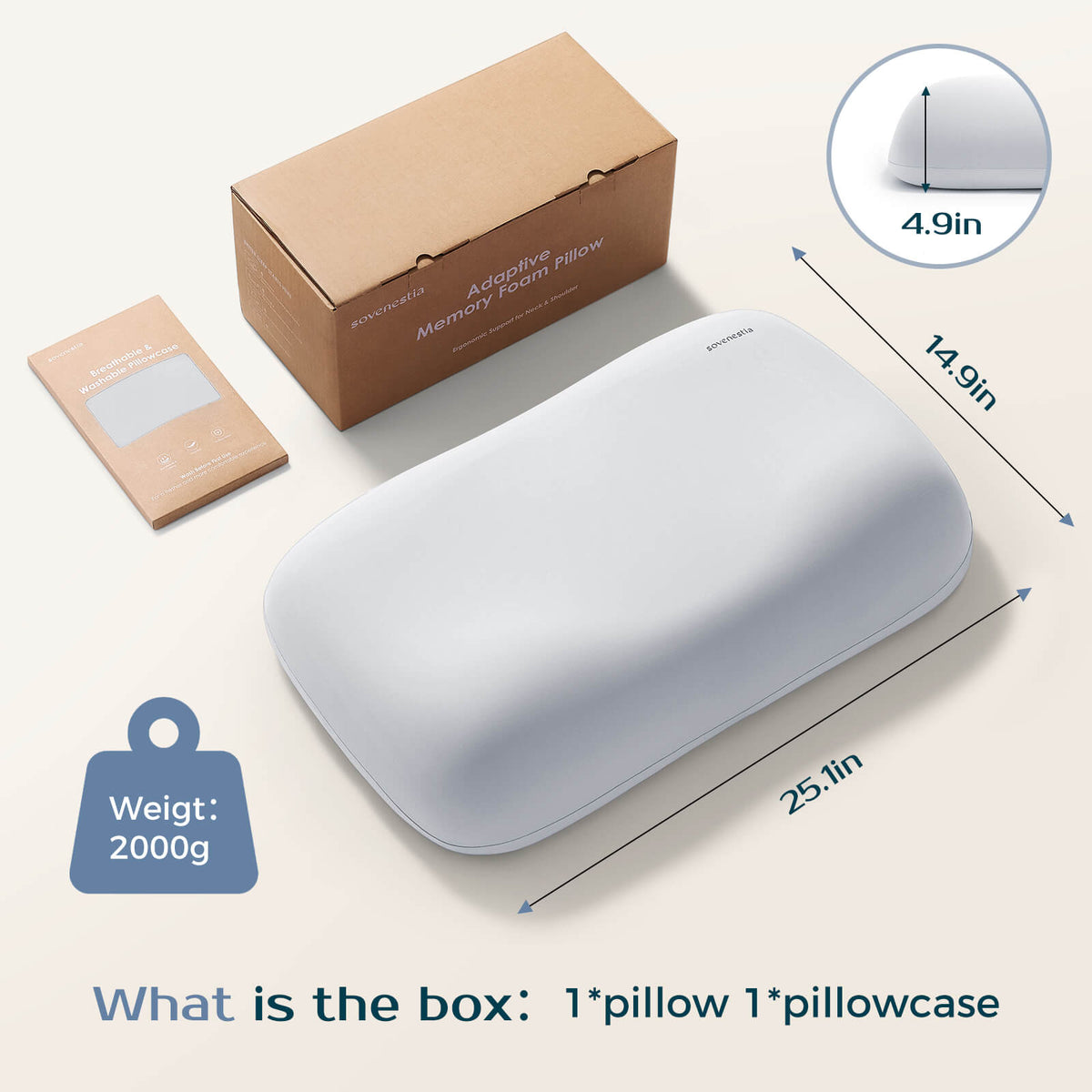
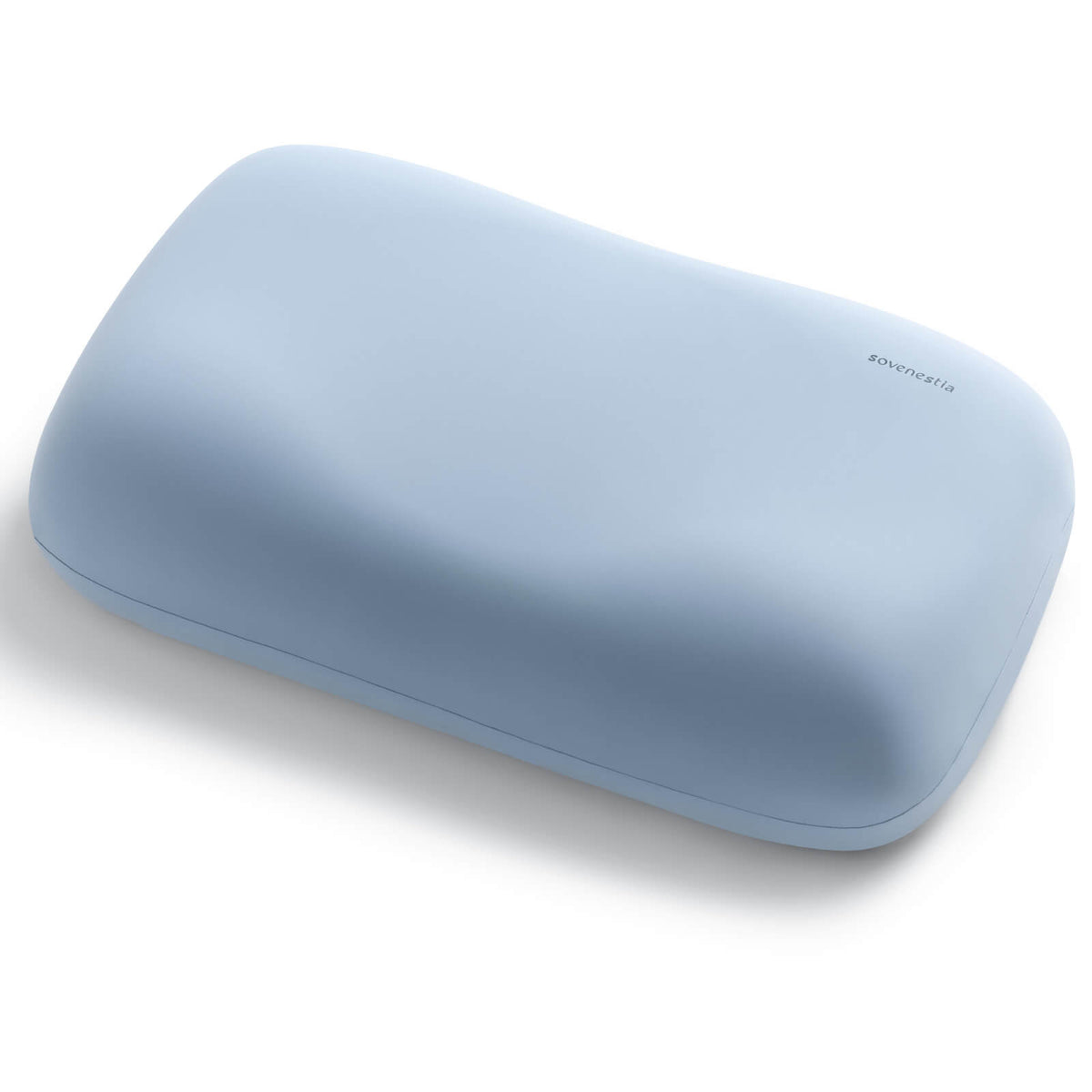
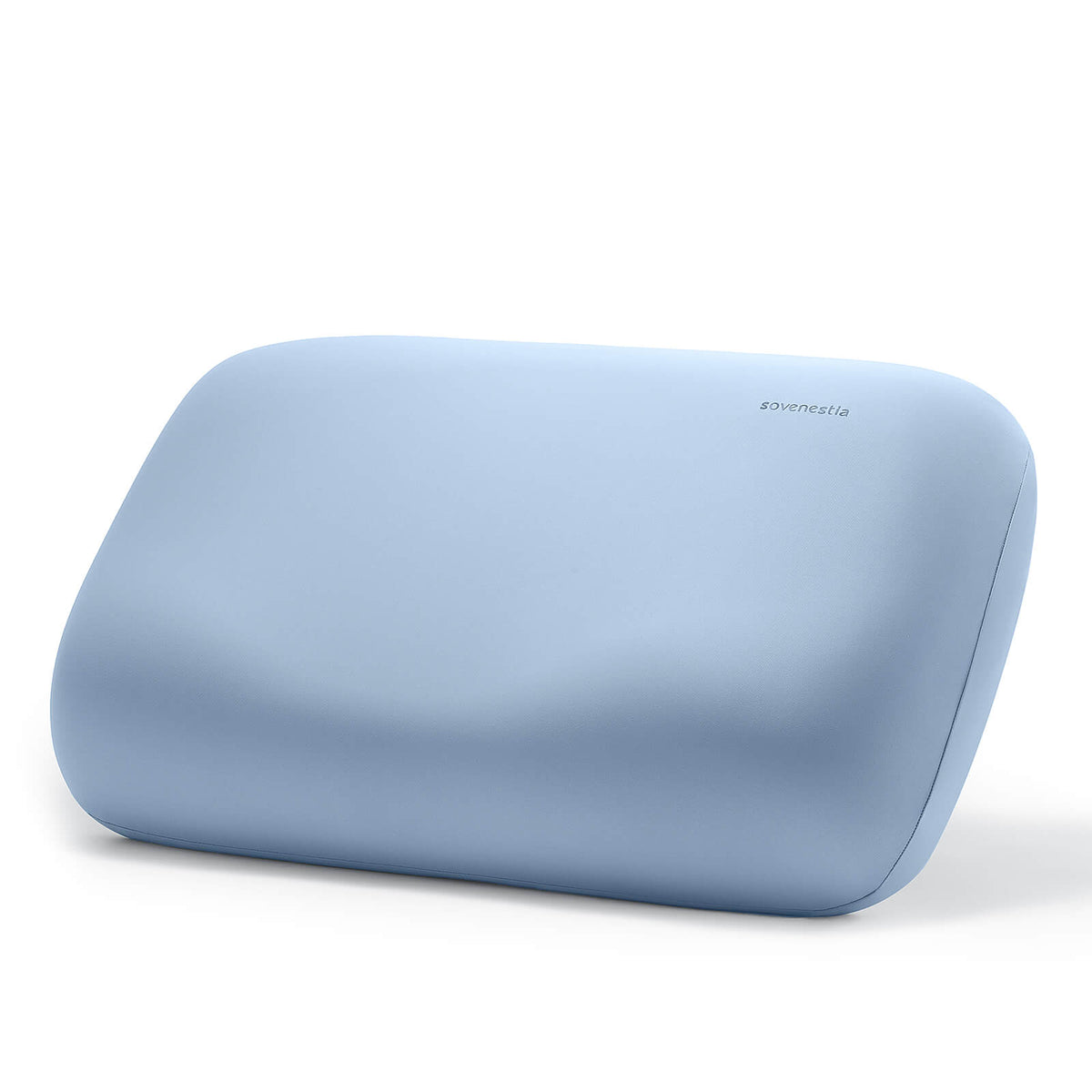
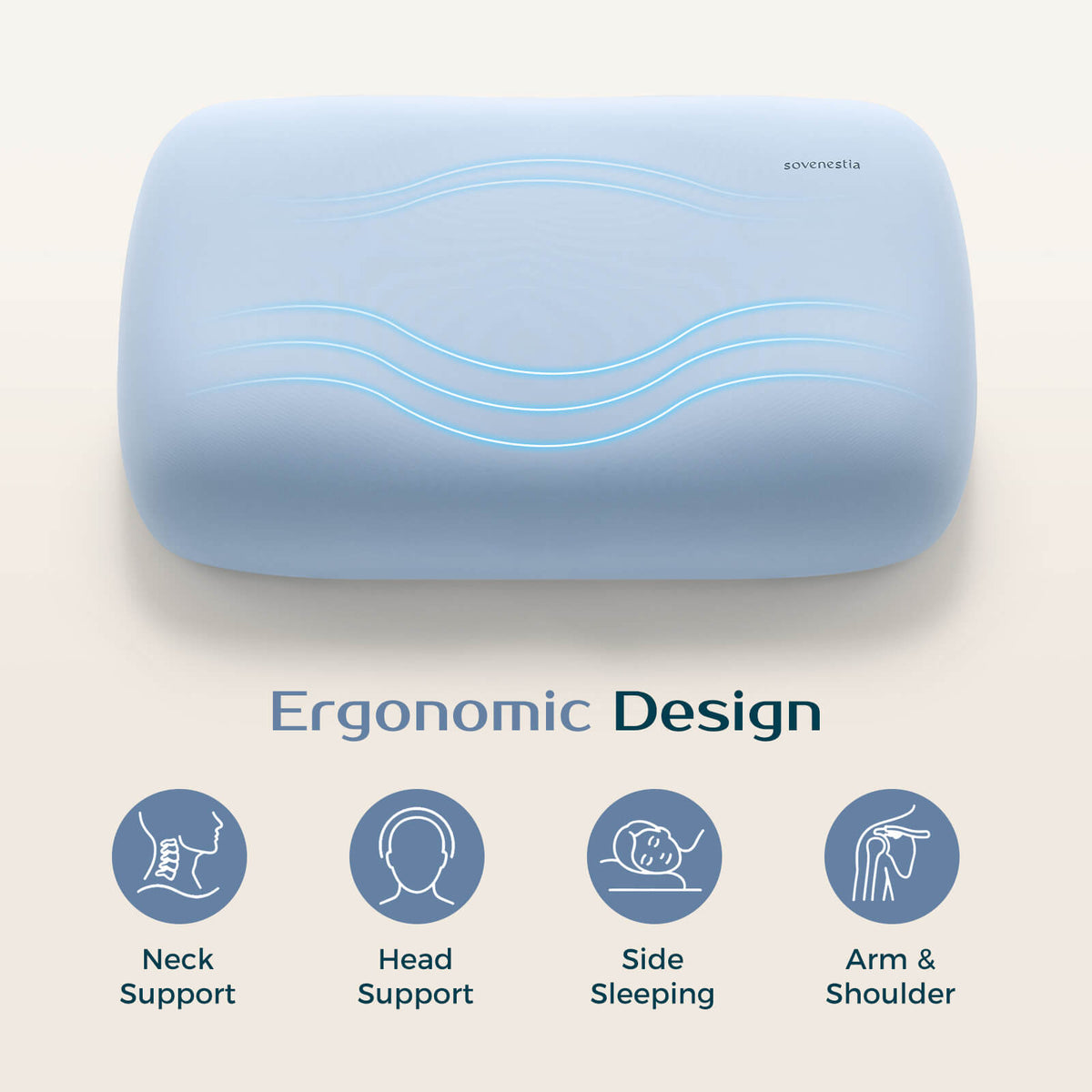
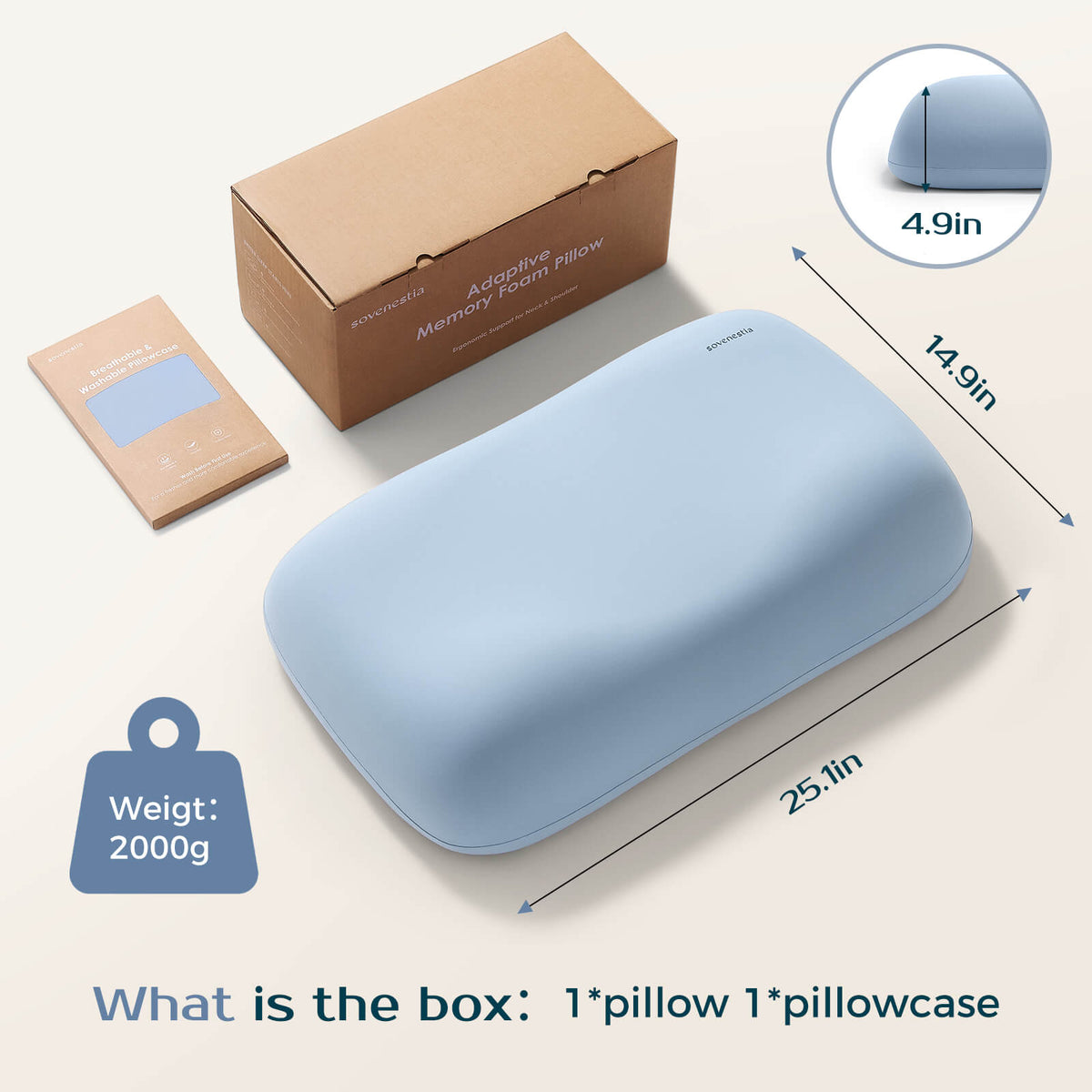
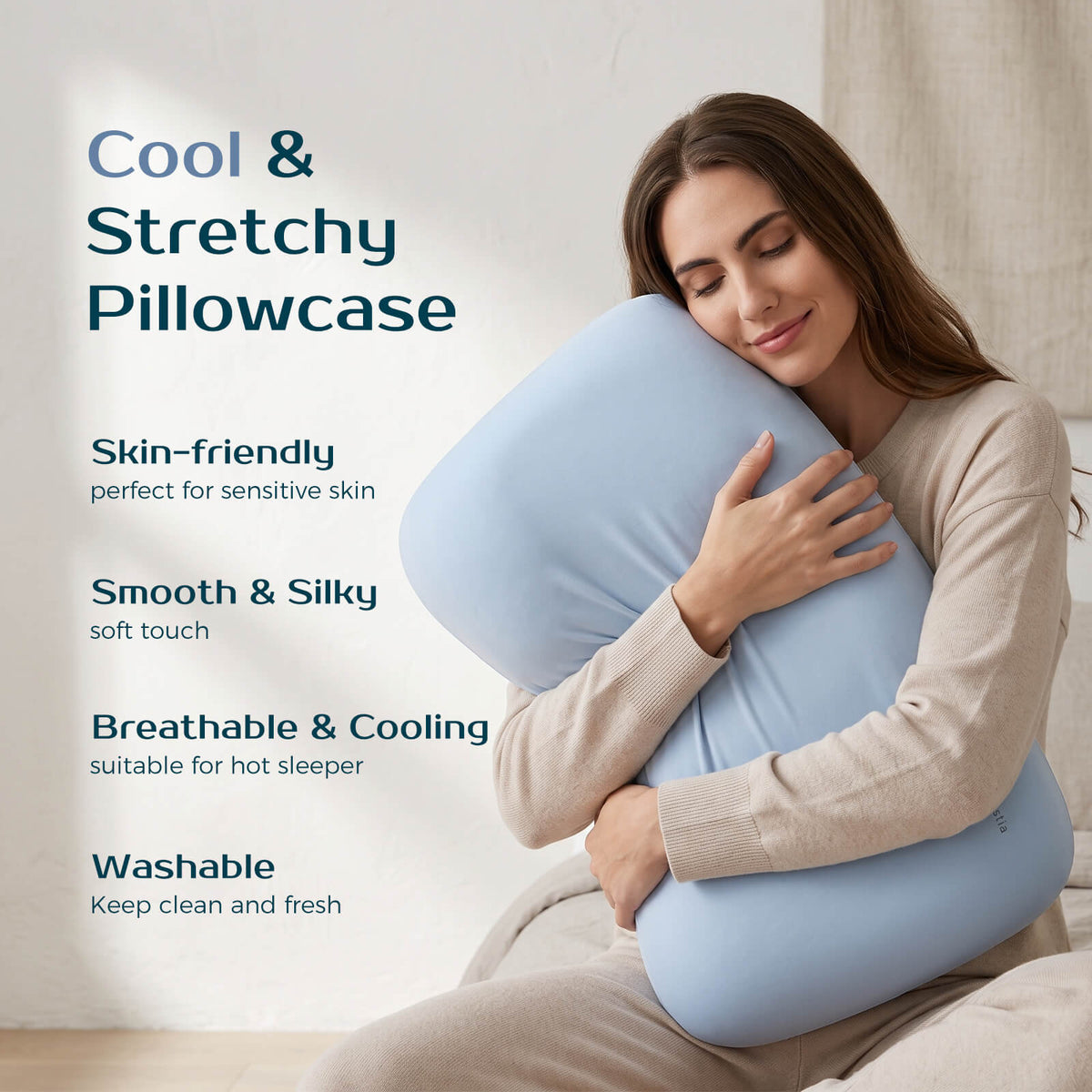
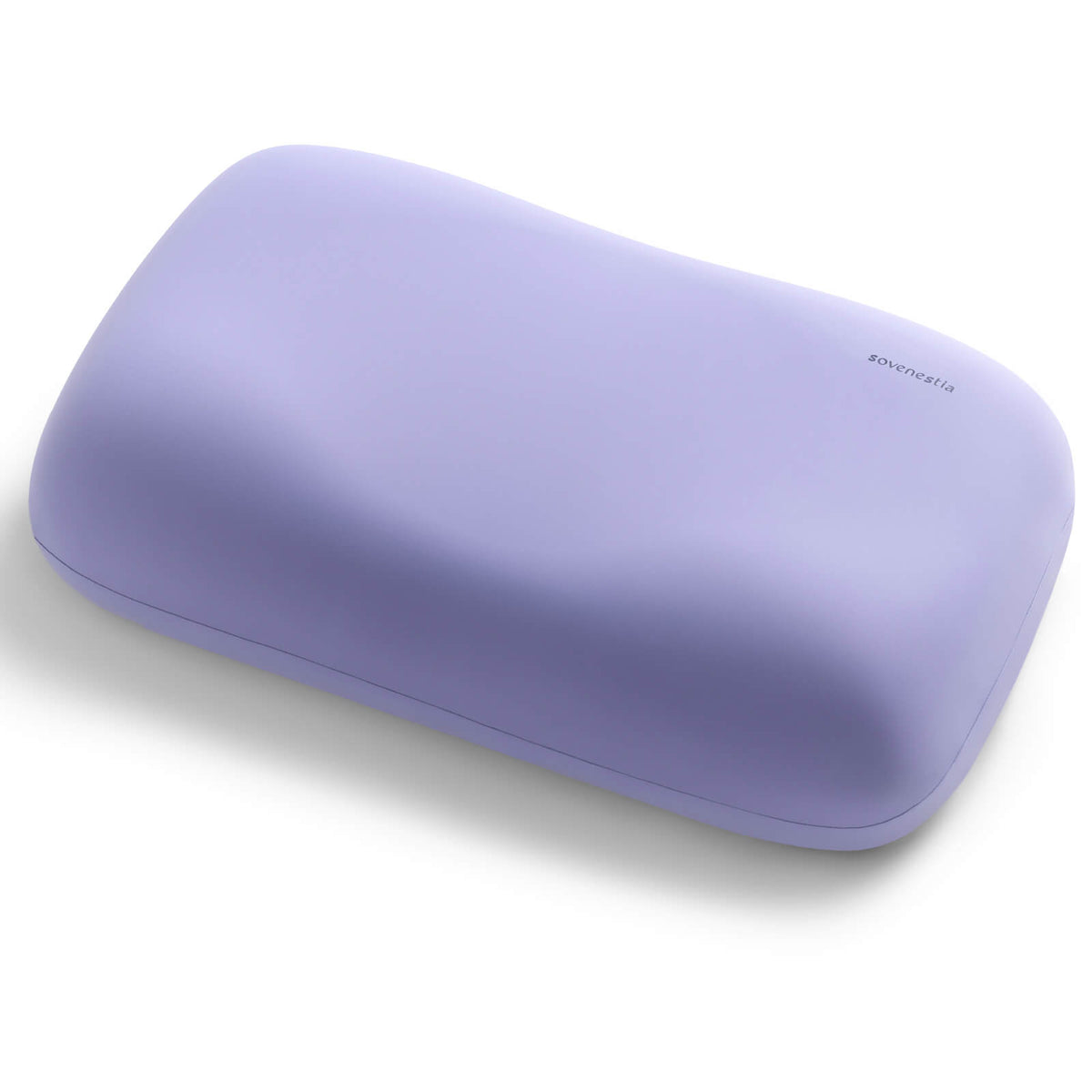
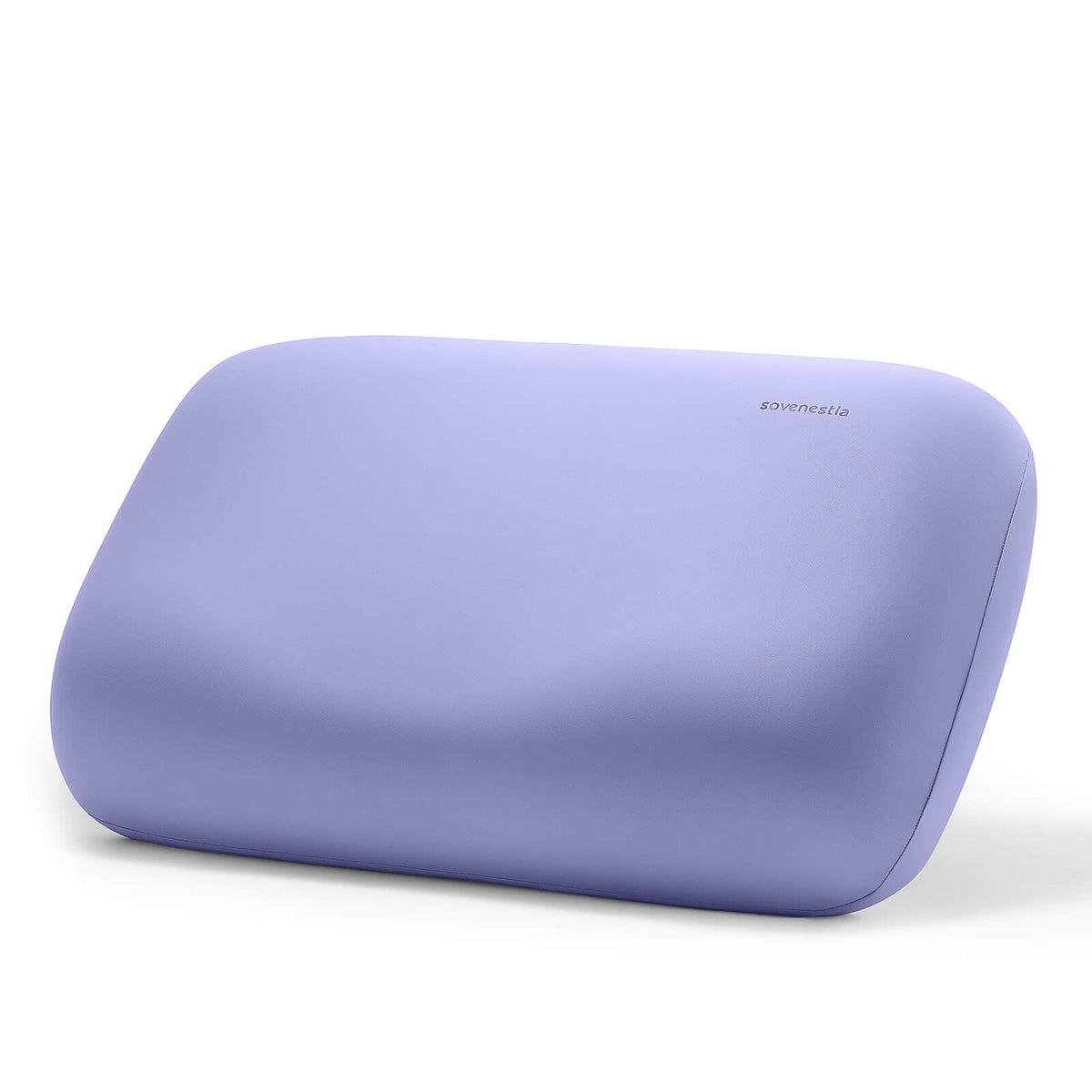
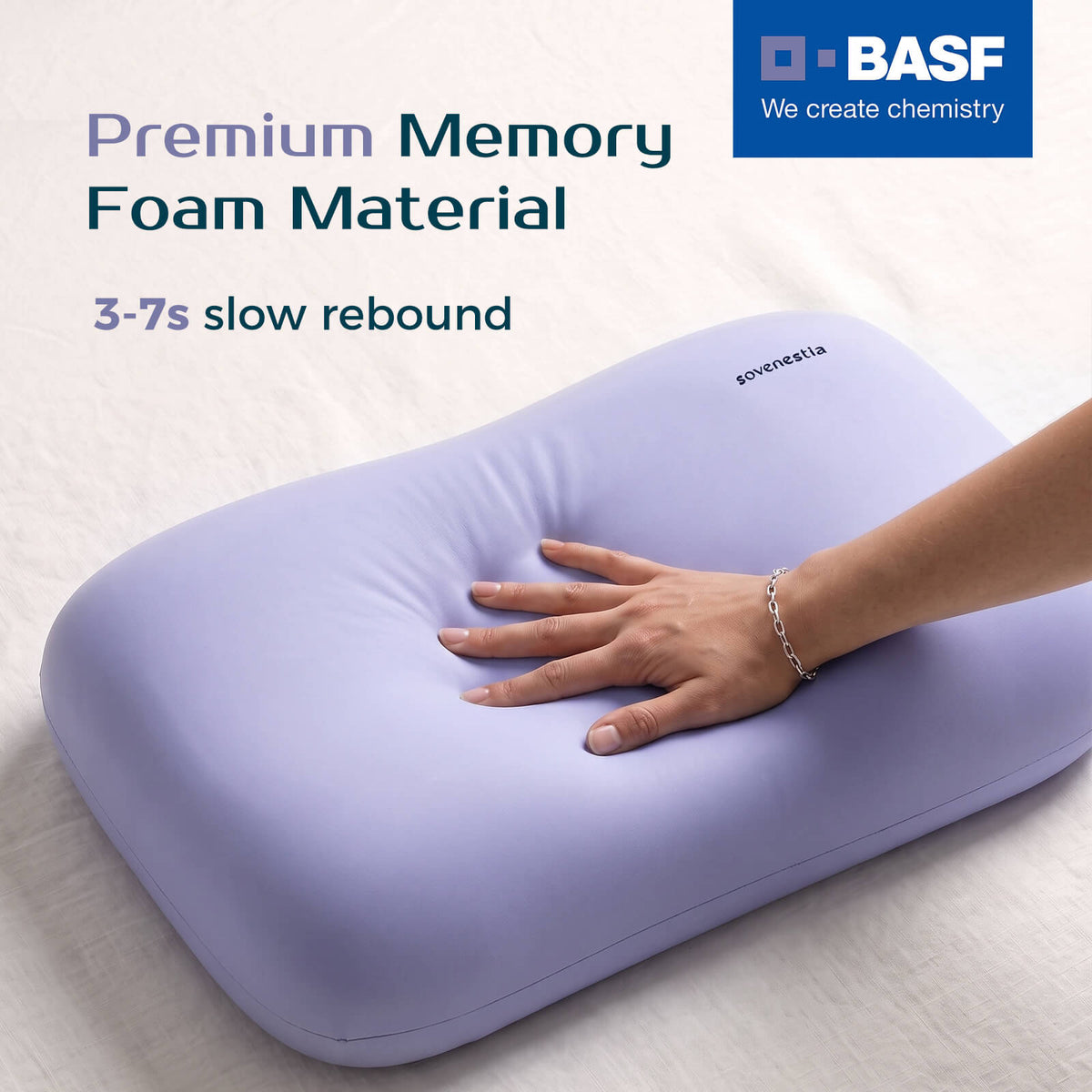
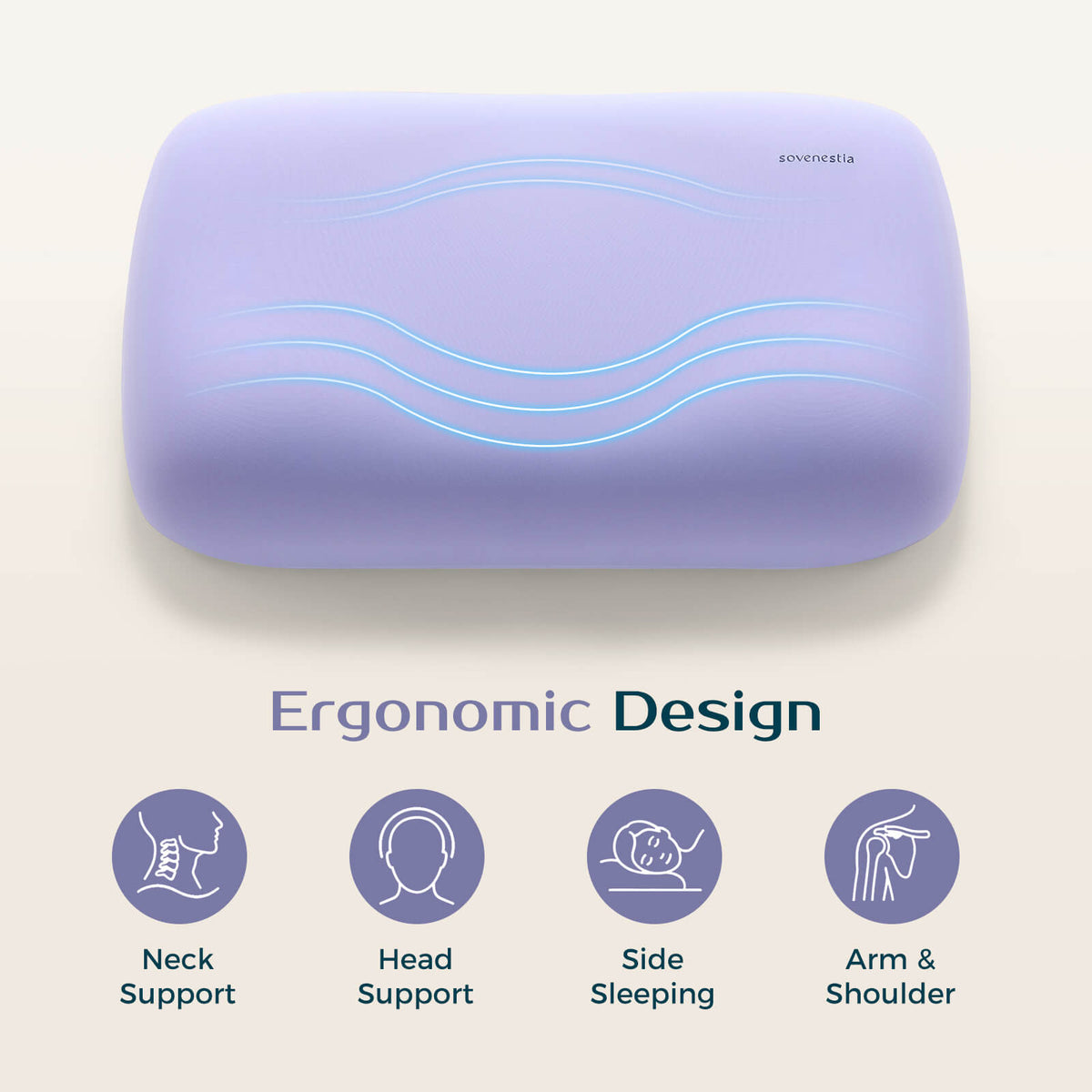
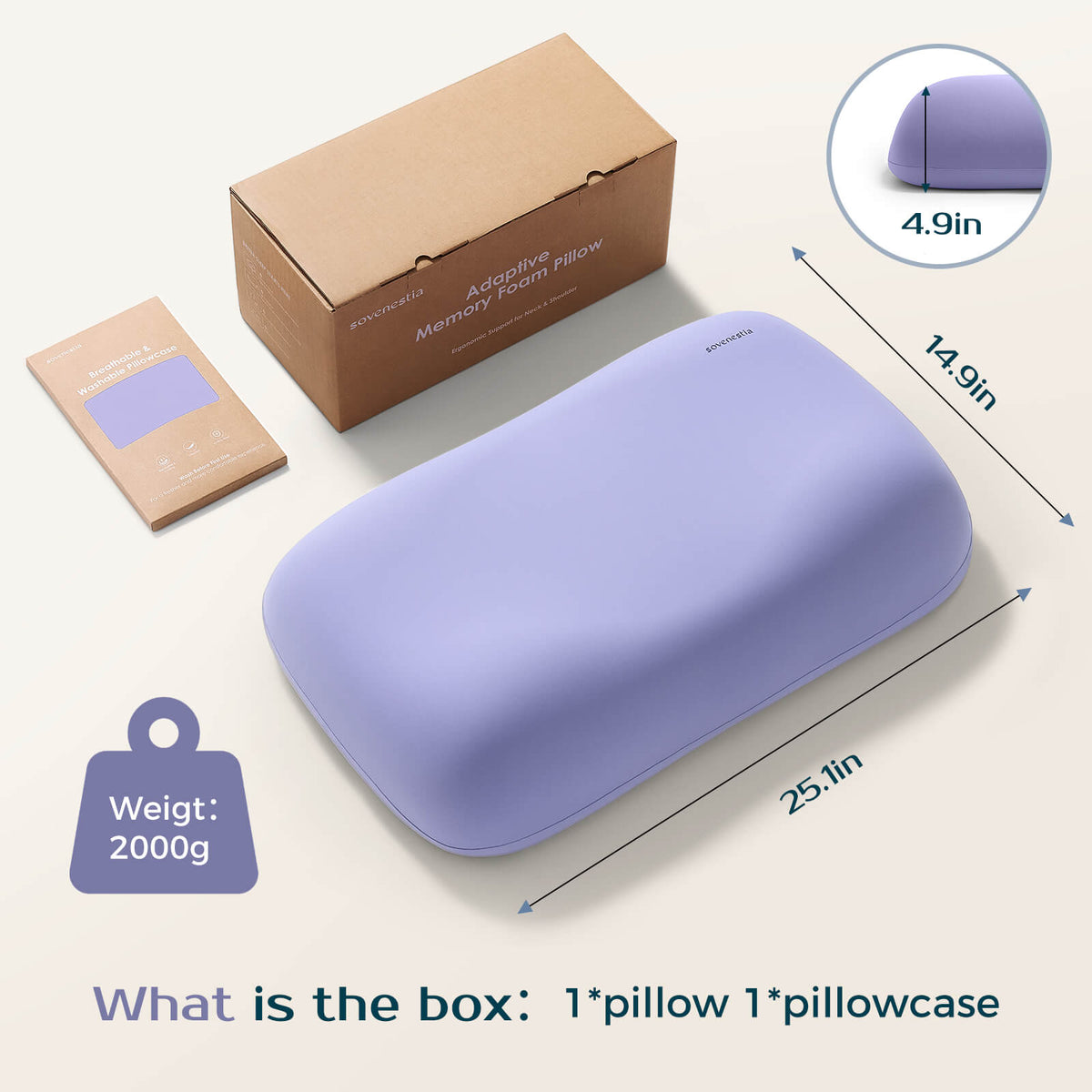
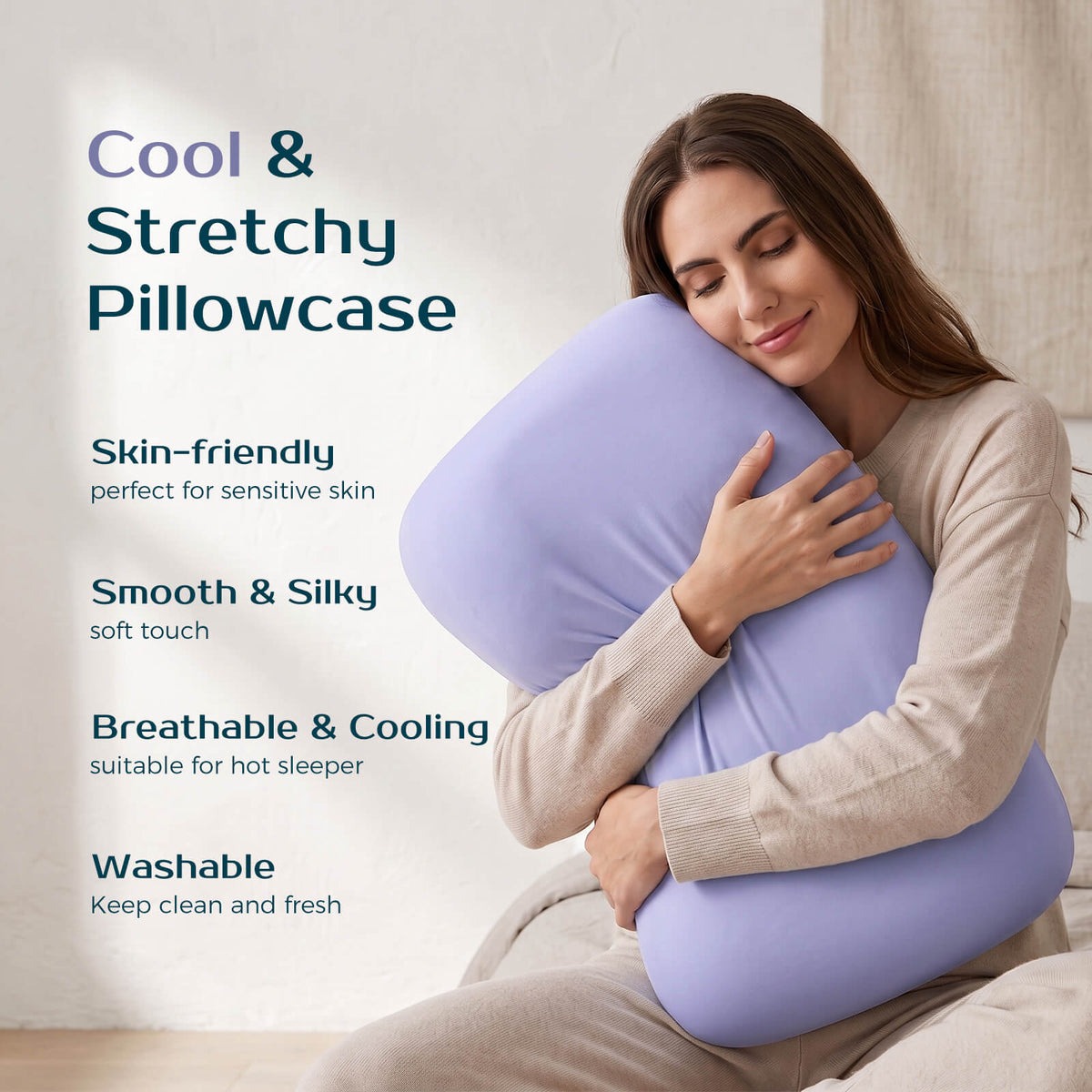
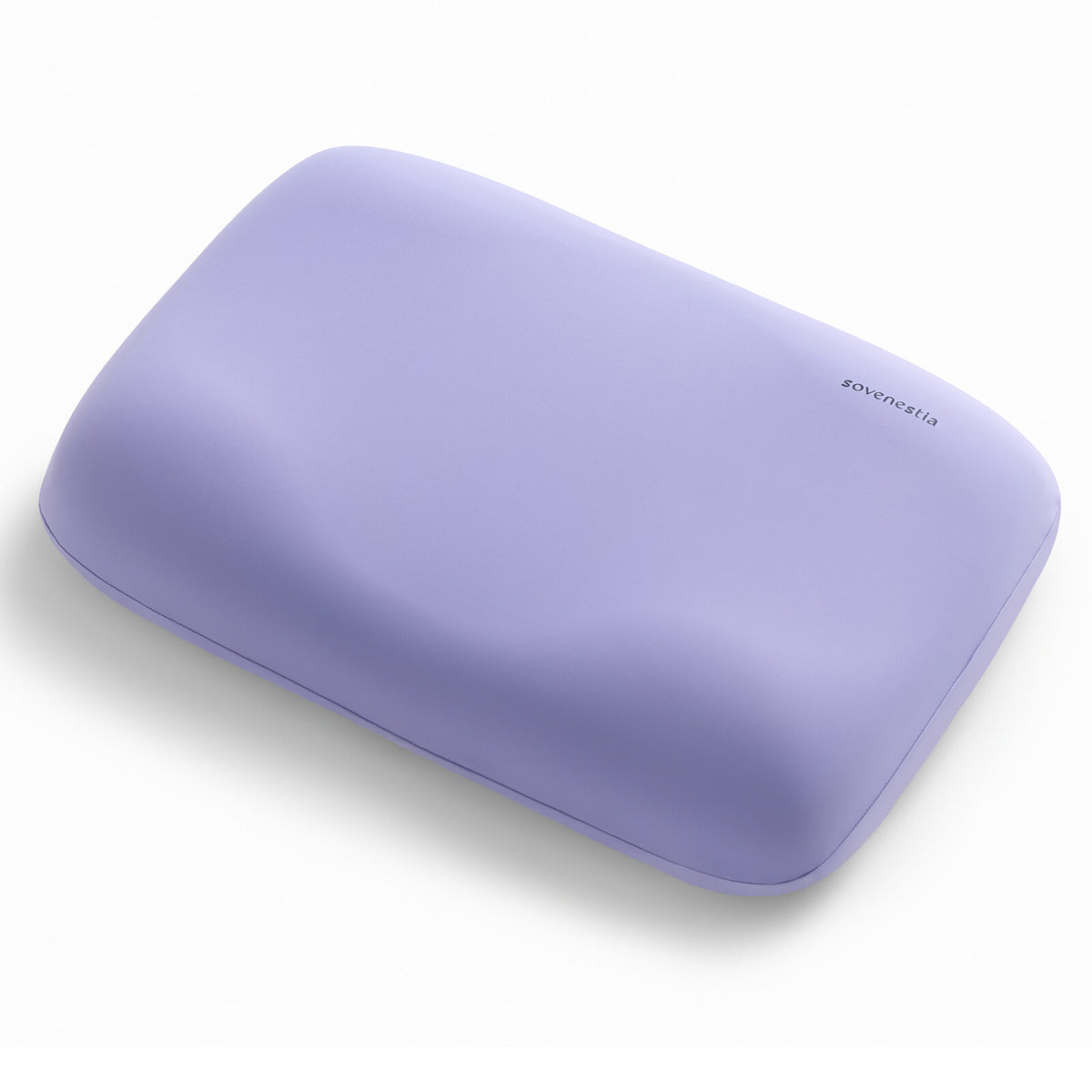
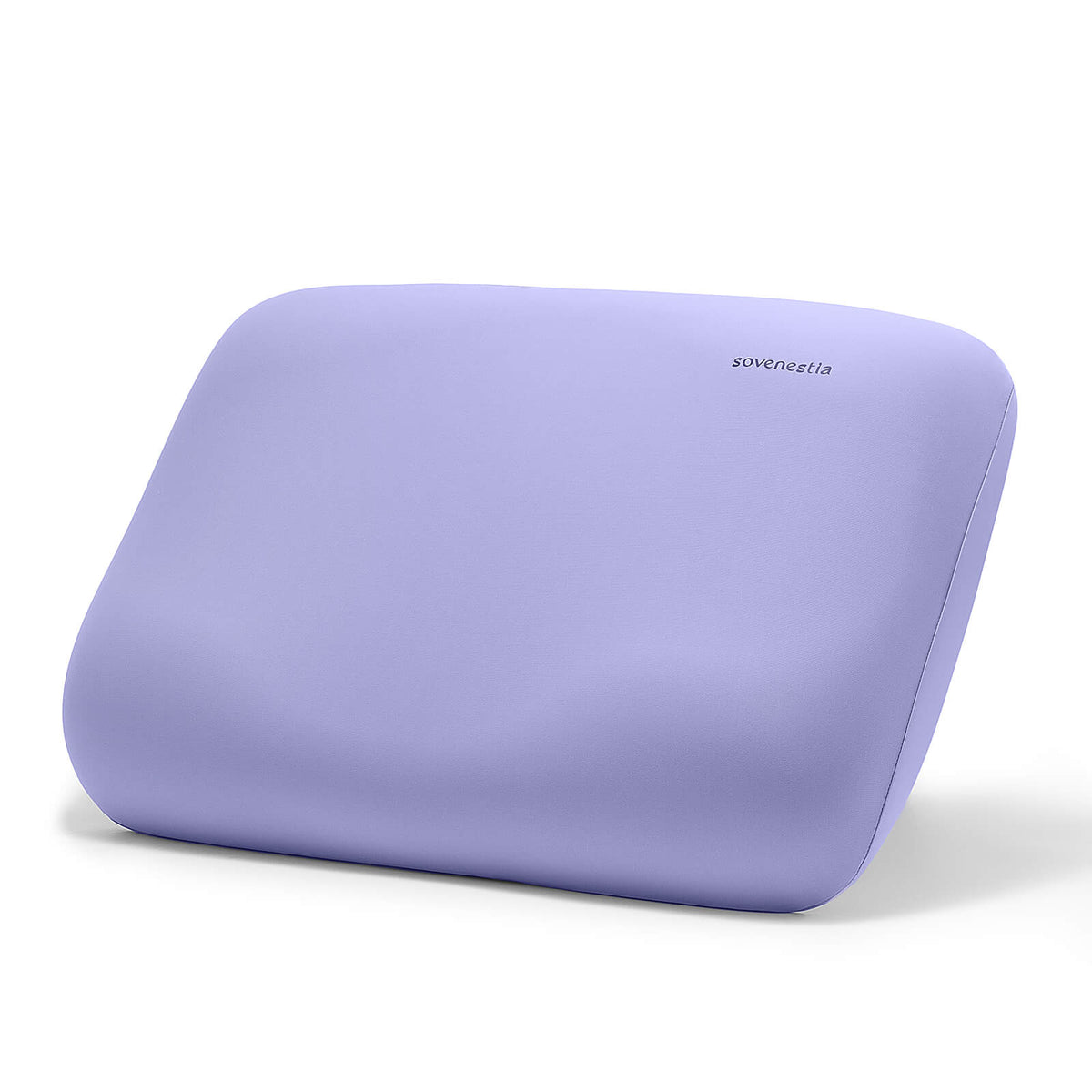
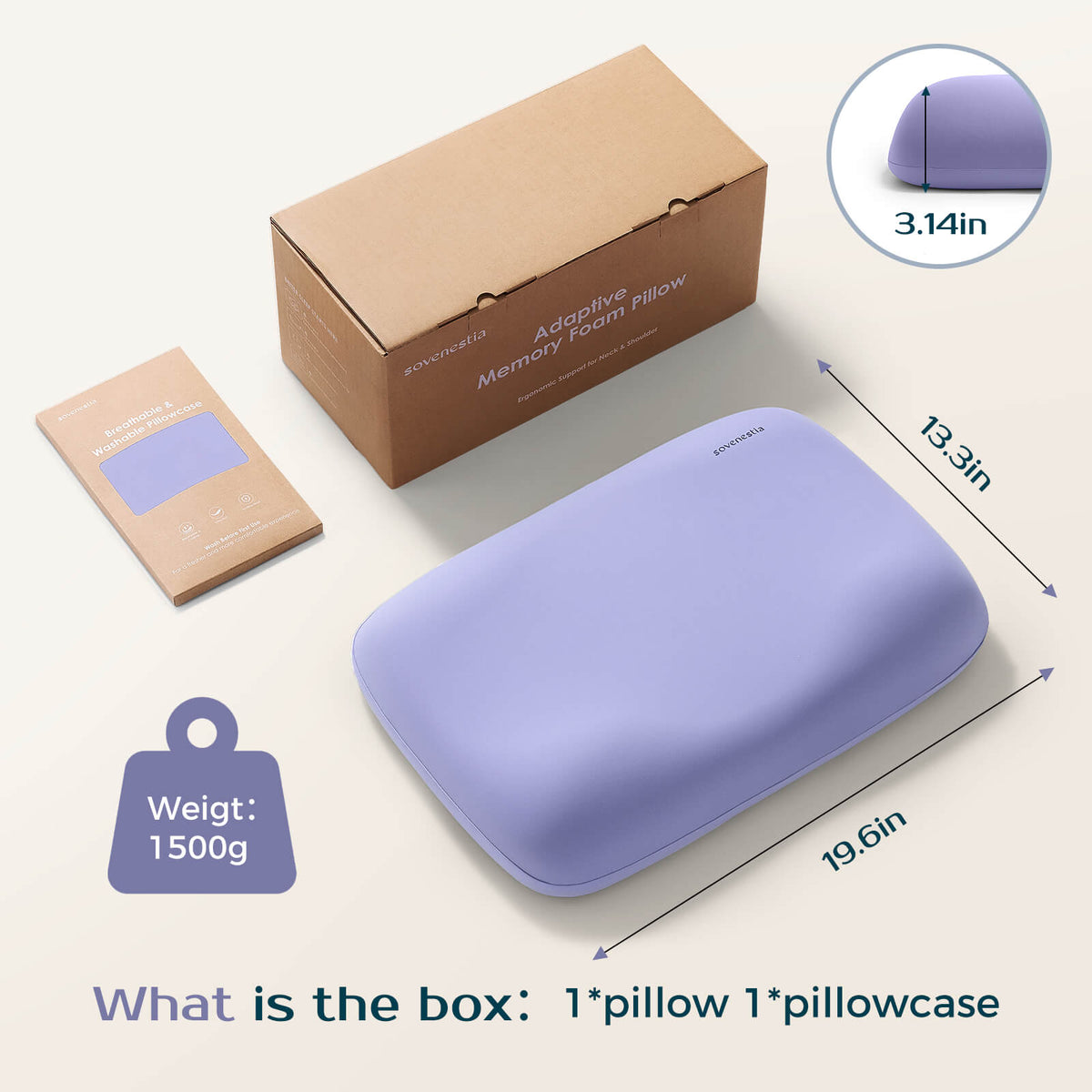
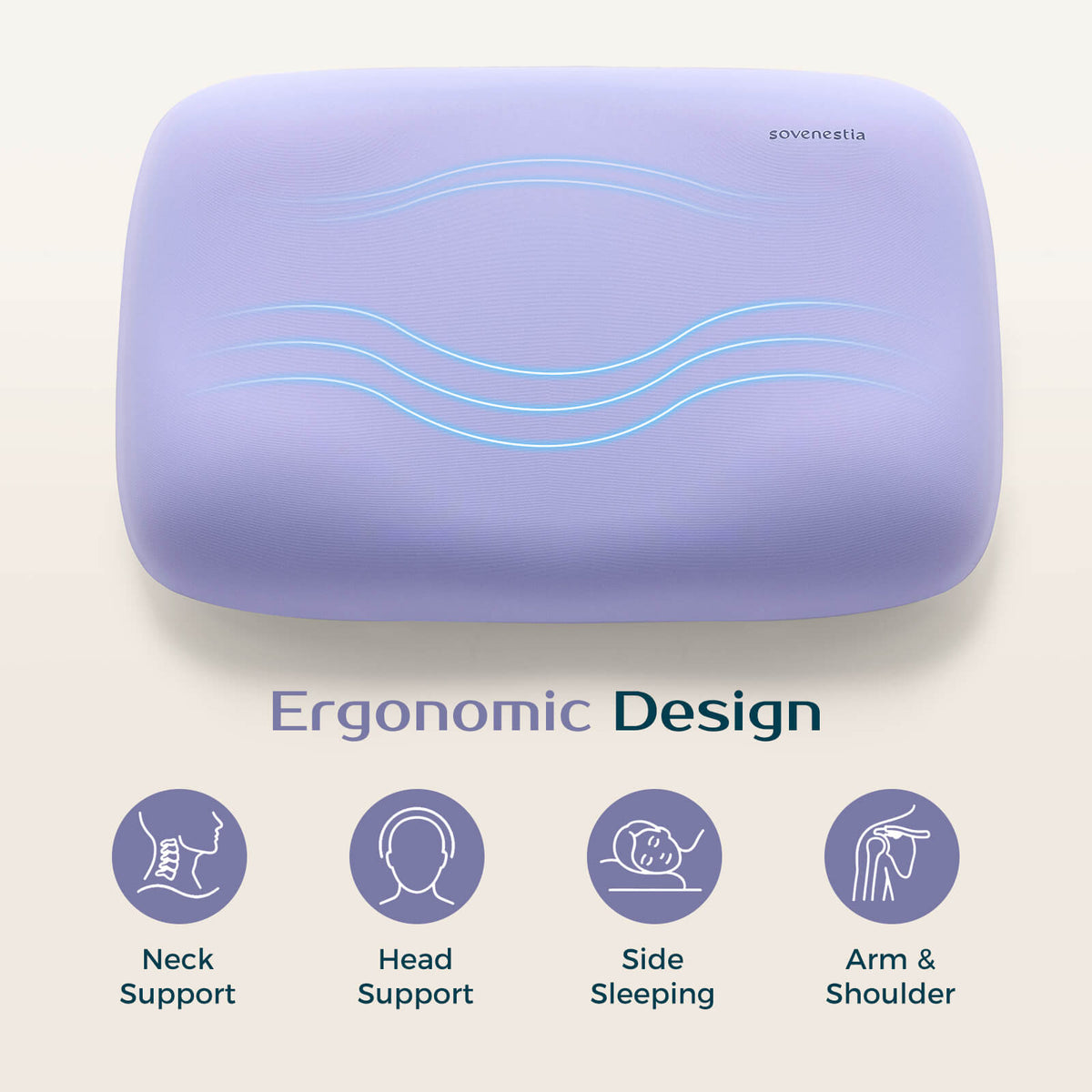
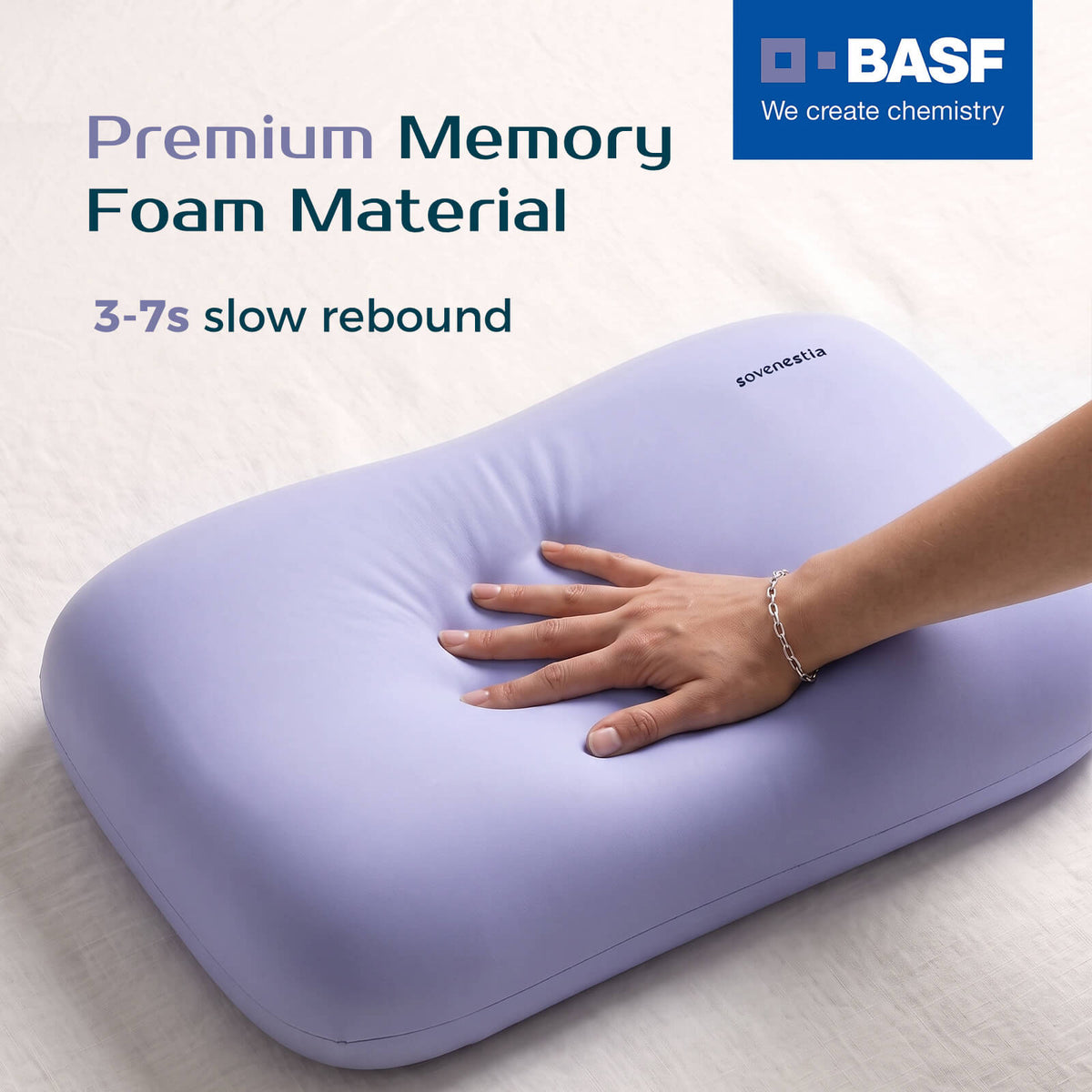
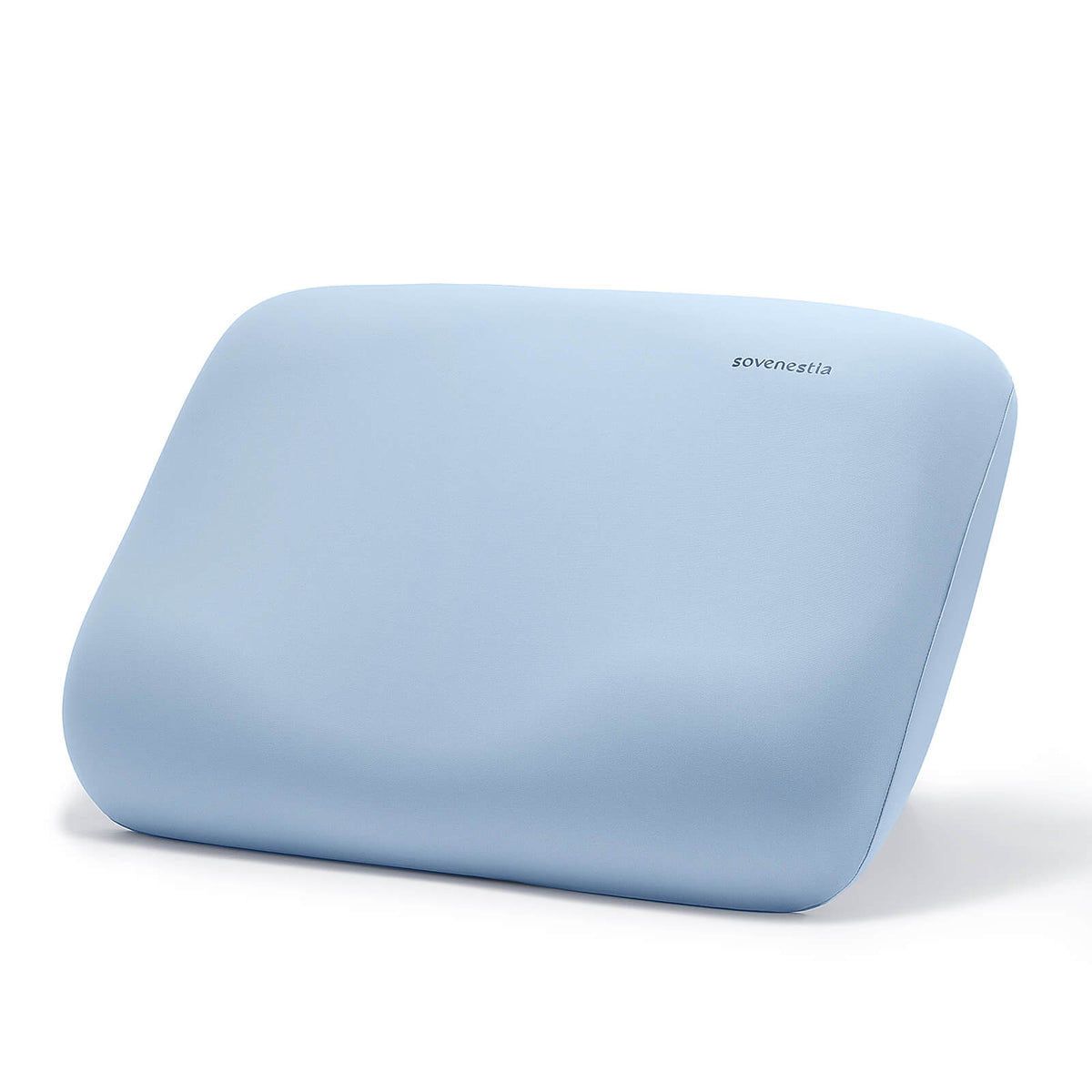
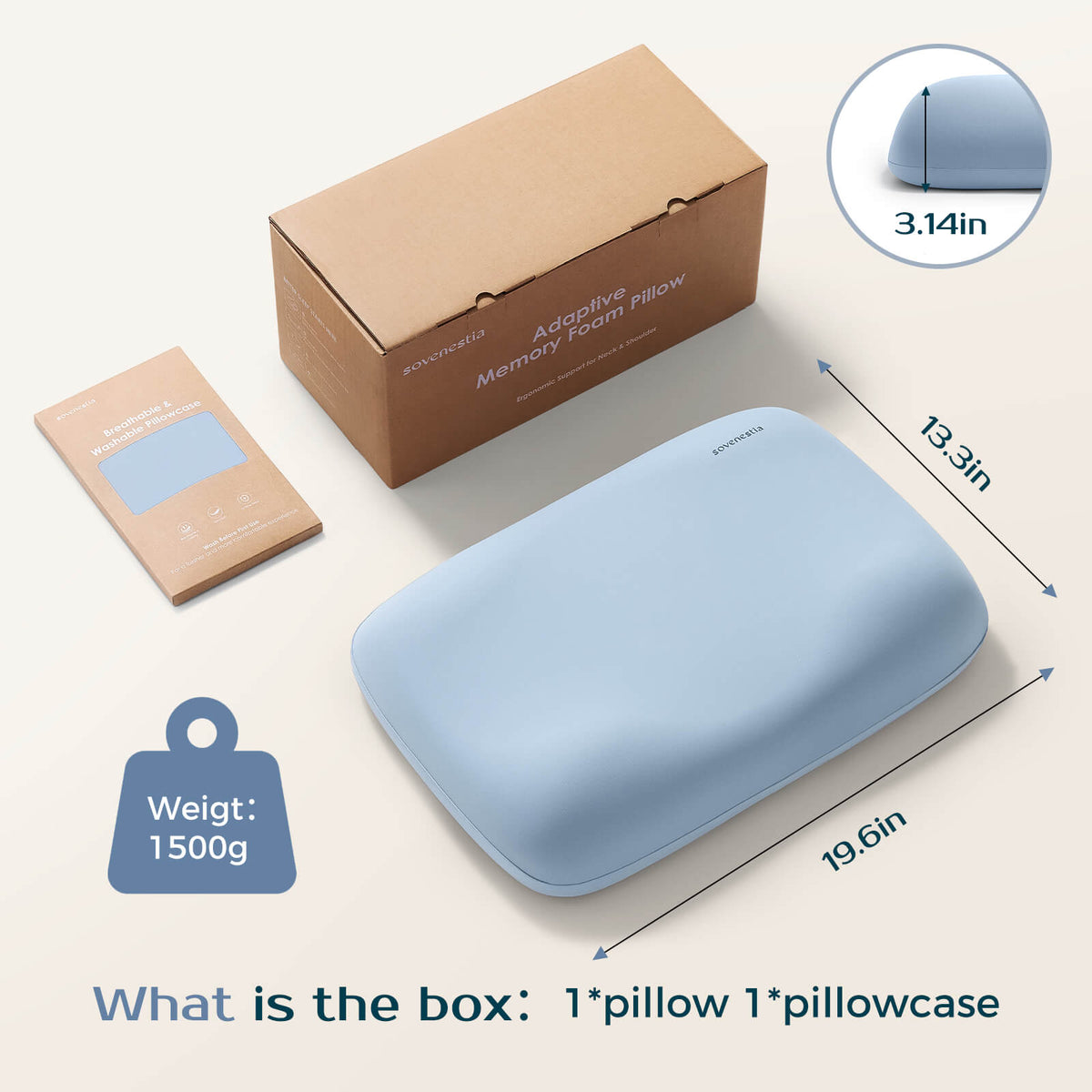
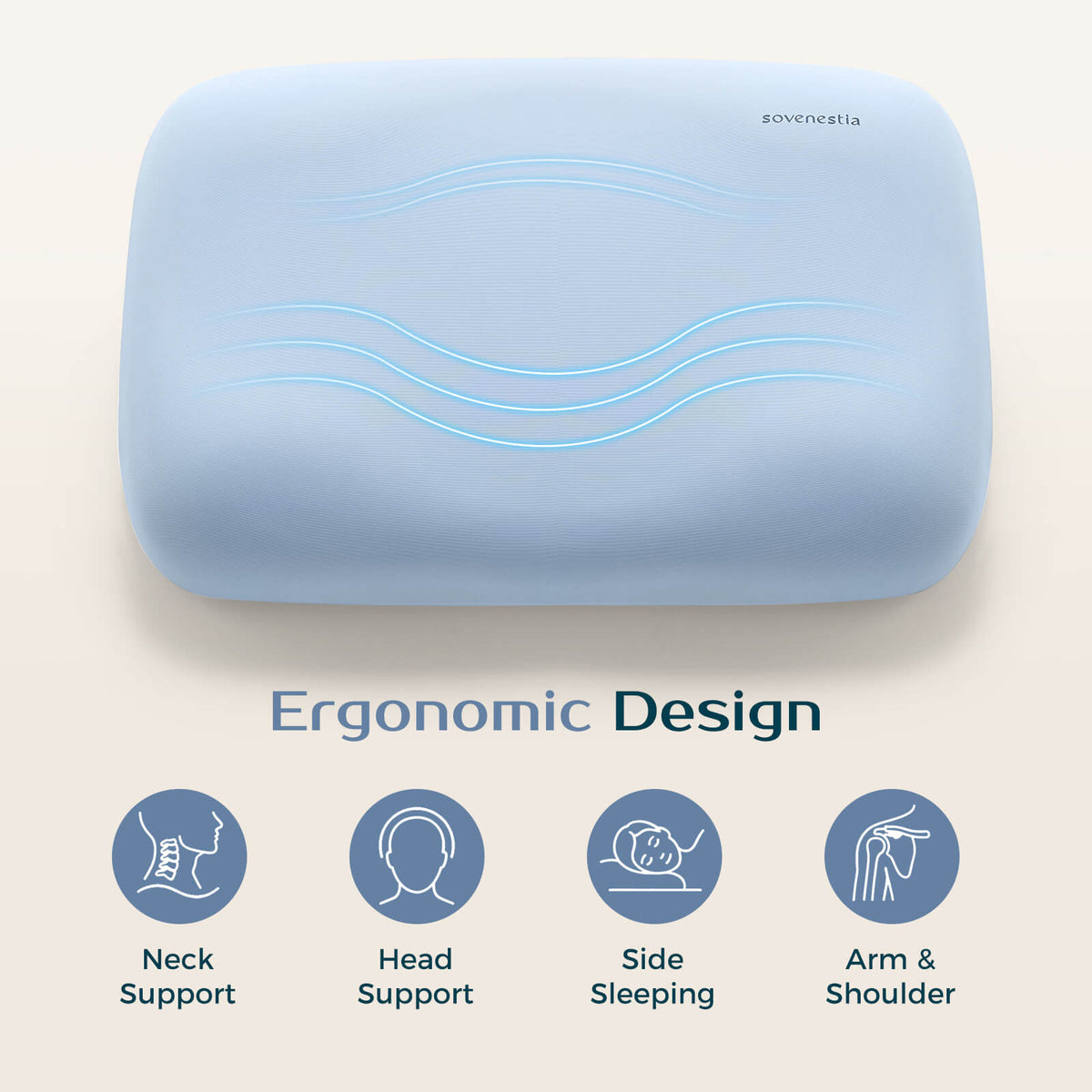
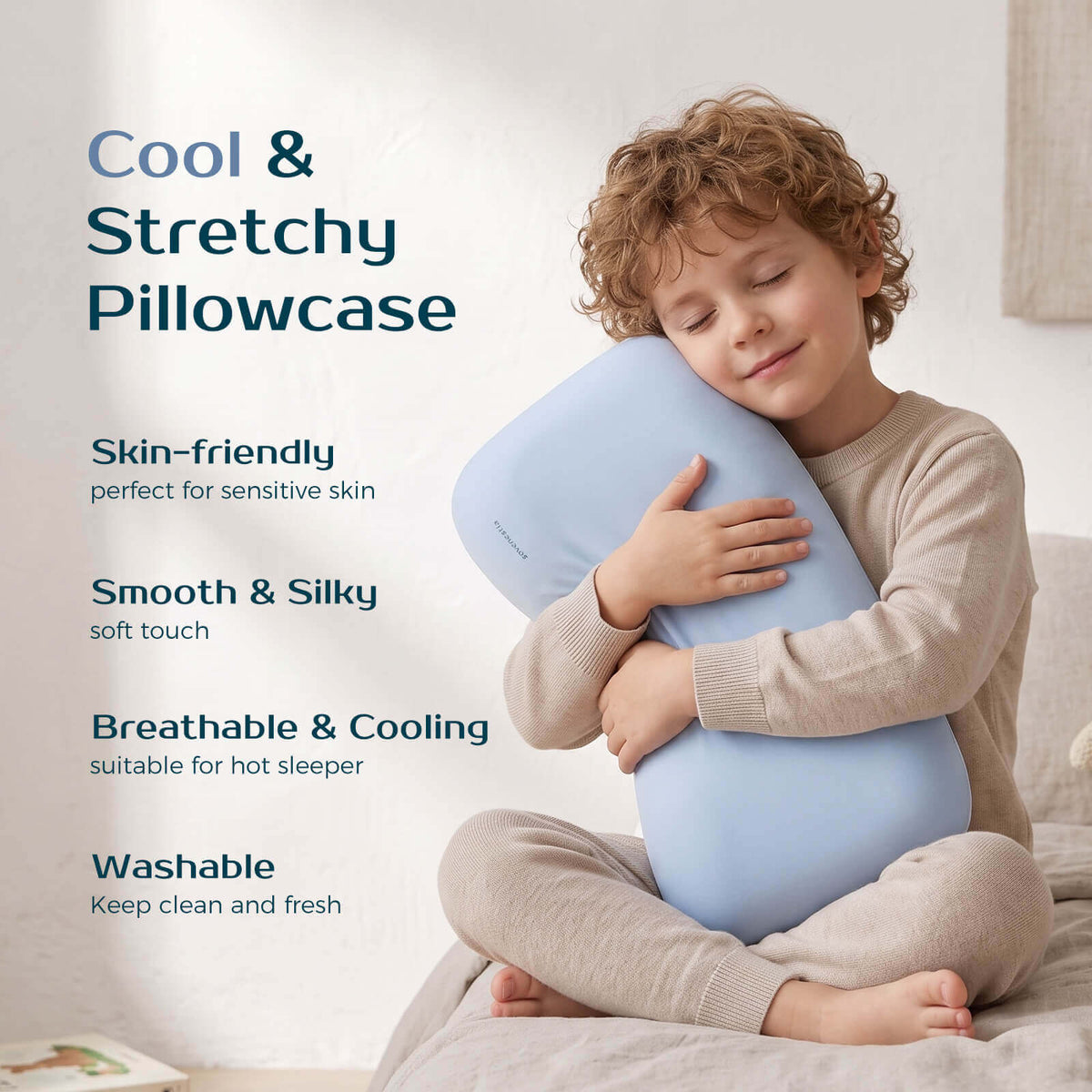
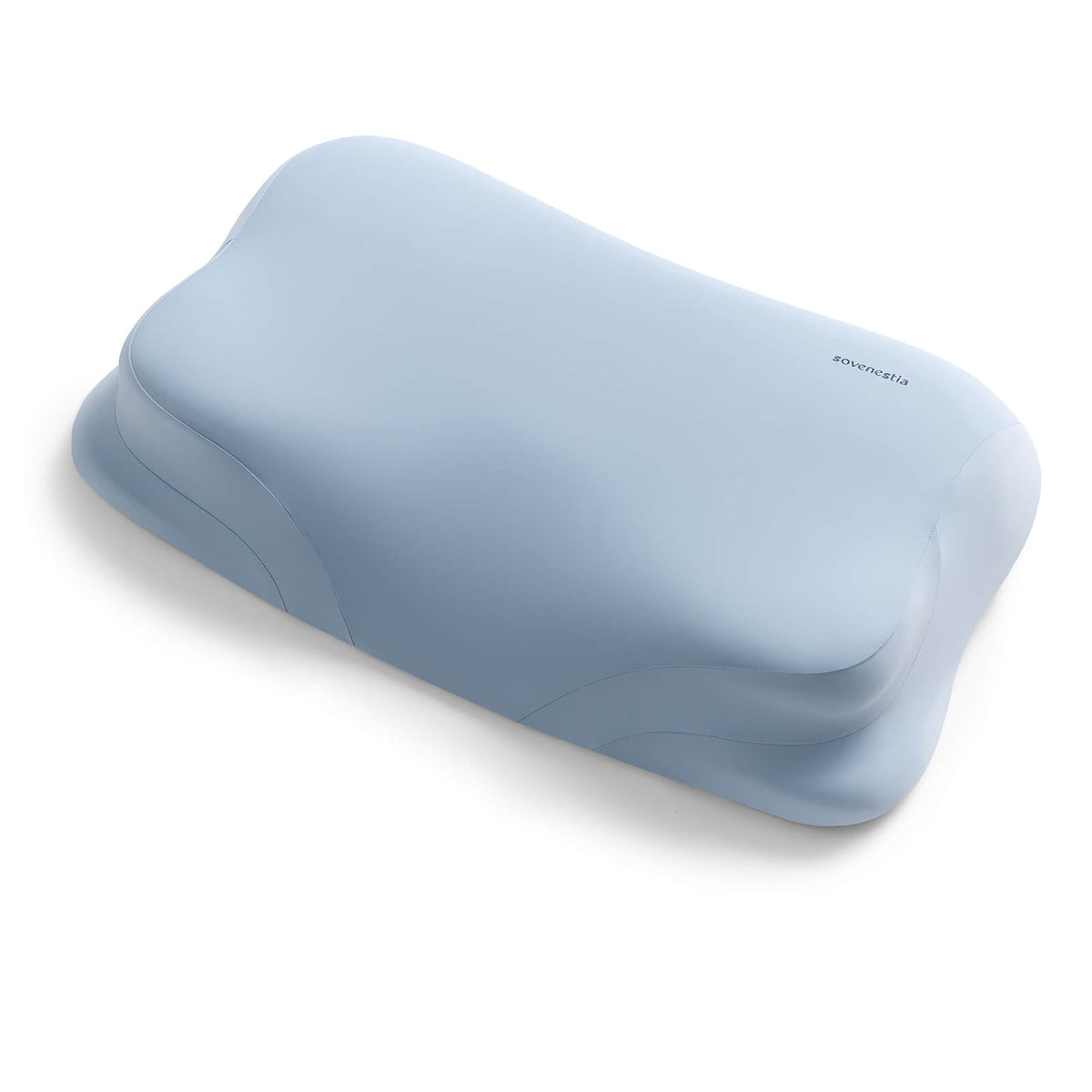
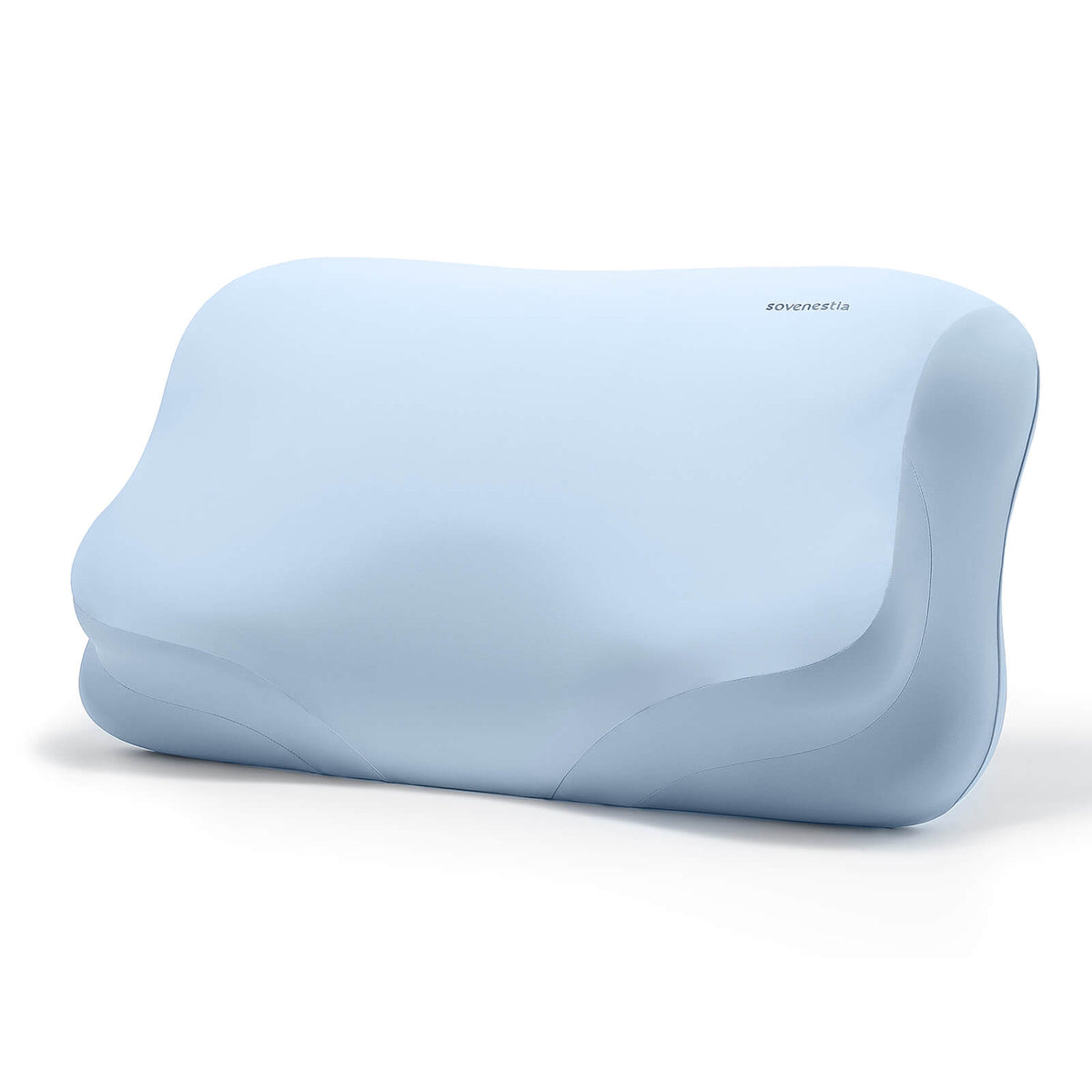
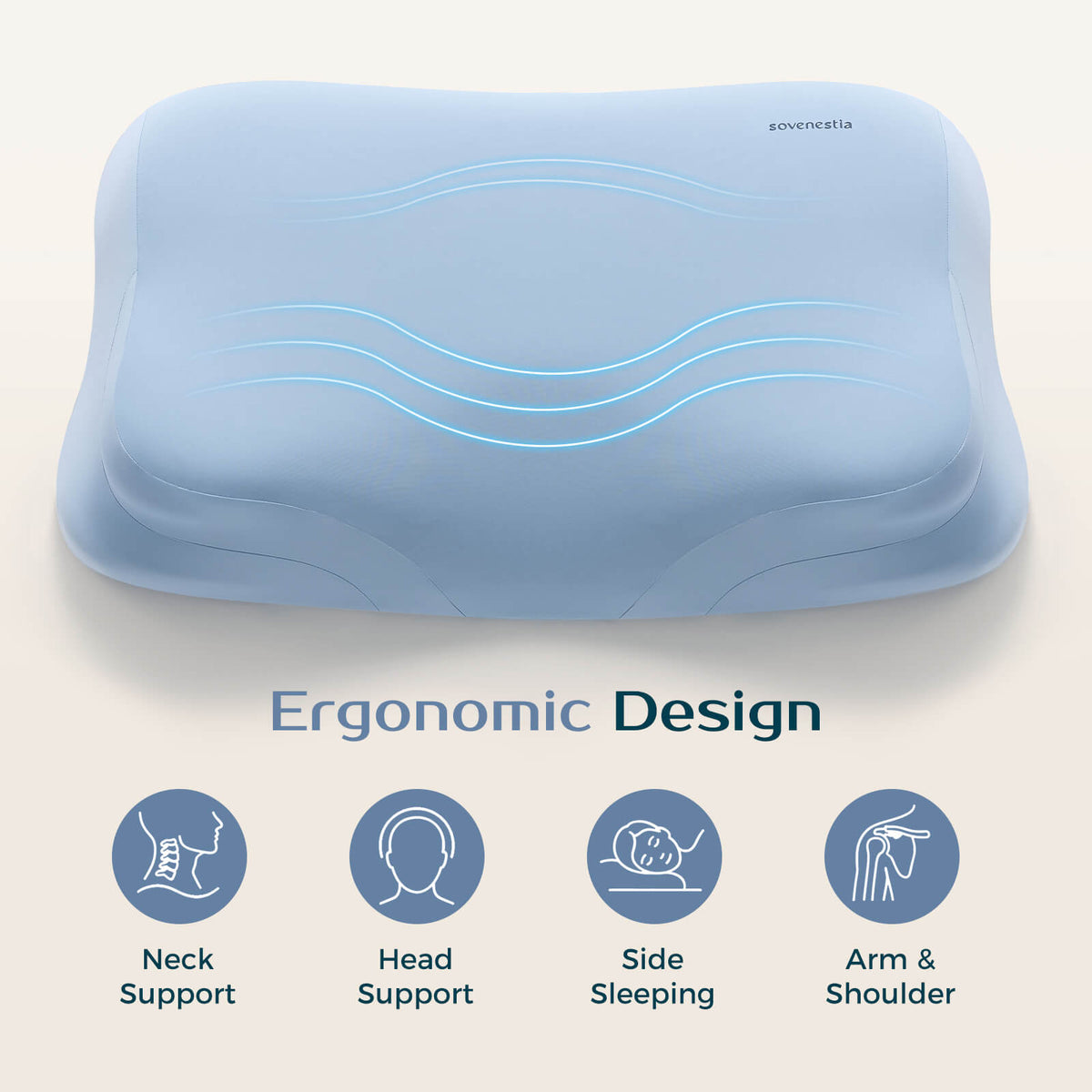
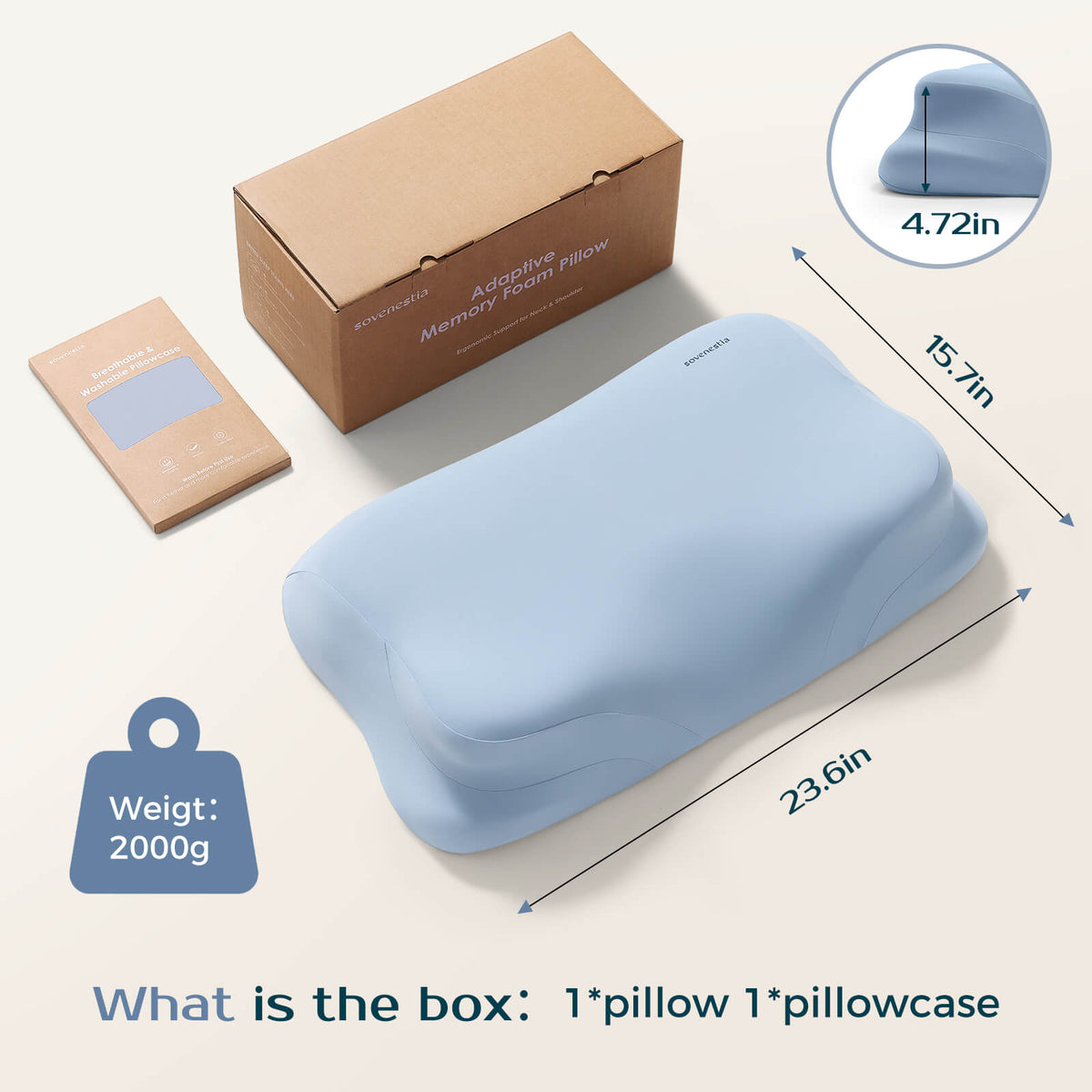
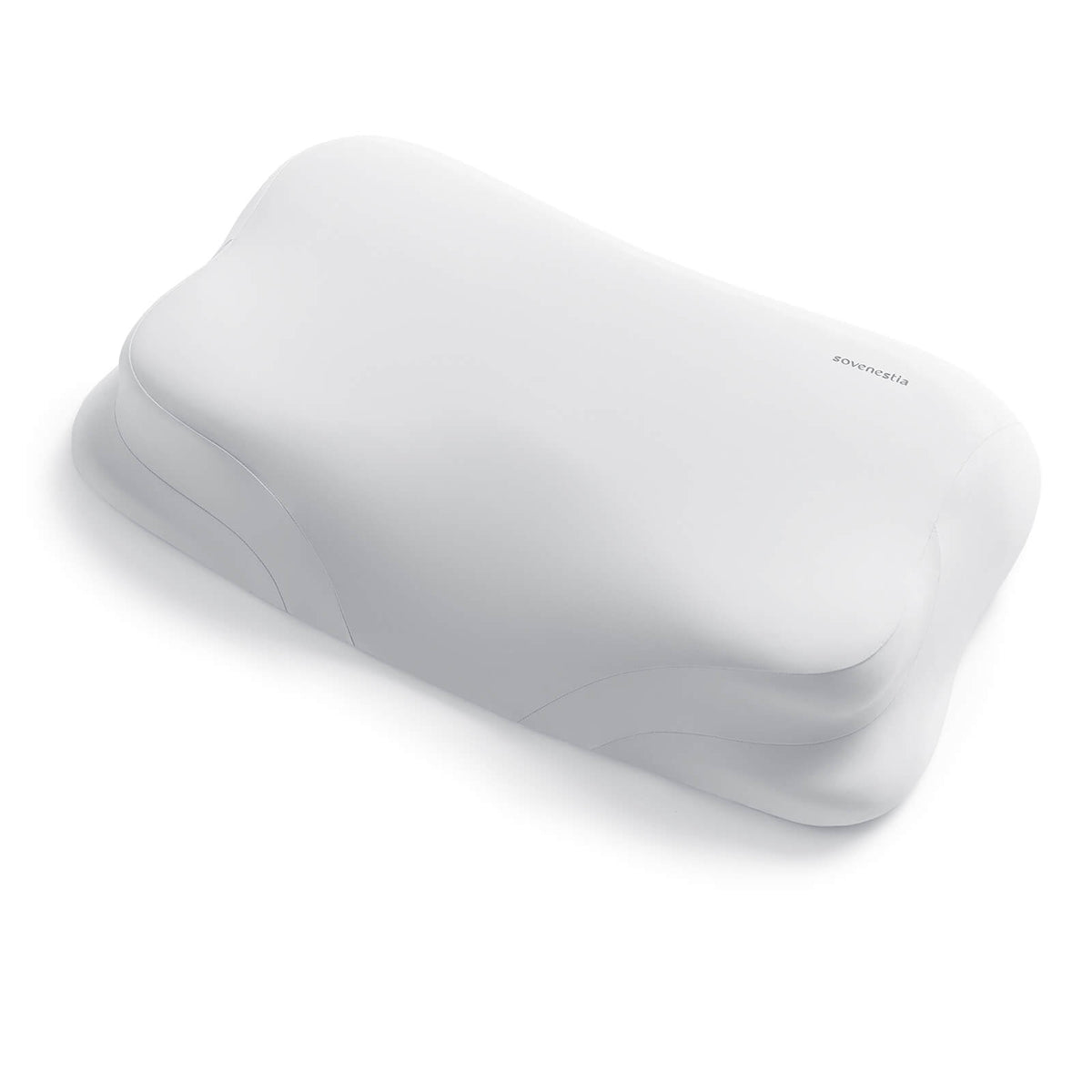
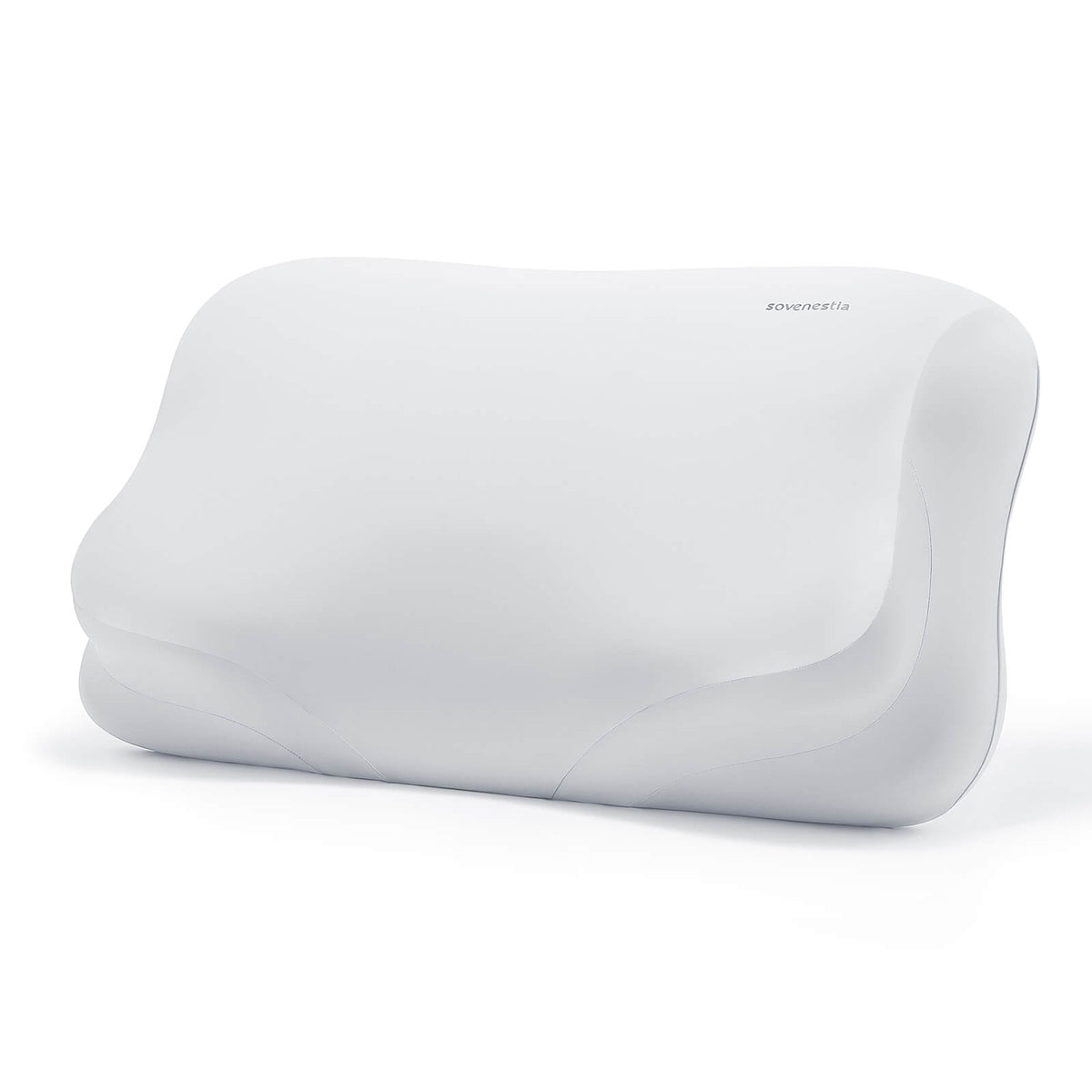
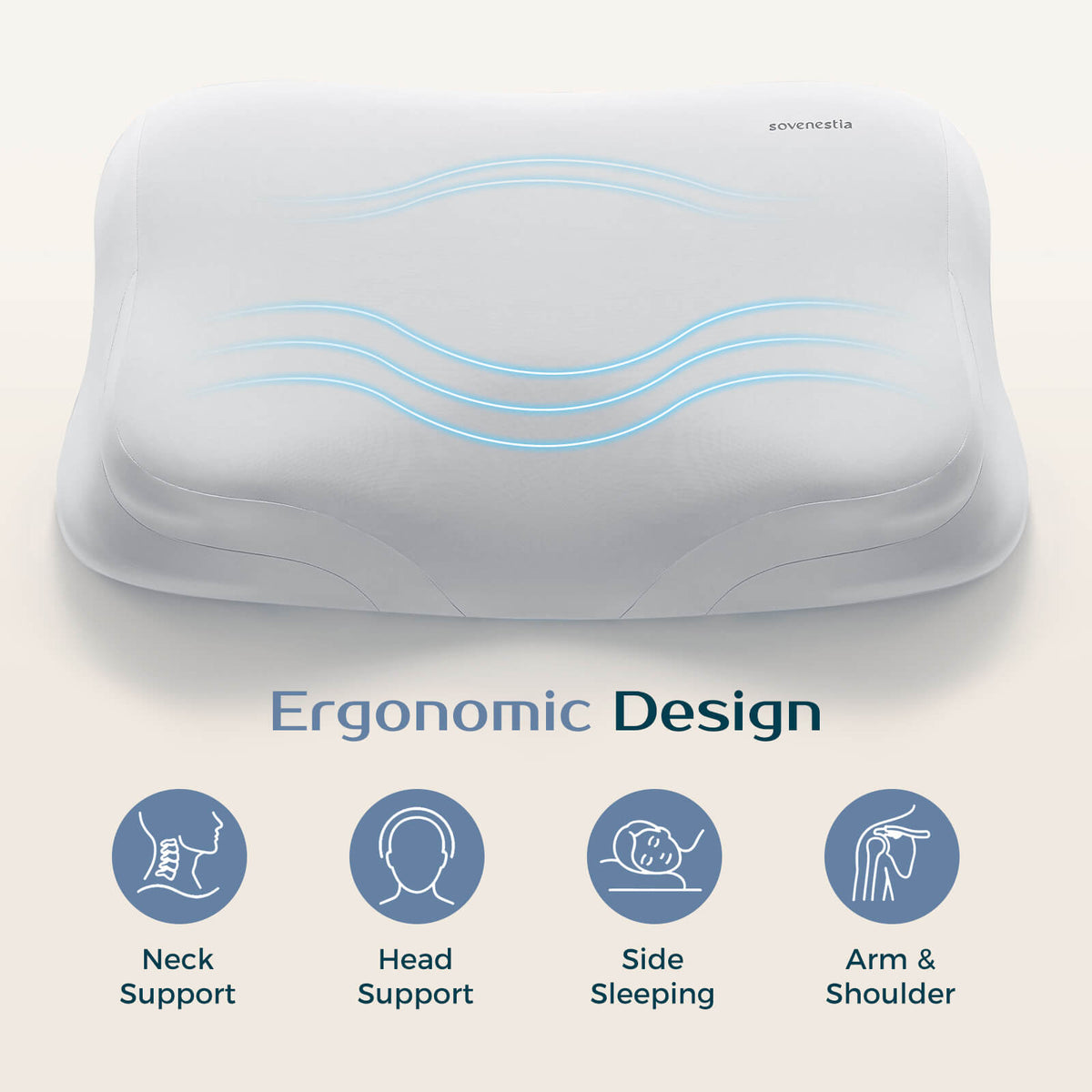
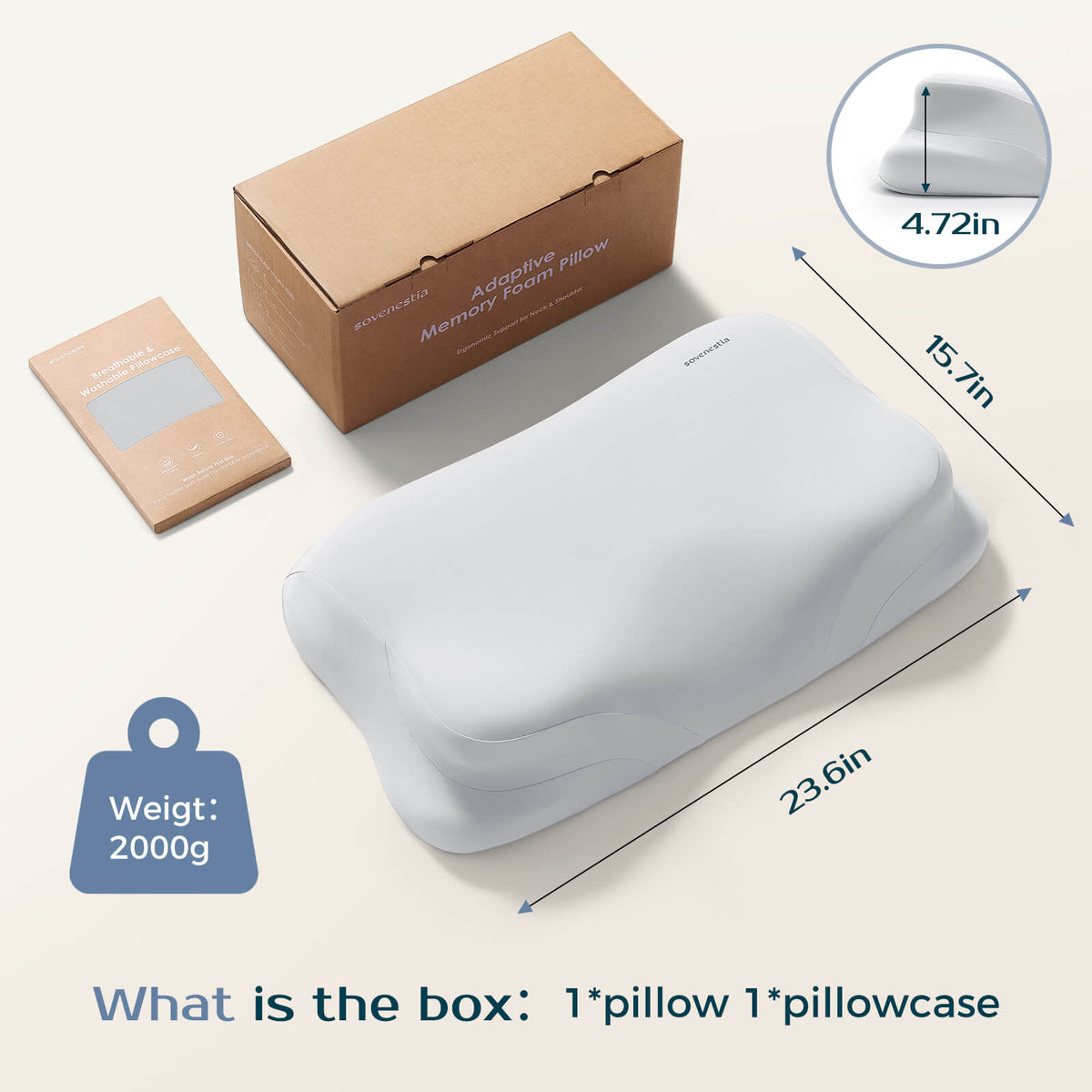
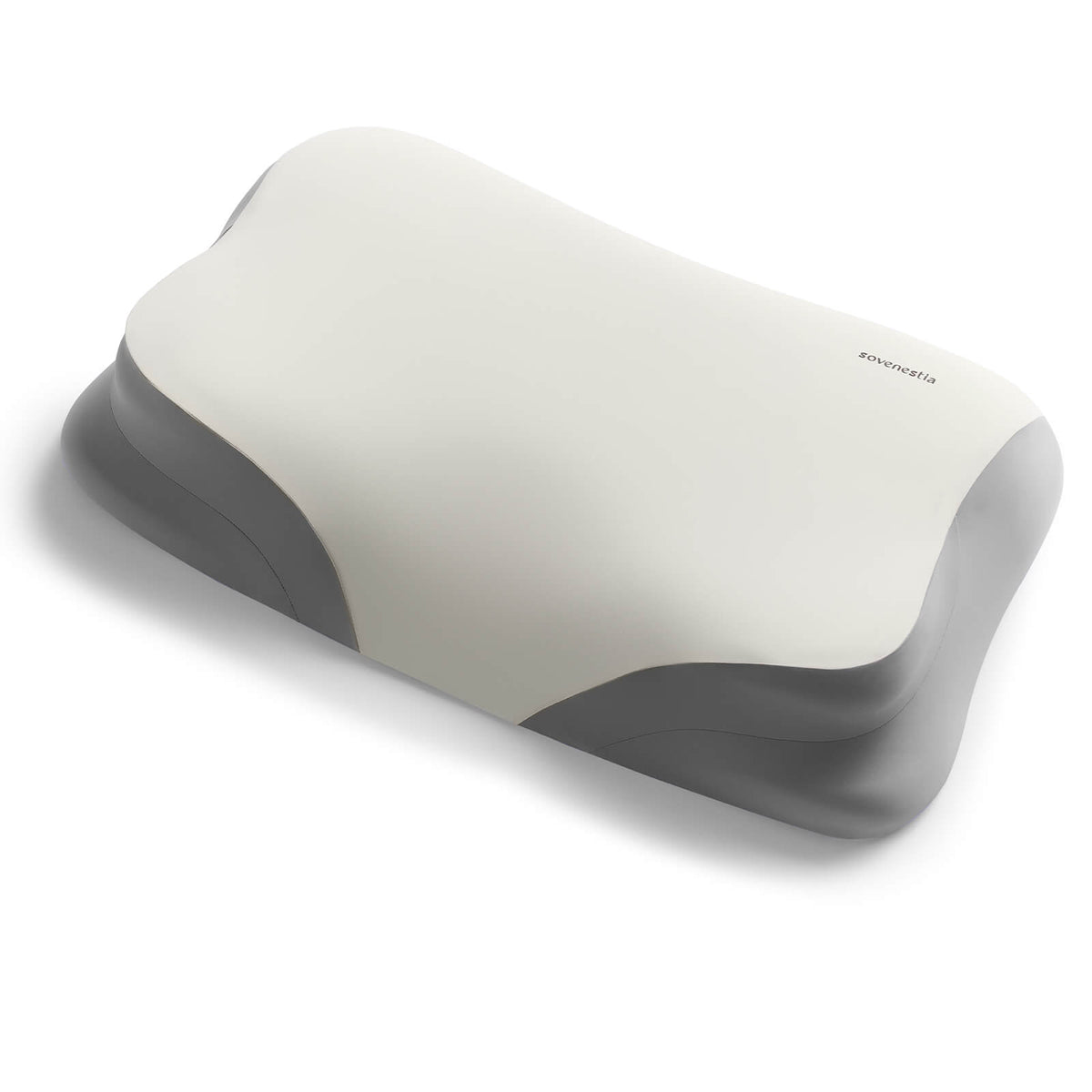
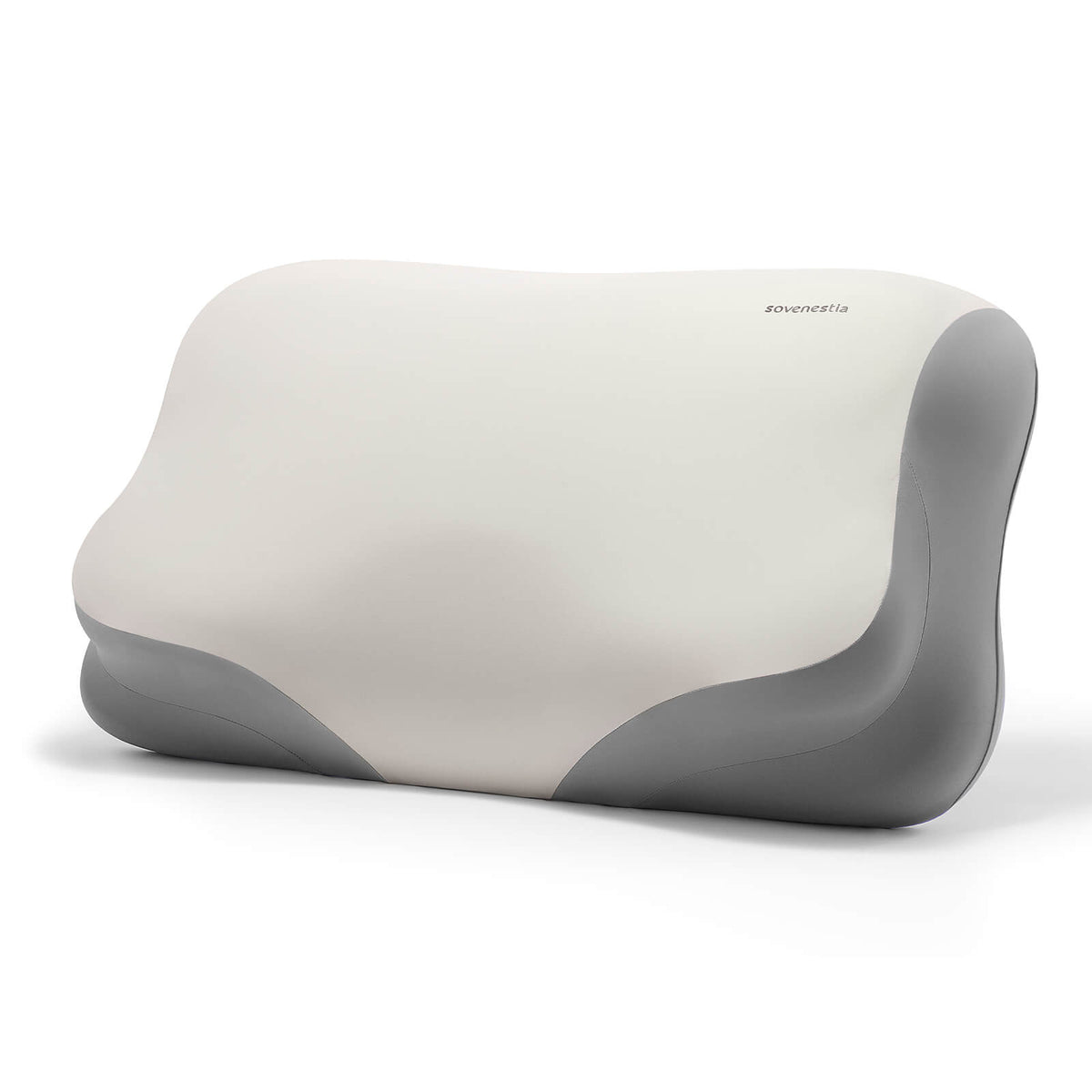
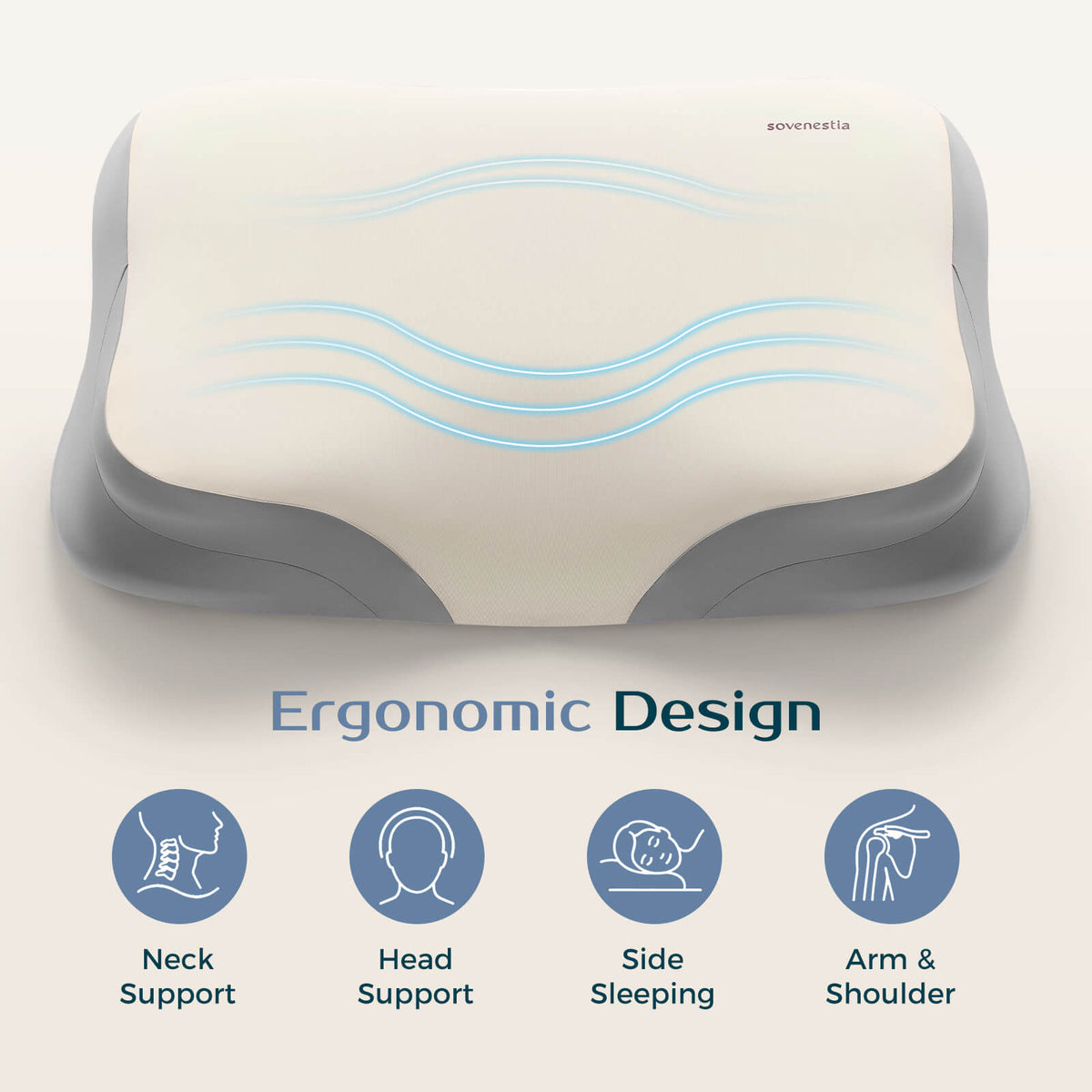
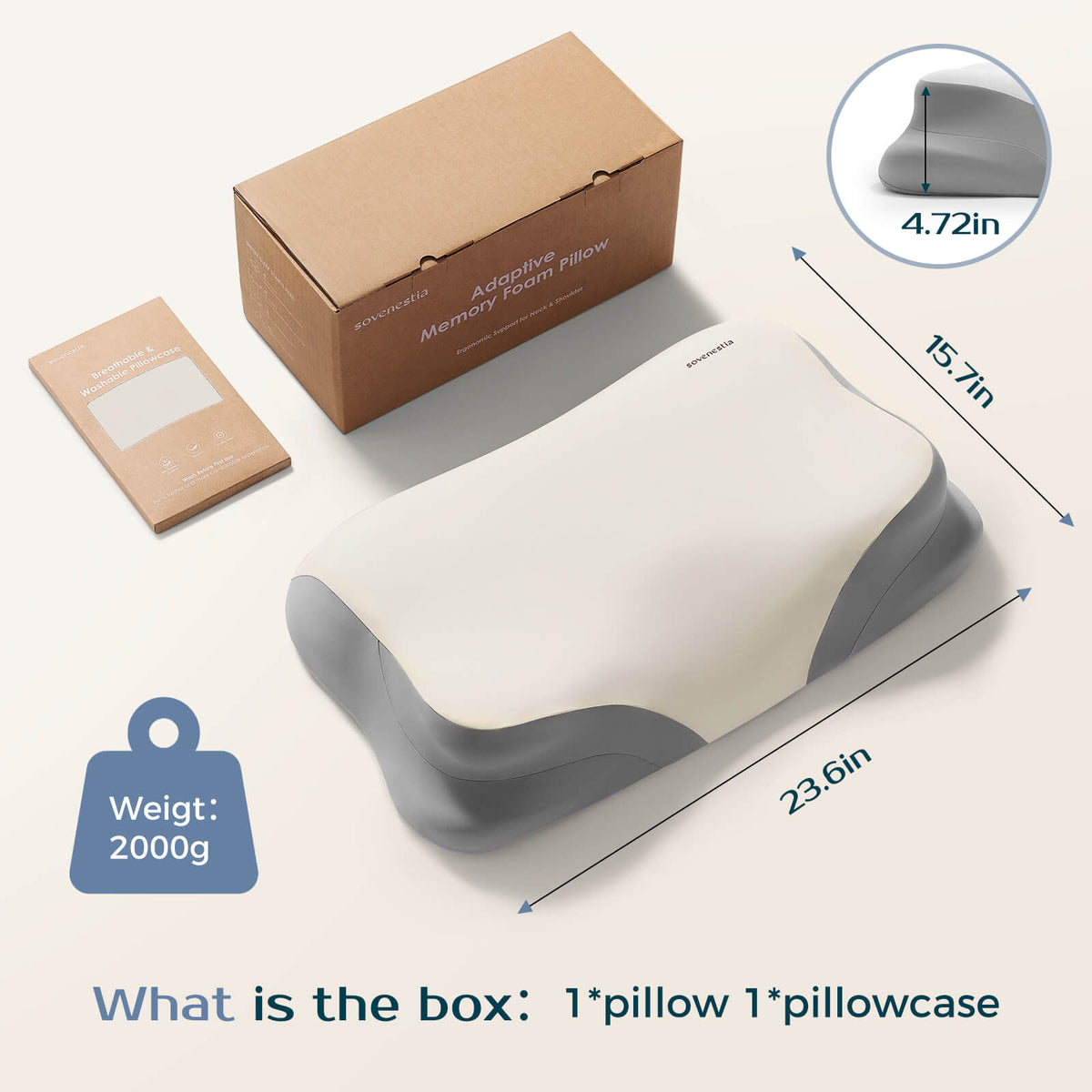
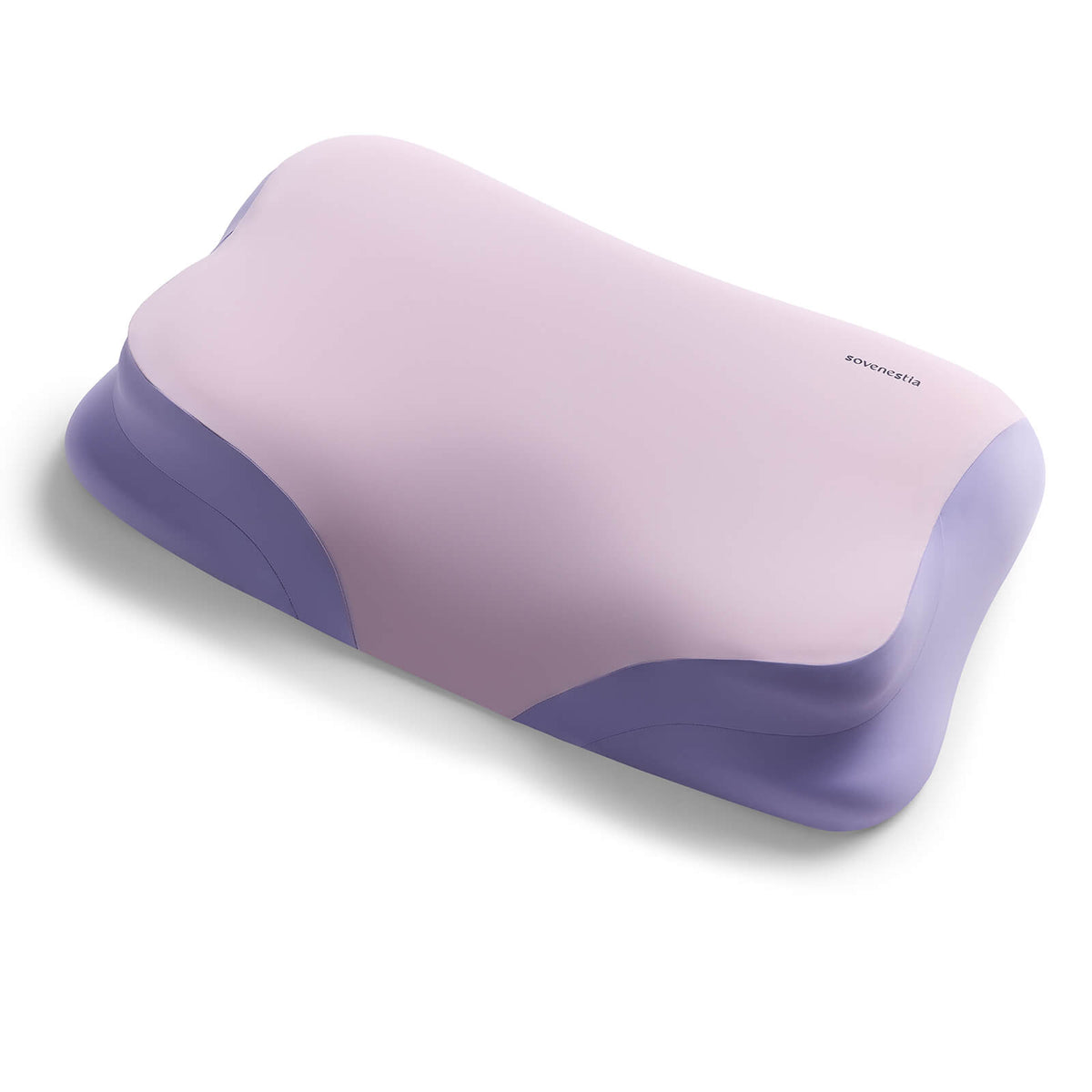
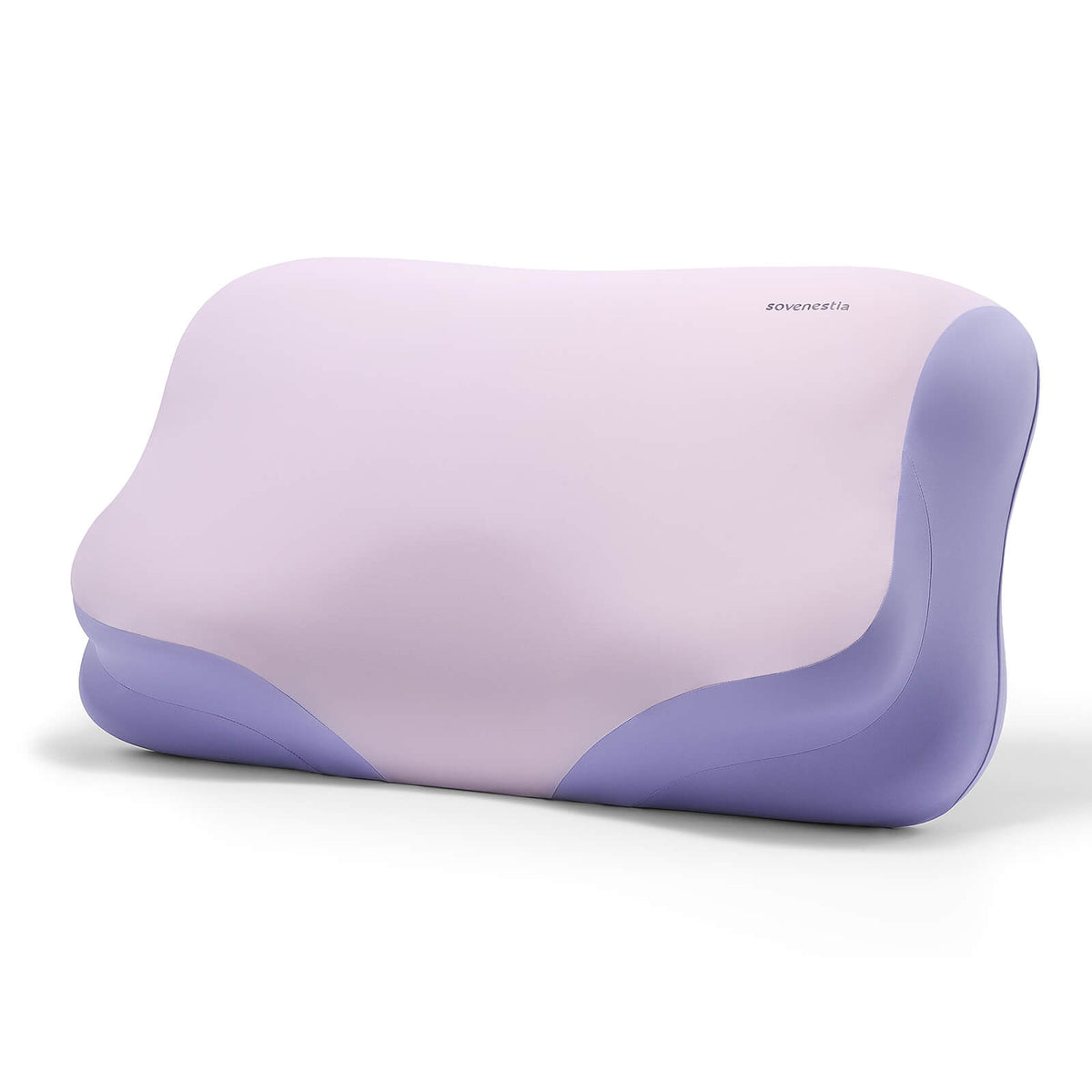
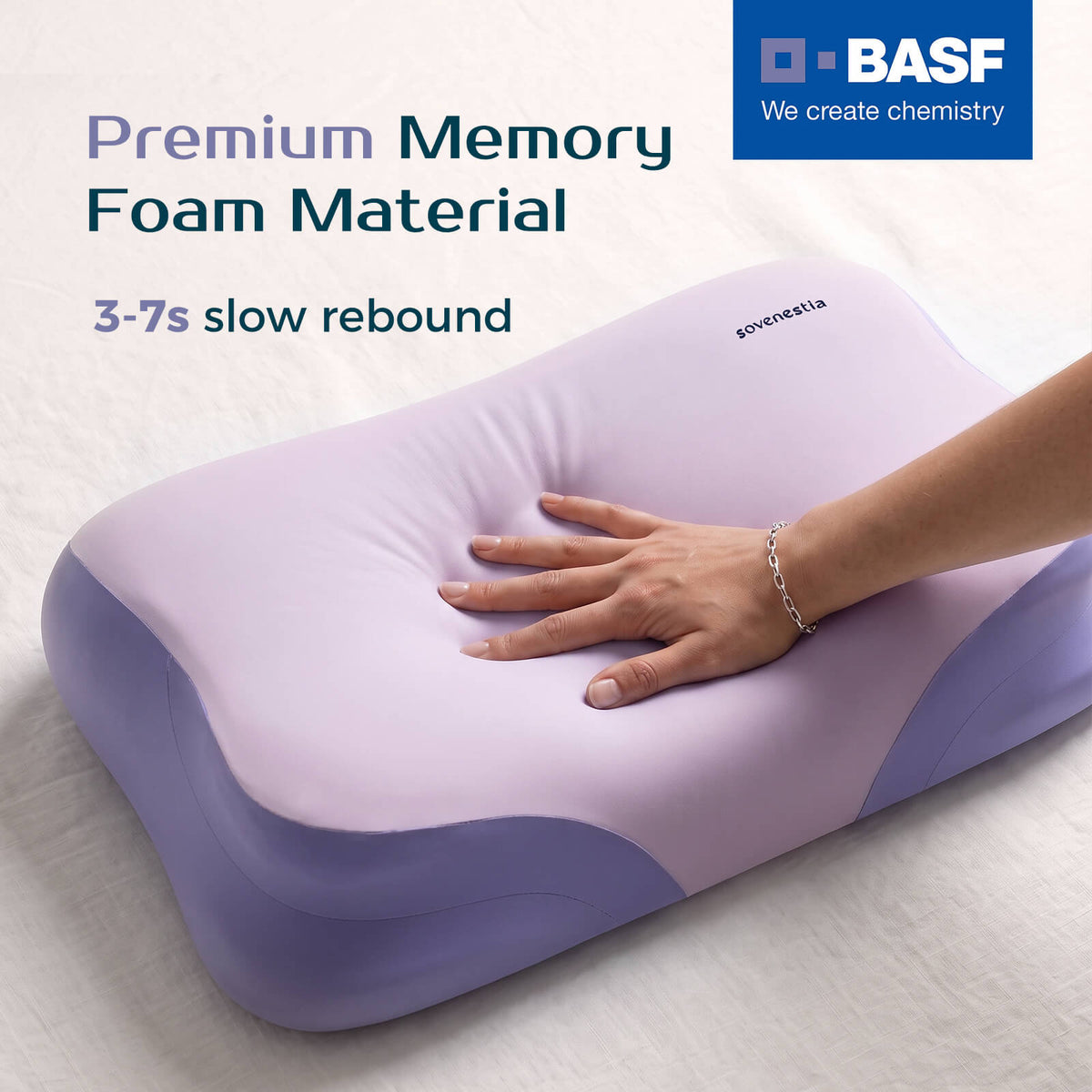
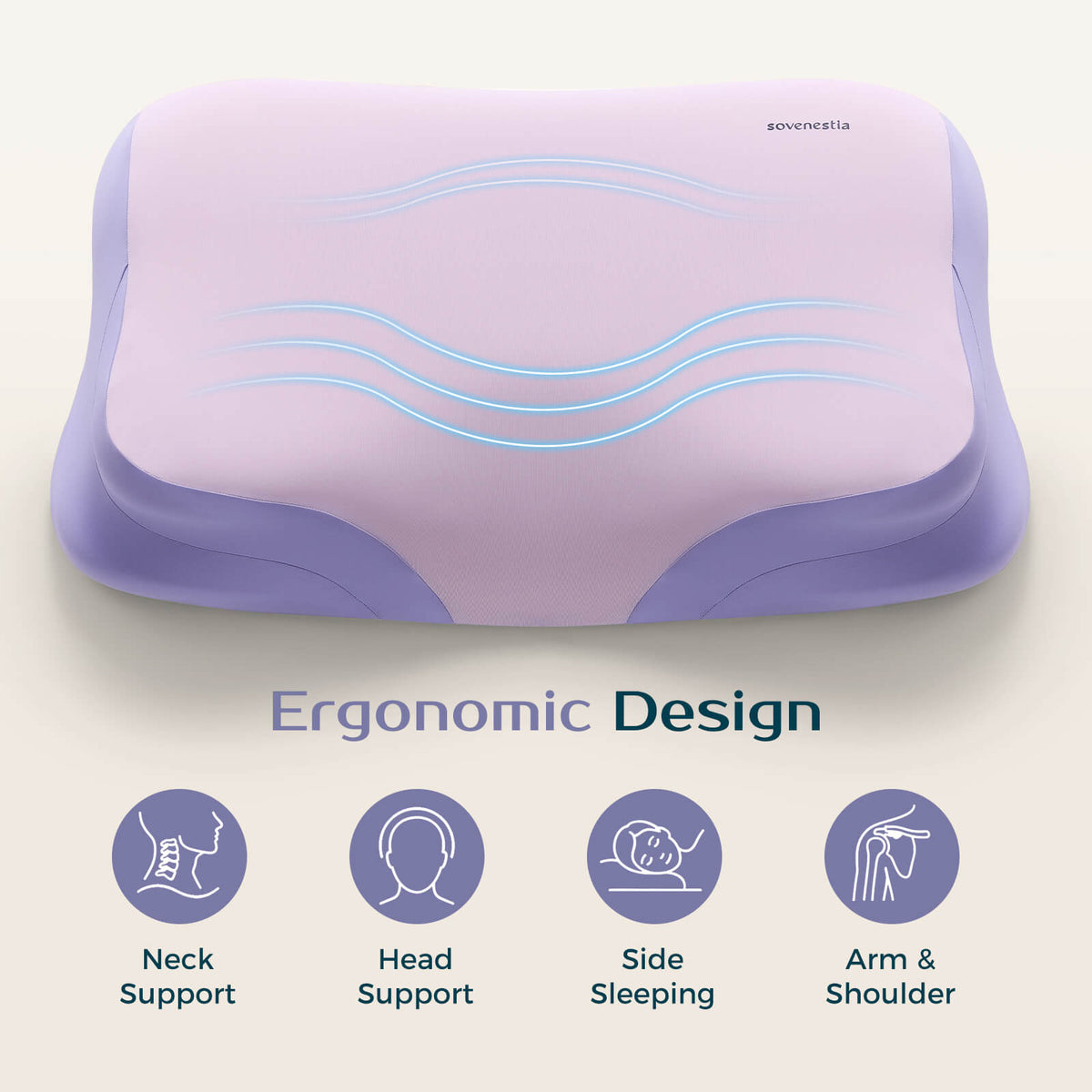
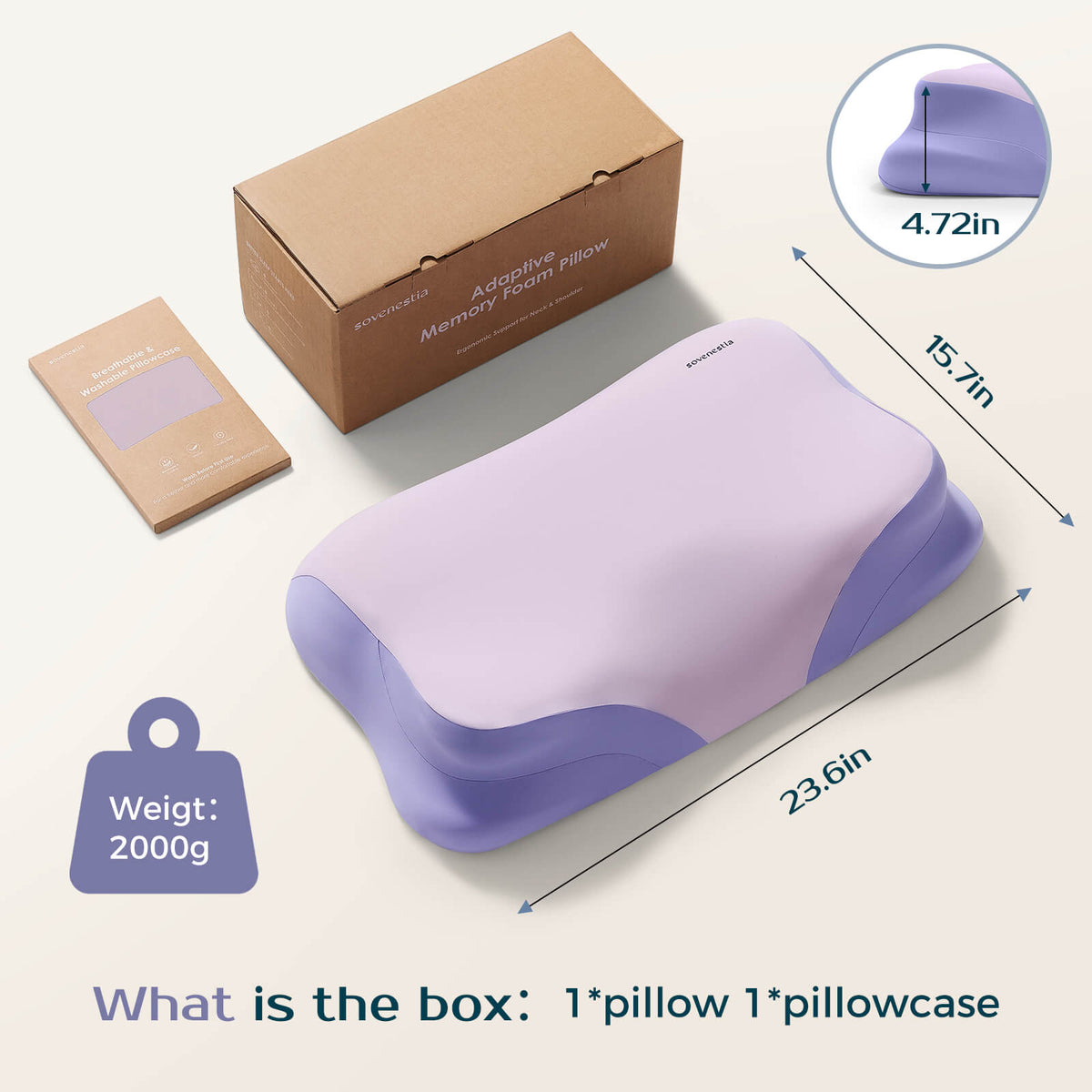
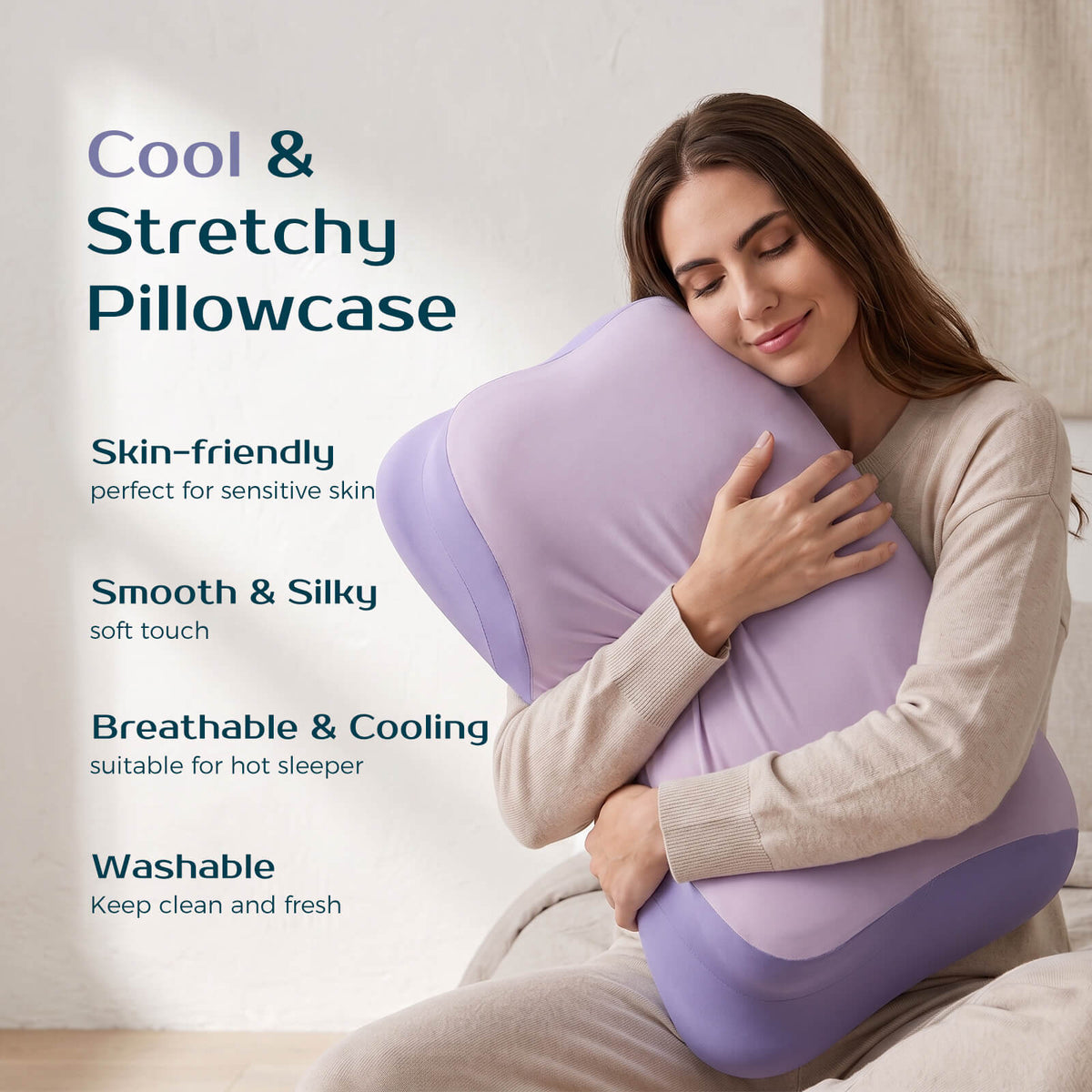
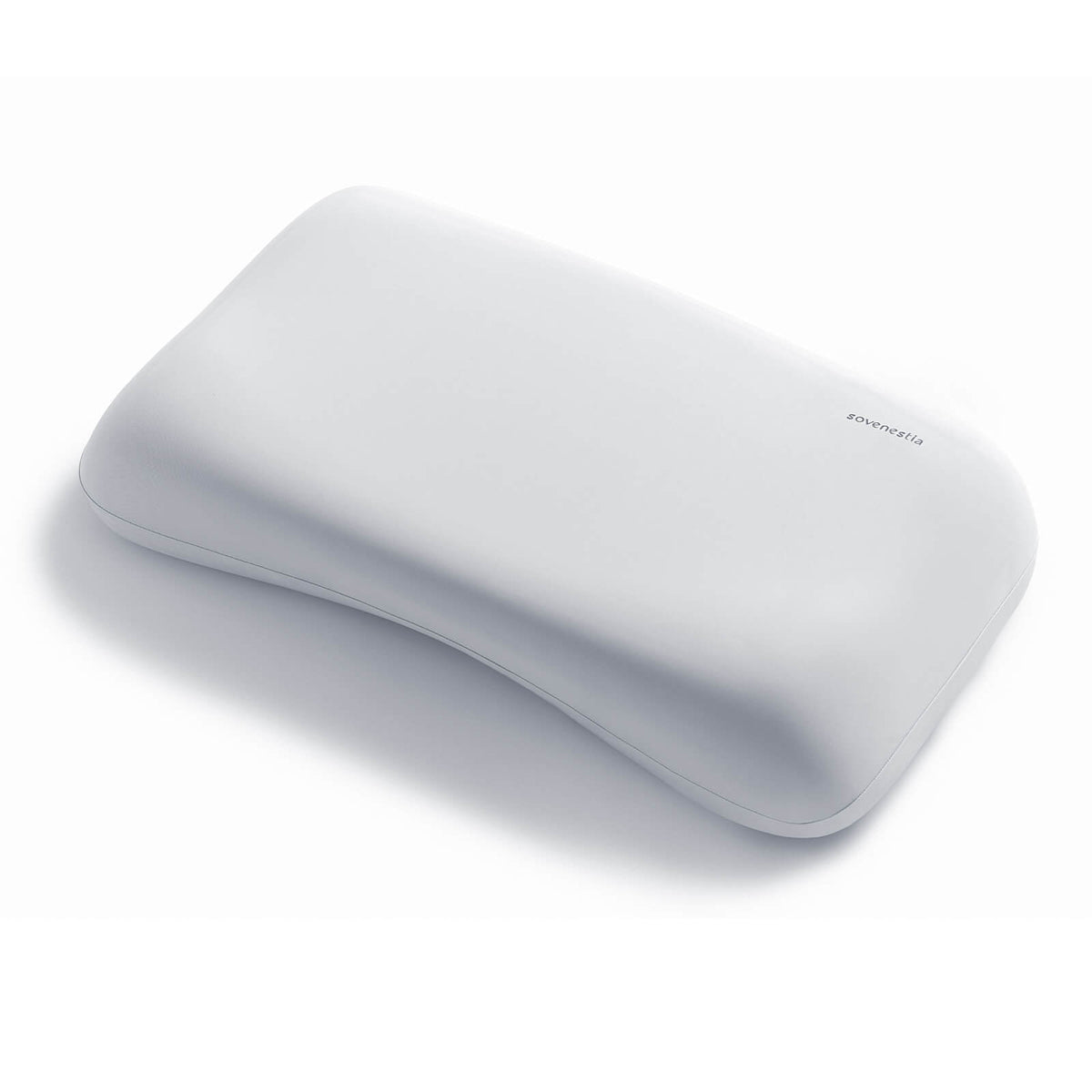
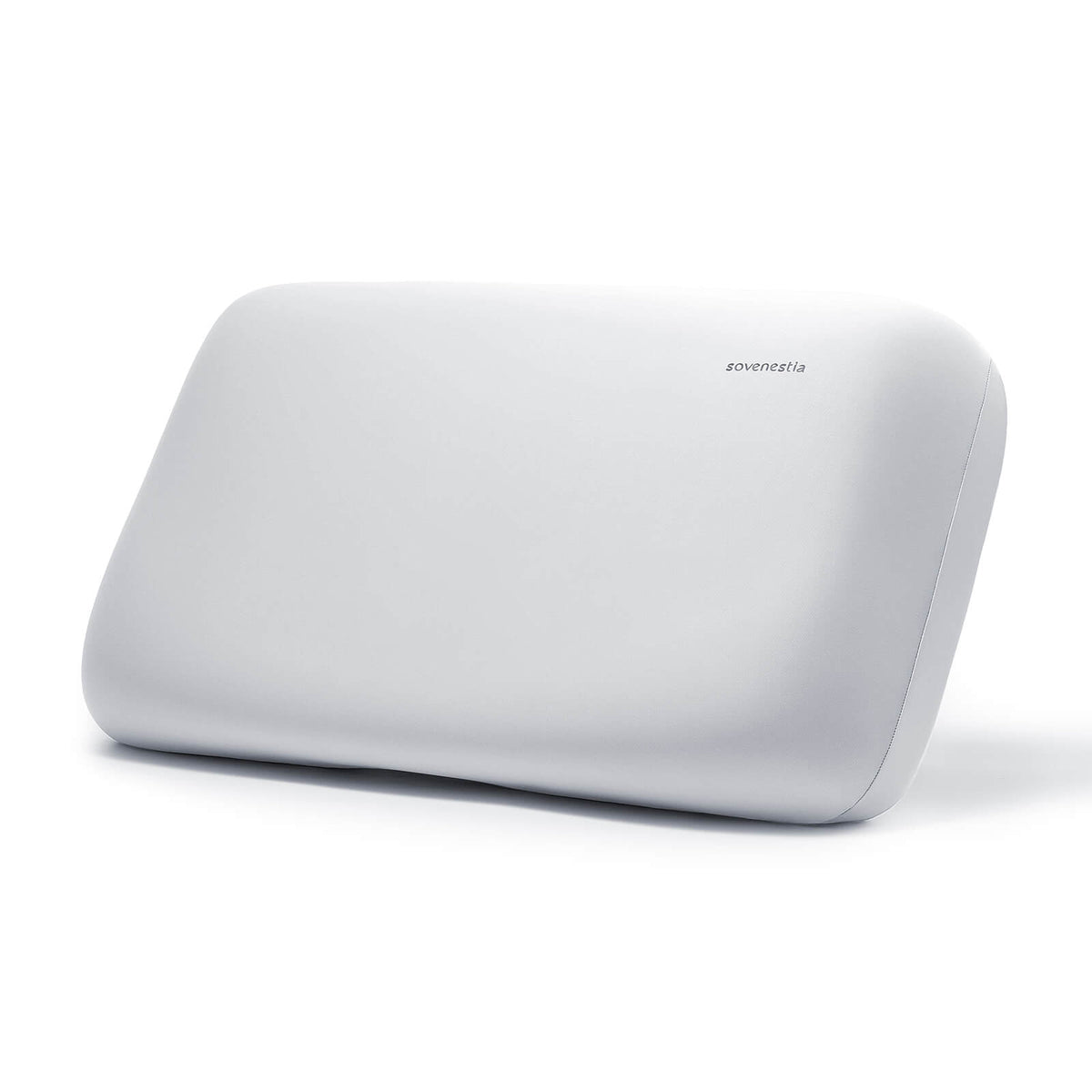
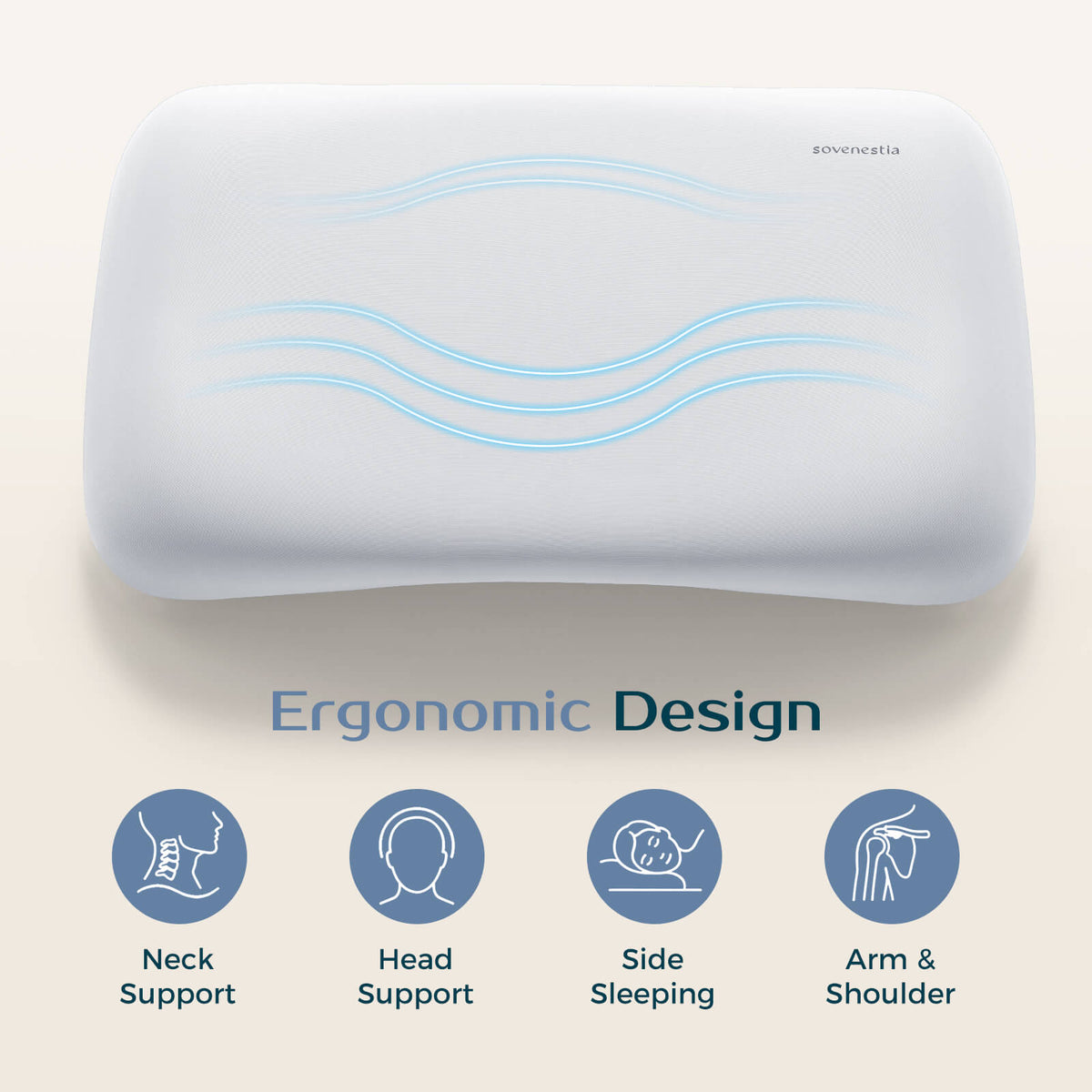
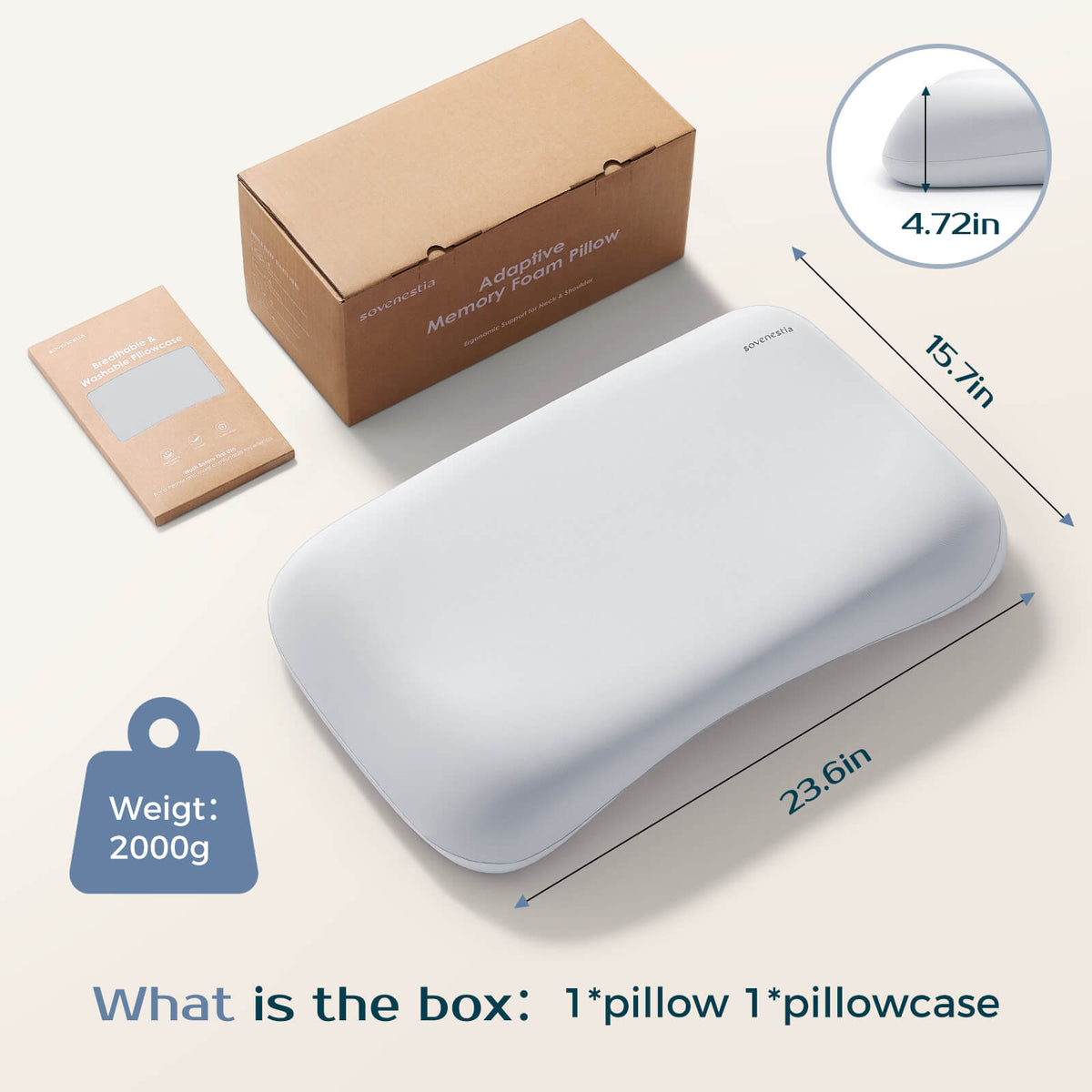
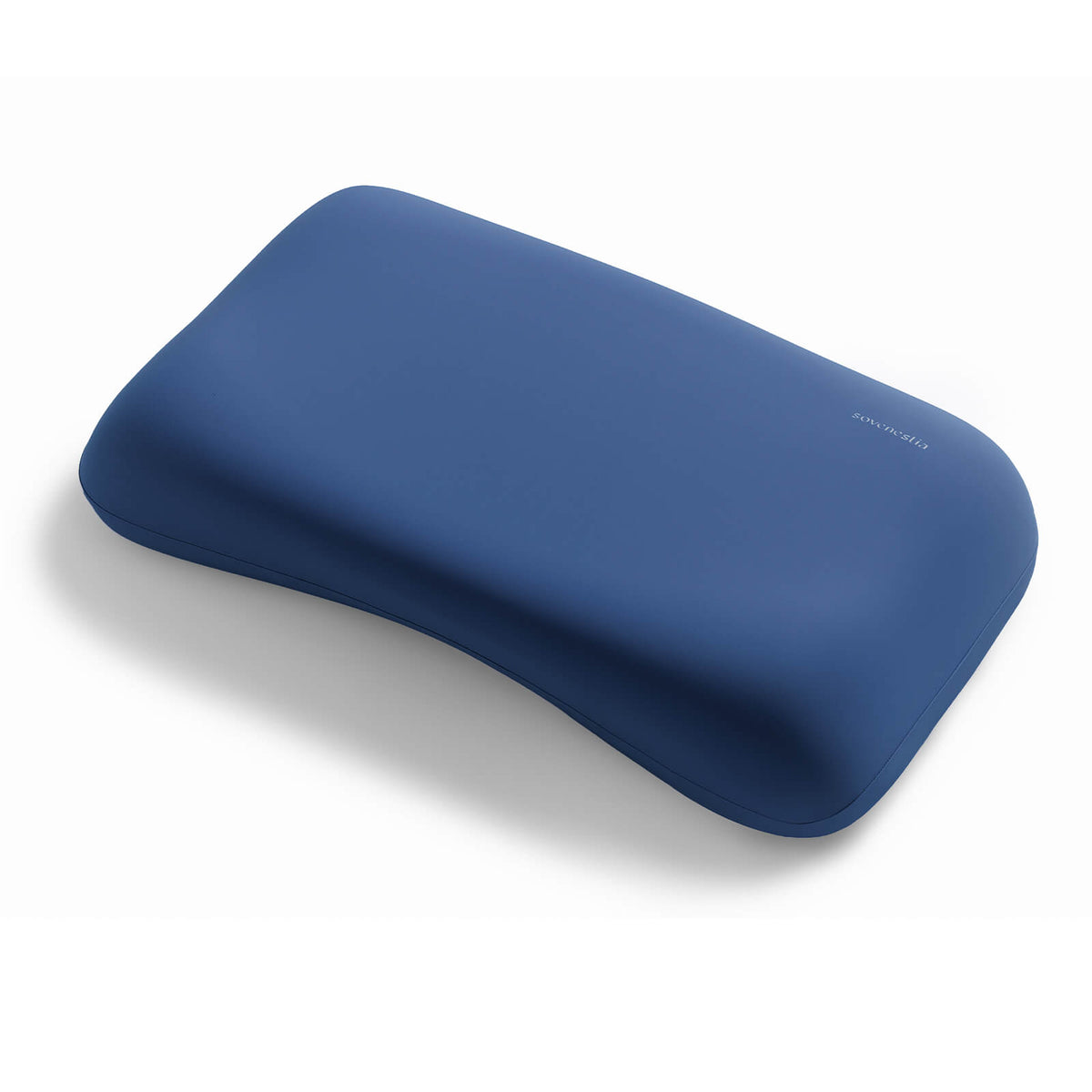
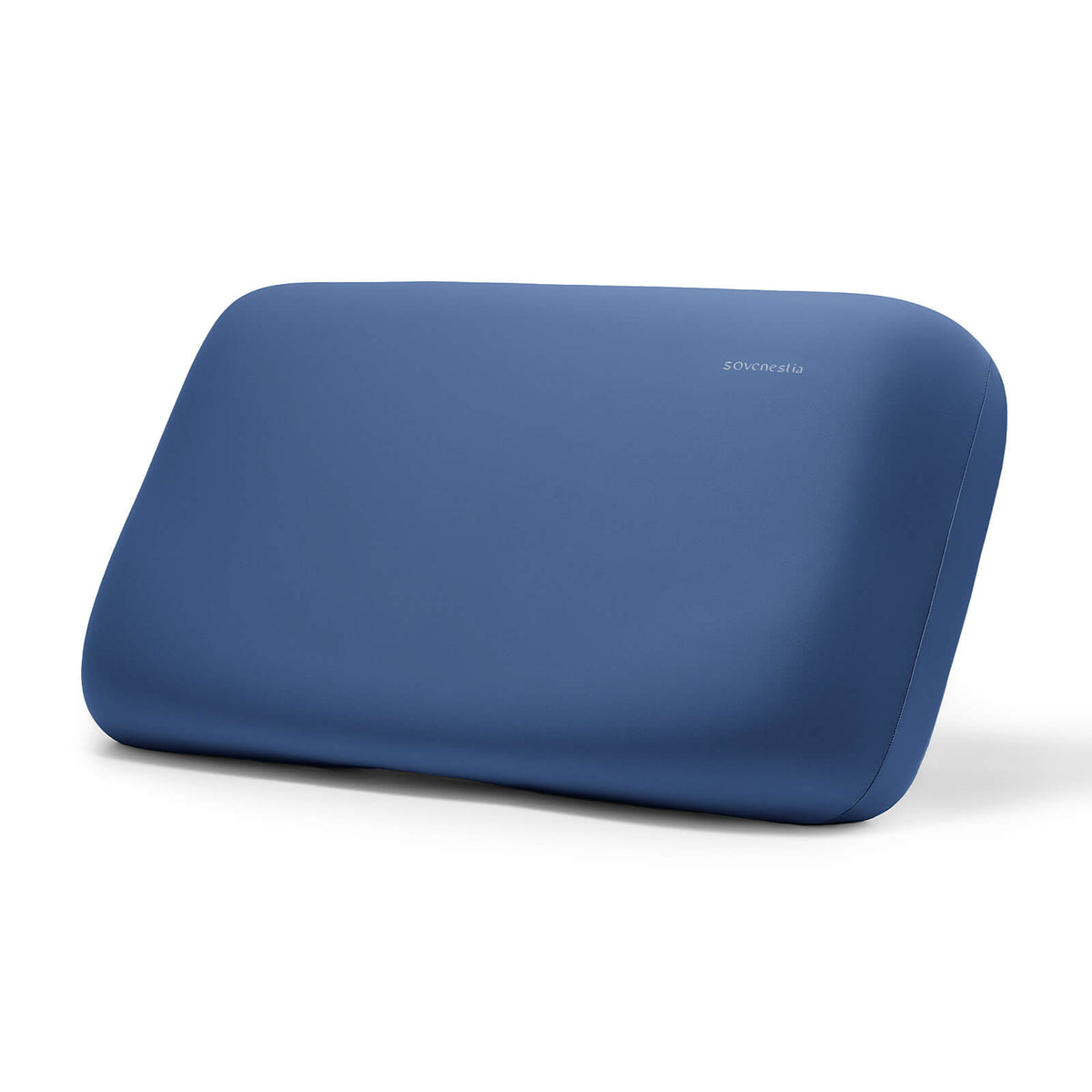
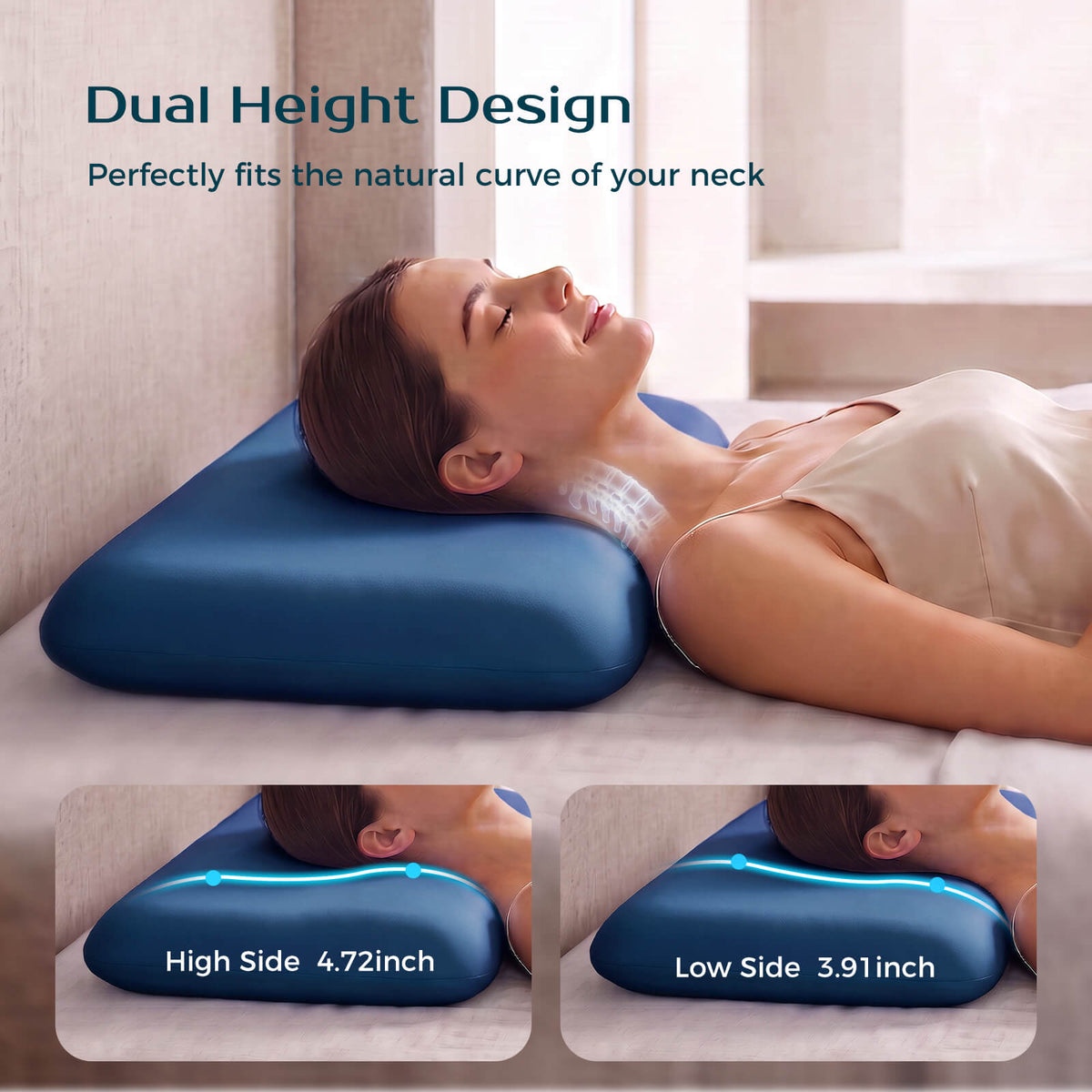
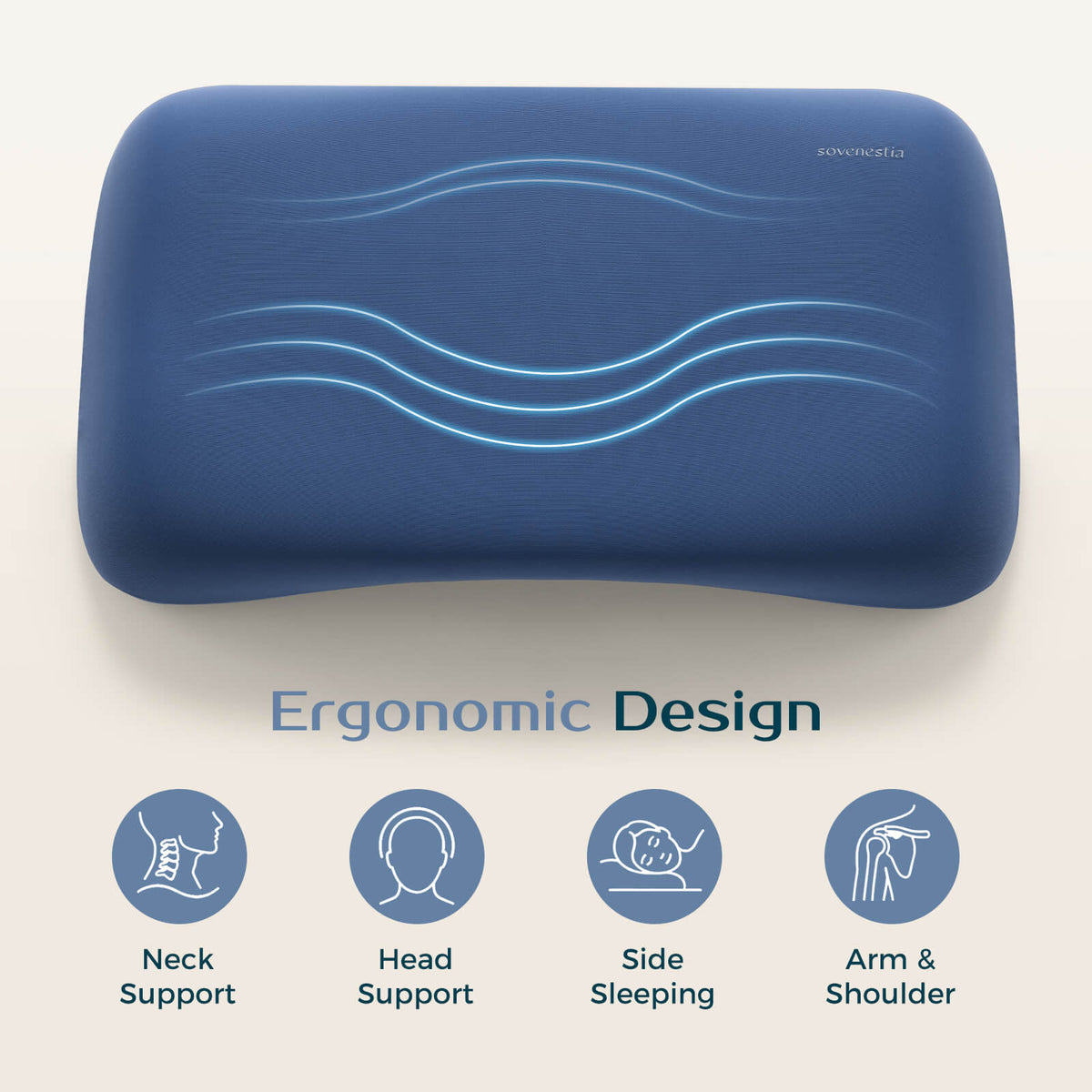
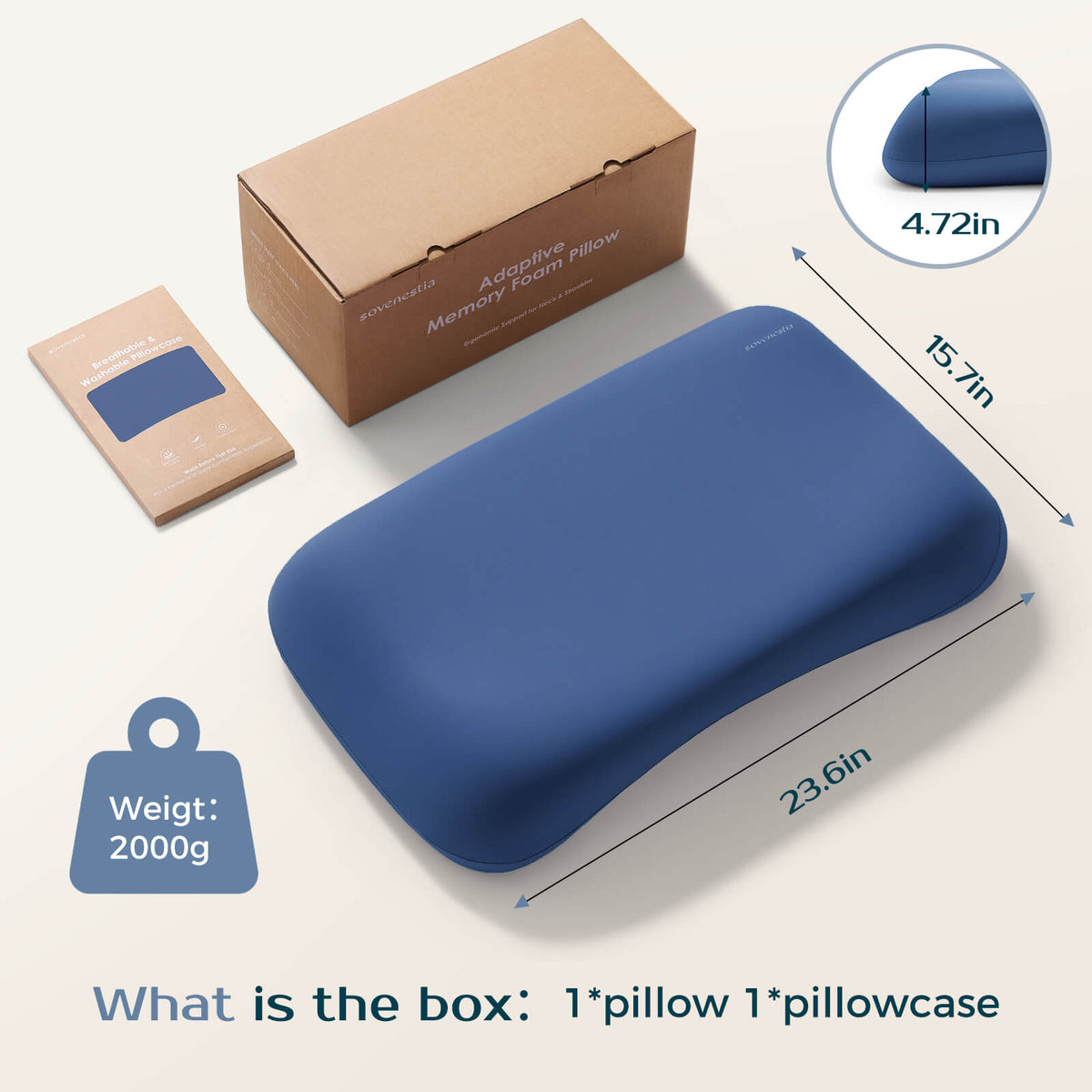
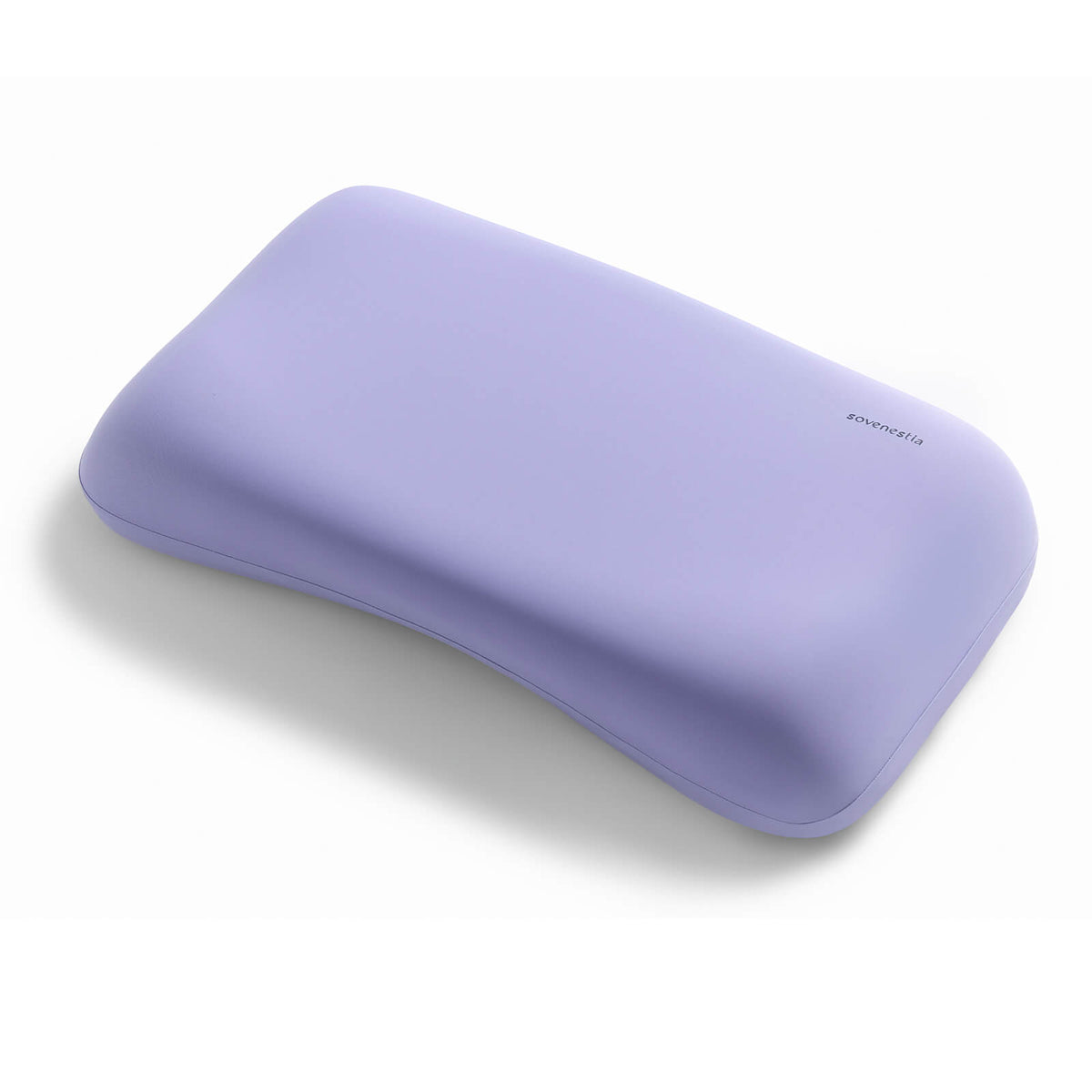
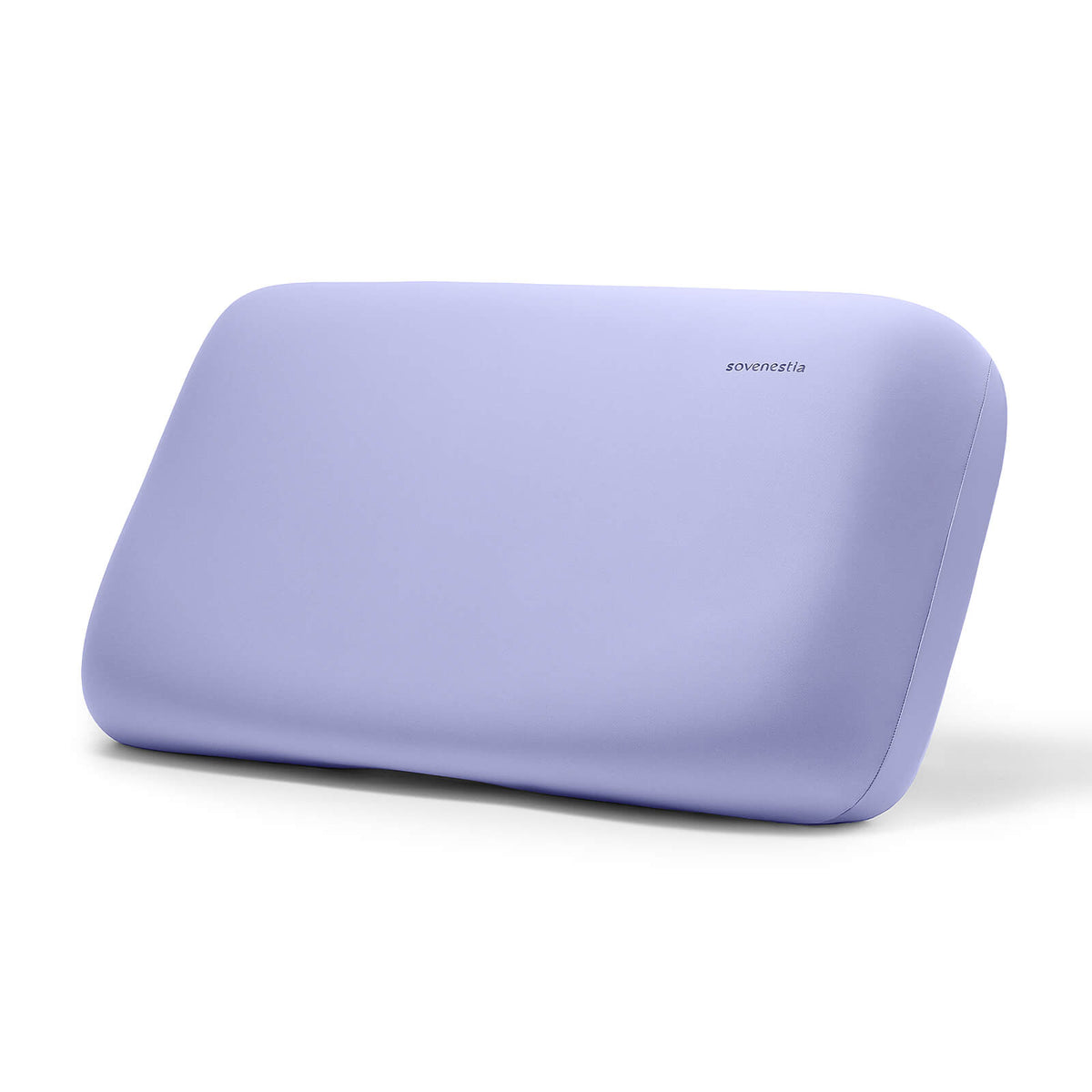
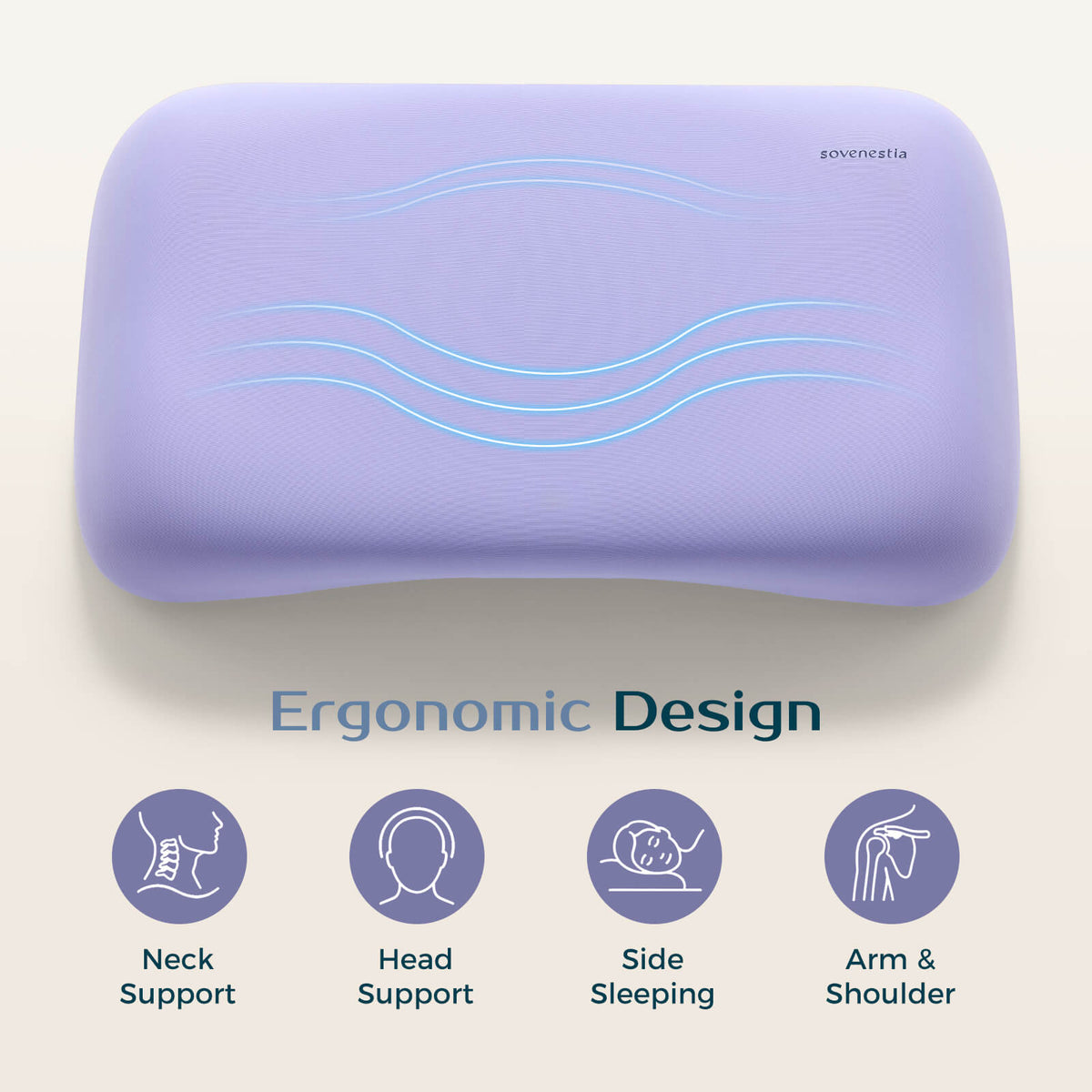
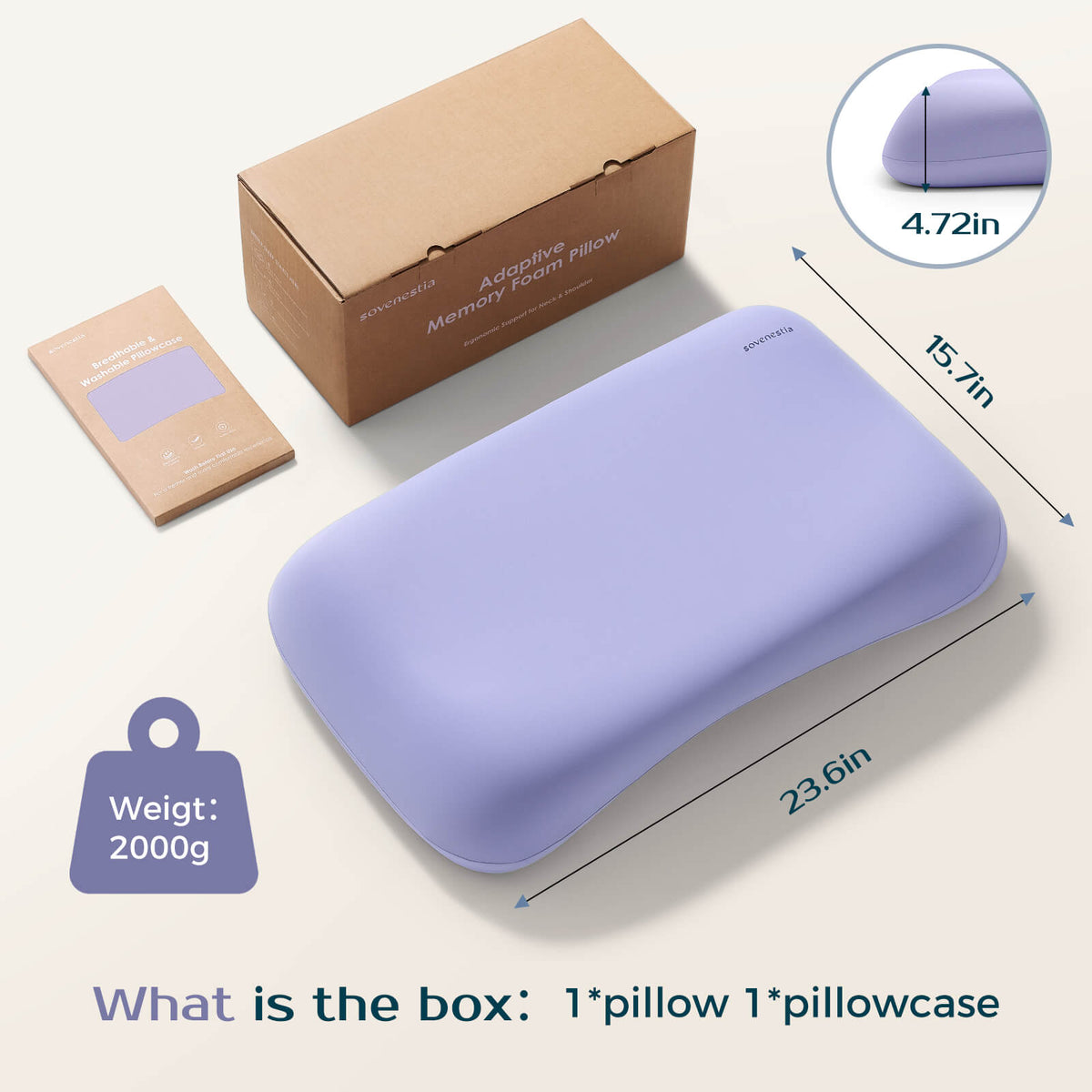
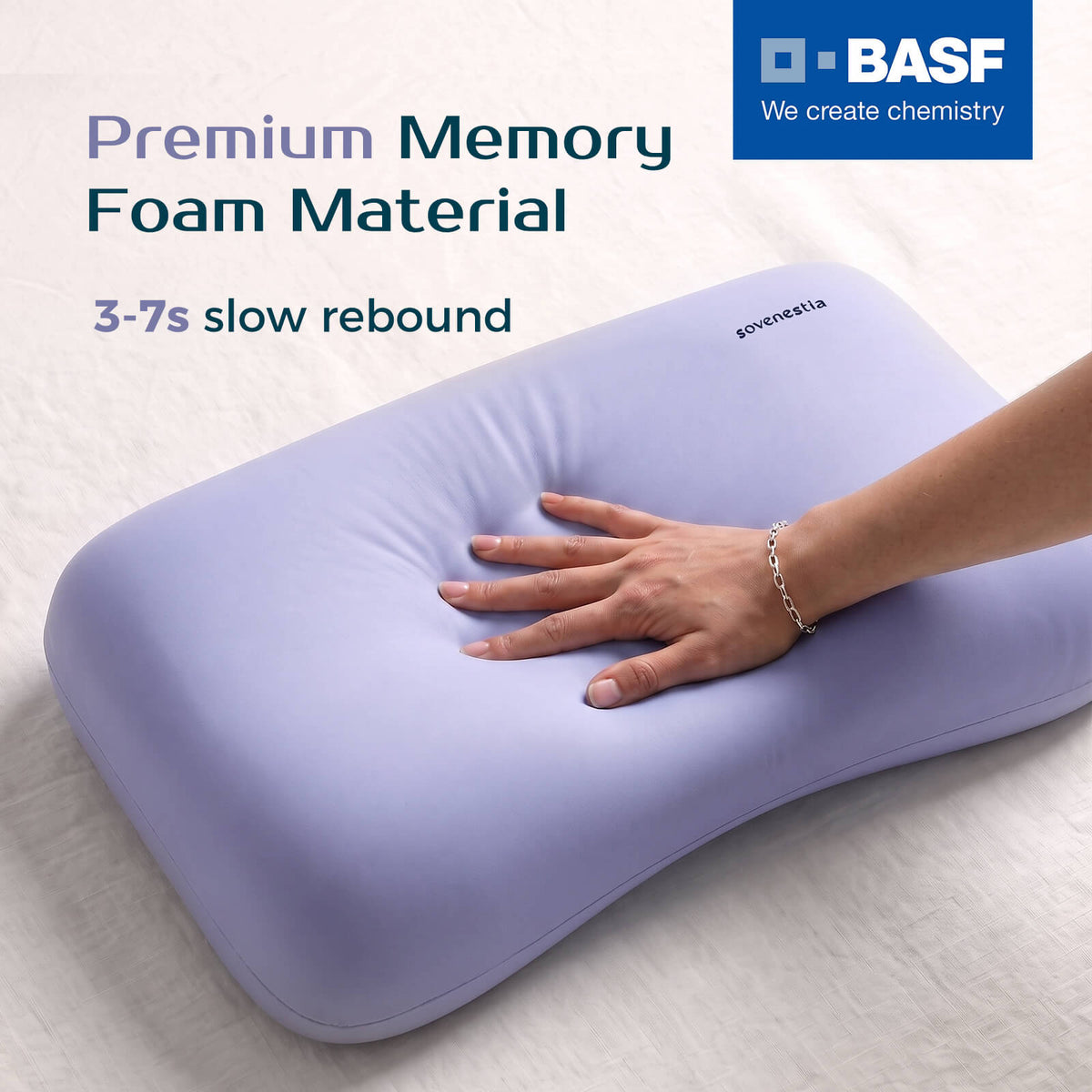
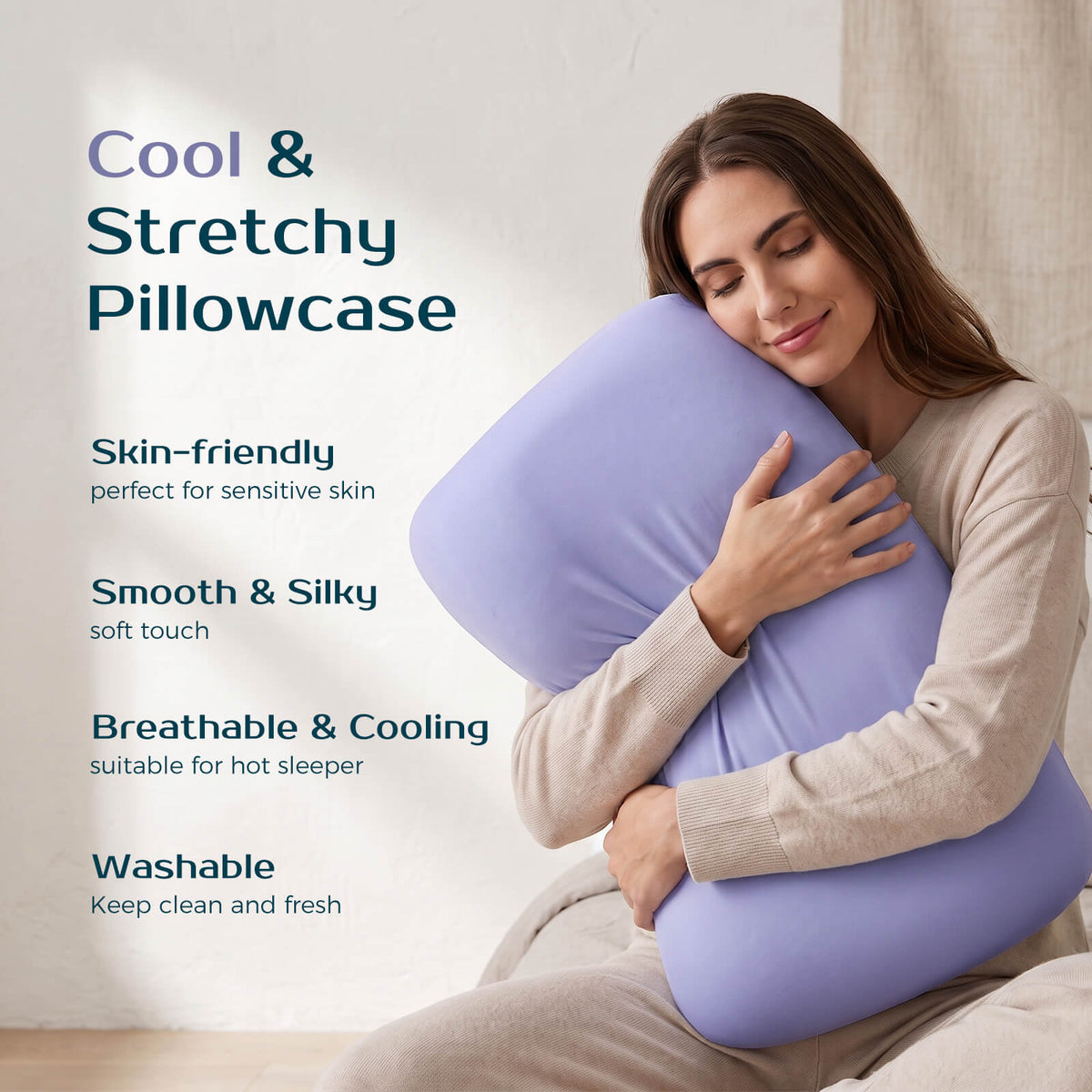
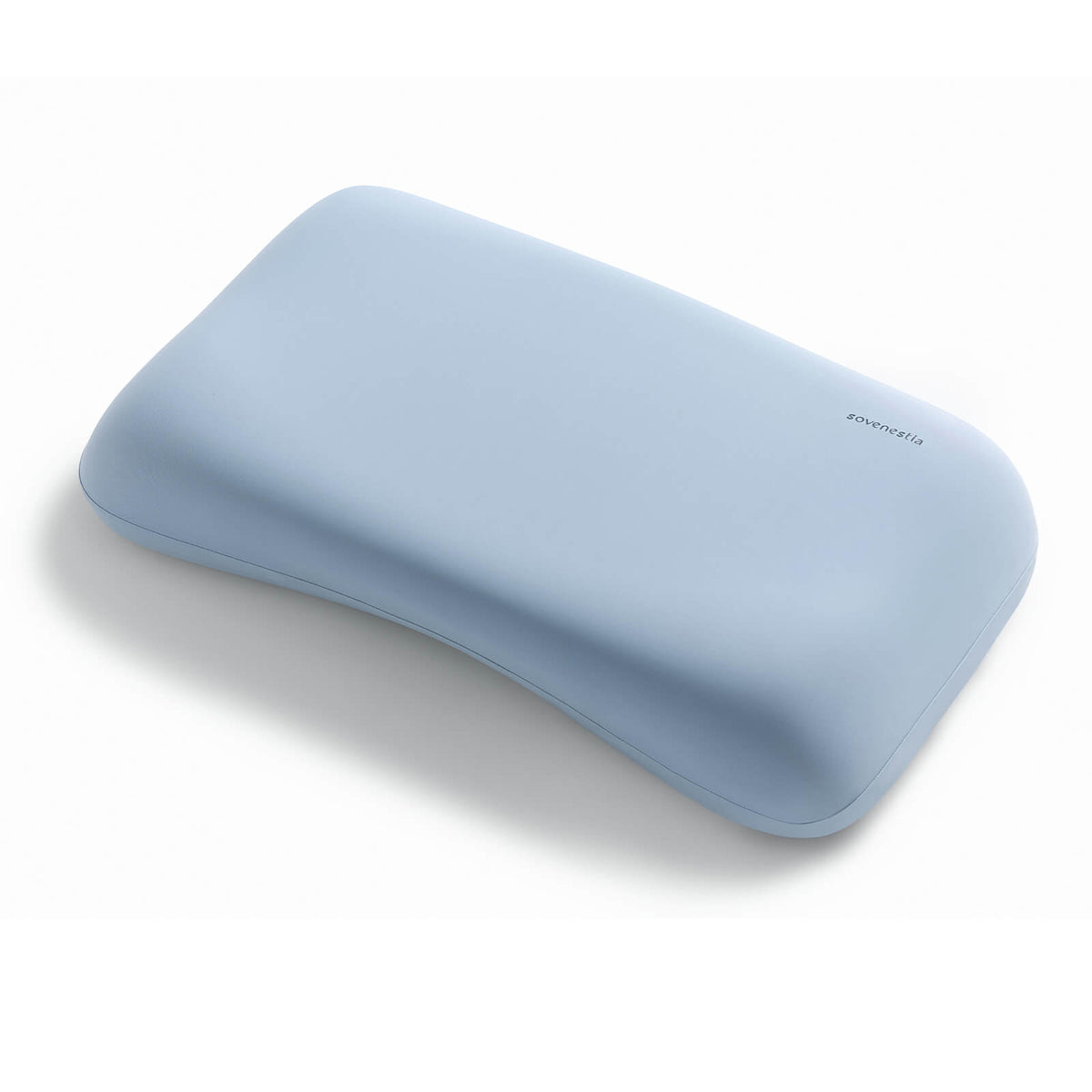
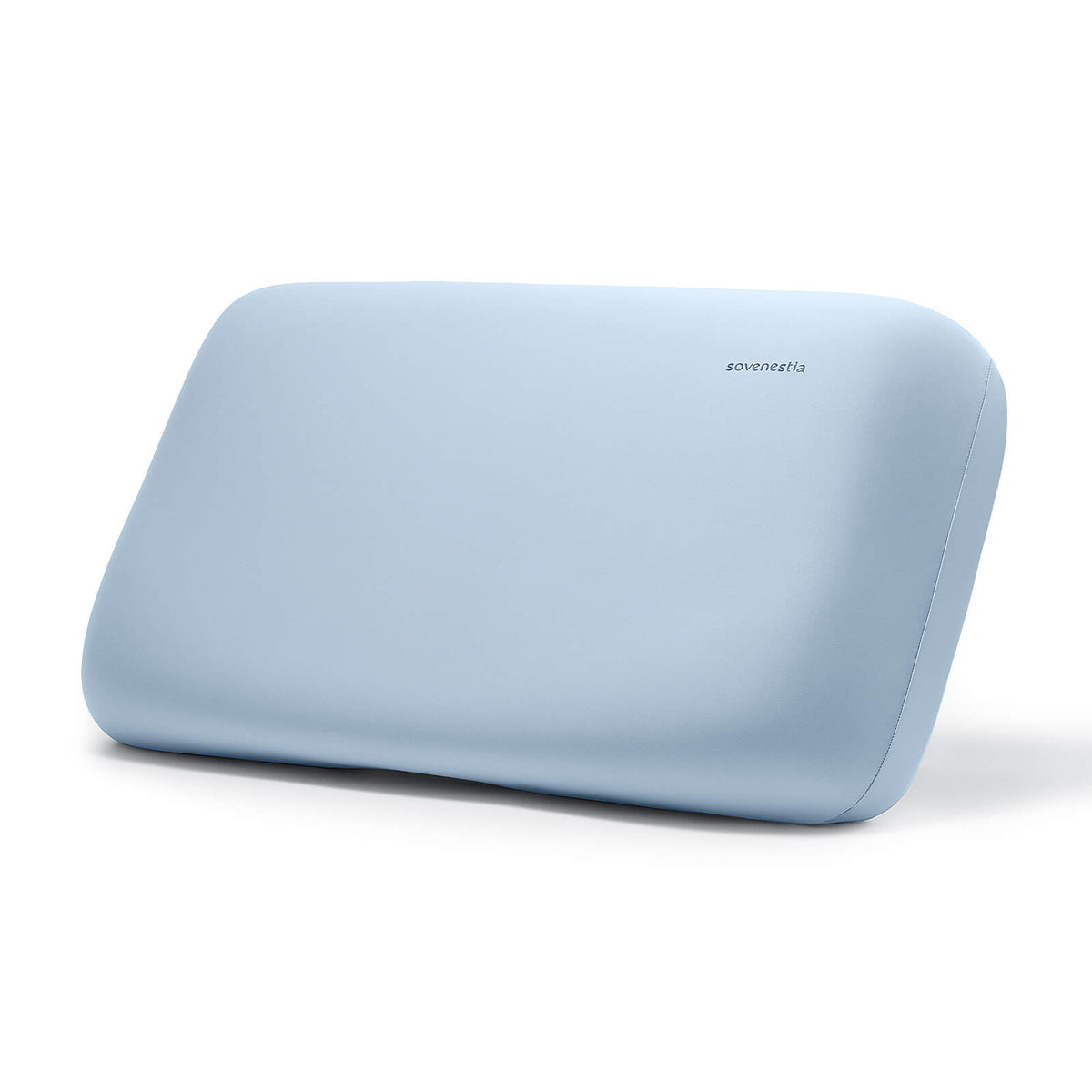
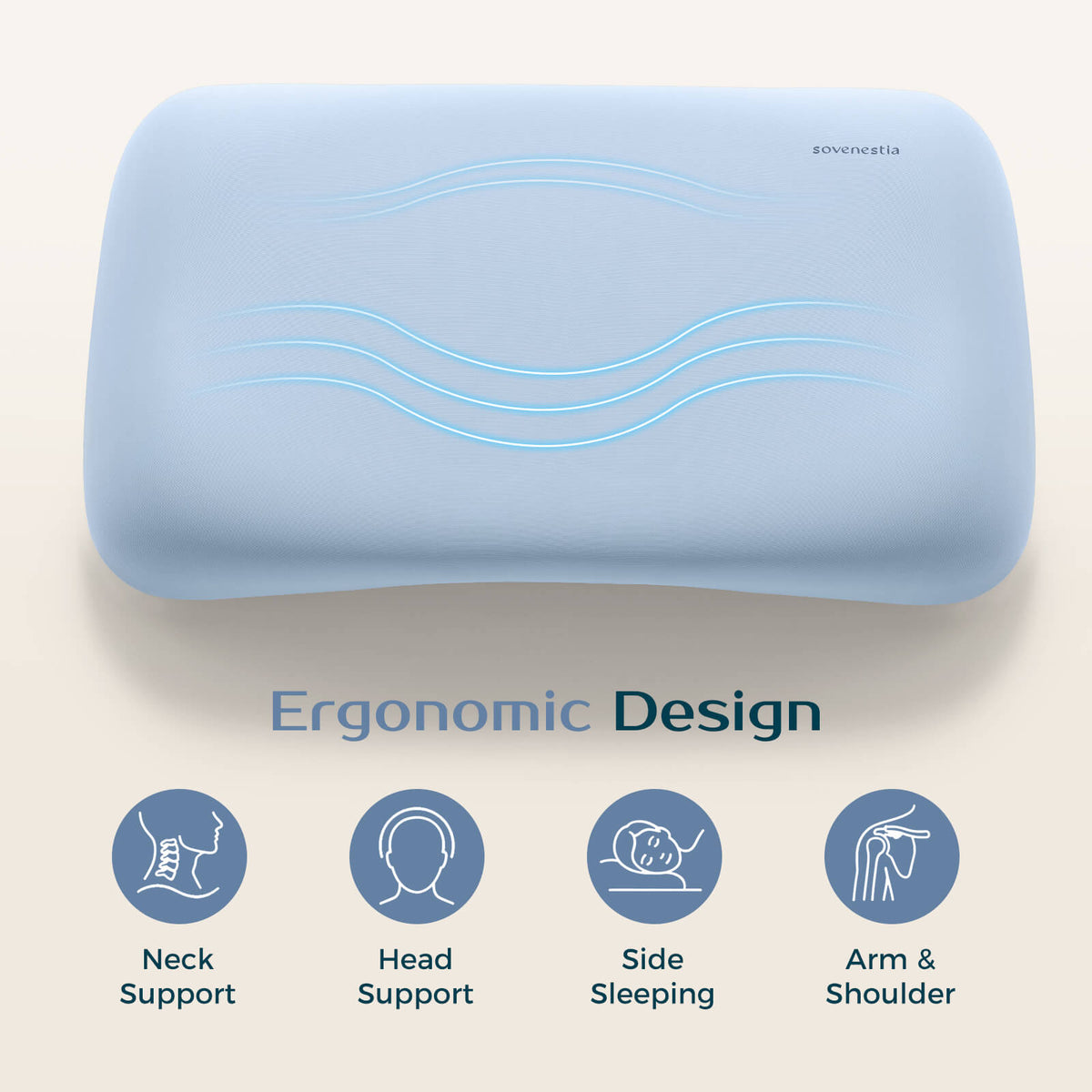
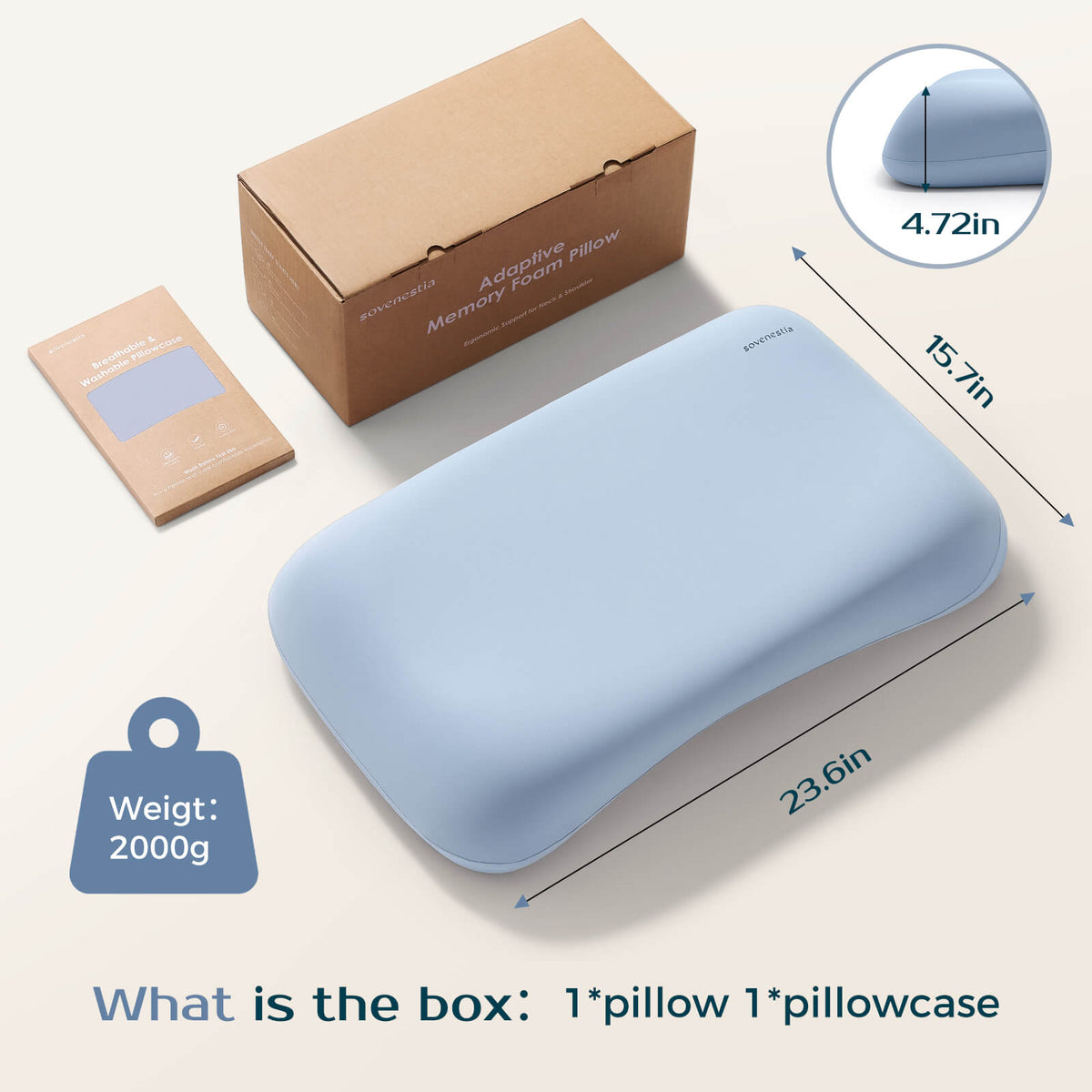
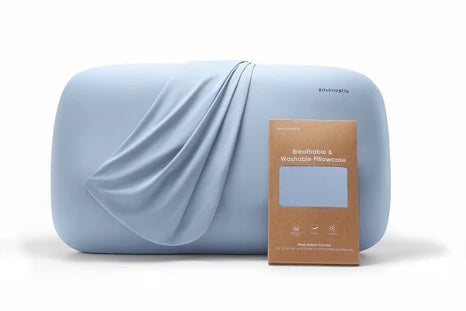
Sovenestia memory foam pillows are engineered to adapt to your body shape, providing consistent support regardless of your sleeping position. The material's viscoelastic properties allow it to conform to the contours of your head and neck, maintaining proper alignment whether you sleep on your back, side, or stomach.

Why this matters for different sleeping positions:
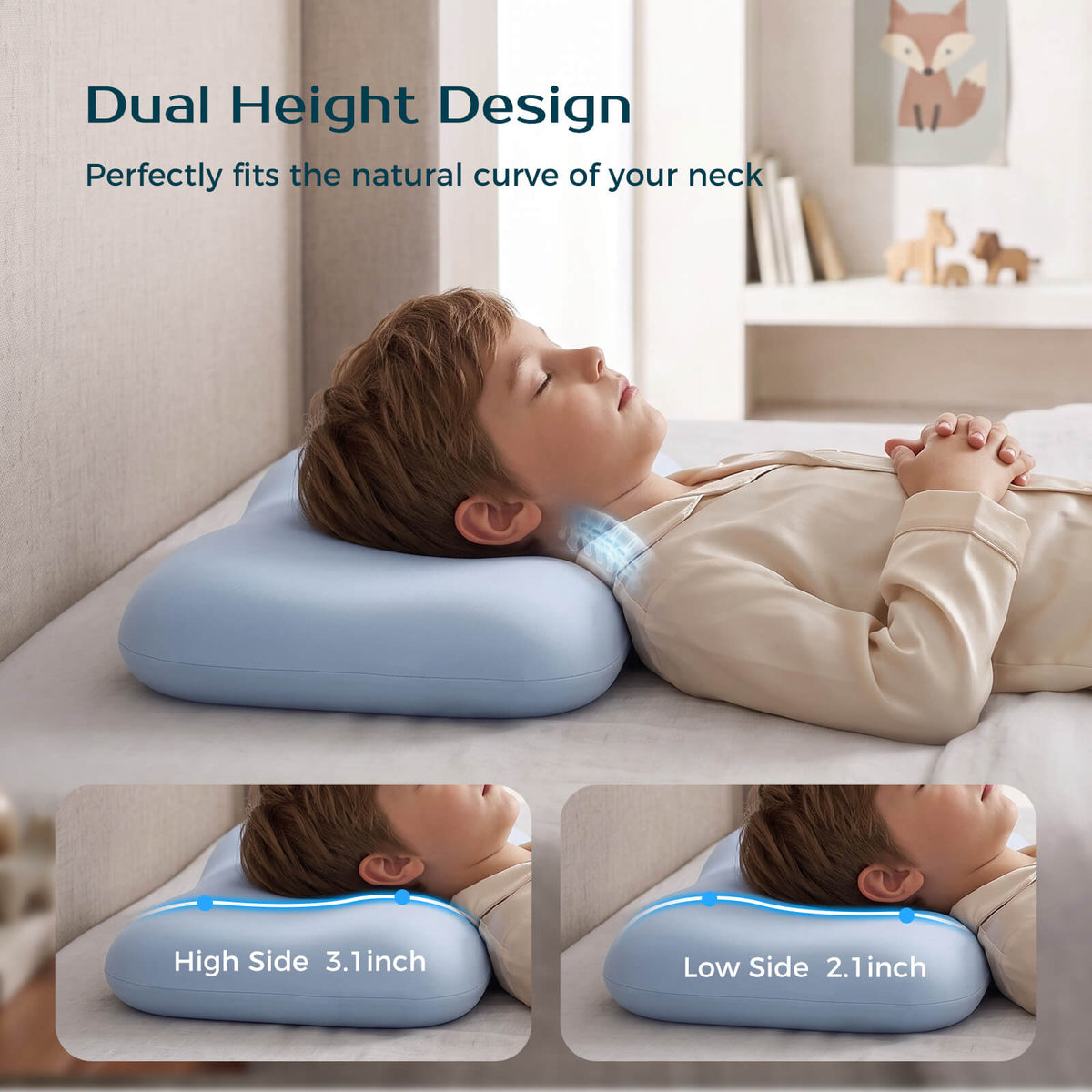
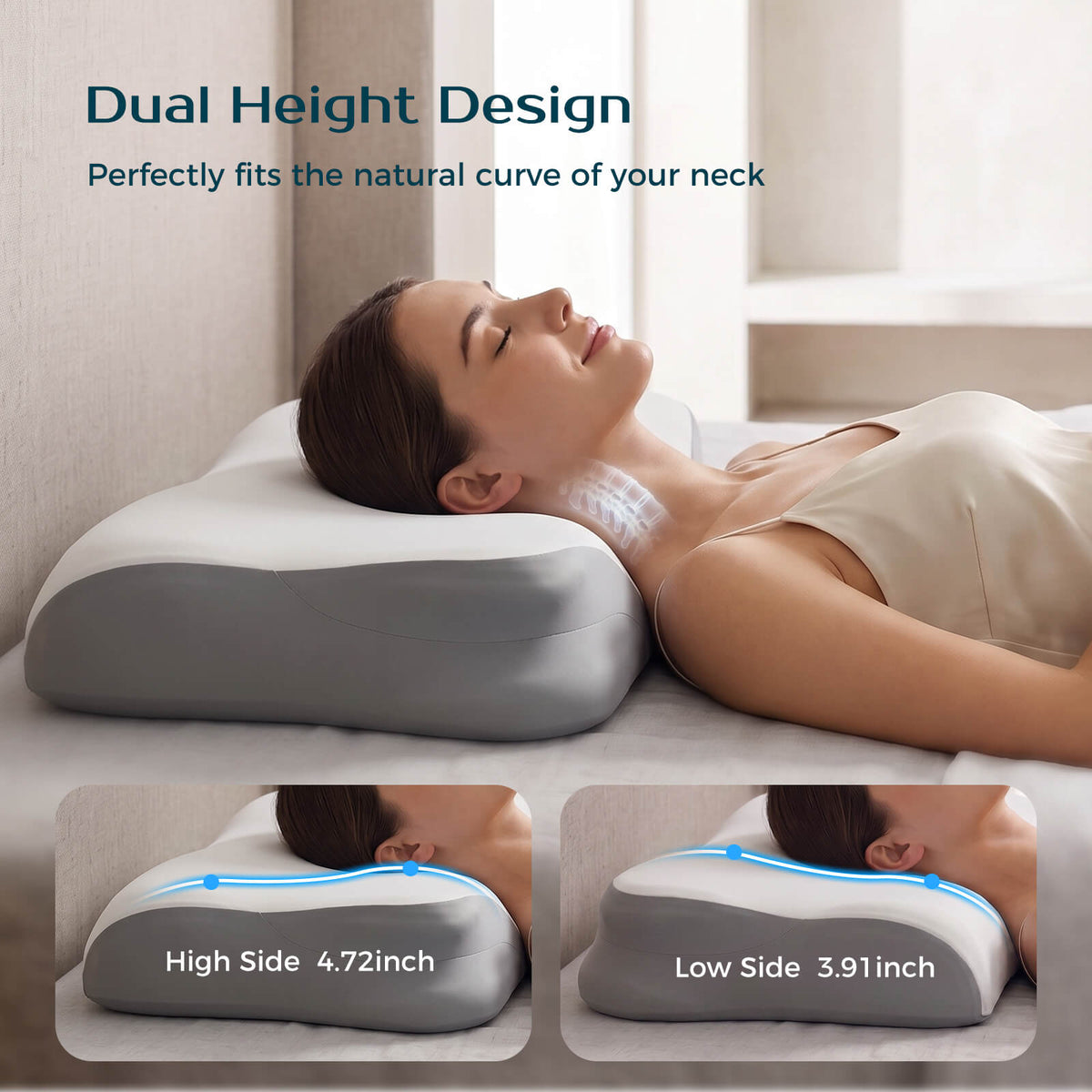
Back sleepers: The foam gently supports the natural cervical curve, filling the gap between the neck and the bed without pushing the head too far forward.
Side sleepers: The foam compresses to accommodate shoulder width while supporting the head at the correct height to keep the spine straight.
Stomach sleepers: A thinner BASF memory foam pillow provides just enough support without forcing the neck into an unnatural angle.
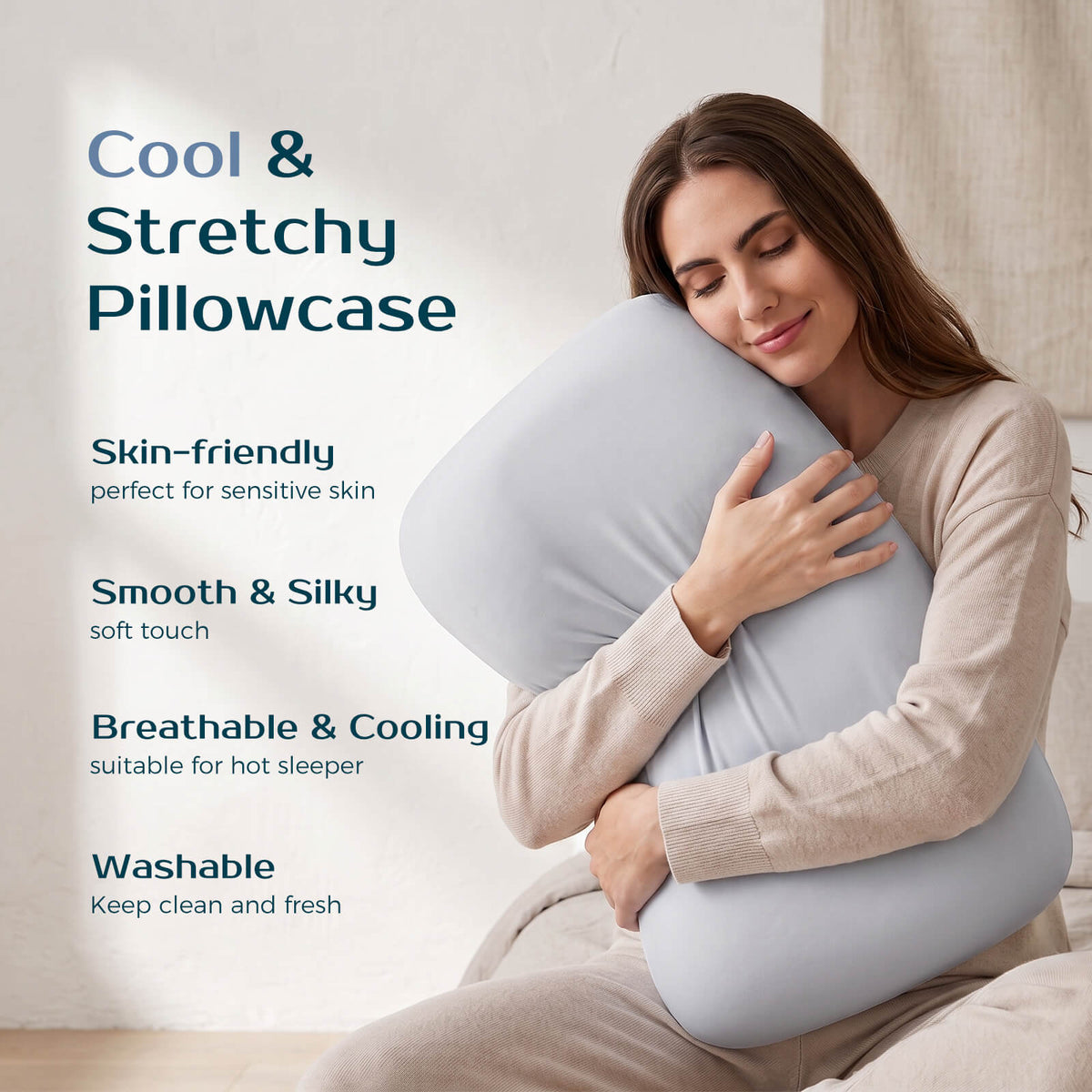
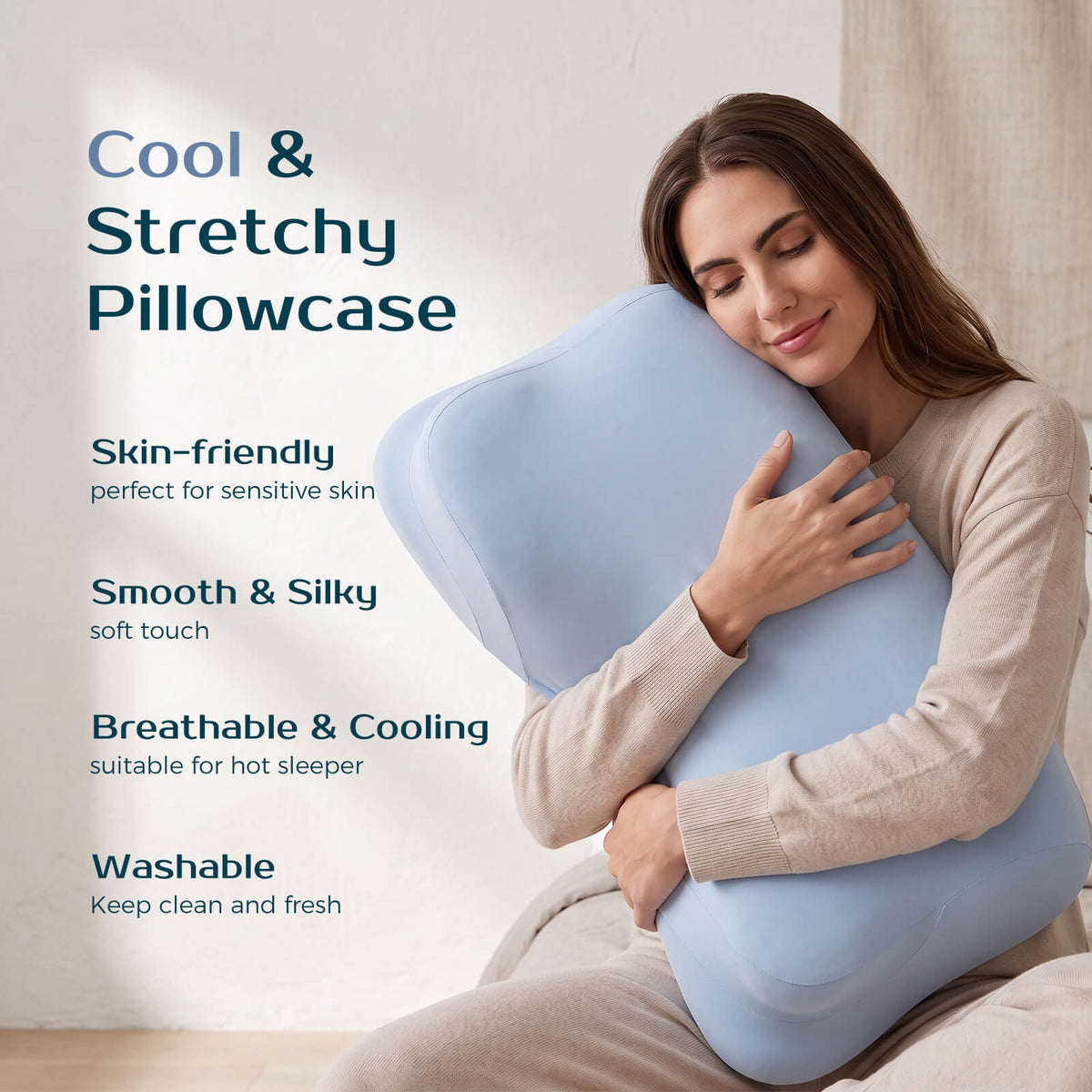
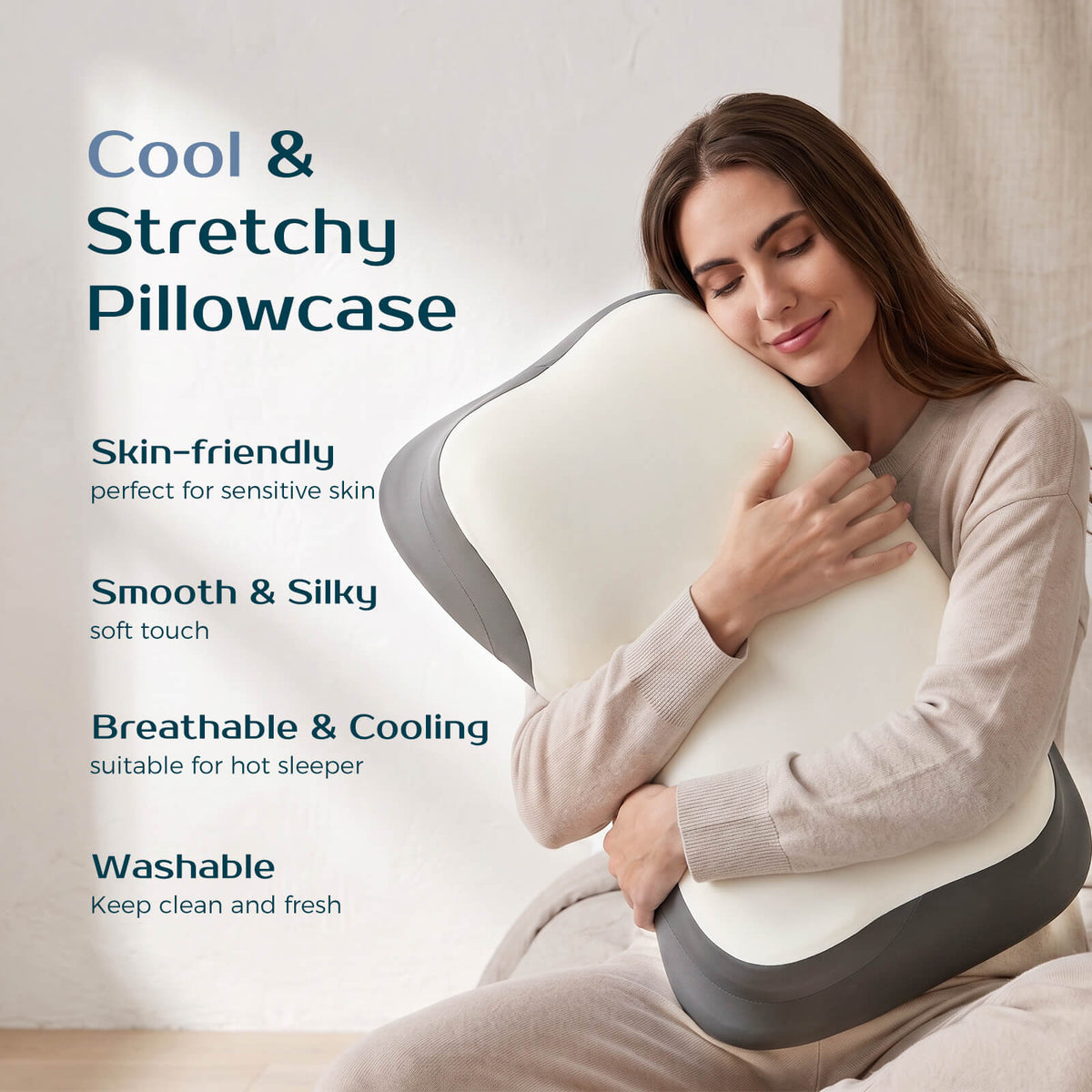
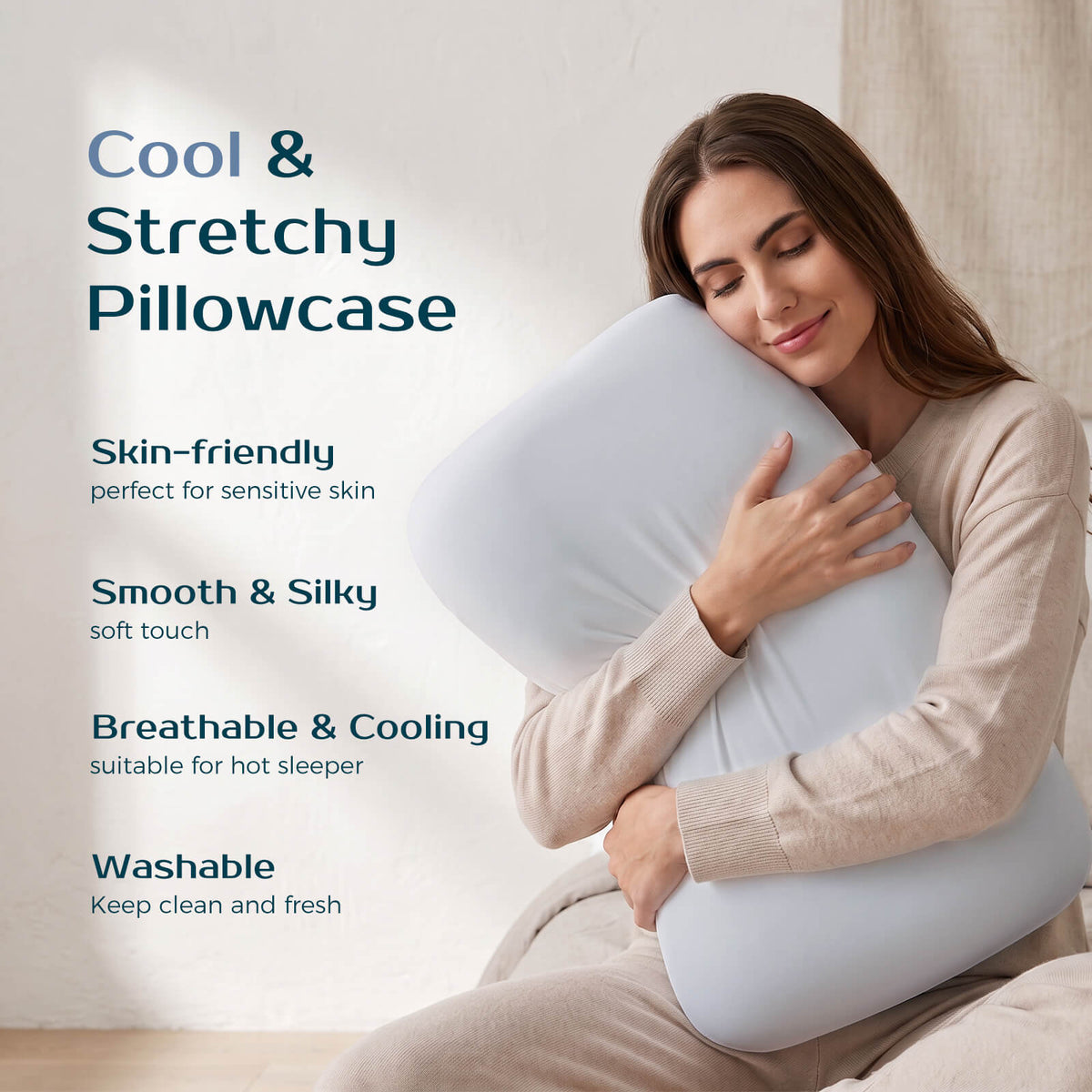
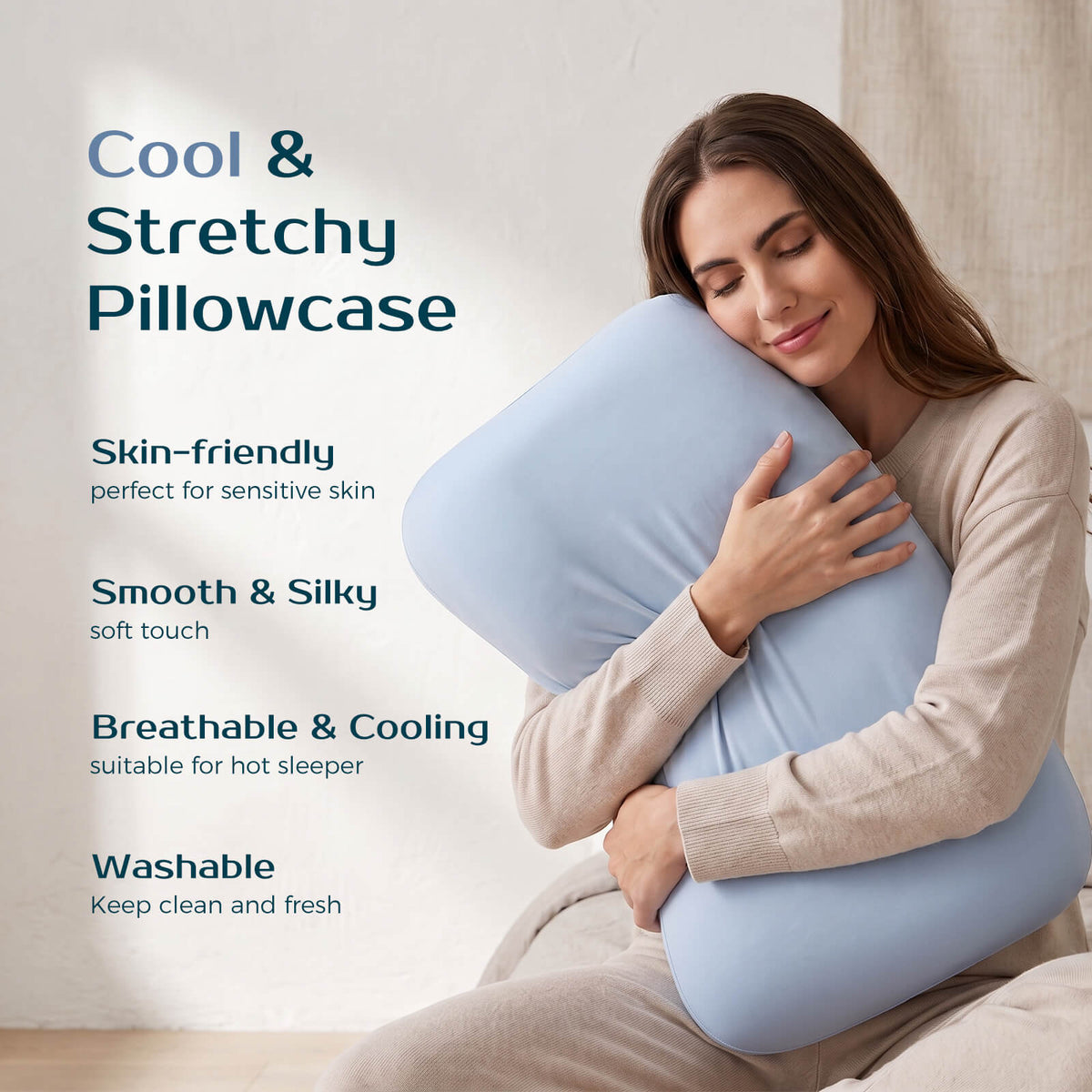
Additionally, BASF's open-cell structure promotes breathability, helping dissipate heat and moisture — a significant advantage for any sleeping position.
Summary: Choose Your Pillow Based on Your Position
| Sleeping Position | Ideal Pillow Characteristics |
| Back | Rectangular shape; fills neck gap but not too high; support knee pillow |
| Side | Cylindrical or contoured shape; thicker to fill ear-to-mattress gap; pillow between knees |
| Stomach | Very thin or flat; minimal neck support; consider hip support |
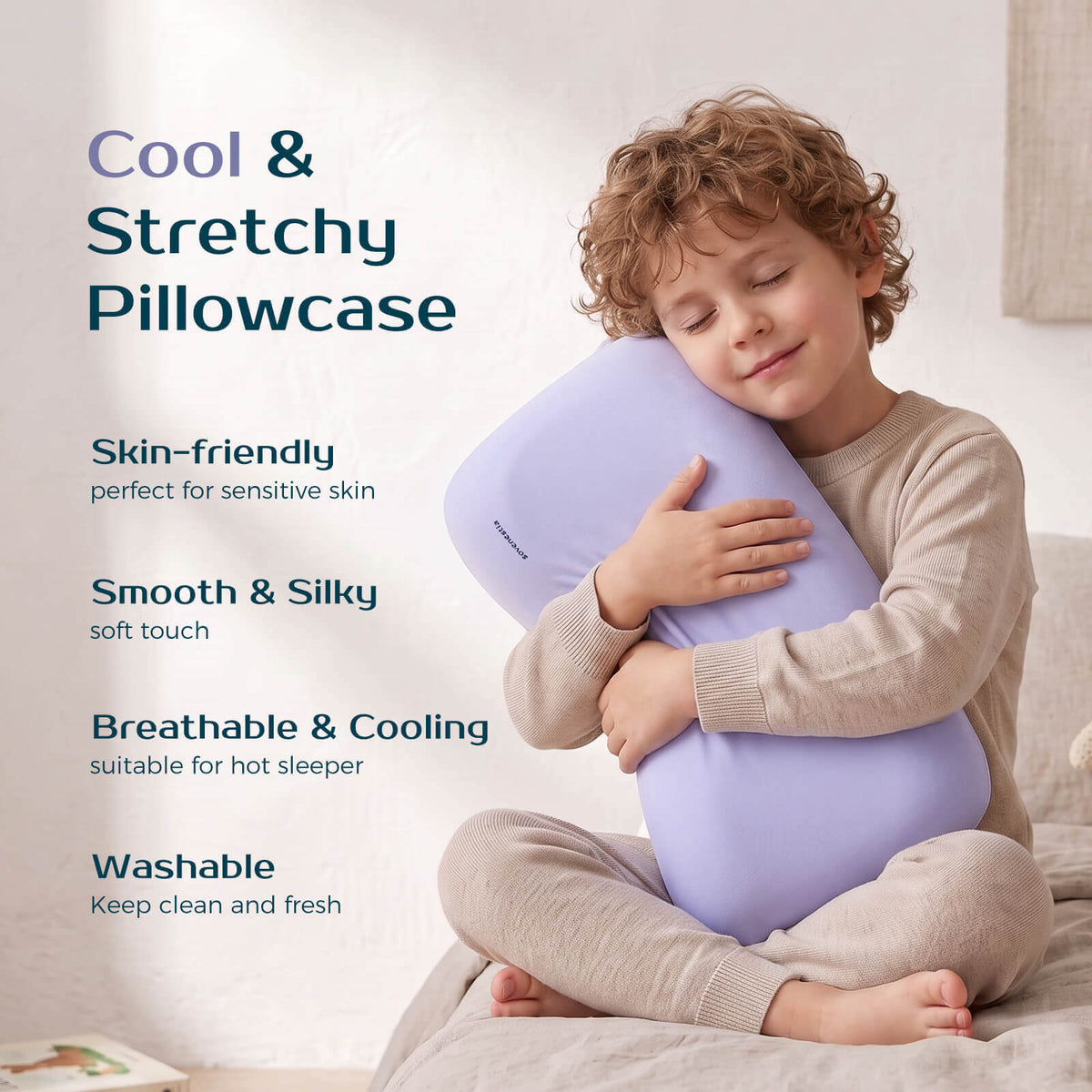
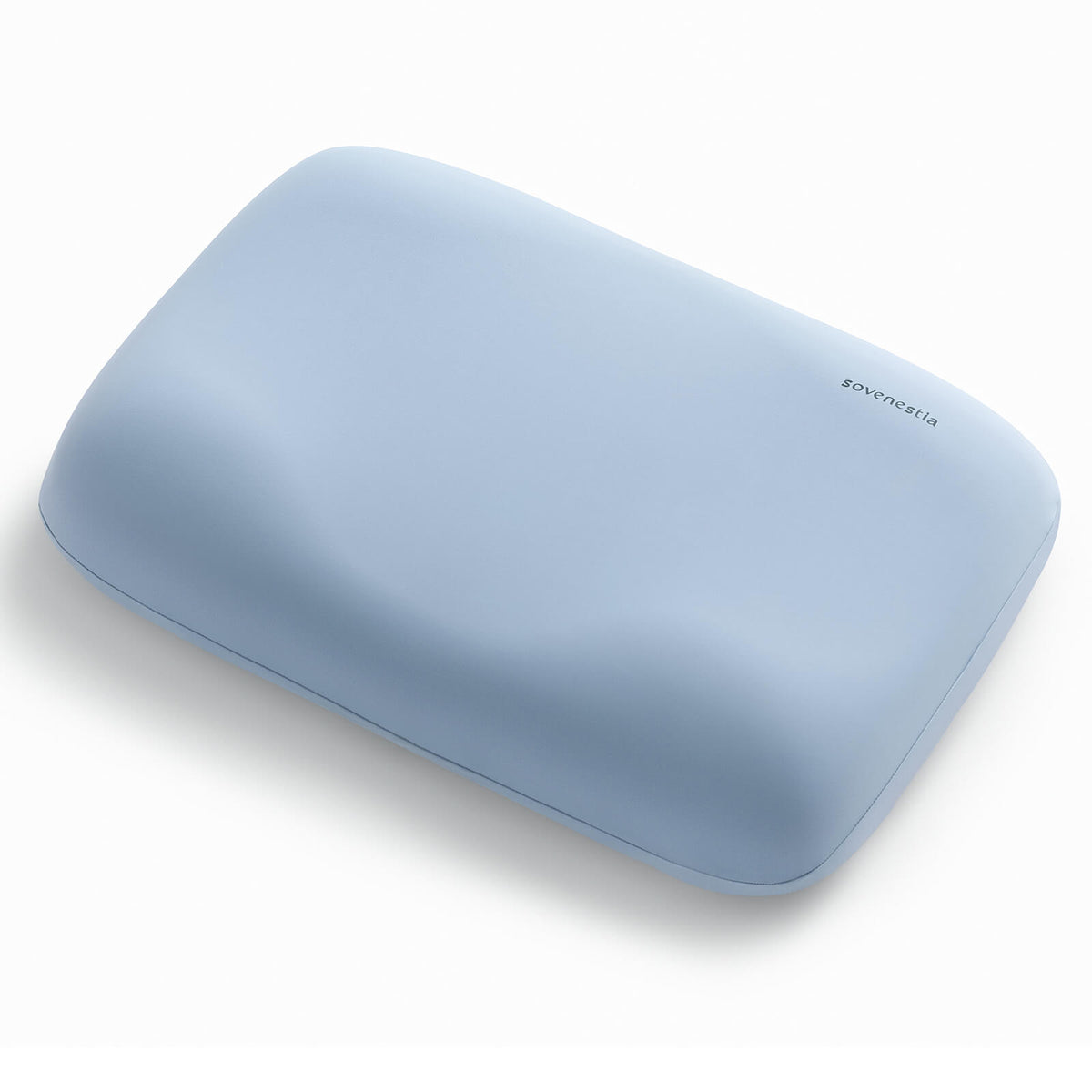
Sovenestia memory foam pillow collections could give your family a best solution for the better sleep.
References
1. The Influence of Pillow Shape and Content on Neck Muscular Activity and Perceived Comfort — ScienceDirect, 2025
2. Sleeping Posture — UCLA Ergonomics, 2019
3. Development and Comparative Evaluation of New Shapes of Pillows — NIH/PMC, 2014
4. Good Sleeping Posture Helps Your Back — University of Rochester Medical Center
5. The Ergonomics of Better Sleep — VCU Blogs, 2025
6. Back Safety: Sleeping Positions — Veterans Health Library (VA.gov), 2025
7. Good Sleeping Posture Helps Your Back — UC San Diego Health, 2023
8. It's Official – This Is Best Position To Sleep In — HuffPost UK, 2023
Disclaimer: This article is for informational purposes only and does not constitute medical advice. Always consult your healthcare provider or physical therapist for personalized recommendations.