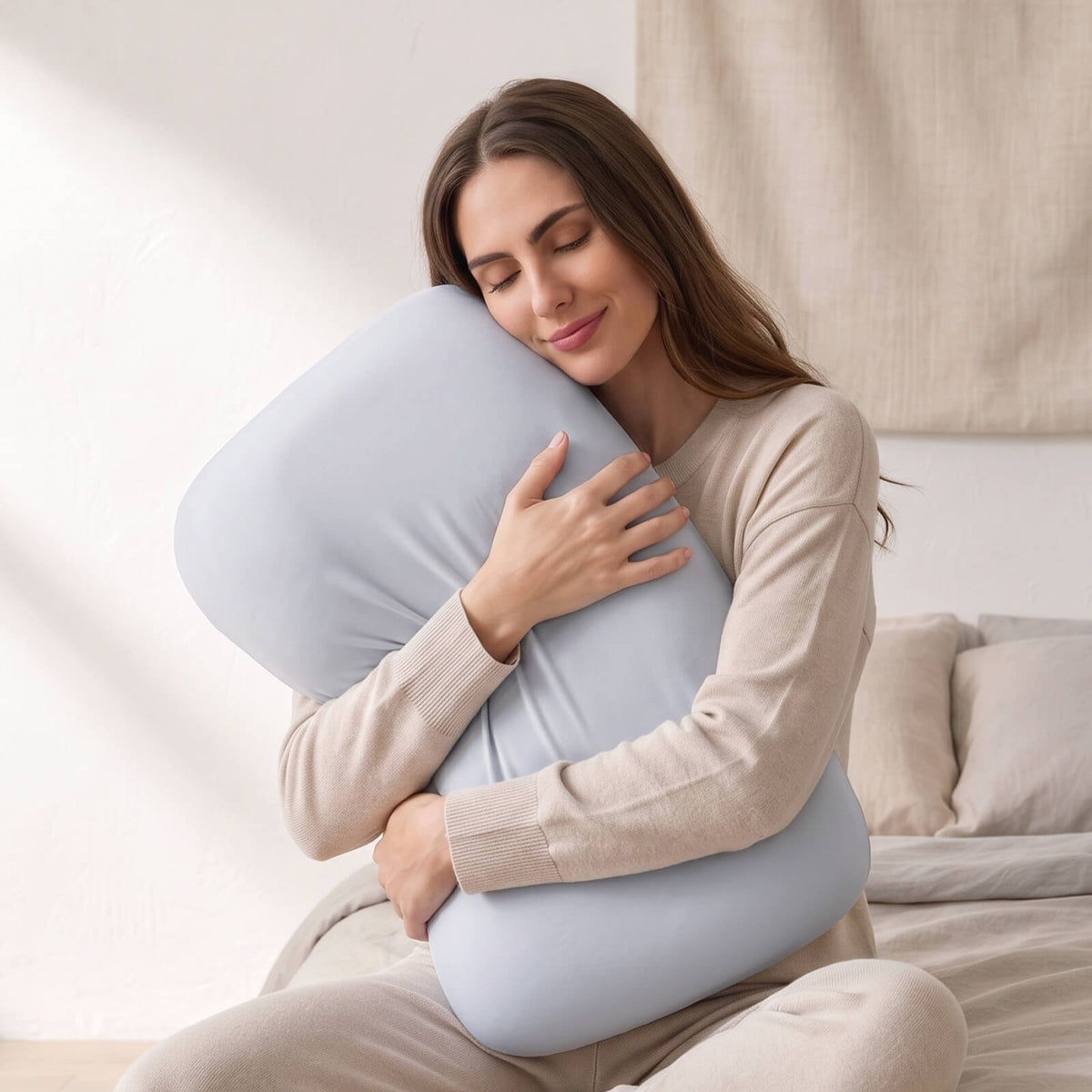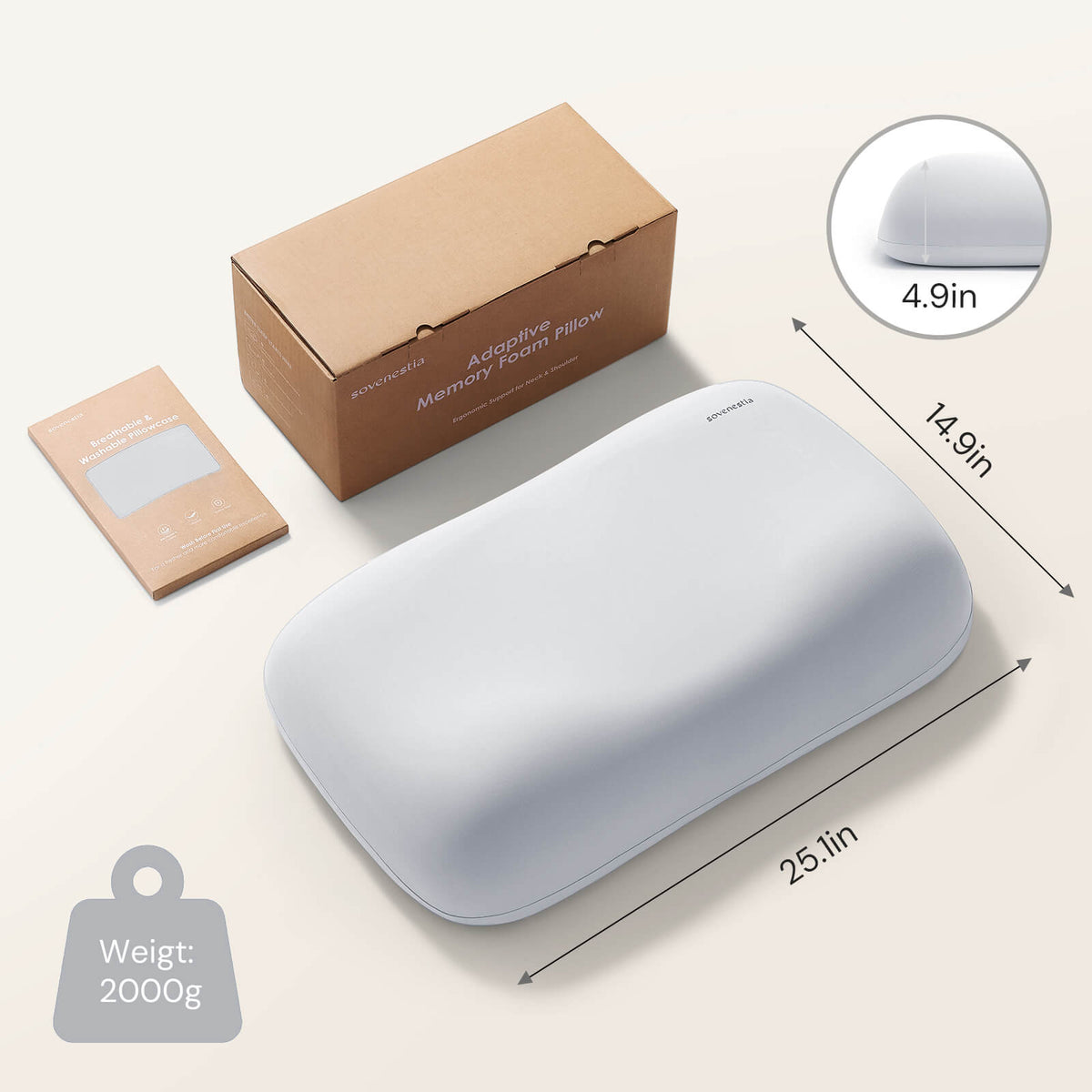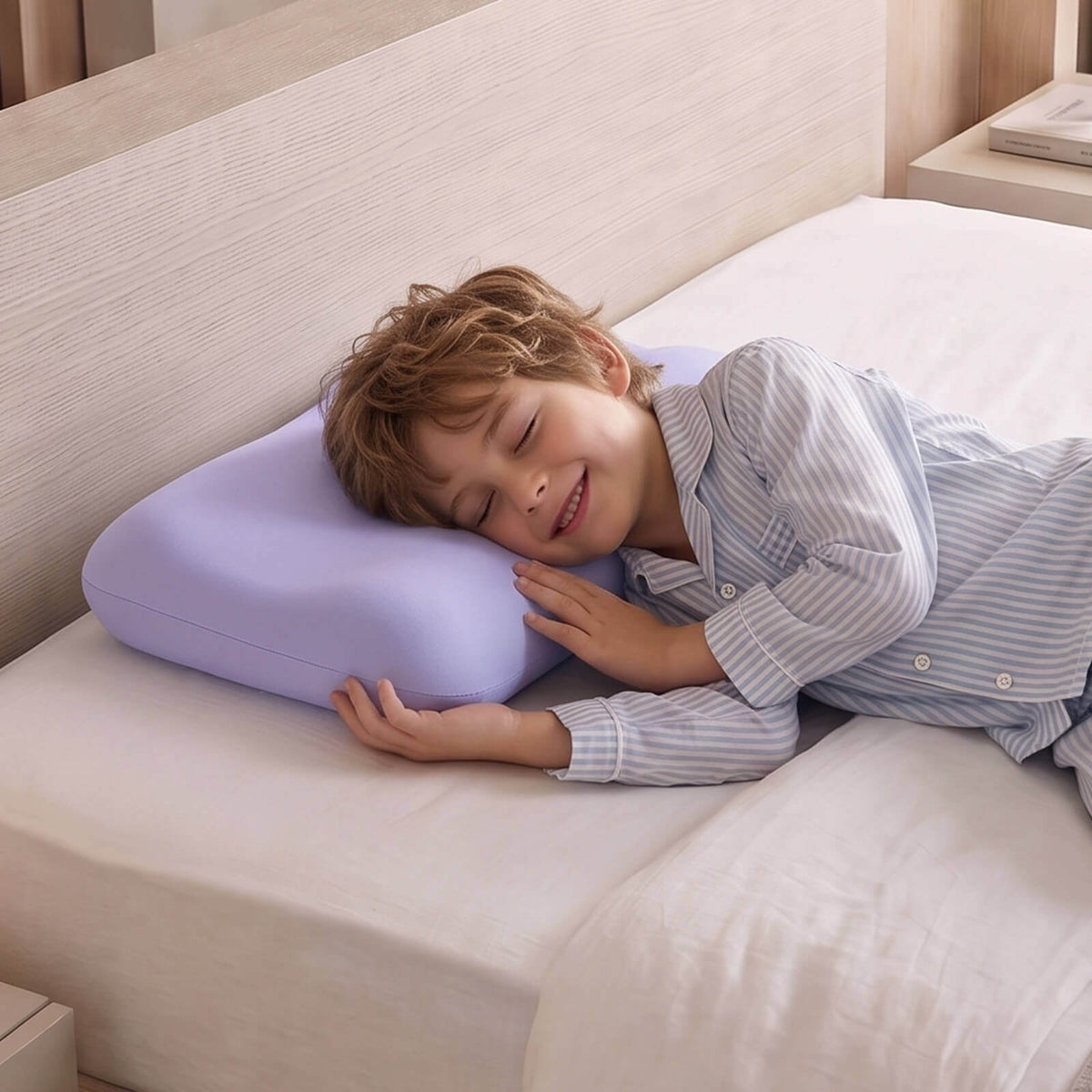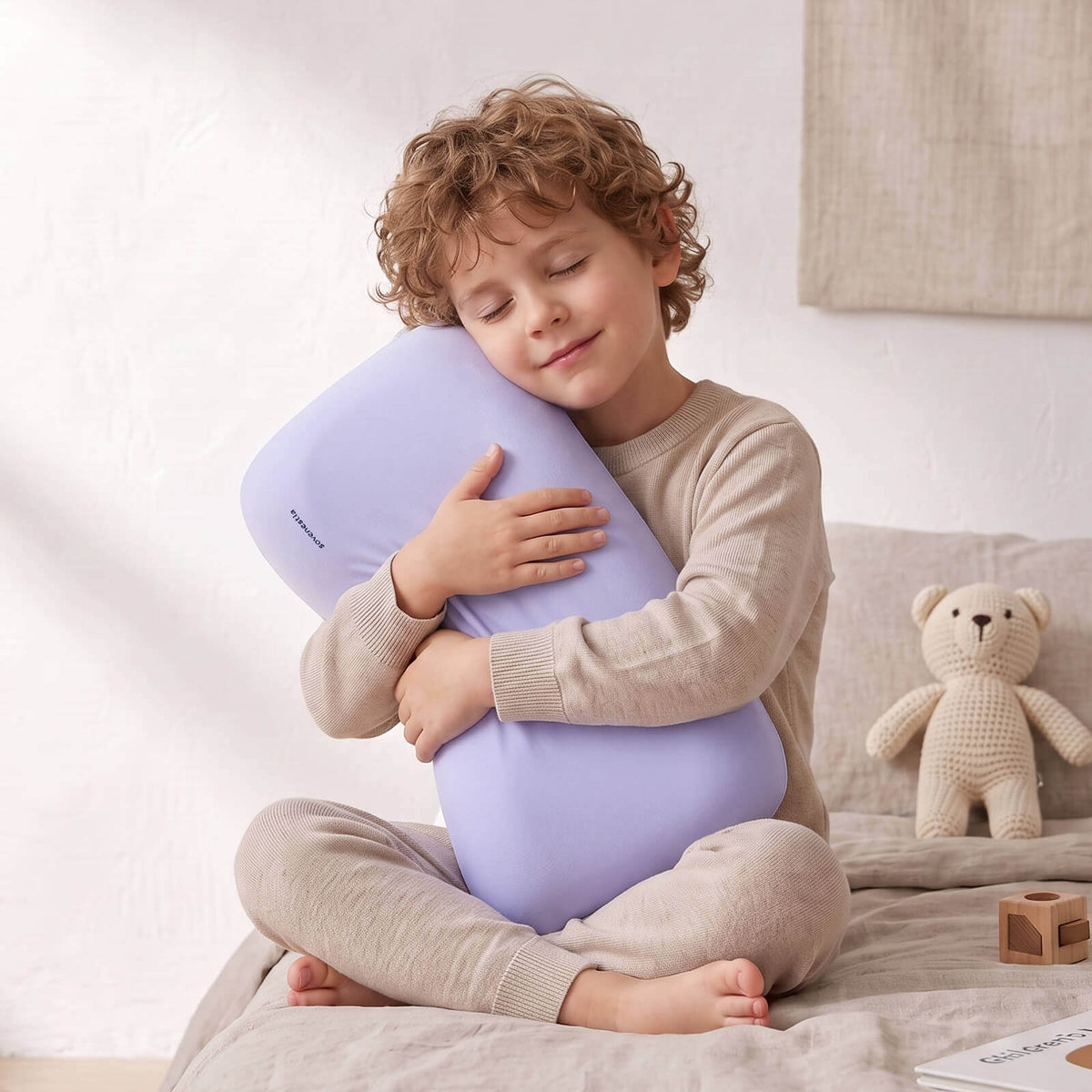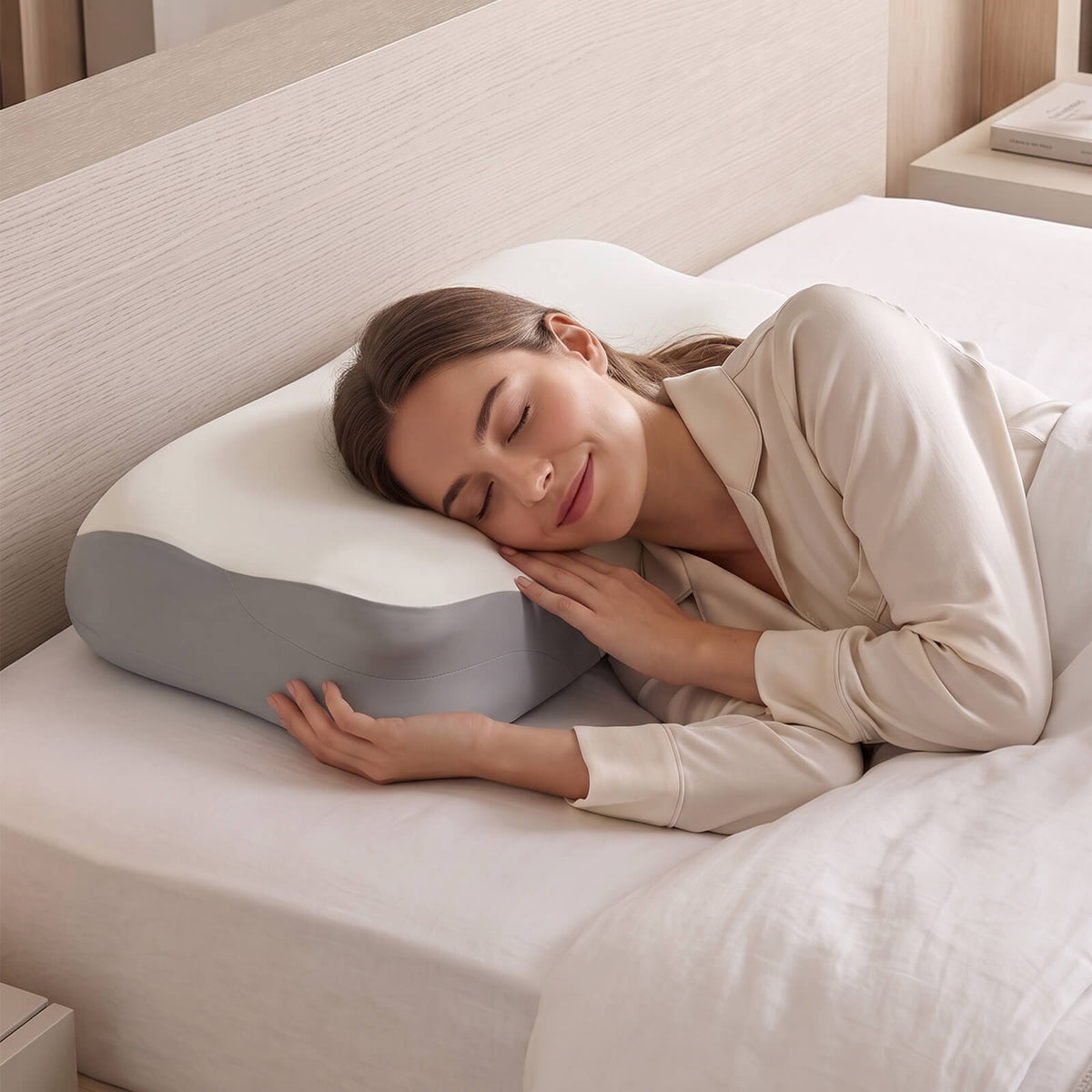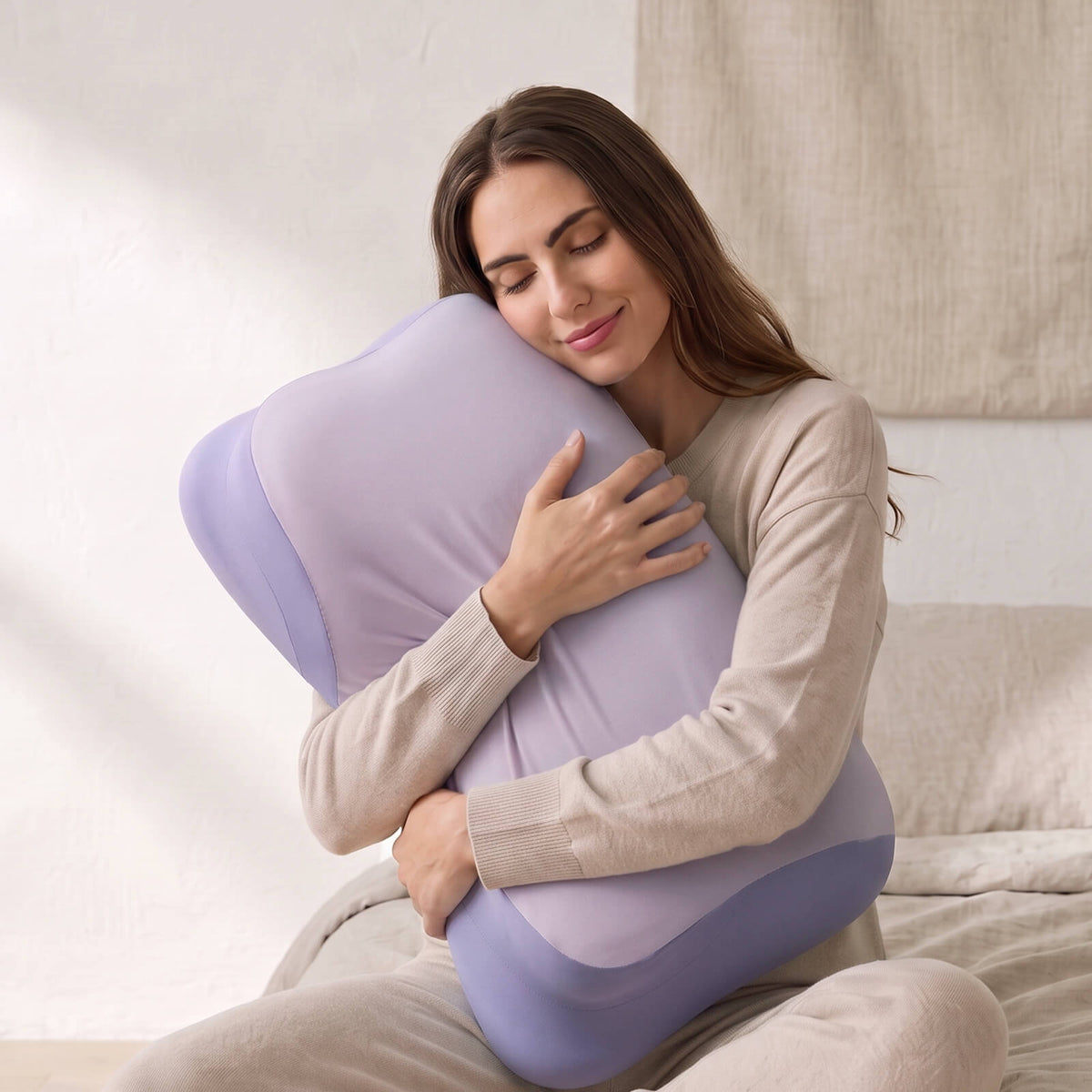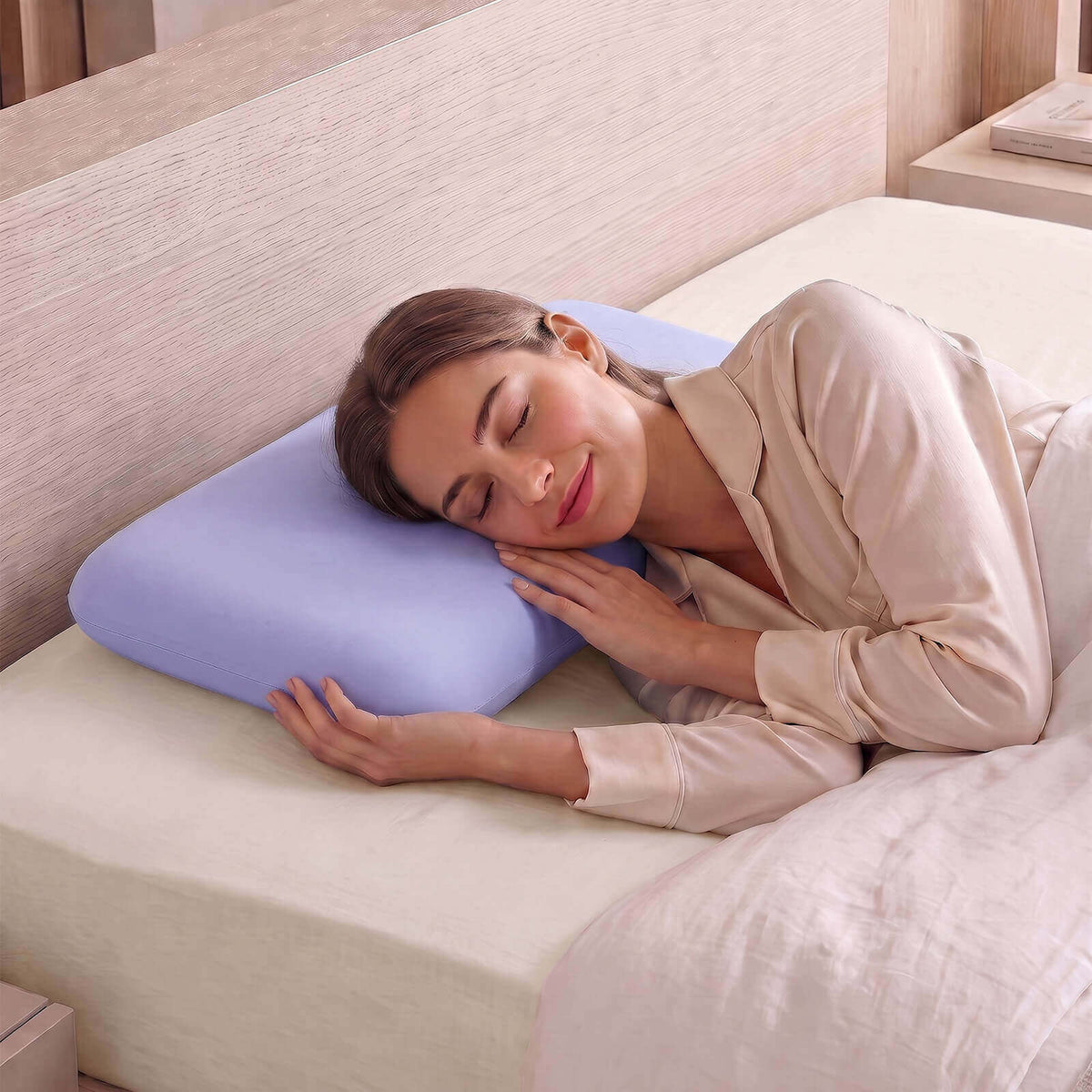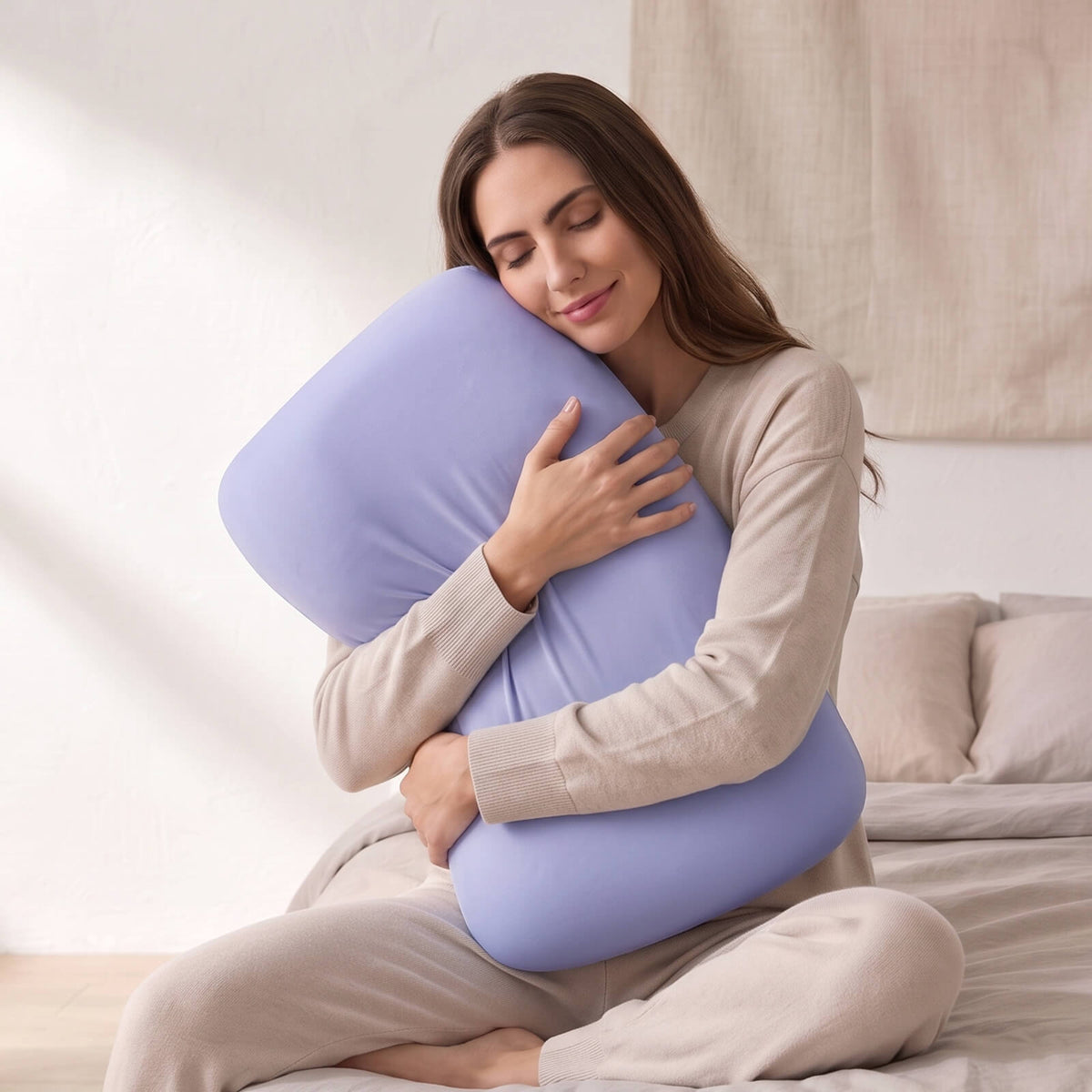


Few things sabotage a good night’s sleep faster than the wrong pillow. While mattress brands spend millions convincing you that your bed is the problem, the truth is simpler: your pillow is the variable you can actually control, and it needs to match how you sleep. But with thousands of options on the market, how do you choose? The material of your pillow dictates its support, breathability, and lifespan. Let’s break down the three most popular pillow materials: Memory Foam, Natural Latex, and Down.

Your Sleep Position
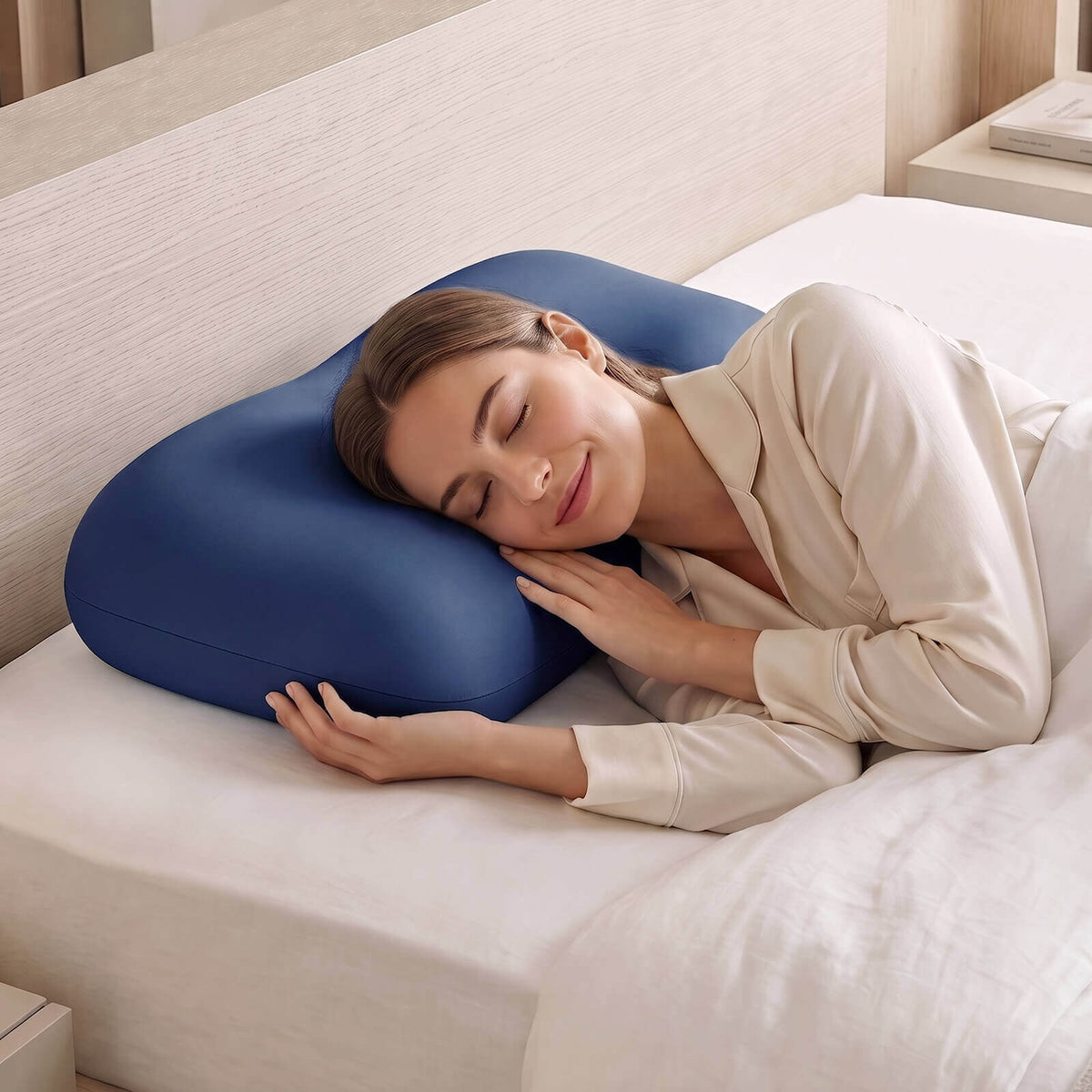
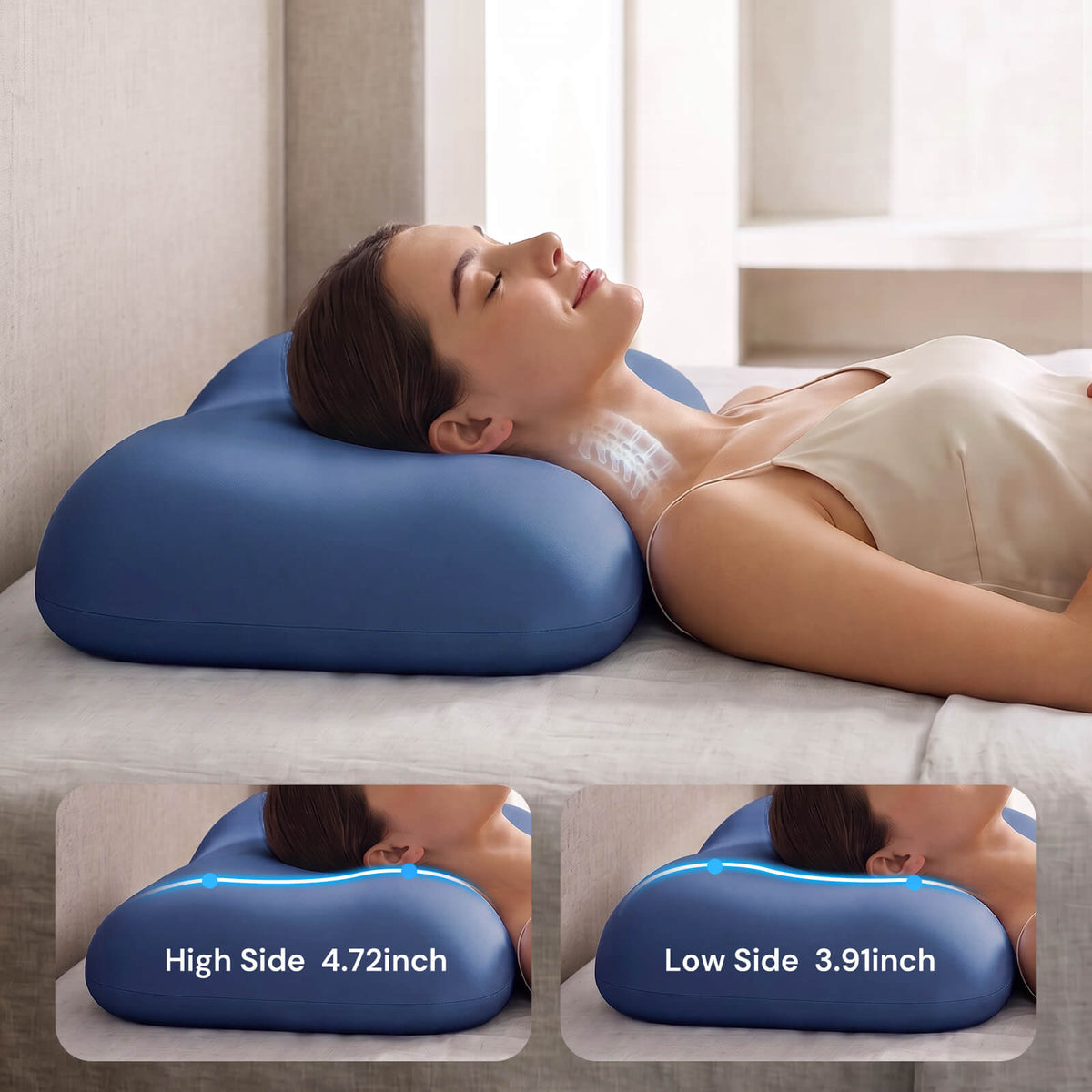
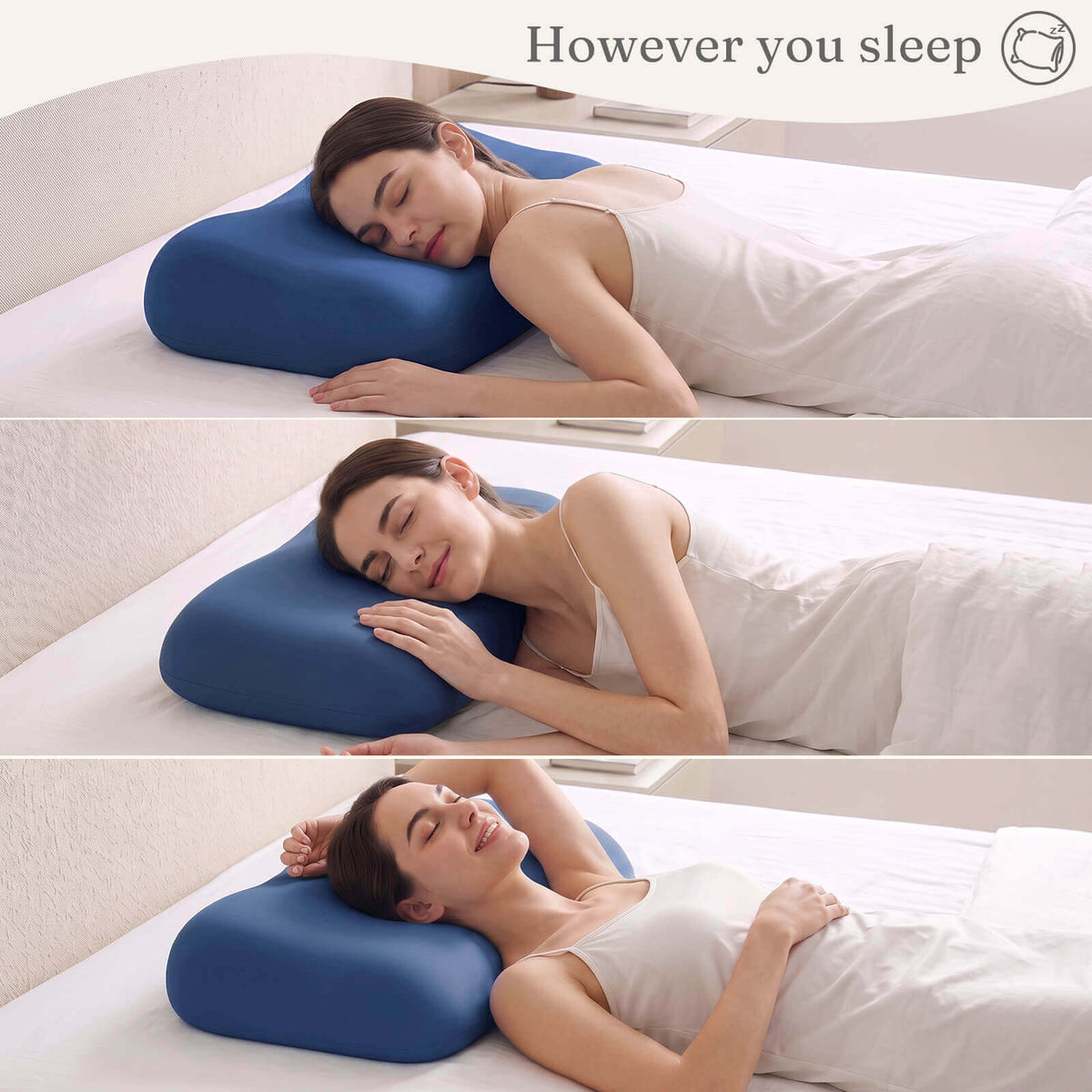
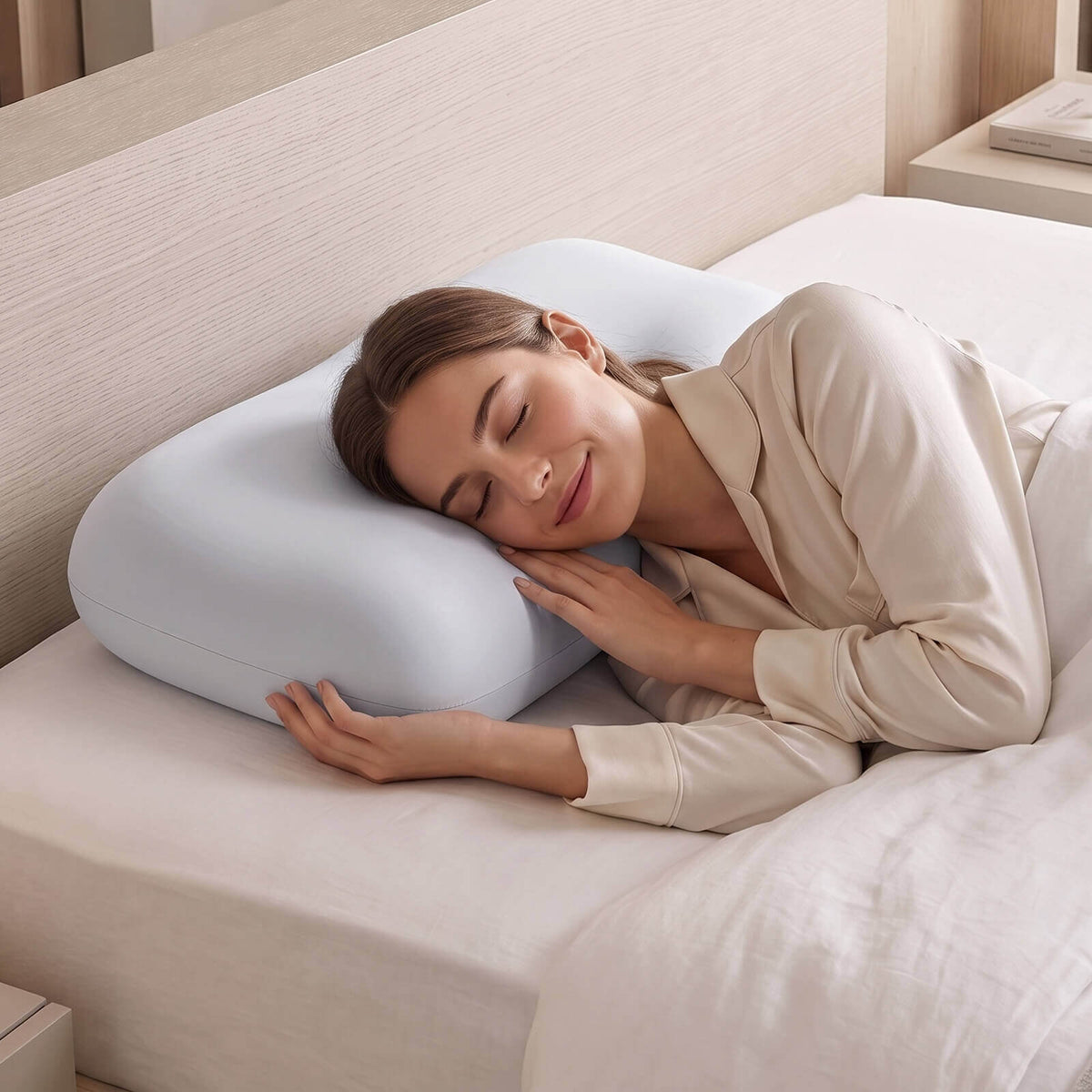
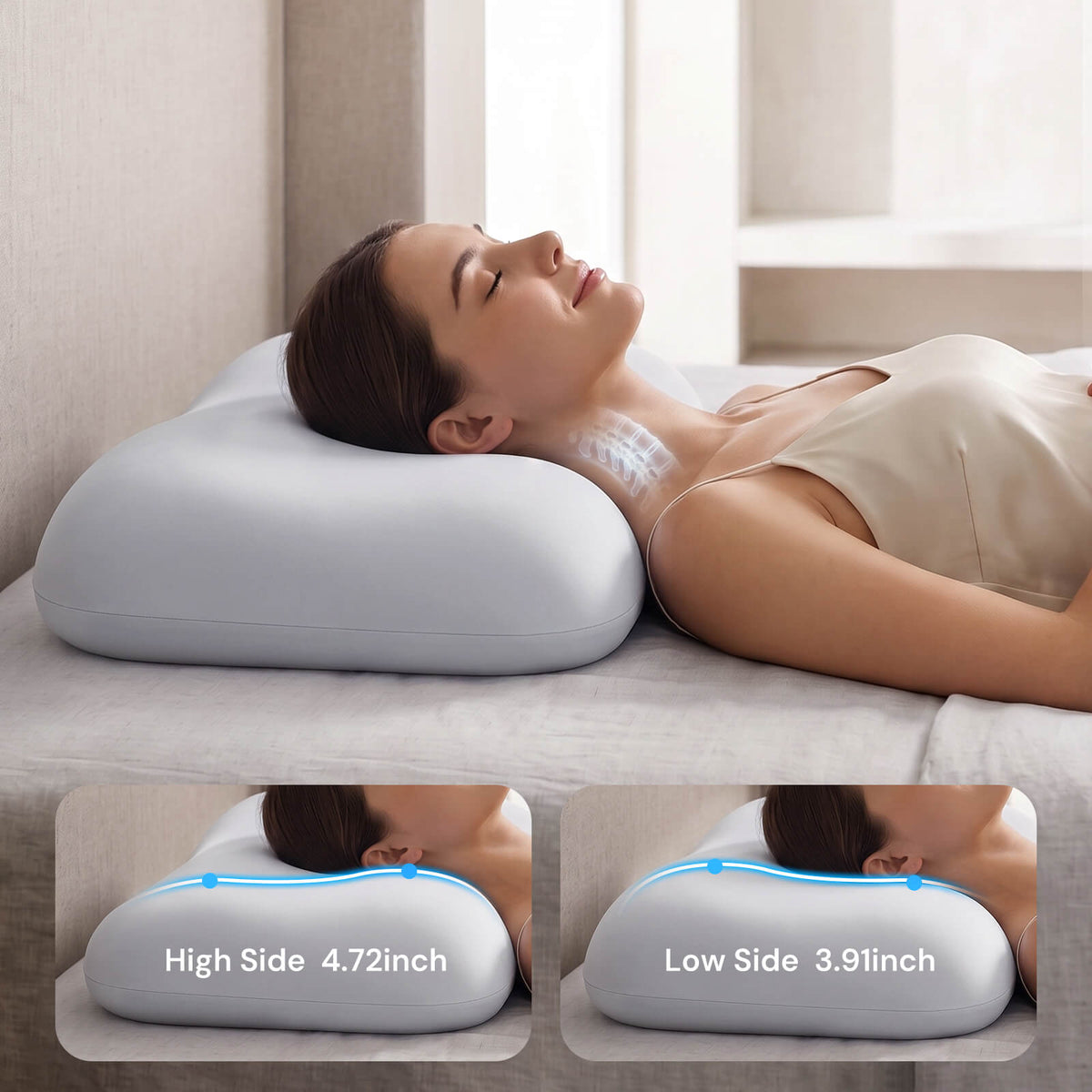
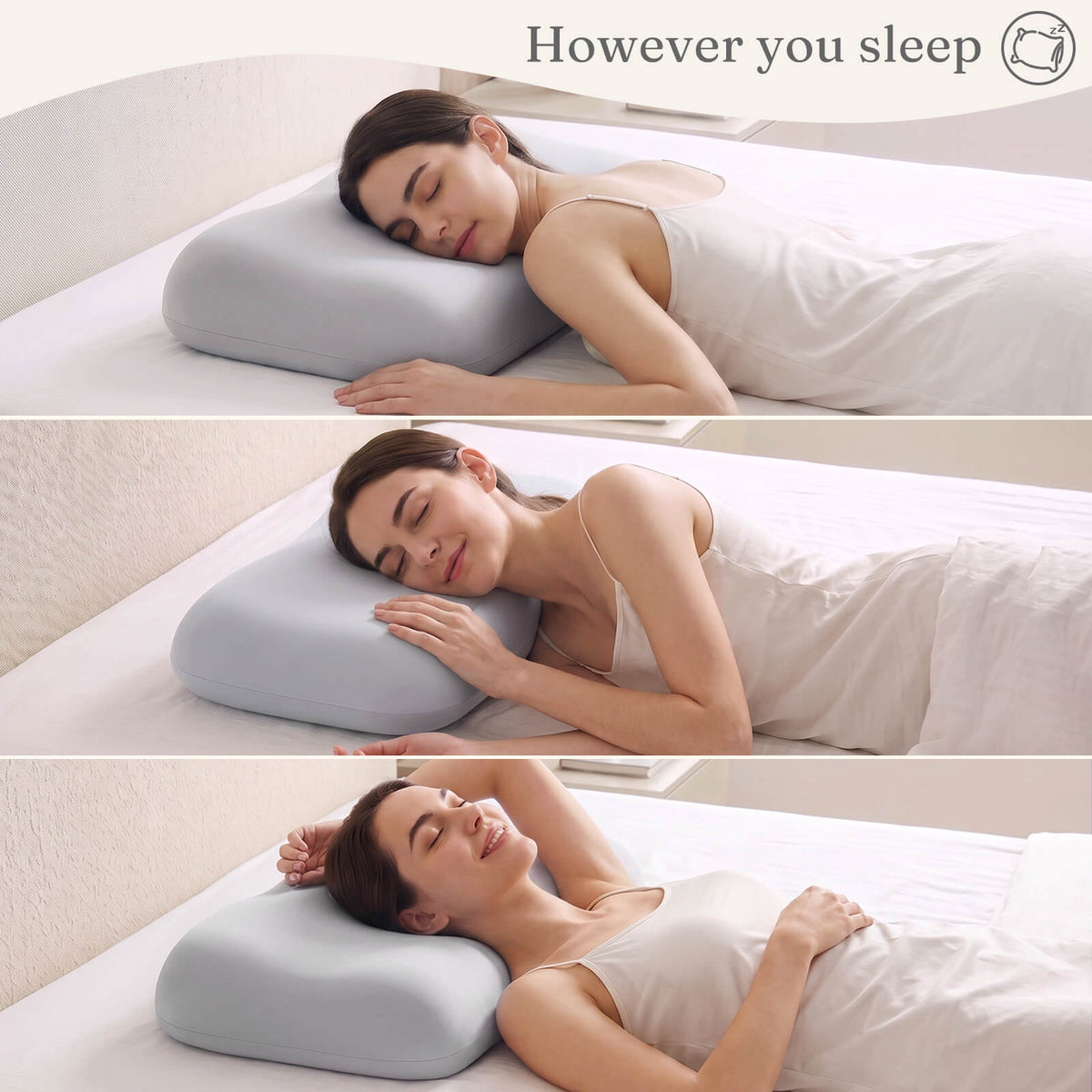
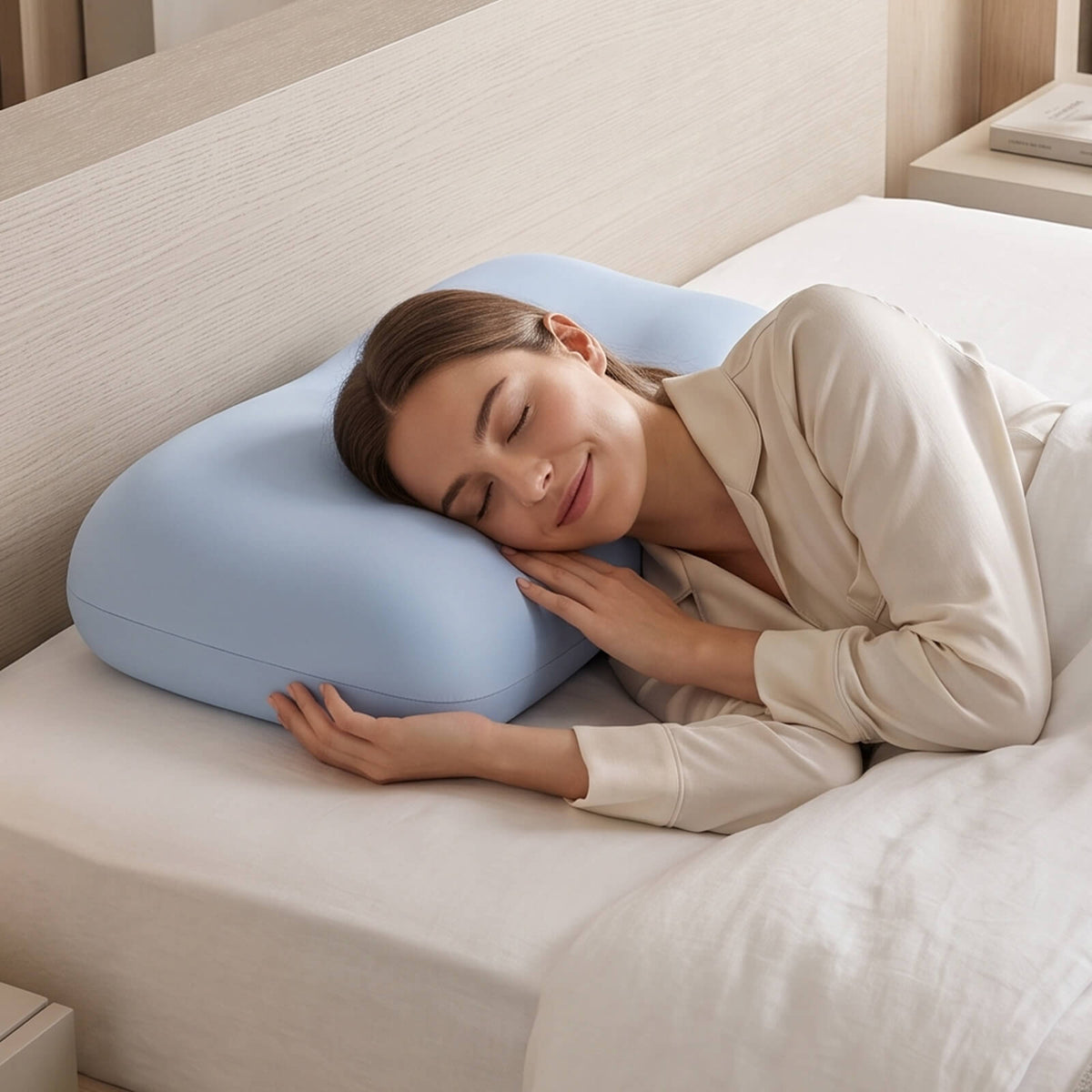
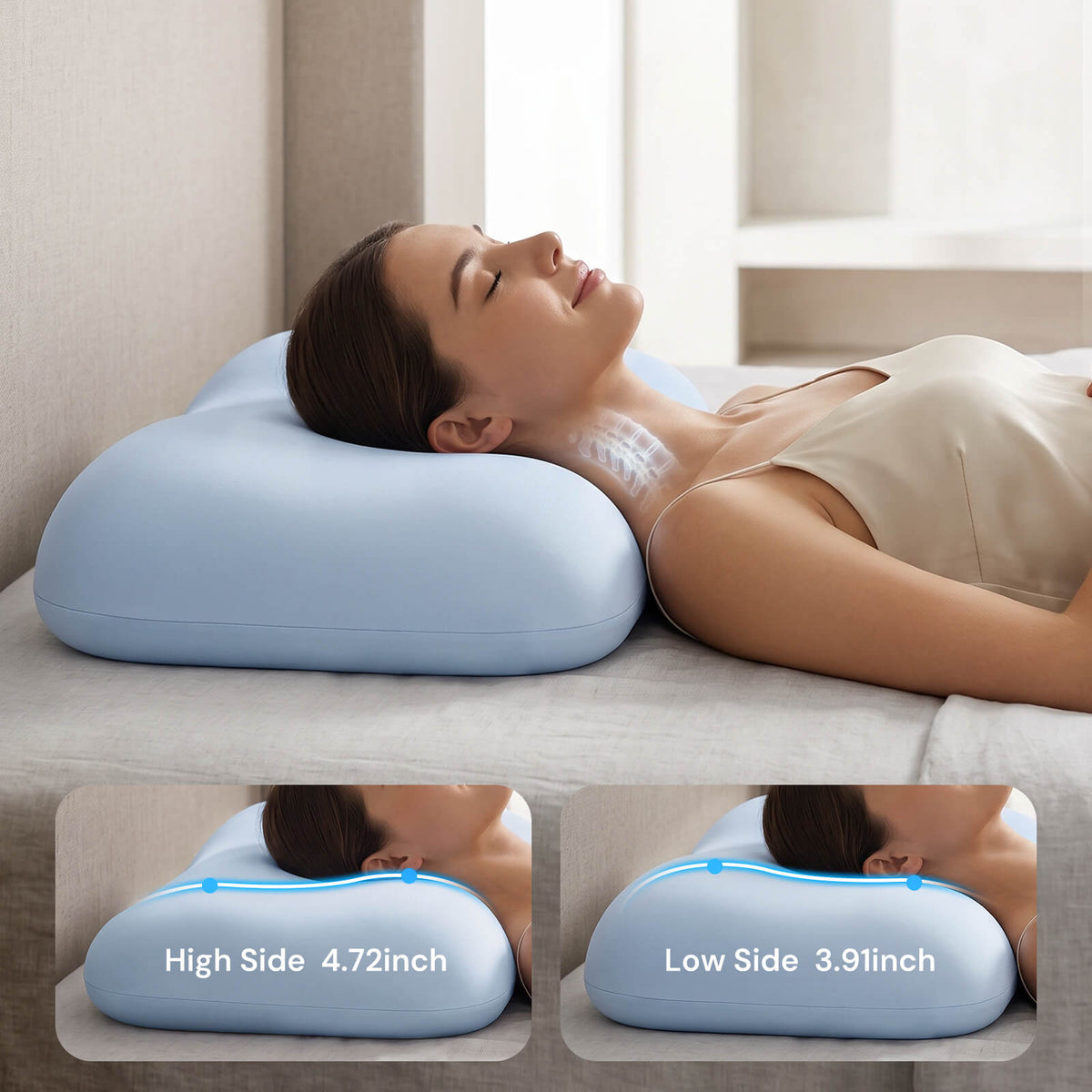
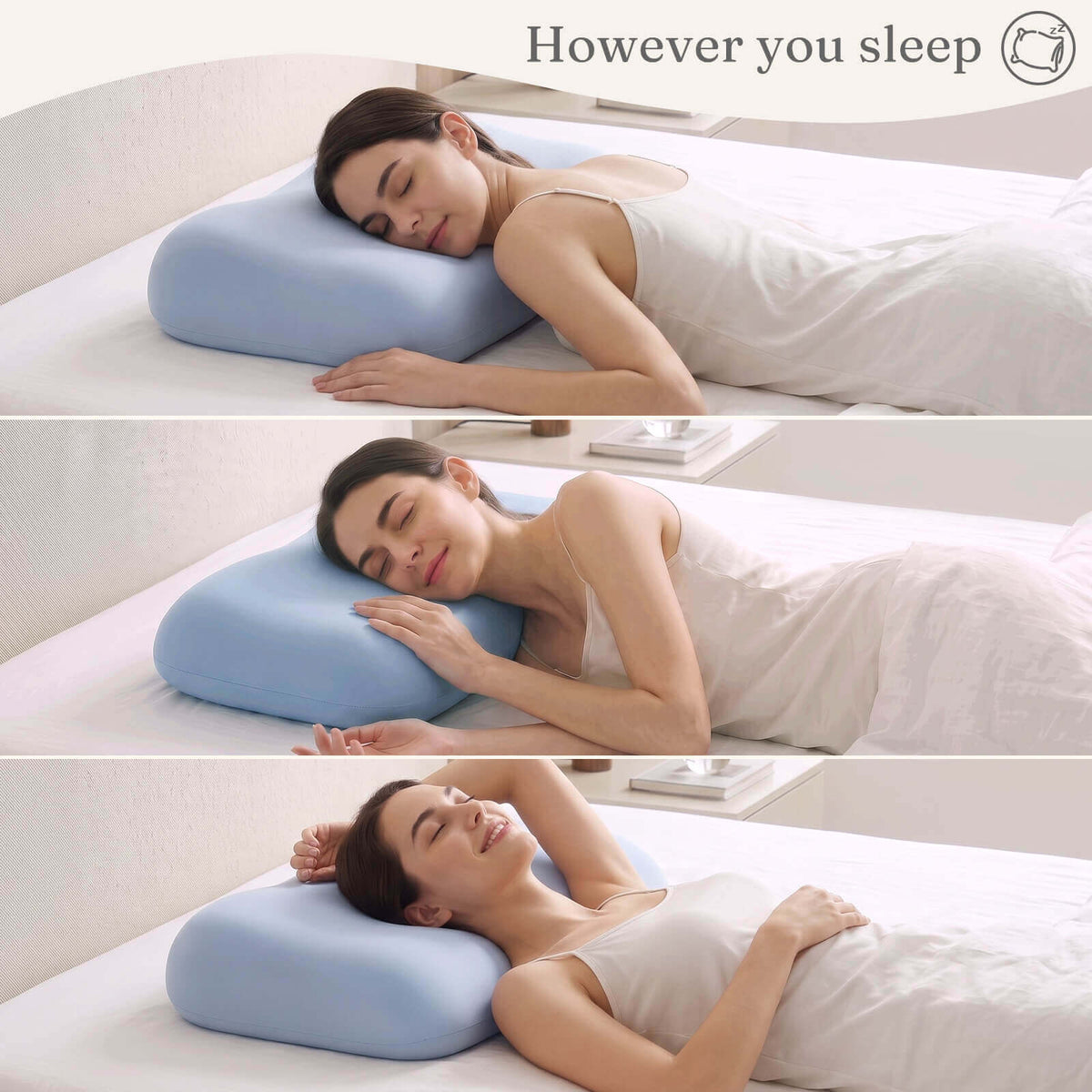
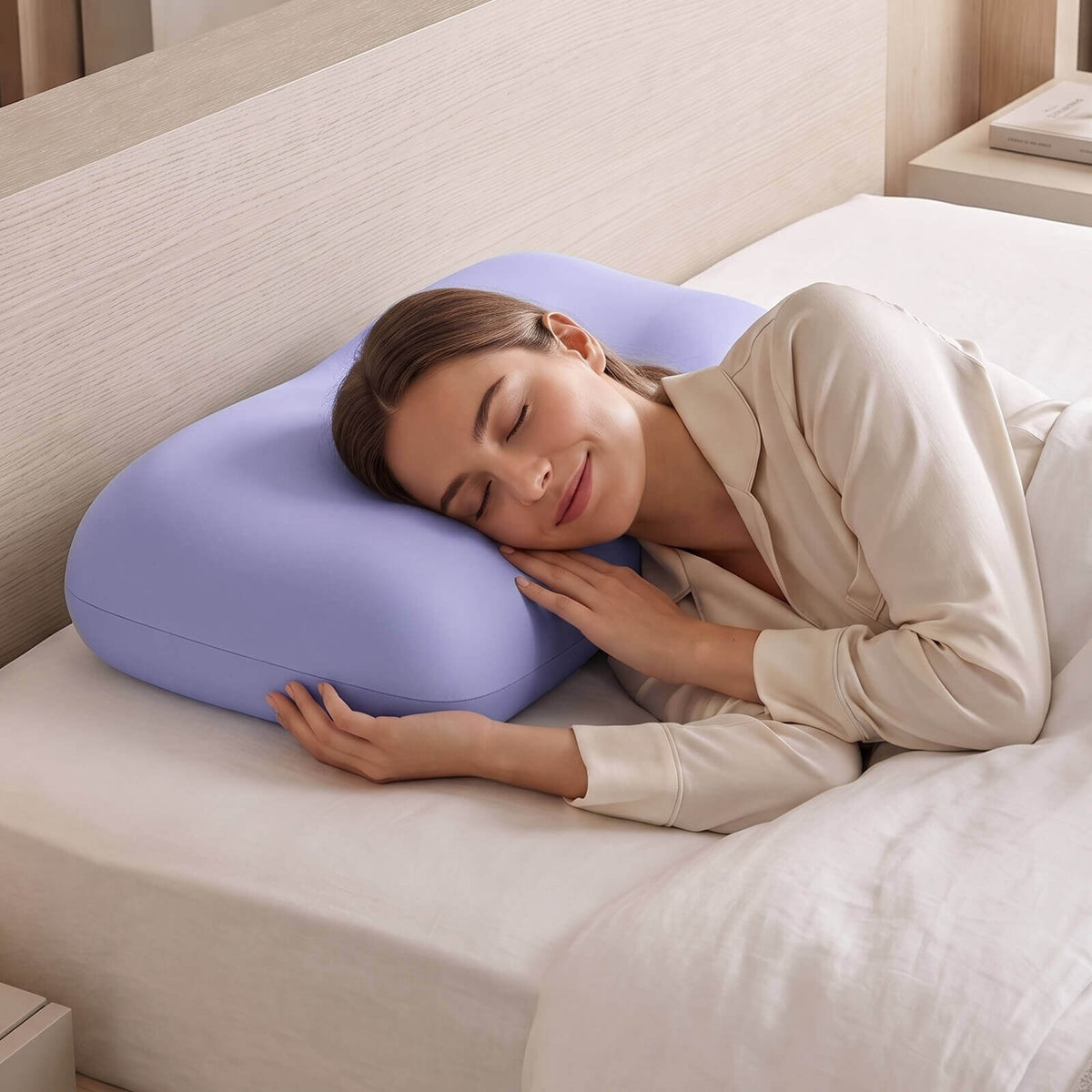
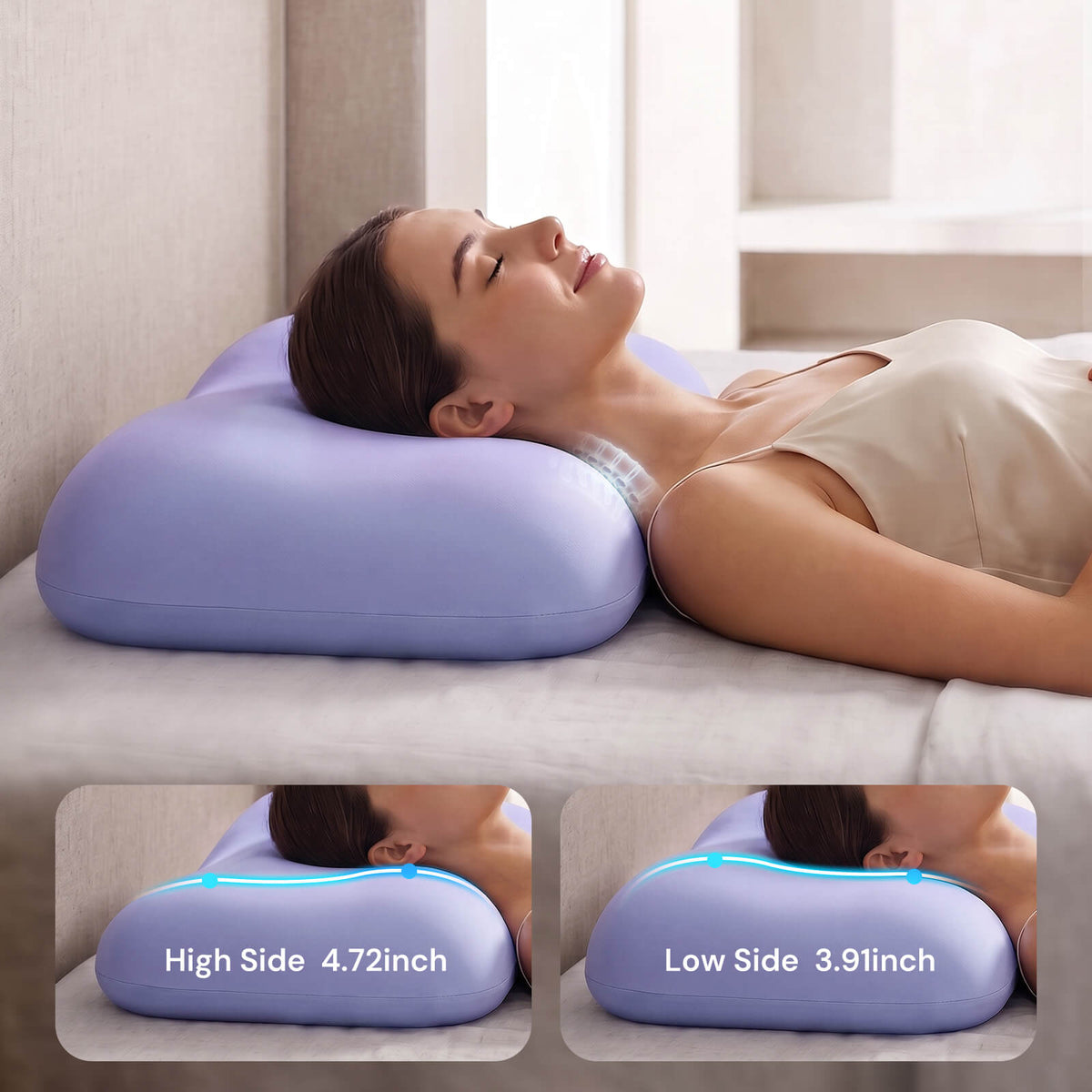
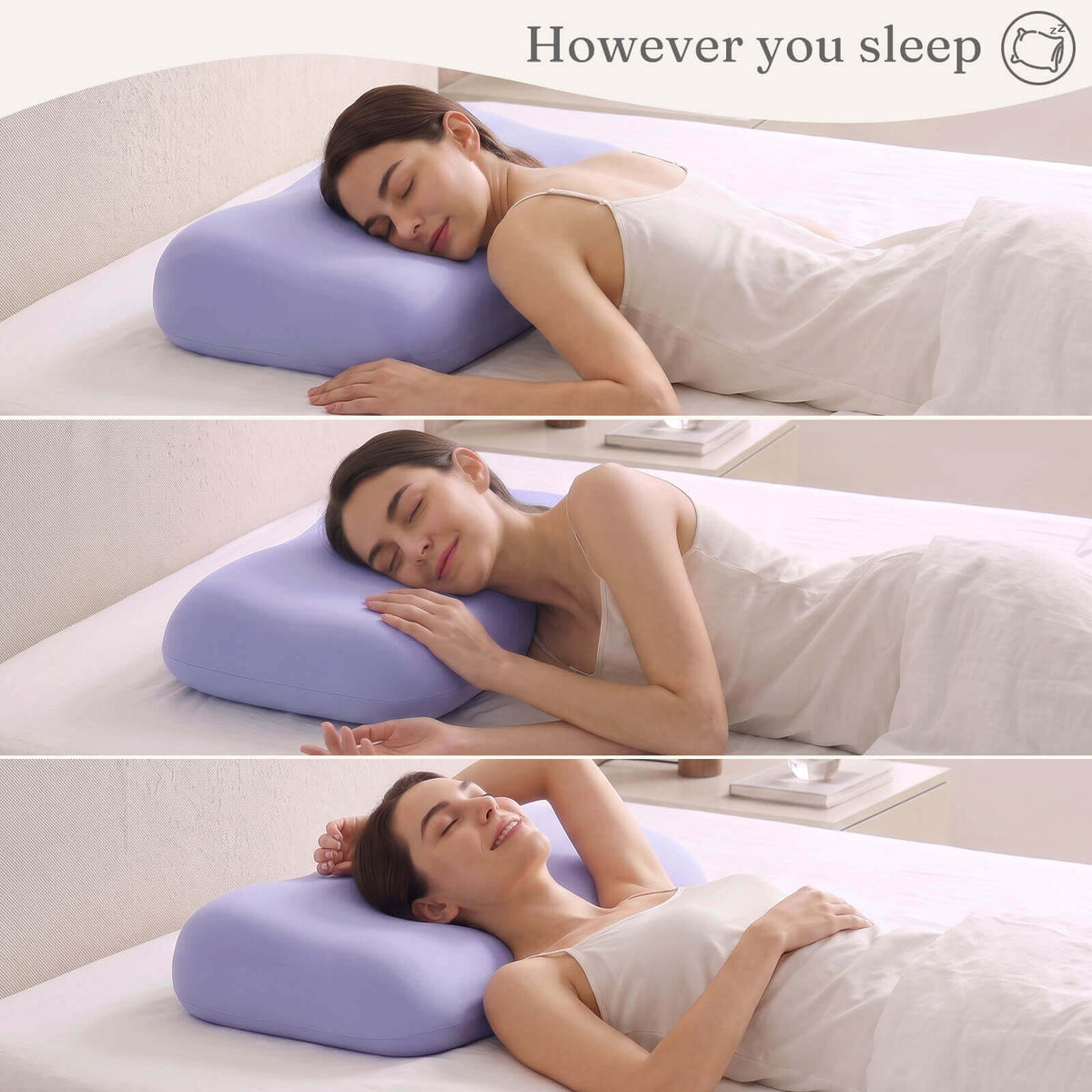
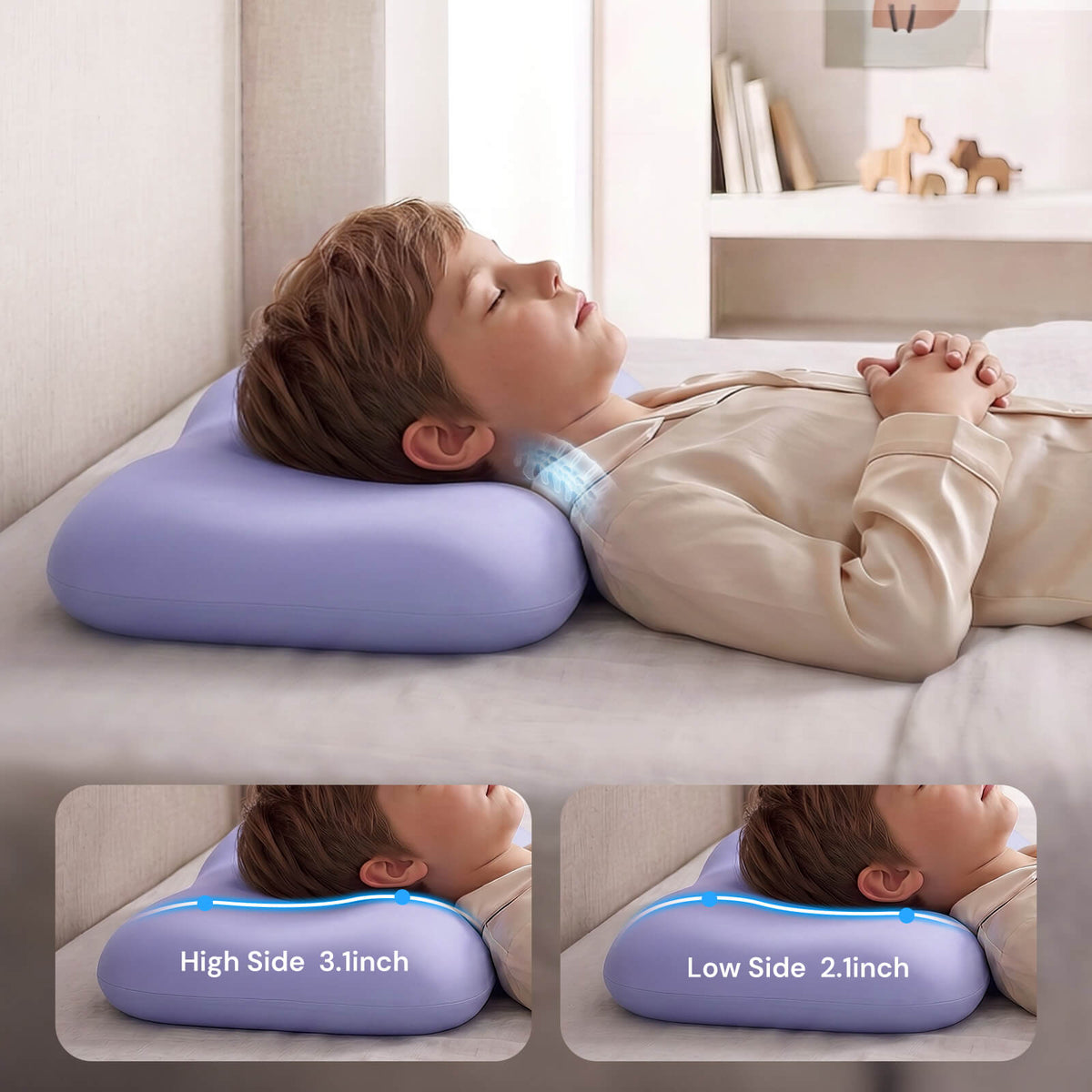
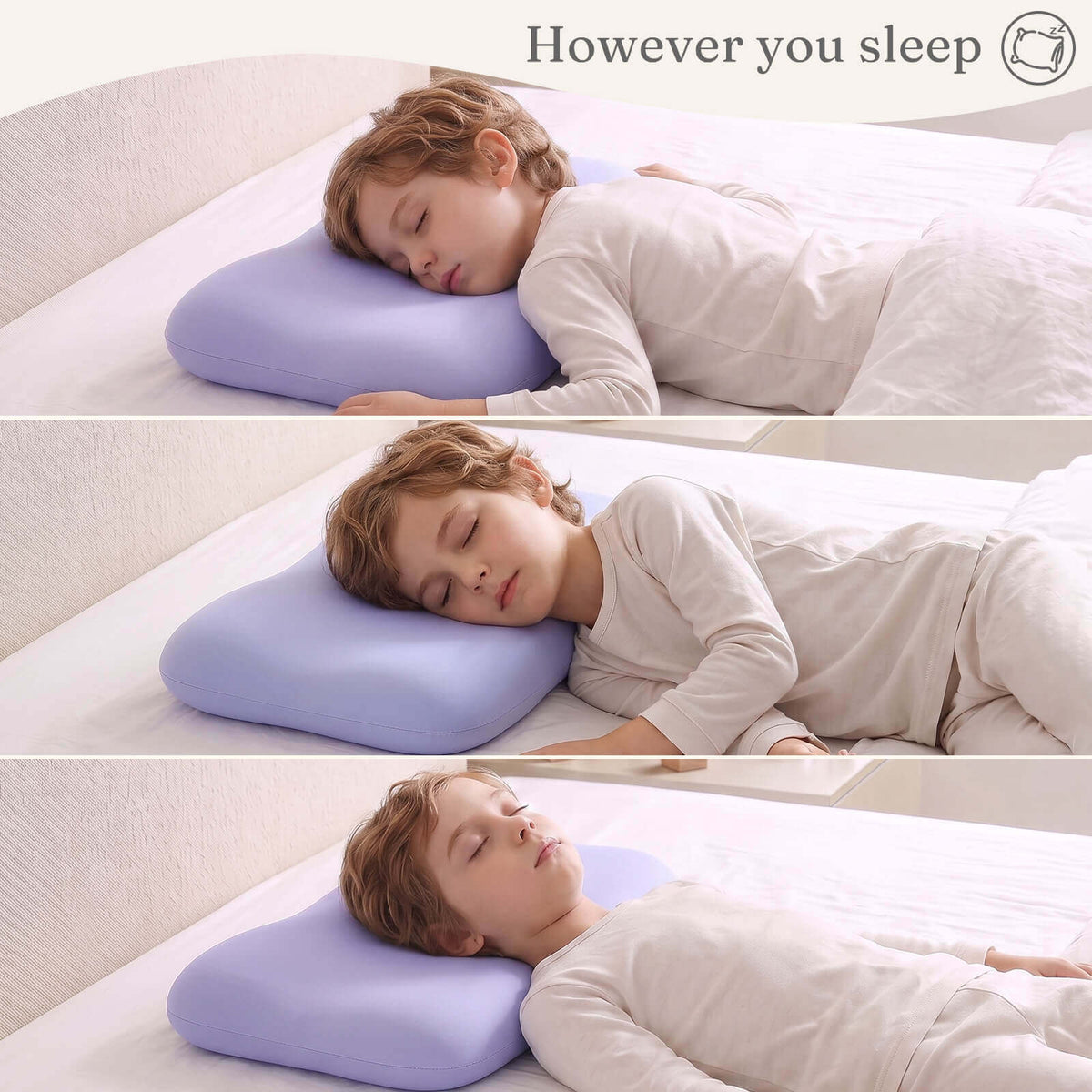
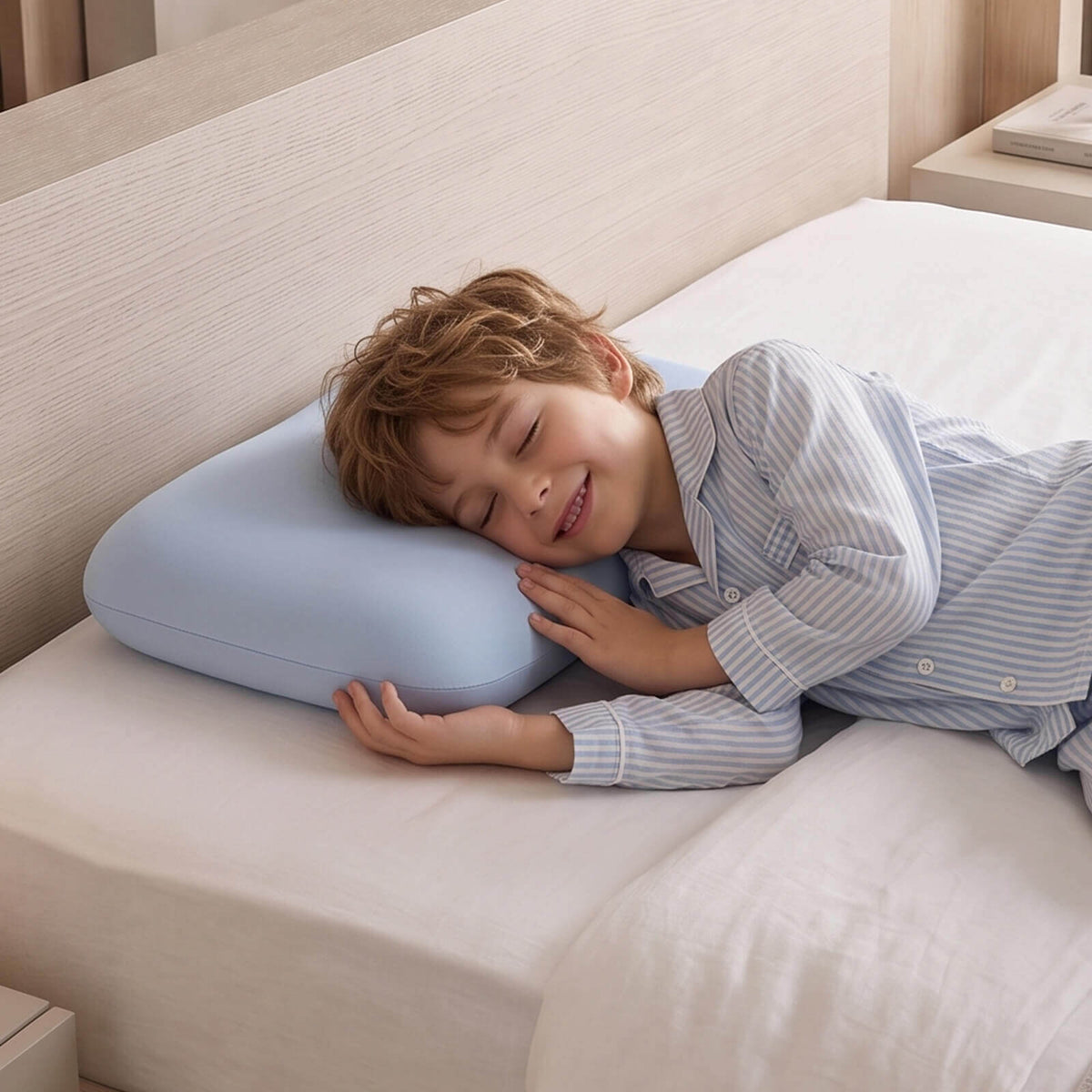
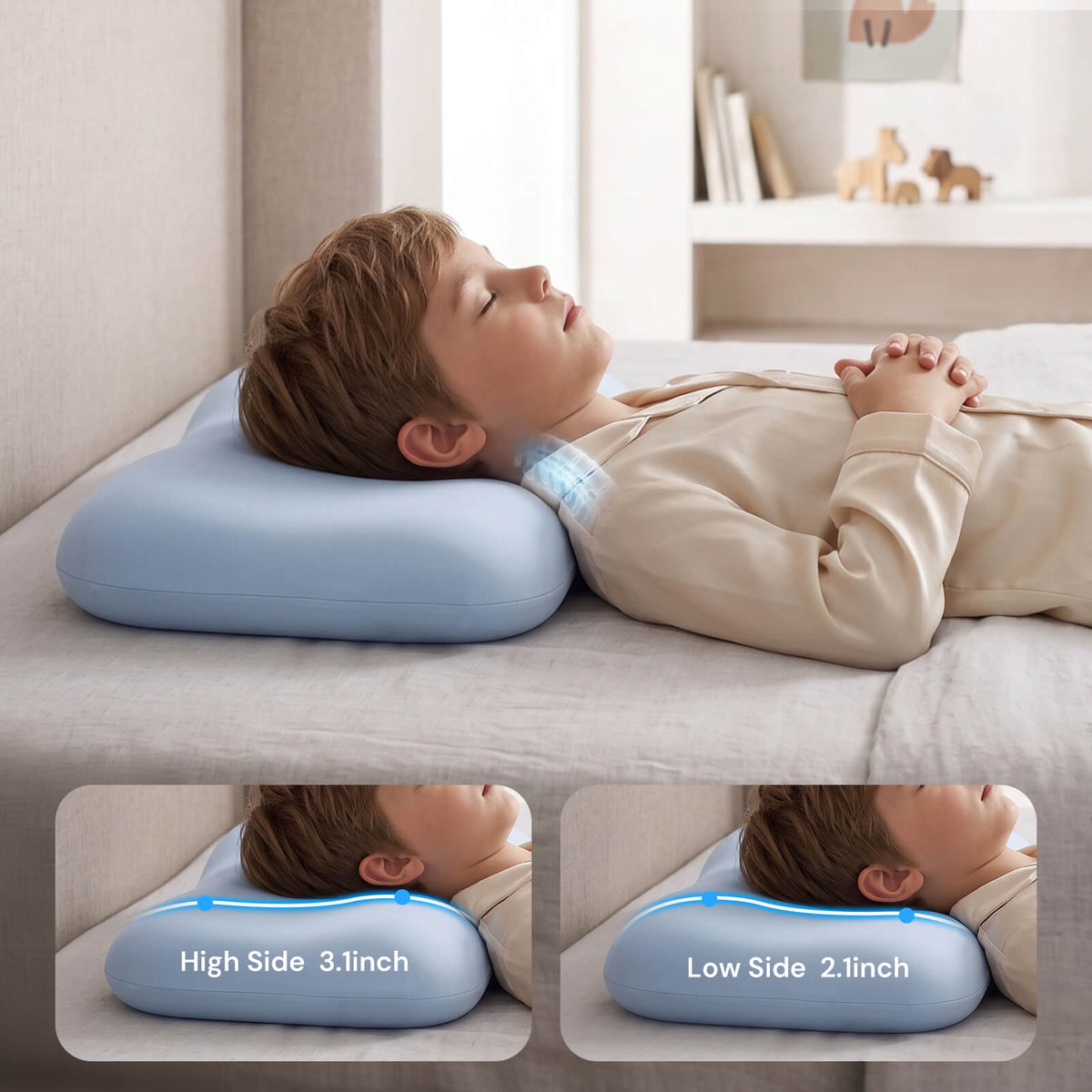
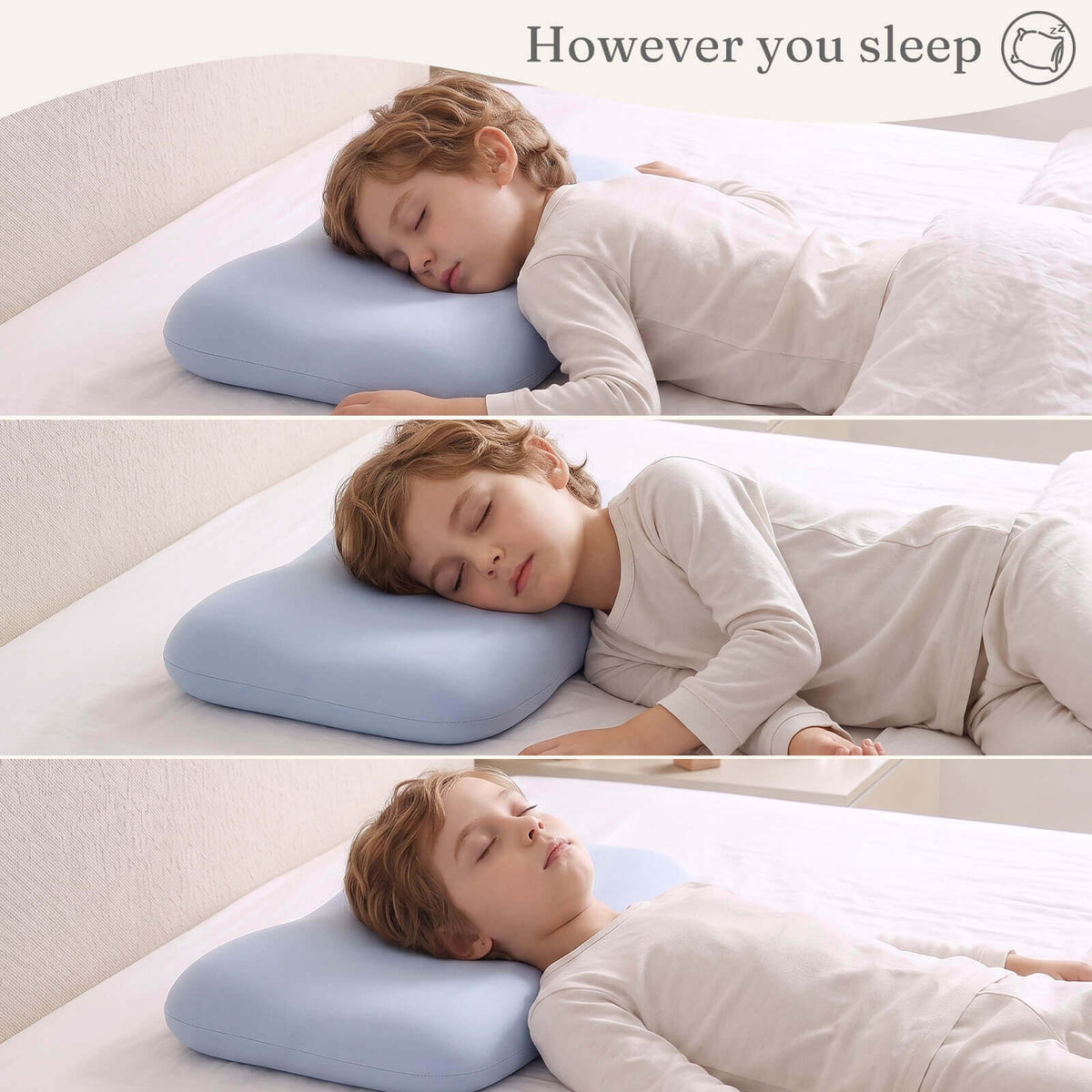
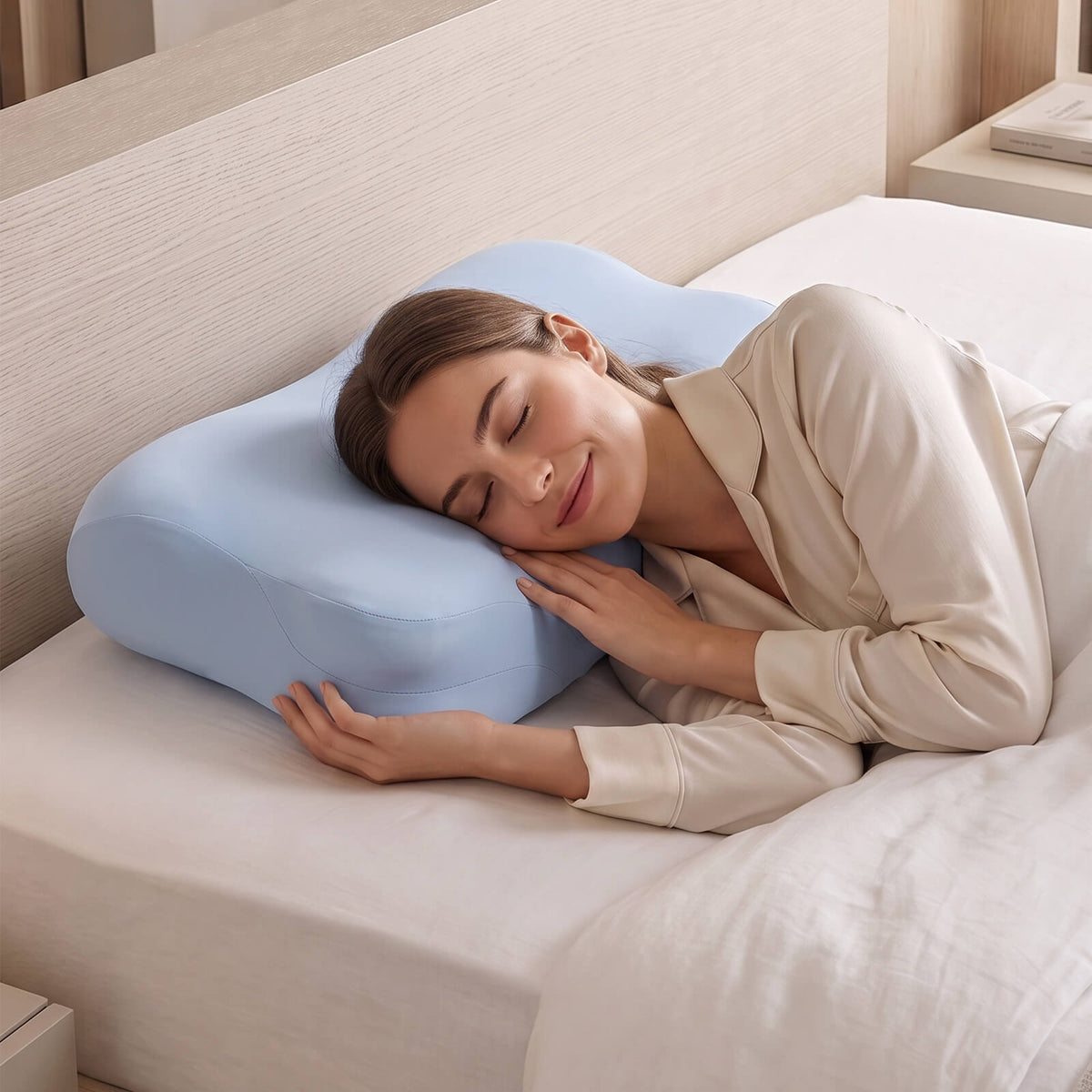
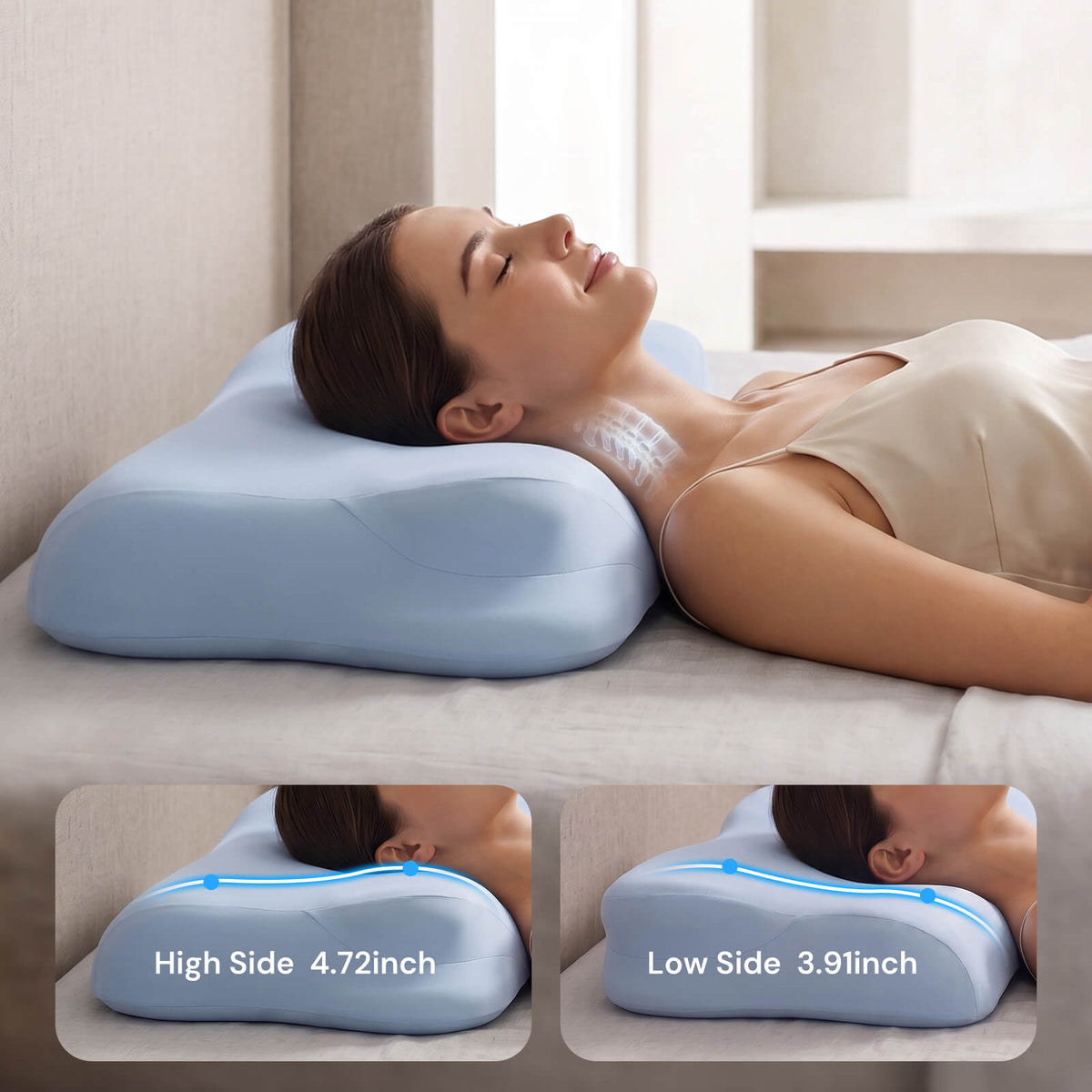
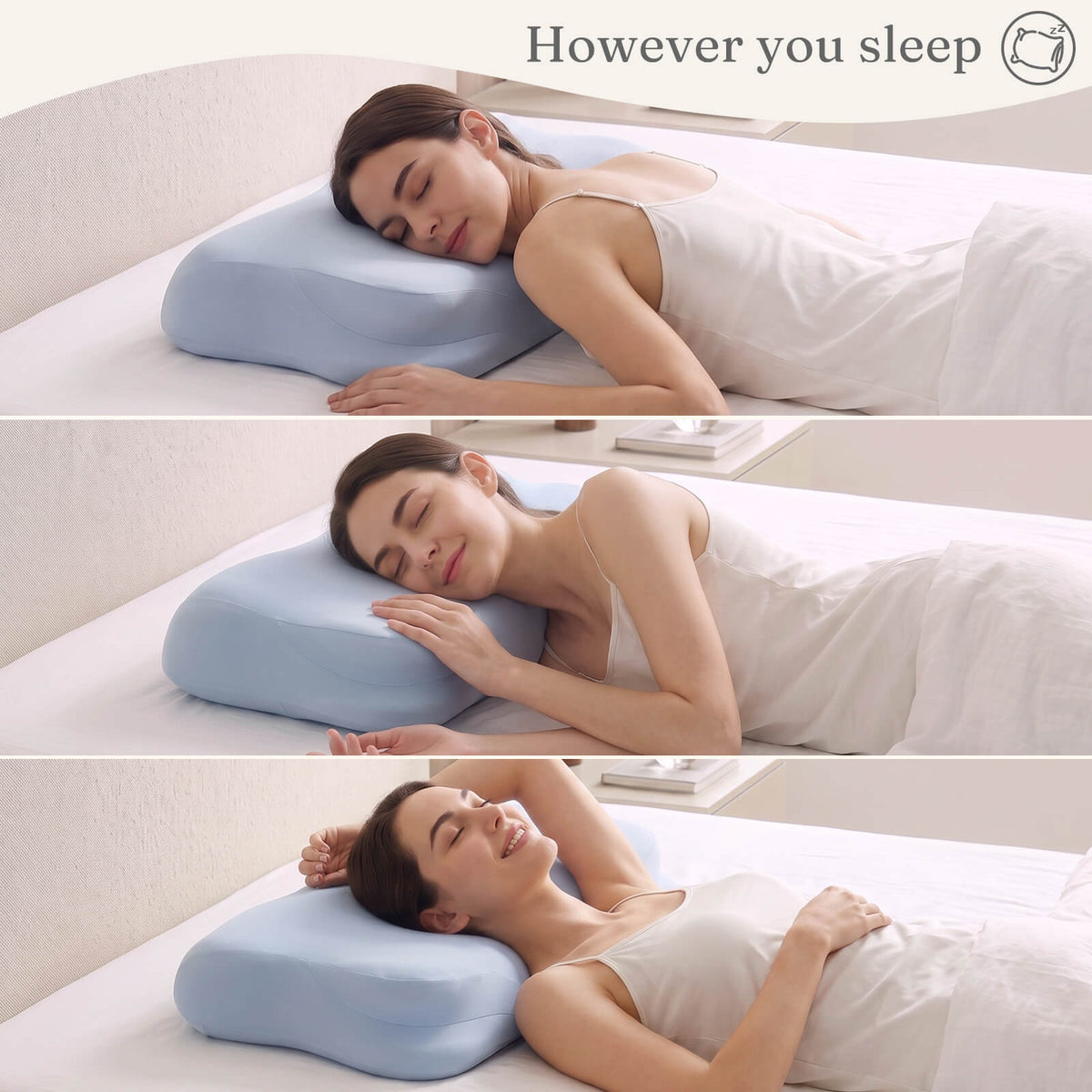
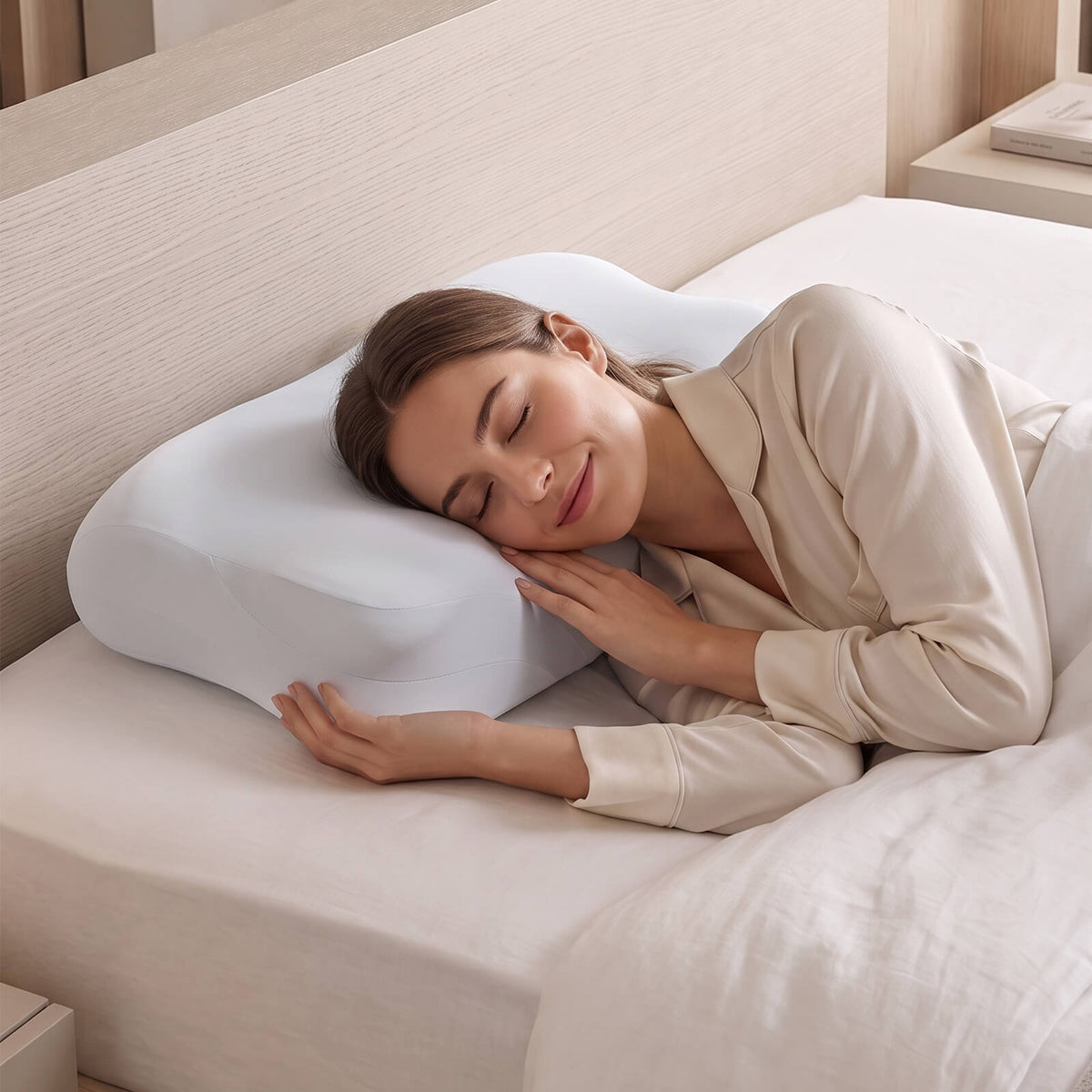
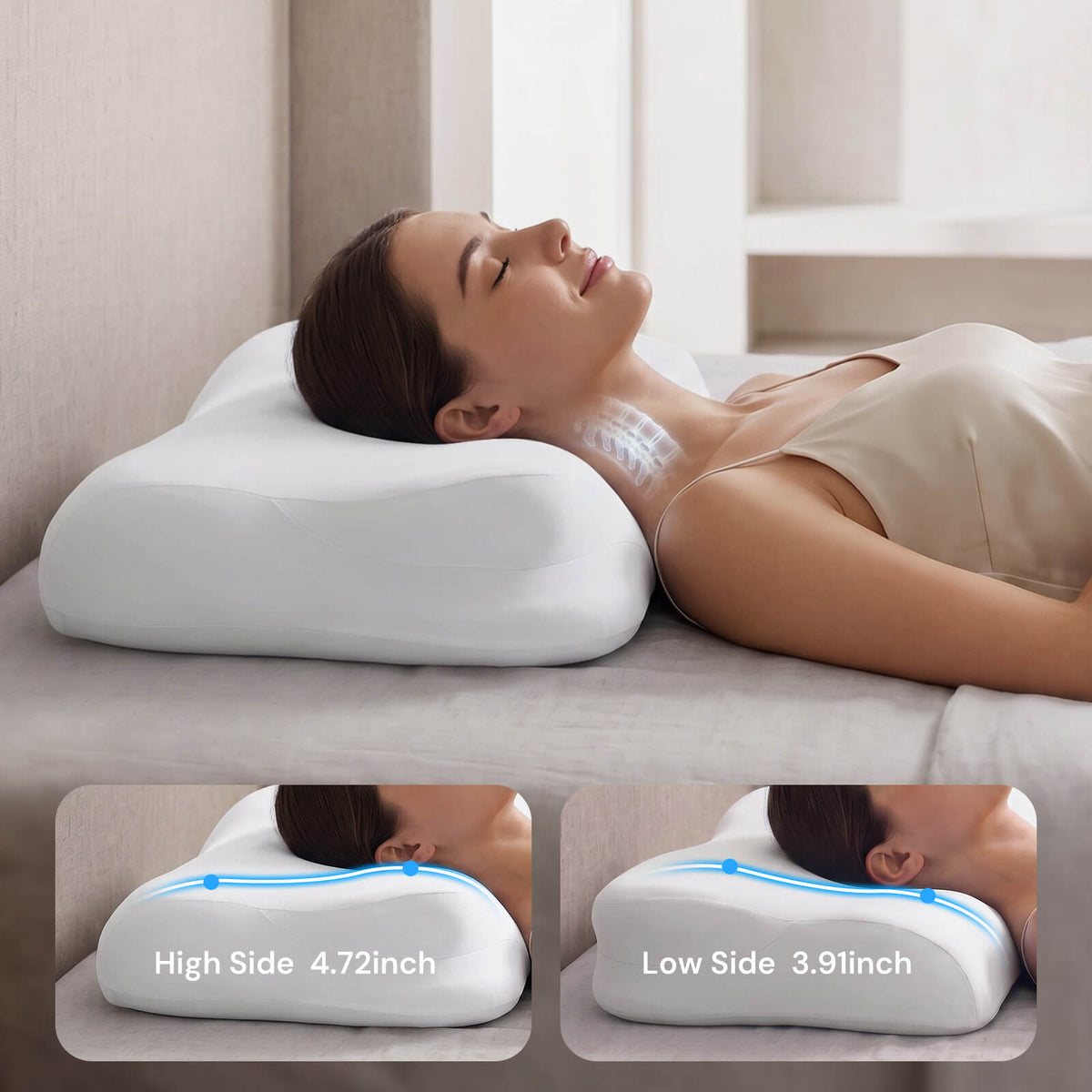
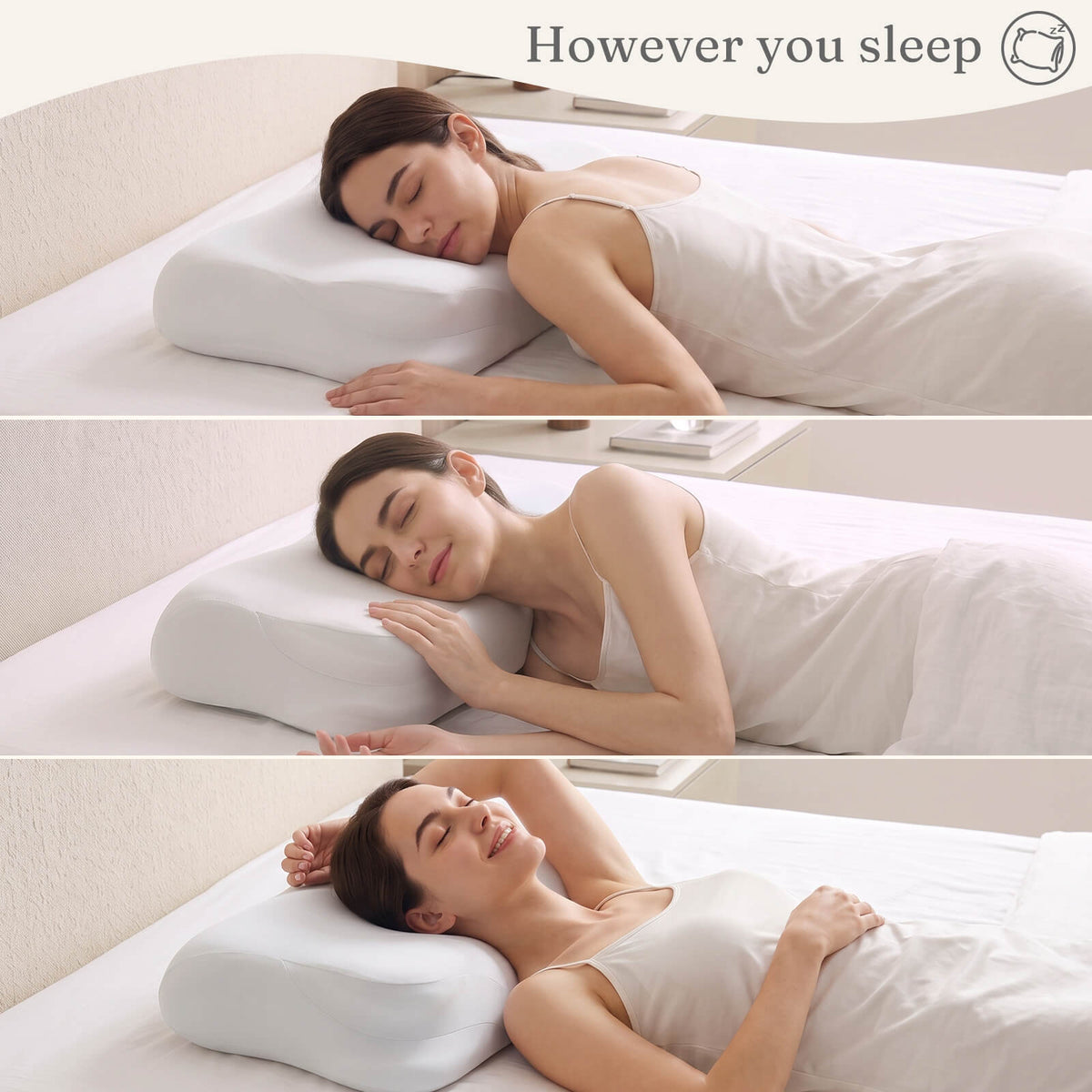
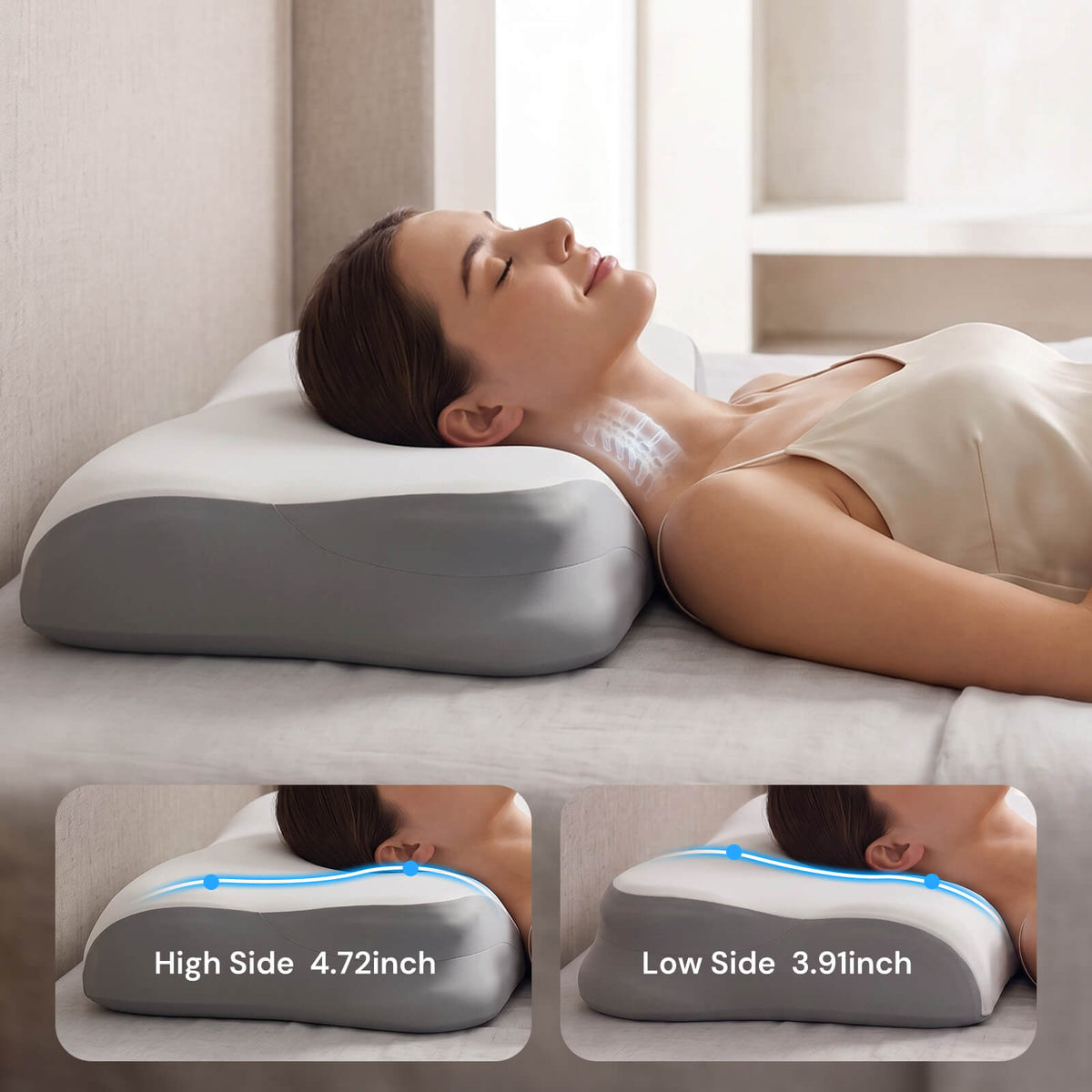
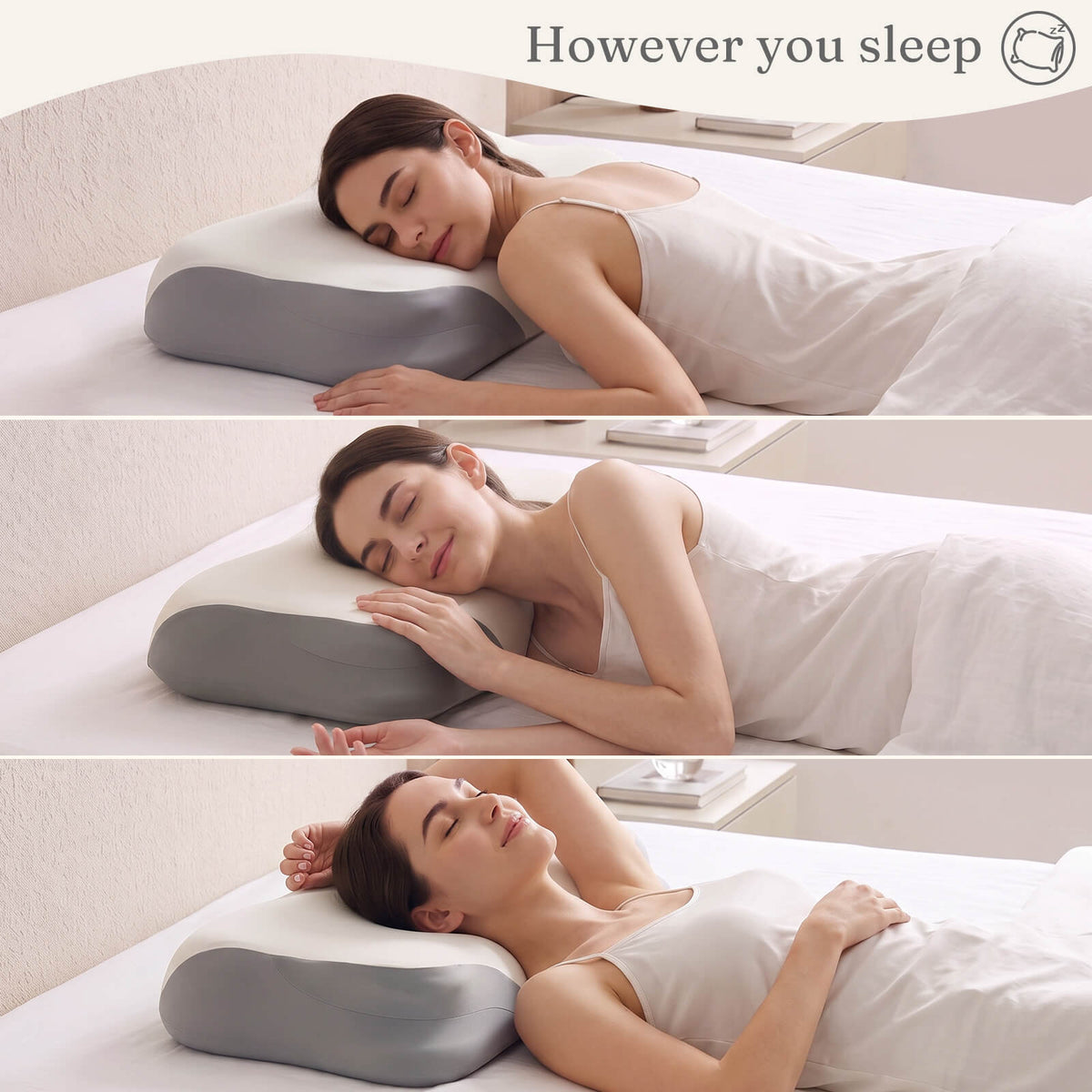
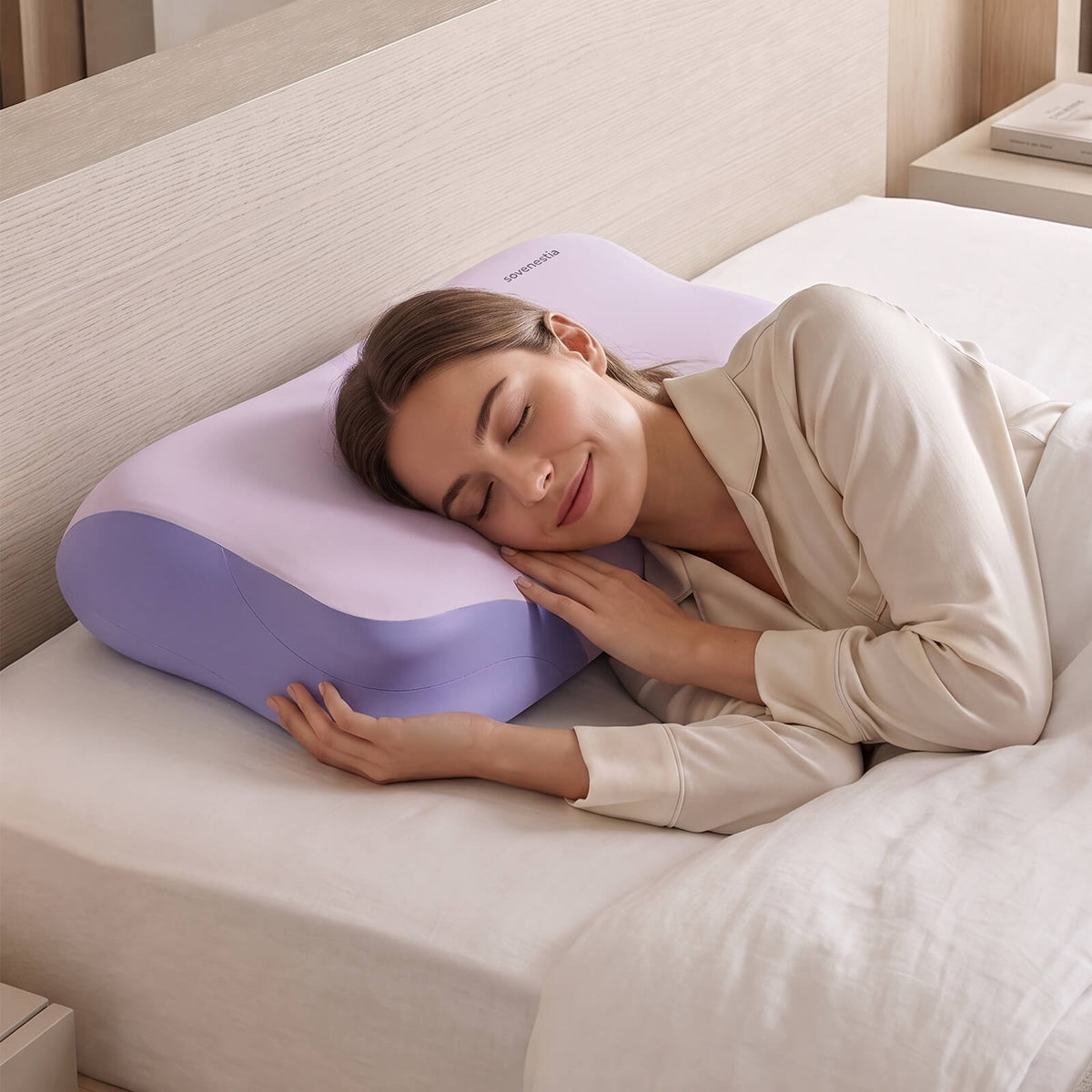
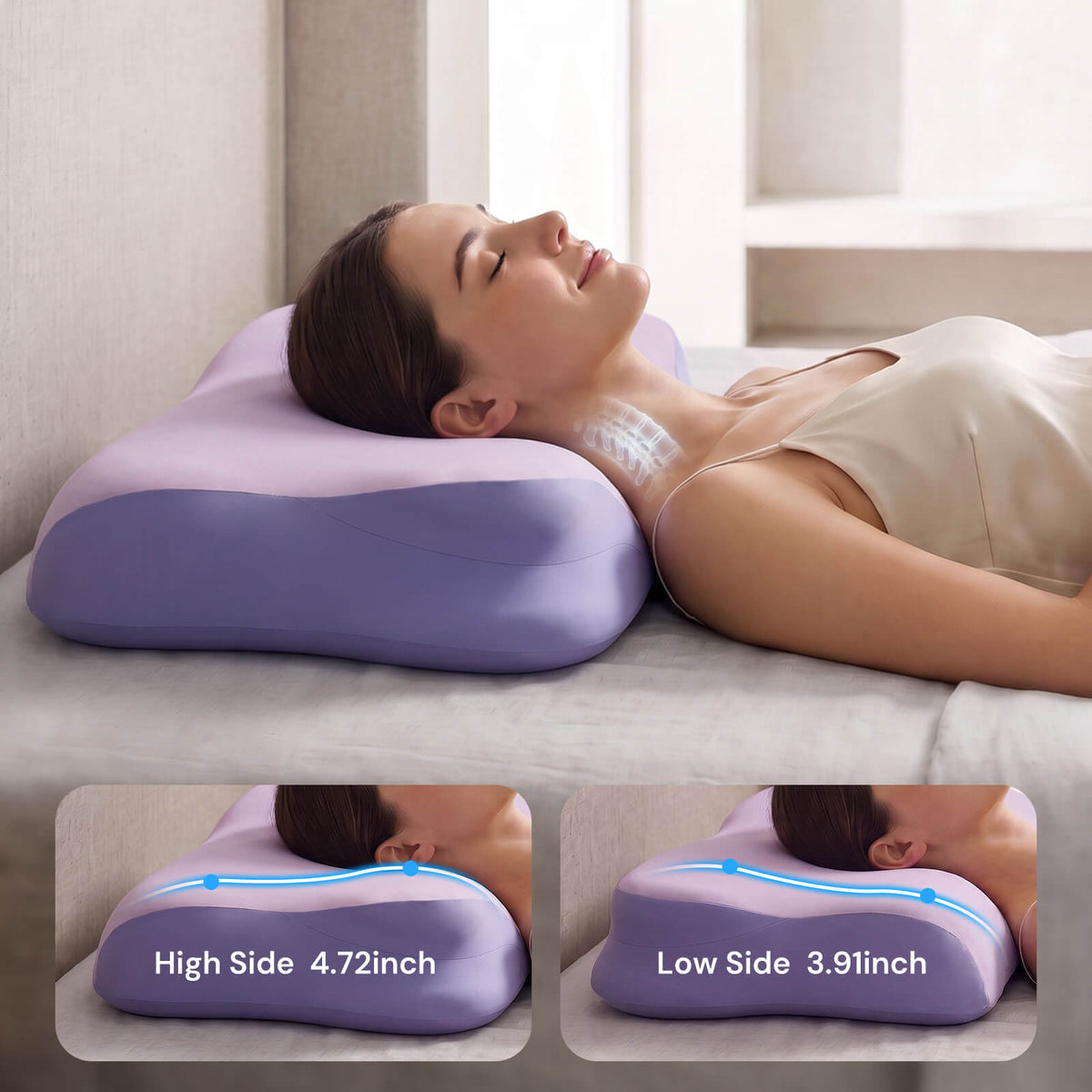
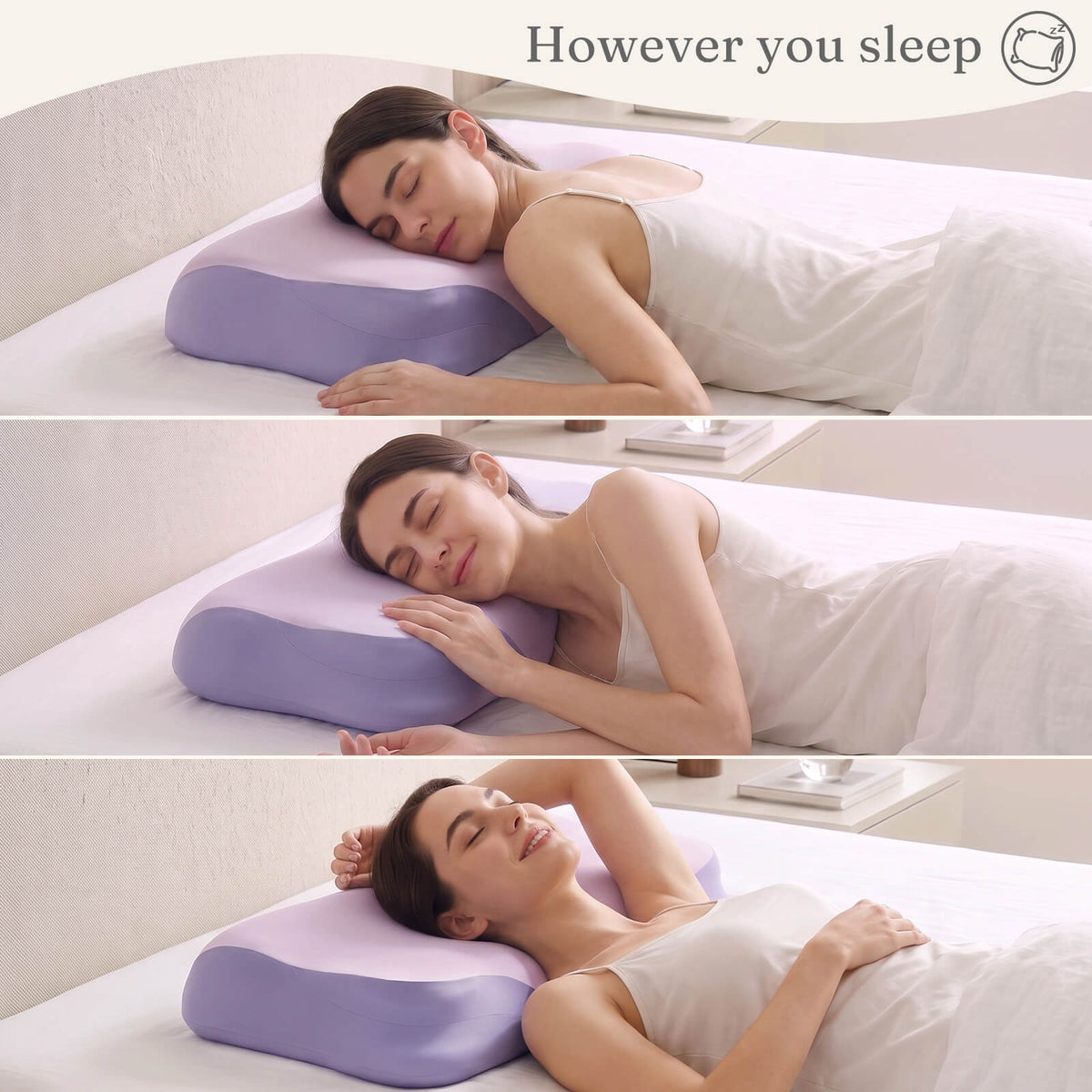
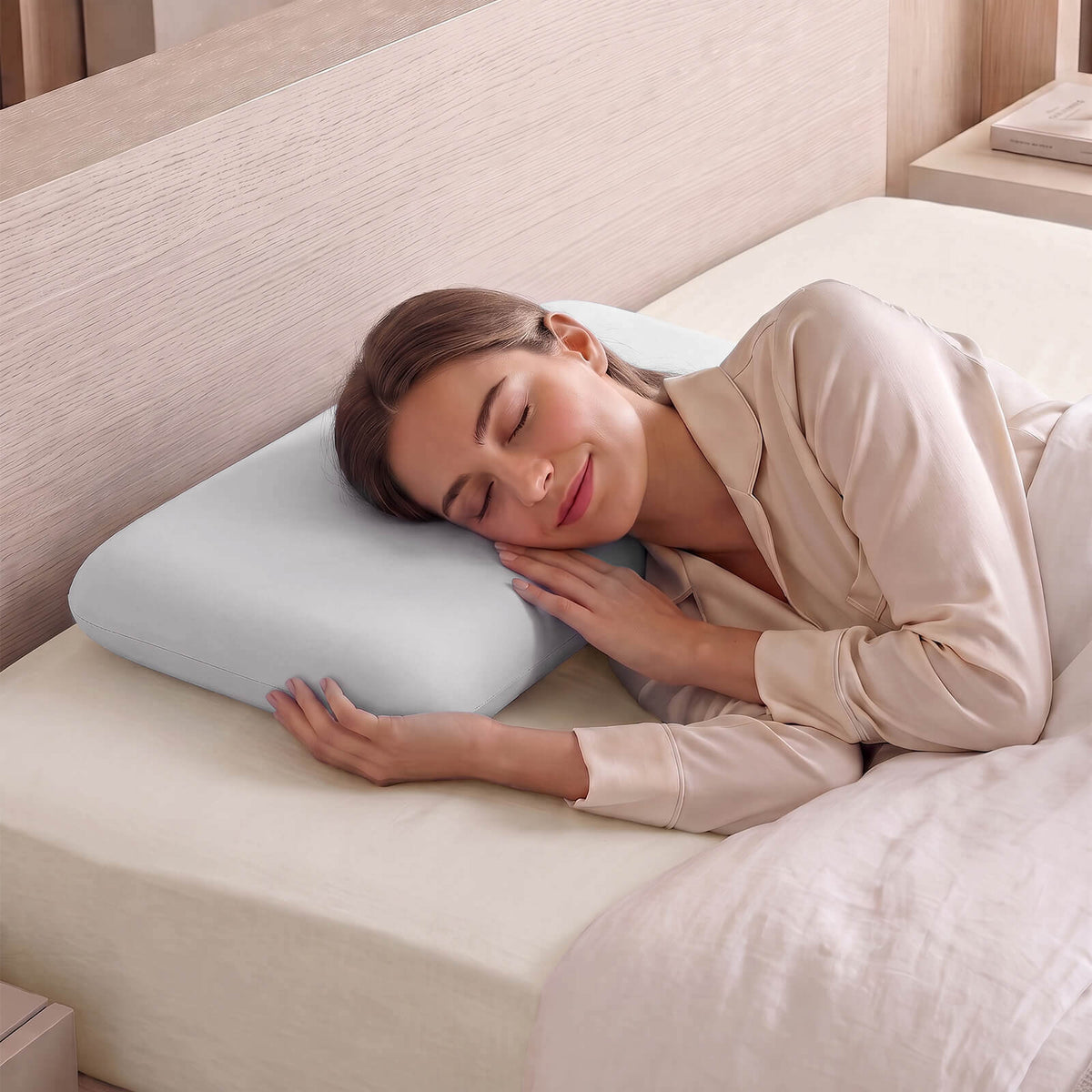
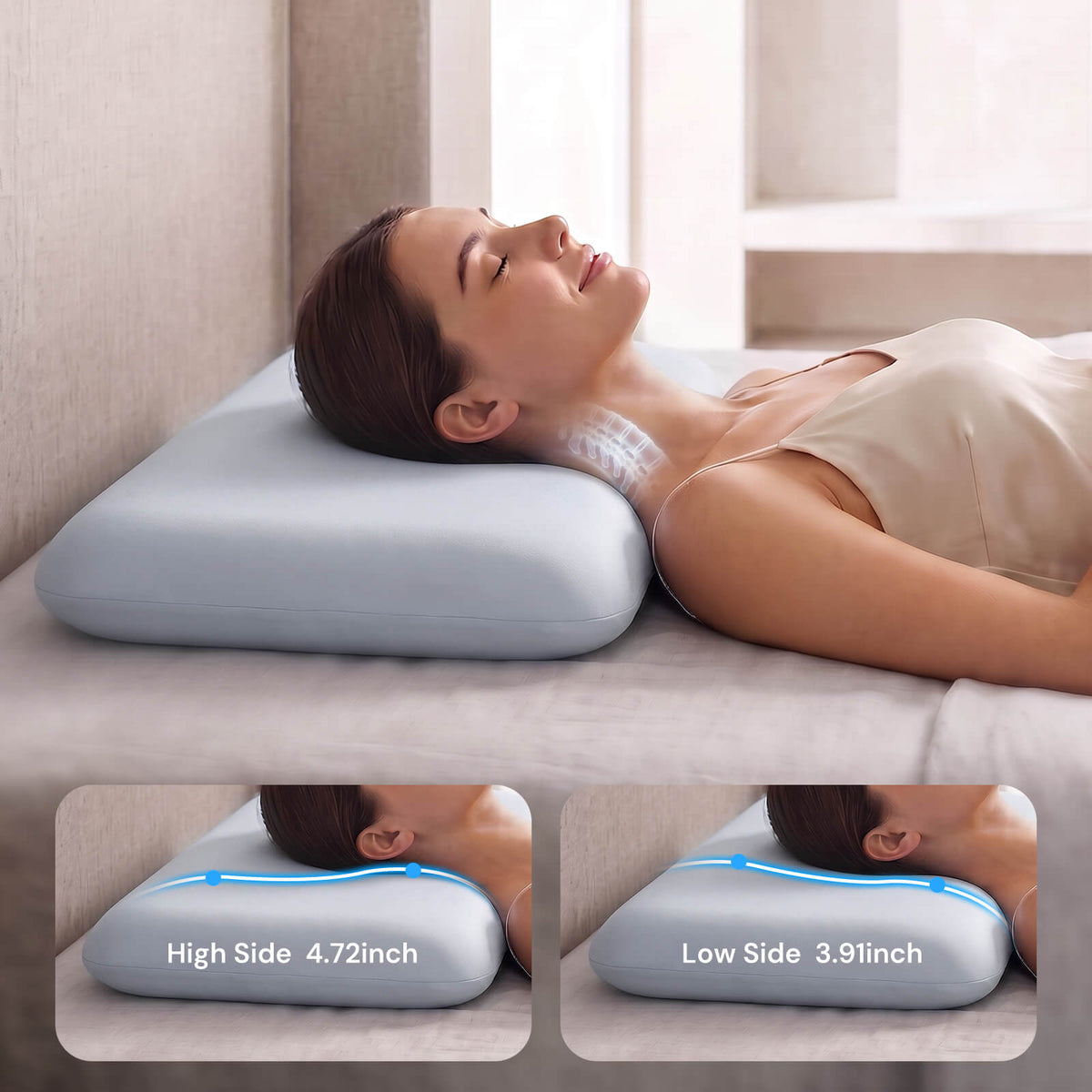
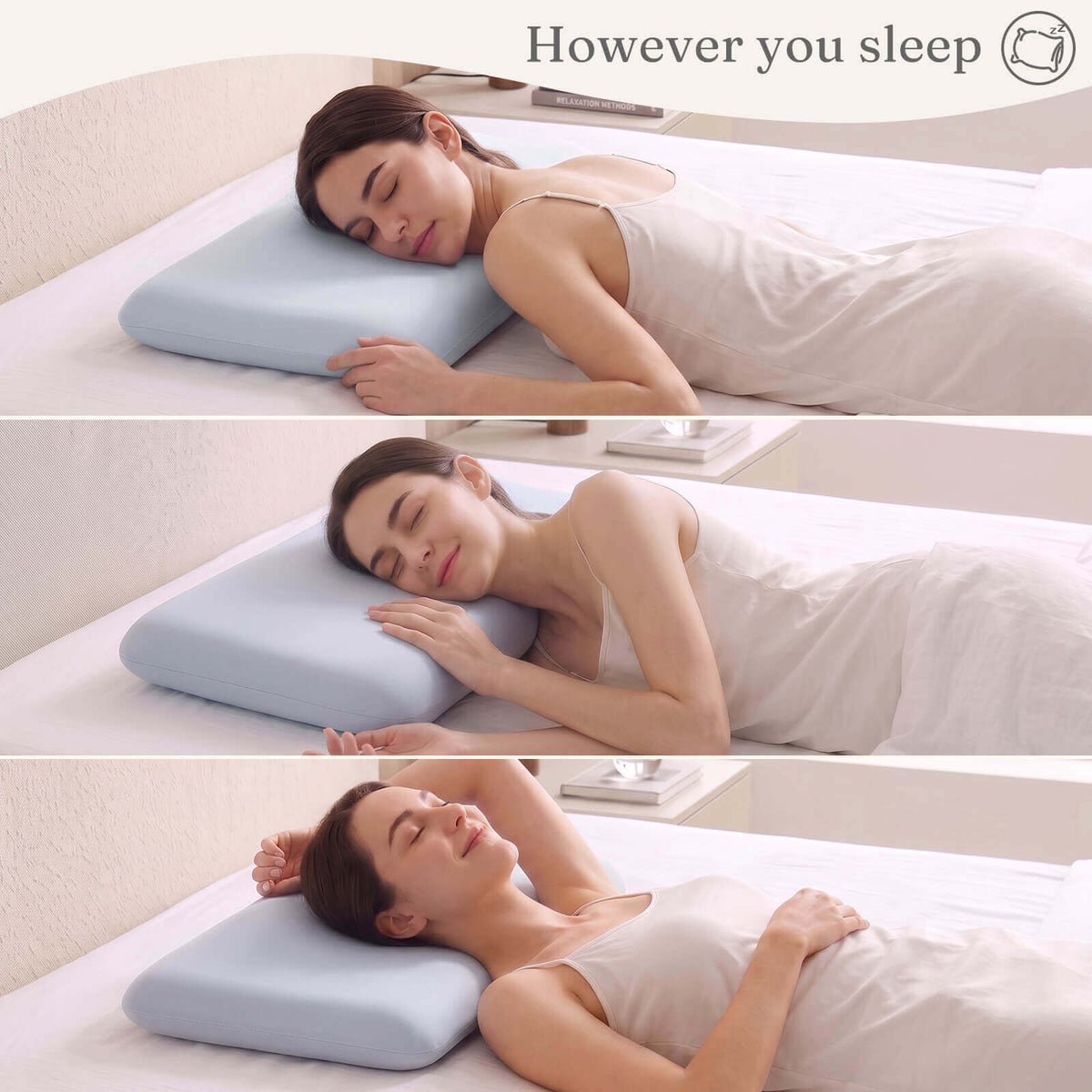
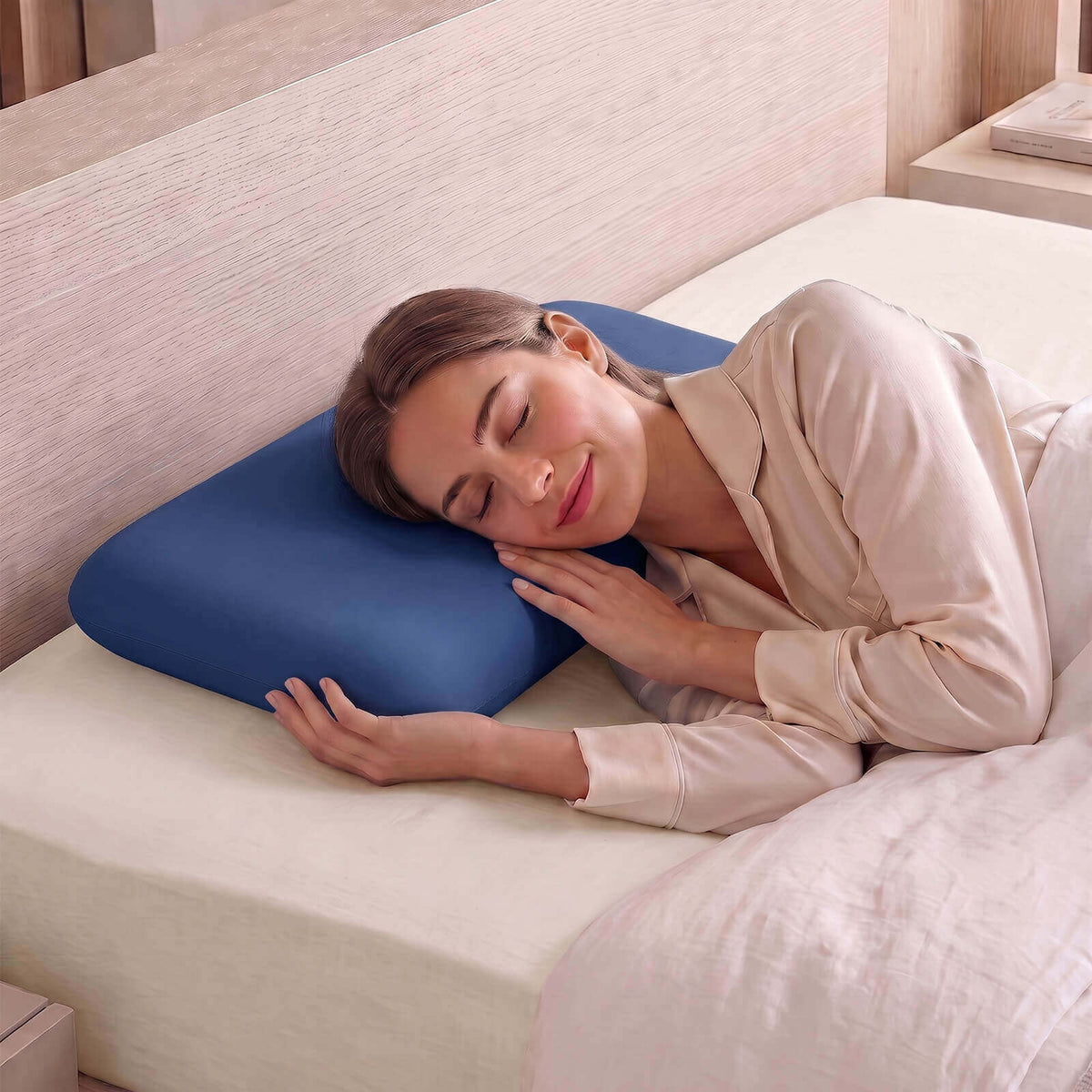
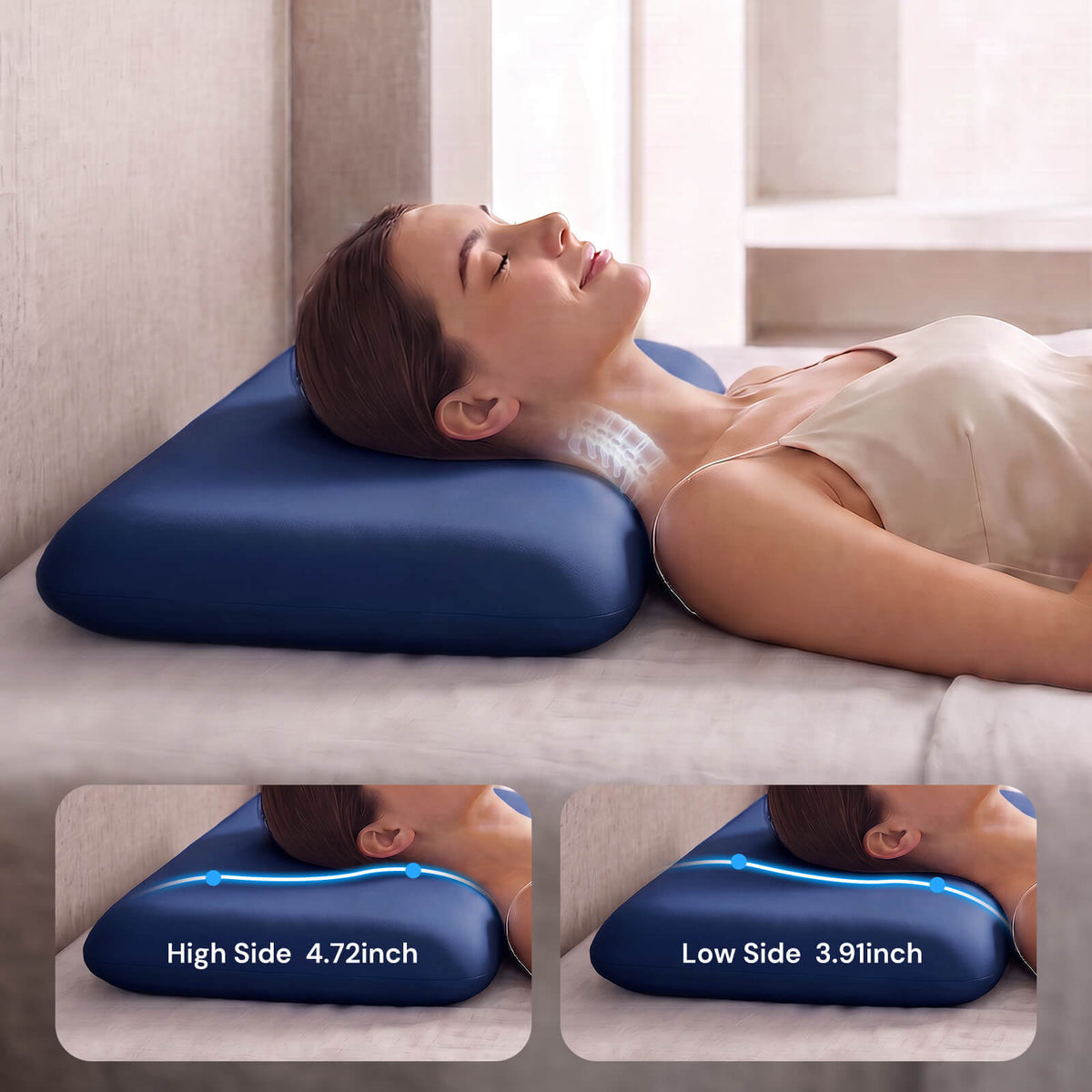
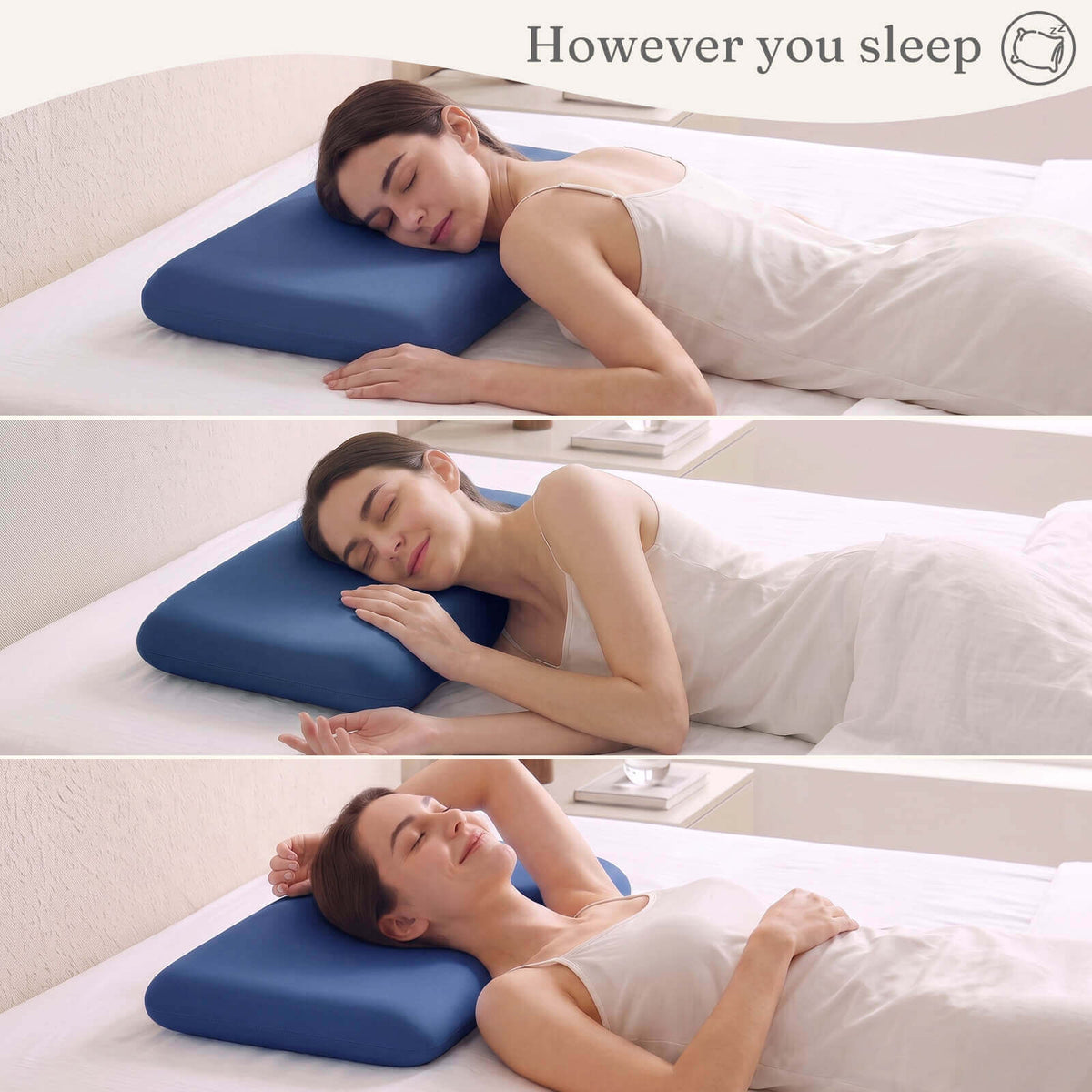
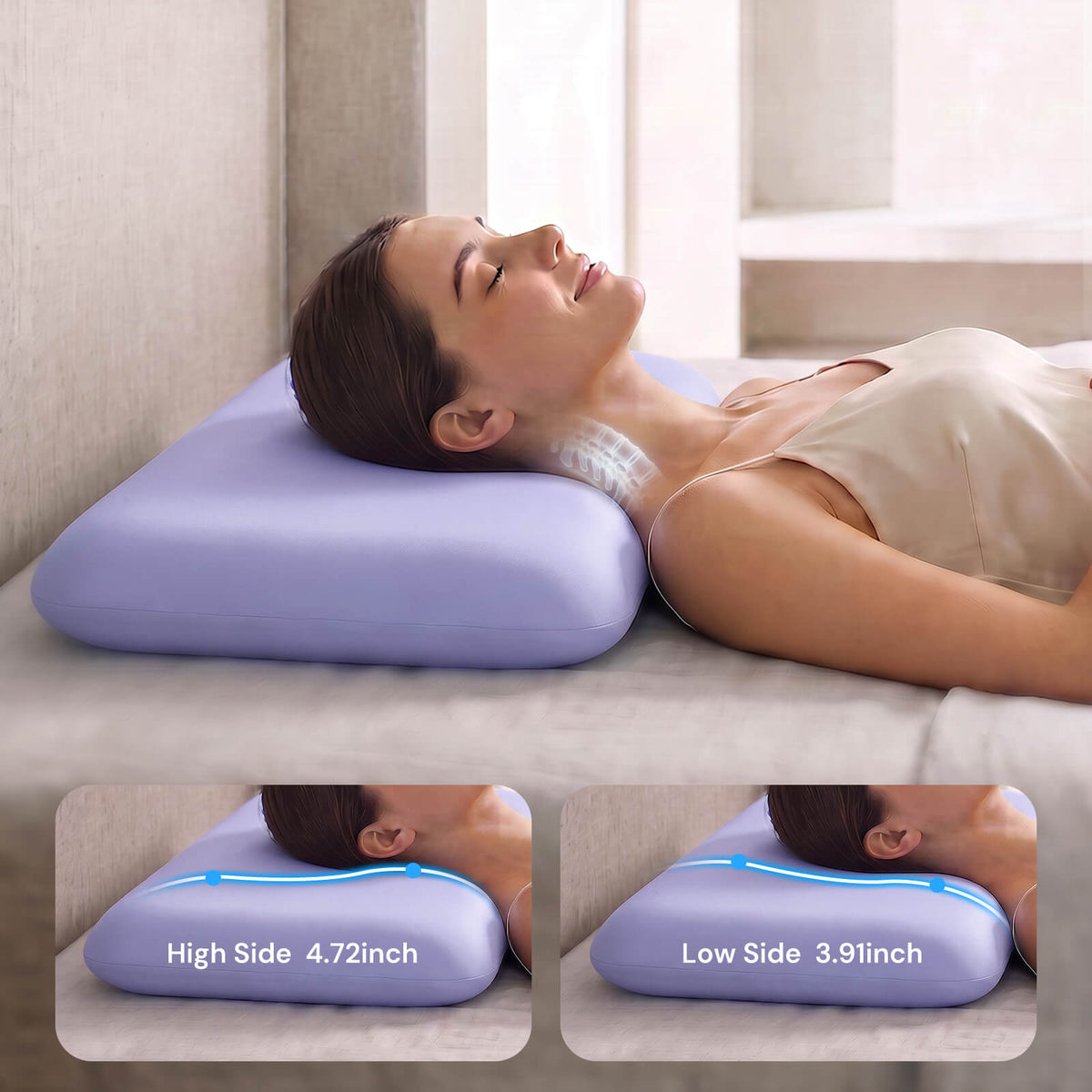
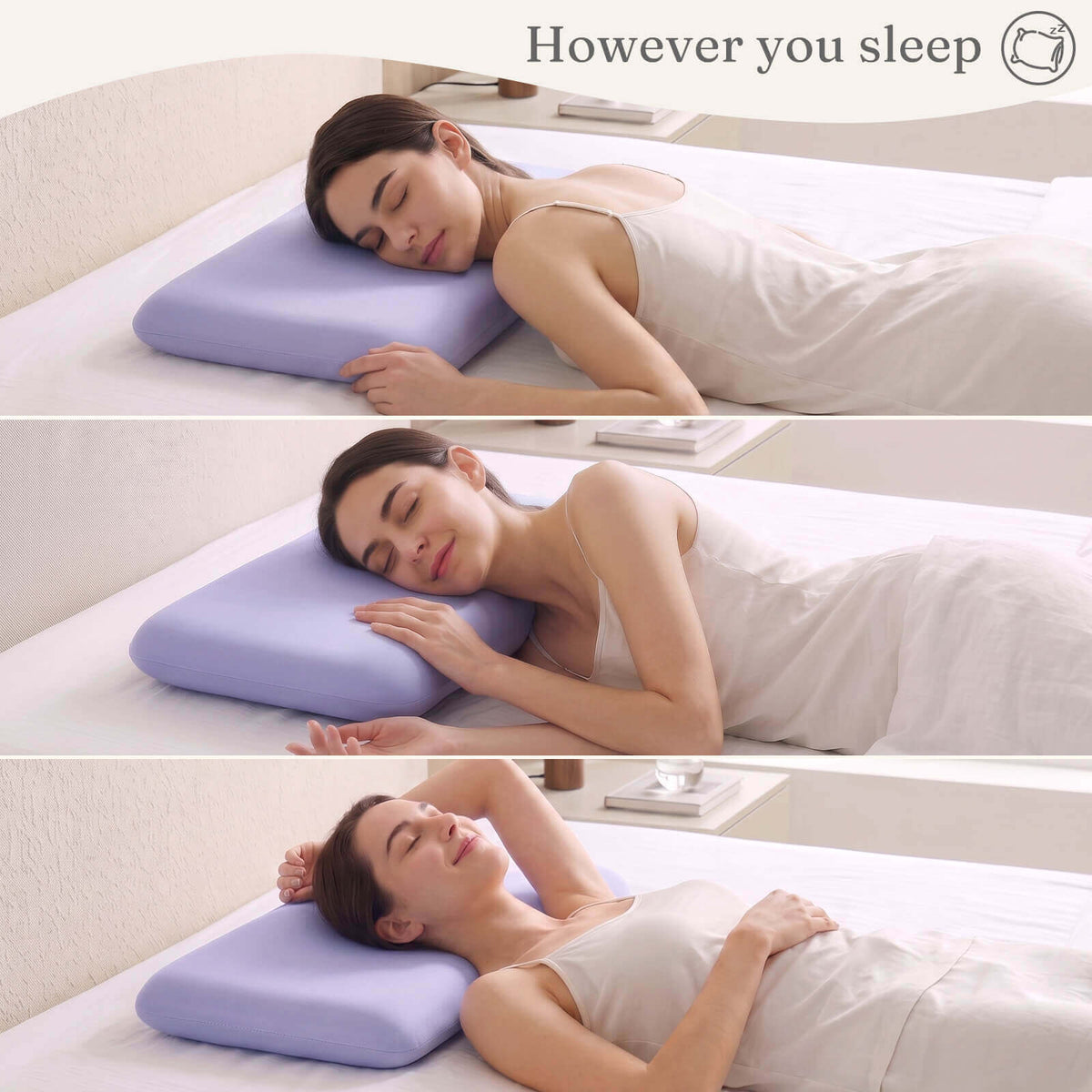
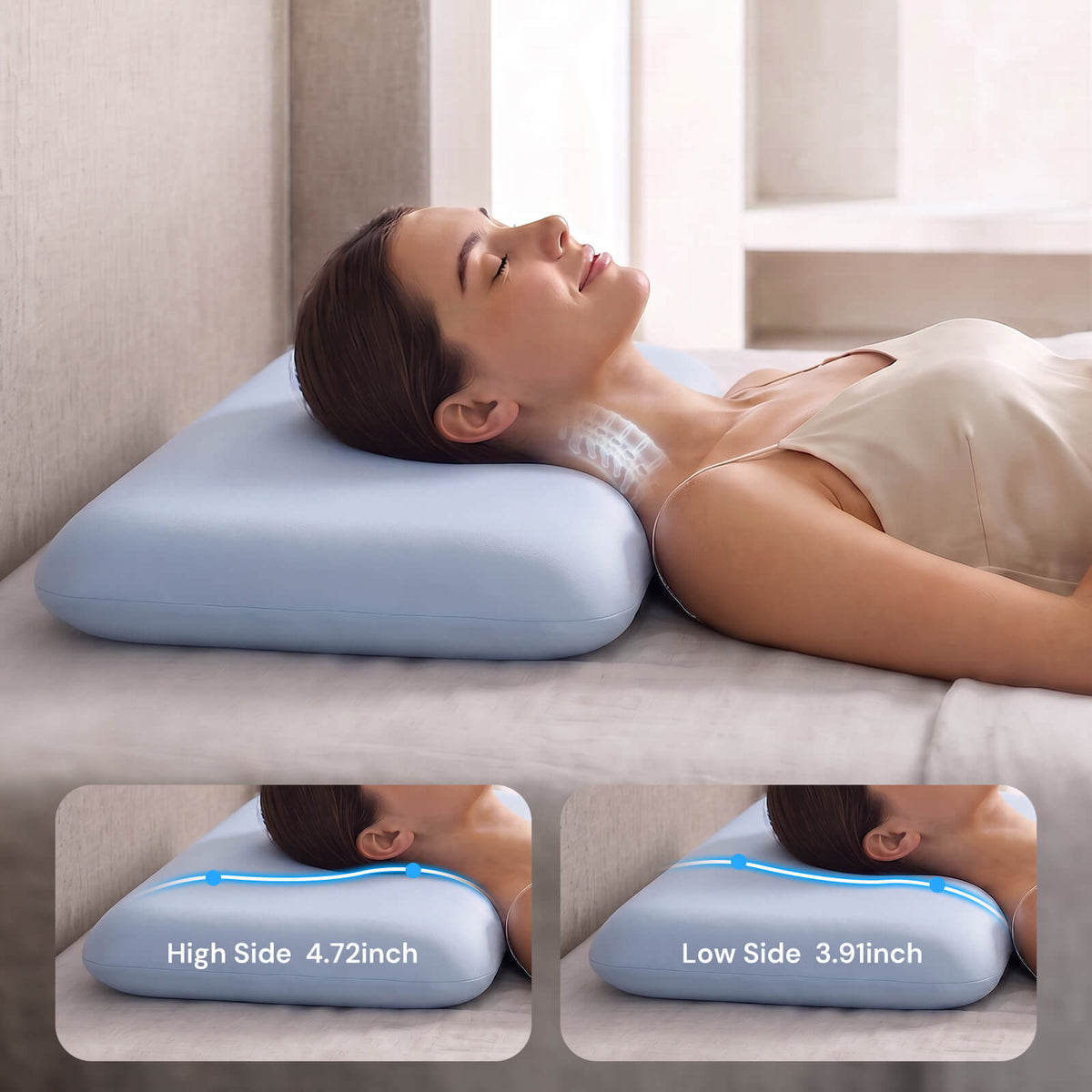
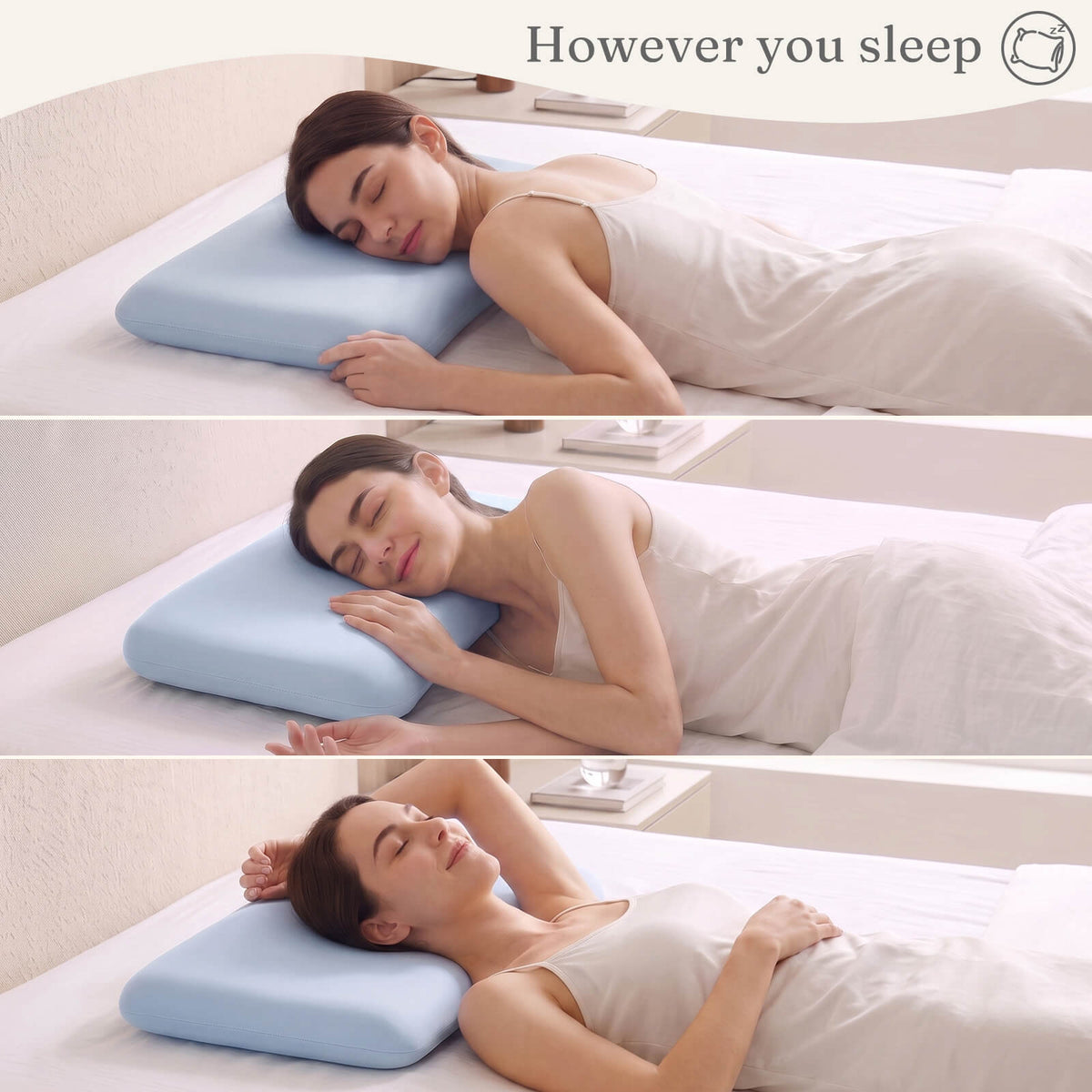
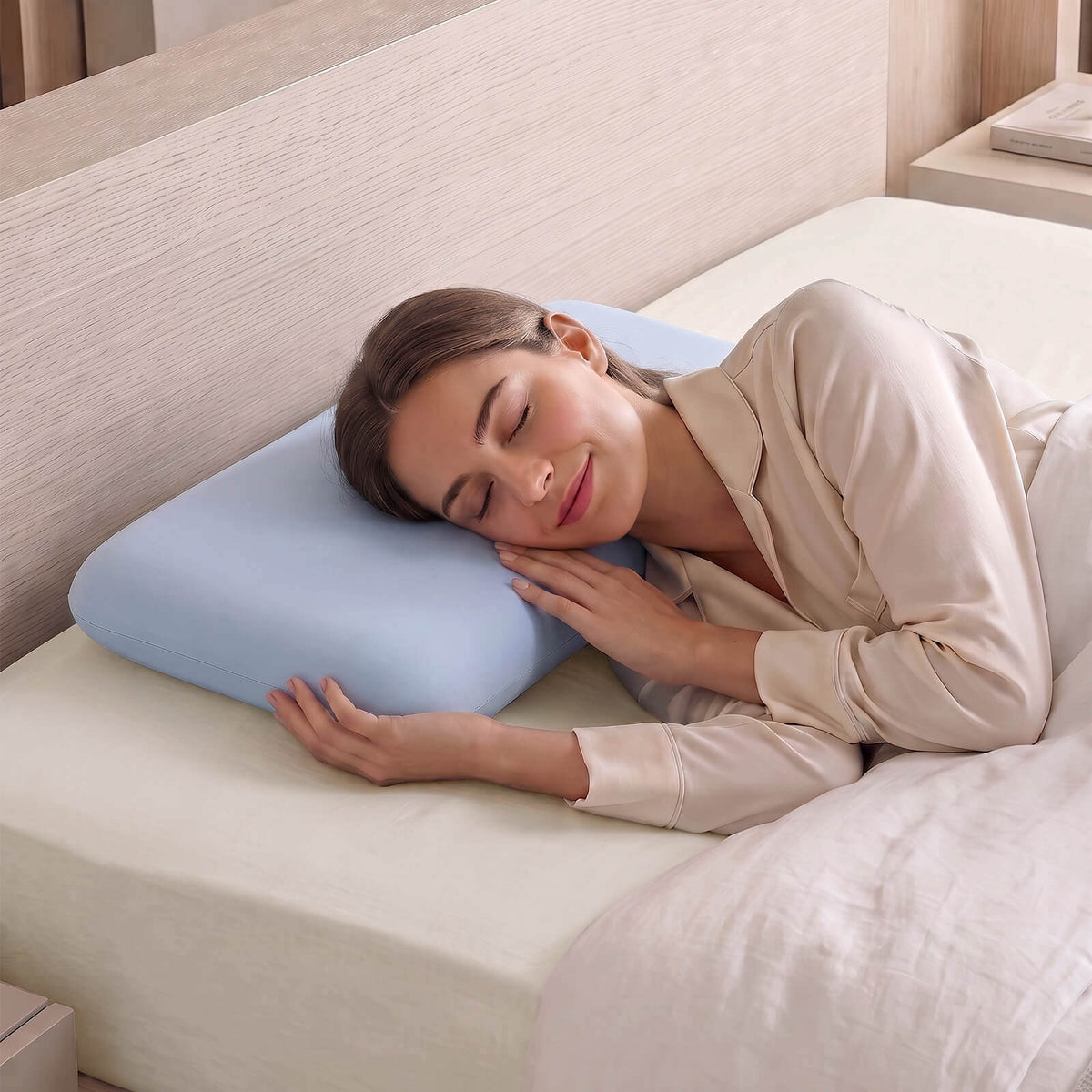
Sleep position dictates everything about what your pillow needs to do. Side sleepers need the most loft—enough height to fill the gap between the ear and the mattress, keeping the head, neck, and spine in a straight line. Back sleepers need medium loft that supports the cervical curve without pushing the chin toward the chest. Stomach sleepers need the least height, just enough cushioning to avoid neck strain without craning the head upward.
Material Matters Too
Memory foam contour to the head and neck, providing consistent support that doesn’t flatten out by morning. Latex feels bouncy and responsive, great for people who change positions frequently. Down and down-alternative fills feel plush and cloud-like, but they compress over time and may not offer enough support for side sleepers.
What They Are
Not all "latex" pillows are truly natural. Many products labeled simply as "latex" are actually synthetic latex or blended latex, which costs less but sacrifices breathability, durability, and hypoallergenic benefits. Natural latex, derived from rubber tree sap, offers a buoyant, responsive "push-back" support rather than the sink-in feel of memory foam; its open-cell structure makes it highly breathable and naturally cooling, and it is durable, hypoallergenic, dust-mite resistant, and eco-friendly, though it is heavier, often more expensive, and its bouncy feel takes adjustment for those used to memory foam.
Down pillows, filled with the soft undercoating of ducks or geese, are the traditional standard for plush, luxurious comfort, offering unmatched softness and moldability, excellent airflow and temperature neutrality, and a lightweight, adjustable design (you can add or remove fill); however, they provide minimal structural support that can lead to neck strain, require frequent fluffing and professional cleaning, and may trigger allergies in sensitive individuals—making them best suited for stomach sleepers who need a very flat pillow and those who prioritize plush comfort over orthopedic support.
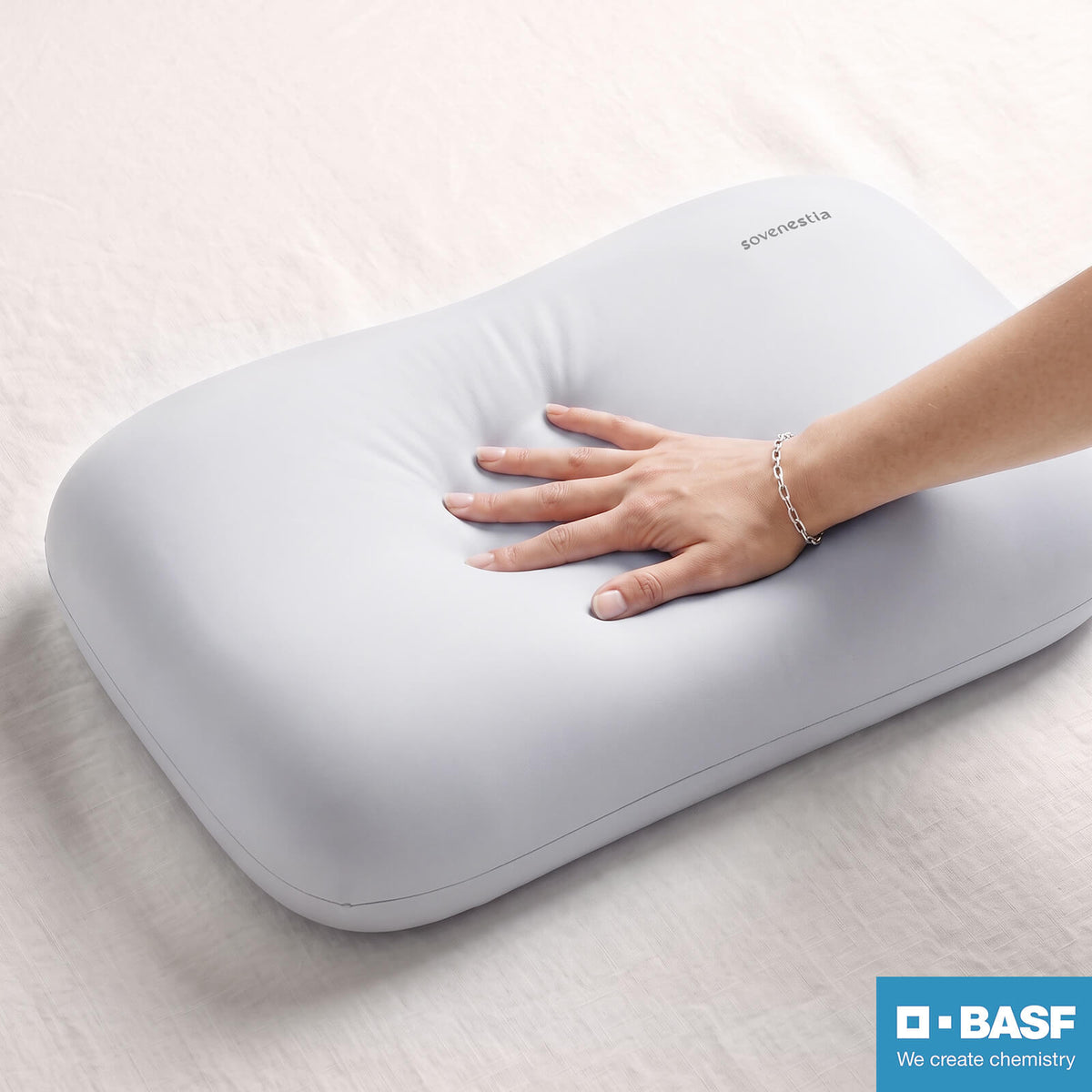
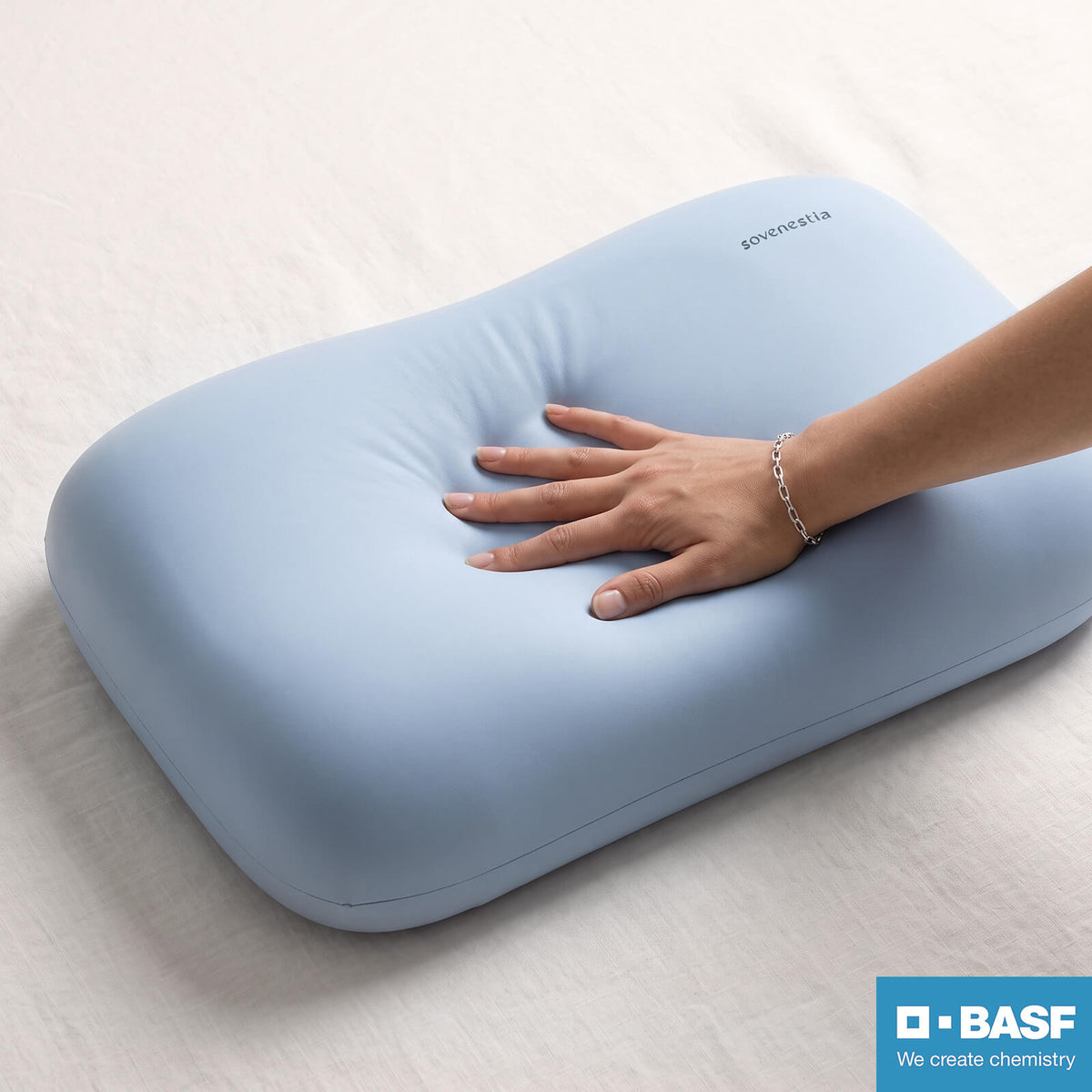
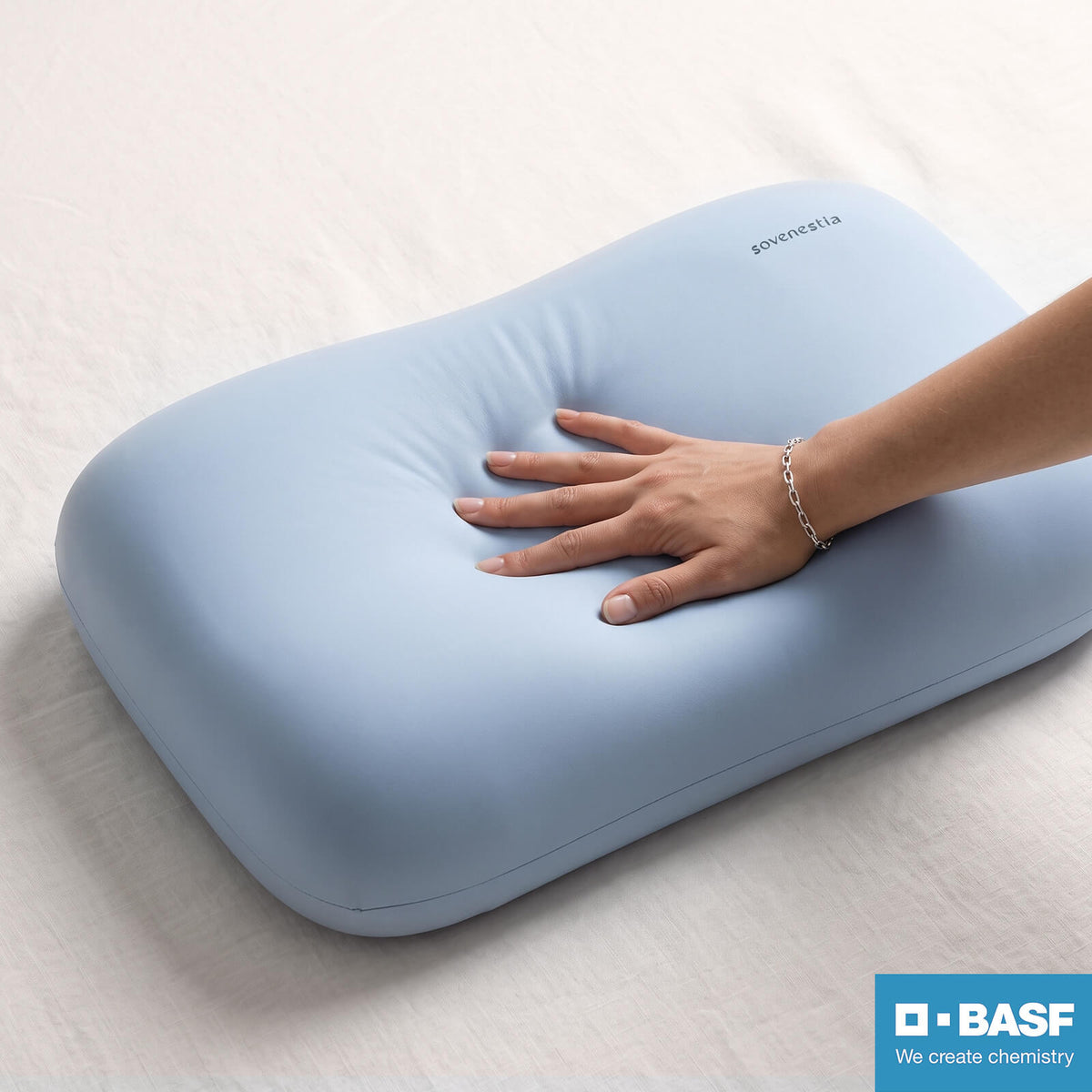
Traditional memory foam (viscoelastic polyurethane foam) molds to the head and neck for customized pressure relief, offering excellent contouring, spinal alignment, motion absorption, and affordability, but it tends to trap body heat, emits an off-gassing chemical smell when new, and can feel too dense for combination sleepers.

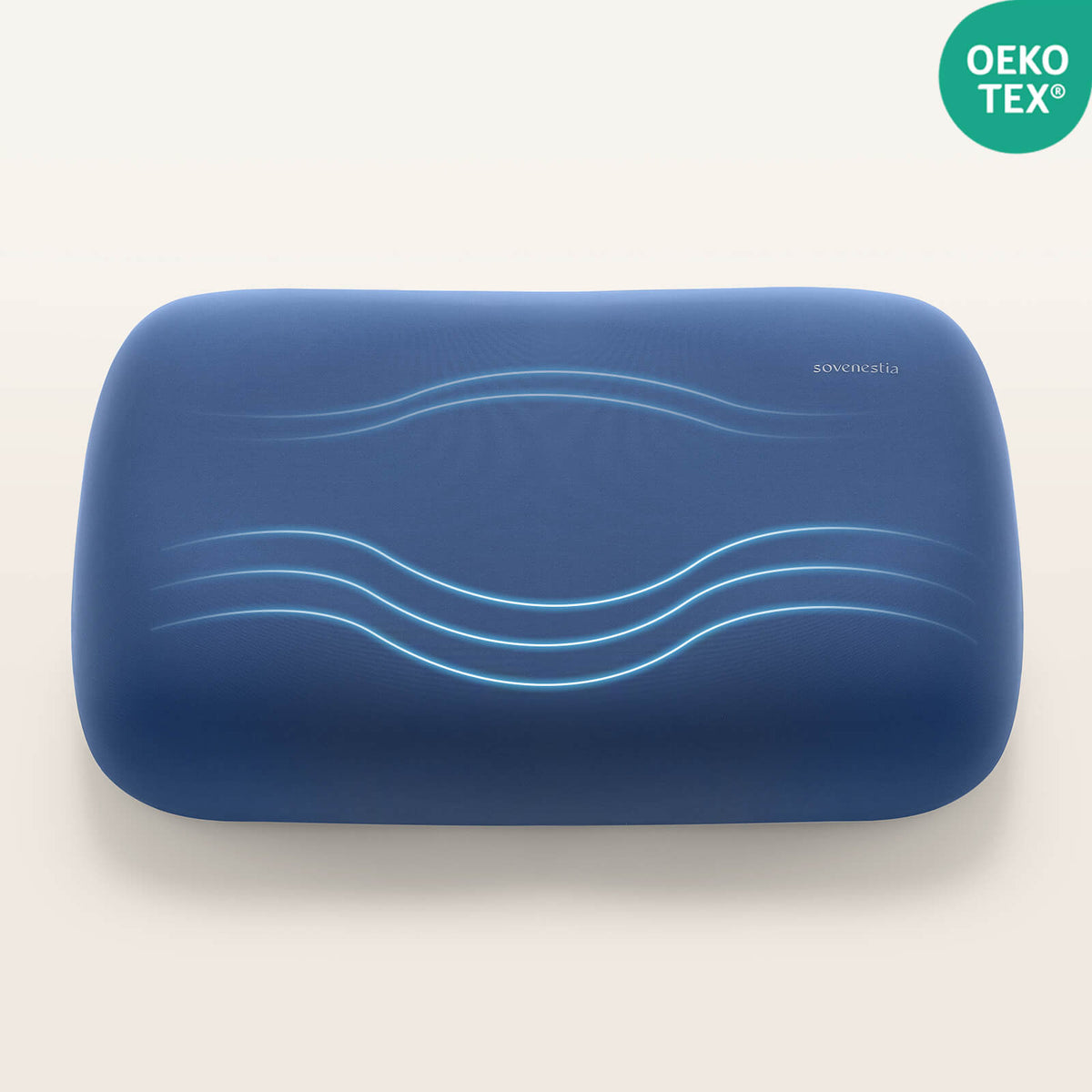
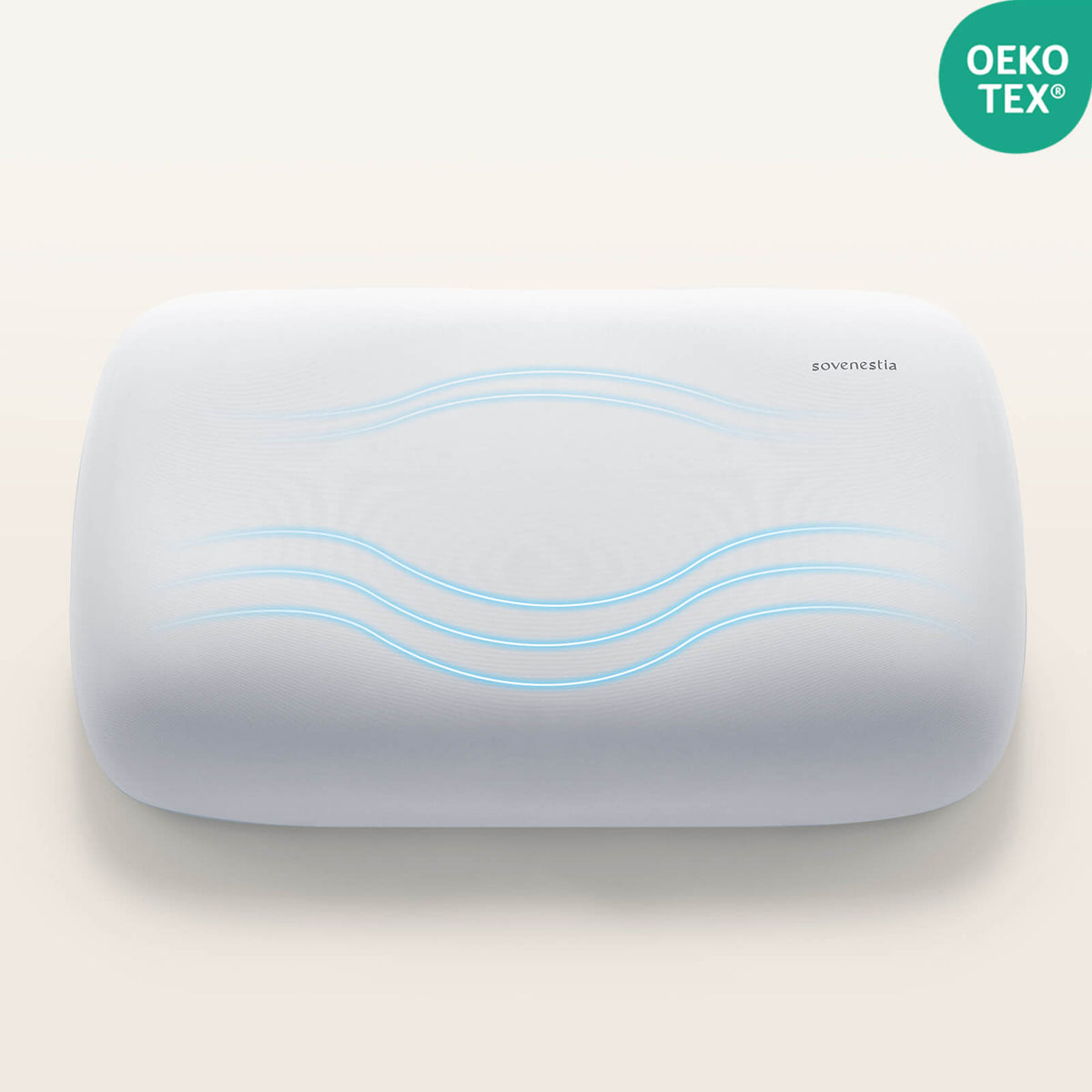
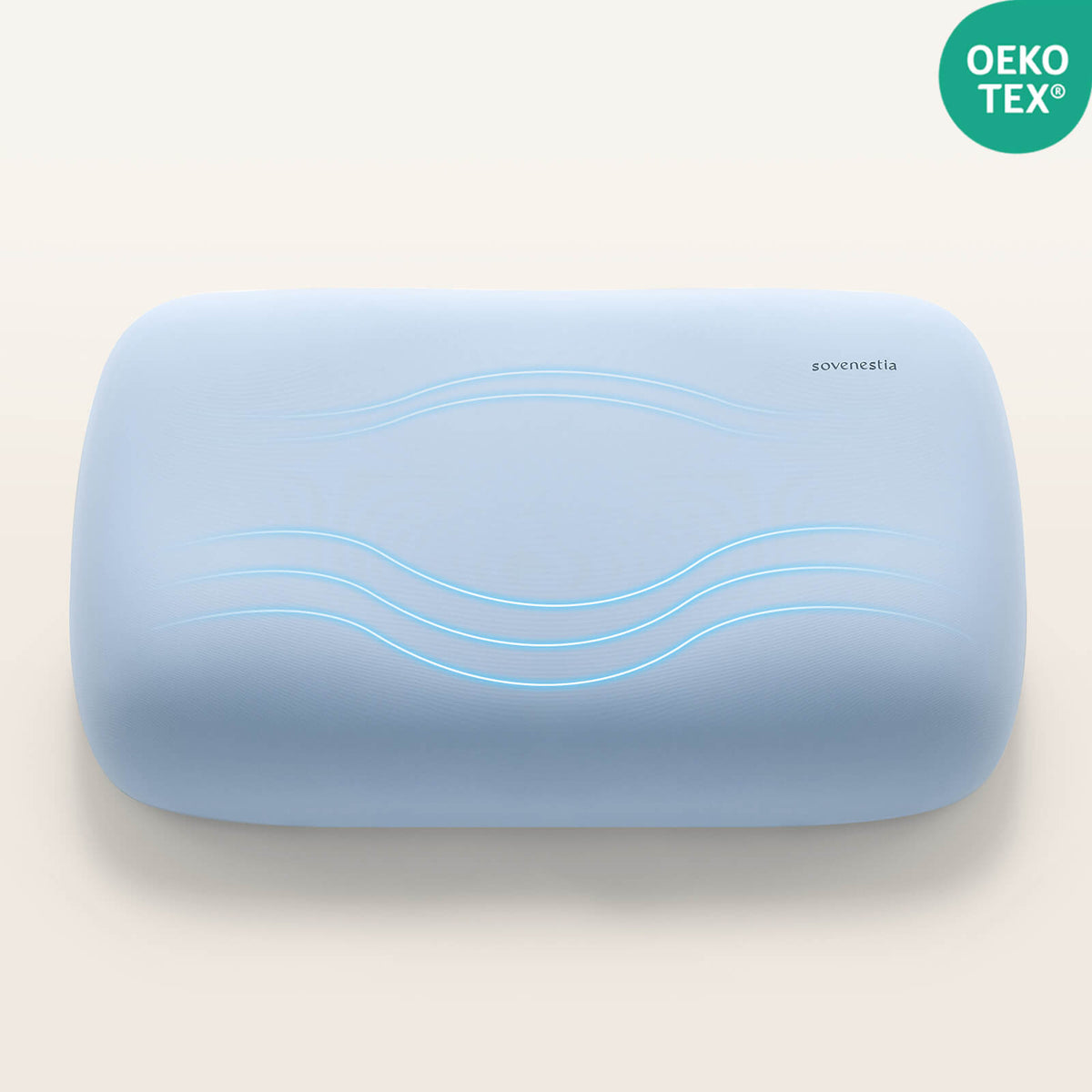
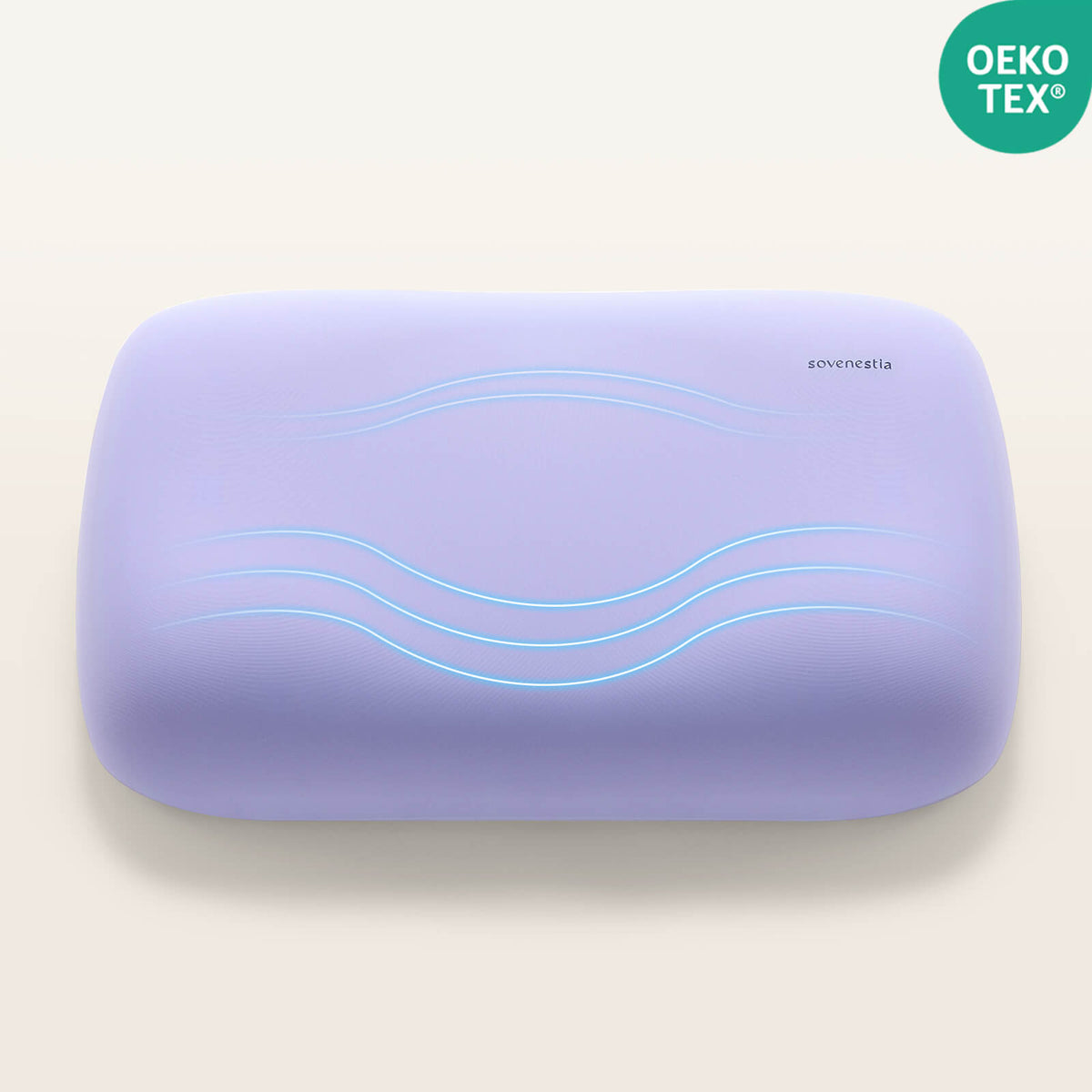
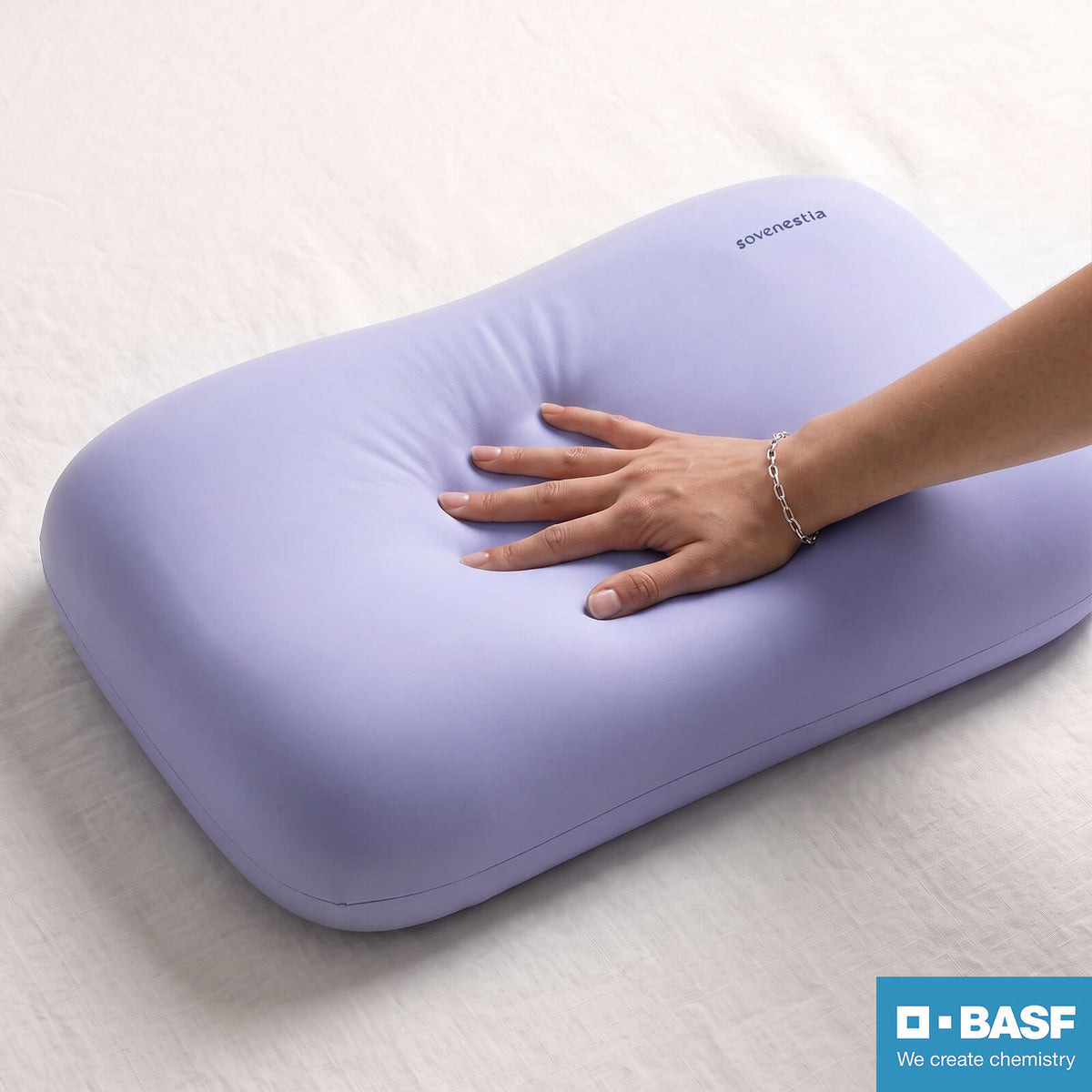
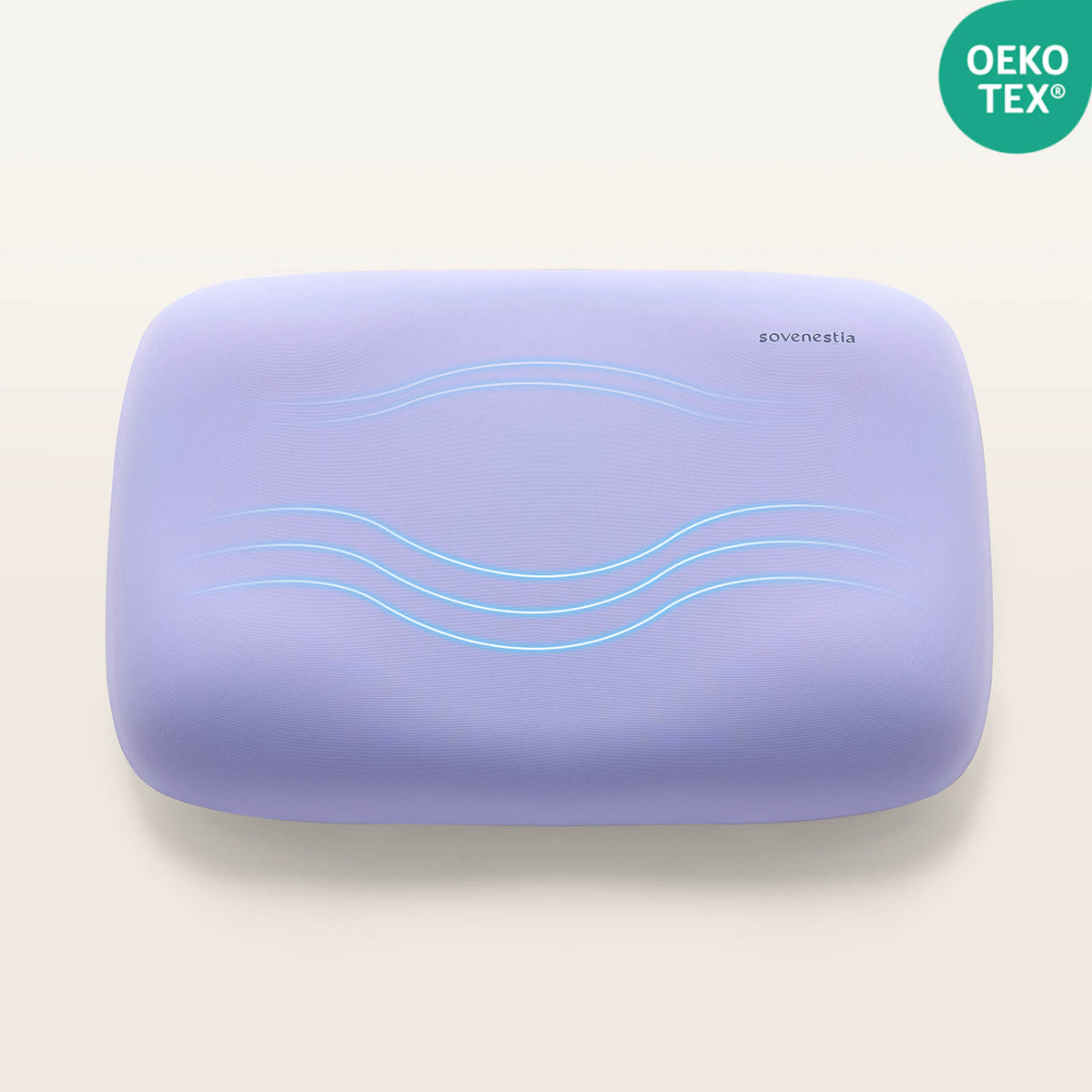
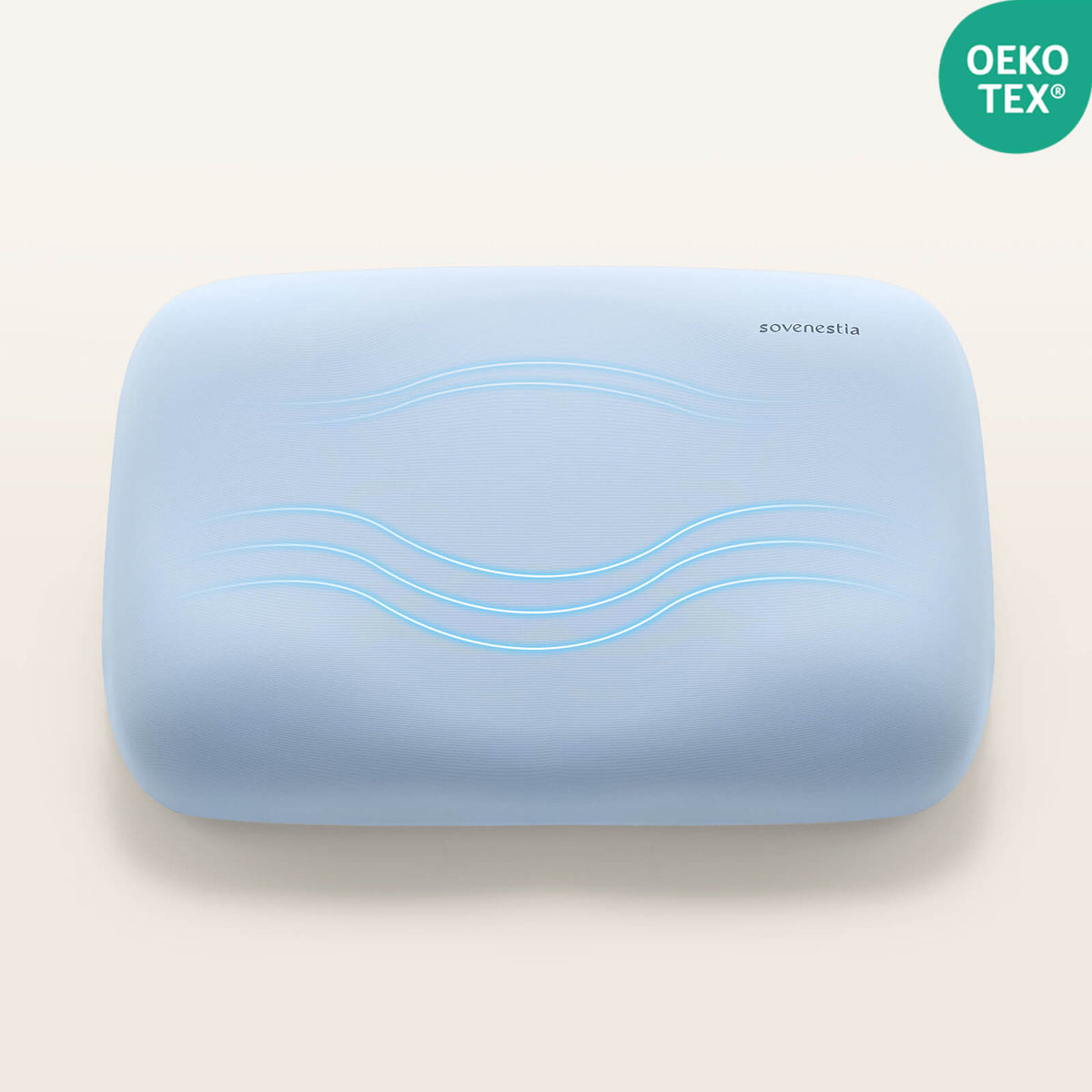
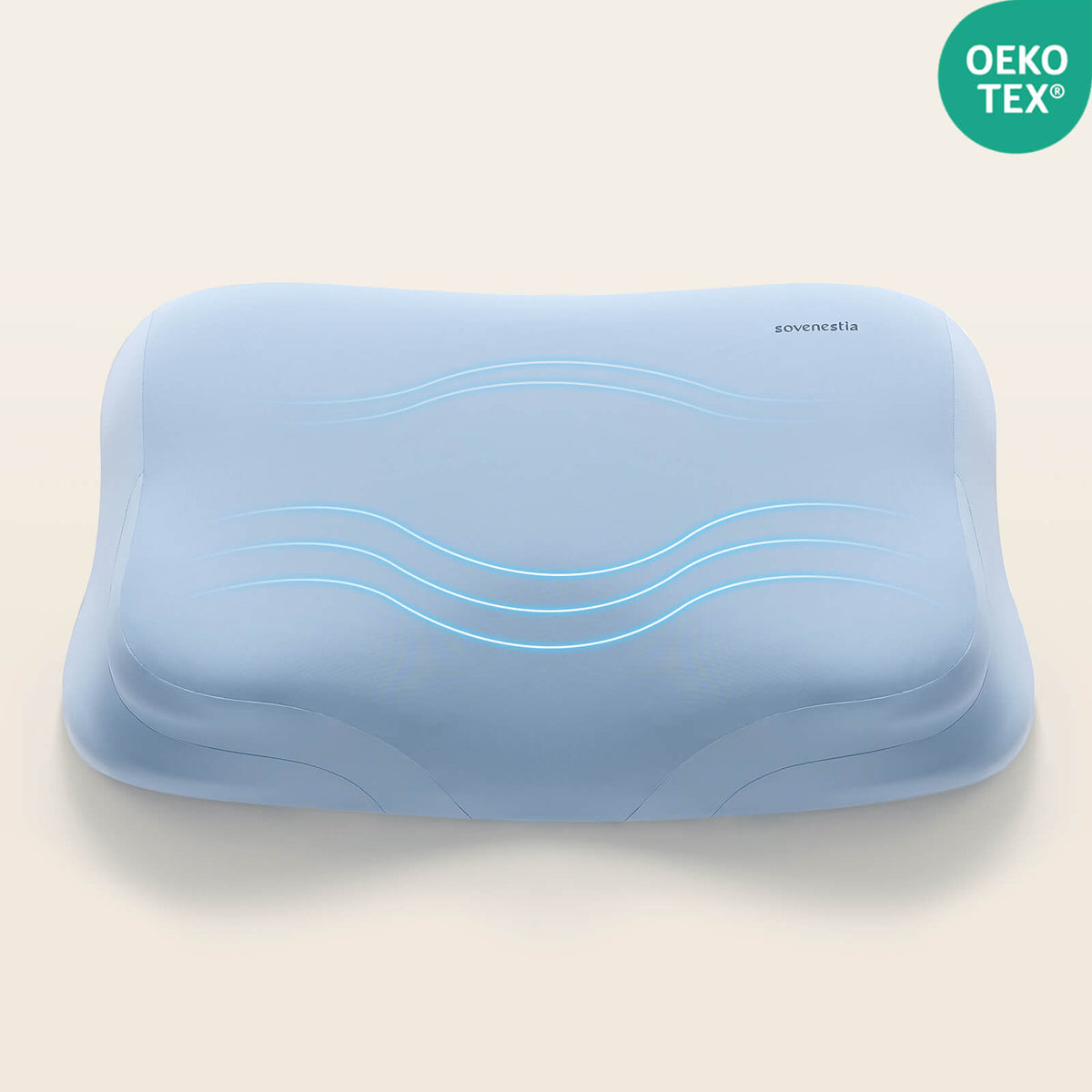
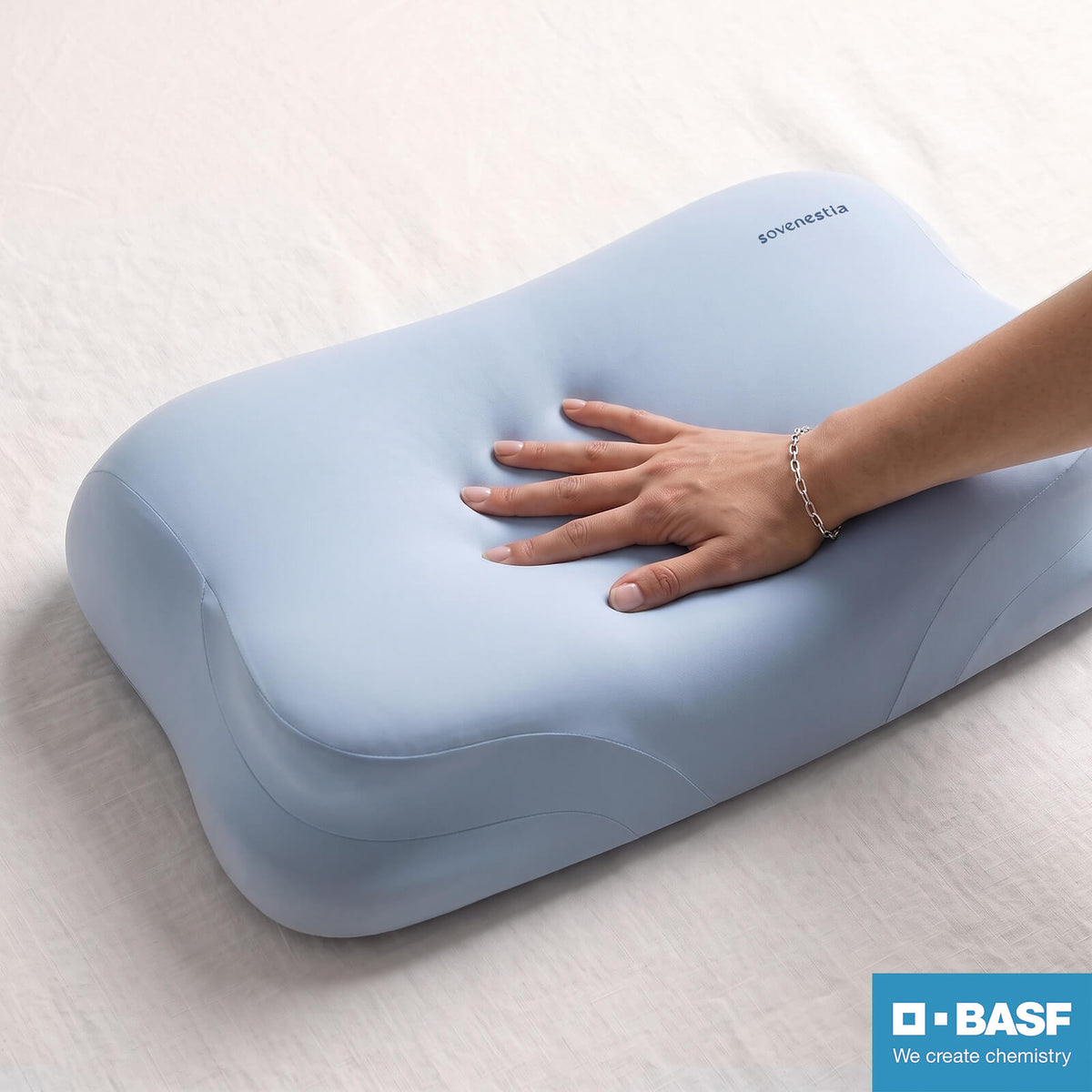
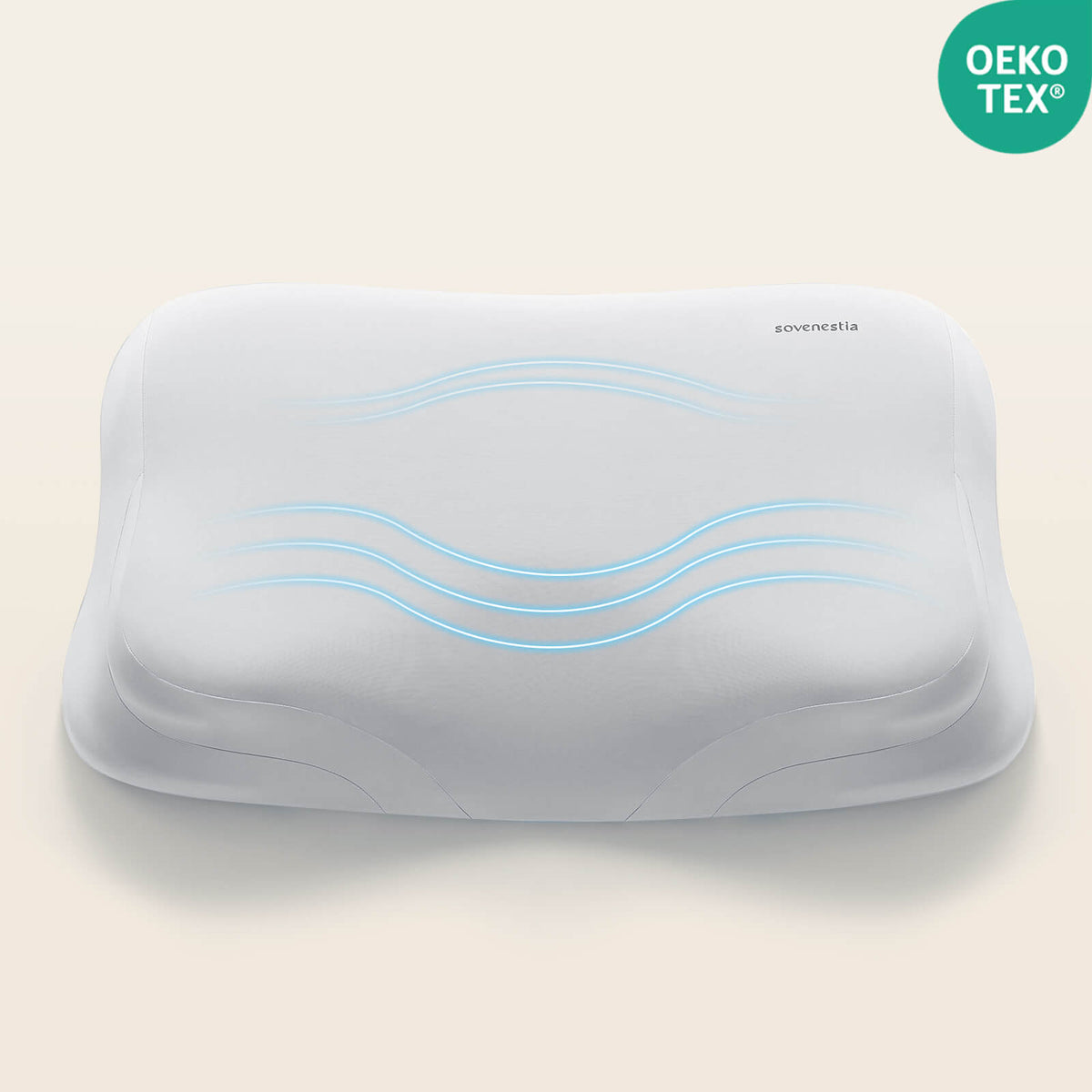
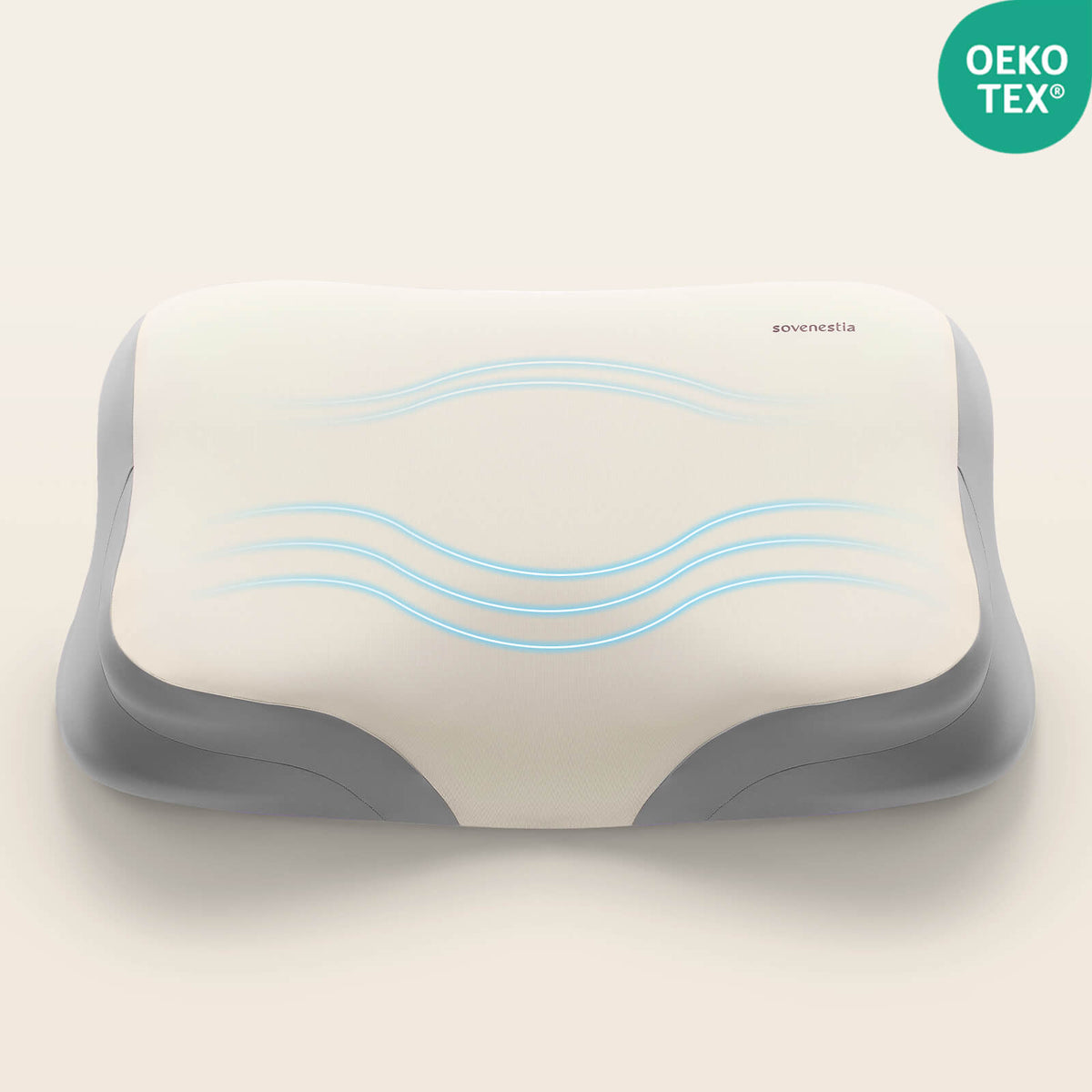
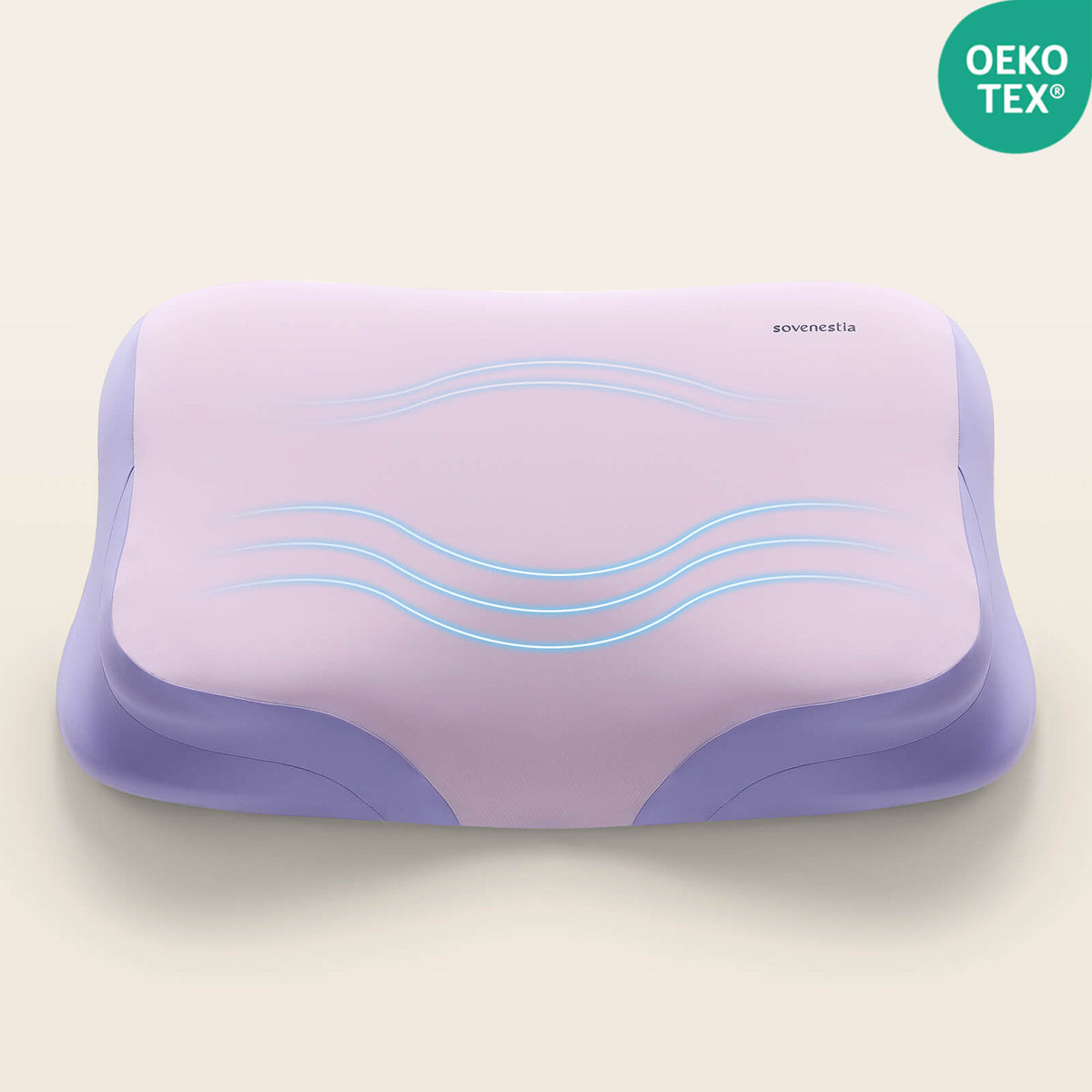
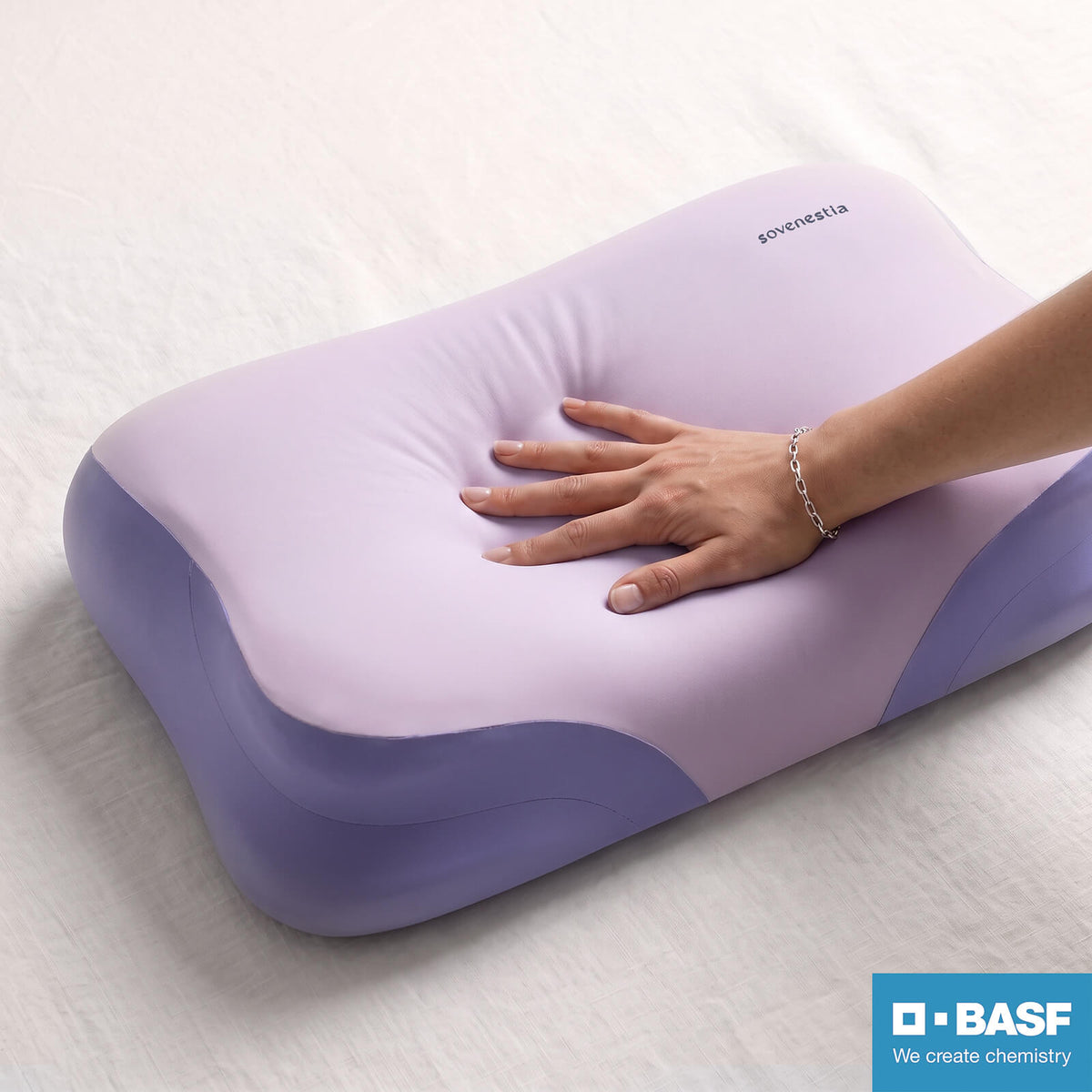
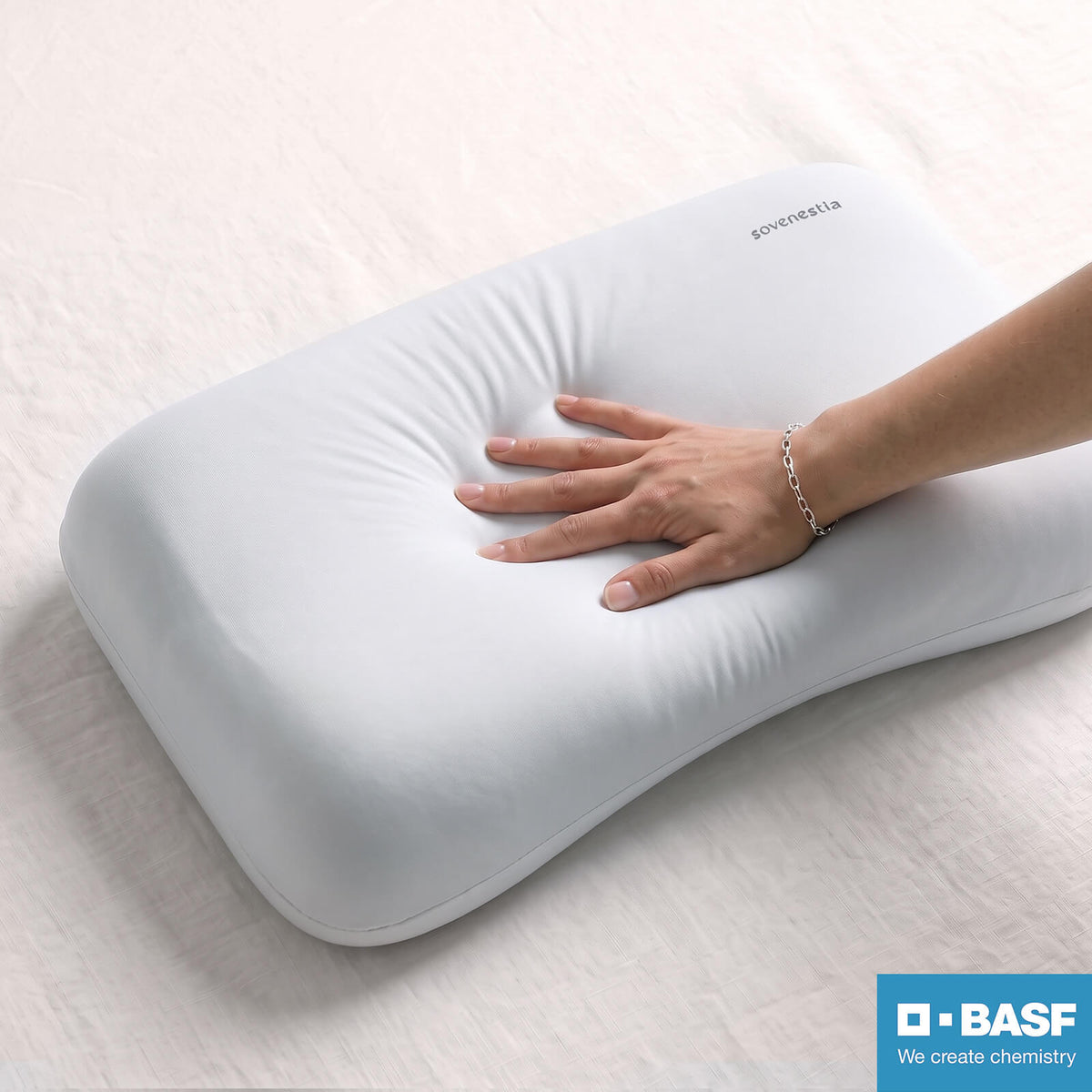
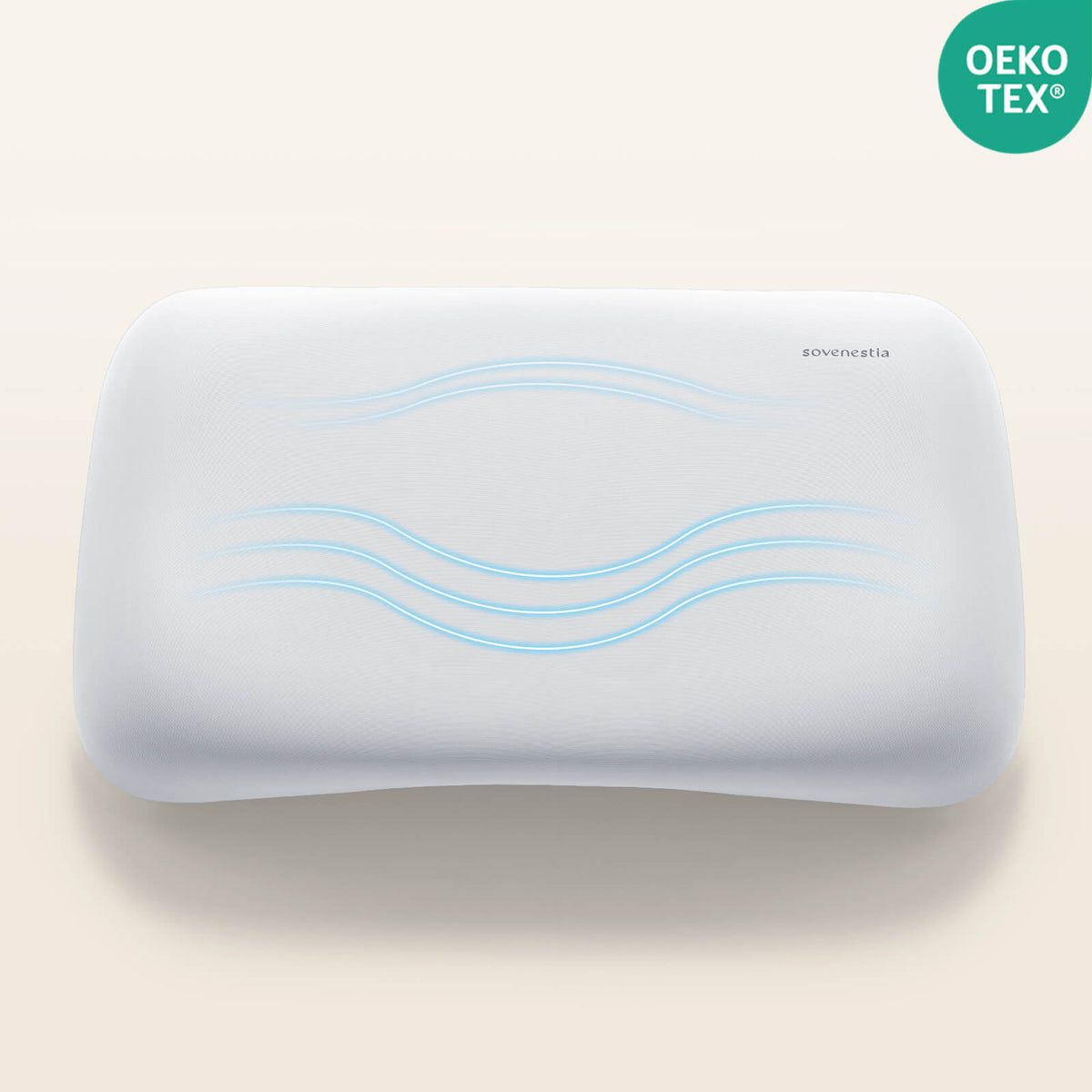
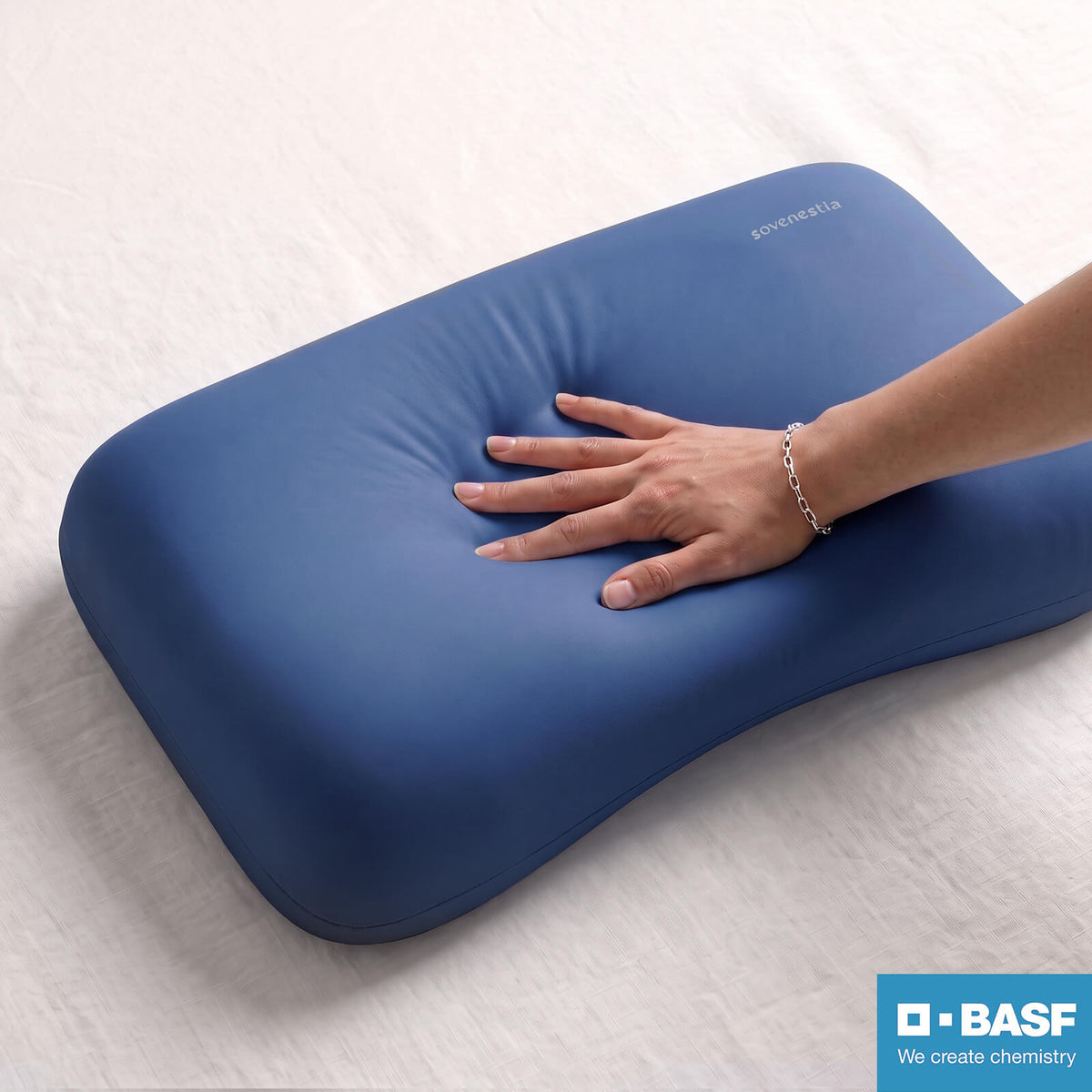
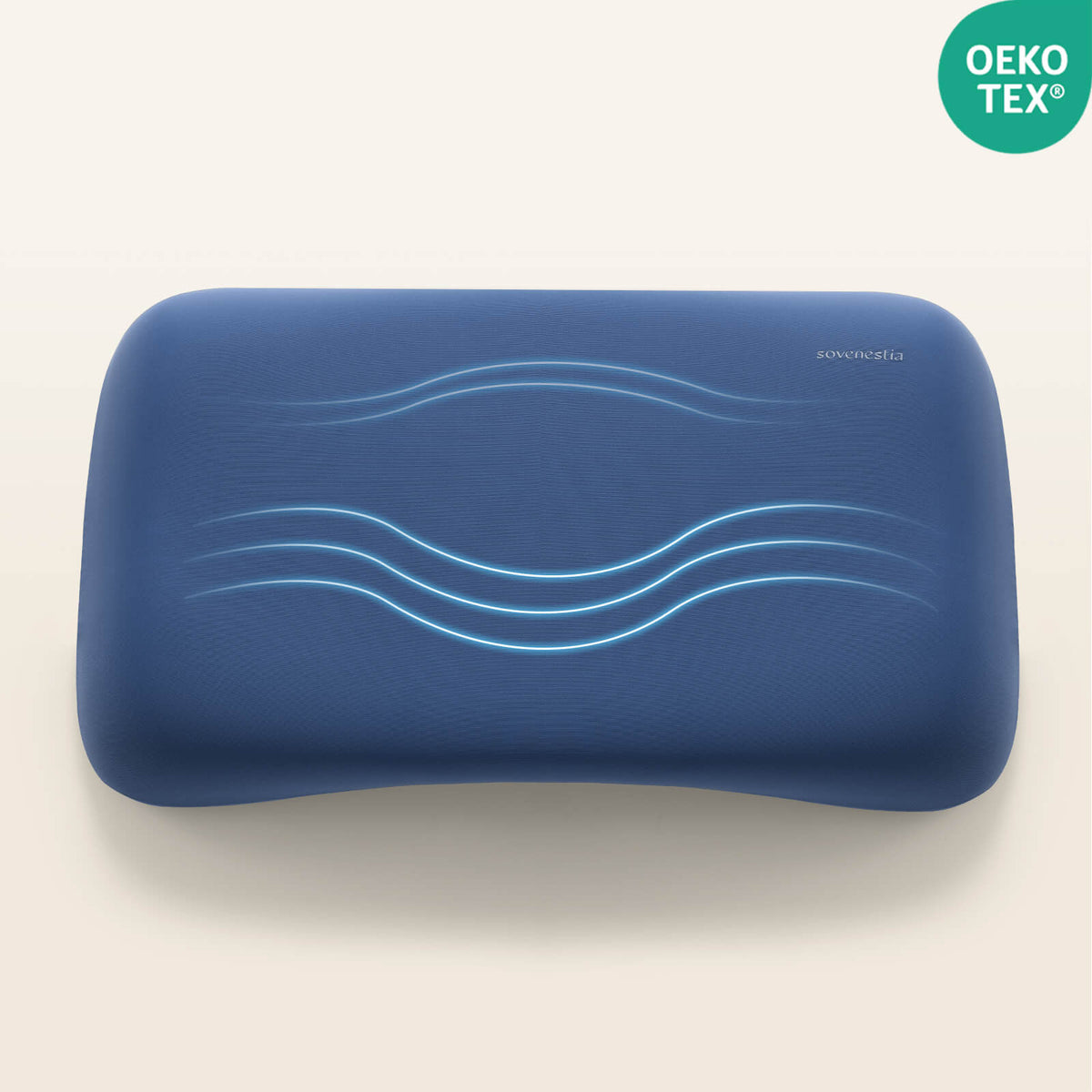
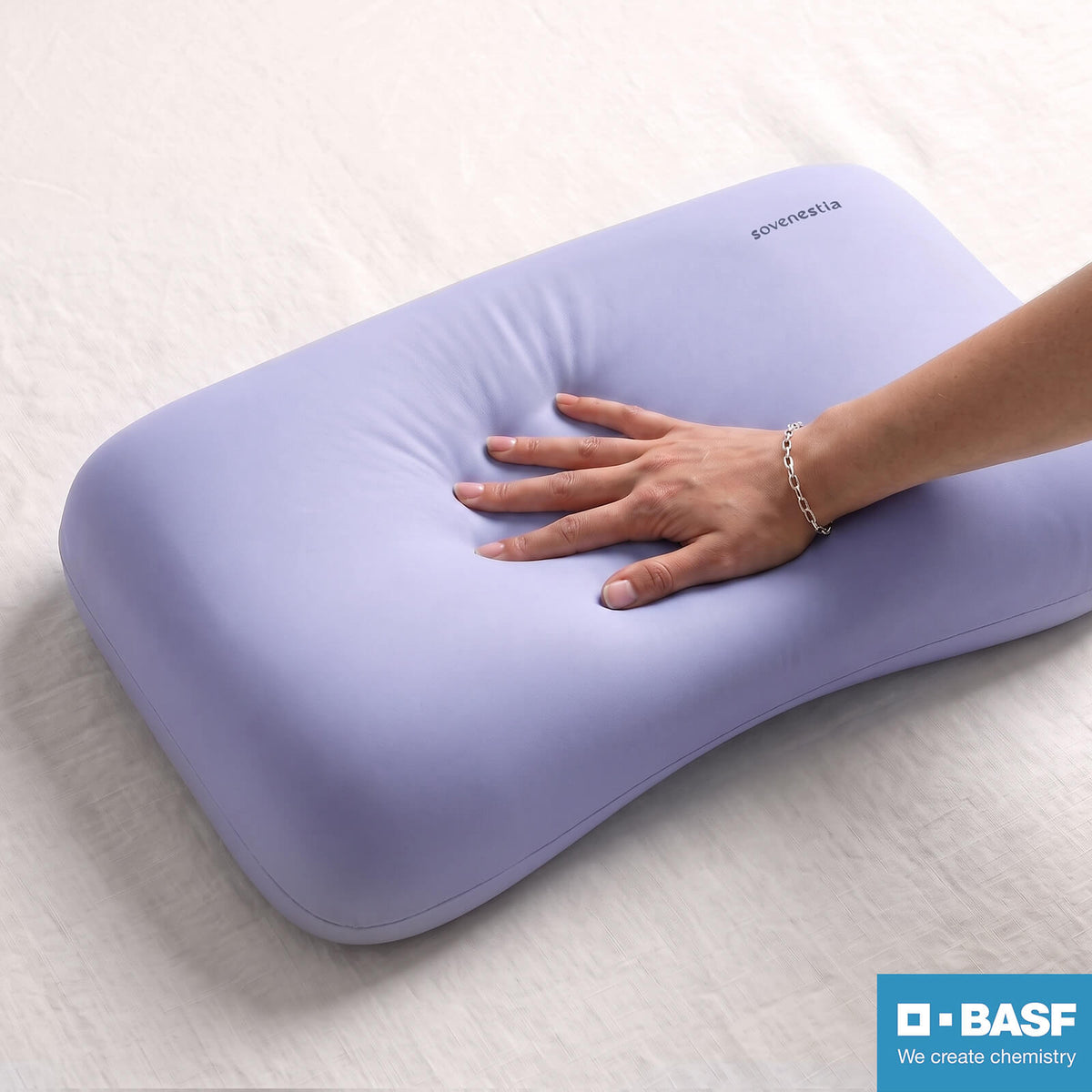
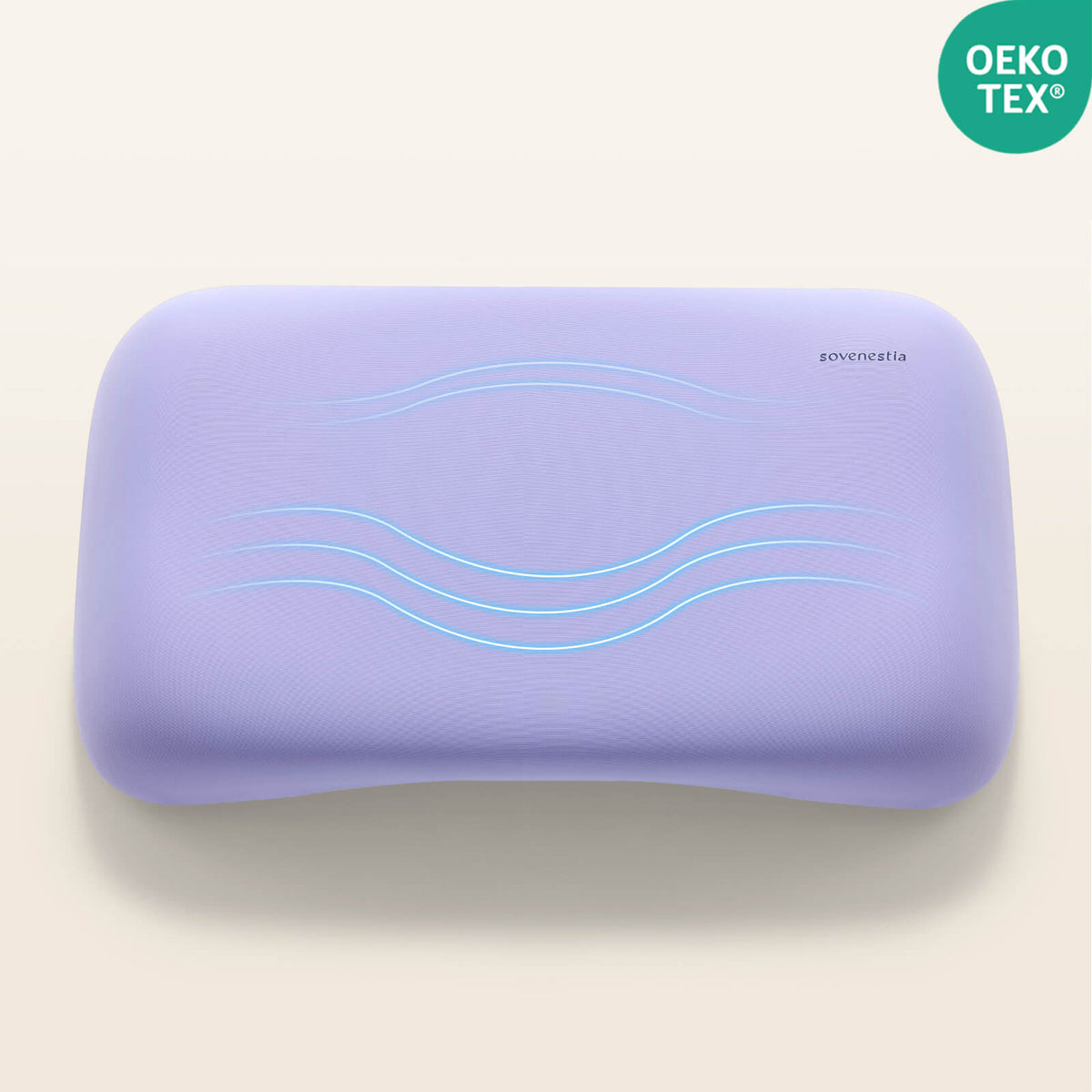
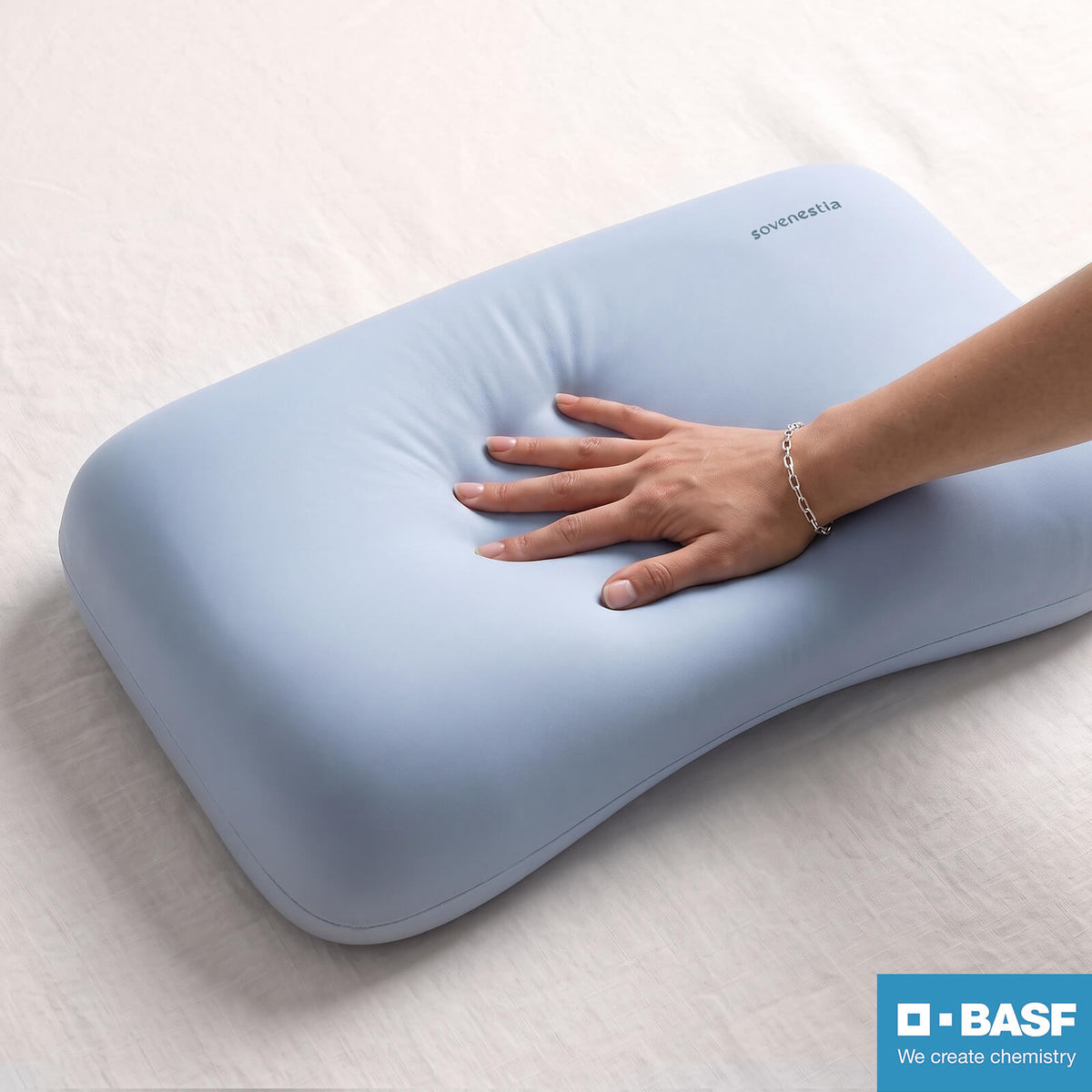
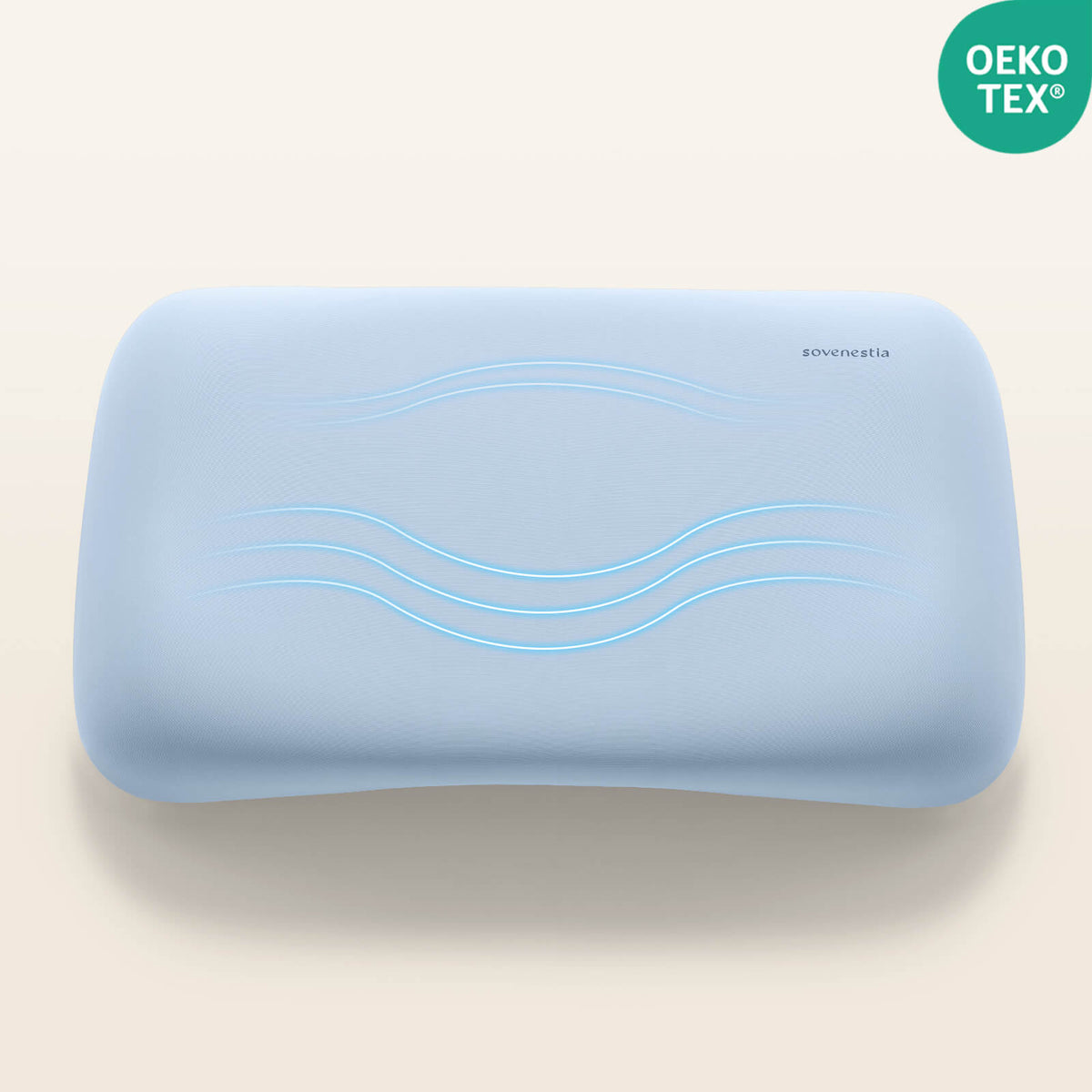
BASF's CosyPUR® outperforms it by replacing the heat-trapping closed-cell structure with an open-cell design that allows continuous airflow for a cooler sleep, while its engineered microstructure combines pressure relief with responsive "bounce back" support that adapts to movement, maintains viscoelastic performance across all temperatures, resists permanent dents far longer than generic foam, and is Oeko-Tex certified standards—essentially keeping everything traditional memory foam does well while eliminating its biggest weaknesses.
Why BASF Memory Foam Changes the Equation
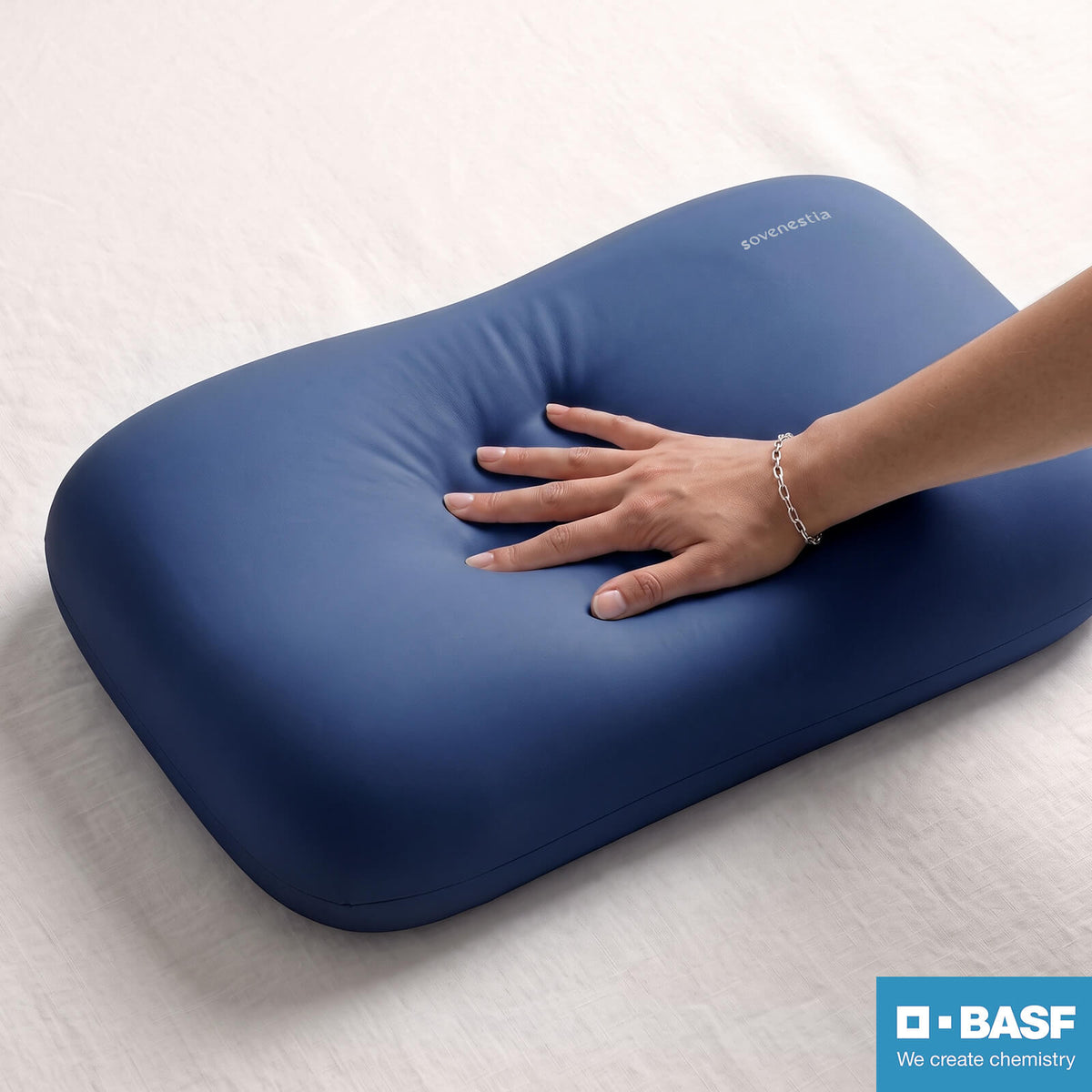
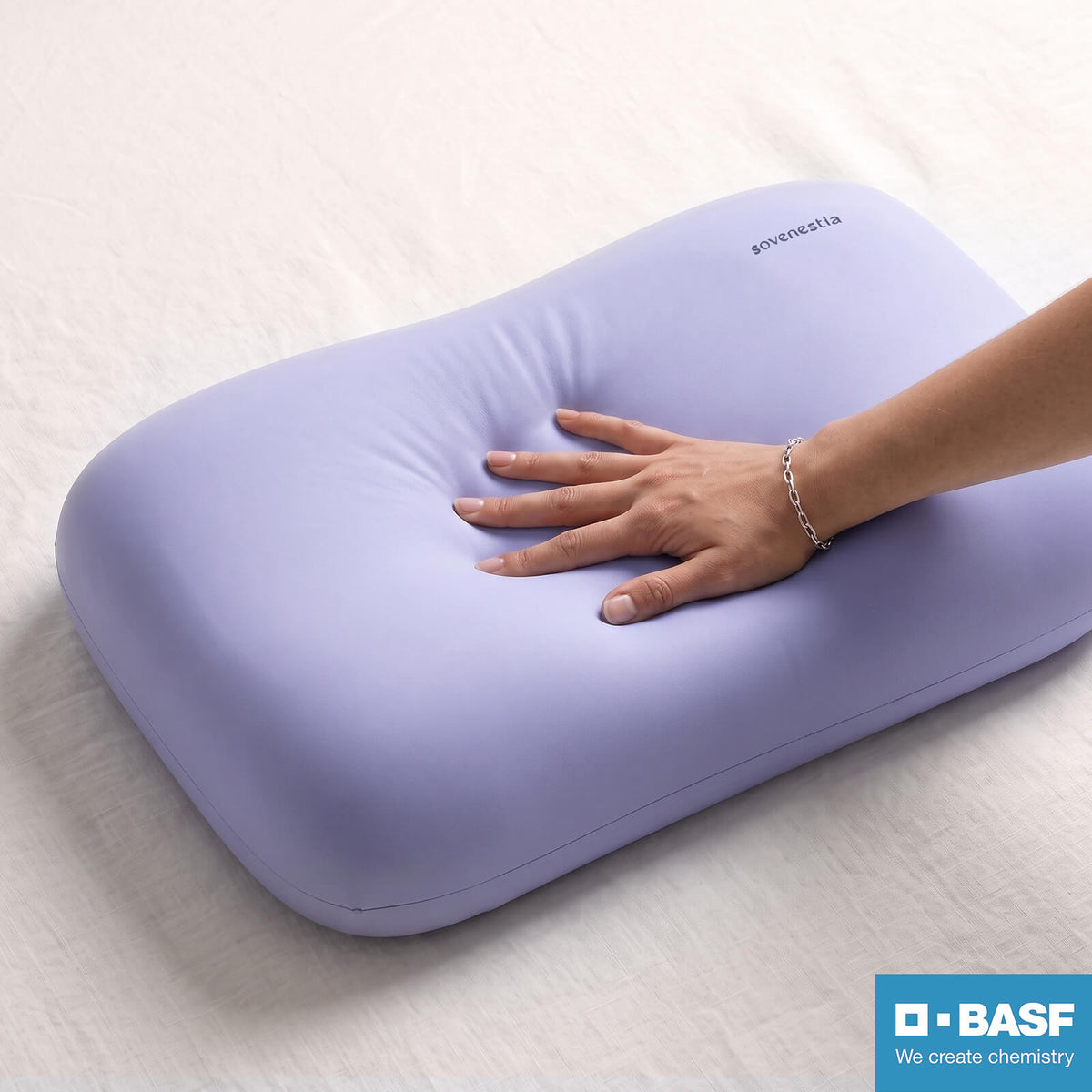
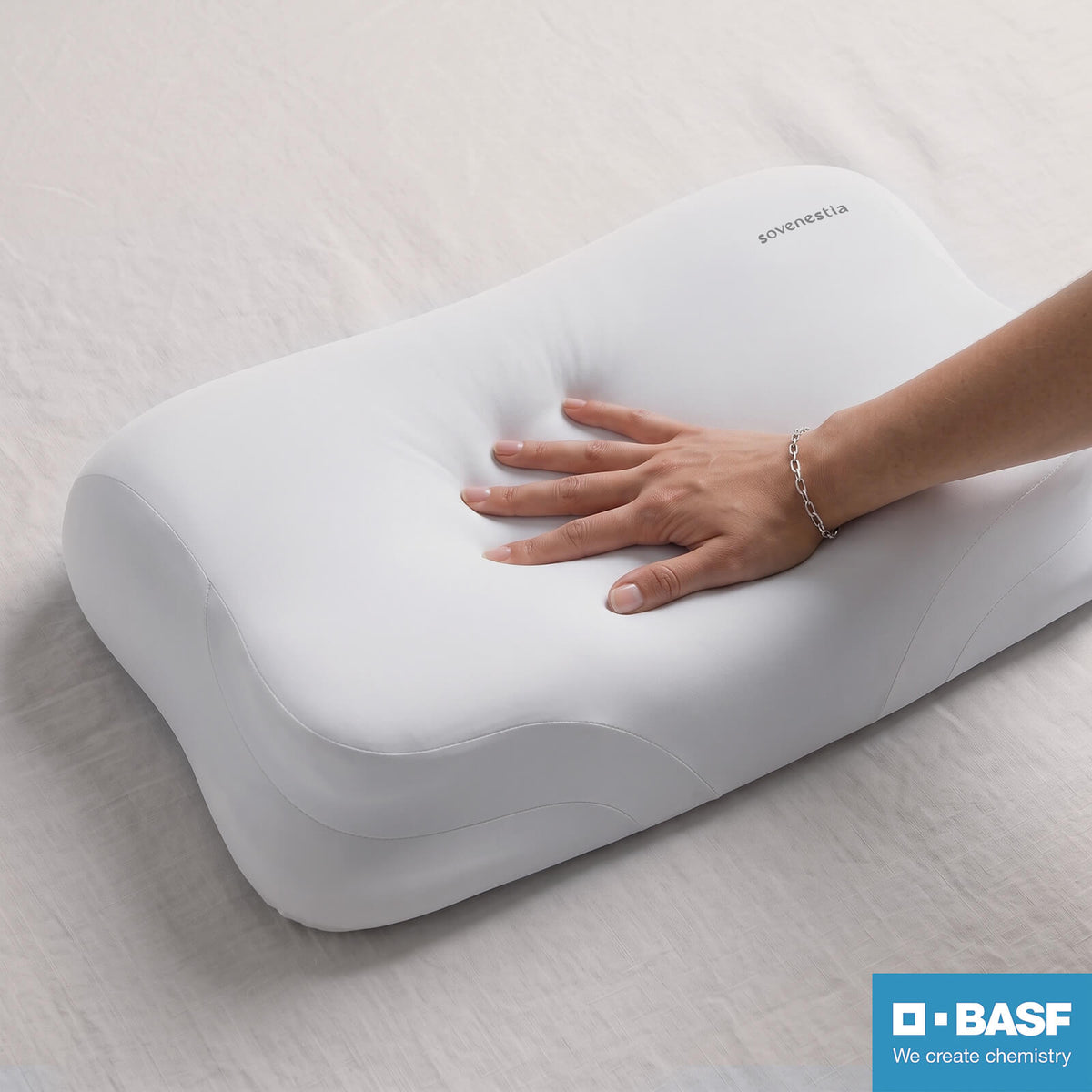
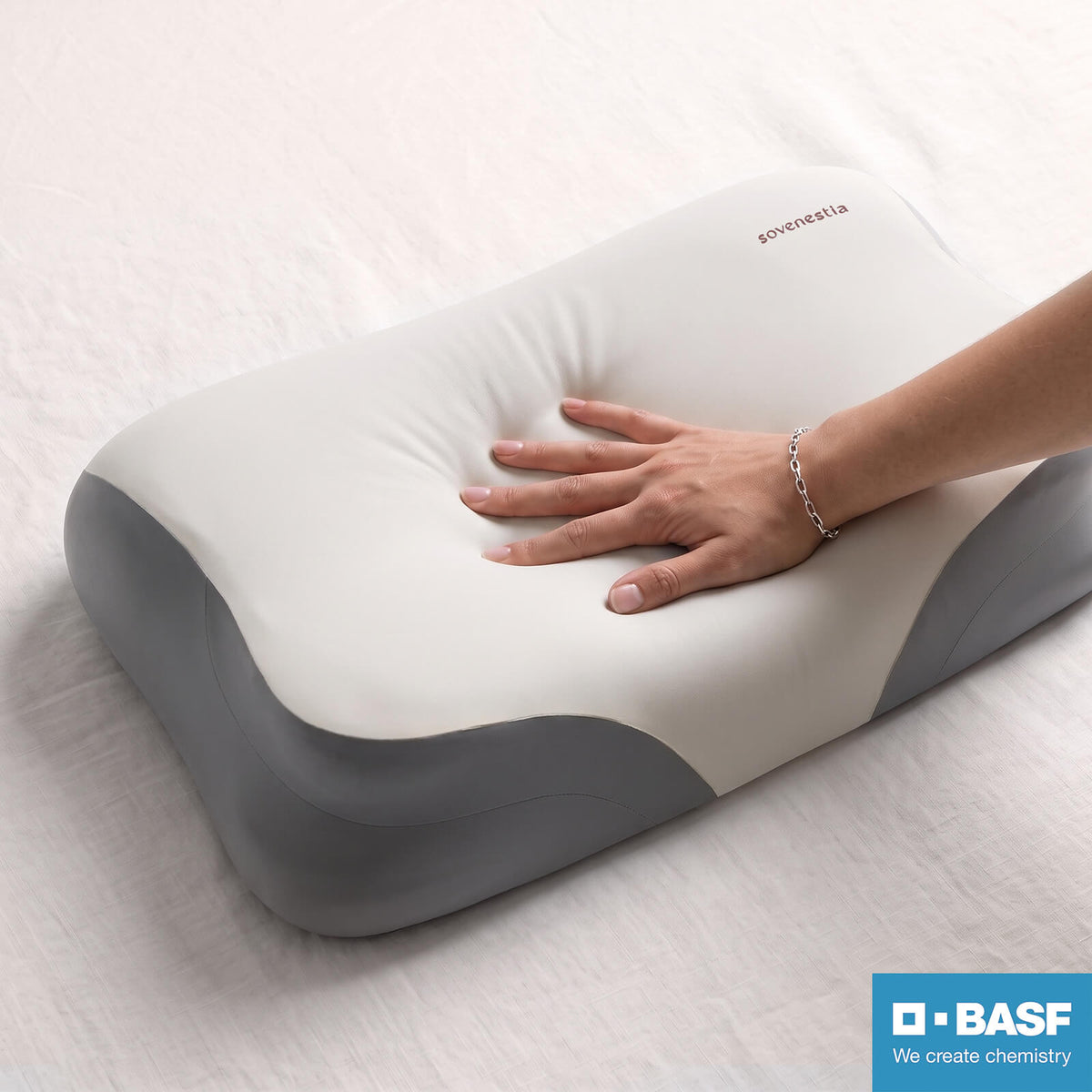
Unlike generic memory foam that can feel like sinking into wet sand, BASF’s viscoelastic foam is engineered at the molecular level for the right balance of softness and support.
The key difference is cell structure. BASF’s open-cell formulation lets air pass through the foam rather than trapping body heat. That means you get the contouring comfort of memory foam without waking up with a sweaty neck. The foam also rebounds slowly and consistently, so it returns to its original shape after you get up—no permanent dents, no flat spots.

The Sovenestia BASF Pillow Collection
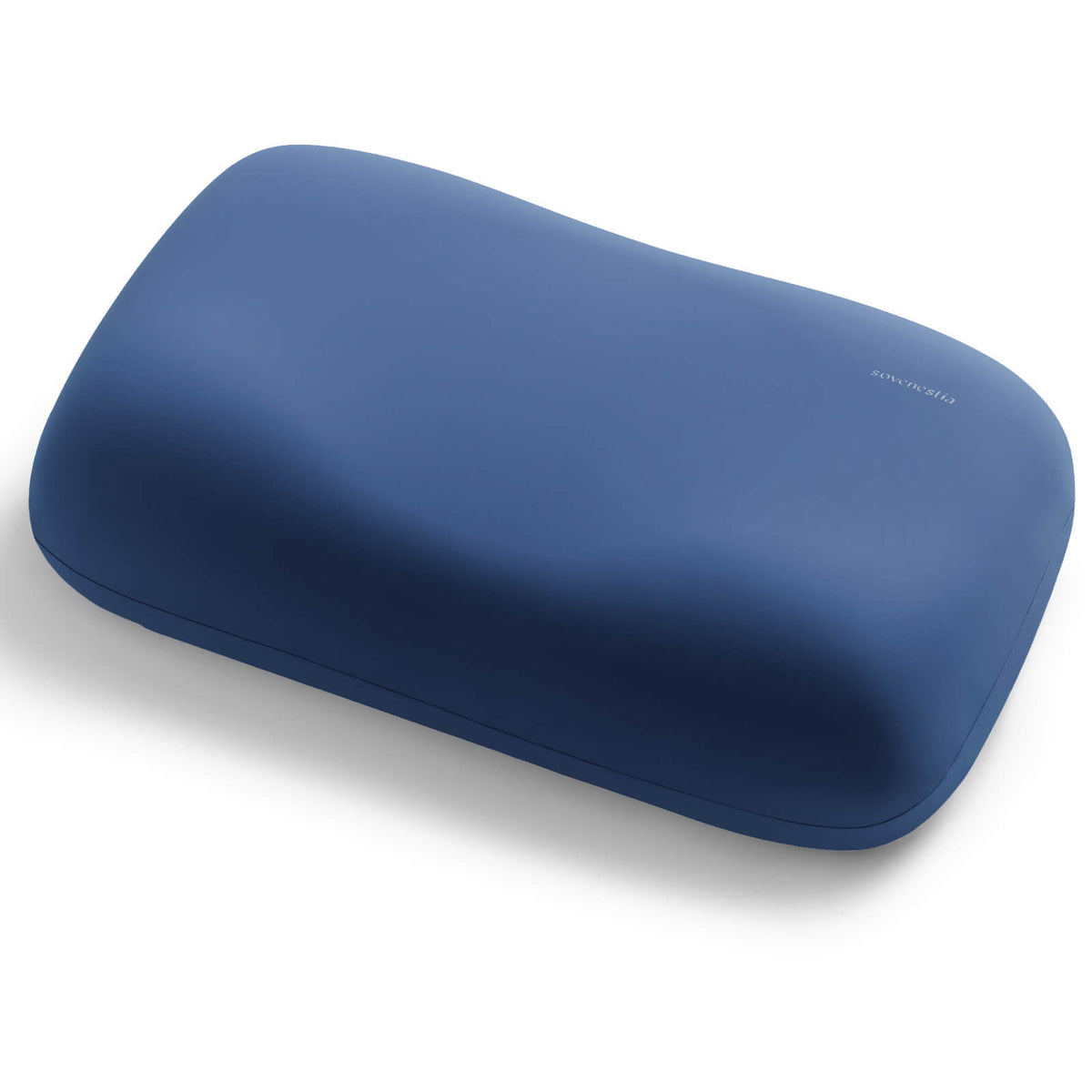
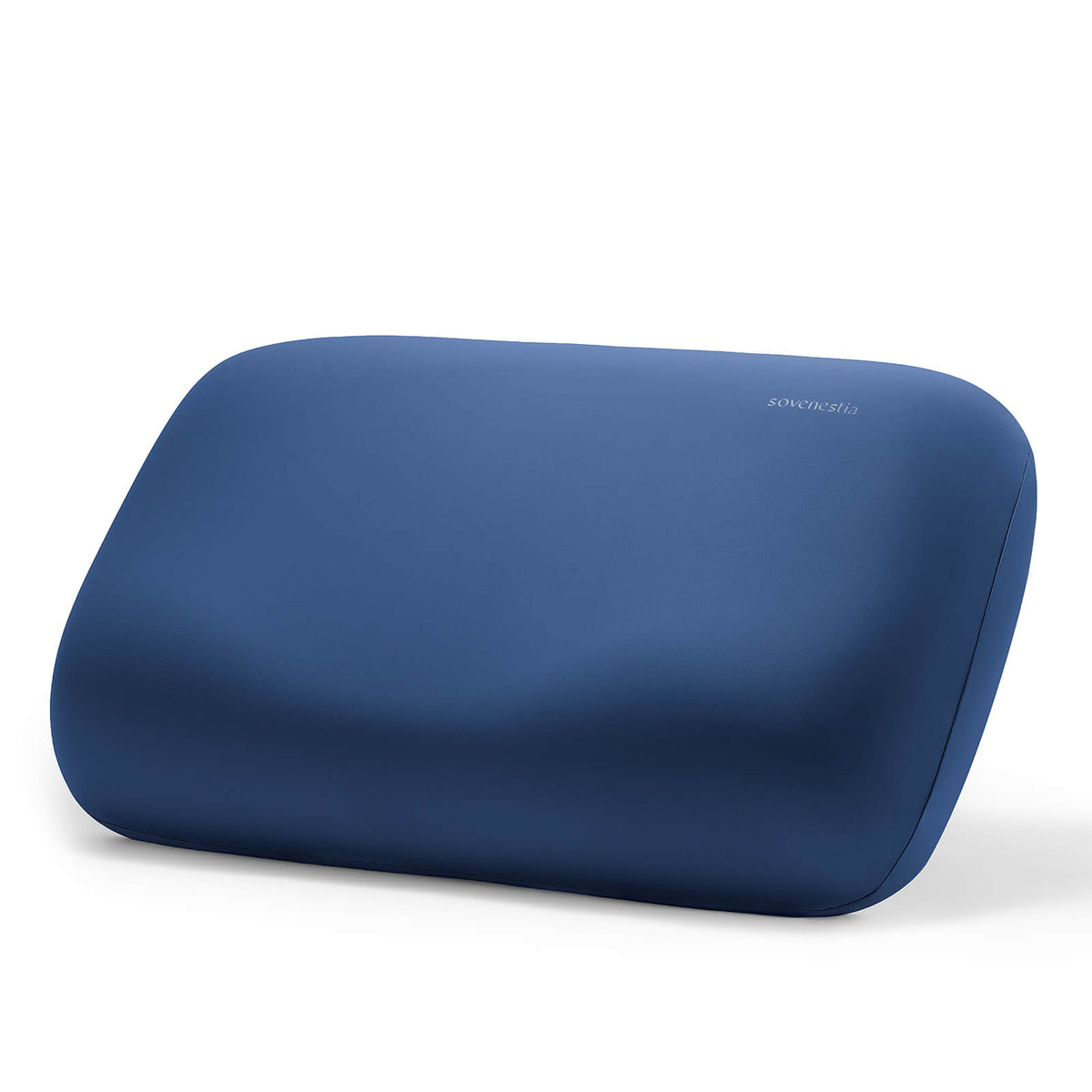
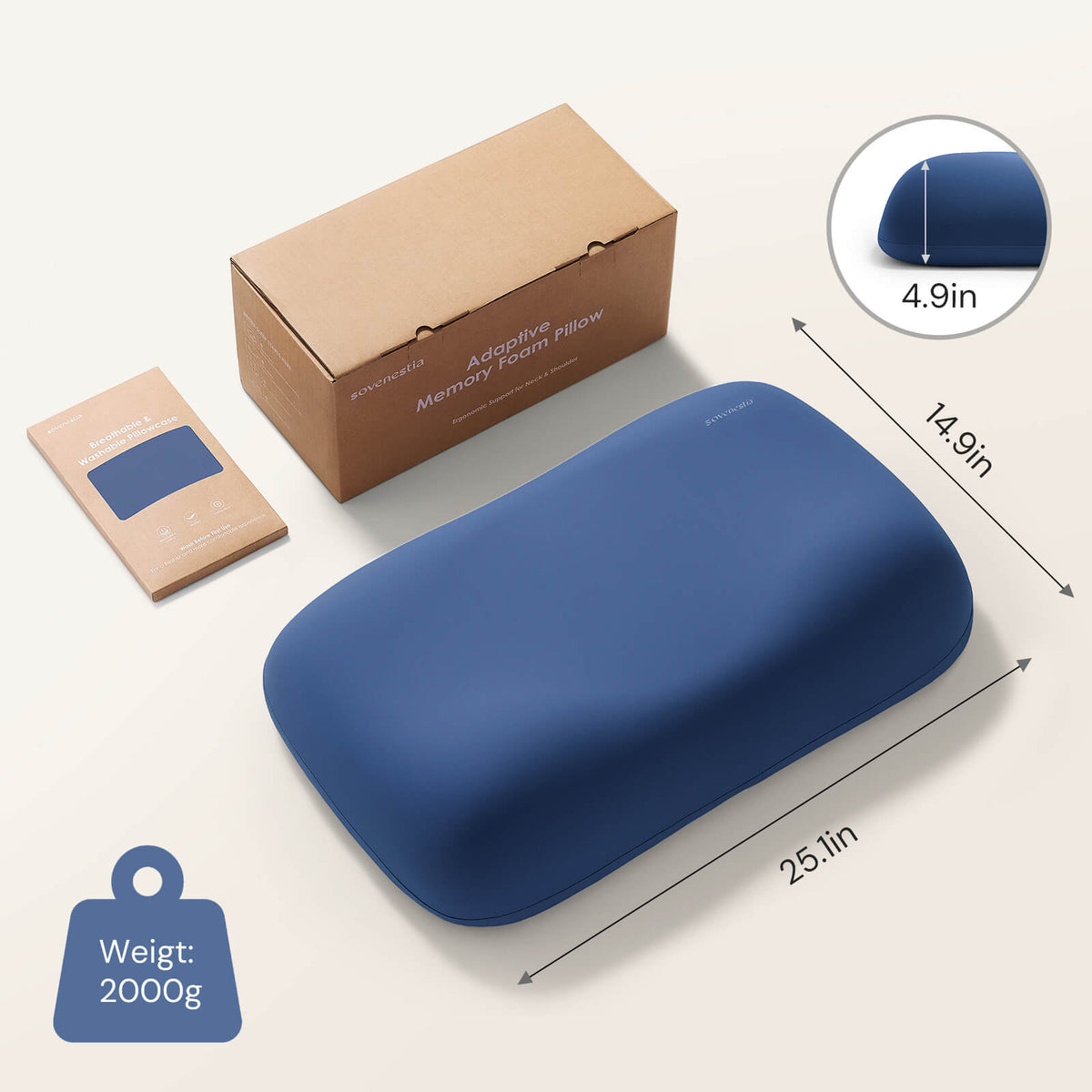
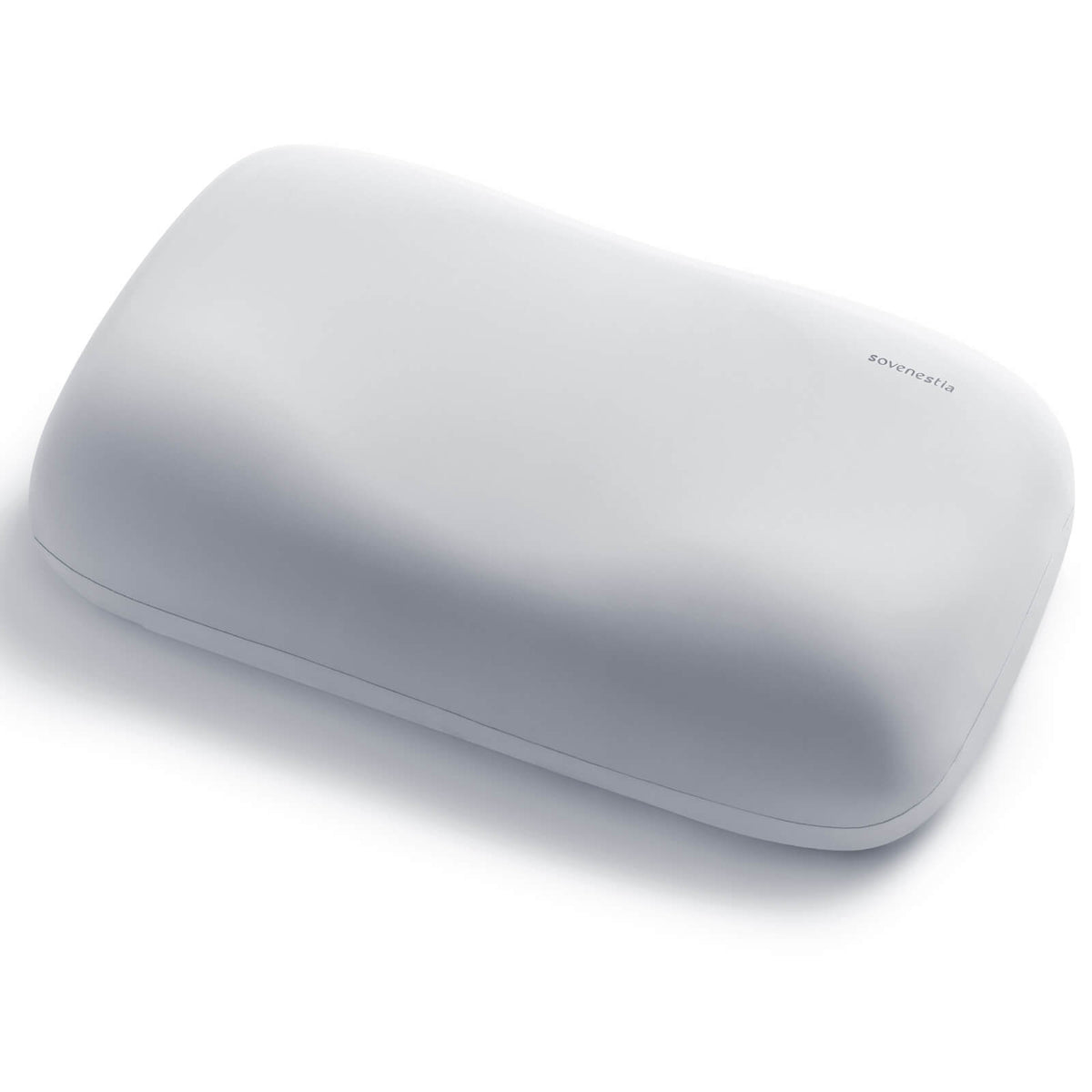
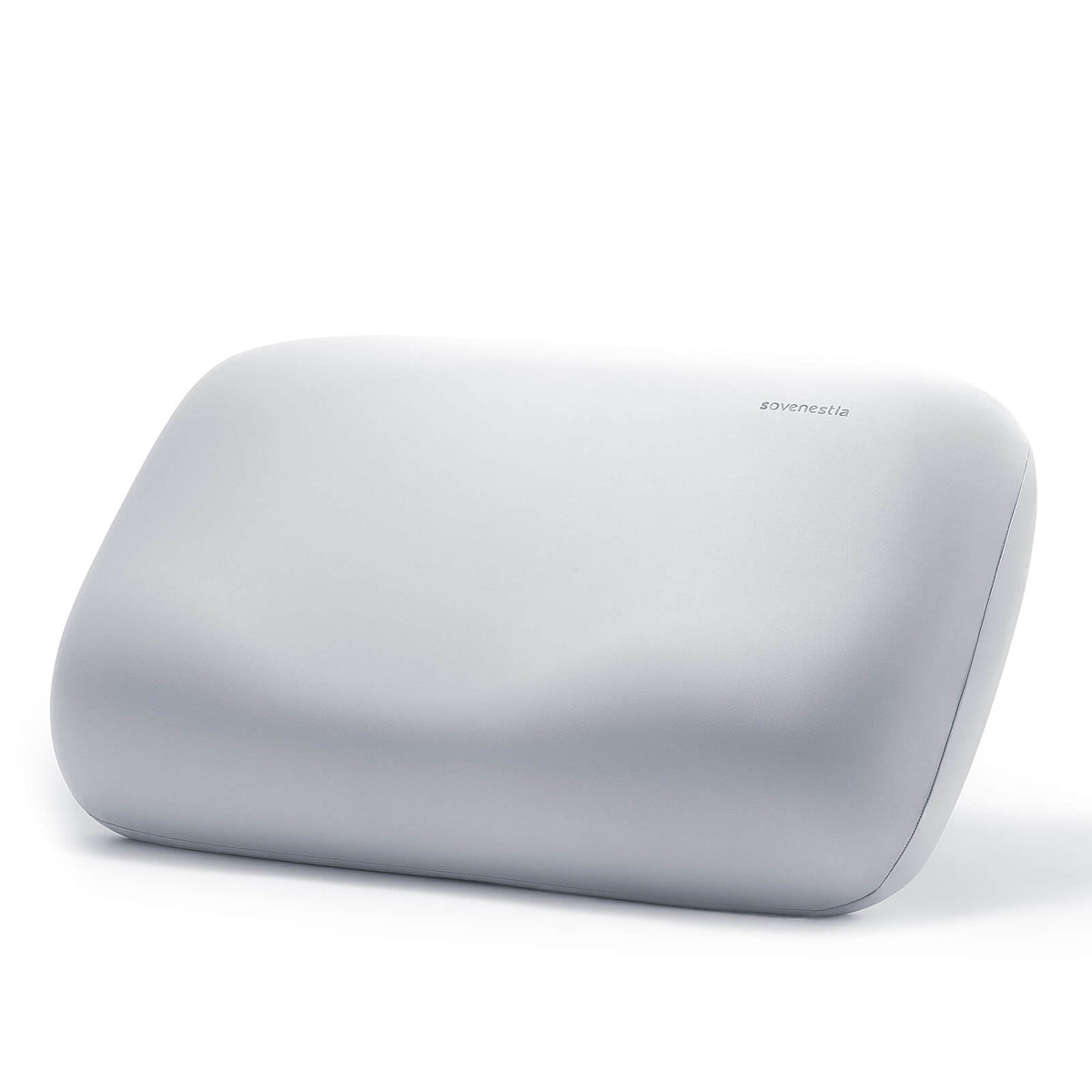
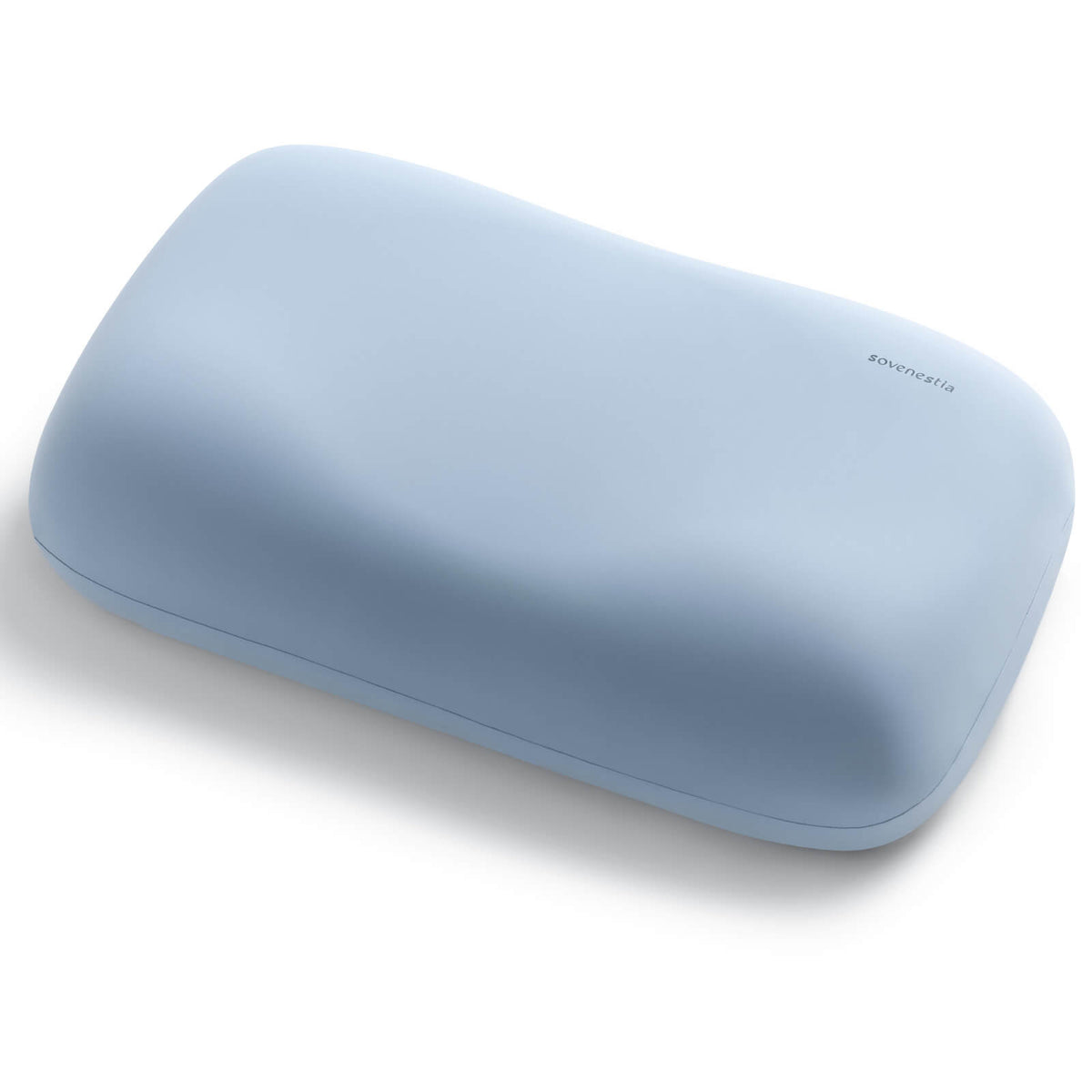
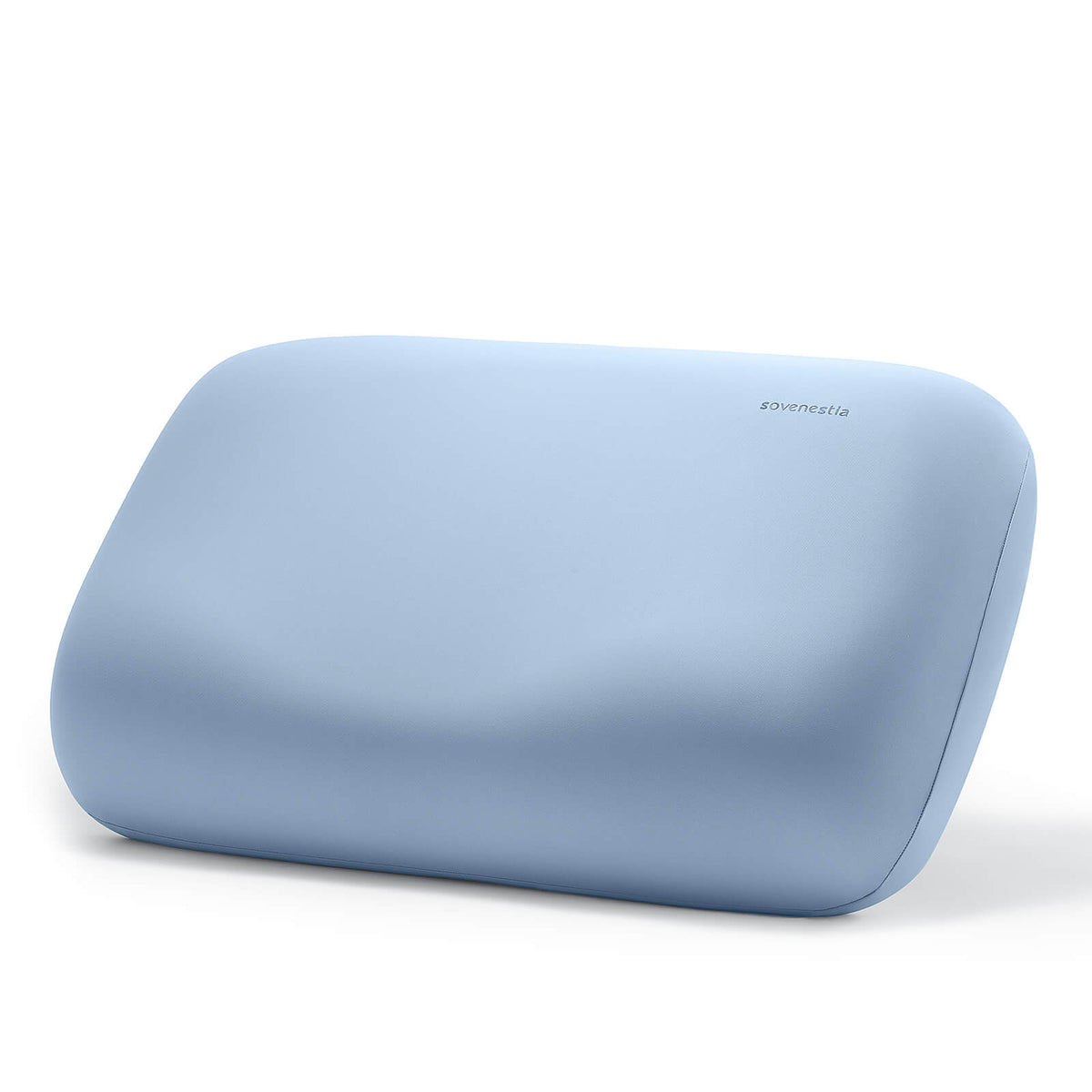
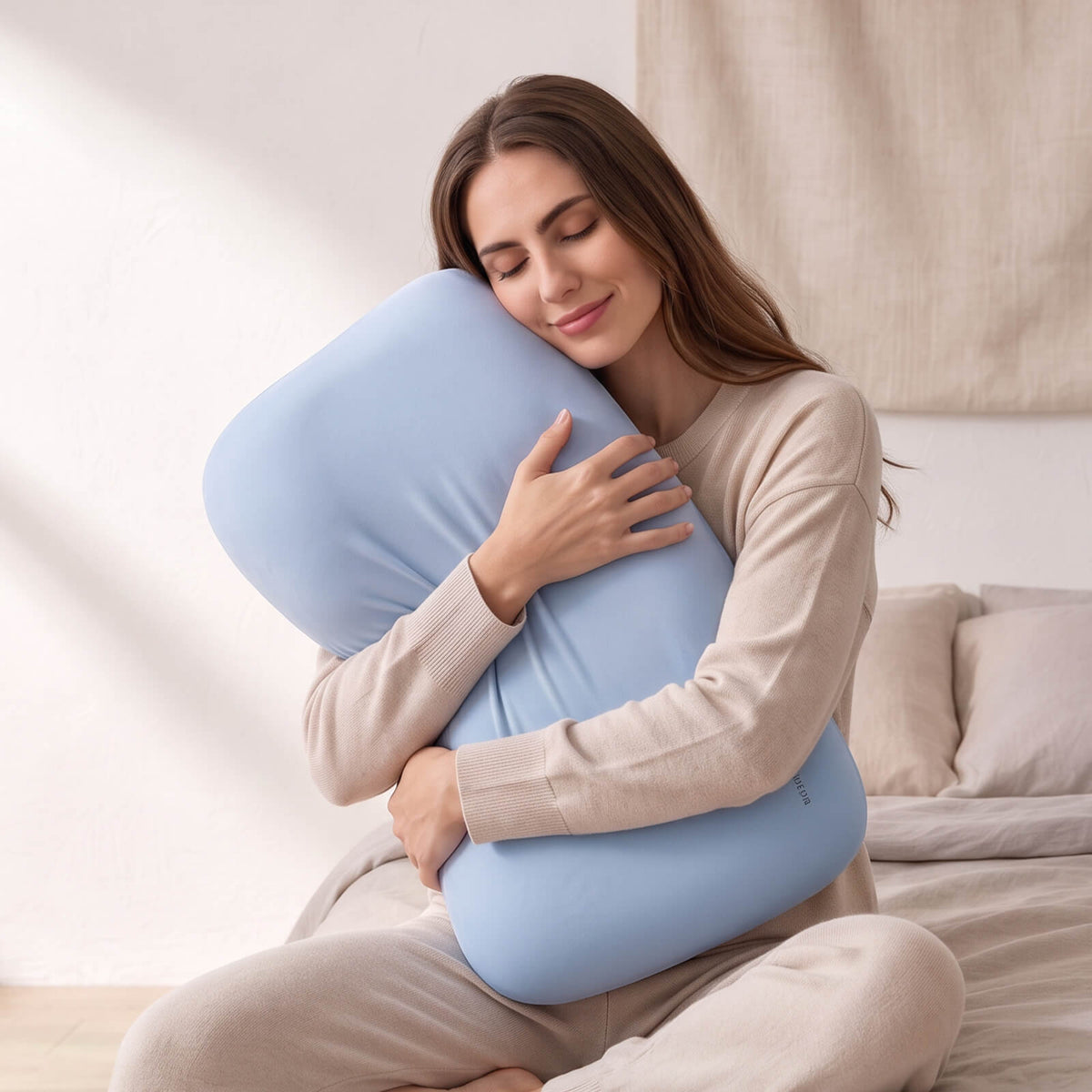
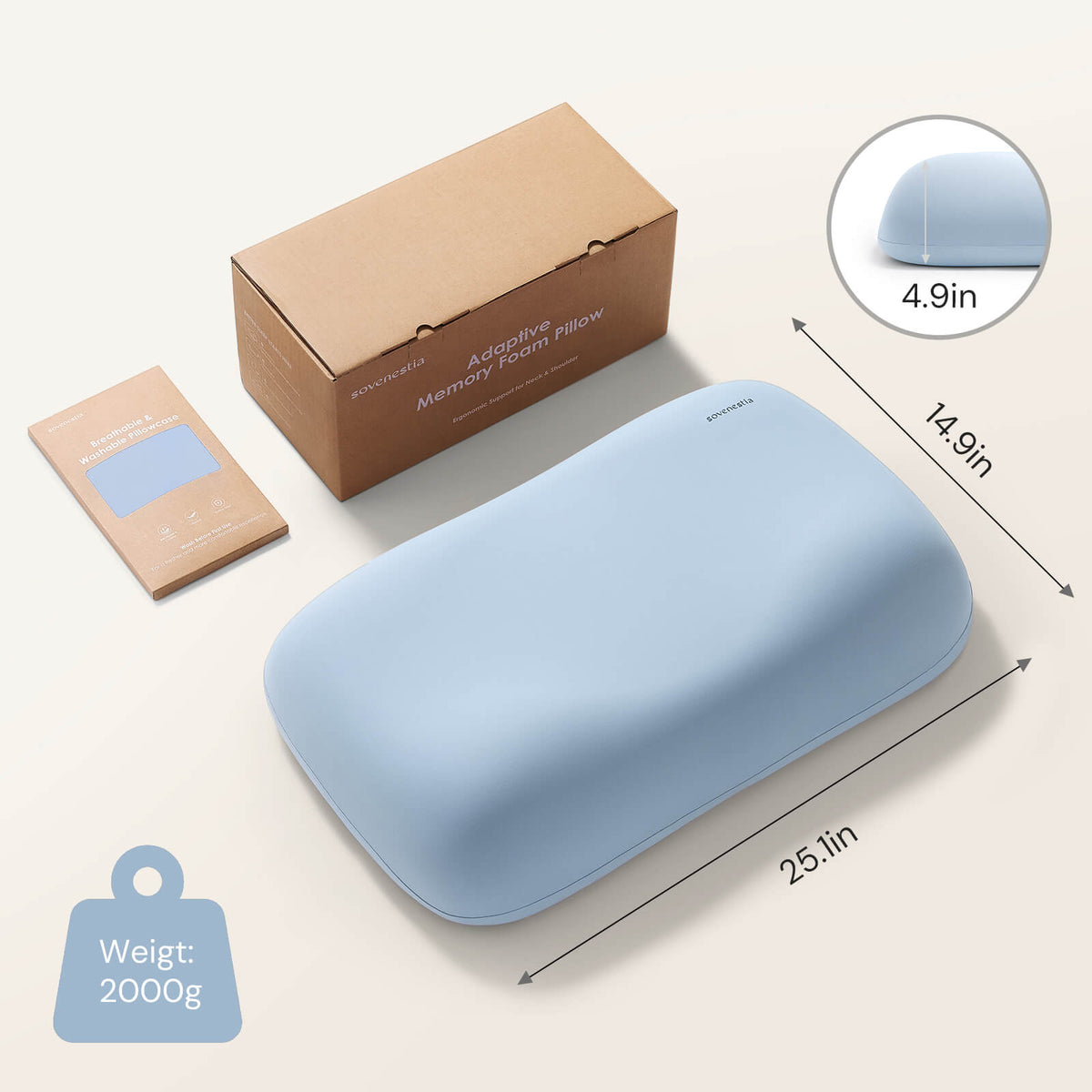
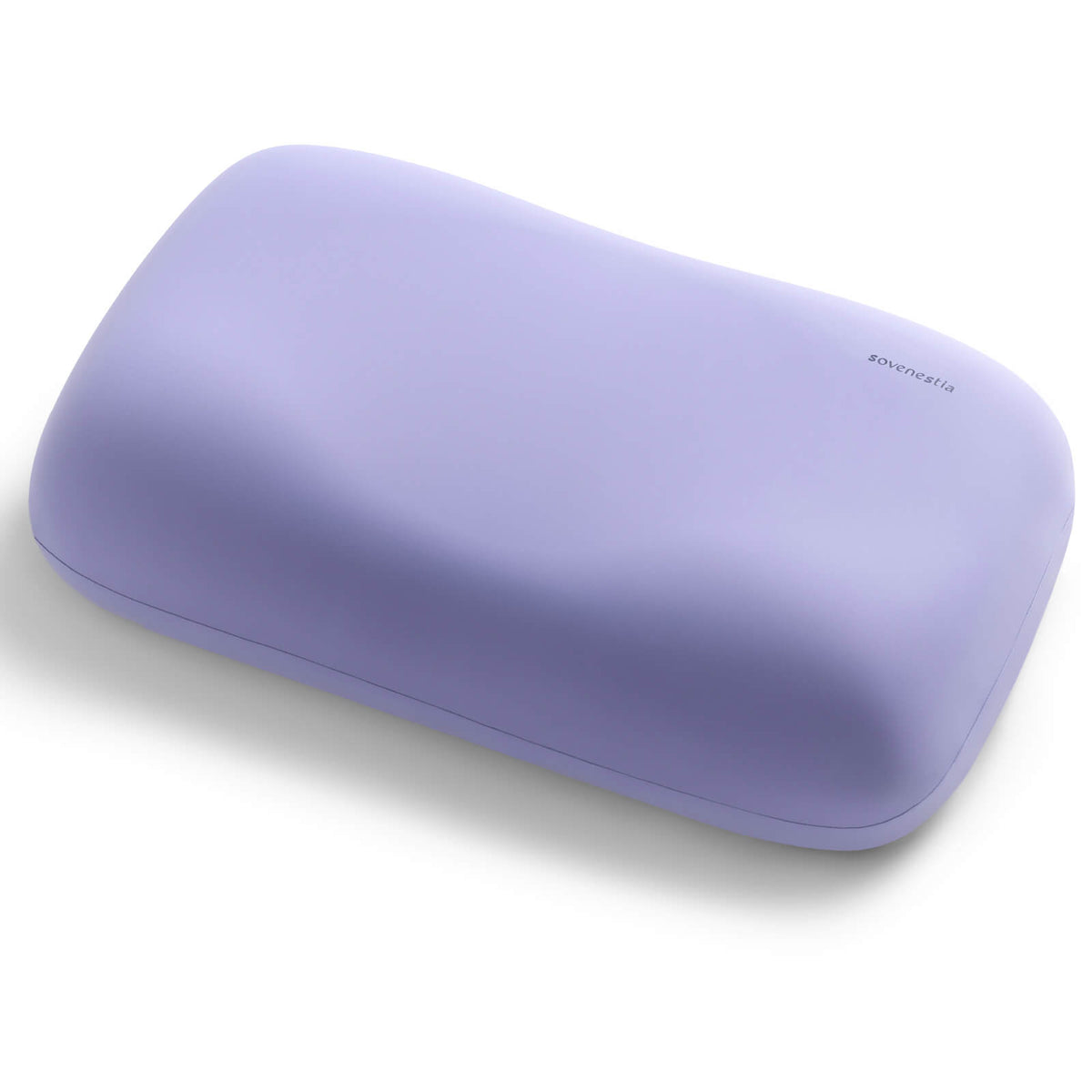
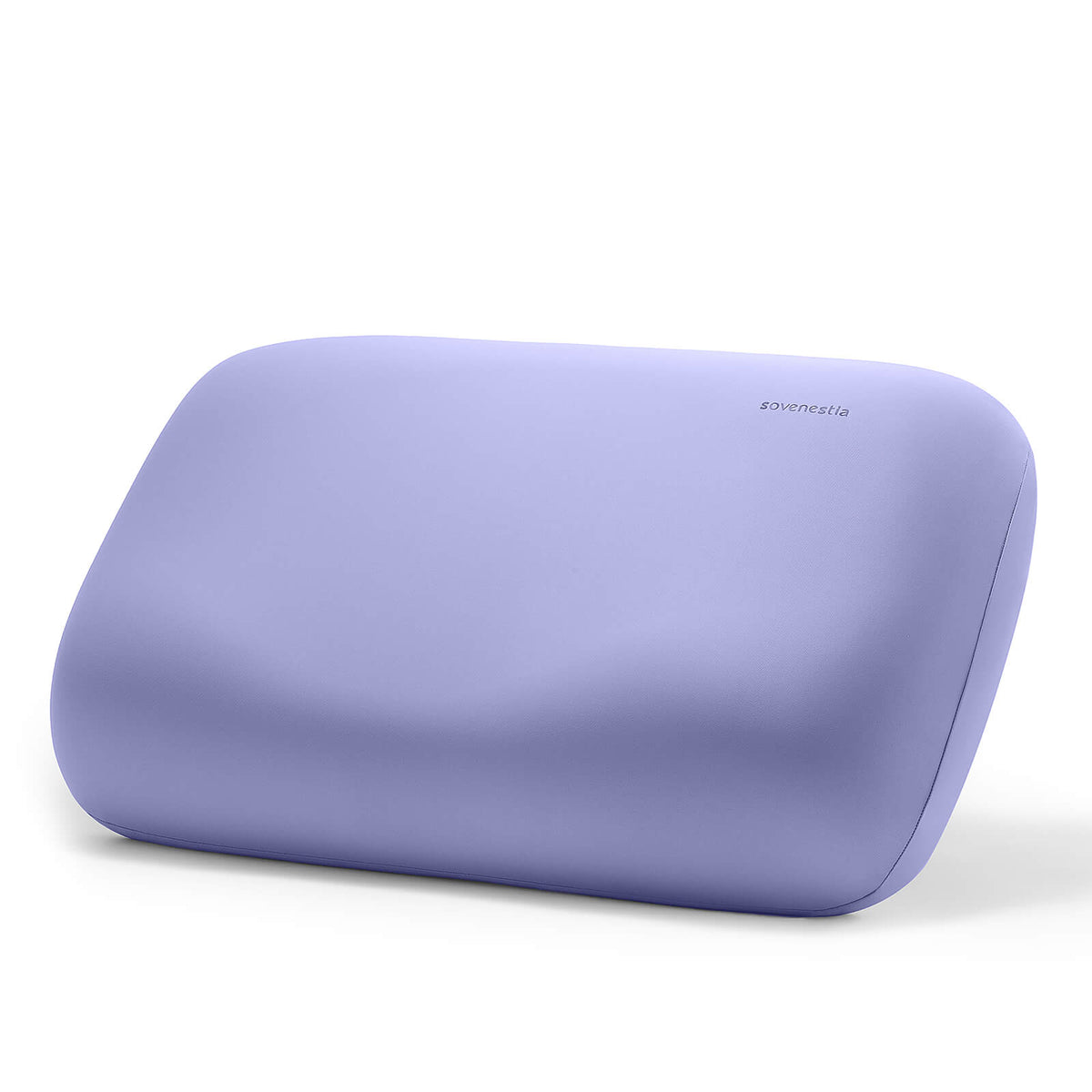
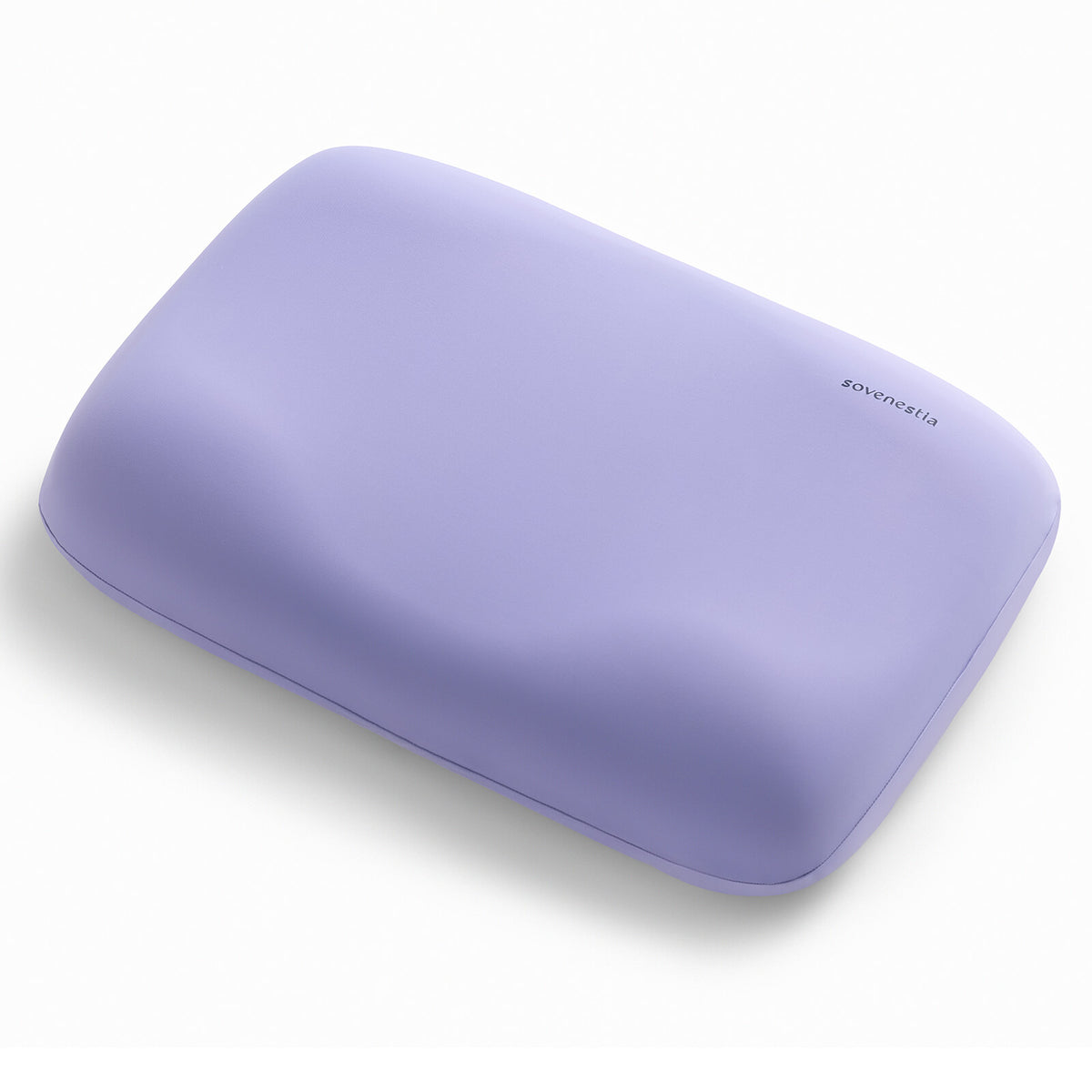
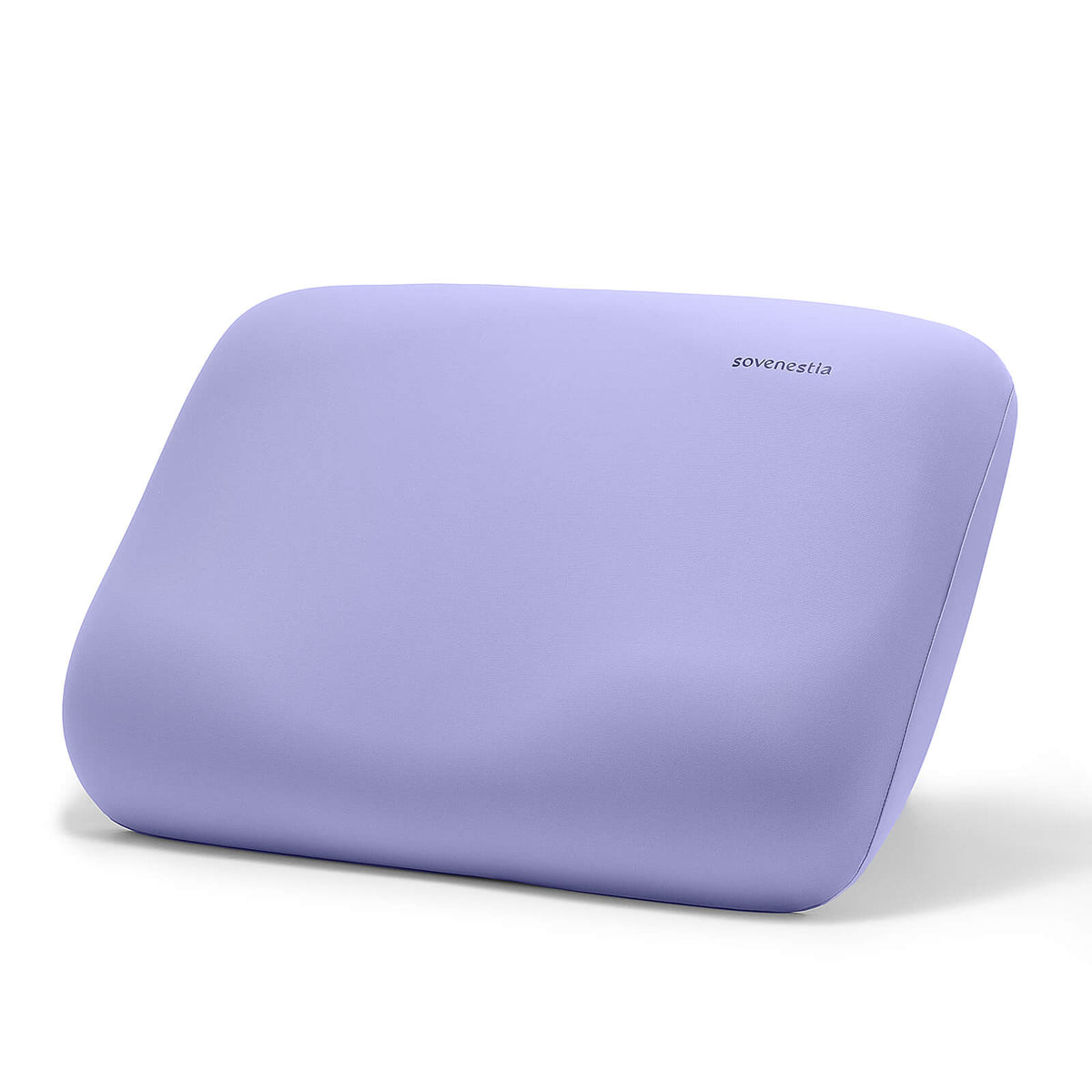
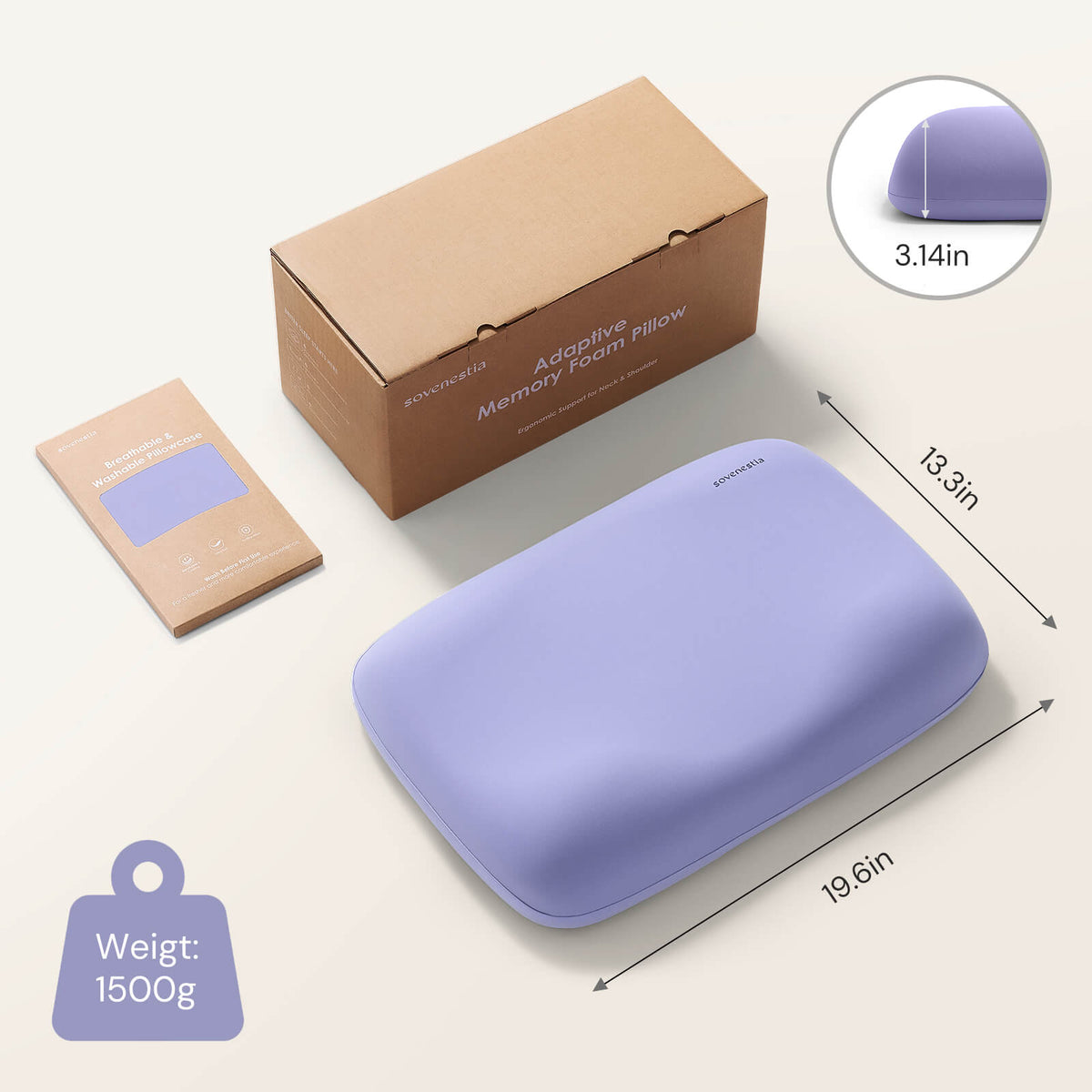
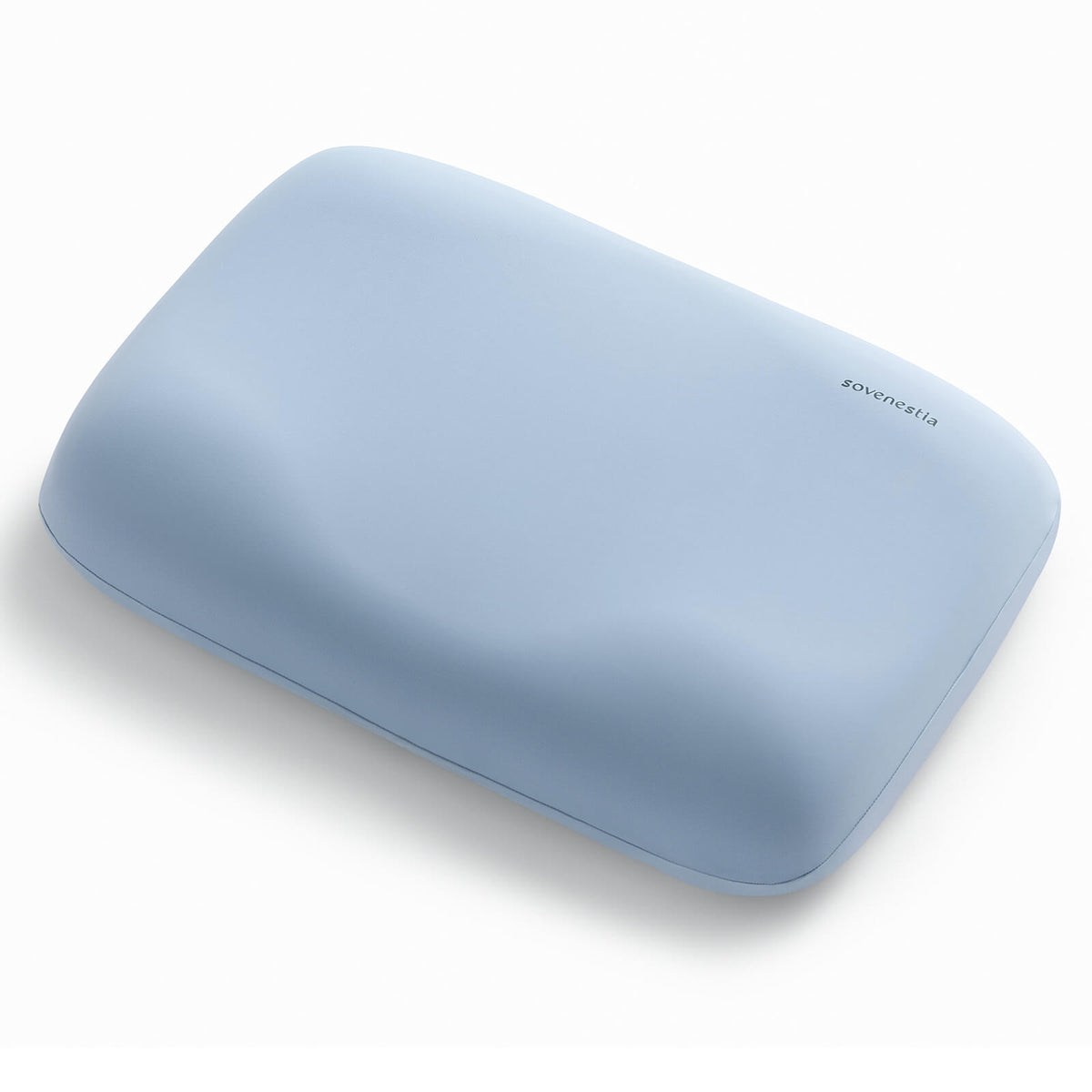
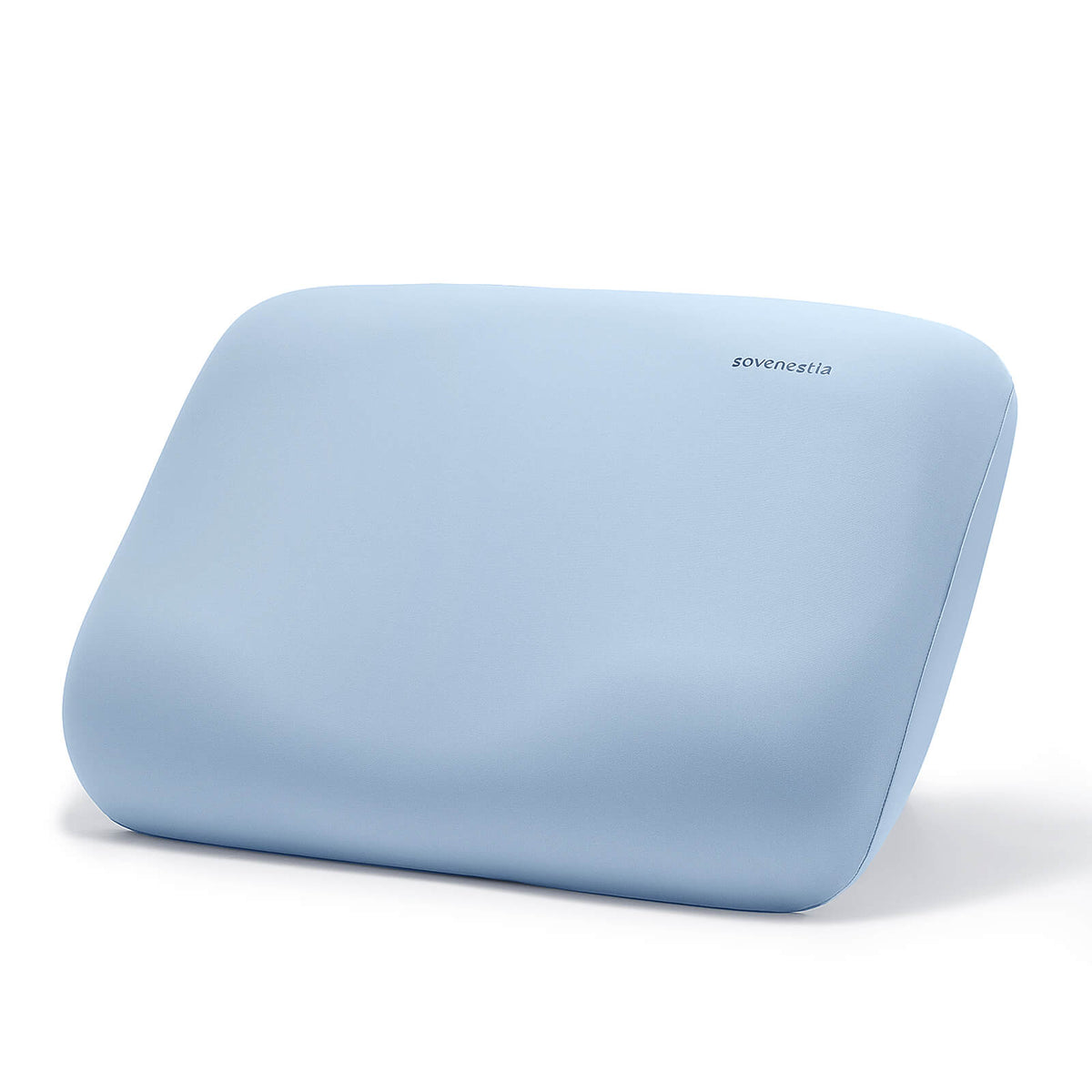
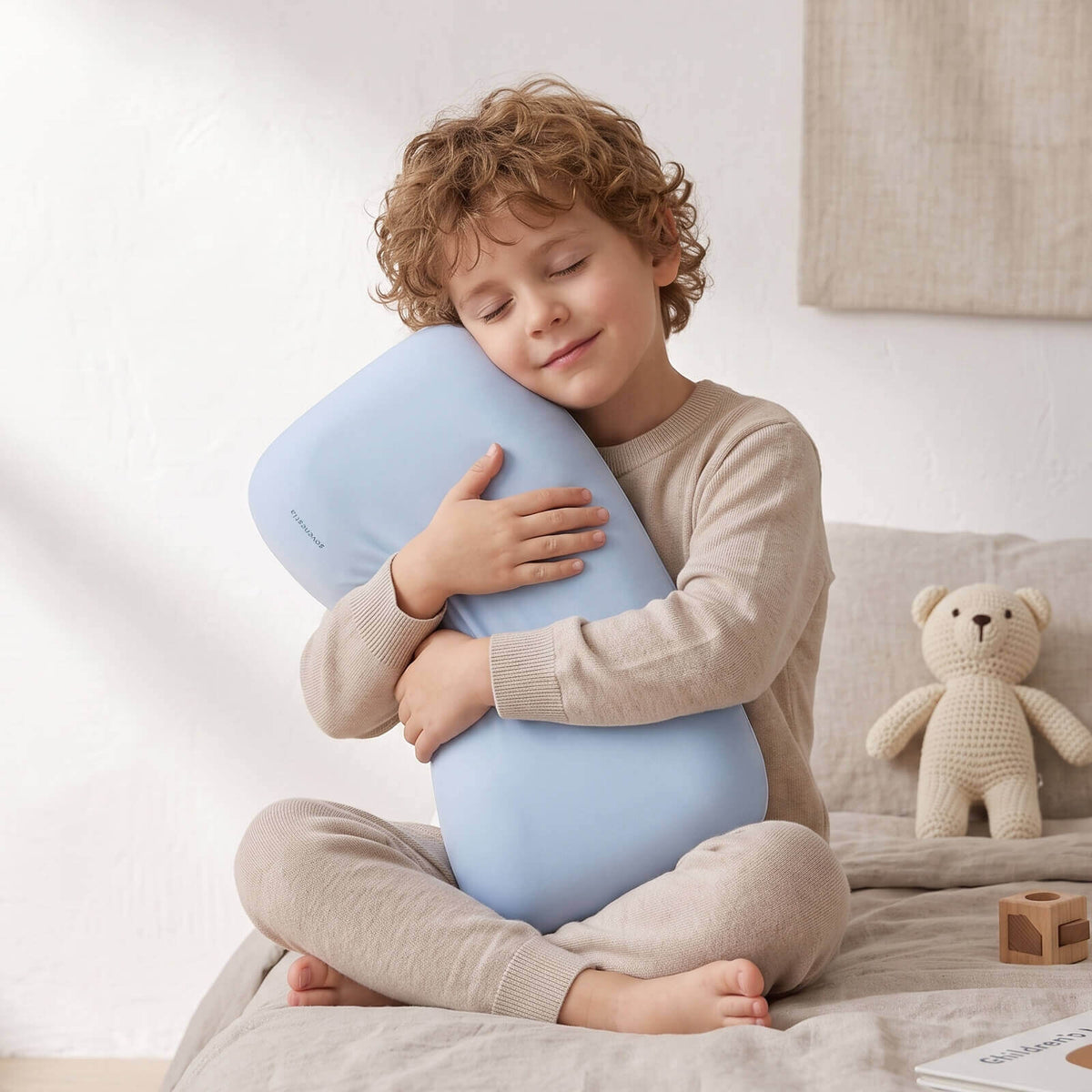
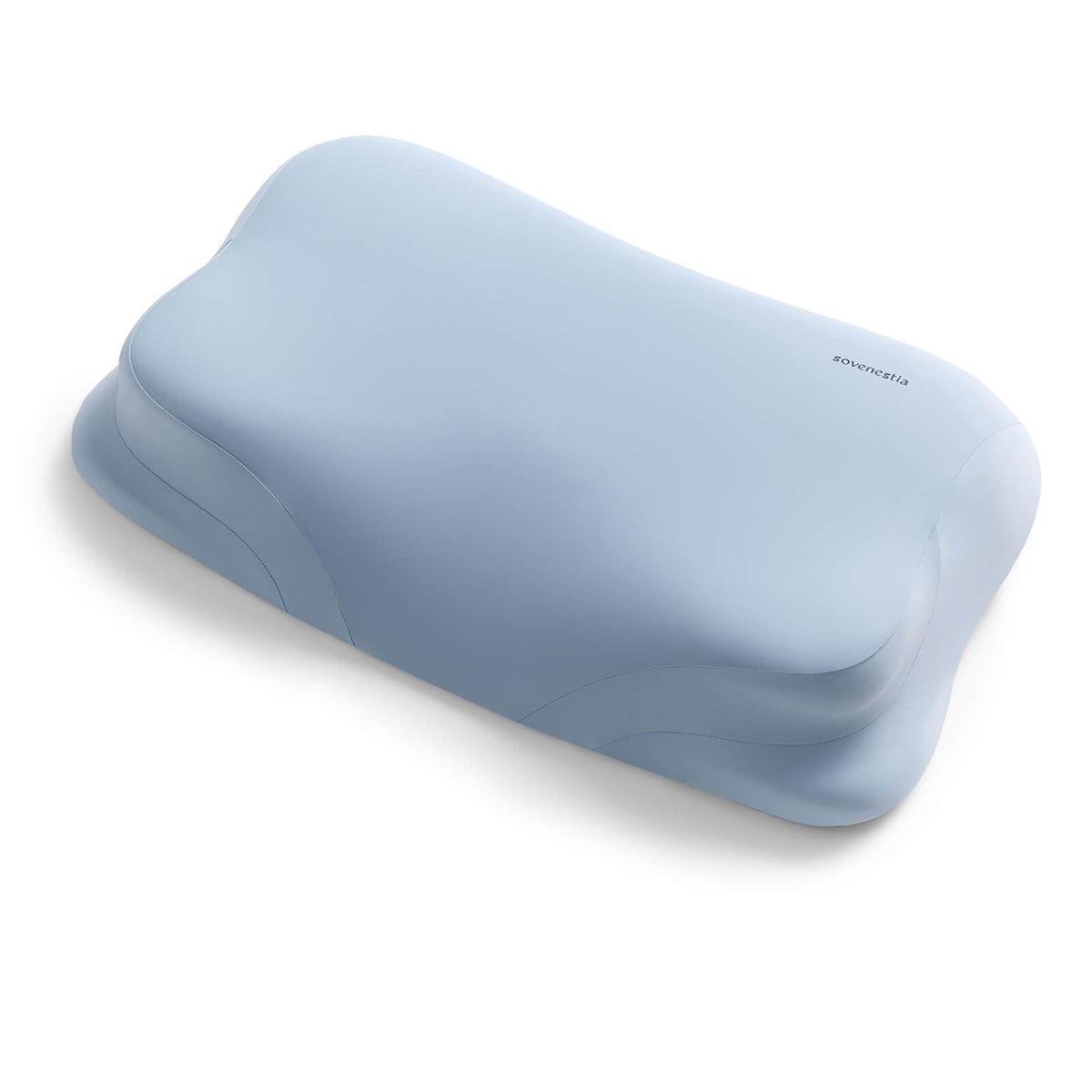
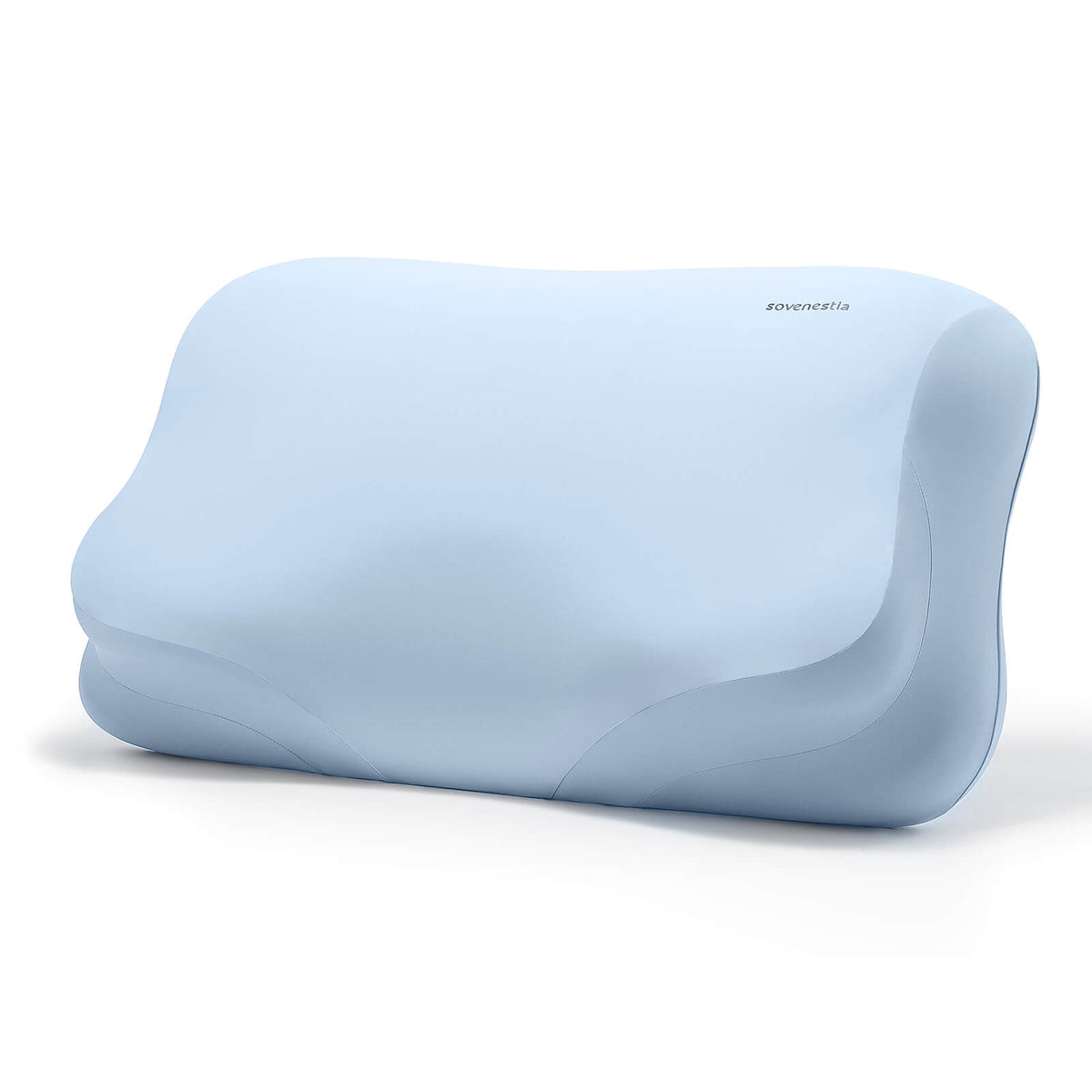
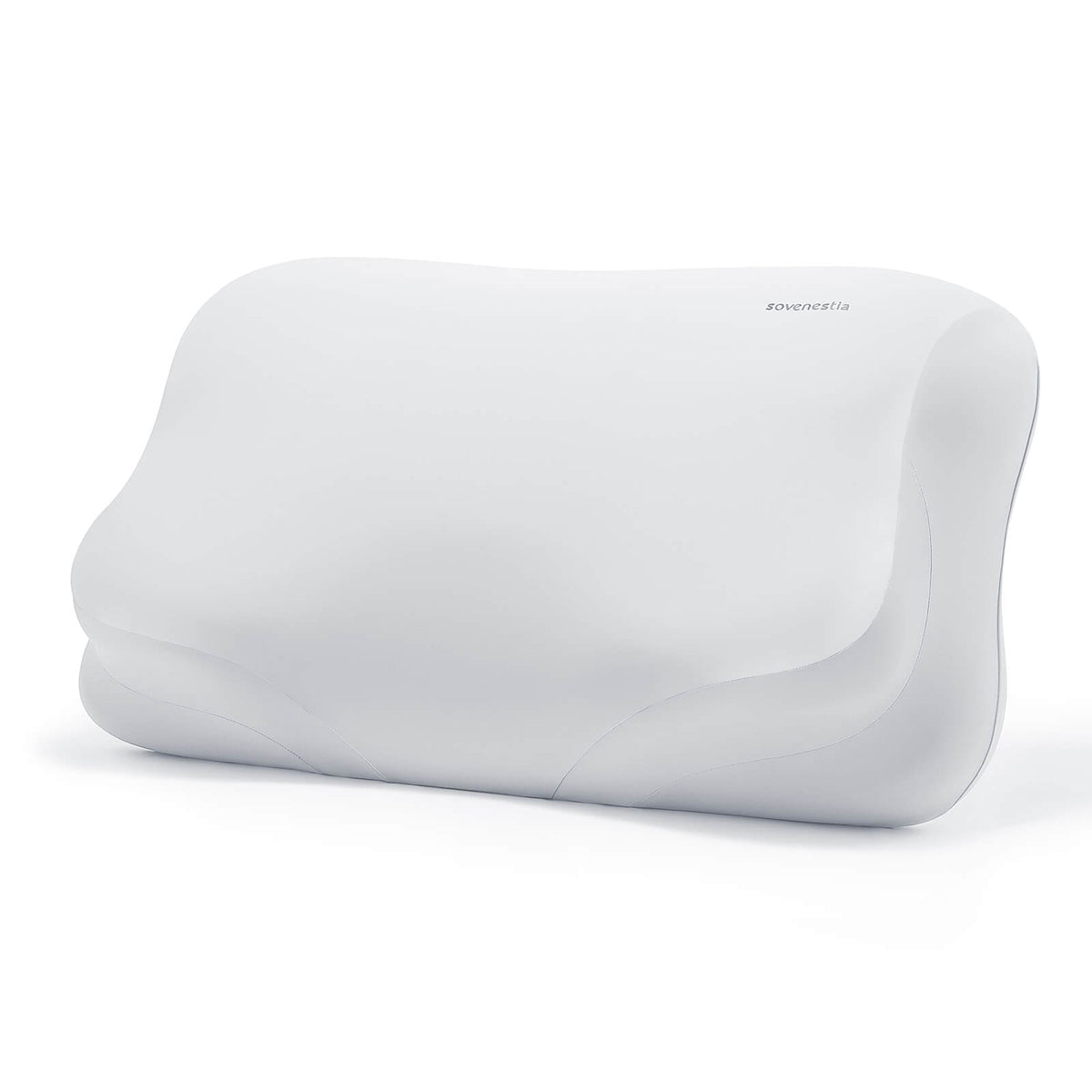
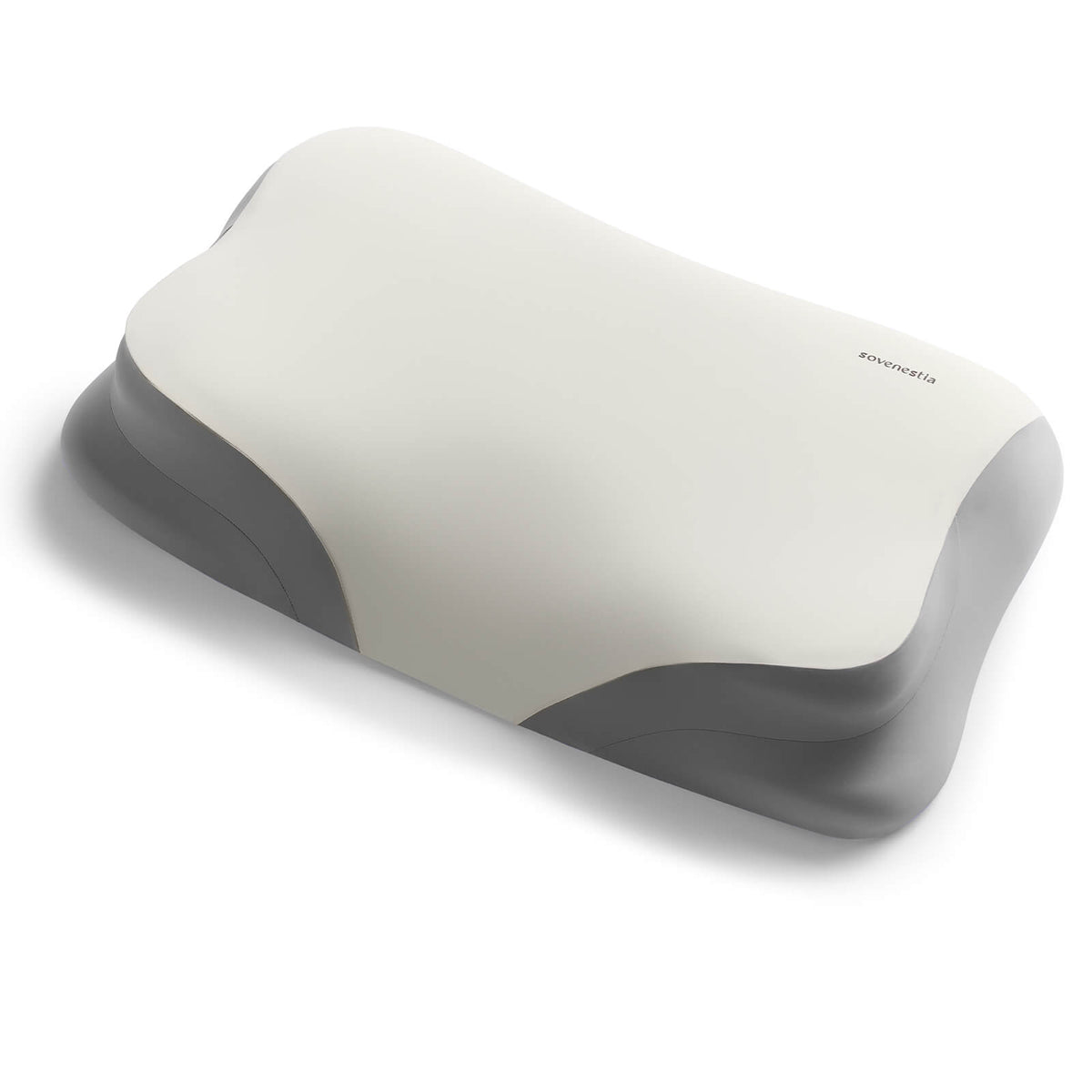
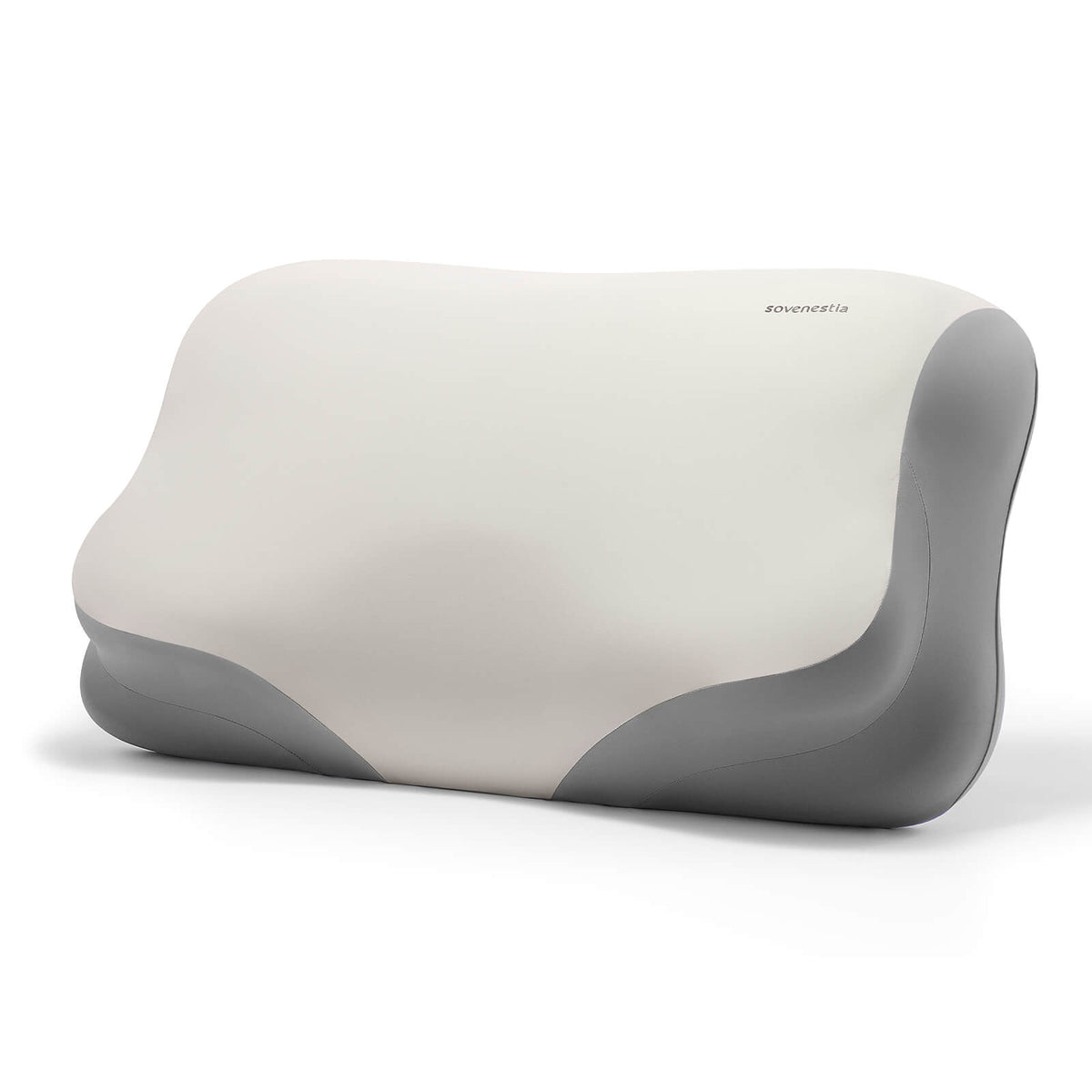
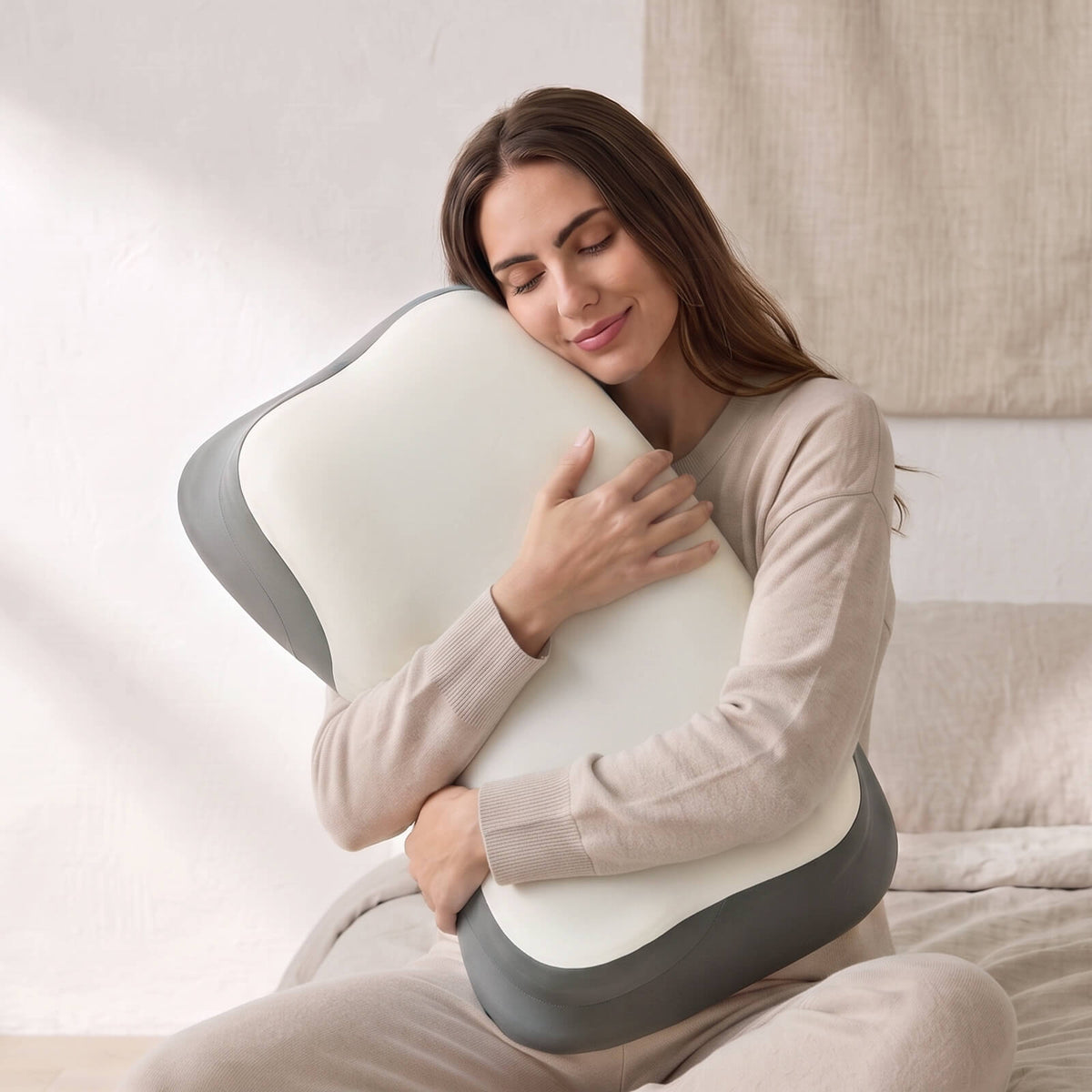
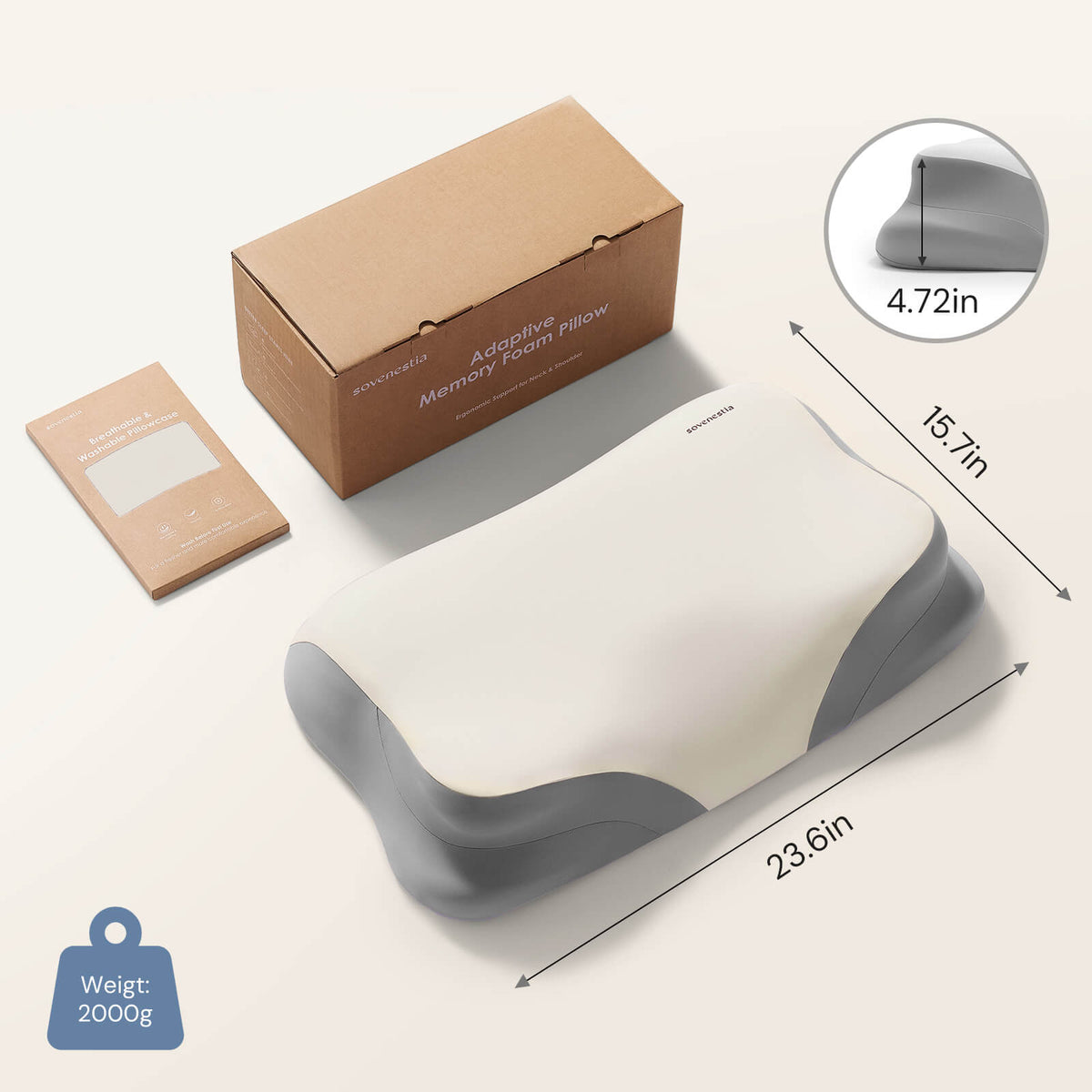
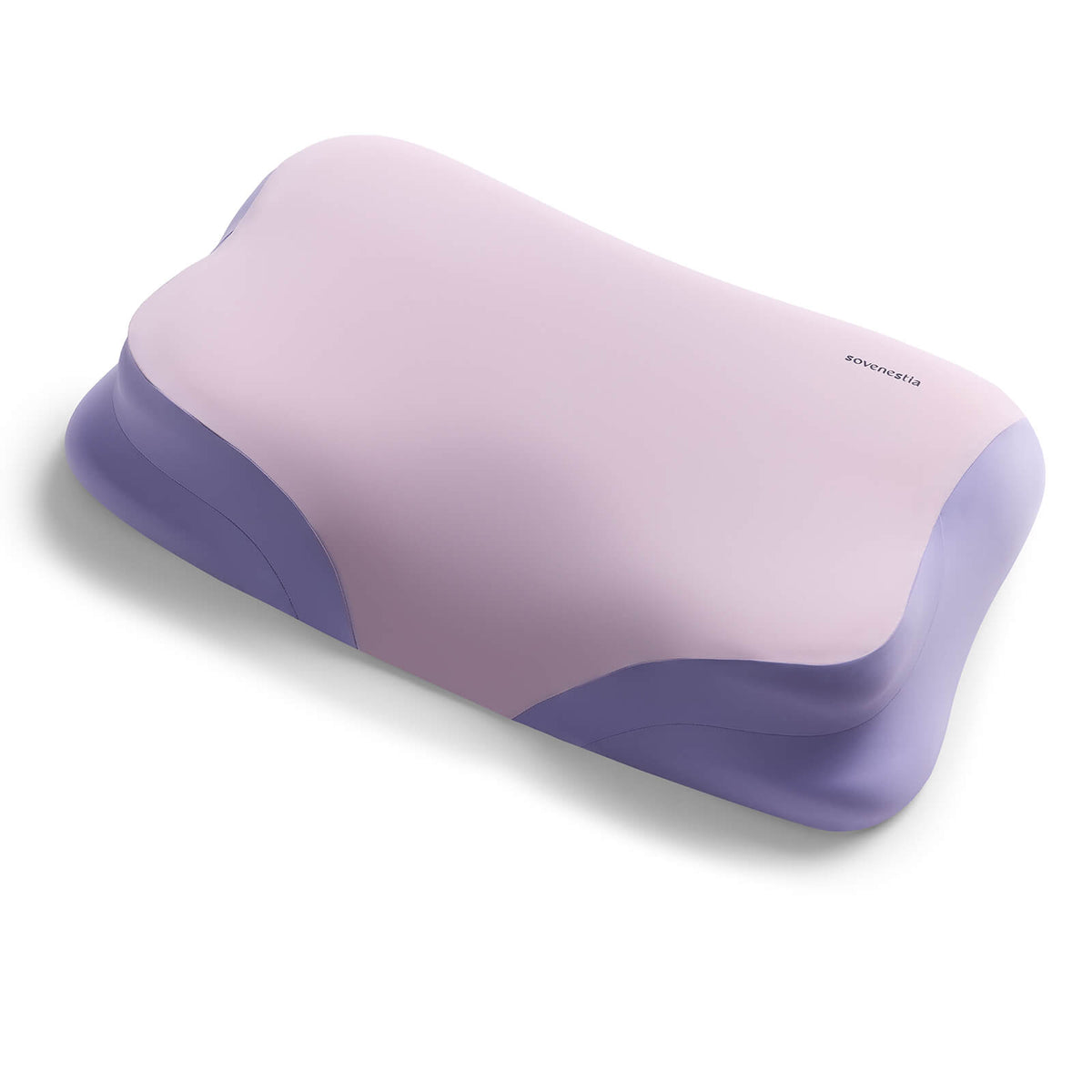
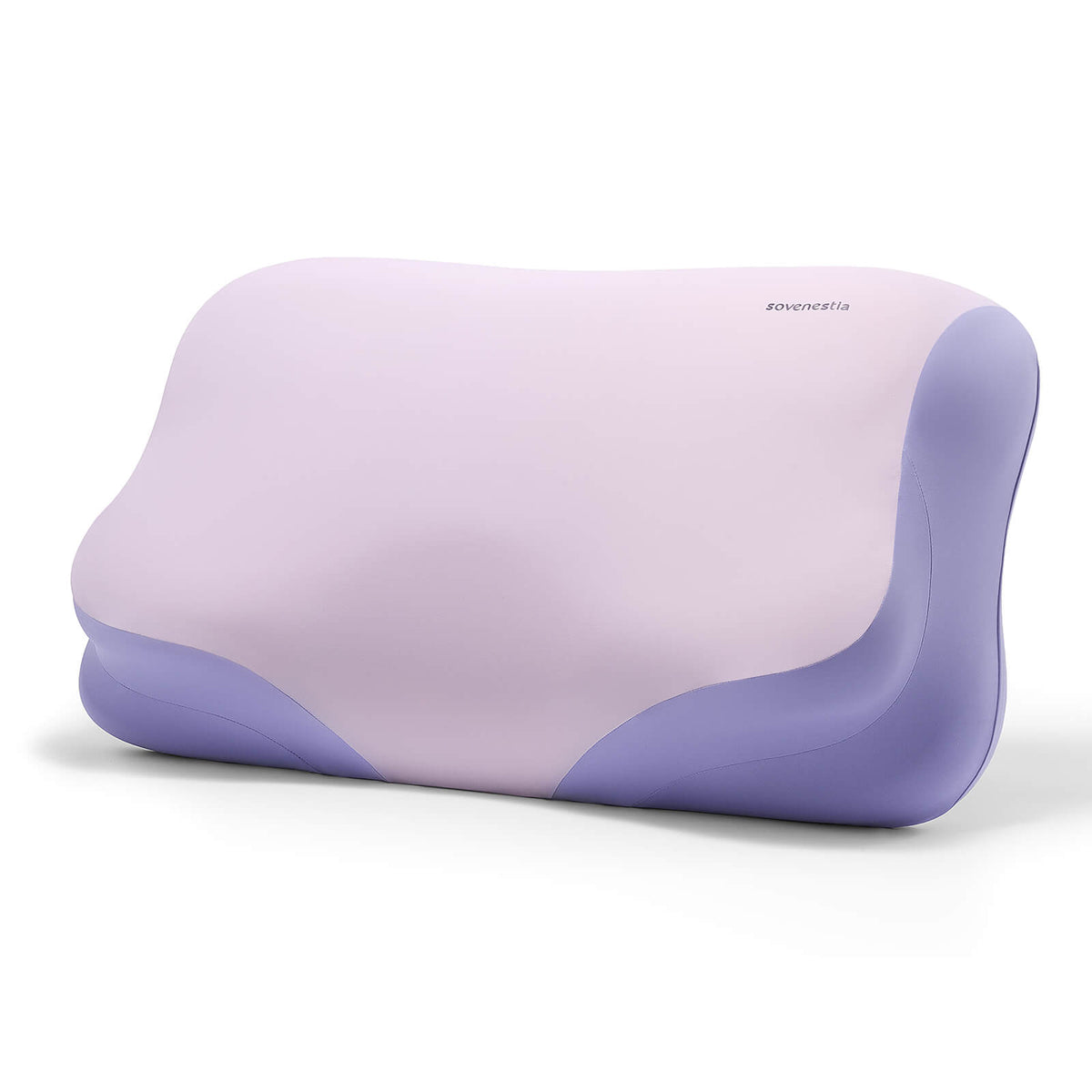
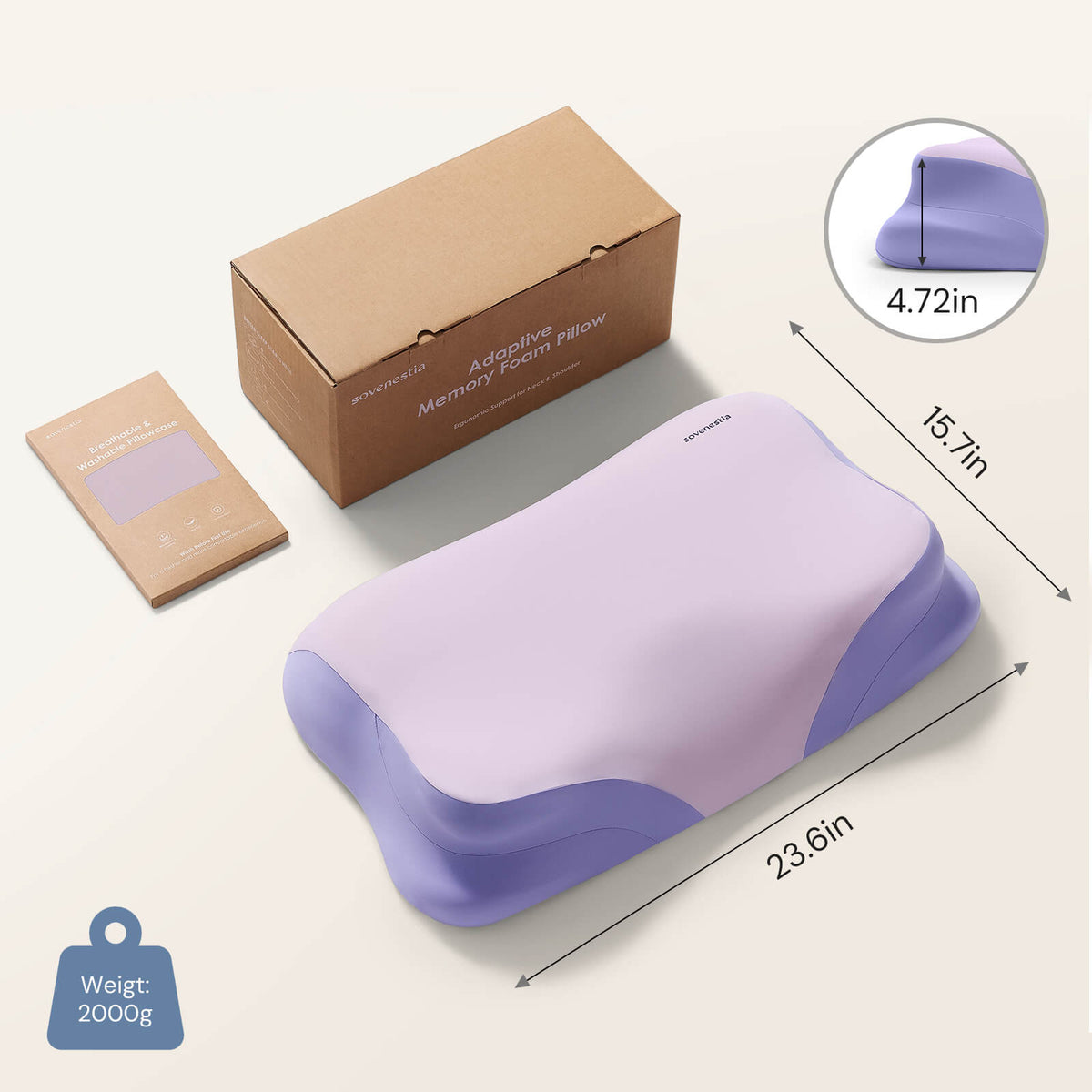
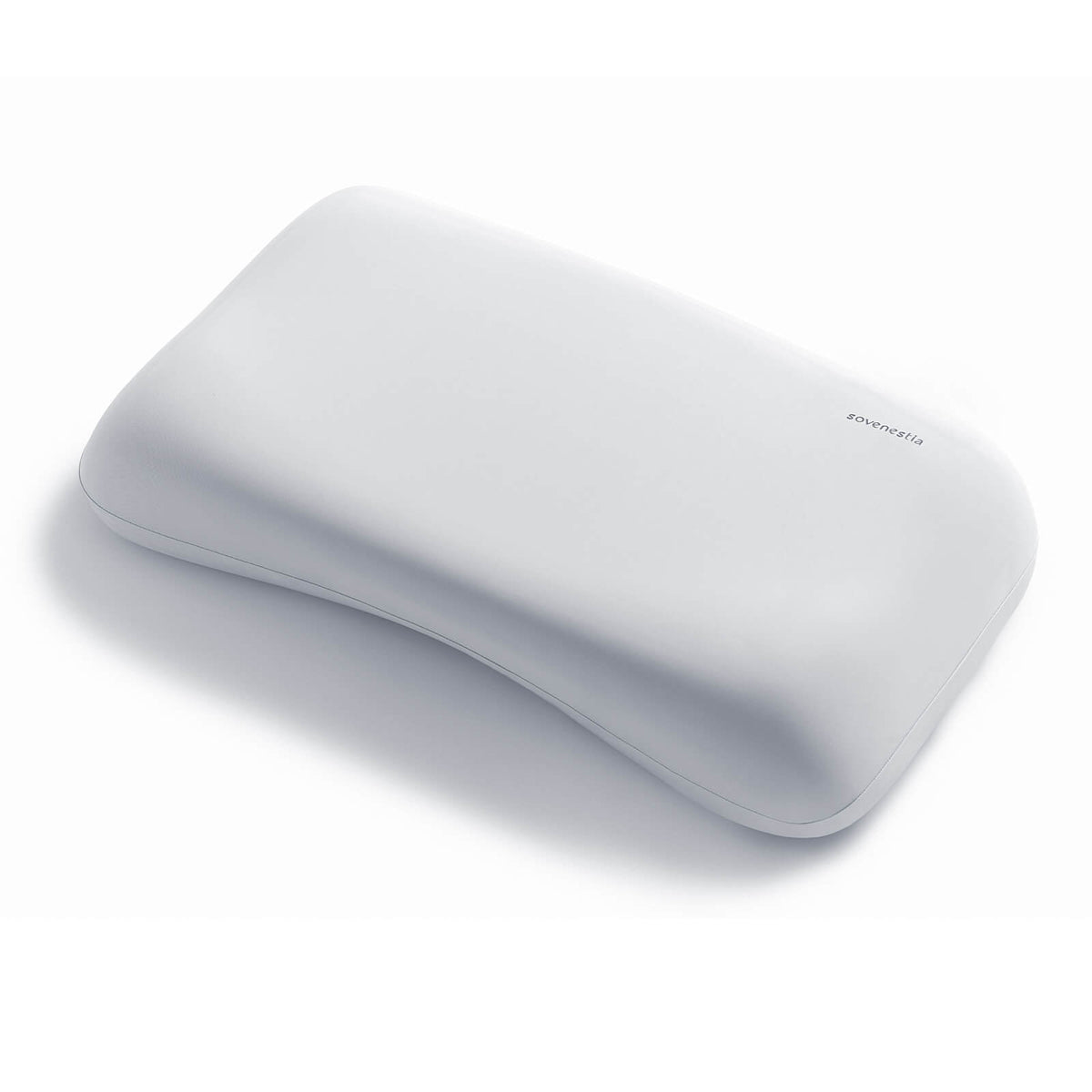
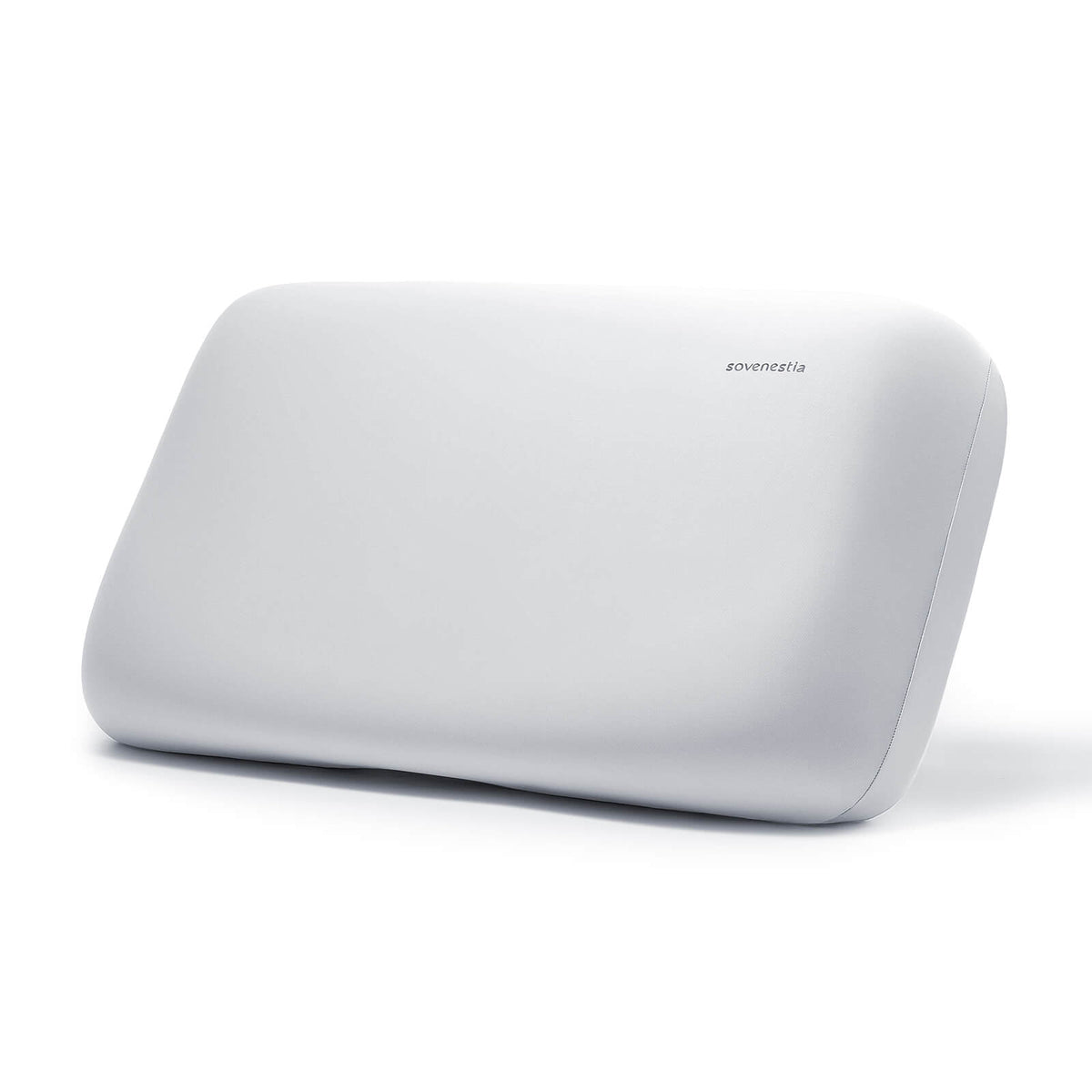
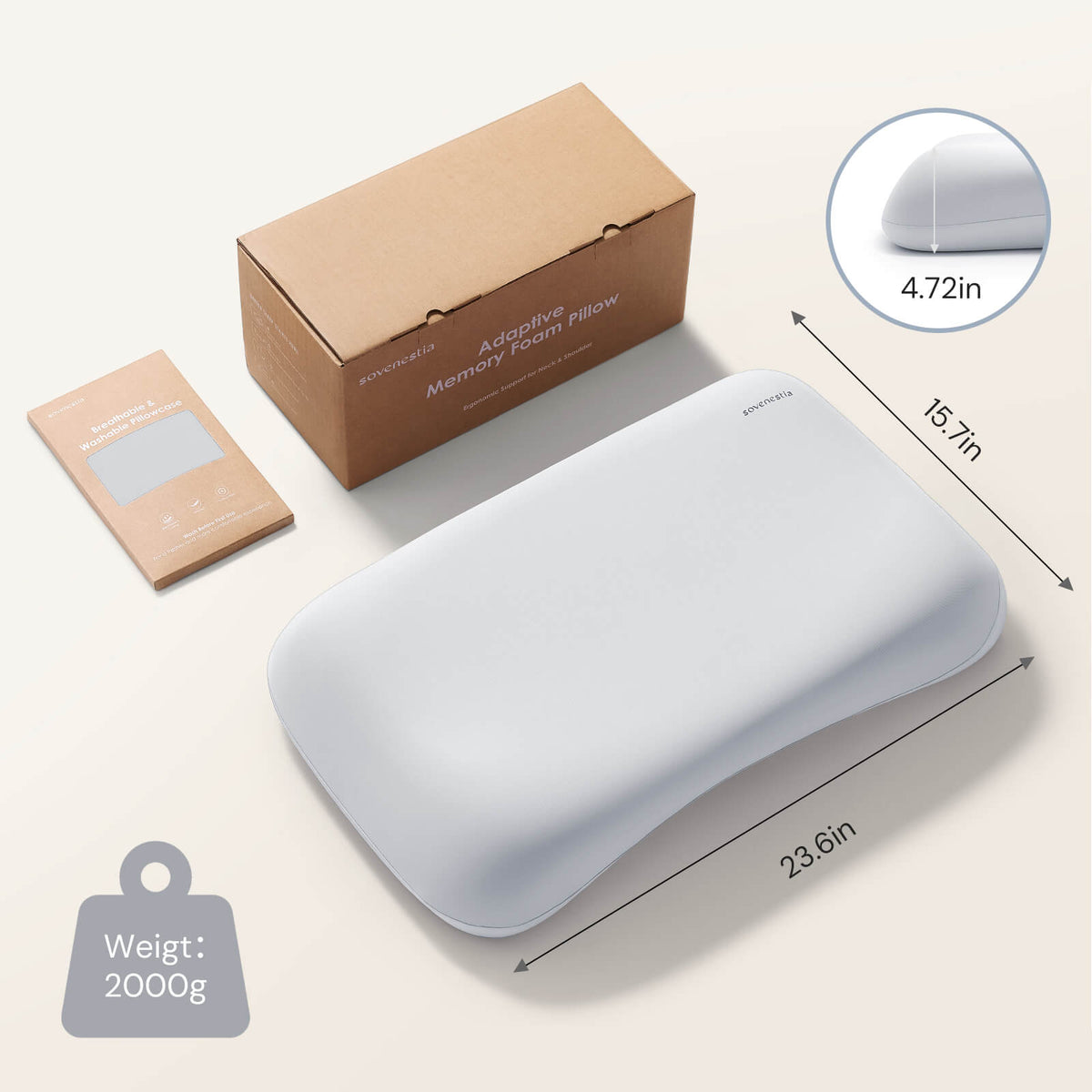
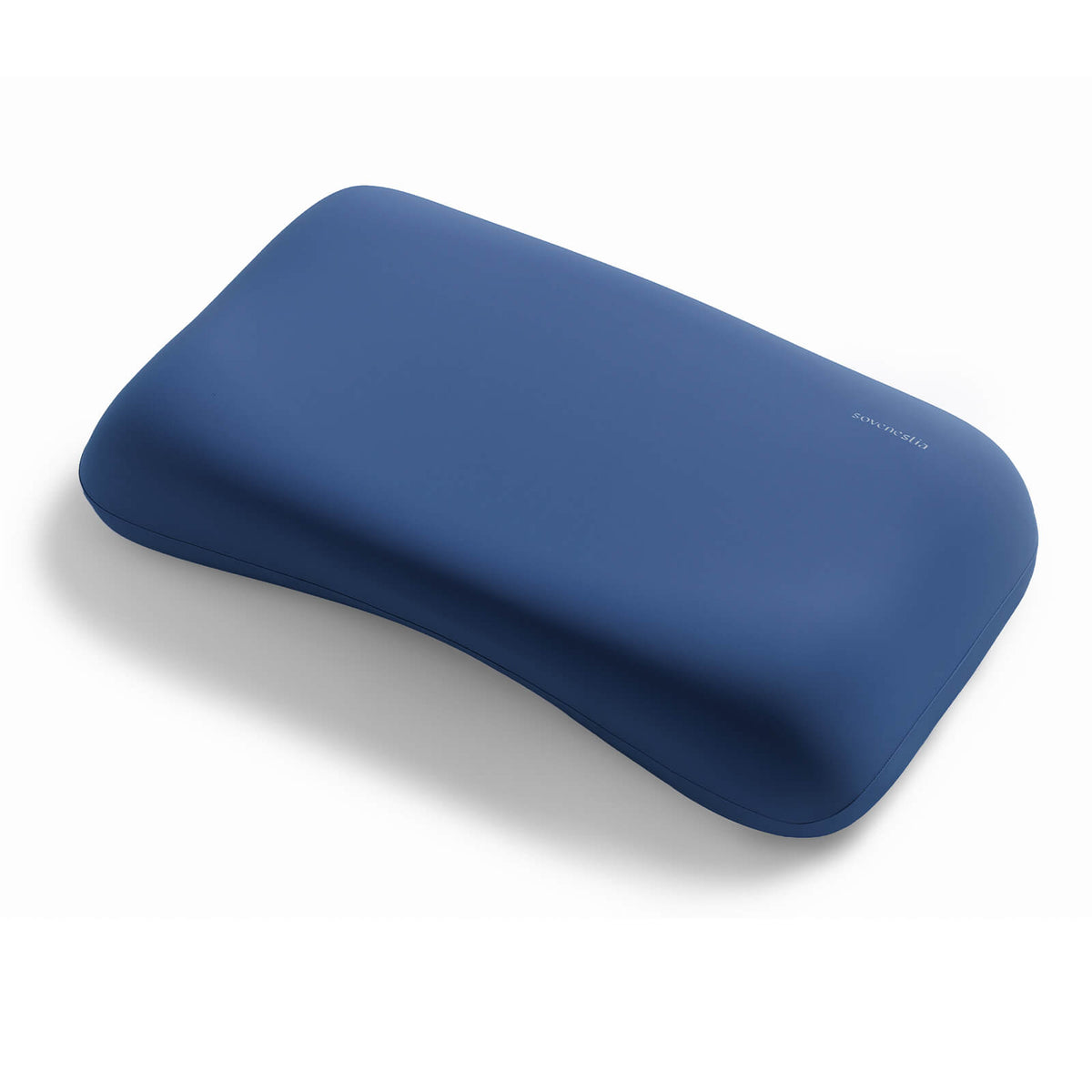
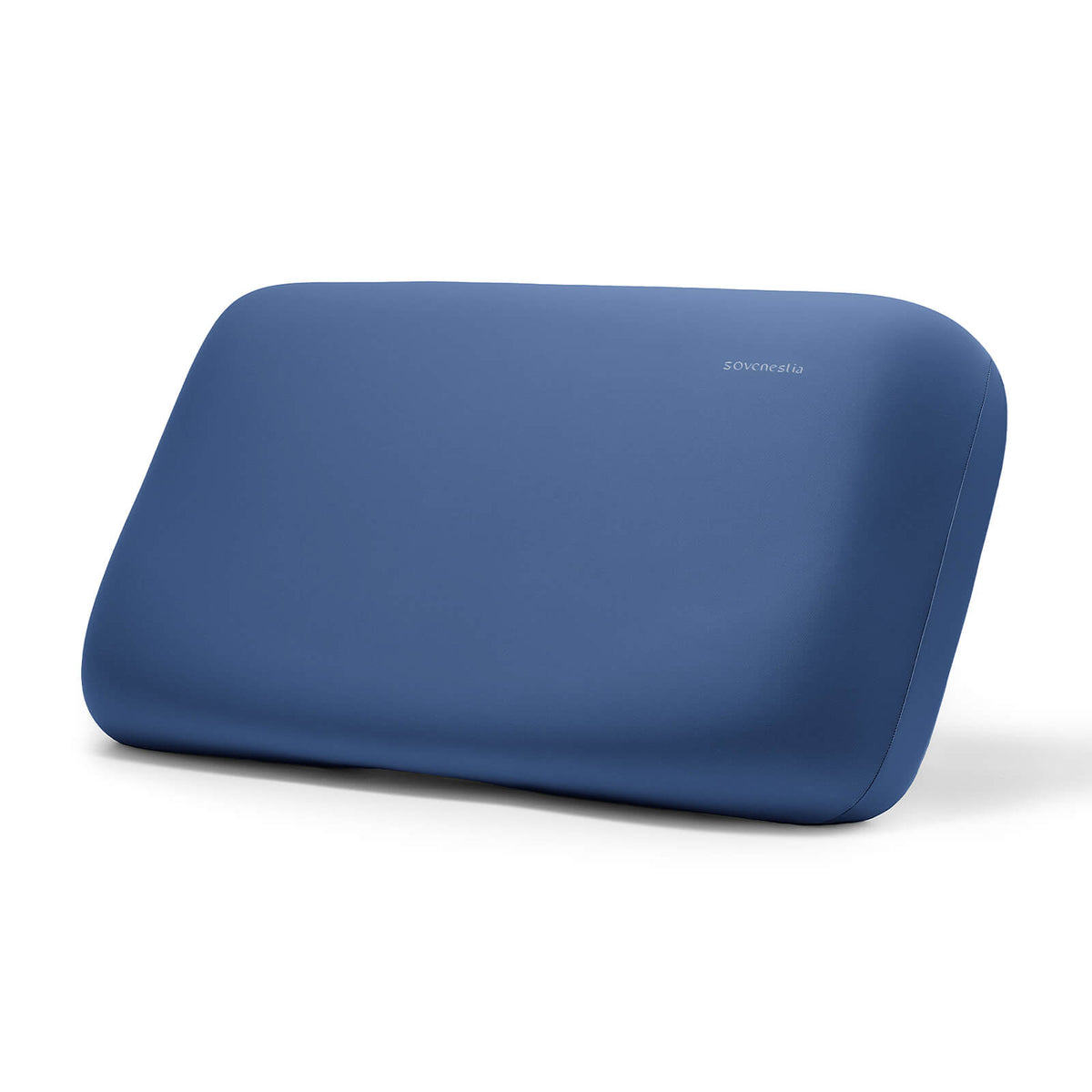
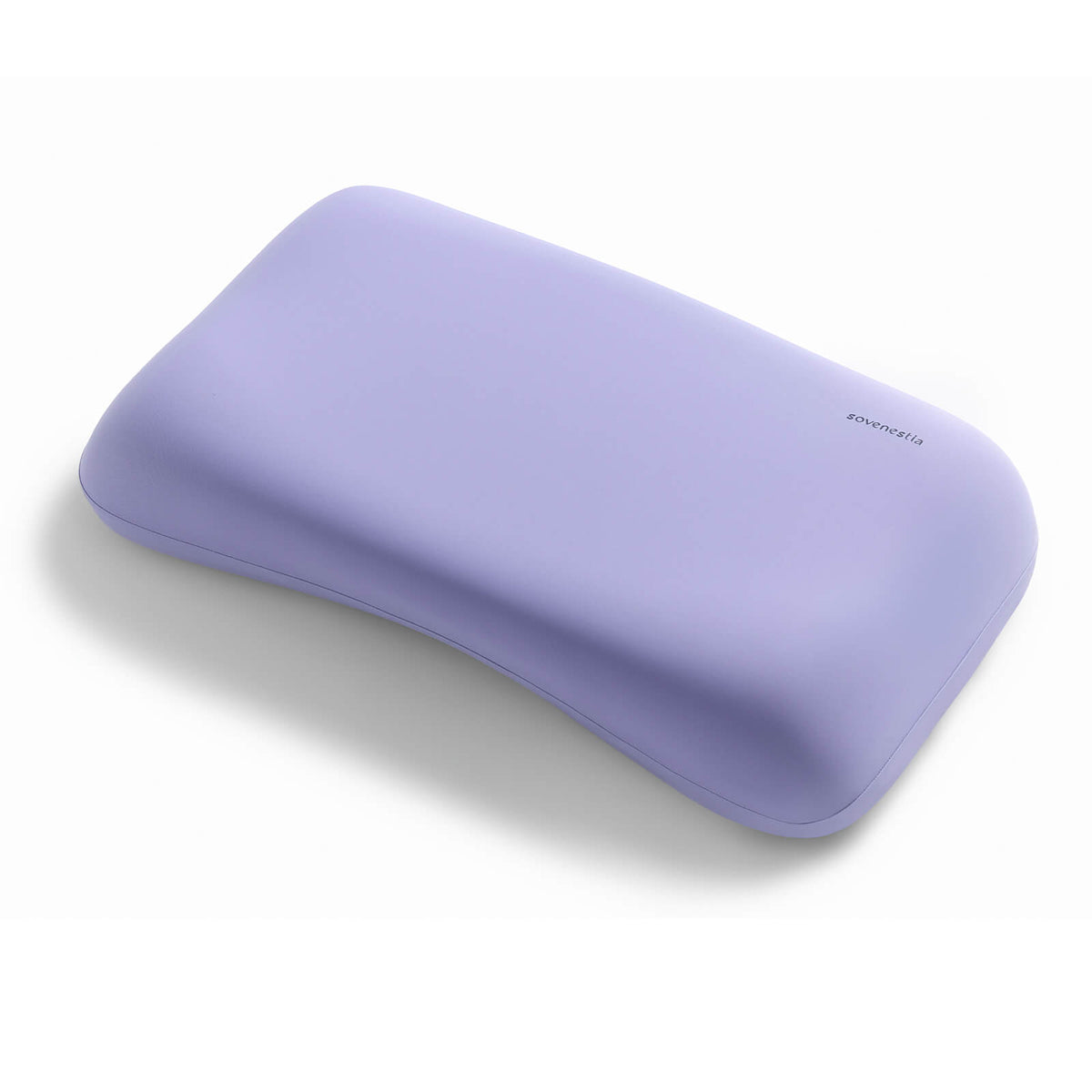
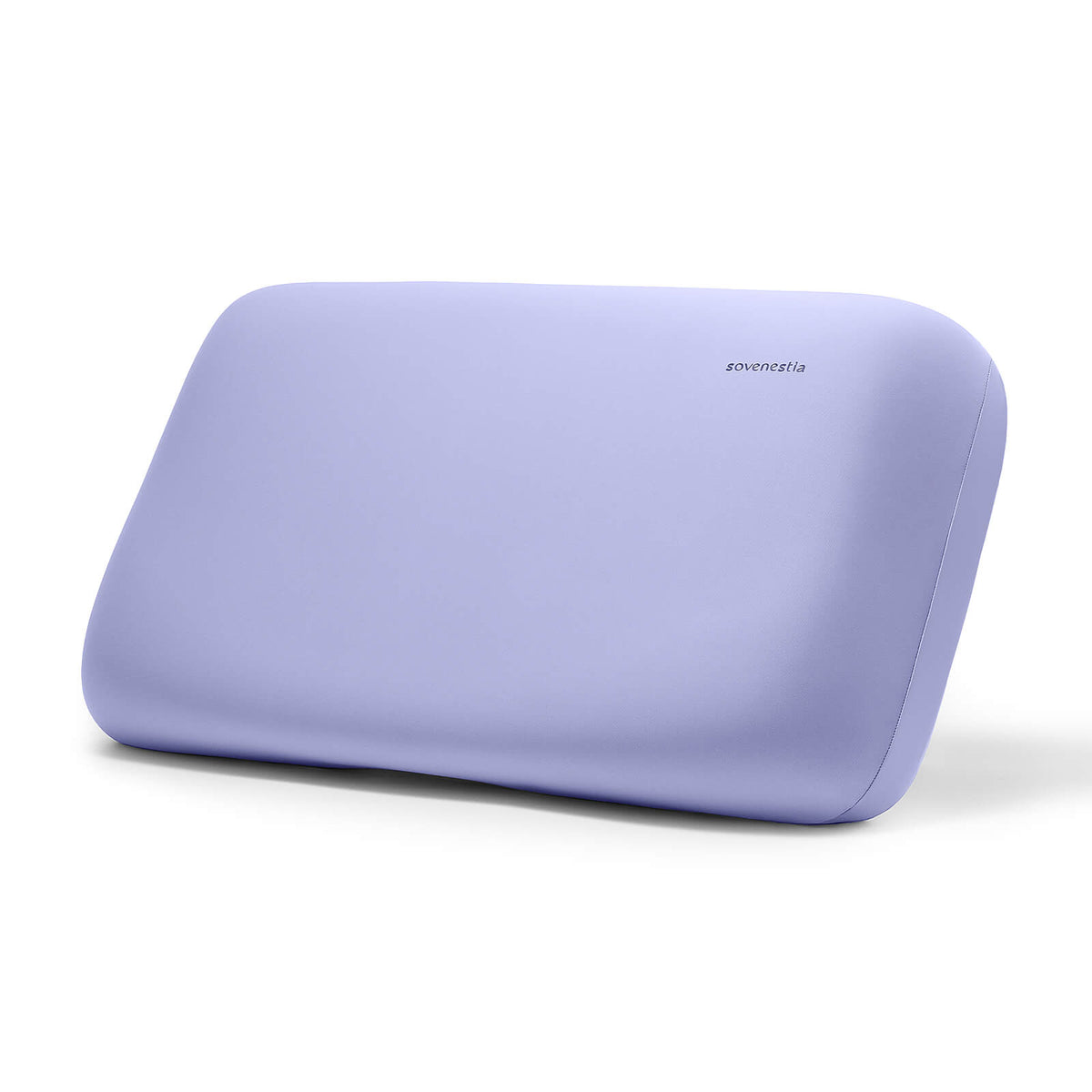
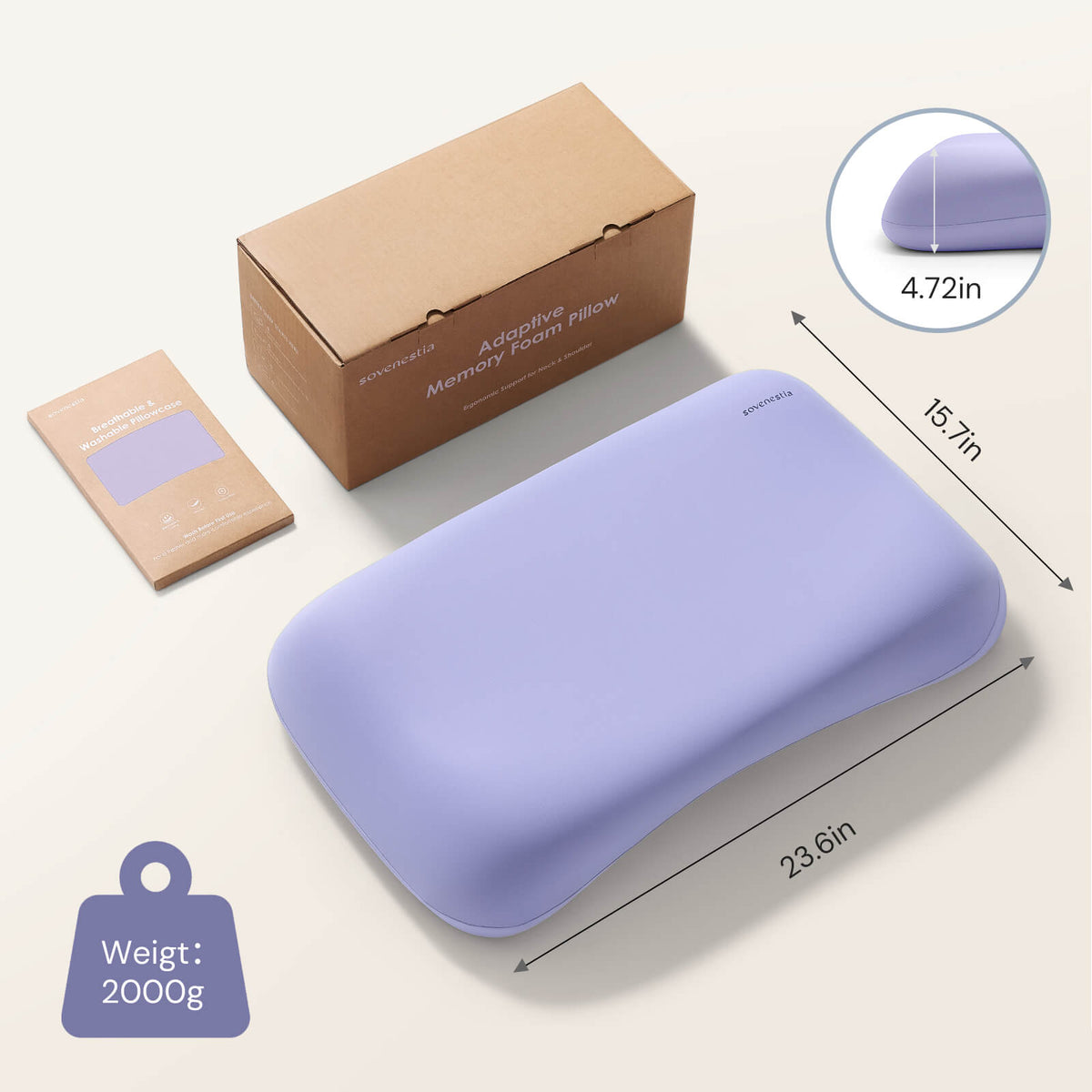
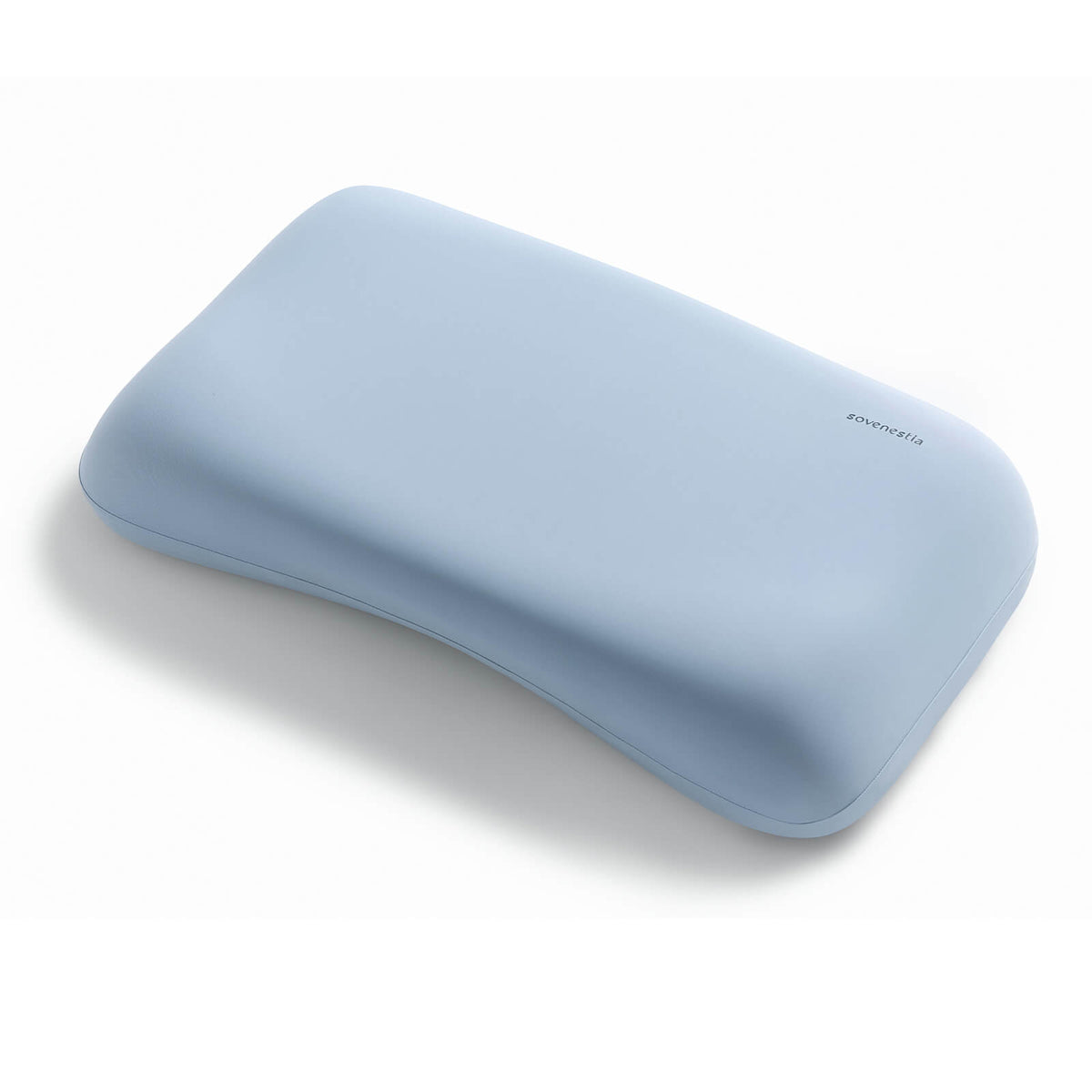
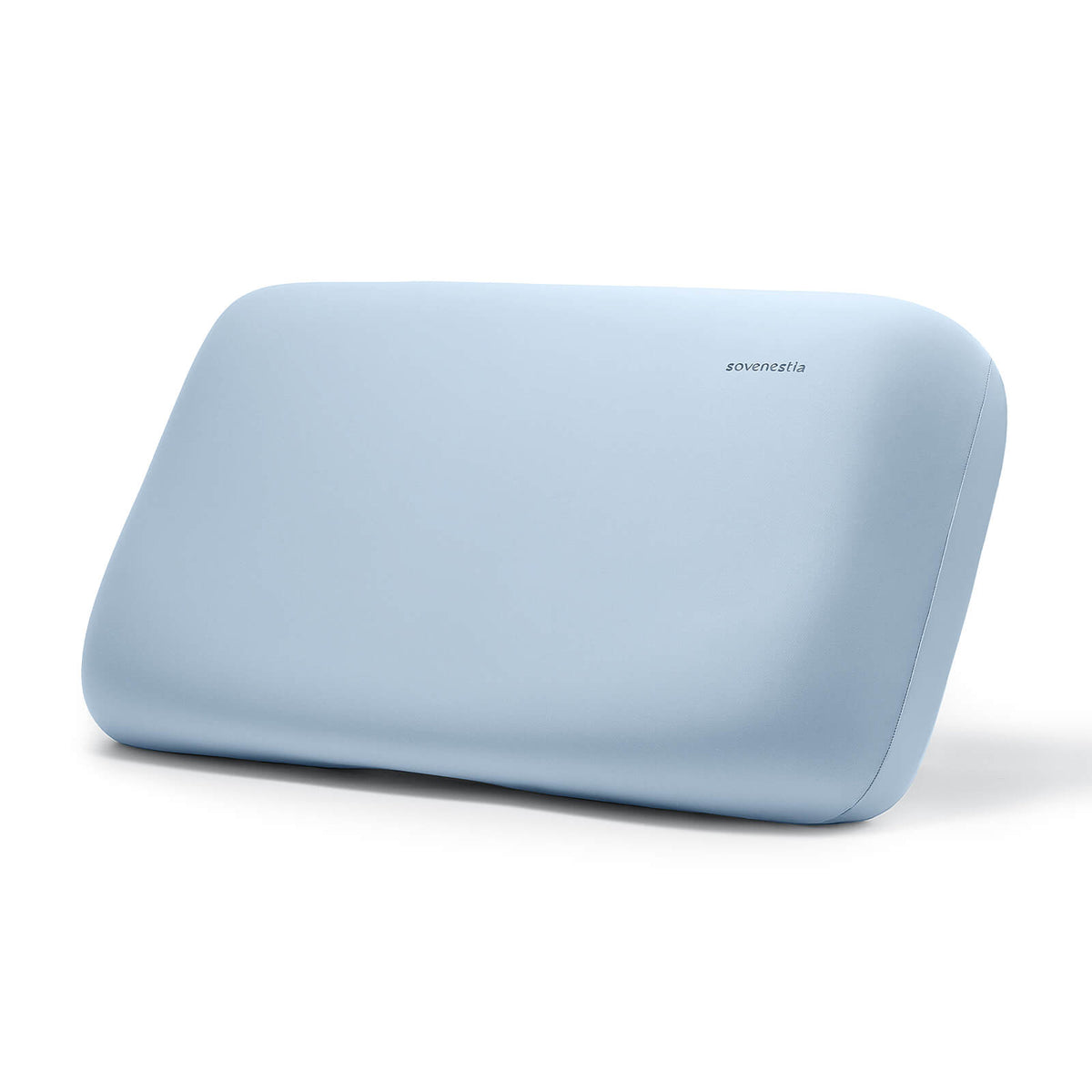
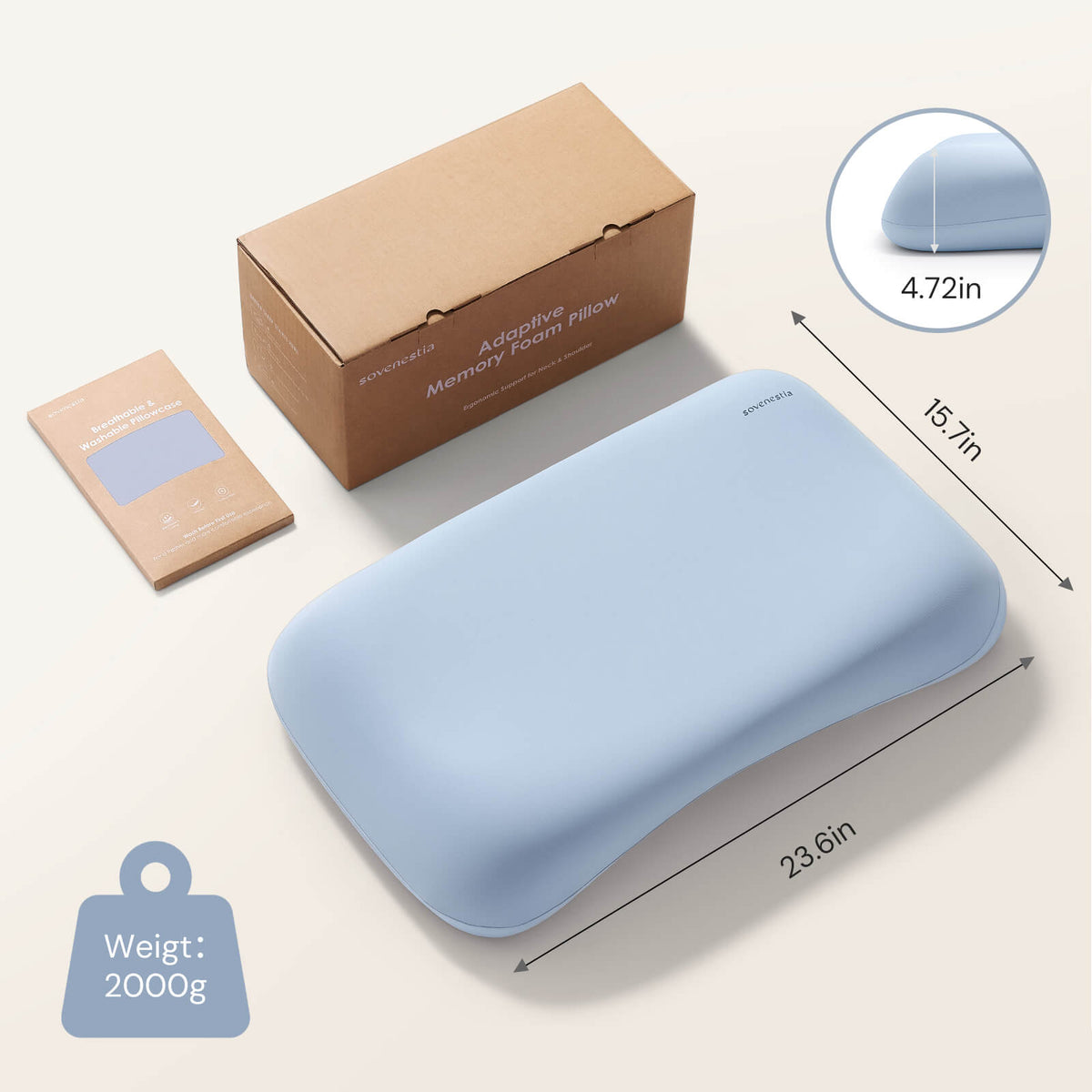
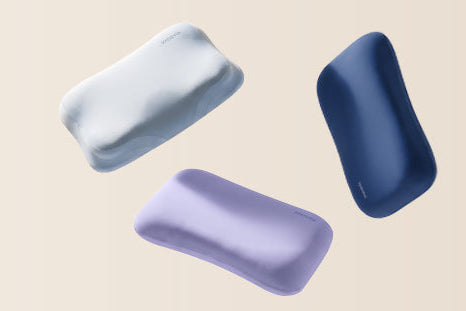
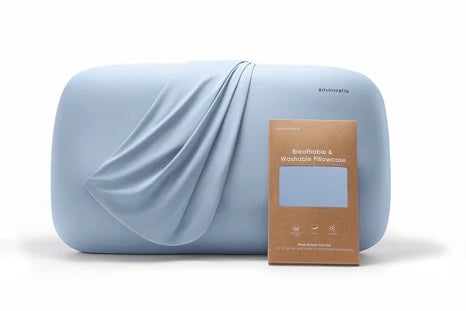
Sovenestia has built three distinct pillows around BASF’s CosyPUR® foam, each engineered for a specific shape and sleep style.
DreamNest Embrace Pillow
This pillow features a central hollow with raised side “wings” that cradle the head while you sleep. The wings provide a gentle barrier that keeps your head from rolling off the pillow during the night, which is especially helpful for back sleepers who tend to shift. The raised edges also create a natural pocket for the shoulders when you turn onto your side, reducing pressure on the jaw and neck. The BASF foam in this model is firm enough to maintain the wing structure but soft enough to conform to your individual head shape within minutes.
BreezeTouch Cozy Pillow
Also called a classic cervical contour pillow, this design has a balanced low-to-medium profile to support the neck’s natural curve. The central dip does two things: it cradles the head to prevent it from rolling sideways, and it allows the neck to rest on the raised ridge without excessive forward tilt. For back sleepers, this is often the ideal setup—it fills the space between the neck and the mattress while keeping the chin level. Side sleepers can also use it by turning to the higher contour, which provides the extra height needed for shoulder width.
Moonrise Pillow
This is the subtlest of the three shapes, featuring a slight crescent curve along the lower edge. It’s designed for sleepers who want memory foam support without aggressive contouring—people who sleep on their back or stomach and just need a low-profile, supportive surface that won’t push their head up at an unnatural angleition, and your pillow stops being a nightly annoyance and starts being the foundation of a genuinely restorative sleep.

Match Material to Your Sleep Needs
There is no universally "perfect" pillow material. If you suffer from neck pain and sleep on your side, contouring memory foam is likely your best bet. If you sleep hot and have allergies, natural latex is a superior investment. If you are a stomach sleeper seeking a soft, flat surface, down remains the gold standard.
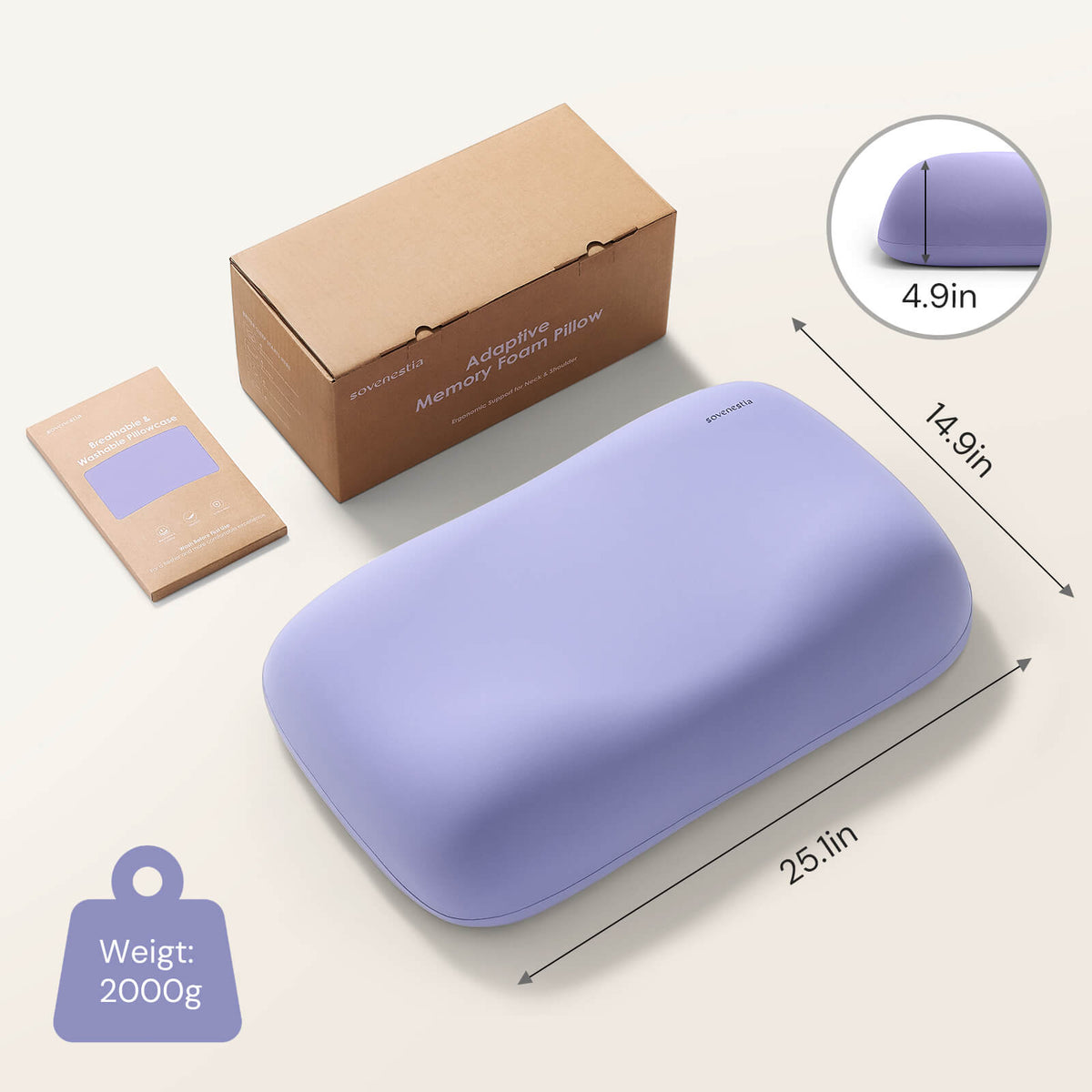
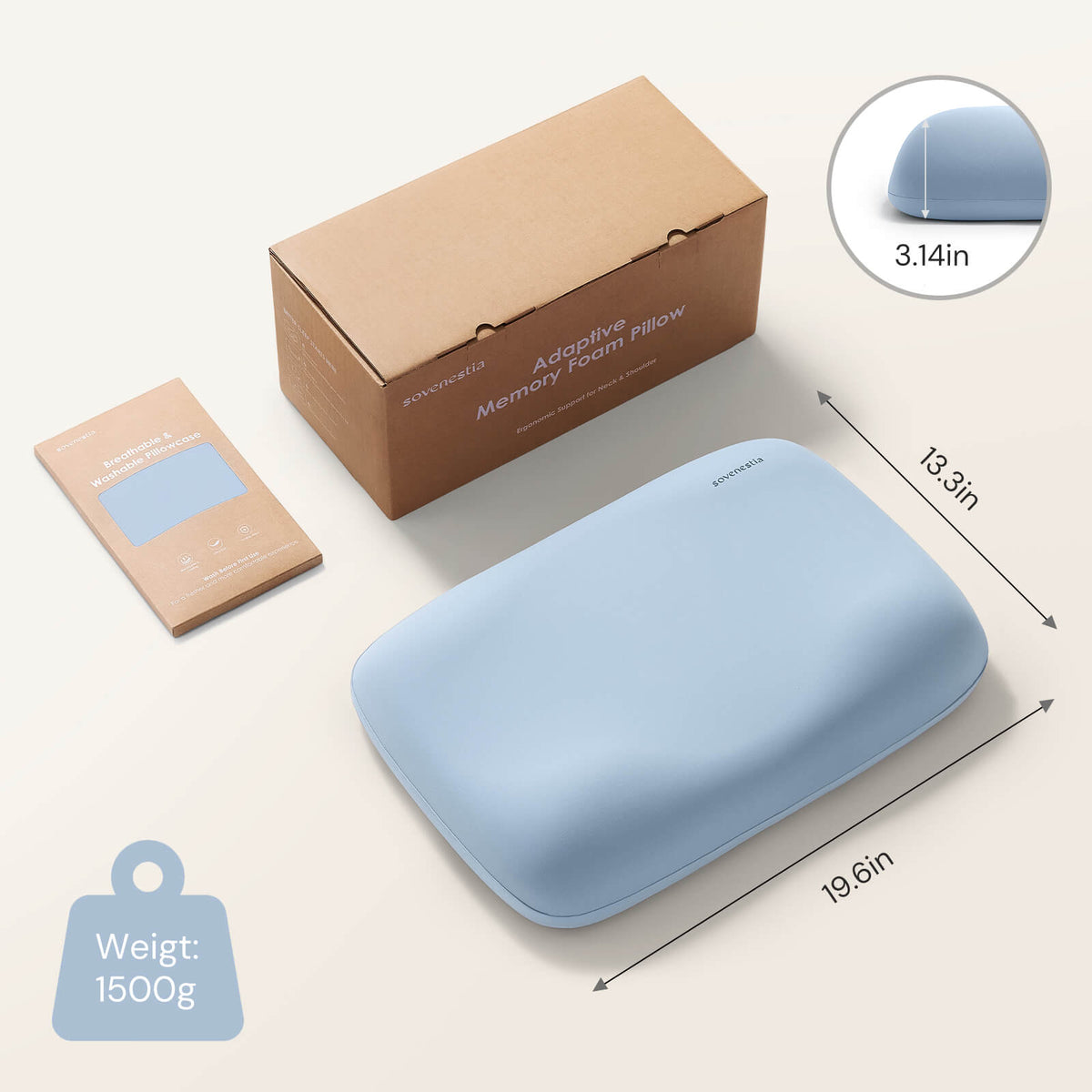
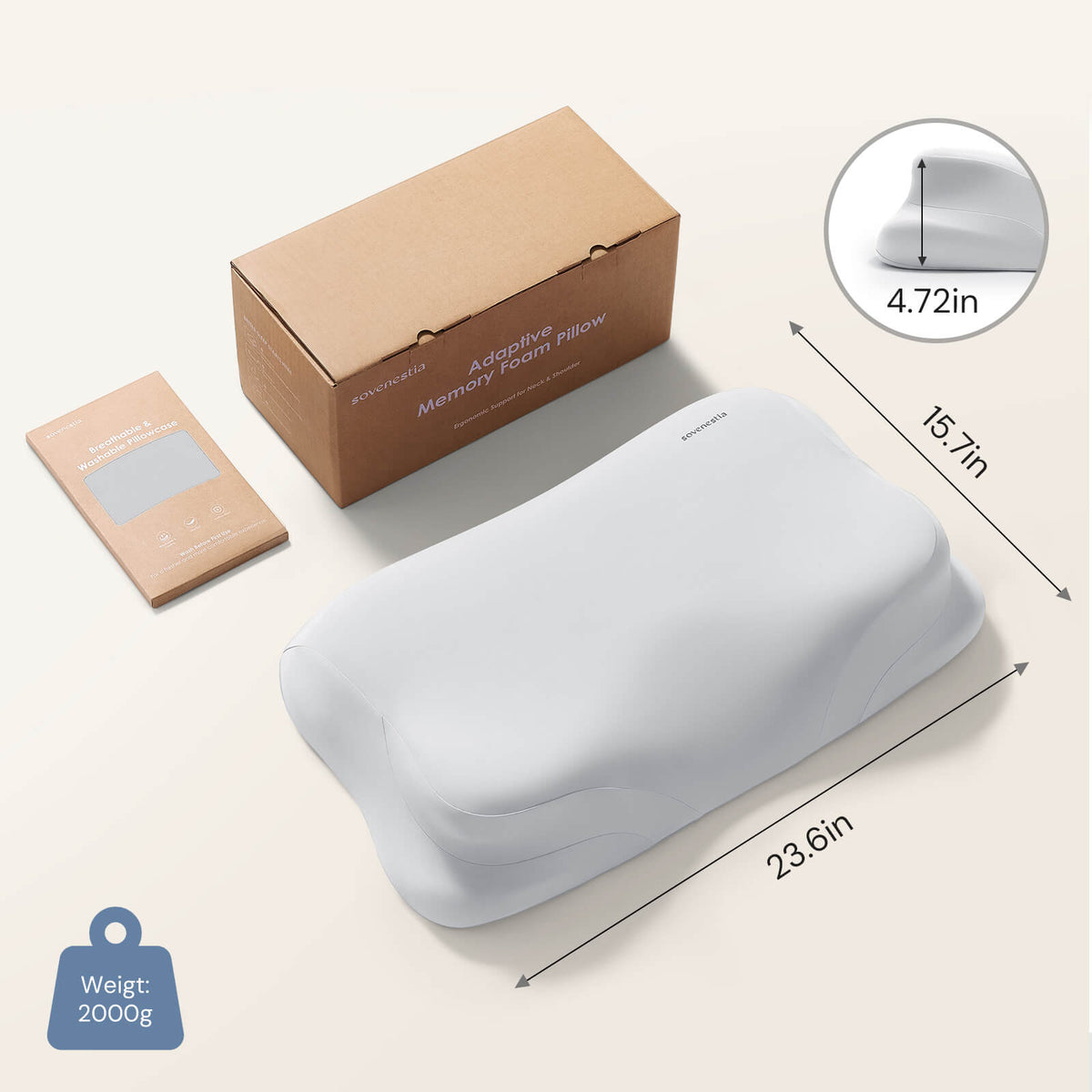
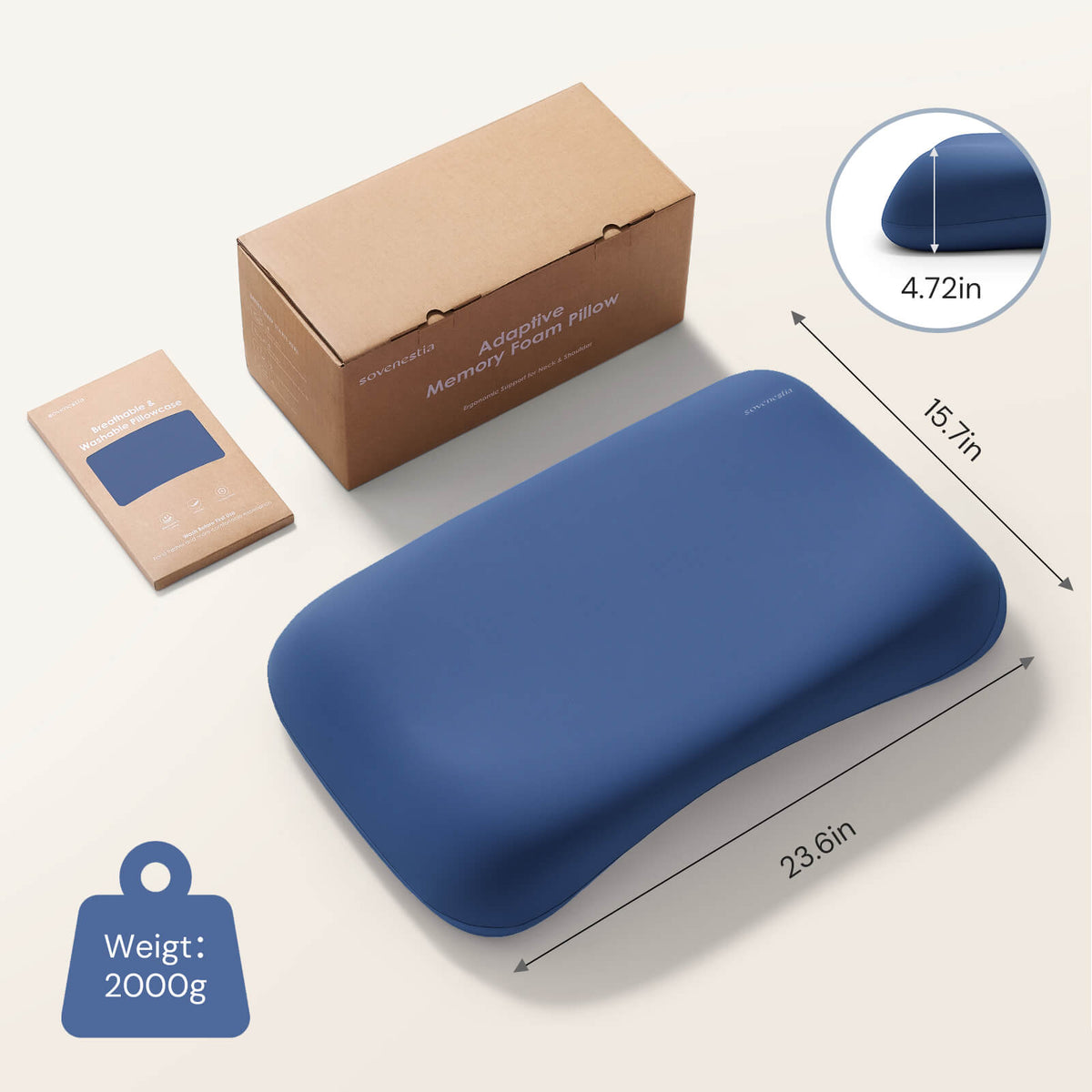
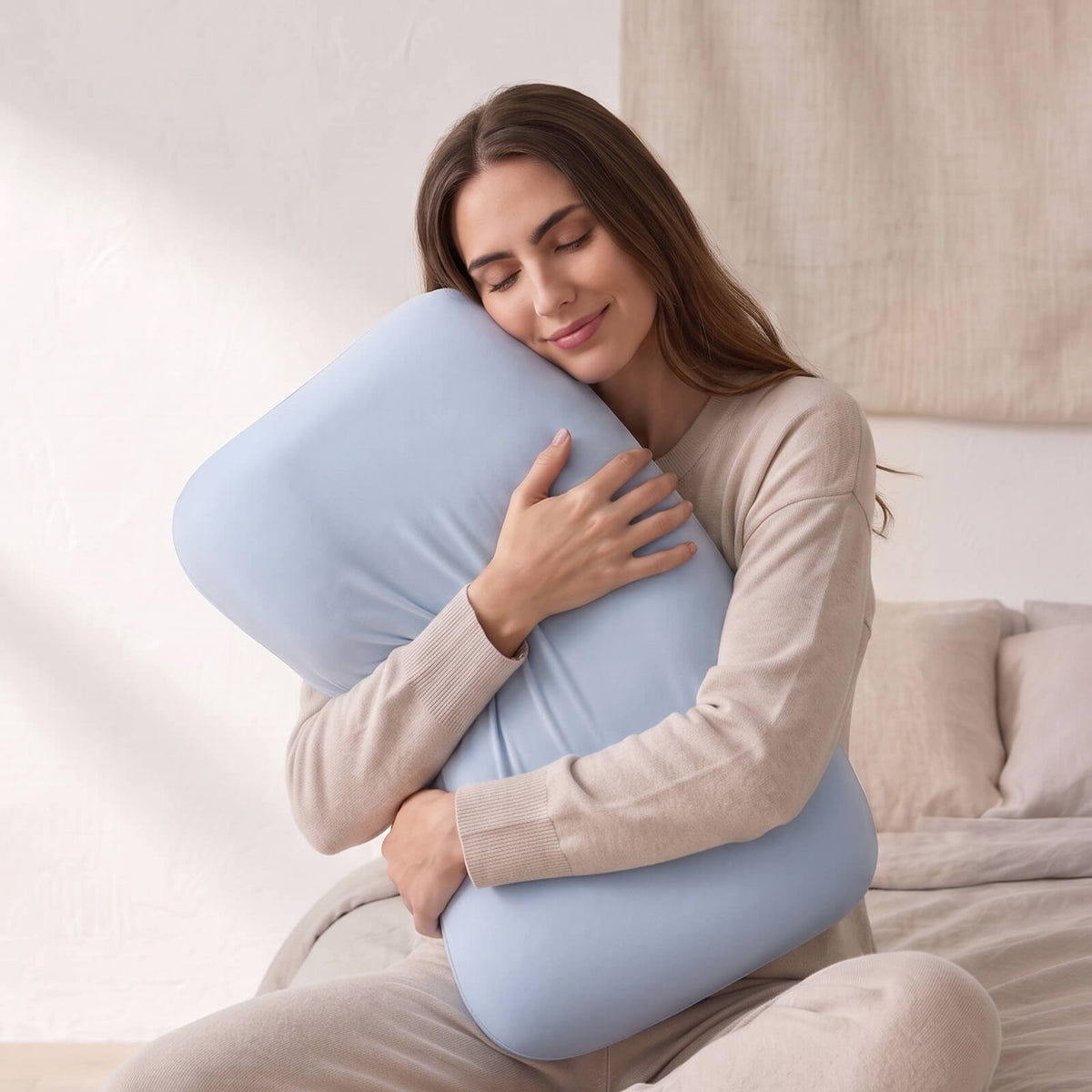
Sovenestia combines traditional memory foam with a cooling silicone layer. Utilizing premium BASF memory foam, this innovative design not only provides superior slow-rebound support but also features advanced antibacterial properties to ensure a hygienic sleep environment. By understanding the biomechanical pros and cons of each material, you can stop guessing and start sleeping better.