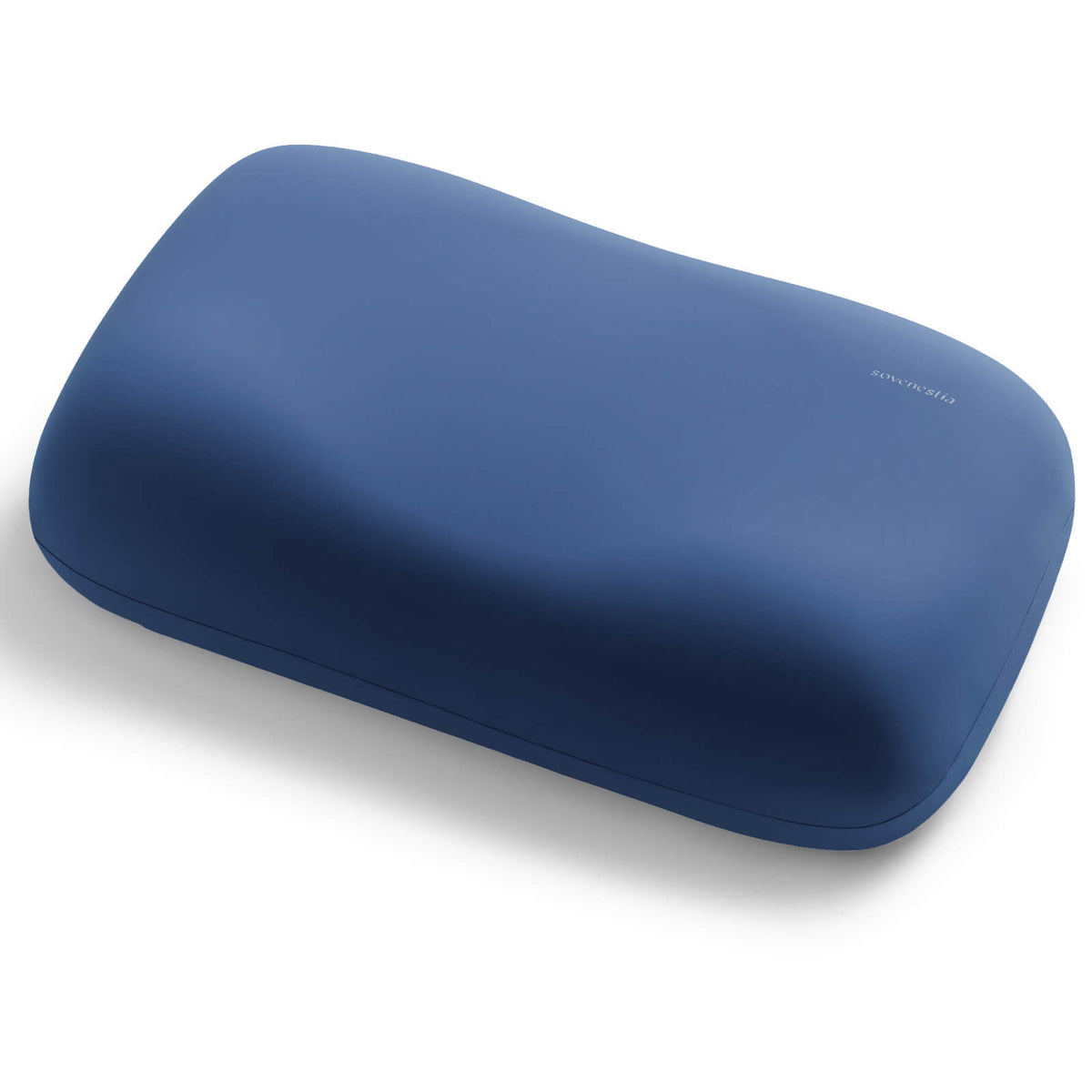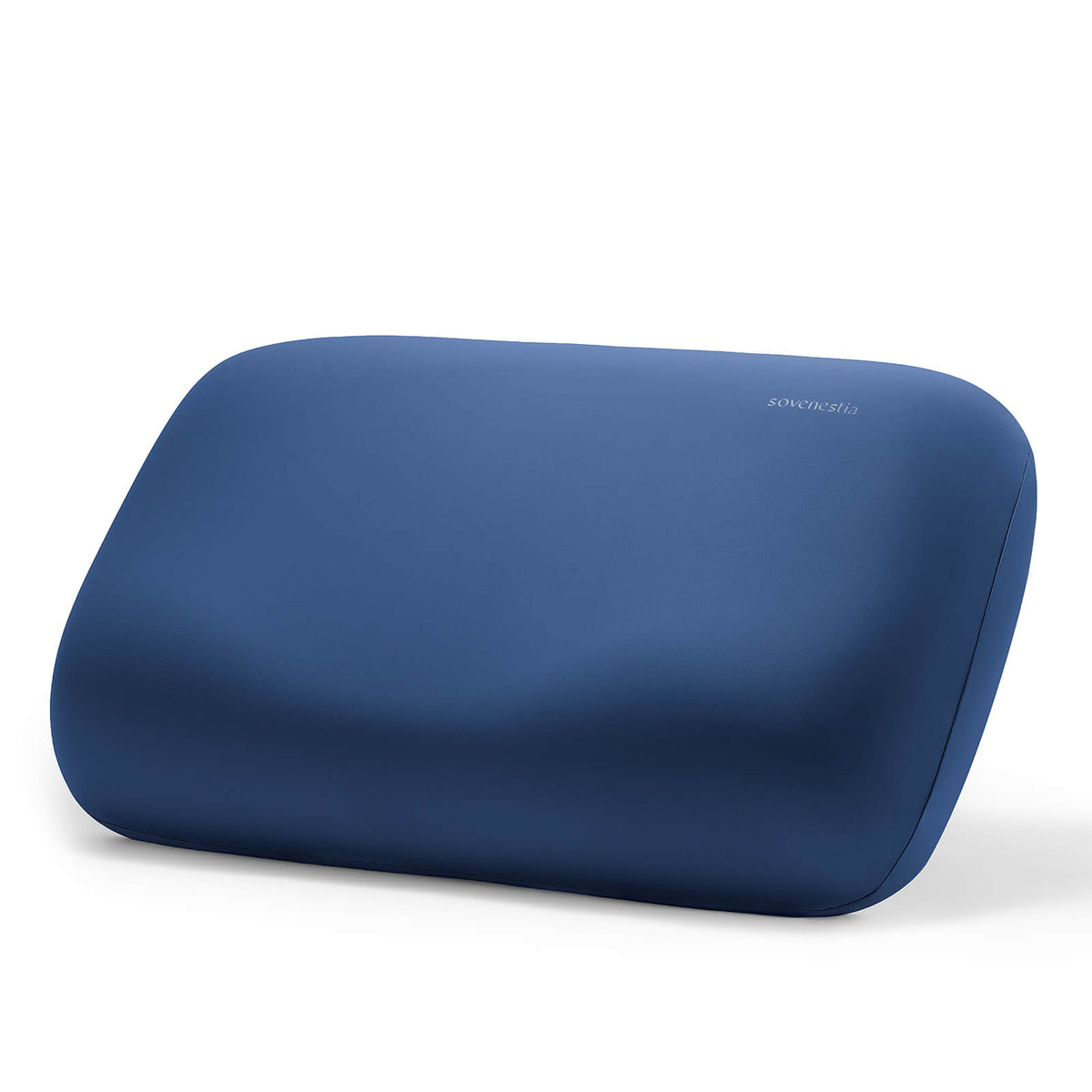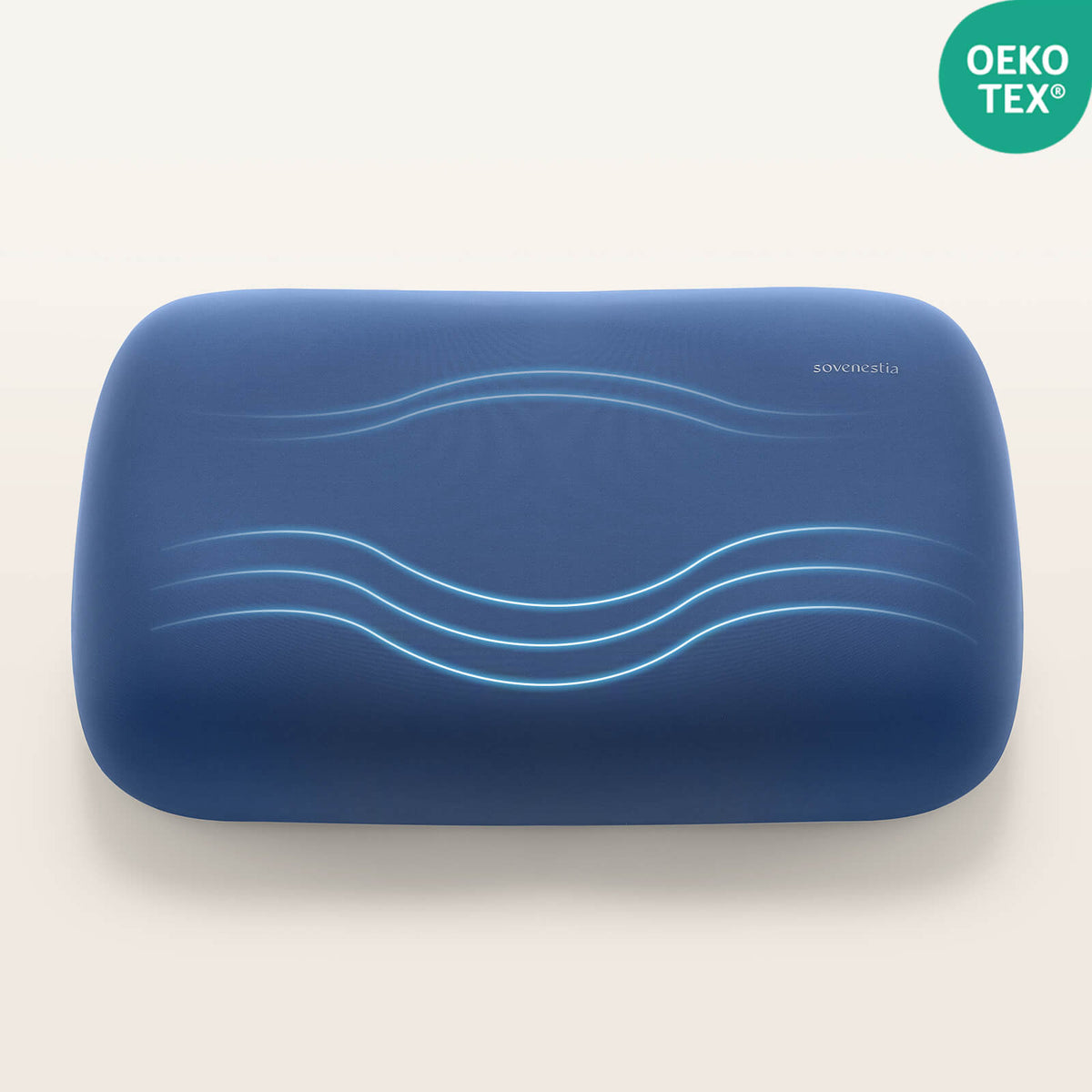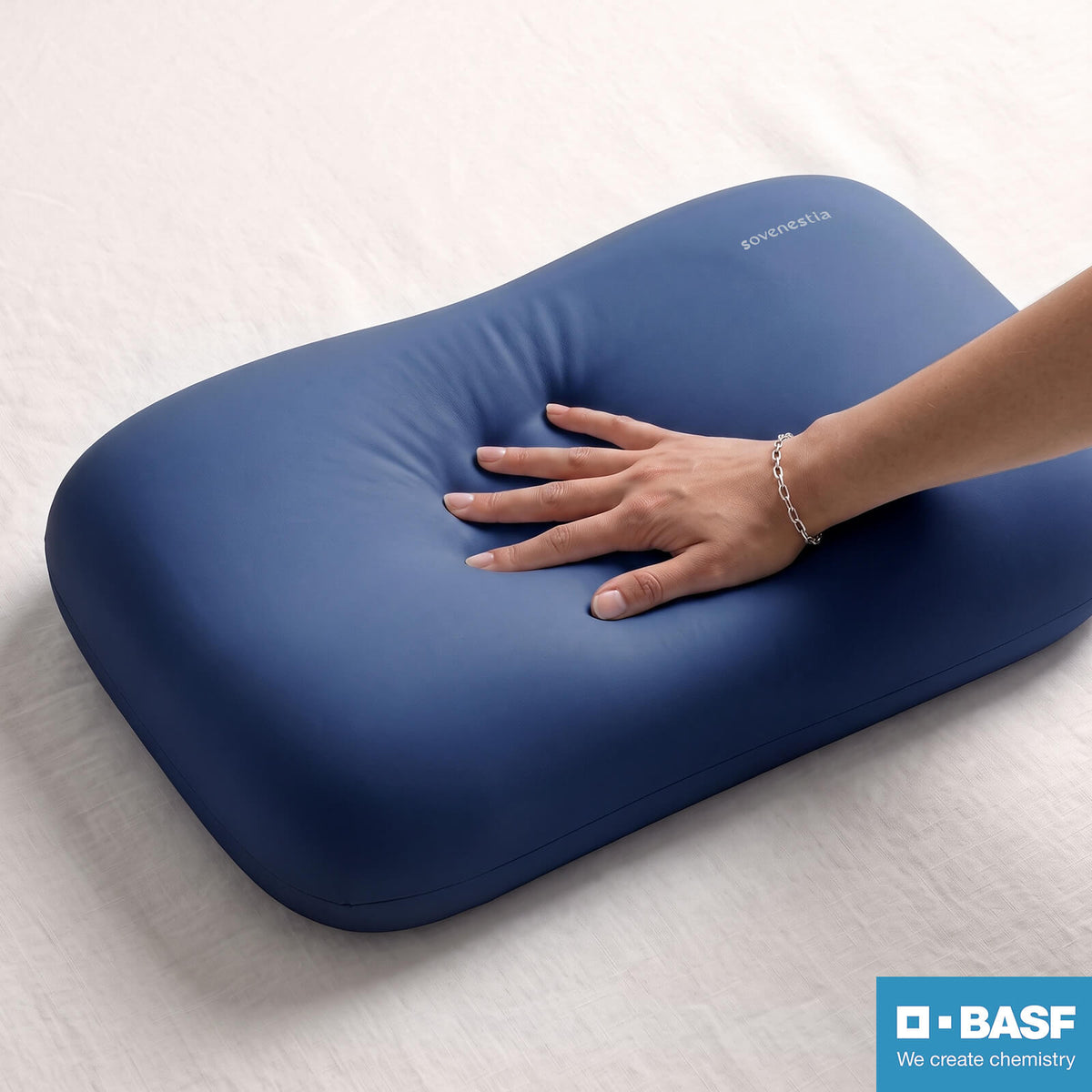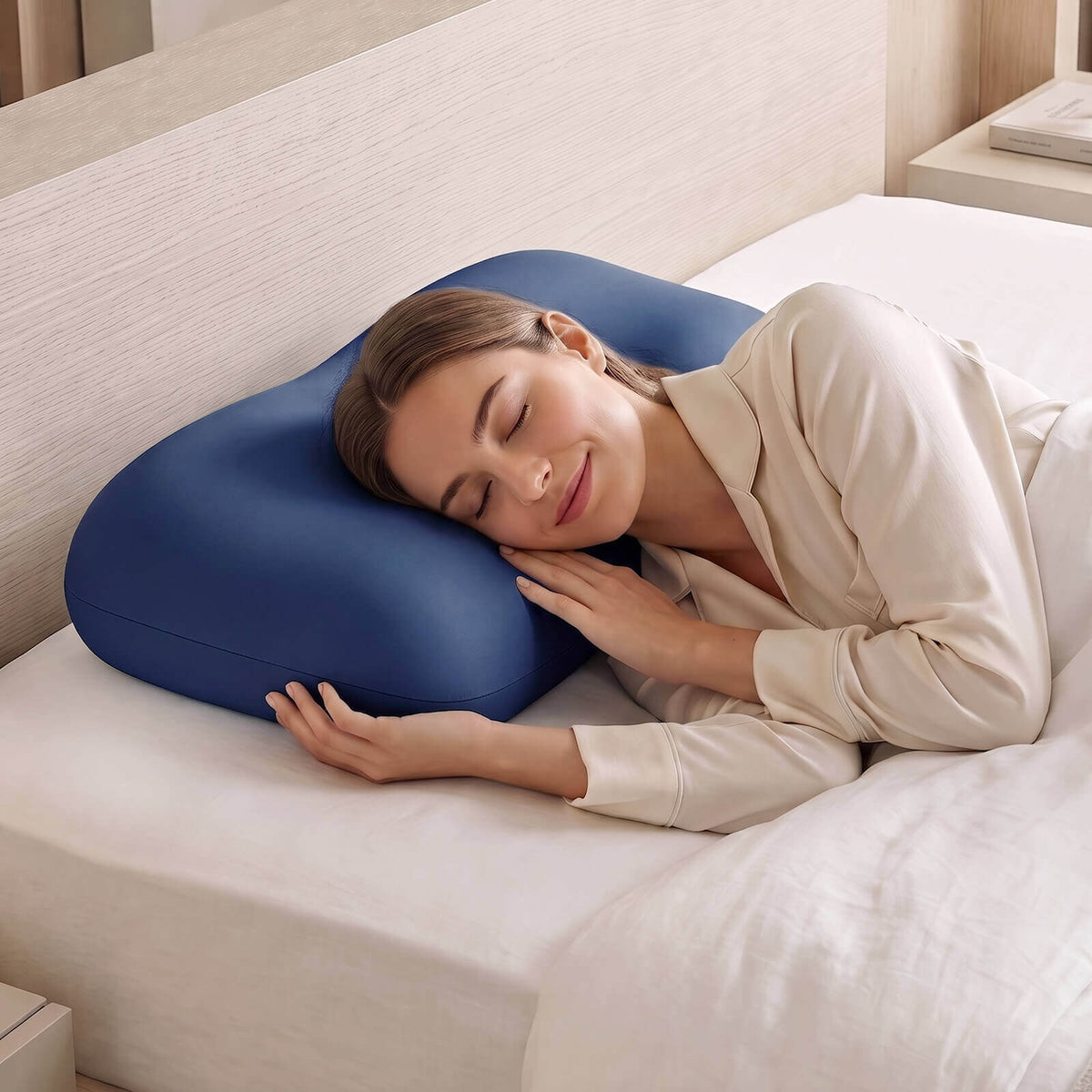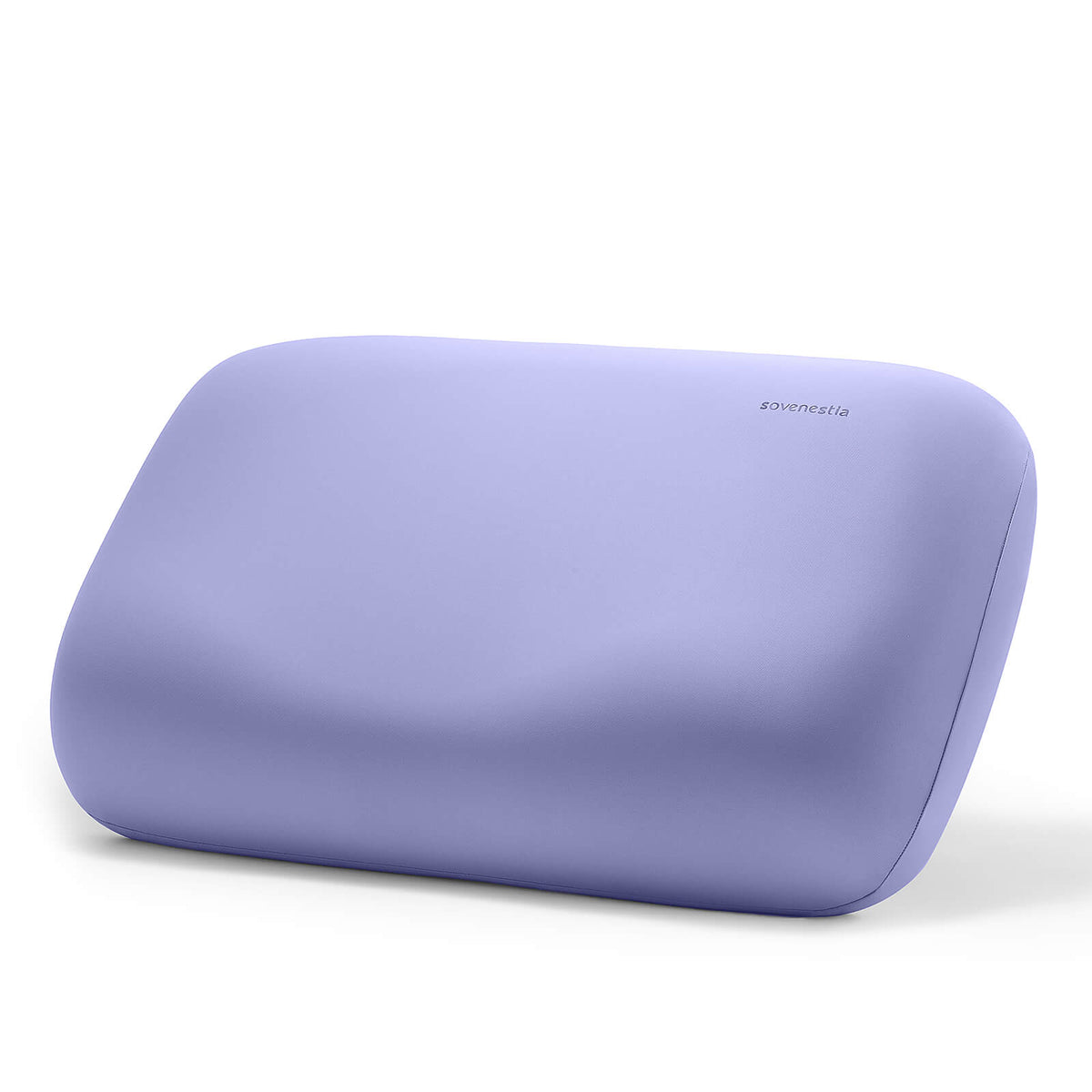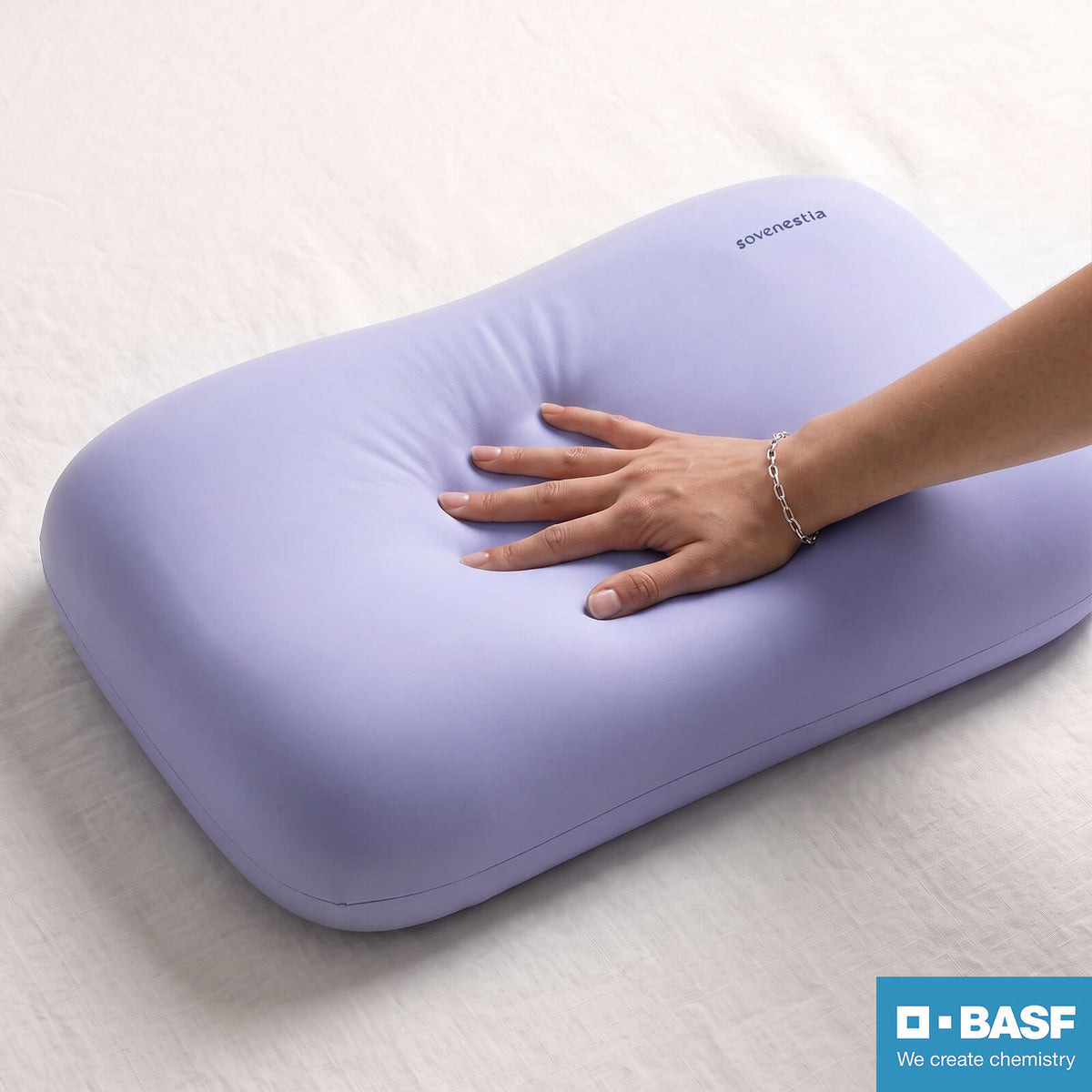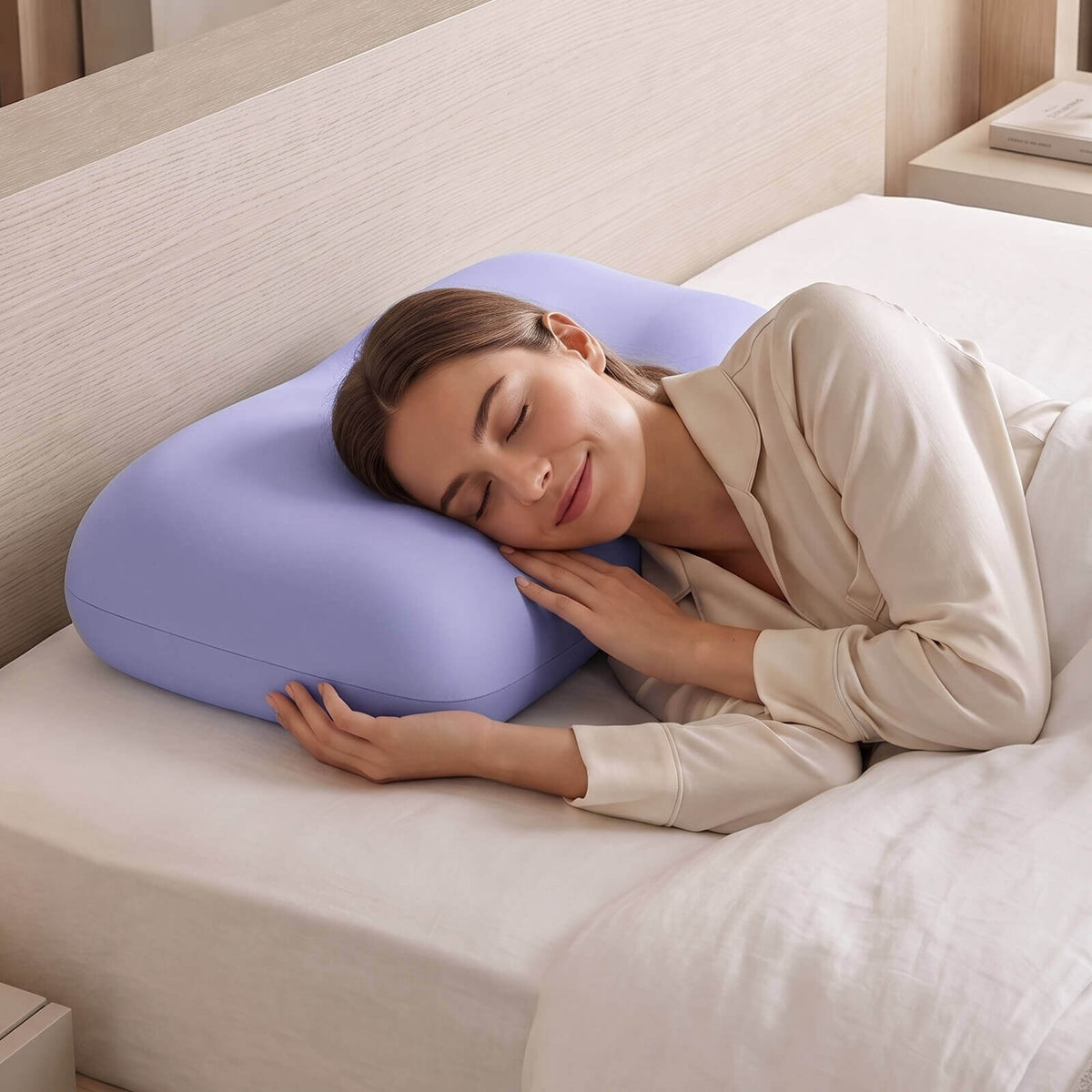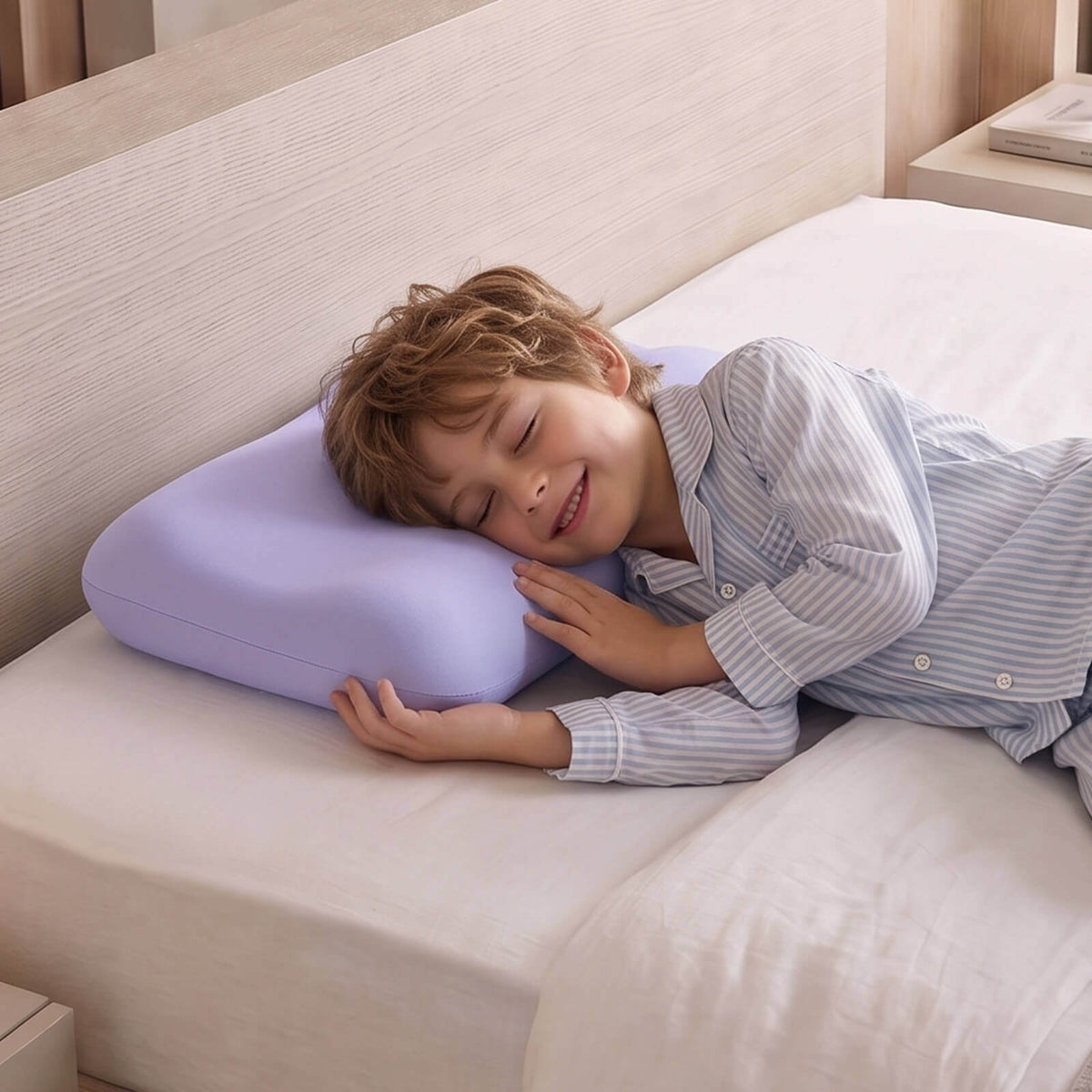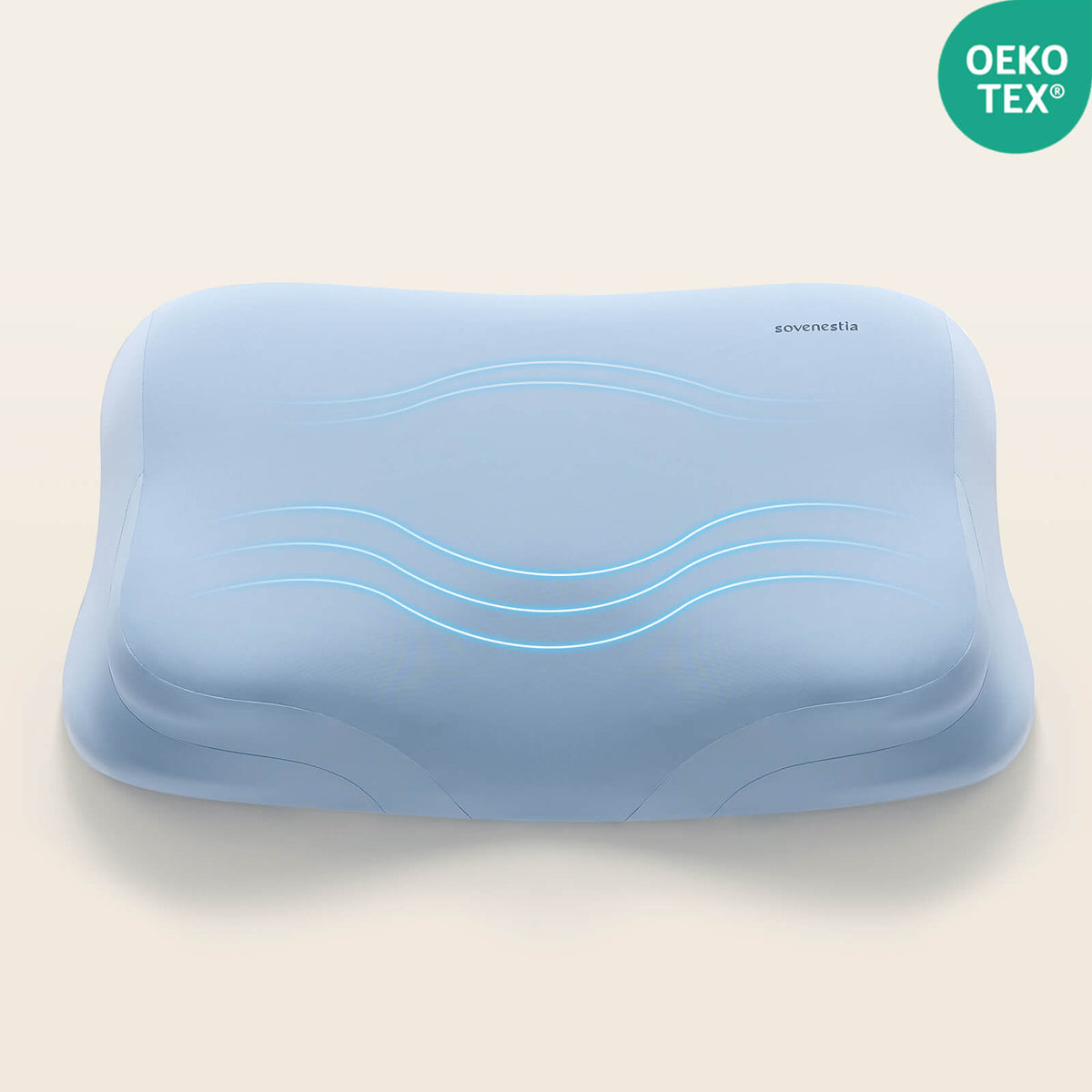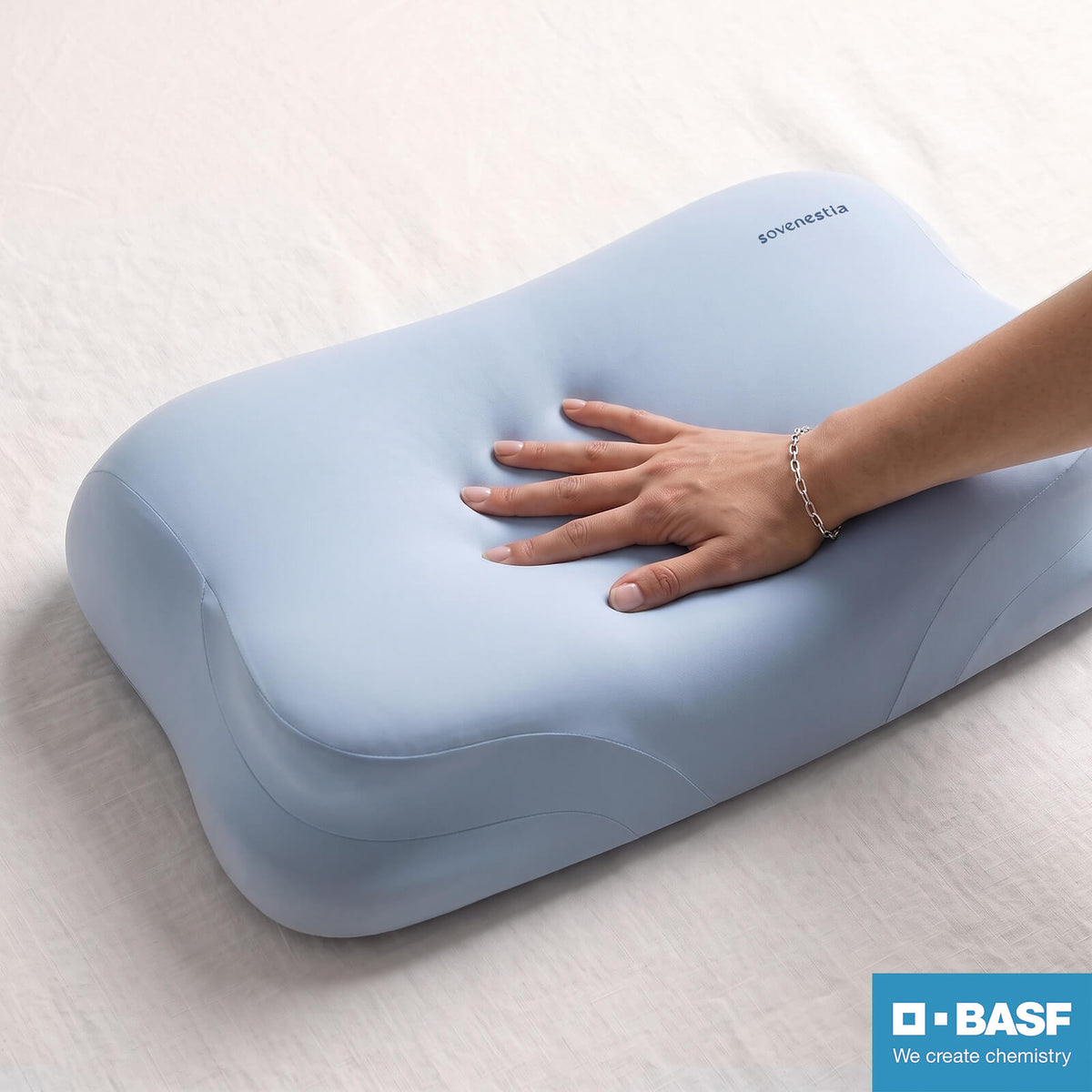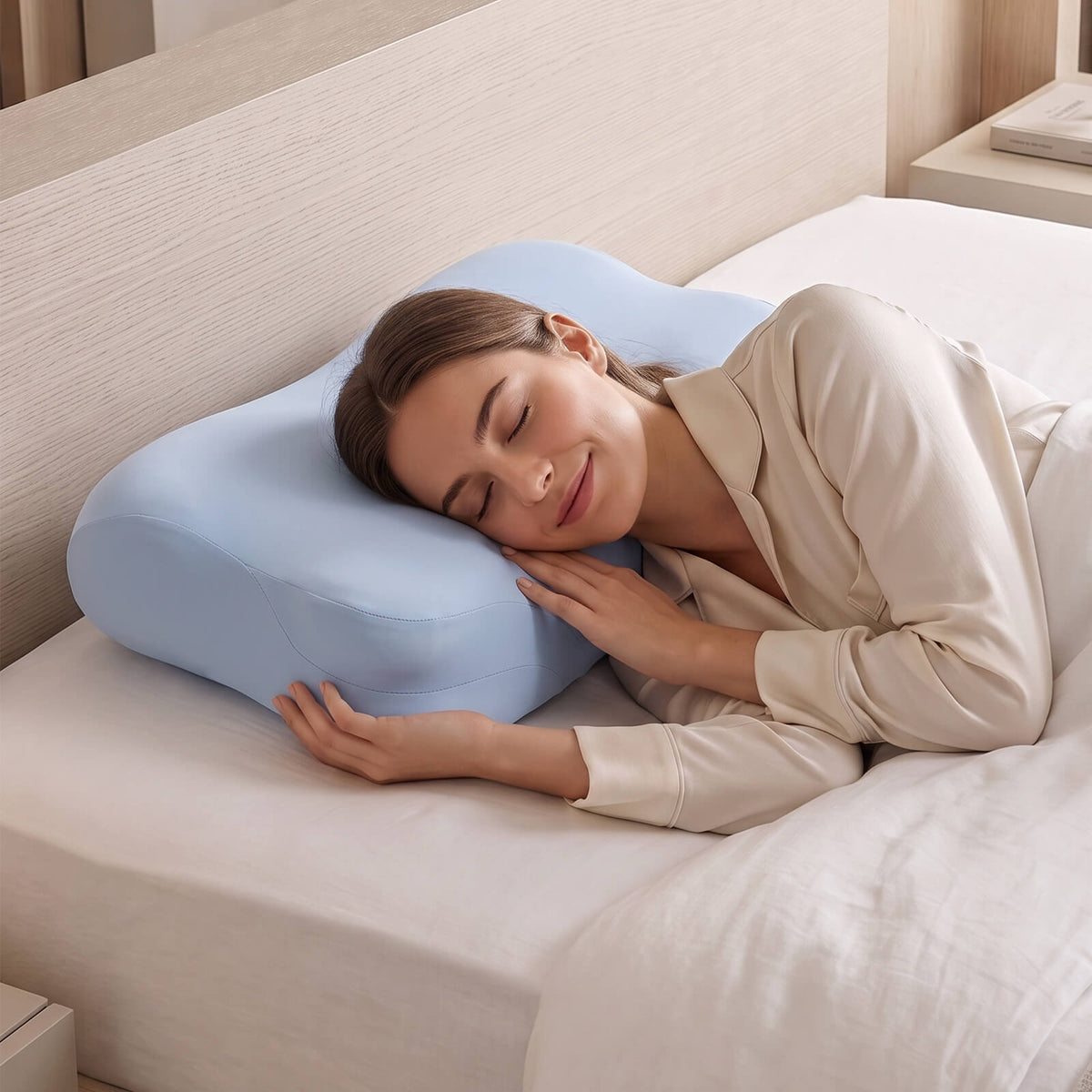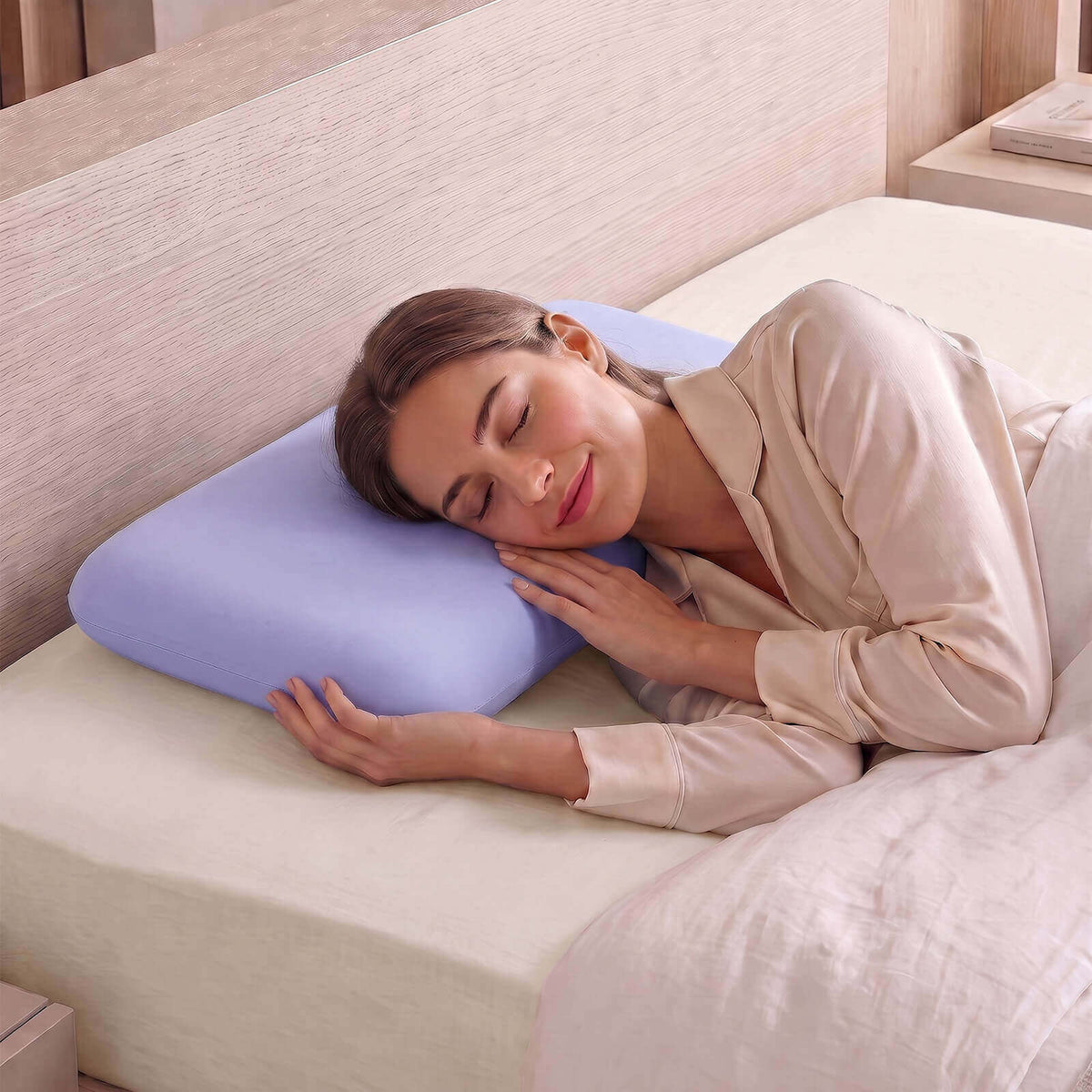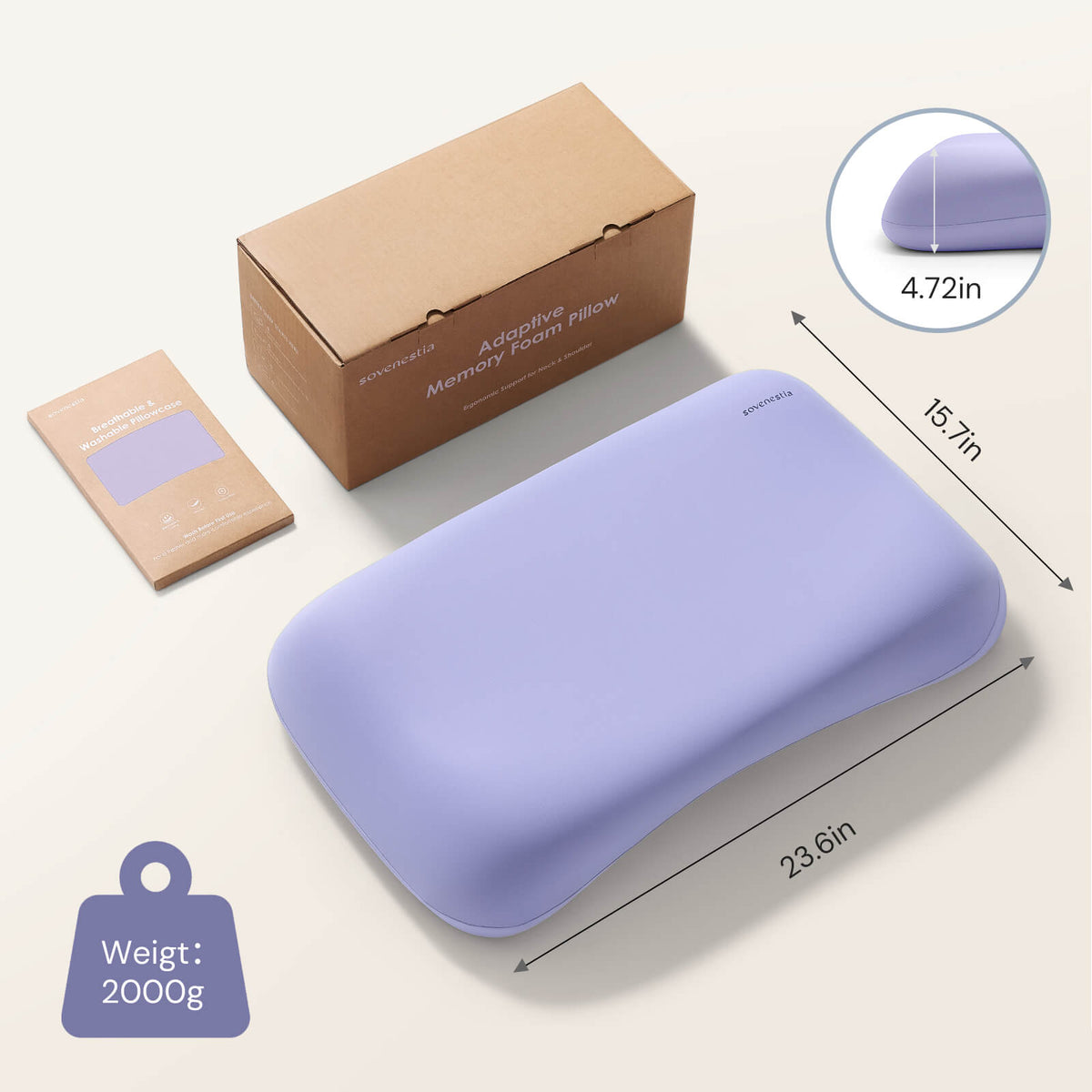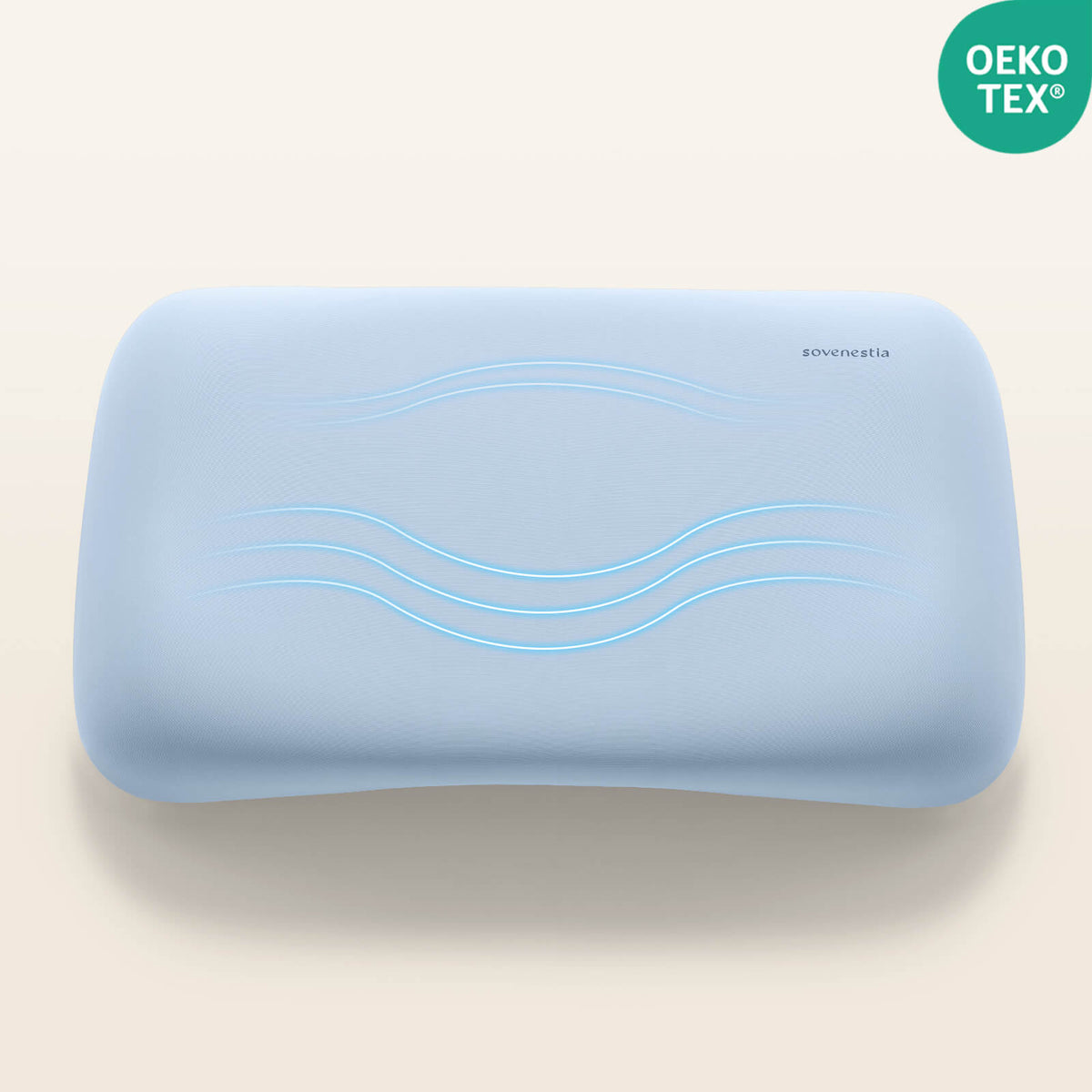


Discover how your pillow shapes your sleep architecture and dreams. Learn the science of spinal alignment, take our Pillow Self-Assessment Quiz, and find out when to replace your pillow.
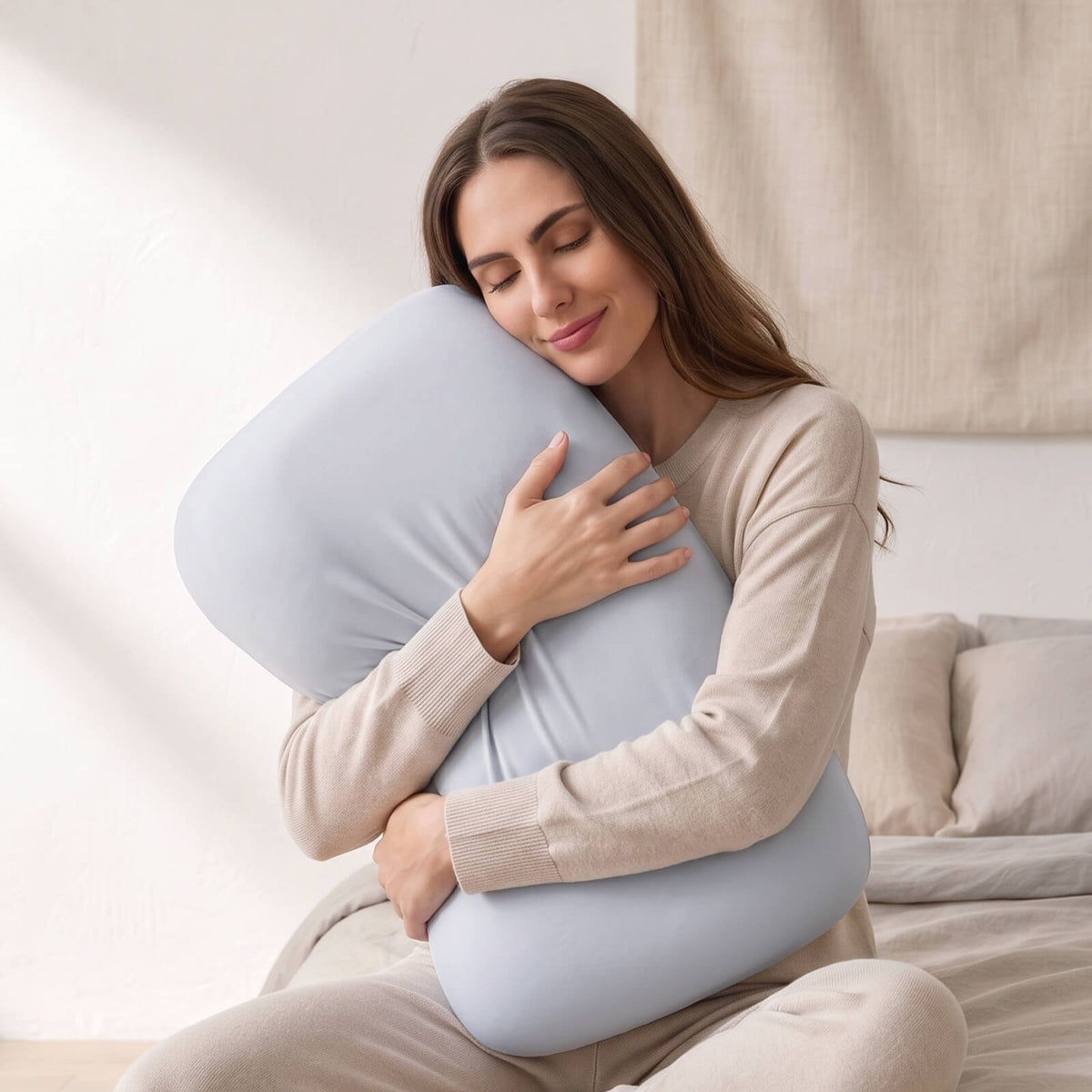
We often obsess over mattresses, blackout curtains, and white noise machines, yet we frequently overlook the most intimate piece of sleep technology: the pillow. It is the only piece of furniture that touches your face, neck, and head for eight consecutive hours. But does a pillow merely provide a soft landing, or does it actively engineer your sleep architecture and influence the landscape of your dreams?
The evidence suggests that your pillow is not just a comfort accessory; it is a physiological tool that dictates spinal alignment, thermal regulation, and ultimately, the quality of your REM sleep.

The Biomechanics of Alignment: Why Neck Pain Kills Deep Sleep
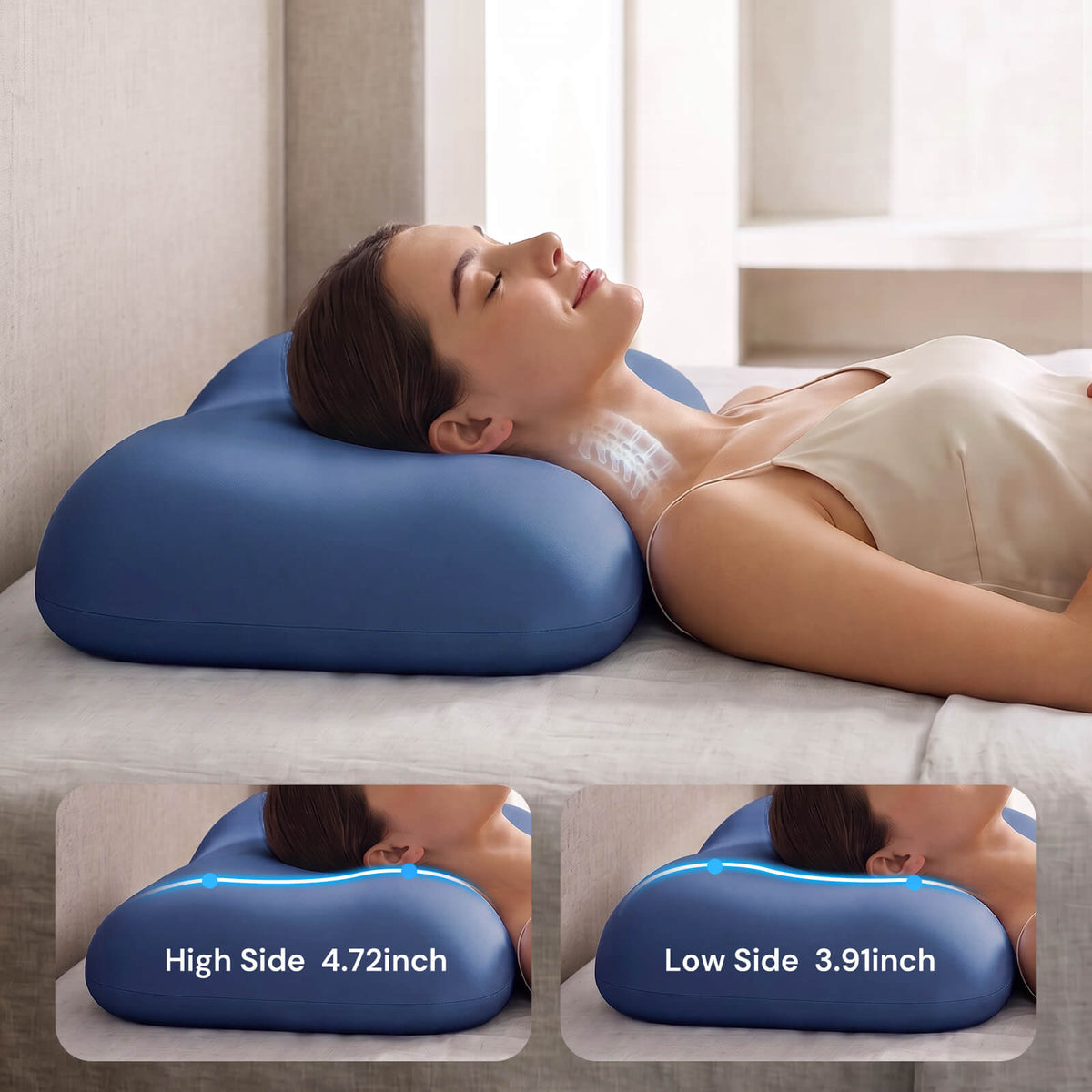
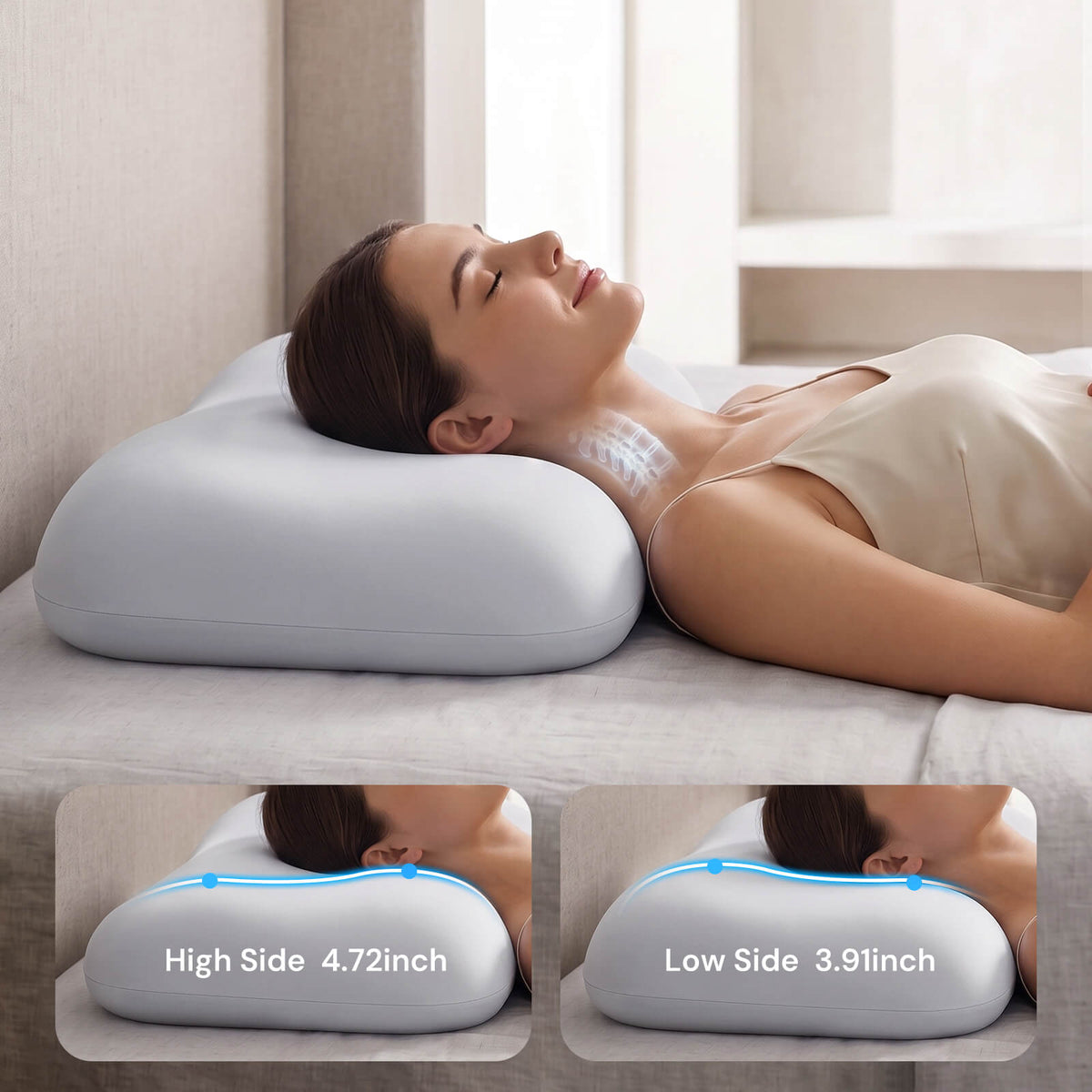
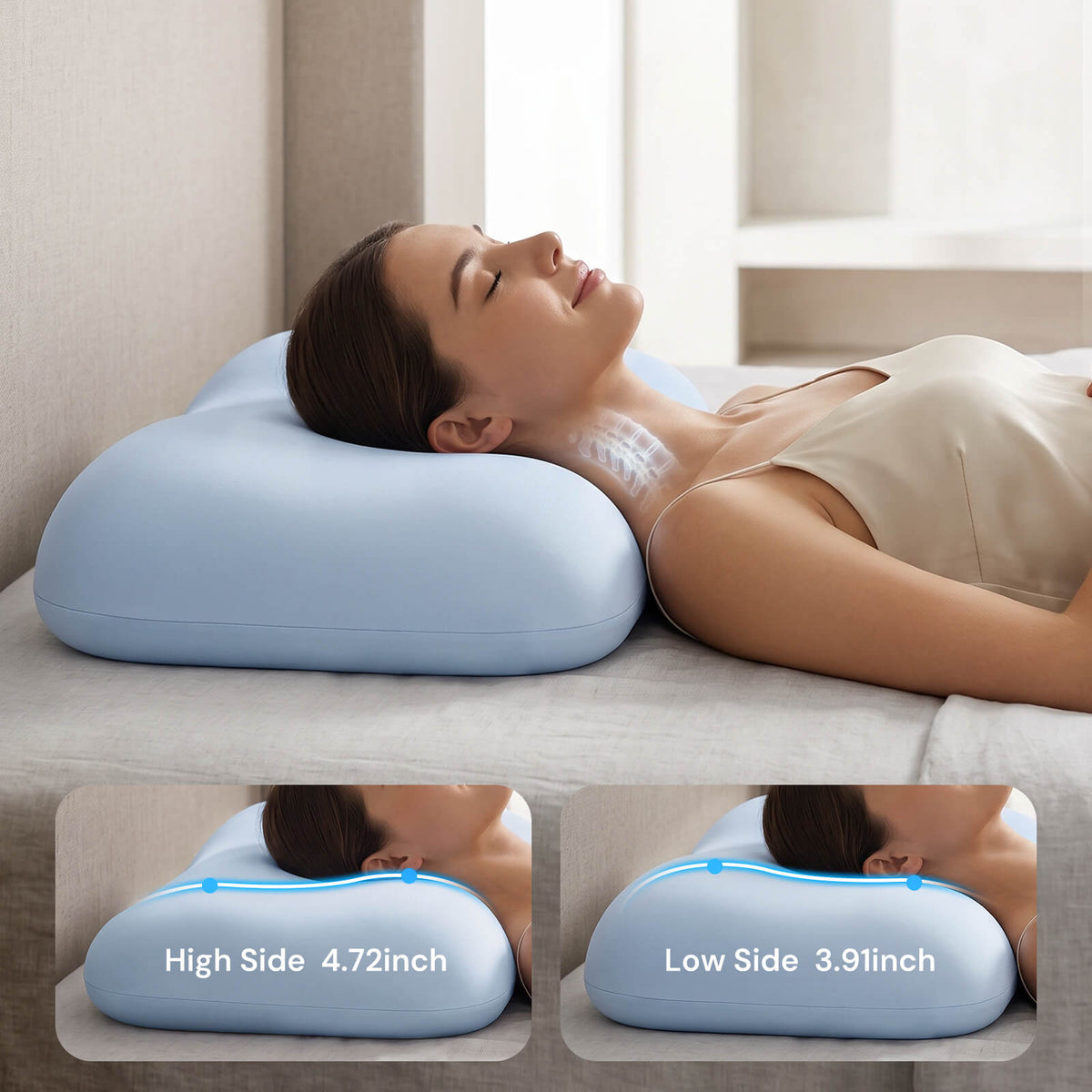
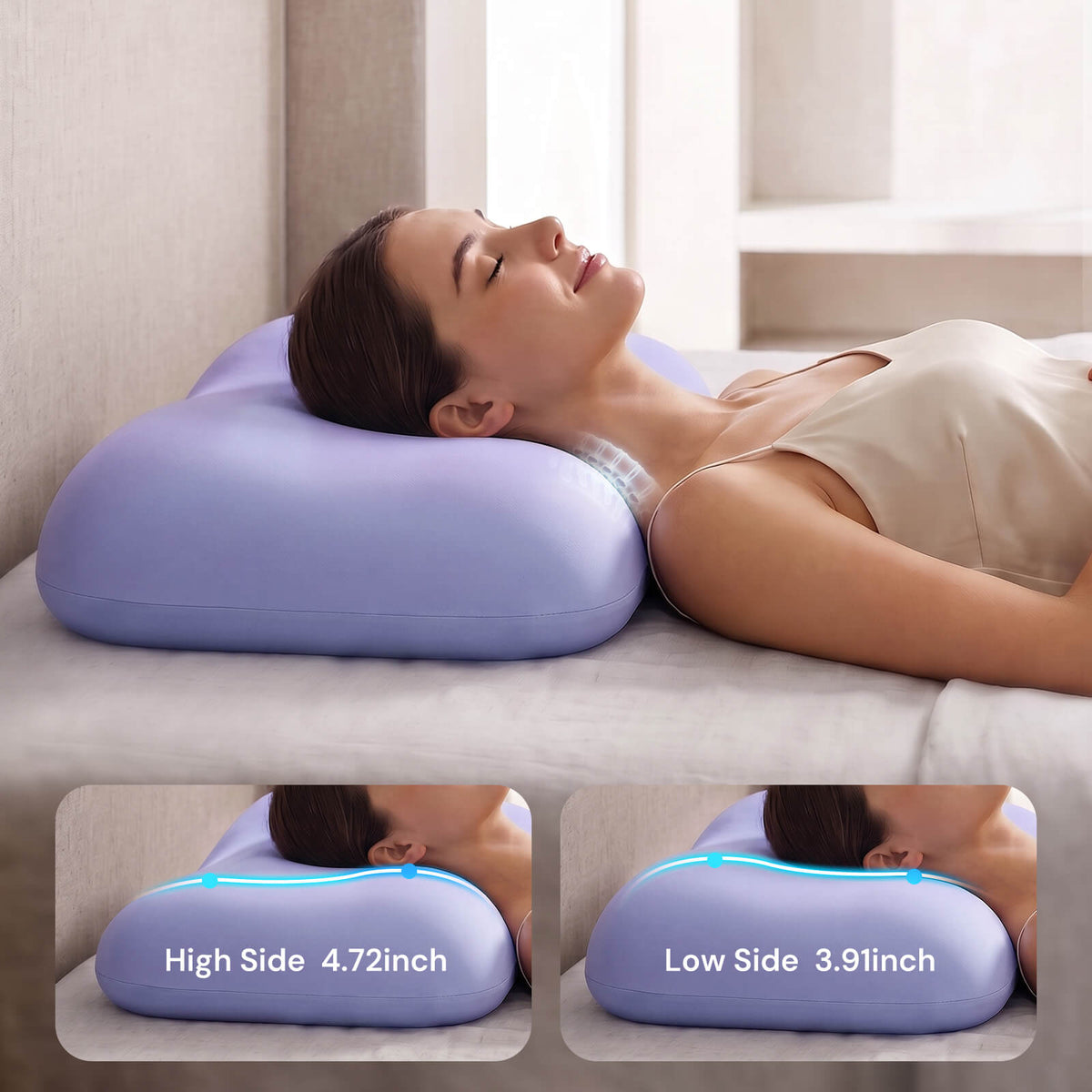
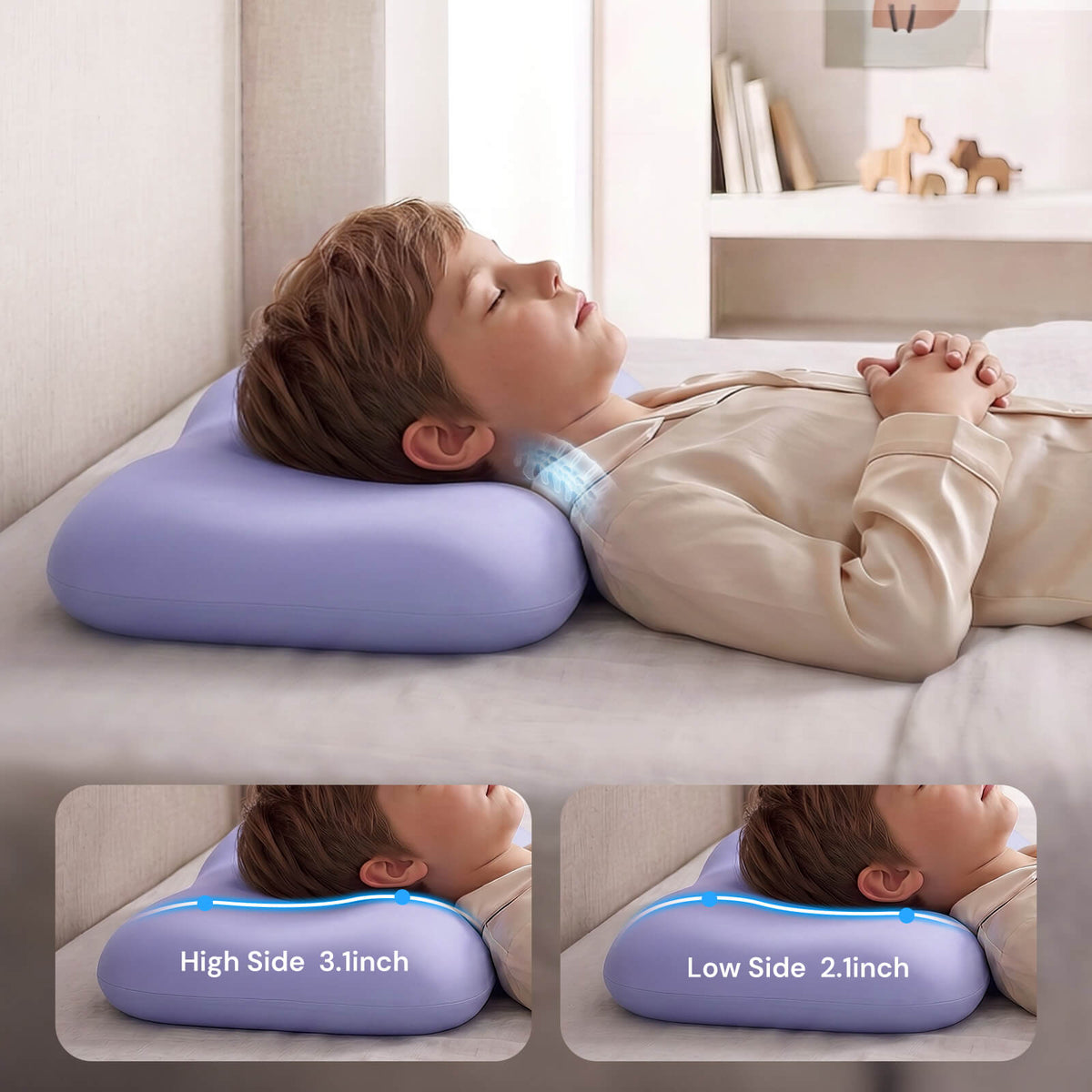
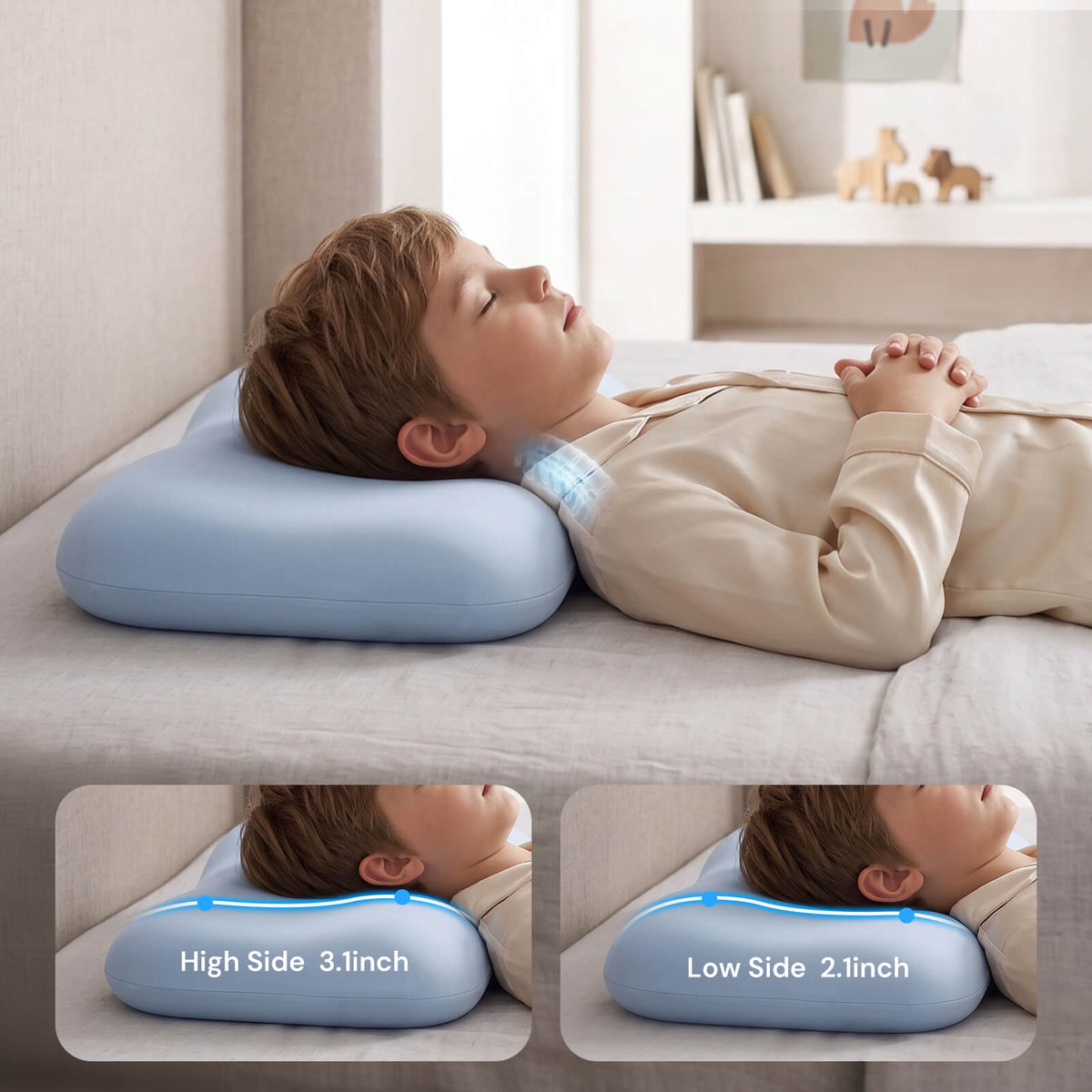
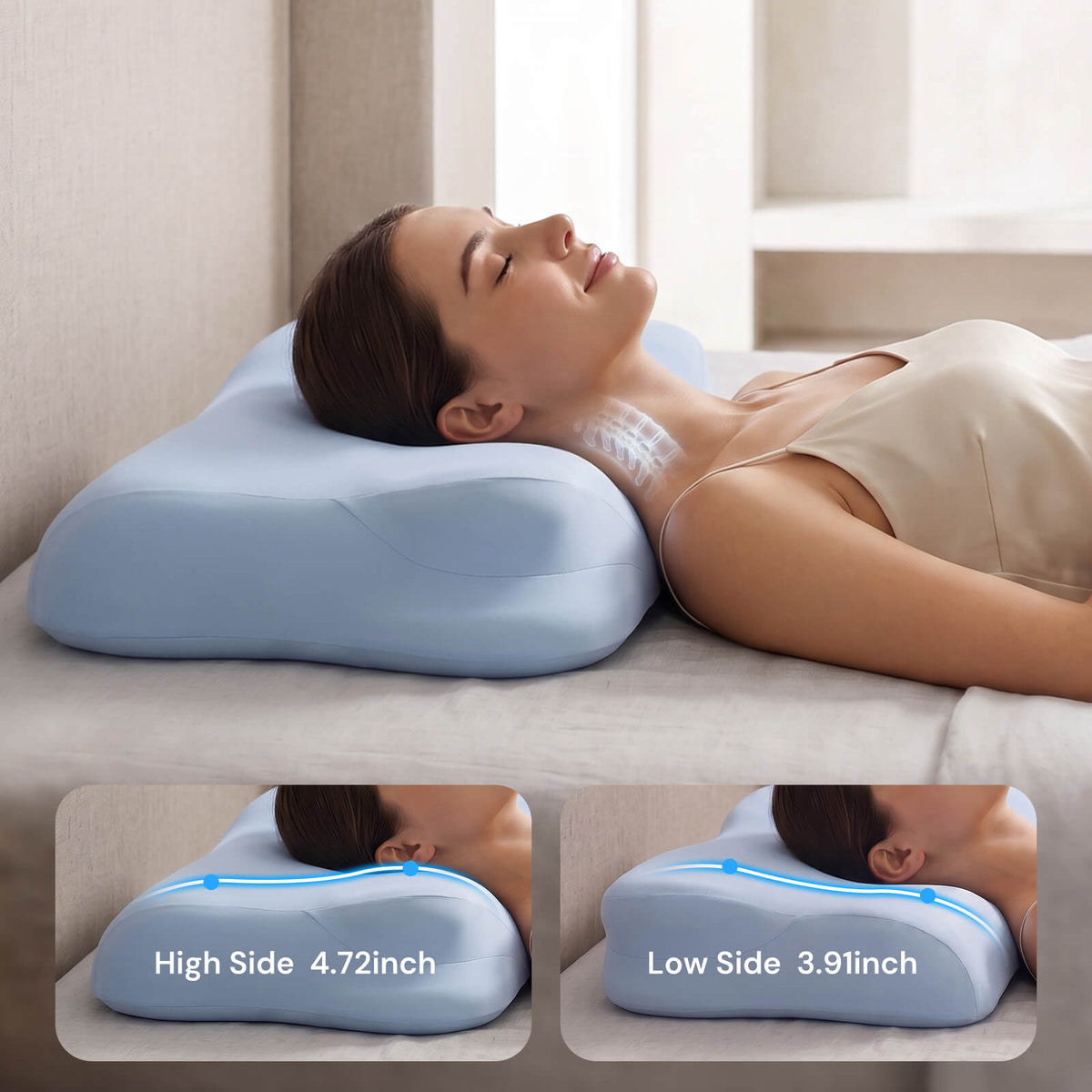
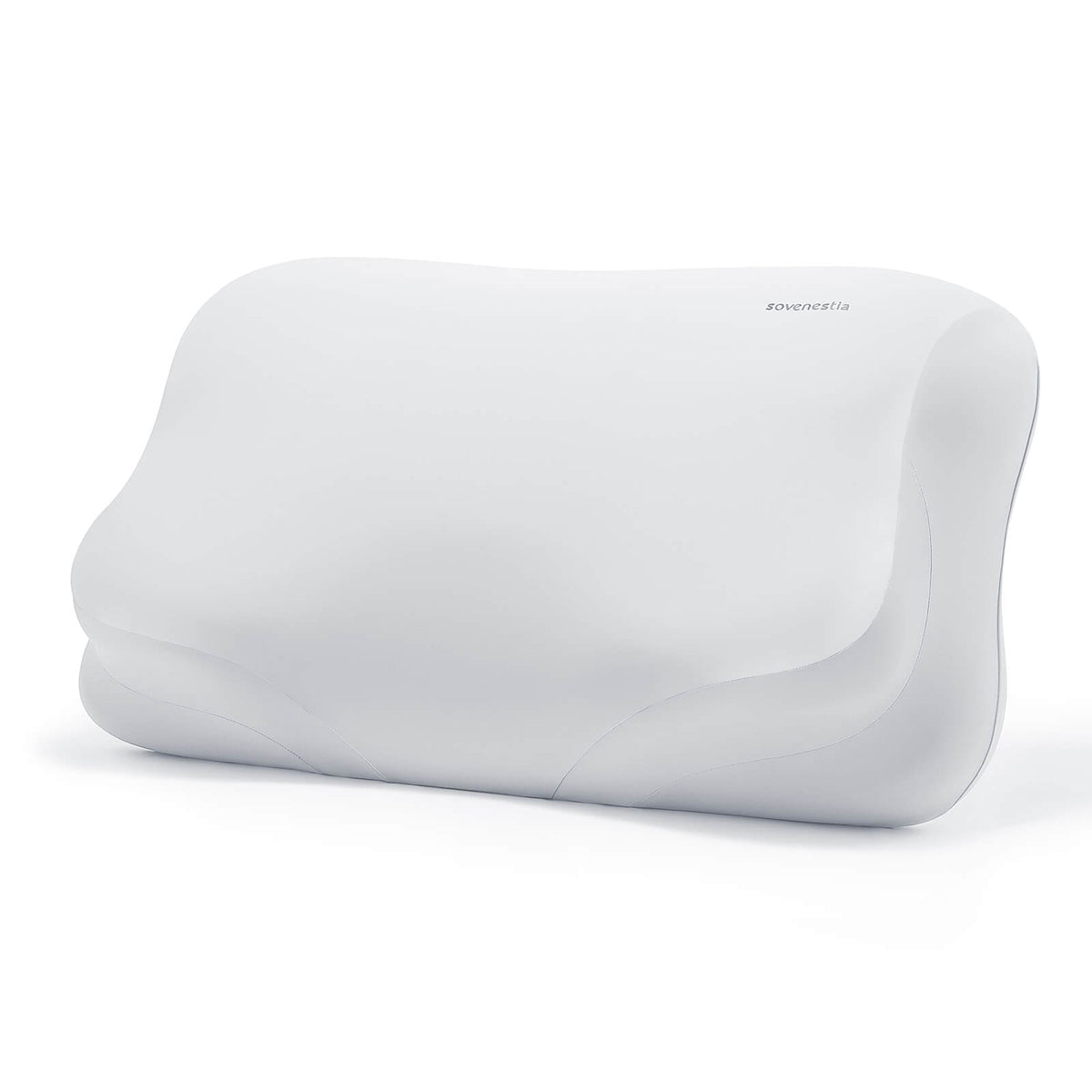
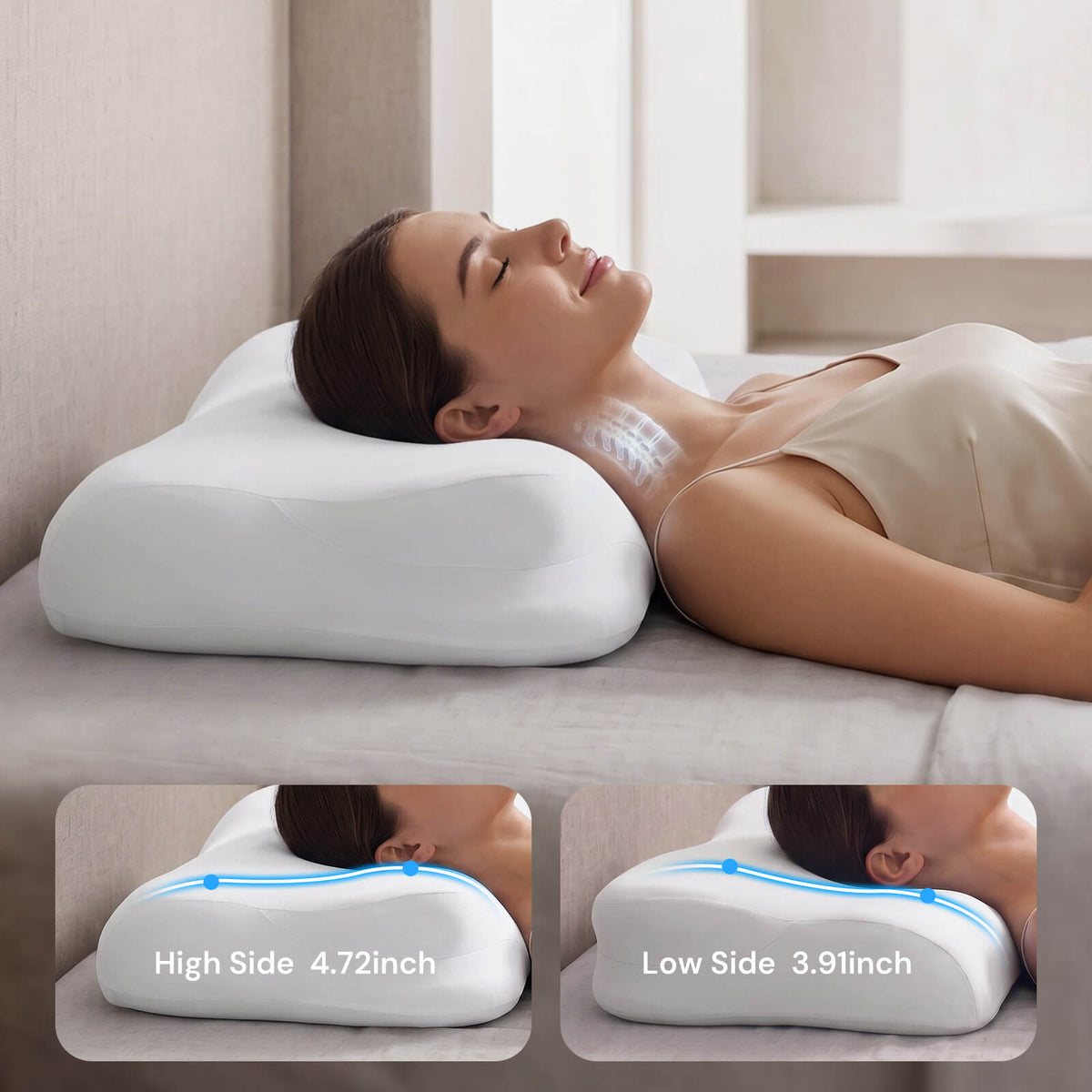
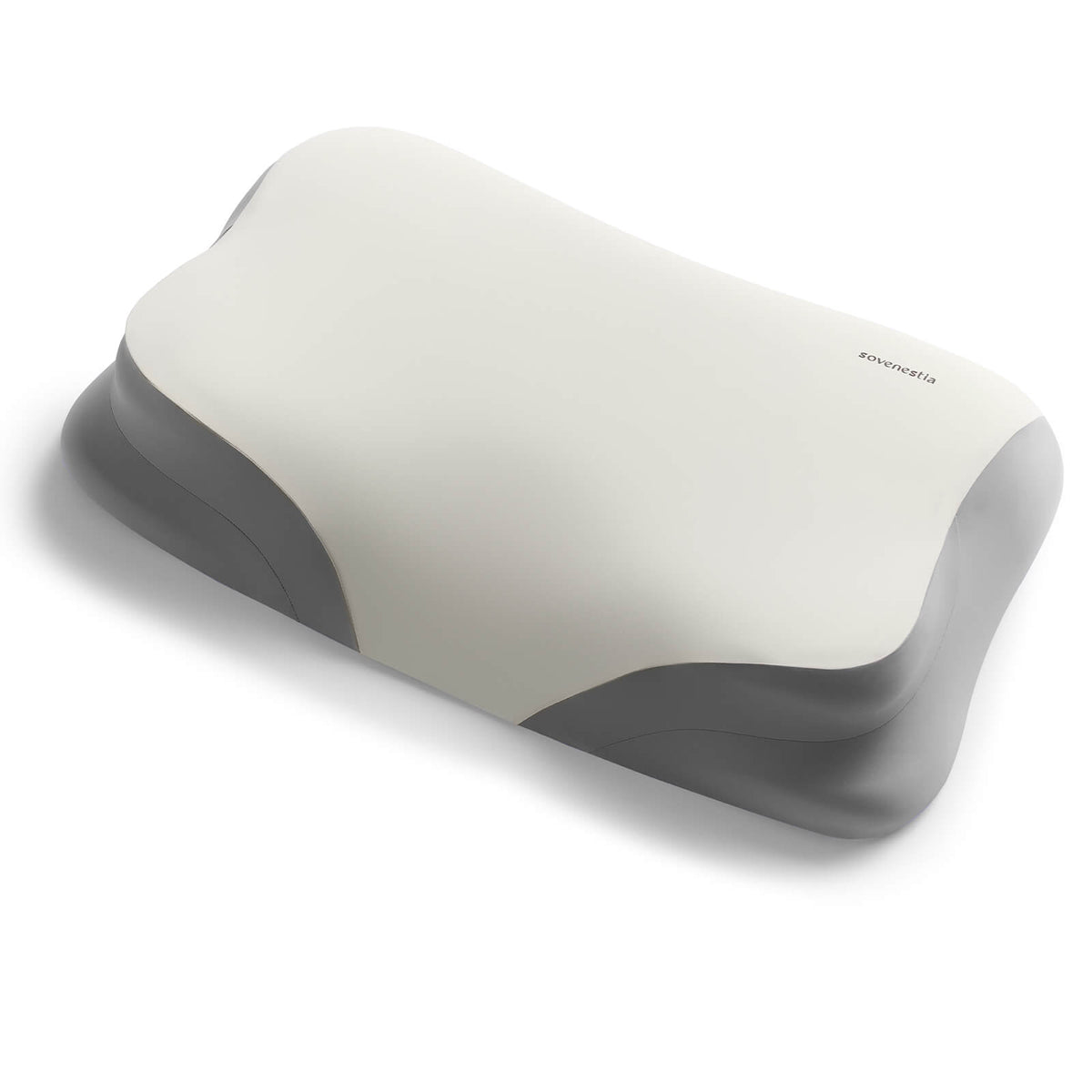
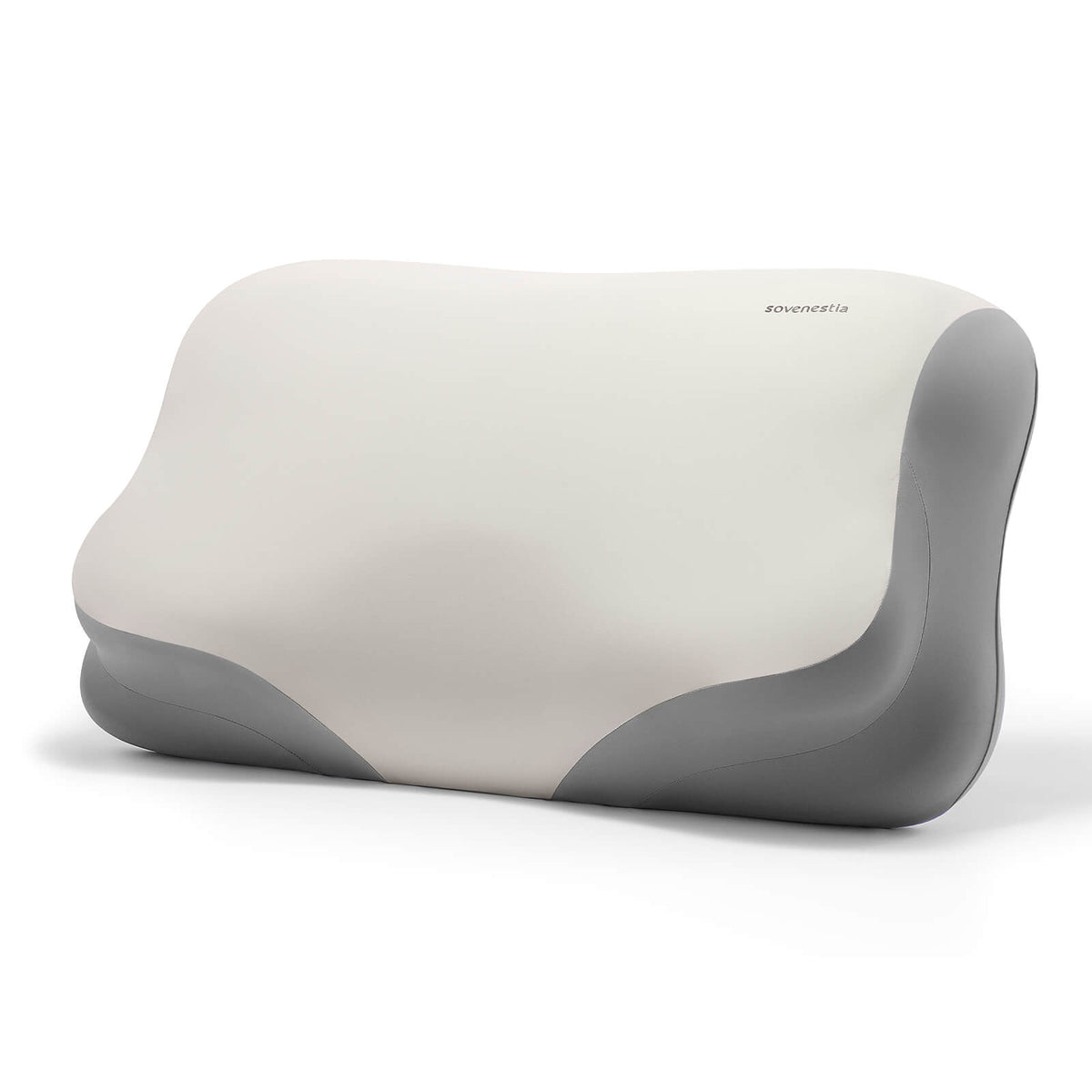
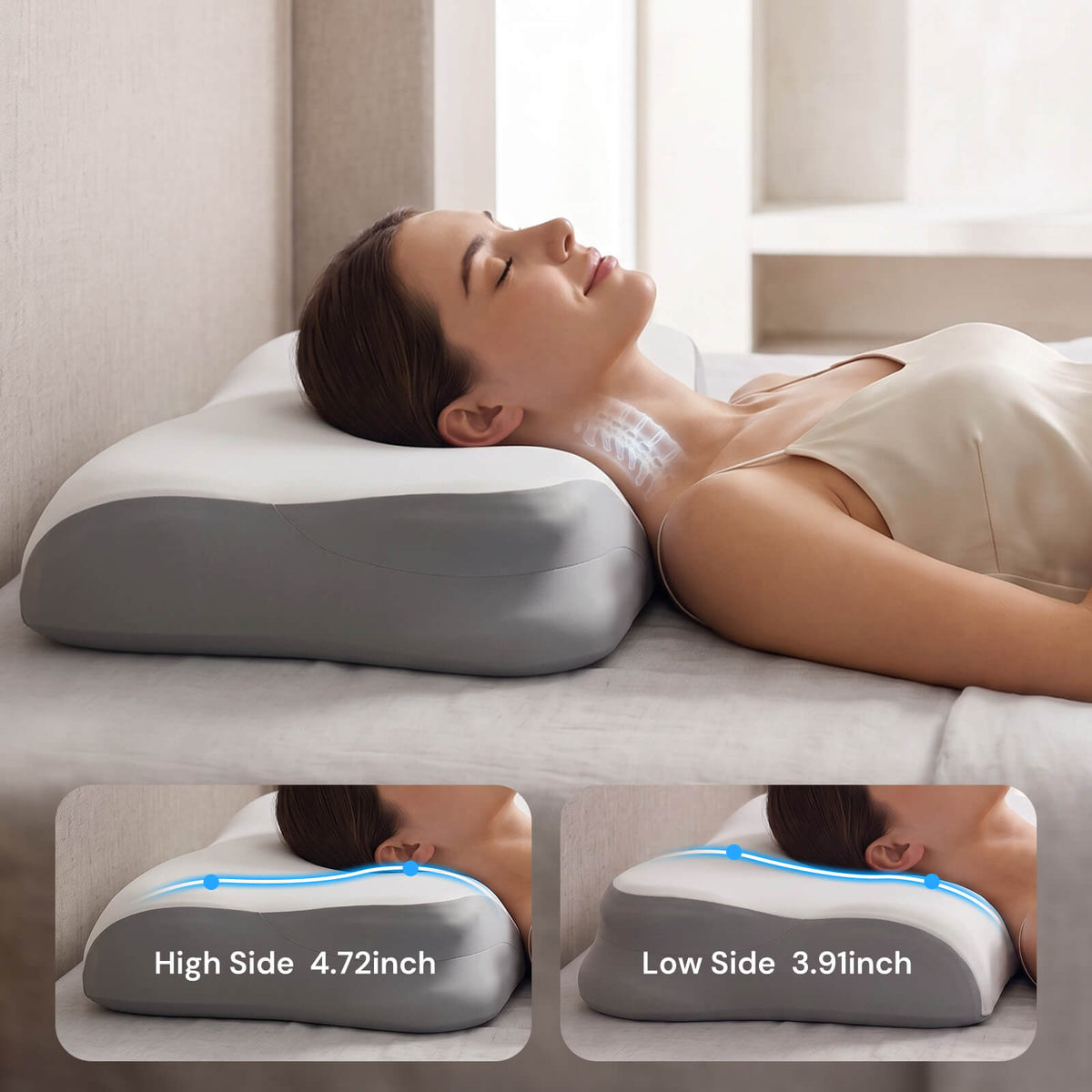
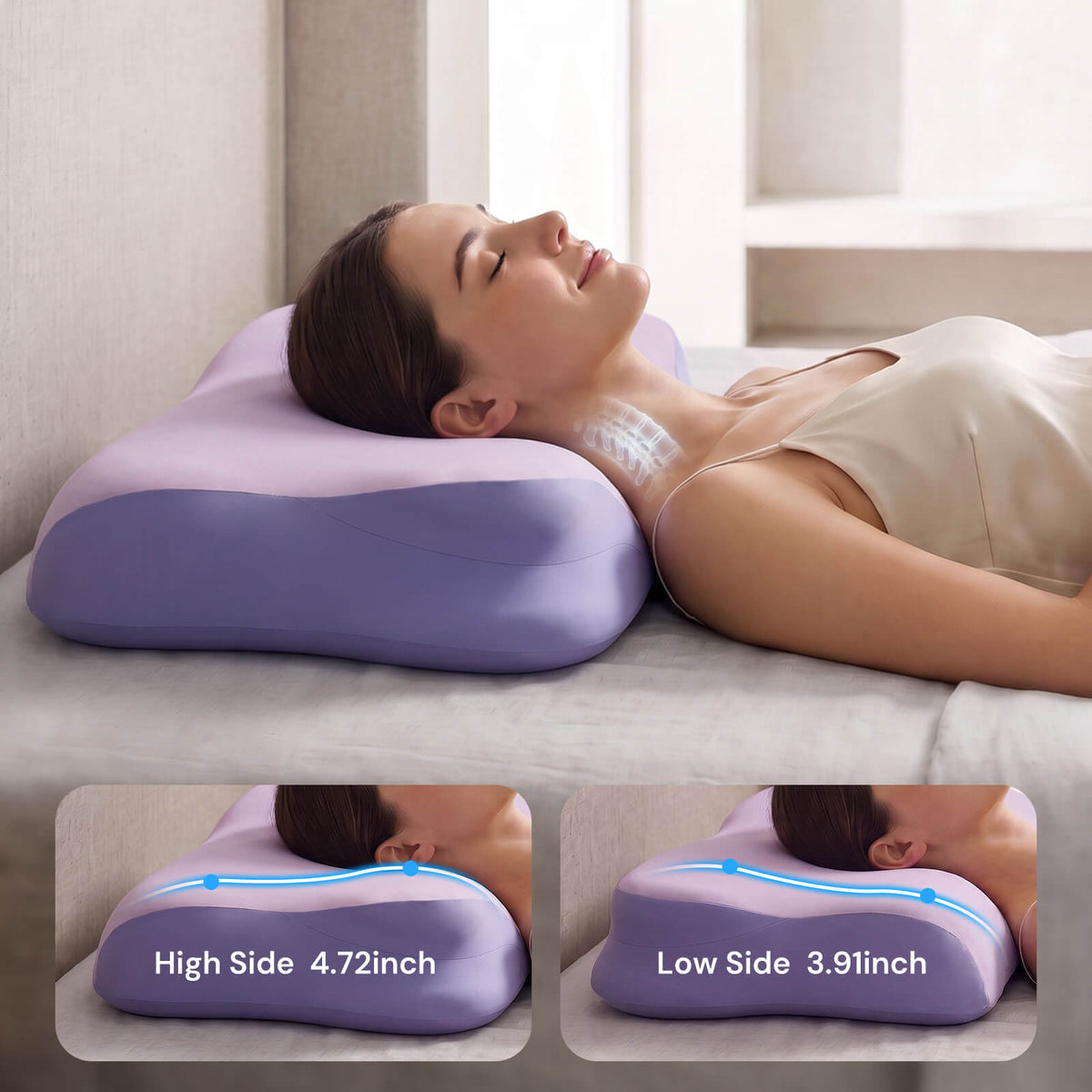
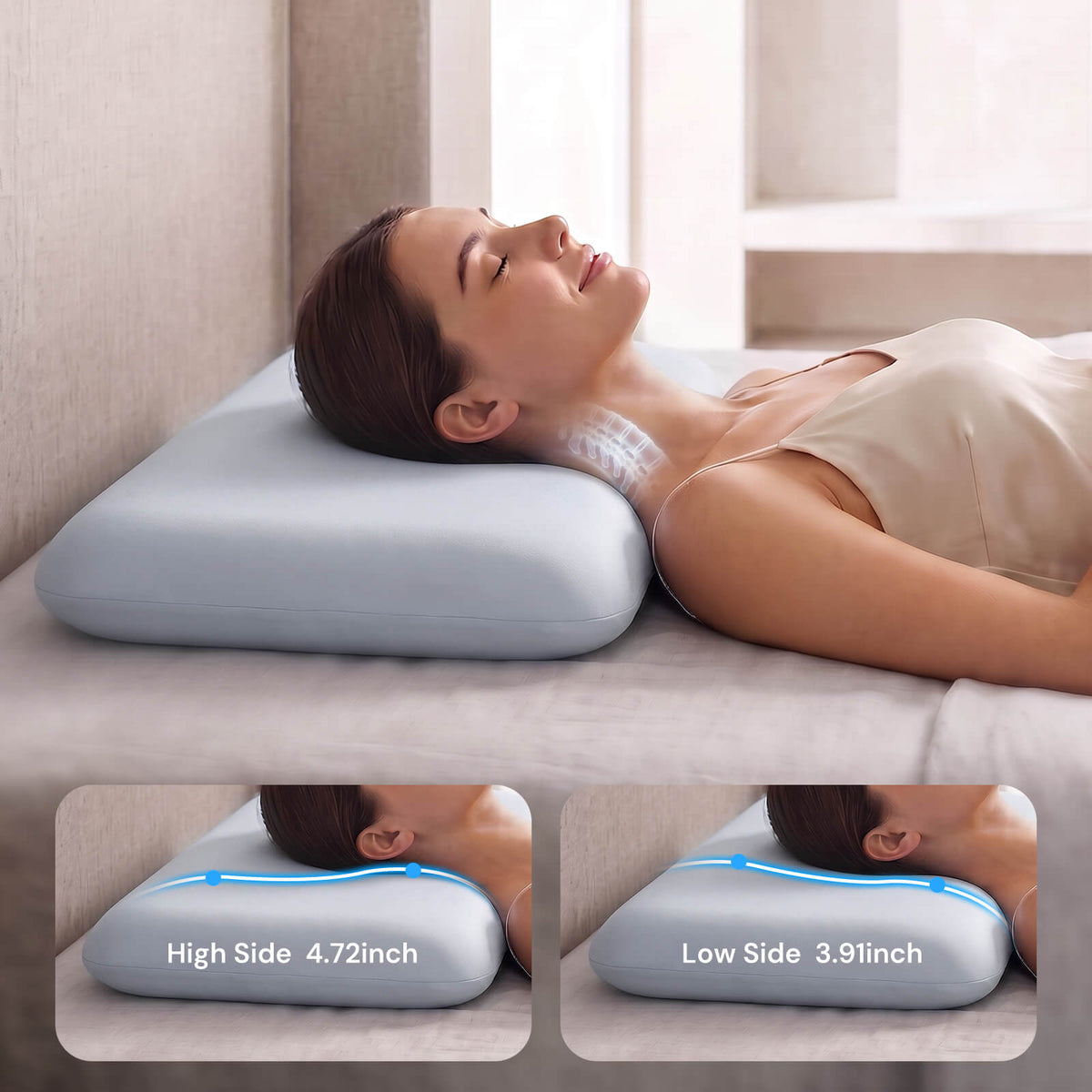
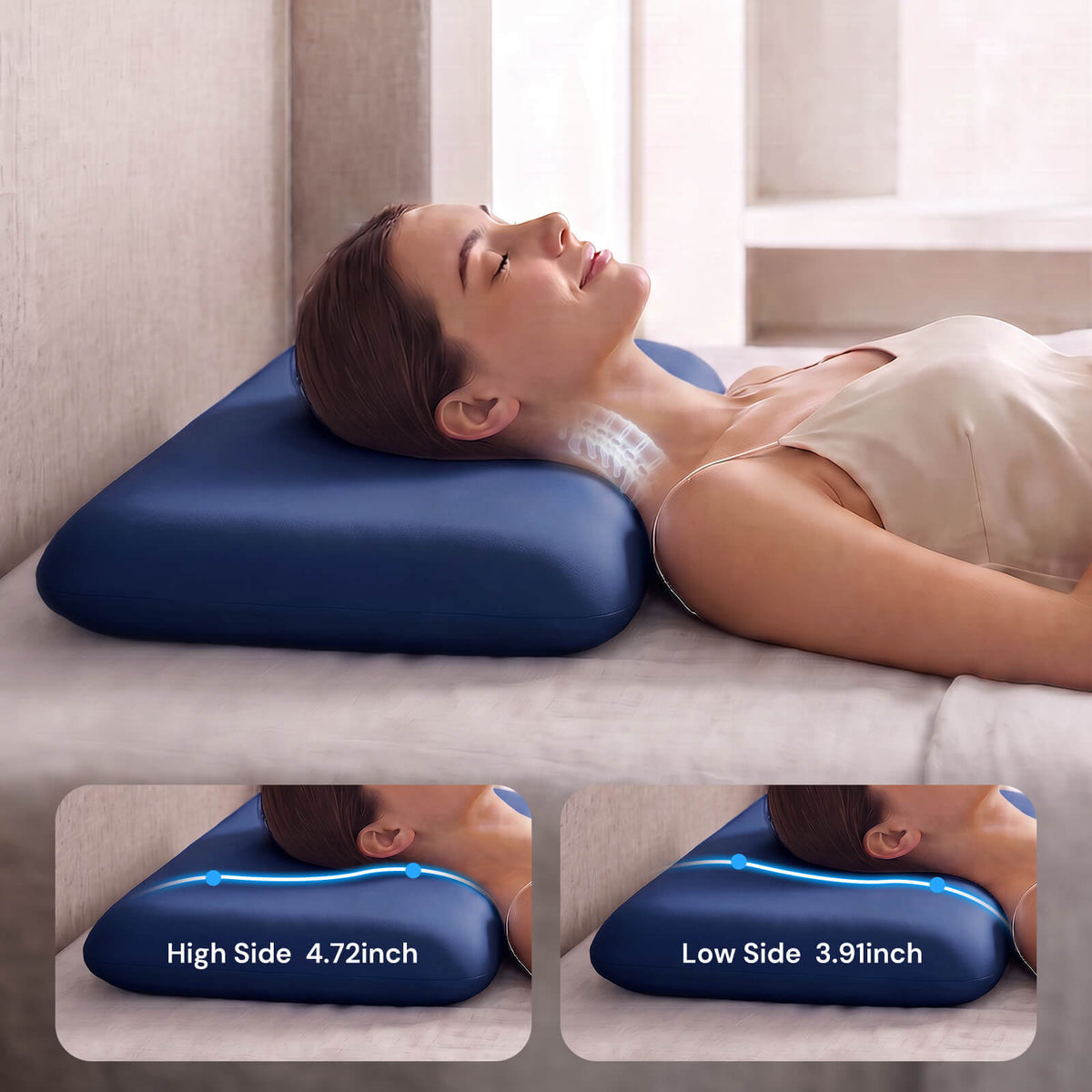
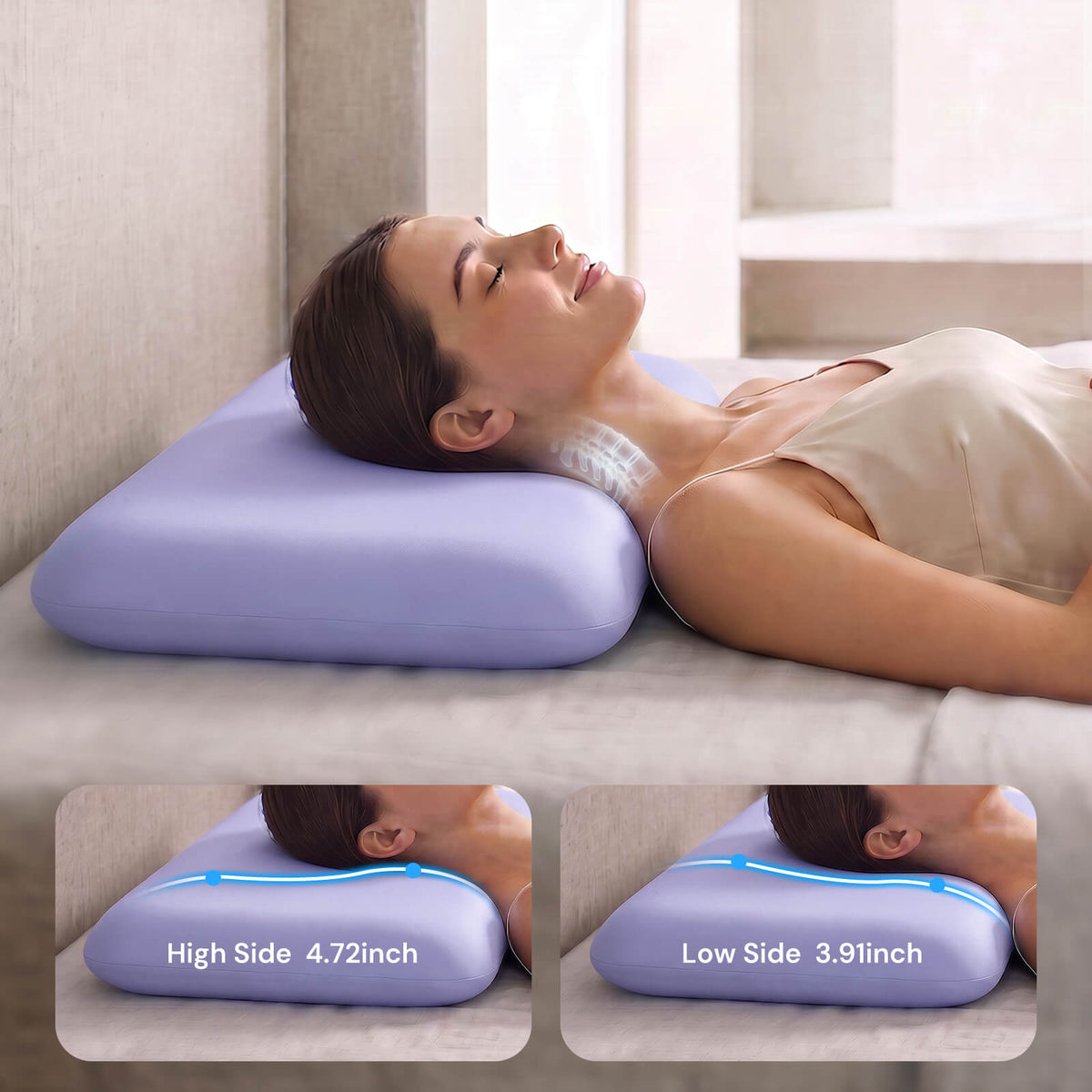
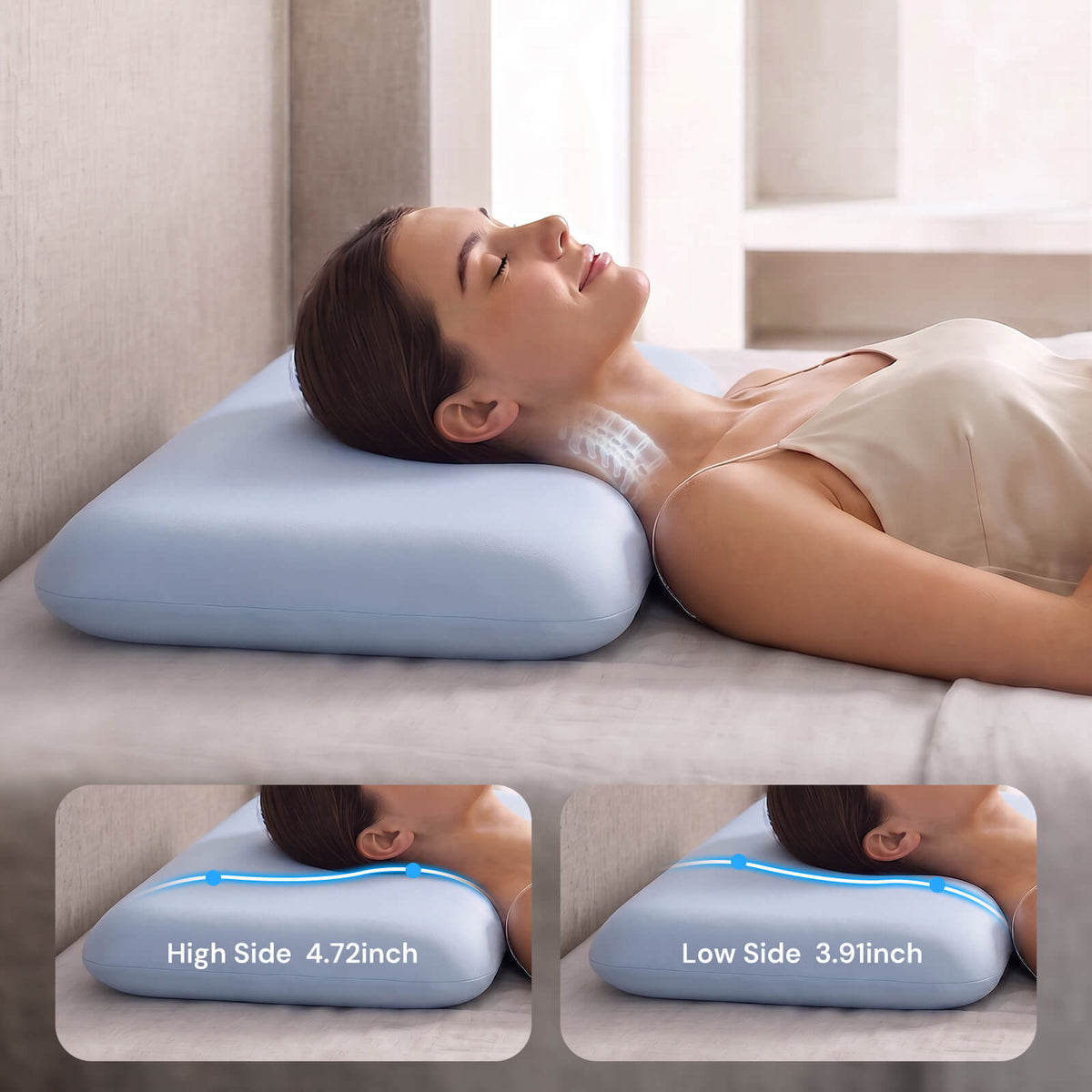
The primary function of a pillow is not to cushion the head, but to fill the gap between the head and the mattress to maintain neutral spinal alignment. When this alignment is compromised, the body enters a state of low-grade physiological stress.
Research in ergonomics indicates that improper cervical support forces the suboccipital muscles to remain active throughout the night to stabilize the head. This micro-tension prevents the body from fully entering the parasympathetic "rest and digest" state. A study published in The Journal of Physical Therapy Science demonstrated that participants using ergonomically designed pillows reported significantly lower neck pain and higher sleep quality scores compared to those using standard pillows. When pain is present, the brain prioritizes nociception (pain signaling) over restorative deep sleep, leading to fragmented rest and a reduction in slow-wave sleep, which is crucial for physical recovery.

Thermal Regulation and Sleep Onset
Your core body temperature must drop by approximately 2–3°F to initiate sleep and maintain it. The pillow plays a surprising role in this thermoregulation. The head is a major site of heat exchange; it has a high density of blood vessels close to the skin's surface.
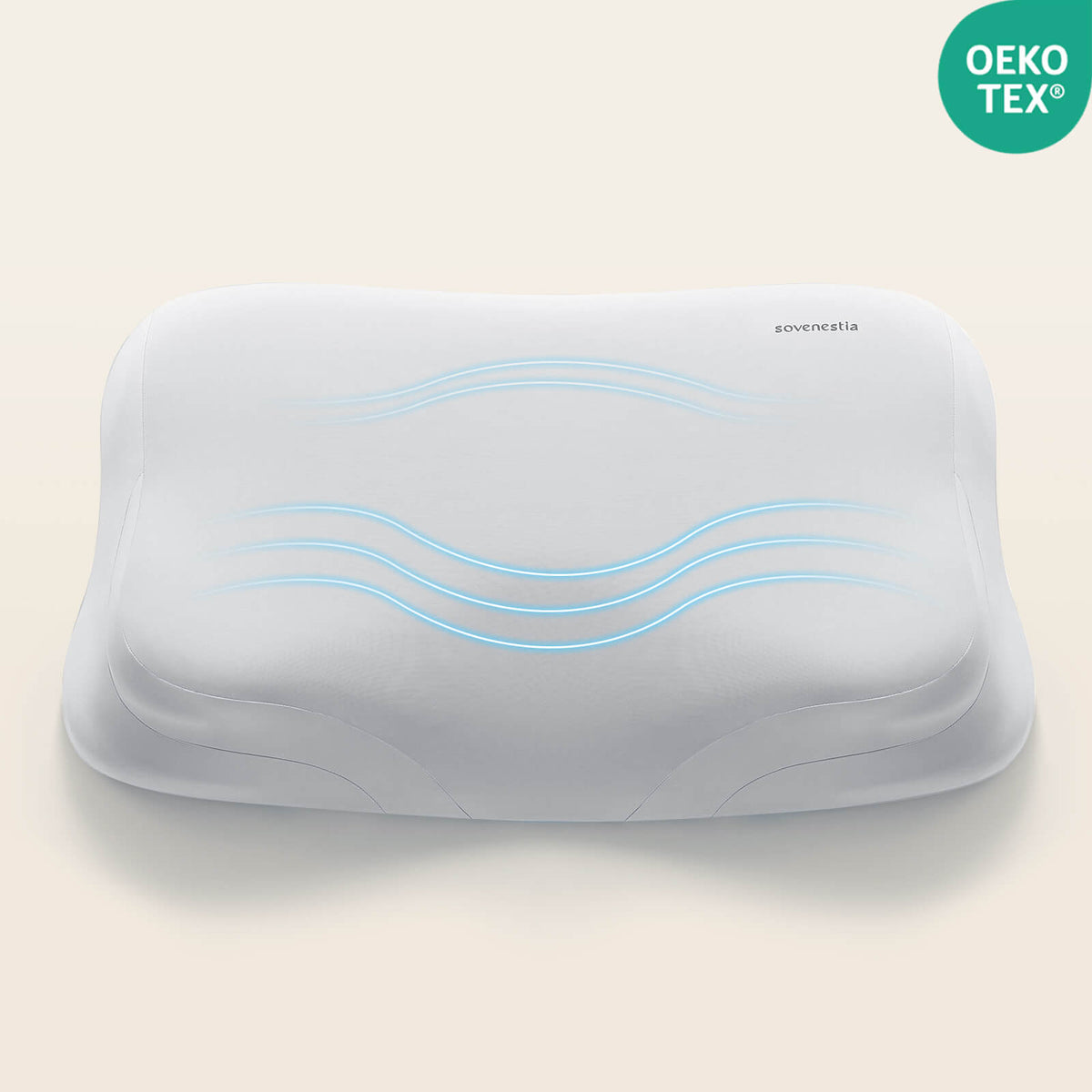
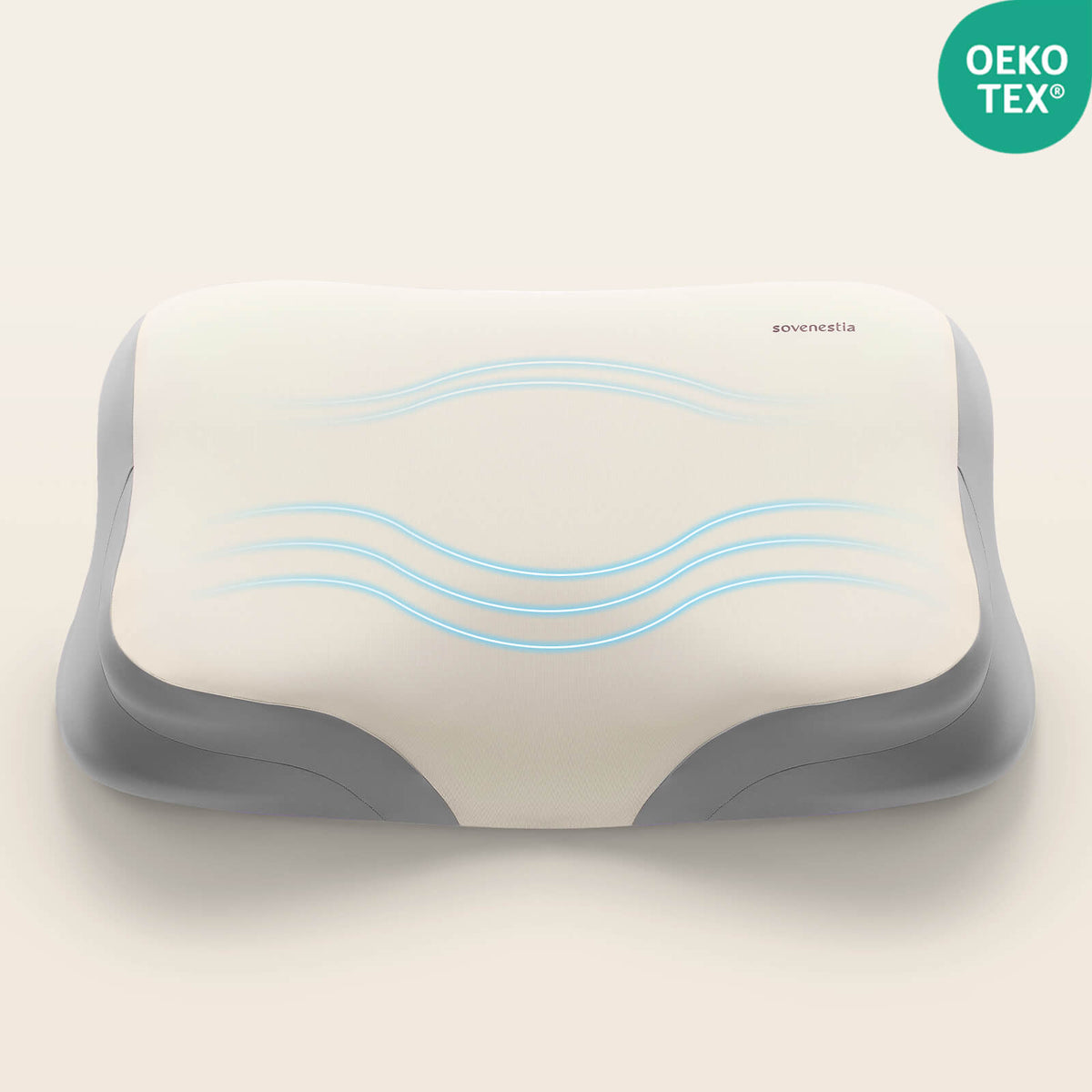
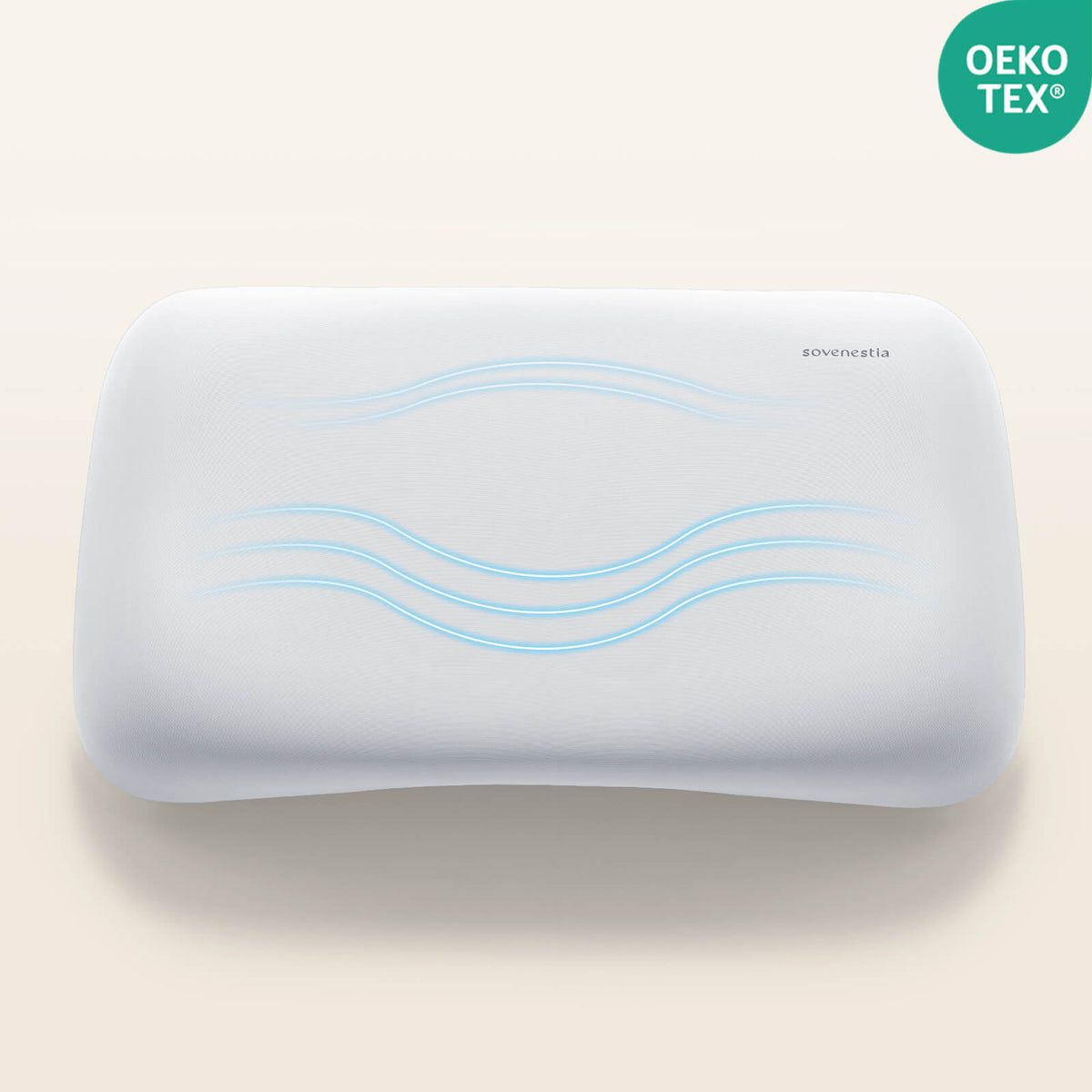
If a pillow retains excessive heat, it creates a localized thermal trap, signaling the hypothalamus that the body is too warm. This can delay sleep onset and cause frequent micro-awakenings. Conversely, pillows with phase-change materials or breathable open-cell foams facilitate heat dissipation. A 2019 study in Sleep Medicine Reviews highlighted that thermal discomfort is one of the leading environmental causes of sleep fragmentation. By maintaining a neutral thermal zone, the right pillow acts as a gateway to uninterrupted sleep cycles.
The Connection to Dreaming: REM Stability
Can a pillow help you have "good dreams"? While pillows don't script your subconscious, they protect the "stage" where dreaming occurs: Rapid Eye Movement (REM) sleep.
REM sleep is highly sensitive to environmental and physical disruptions. If your pillow causes airway obstruction (such as in mild sleep apnea or positional snoring), your brain will trigger a micro-arousal to reopen the airway, instantly terminating the REM cycle. Chronic REM deprivation leads to emotional dysregulation and poor memory consolidation. By keeping the airway open and the spine neutral, a properly fitted pillow maximizes the duration of REM bouts. Longer, uninterrupted REM cycles allow for more complex narrative dreaming and better emotional processing upon waking.

Material Matters: Evidence-Based Selection
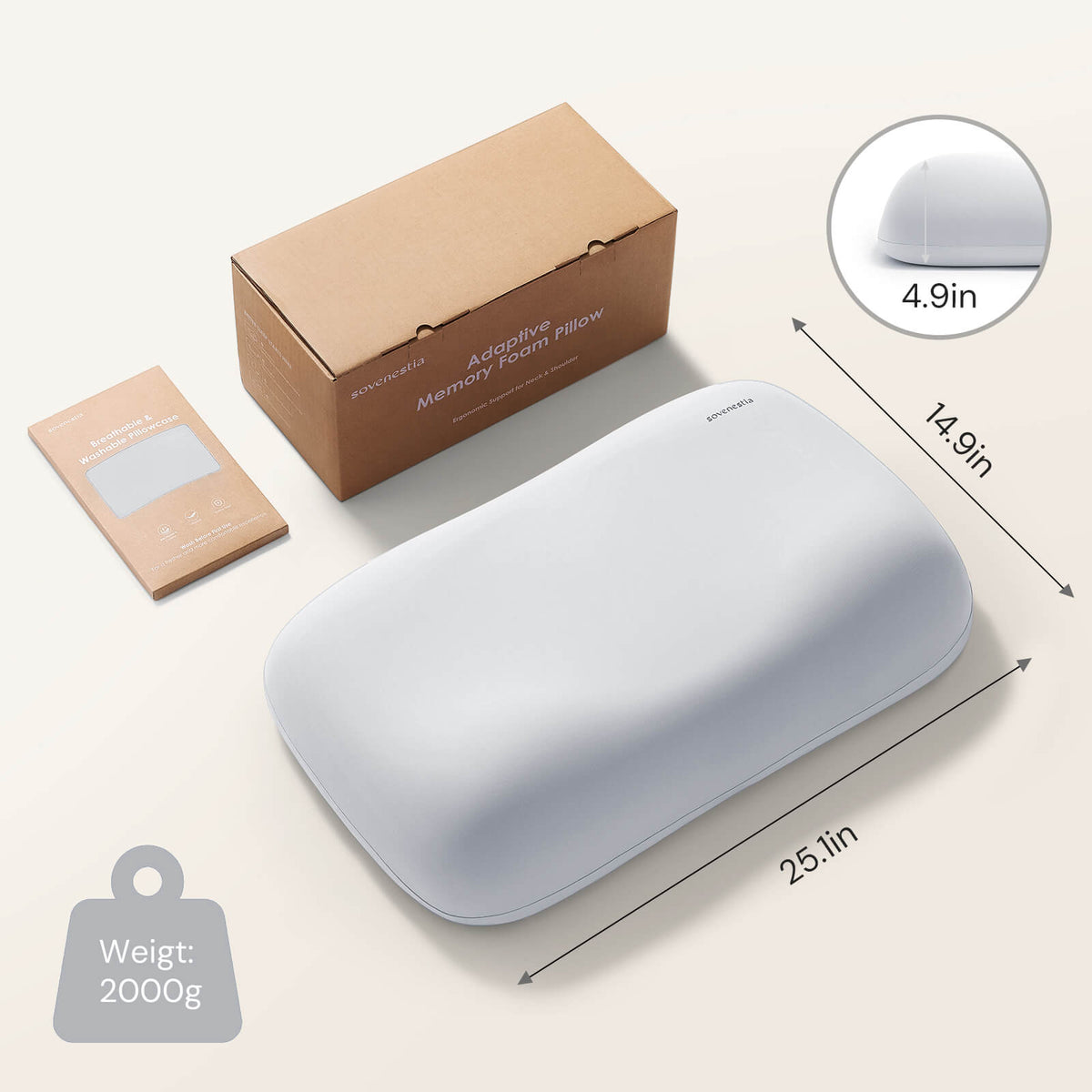
Not all pillows are created equal. The "best" pillow is biomechanically subjective but scientifically objective in its criteria:
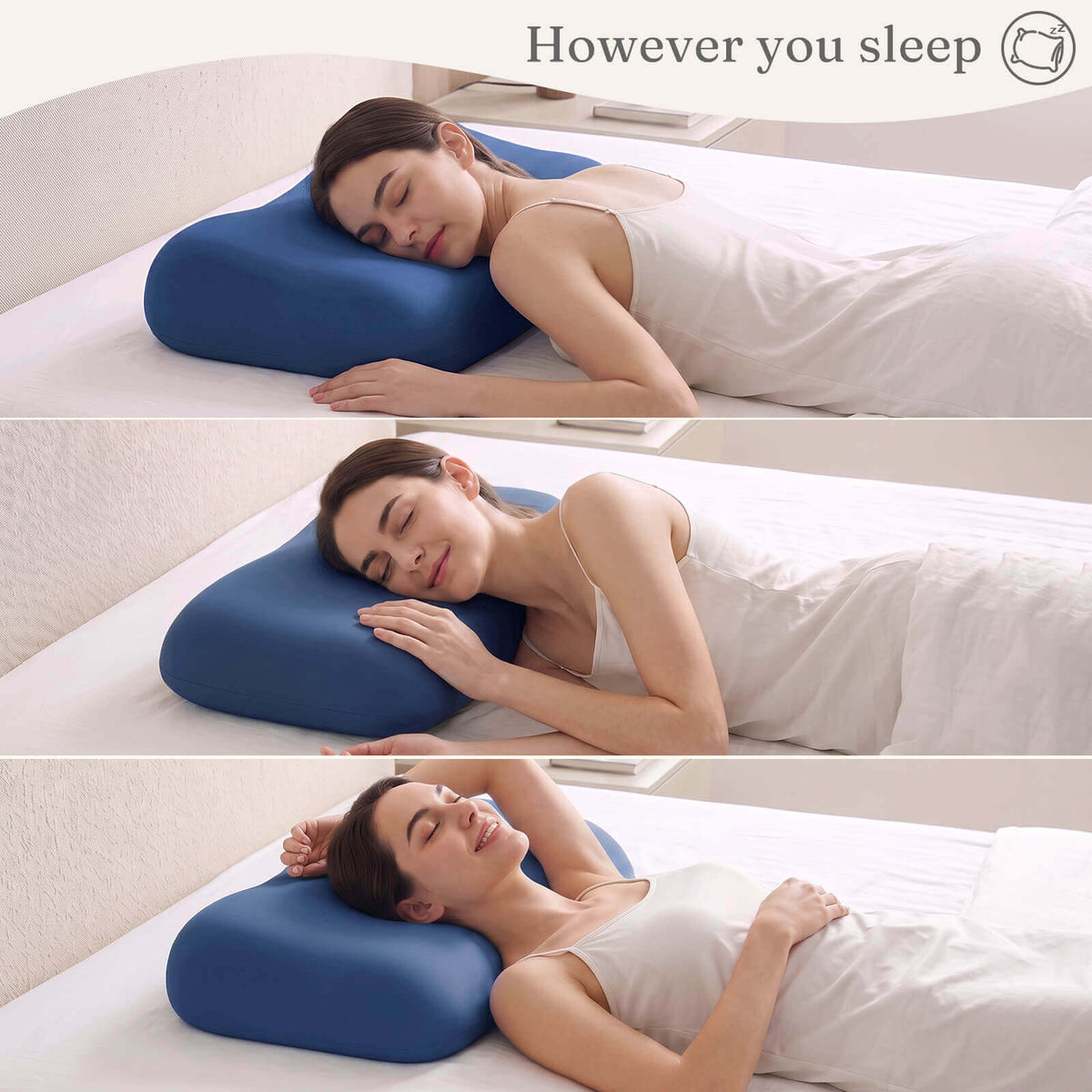
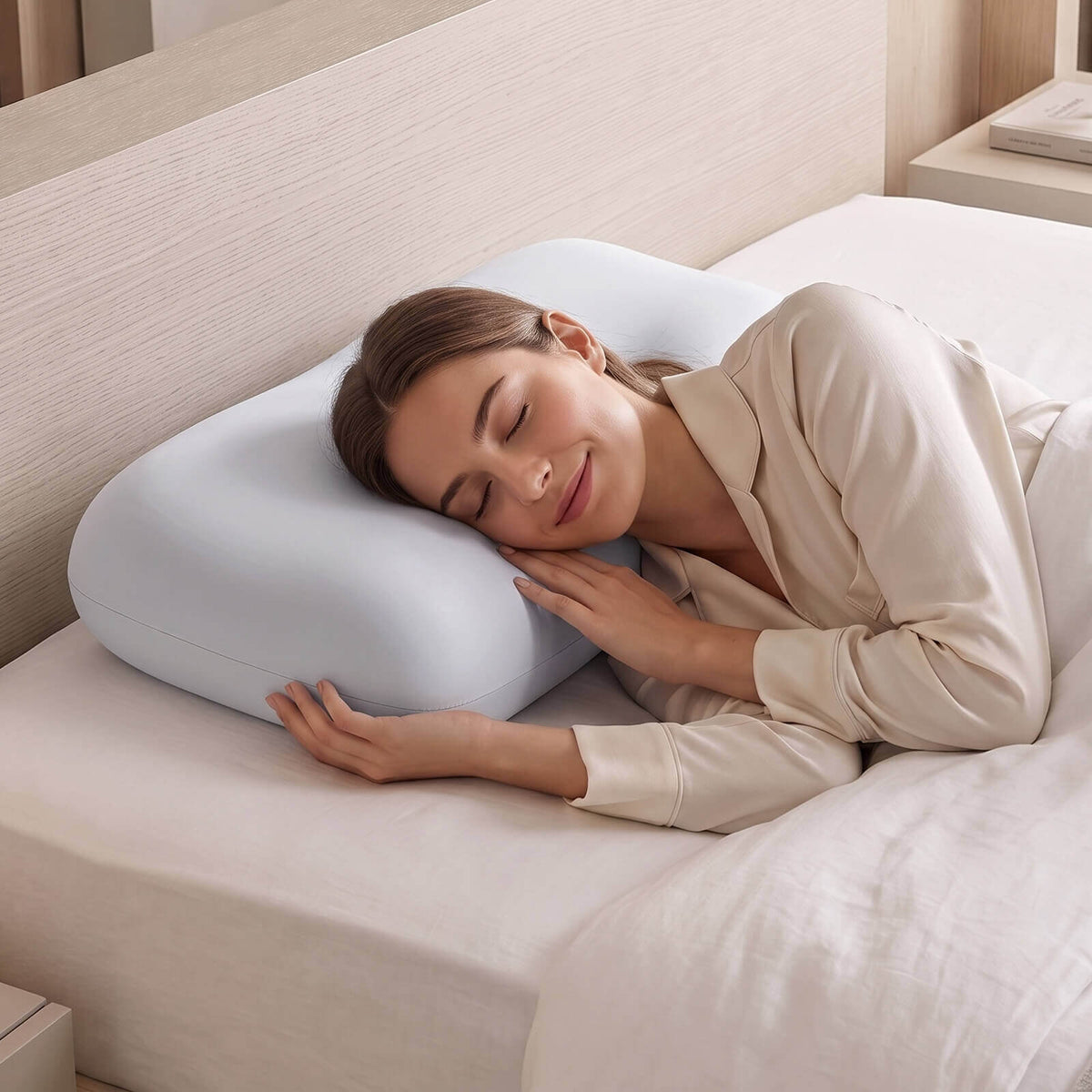
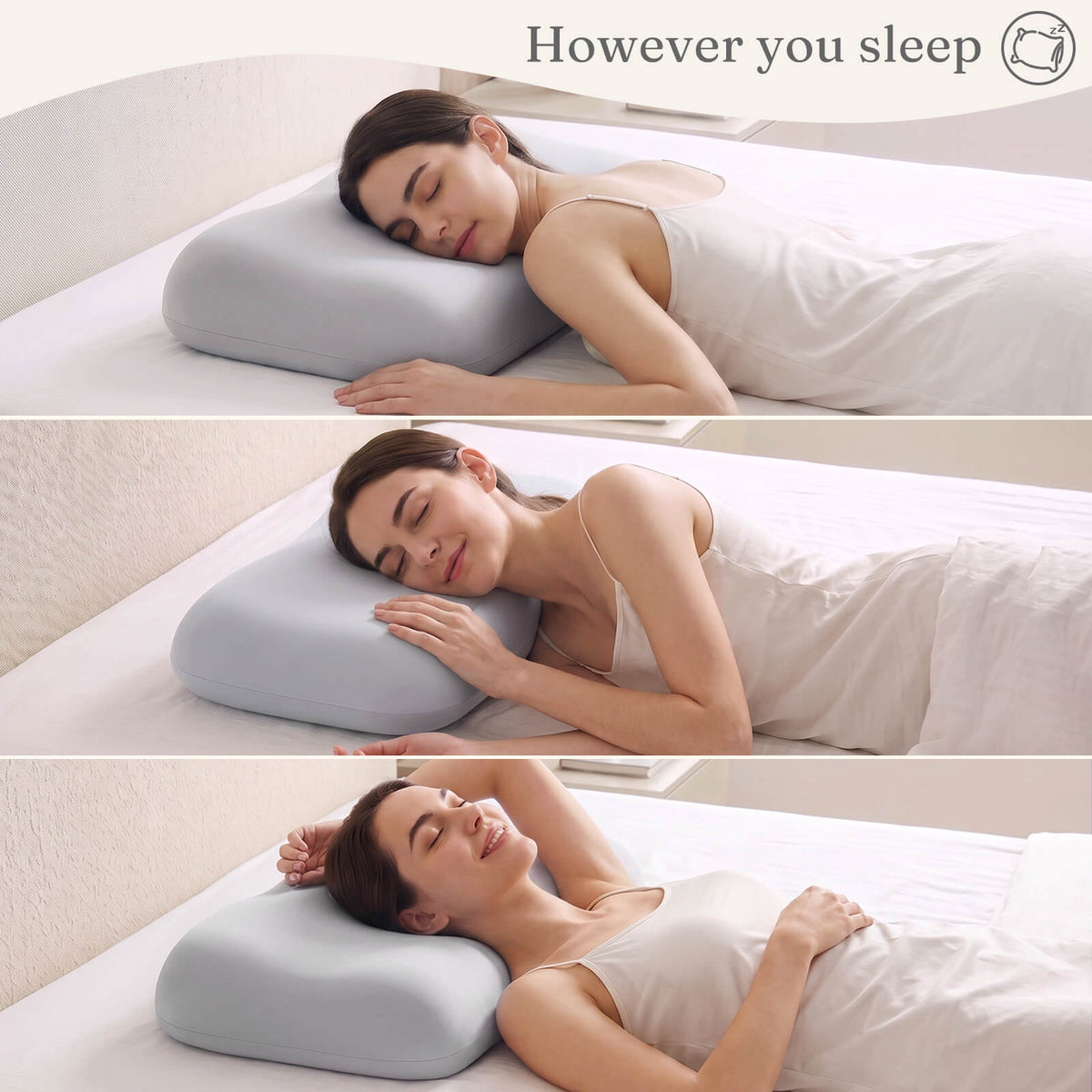
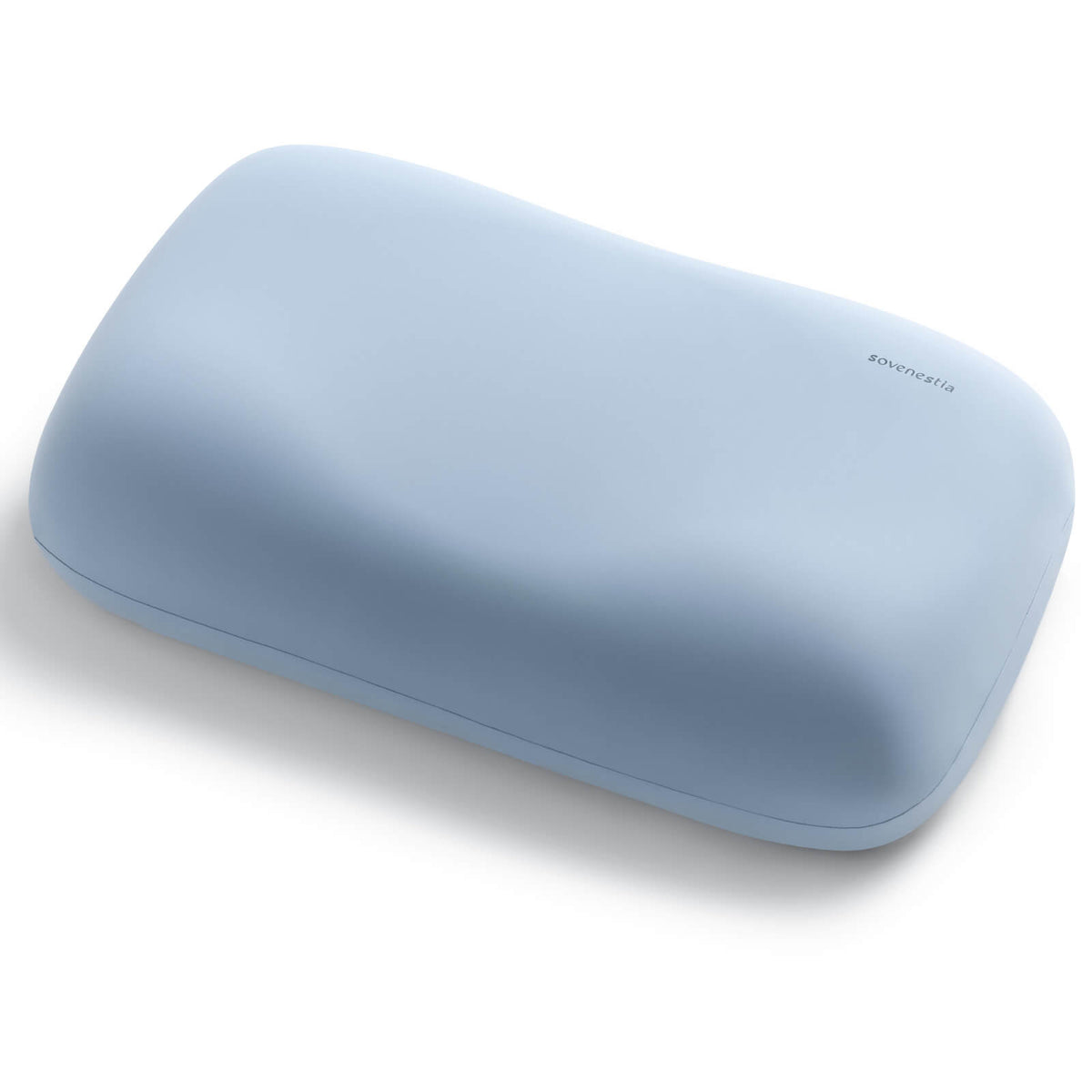
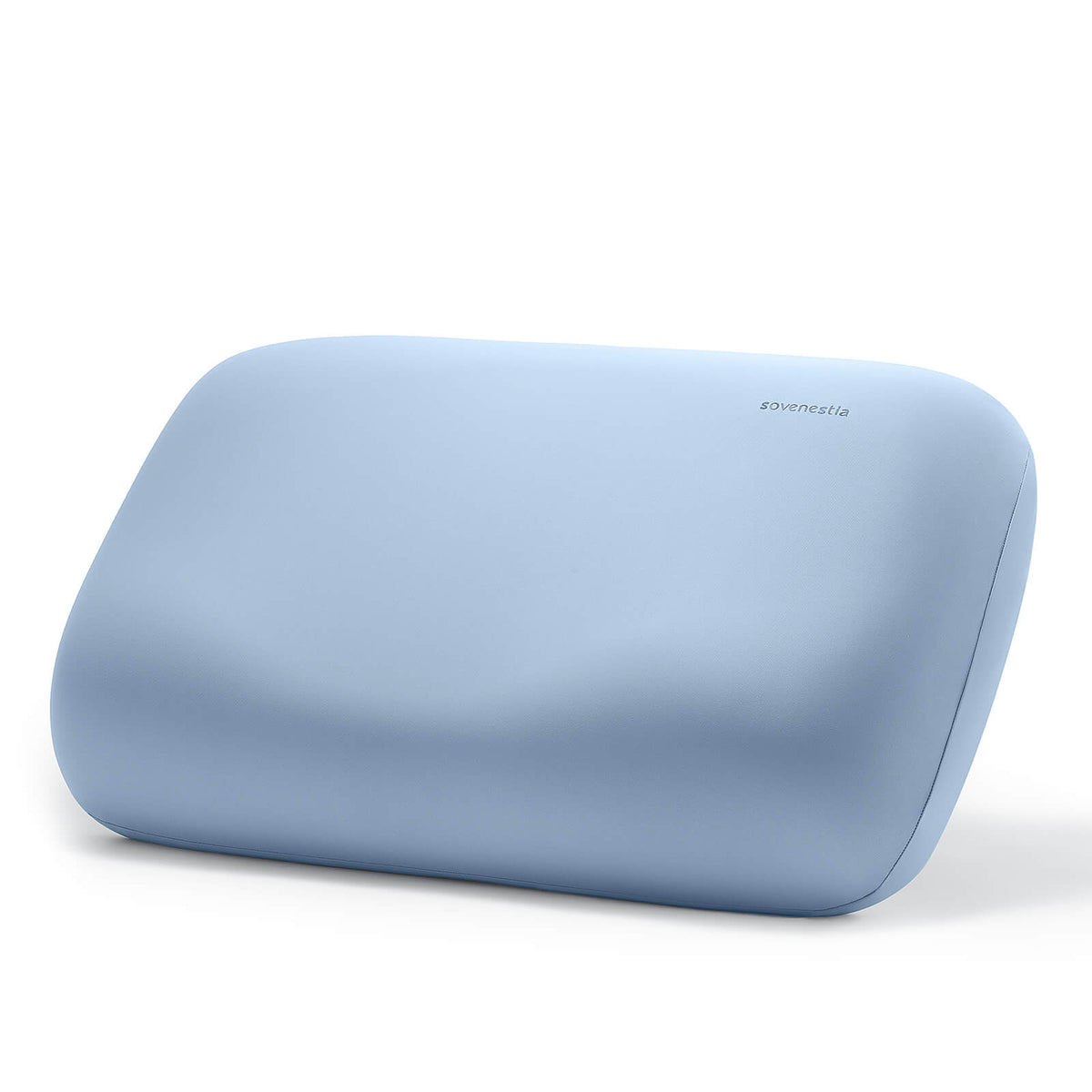
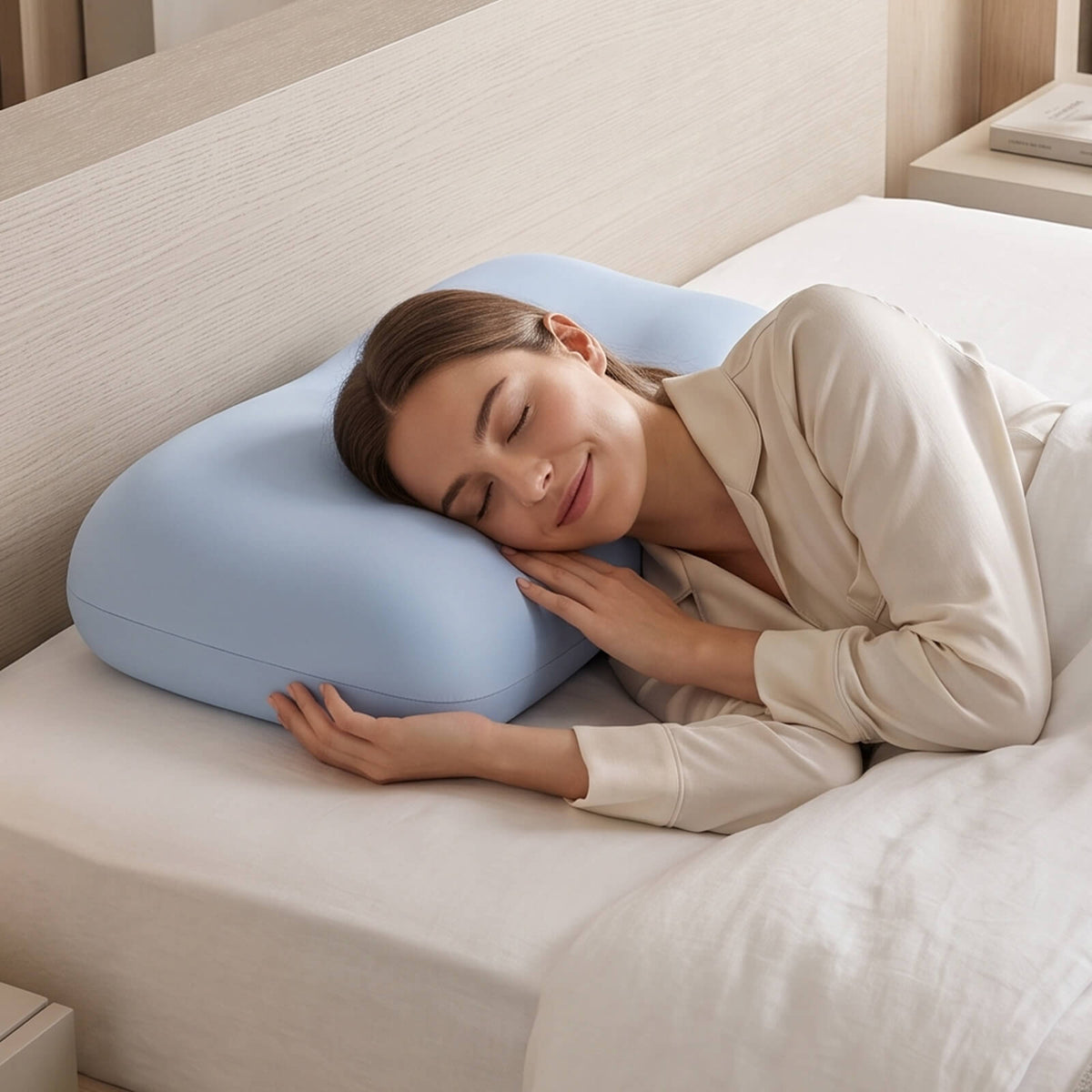
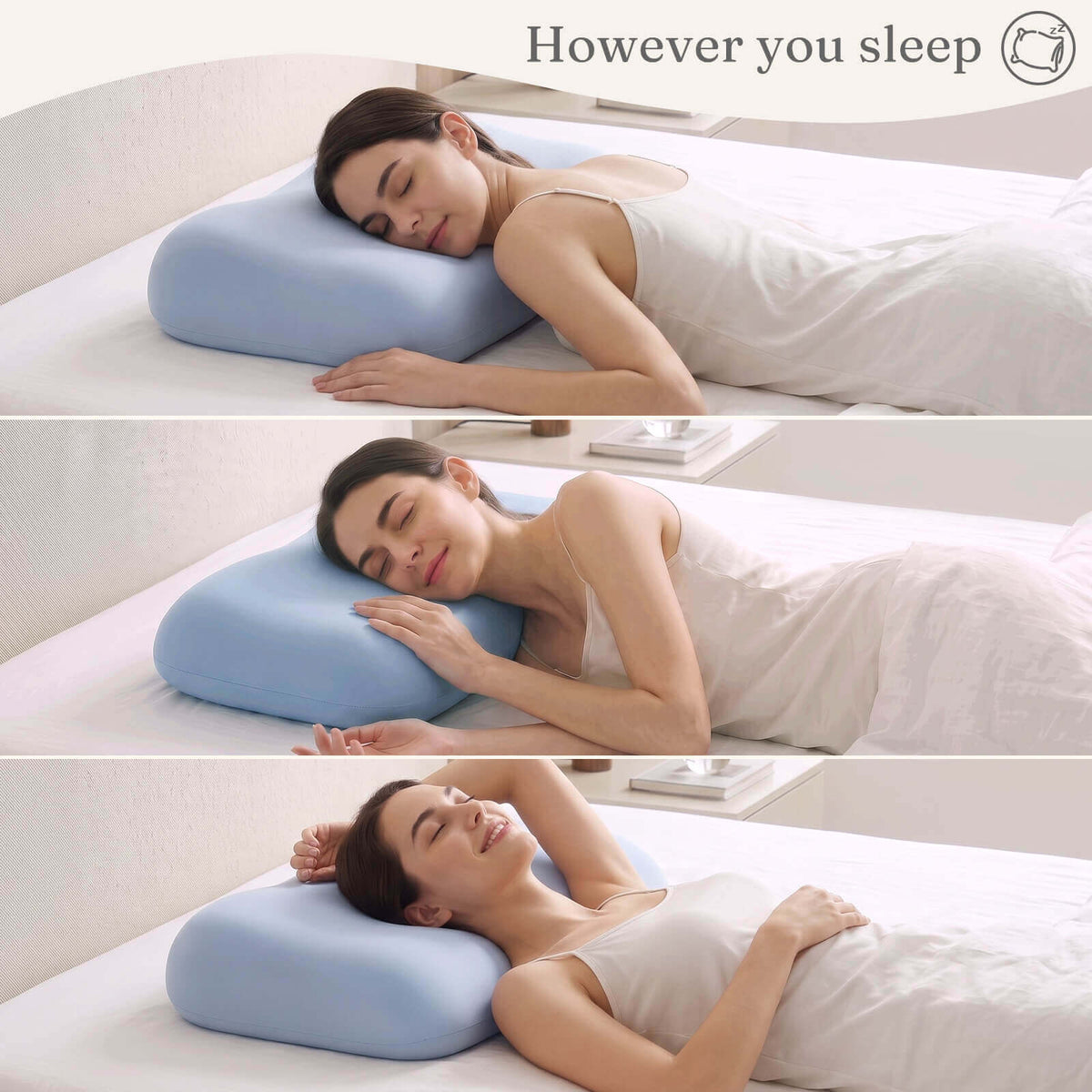
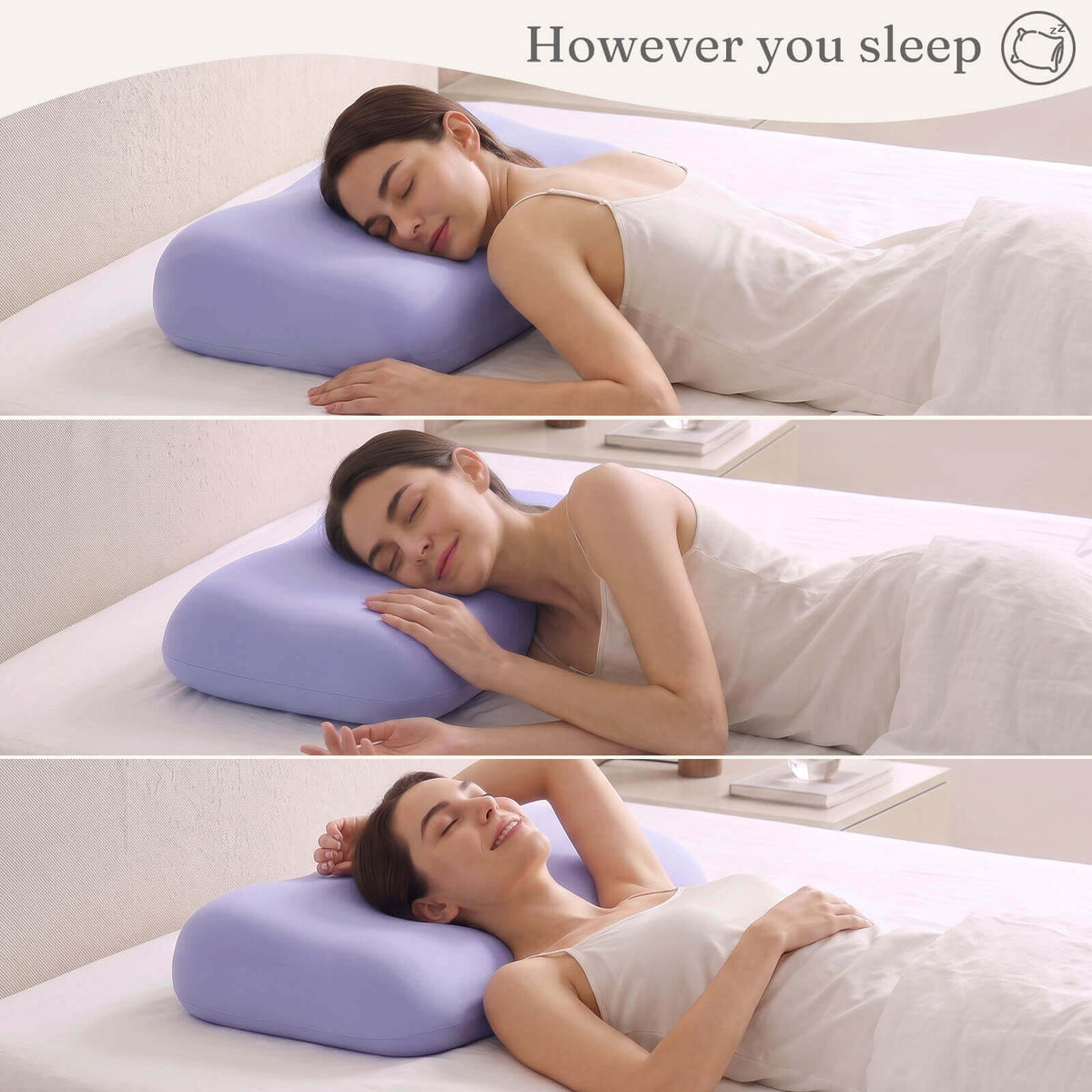
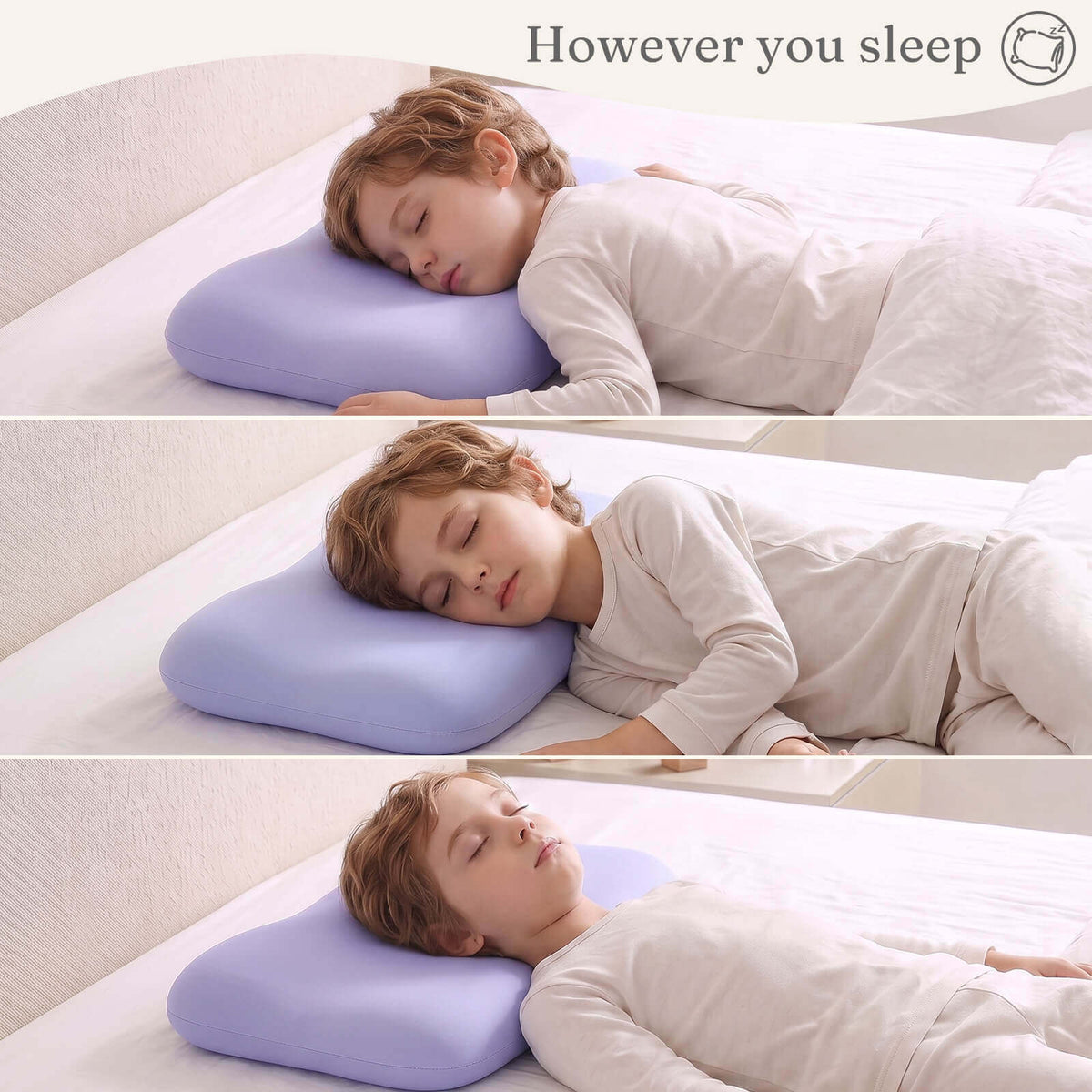
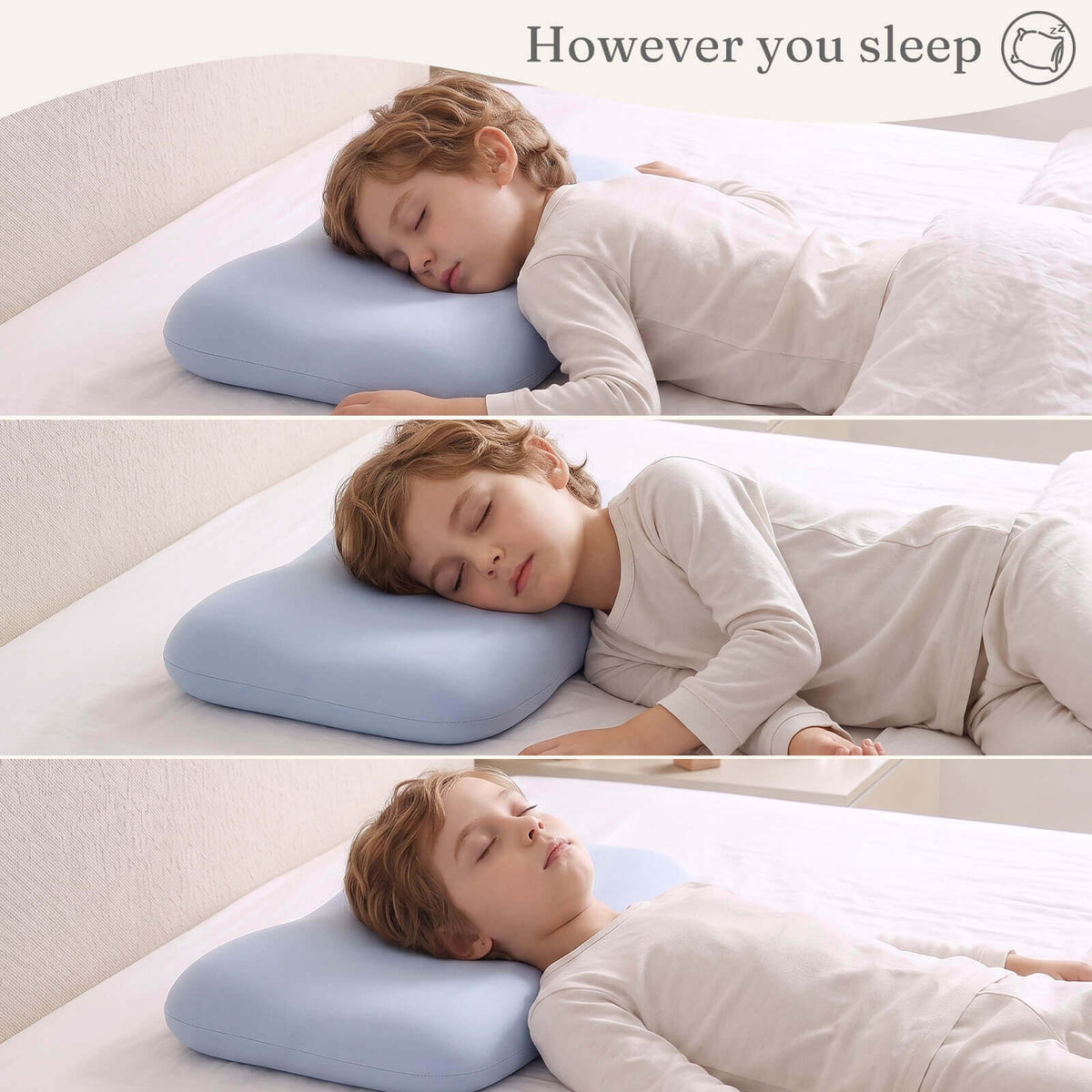
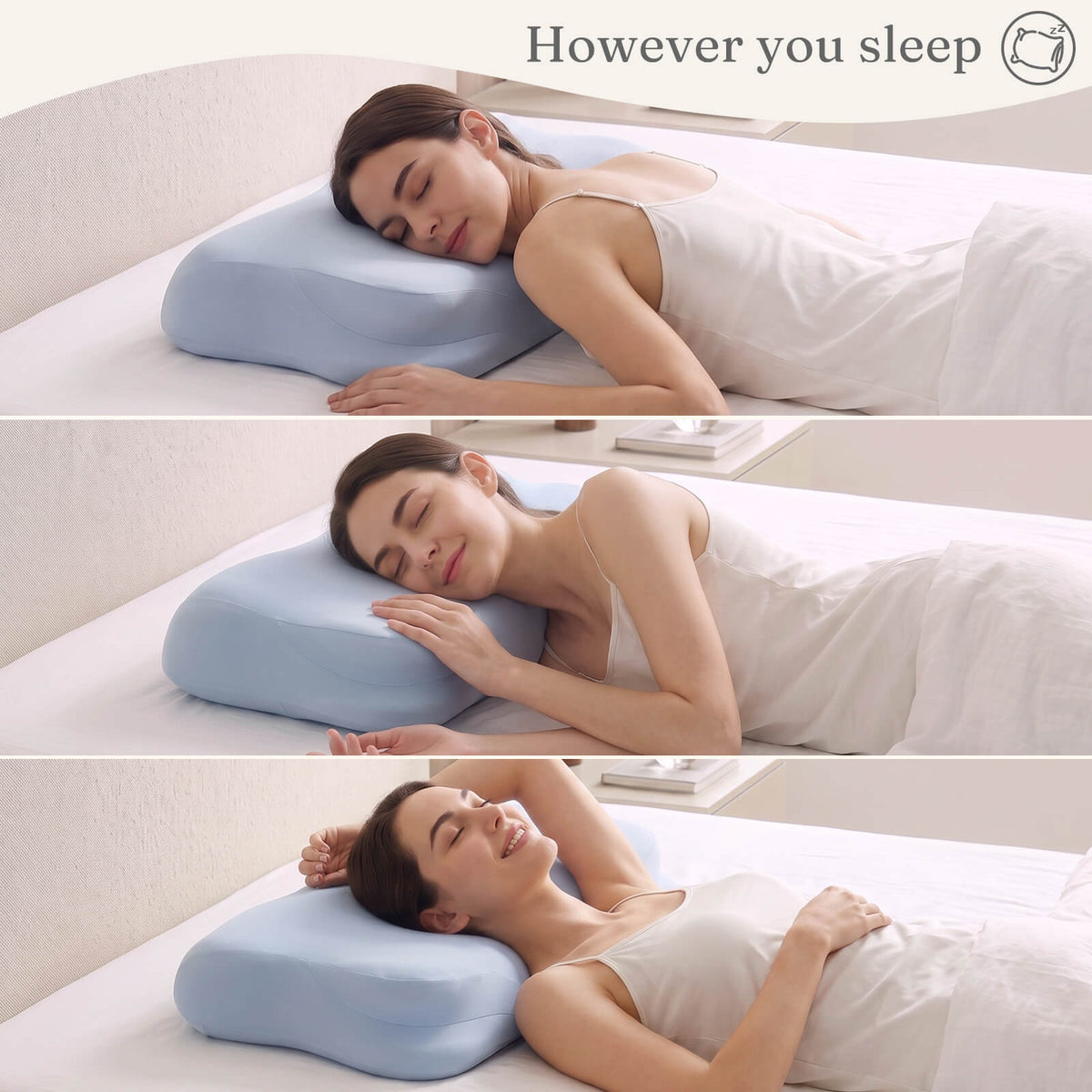
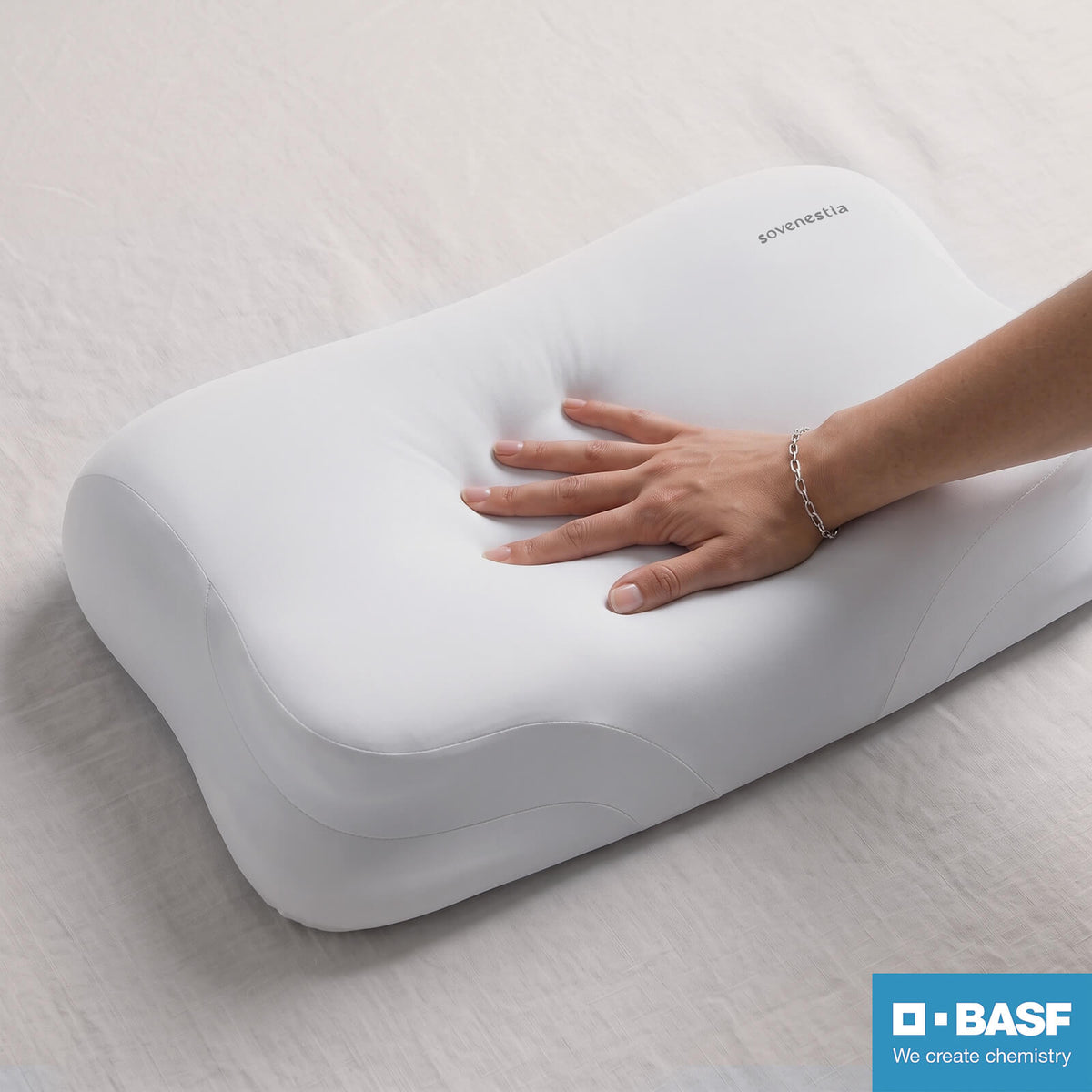
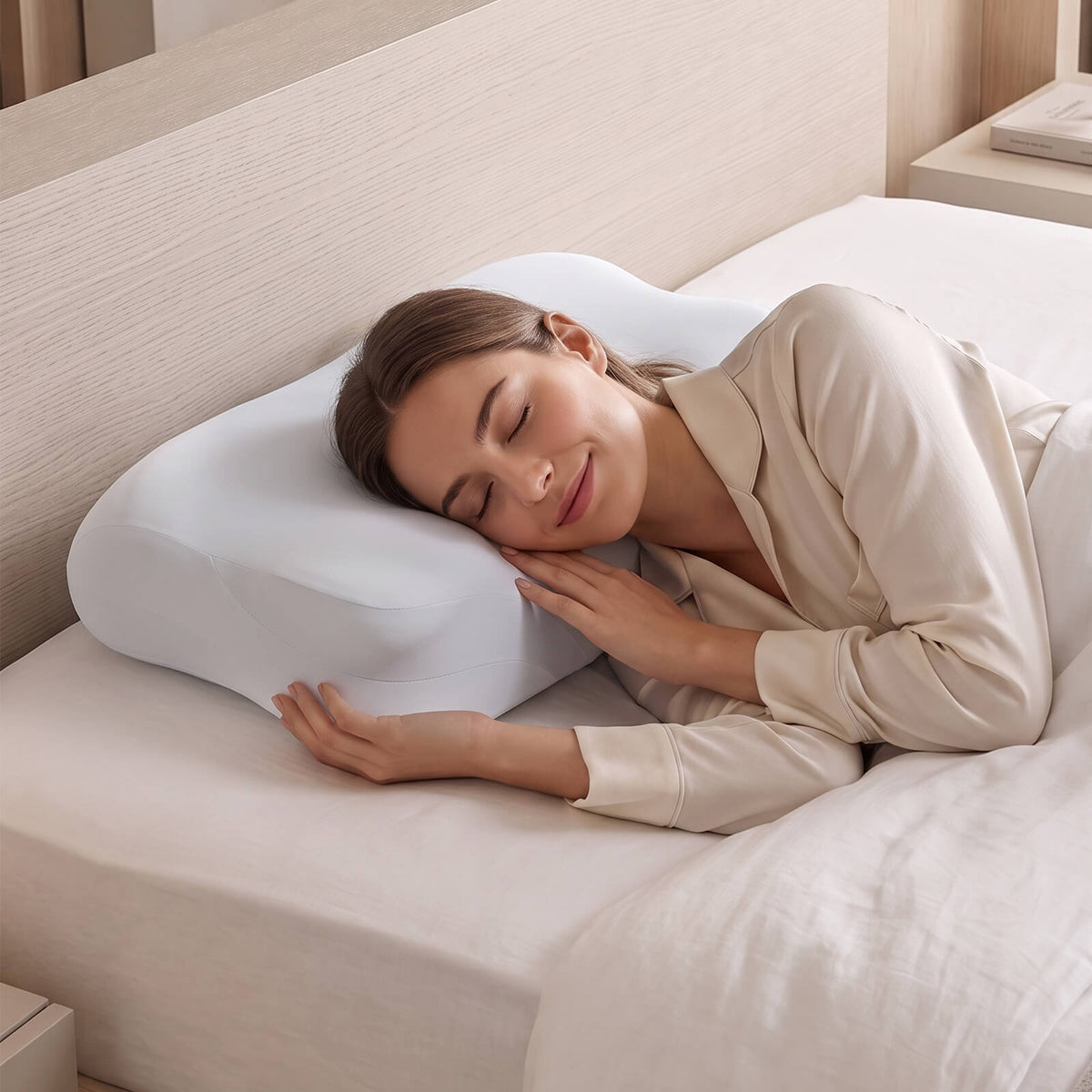
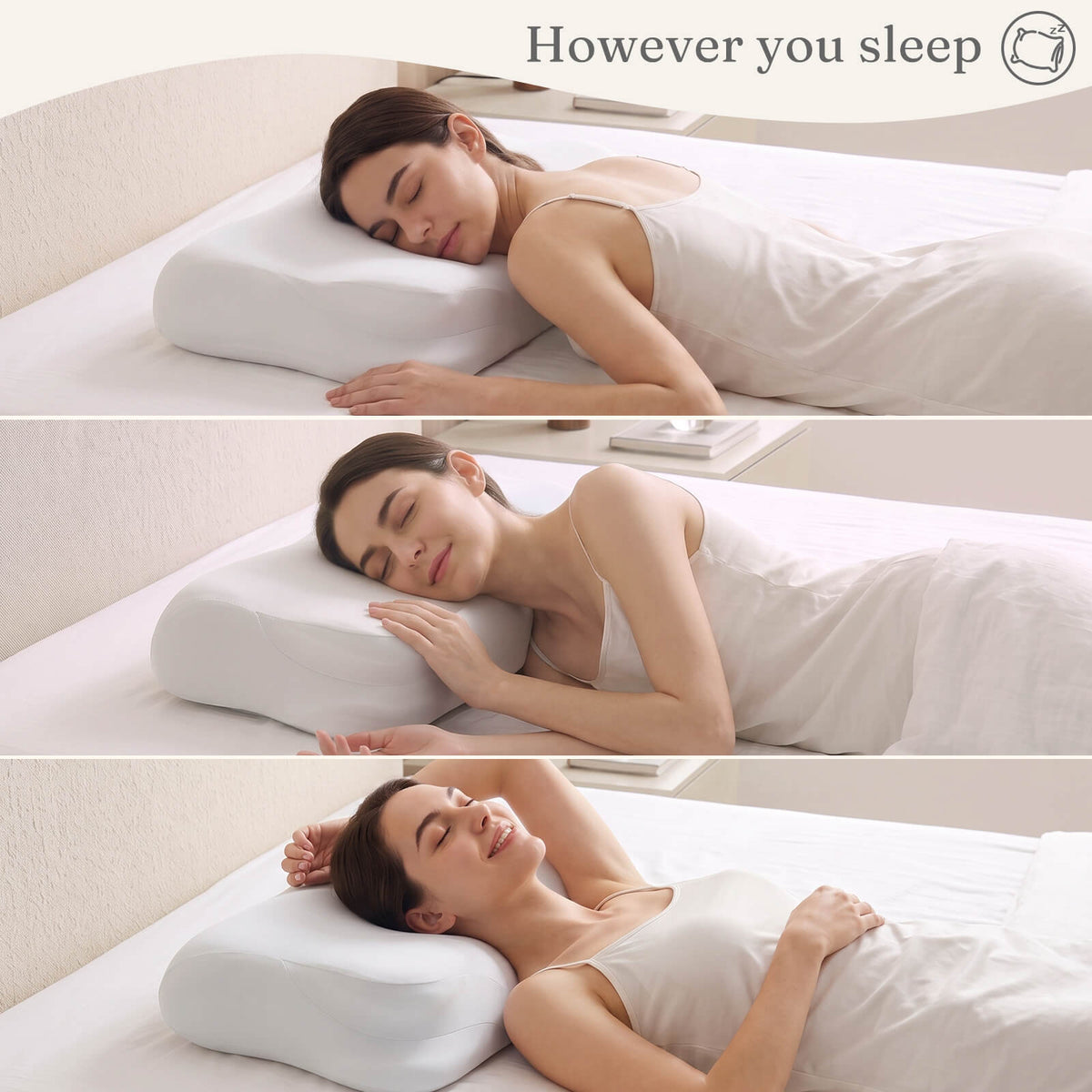
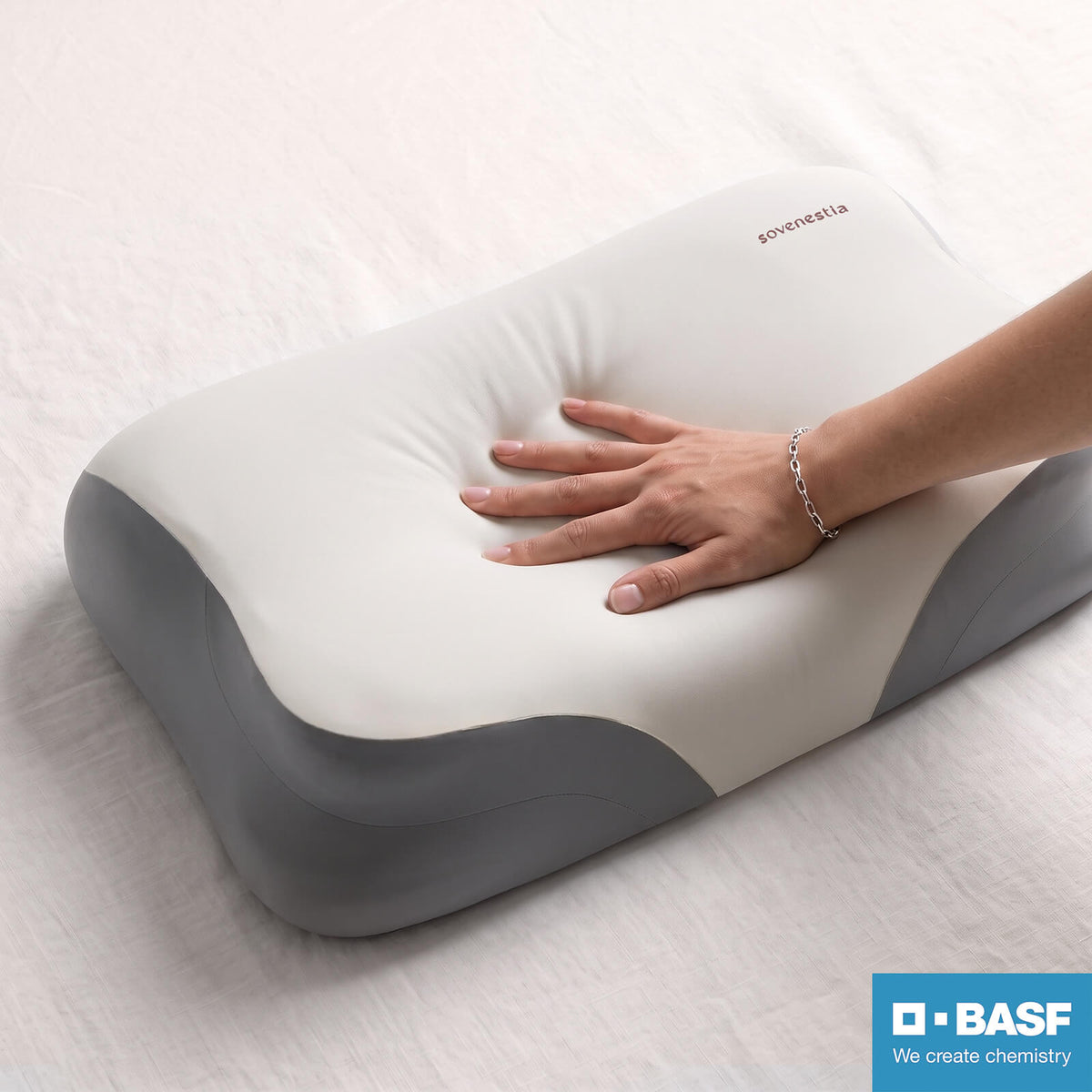
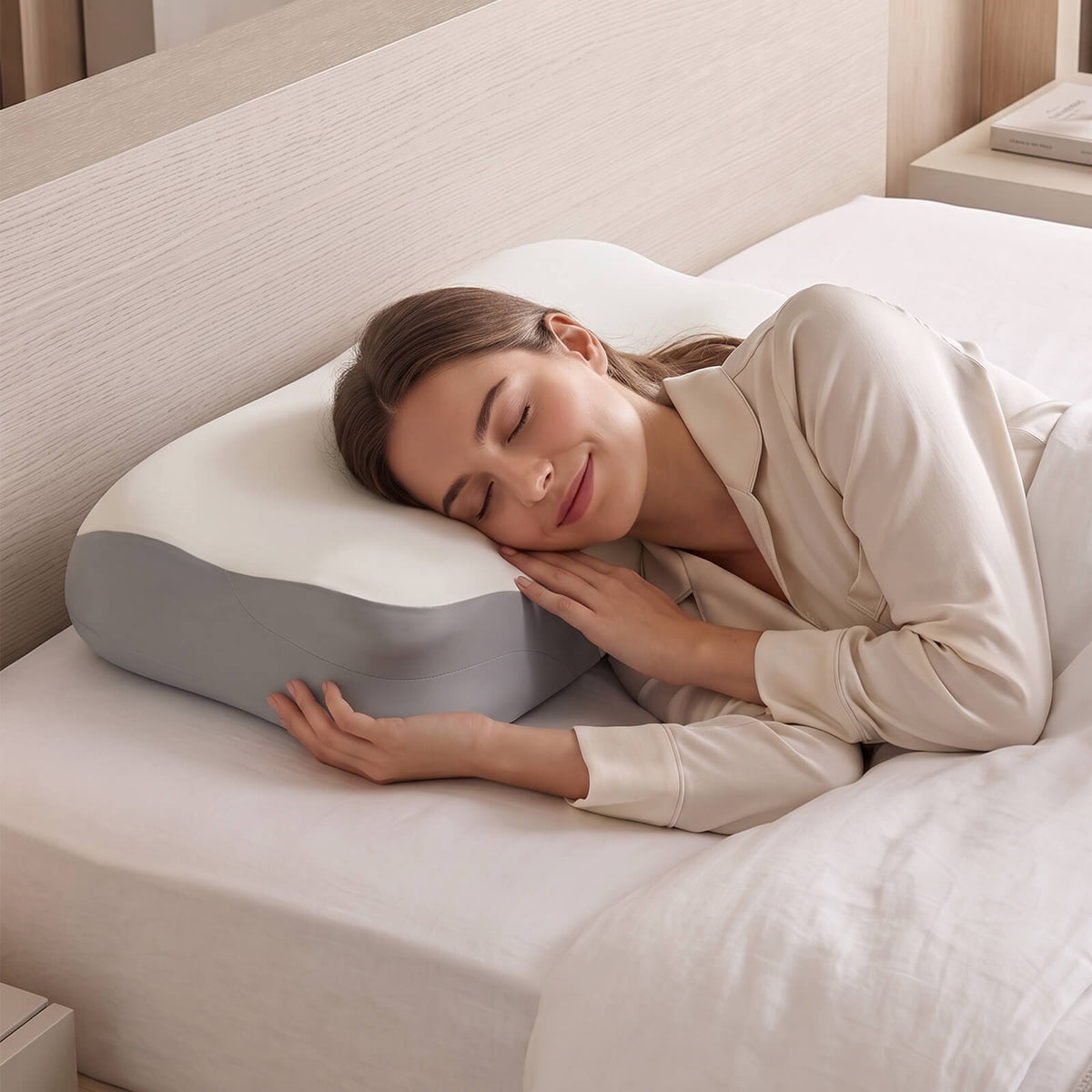
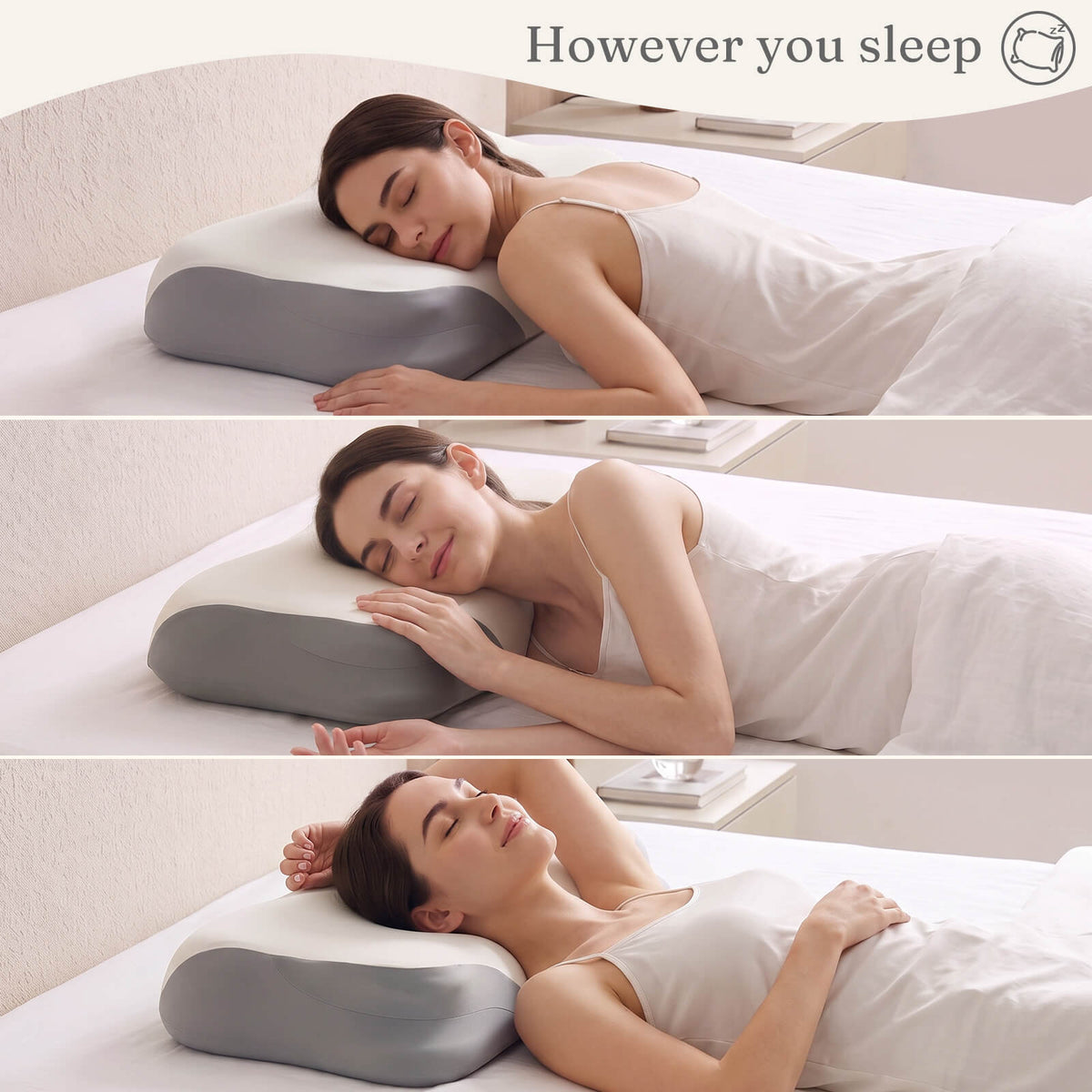
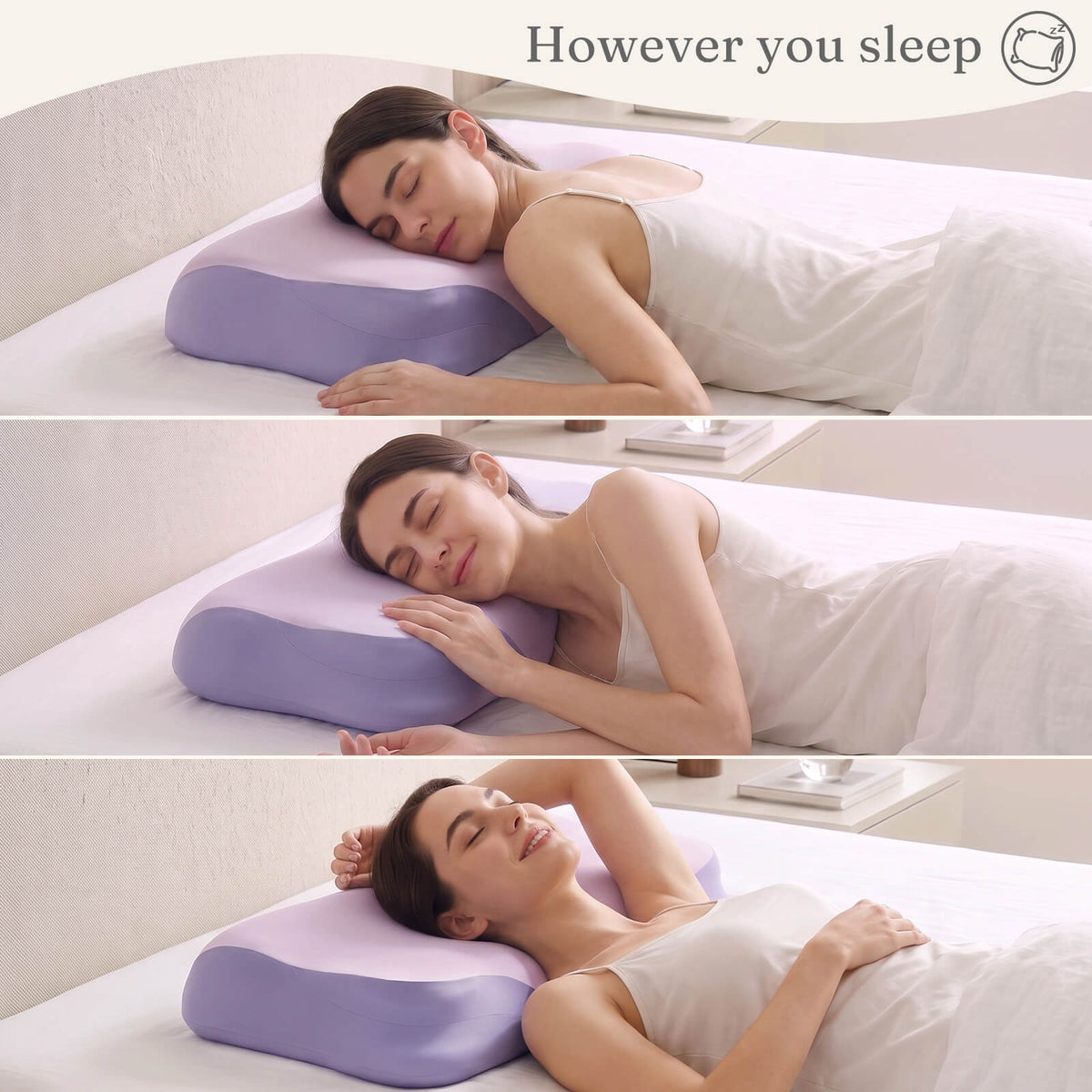
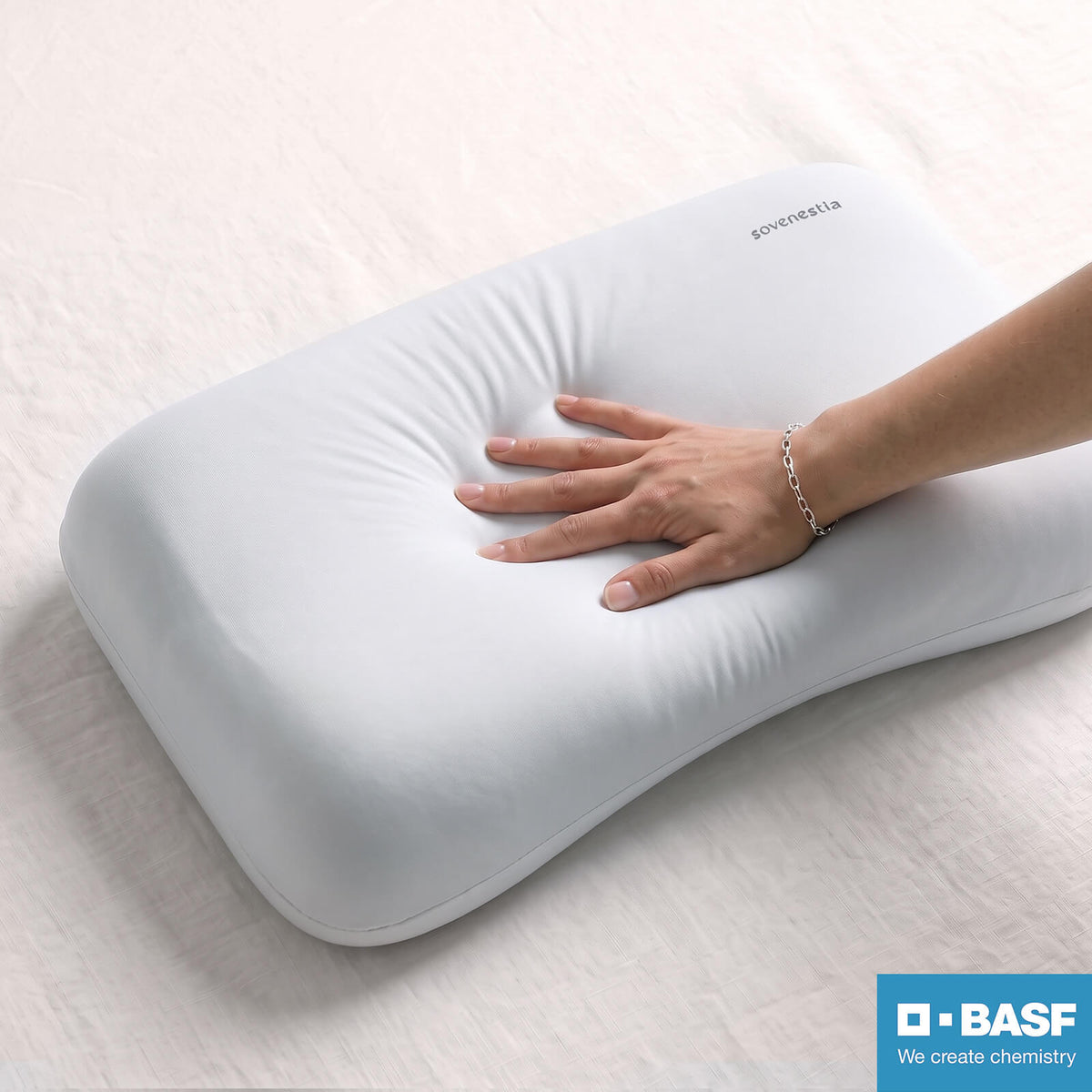
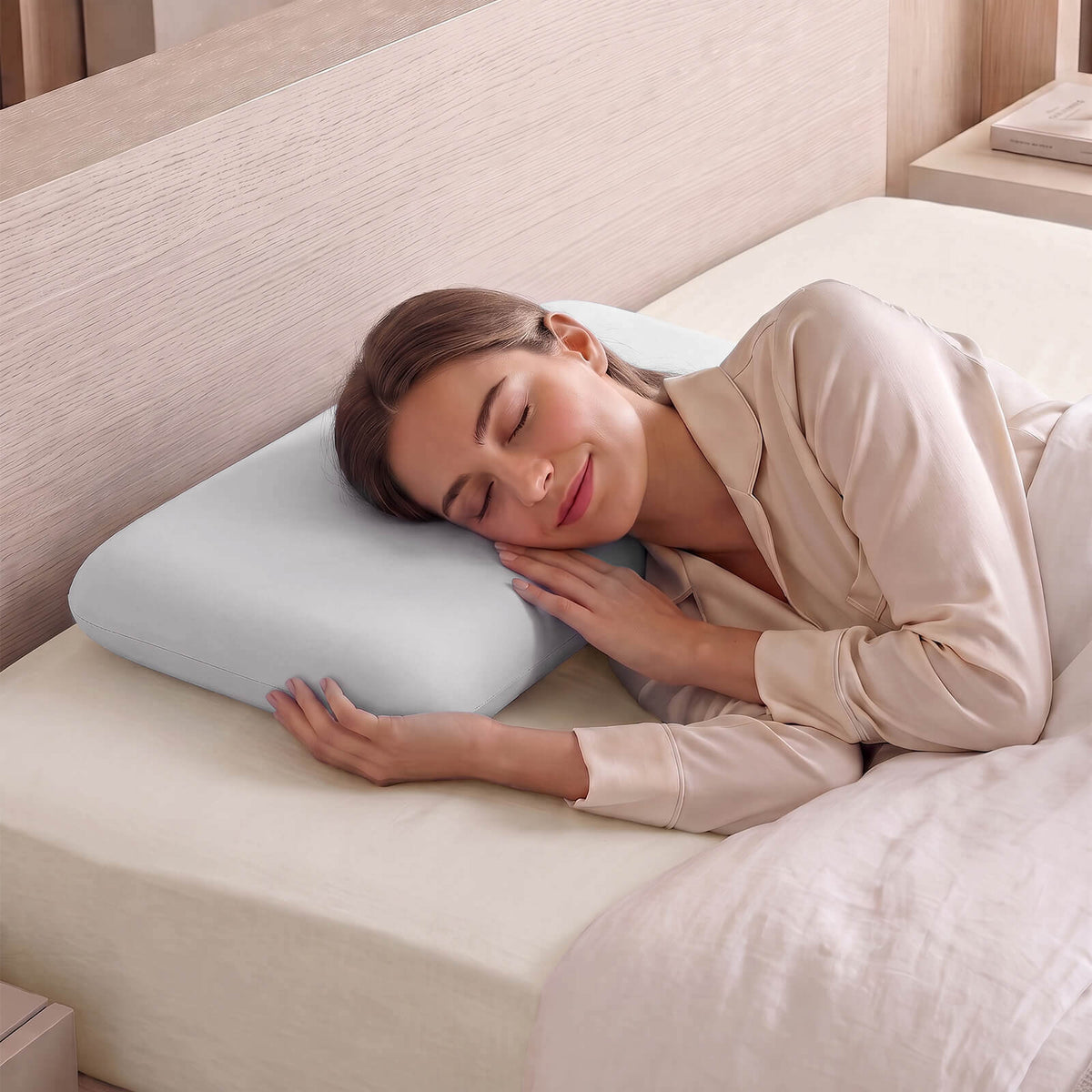
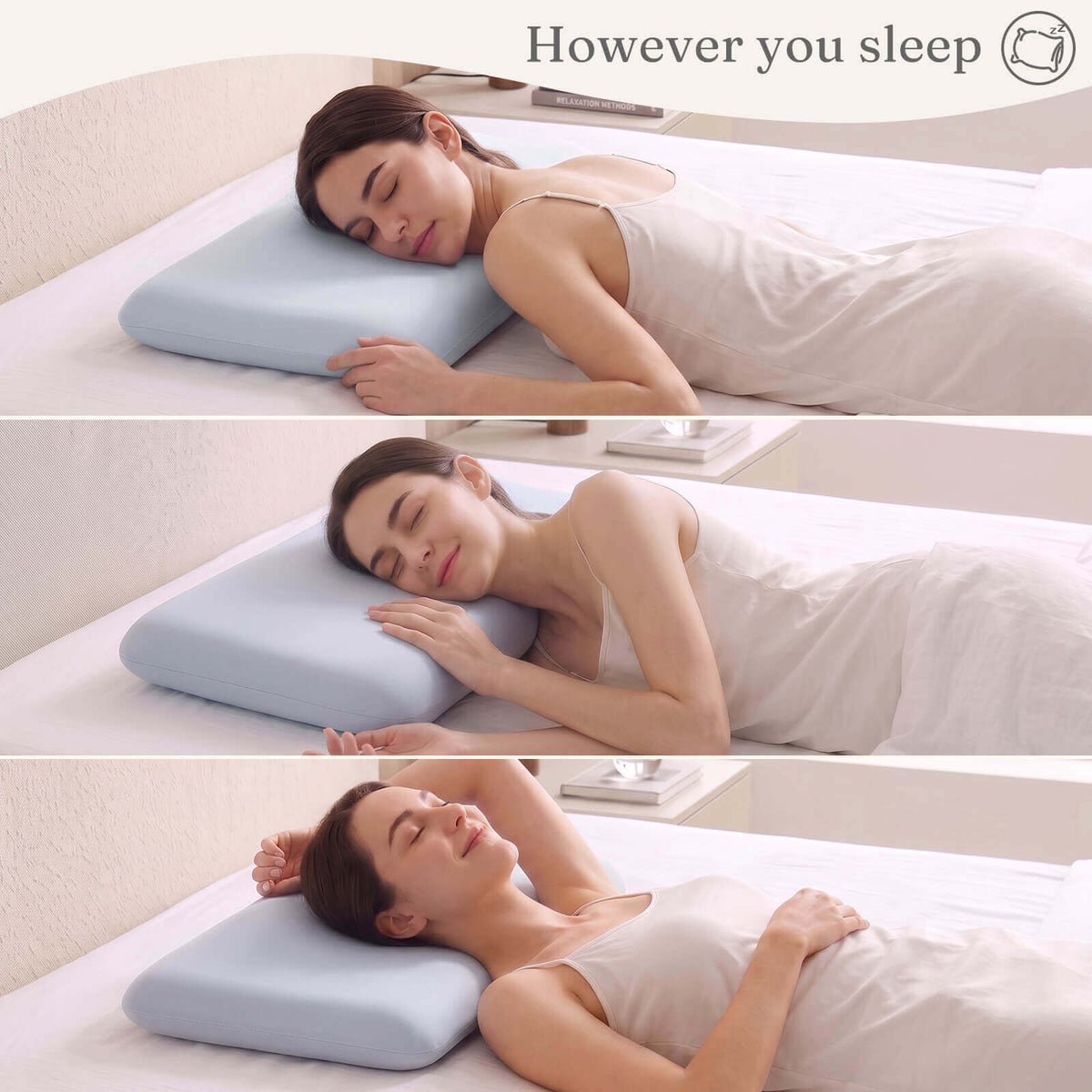
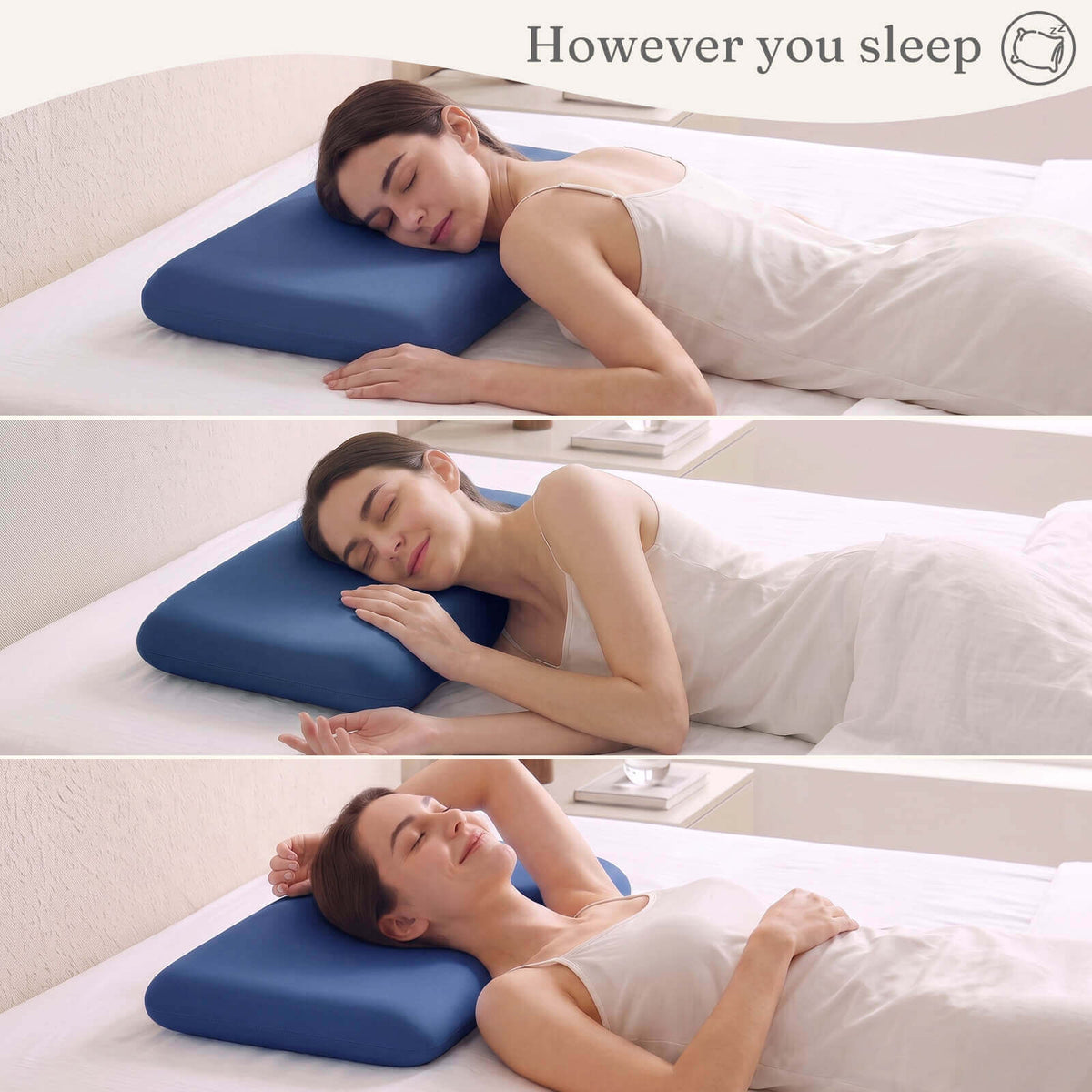
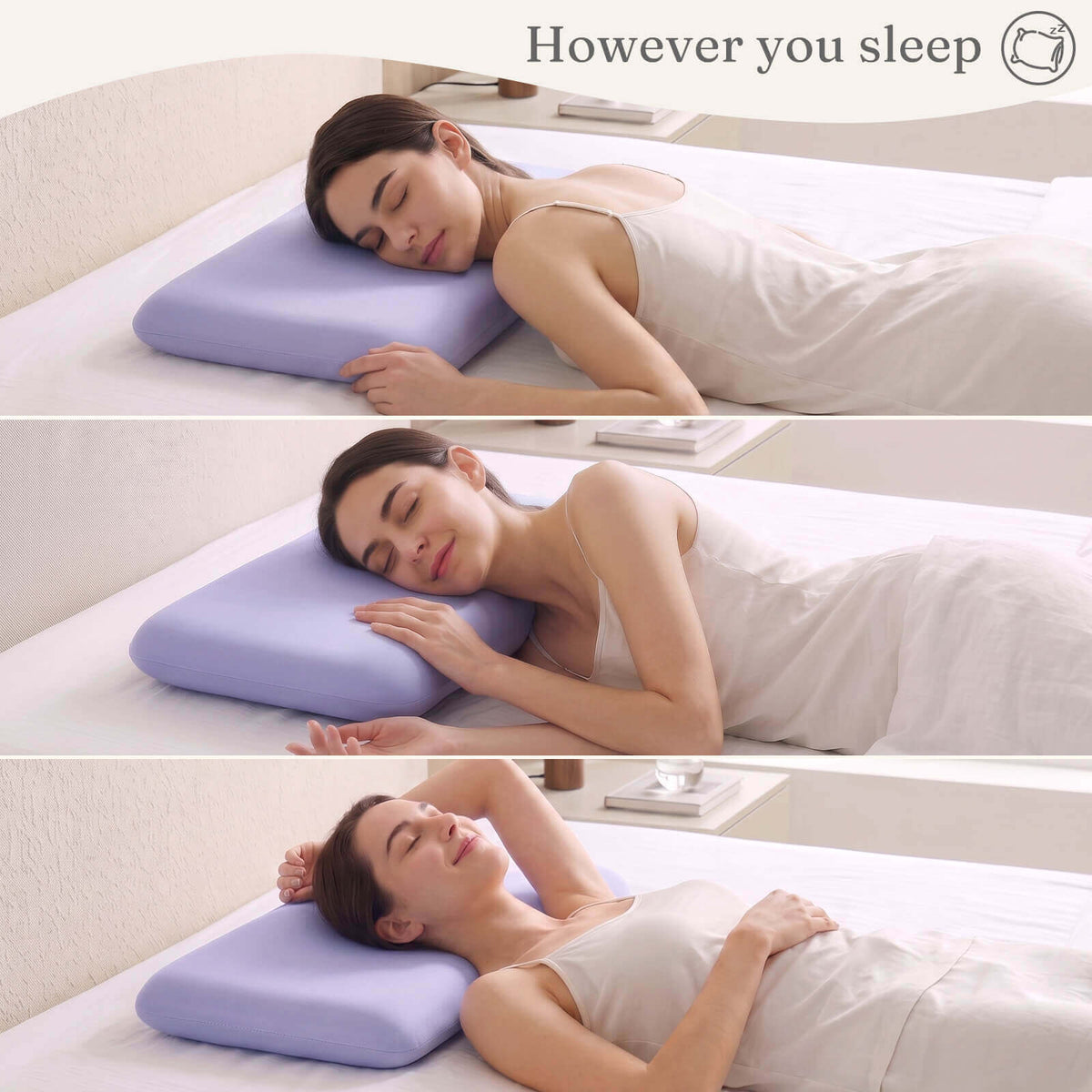
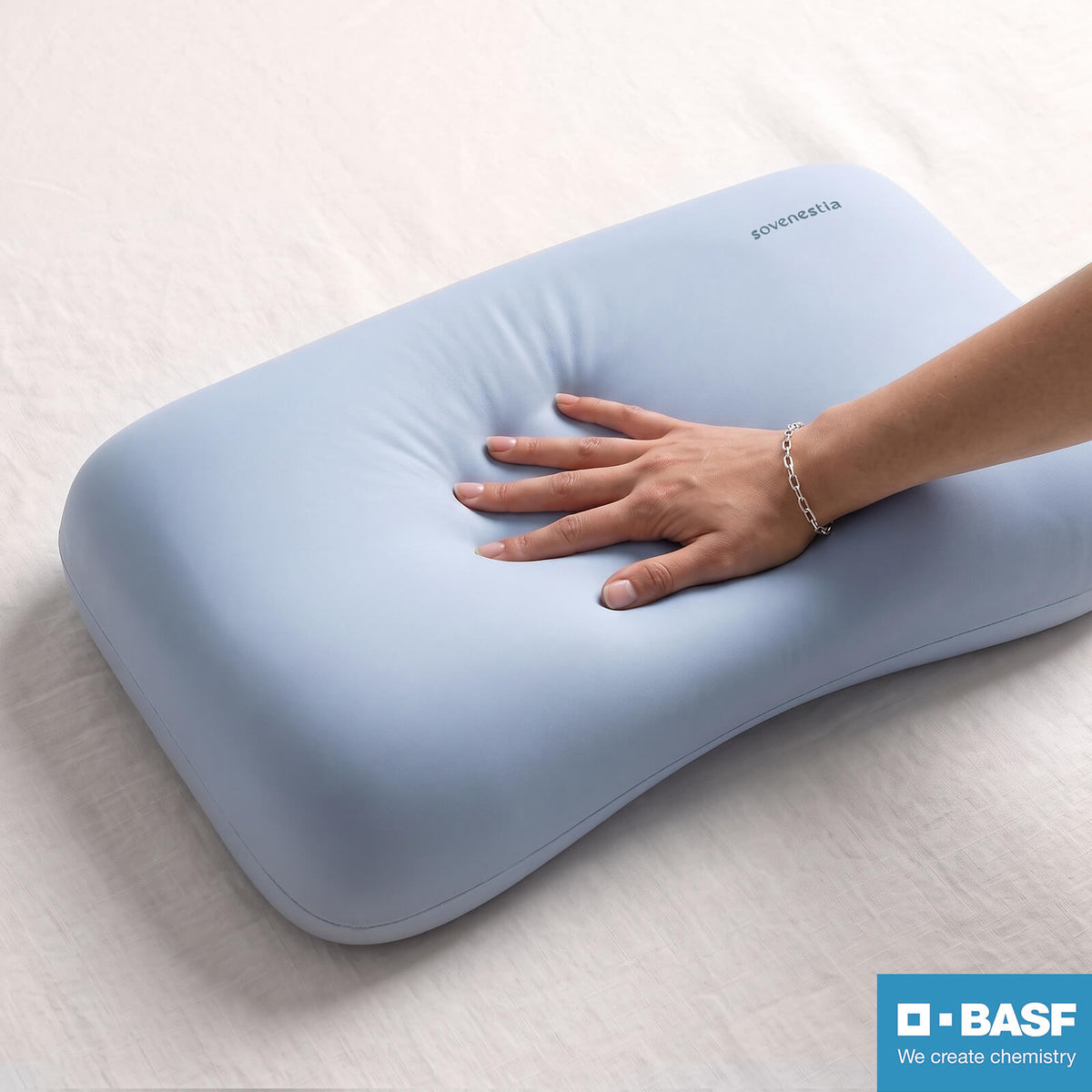
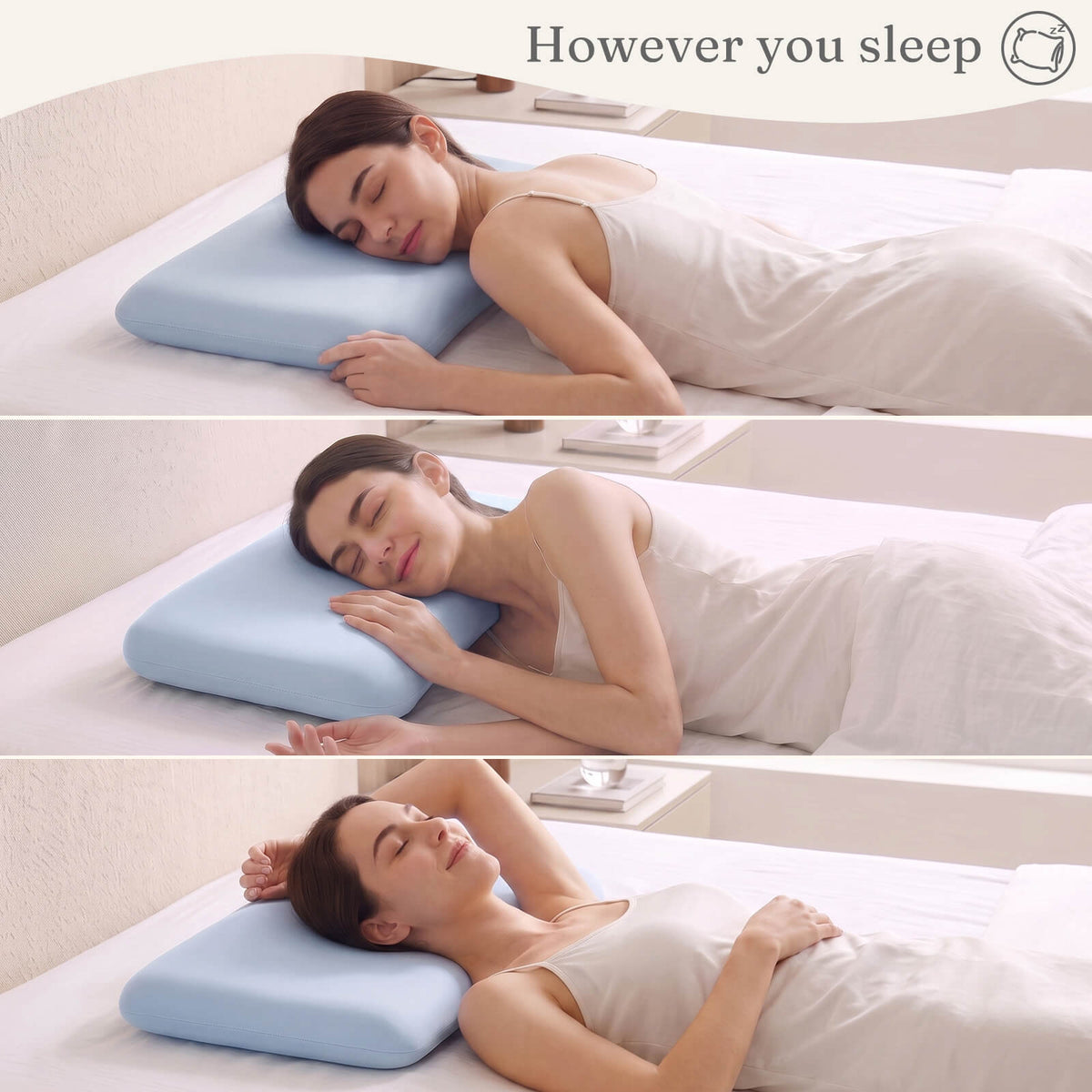
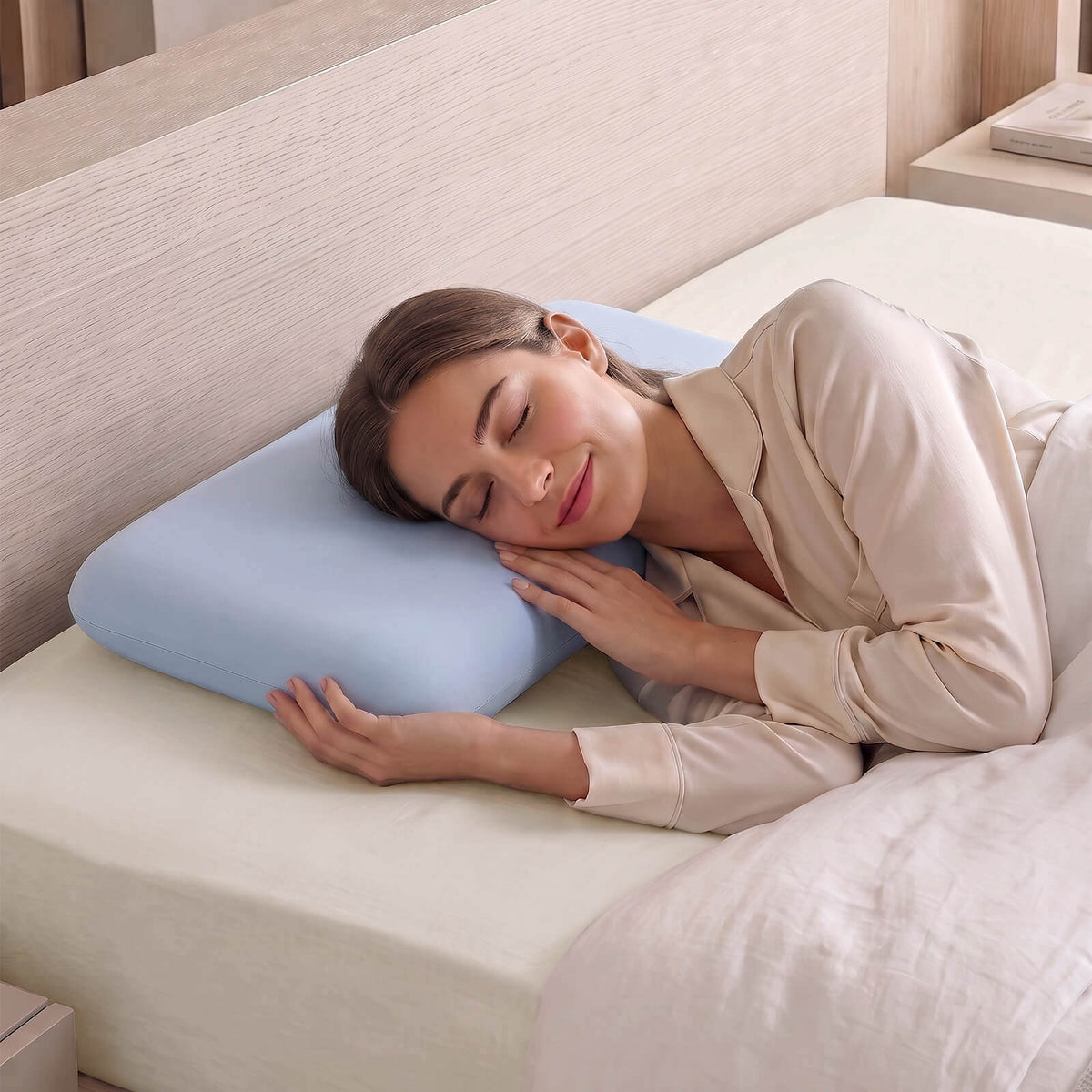
* For Side Sleepers: Higher loft and firmer density are required to prevent the neck from angling downward. Memory foam with viscoelastic properties has been shown to reduce peak pressure points on the shoulder and neck.
* For Back Sleepers: Medium loft is ideal to support the natural cervical lordosis without pushing the chin toward the chest.
* For Stomach Sleepers: Generally discouraged by sleep specialists, but if necessary, an ultra-thin or flat pillow is required to prevent hyperextension of the cervical spine.

The Verdict
Your pillow is the silent architect of your night. It manages the delicate balance of spinal mechanics and thermal homeostasis that allows your brain to safely descend into deep restorative sleep and vivid dreaming.
Investing in the right pillow is not a luxury; it is a medical necessity for sleep hygiene. Tonight, before you close your eyes, ask yourself: Is my pillow supporting my spine, or is my spine supporting my pillow? The answer may determines whether you wake up refreshed and inspired, or stiff and exhausted.
Disclaimer: This article is for informational purposes only and does not constitute medical advice. Always consult your healthcare provider or physical therapist for personalized recommendations.