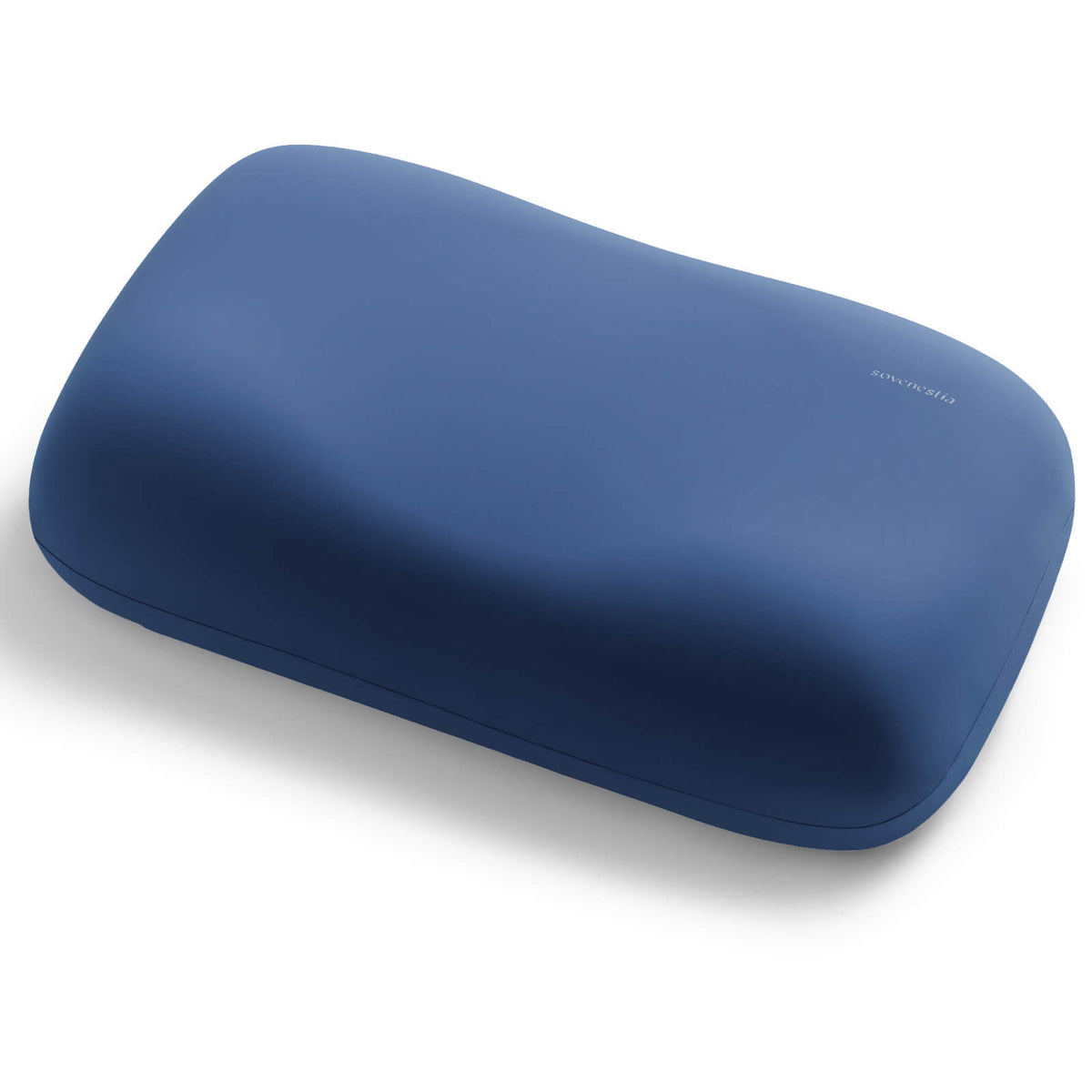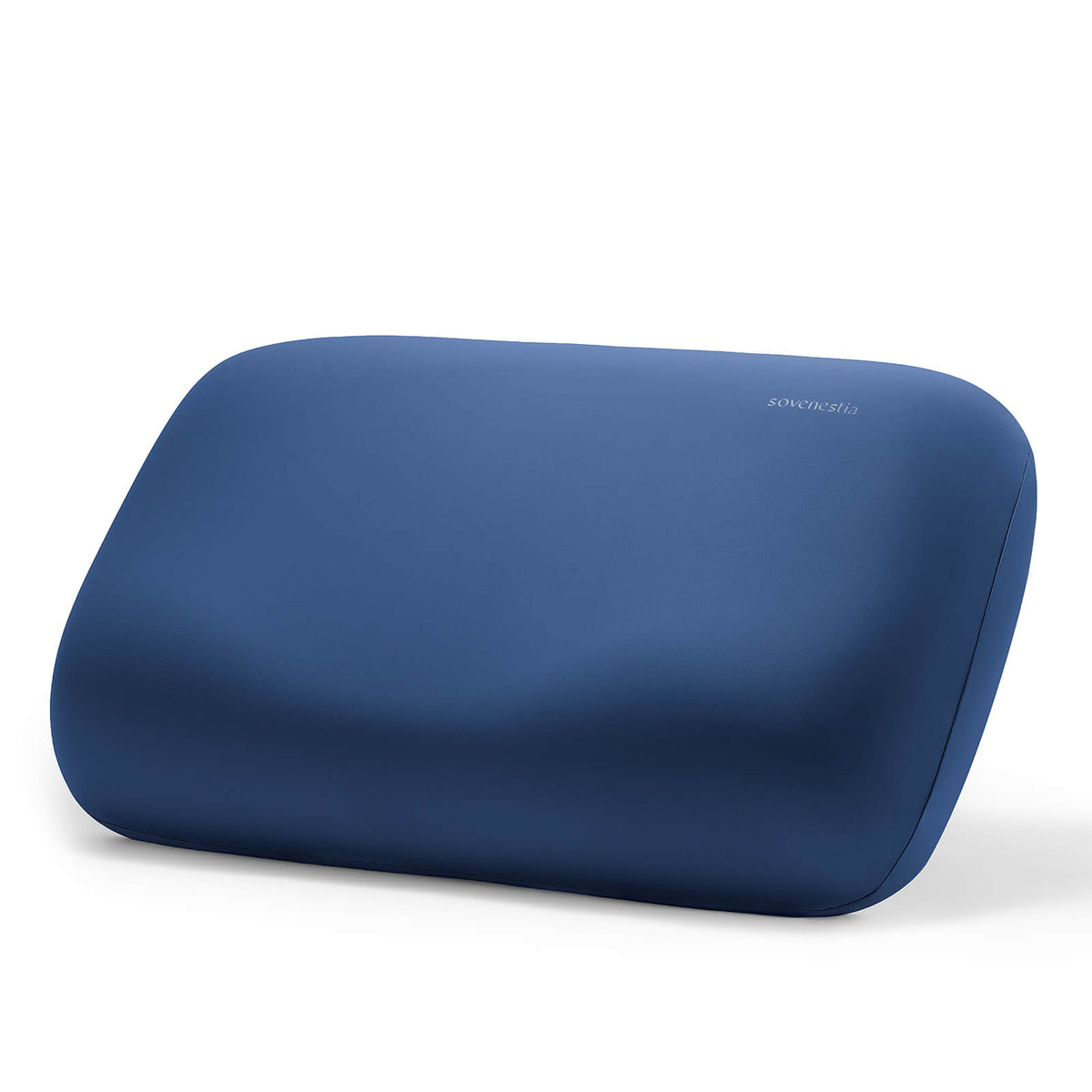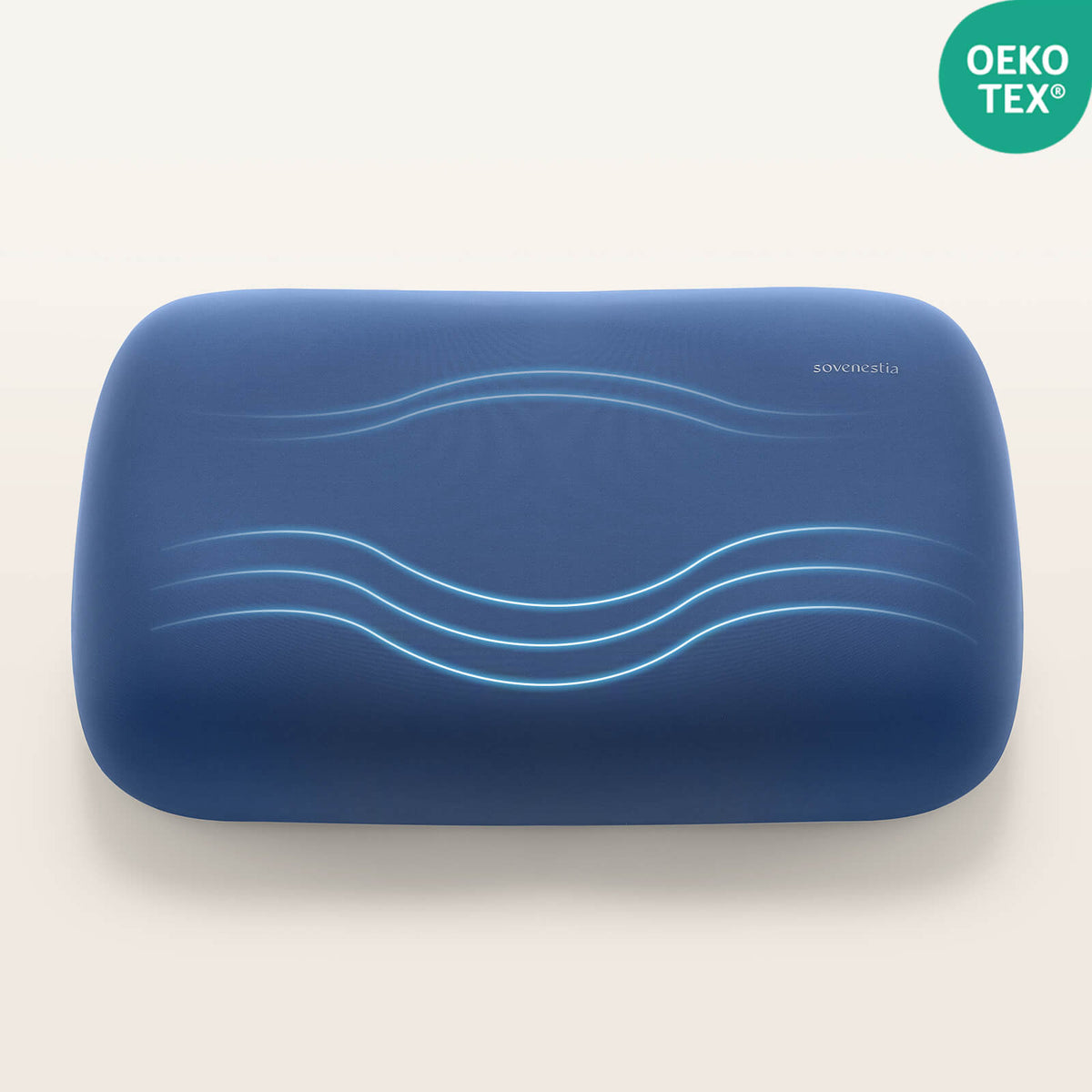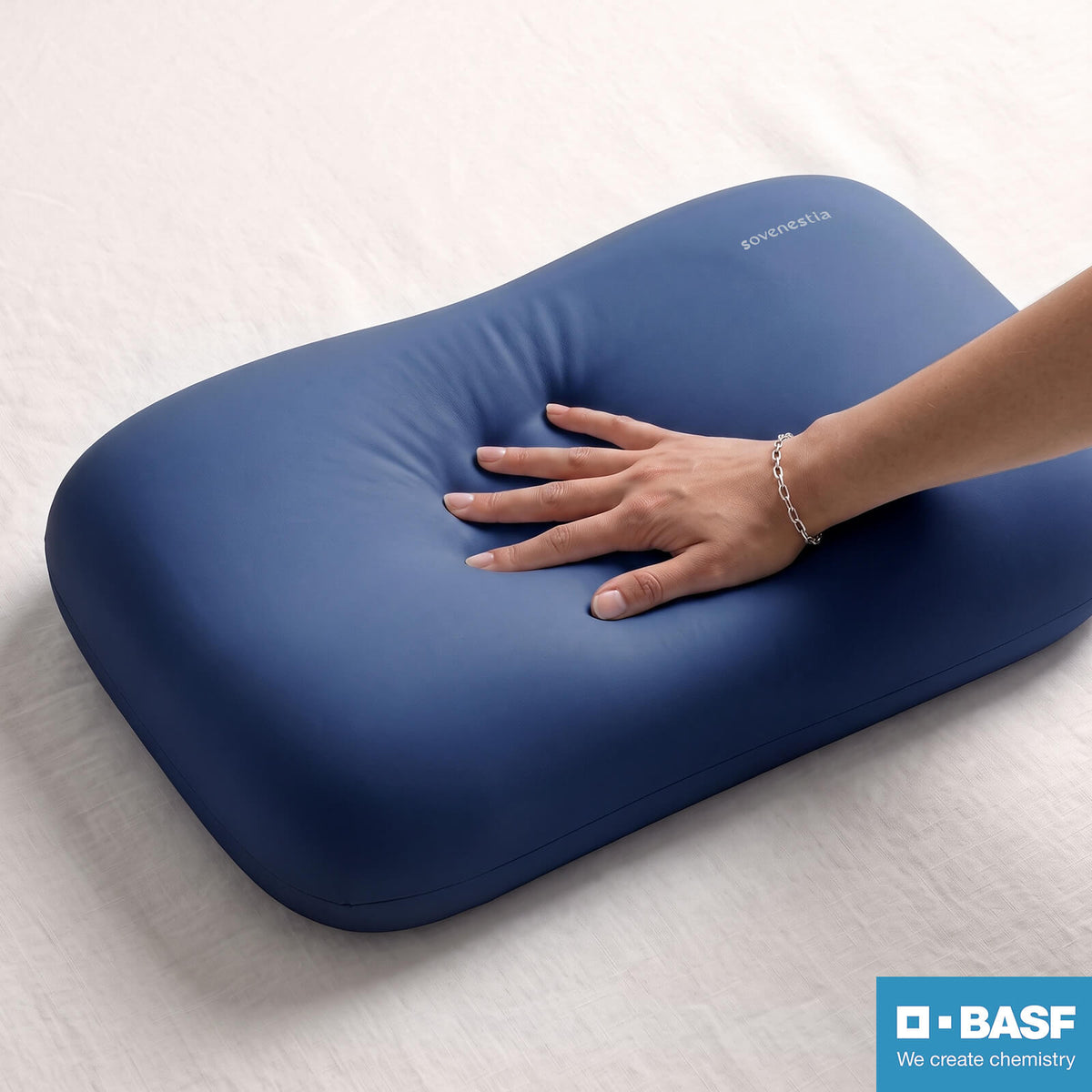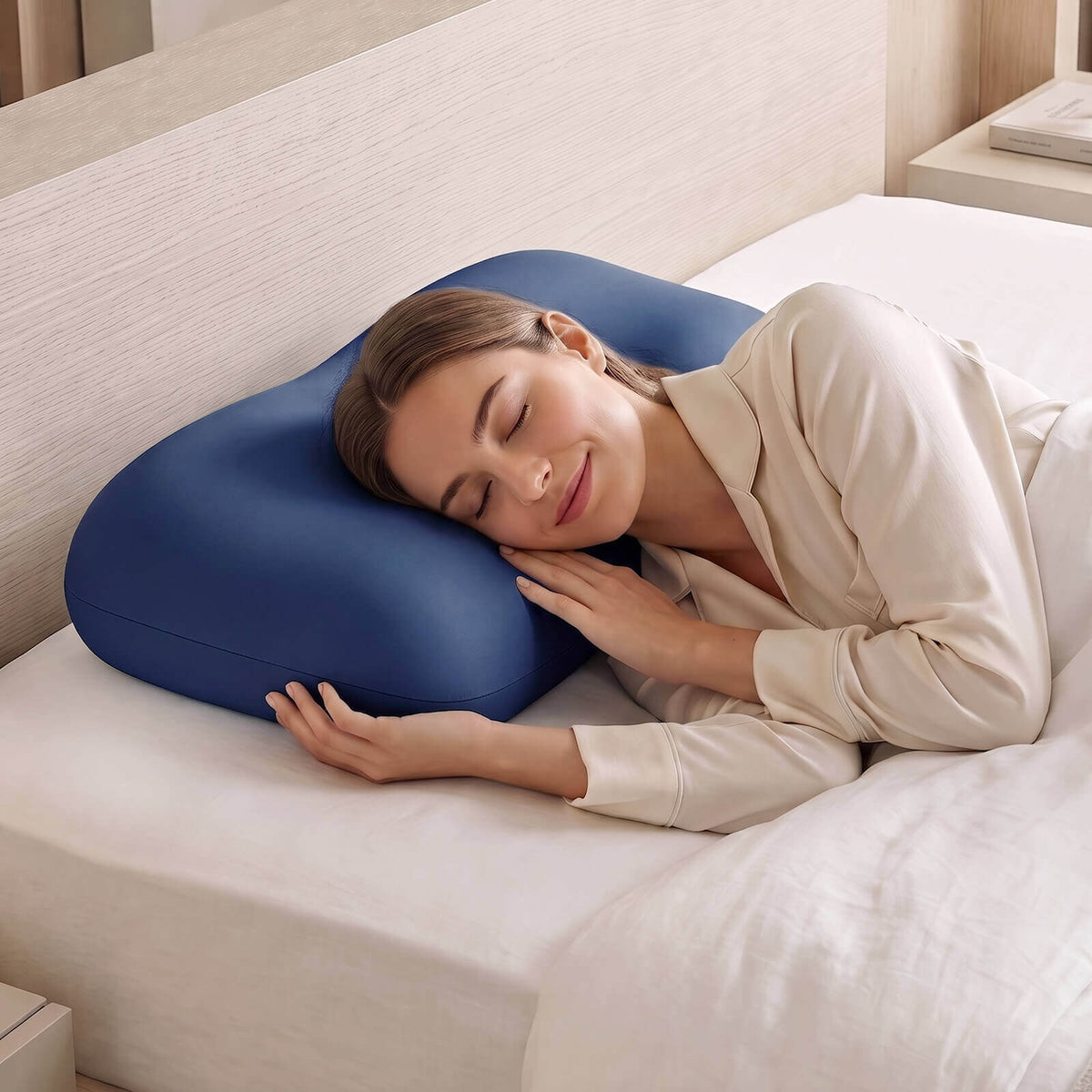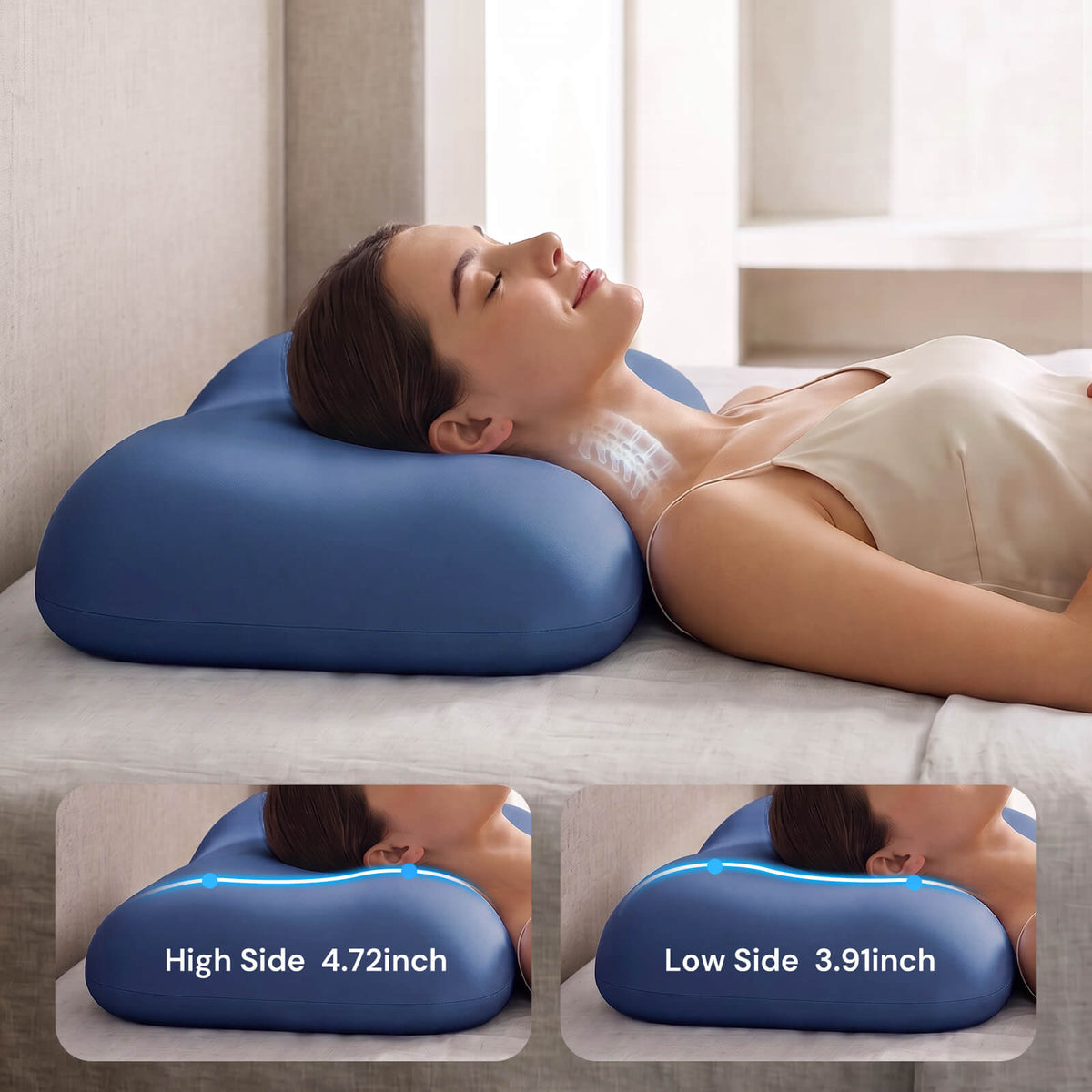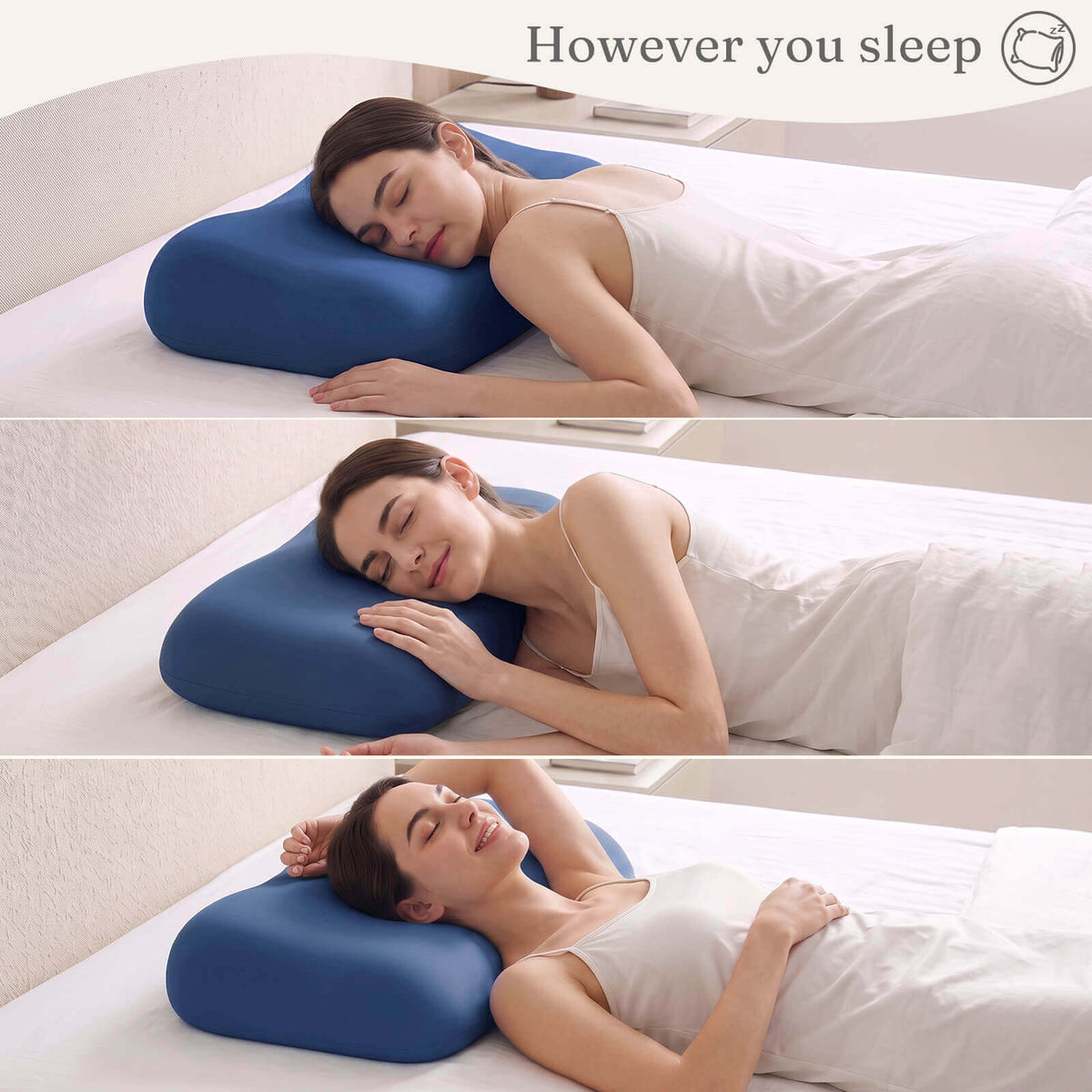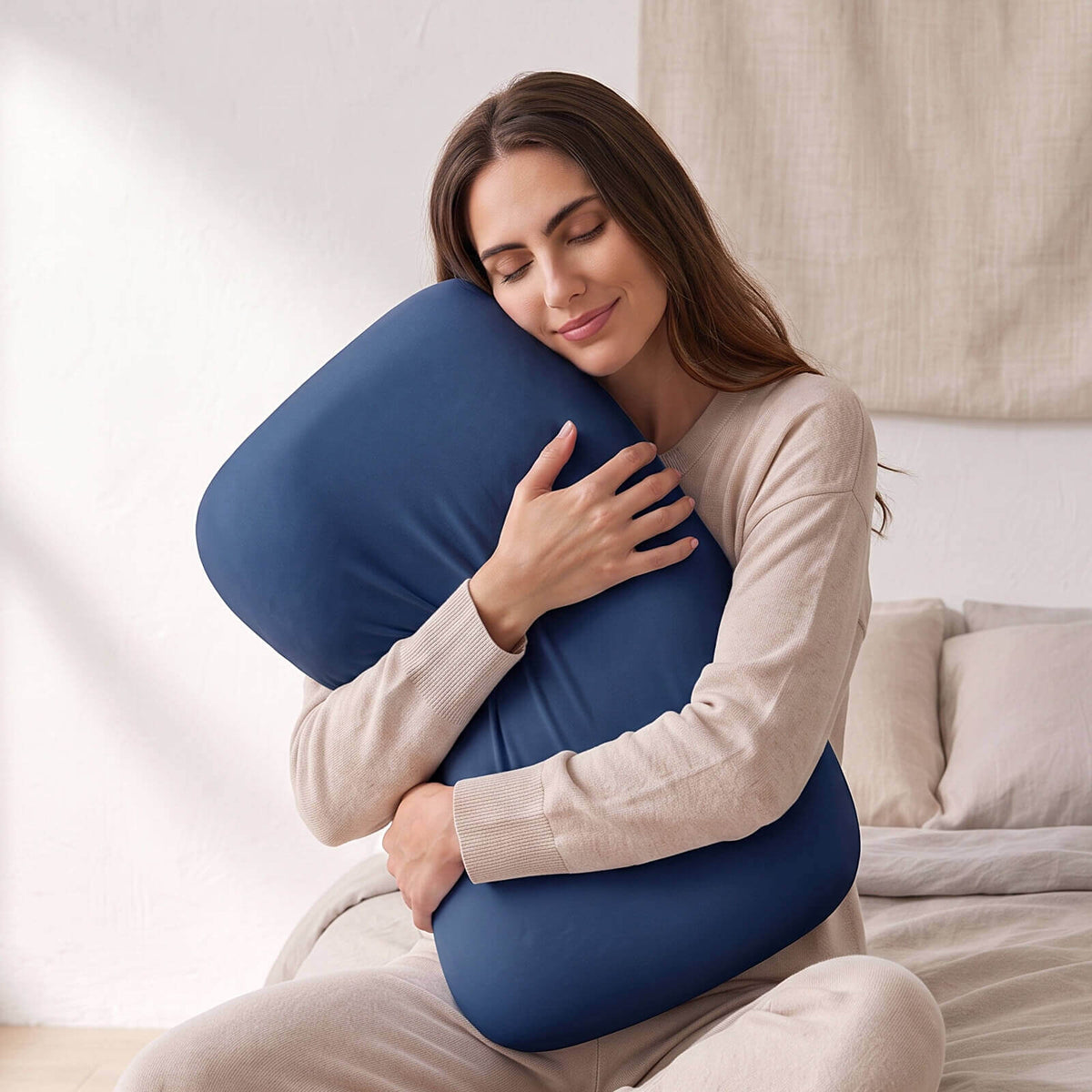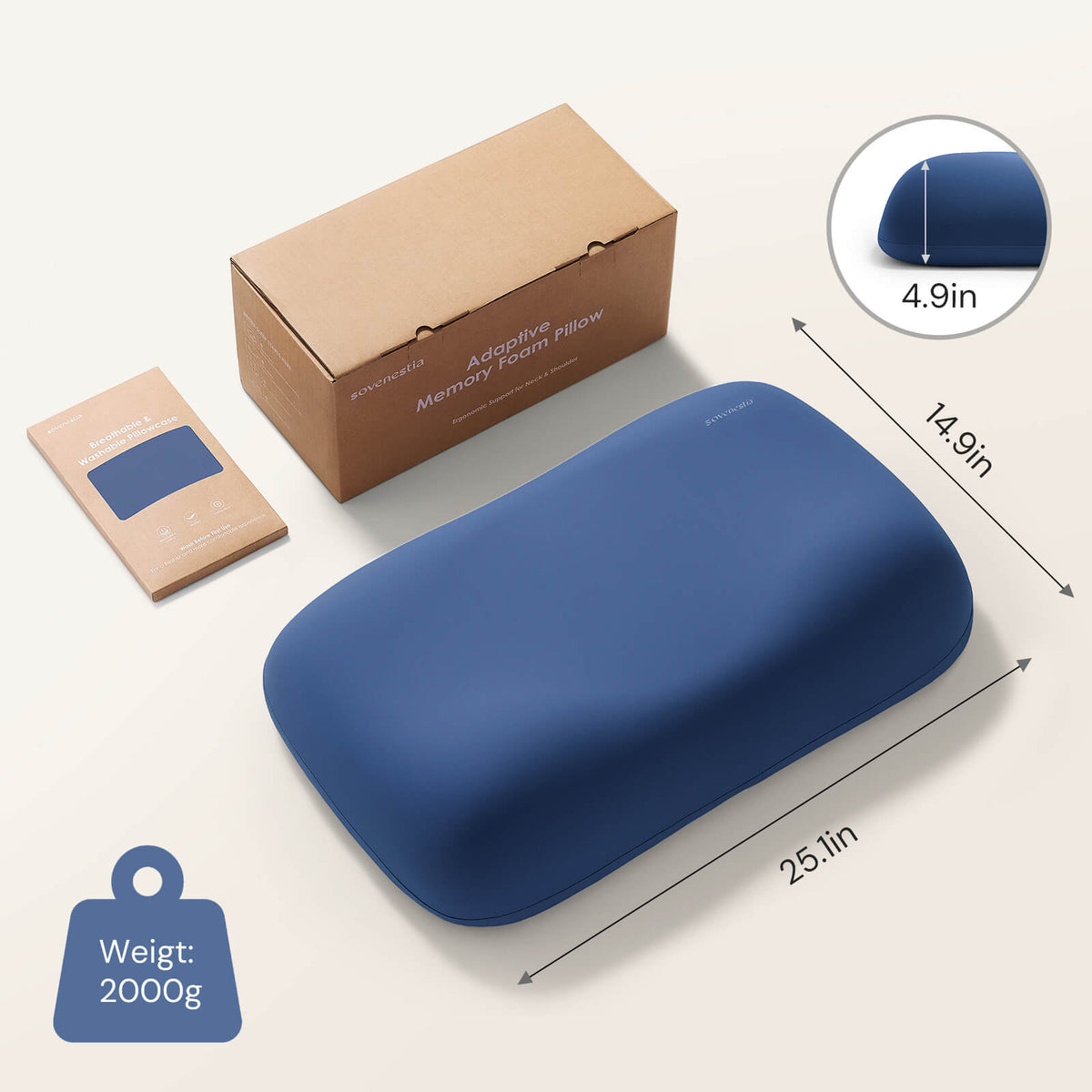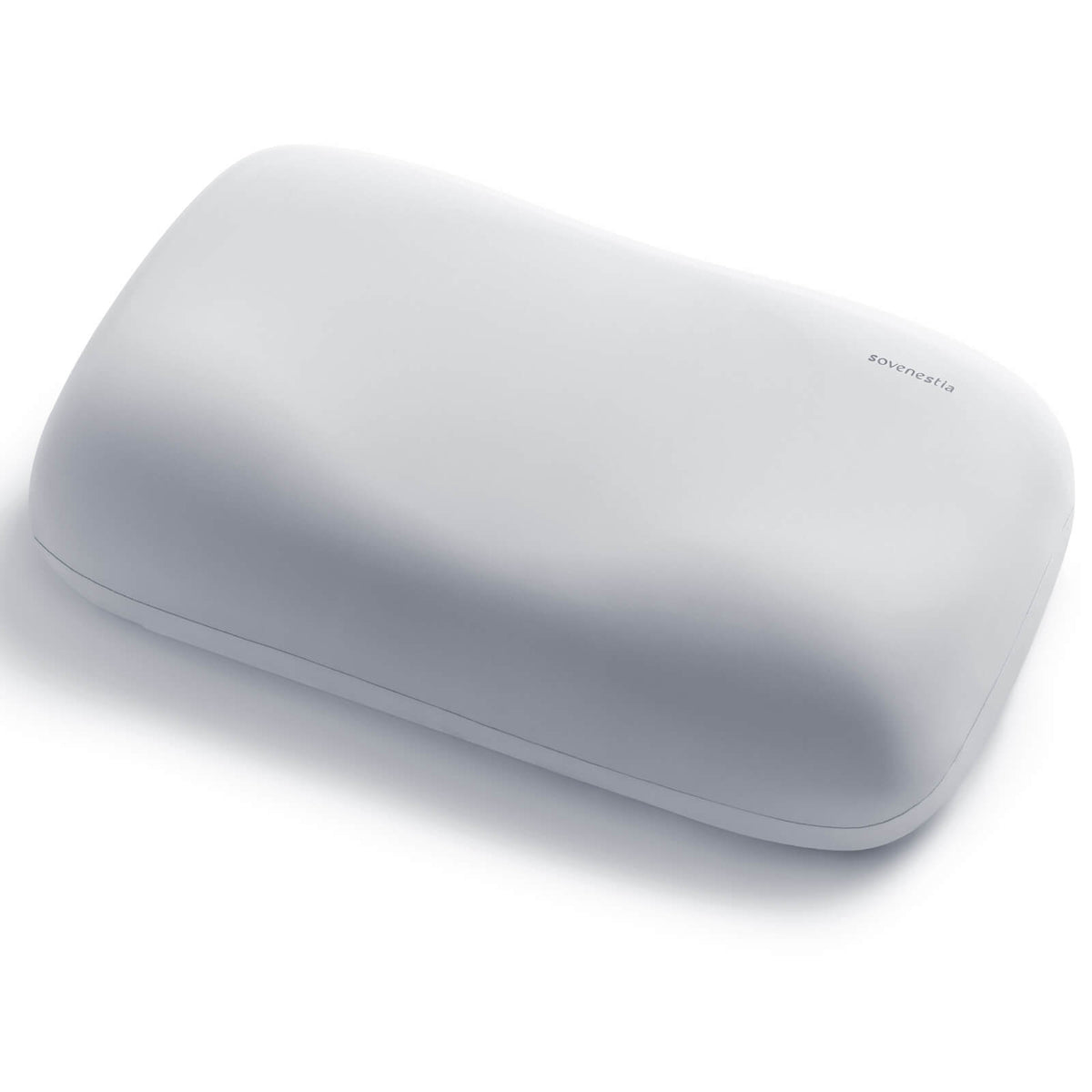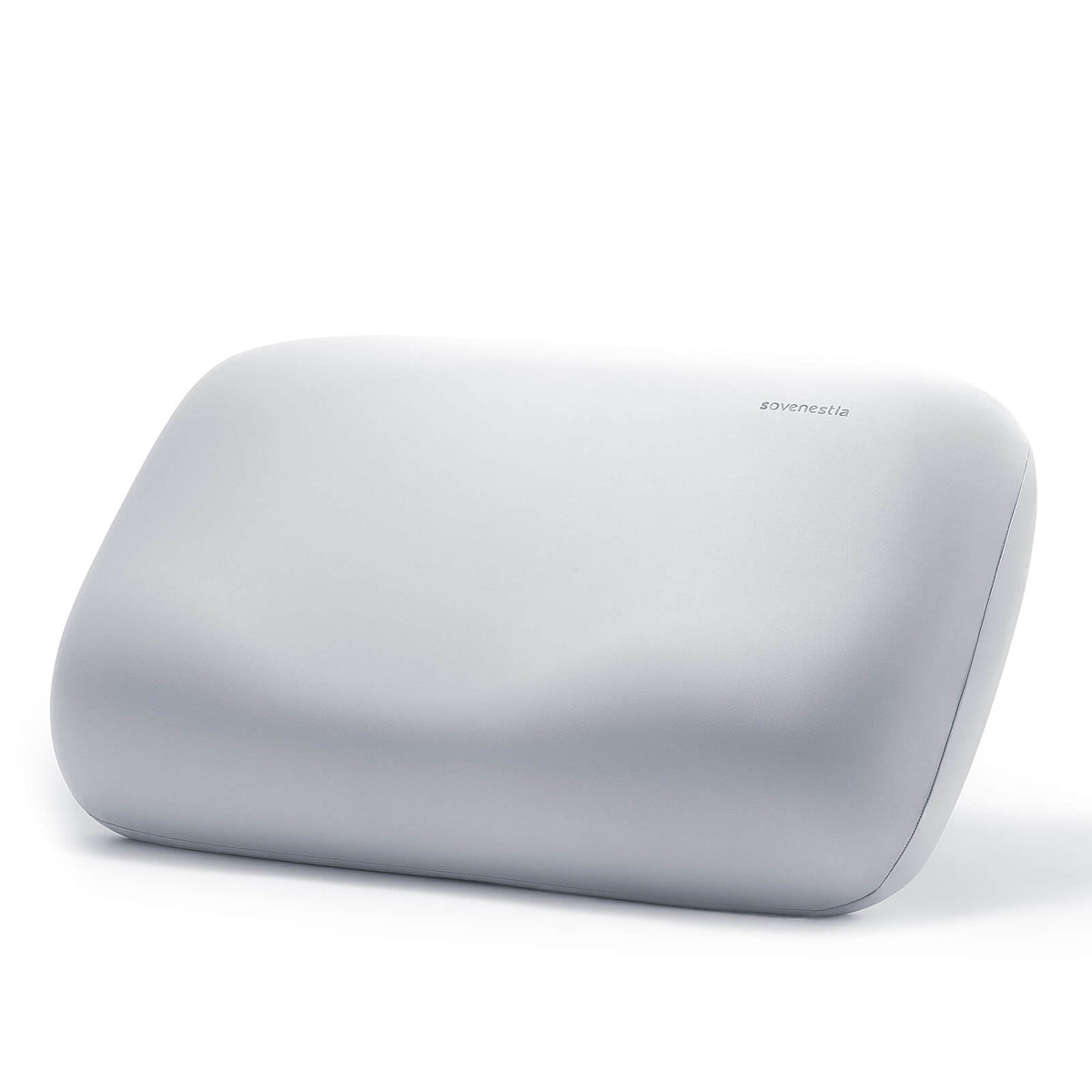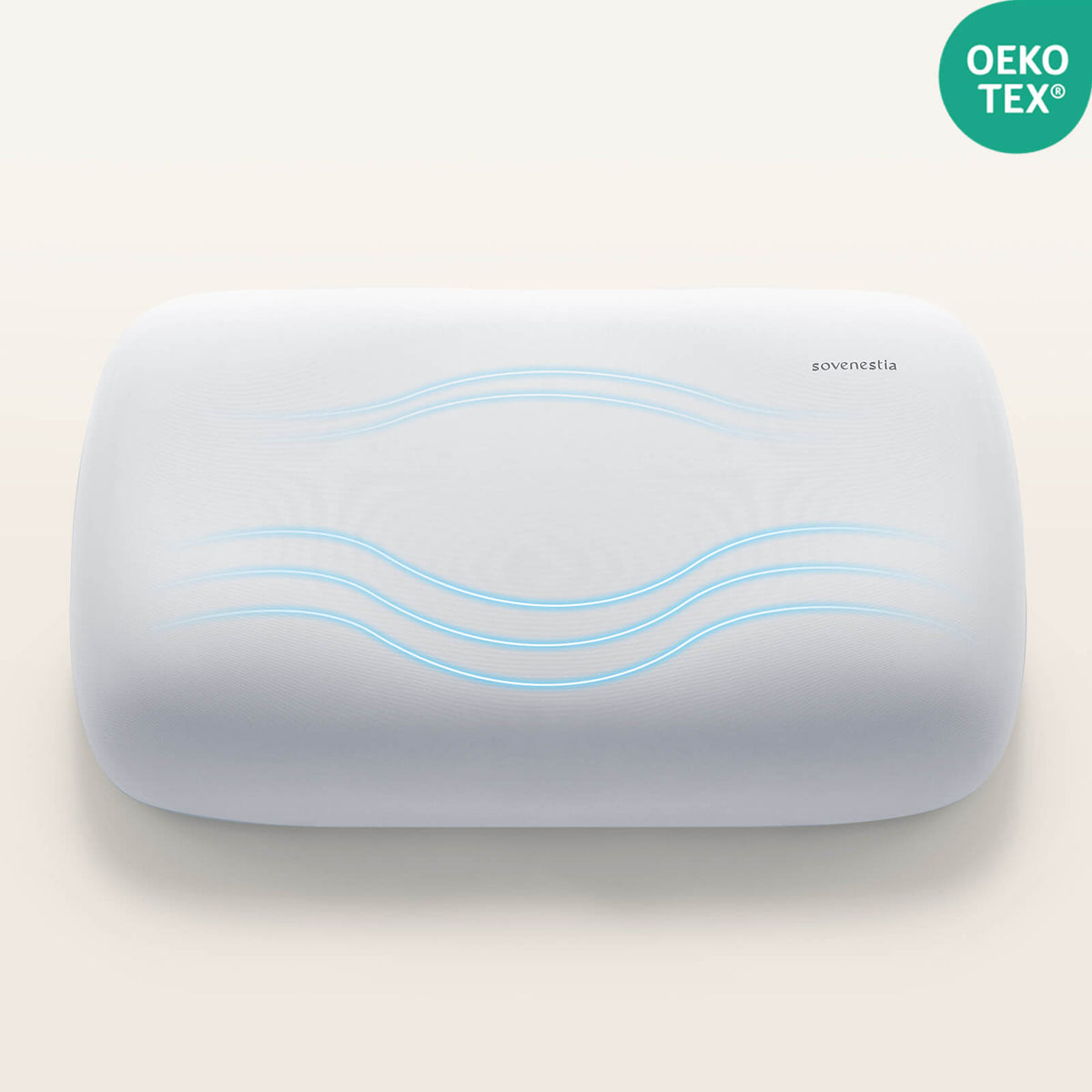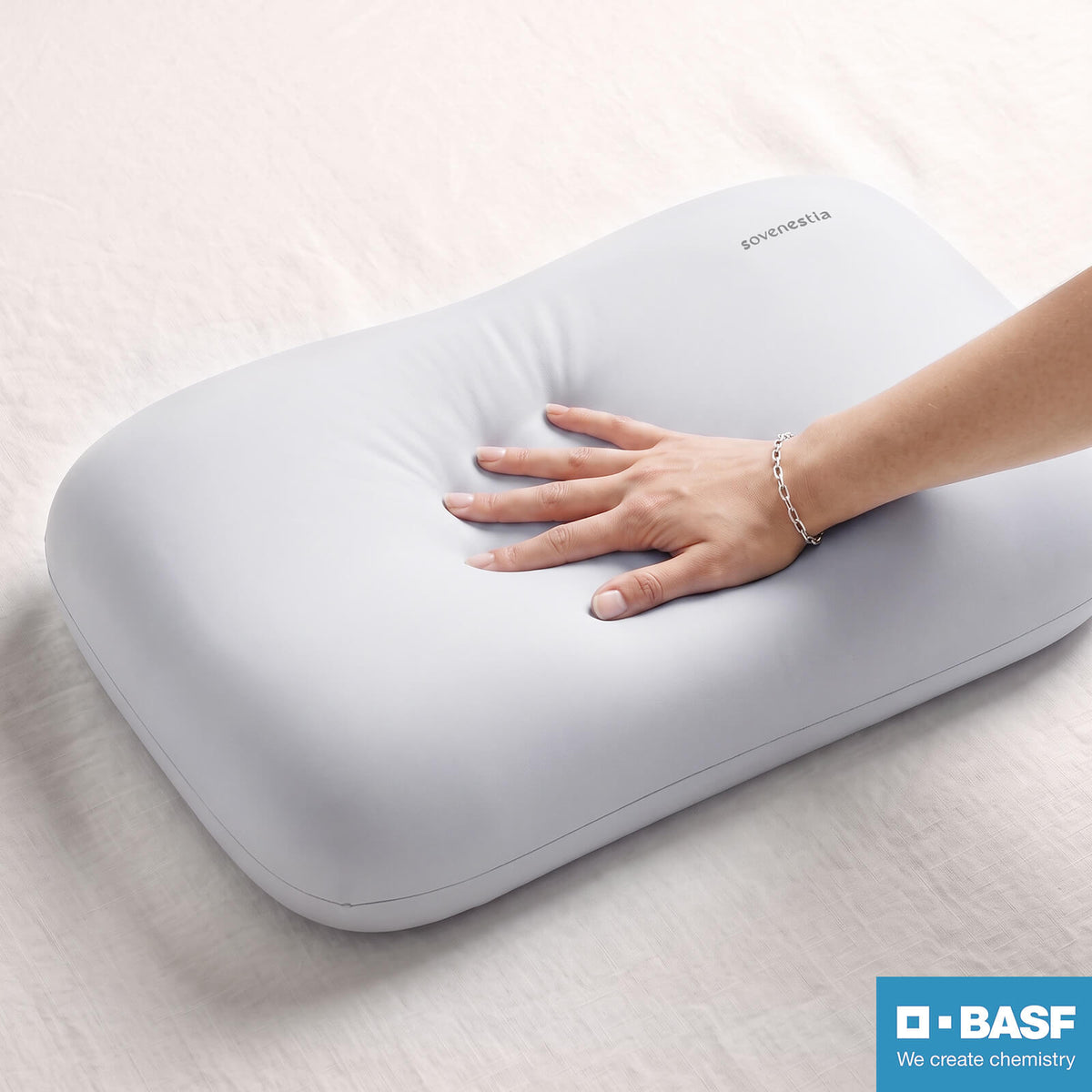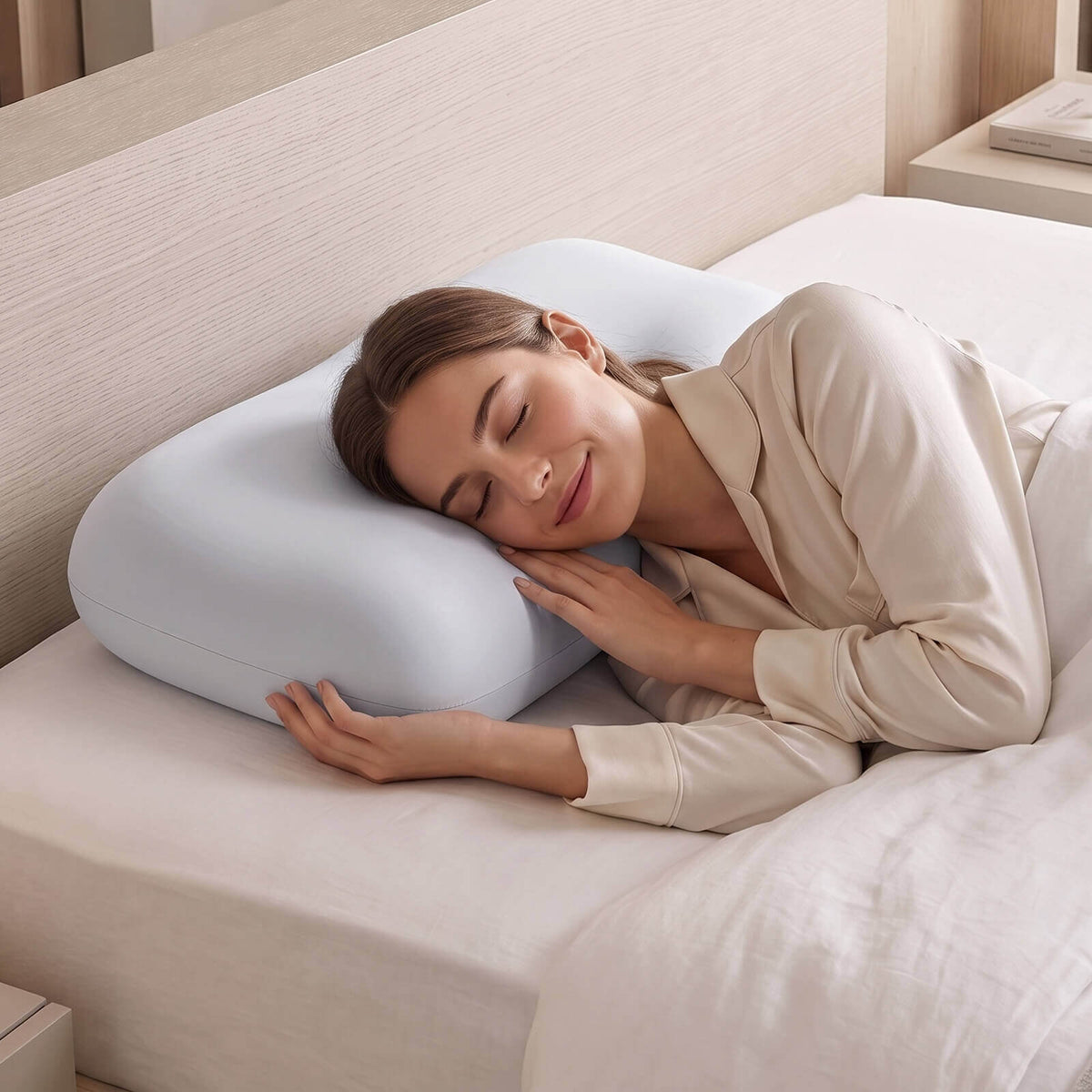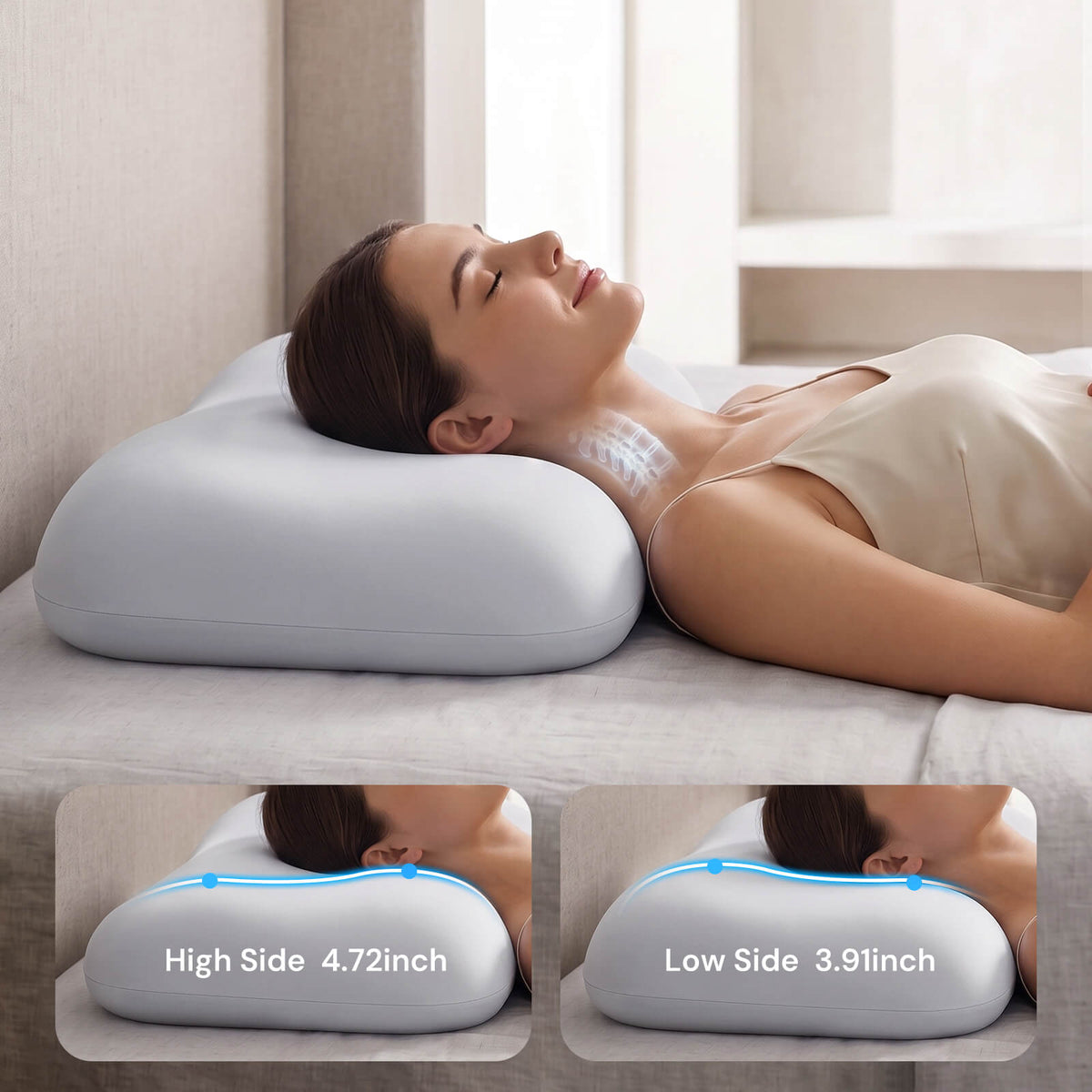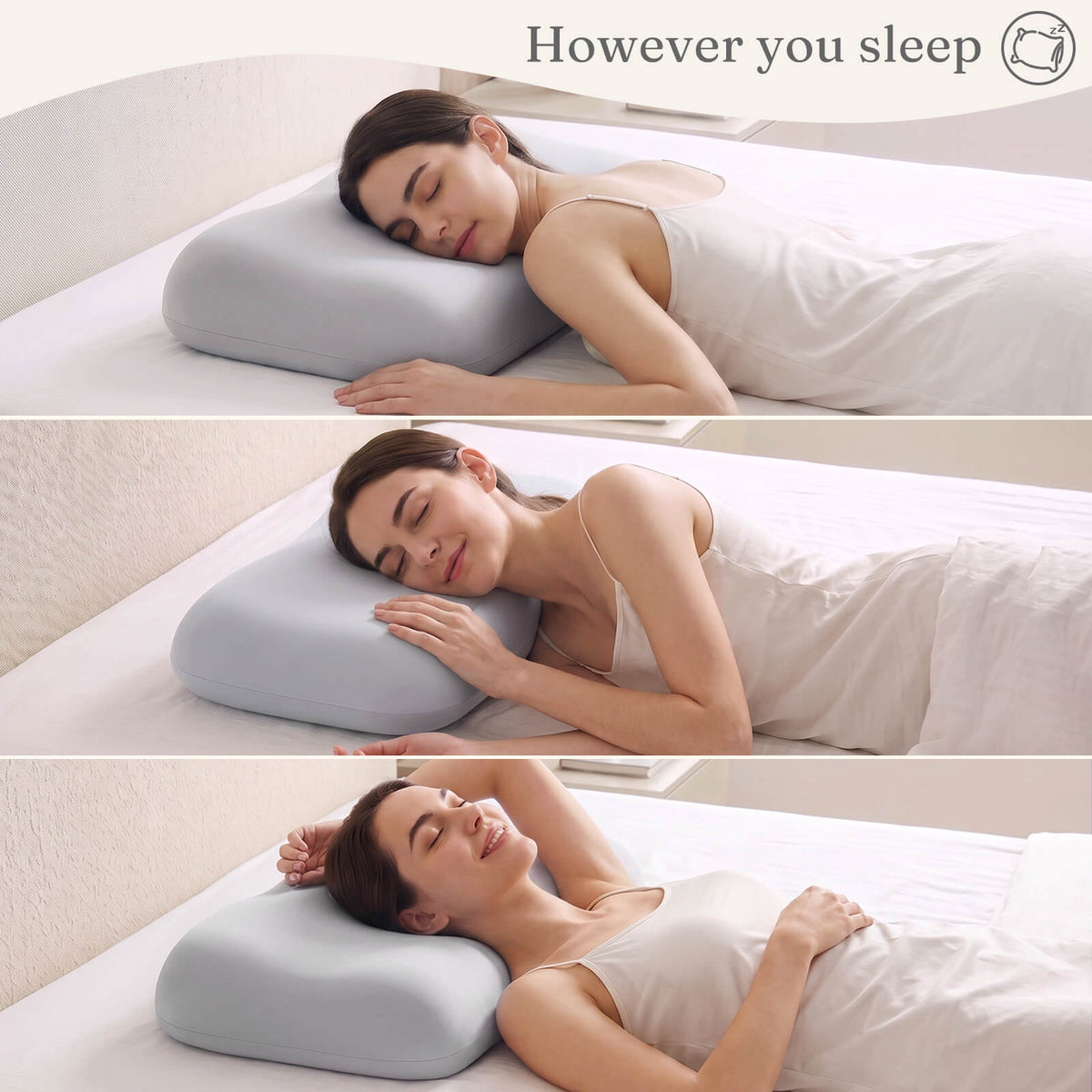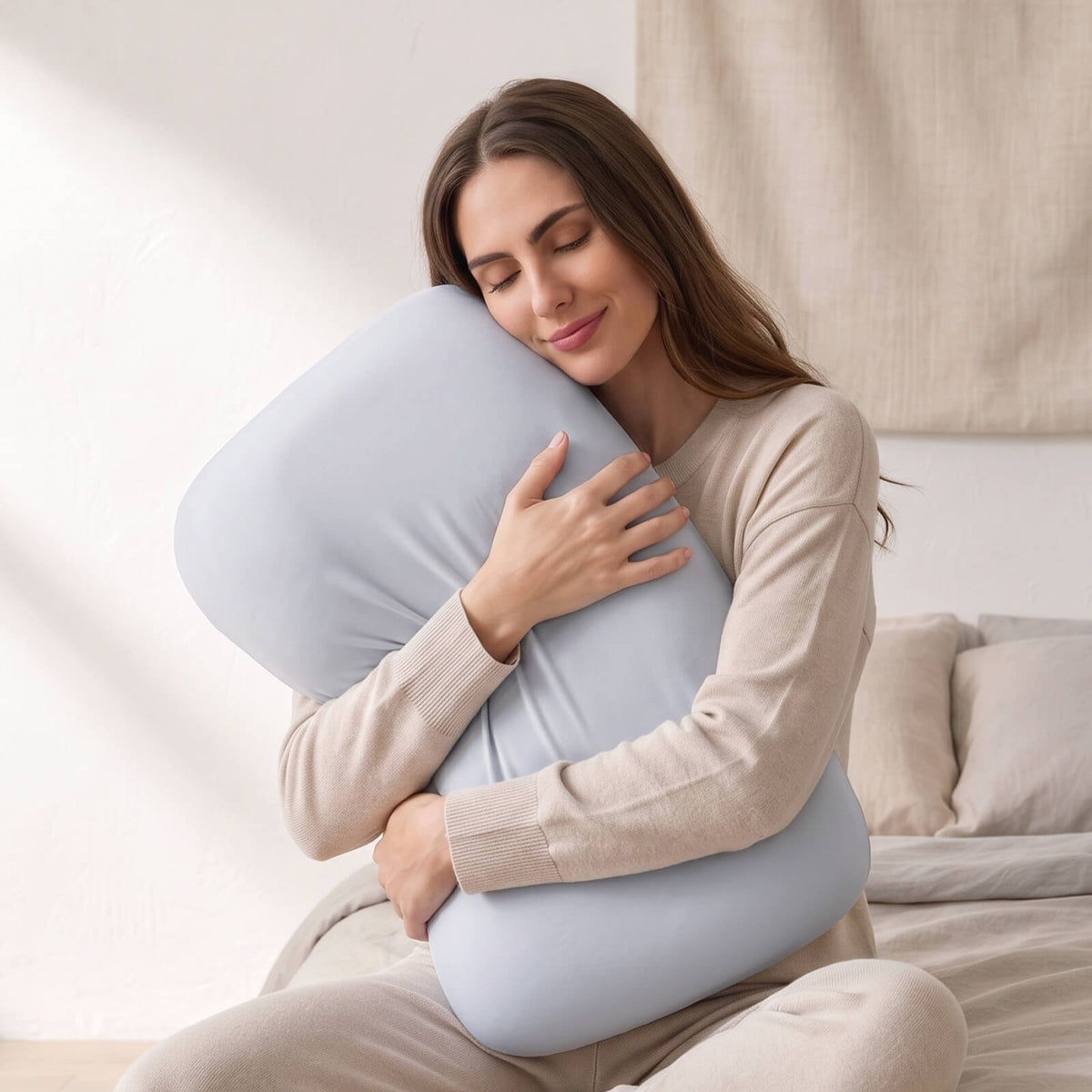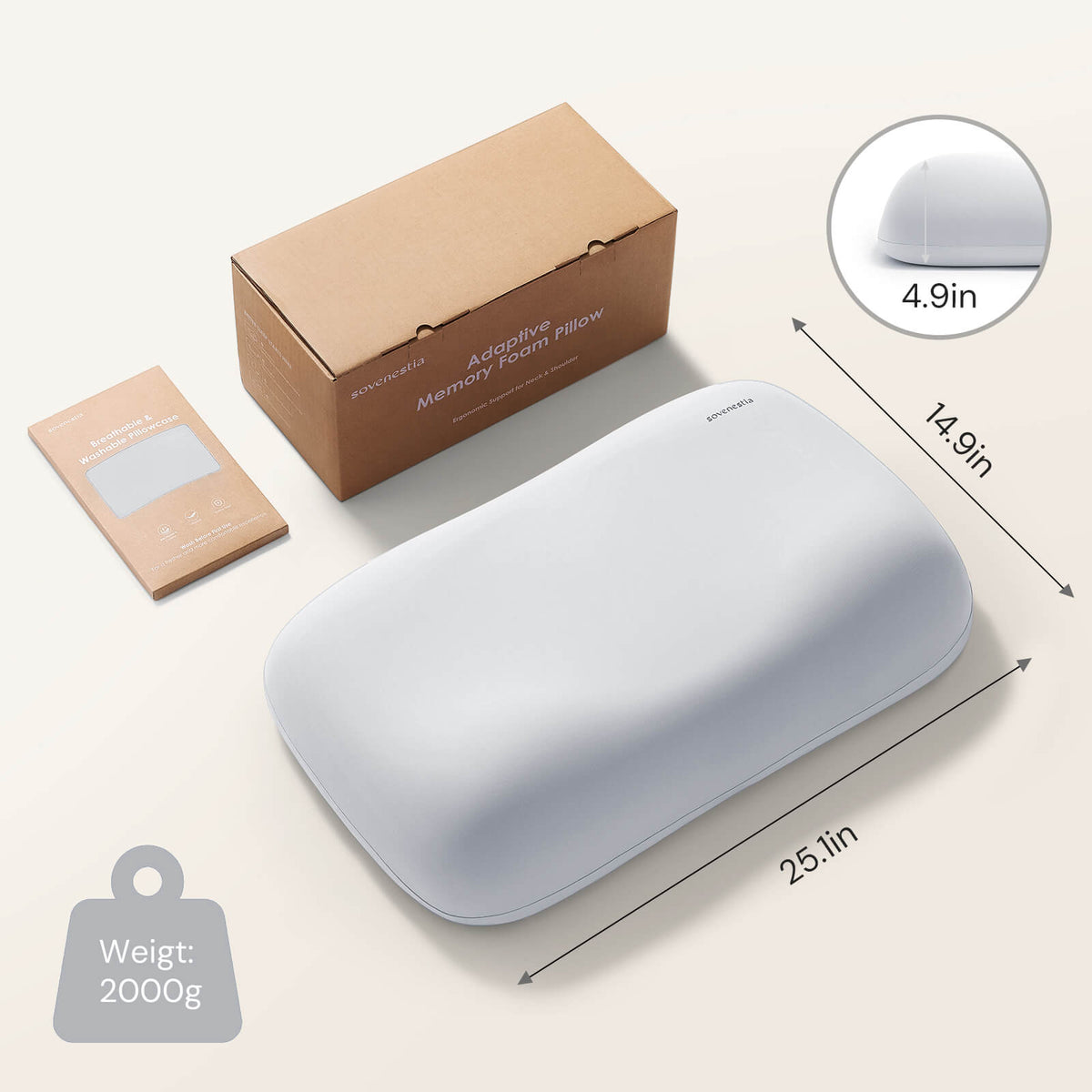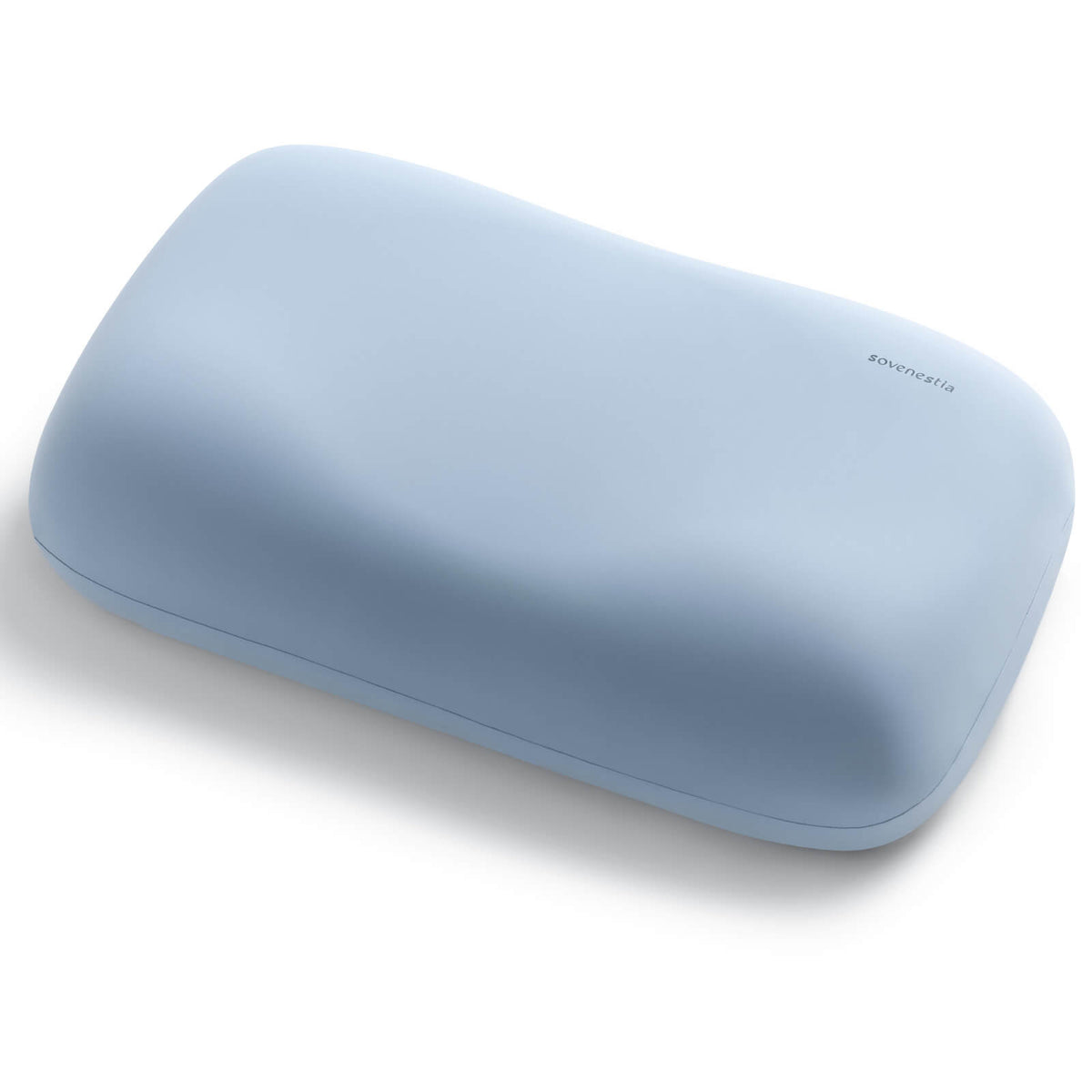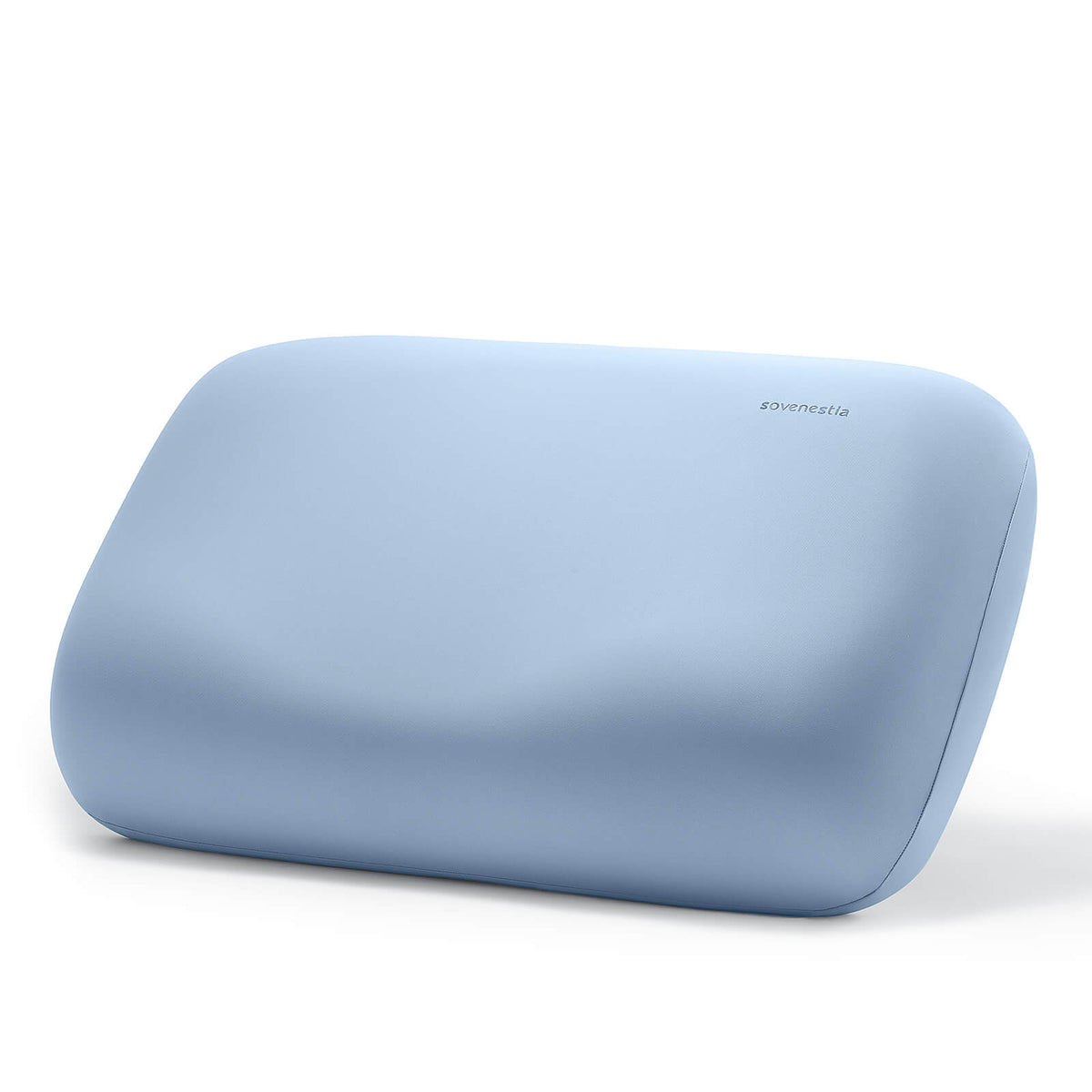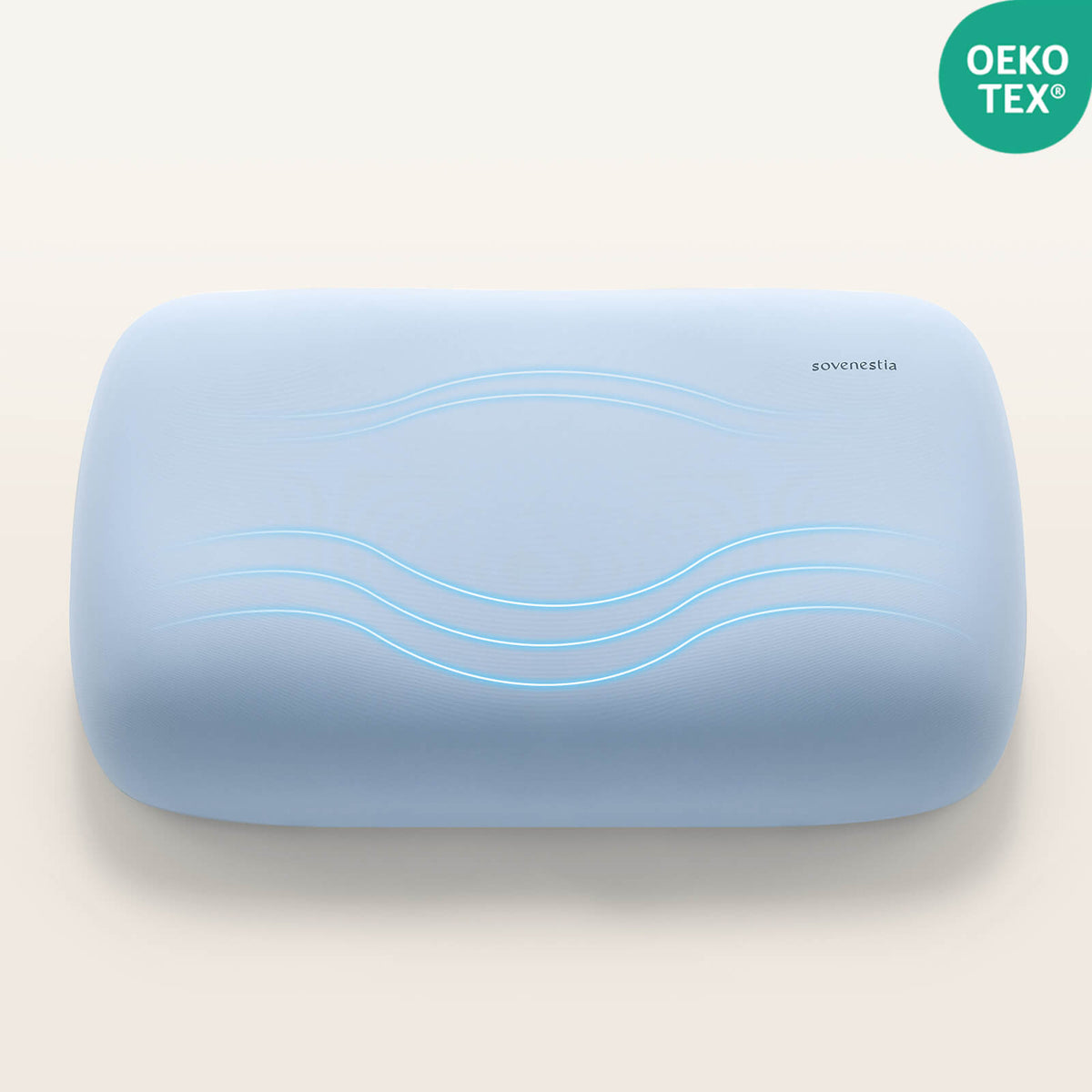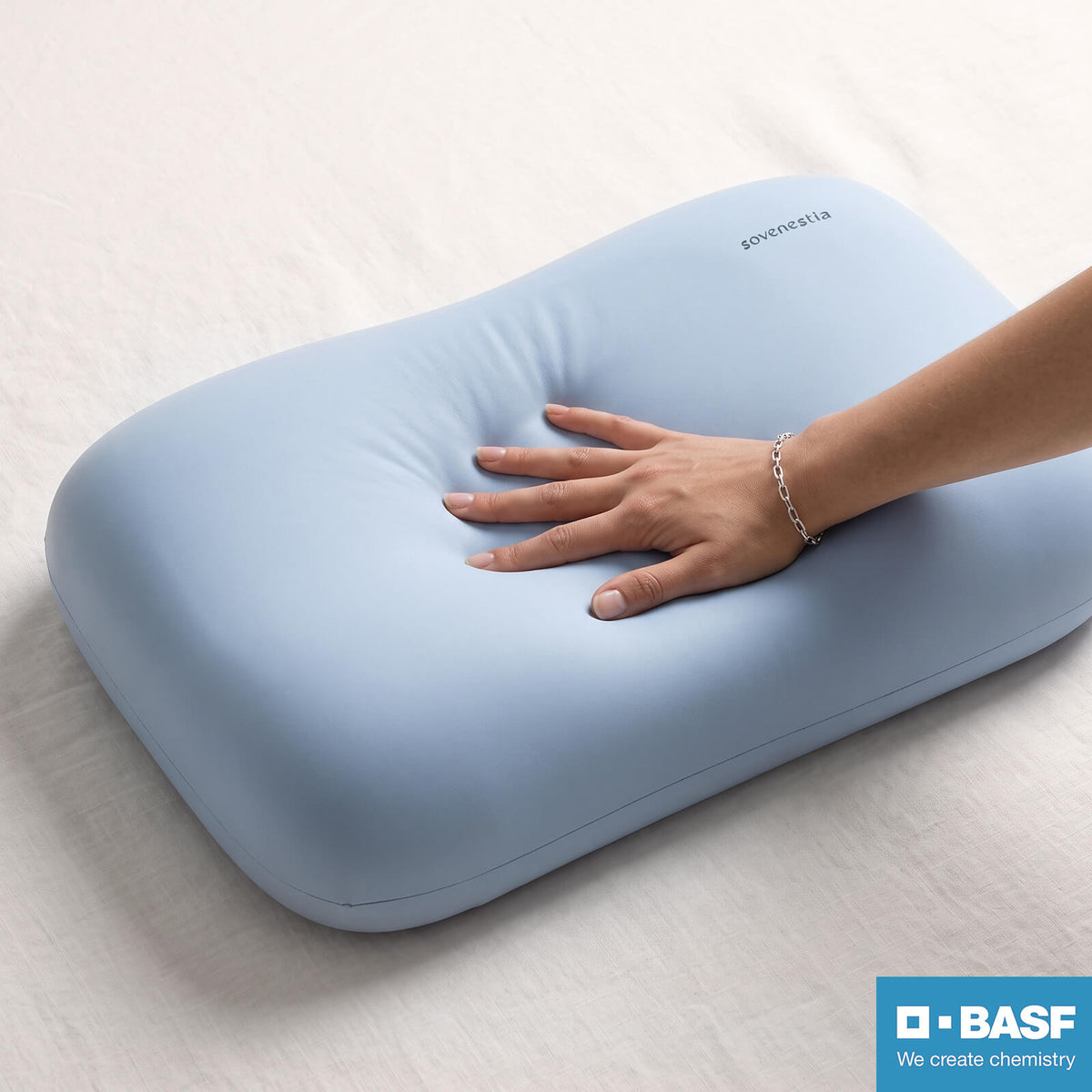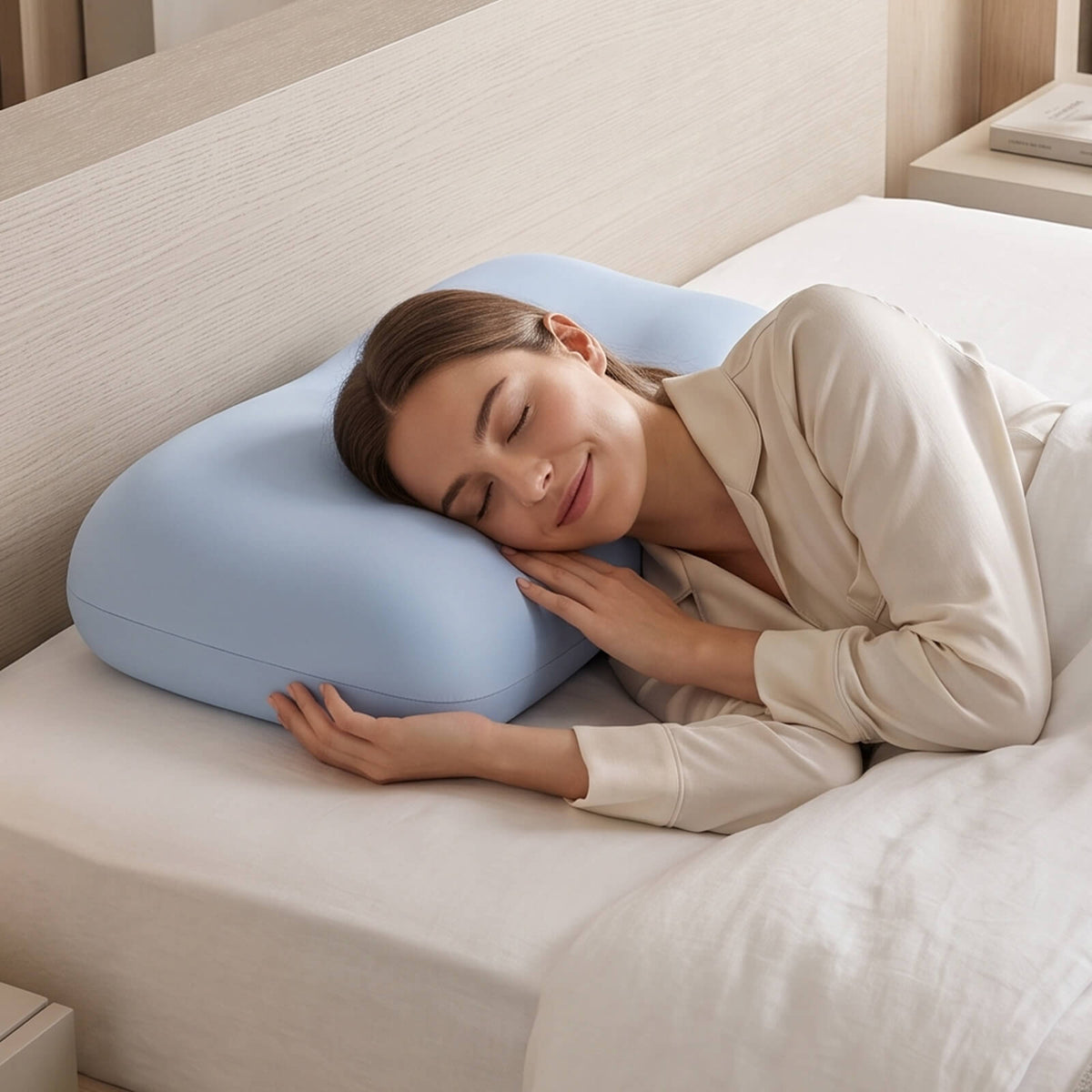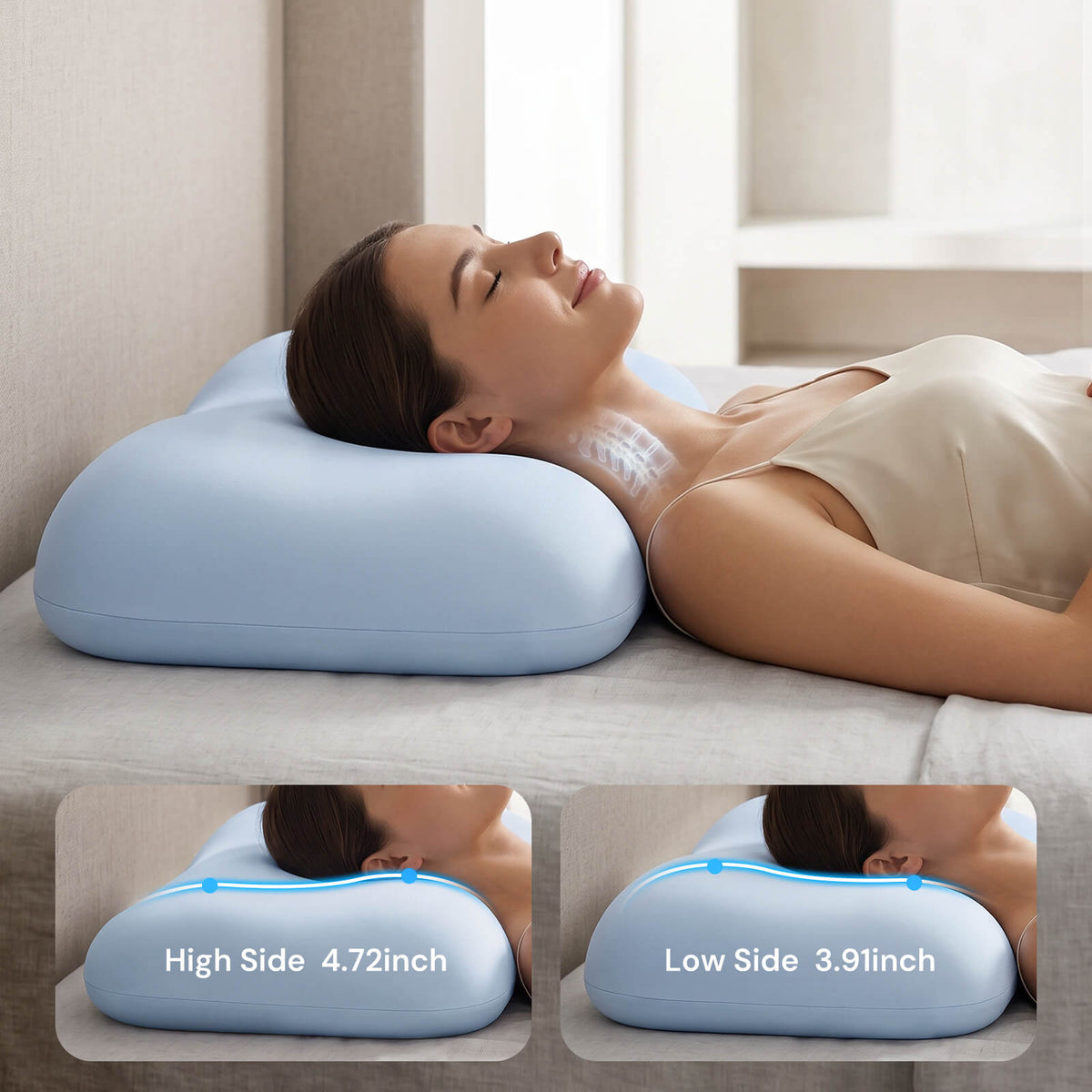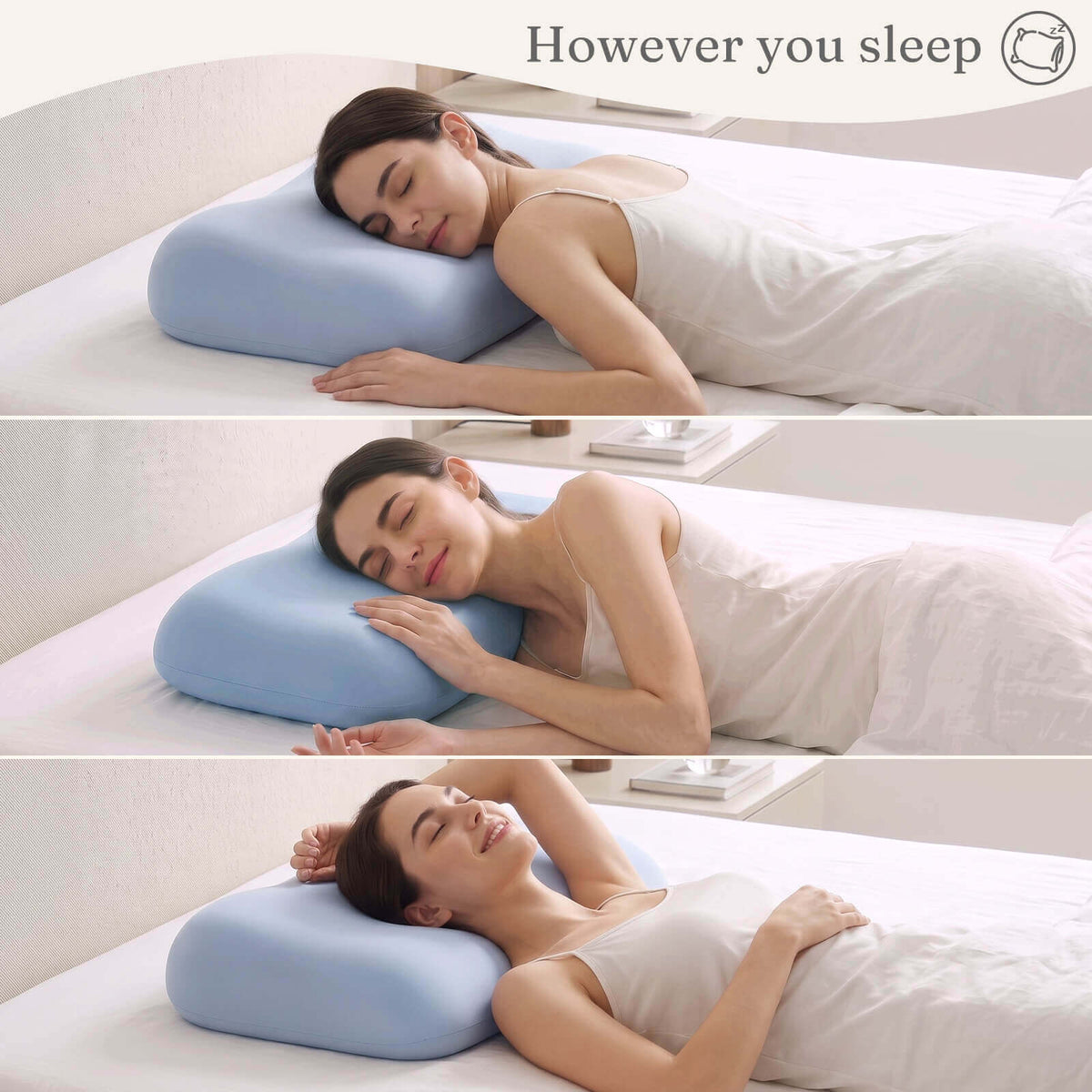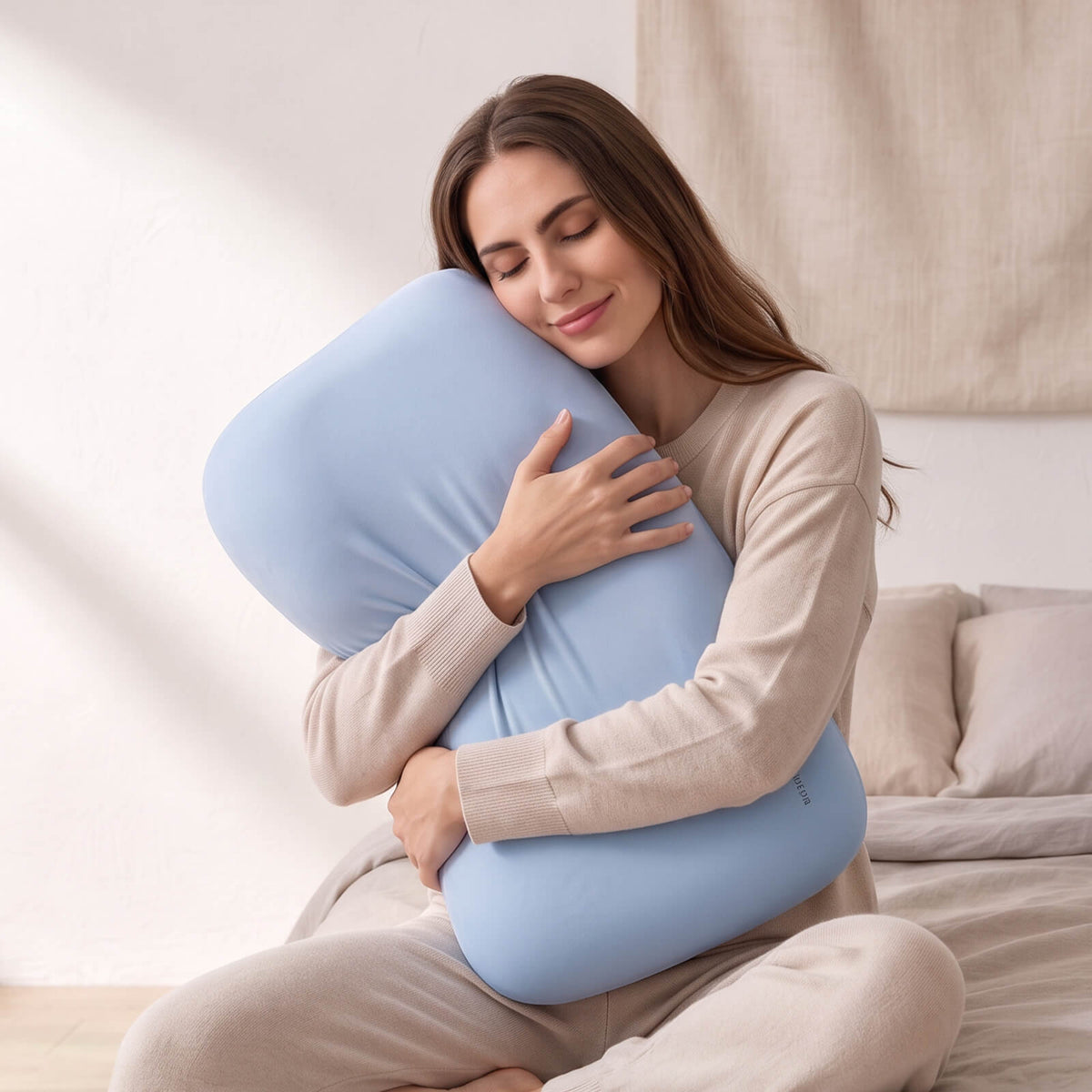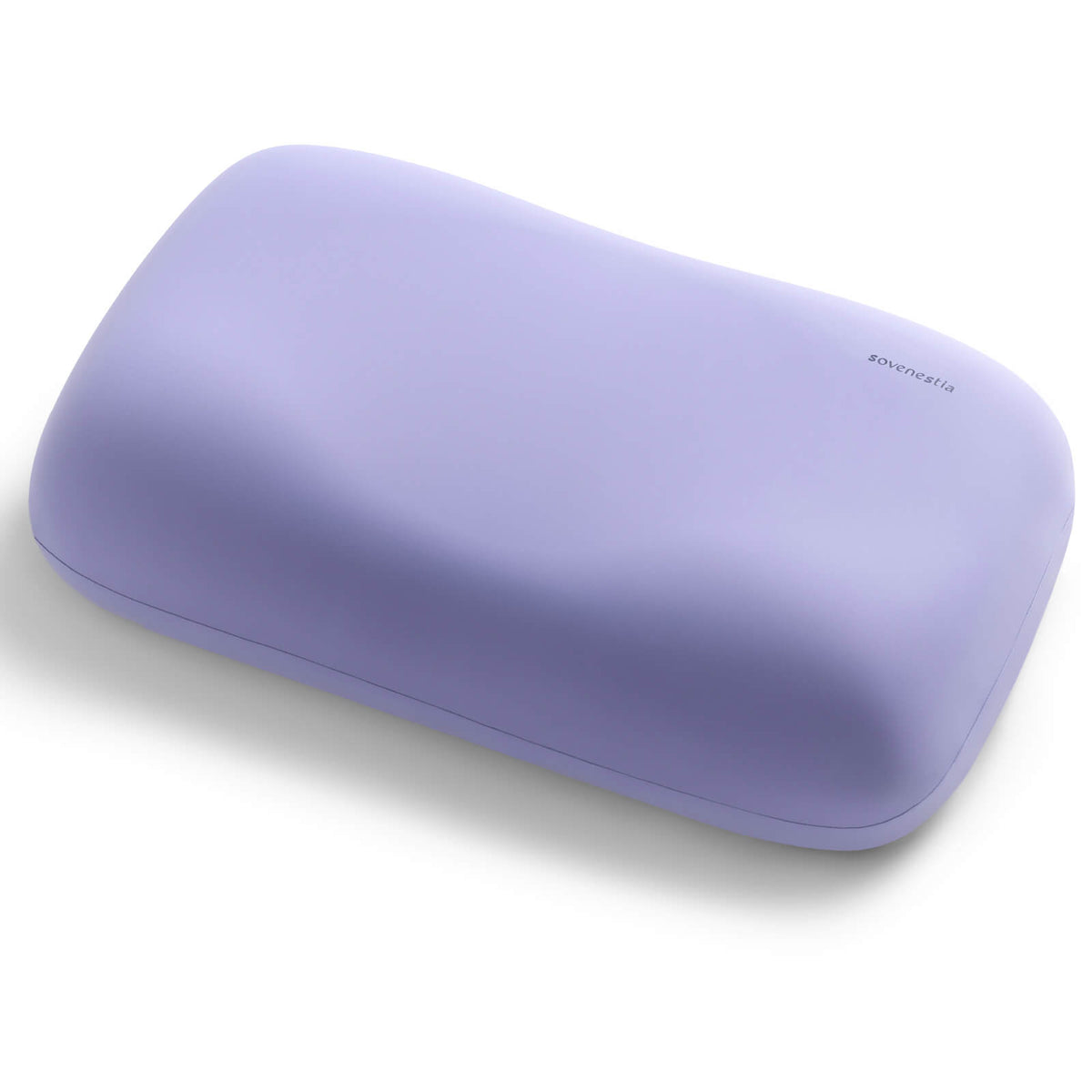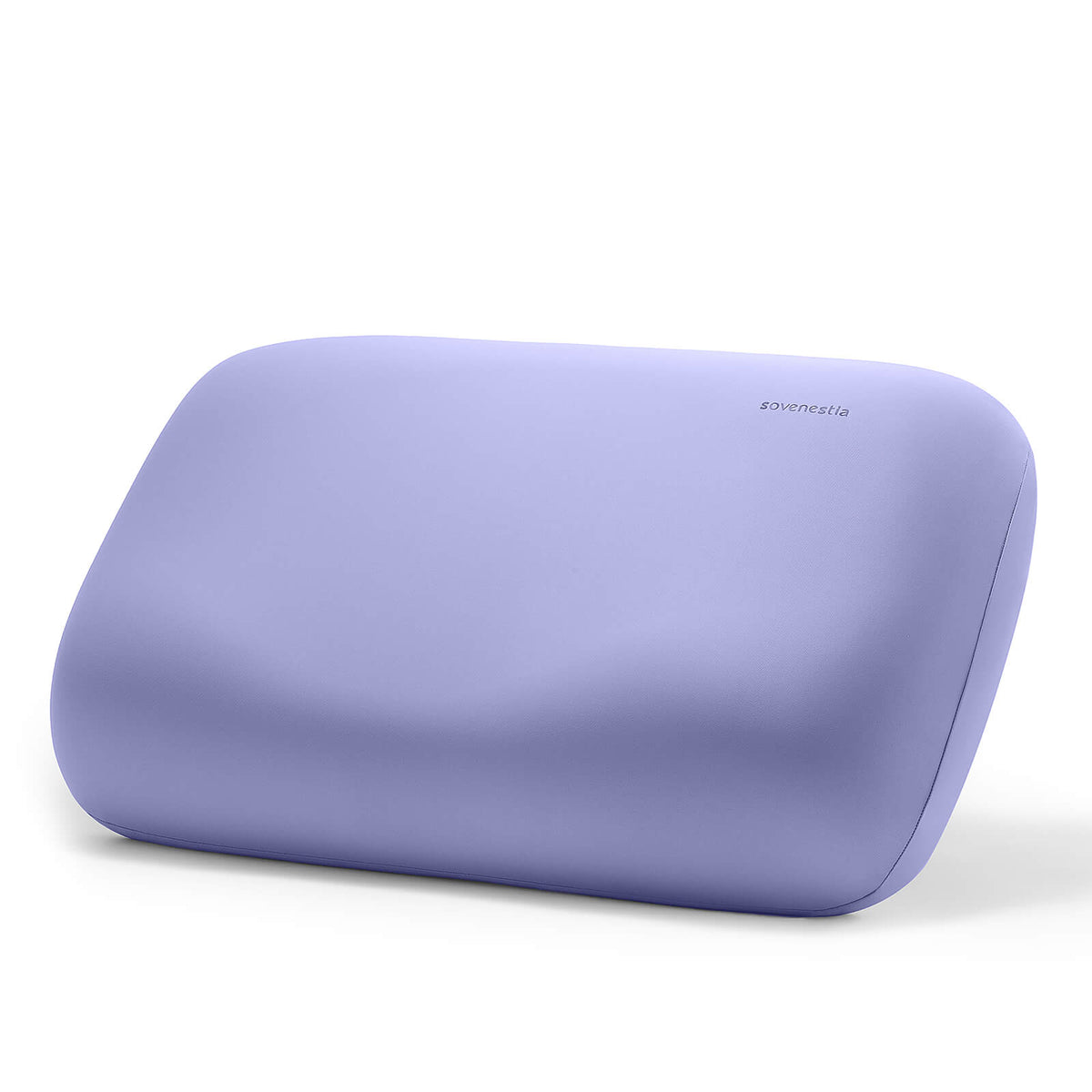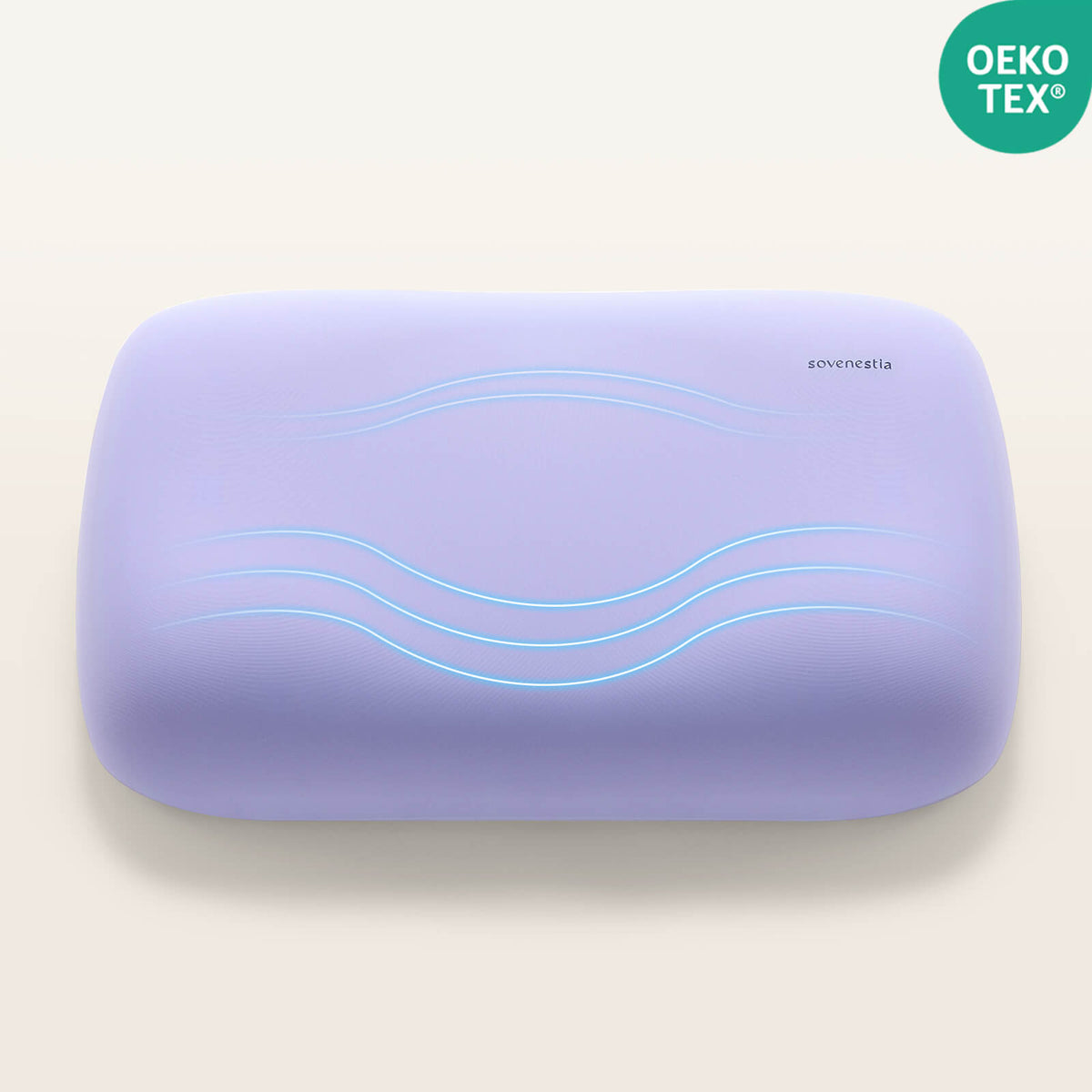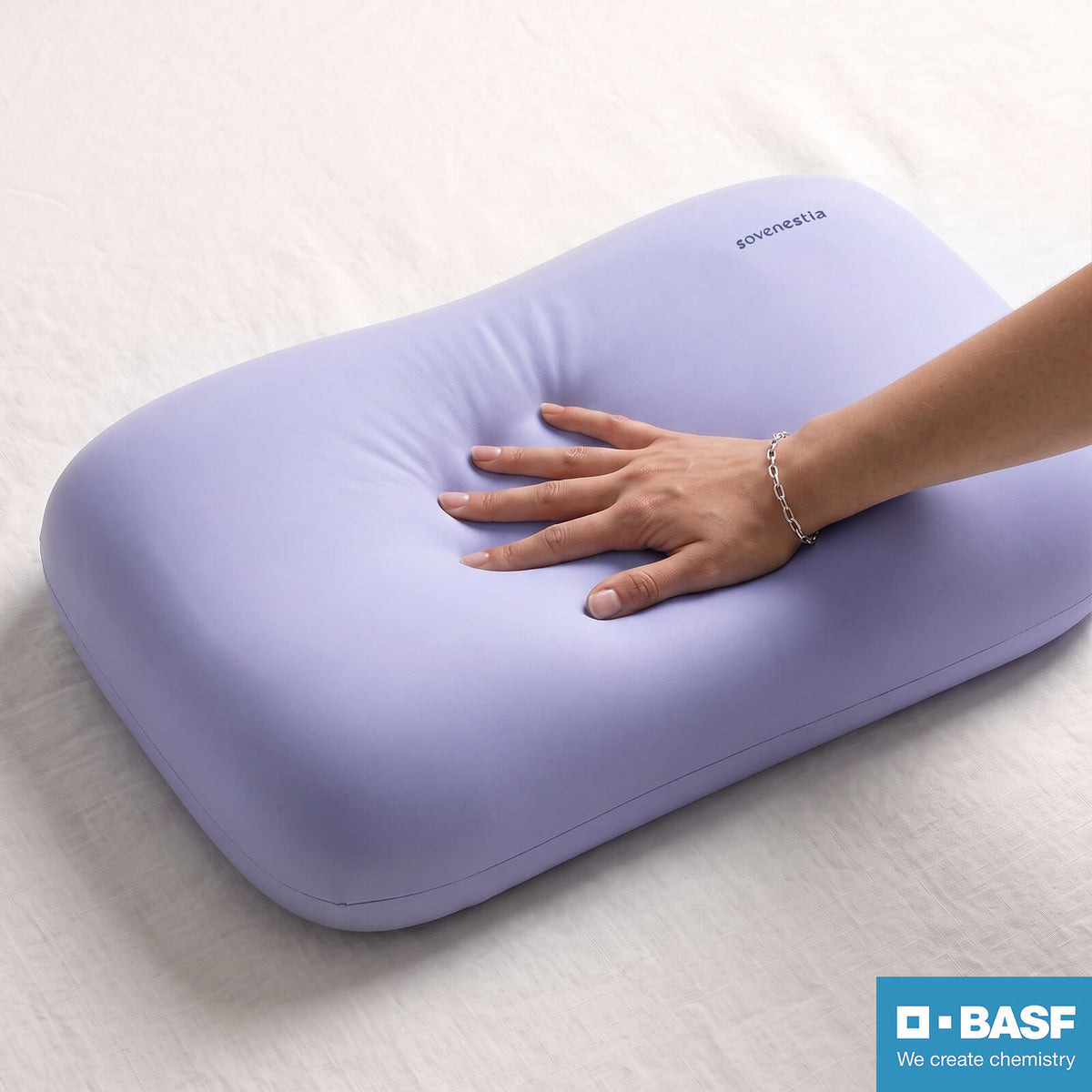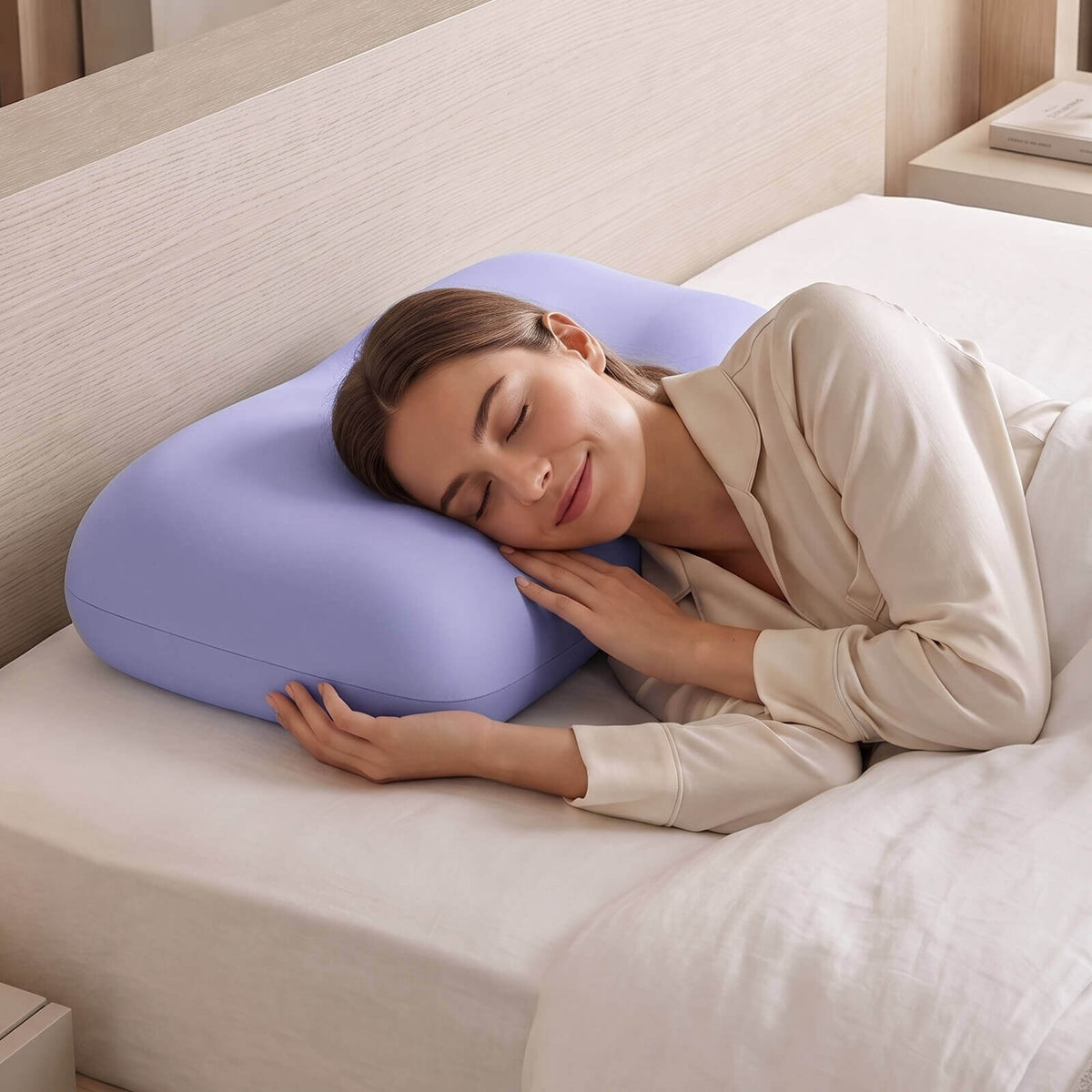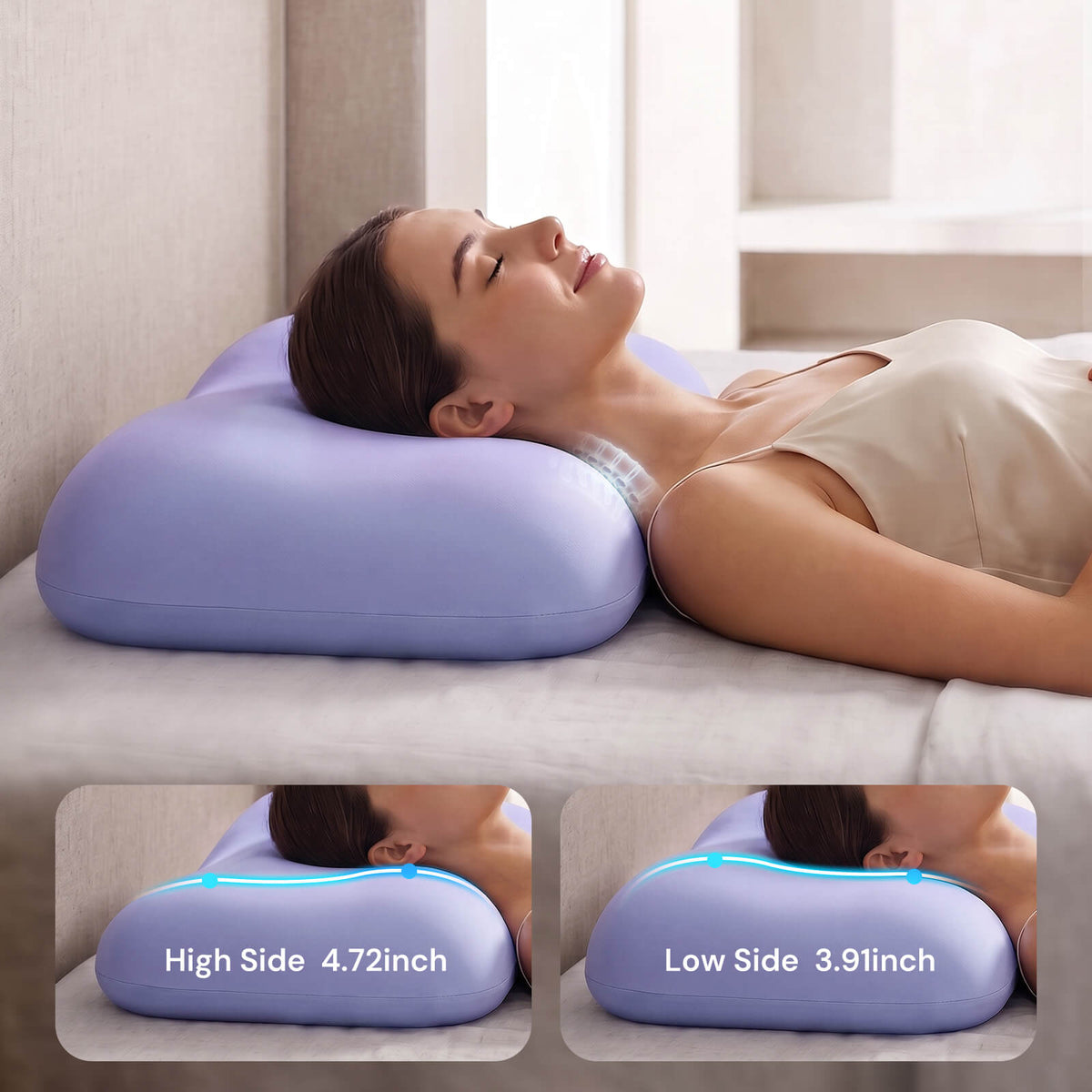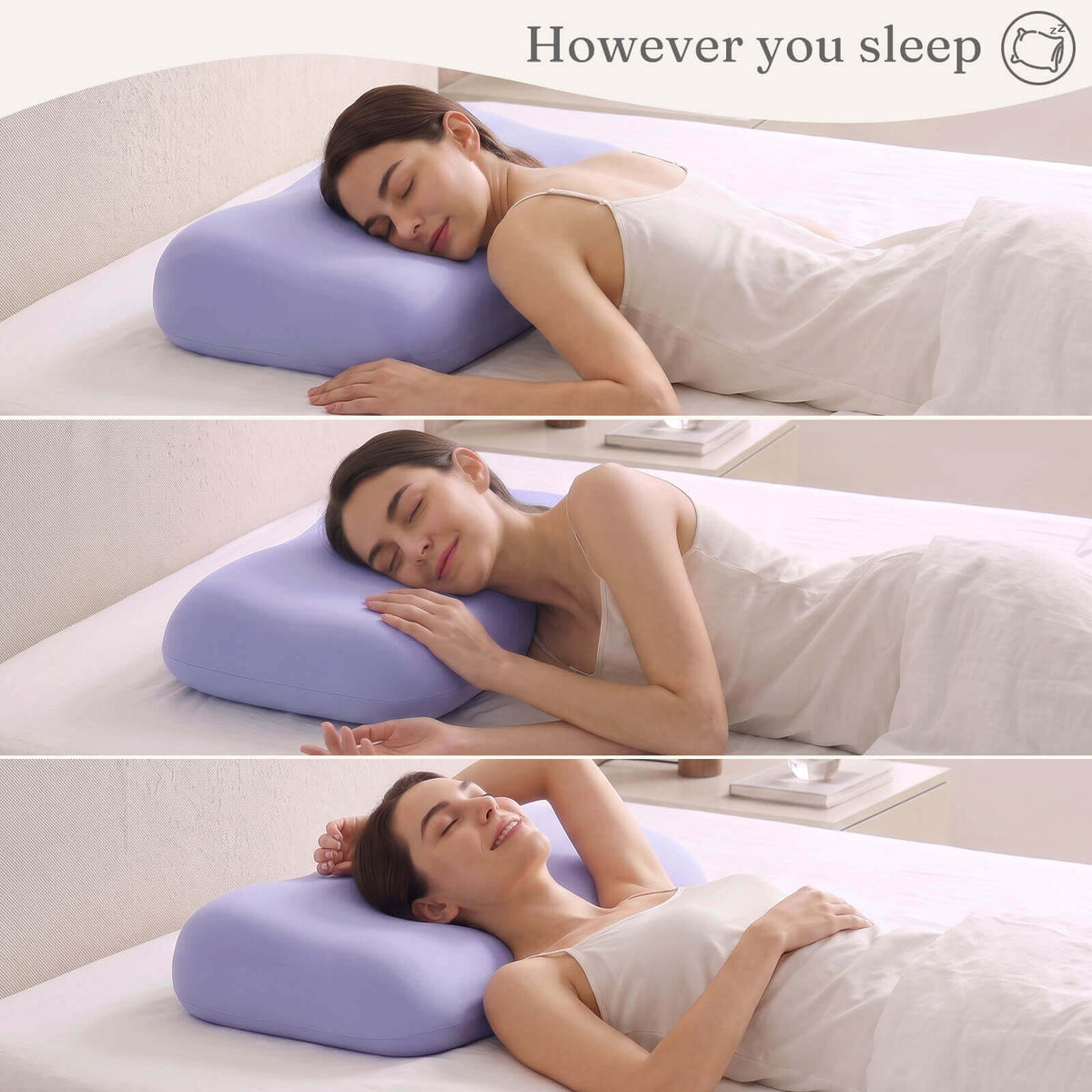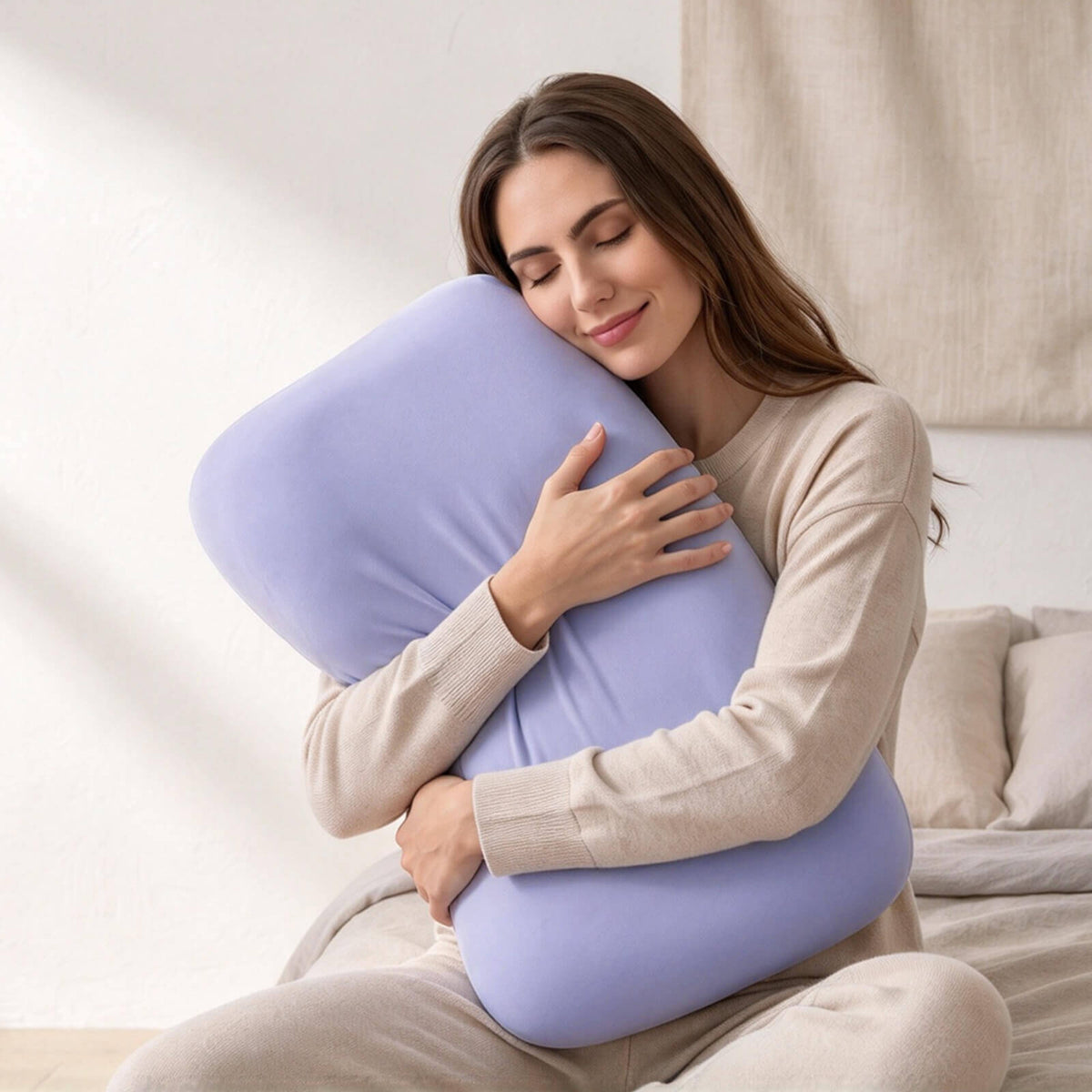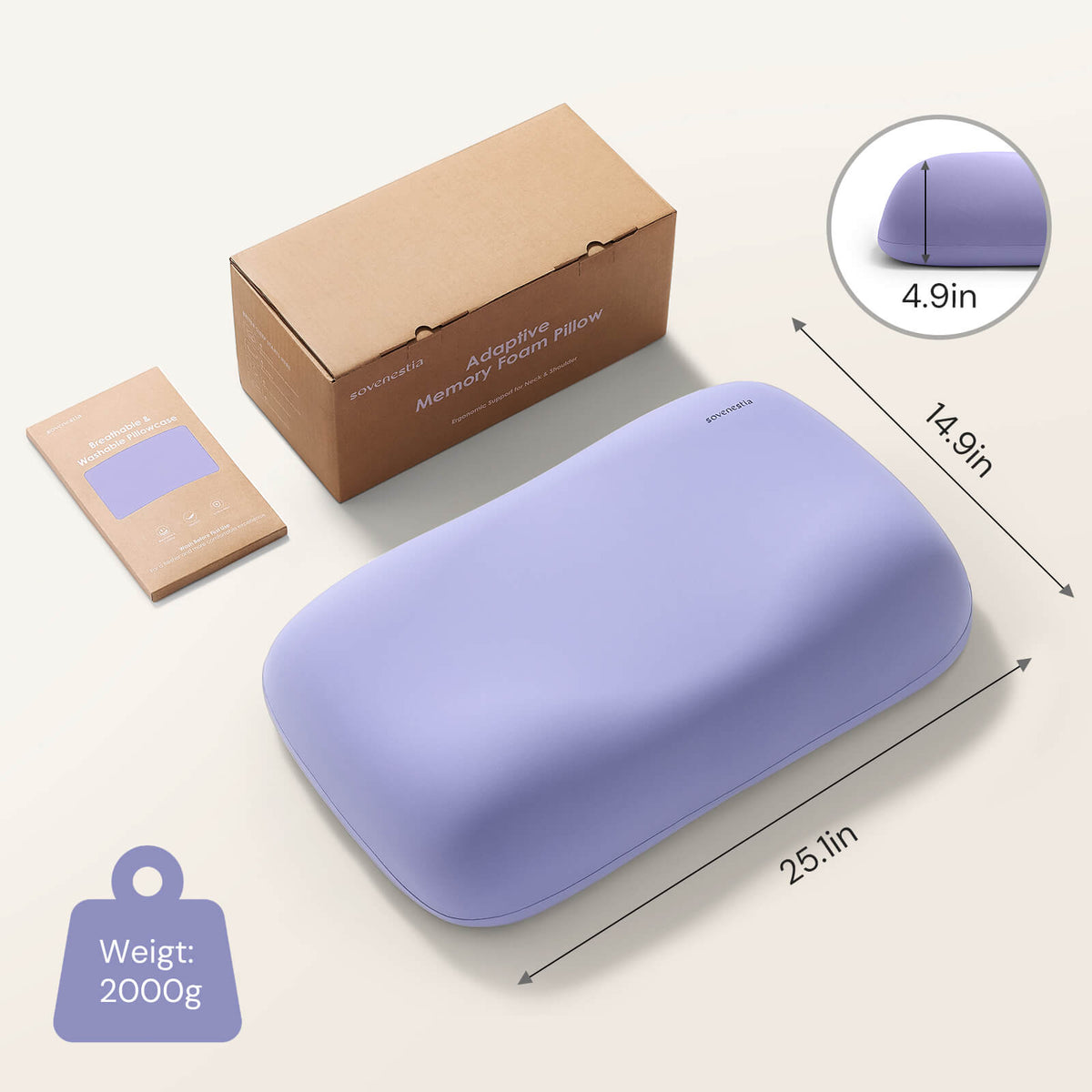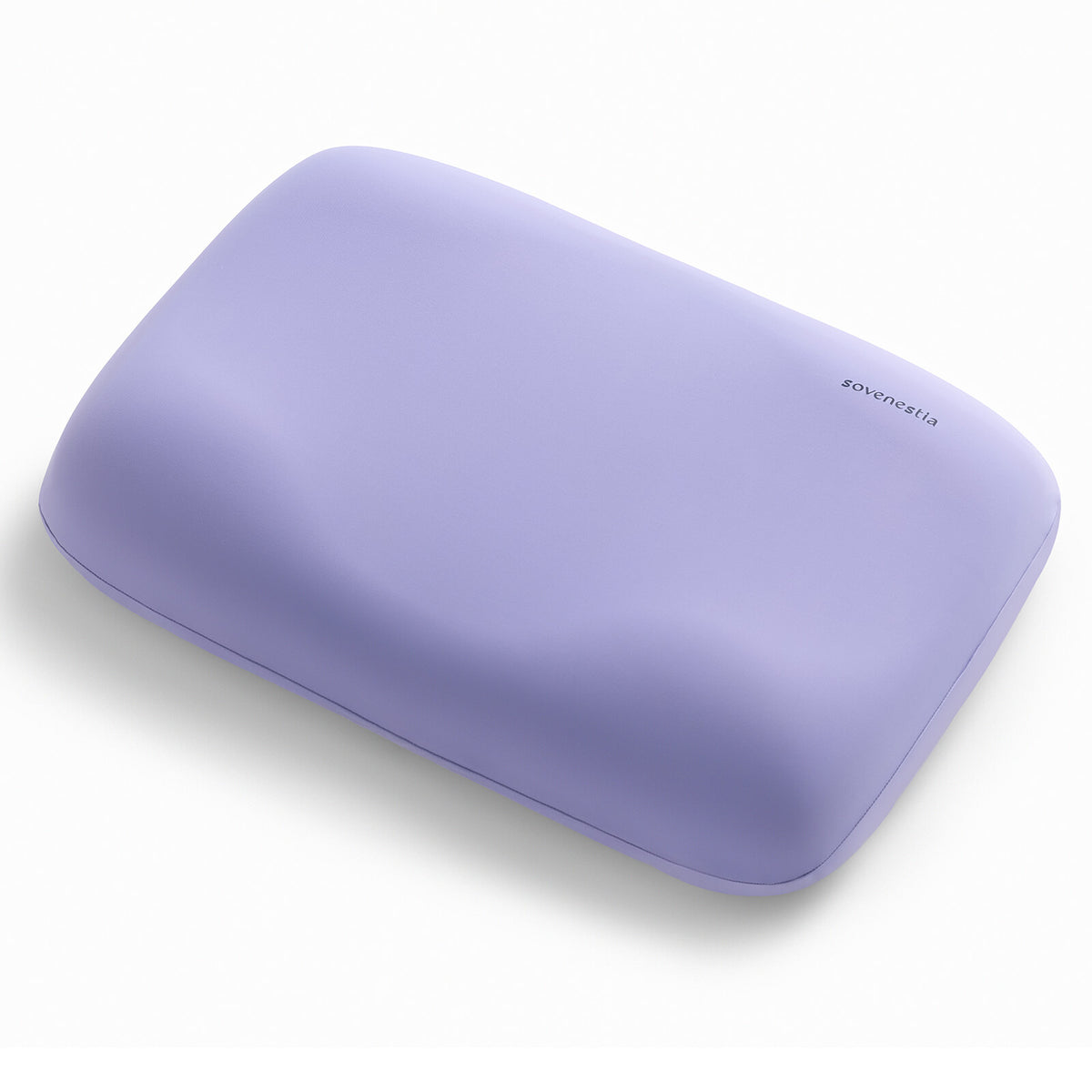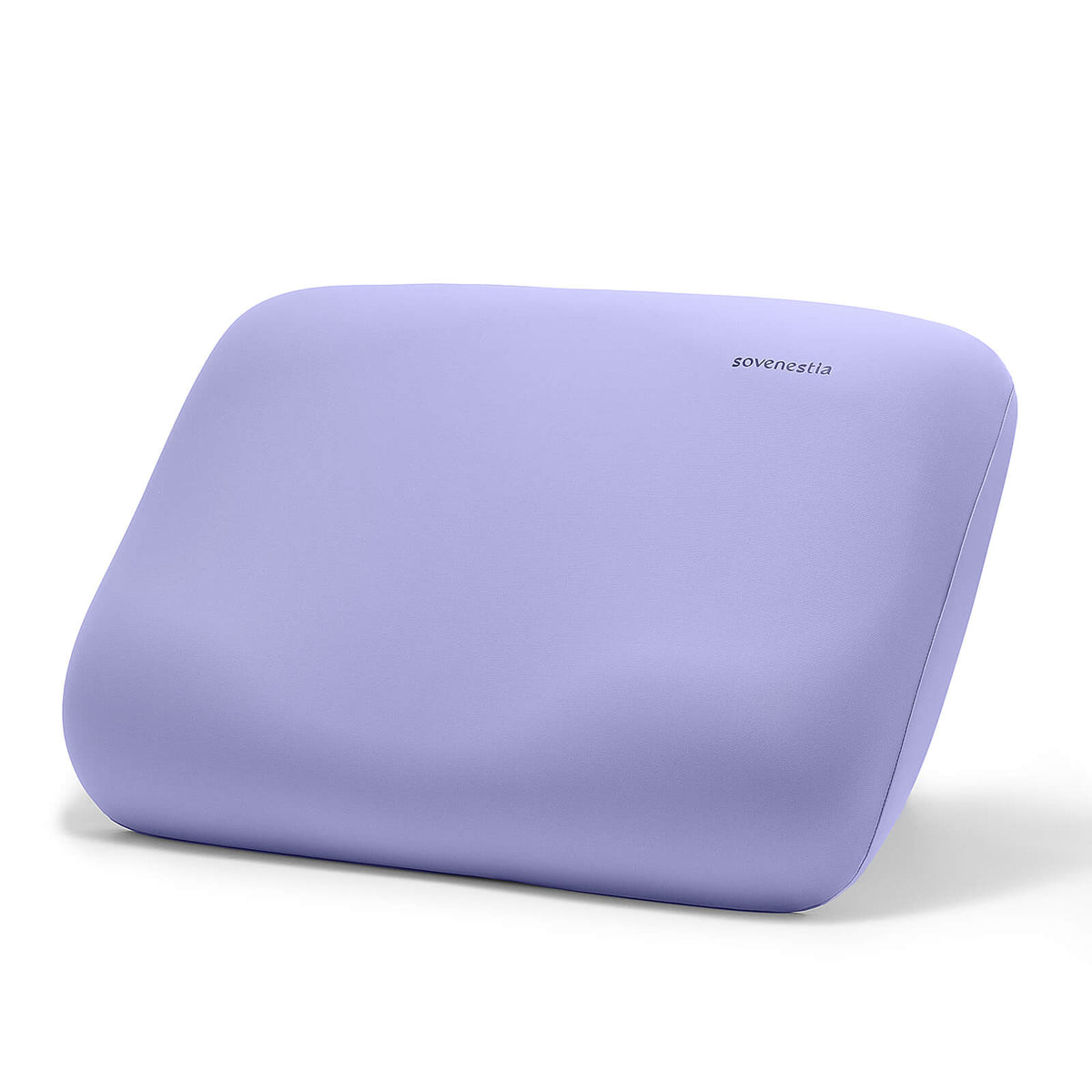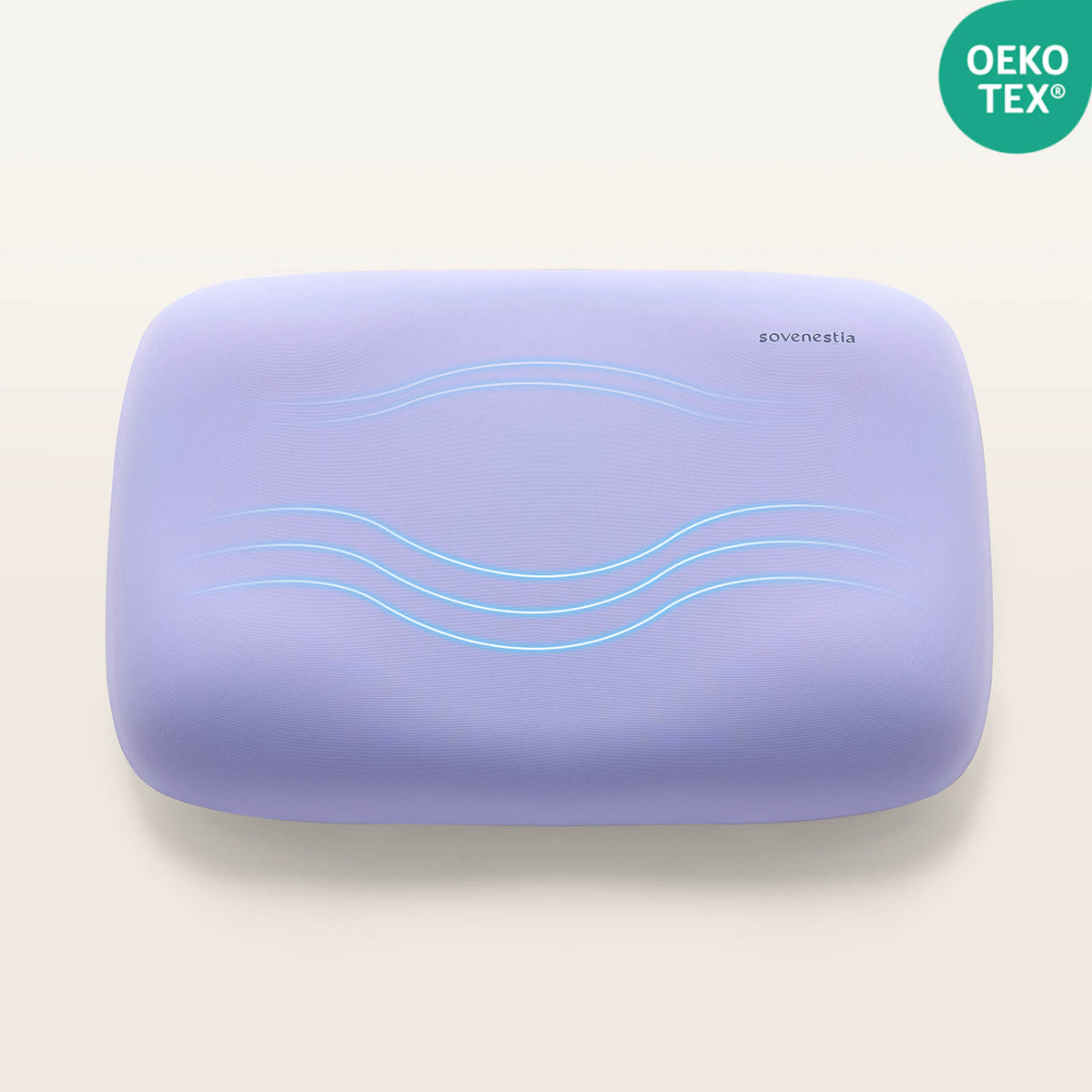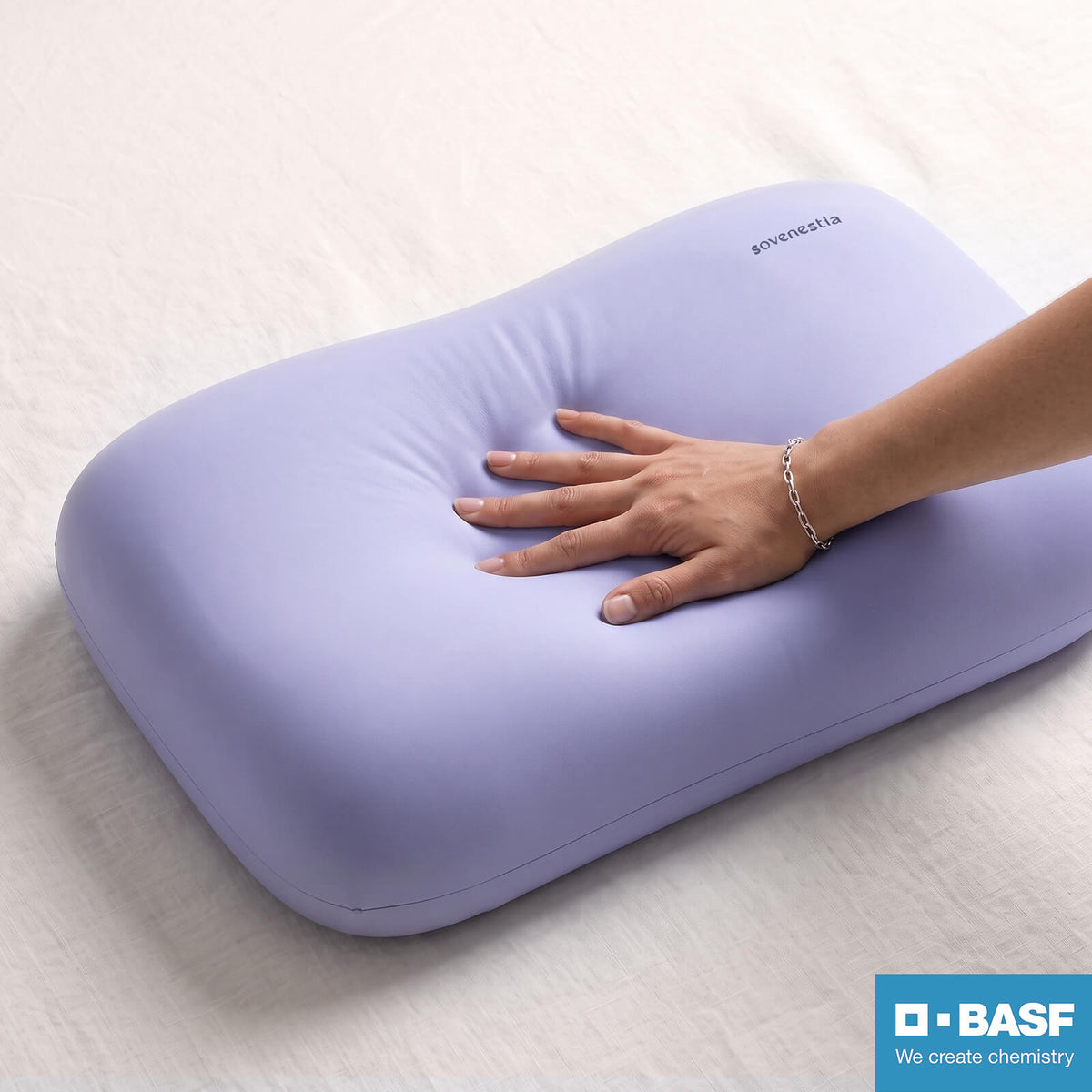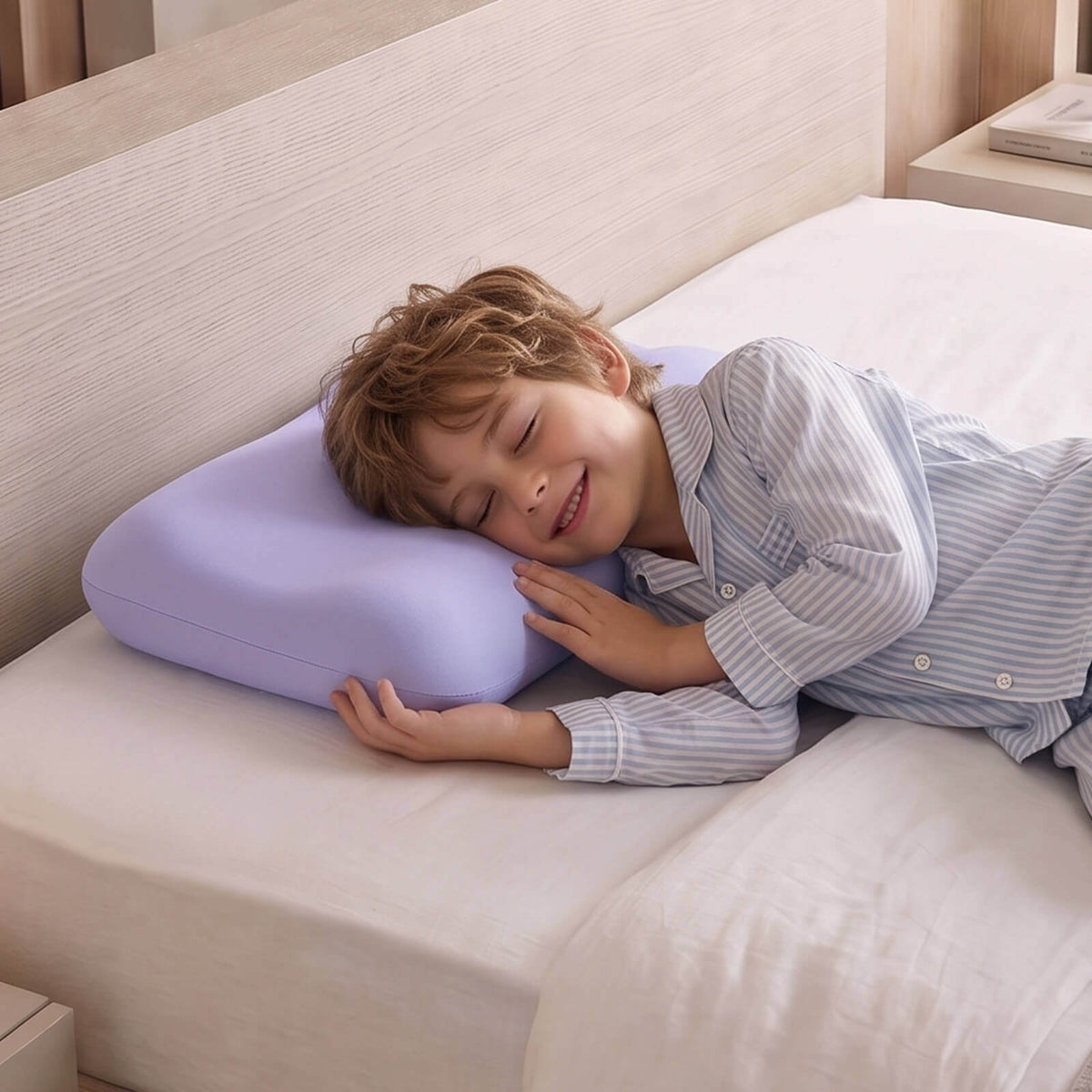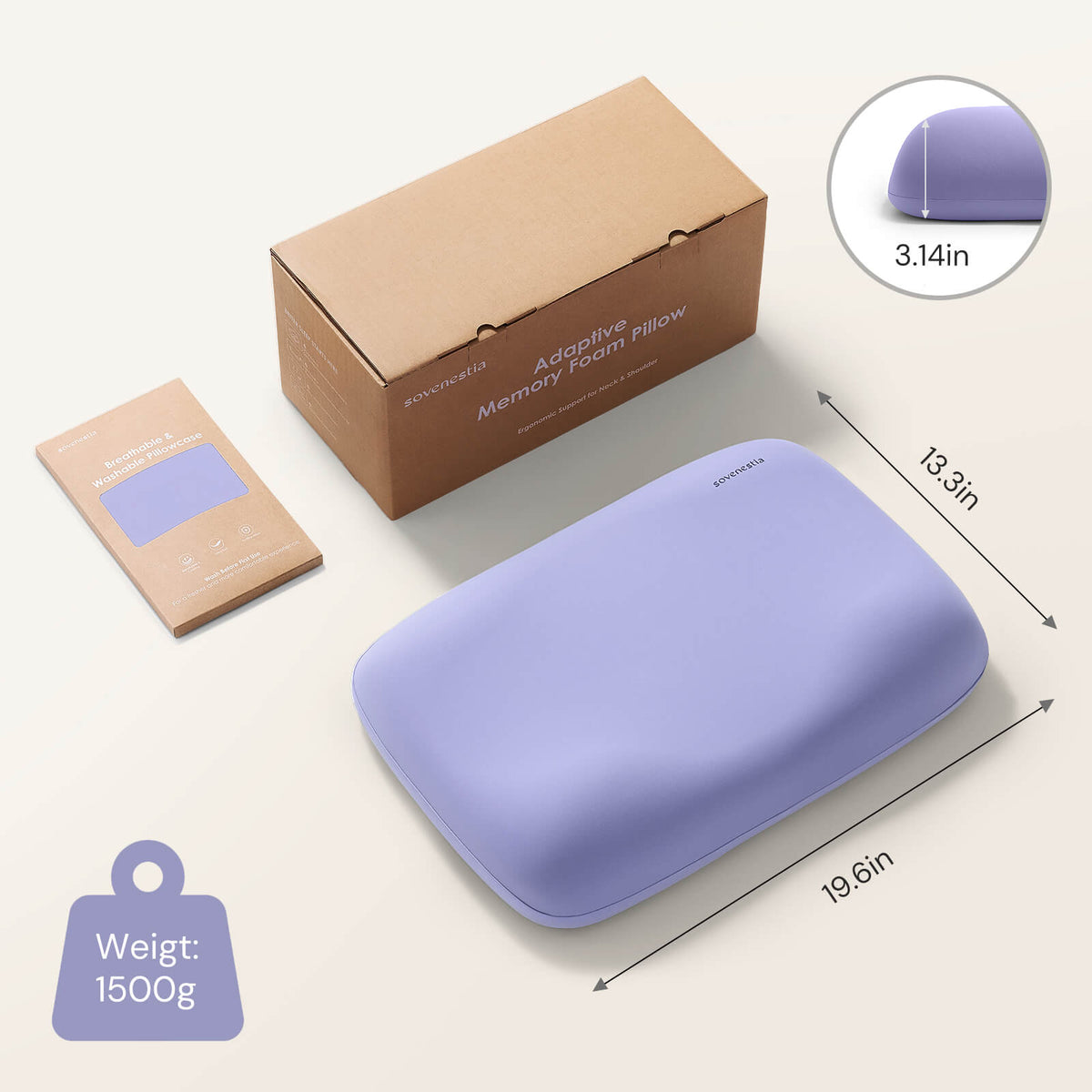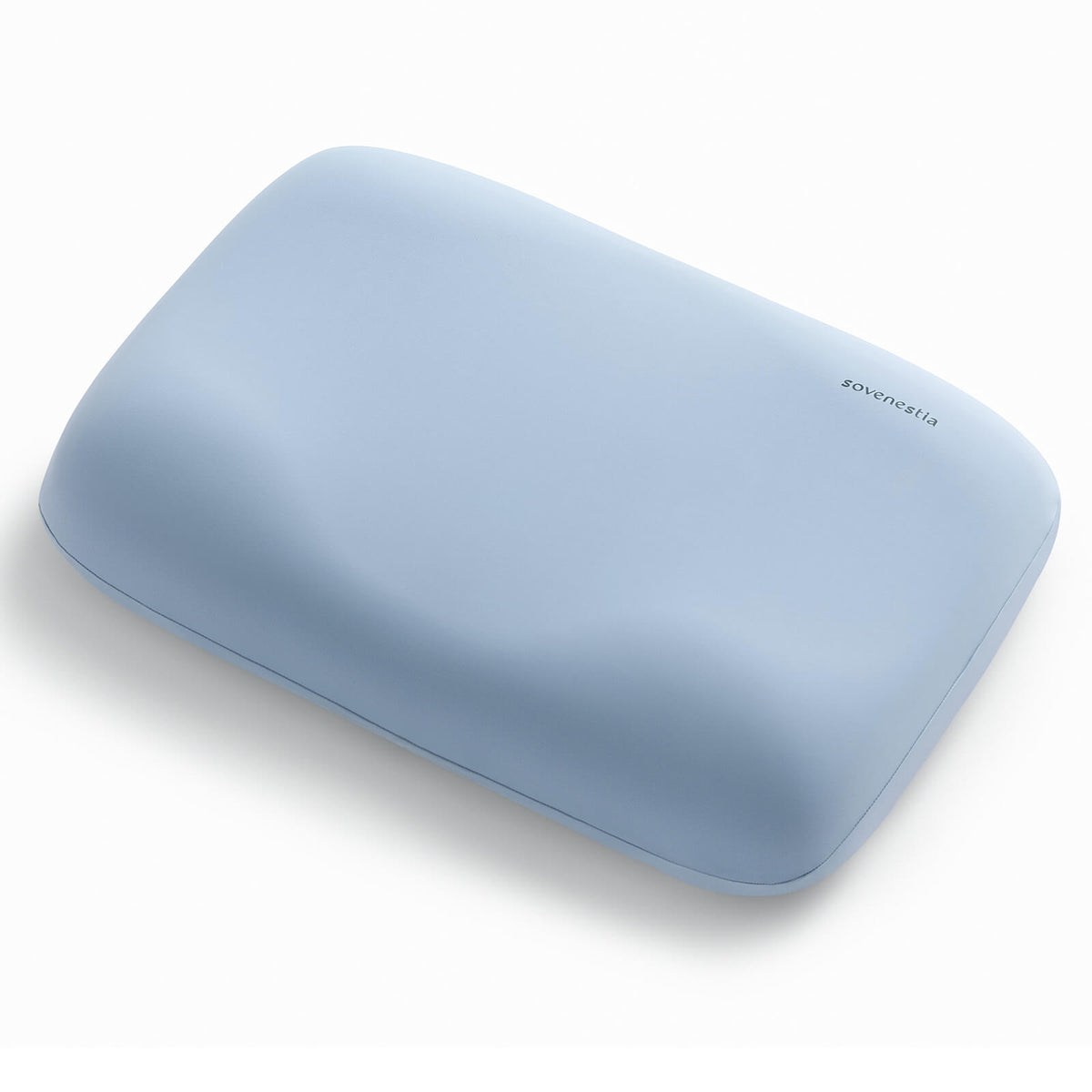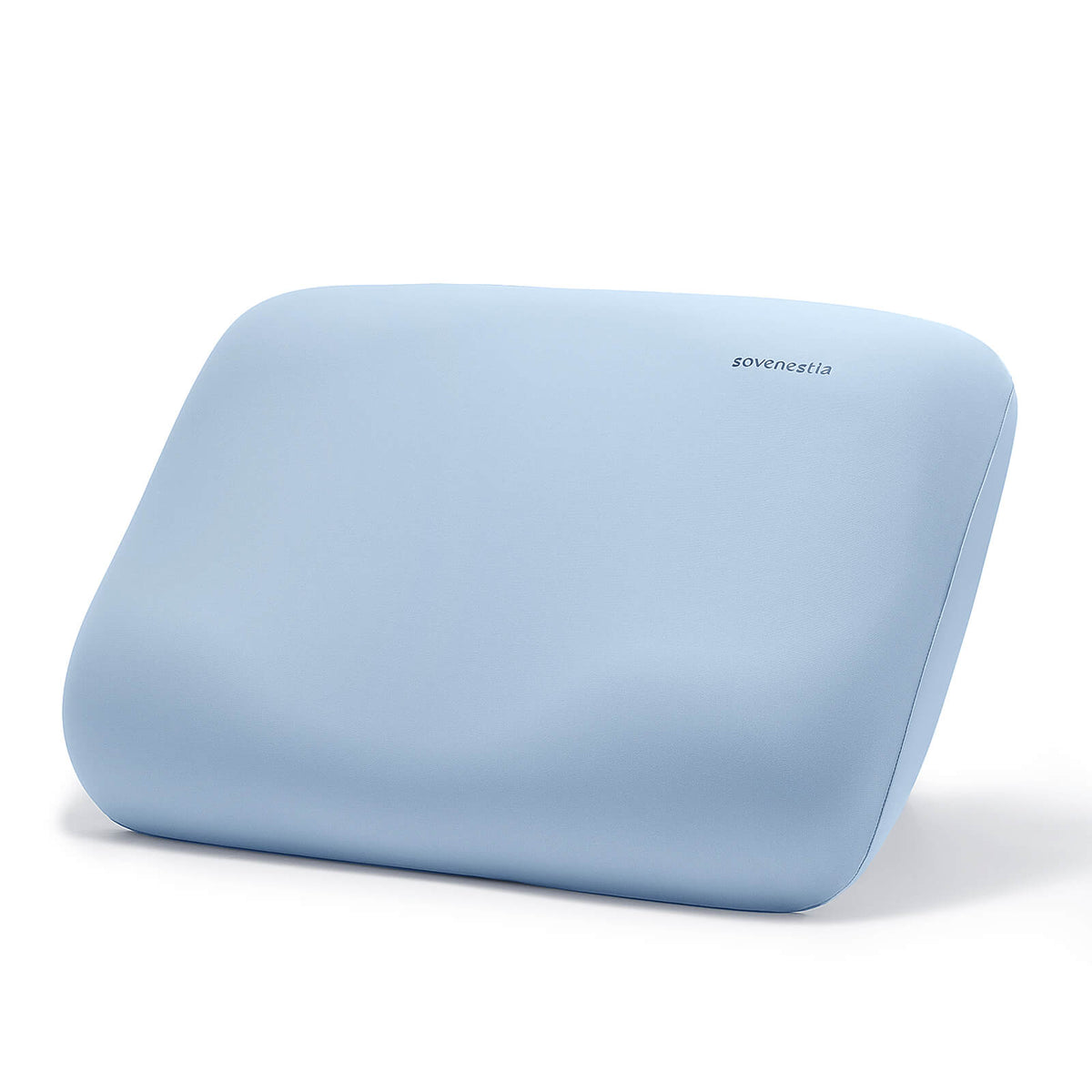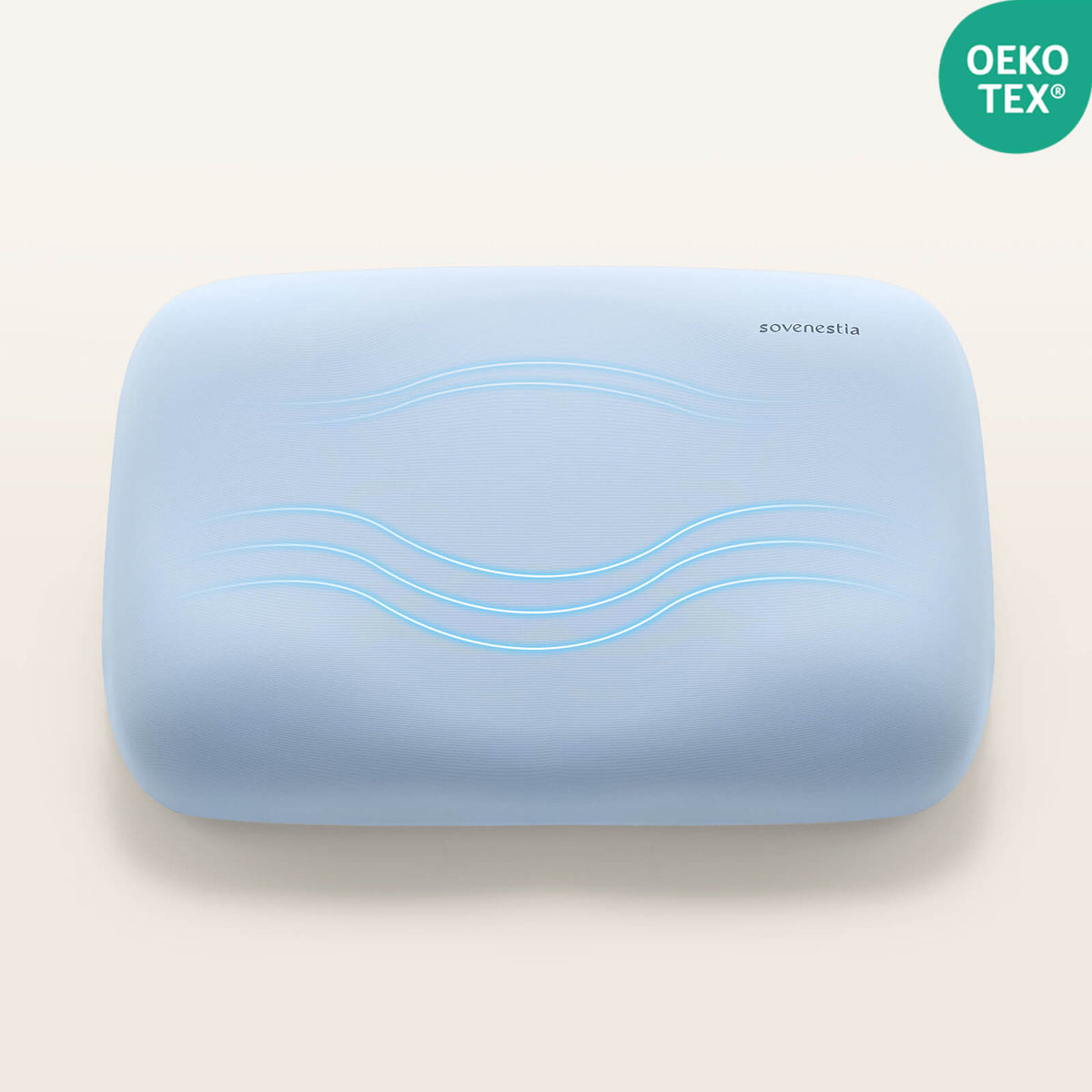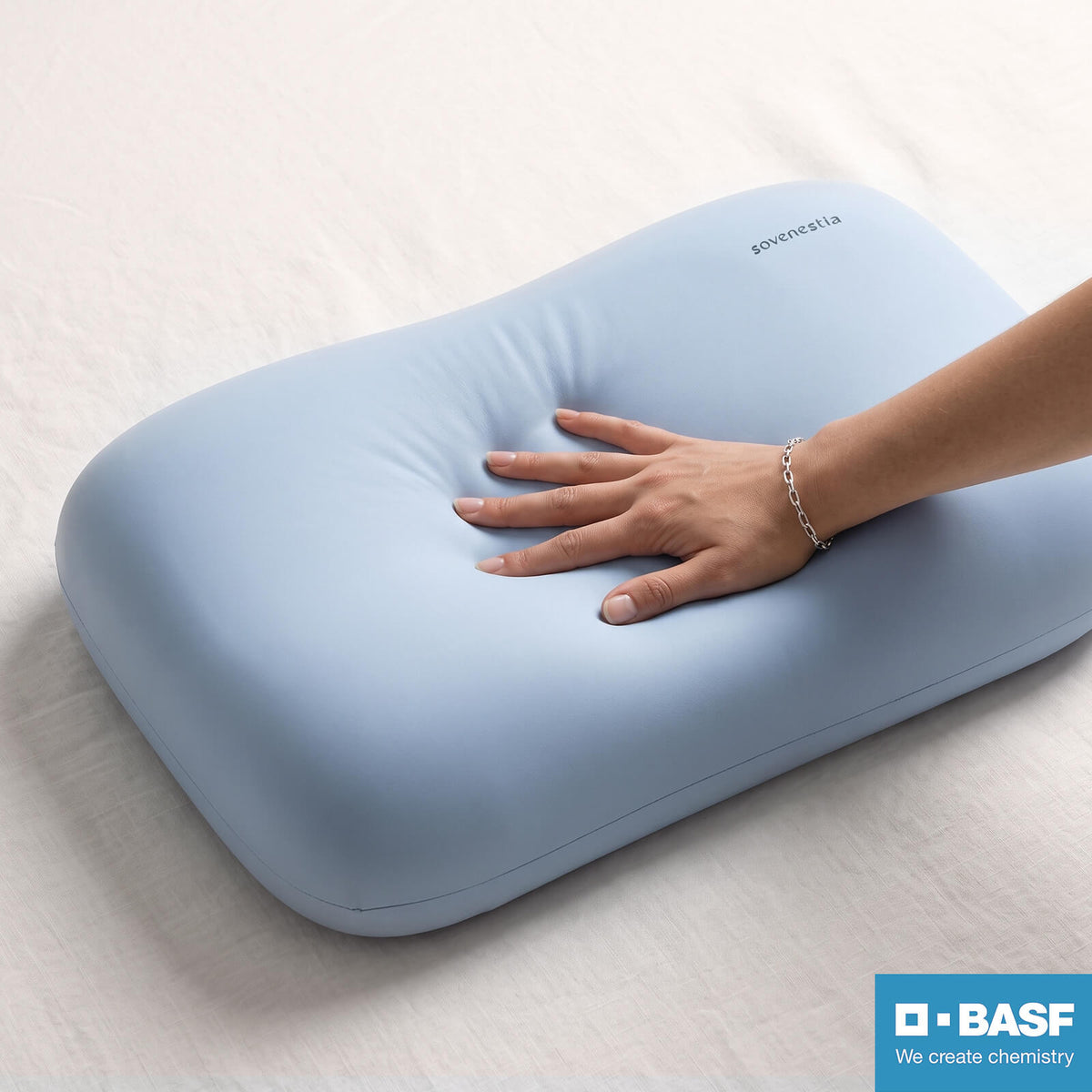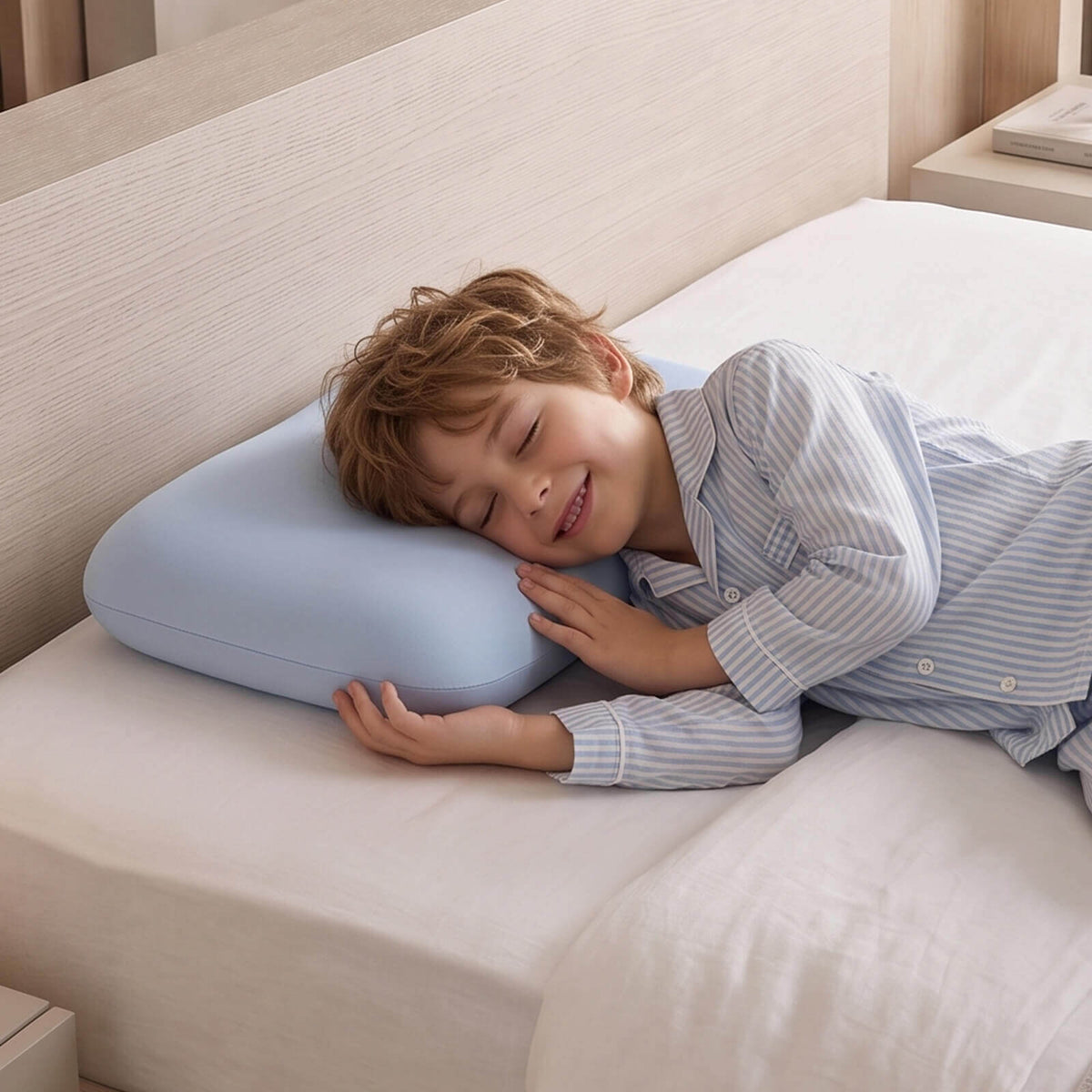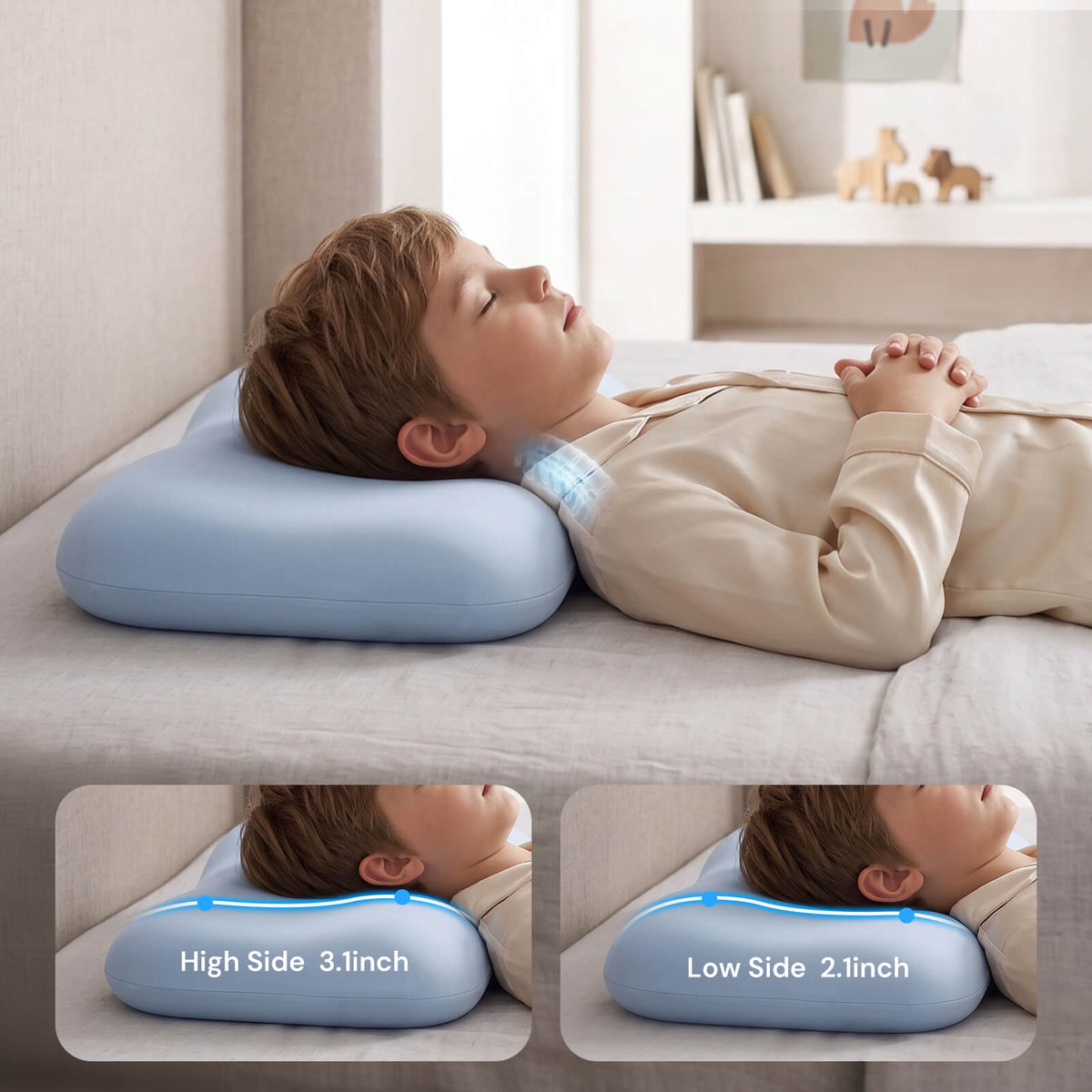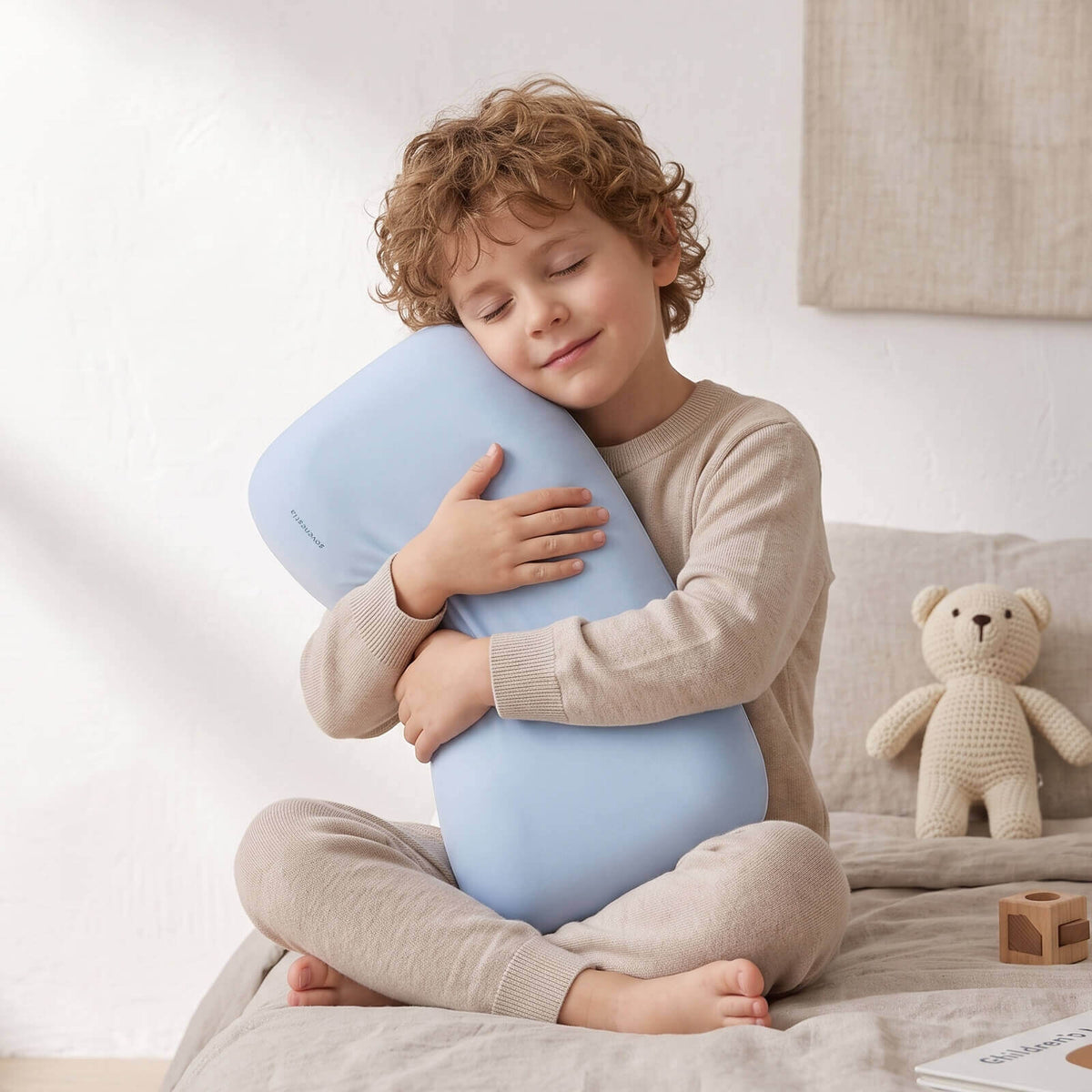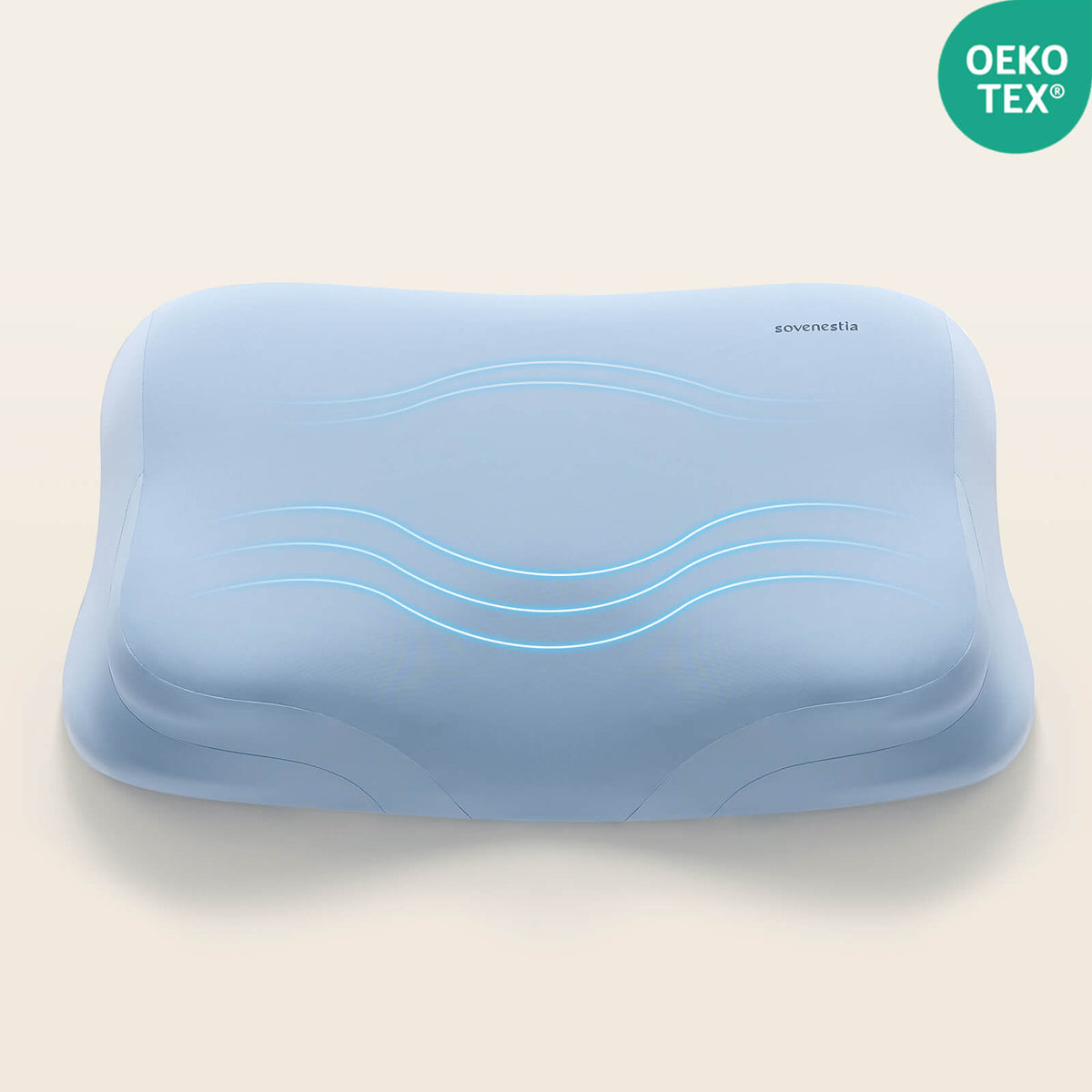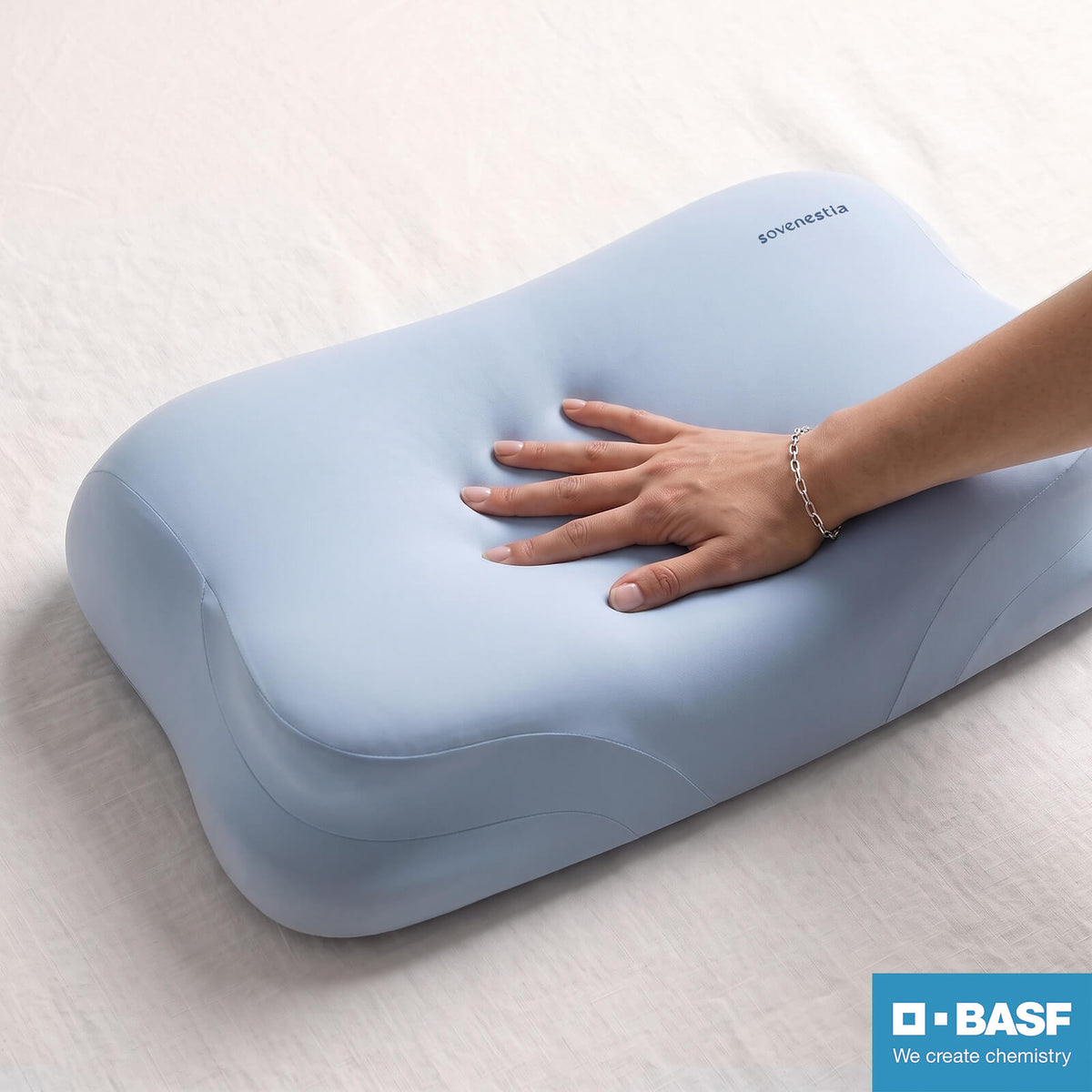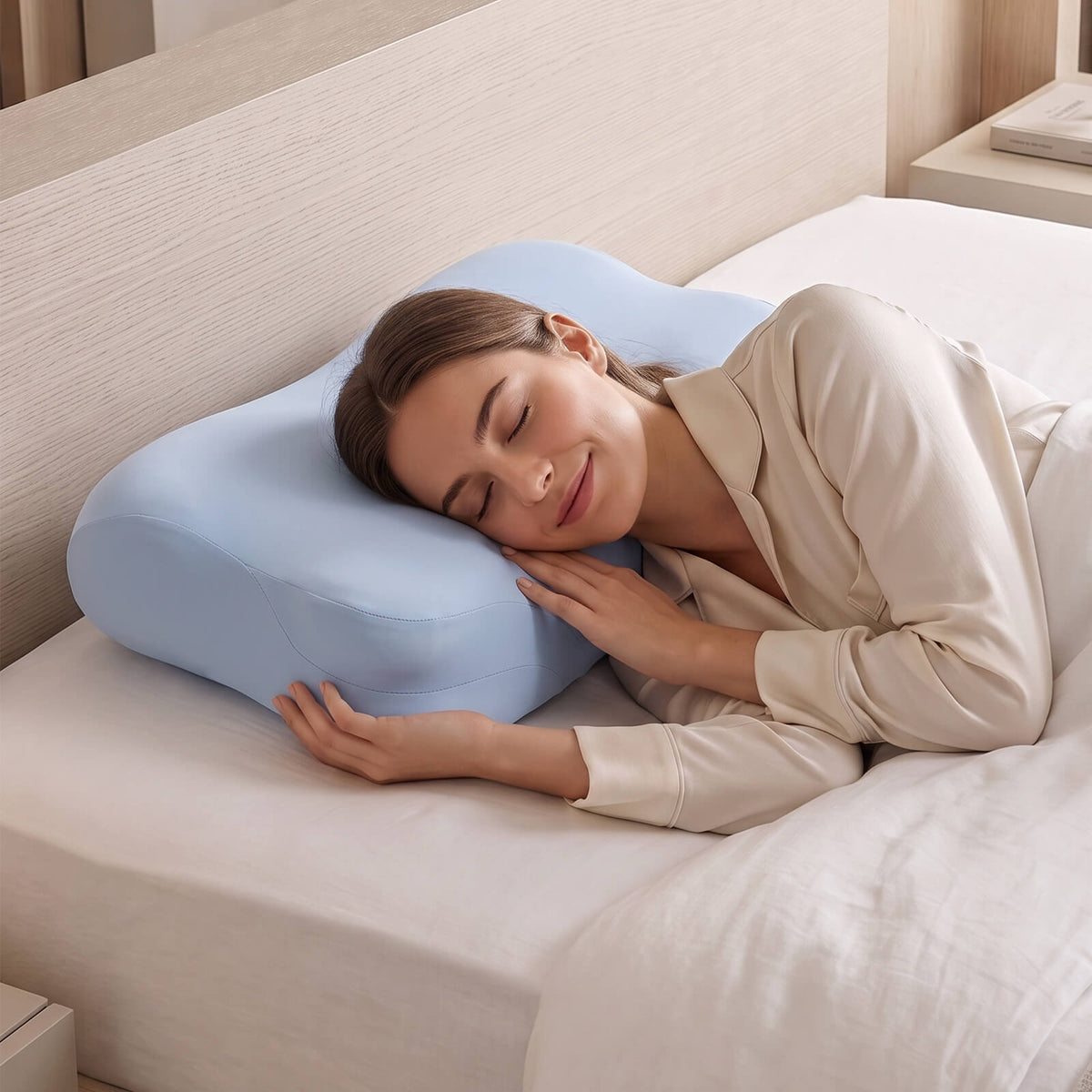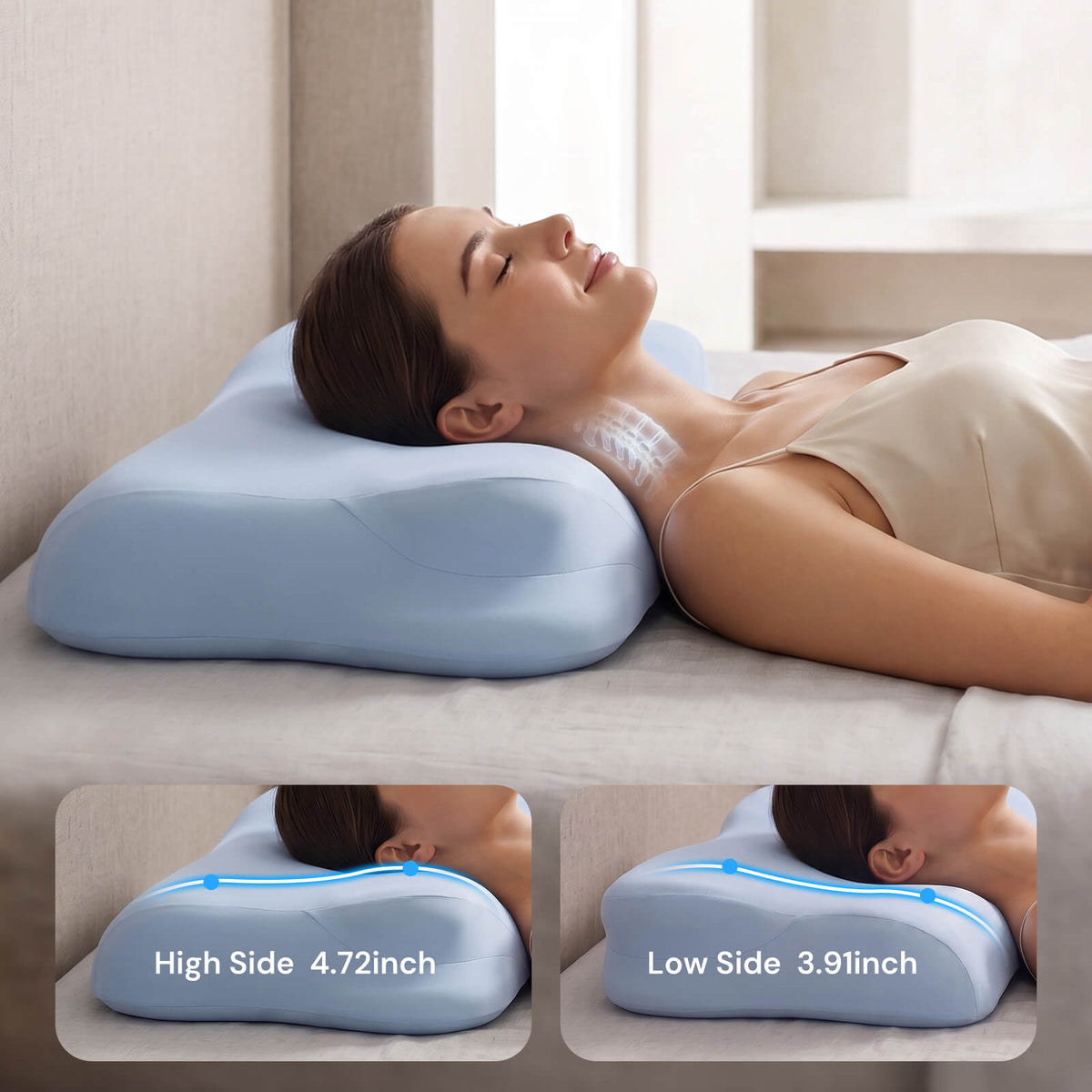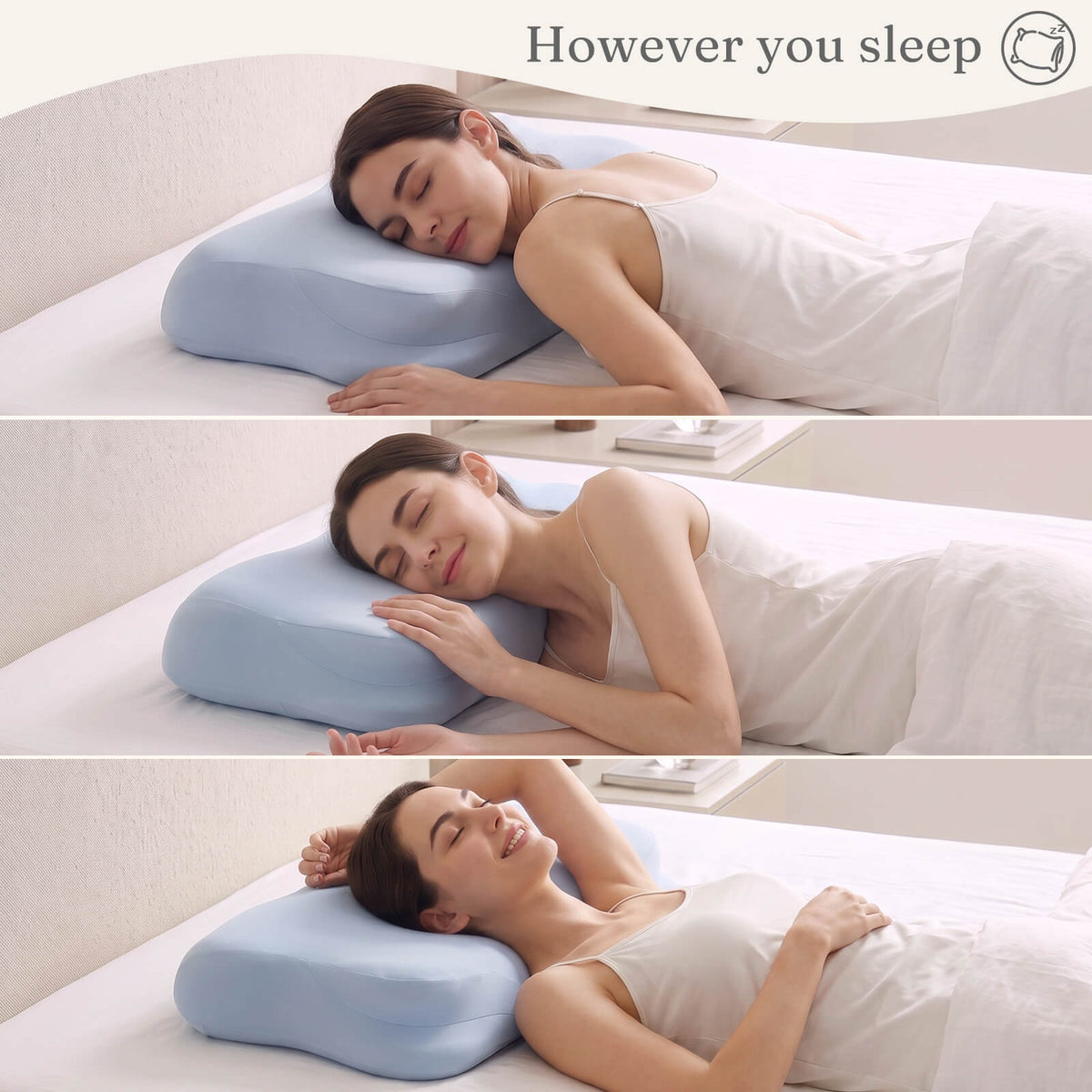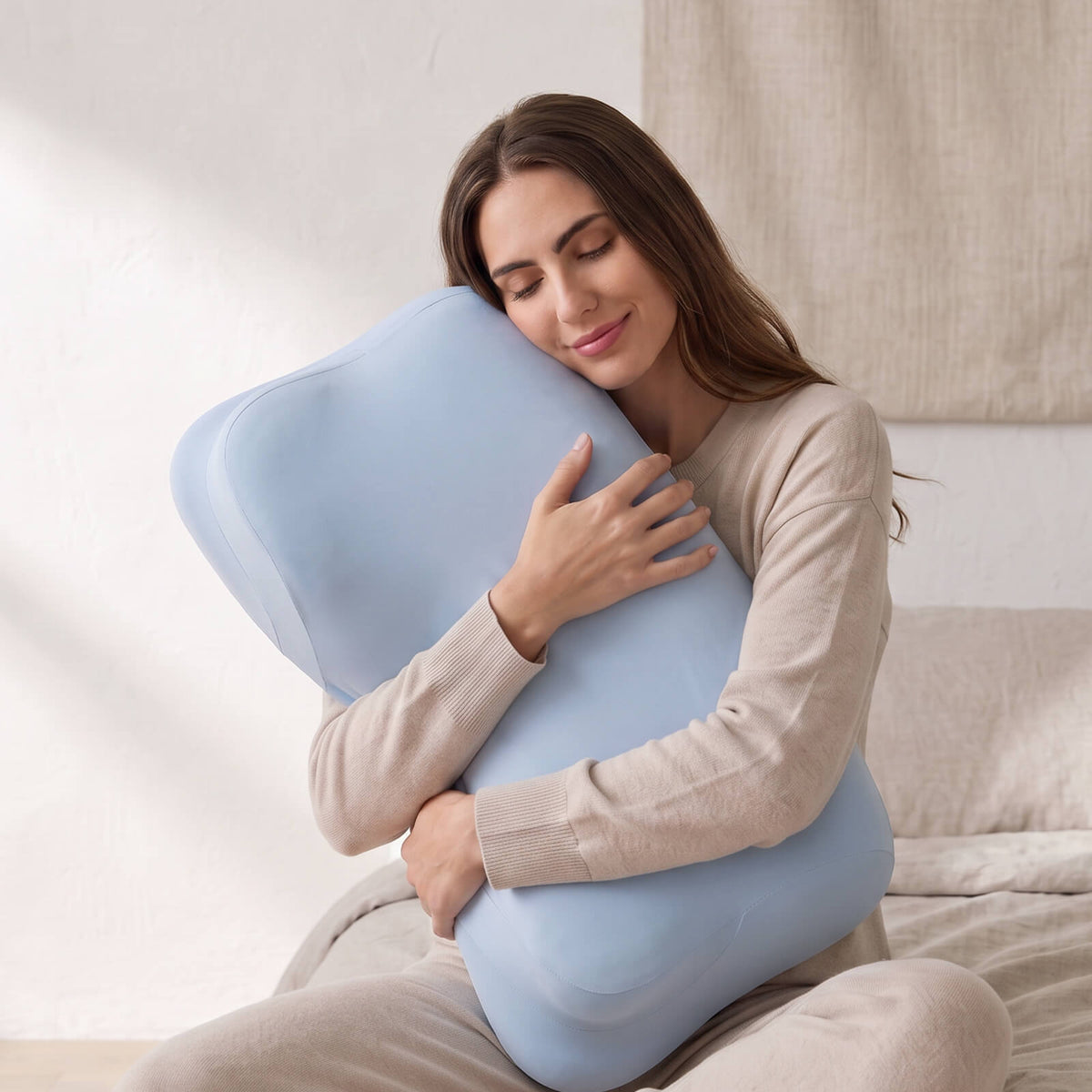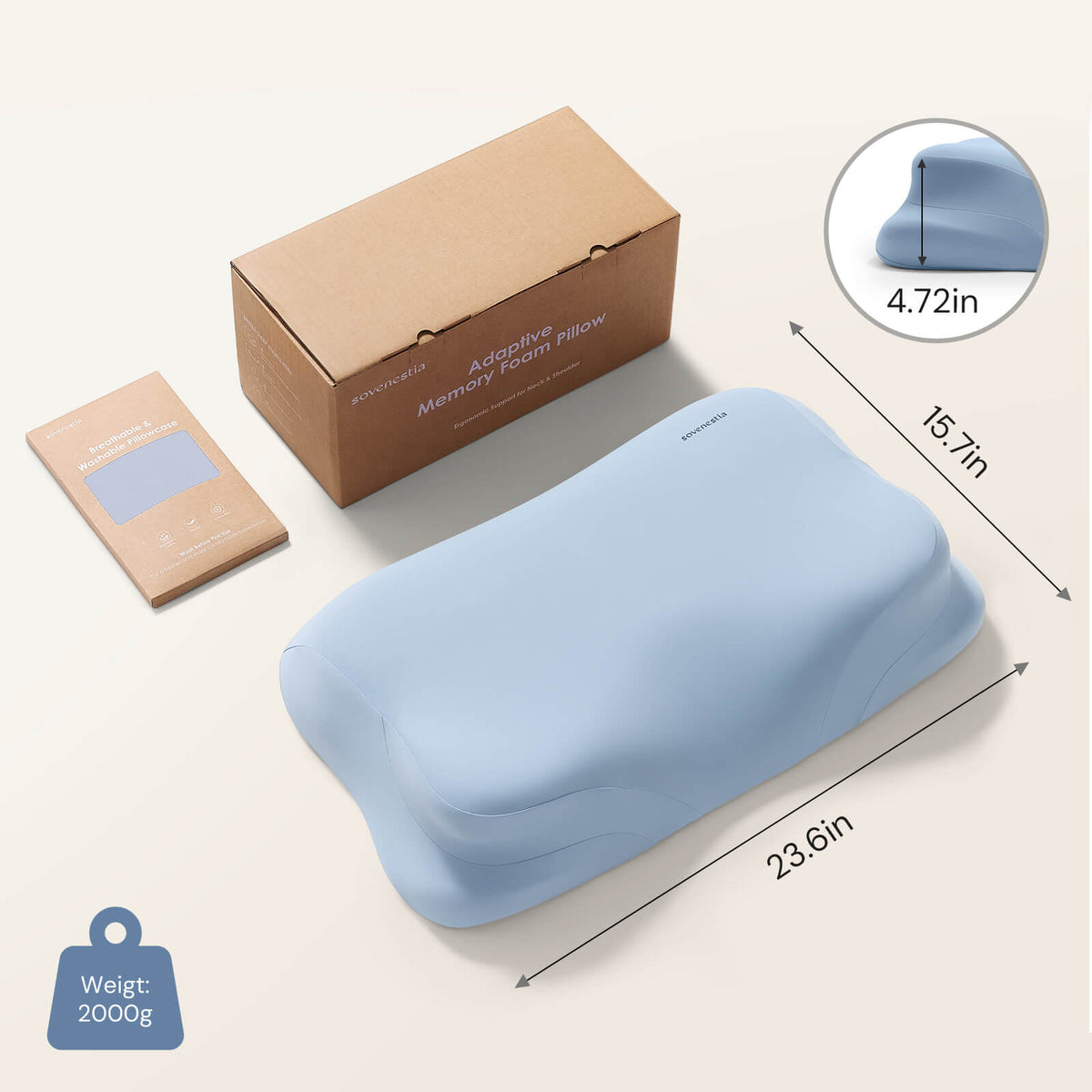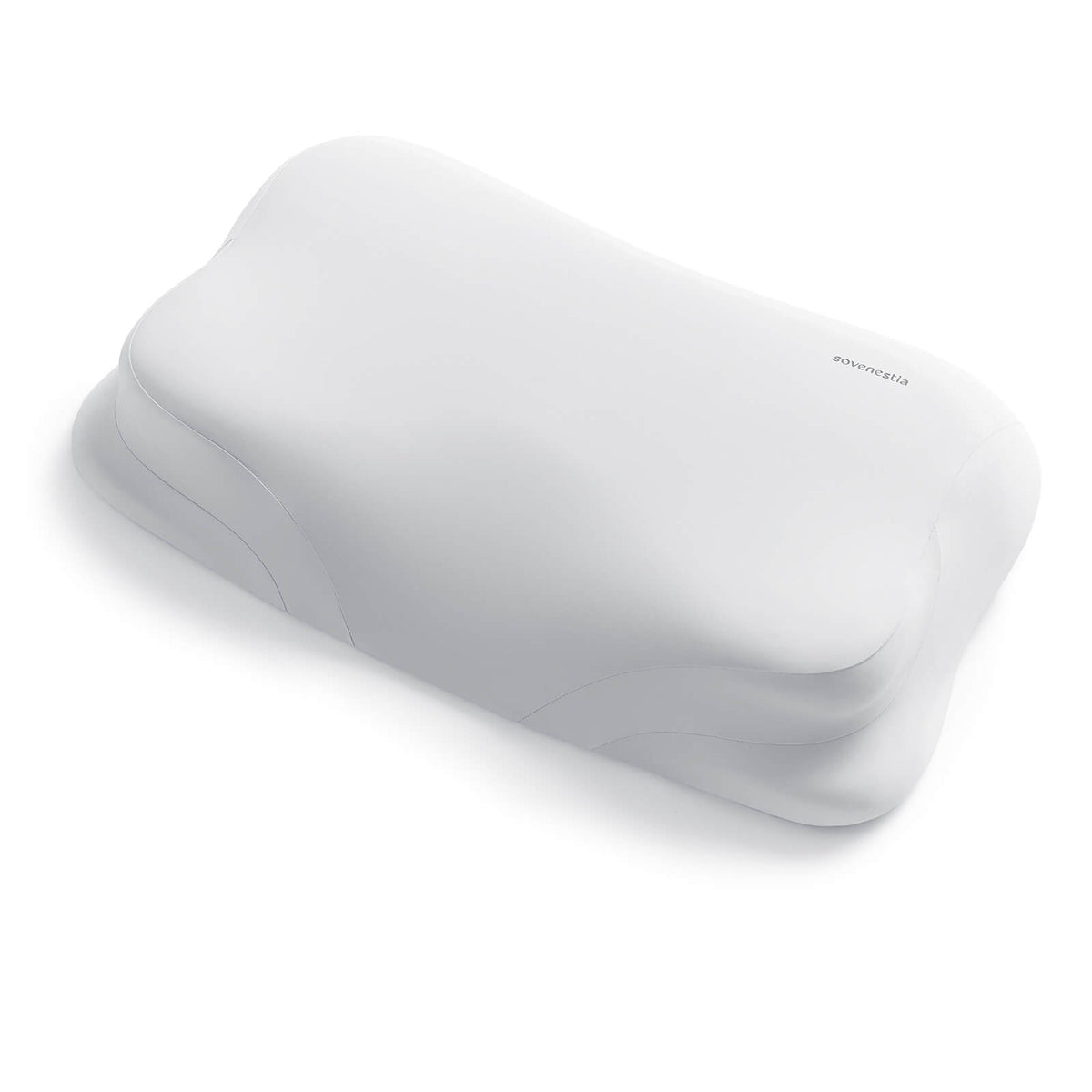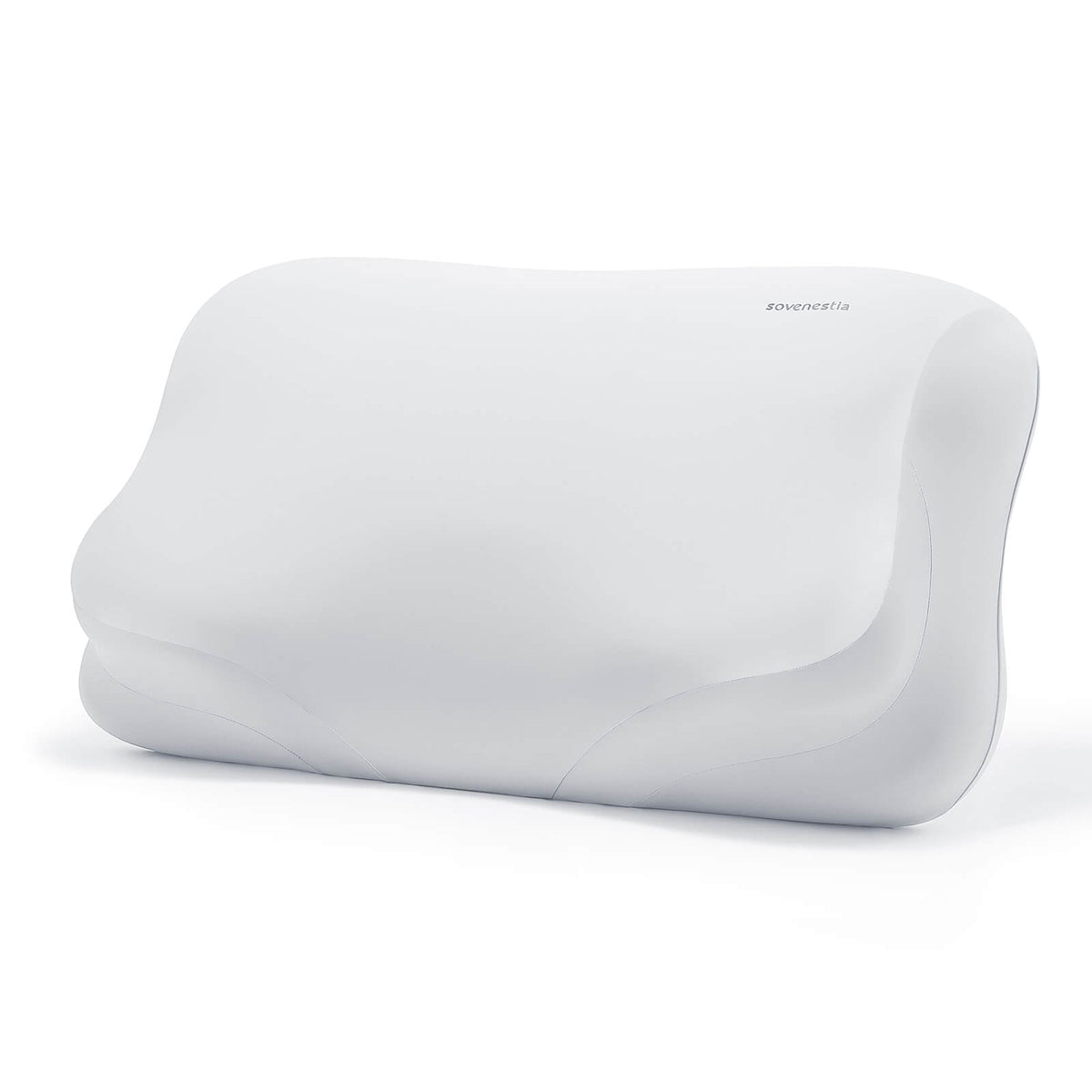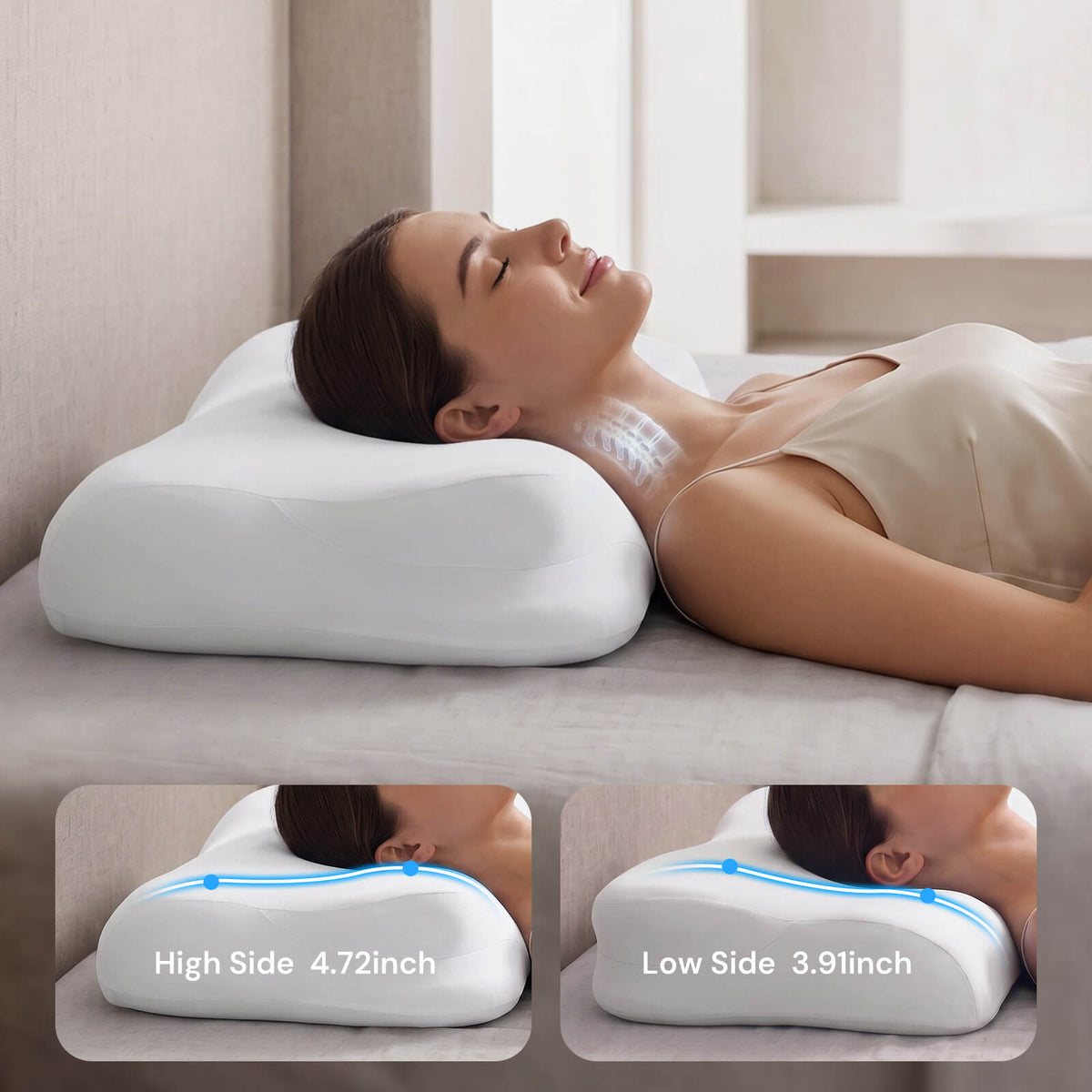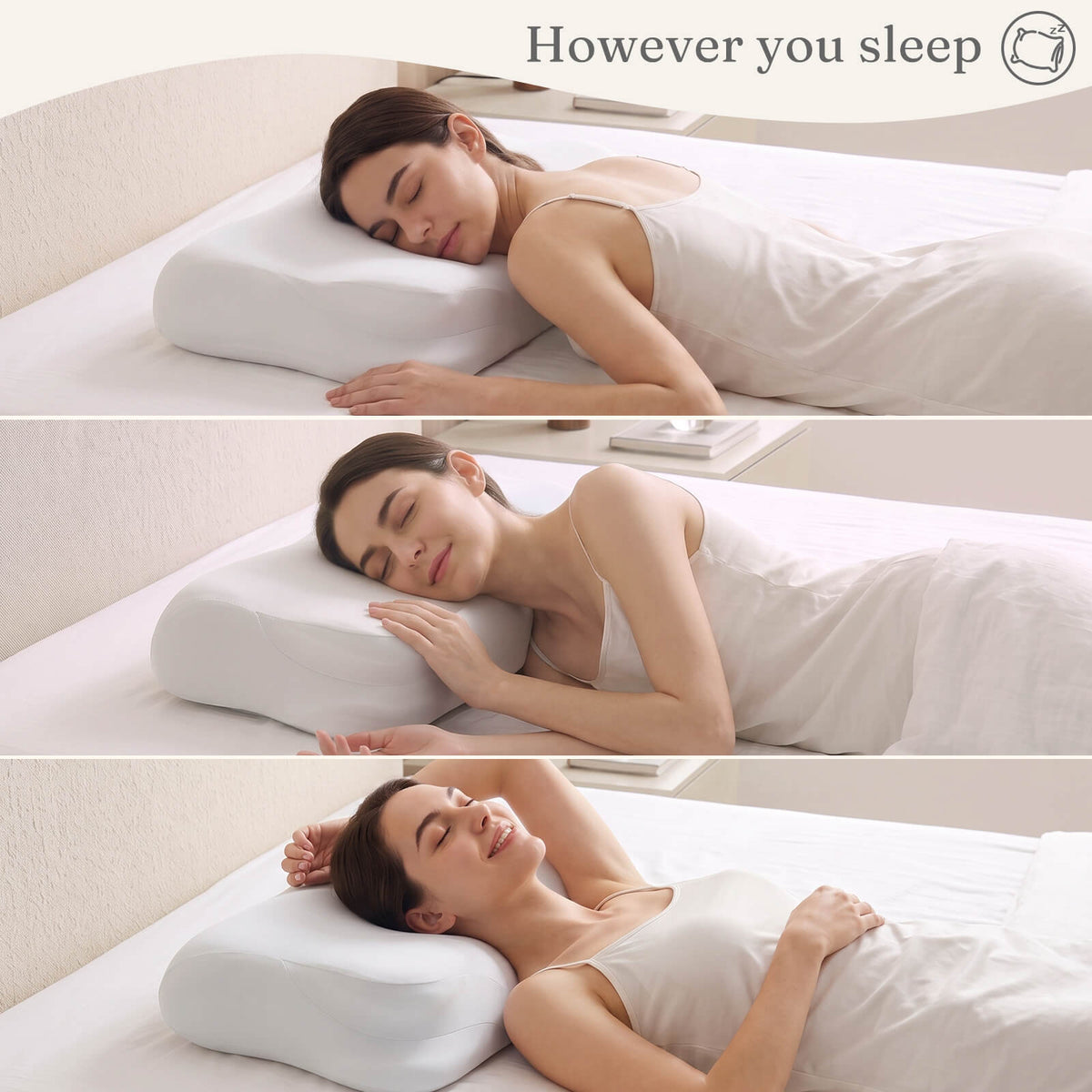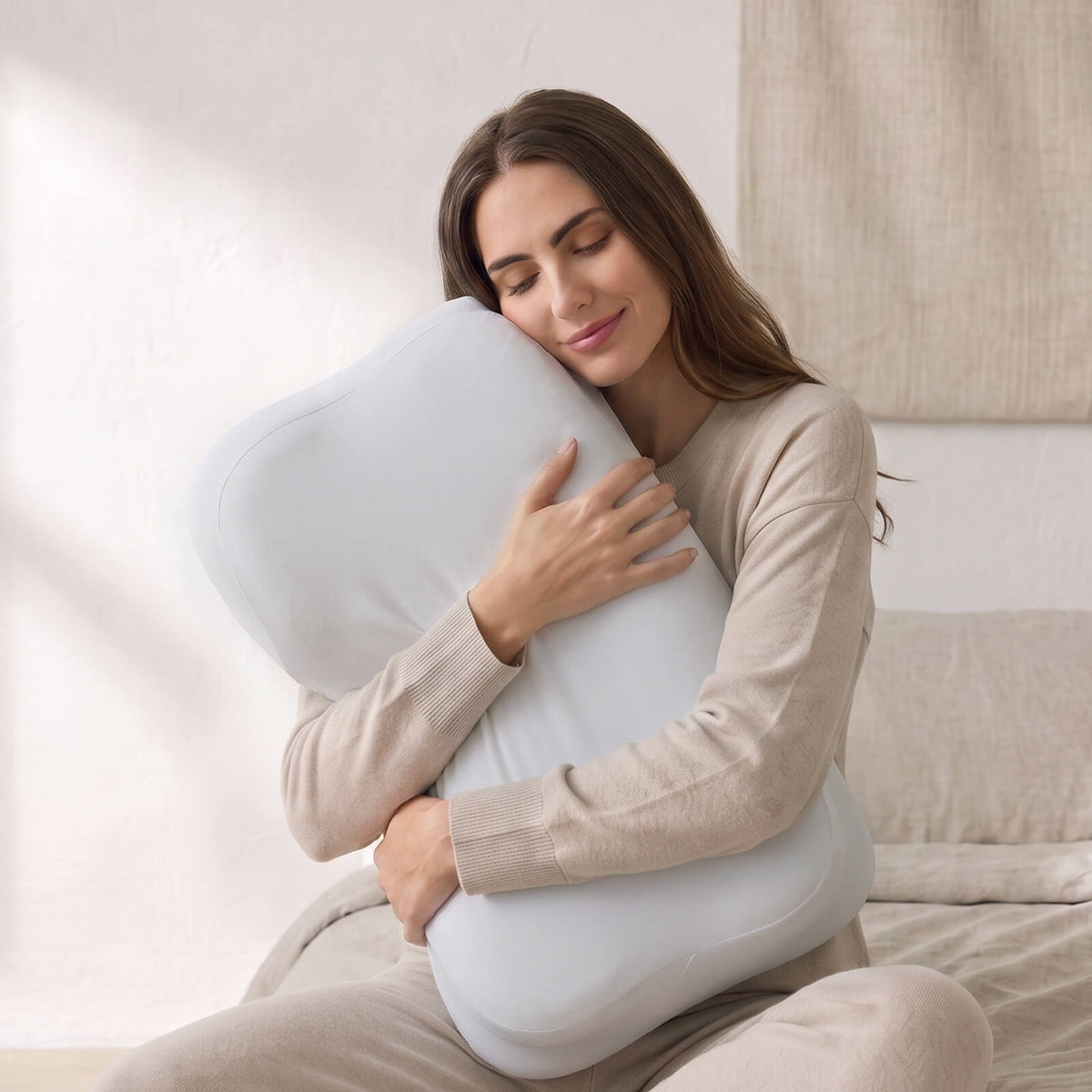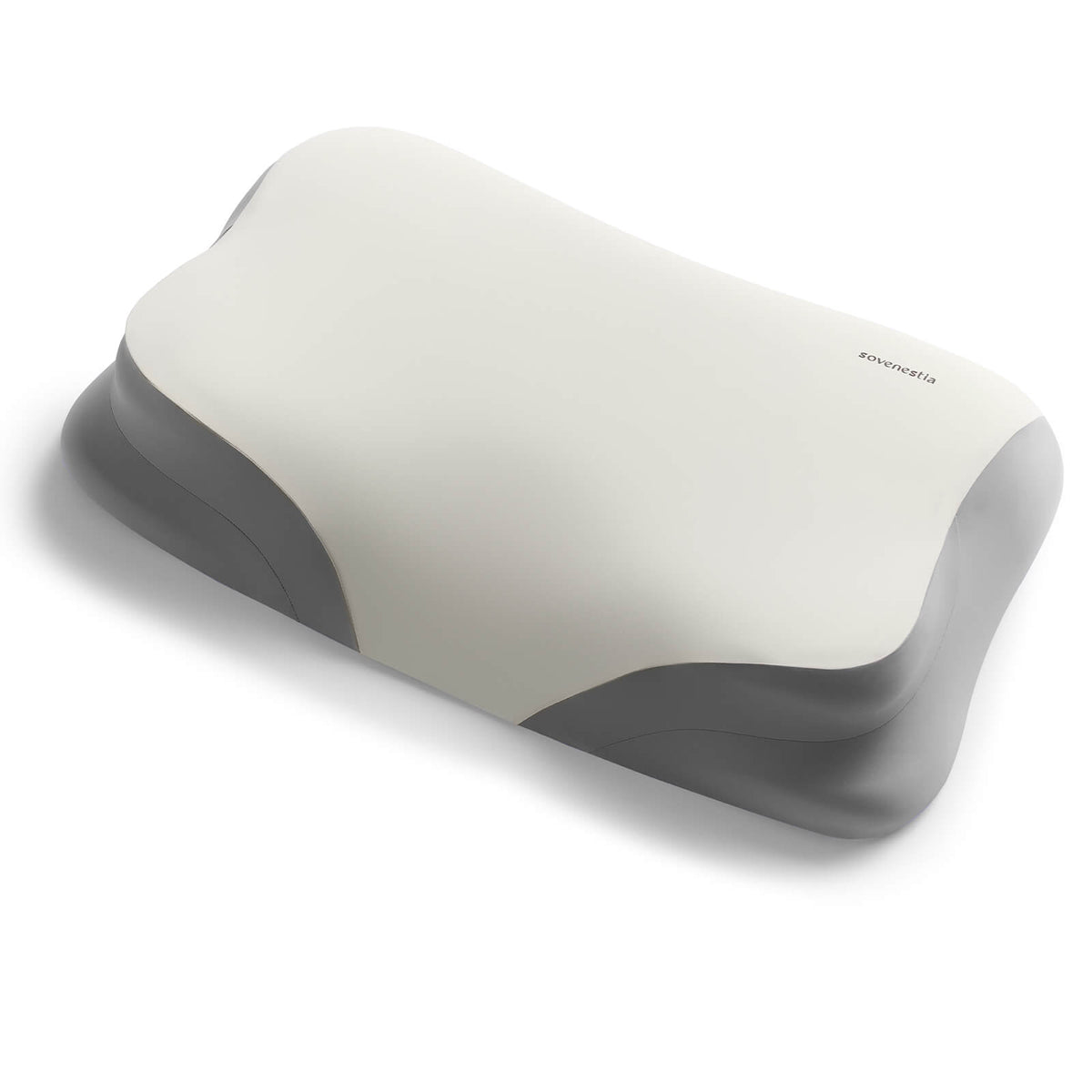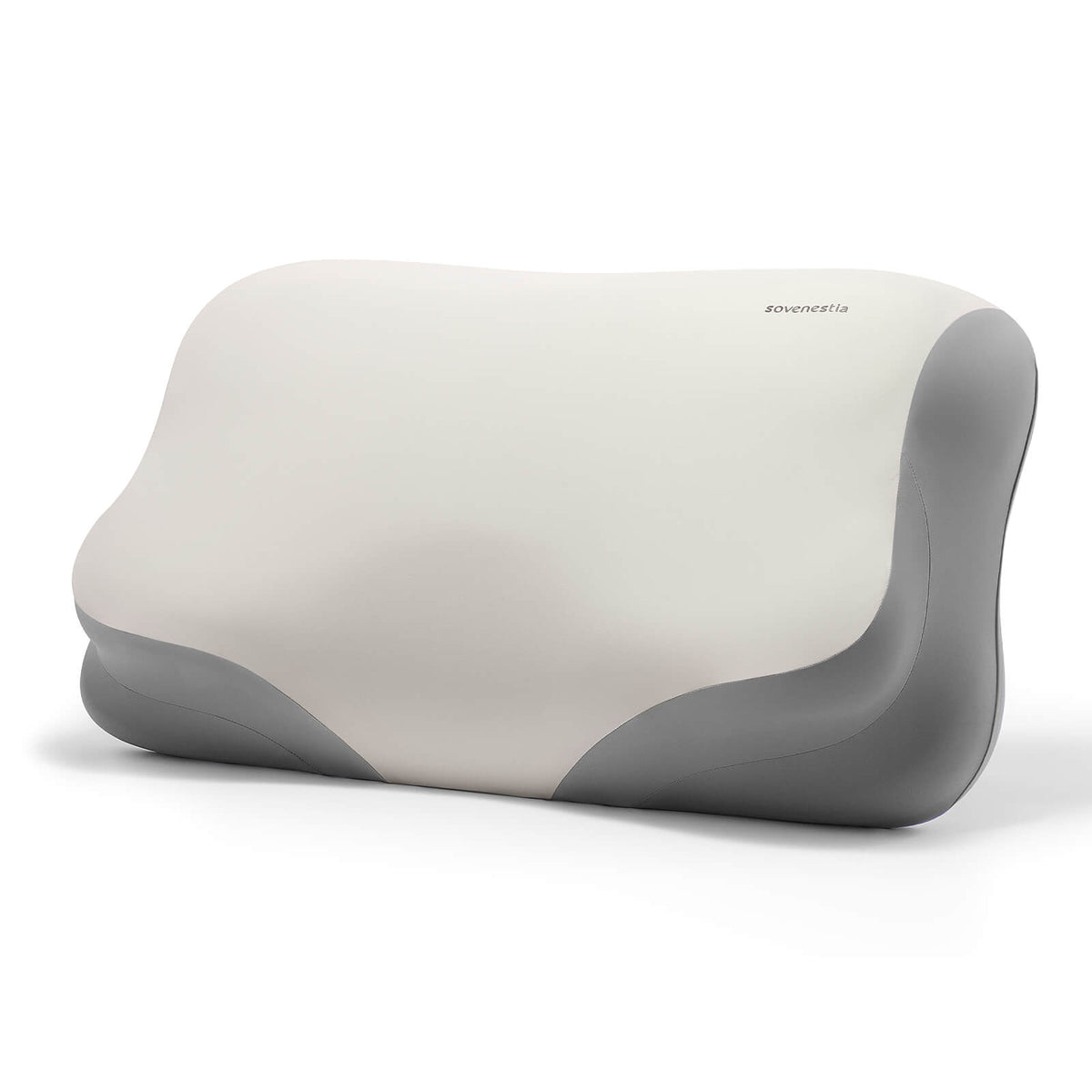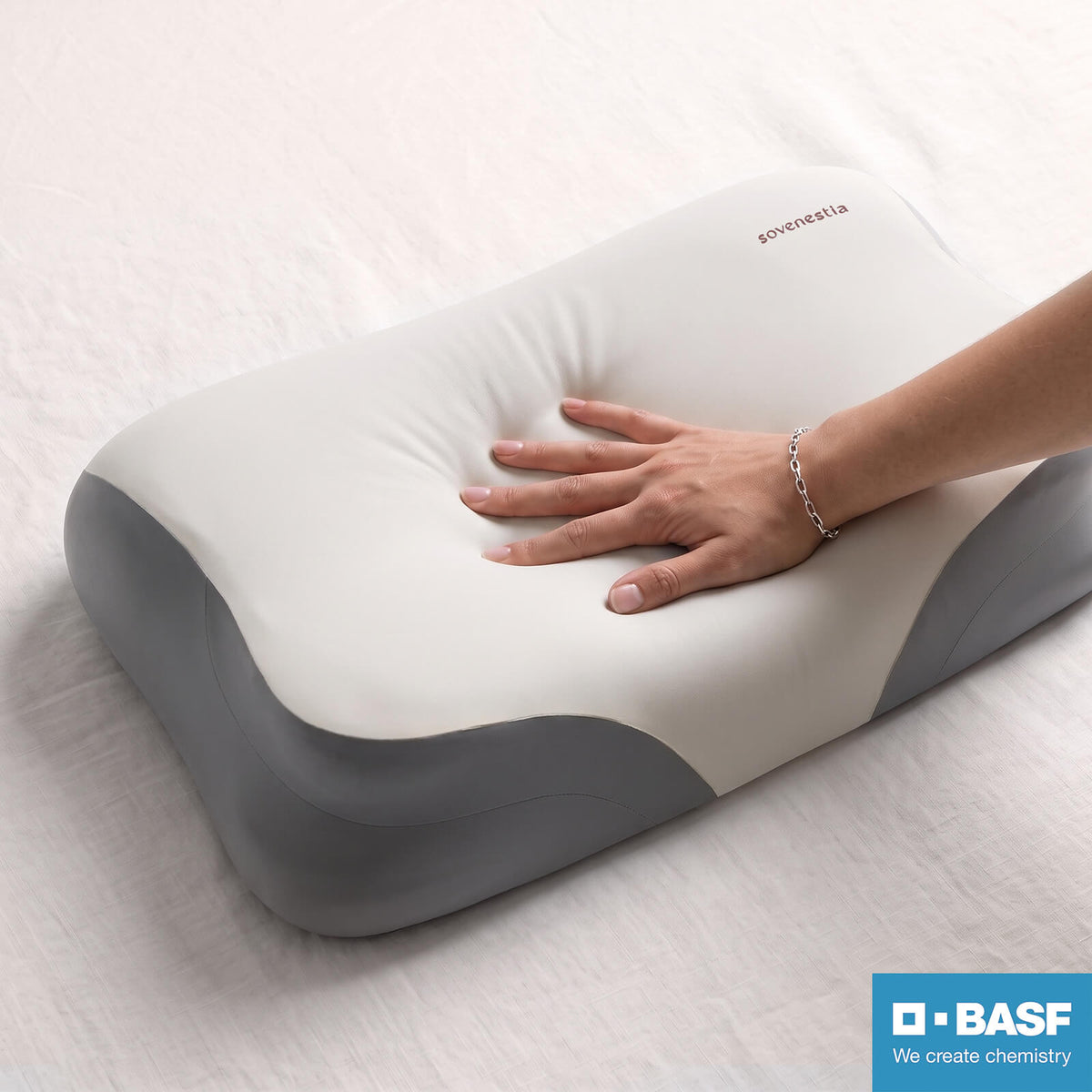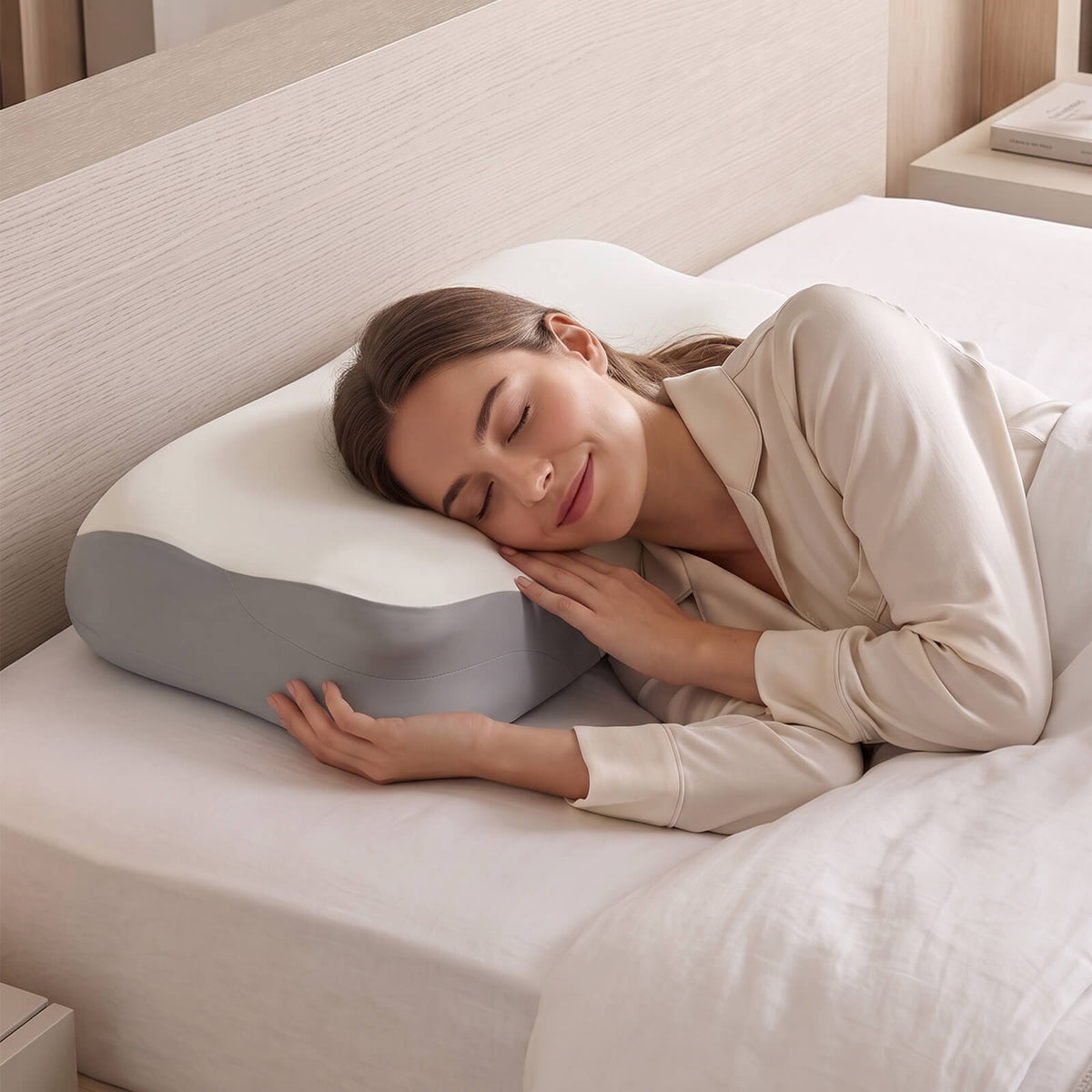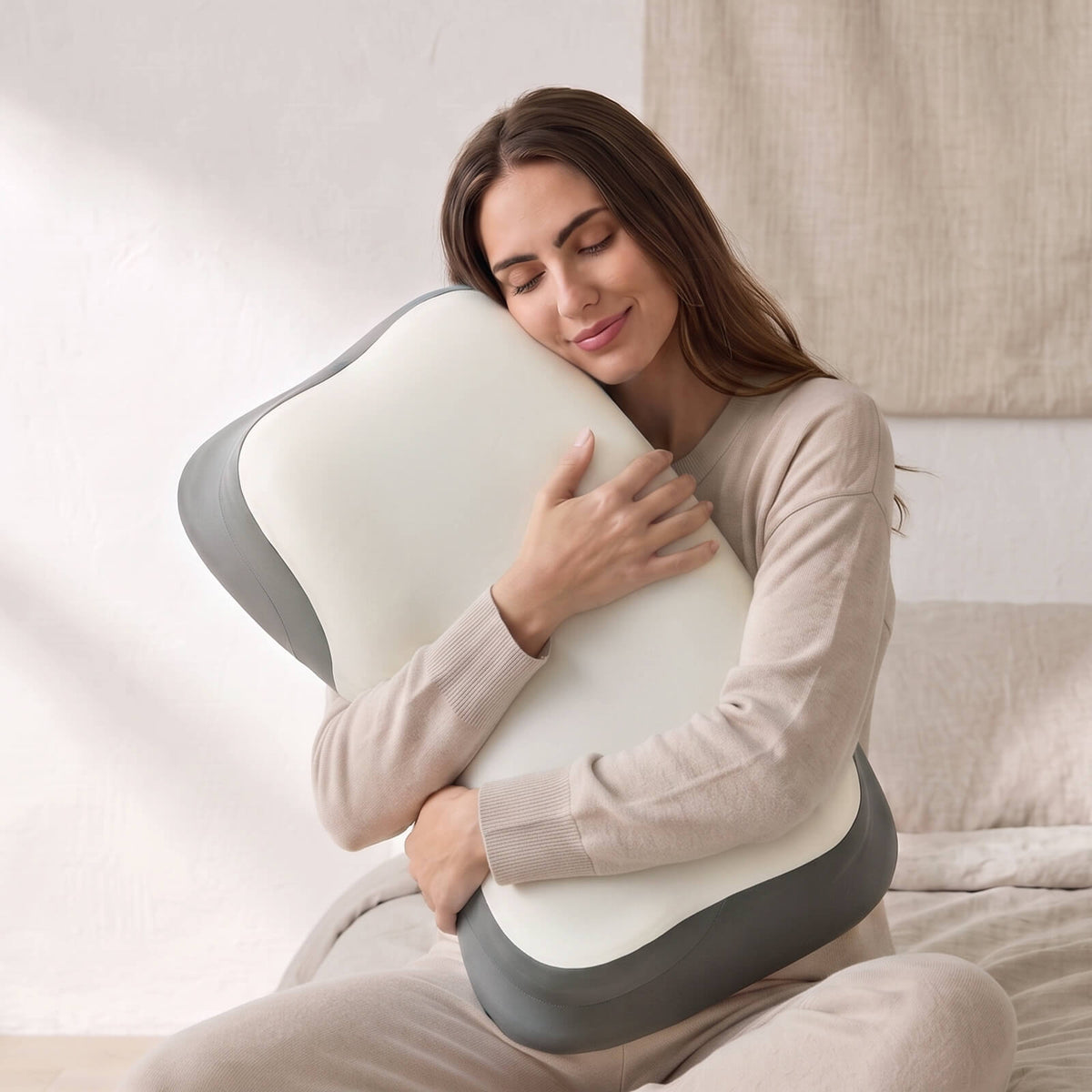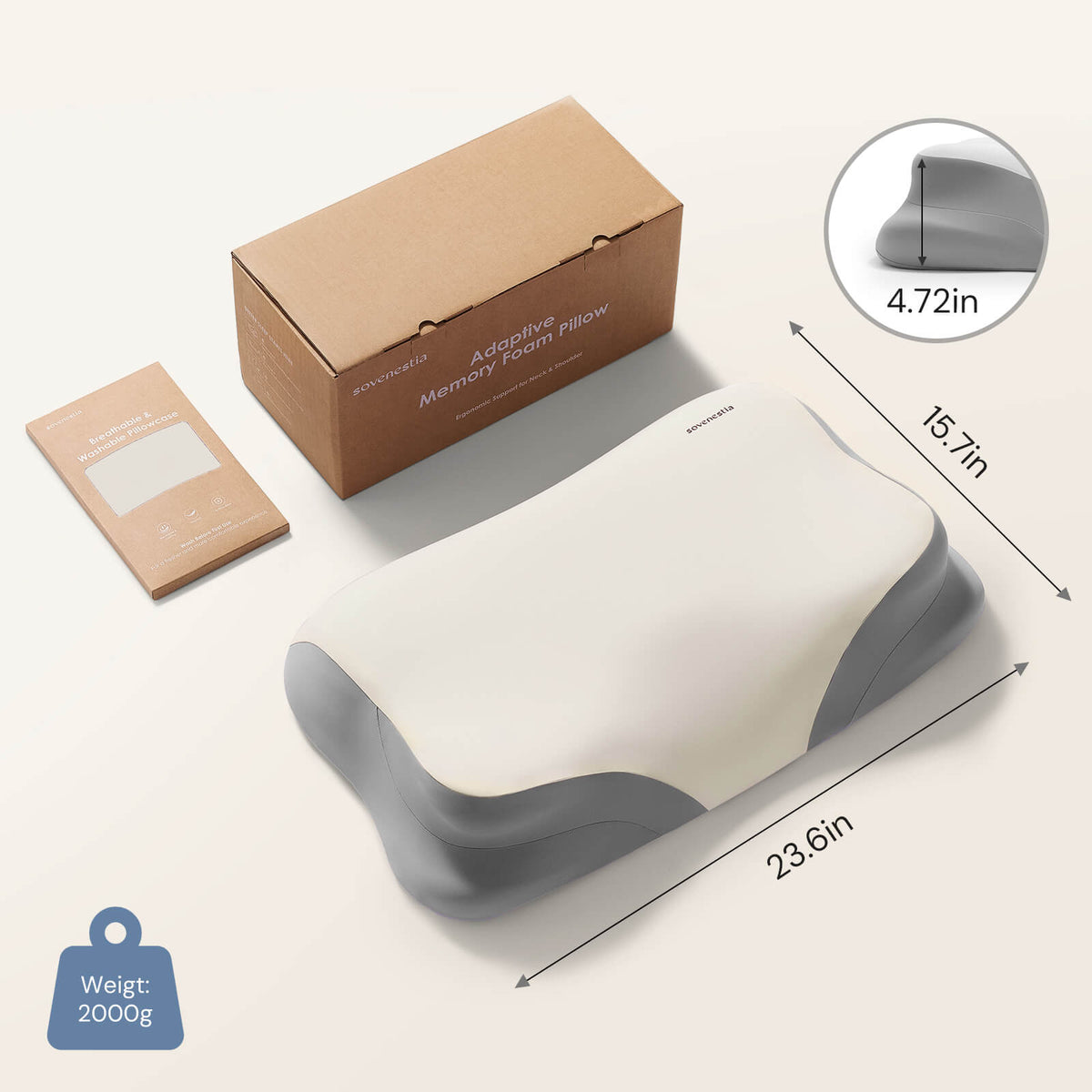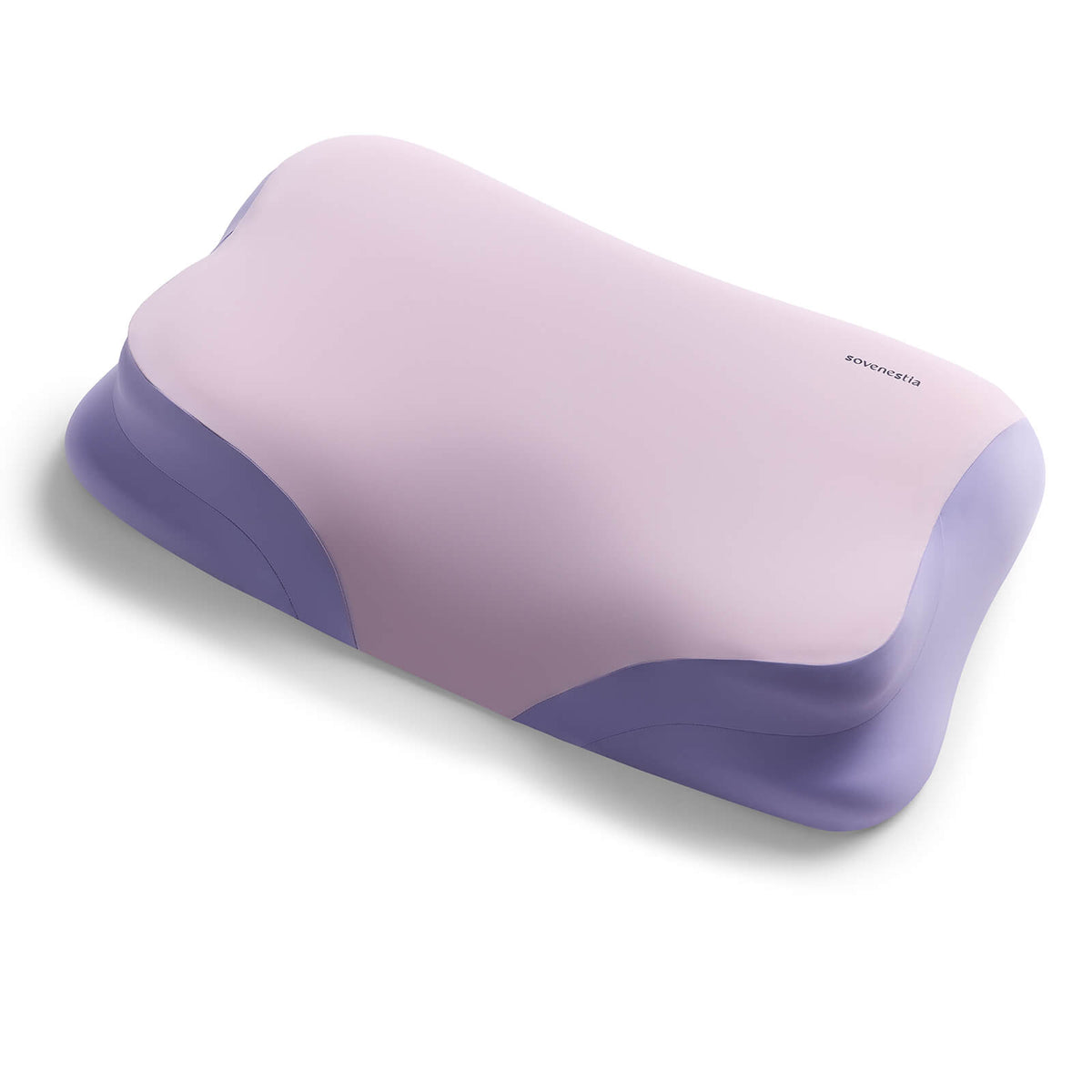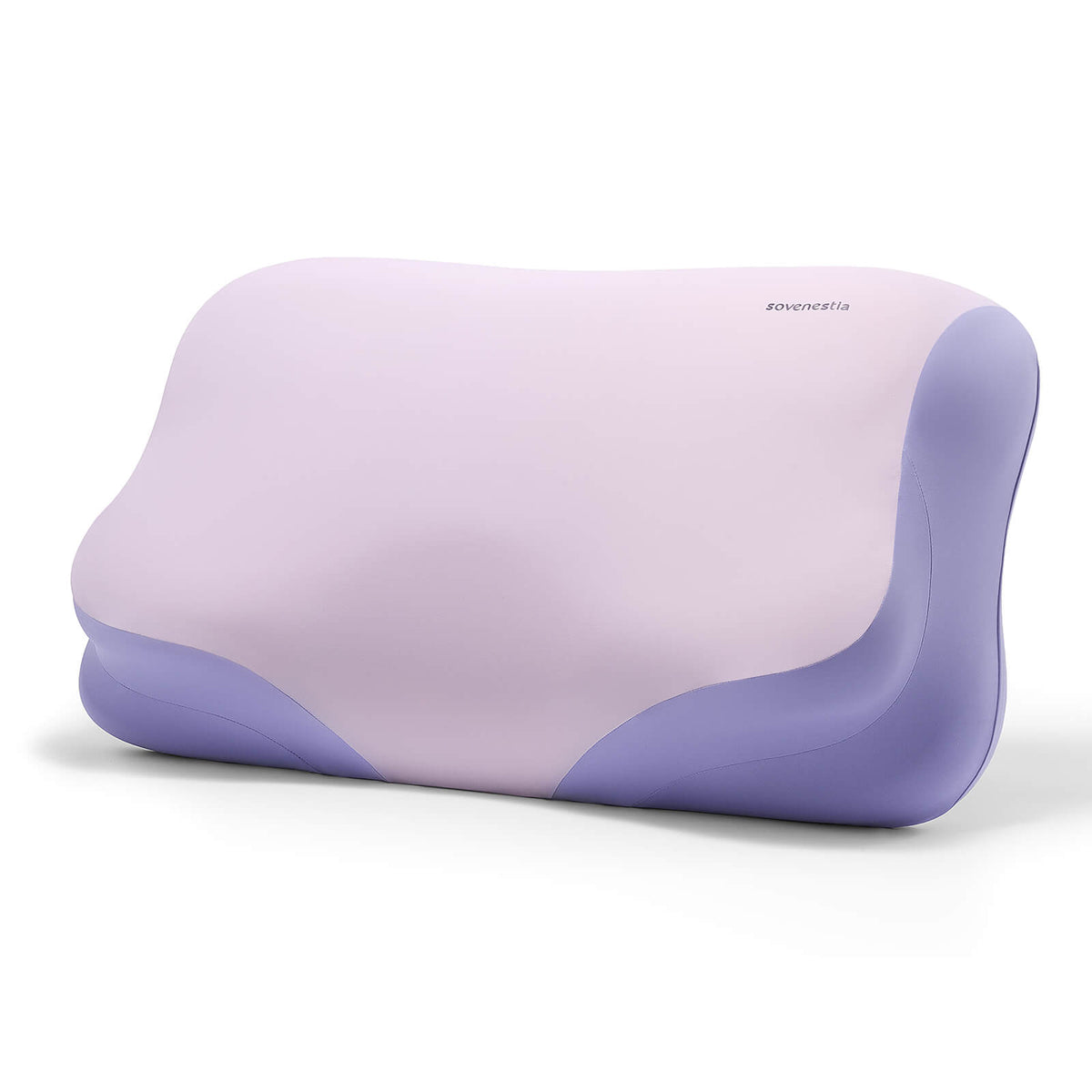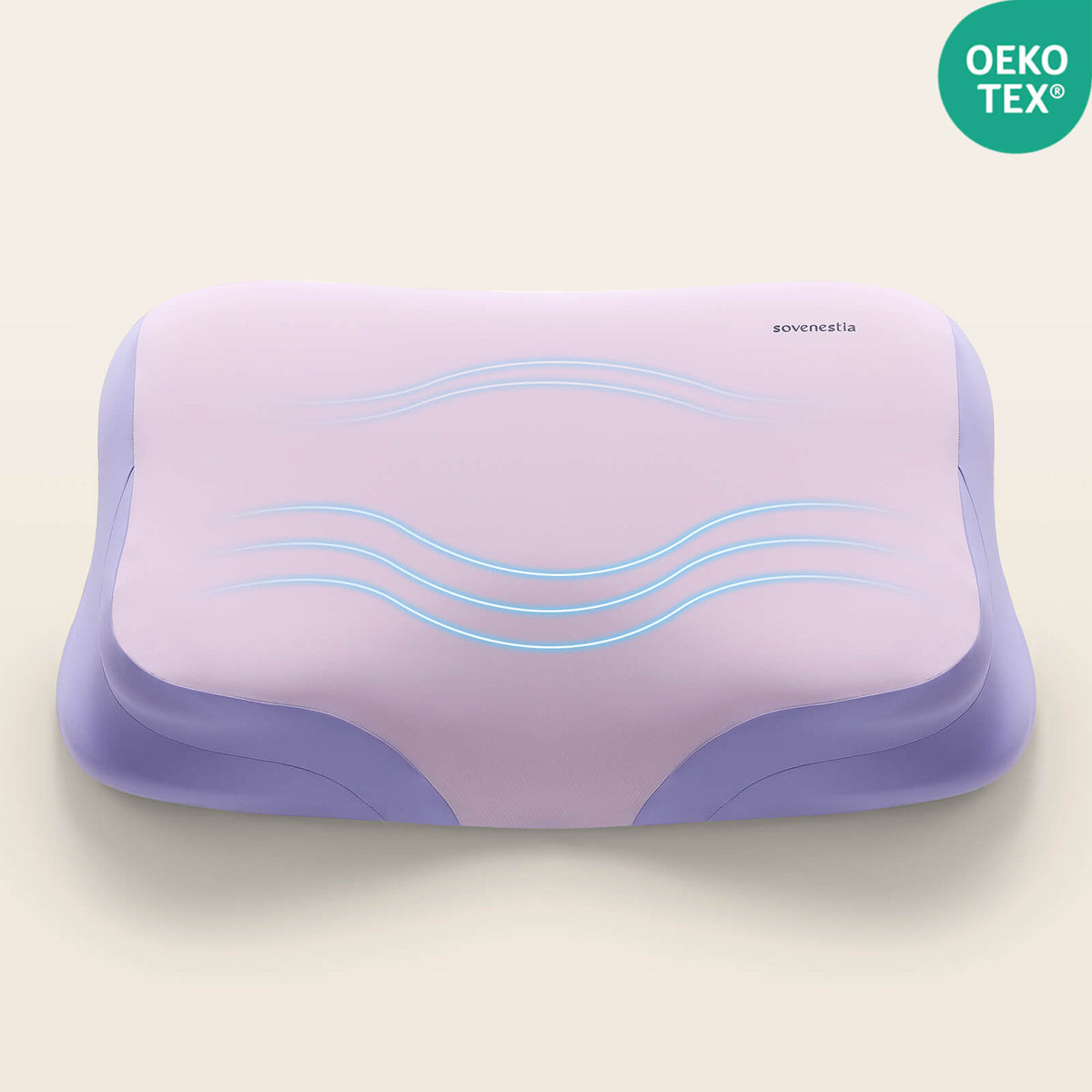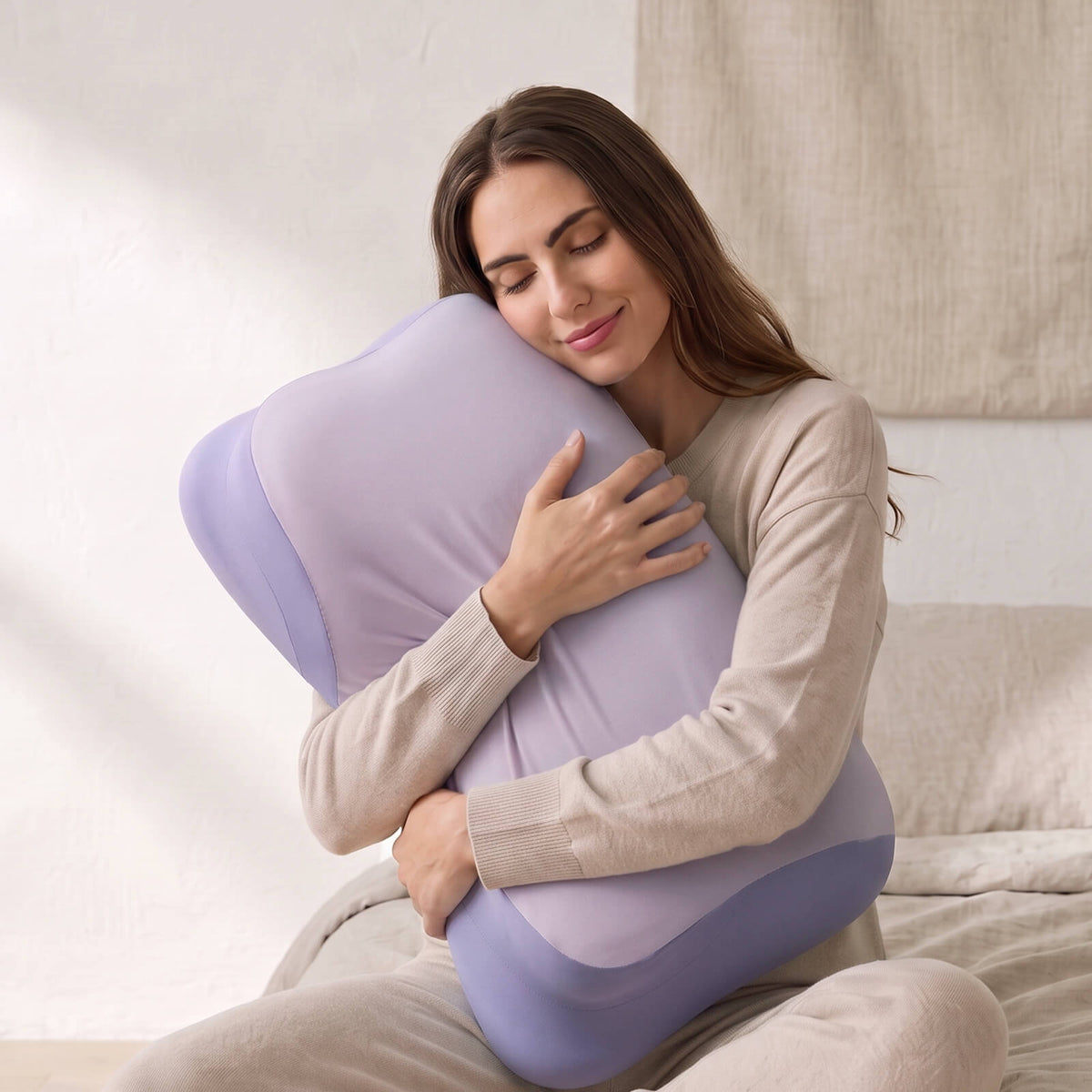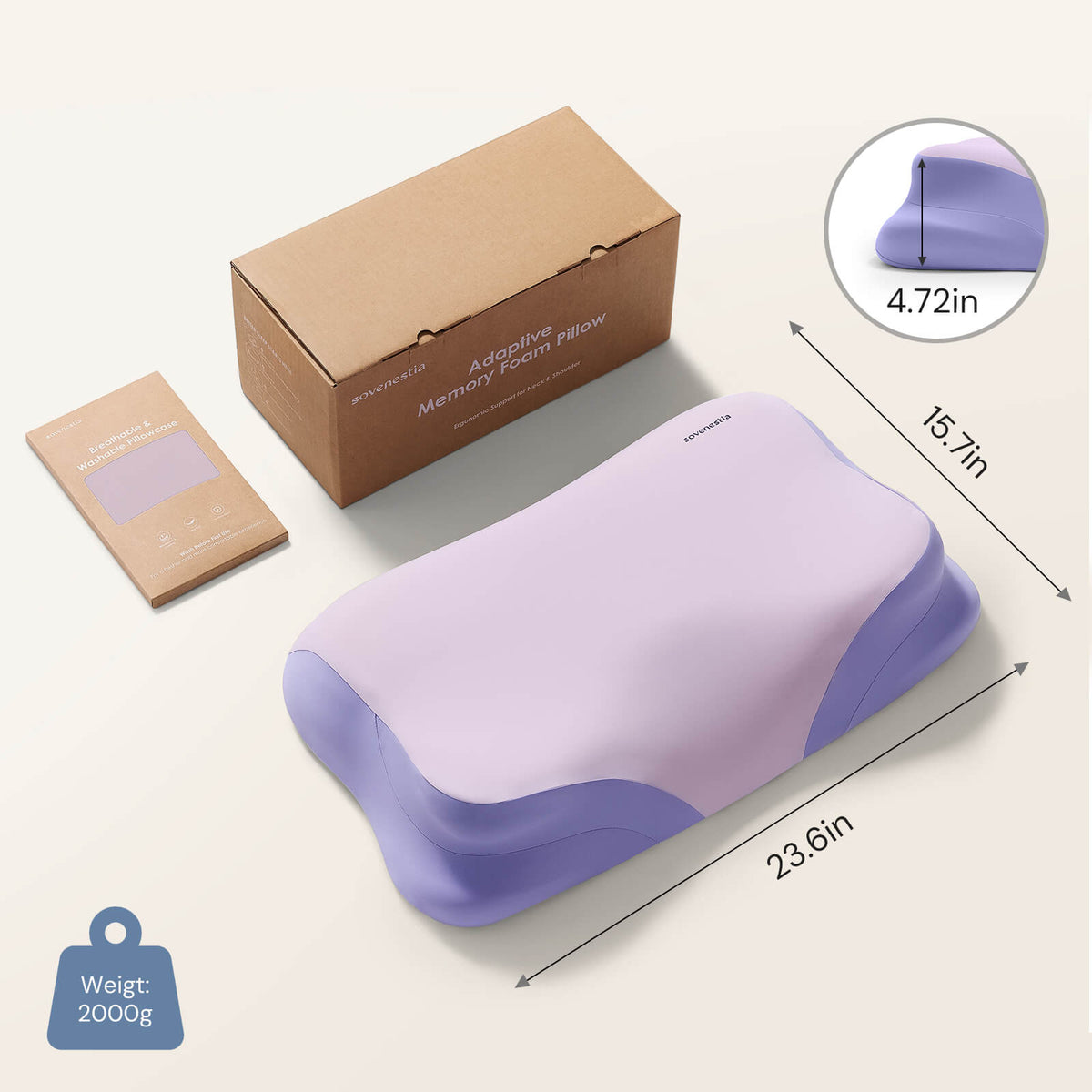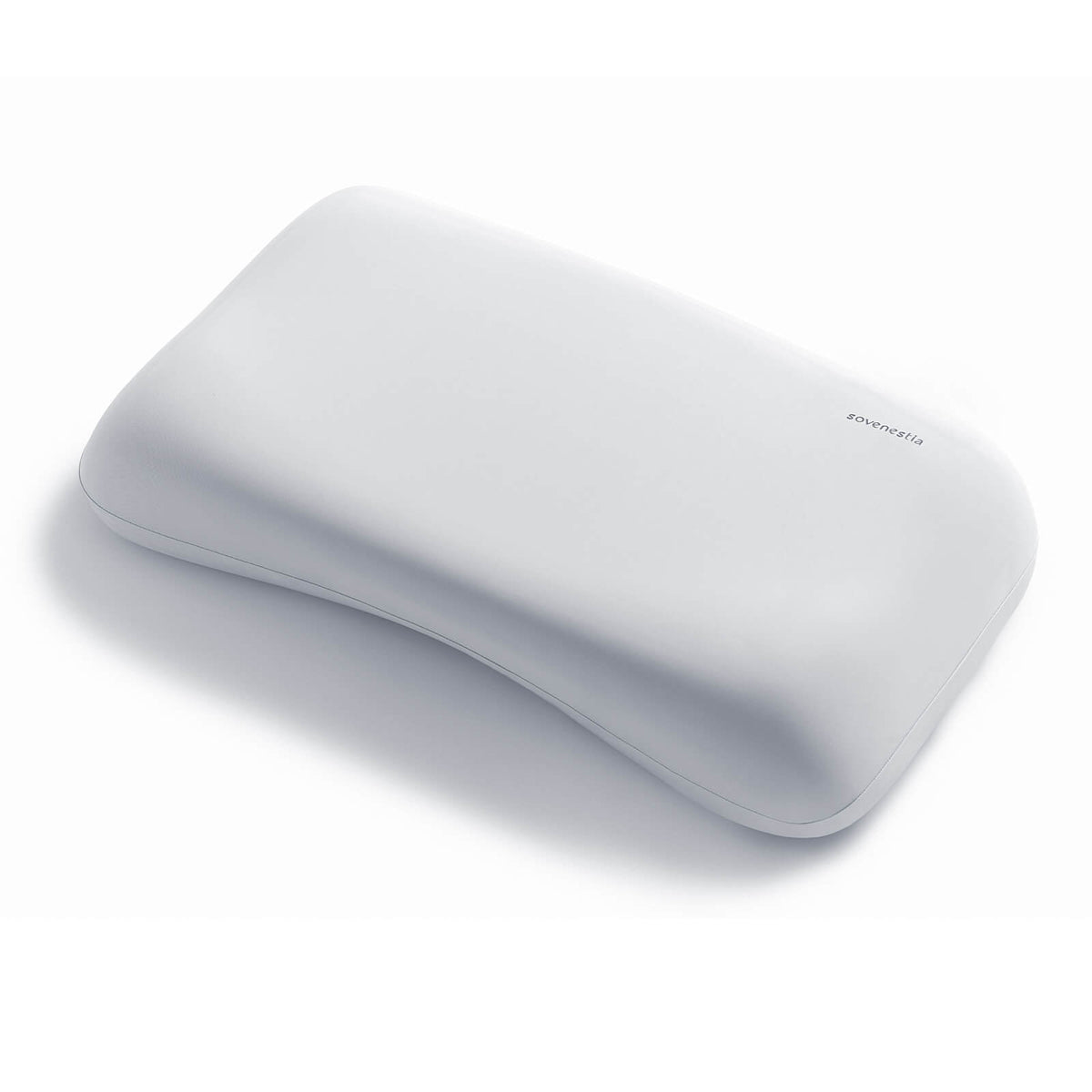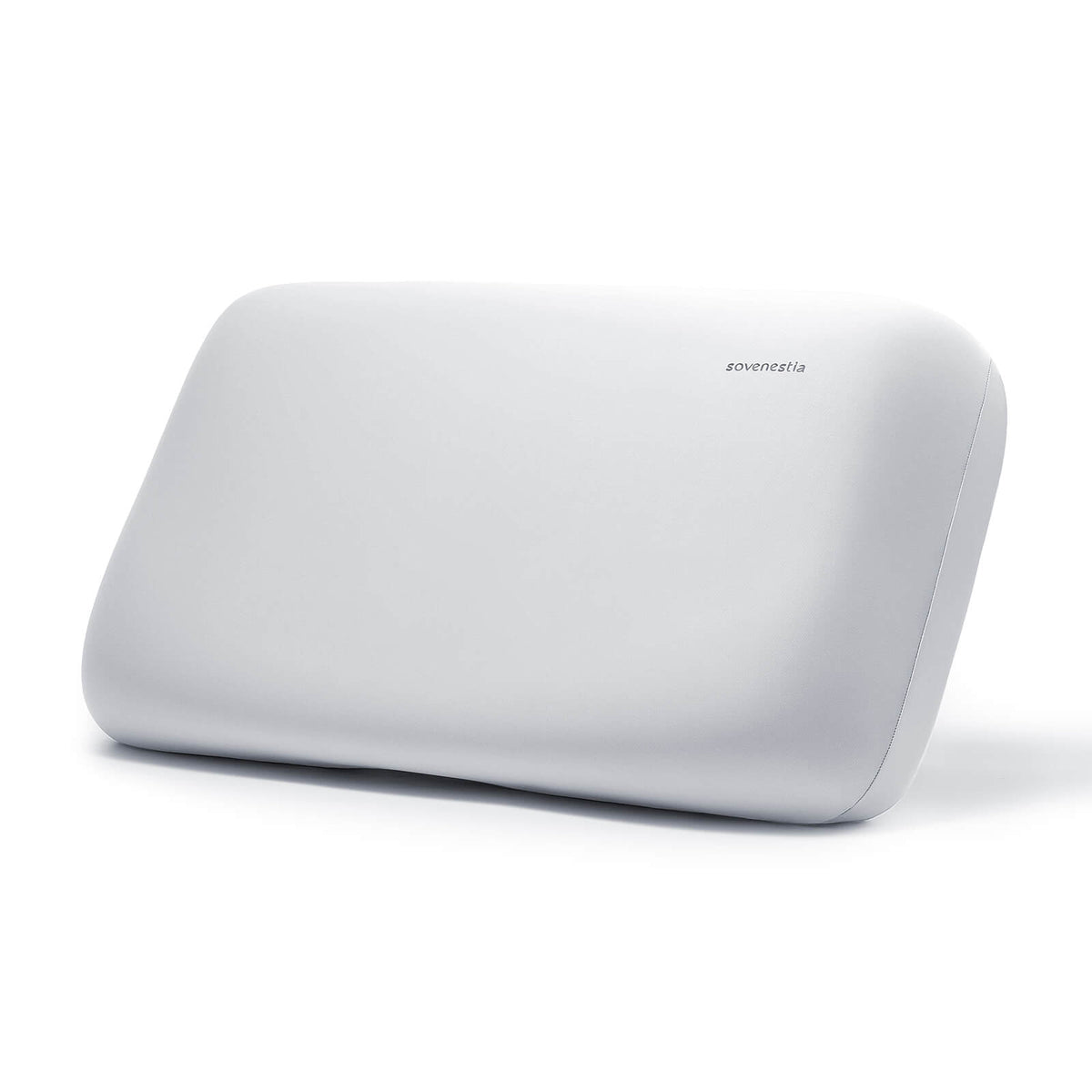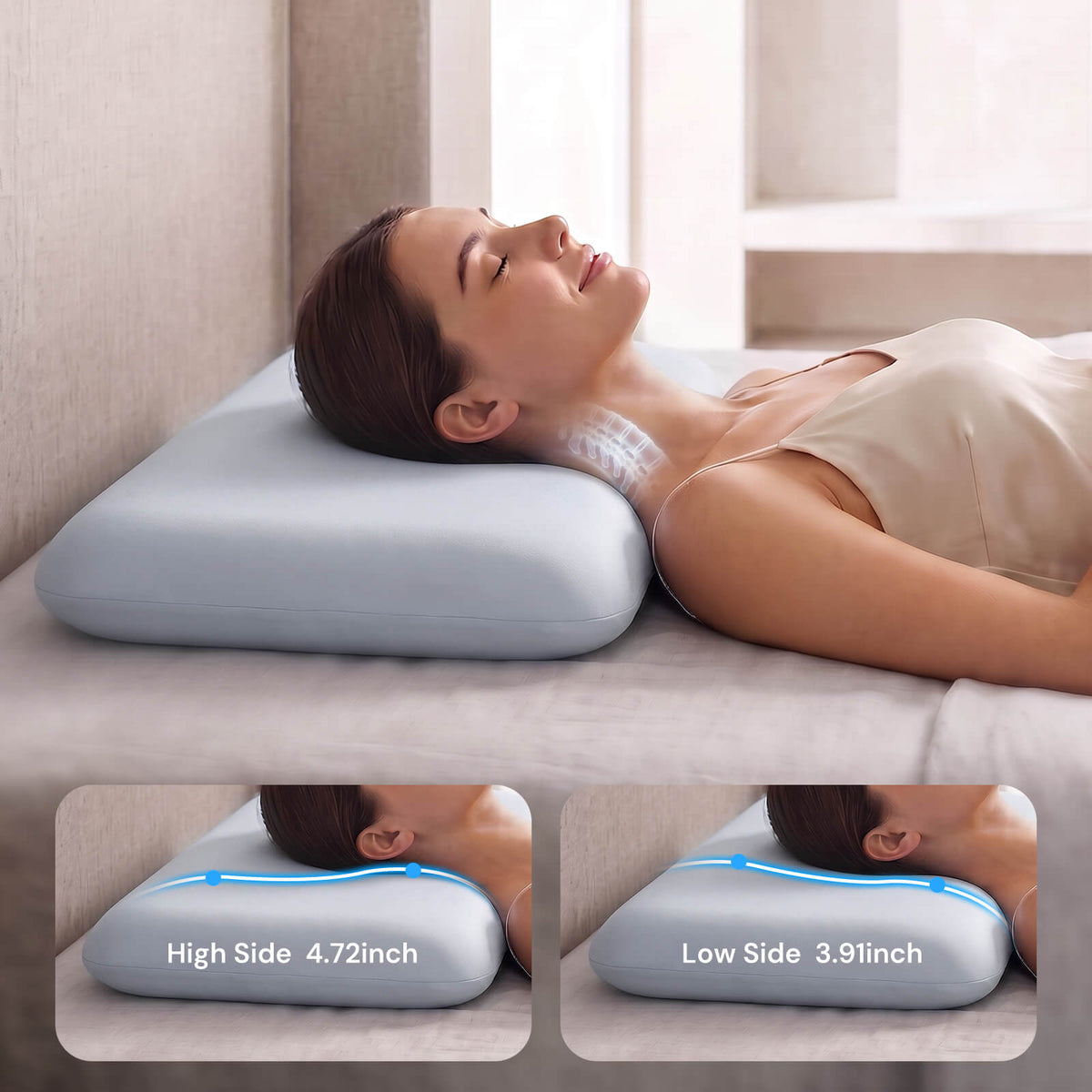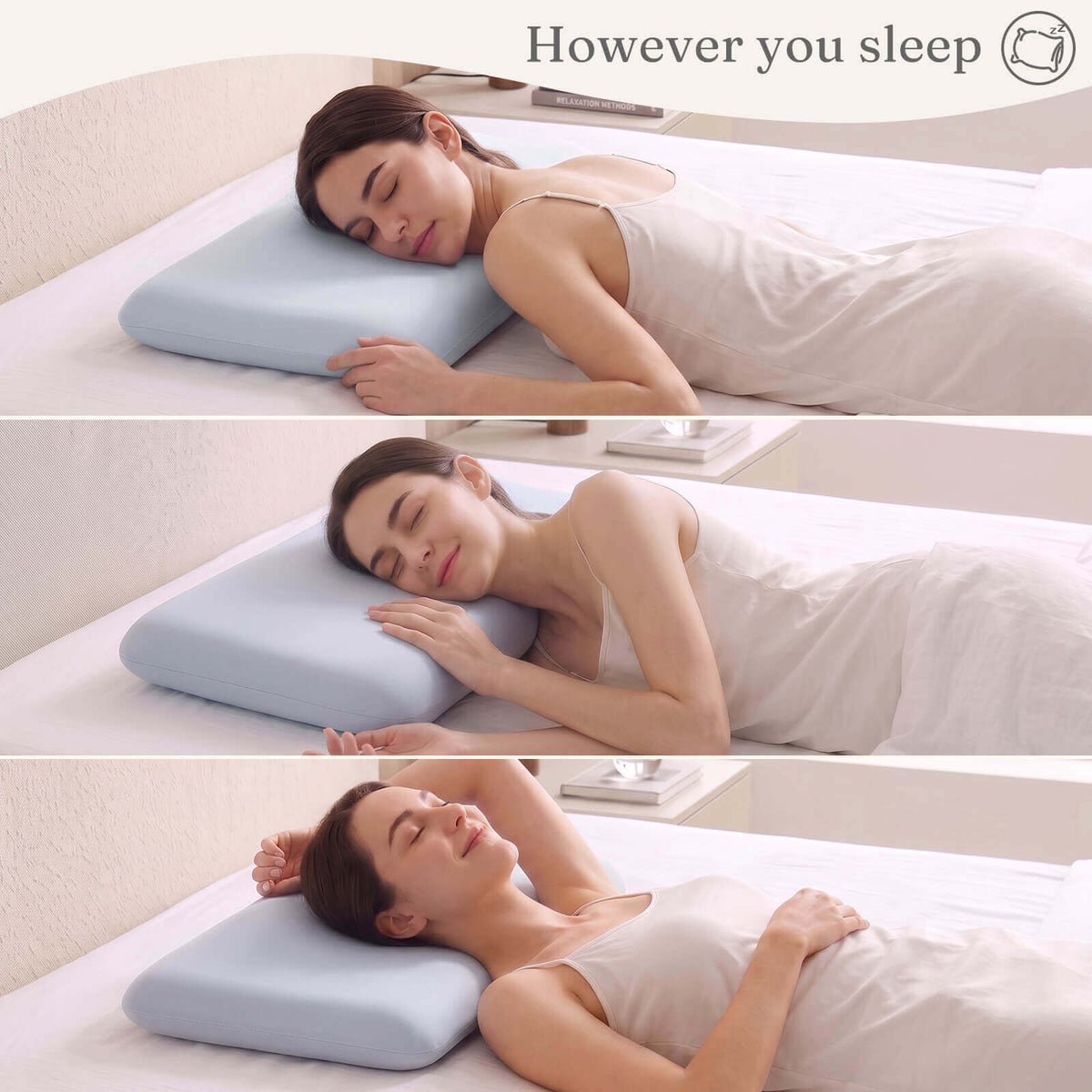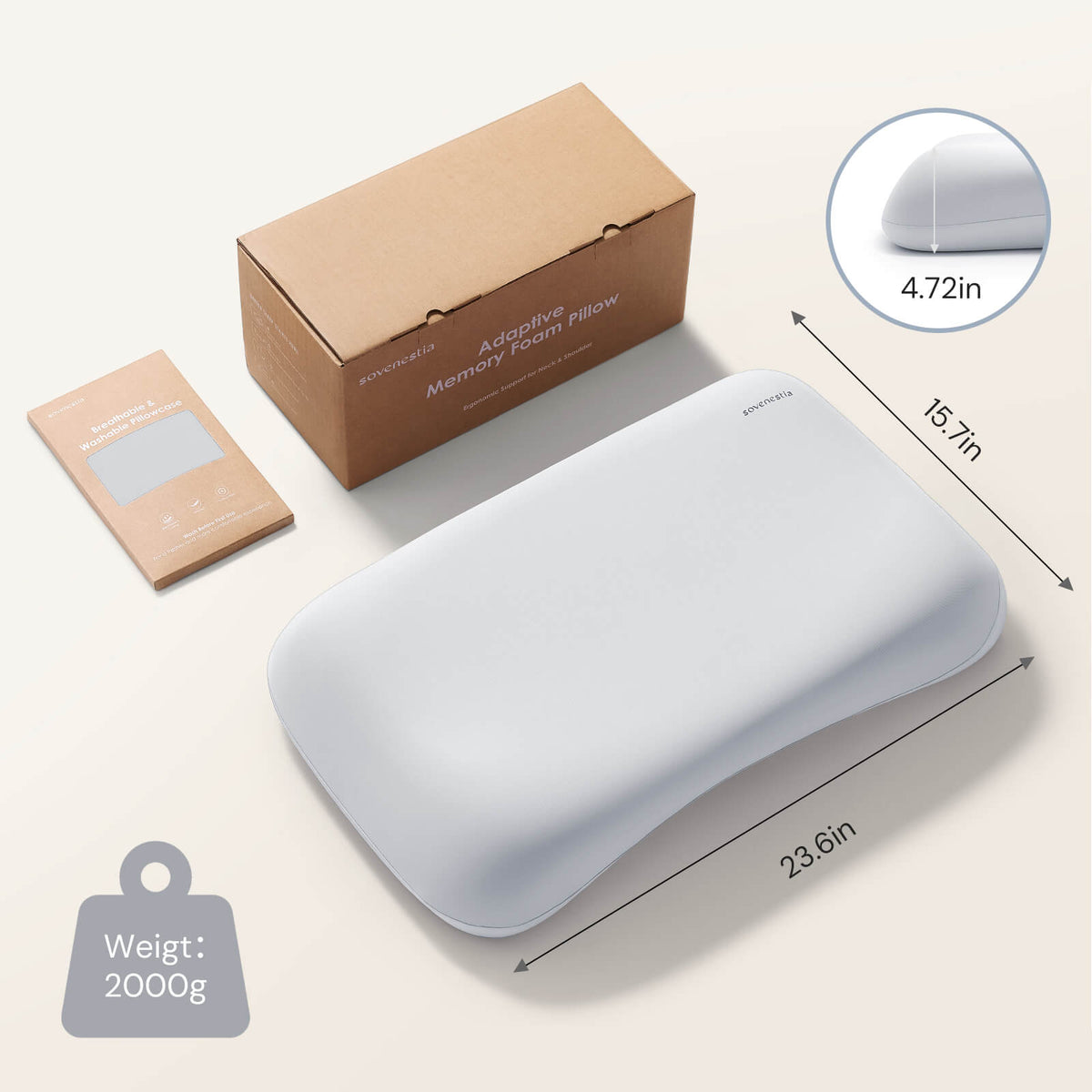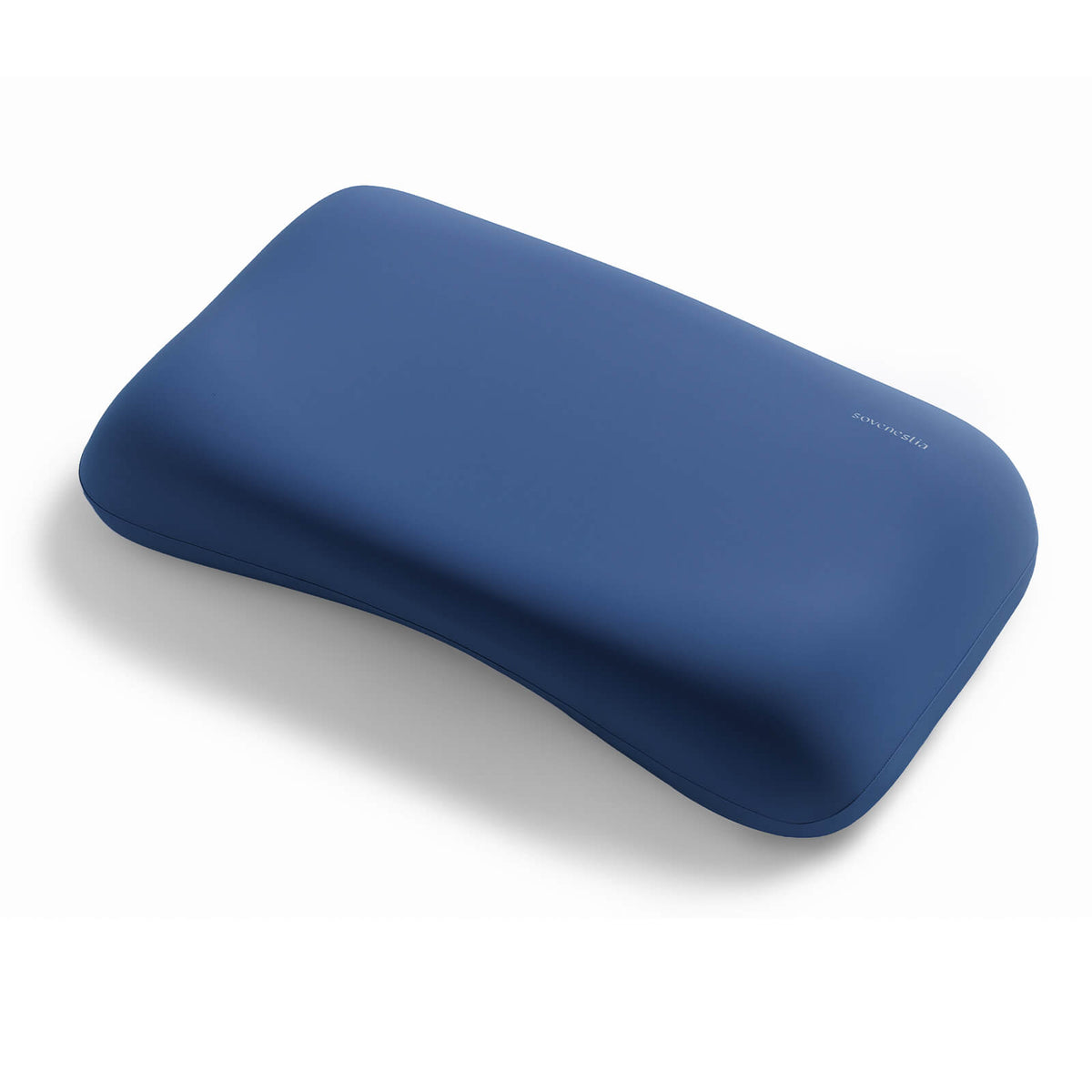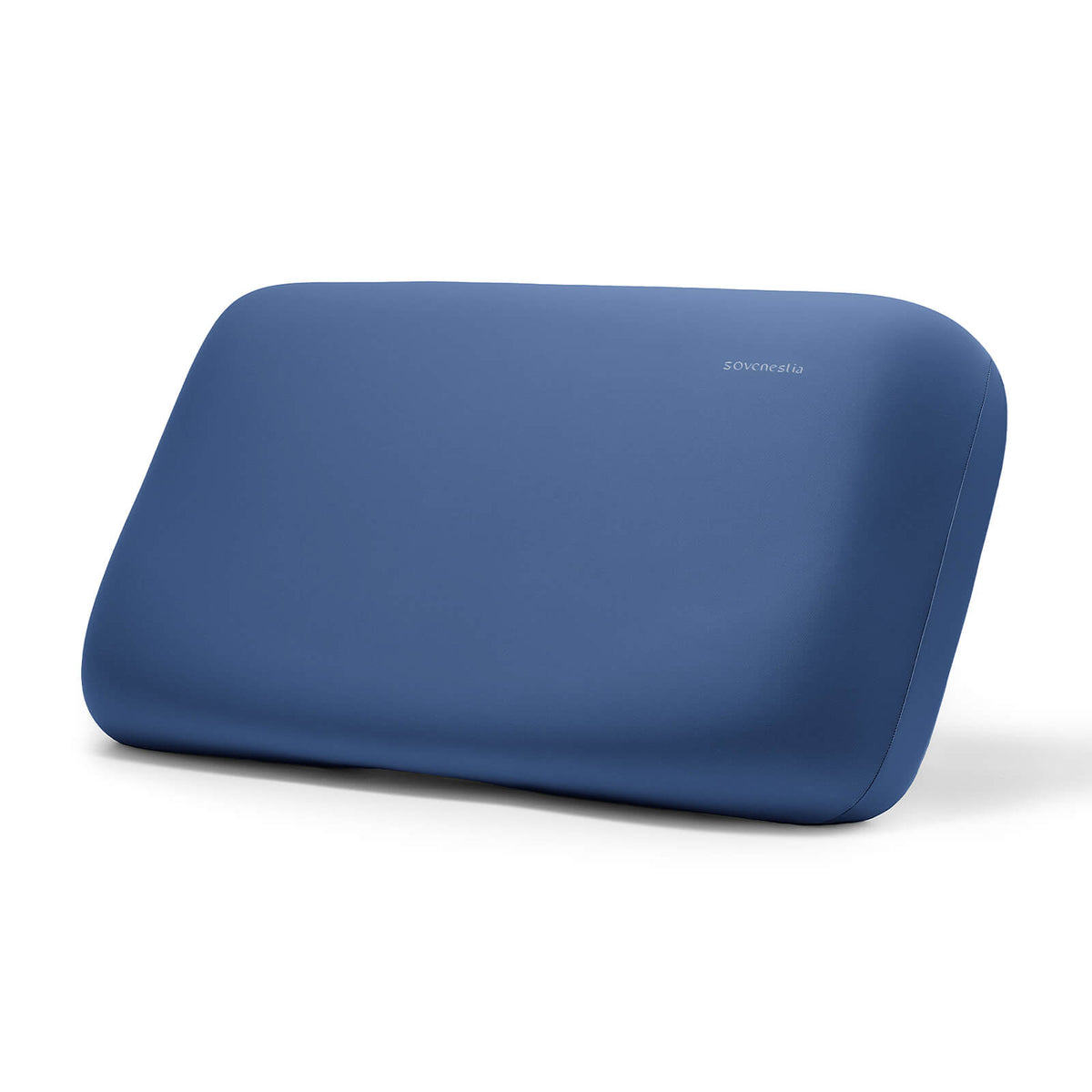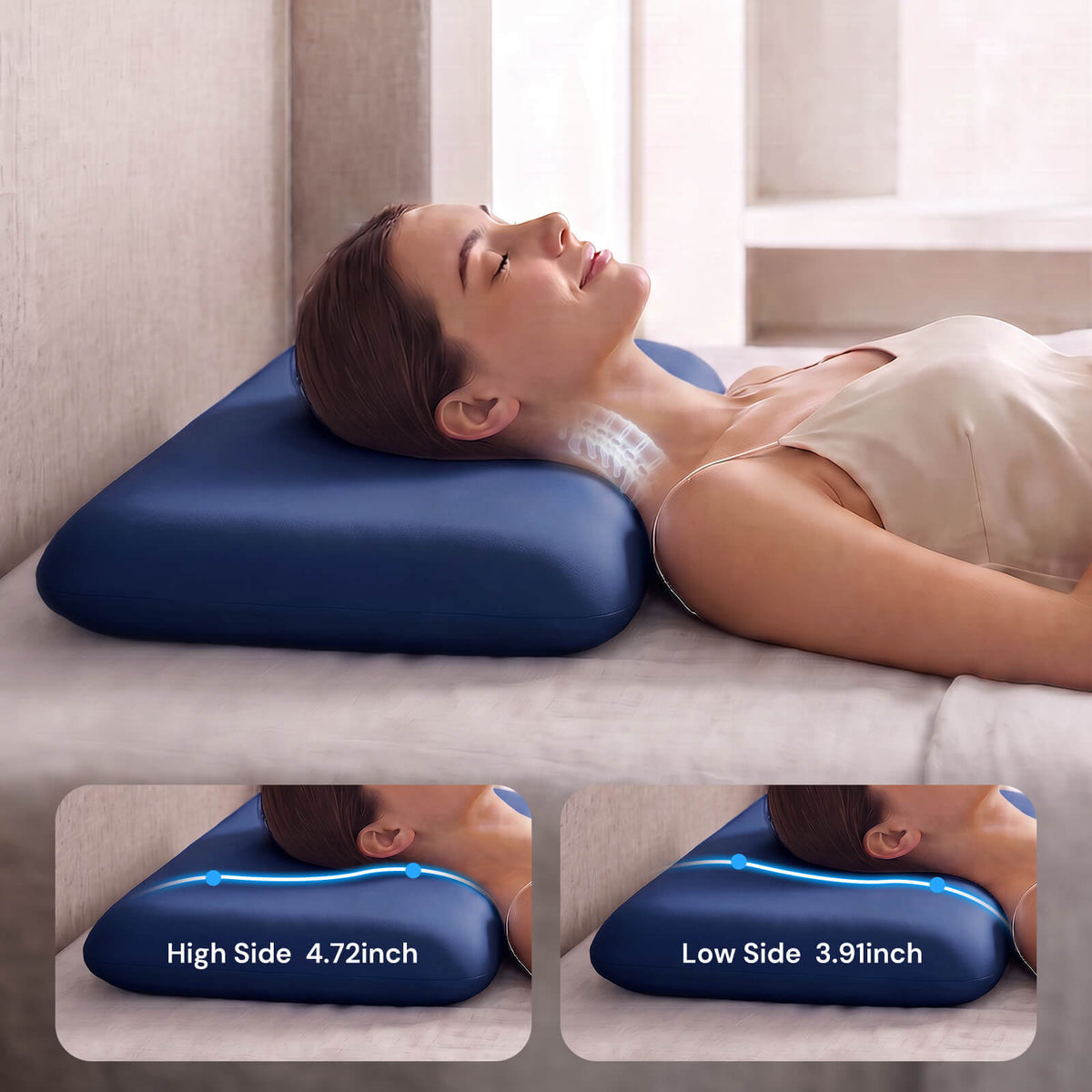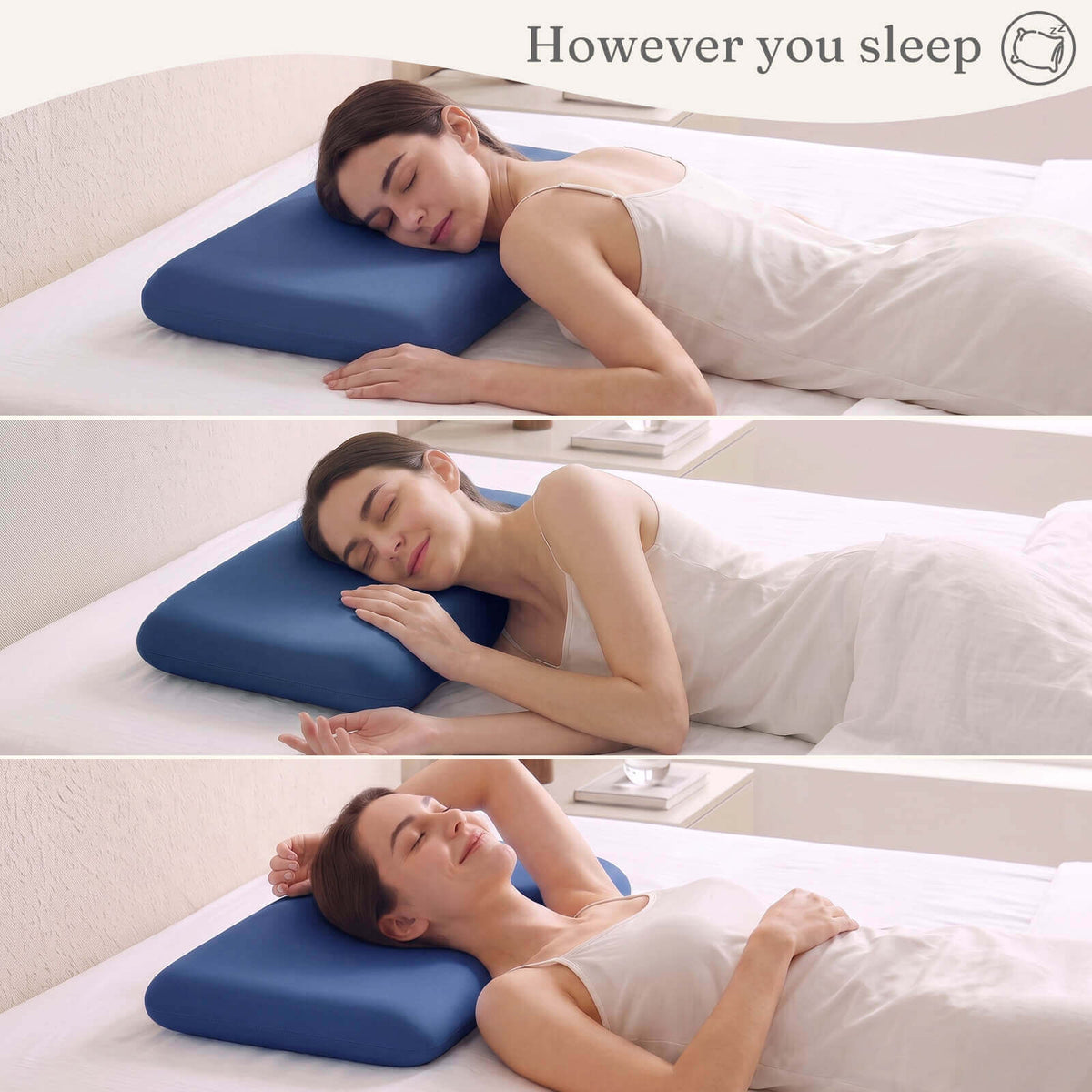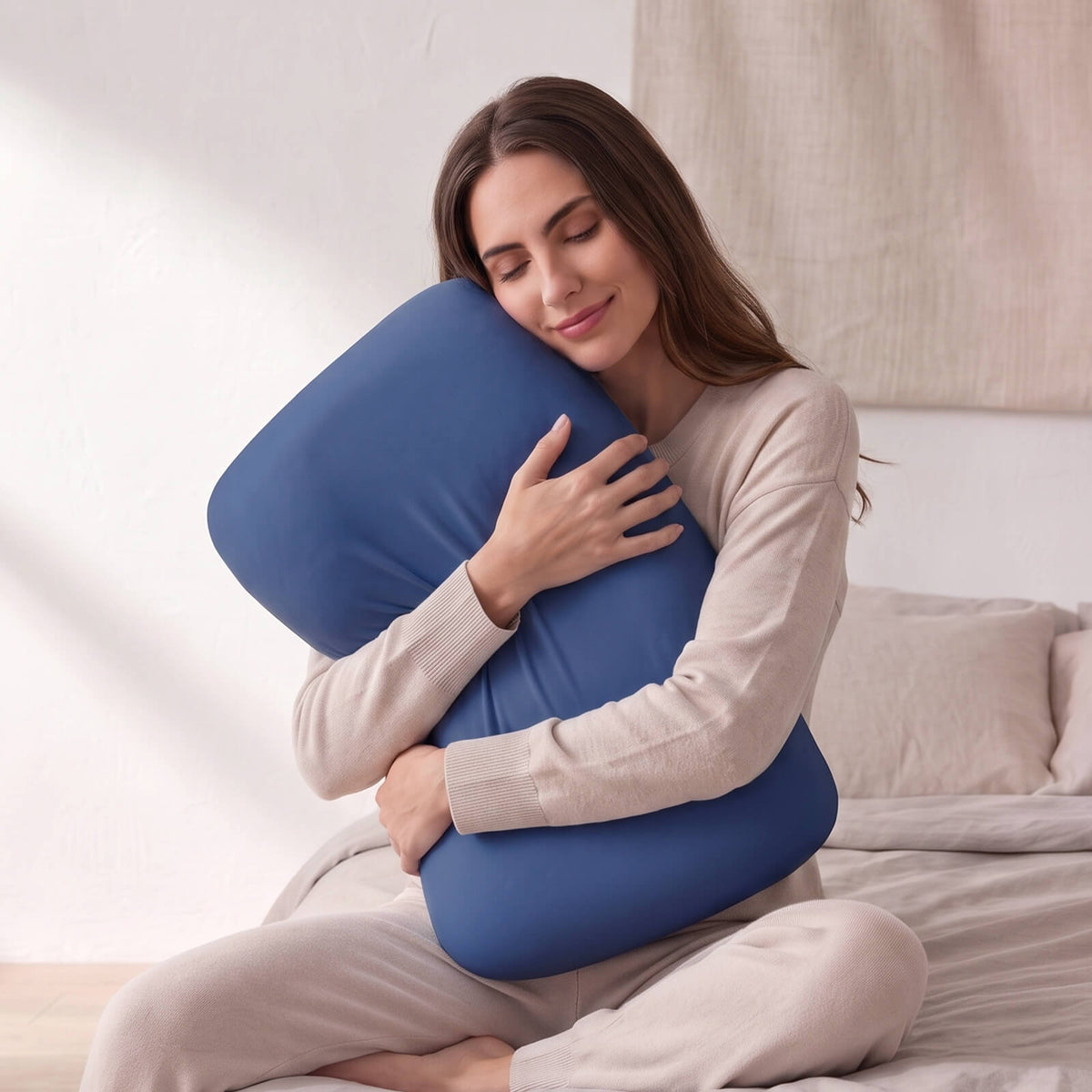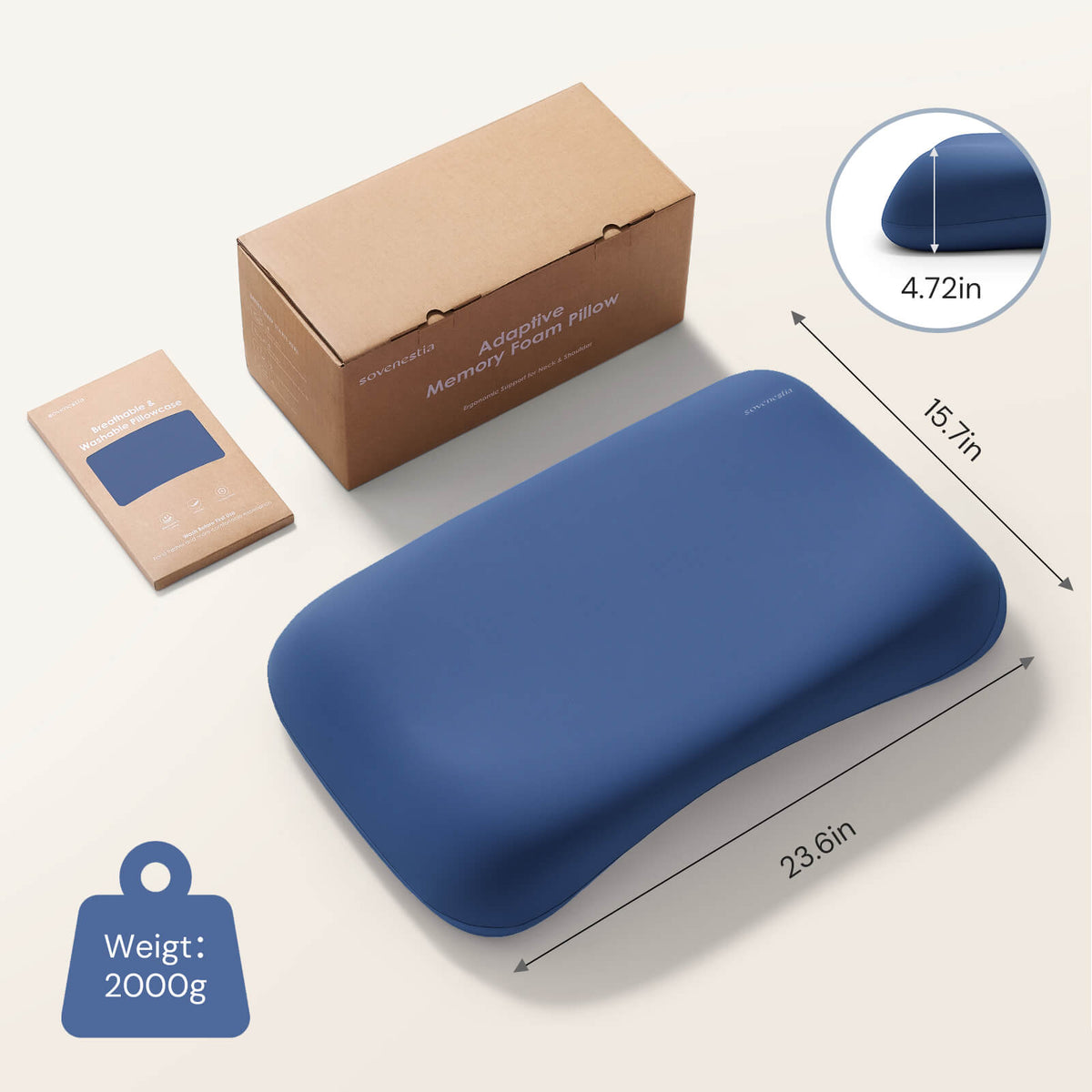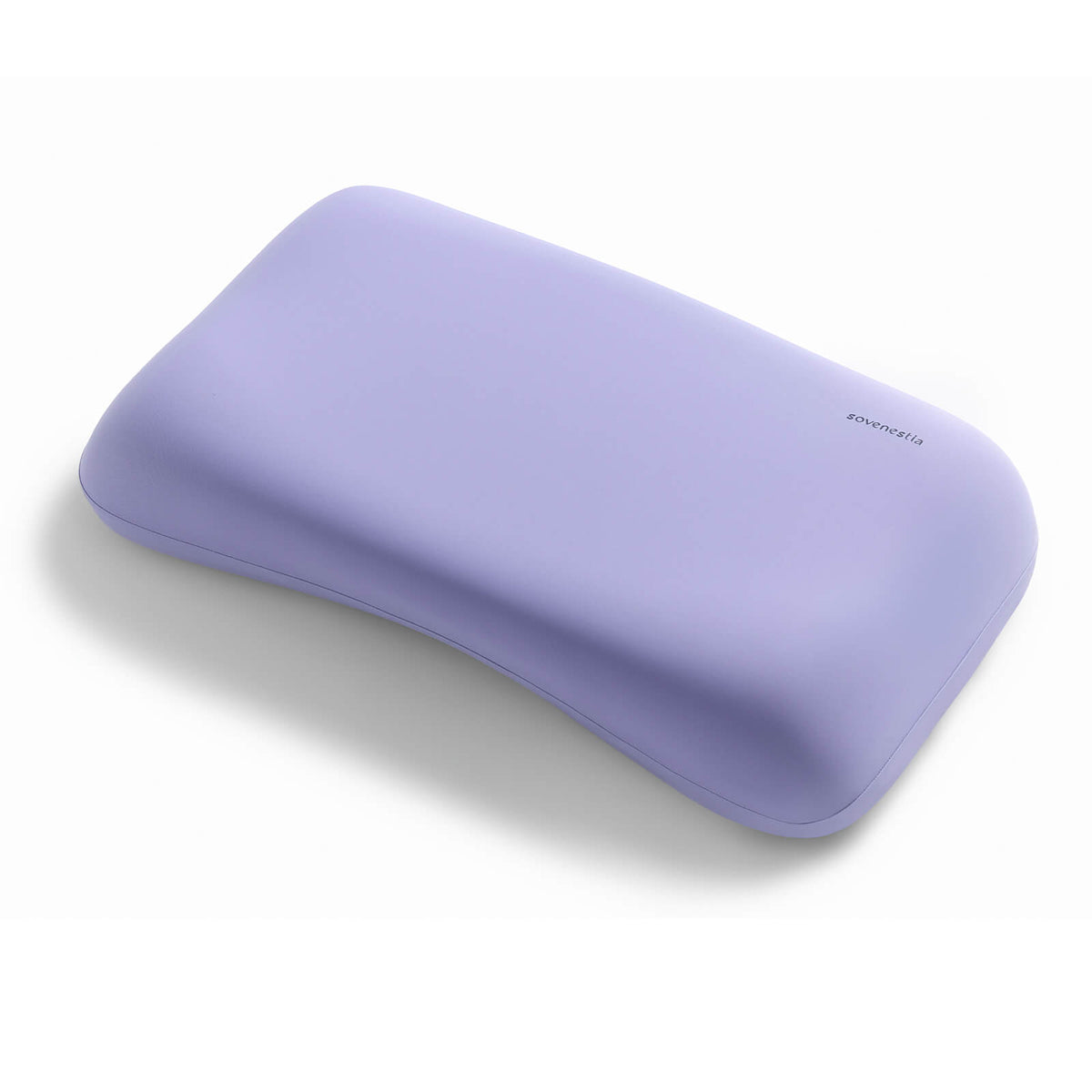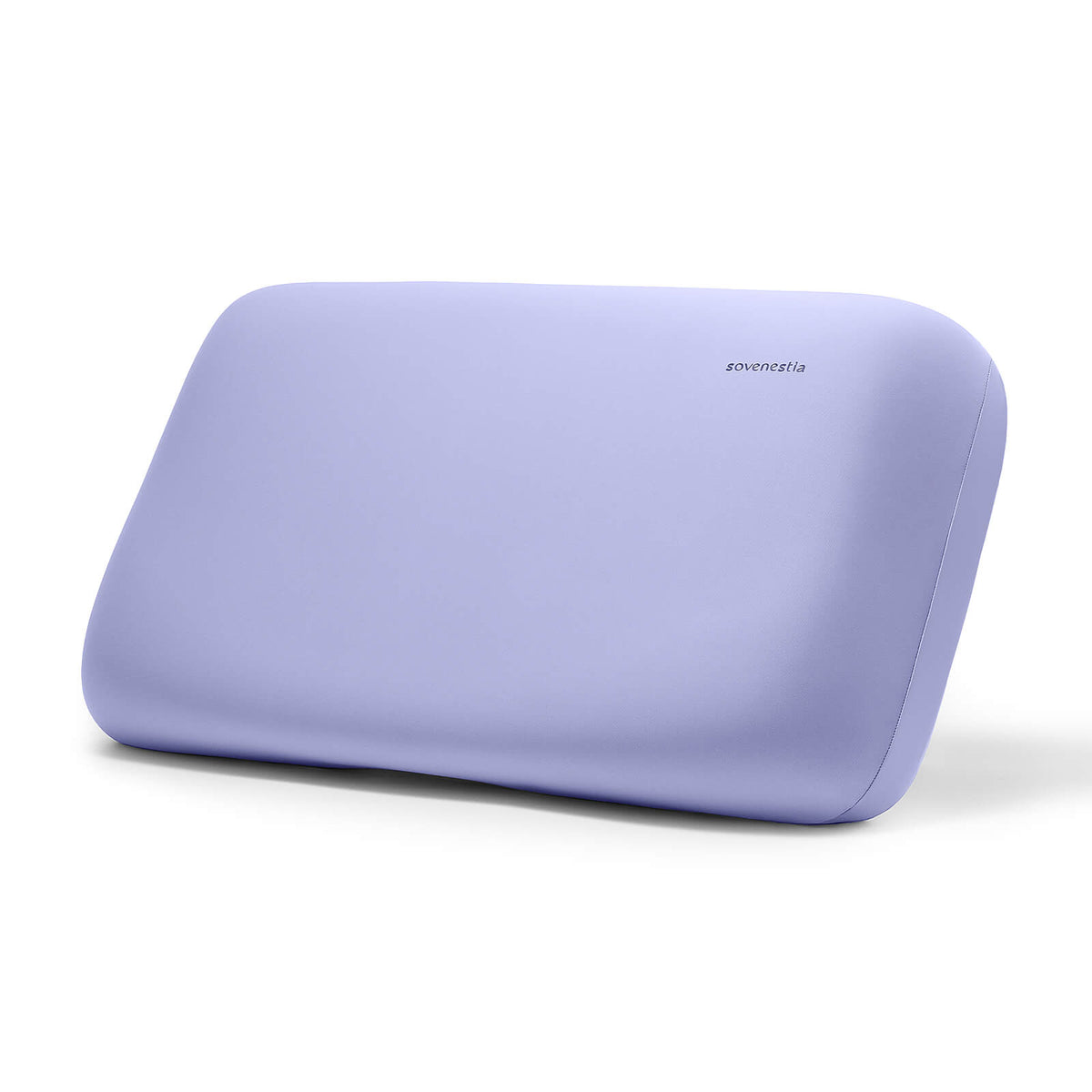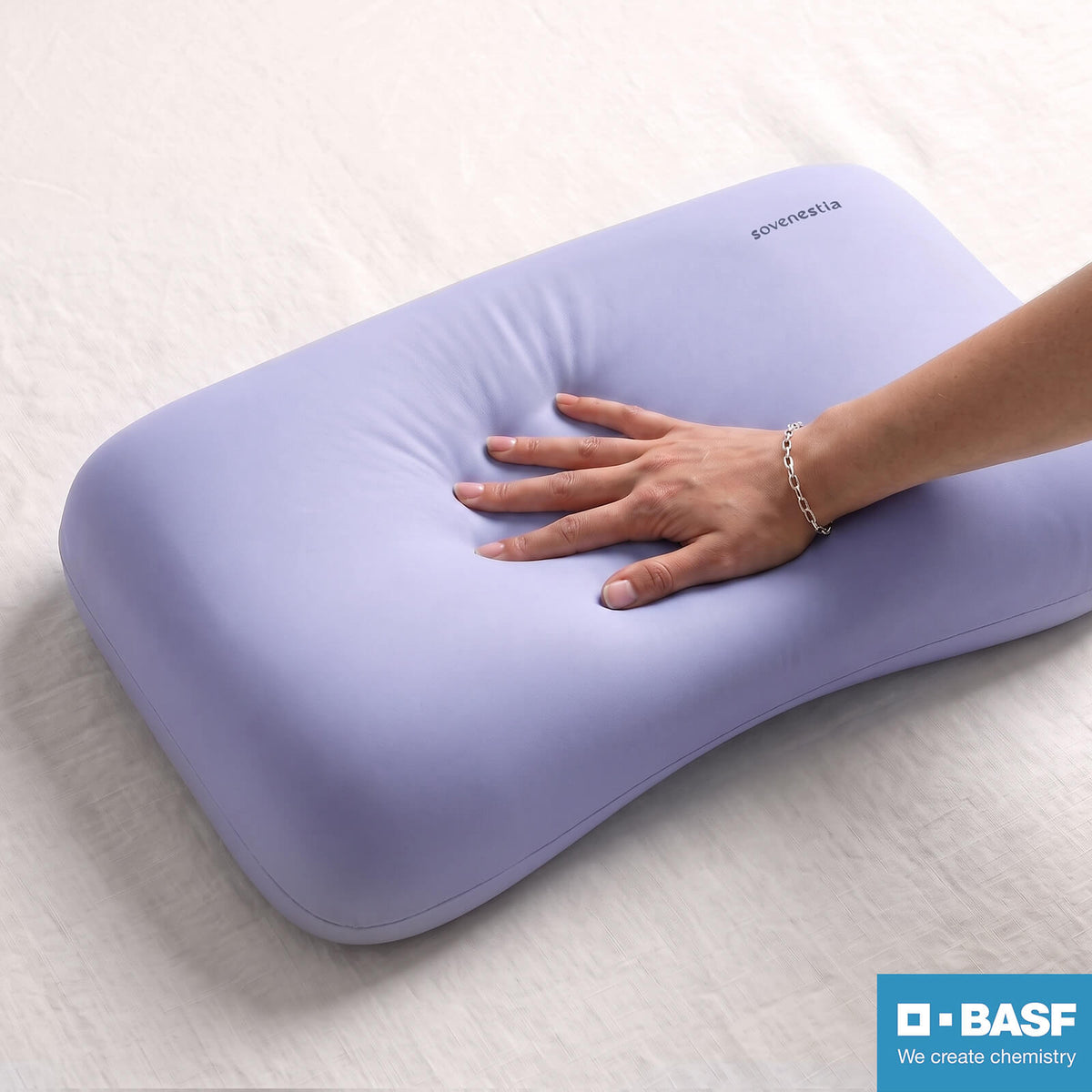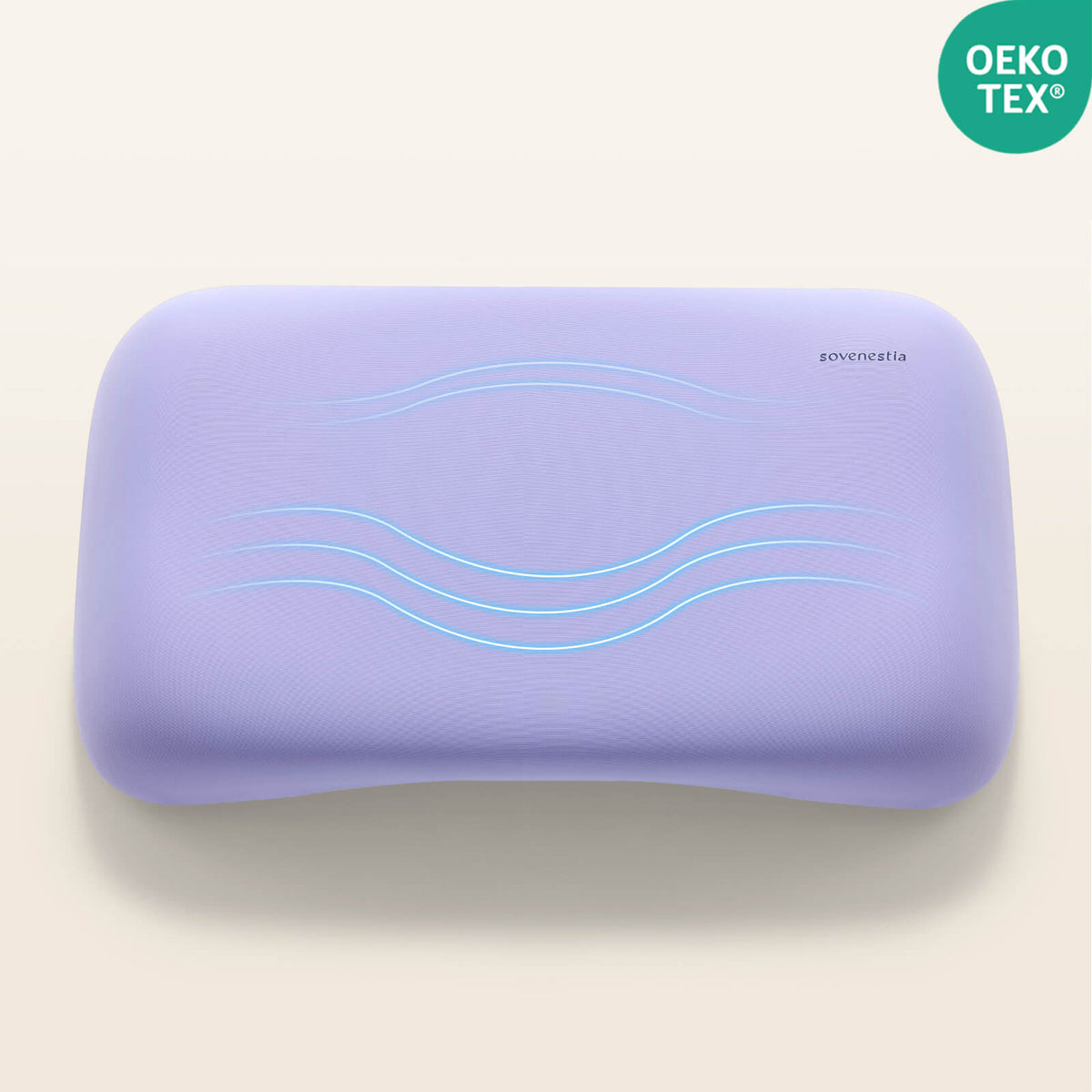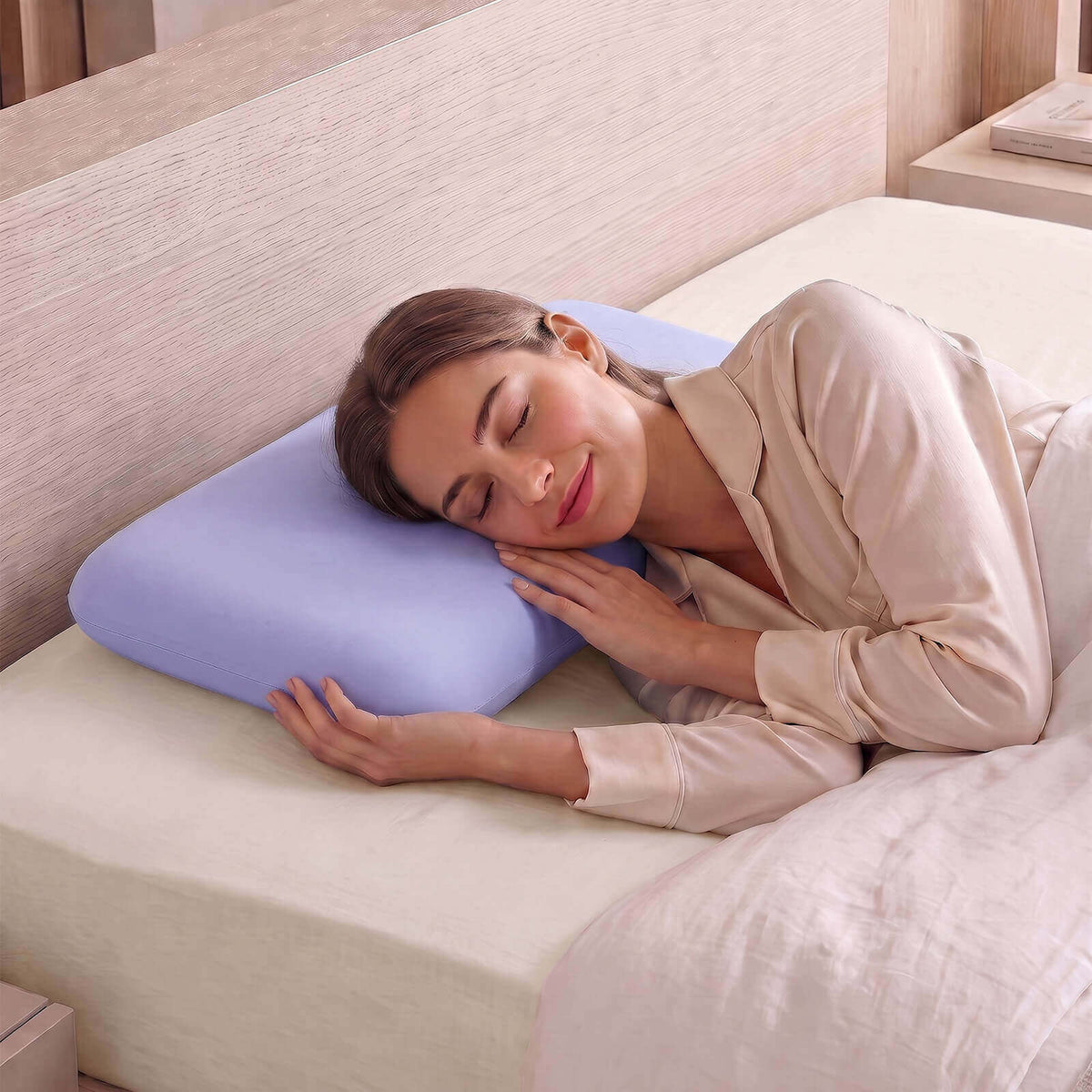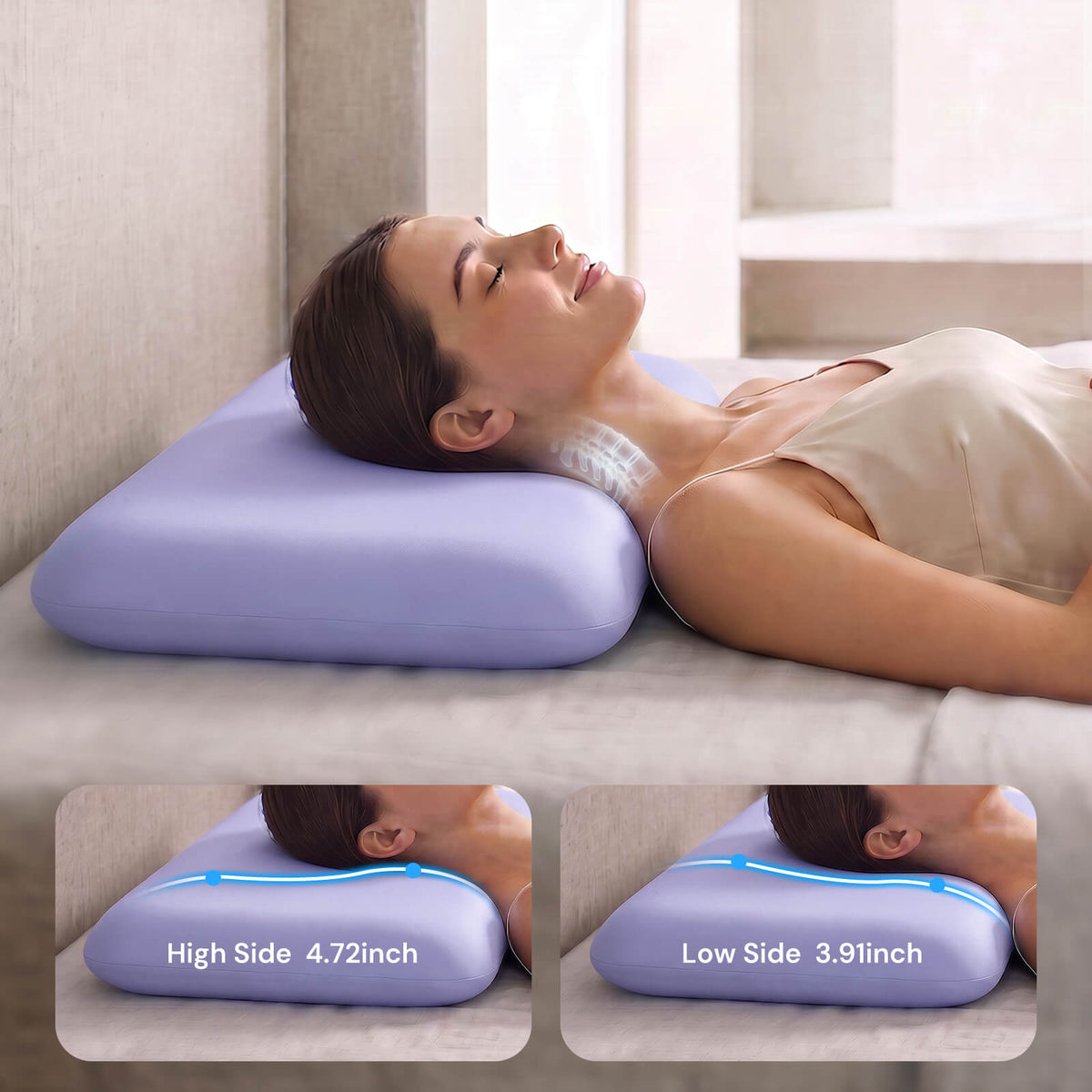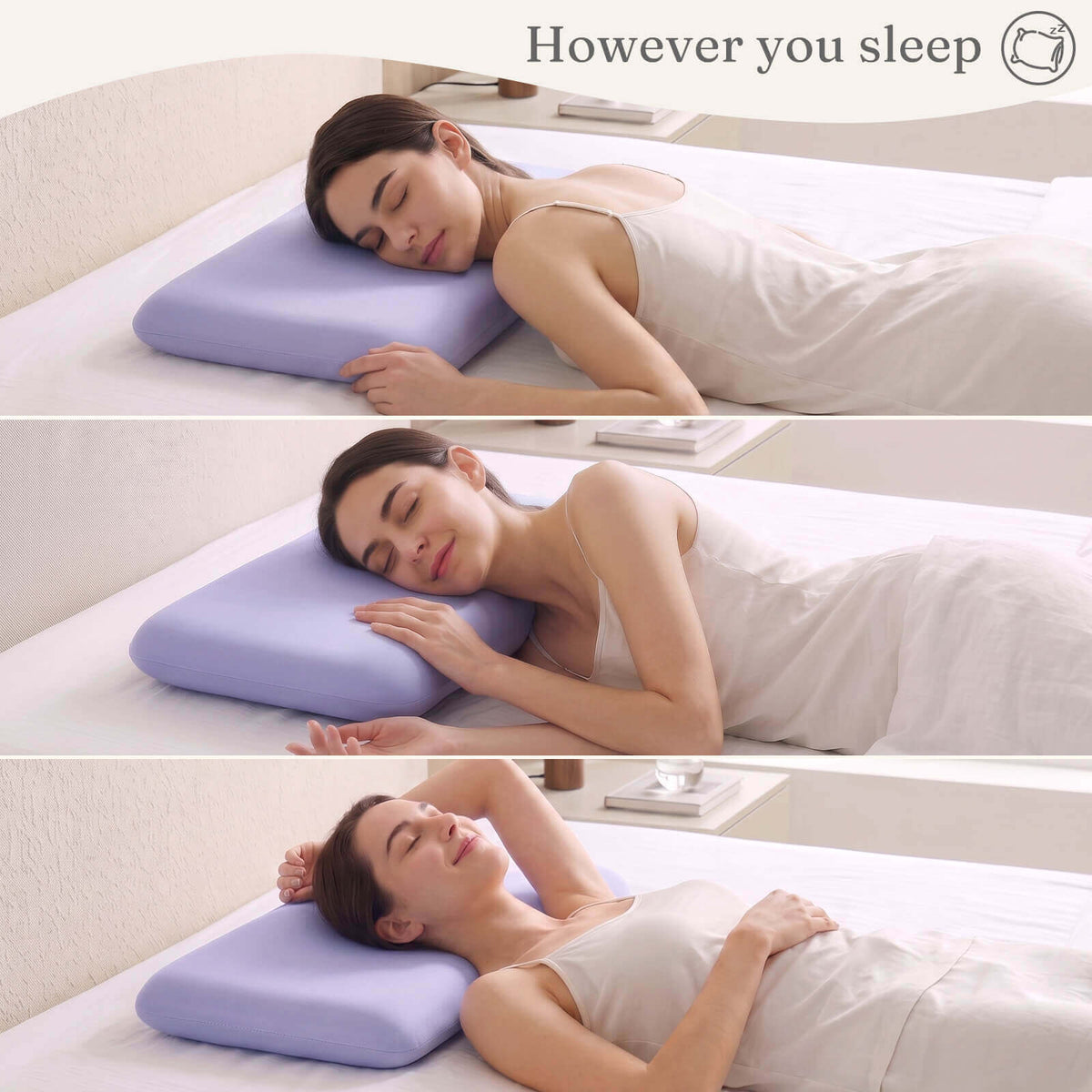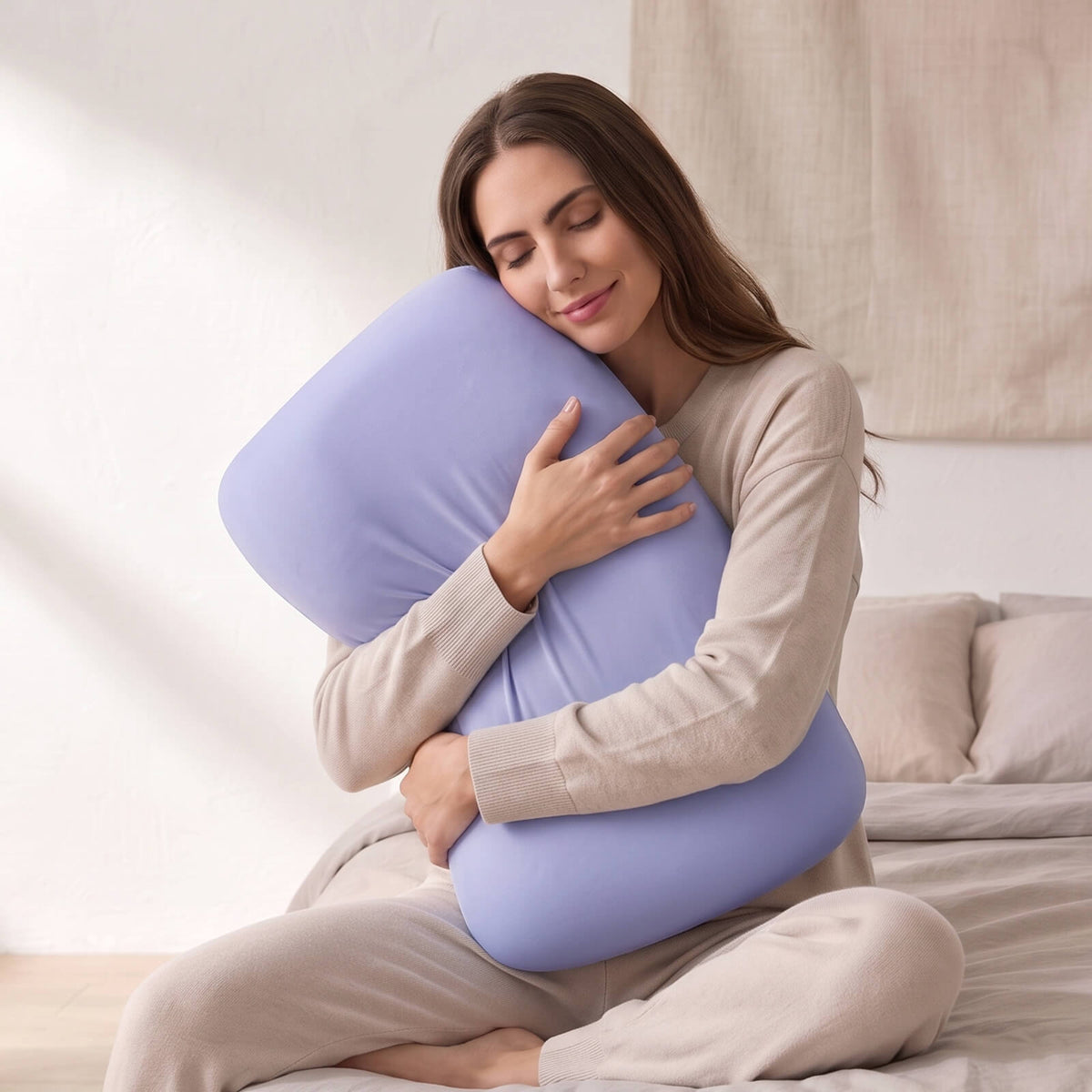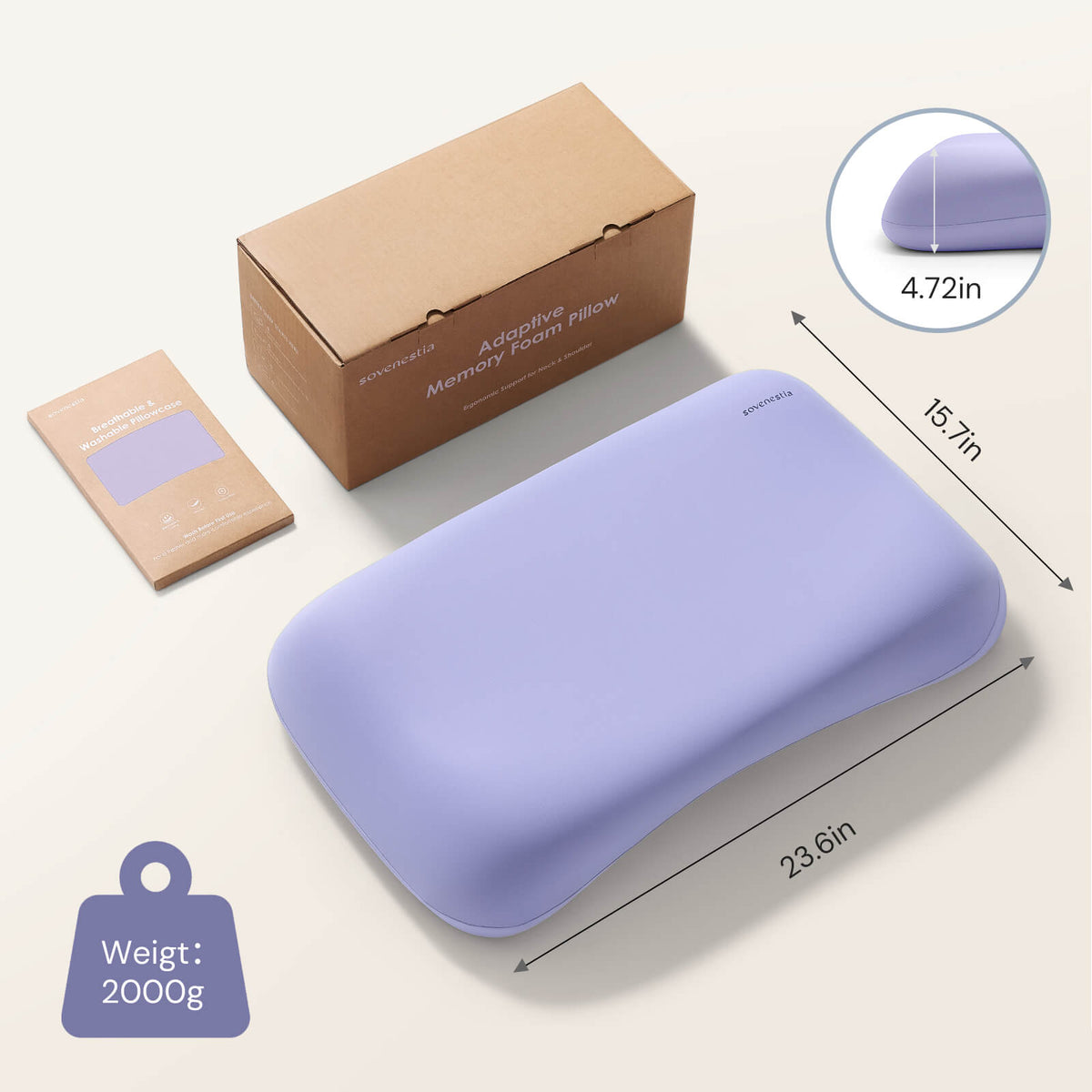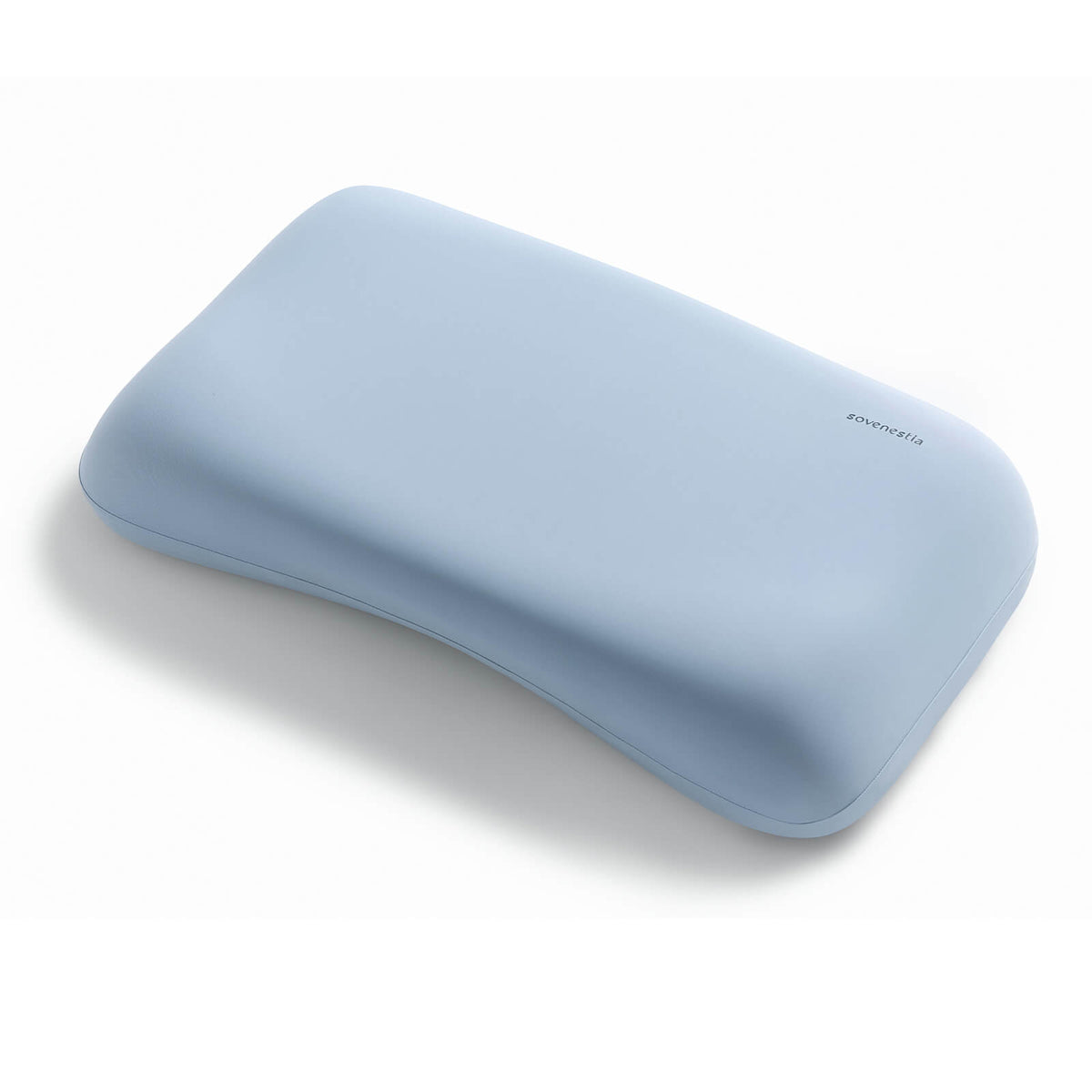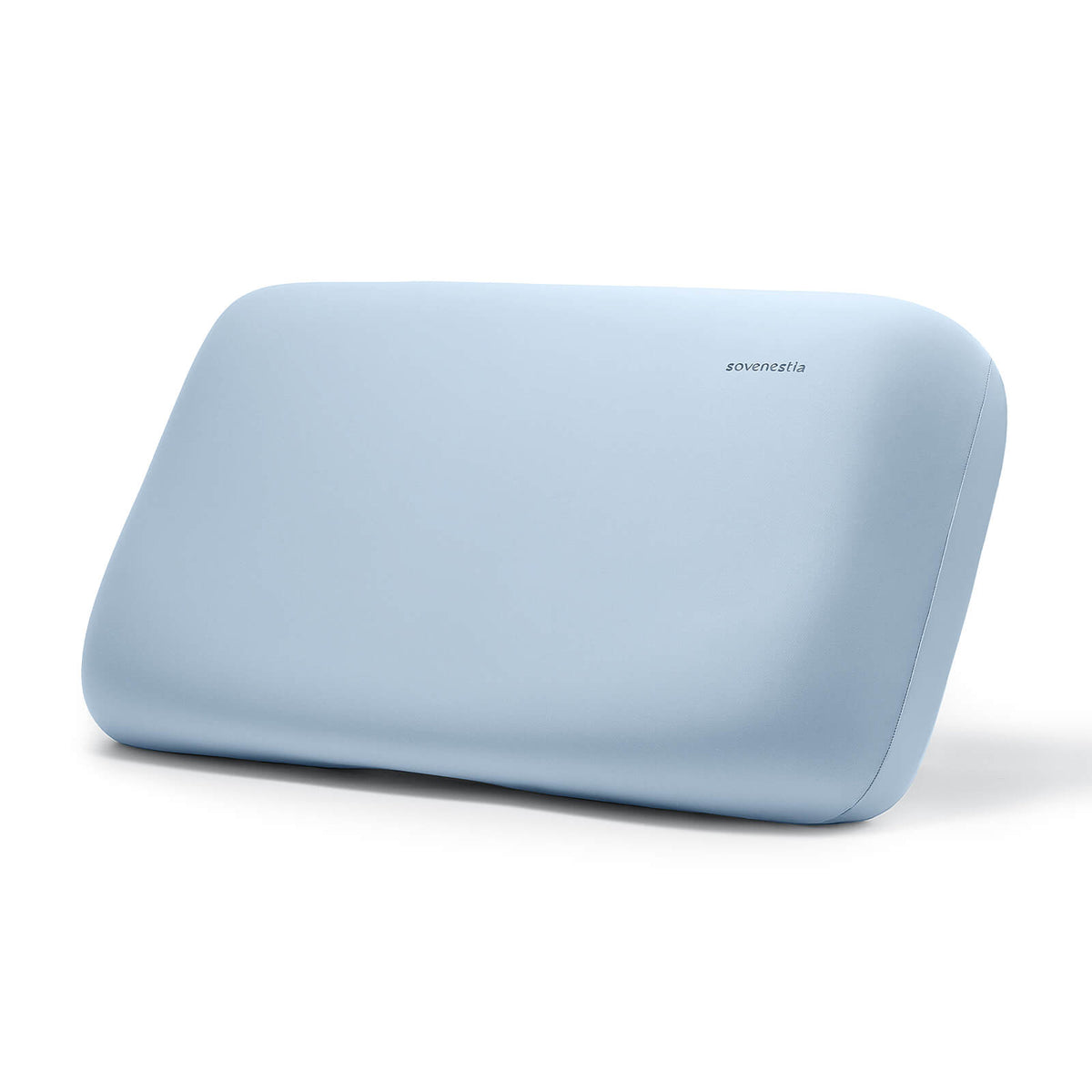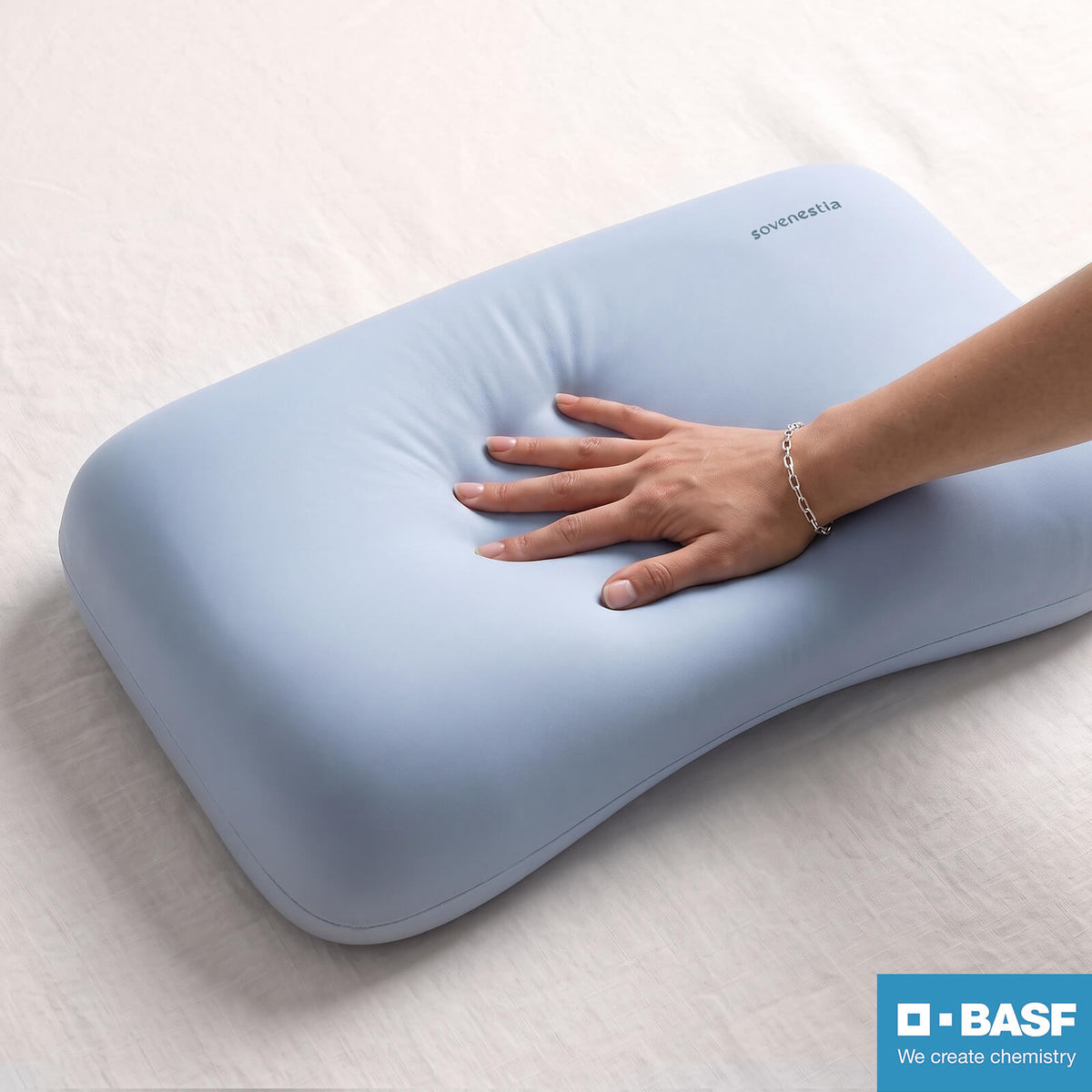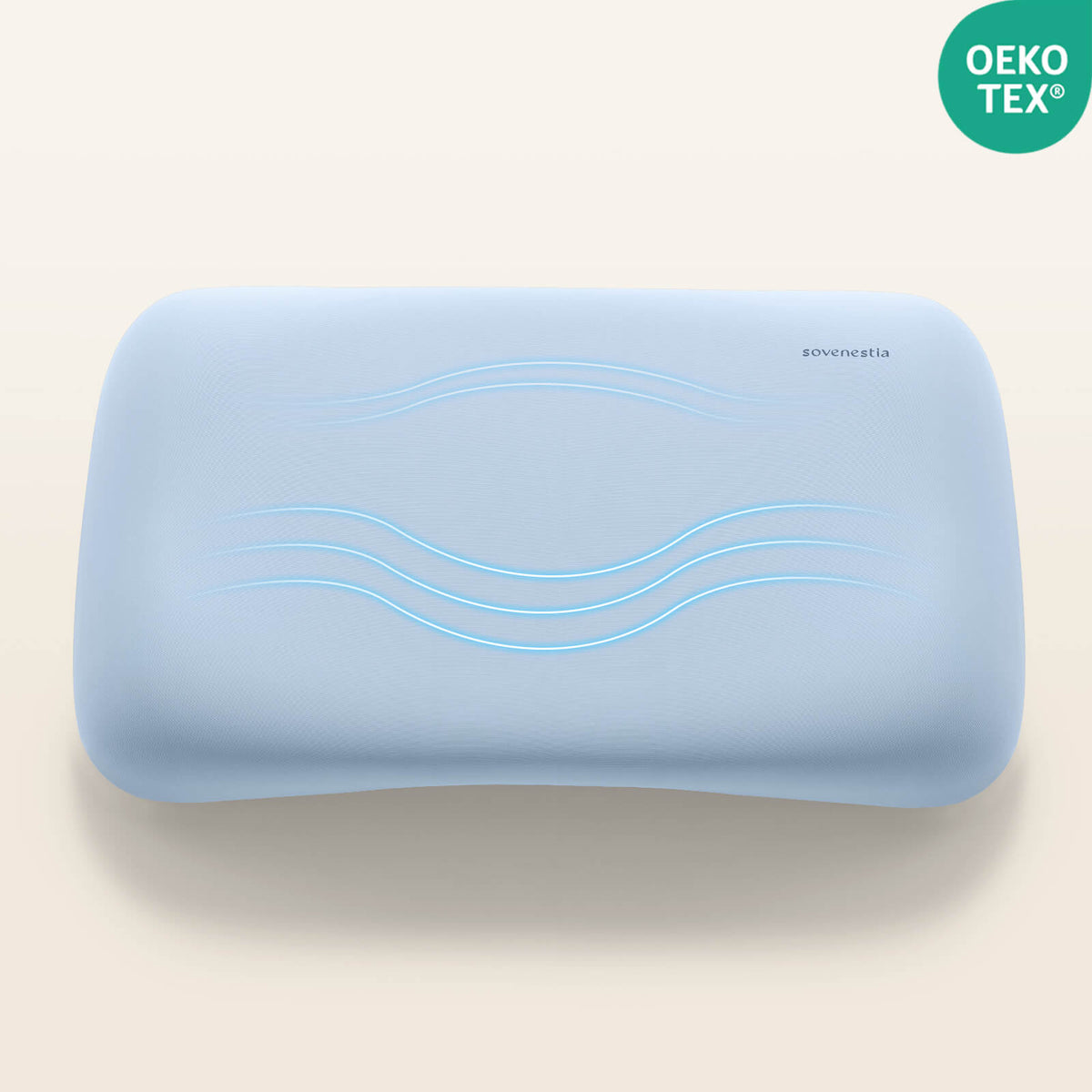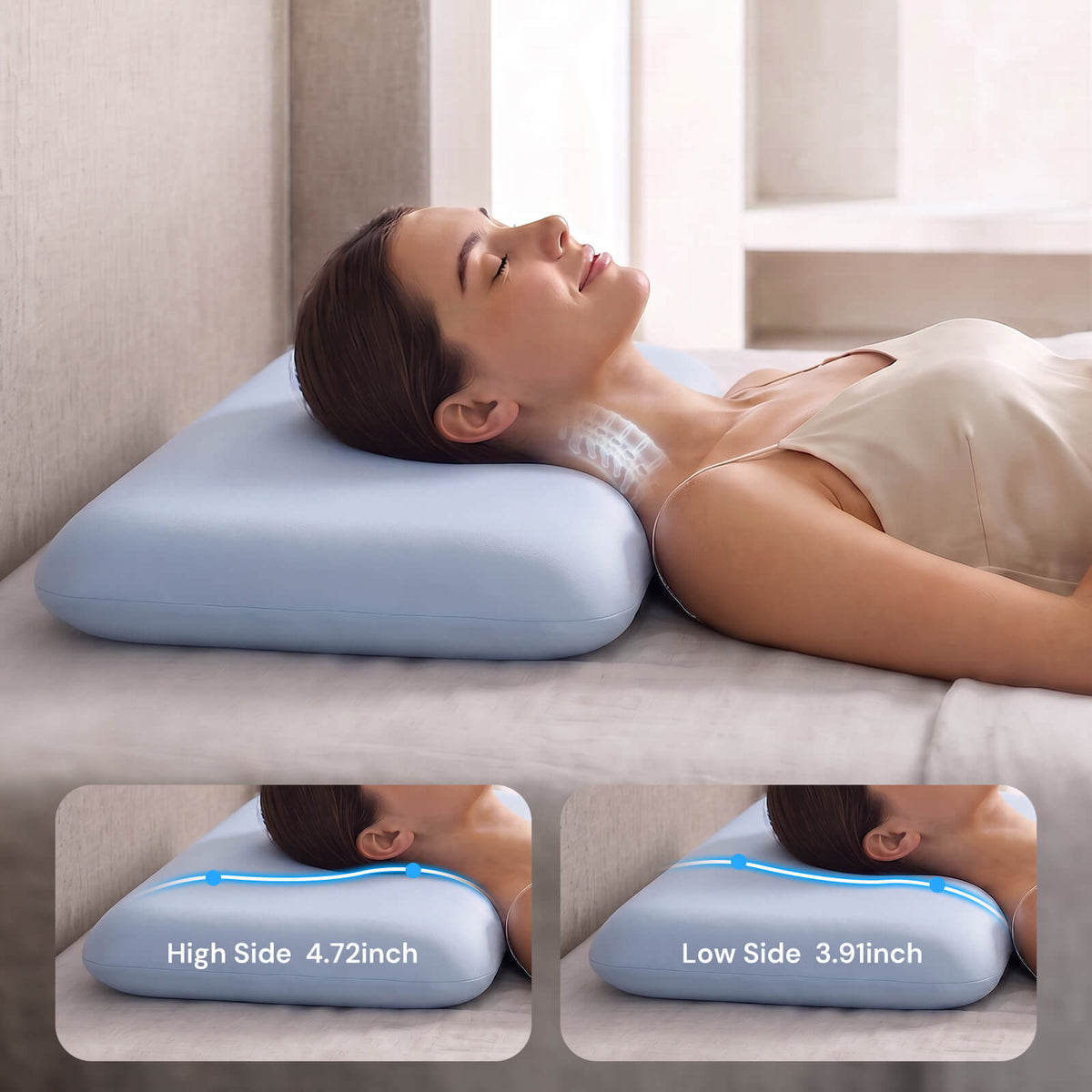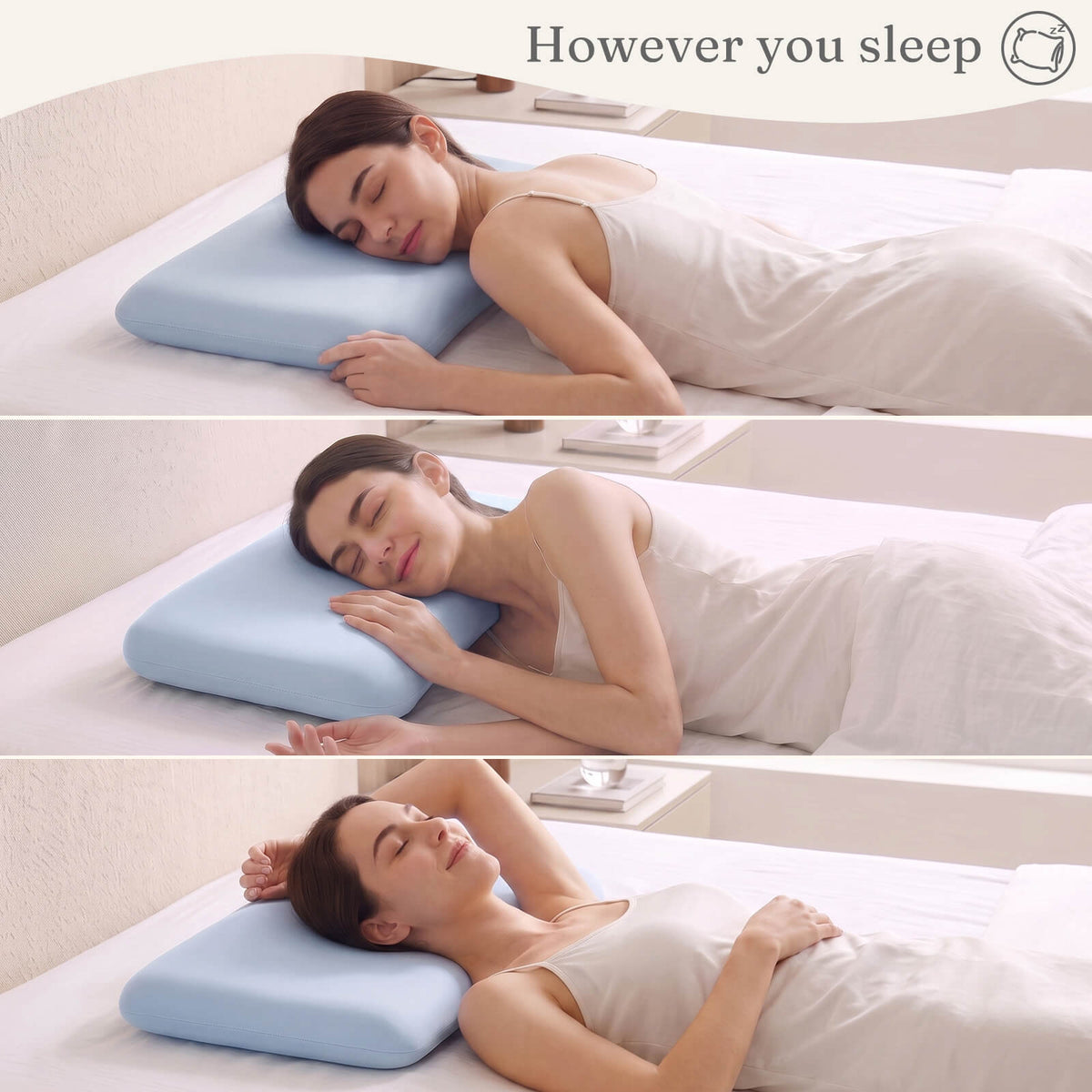


Memory foam and traditional pillows offer different sleep experiences. Memory foam is known for its contouring feel, while traditional pillows filled with down, feathers, or polyester fiberfill often feel softer and easier to reshape.
Neither option is right for everyone. The best choice depends on your preferred feel, support needs, temperature preferences, and everyday care routine. Here's how the two compare.
What Is the Difference Between Memory Foam and Traditional Pillows?
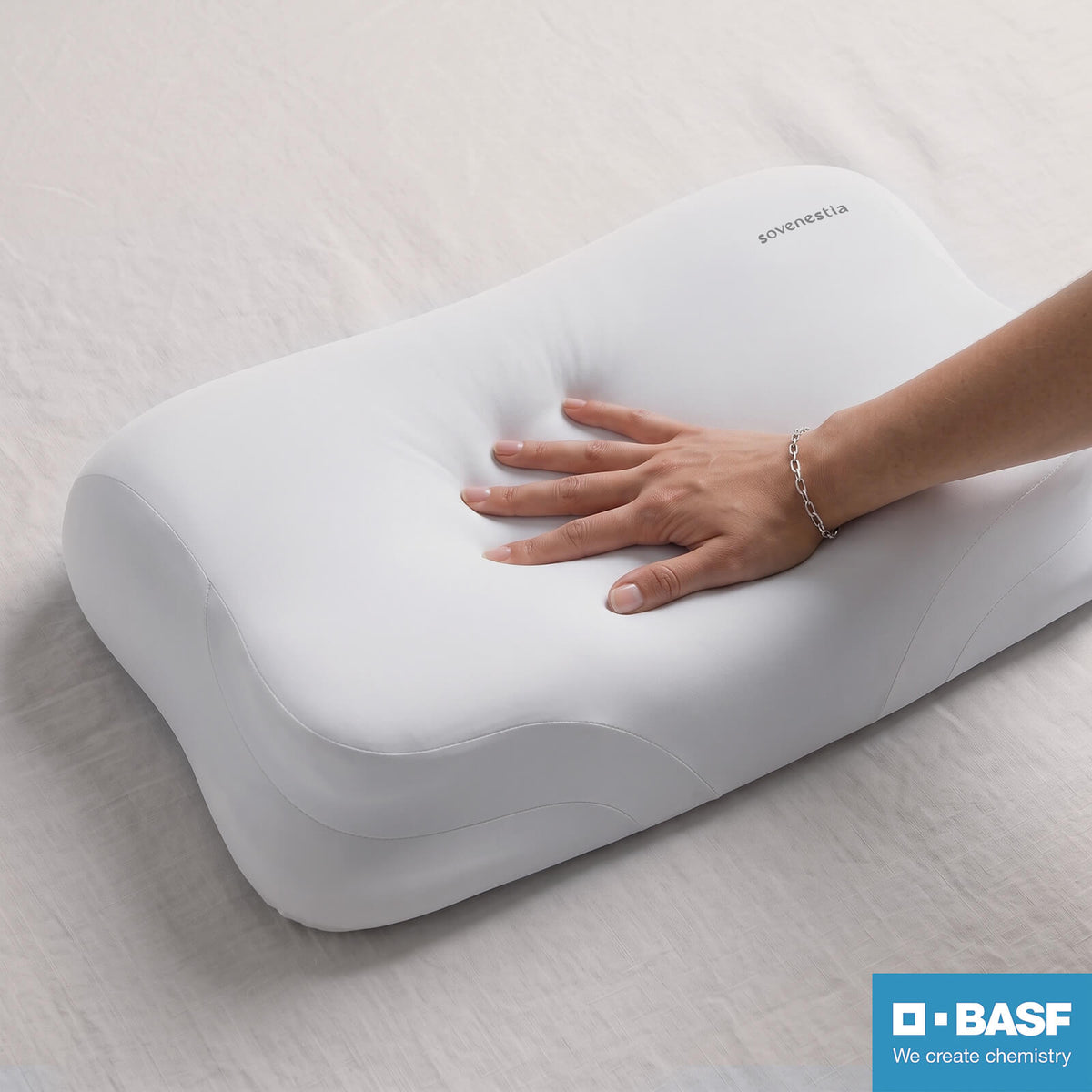
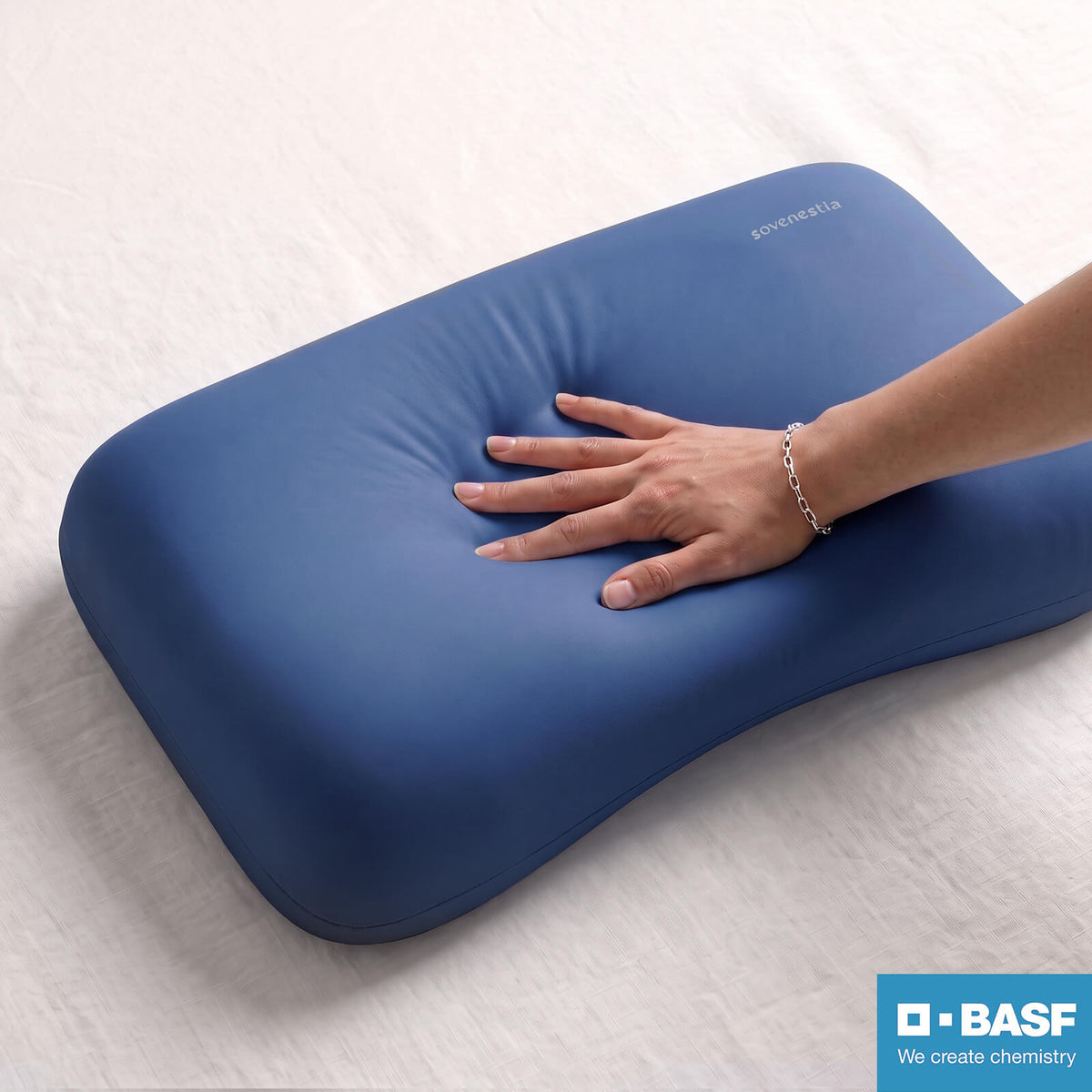
Memory foam is a viscoelastic material that responds to pressure and gradually conforms to the shape of your head and neck. Its feel and responsiveness vary depending on the foam formulation, density, and pillow design.
Traditional pillows commonly use down, feathers, or polyester fiberfill. These materials tend to offer a softer, fluffier, or more flexible feel, although their comfort and support vary by construction and quality.
The main difference is how the materials respond to your body. Memory foam typically offers a more structured, contouring feel, while traditional fill often allows more movement and reshaping.

Memory Foam vs. Traditional Pillows: Key Differences
1. Comfort and Feel
Memory foam pillows
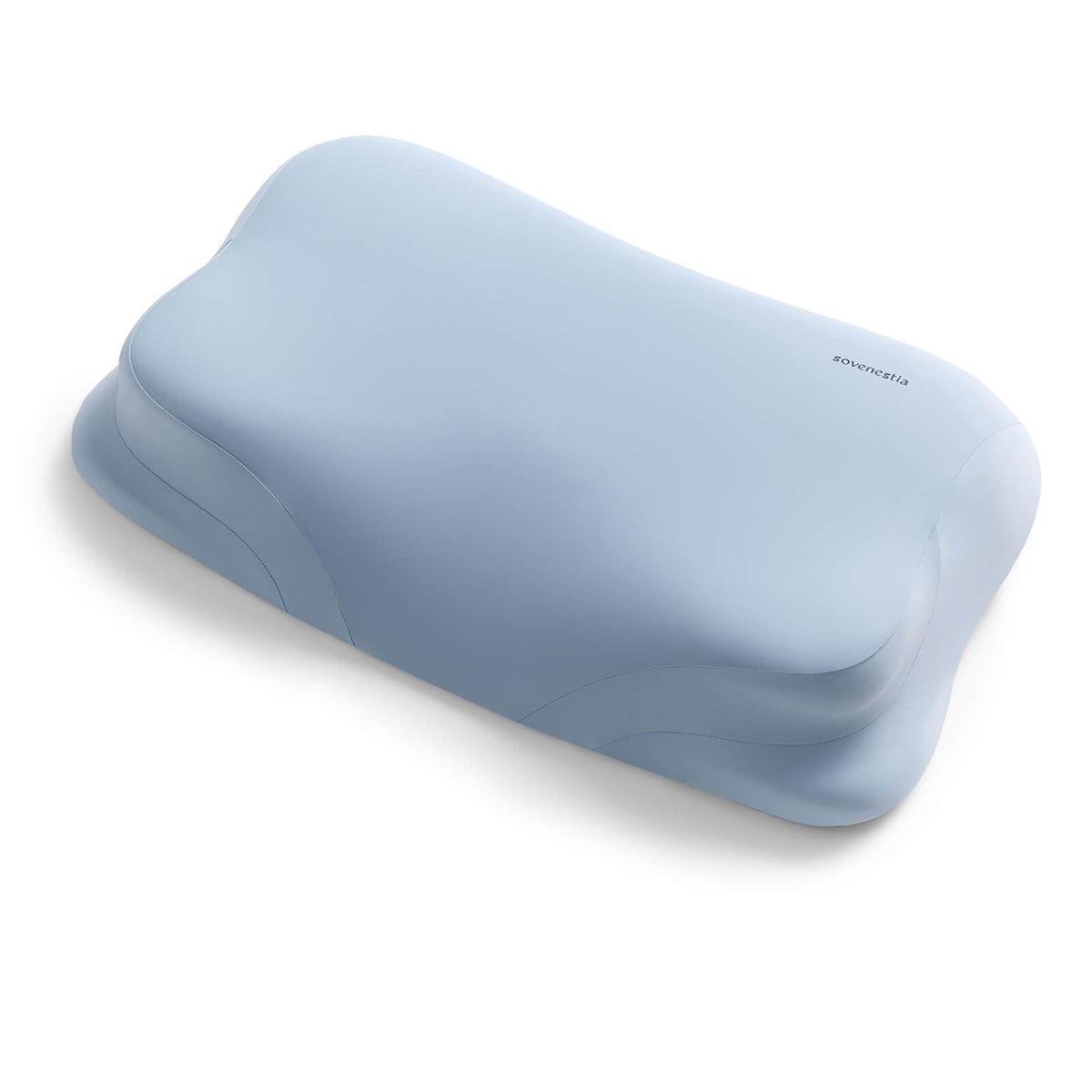
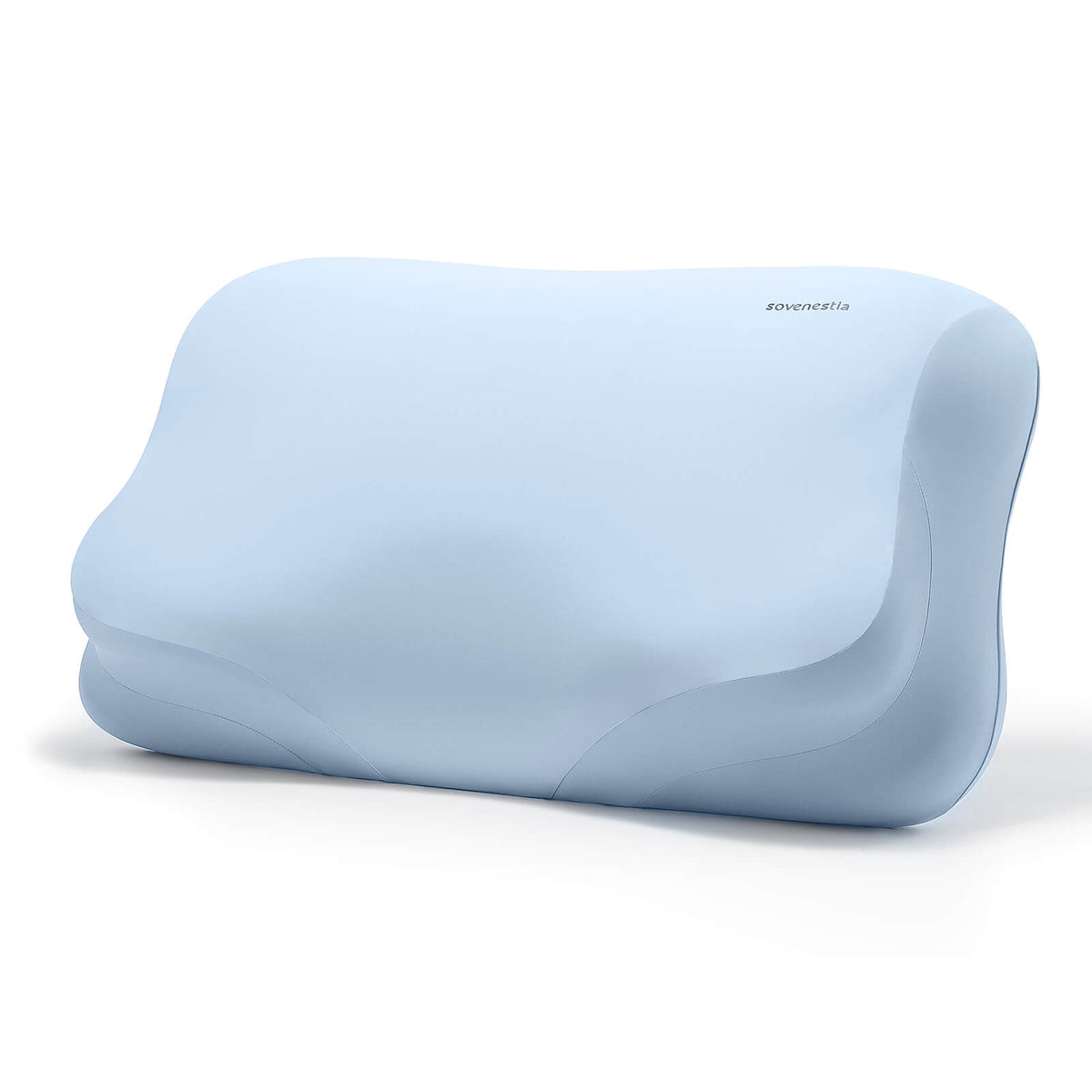
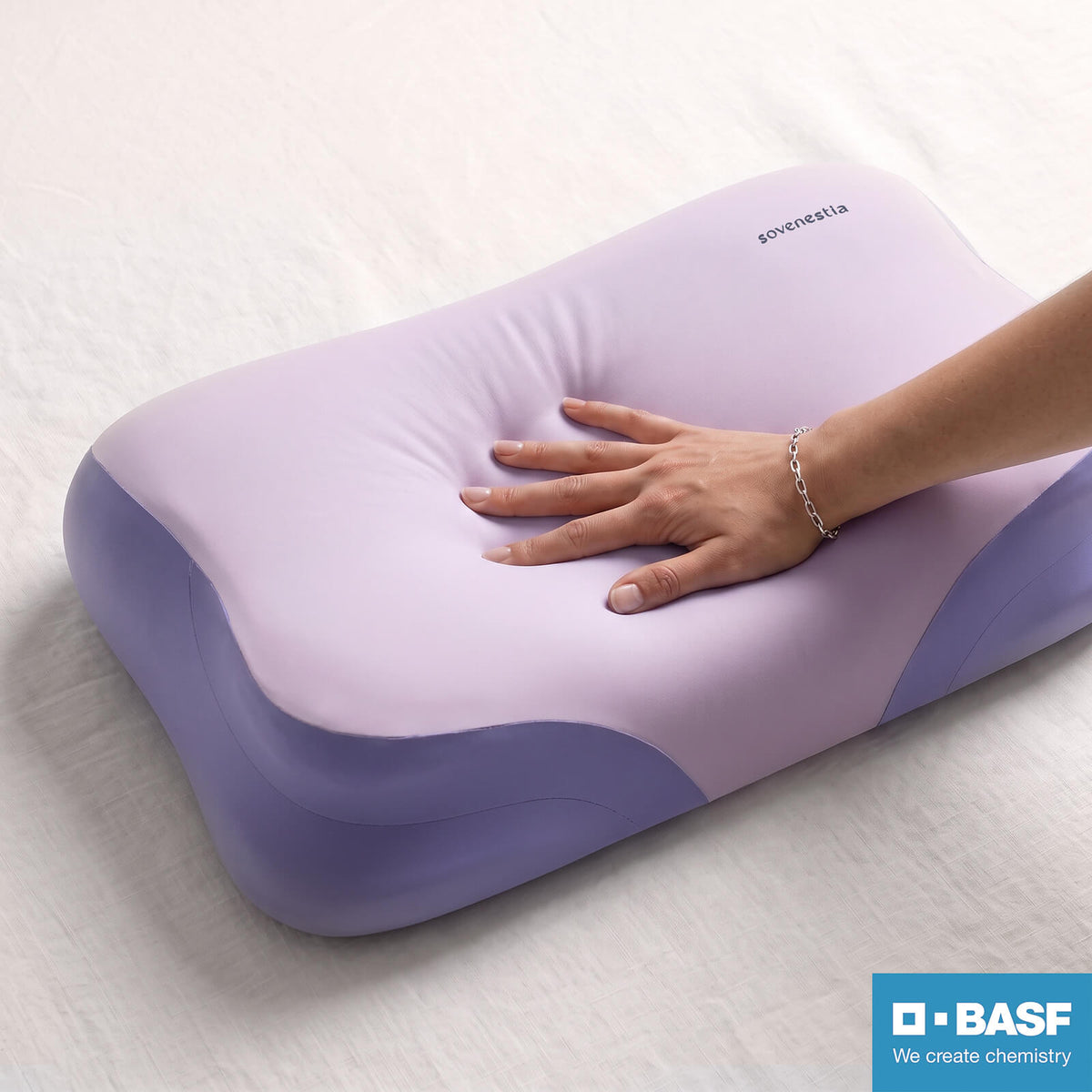
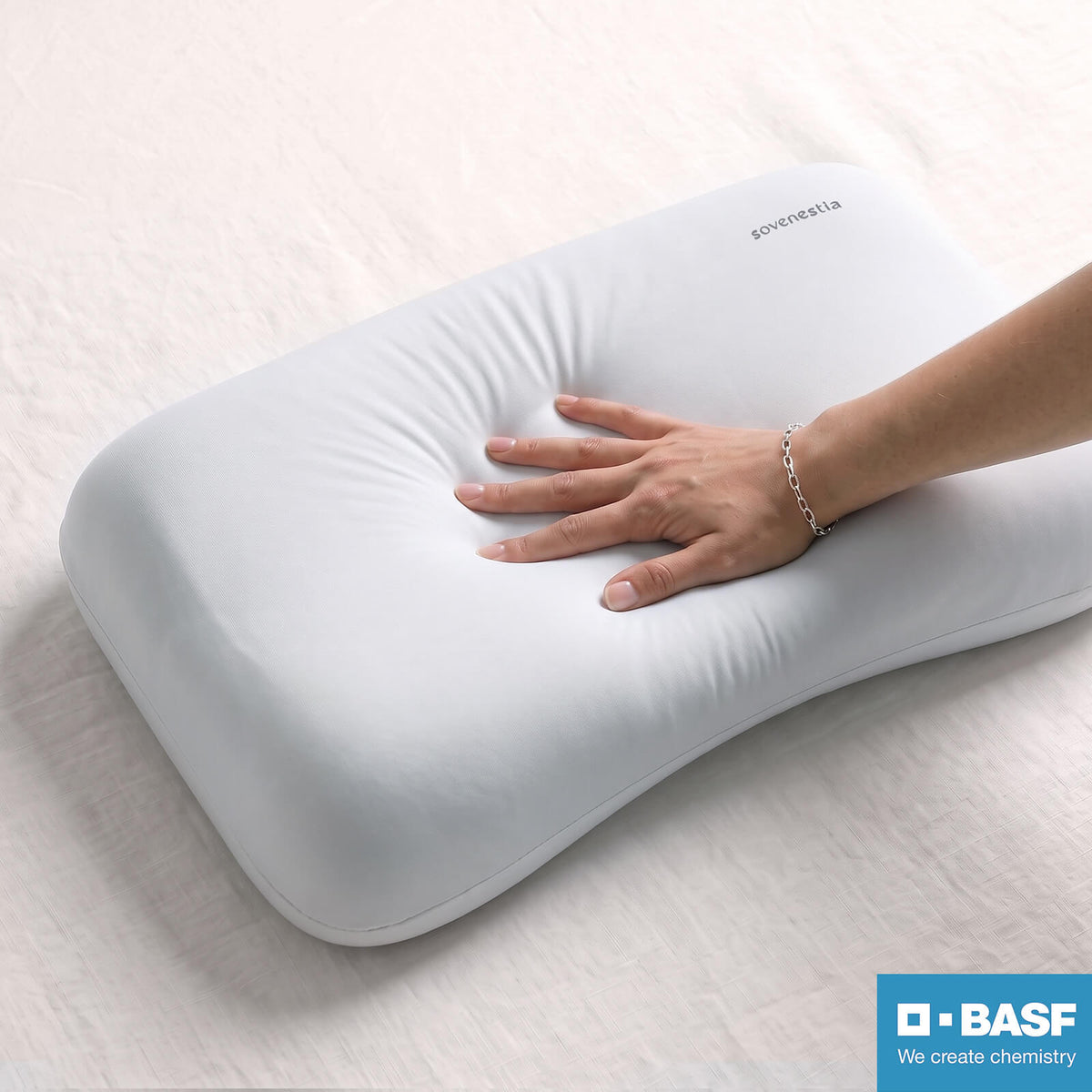
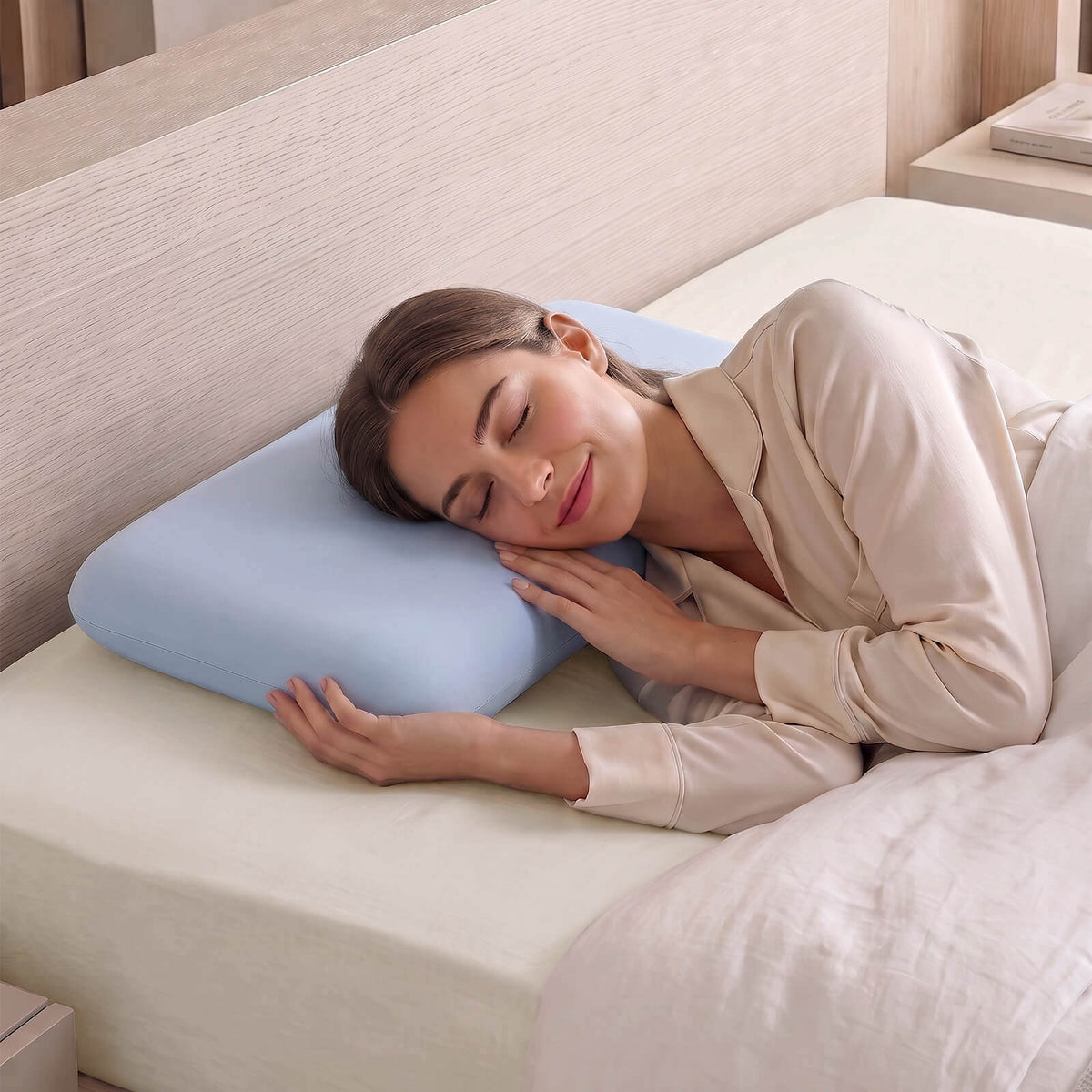
Memory foam gradually responds to pressure, creating a closer fit around the areas resting against it. Some sleepers enjoy this contouring sensation because it feels more structured and less fluffy than loose-fill alternatives.
However, not all memory foam pillows feel the same. Some are firmer or more supportive, while others feel softer and more yielding. Pillow shape, height, and construction all influence the experience.
Traditional pillows
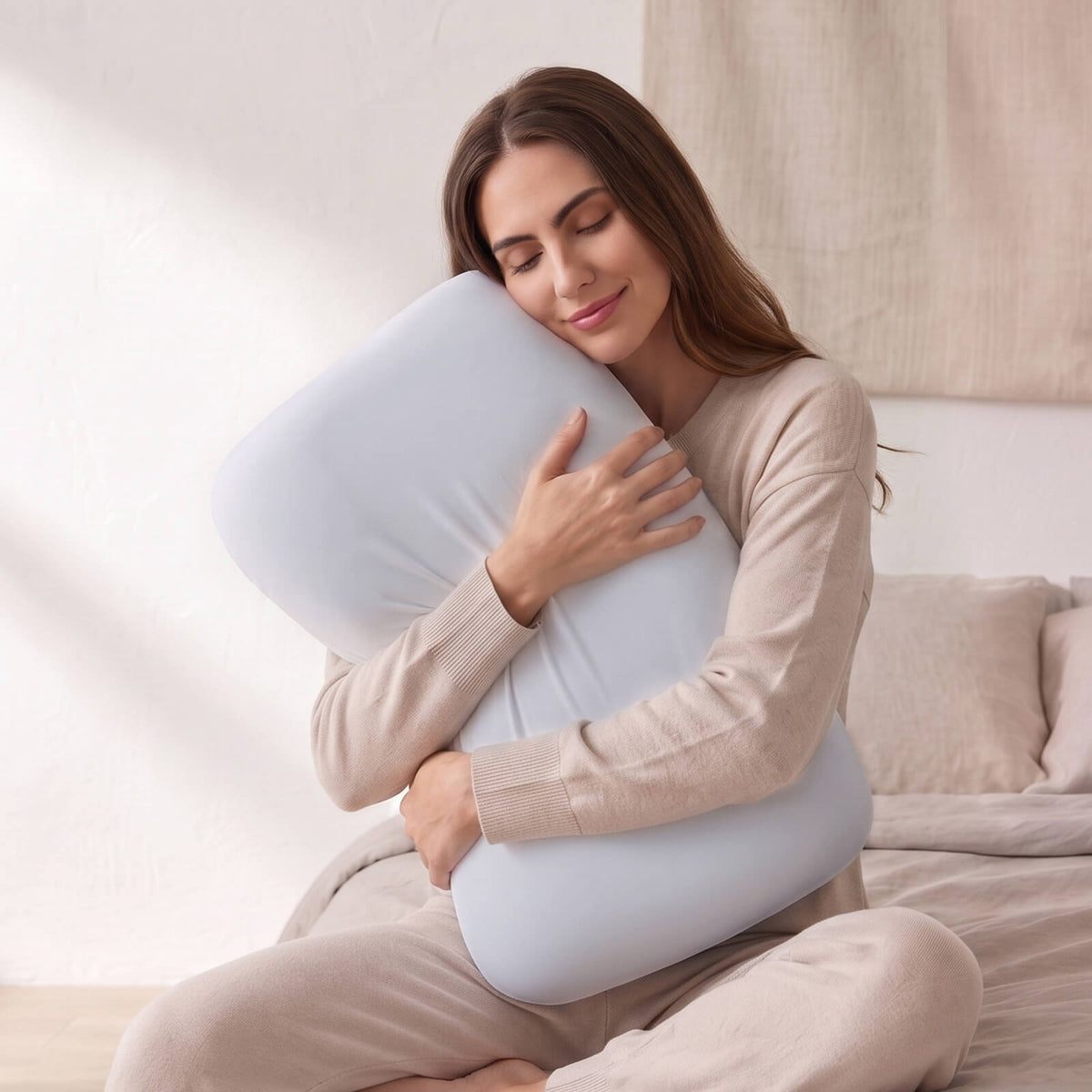
Down, feather, and polyester fiberfill pillows often have a softer, fluffier feel. Many can be fluffed, folded, or reshaped to suit individual preferences.
Their feel also varies by filling. Down is often valued for its light, plush feel, while polyester fiberfill can offer a different level of springiness and structure.
Which should you choose?
If you prefer a pillow that contours around your head, memory foam may be worth considering. If you enjoy a softer pillow that you can easily reshape, traditional fill may be a better fit.
2. Support and Shape Retention
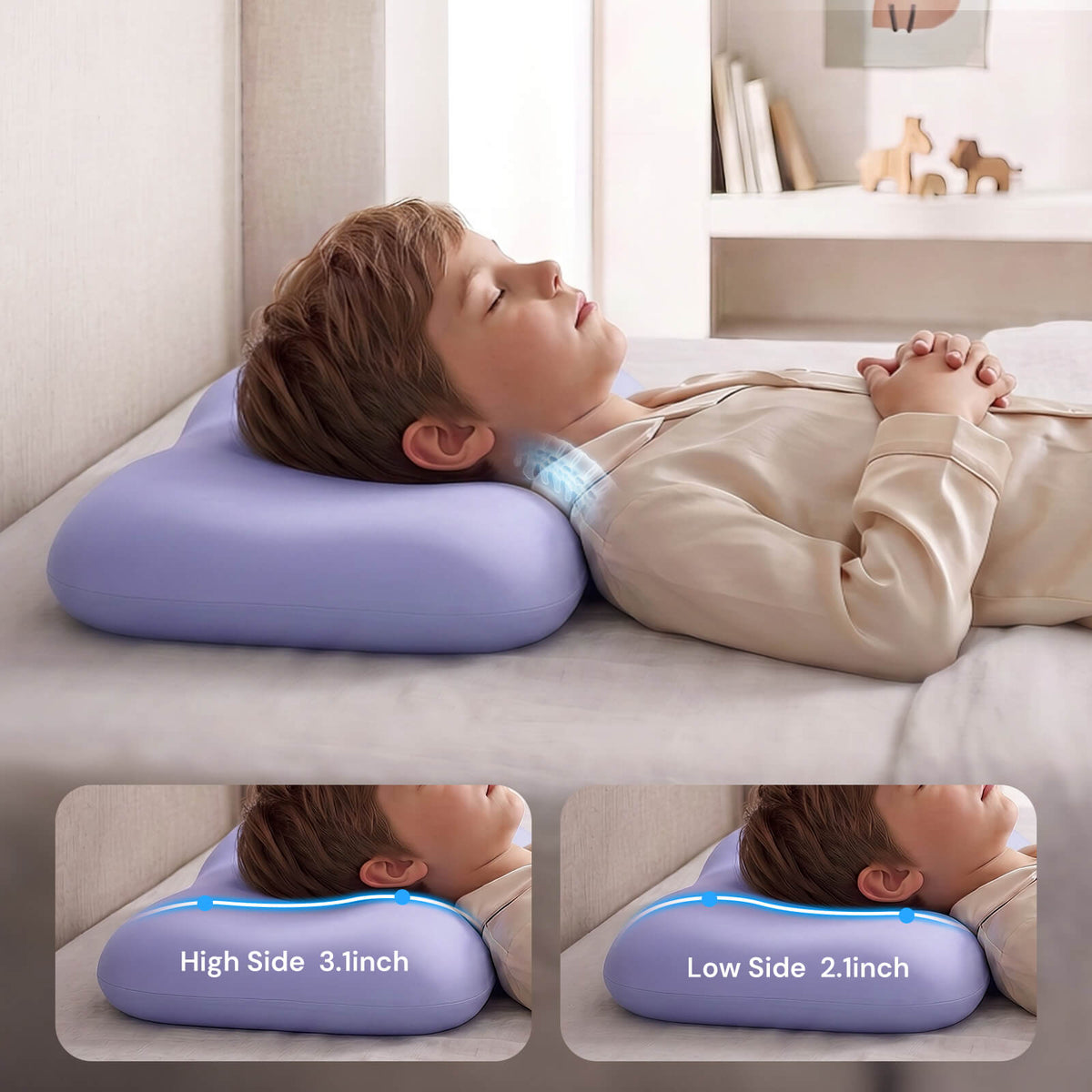
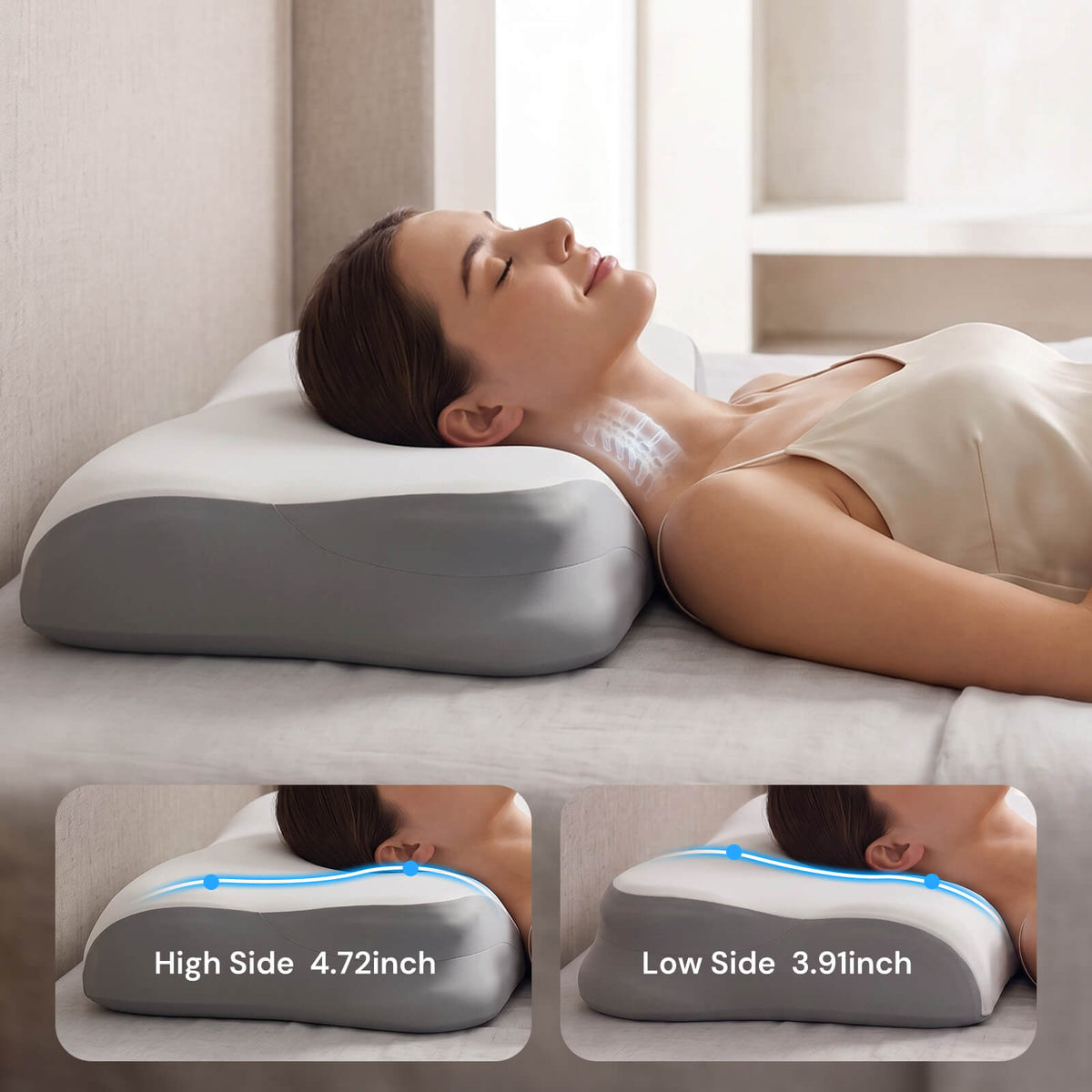
A pillow's support depends on more than its filling. Height, firmness, shape, construction, and how the pillow responds to your body all play a role.
Memory foam can maintain a more defined shape during use, although its performance depends on the quality and design of the foam. Traditional pillows may shift or compress as their filling moves, and some require regular fluffing to maintain their loft.
Neither material guarantees the right support for every sleeper. A pillow that feels comfortable at first may not provide the height or feel you prefer throughout the night.
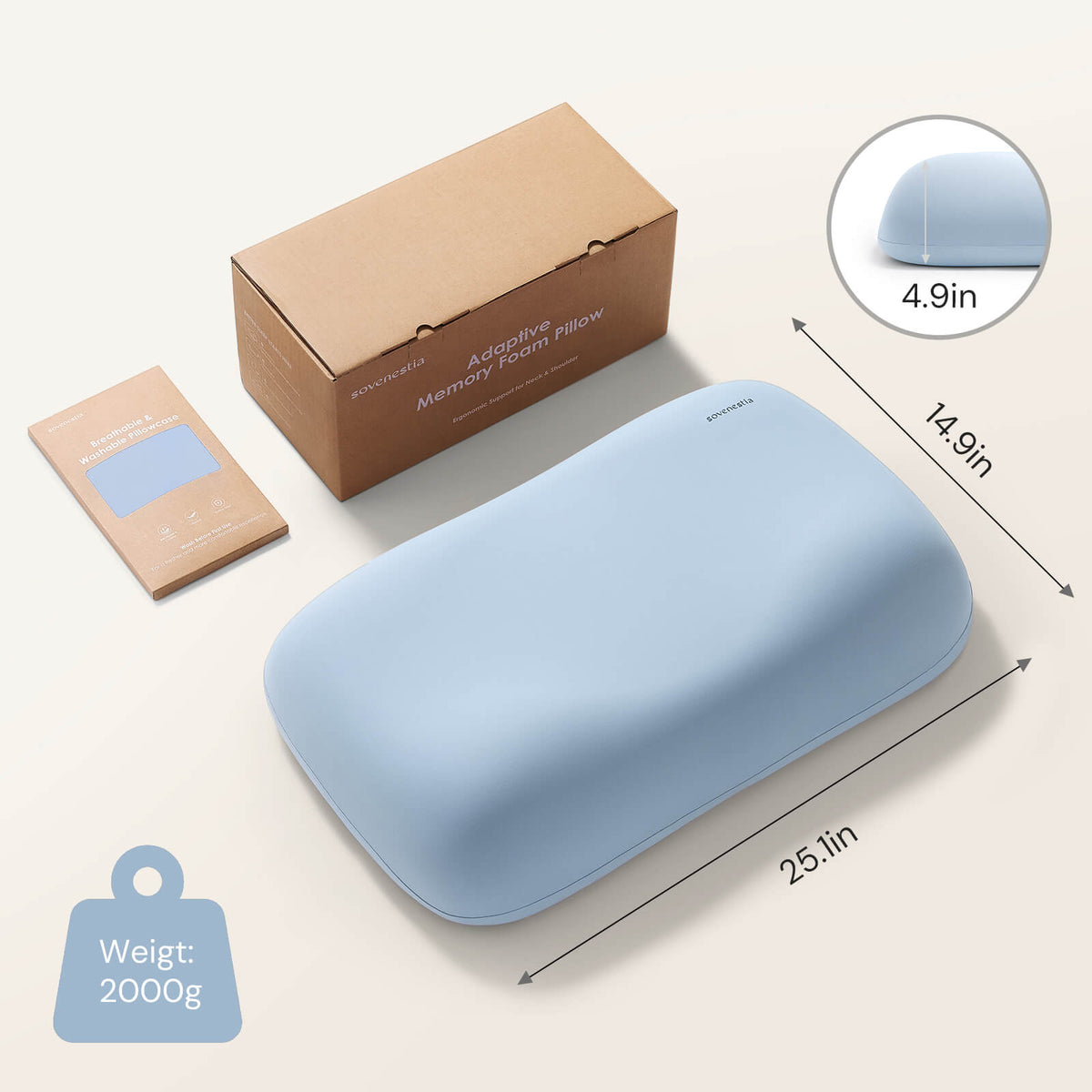
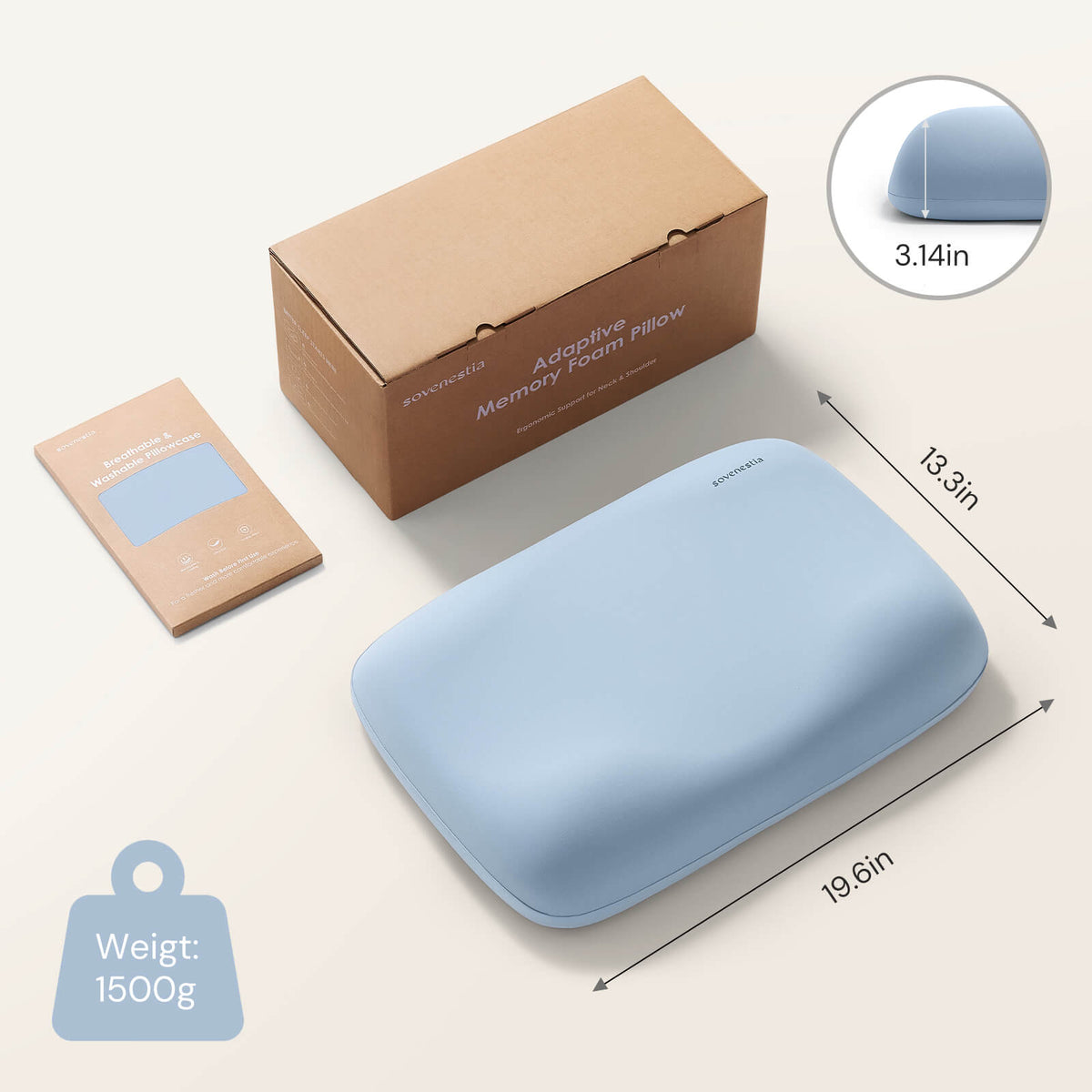
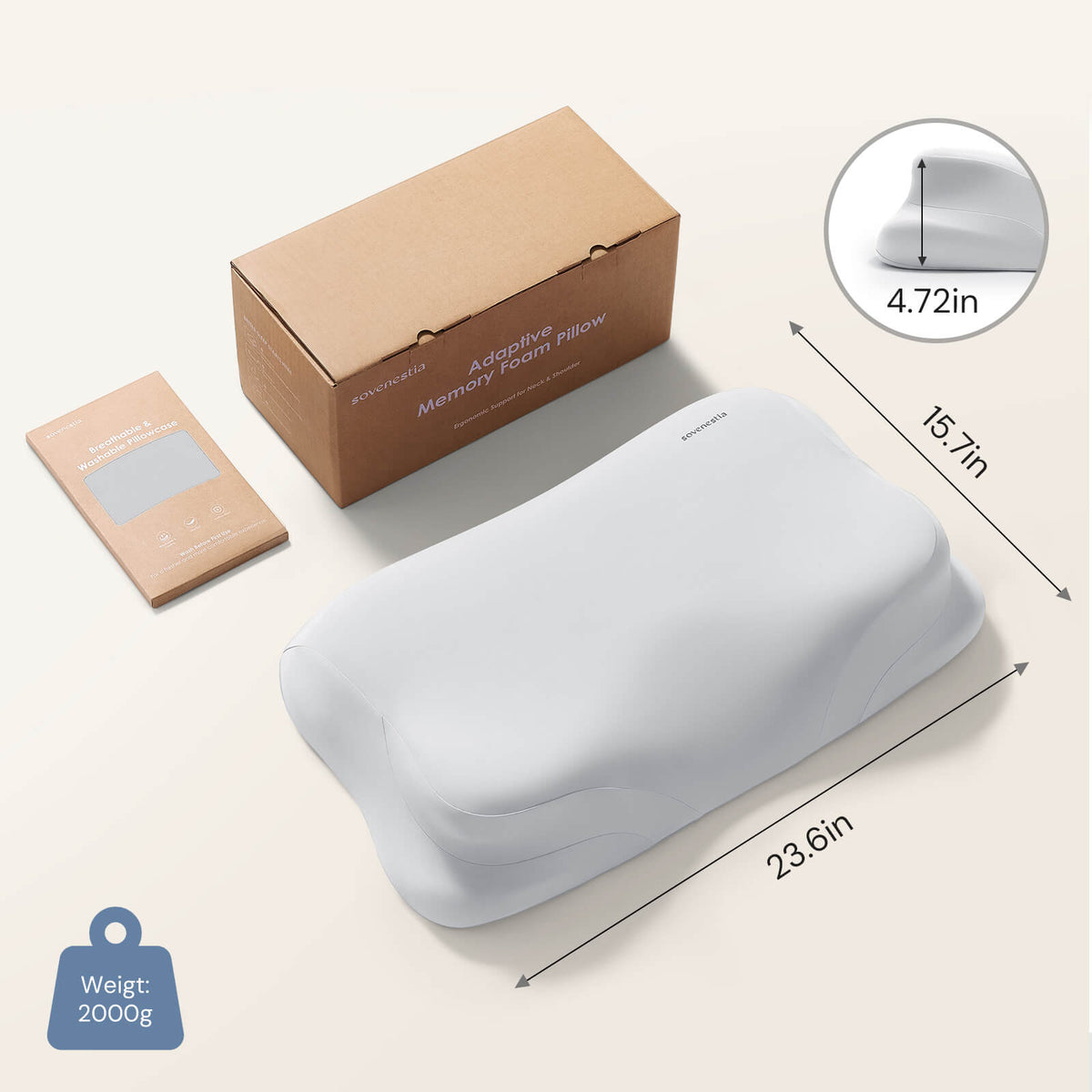
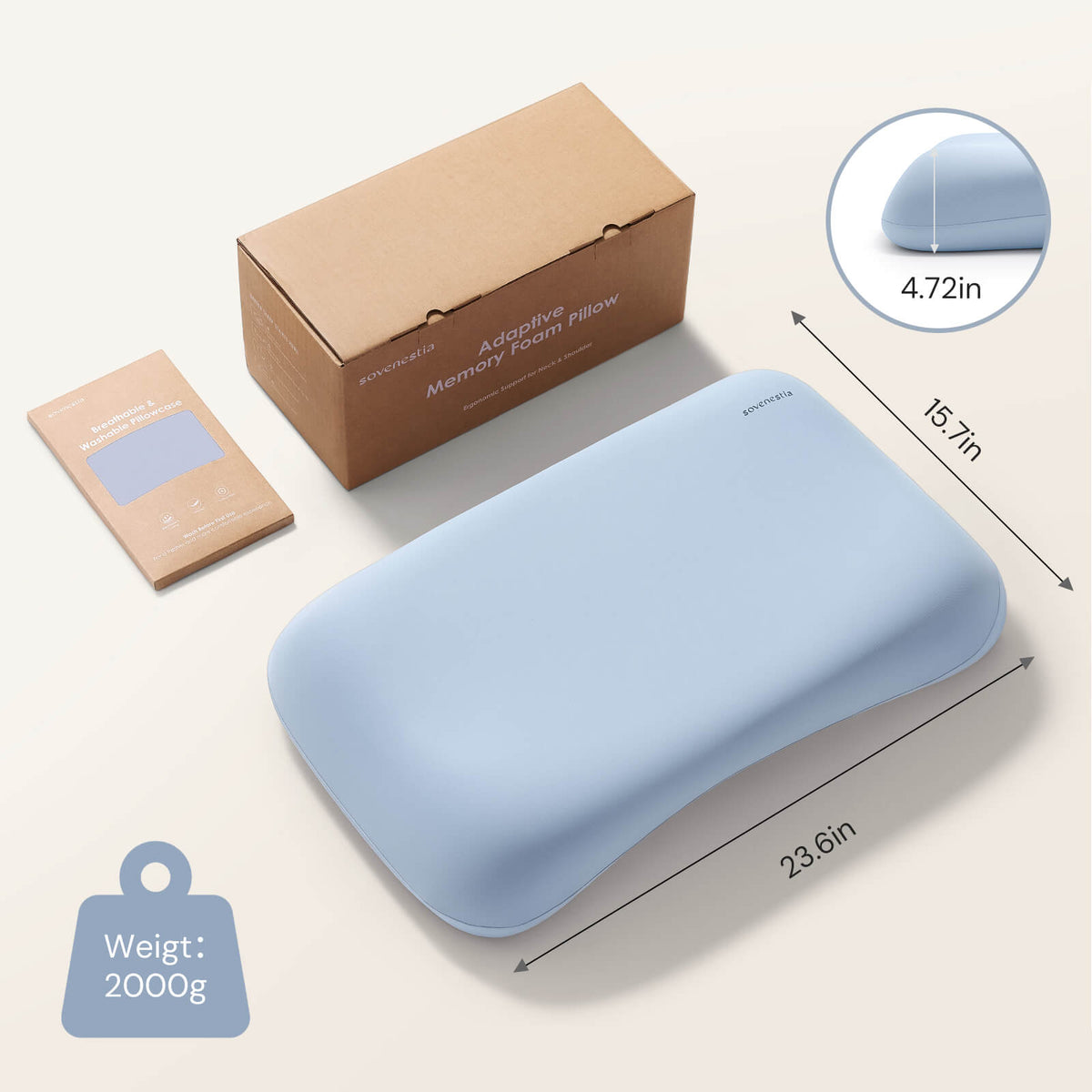
When comparing pillows, look beyond the material name. Check the dimensions, construction, and product details to understand what you are buying.

3. Temperature and Breathability
If you tend to sleep hot, temperature may be an important part of your decision.
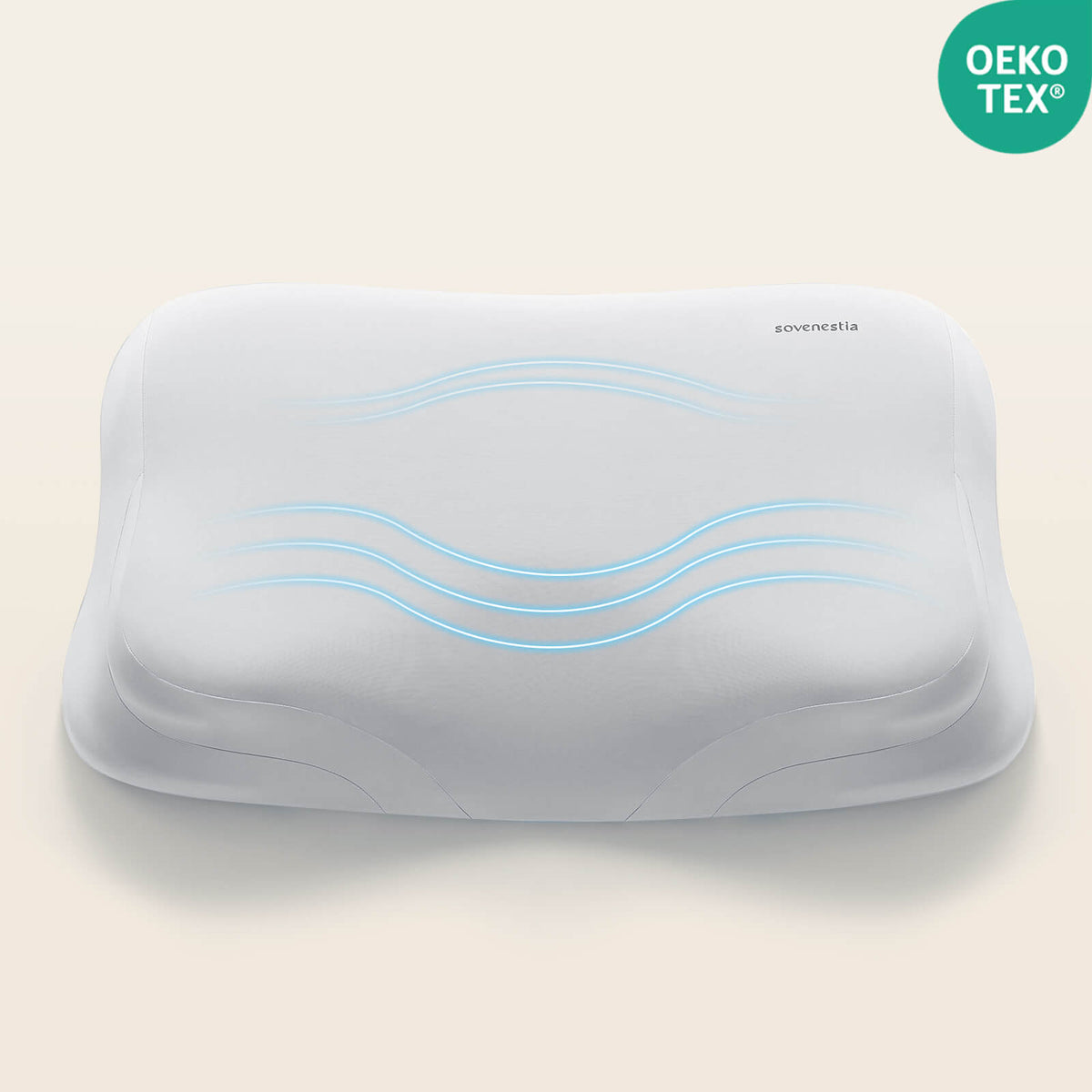
Some traditional pillows feel light and airy, but their temperature performance depends on the filling, cover fabric, and construction. Memory foam can retain heat for some sleepers, although designs and materials vary.
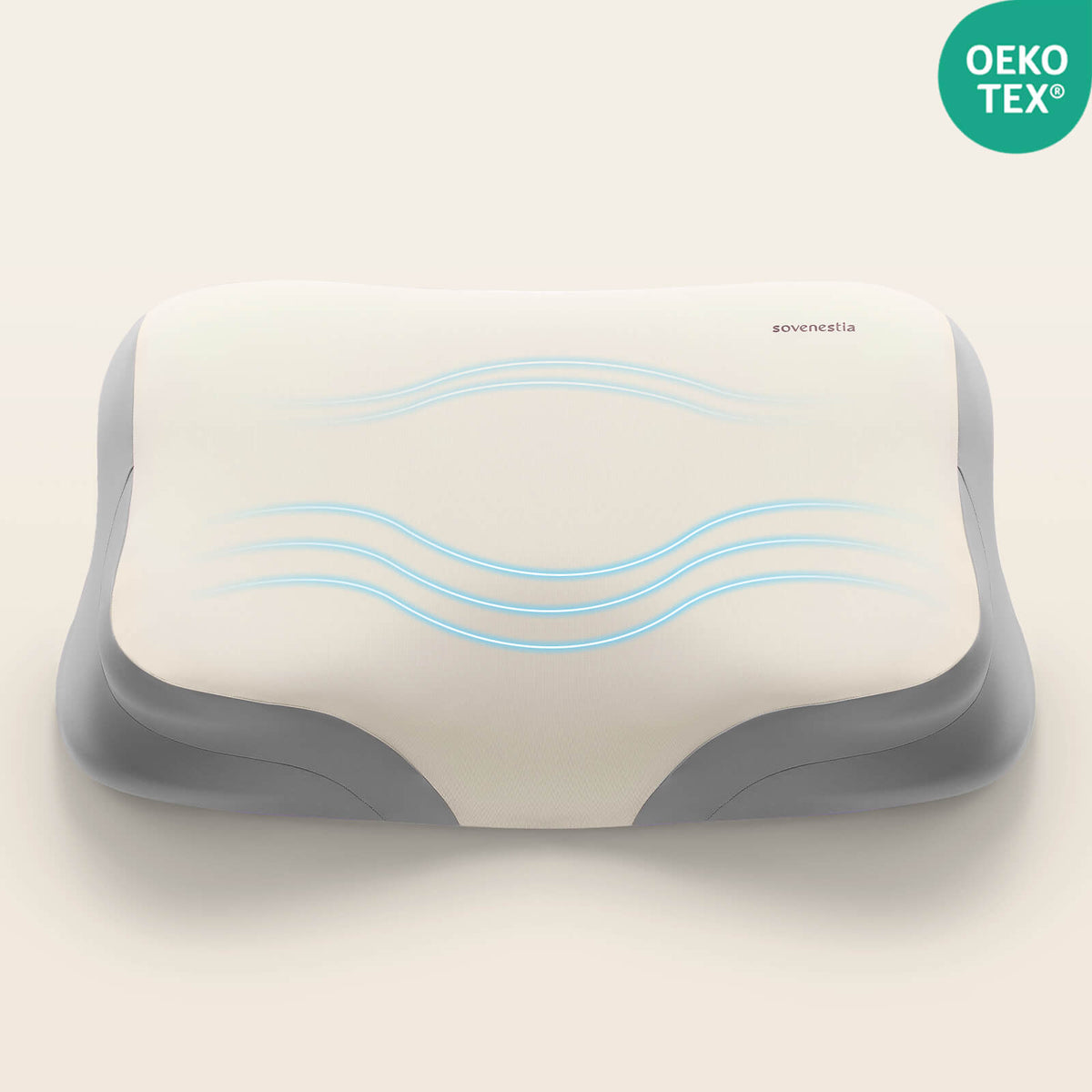
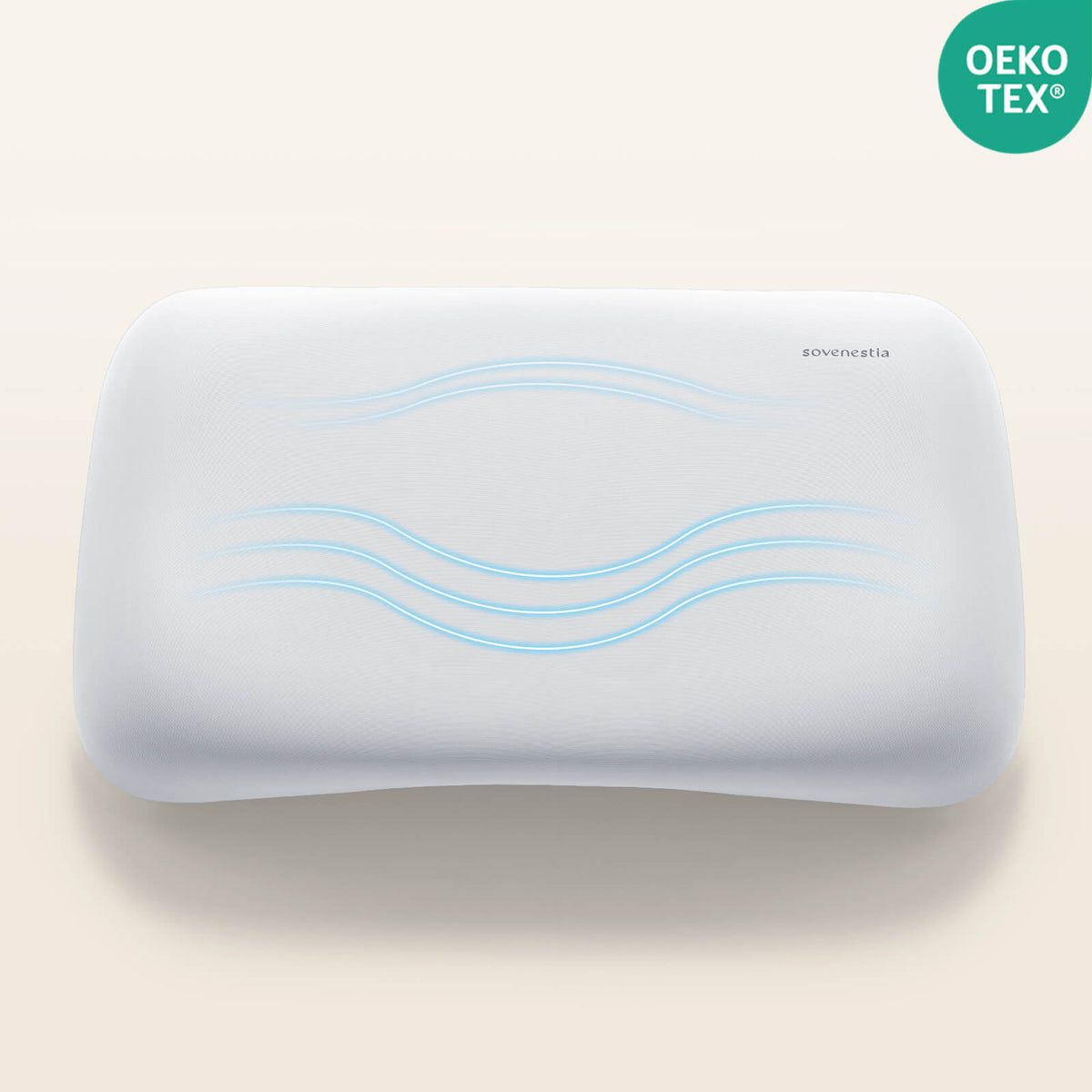
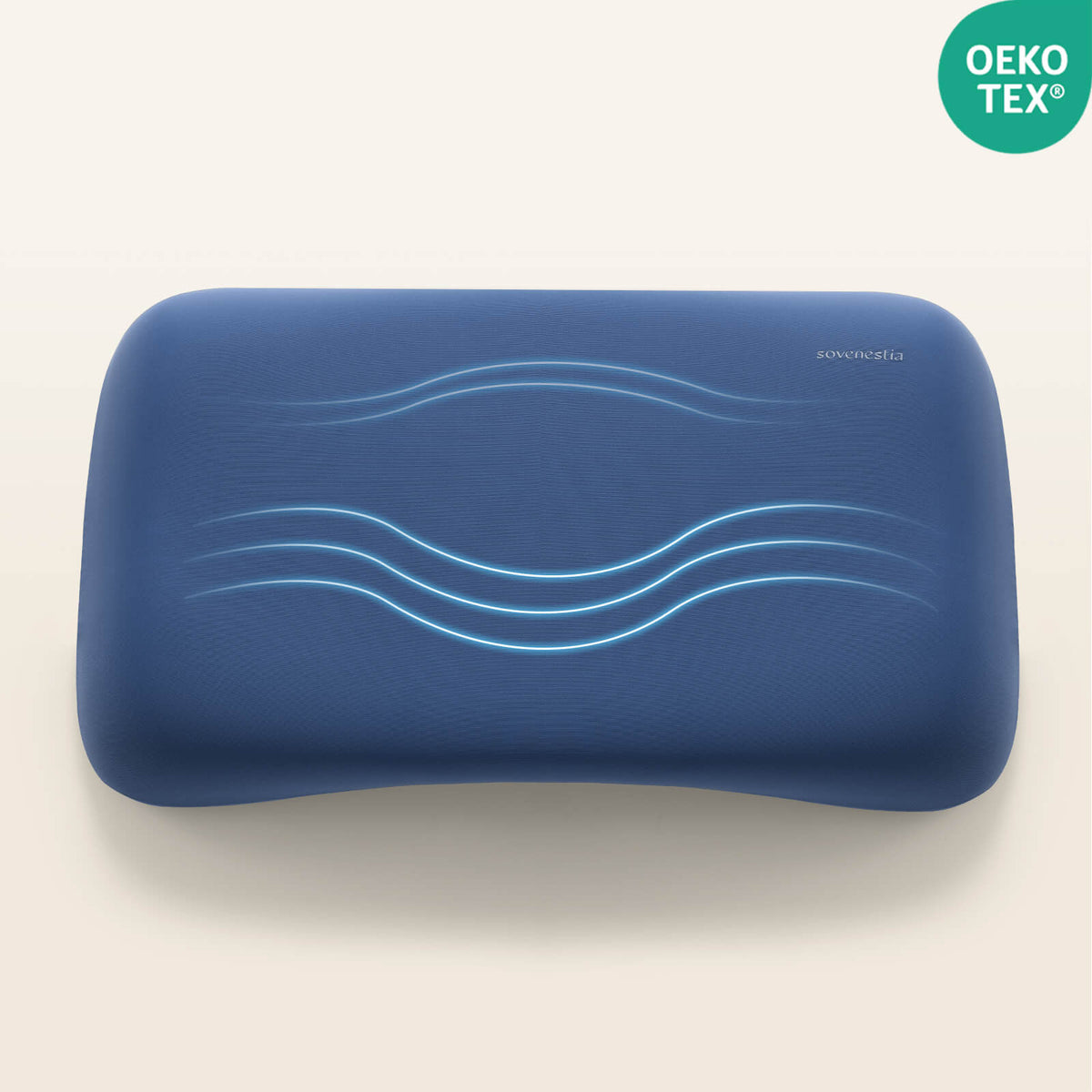
Shredded foam, ventilated designs, and specialized foam formulations may offer different airflow or temperature characteristics. However, these features should be evaluated product by product rather than assumed from the material alone.
Shopping tip: If you tend to sleep warm, look for clear information about the cover, ventilation, and any temperature-related features. Check the specific product details instead of relying on broad claims such as "cooling" or "breathable".
4. Care and Maintenance
Different pillow materials require different care routines.
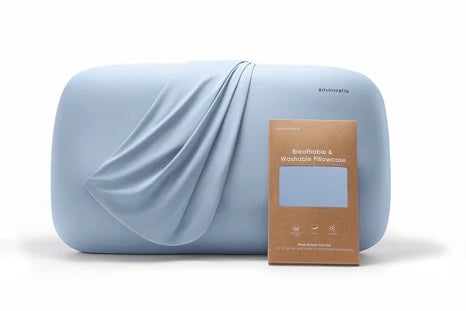
Some memory foam pillows have removable, washable covers, while their foam cores should not be machine-washed or soaked. Always follow the manufacturer's instructions.
Traditional pillows also vary in their care requirements. Some may be washable, while others need more specific cleaning methods. Certain loose-fill designs may also require regular fluffing to maintain their shape.
Before purchasing, check which parts of the pillow can be washed, how they should be dried, and whether a separate pillow protector is recommended.
For more guidance, read our guide to [When To Replace Your Pillow].

How to Choose the Right Pillow for Your Preferences
Instead of choosing by material alone, start with the sleep experience you prefer.
Consider memory foam if you:
- Prefer a more contouring feel.
- Want a pillow with a defined shape.
- Have found that some loose-fill pillows flatten or shift more than you like.
- Can find a height and firmness that feel comfortable for you.
Consider a traditional pillow if you:
- Prefer a soft, fluffy feel.
- Like to fold, fluff, or reshape your pillow.
- Have a preferred type of down, feather, or synthetic filling.
- Are comfortable with the care requirements of your chosen material.
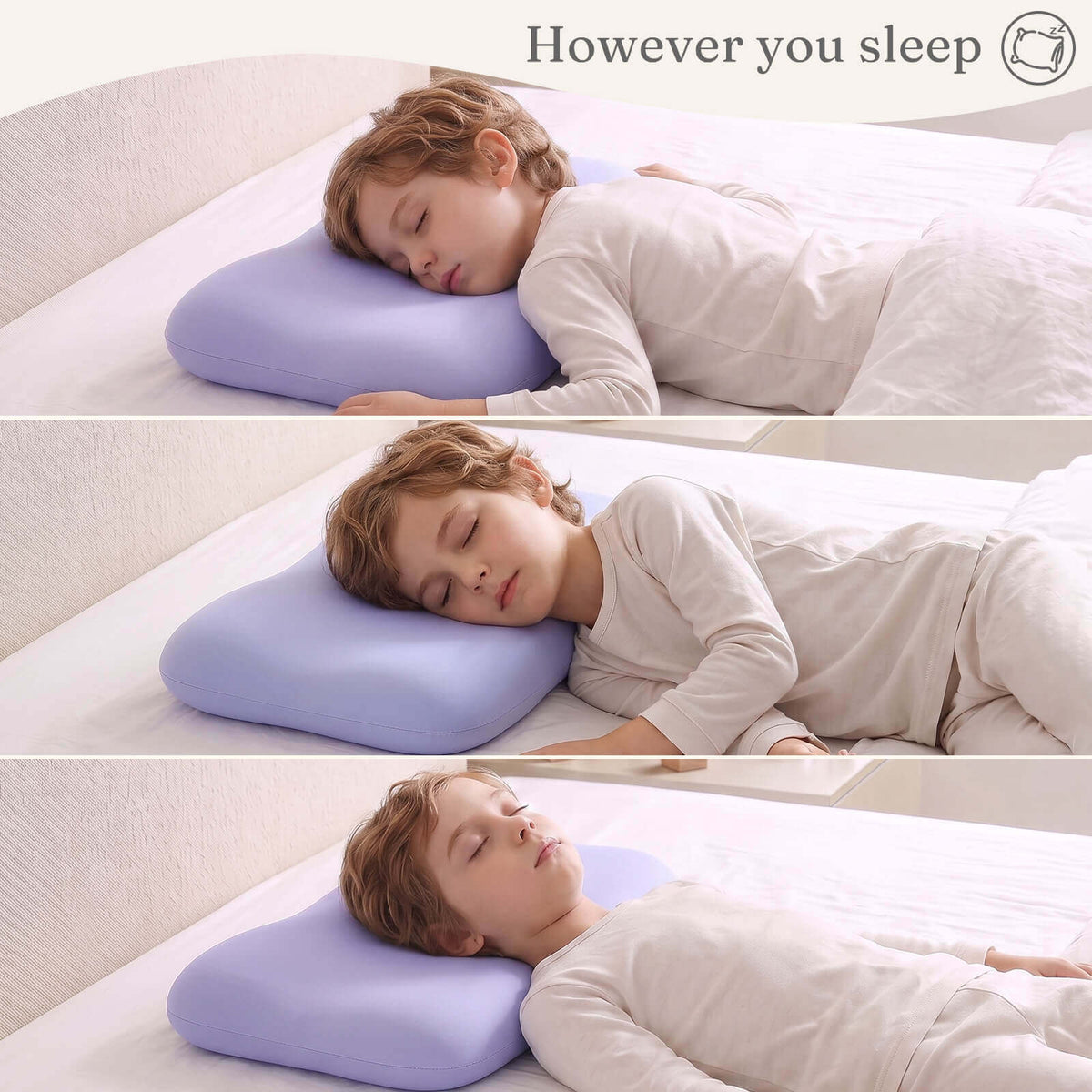
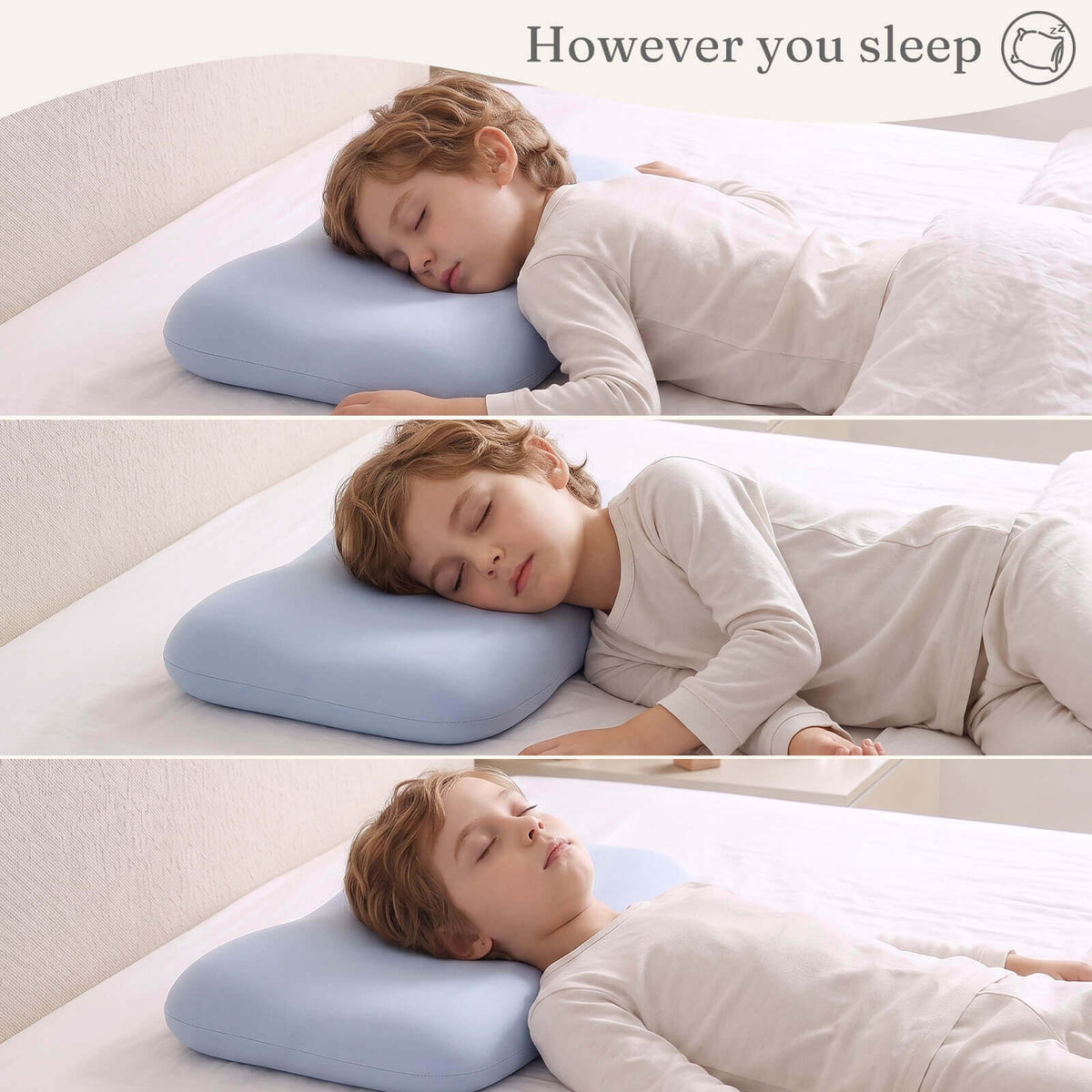
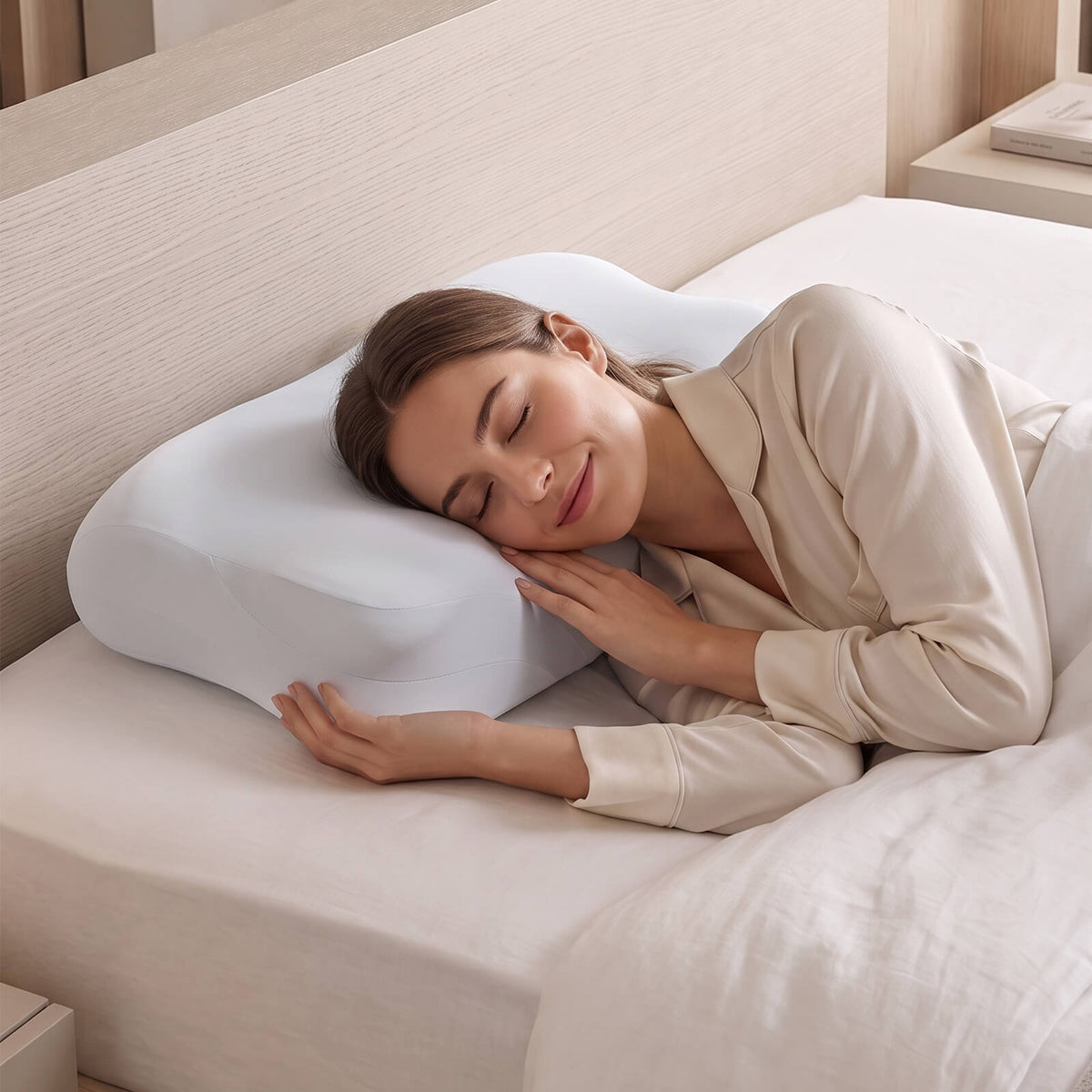
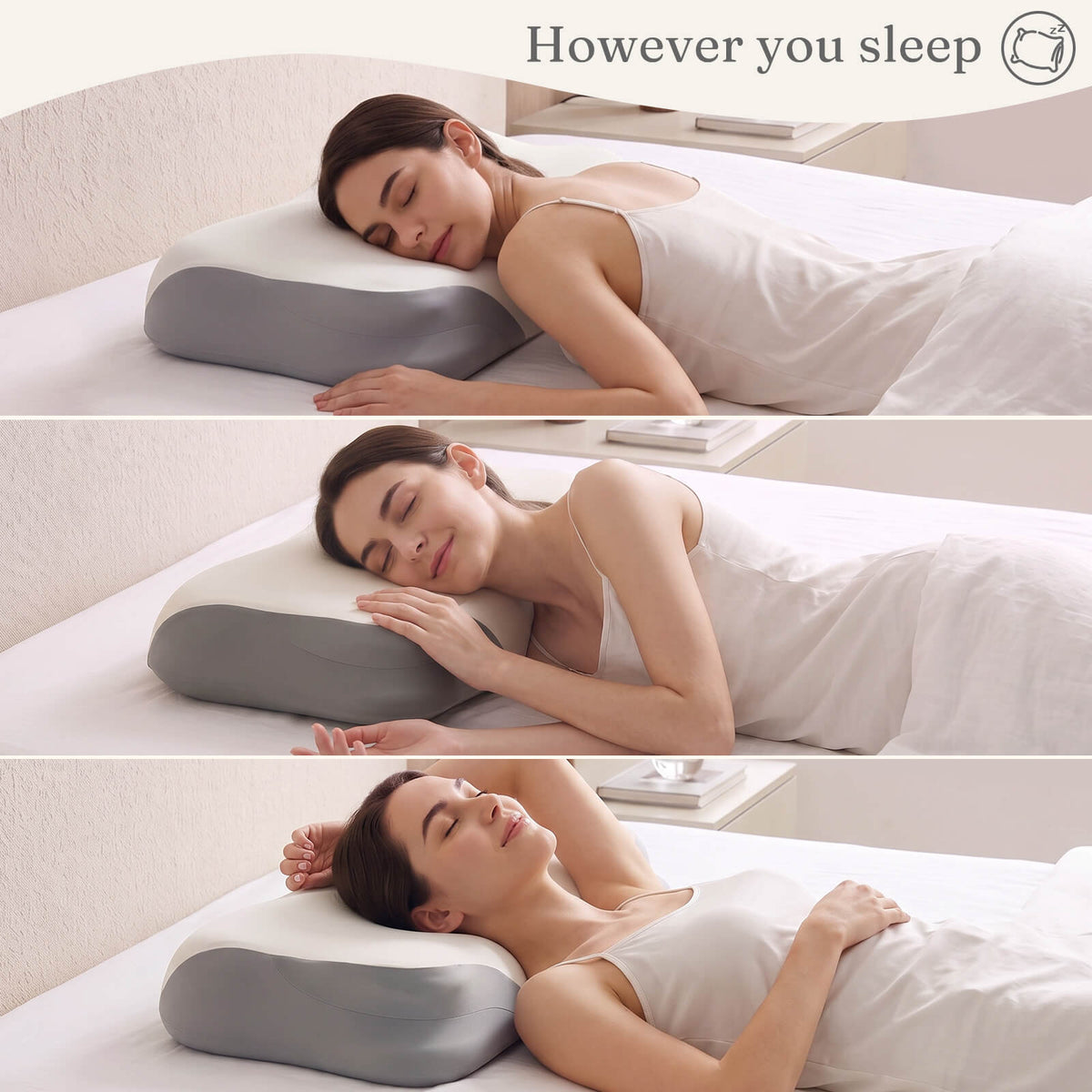
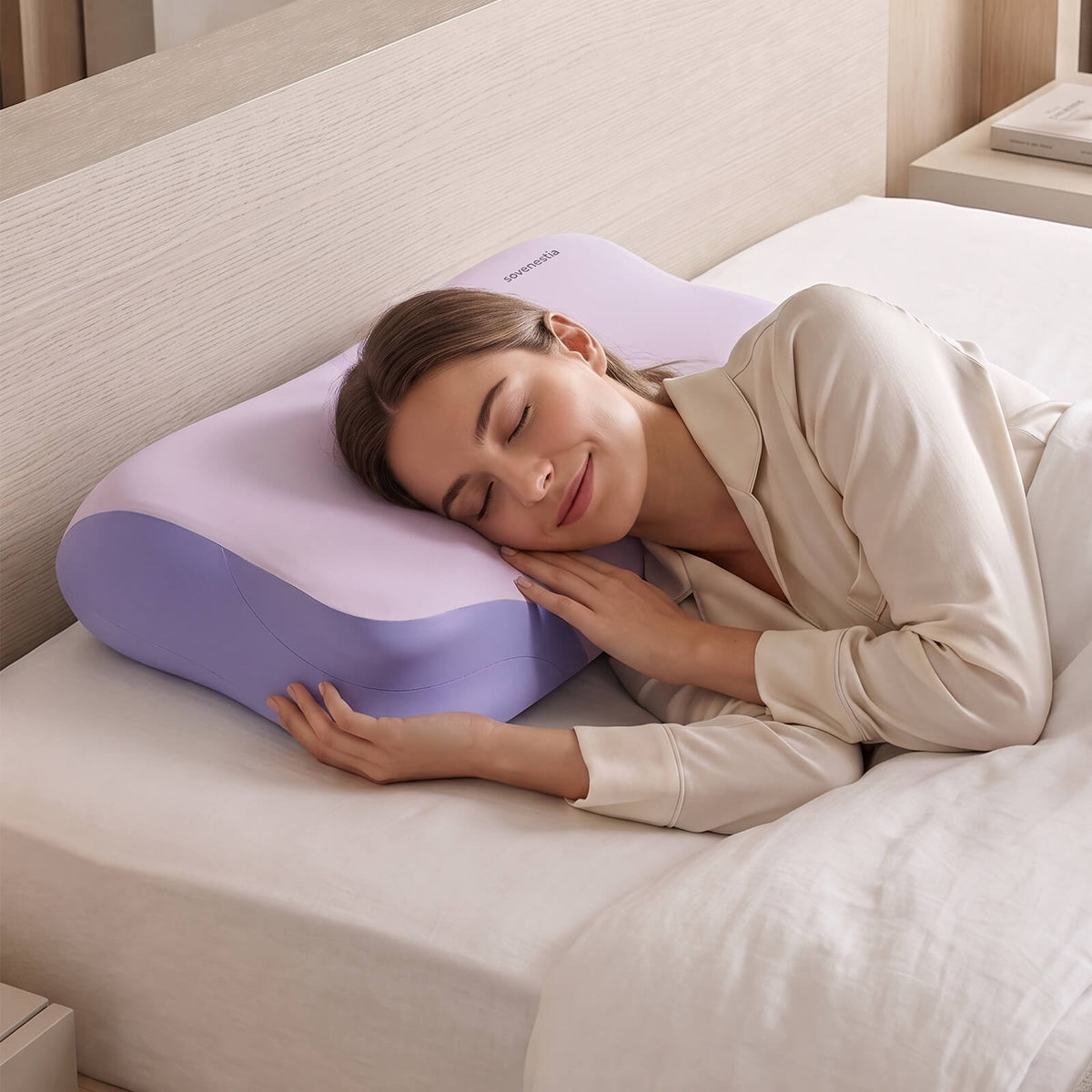
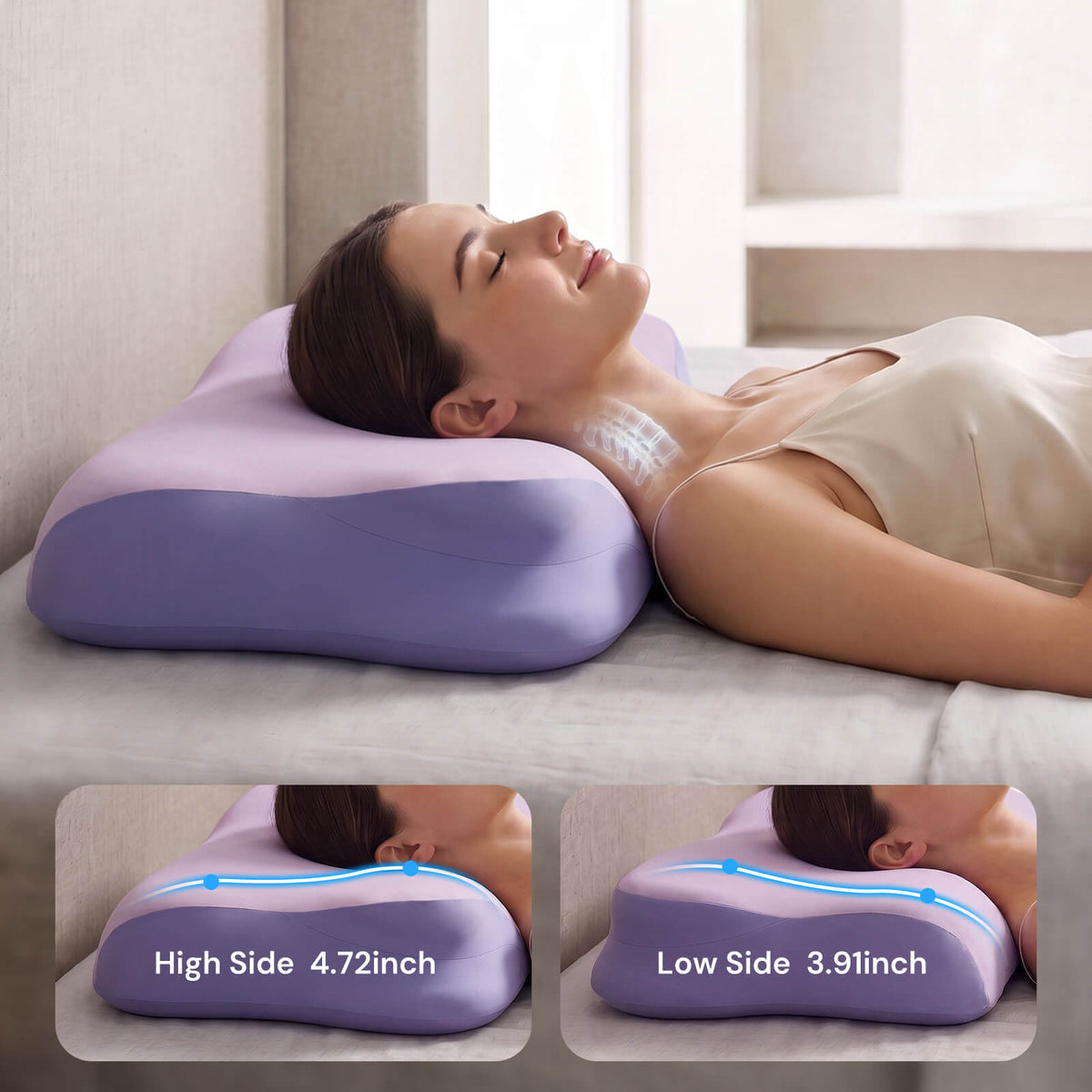
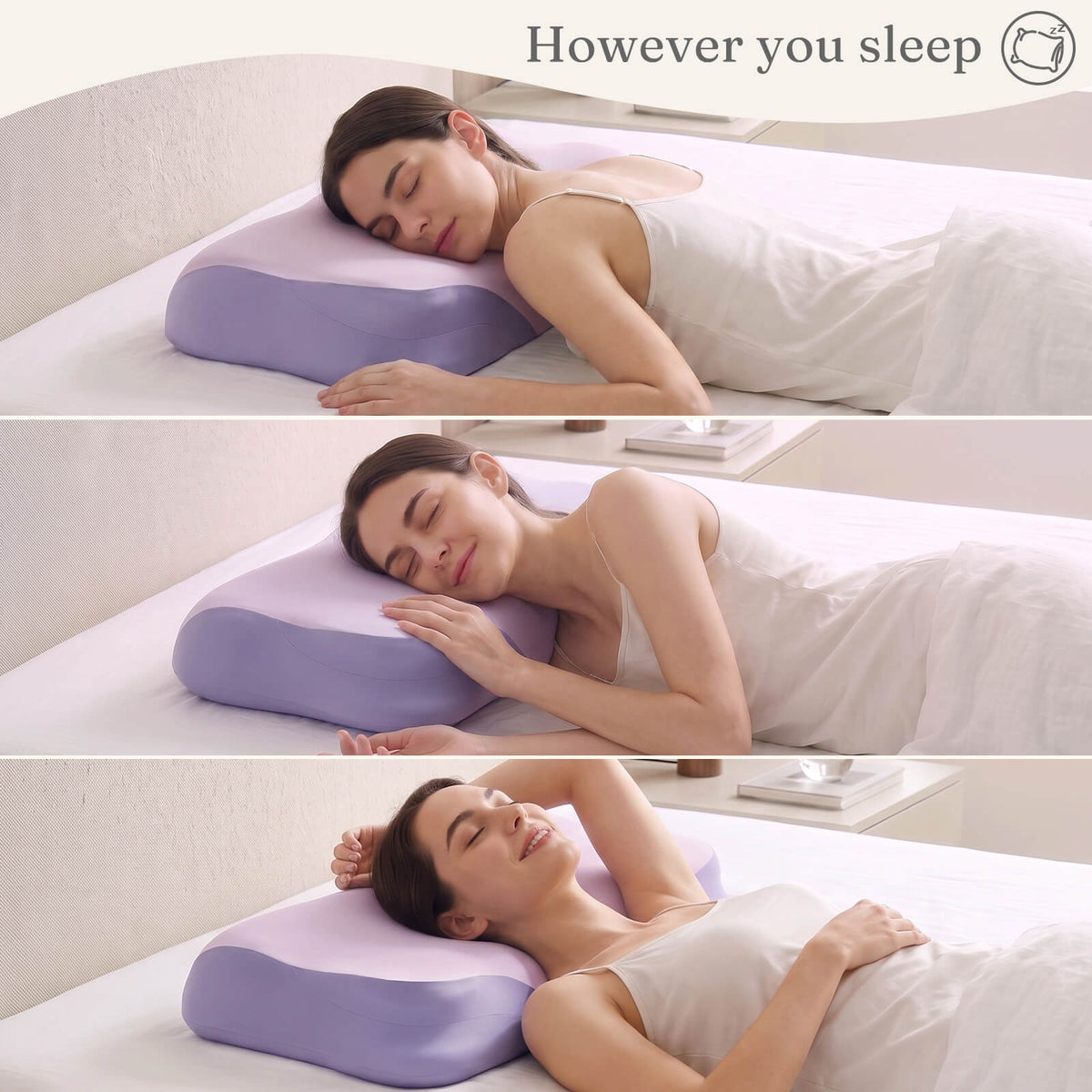
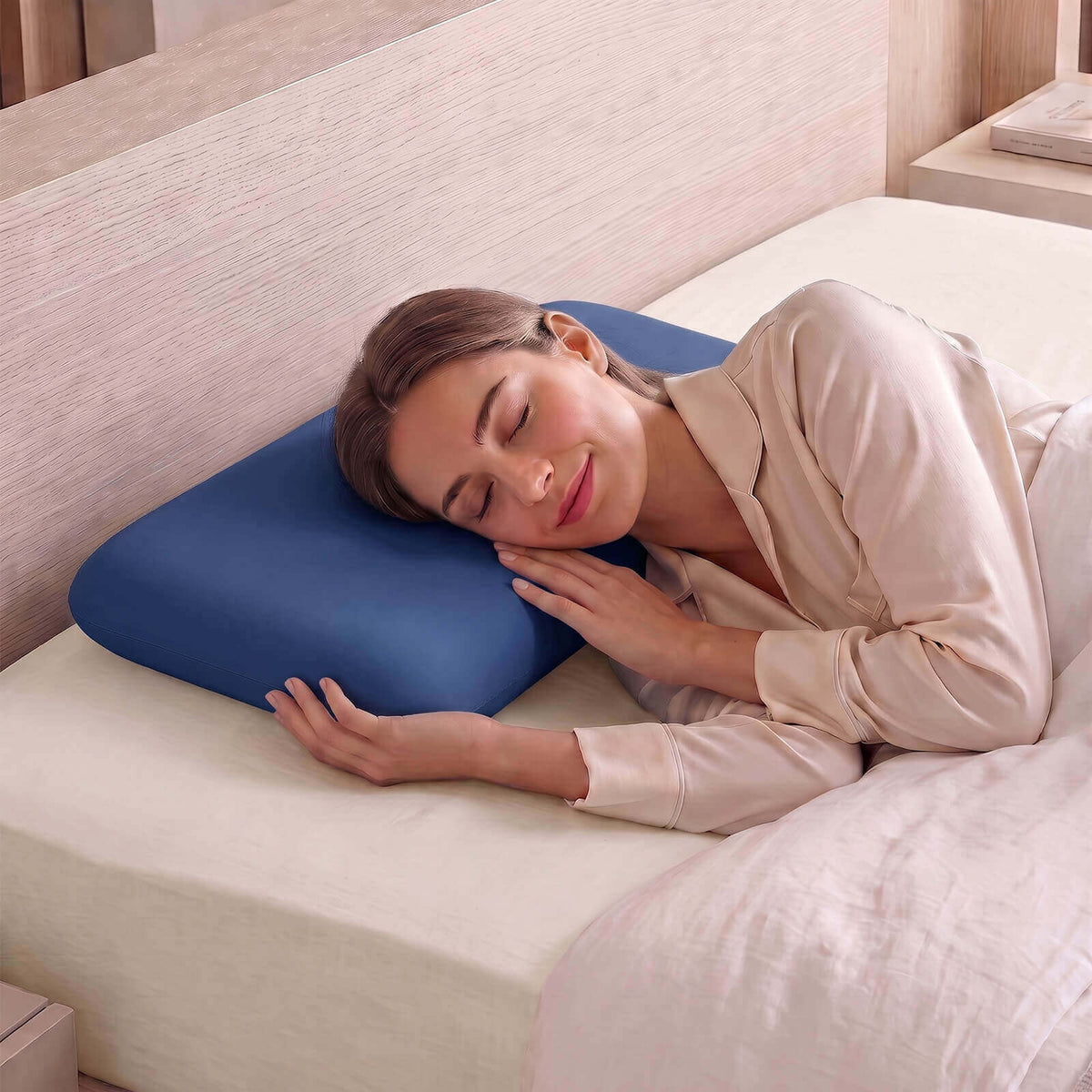
Your sleeping position can also influence which pillow height feels comfortable. Side sleepers often need more loft than stomach sleepers, while back sleepers may prefer a moderate height. These are general starting points, not universal rules.
For more specific guidance, explore our guide to [choosing the best pillow for your sleeping position].

What to Look for Before You Buy
Once you have decided which type of pillow you want to explore, compare the details that affect everyday comfort.
- Height and shape: Check the listed dimensions and consider your preferred sleeping position.
- Material information: Look for clear descriptions of the filling, foam, and cover.
- Care instructions: Understand what can be washed and how the pillow should be maintained.
- Testing and certifications: Review any claims carefully and check which materials or components are covered.
- Warranty and return policy: Understand the terms before making a purchase.
A higher price or a familiar material name does not automatically mean a pillow will be right for you. Clear product information and a good match for your preferences matter more.
Frequently Asked Questions
Is memory foam better than a traditional pillow?
Not for everyone. Memory foam often offers a more contouring feel, while traditional pillows can provide a softer, fluffier, and more flexible experience. The right choice depends on your preferences and the design of the individual pillow.
Do memory foam pillows sleep hot?
Some traditional memory foam pillows may retain heat, but performance varies by formulation, cover, and construction. If temperature is a concern, compare the specific features of each product.
That said, BASF memory foam pillows are worth considering because they address the heat issue at the material-structure level rather than relying only on a cooling cover. Traditional memory foam has dense, closed cells, so air cannot circulate easily and body heat tends to build up. BASF’s CosyPUR® technology changes this by using a high open-cellularity structure: instead of closed, isolated bubbles, the foam forms an interconnected network of channels. This allows air to pass through the pillow continuously and helps carry body heat away, preventing heat and sweat from accumulating and helping create a cooler microclimate.
Which pillow is best for side sleepers?
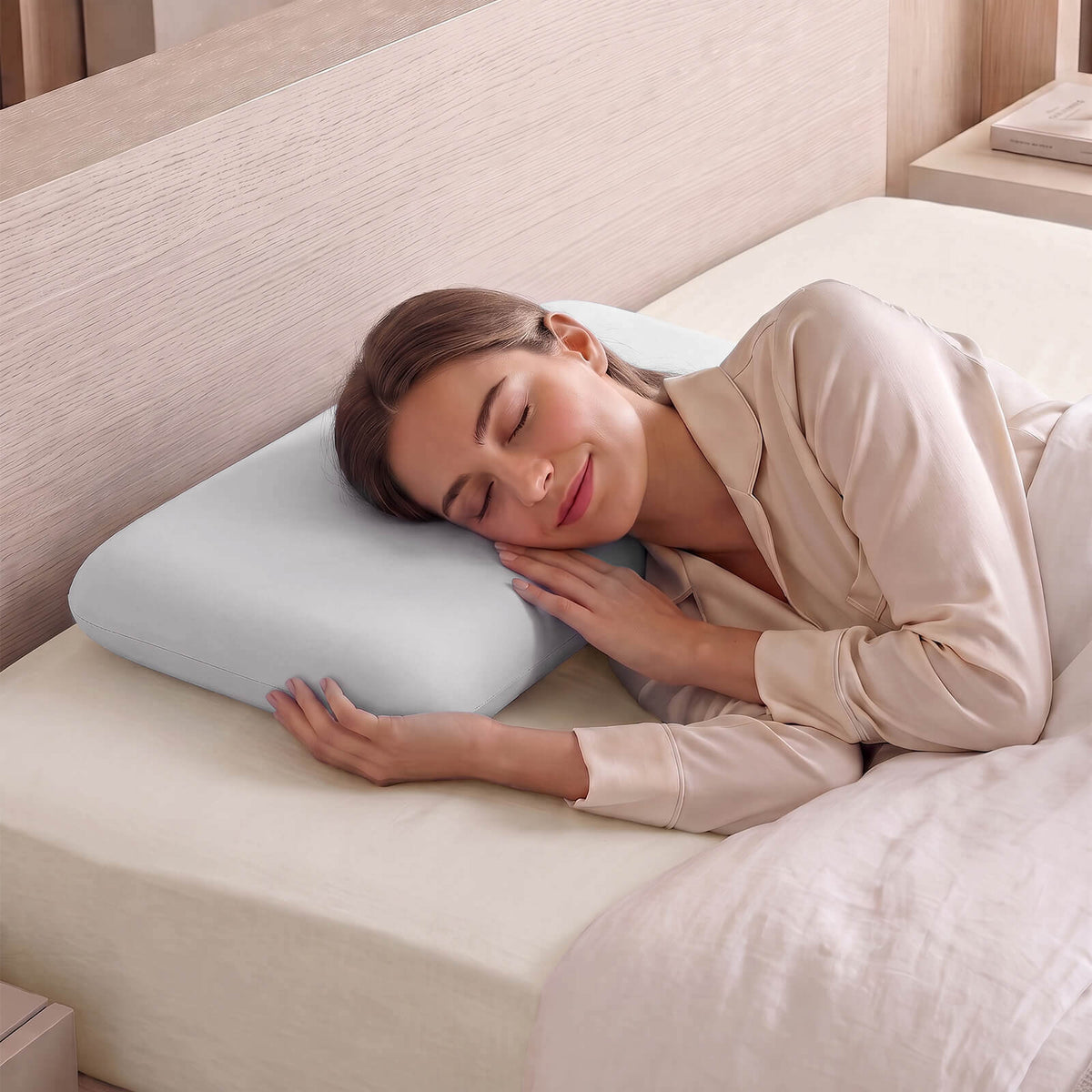
Side sleepers often need enough pillow height to fill the space between the head and shoulder comfortably. The right height depends on body shape, mattress firmness, and personal preference. Both memory foam and traditional pillows may be suitable if their design provides a comfortable fit.
How do I know when to replace my pillow?
Look for signs such as persistent flattening, uneven filling, damaged materials, or a loss of comfort that proper care cannot resolve. There is no single replacement cycle that applies to every pillow.
Summary
Memory foam and traditional pillows offer different approaches to comfort. Memory foam may appeal to people who prefer a more contouring, structured feel, while traditional pillows can be a good match for those who enjoy softness and flexibility.
The best pillow is not simply the one made from a particular material. It is the one whose height, feel, construction, and care requirements fit your needs.
At Sovenestia, The Dream Weaver, we believe thoughtful sleep essentials begin with thoughtful choices. Explore our pillow collection to compare designs, review product details, and find an option that feels right for your nightly routine.